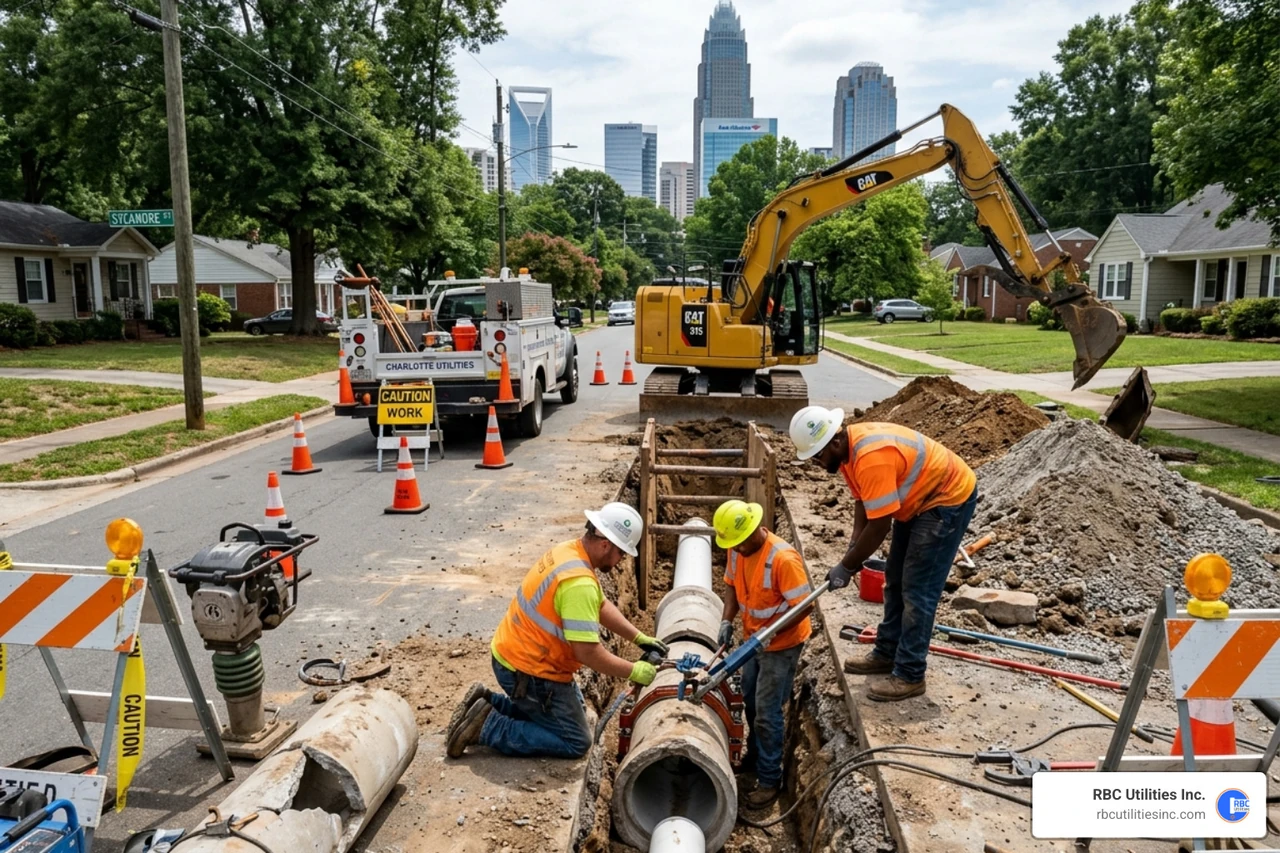
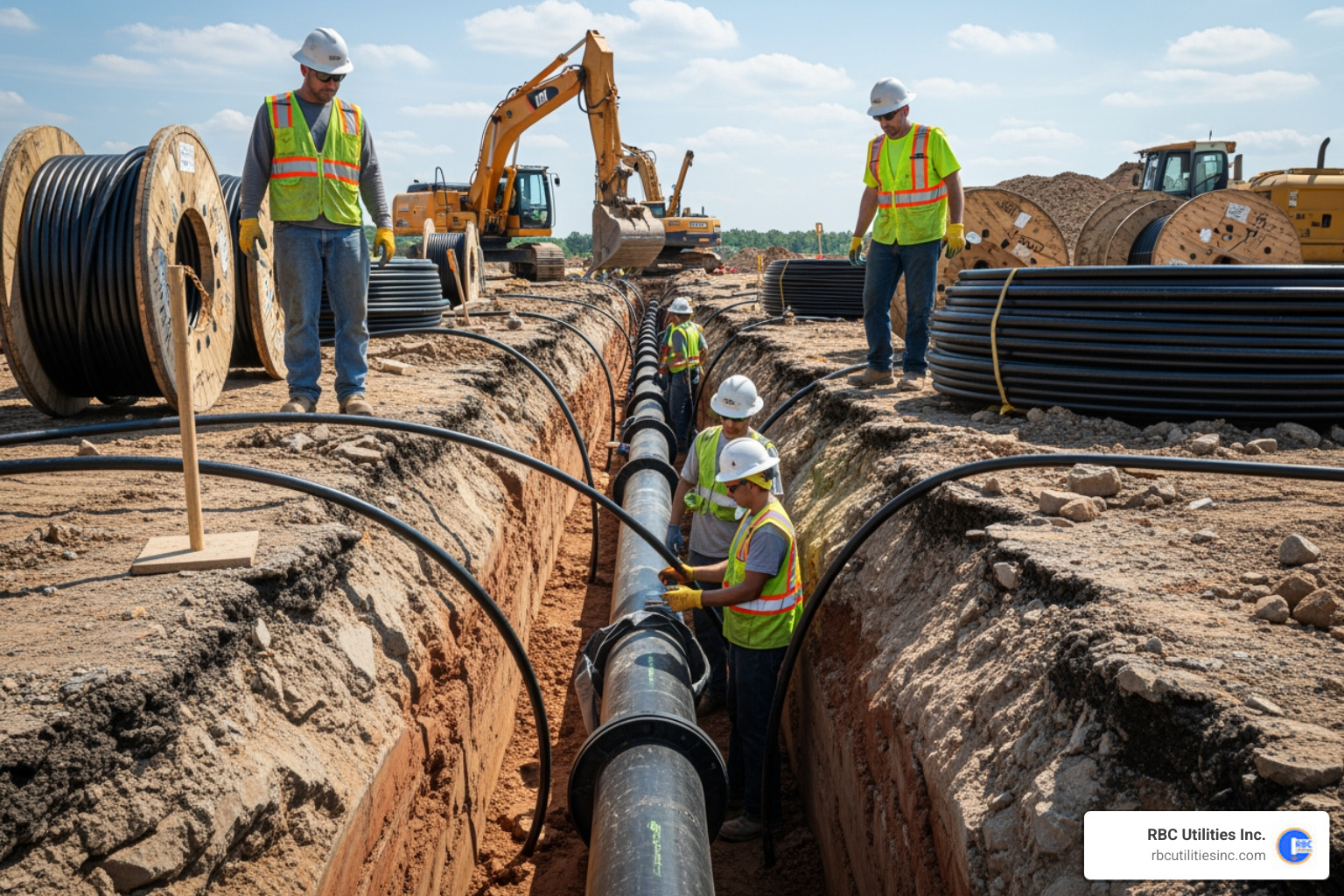
Reliability is a word every contractor claims and few can prove. On a tight schedule, the only proof that matters is whether the utility scope hits its inspection windows the first time, without becoming the reason paving, foundations, or turnover get pushed.
Some contractors get called back to fix work they didn't do right the first time. RBC Utilities has built its reputation across the Carolinas on being the crew a GC calls before that happens, not after, and that distinction shows up most clearly when the schedule has no slack left in it.
For a broader look at RBC's work, review RBC Utilities services, recent RBC Utilities projects, and this guide to what makes a true utility infrastructure contractor.
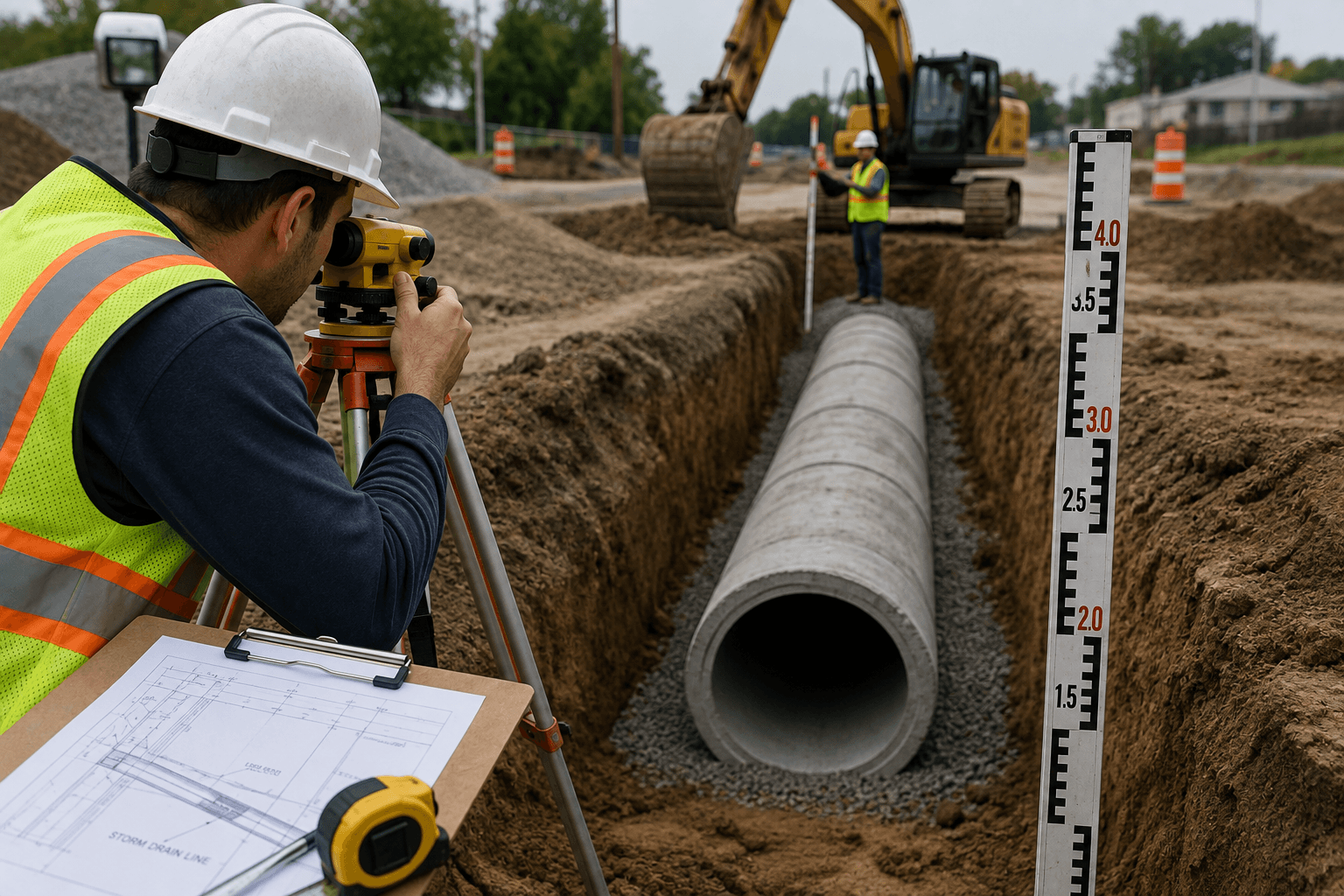
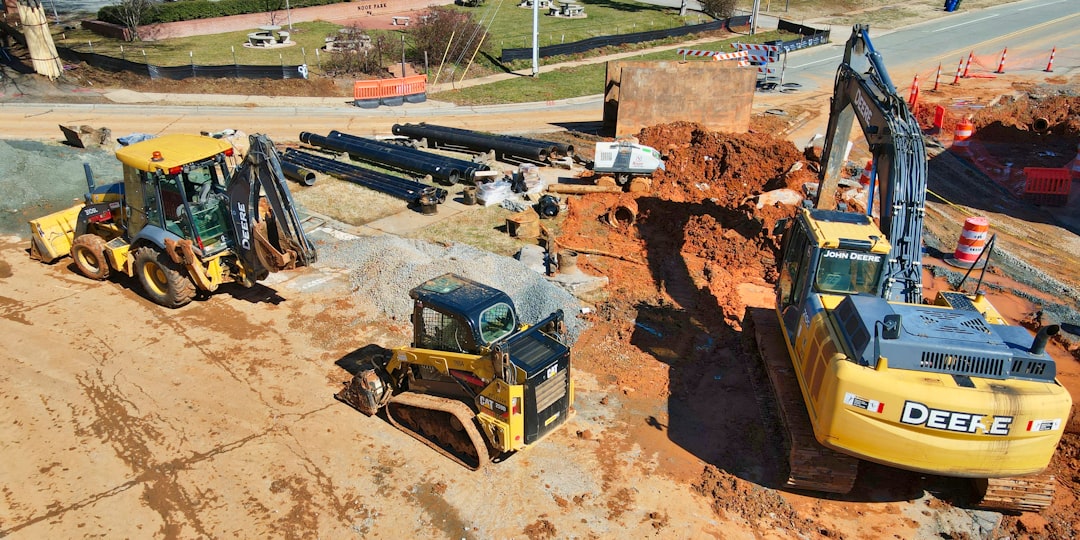
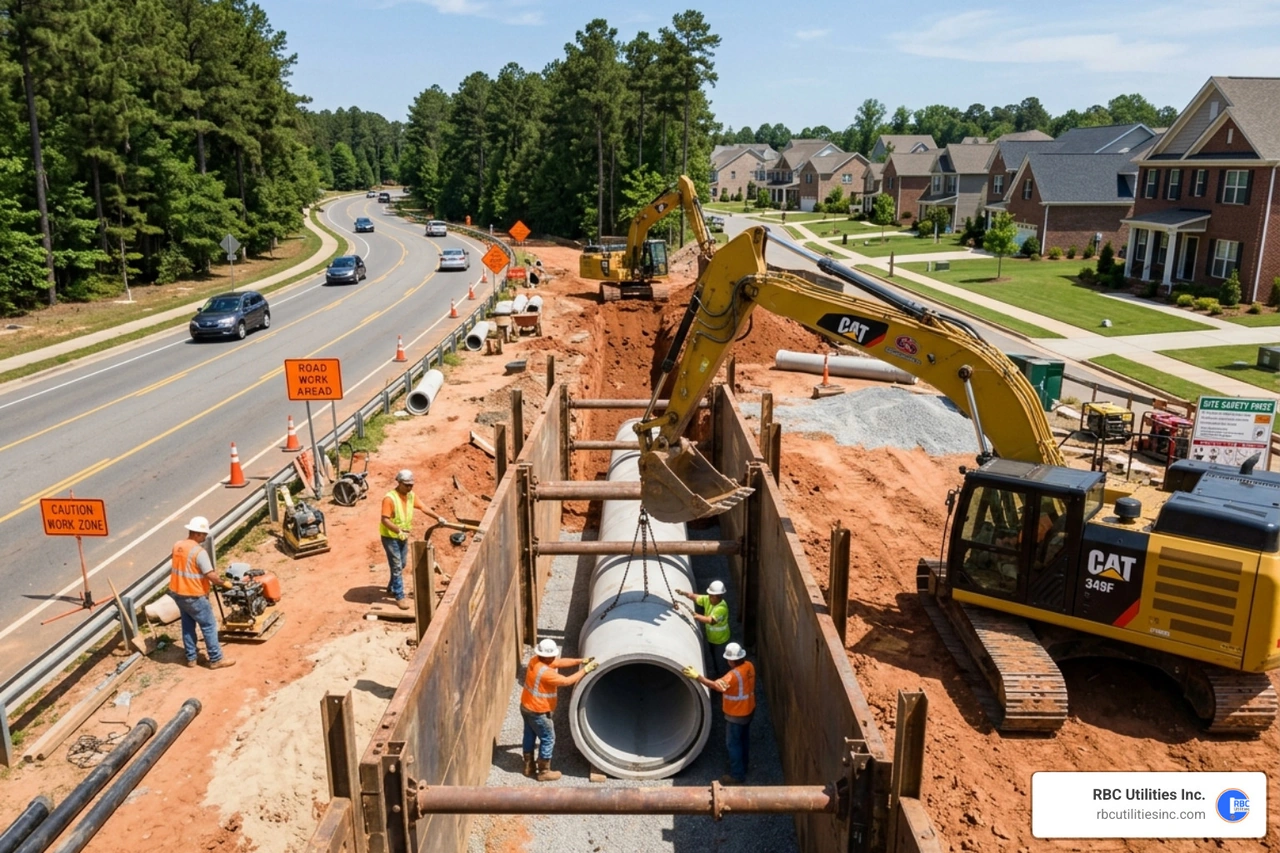
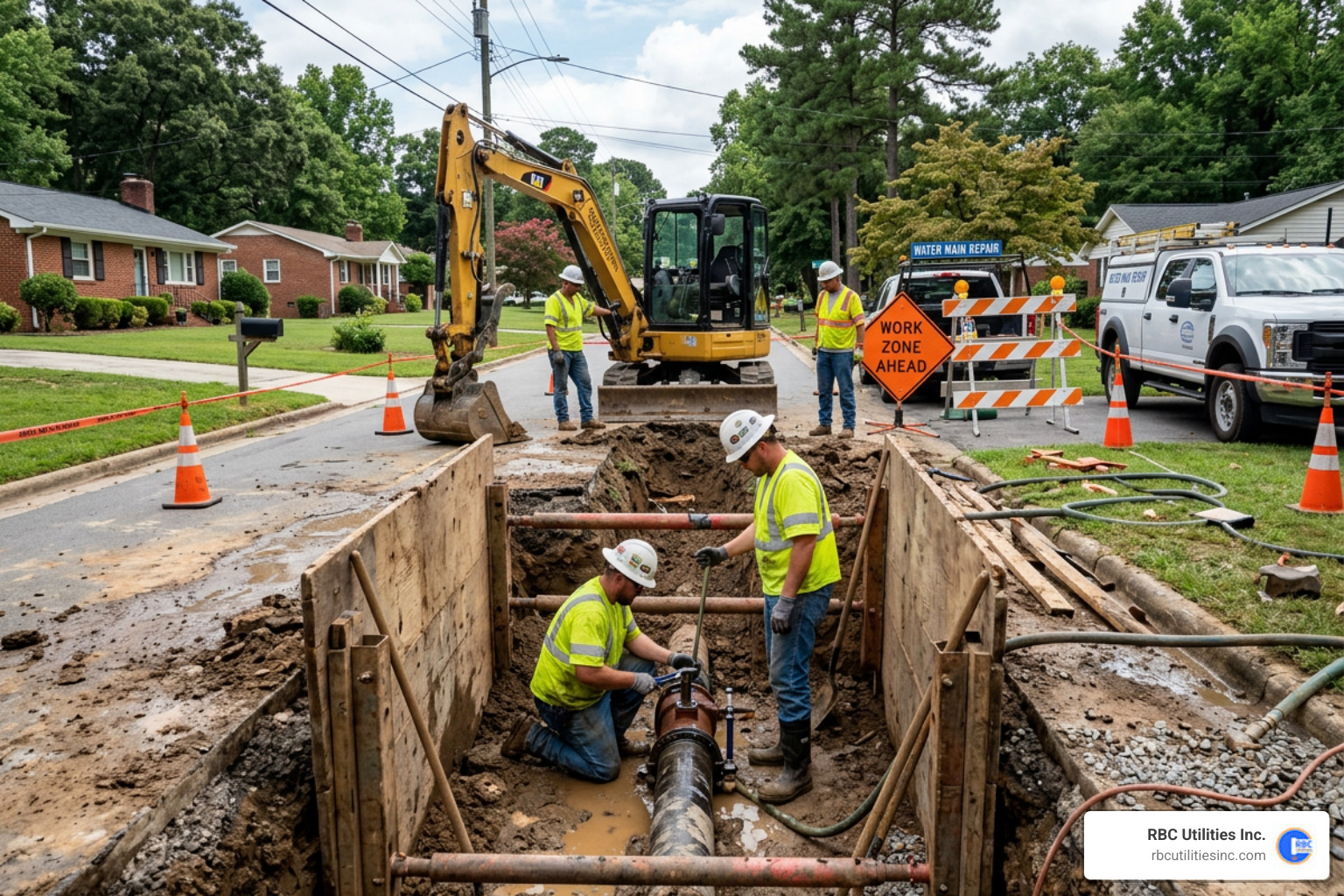
OSHA's trenching and excavation safety guidance is a useful baseline for any crew working underground on a compressed timeline, since safety shortcuts are usually what turn a tight schedule into a shut-down site.
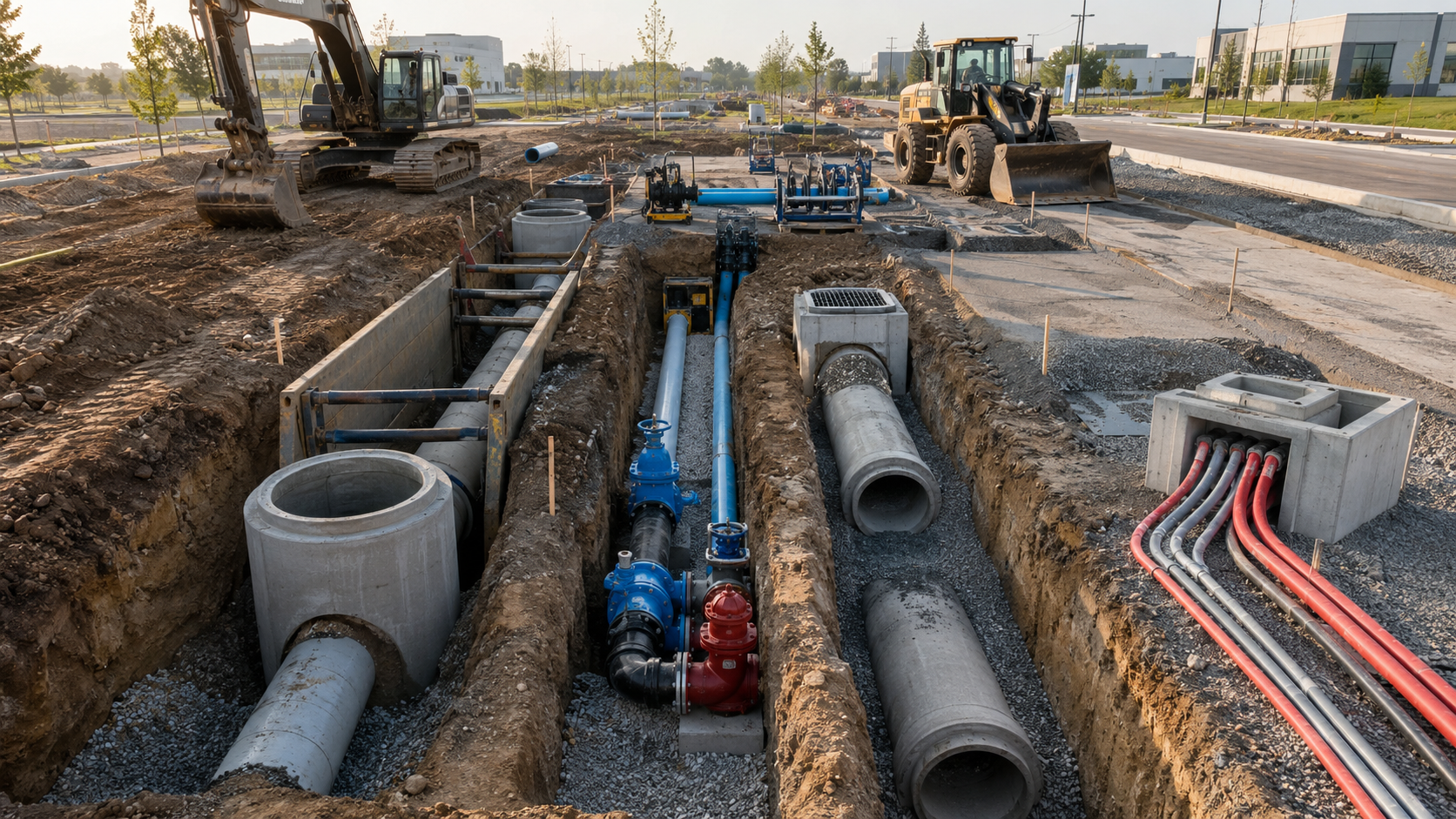
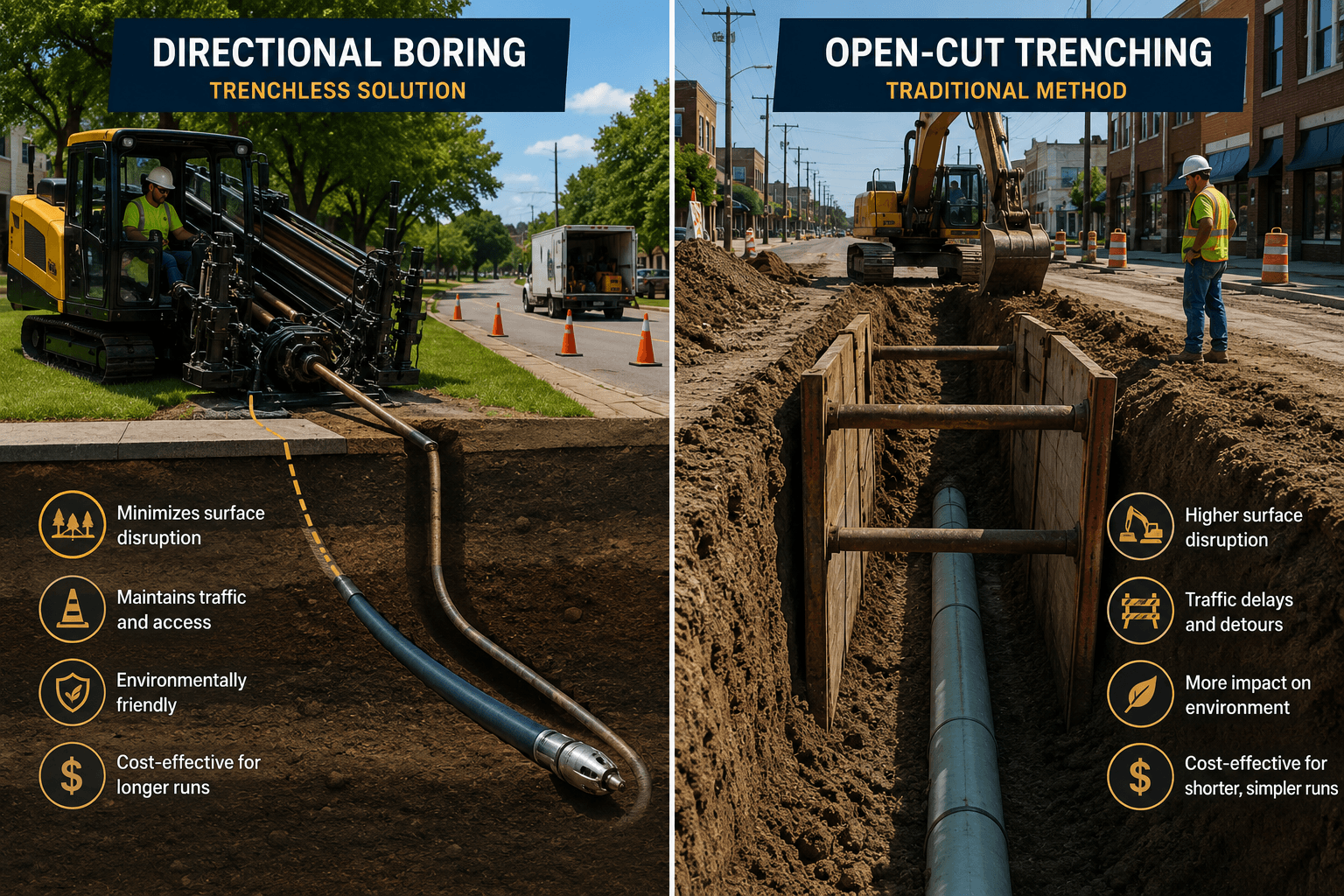
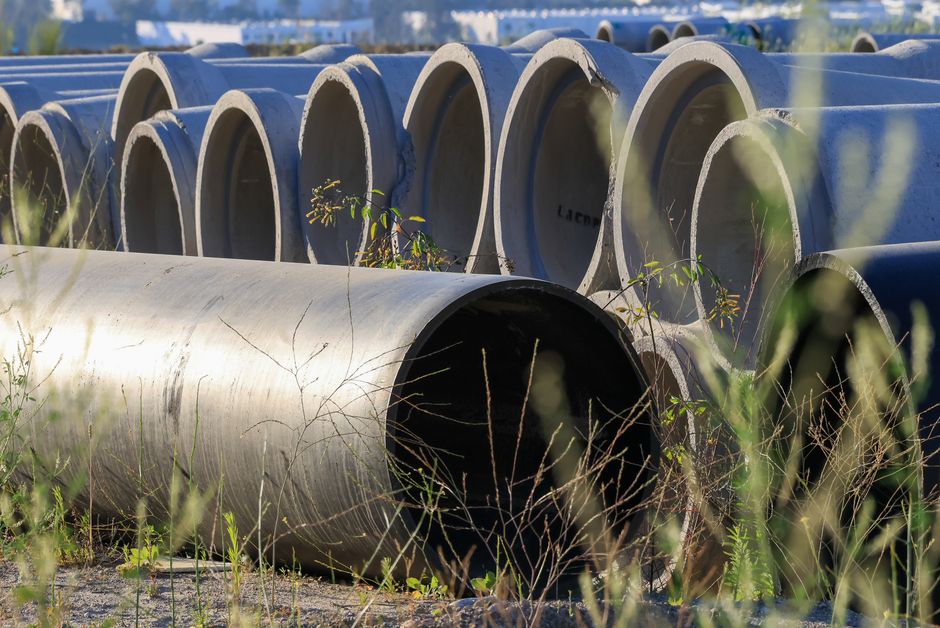
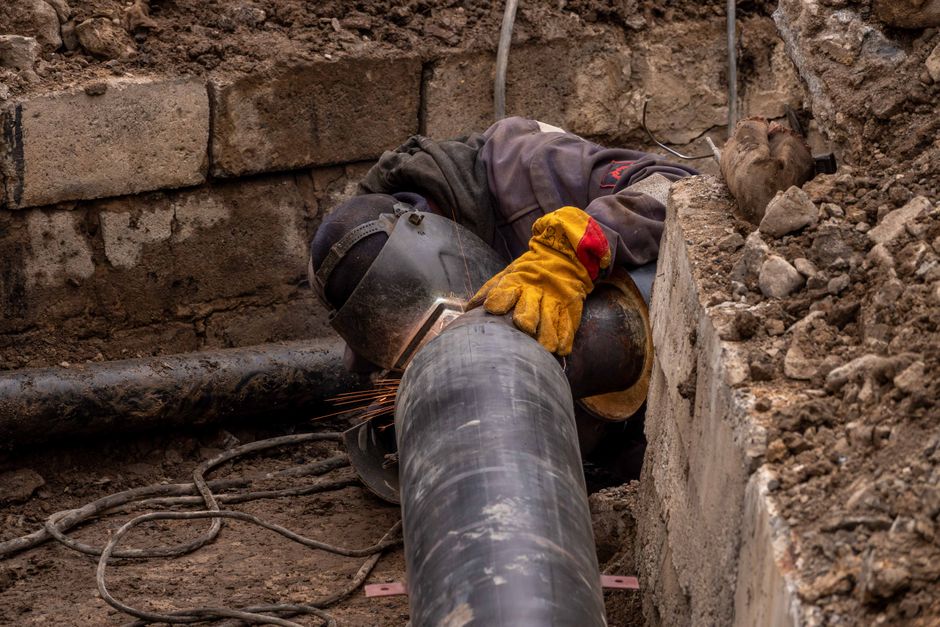
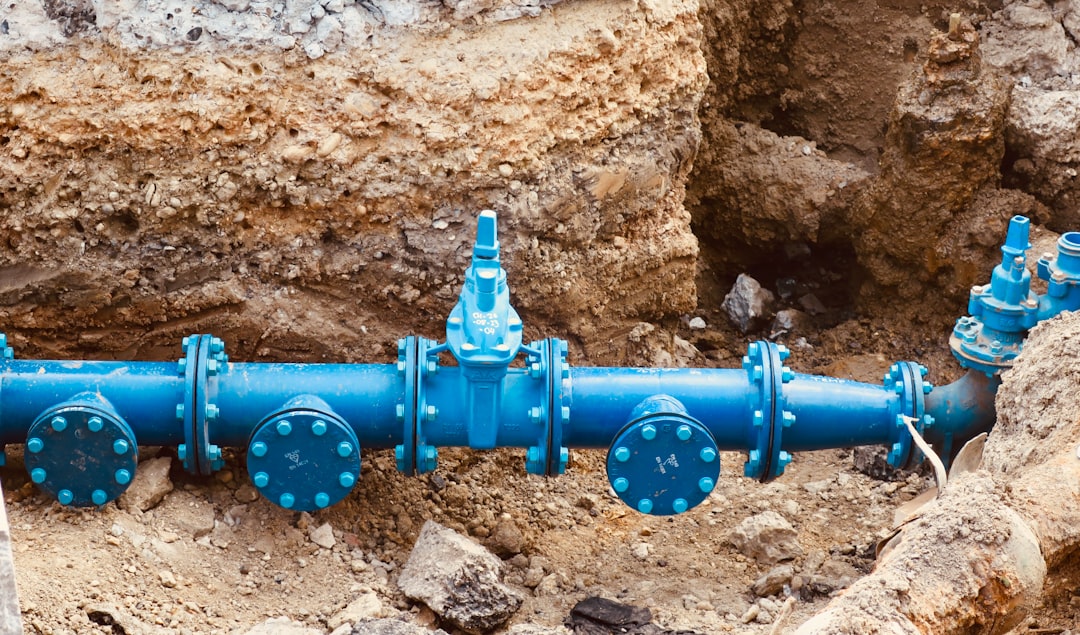
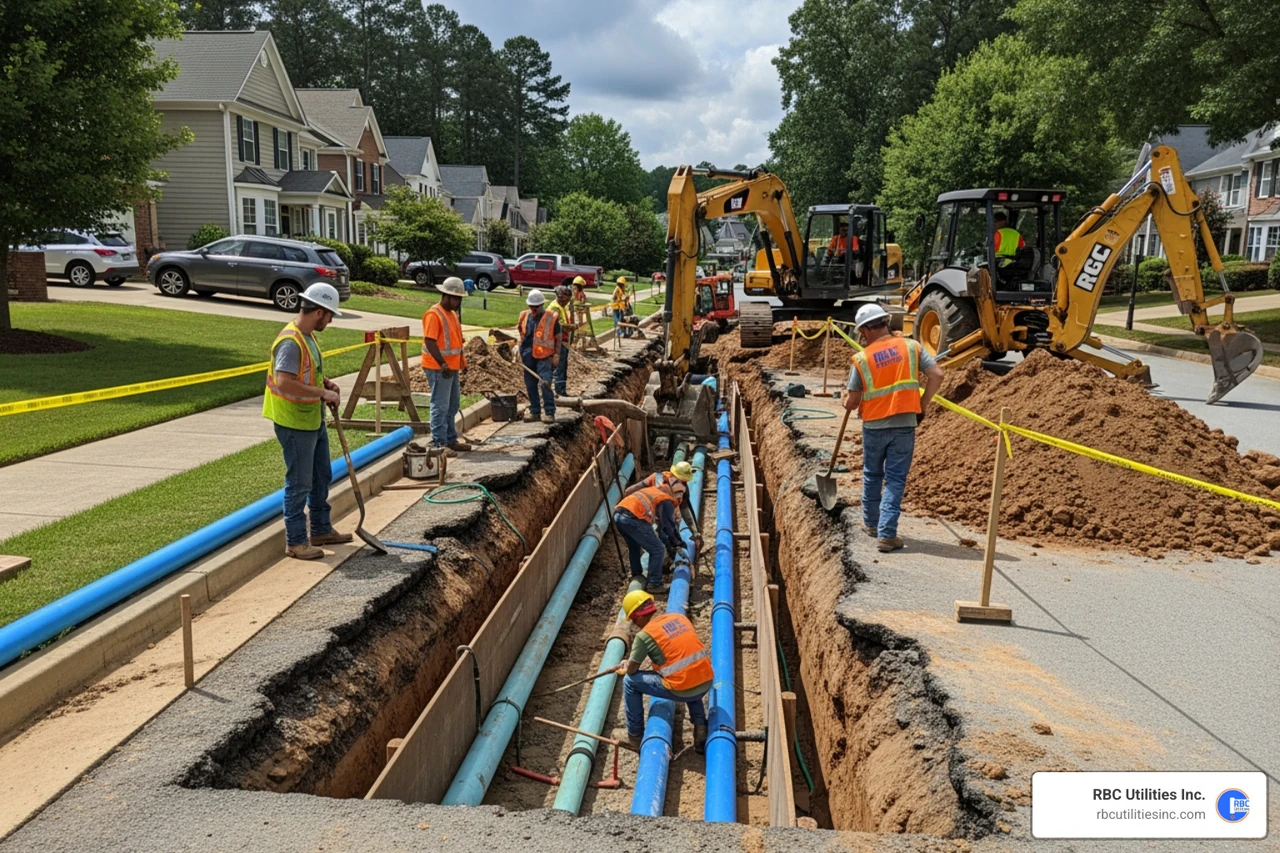
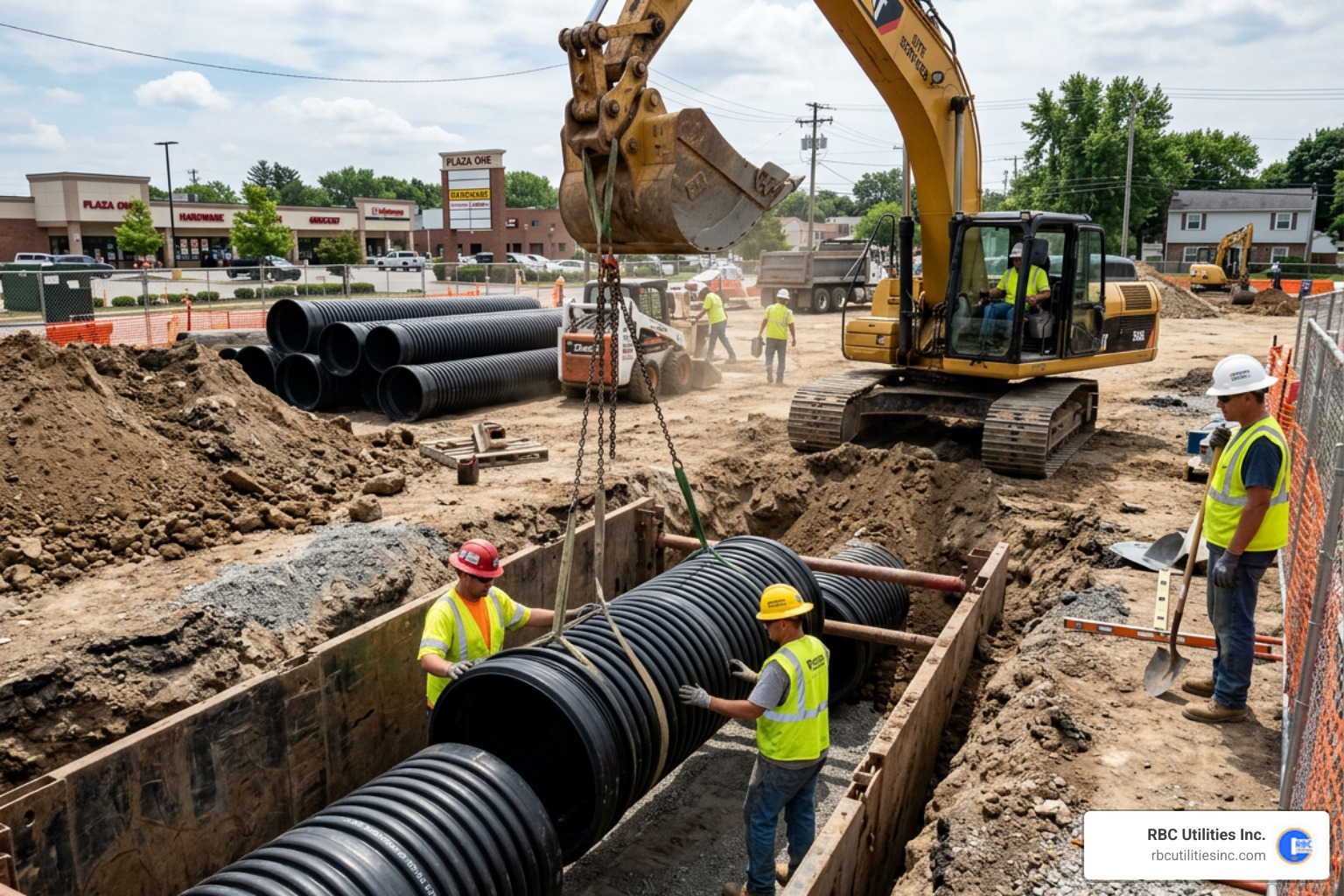
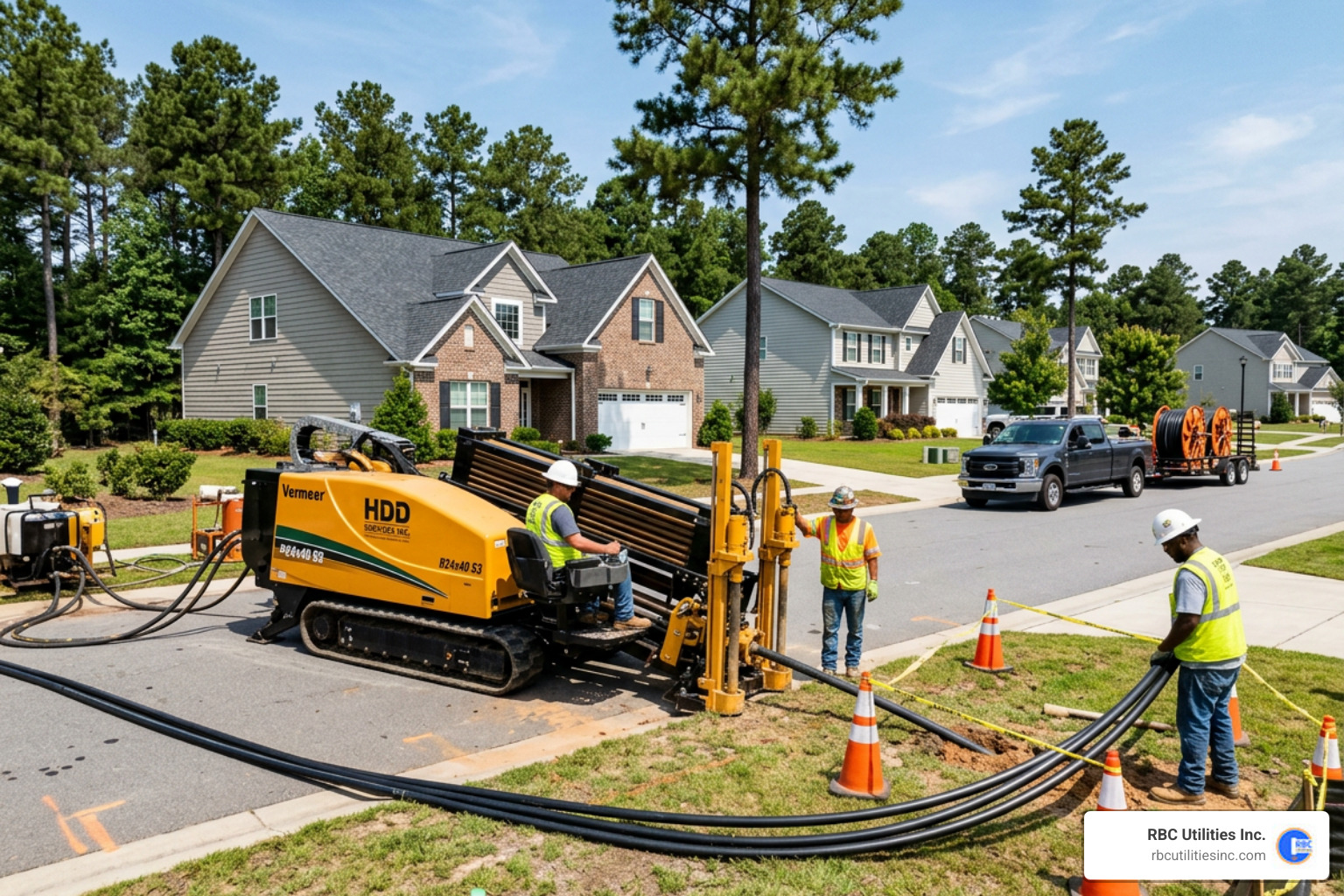
If method selection is part of the schedule risk, compare RBC's notes on directional boring vs. open-cut trenching, commercial conduit installation, and storm drain pipe installation.
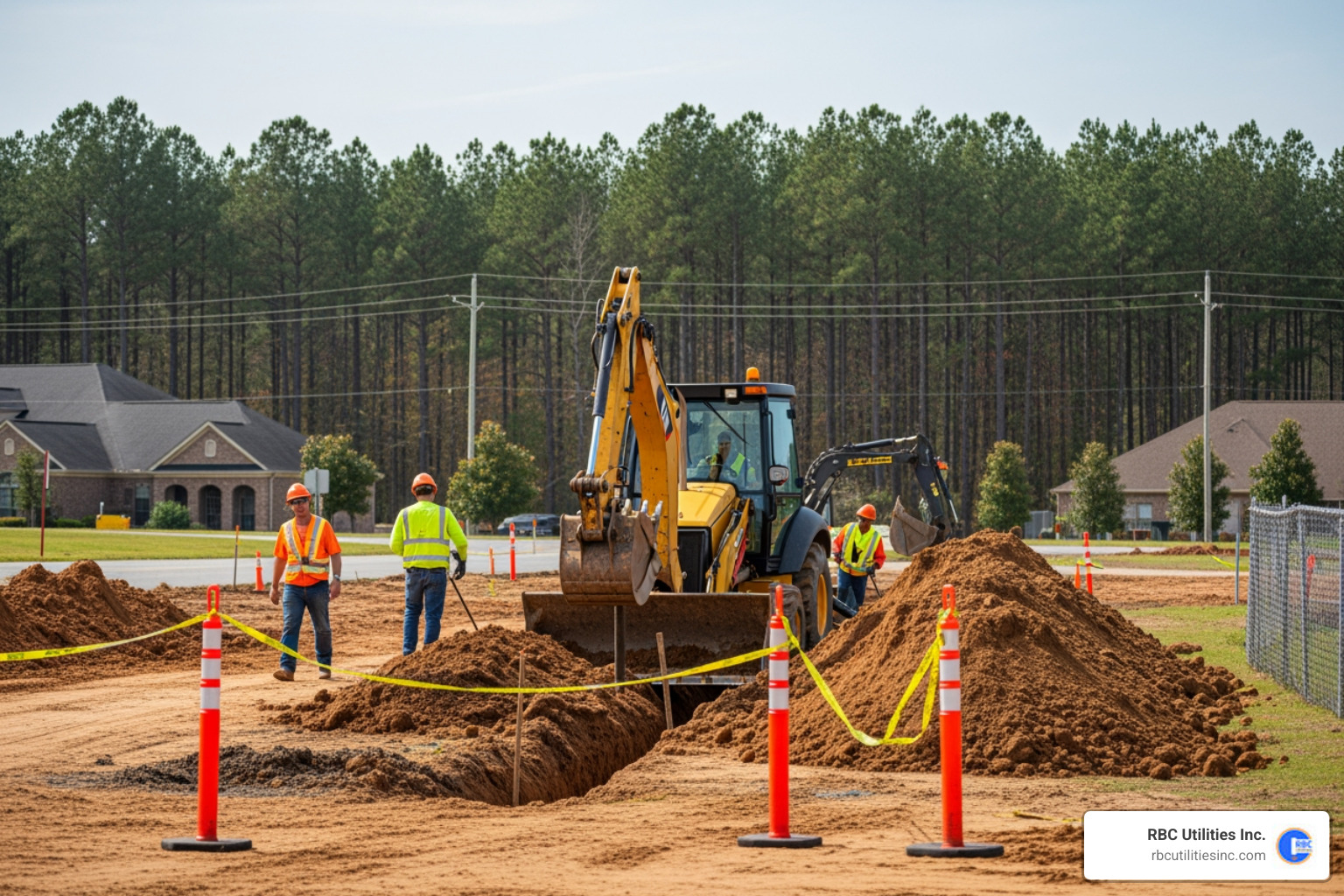
Early locates, a sequence built around real inspection windows, and a contractor who raises problems immediately instead of hoping they resolve themselves.
Not typically. A number that looks low because it excludes testing, restoration, or coordination work almost always costs more once the missing scope surfaces mid-project.
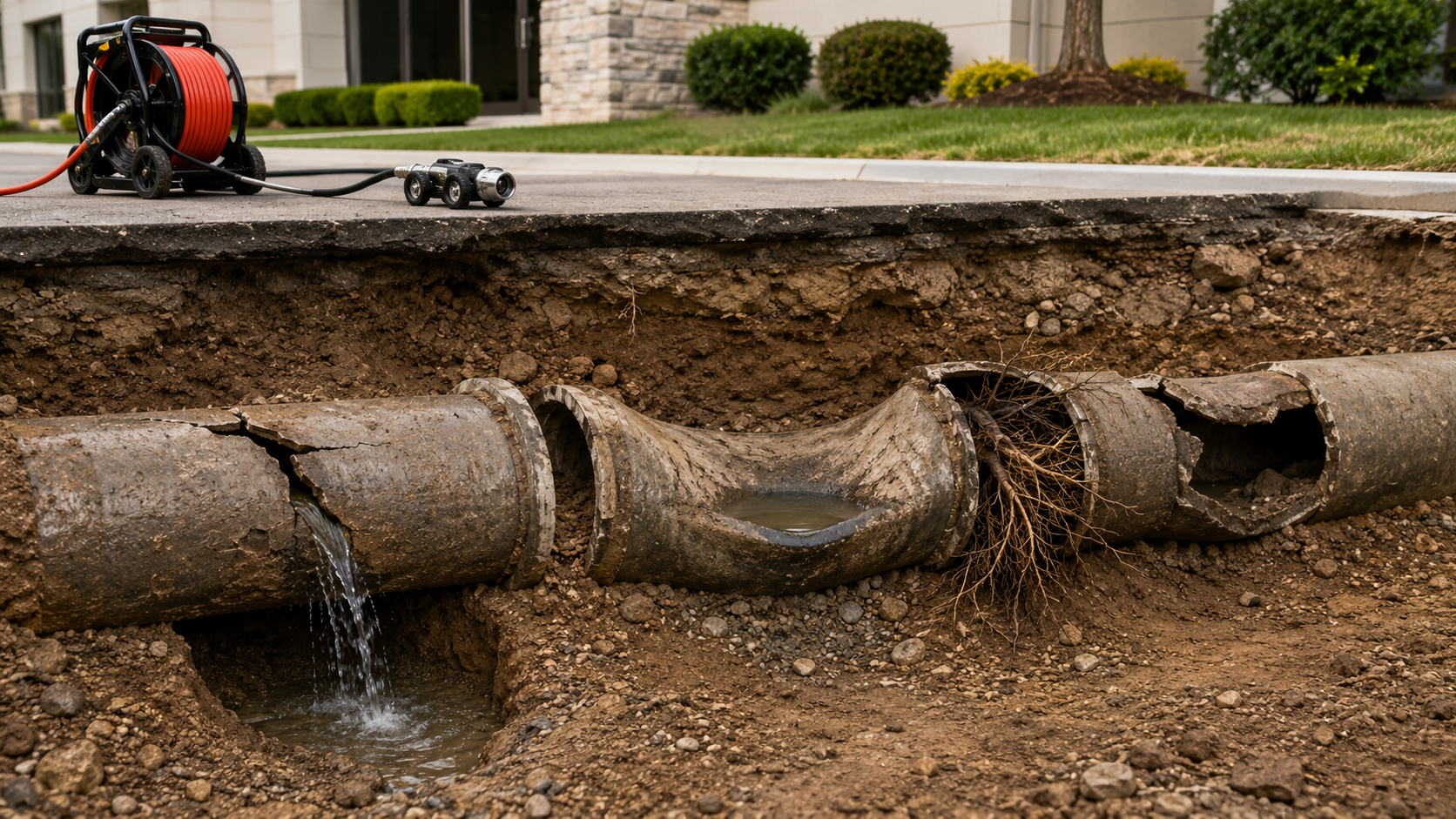
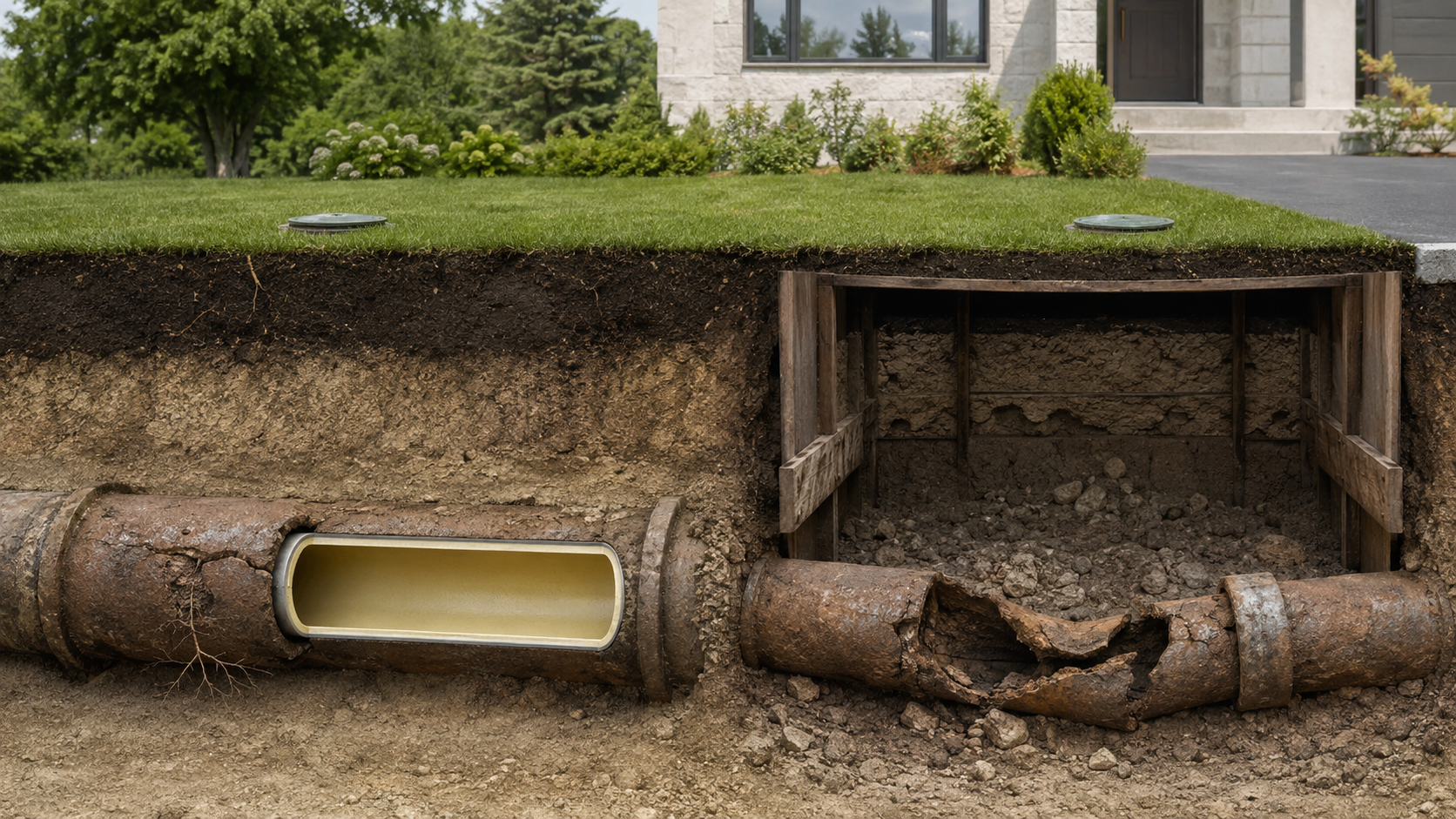
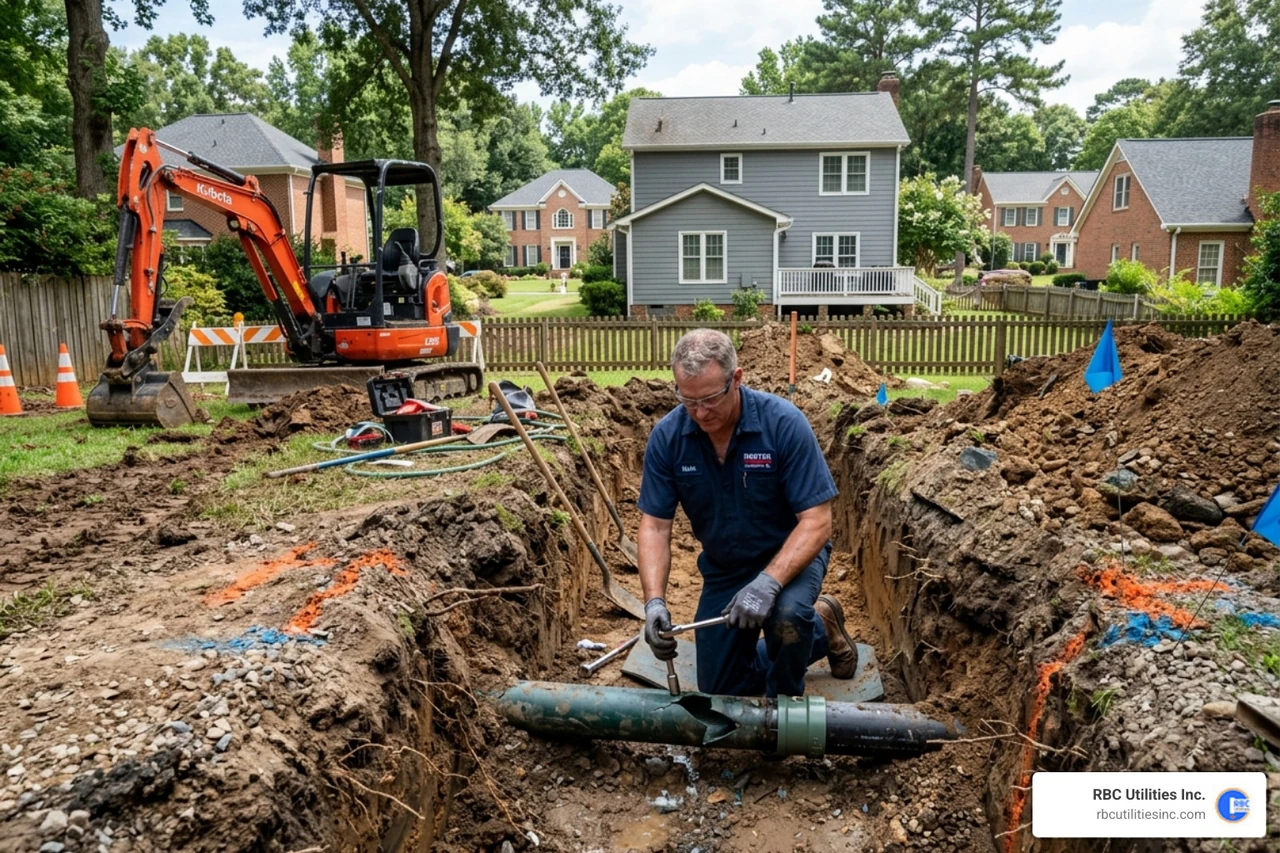
RBC Utilities is often the contractor GCs bring in after a previous crew's work didn't hold up to inspection. That rework reputation is exactly what a tight schedule can't afford to repeat, which is why the company builds every bid around getting it right the first time.
A reliable utility contractor on a tight schedule isn't the one who promises the fastest timeline. It's the one whose inspections pass on the first attempt and whose bids don't hide surprises for later.
RBC Utilities brings Carolinas experience and Saga-backed resources to projects where the schedule has no room for a second try. For project conversations, use the RBC Utilities contact page.
Part of Saga Infrastructure, protecting what others built and helping it grow.
Address: 4404 Stuart Andrew Blvd., Suite K, Charlotte, NC 28217
Email: info@rbcutilities.com
Phone: 803-913-9727
Service Area: North Carolina | South Carolina