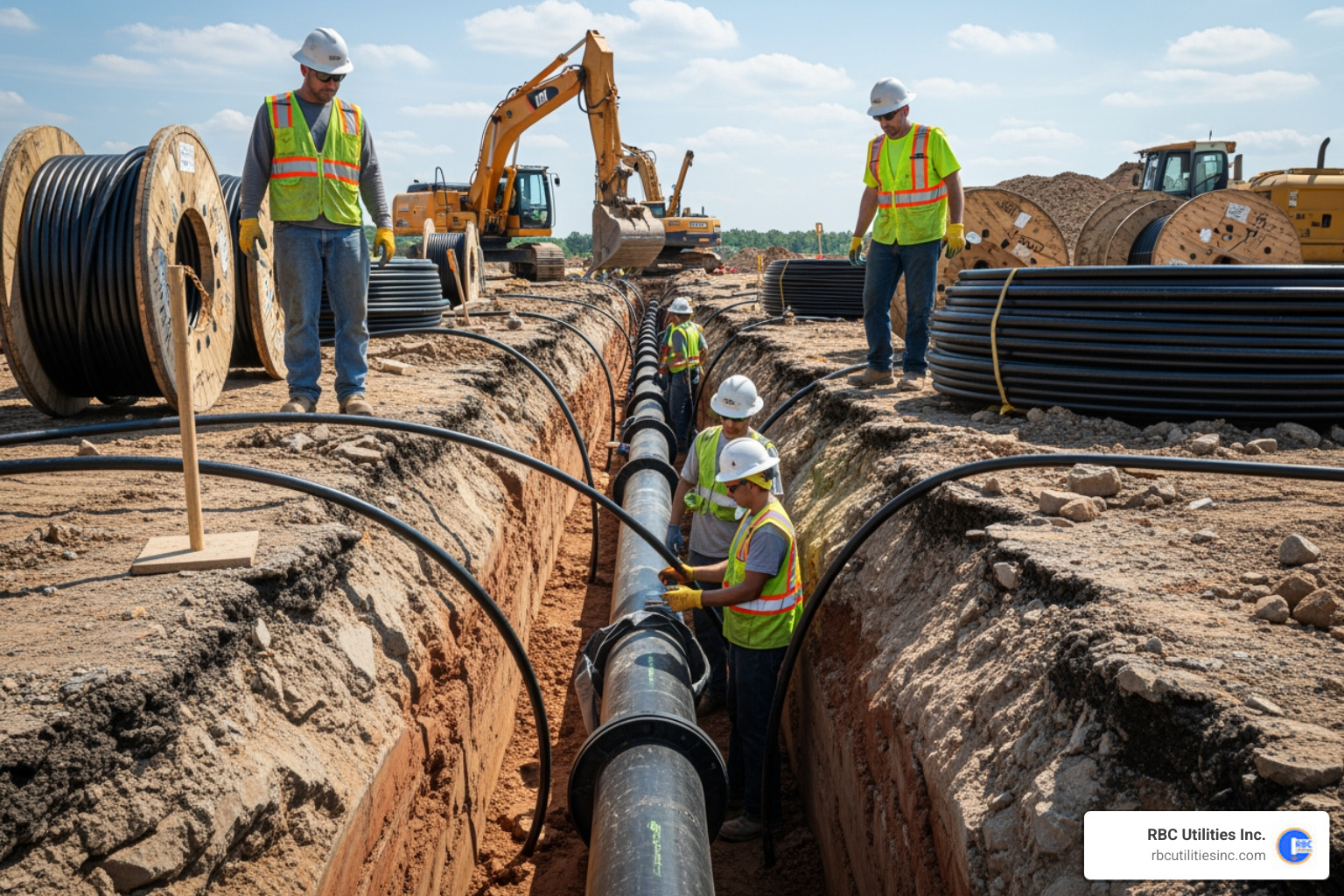
Managing heavy rainfall on a busy job site is a major headache, which is why green stormwater infrastructure has become a critical tool for developers across the Carolinas.
If you want to understand how these systems work and why they are replacing older drainage methods, here is a quick summary:
I'm Don Larsen, and I have spent years helping Carolinas developers safely install and coordinate complex underground utility projects, including modern green stormwater infrastructure. In this guide, I will show you how these natural systems protect your job site, satisfy local stormwater rules, and add long-term value to your next build.
Green stormwater infrastructure word list:
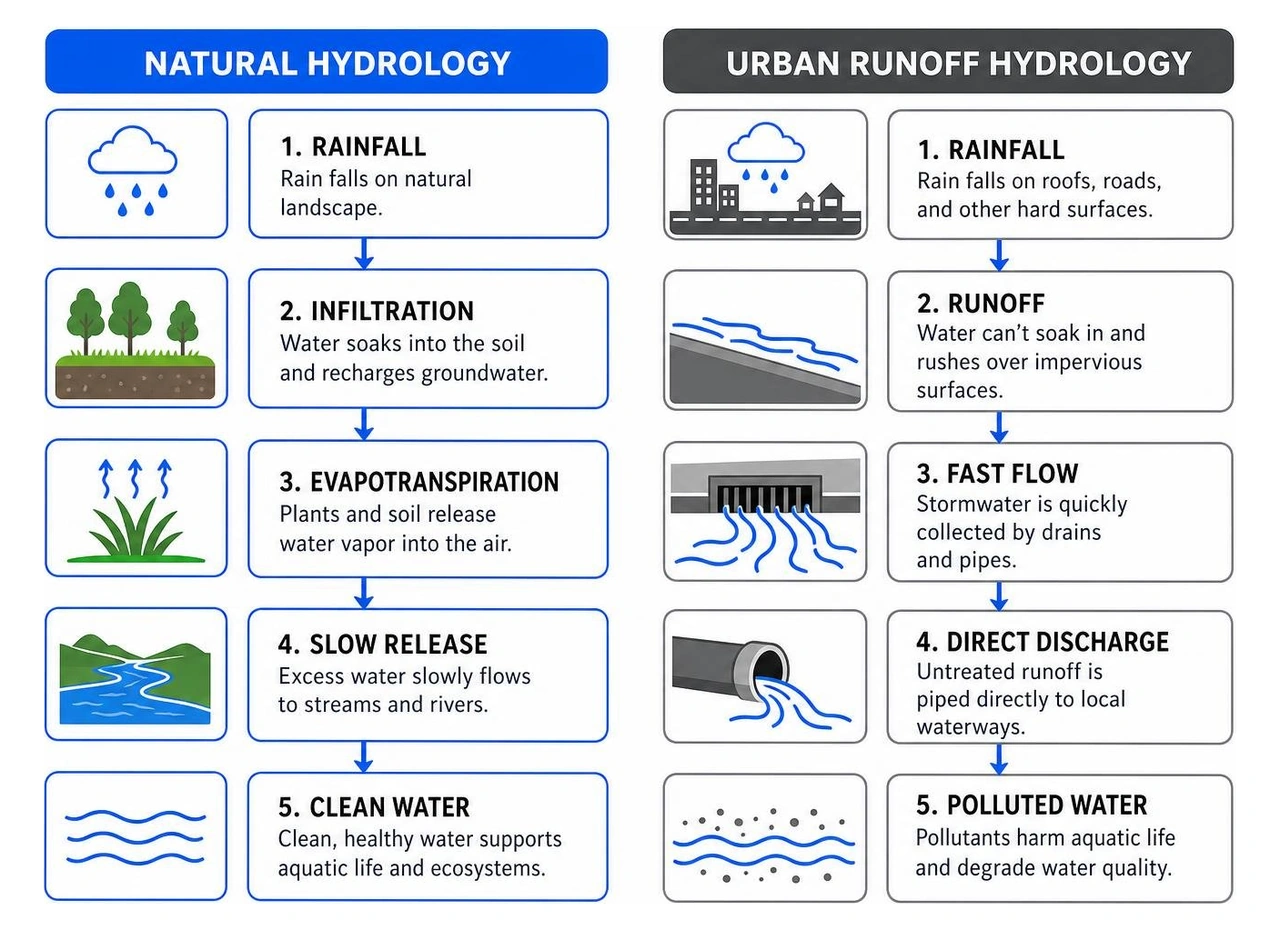
When rain falls on an untouched forest or meadow, the ground acts like a giant sponge. Most of the water soaks directly into the soil, feeding tree roots and slowly recharging underground aquifers. But when we build cities, we cover that natural sponge with hard, impervious surfaces like roofs, roads, parking lots, and driveways.
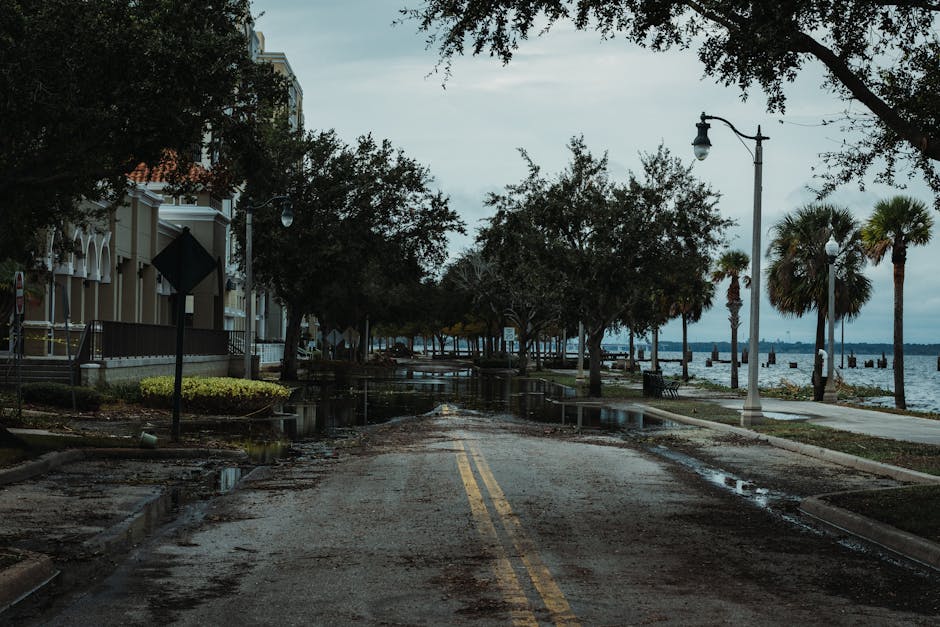
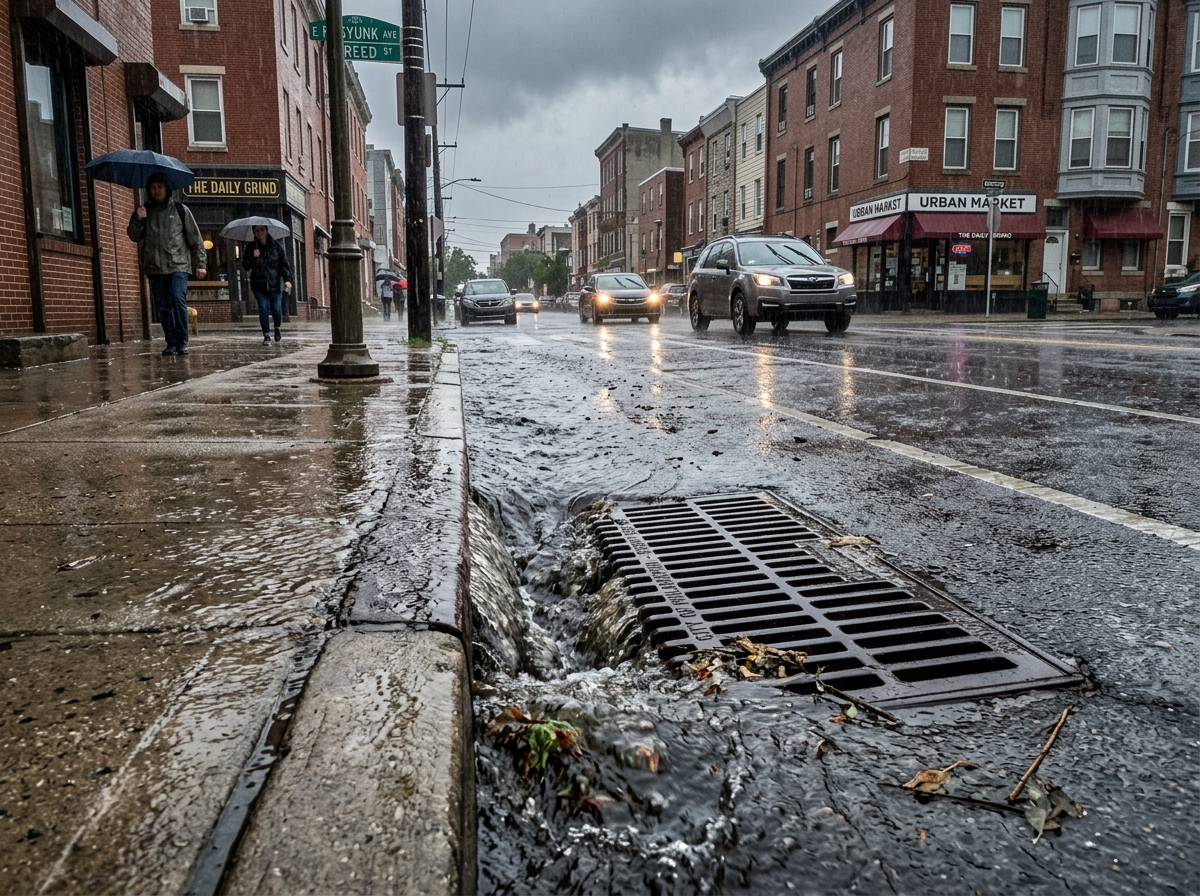
Instead of soaking in, rainwater rushes across these hard surfaces, picking up motor oil, fertilizers, trash, and sediment. This fast-moving water creates a double-whammy: it floods our neighborhoods and dumps untreated pollution directly into our local creeks and rivers.
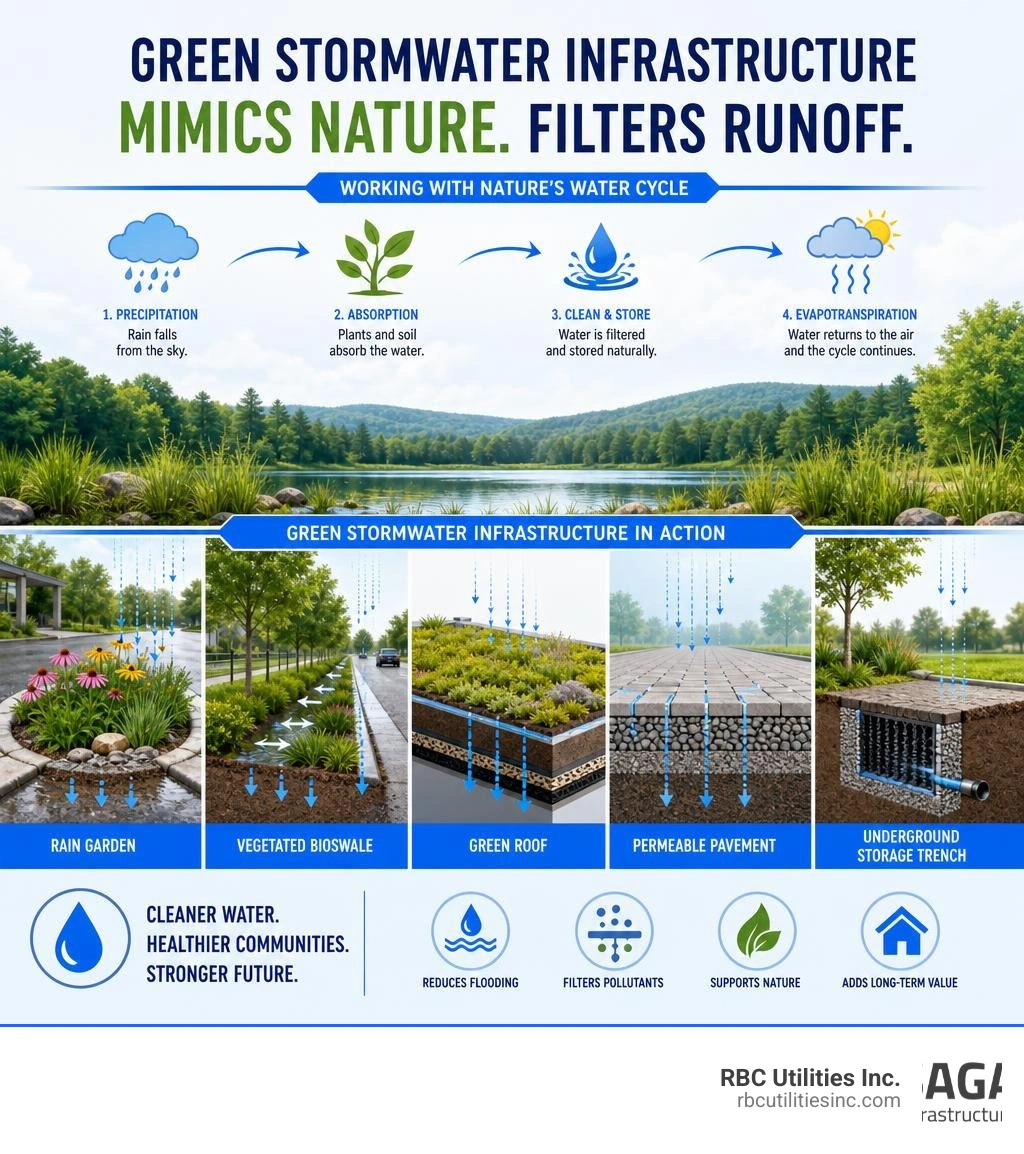
That is where green stormwater infrastructure (GSI) comes in. At its core, GSI is a collection of soil-water-plant systems designed to intercept, infiltrate, evaporate, and slowly release stormwater. Rather than treating rainwater as a waste product to be piped away as quickly as possible, GSI treats rain as a valuable resource to be managed where it lands.
By utilizing engineered soil media, gravel layers, and hardy native vegetation, we can restore natural hydrology to urban areas. If you want to dive deeper into the basic definitions and engineering behind these systems, check out our comprehensive What Is Green Stormwater Infrastructure Guide.
To build highly effective GSI, we must understand how soil and water interact. Different regions require different approaches. For instance, the Green Infrastructure and Green Stormwater Infrastructure | Minnesota Stormwater Manual highlights how northern states manage freeze-thaw cycles, whereas here in the Carolinas, we must design systems that can handle both our intense, humid summer downpours and our dense Piedmont clay soils.
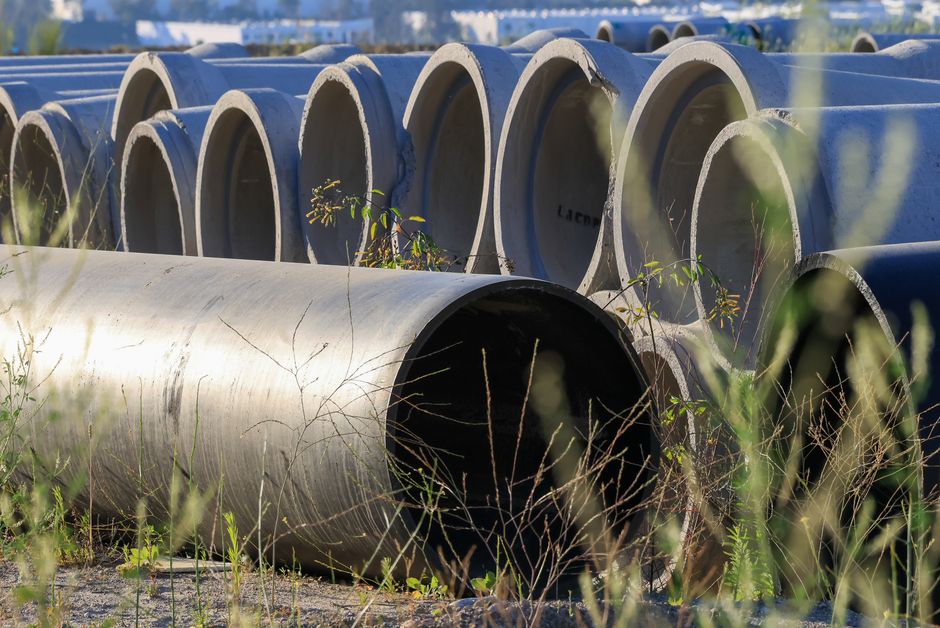
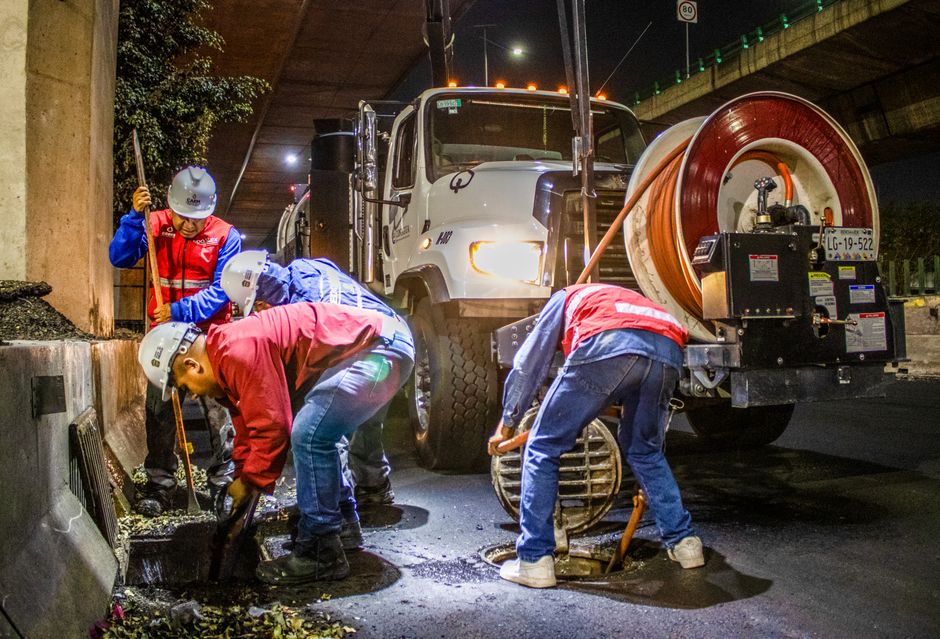
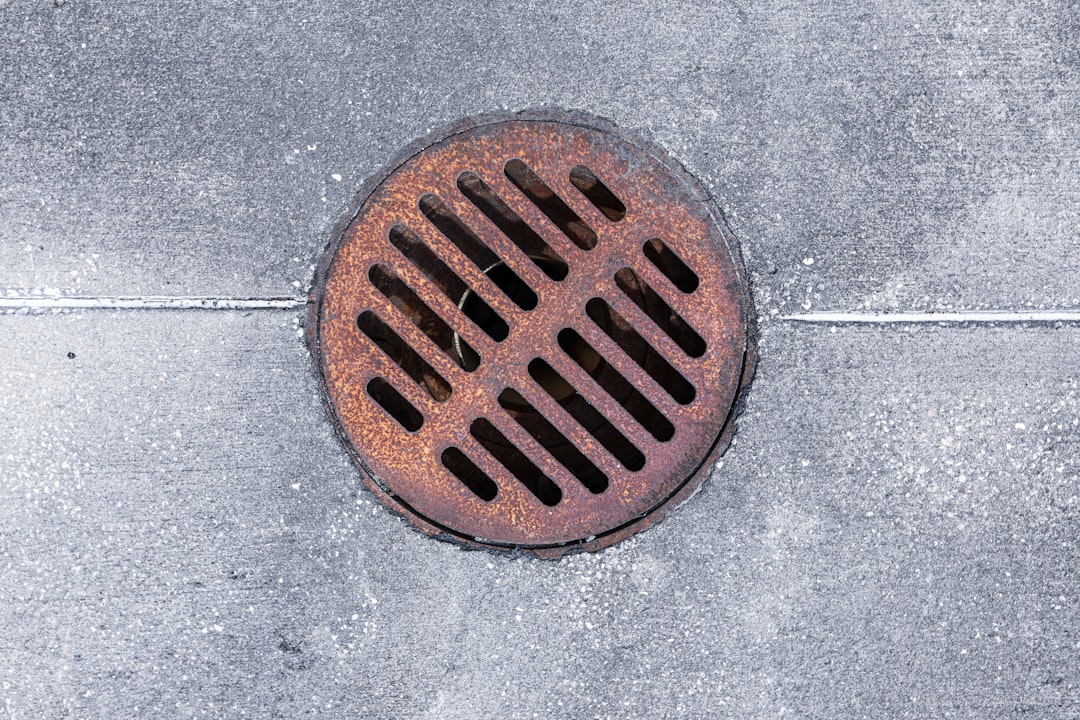
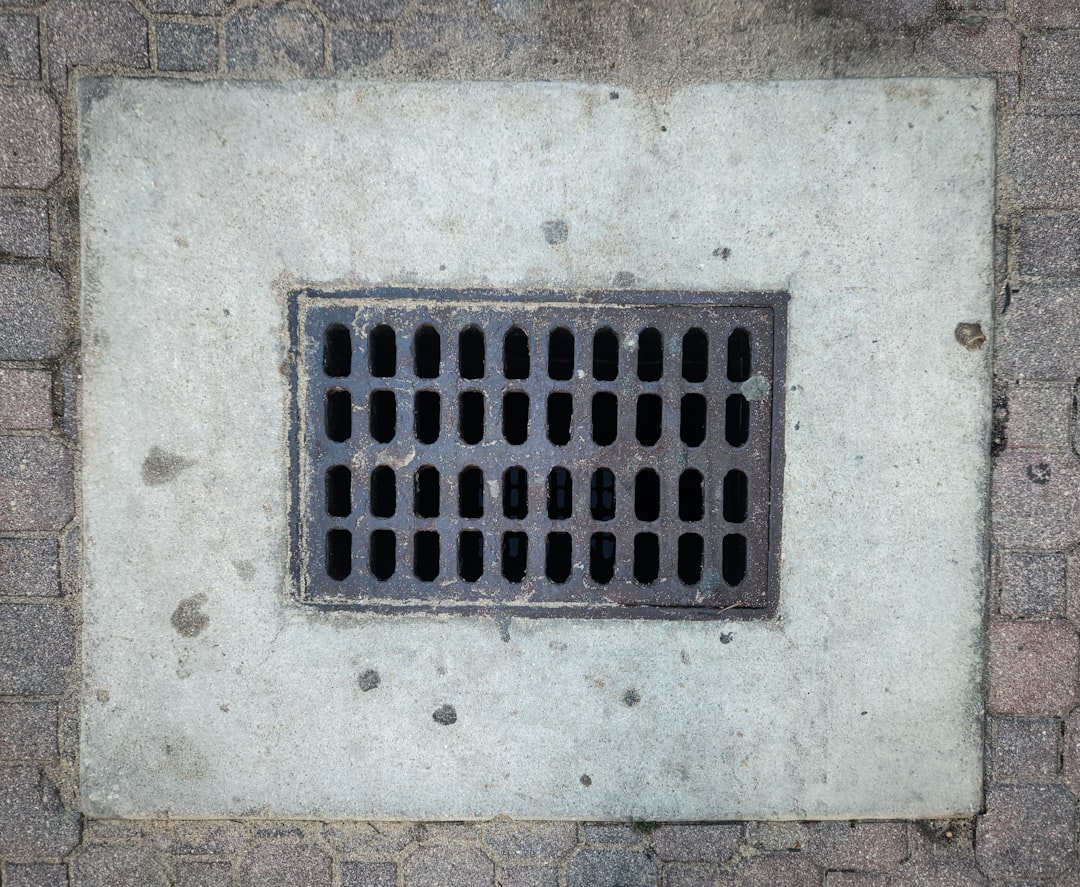
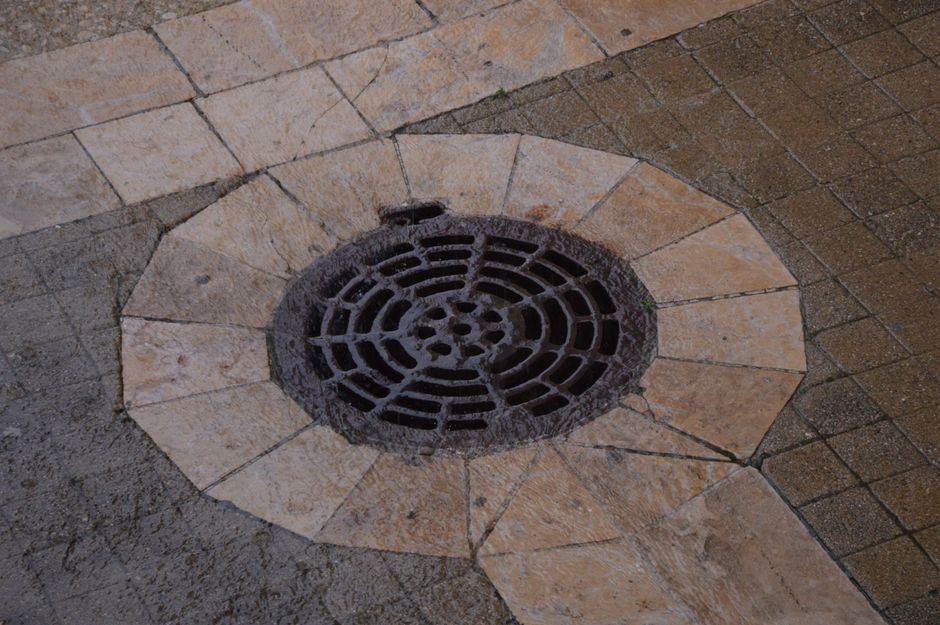
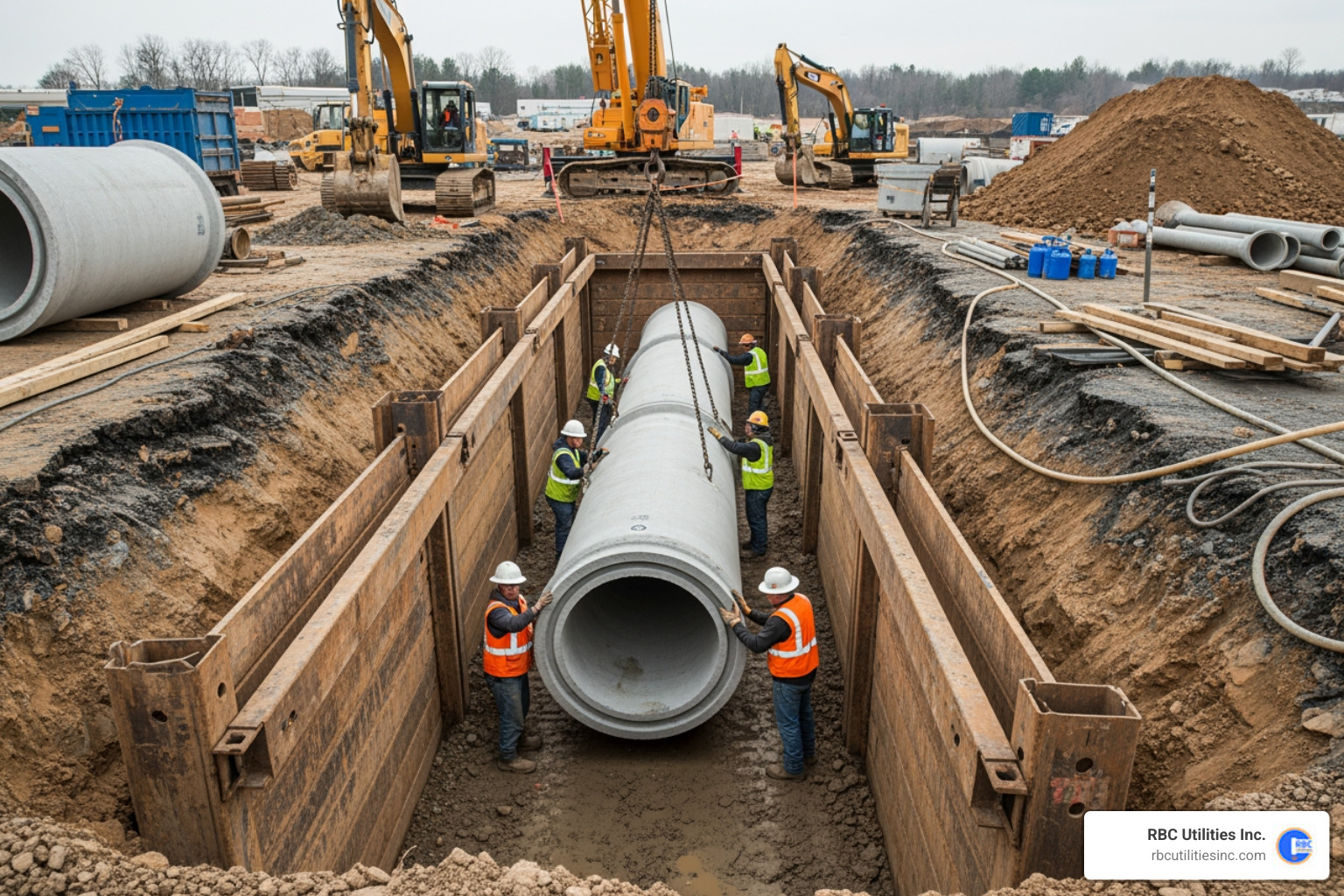
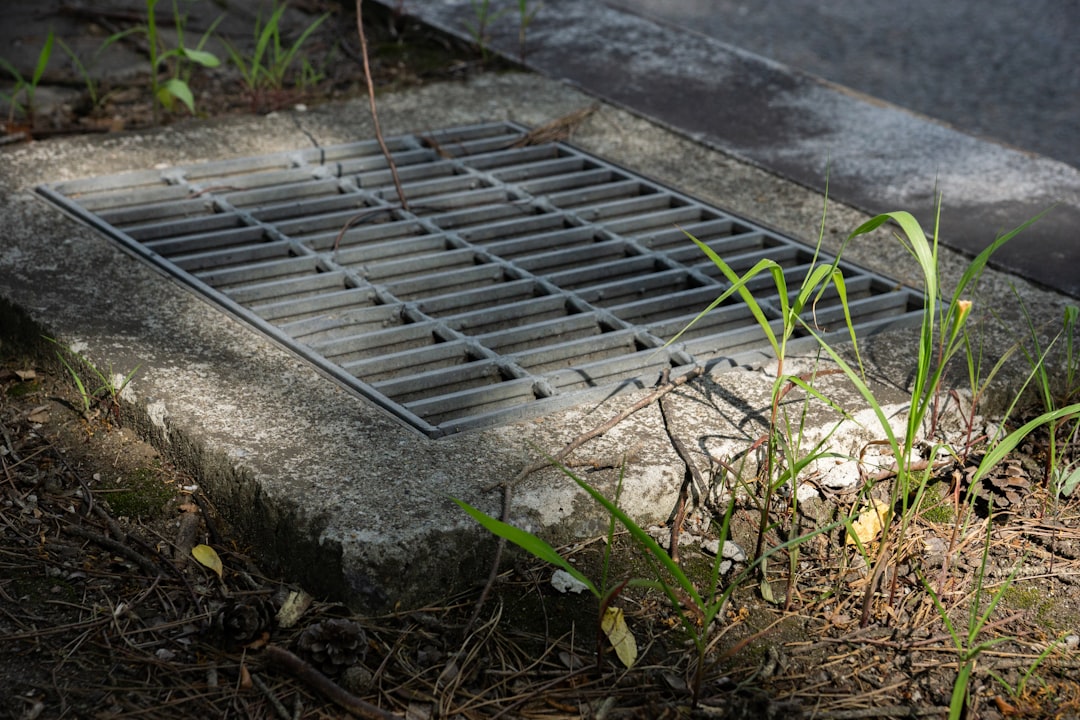
For over a century, municipal engineers relied almost exclusively on "gray" infrastructure. This conventional approach uses catch basins, concrete curbs, storm drains, and massive underground concrete pipes to collect runoff and send it downstream. To understand how these classic networks are built, you can read our guide on Stormwater Infrastructure.
While gray infrastructure is highly effective at moving water away from streets quickly, it does not clean the water, and it can actually worsen downstream flooding by dumping massive volumes of water into creeks all at once. GSI, on the other hand, works alongside or in place of these systems to manage water at the source.
Here is a breakdown of the key differences between gray and green infrastructure systems:
Implementing GSI brings a wide range of "co-benefits" that extend far beyond water management. These systems are highly visible, nature-based assets that transform how our communities look and feel.
First, GSI is a cornerstone of climate resilience. As extreme weather events become more frequent and severe in North and South Carolina, GSI helps our cities absorb heavy rainfall, reducing nuisance street flooding. Furthermore, because plants naturally release water vapor through a process called evapotranspiration, green installations act as natural air conditioners, mitigating the "urban heat island" effect that makes paved commercial districts scorching hot in July.
Second, these systems create critical urban habitats. By planting native grasses, shrubs, and pollinator-friendly perennials, we can establish pocket sanctuaries for birds, butterflies, and beneficial insects right in the middle of our parking lots and streetscapes.
Finally, GSI improves community aesthetics, air quality, and mental well-being. Tree-lined streets with integrated rain gardens slow down traffic, make walking more enjoyable, and clean the air by trapping particulate matter. In short, when we build green infrastructure, we aren't just managing water—we are building more inviting, vibrant neighborhoods.
There is no one-size-fits-all solution when it comes to GSI. Depending on the space available, soil conditions, and the specific runoff problems on a property, we can select from a diverse toolkit of practices.
Often, the most resilient developments combine multiple techniques to create a cohesive treatment train. For example, a commercial site might collect roof runoff in a rainwater harvesting system, direct parking lot runoff through permeable pavement, and route any overflow into a engineered bioretention cell. To see how these surface features connect to subsurface systems, read about our work with Storm Water Detention Systems.
Vegetative systems are the most visible forms of GSI. They rely heavily on the natural filtering power of plants and engineered soil mixes (usually a precise blend of sand, compost, and soil) to process water.
When surface space is limited, or when we need to maintain hard surfaces for driving and walking, we turn to subsurface and pavement-based GSI.
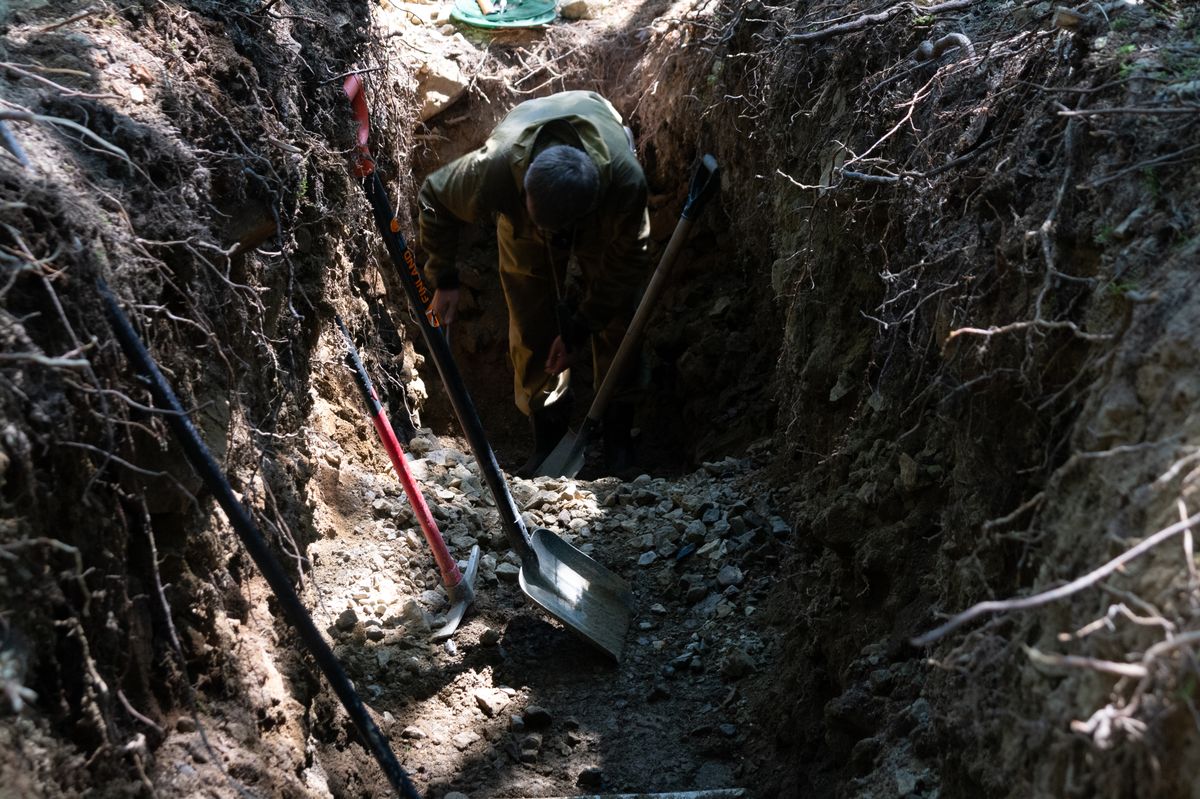
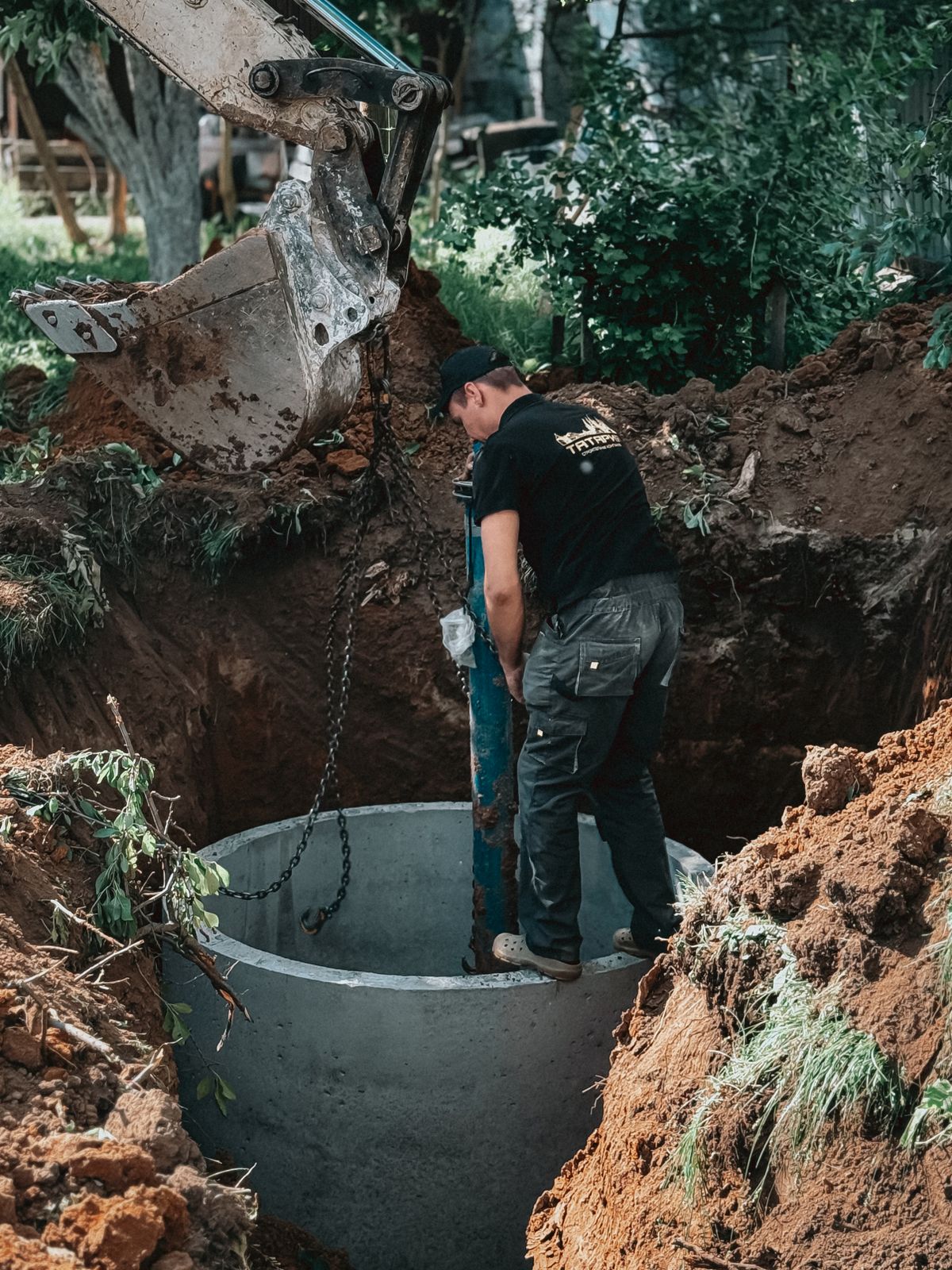
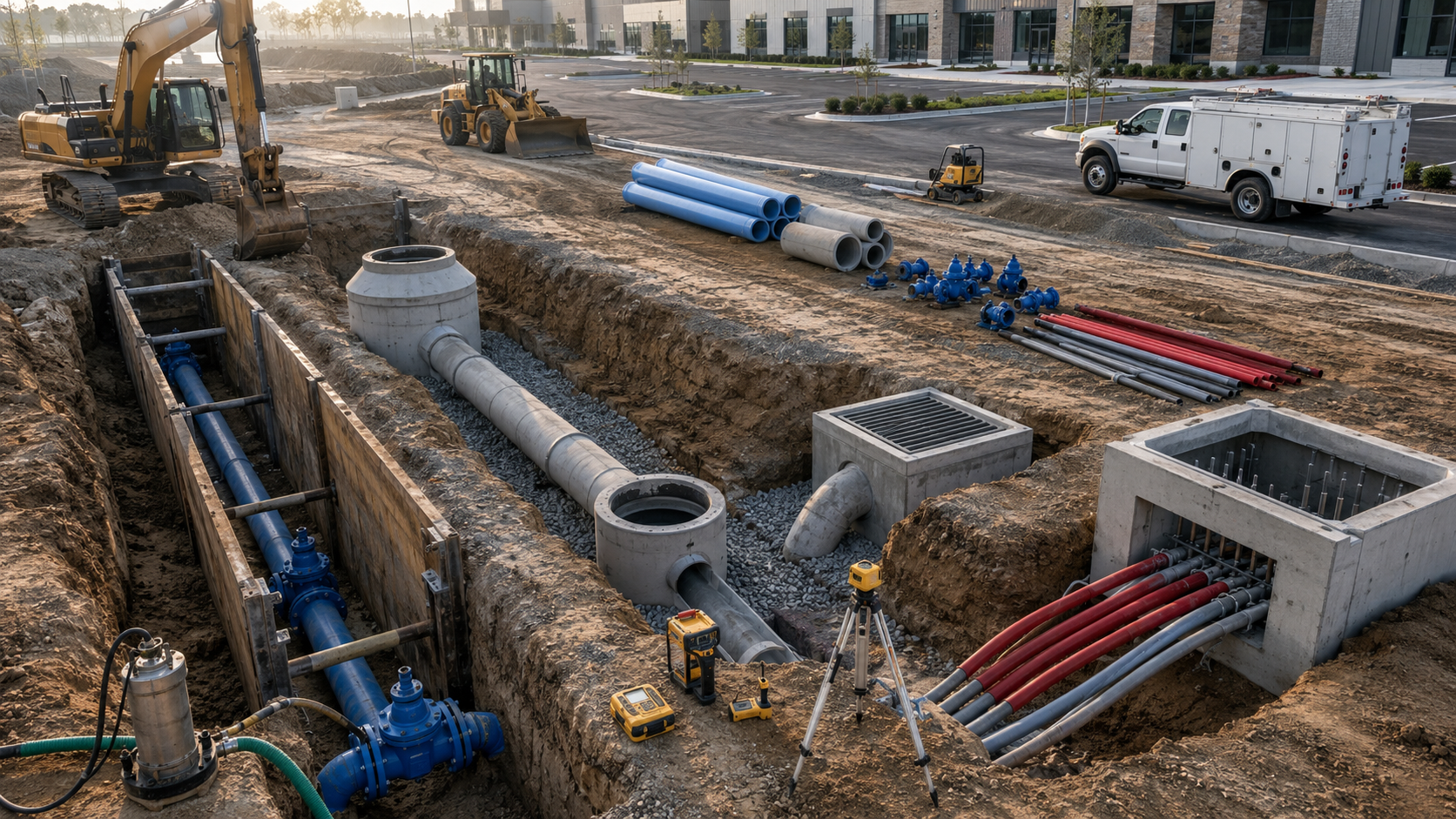
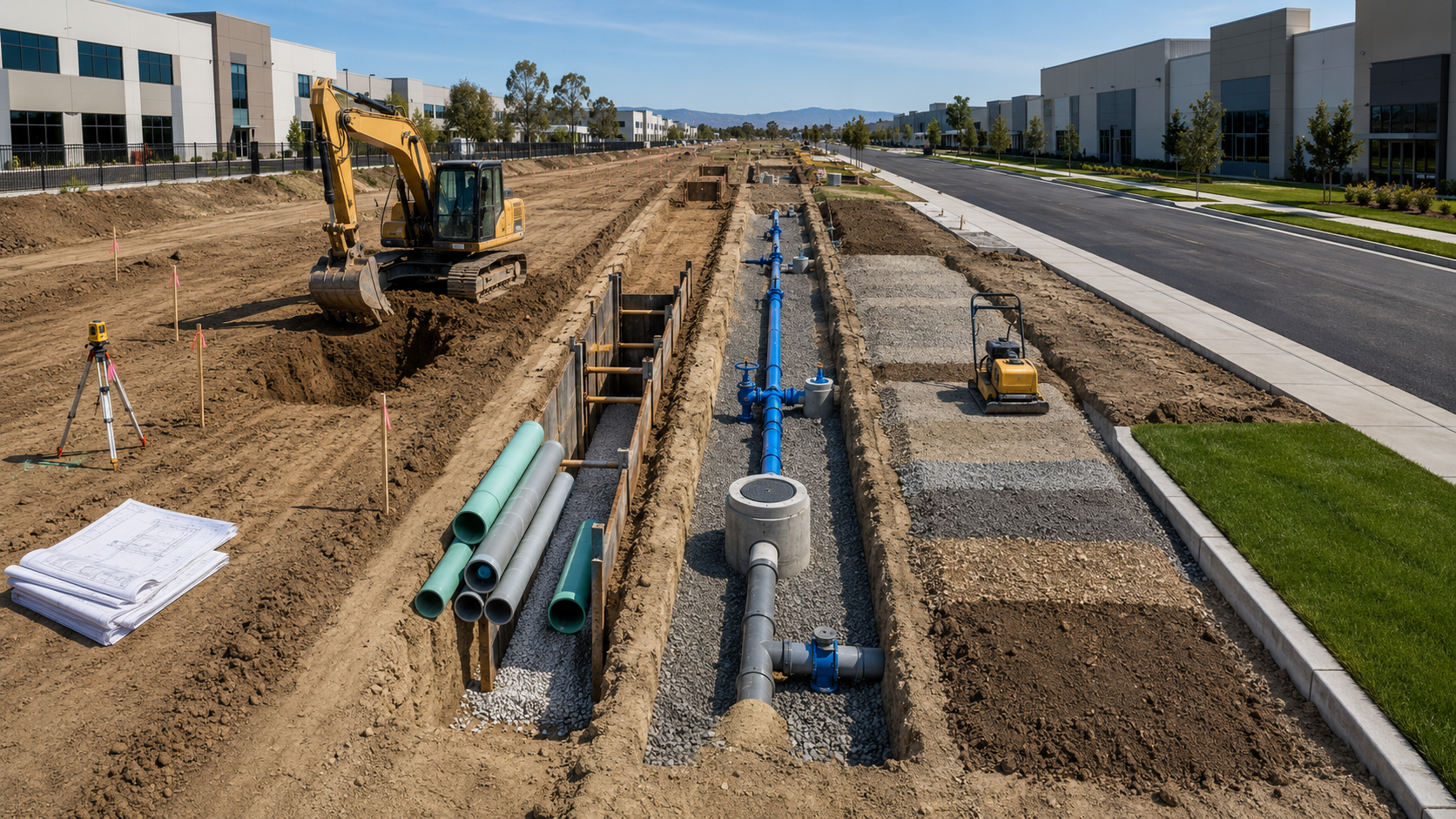
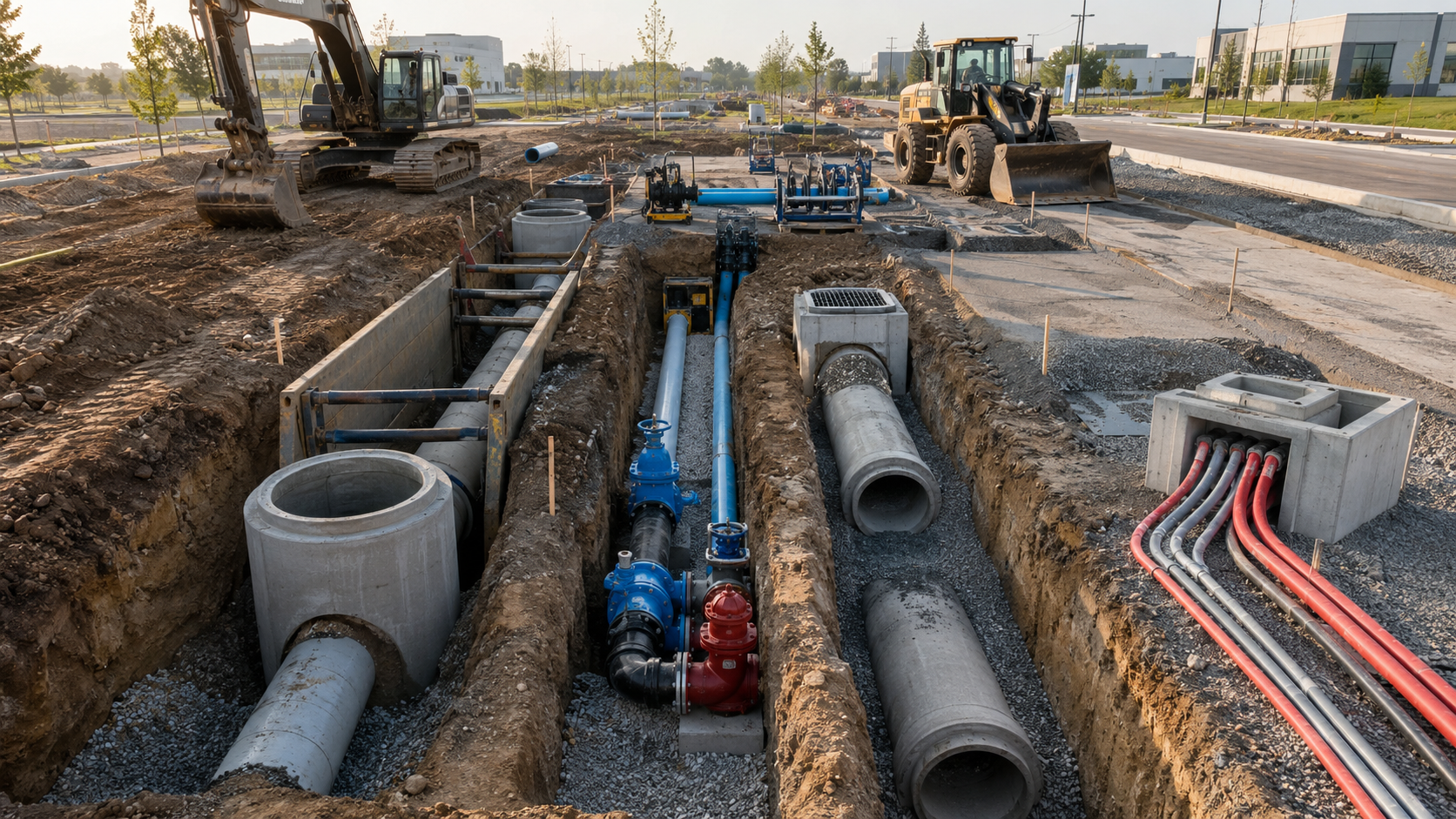
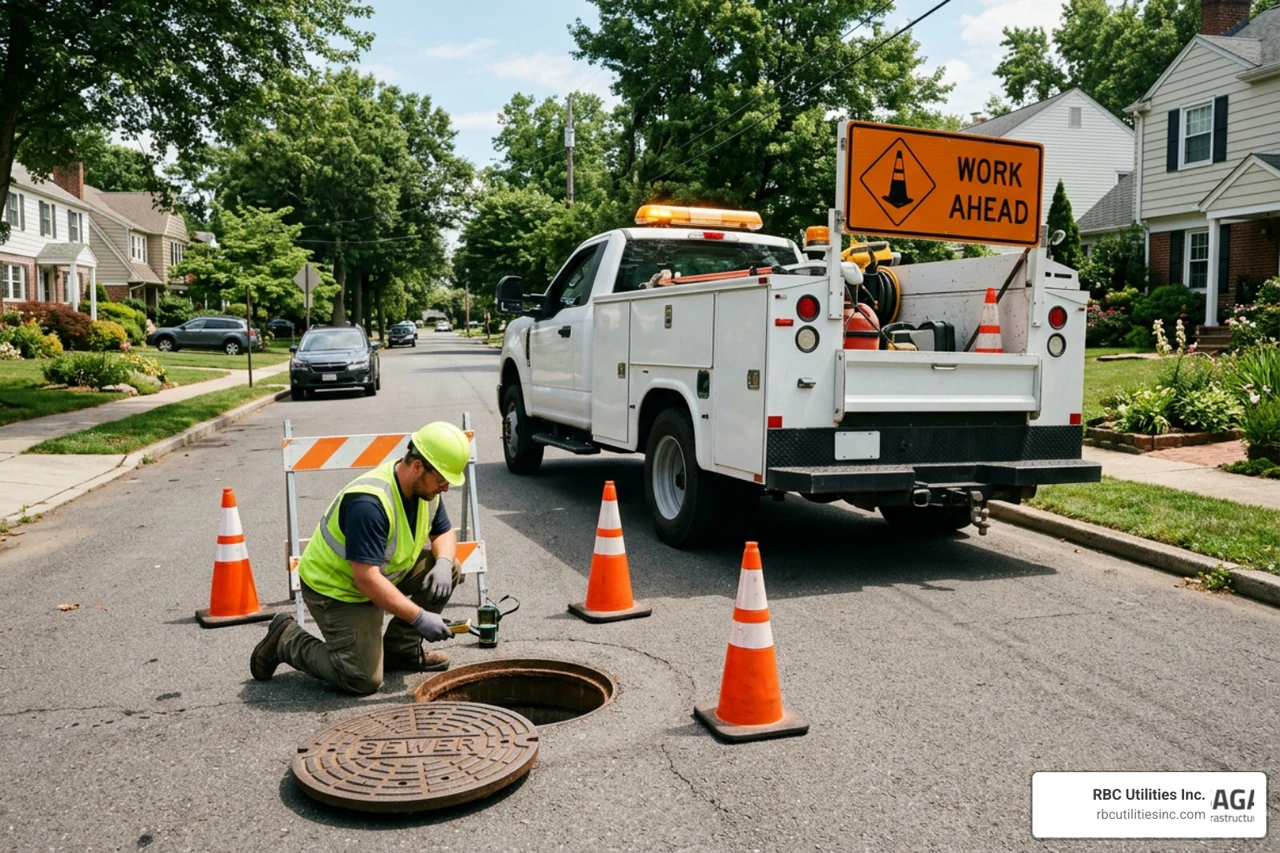
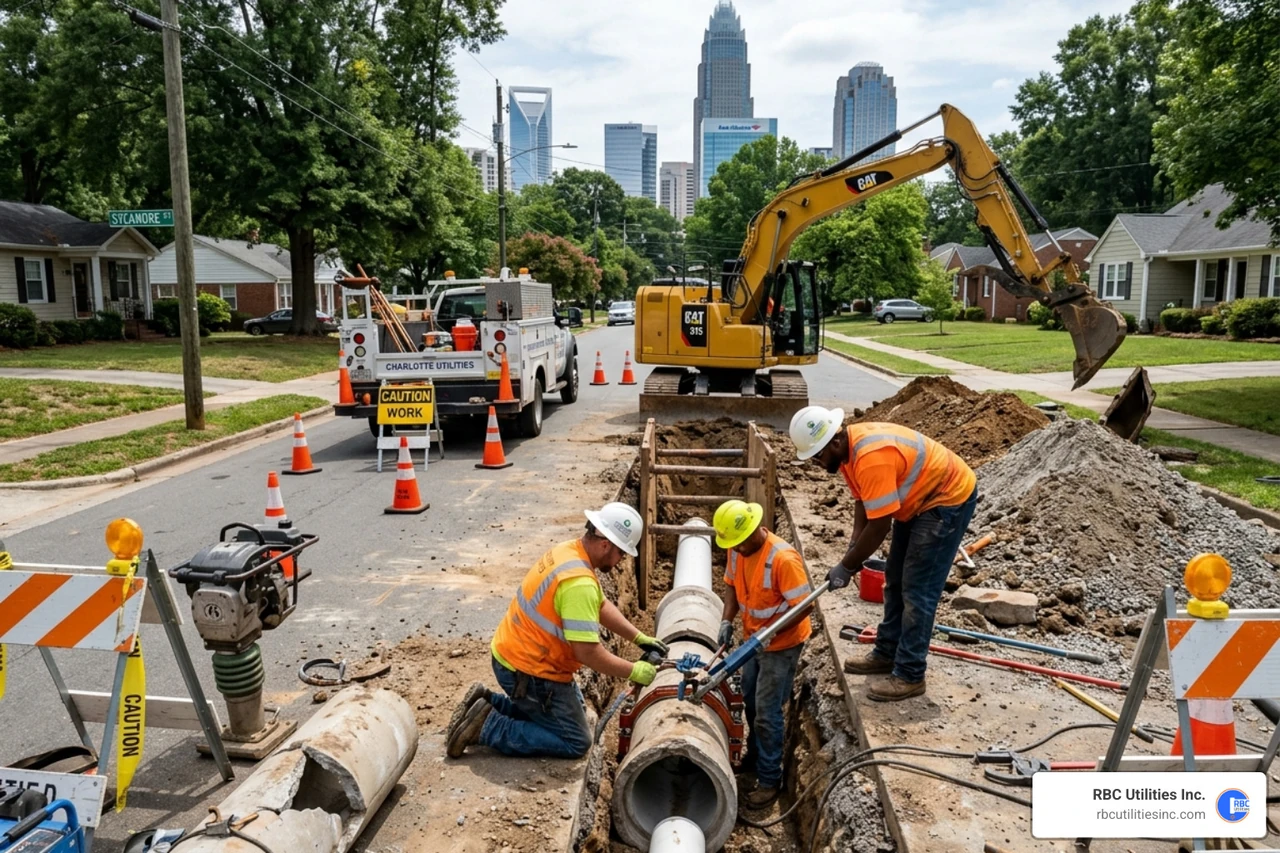
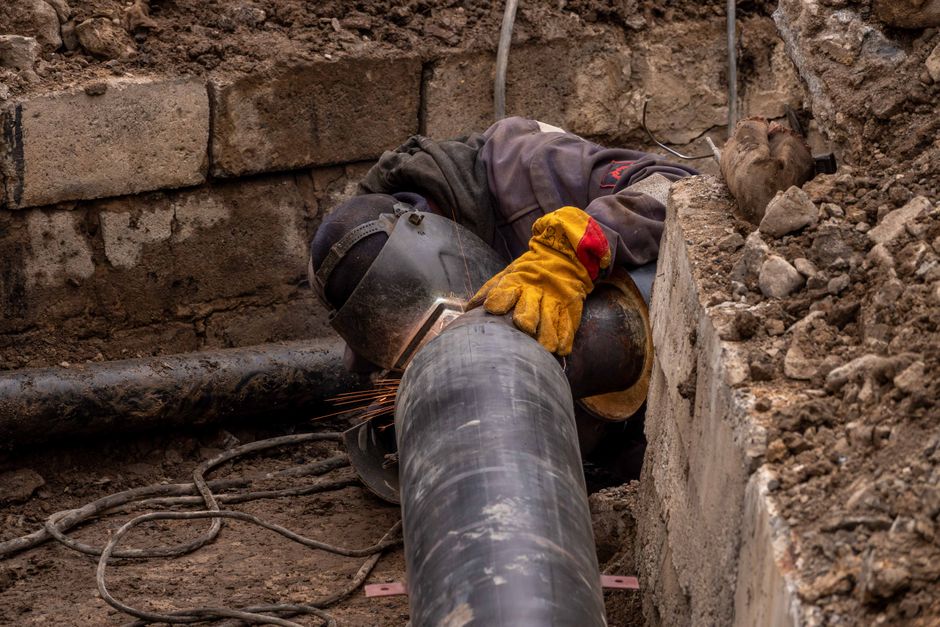
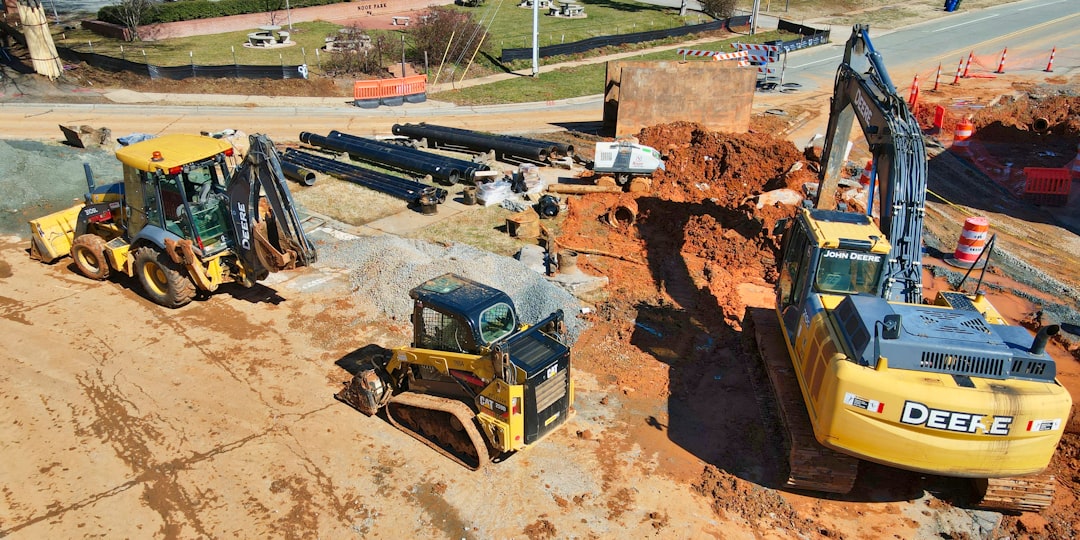
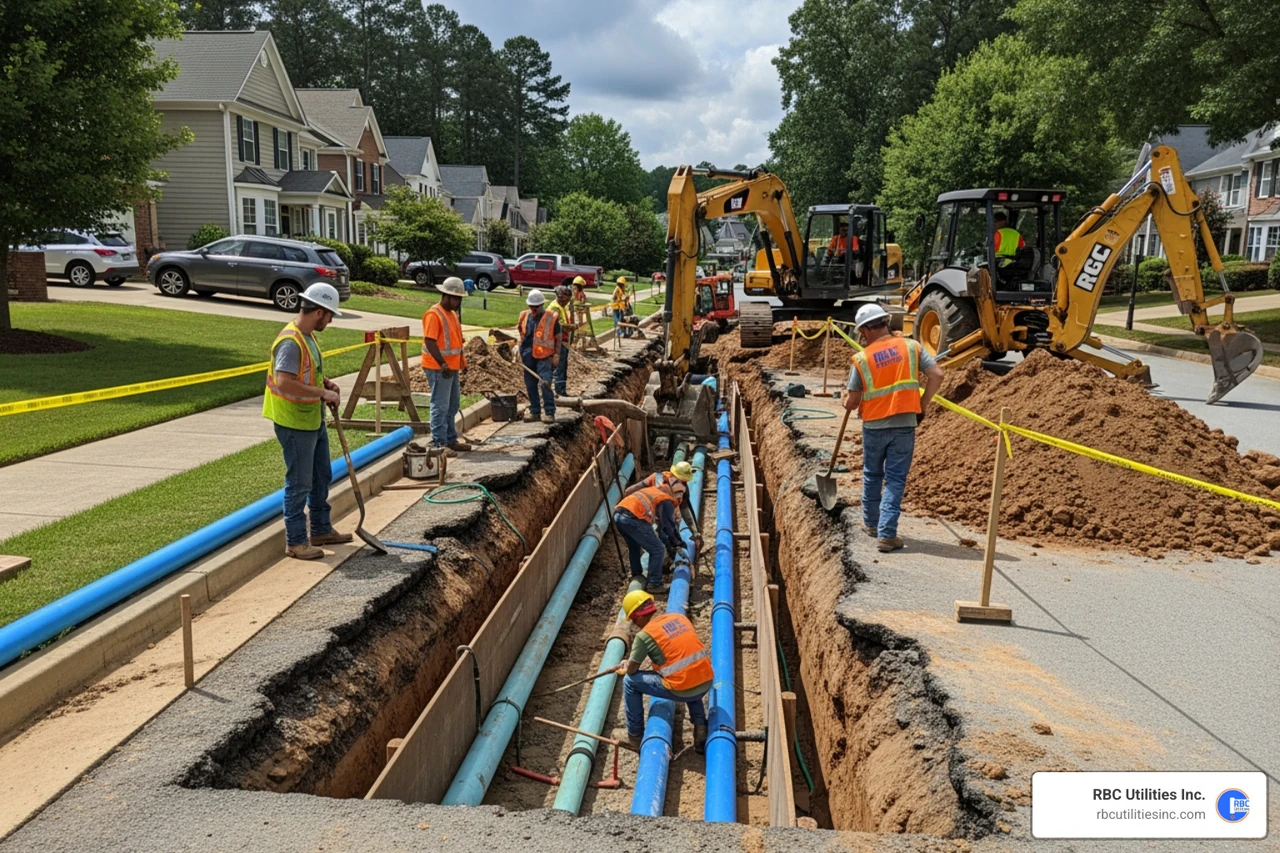
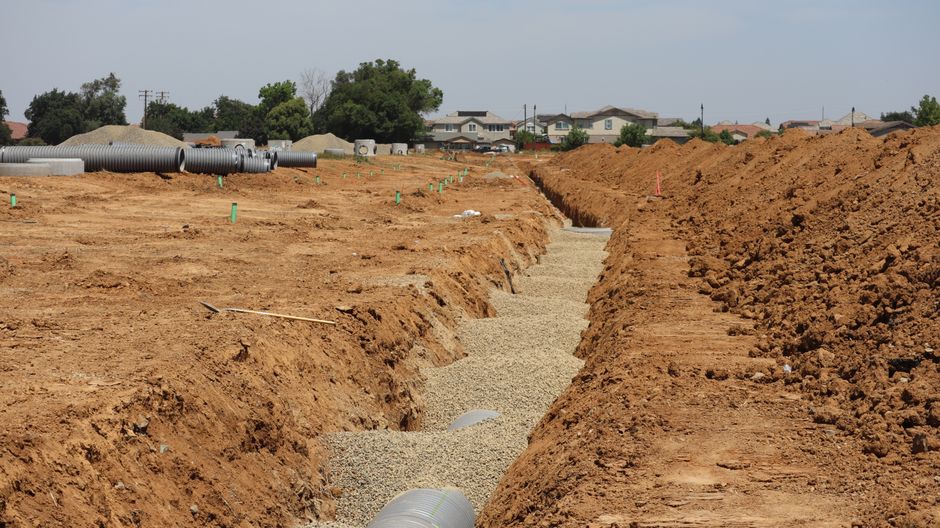
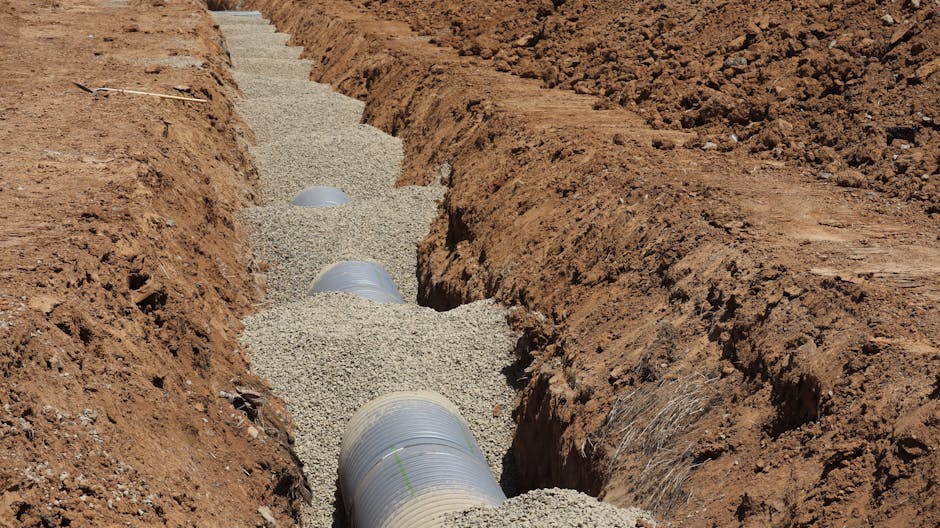
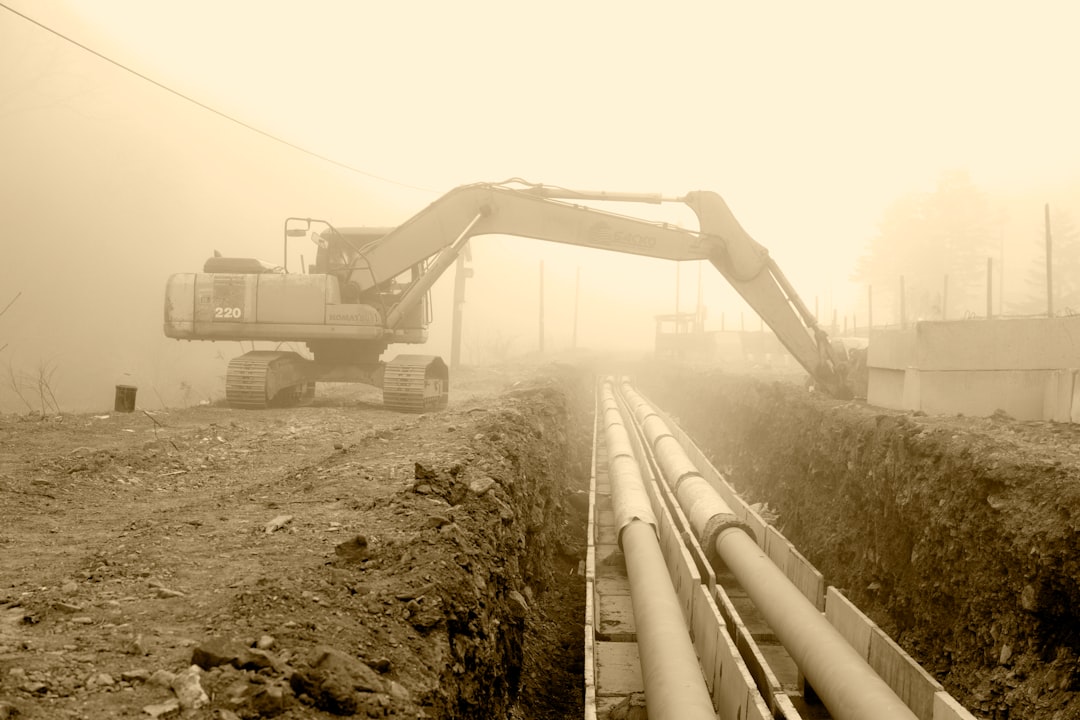
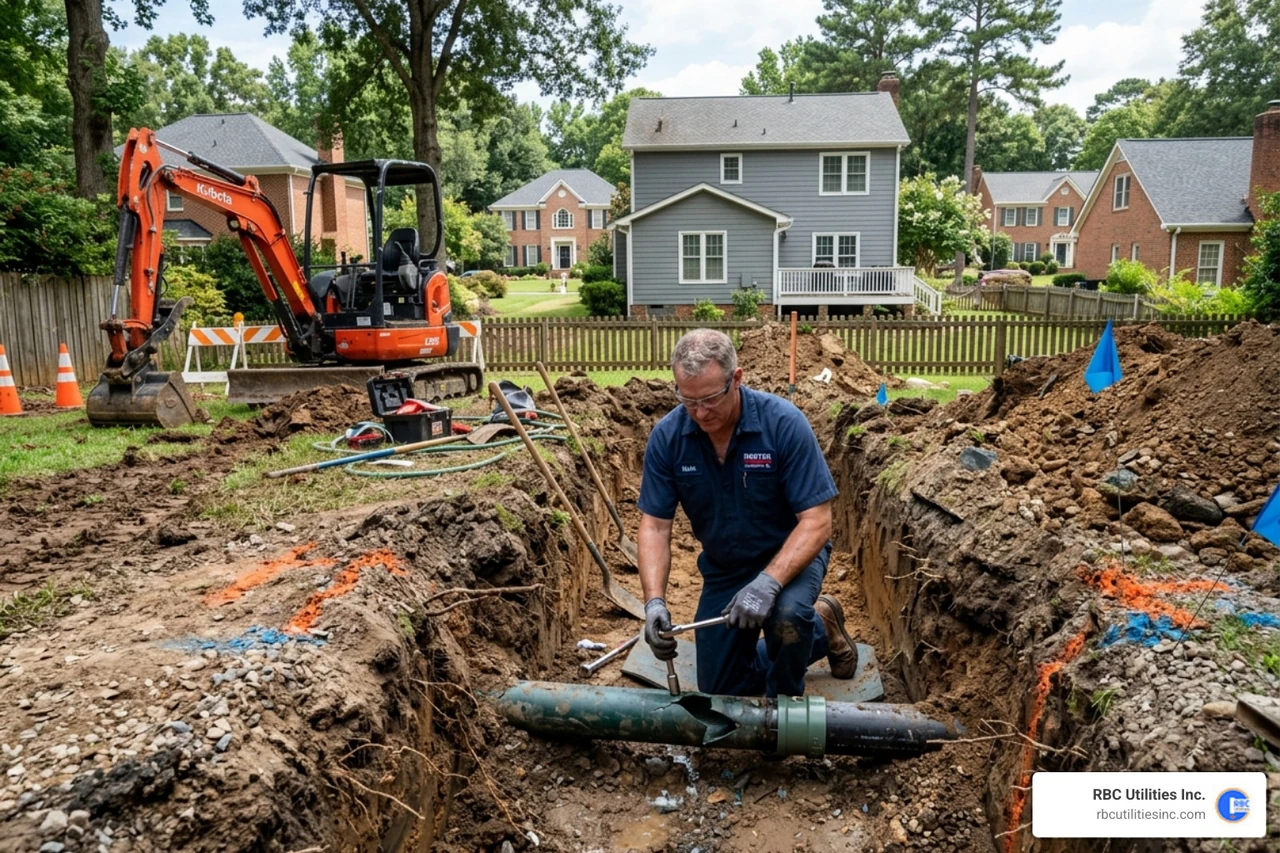
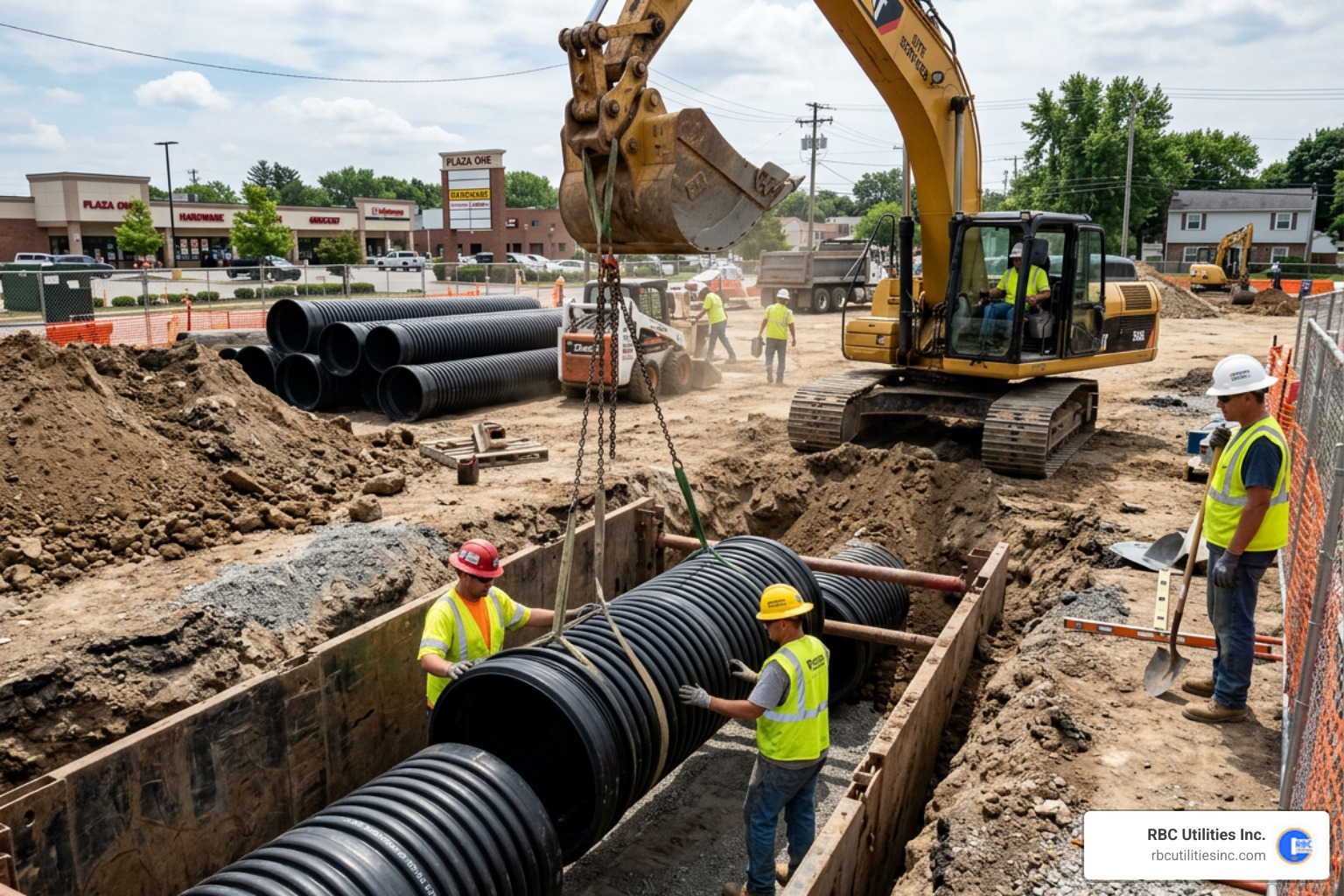
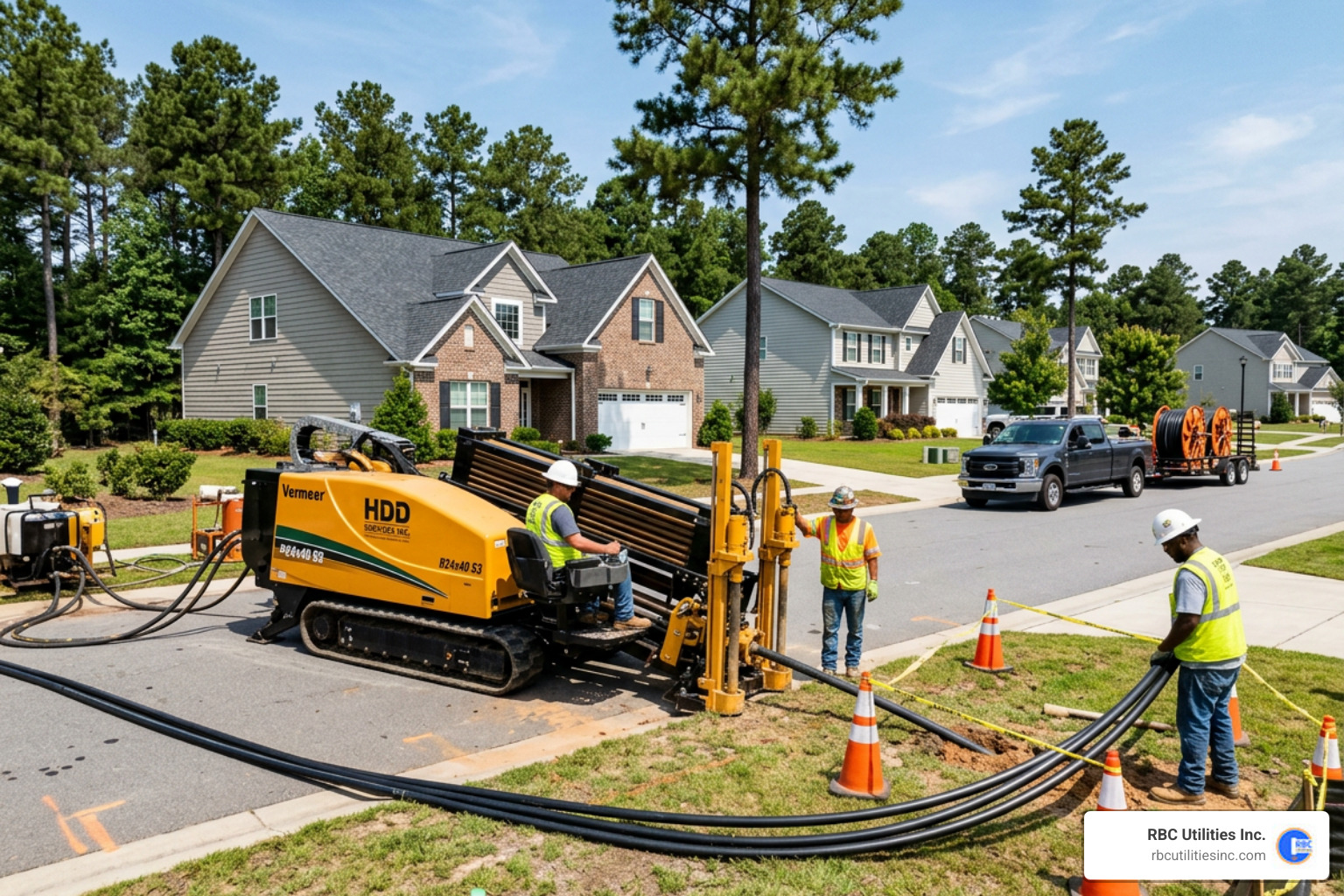
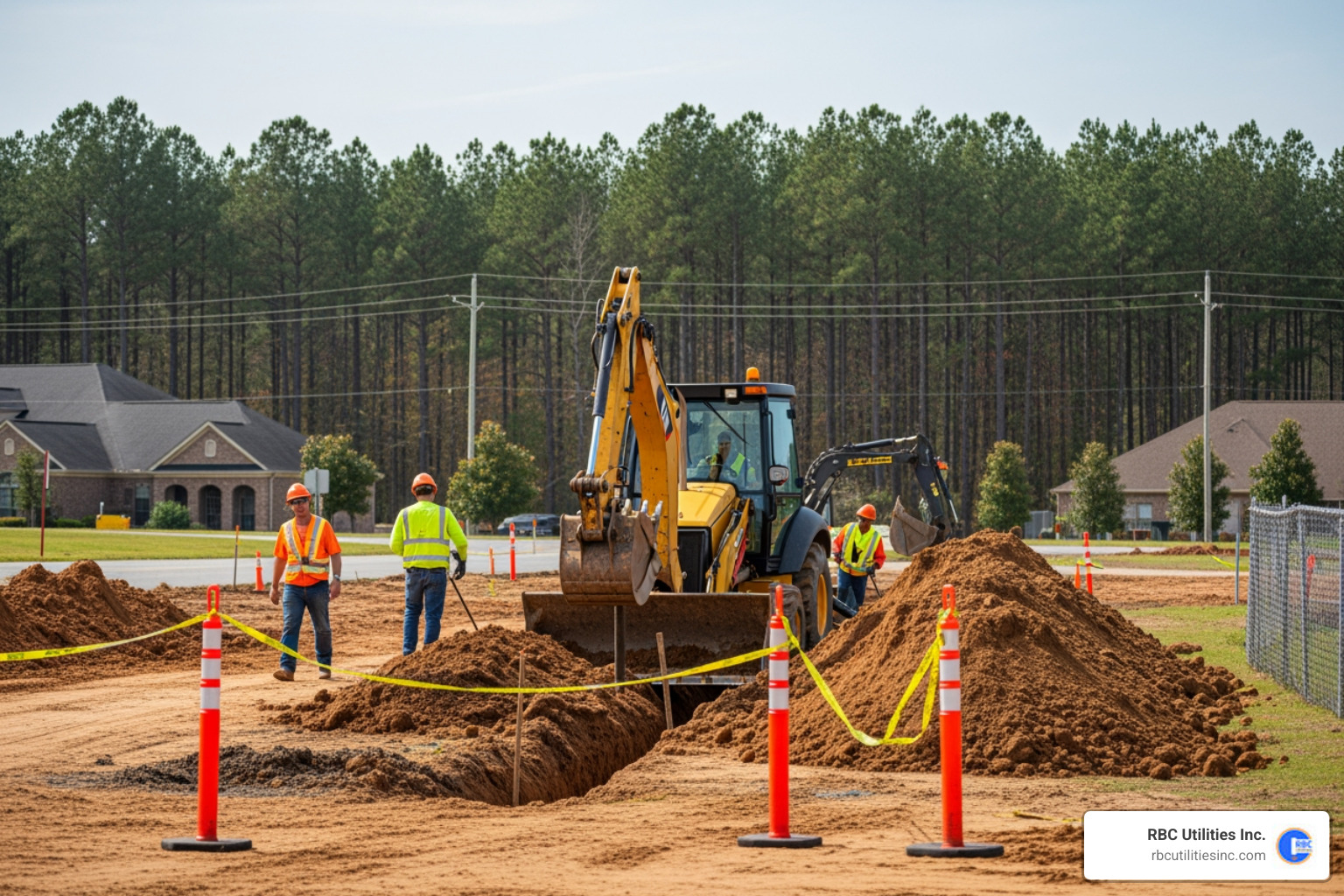
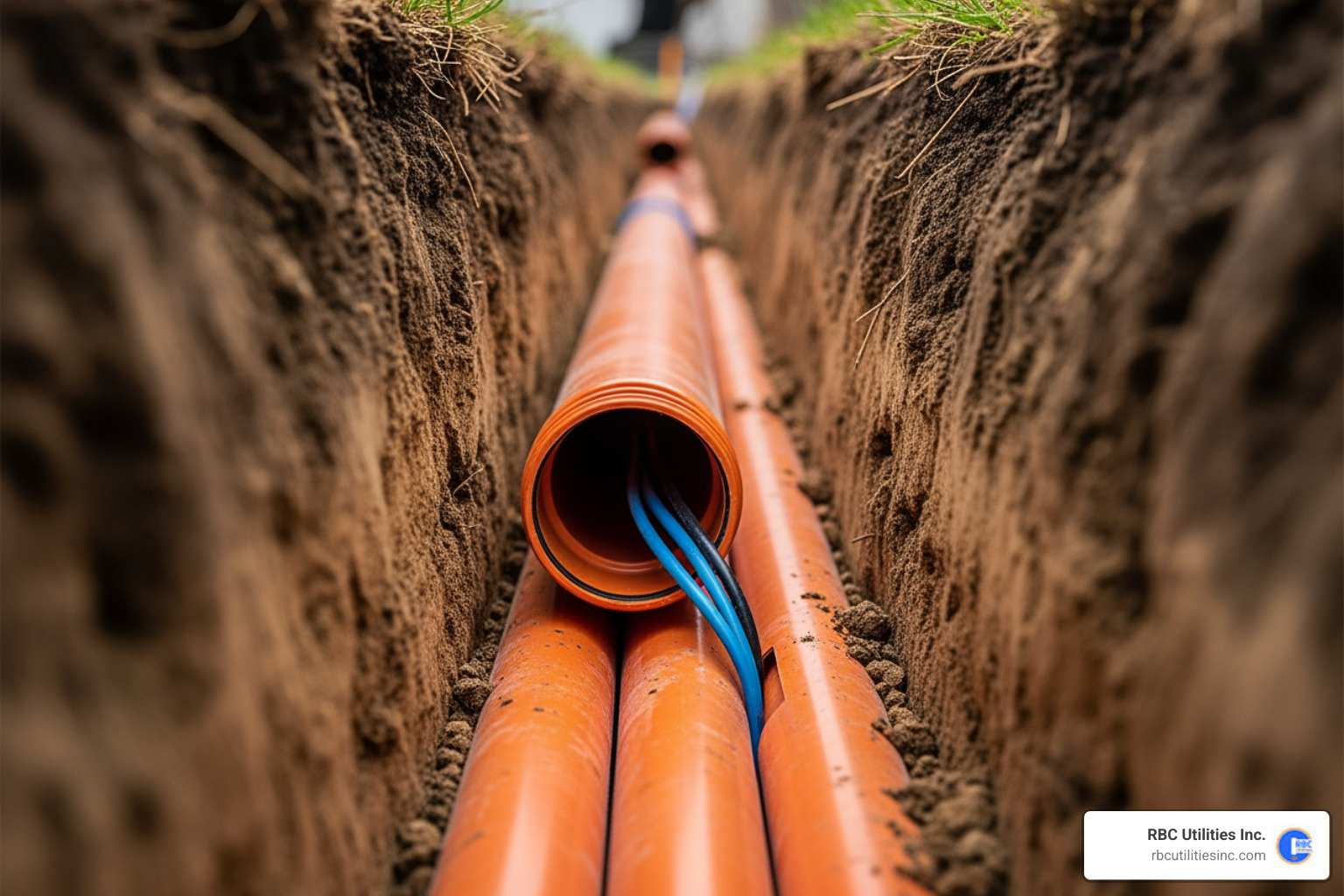
Installing these systems requires precise excavation and a deep understanding of underground utilities. When we integrate subsurface GSI, we must carefully coordinate the work with local utility networks to ensure we do not disrupt existing infrastructure. To learn more about how we handle these complex underground installations, check out our guides on Storm Sewer Pipe Installation and Storm Drain Pipe Installation.
In many older cities across the country, stormwater runoff is directed into combined sewer systems—pipes that carry both sanitary sewage and rainwater. During dry weather, all of this water flows safely to a wastewater treatment plant. However, during heavy storms, the sheer volume of stormwater can overwhelm the system, causing untreated sewage and polluted runoff to overflow directly into local rivers. These events are known as combined sewer overflows (CSOs).
While many Carolinas municipalities utilize separate storm sewer systems (MS4s) rather than combined sewers, improving water quality remains a top priority. Every drop of rain that we can keep out of our storm drains reduces the burden on our municipal systems and prevents toxic runoff from entering our local streams.
To put this in perspective, cities nationwide are setting ambitious targets to tackle this issue. For example, Detroit has invested heavily in retention and treatment basins (RTBs) that successfully stop 95% of untreated combined sewage from entering local rivers, turning to GSI to help manage the remaining, hard-to-reach 5%.
Meanwhile, Philadelphia has established a target to manage around 35% of the impervious area within its combined sewer service area using GSI by 2036. To achieve this cost-effectively, the city optimized its sizing guidelines, reducing its target storm management depth from 2 inches to 1.5 inches.
Closer to home, North Carolina cities are leading the charge with proactive policies. You can read about local efforts on the Green Stormwater Infrastructure Initiatives | Raleighnc.gov page, which highlights how our state is integrating nature-based solutions to protect our beautiful rivers and estuaries.
By capturing and treating rain exactly where it falls, GSI reduces both the total runoff volume and the peak flow entering our storm systems. This localized approach prevents downstream erosion, keeps our waterways clean, and allows local aquifers to recharge naturally.
The real-world water quality impact of these projects is outstanding. For instance, the 5,300-square-foot Walnut Creek Gravel Wetland in Raleigh, North Carolina, is a fantastic local example of GSI in action. This single engineered wetland prevents about 8 pounds of excess nitrogen and 135 pounds of suspended solids from polluting local waterways each year. By filtering out these nutrients and sediments at the source, we can keep our local Carolinas ecosystems healthy and clean.
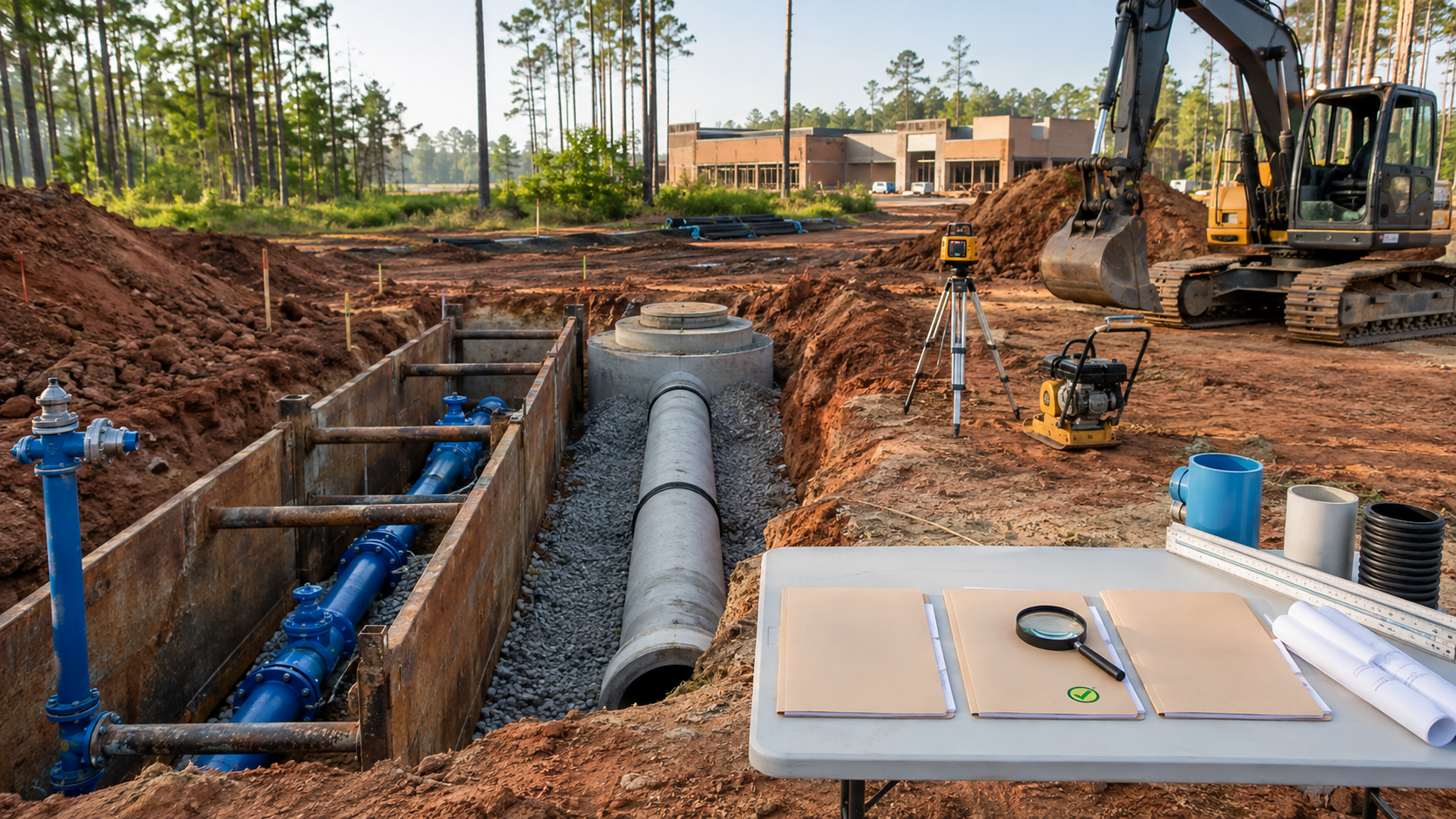
Building successful GSI requires careful planning, detailed site assessments, and seamless coordination. Because these installations interact directly with both the surface environment and the subsurface utility network, we must evaluate site-specific constraints early in the design phase.
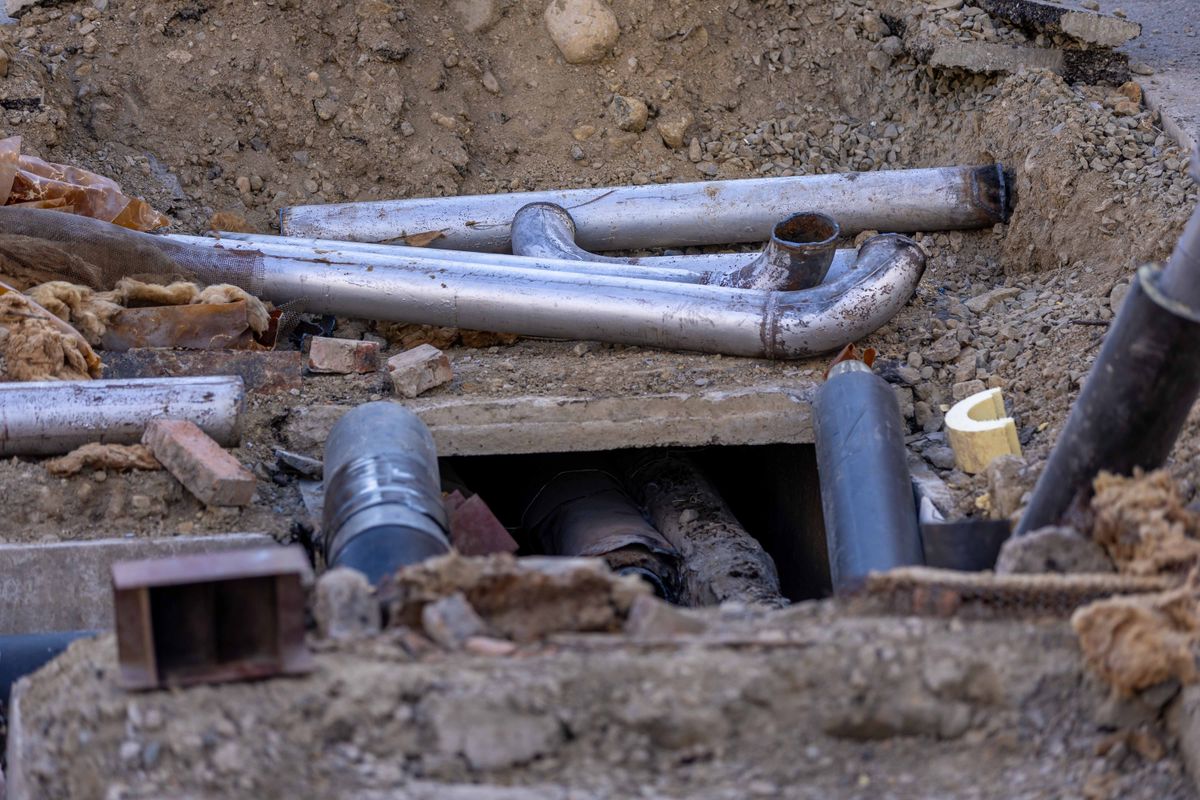
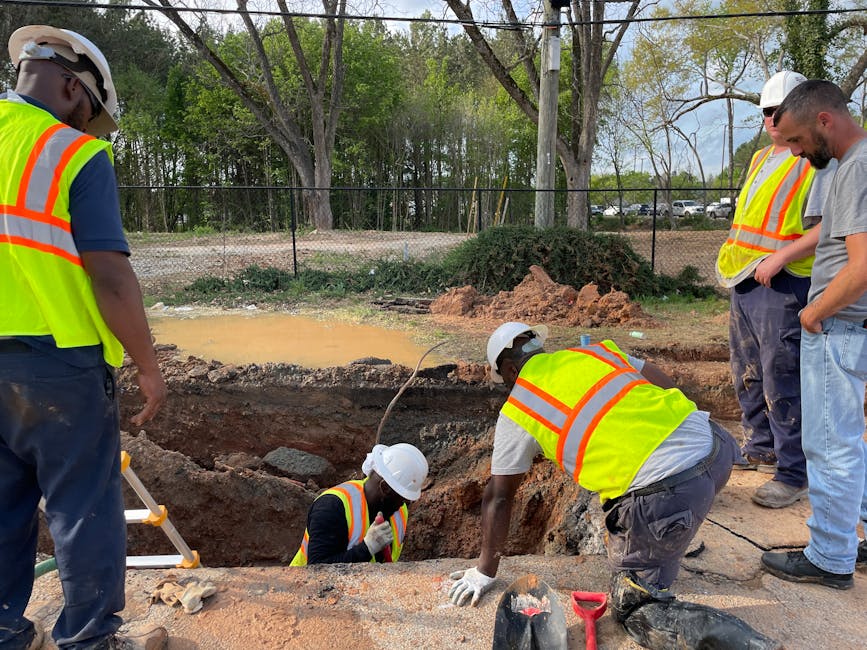
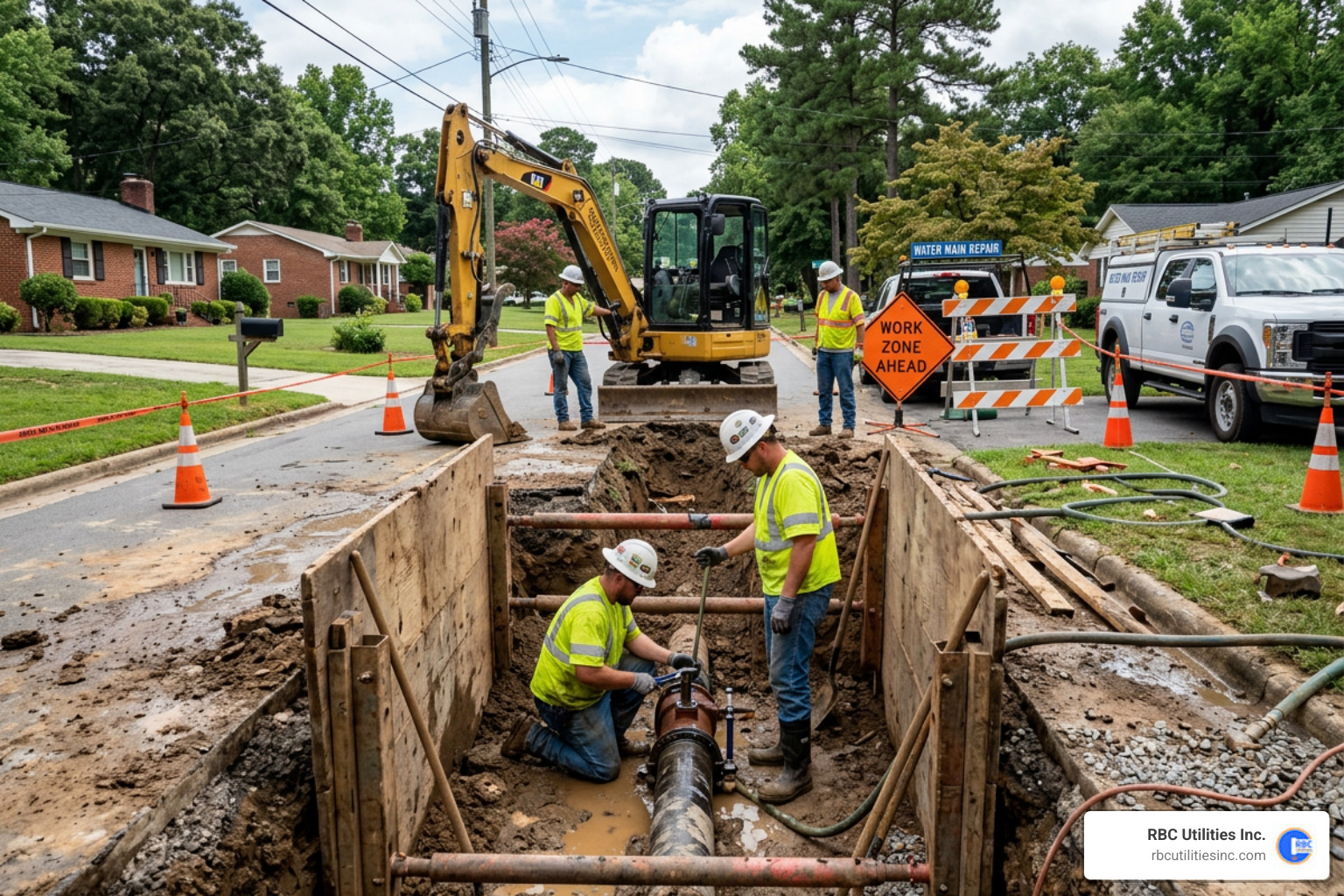
When working in public right-of-ways—such as installing stormwater bumpouts or tree trenches along a busy Charlotte street—we must carefully map existing water mains, gas lines, and fiber-optic cables. In North Carolina, sewers and drain lines are color-coded in green, while potable water is blue.
Always call 811 before digging to verify these locations. Geotechnical testing is also crucial; we must test the local soil infiltration rates to ensure the ground can actually absorb the water we direct to it. If we are working near sensitive infrastructure or in tight clay soils, we may need to install impermeable liners and underdrains to safely route excess water back into the traditional storm sewer system.
For municipal-level projects, engineers rely on standardized design manuals to ensure long-term performance. Planners often reference the comprehensive workflows found in the GSI Planning & Design Manual v3.1 to guide their spatial mapping, utility clearances, and sizing calculations.
Sizing GSI is a balancing act between cost, space, and performance. Designers often use a metric called the "Greened Acre" (GA) to measure a project's impact. A Greened Acre represents one acre of impervious surface managed to a specific storm depth (typically 1 to 1.5 inches in modern guidelines) using GSI.
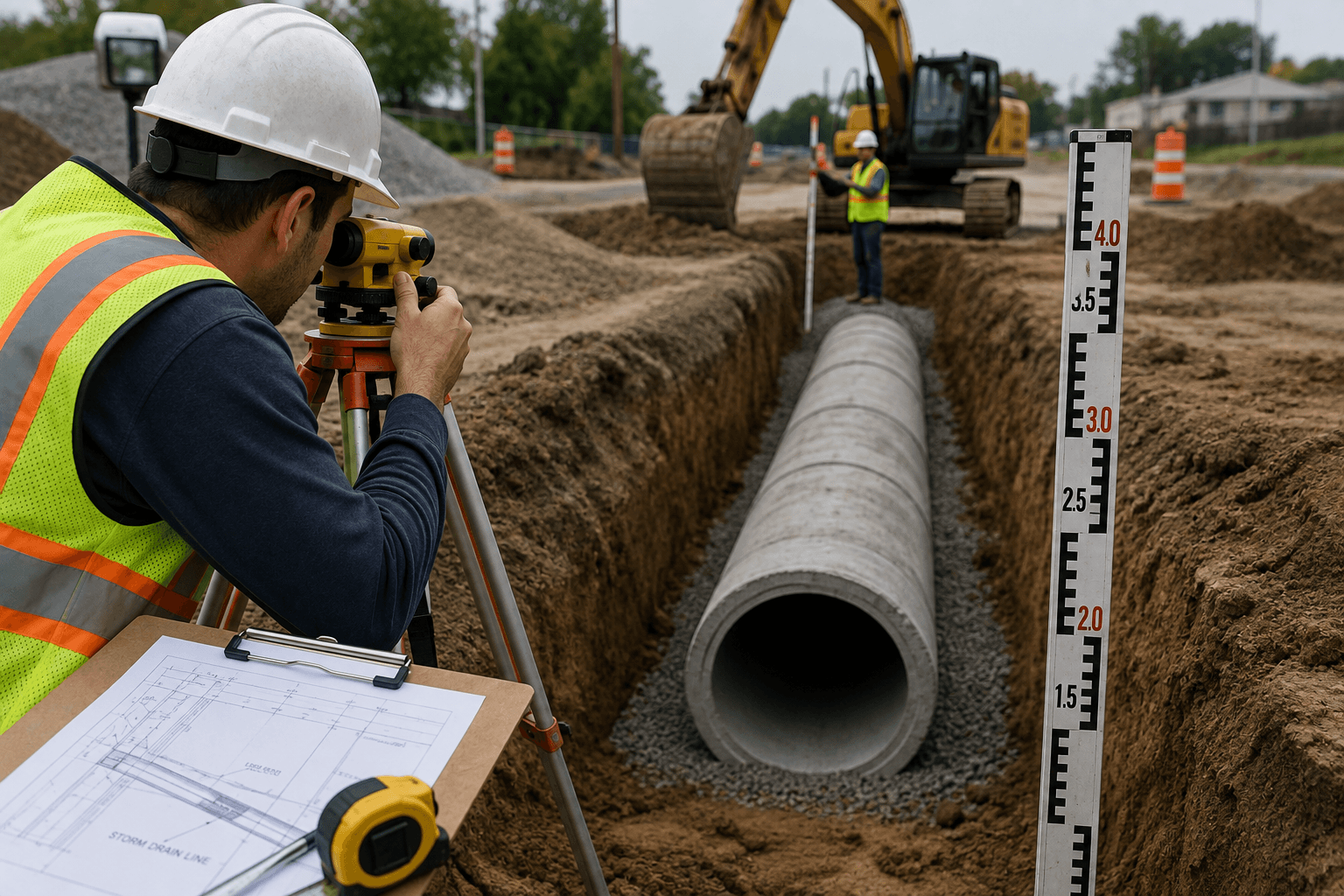
To calculate this, planners use GIS mapping to delineate drainage areas, snapping boundaries to parcel lines to accurately capture runoff from sidewalks and roads. By analyzing local rainfall patterns and soil infiltration rates, we can size rain gardens and bioswales to process water efficiently without leaving standing water on-site for more than 48 hours.
To encourage GSI adoption, many Carolinas municipalities are offering financial incentives and updating their post-construction stormwater ordinances.
Like any landscape feature, GSI requires routine, seasonal maintenance to stay functional. For vegetative systems like rain gardens and bioswales, this includes weeding, replacing mulch, pruning plants, and removing accumulated trash or leaves.
For permeable pavement, property owners should vacuum-sweep the surface once or twice a year to prevent sediment from clogging the pores. Additionally, we must monitor the system's "drawdown time"—ensuring that captured water fully drains within 48 hours to prevent standing water and mosquito breeding.
Municipalities and researchers use several tools to track GSI performance. Flow meters installed in underdrains measure how much water the system slows down and retains, while water quality sampling tracks the removal of pollutants like nitrogen and phosphorus.
Interestingly, some cities use creative community engagement programs, such as GSI Pilot Programs where citizens take photos of rain gardens from mounted phone stands to help track plant growth and sediment accumulation over time.
In dense urban environments, GSI is rarely designed to completely replace gray infrastructure. Instead, we design hybrid systems. GSI acts as the first line of defense, capturing and cleaning everyday rainfall (usually the first 1 to 1.5 inches of a storm).
During major, historic storm events, these green systems are designed with emergency overflows that safely direct excess water into traditional gray storm sewers. This hybrid approach ensures our cities stay beautiful and clean during small rains, while remaining fully protected against major flood events. To learn more about how the industry is integrating these hybrid systems, check out our insights from the annual Wef Stormwater Conference.
As we look to the future of development in the Carolinas, green stormwater infrastructure is no longer just an optional environmental add-on—it is a smart, cost-effective, and regulatory-friendly way to build. By blending nature-based surface systems with robust underground utility designs, we can build commercial and residential spaces that are beautiful, resilient, and built to last.
At RBC Utilities Inc., we bring decades of Carolinas-specific expertise to every job site. Backed by the national resources of Saga Infrastructure, our team specializes in constructing safe, reliable underground utility systems—including water, sewer, storm drains, and complex GSI networks. Whether you are planning a commercial development in Charlotte or a municipal project in the surrounding Carolinas, we are here to ensure your infrastructure is installed safely, on time, and to the highest standards.
Ready to start planning your next project? Contact RBC Utilities Inc. today to see how we can help you build a stronger, greener future.
Part of Saga Infrastructure, protecting what others built and helping it grow.
Address: 4404 Stuart Andrew Blvd., Suite K, Charlotte, NC 28217
Email: info@rbcutilities.com
Phone: 803-913-9727
Service Area: North Carolina | South Carolina