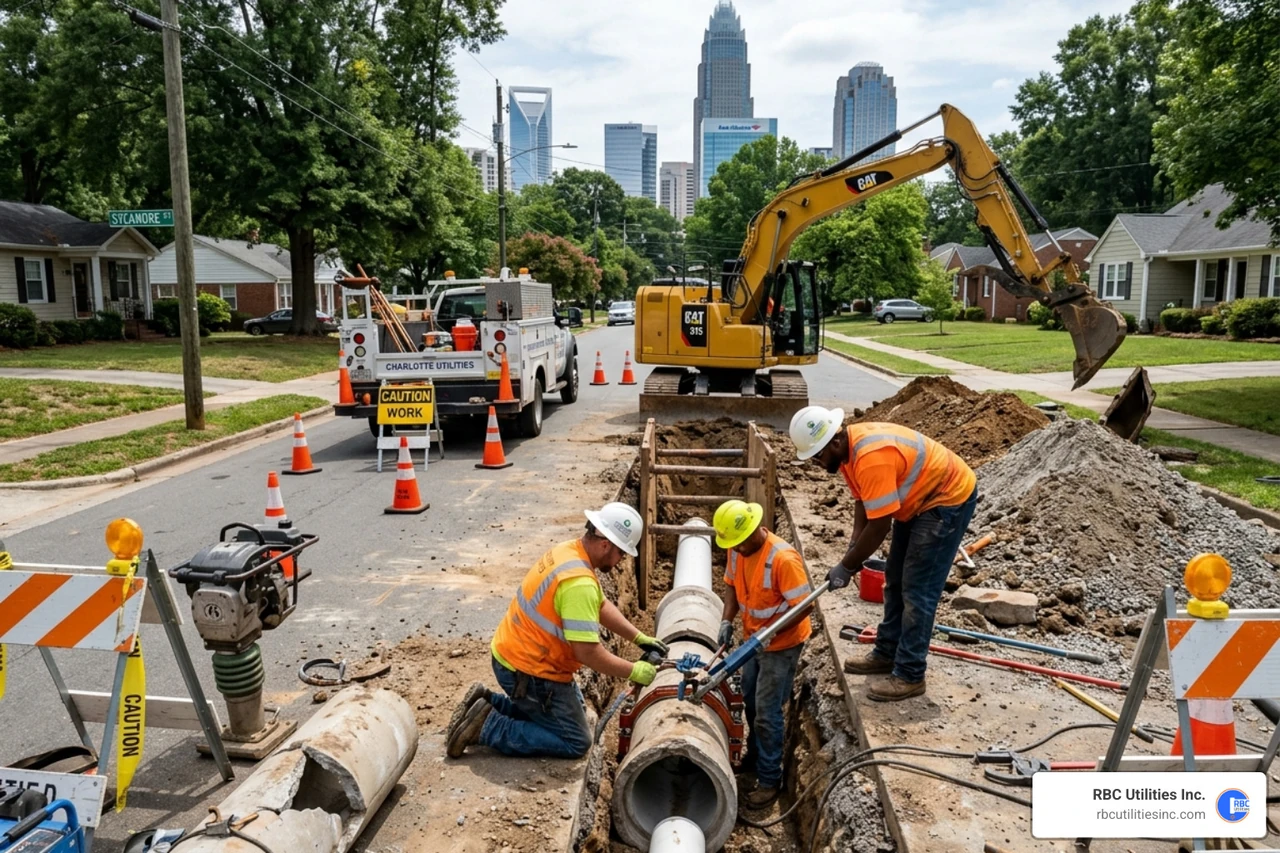
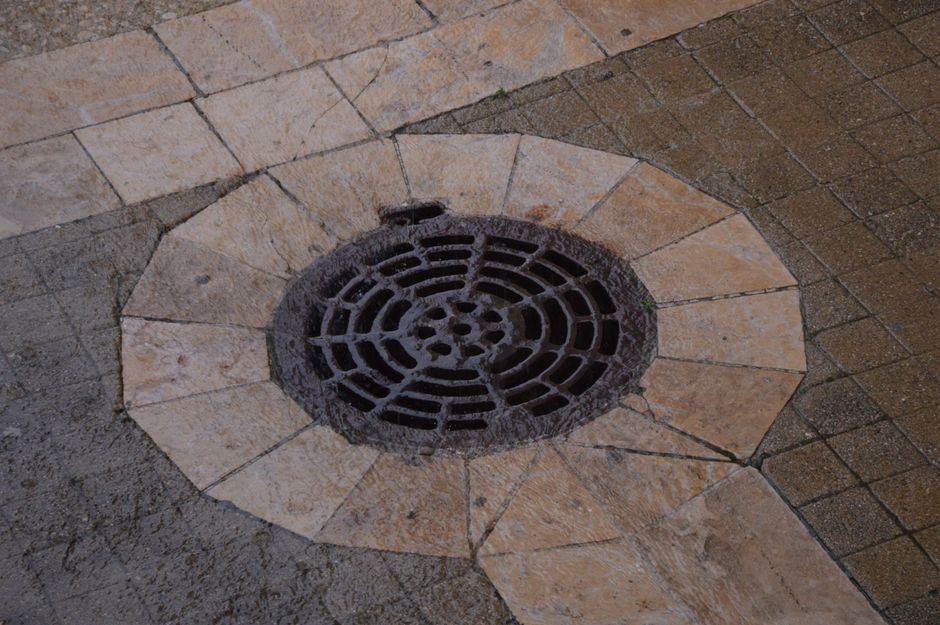
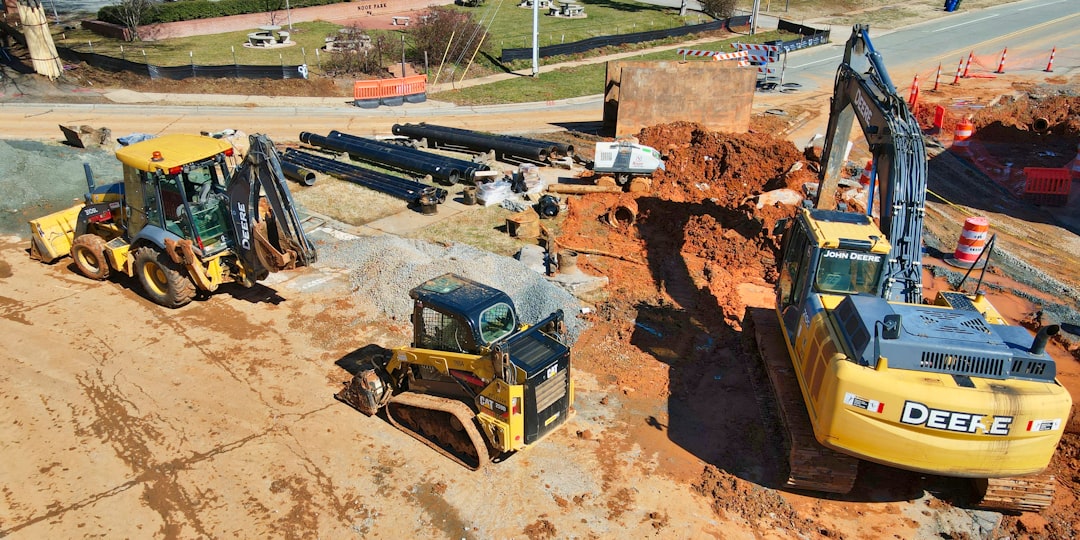
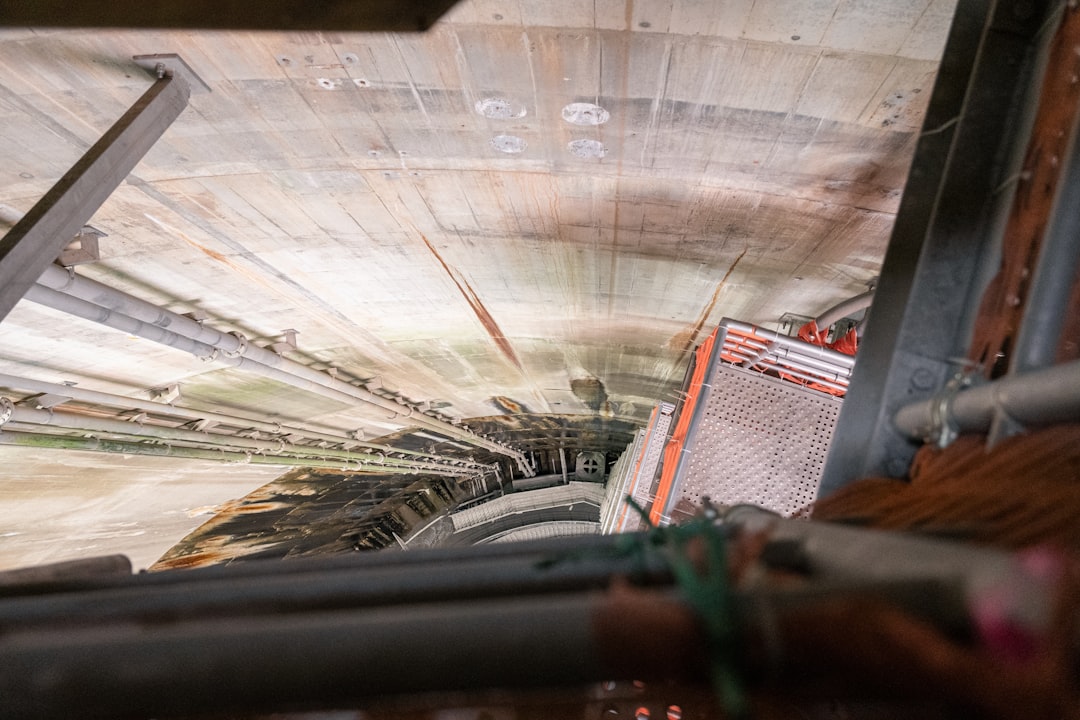
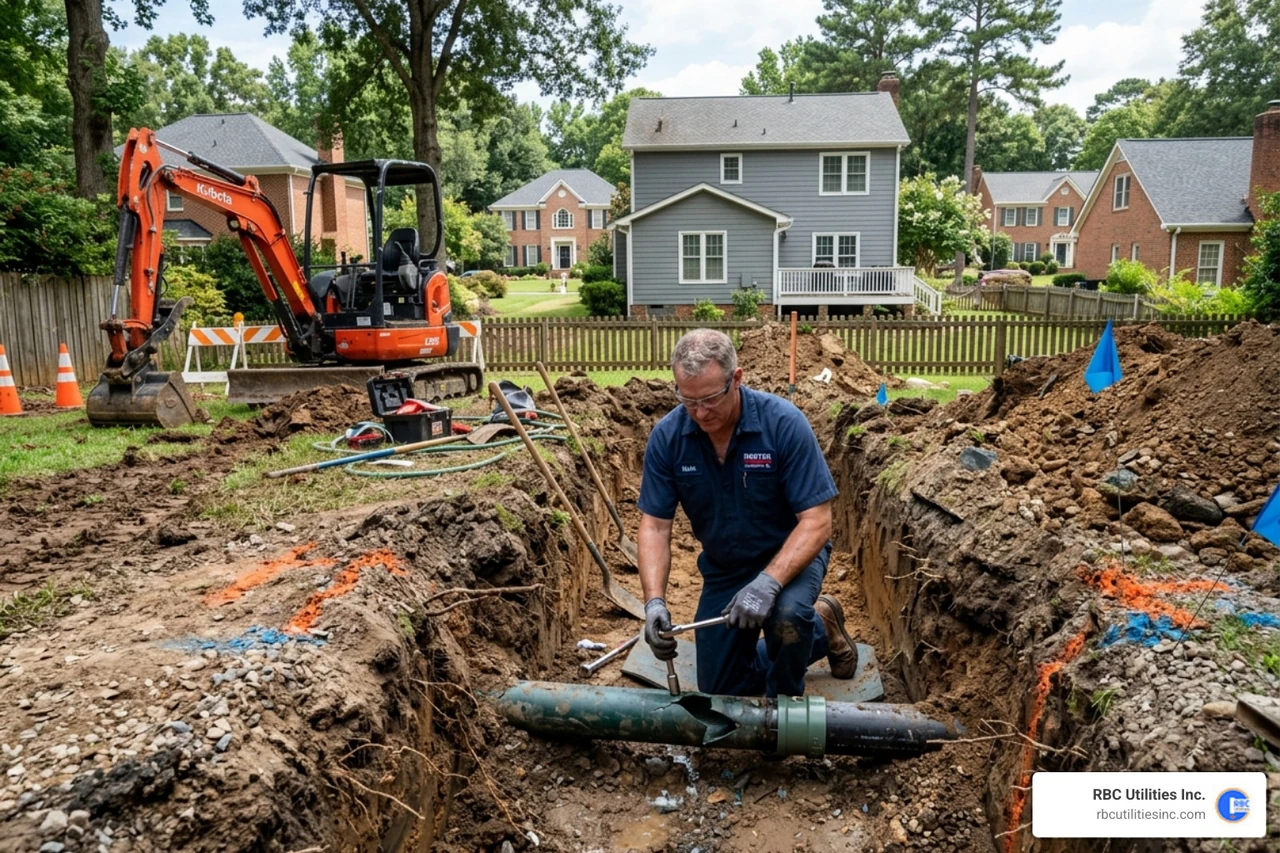
Storm drain contractors design, install, repair, and maintain the underground systems that move stormwater away from your buildings, roads, and land. Here's a quick breakdown of what they handle:
If your project is in the Carolinas, getting this right is not optional. Poorly designed or installed storm drainage leads to flooded sites, erosion, regulatory violations, and costly rework — all of which kill your schedule and budget.
The scale of the challenge is real. Capital investment needs for the nation's stormwater systems are estimated at $298 billion over the next 20 years, and the federal government has already required cities to invest more than $15 billion since 2007 to address combined sewer overflow problems alone. For developers and general contractors, that means aging infrastructure, tighter regulations, and higher expectations on every new project.
I'm Don Larsen with RBC Utilities Inc., and since 2008 our team has delivered underground utility construction — including storm drain contractors work — across residential, commercial, and municipal projects throughout the Carolinas. In this guide, I'll walk you through everything you need to know to choose the right partner, avoid common mistakes, and keep your project moving.
Quick storm drain contractors terms:
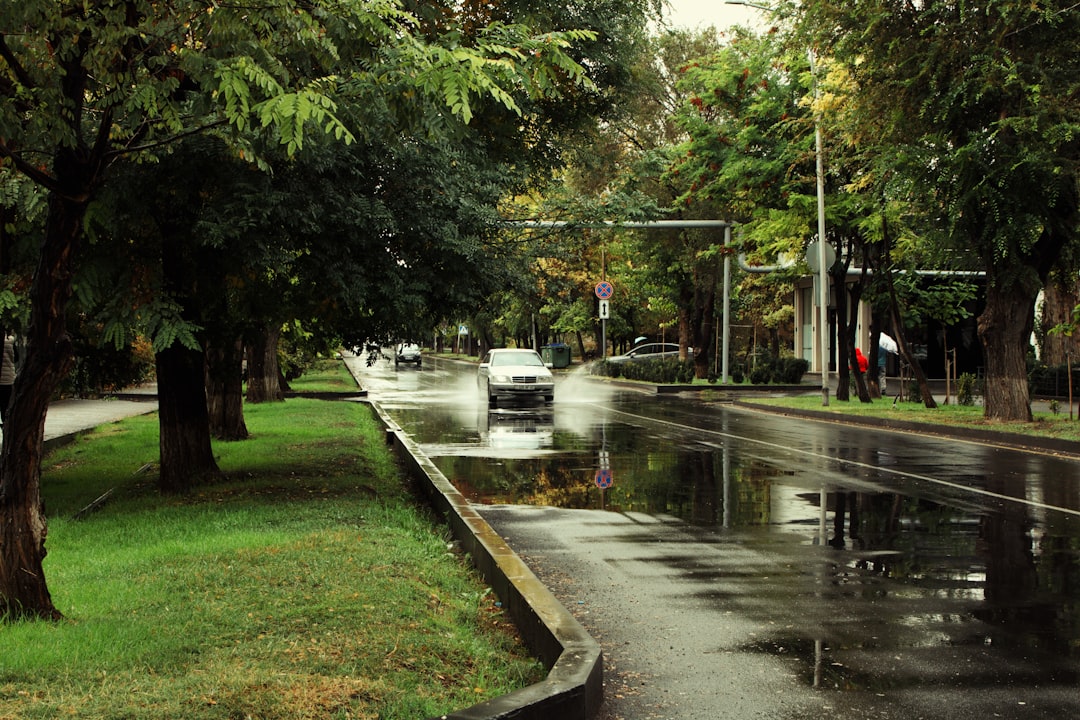
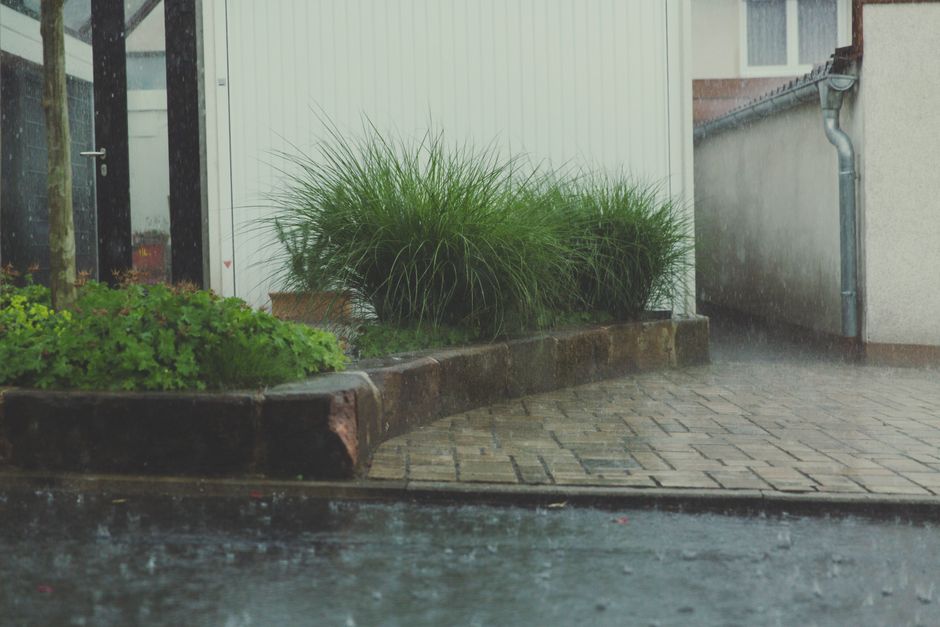
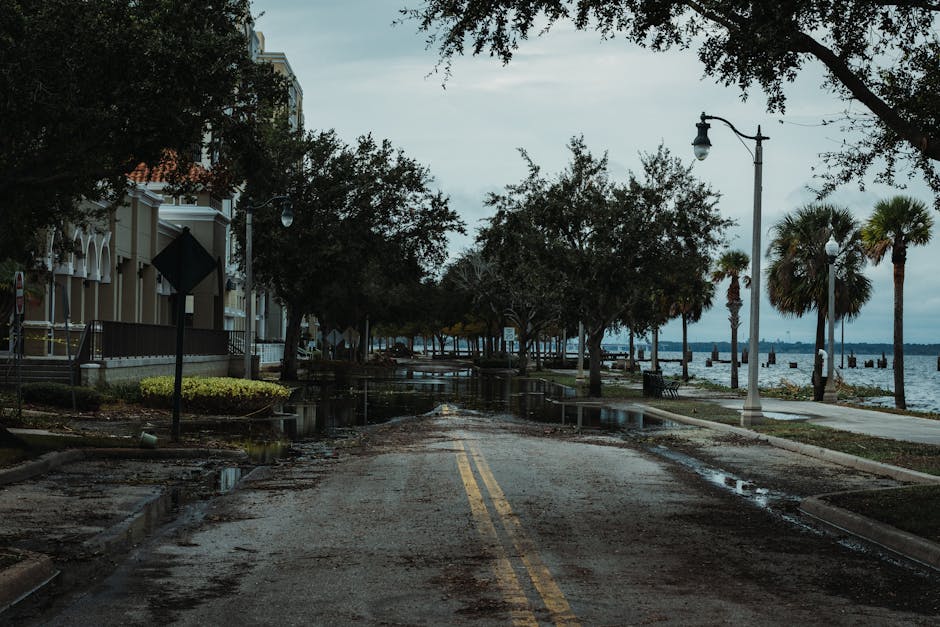
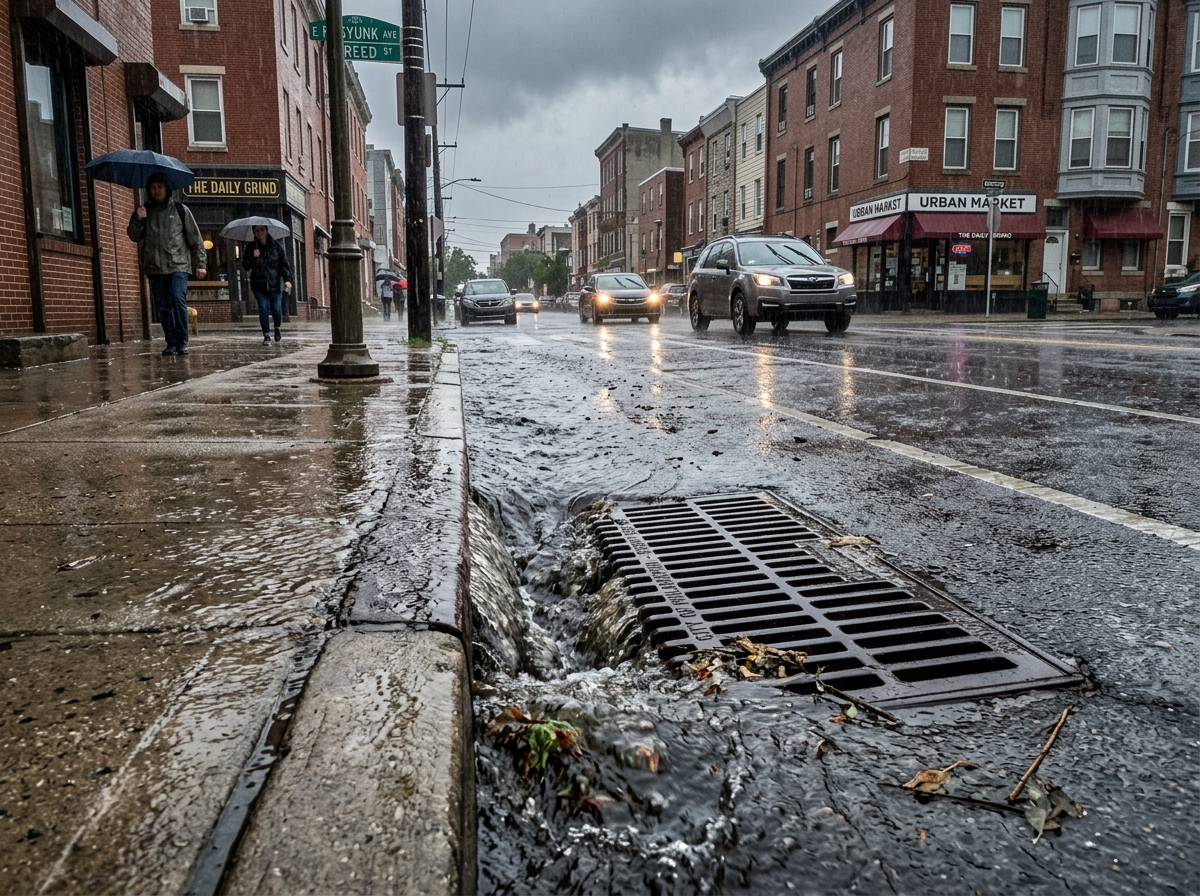
When heavy rains hit the Carolinas, thousands of gallons of water cascade off roofs, parking lots, and compacted soils. Without a properly engineered system to capture and convey this runoff, you are looking at severe property damage, soil erosion, and structural foundation compromises.
General grading contractors can move dirt, but specialized storm drain contractors understand the hydraulics, soil mechanics, and structural requirements of underground piping. Professional installation ensures that water flows exactly where it should without washing away your valuable real estate or flooding adjacent properties.
Furthermore, stormwater runoff is a major carrier of pollutants. When untreated water rushes into local streams and rivers, it carries sediment, oils, and debris. Professional contractors design and build modern Stormwater Infrastructure that filters out these pollutants before they reach our waterways. Investing in professional Storm Drainage Improvements protects your property value while keeping you in the good graces of local environmental enforcement agencies.
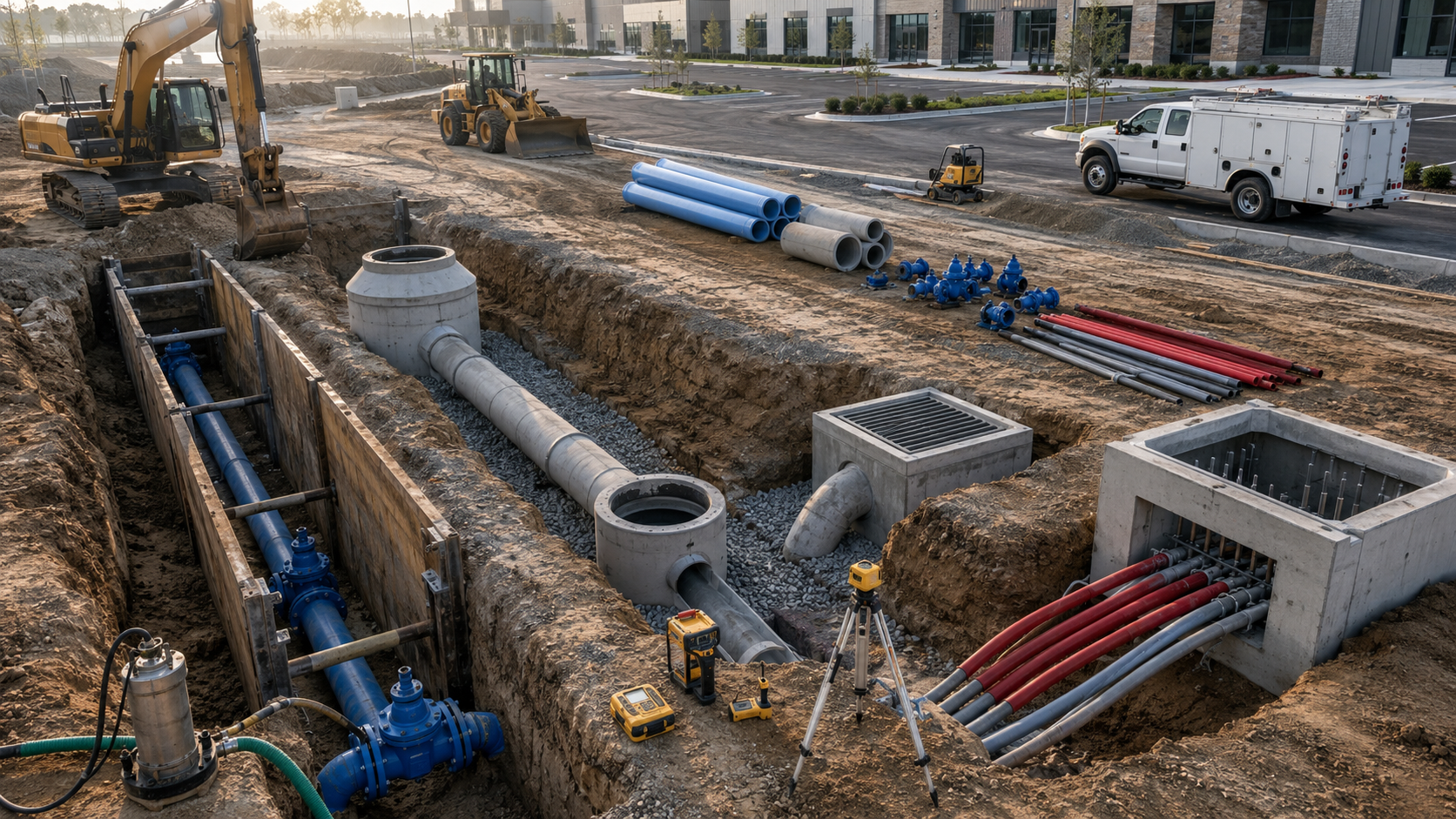
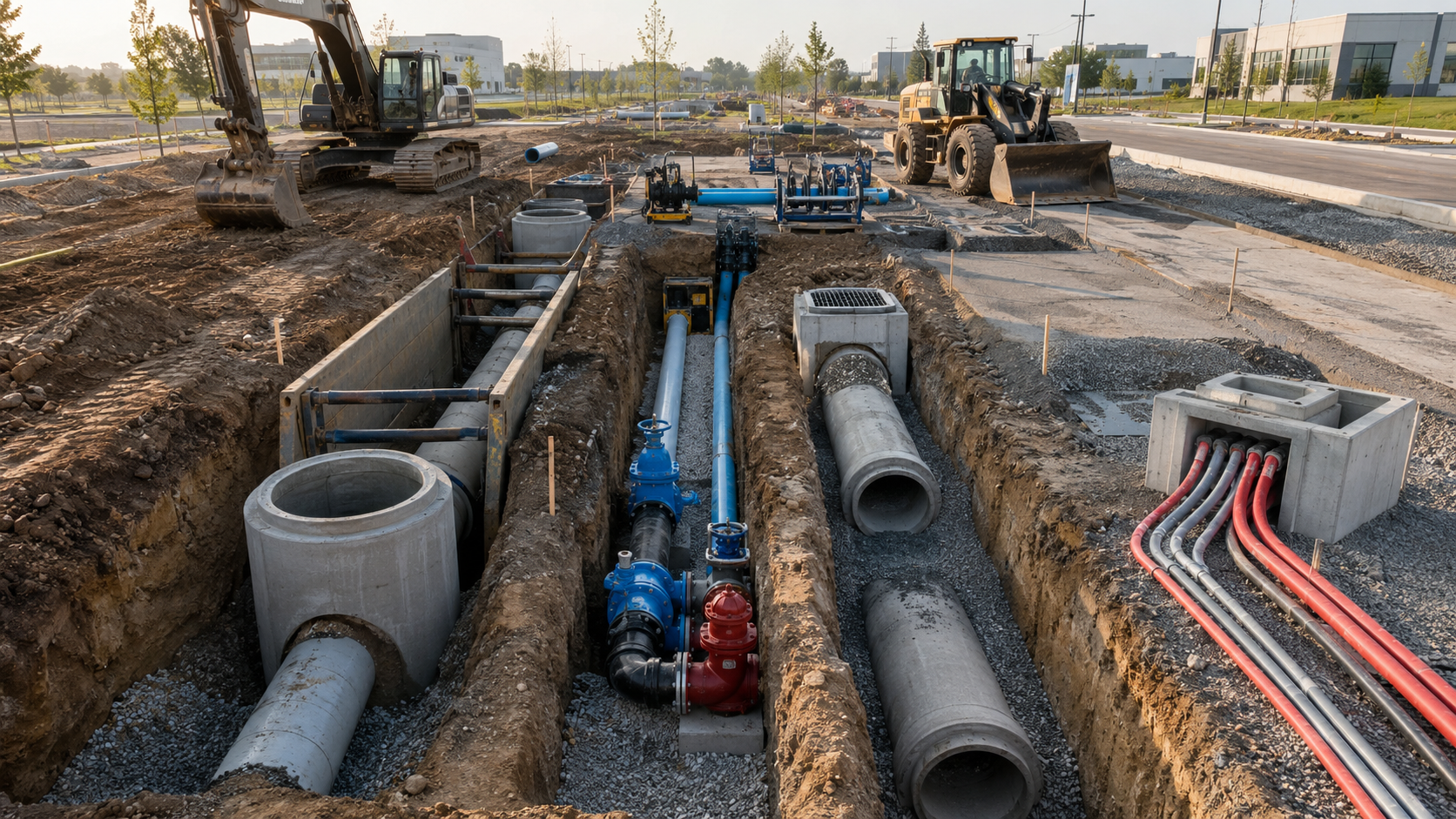
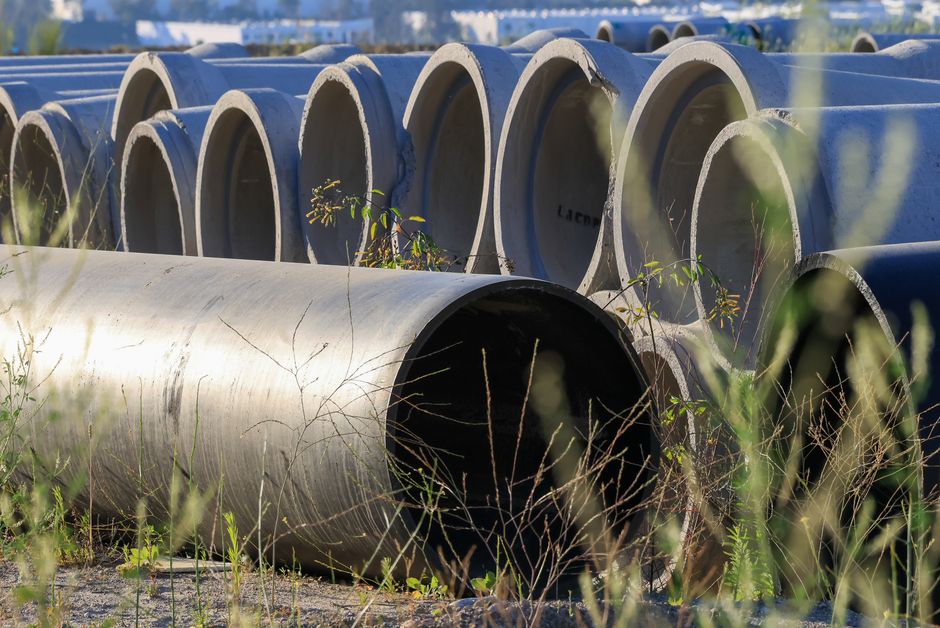
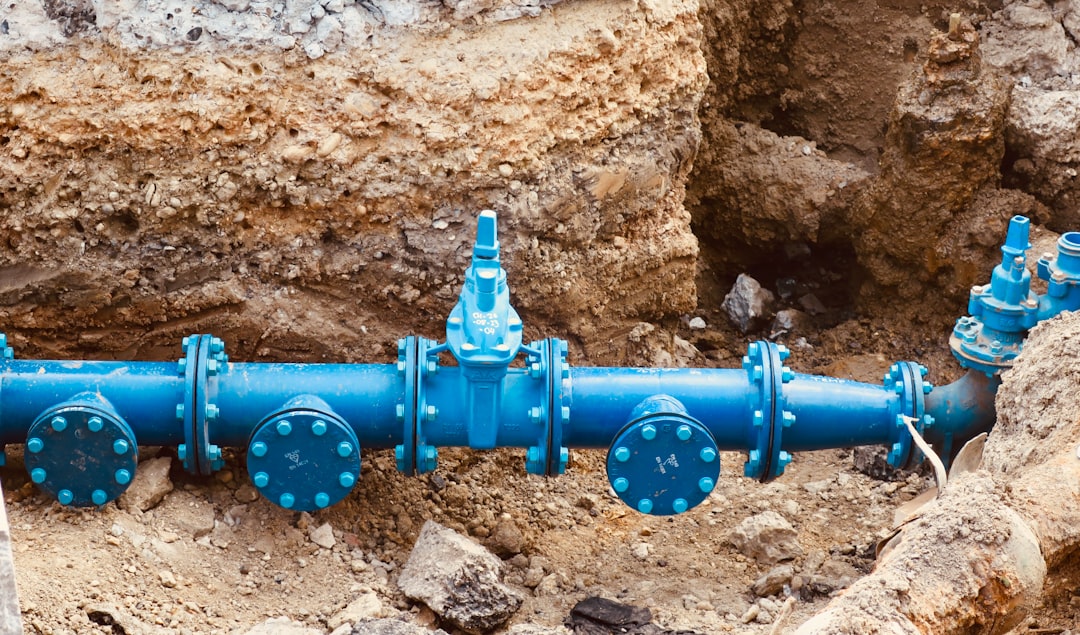
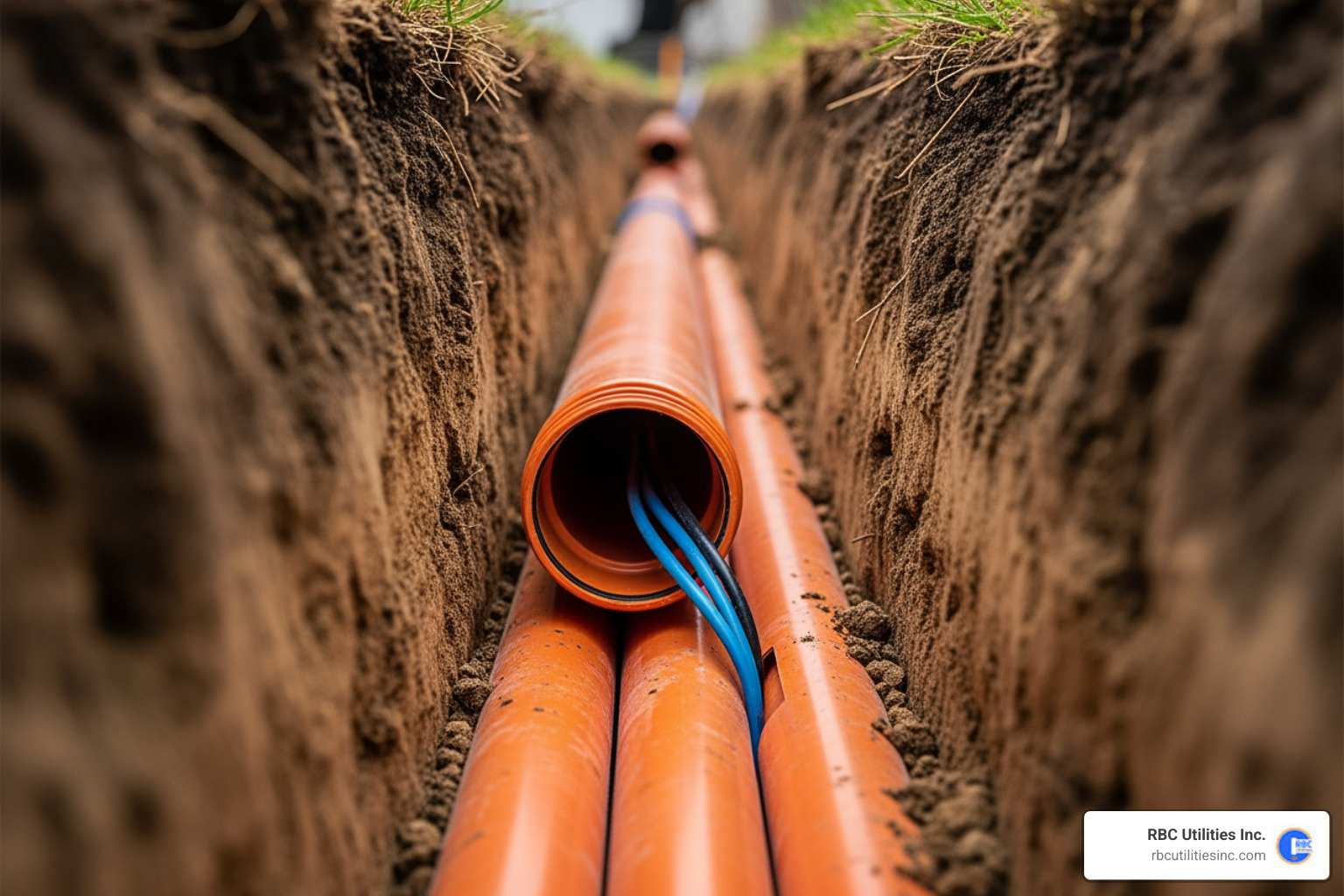
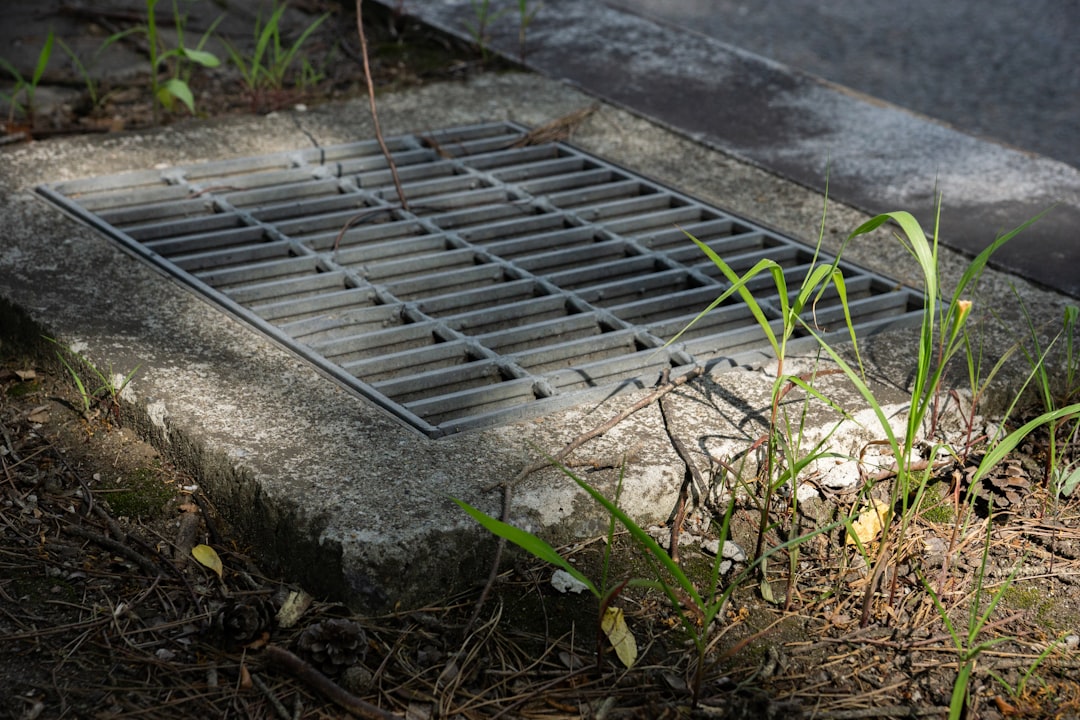
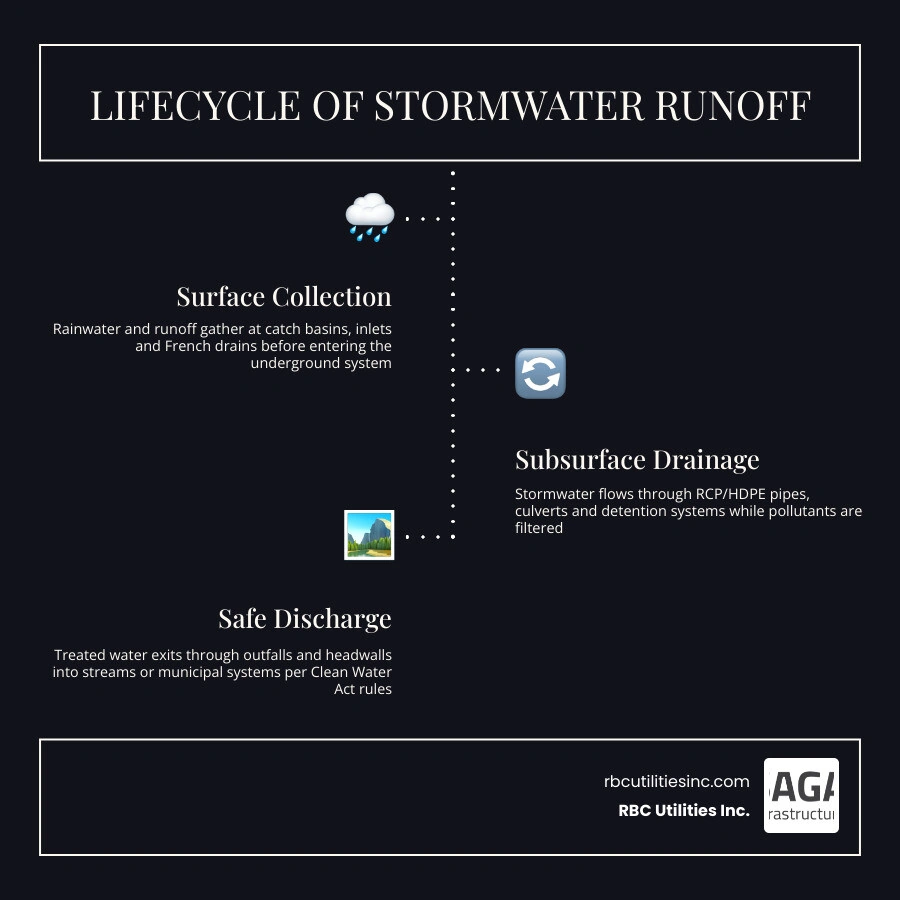
A comprehensive stormwater system is a network of interconnected parts. Professional contractors must be fluent in installing and servicing several key components:
Stormwater management is heavily regulated at the federal, state, and local levels. The federal Clean Water Act mandates National Pollutant Discharge Elimination System (NPDES) permits for construction sites and municipal separate storm sewer systems (MS4s). Contractors must strictly adhere to Stormwater Pollution Prevention Plans (SWPPPs) to control erosion and sediment runoff during construction.
With the federal government requiring over $15 billion in municipal investments since 2007 to address combined sewer overflows and runoff pollution, local inspectors do not play around. In North Carolina, the Department of Environmental Quality (NC DEQ) enforces strict water quality rules, particularly in sensitive river basins. Meanwhile, understanding South Carolina stormwater management guidelines is critical for any project south of the border, where coastal developments face unique tidal and high-water-table challenges.
Implementing modern eco-friendly designs is also key. Contractors who understand What is Green Stormwater Infrastructure Guide can help you integrate bioswales, rain gardens, and permeable pavements, often reducing your overall permitting timeline and stormwater utility fees.
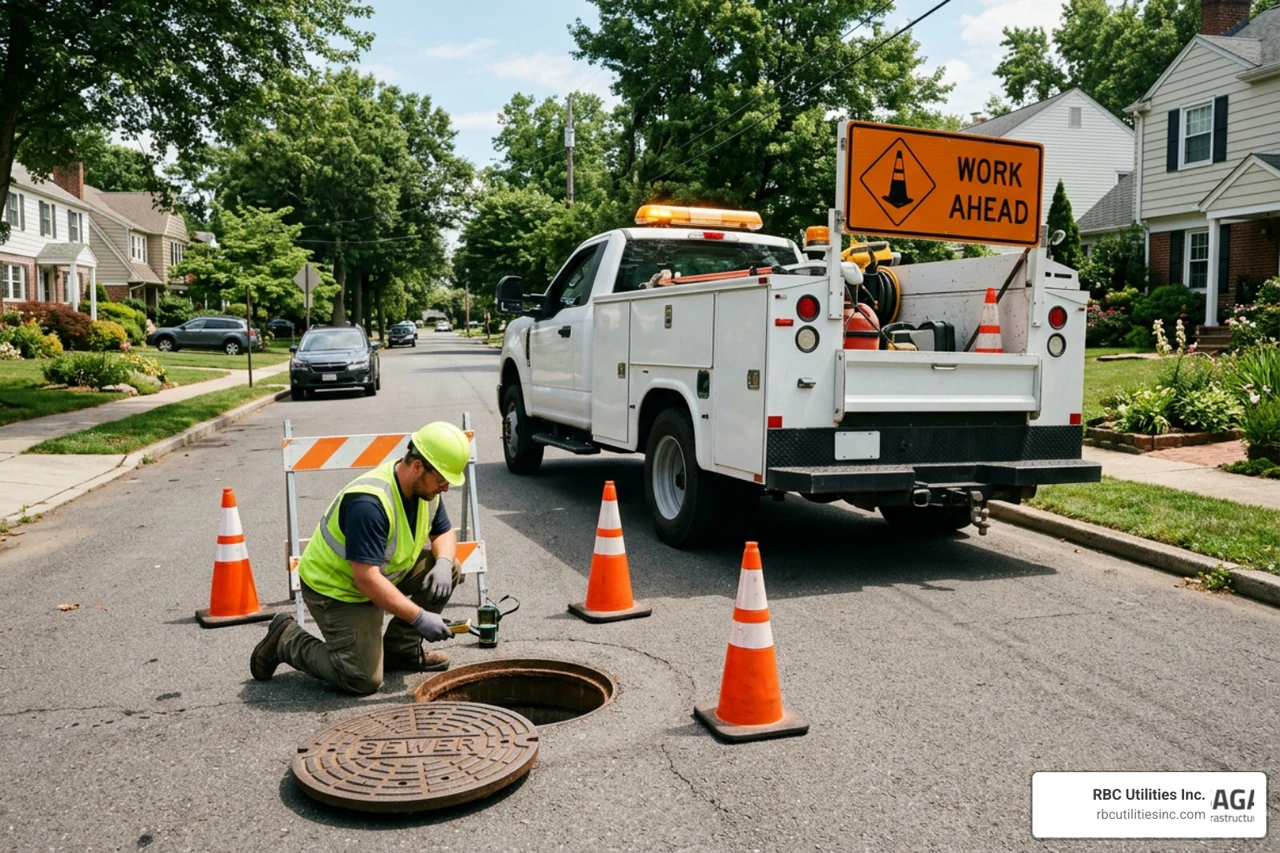
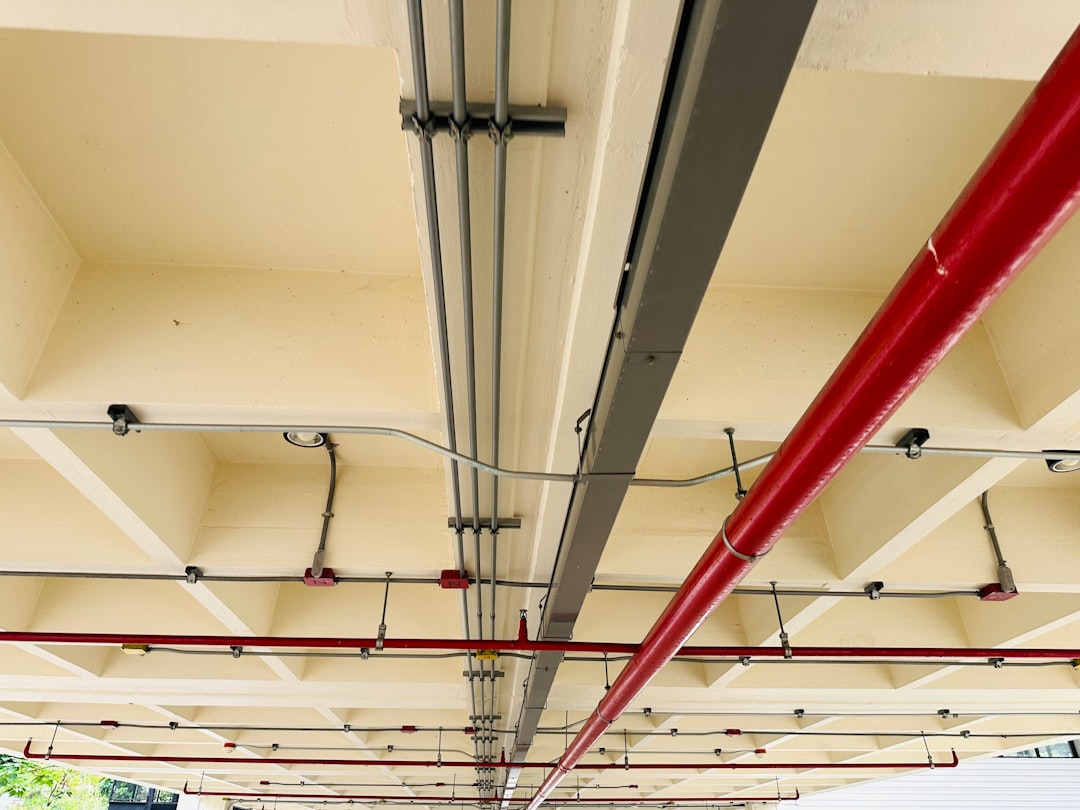
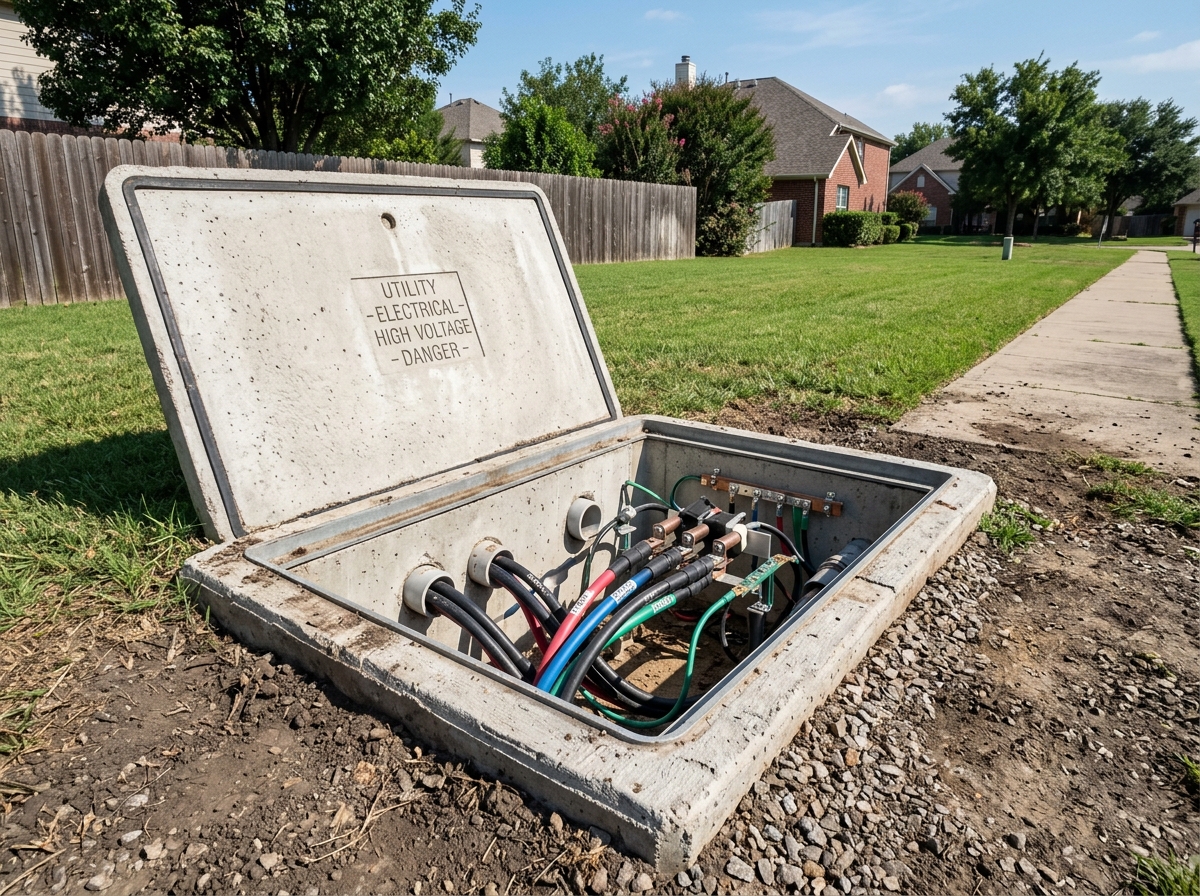
No storm drain project happens in a vacuum. Underground utility corridors are crowded spaces packed with water mains, sanitary sewers, gas lines, fiber-optic cables, and electrical conduits.
Before a single bucket of dirt is turned, we coordinate closely with local 811 utility locator services to map out existing infrastructure. We also work hand-hand with municipal engineering departments to ensure all work aligns with local design manuals. For instance, projects in the Queen City must comply with the strict specifications of Storm Water Services - City of Charlotte.
Additionally, if your project connects to or runs beneath state-maintained roadways, the work must meet rigorous NCDOT or SCDOT standards. Professional contractors handle this multi-agency coordination seamlessly, ensuring that all inspections are passed and closeout documentation is submitted without delaying your project.
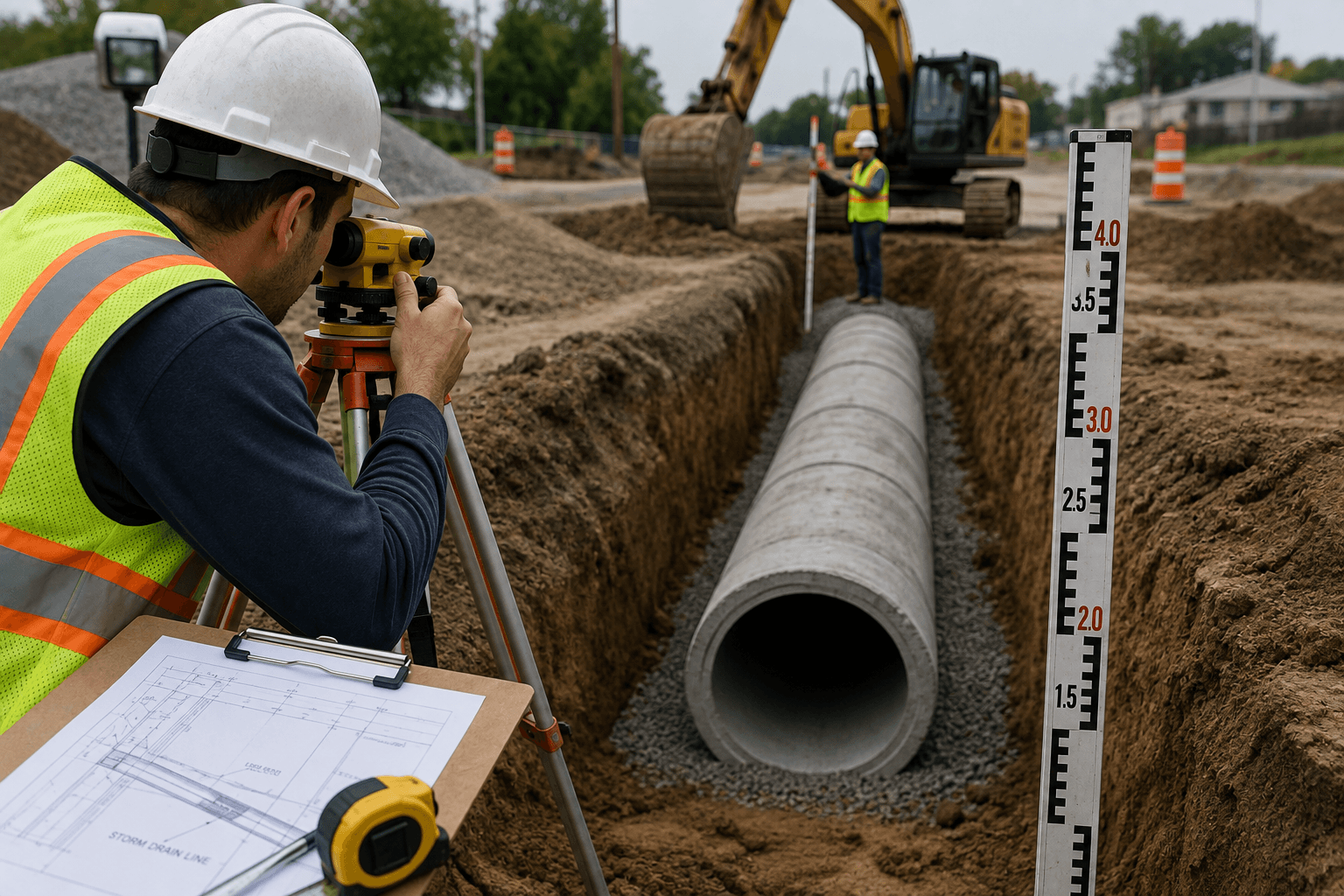
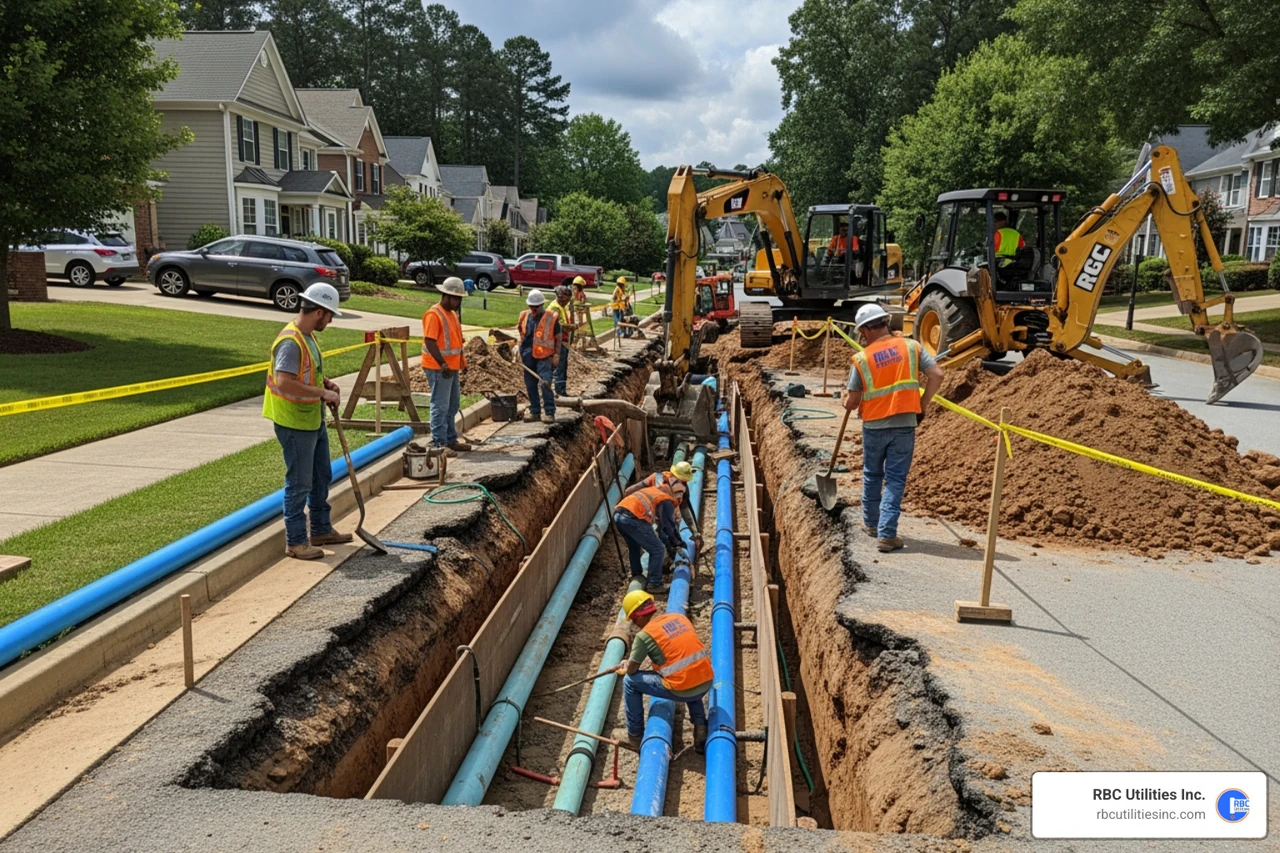
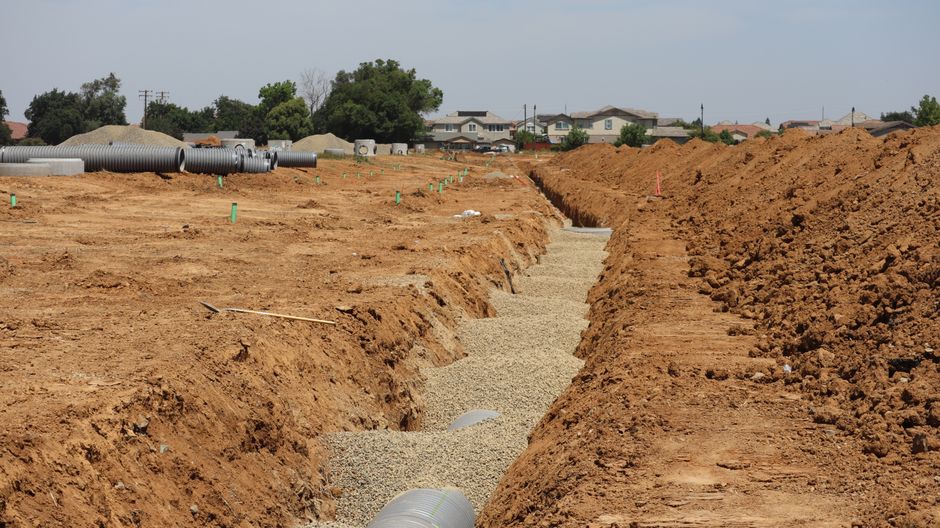
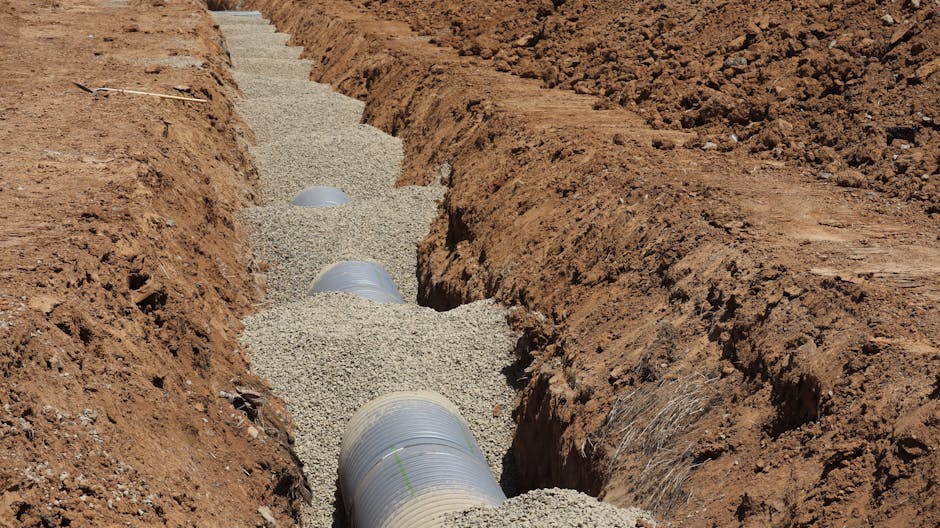
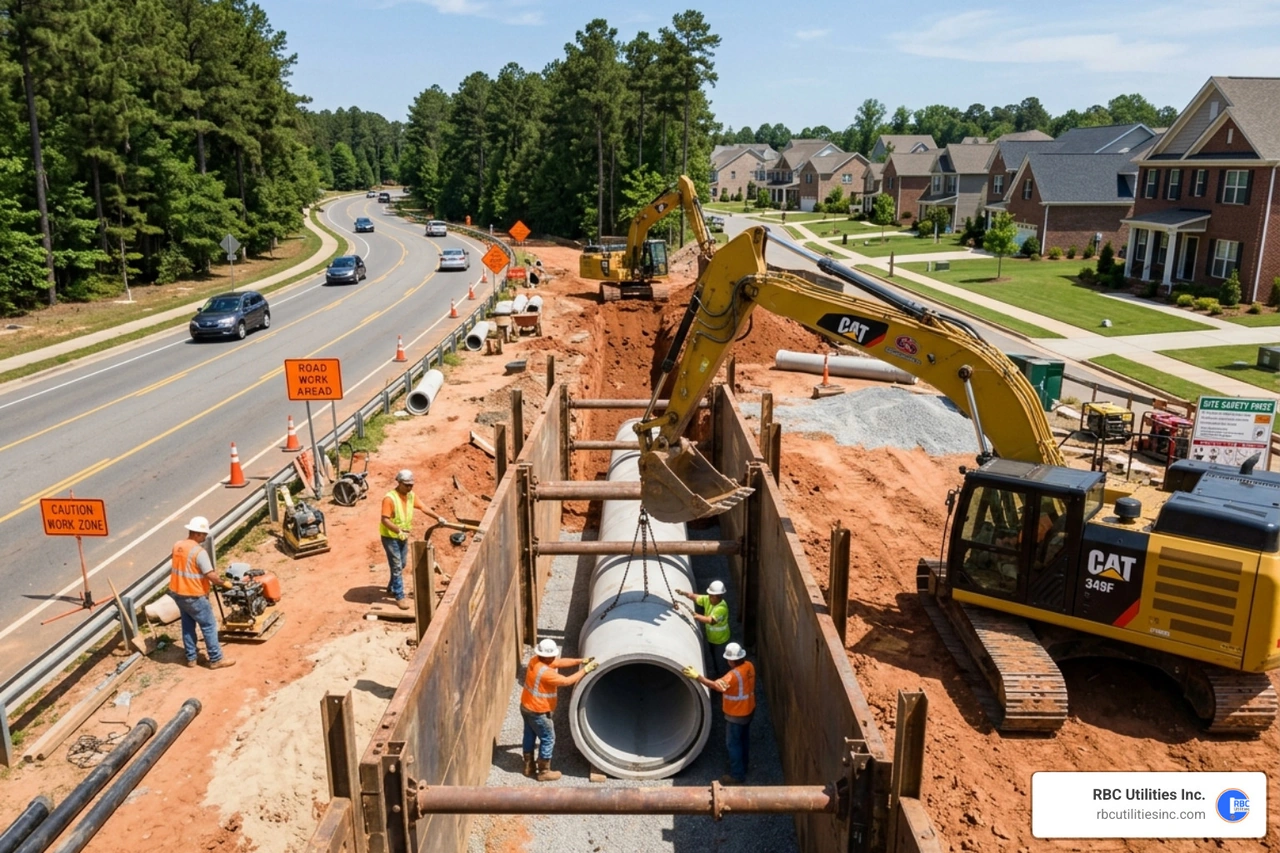
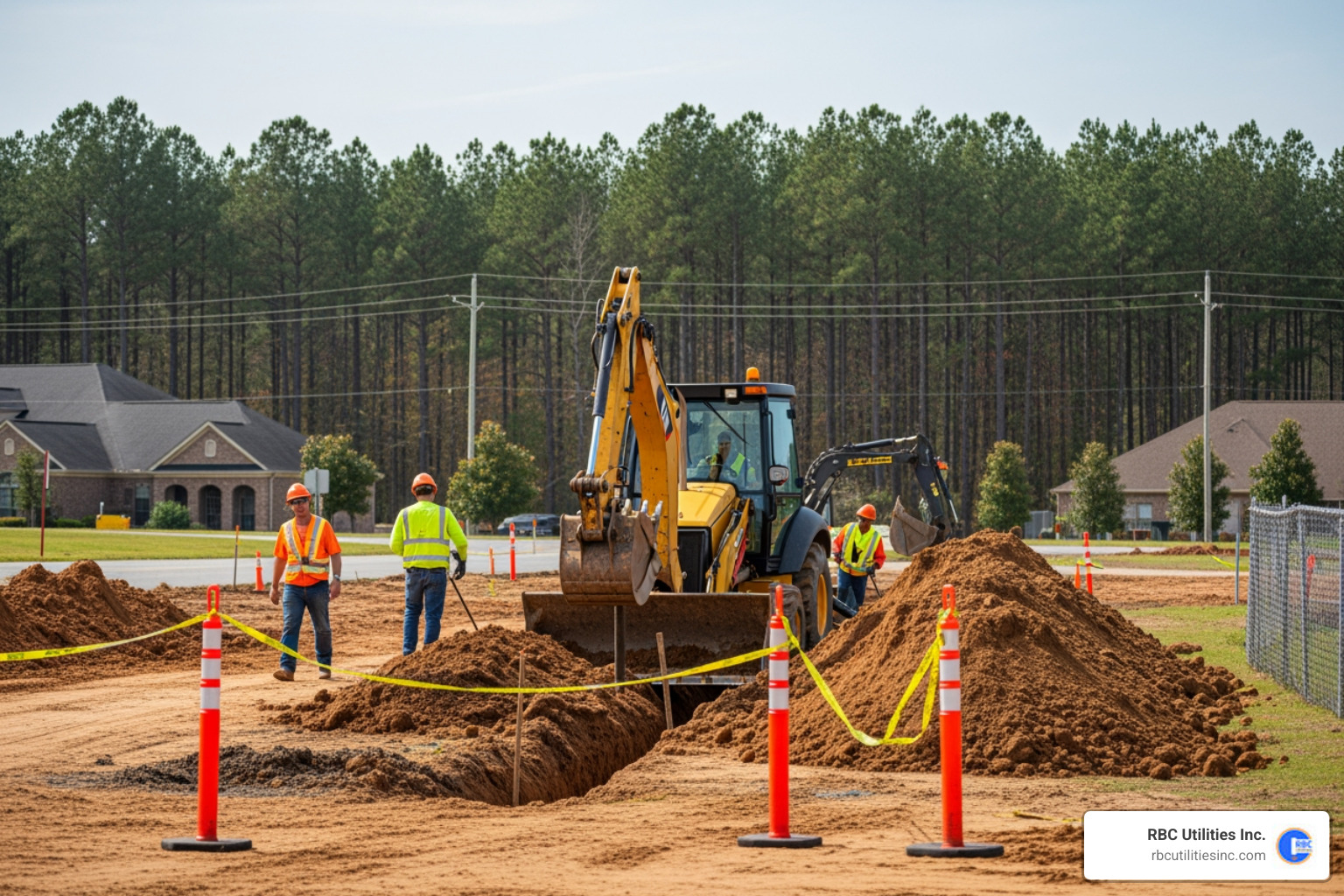
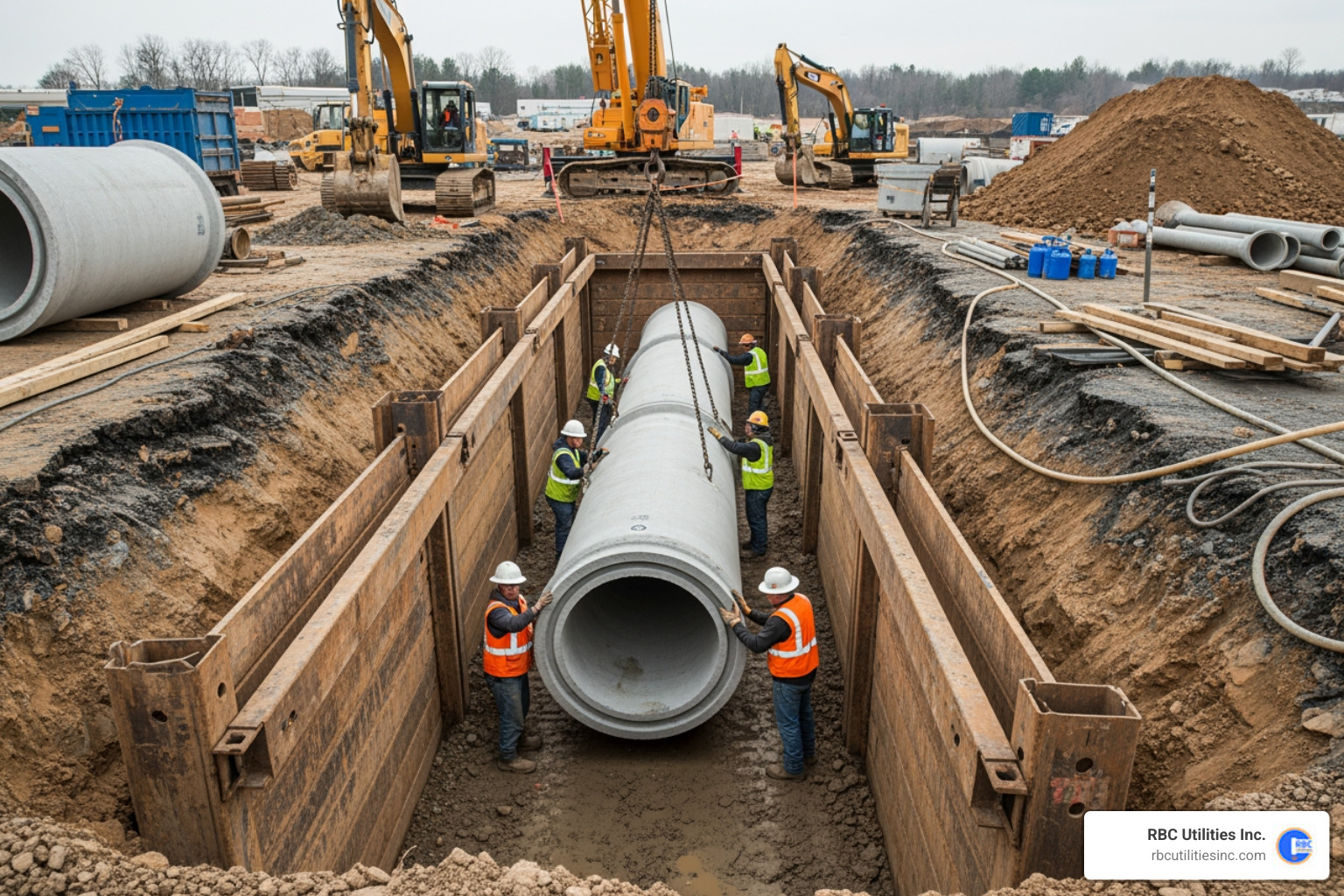
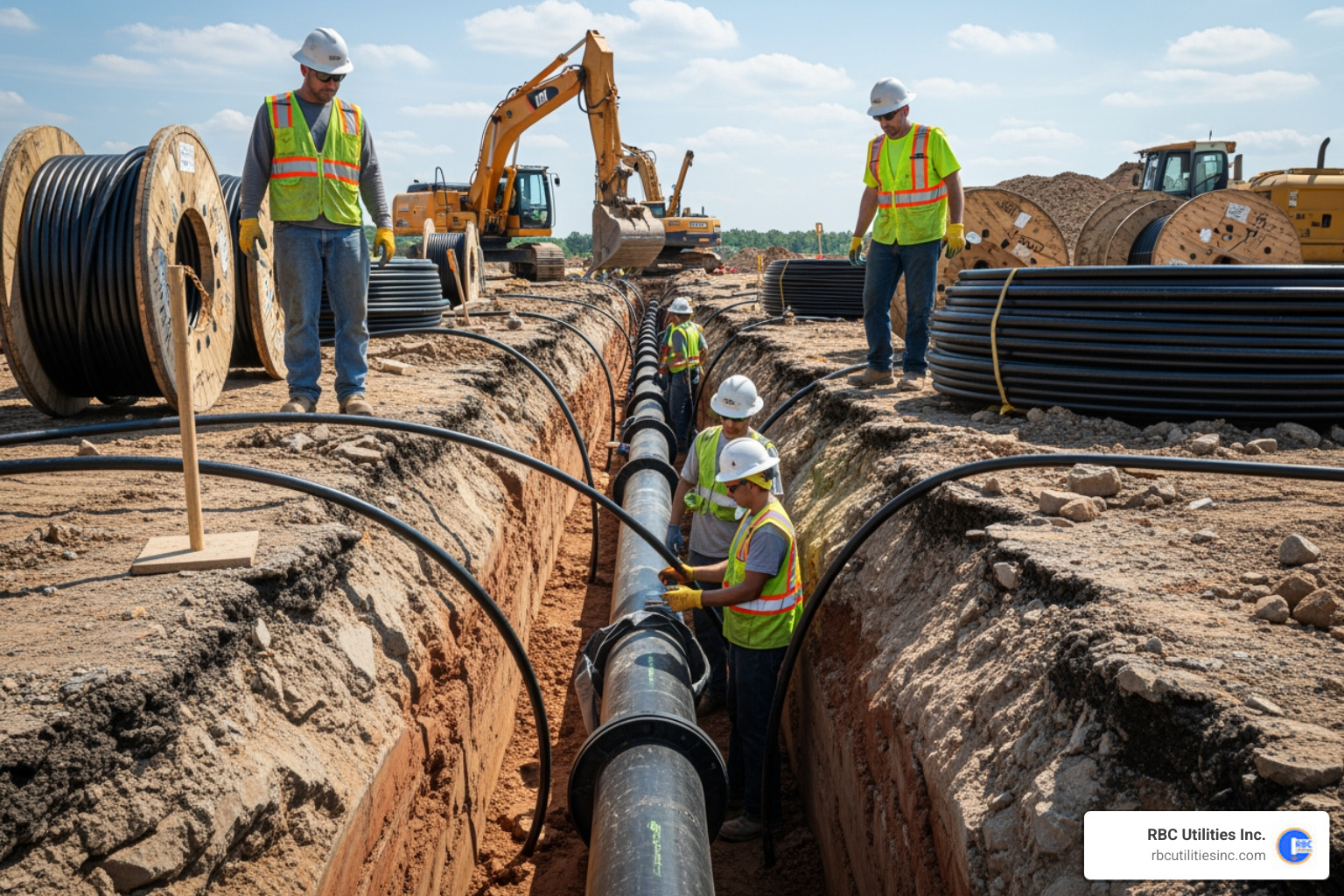
Building a reliable storm system requires a highly structured approach. It is not just about digging a ditch and dropping in some pipe; it is a precise engineering exercise.
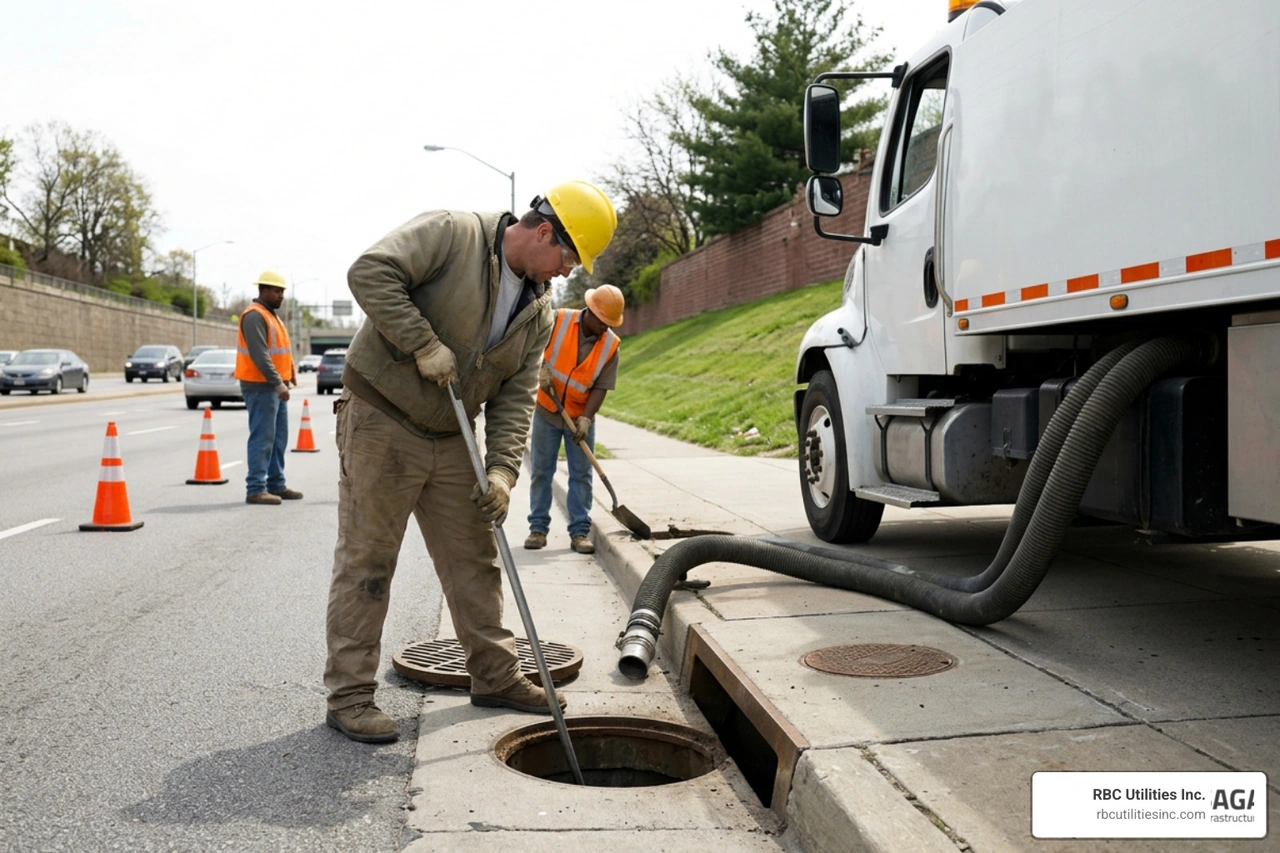
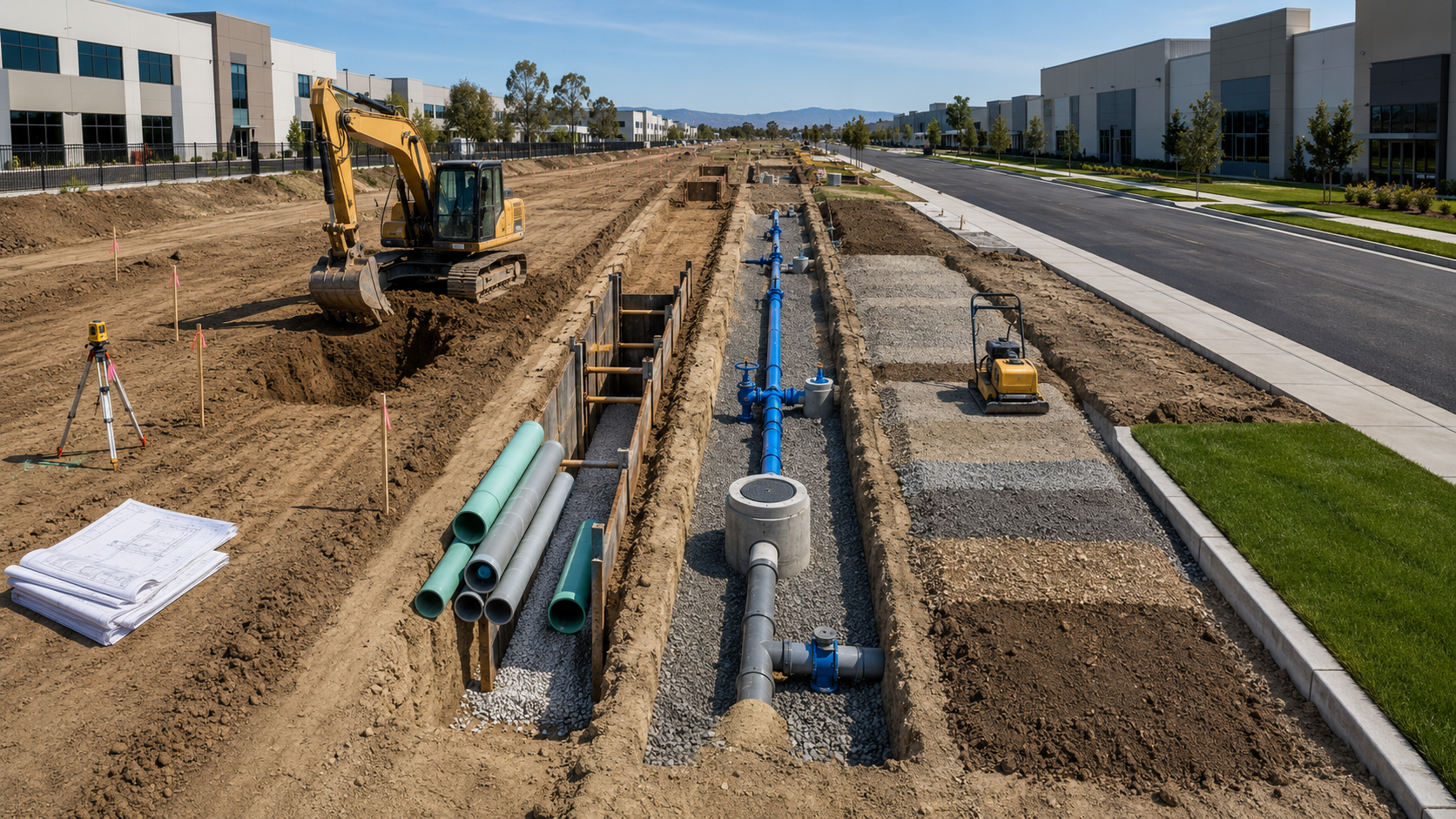
Every successful project follows these essential phases:
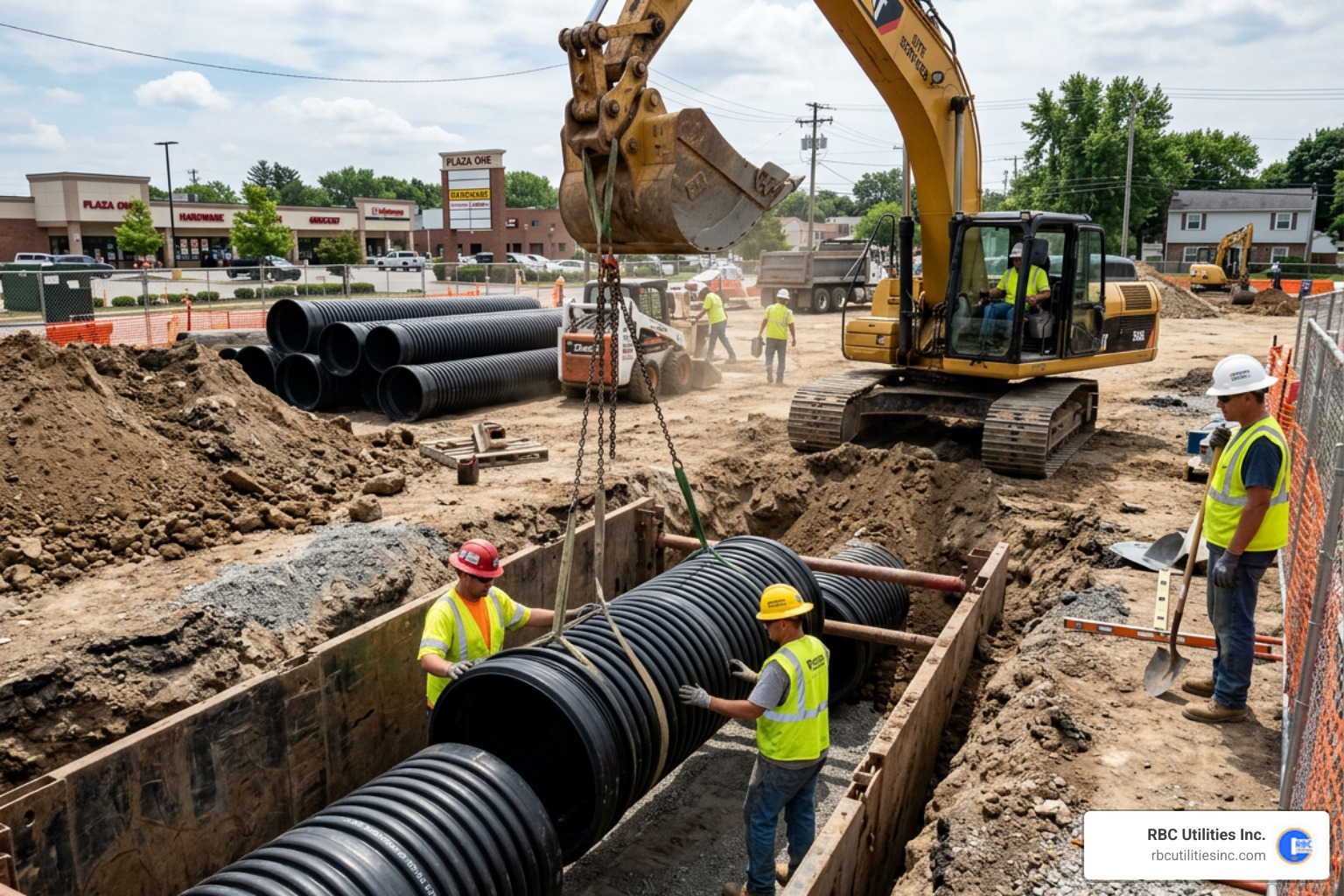
Whether you are working in North Carolina or adhering to South Carolina storm drain utility standards, following a disciplined Storm Drain Pipe Installation workflow is the only way to guarantee a system that lasts for decades.
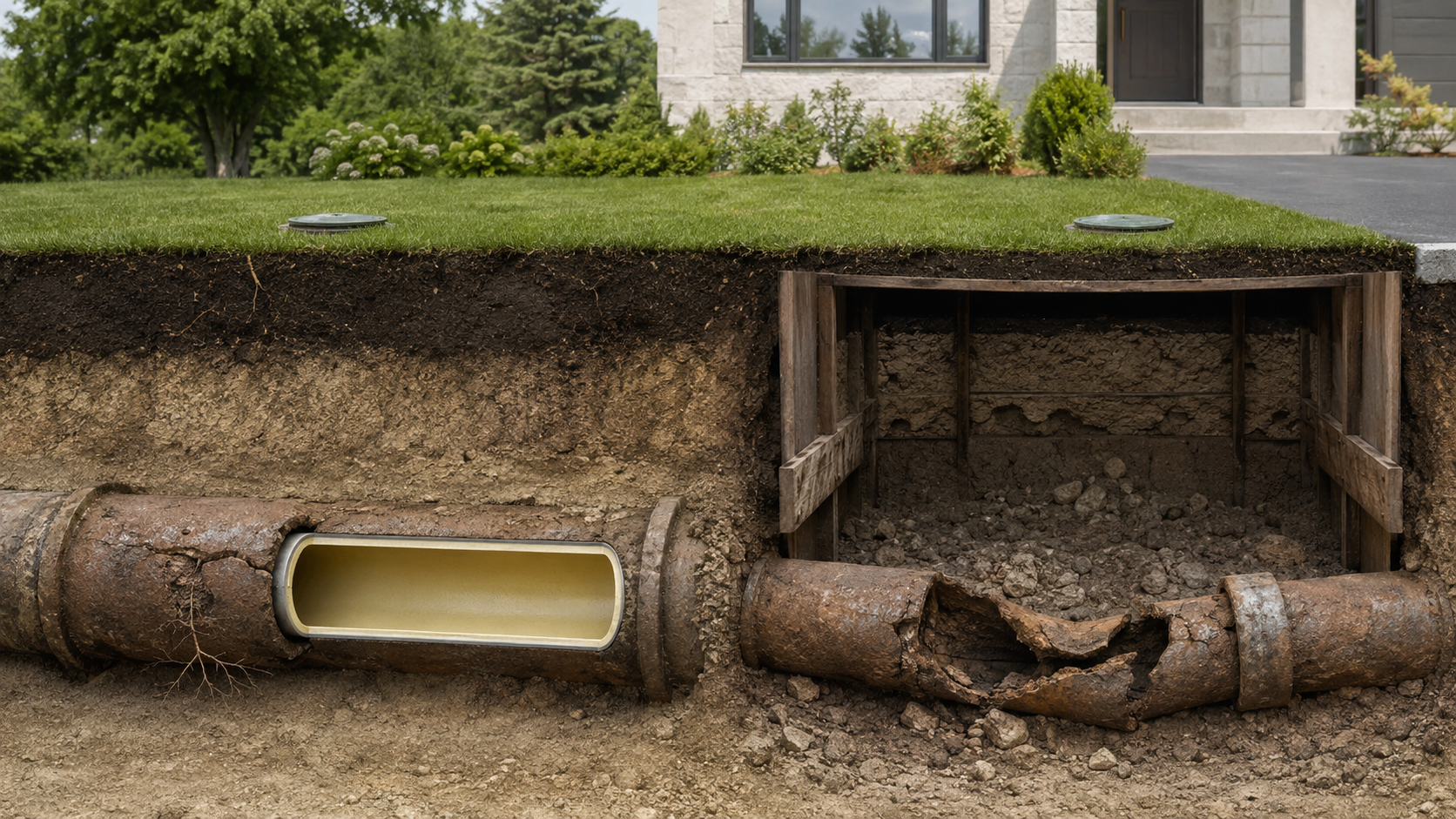
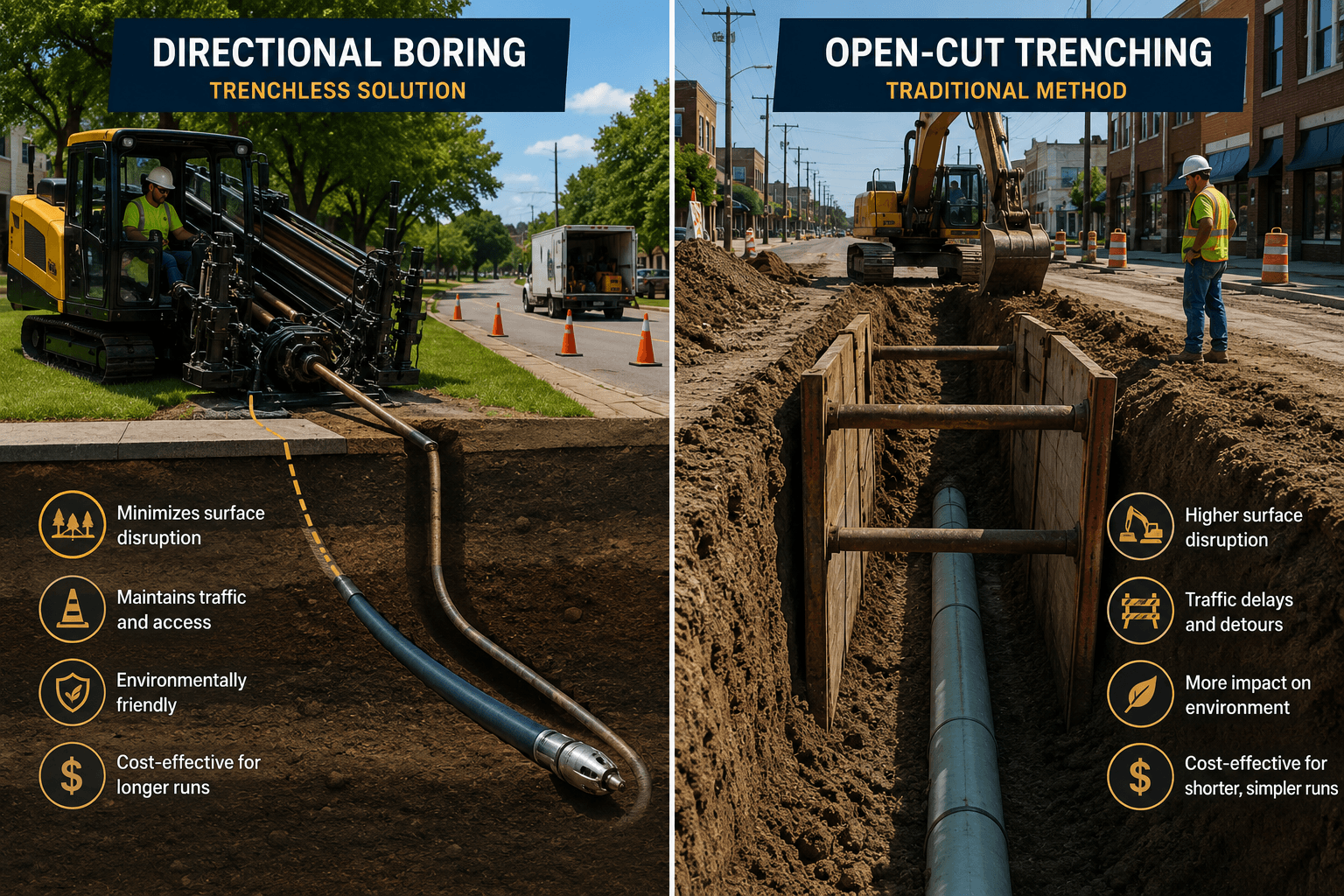
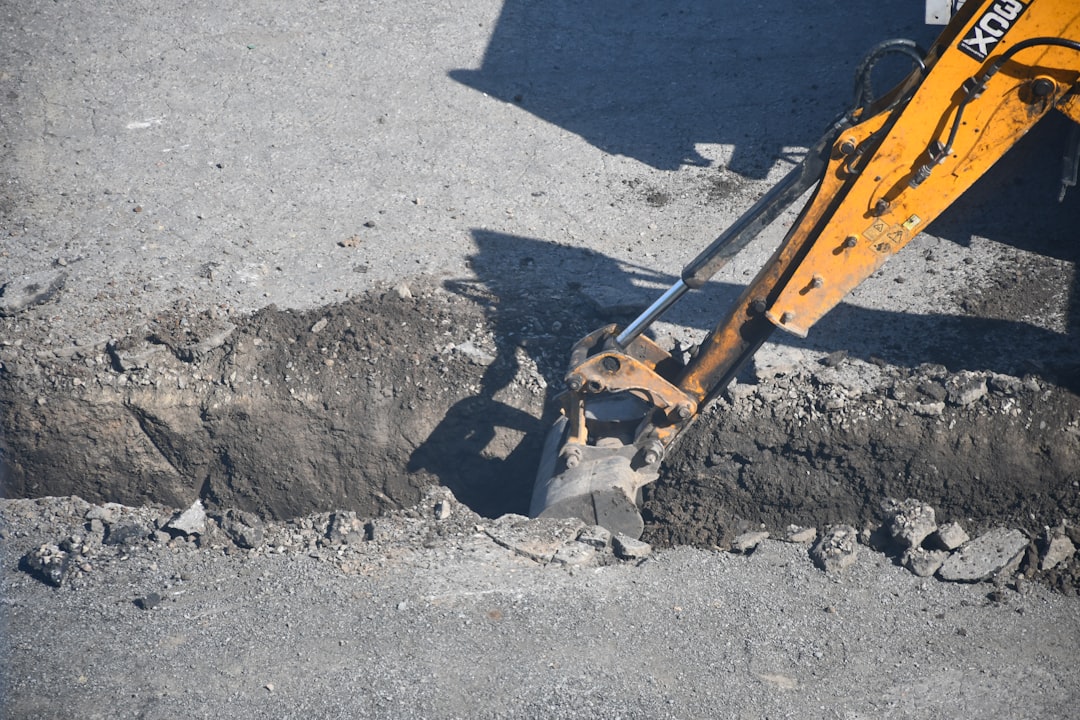
Historically, repairing or replacing a failing storm drain meant digging up everything in its path—destroying parking lots, tearing up landscaping, and shutting down roads. While open-cut excavation remains the most practical choice for brand-new installations, modern trenchless technologies offer incredible alternatives for repairs and tight utility corridors.
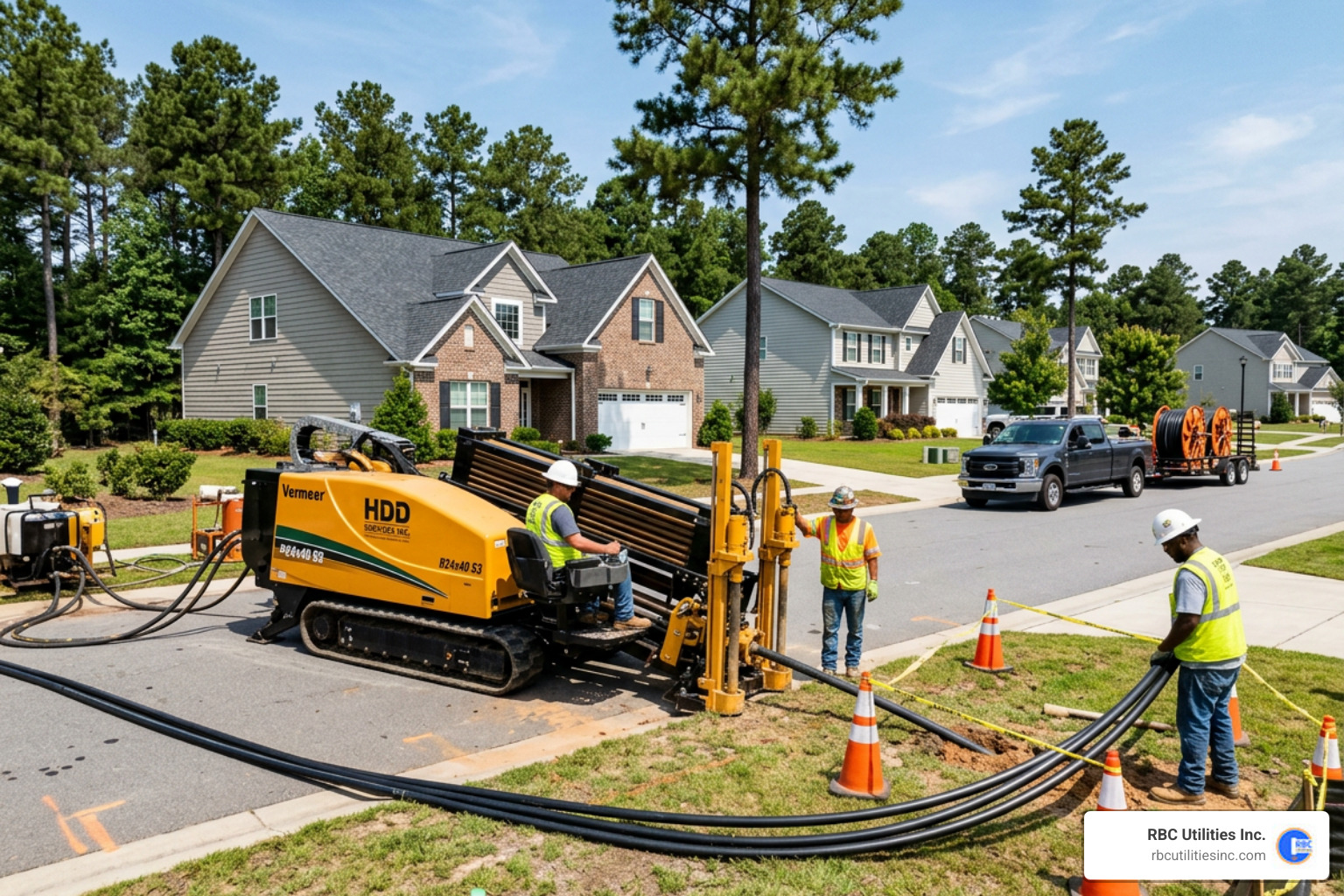
Using Trenchless Utility Installation Carolinas methods, such as directional boring or Cured-In-Place Pipe (CIPP) lining, allows contractors to install or rehabilitate pipes with virtually zero surface disruption. This is particularly valuable when delivering commercial drainage services for active retail centers, office parks, or busy municipal roadways where closing a lane costs time and money.
| Feature / Method | Traditional Open-Trench | Trenchless (CIPP / Directional Boring) |
|---|---|---|
| Surface Disruption | High (requires repaving, landscaping restoration) | Minimal (requires small launch/reception pits) |
| Ideal Use Case | New construction, shallow runs, heavily damaged collapsed pipes | Repairs under roads, deep lines, active commercial parking lots |
| Installation Speed | Moderate (dependent on weather and restoration) | Fast (often completed in a single day) |
| Cost Profile | Lower pipe material costs, but higher surface restoration costs | Higher specialized equipment costs, but near-zero restoration costs |
| Structural Integrity | Brand-new pipe with 50-100 year design life | Creates a seamless, jointless structural liner inside host pipe |
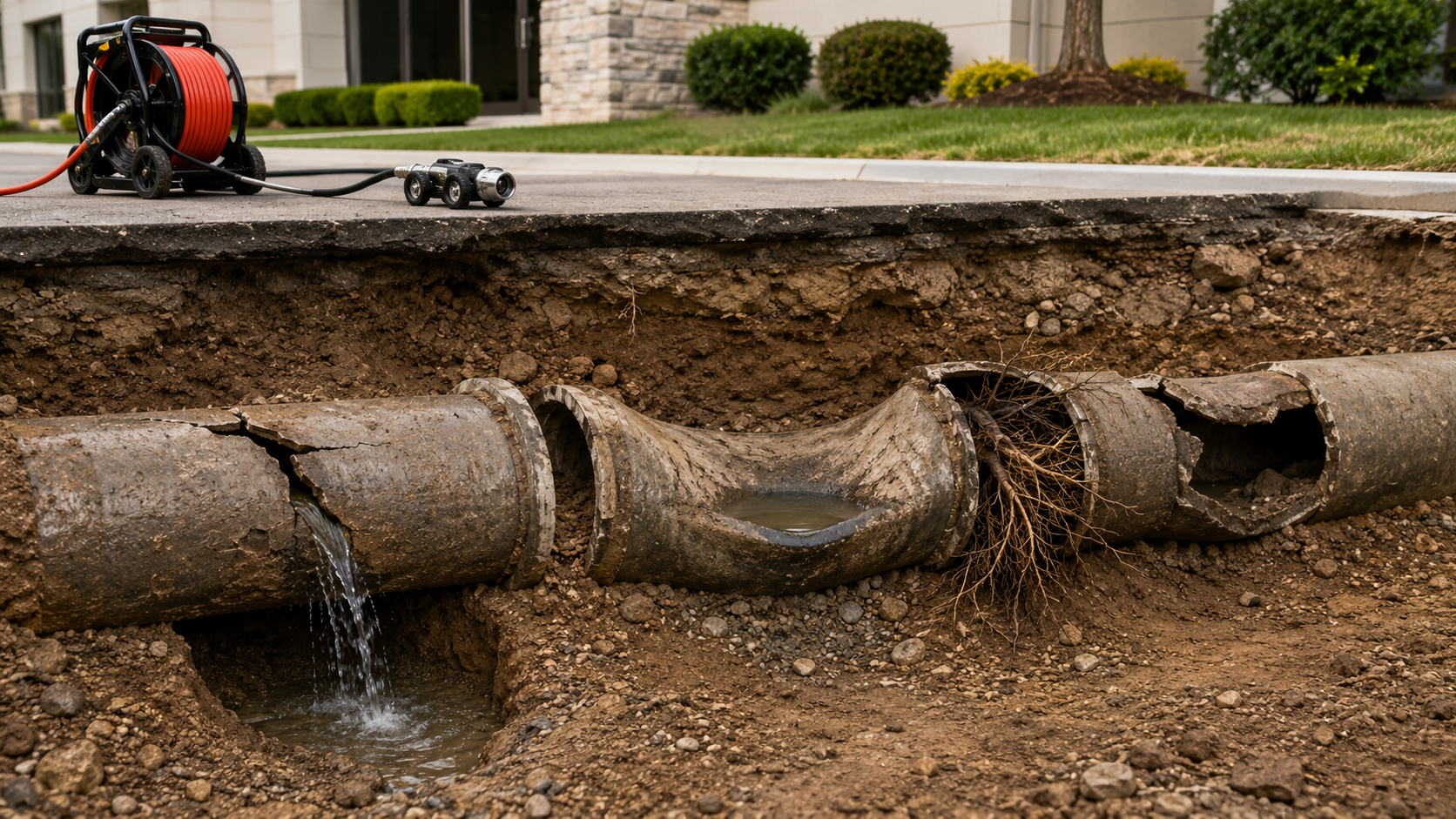
When a storm drain fails underground, it does not always announce itself with a dramatic blowout on the surface. Often, it starts with a small leak at a pipe joint. Over time, water escaping the pipe during heavy rains washes away the surrounding soil. During dry periods, loose soil is drawn back into the pipe and carried away.
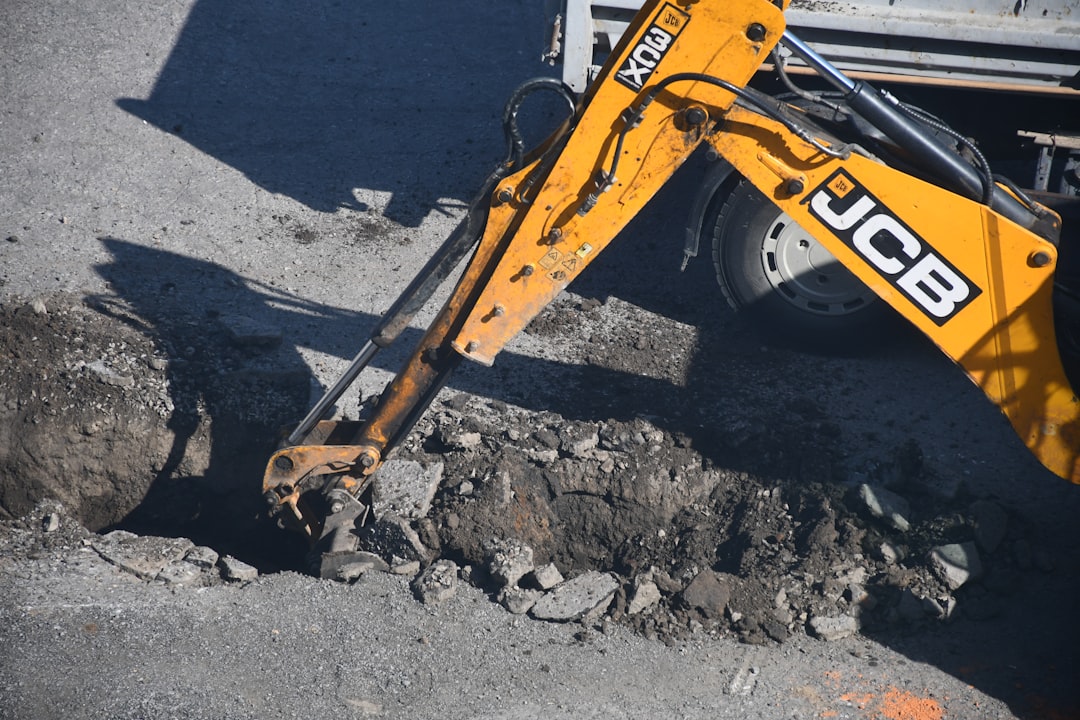
This cycle creates a massive underground void. Eventually, the weight of the pavement or ground above becomes too heavy, and the surface collapses, creating a sudden and dangerous sinkhole.
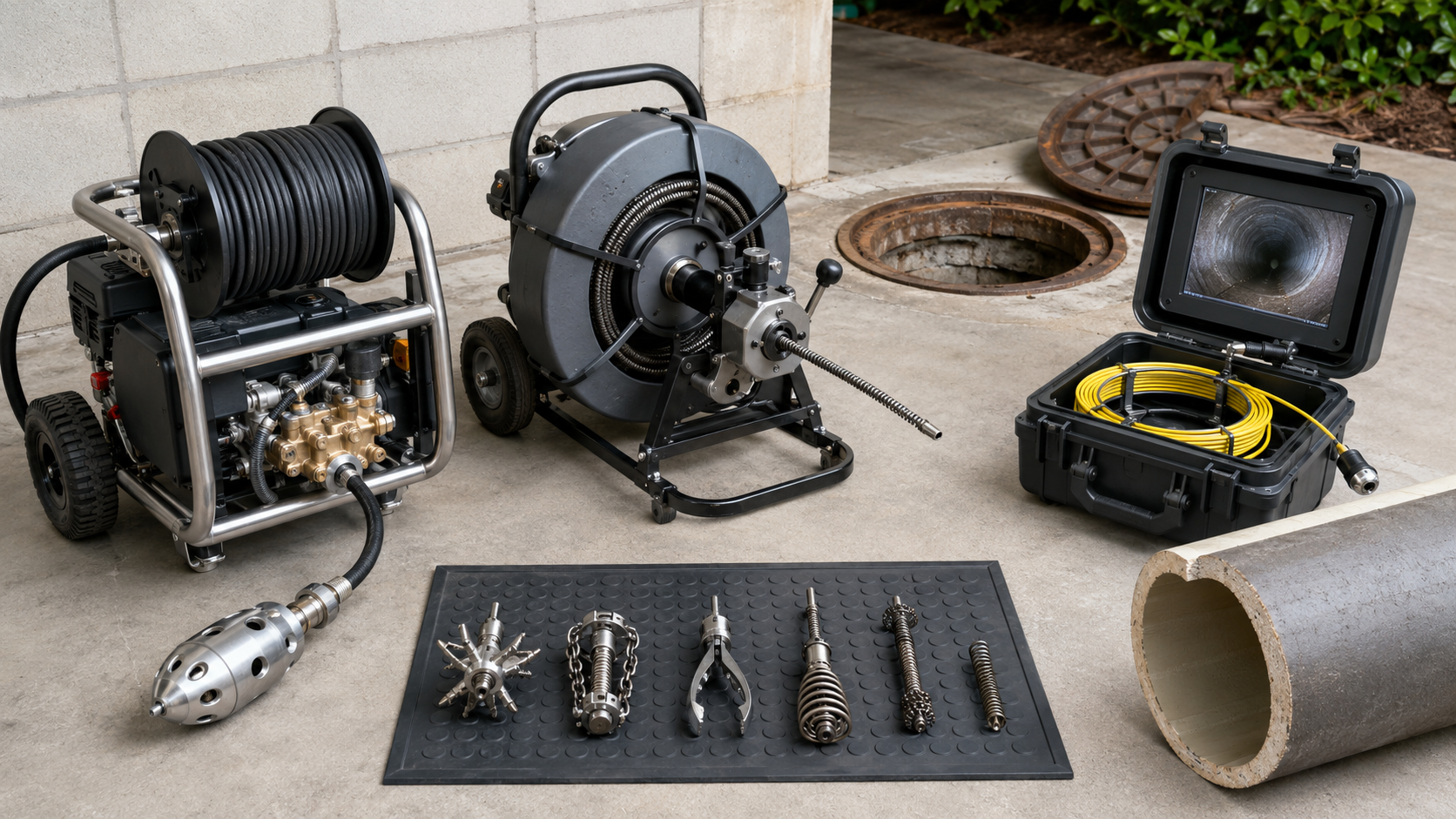
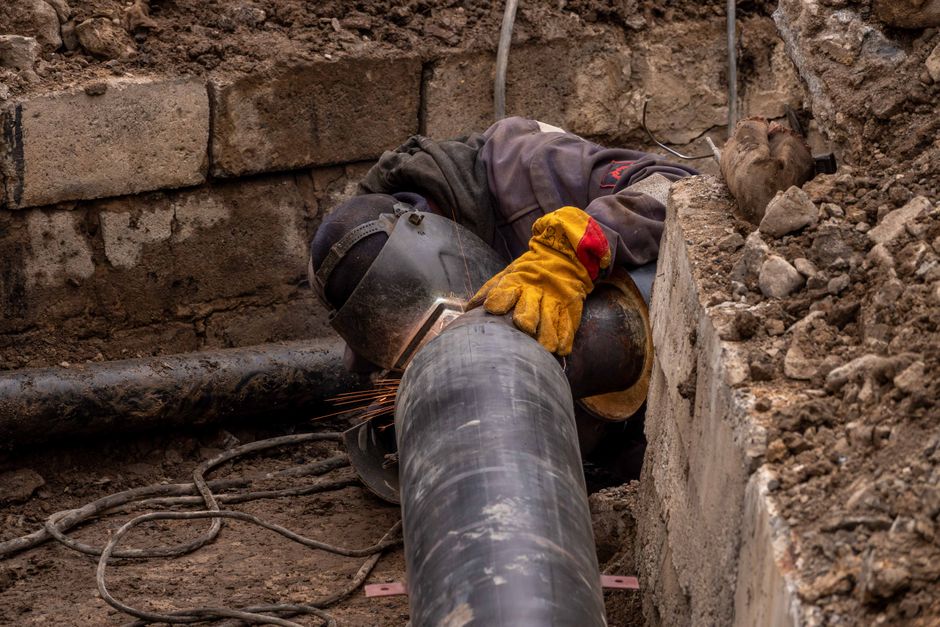
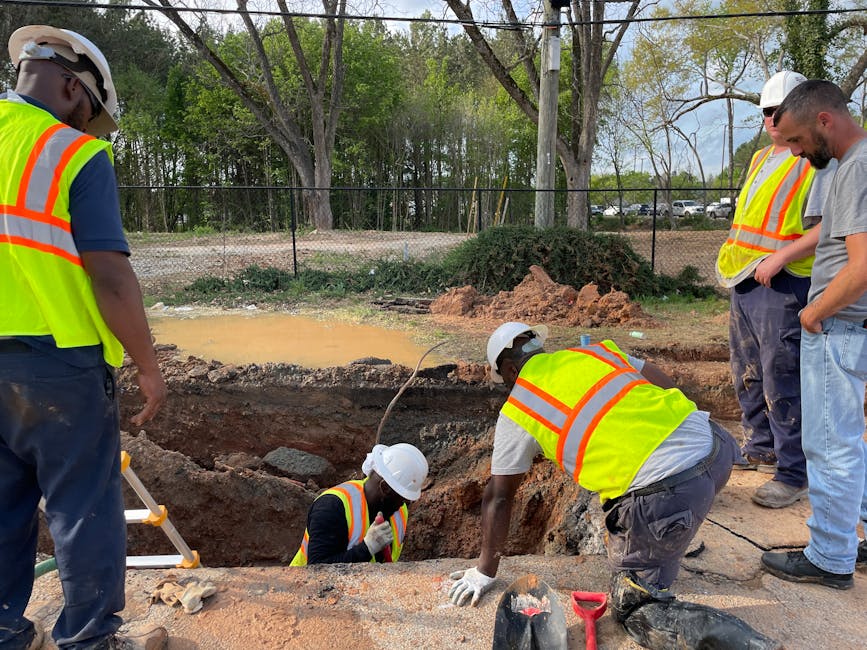
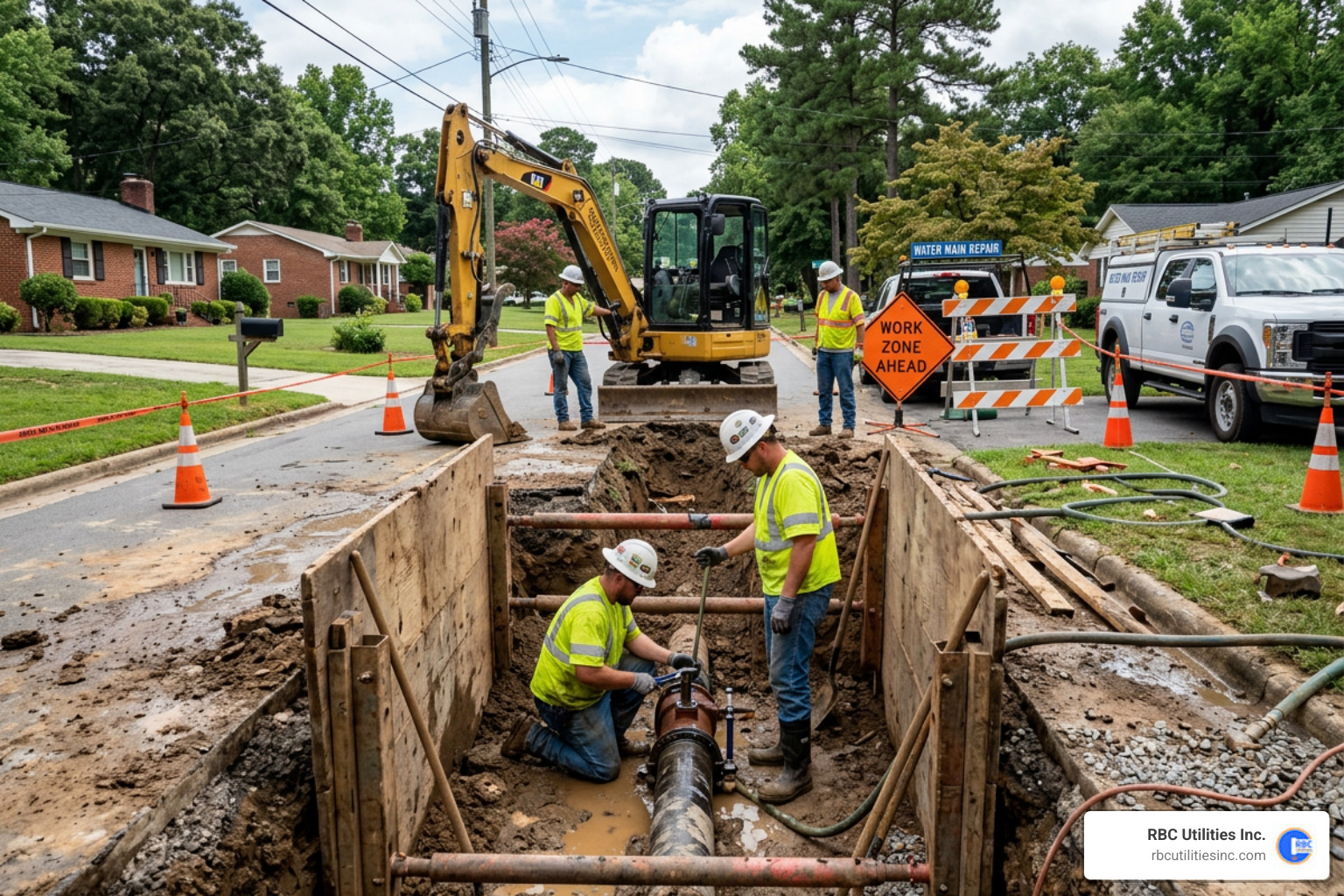
Mitigating these subsurface issues requires a fast, technical response. First, we deploy specialized robotic CCTV cameras to pinpoint the exact location and cause of the pipe failure. If the pipe is still structurally viable, we can perform a trenchless CIPP point repair, creating a jointless structural sleeve that seals the leak. If a collapse has already occurred, we rapidly mobilize excavation crews to stabilize the ground, repair the pipe, fill the subsurface void with structural grout, and restore the surface safely.
Selecting the right utility contractor is the difference between a smooth project and a logistical nightmare.
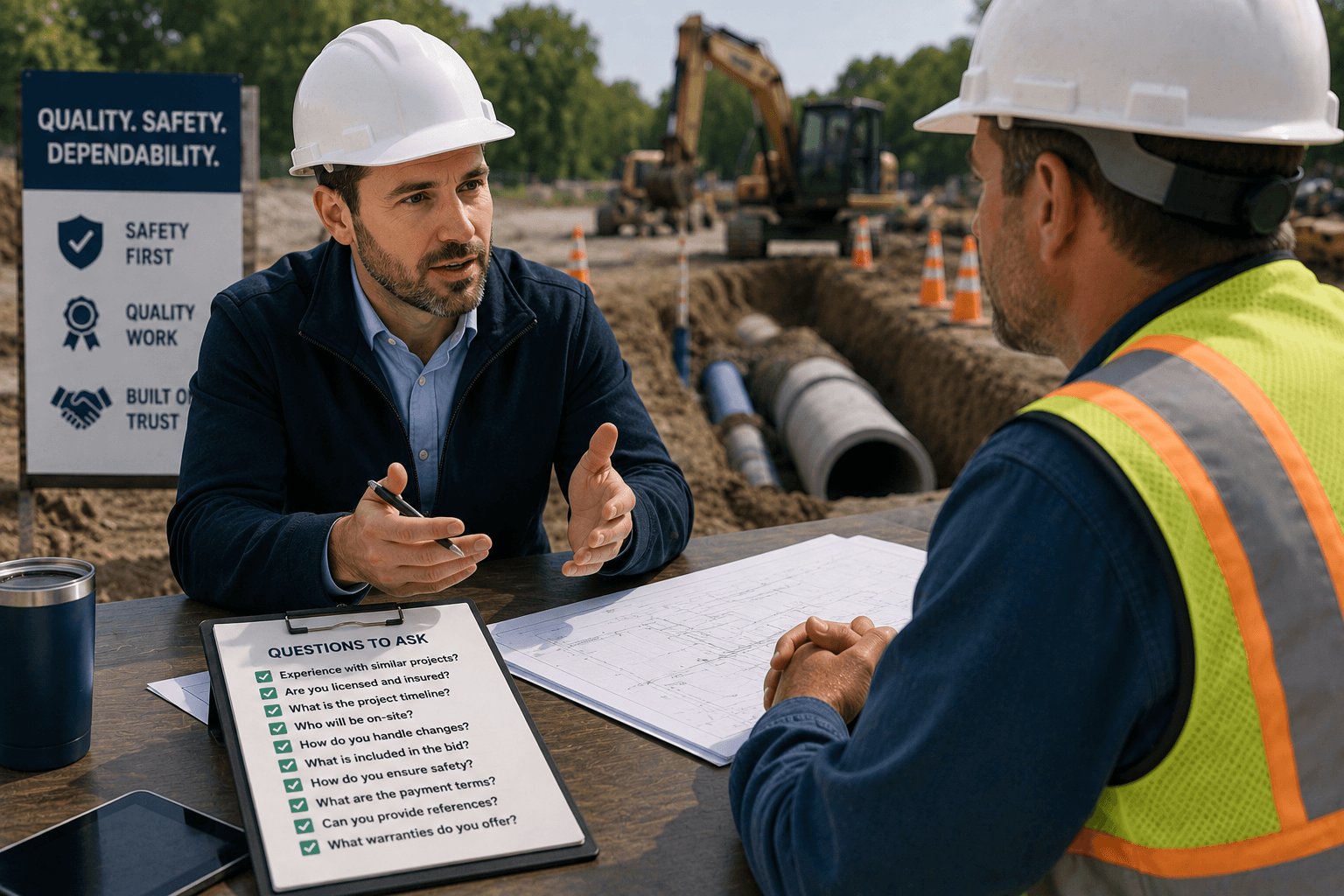
When vetting local companies, always verify that they hold a valid utility contractor license in North Carolina or South Carolina, carry comprehensive general liability and worker’s compensation insurance, and have a proven track record of handling projects of similar scale. Do not hesitate to ask for a project portfolio or check local municipal contractor registries to confirm their standing.
To protect your investment, look for contractors who carry specialized industry certifications:
Whether you are working on a commercial site in Charlotte or navigating the steep terrain and rocky soils of Western North Carolina, these technical qualifications ensure the job is done right the first time.
The old adage "an ounce of prevention is worth a pound of cure" perfectly describes stormwater management. Waiting for a system to back up during a major storm is an expensive way to manage your infrastructure.
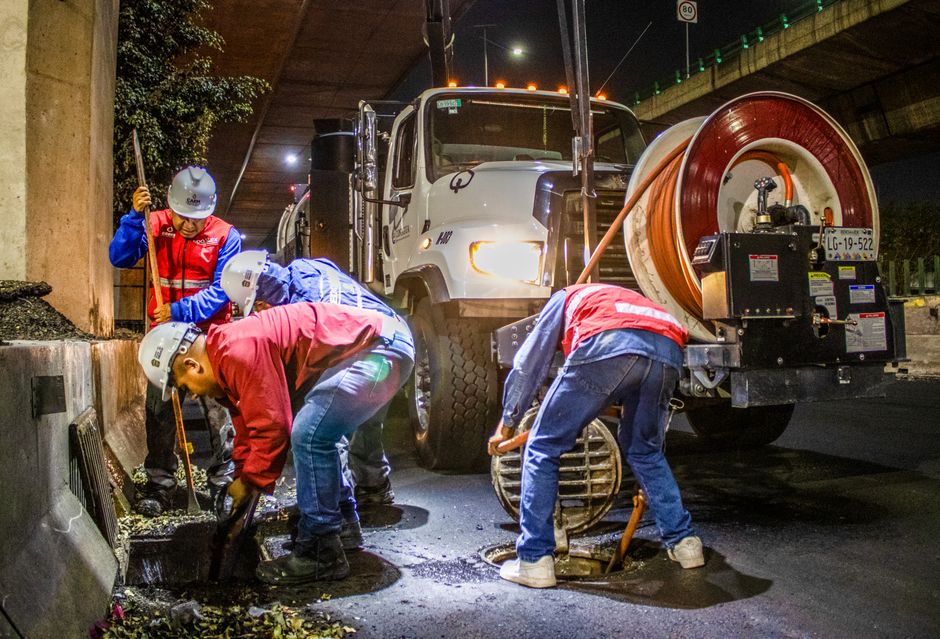
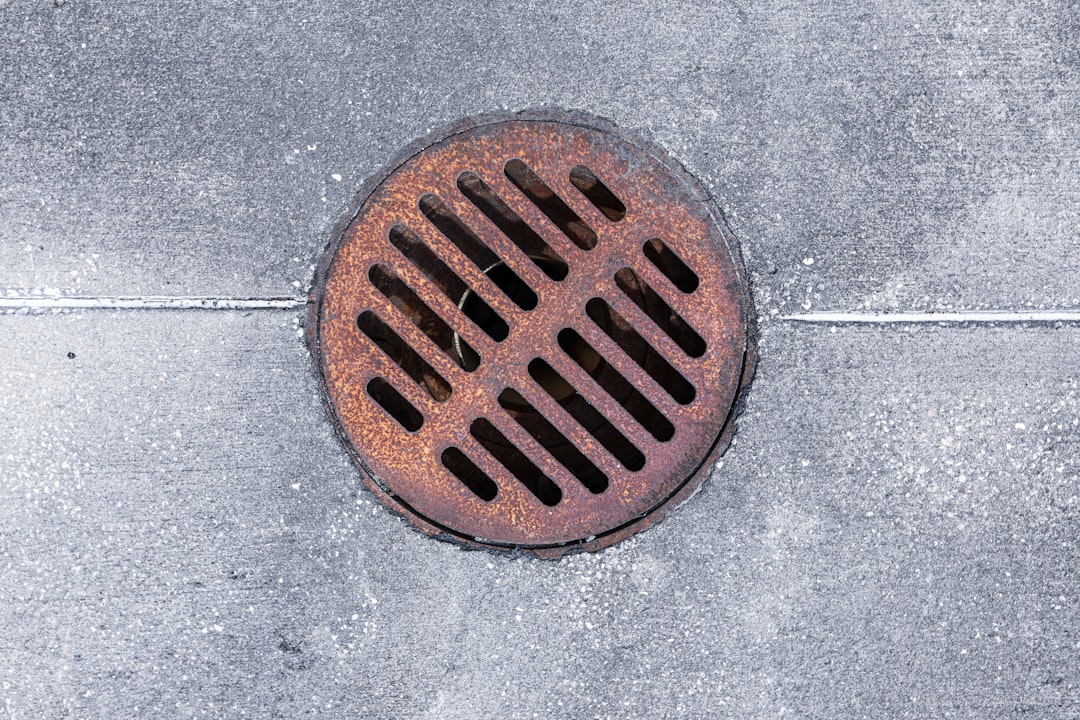
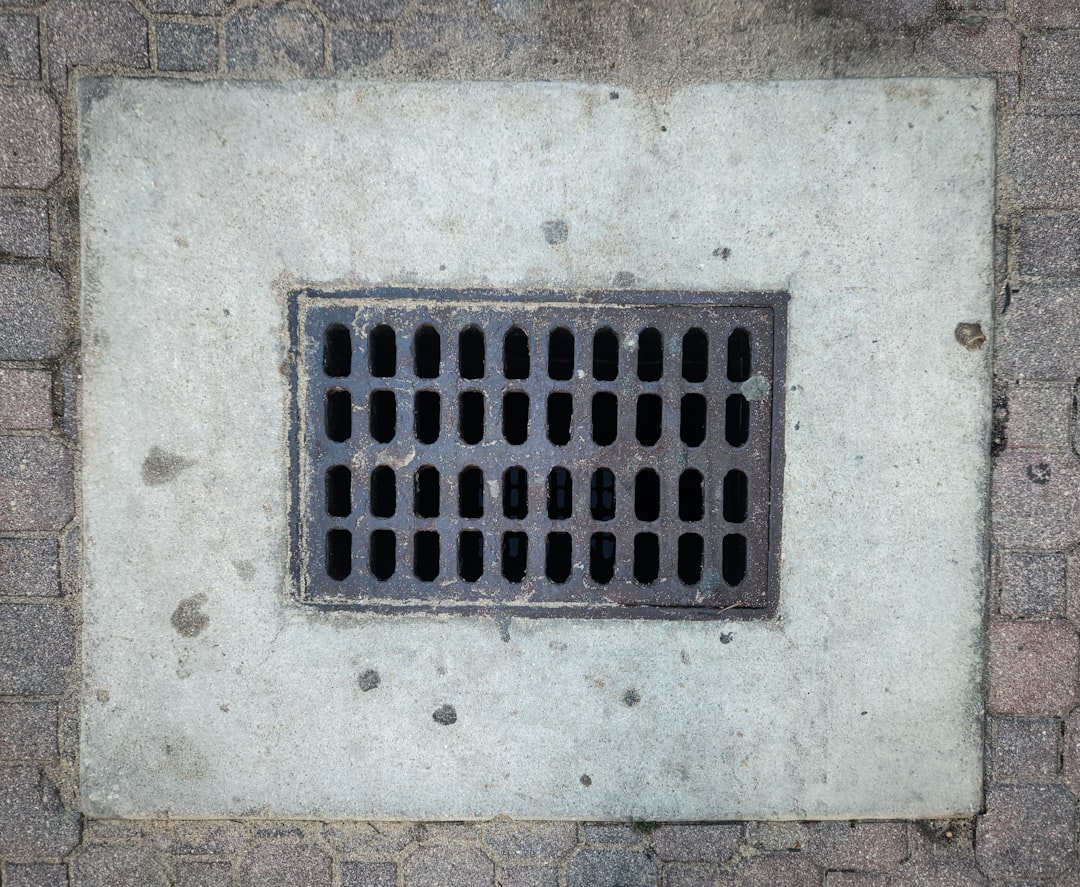
Catch basins are often the most neglected structures on a property, slowly filling up with leaves, trash, and sediment. Once the sump area fills completely, debris enters the main lines, causing blockages that are much harder and costlier to clear.
Professional contractors offer preventative maintenance programs that include:
The total cost of storm drain installation or repair is driven by several key variables:
We always recommend obtaining detailed, itemized bids from experienced contractors to understand the full scope of your project costs.
Failing joints, cracks, or holes in underground pipes allow water to escape under pressure. This water washes away the supporting soil surrounding the pipe, creating an invisible subsurface void. Eventually, the unsupported pavement or soil above collapses into the void, creating a sinkhole.
For active commercial or municipal sites experiencing severe localized flooding or structural threats, professional contractors typically offer rapid mobilization. Depending on the location and the severity of the hazard, dispatch teams can often be on-site within hours to stabilize the area, clear blockages, or begin emergency excavation.
Managing stormwater isn't just about moving water; it’s about protecting your property, staying compliant with environmental laws, and ensuring the long-term safety of your site.
At RBC Utilities Inc., we bring deep Carolinas-specific expertise to every underground utility project. Backed by the robust national resources of Saga Infrastructure, we combine a safety-first culture with the local knowledge needed to navigate the unique soils, weather patterns, and municipal regulations of North Carolina and South Carolina. Whether you need a completely new stormwater network, trenchless pipe rehabilitation, or rapid emergency repair, our team is built to deliver.
Ready to discuss your next project? Explore our full capabilities and connect with our team today to get started.
Part of Saga Infrastructure, protecting what others built and helping it grow.
Address: 4404 Stuart Andrew Blvd., Suite K, Charlotte, NC 28217
Email: info@rbcutilities.com
Phone: 803-913-9727
Service Area: North Carolina | South Carolina