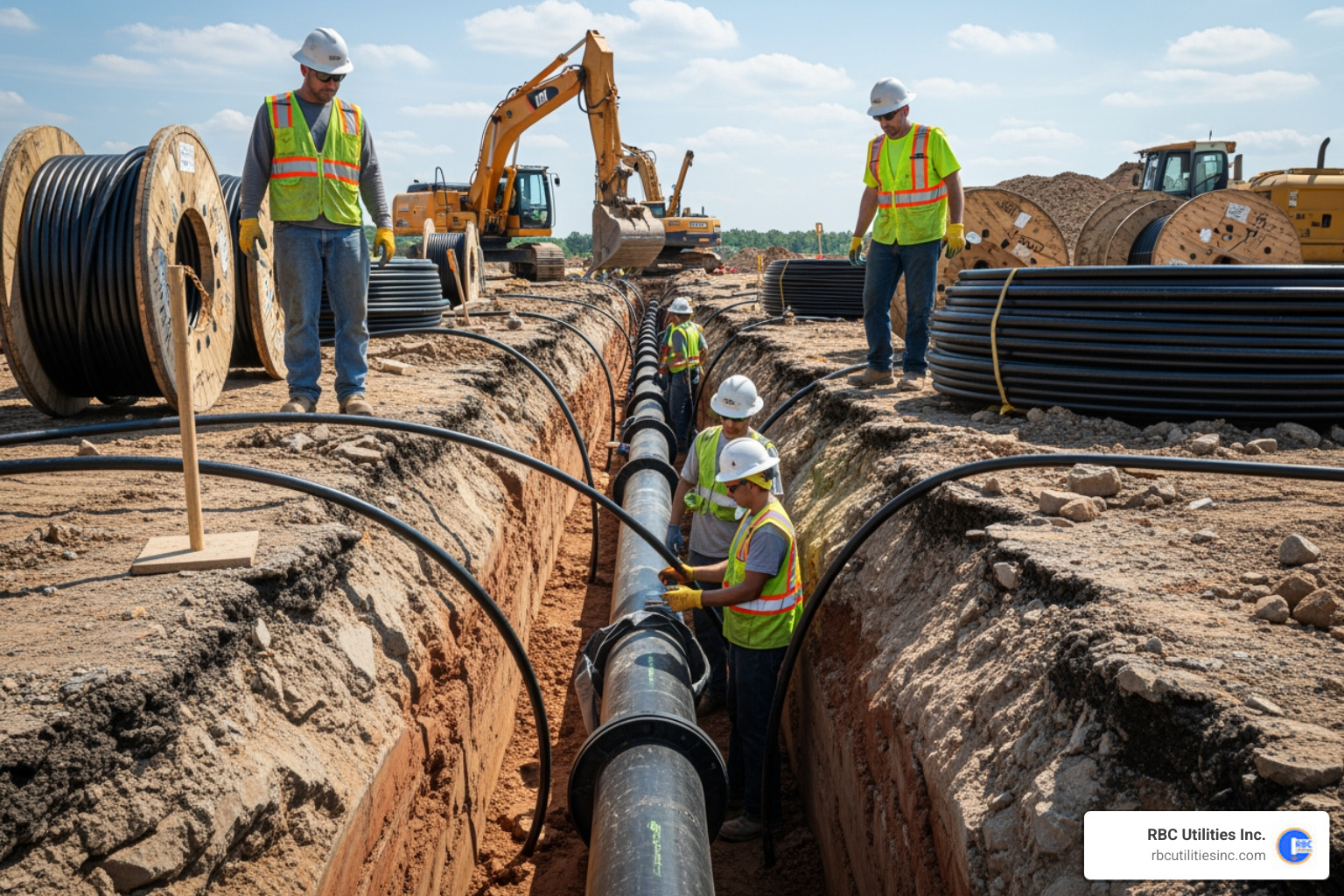
What is stormwater infrastructure is one of the most practical questions any developer or contractor in the Carolinas can ask — and the answer affects every project you build.
Here's the short answer:
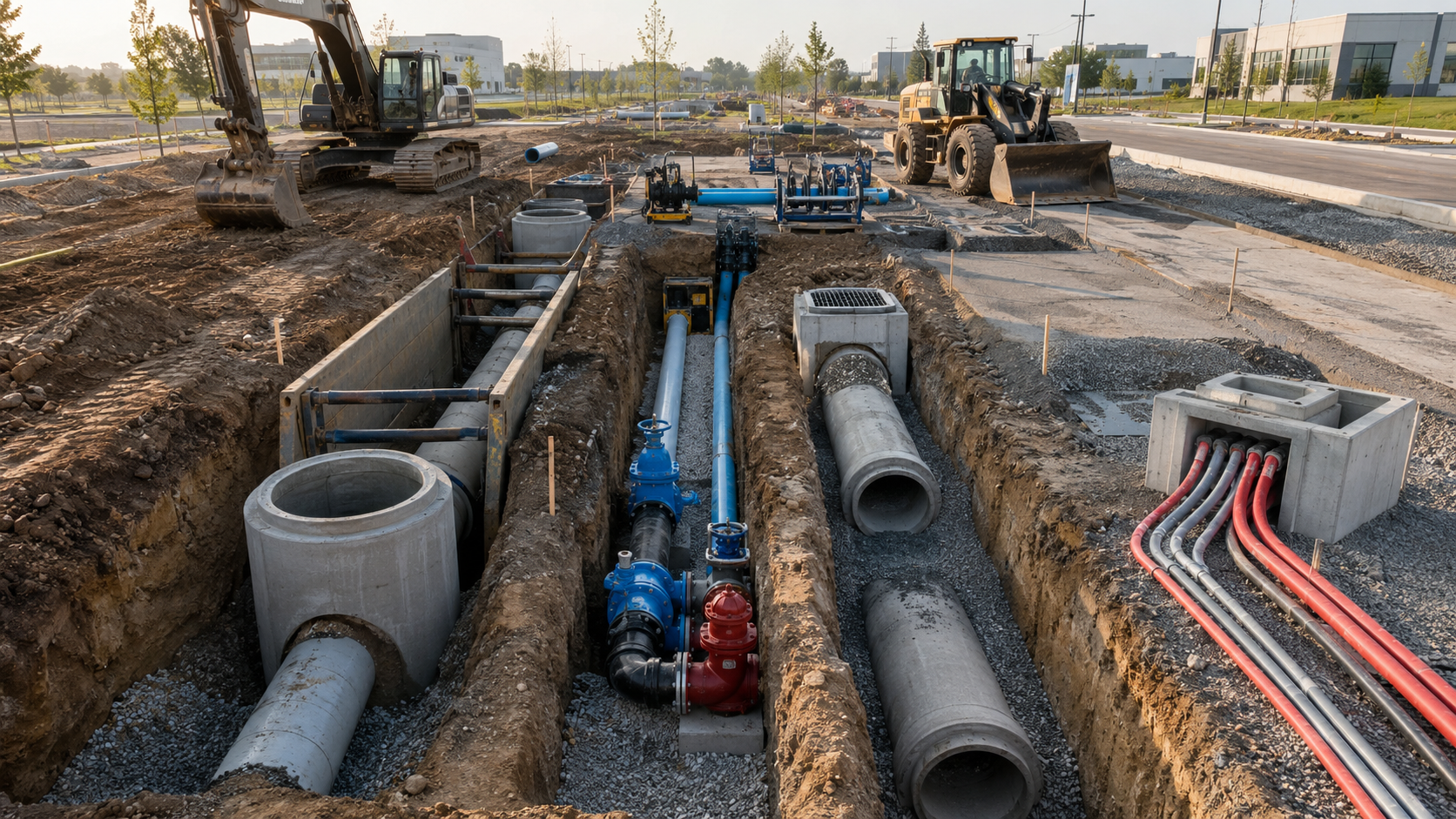
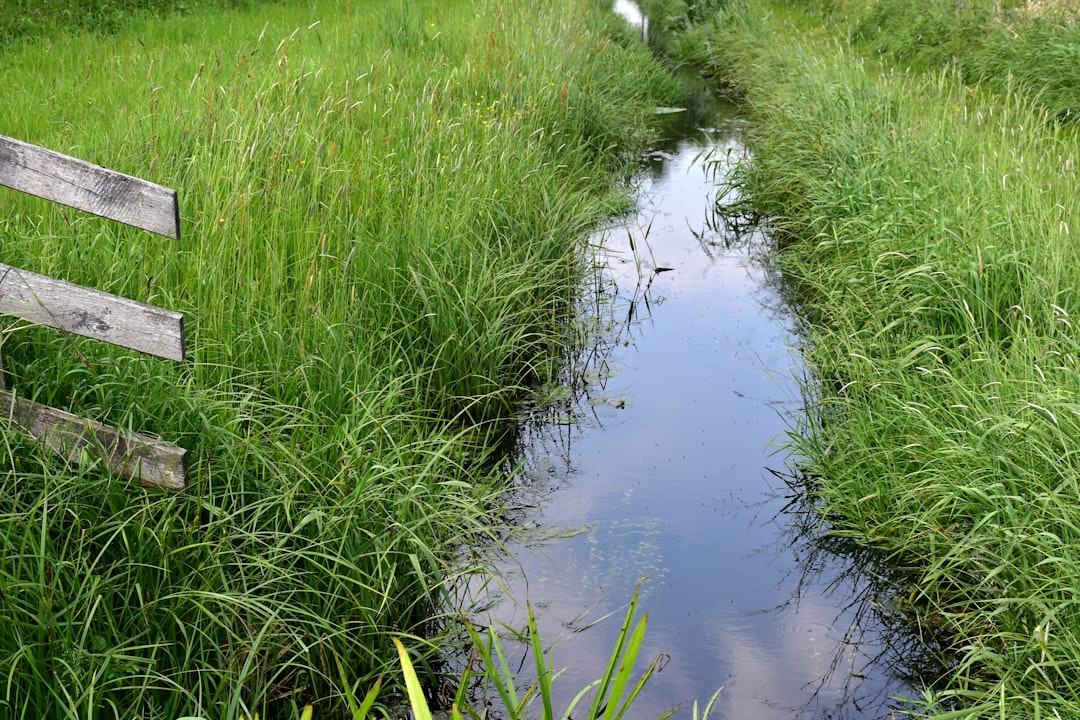
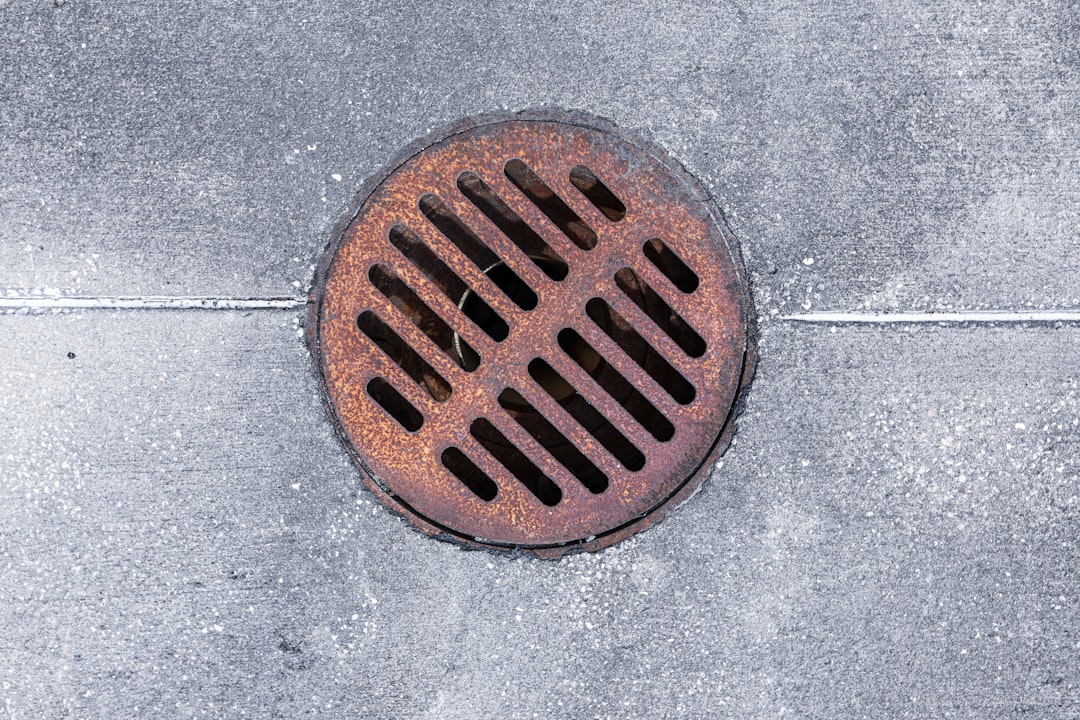
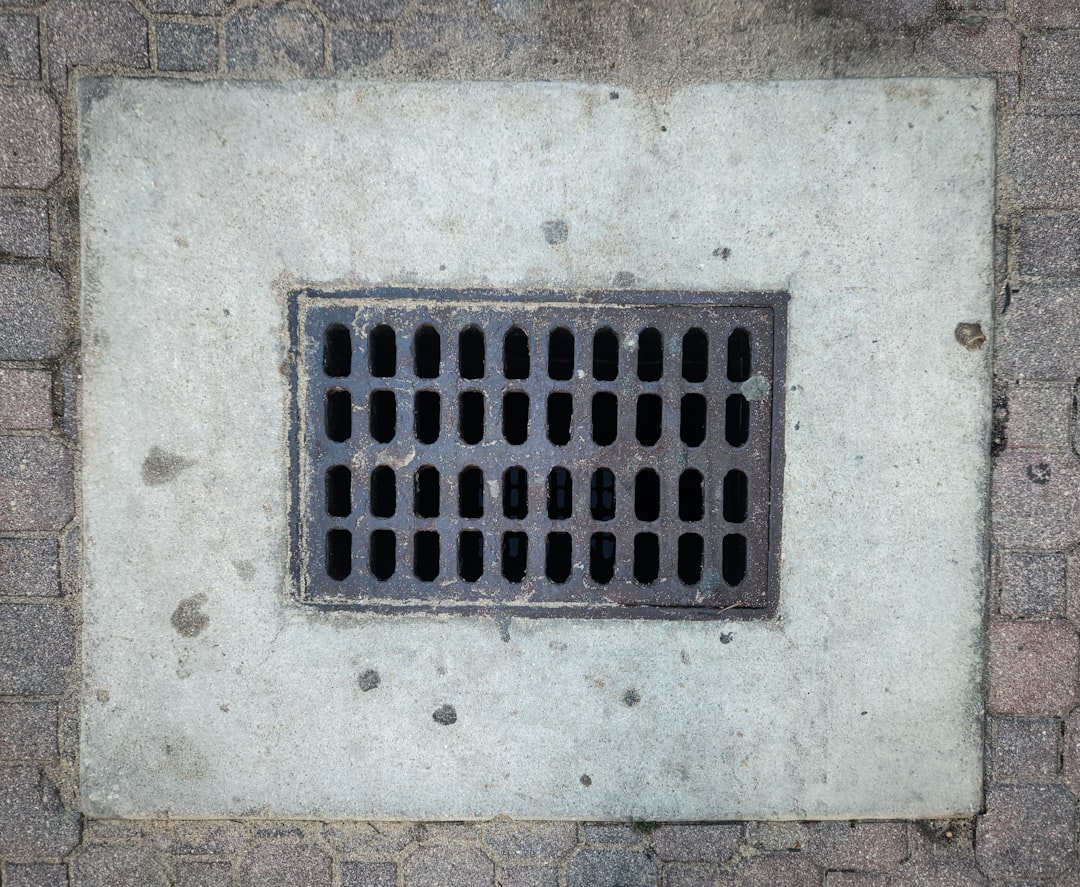
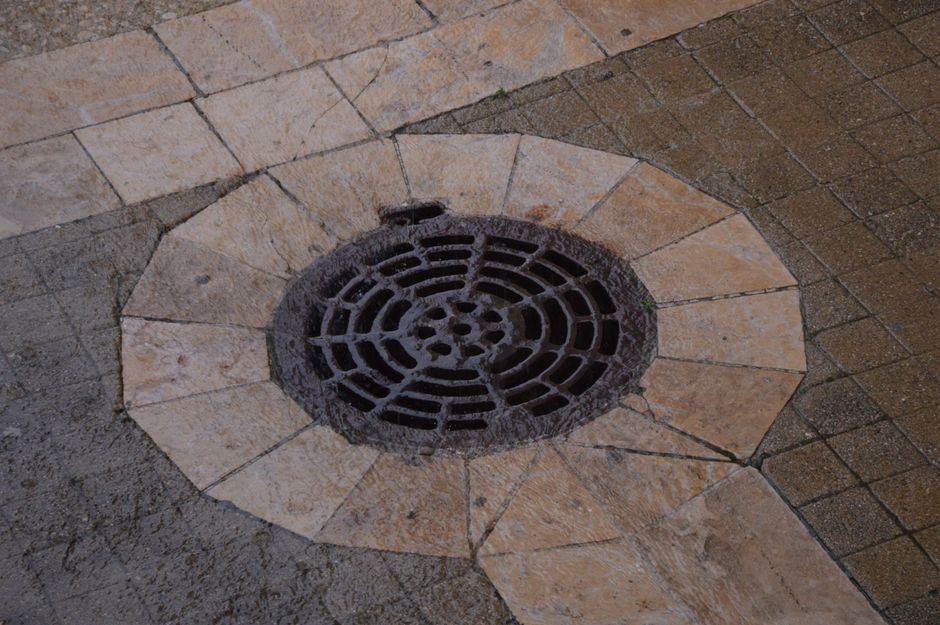
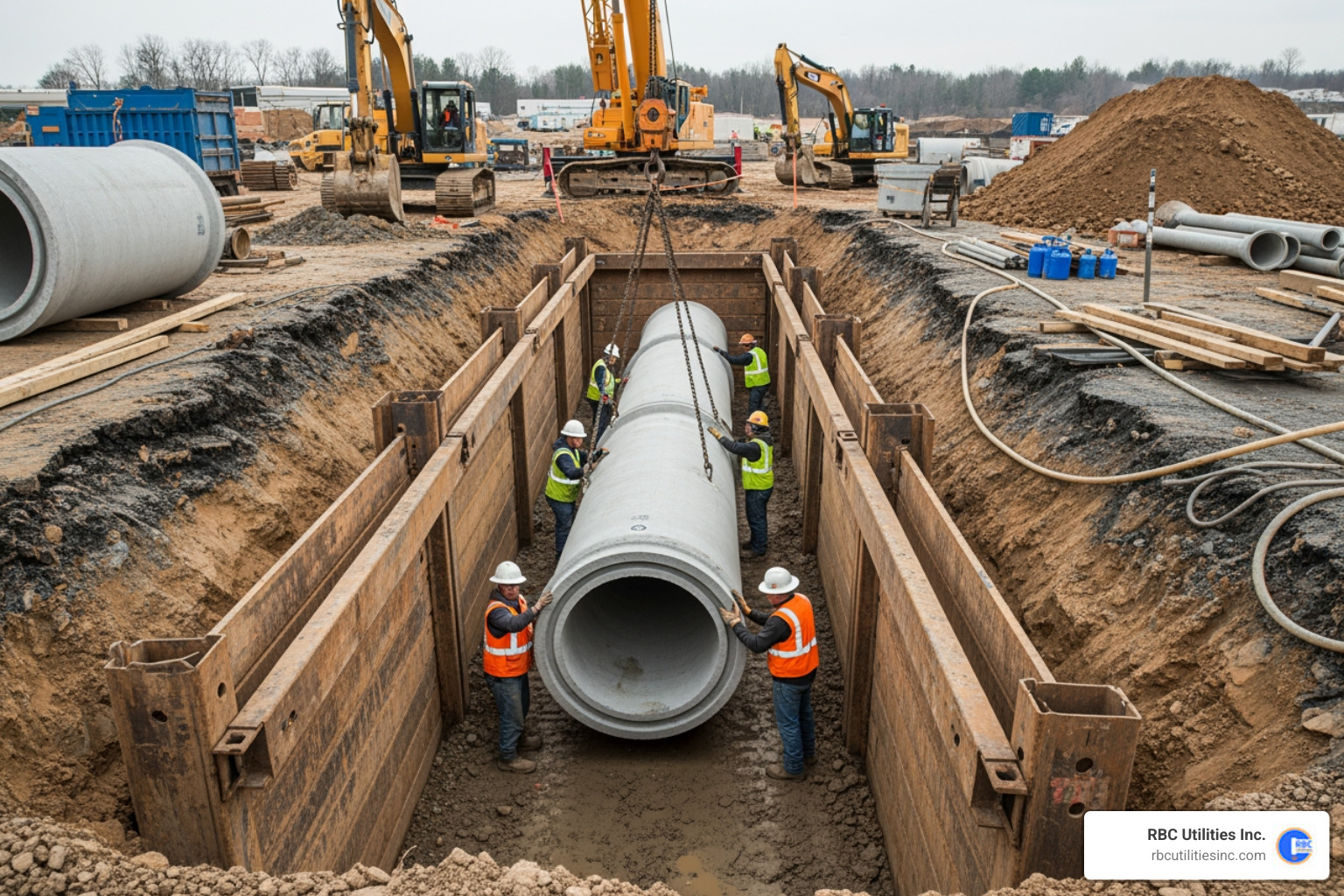
Stormwater infrastructure is the network of systems — pipes, drains, ditches, detention basins, and nature-based features — that collects, moves, and manages rainwater and snowmelt runoff so it doesn't flood streets, erode land, or pollute waterways.
It includes two main categories:
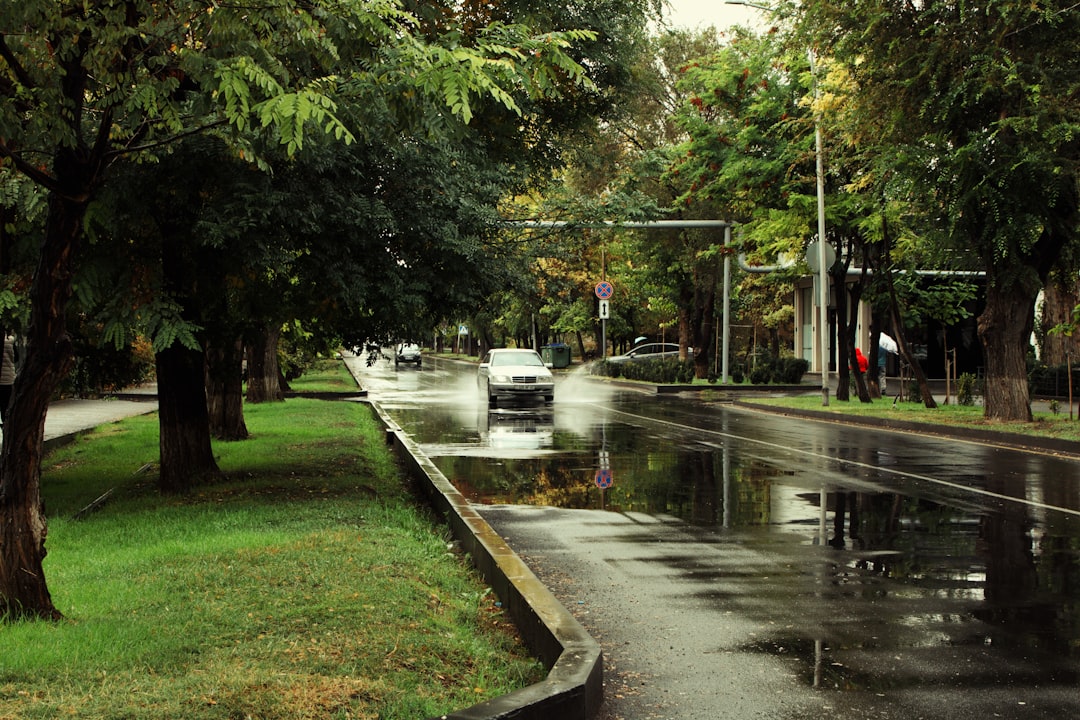
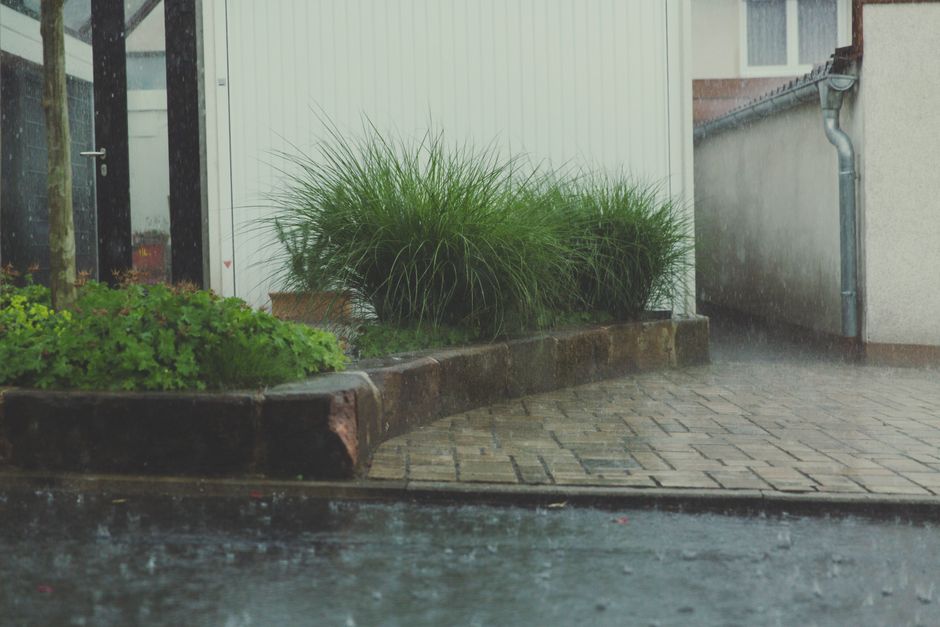
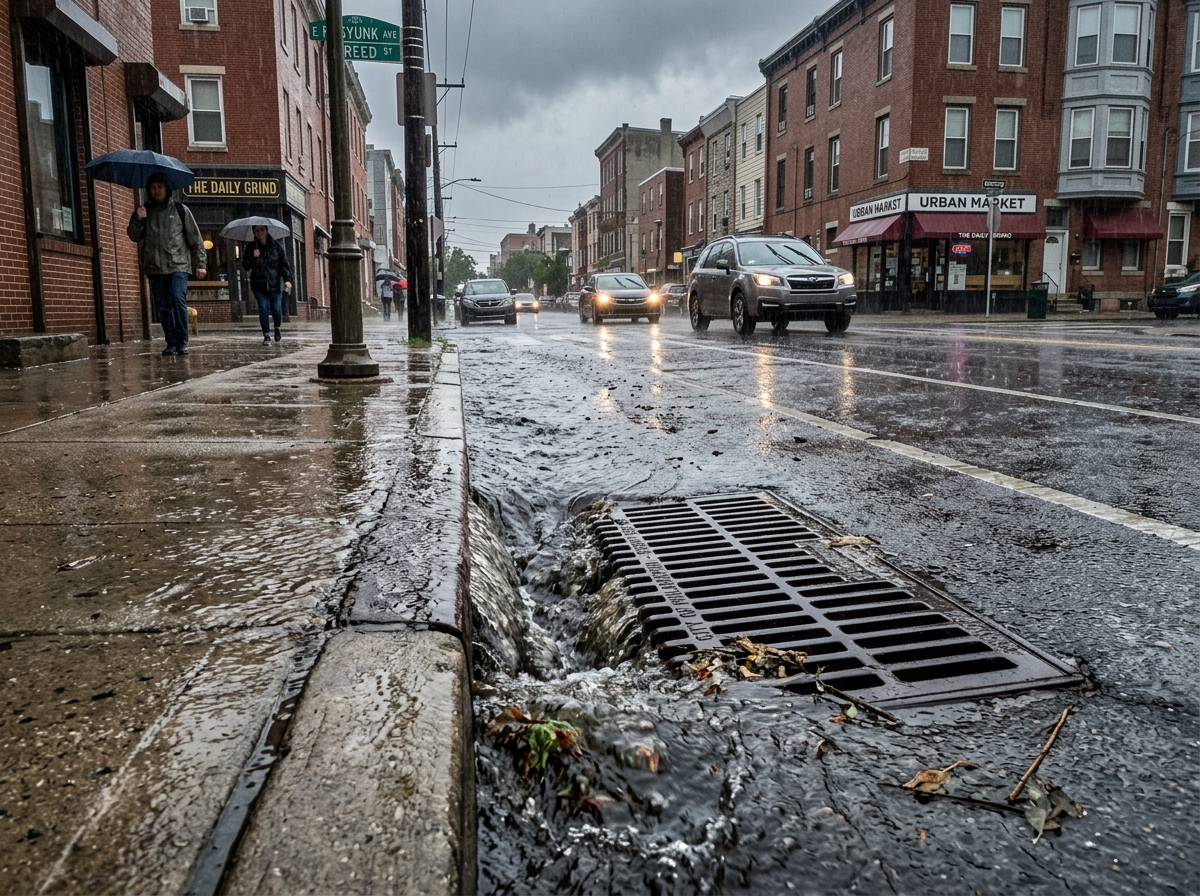
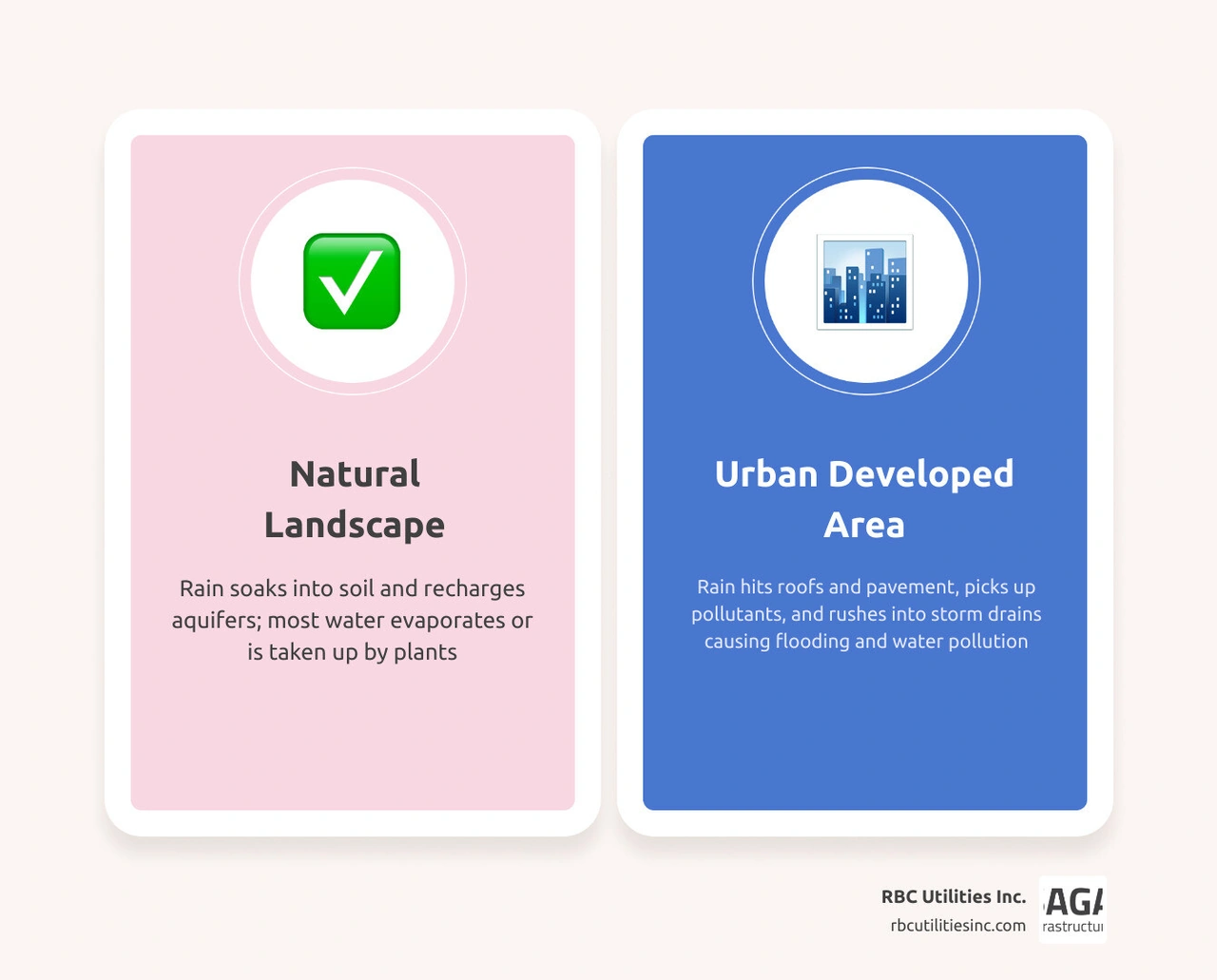
When rain falls on a natural landscape, most of it soaks into the ground or evaporates. But when it falls on a parking lot, rooftop, or road, it has nowhere to go except into drains — picking up oil, sediment, heavy metals, and bacteria along the way. Without proper stormwater infrastructure, that water causes flooding, erosion, and serious water quality problems downstream.
The scale of this challenge in the U.S. is significant. Impaired rivers and streams have grown from roughly 424,000 miles in 2010 to more than 703,000 miles in 2022. Urban flooding alone costs communities an average of $9 billion in direct damages every year.
For developers and contractors, stormwater systems aren't optional — they're a core part of what gets permitted, inspected, and built on virtually every site.
I'm Don Larsen, and at RBC Utilities Inc. we've been building and maintaining the underground utility systems — including storm drainage — that keep Carolina communities and developments functioning safely since 2008. Understanding what stormwater infrastructure involves, from gravity-fed pipe systems to green retention features, is foundational to everything we do on site. Let's walk through how it all works.
Must-know what is stormwater infrastructure terms:

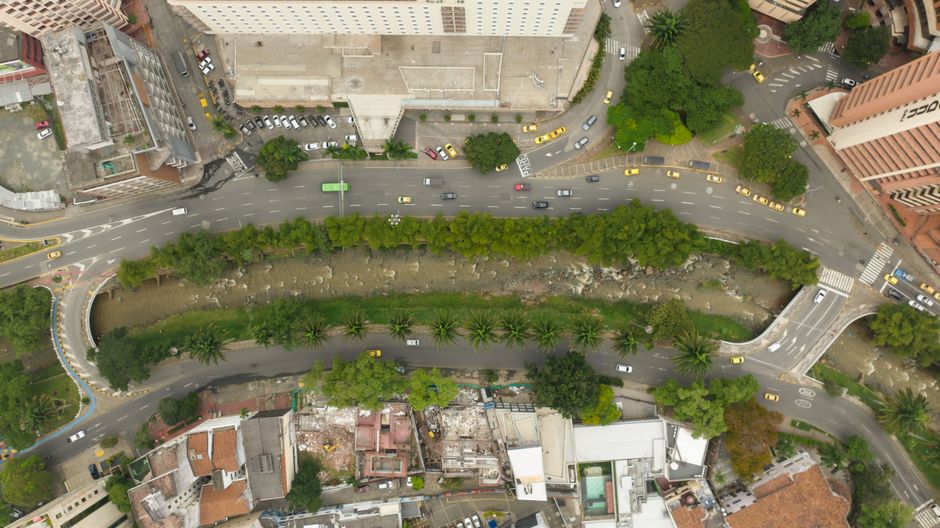
At its core, stormwater infrastructure is the unsung hero of our built environment. When we think of infrastructure, we often picture towering bridges, smooth highways, or the electrical grid. But beneath our feet lies a massive, complex network that prevents our neighborhoods from turning into temporary lakes every time a summer thunderstorm rolls through Charlotte.
To understand why this matters, we have to look at urban hydrology. In a pristine, undeveloped forest, the ground acts like a giant sponge. Rain falls, and the vast majority of it is either absorbed by soil, taken up by thirsty trees, or evaporated back into the atmosphere. Very little runs off directly into streams.
When we replace those trees and soils with asphalt, concrete, and shingles, we disrupt this natural water cycle. The water has to go somewhere. Without a system to intercept, store, and transport this volume, our roads would quickly become impassable, basements would flood, and local rivers would suffer severe ecological damage.
By managing both the quantity (preventing floods) and the quality (filtering out pollutants) of runoff, these systems protect public safety, preserve property values, and keep our local ecosystems healthy. To dive deeper into how these systems are structured from the ground up, you can learn more about the basics of stormwater infrastructure.
When rainwater hits impervious surfaces — like roads, driveways, and rooftops — it doesn't just sit there. It flows rapidly downhill, gaining volume and speed. As it travels, it triggers a phenomenon known as the "first flush."
During the first flush, the initial wave of runoff washes away the accumulated grime of daily life: automotive fluids, heavy metals, fertilizers, pesticides, pet waste, and litter. Instead of being filtered safely through soil, this toxic cocktail is swept directly into local creeks and rivers.
Additionally, the sheer velocity of unmanaged runoff causes intense erosion along stream banks, carving out soil and destroying aquatic habitats. This is why modern stormwater management overview strategies focus heavily on slowing the water down and treating it before it reaches our natural waterways.
What is stormwater infrastructure built to do? It is designed to achieve three primary goals:
According to the ASCE 2025 Stormwater Report, maintaining and upgrading these systems is crucial as weather patterns shift and our urban footprints expand.
For nearly a century, the go-to method for managing runoff has been "gray" infrastructure. This conventional approach relies on hard, engineered structures designed to capture stormwater and move it away from developed areas as quickly as possible.
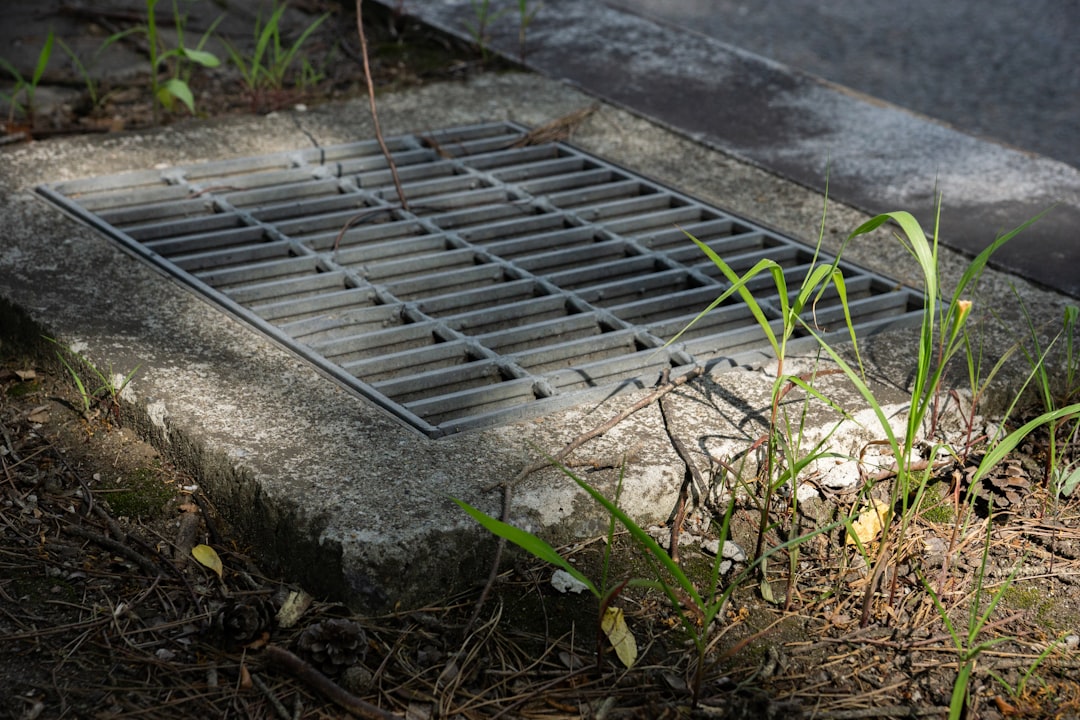
Gray systems are typically gravity-fed. They use the natural slope of the land to guide water downhill through a series of inlets, pipes, and channels, eventually discharging it into a nearby creek, river, or detention basin. In municipal areas, these networks are often classified as Municipal Separate Storm Sewer Systems (MS4s) and are heavily regulated under federal and state MS4 permits to ensure they do not excessively pollute local waters.
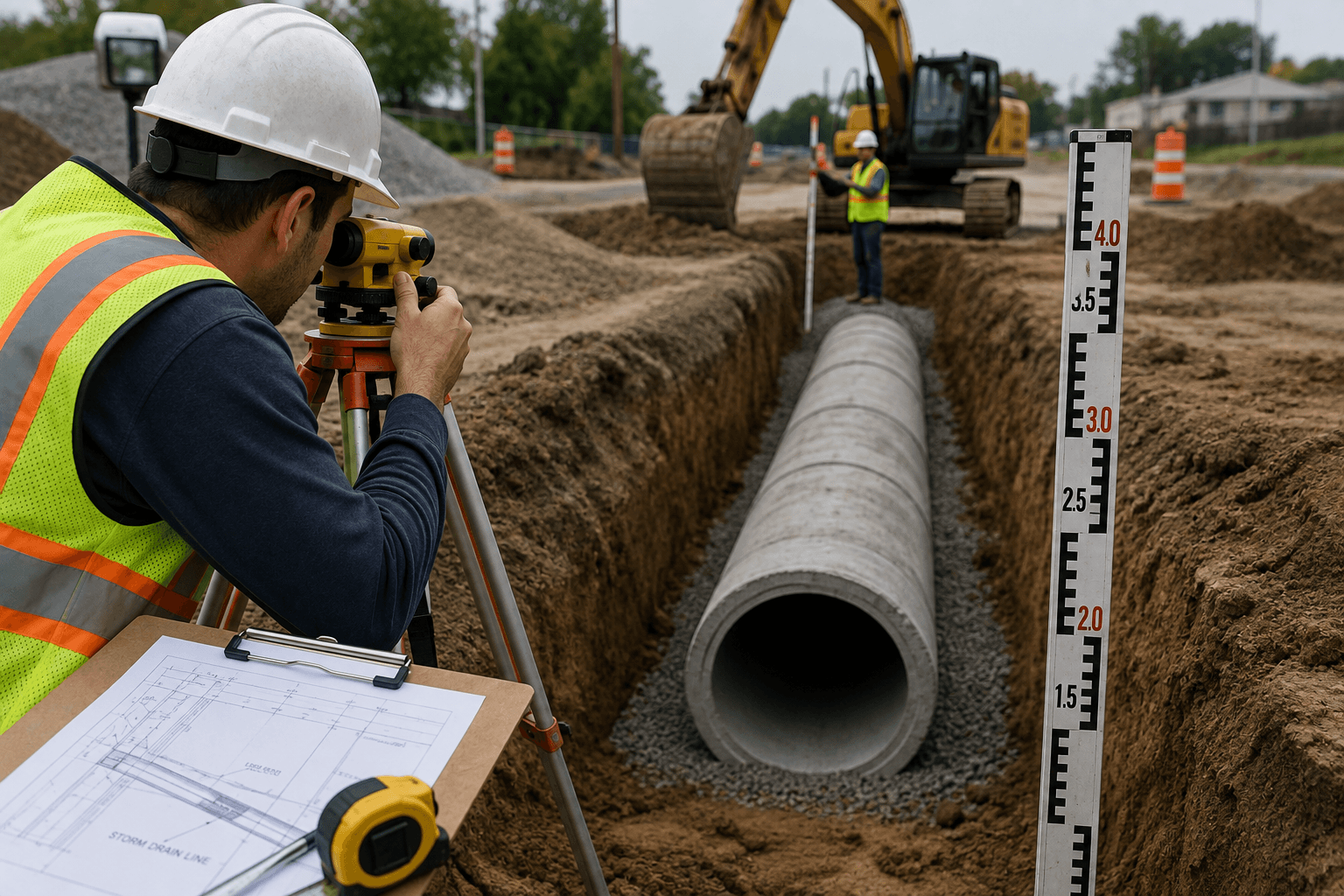
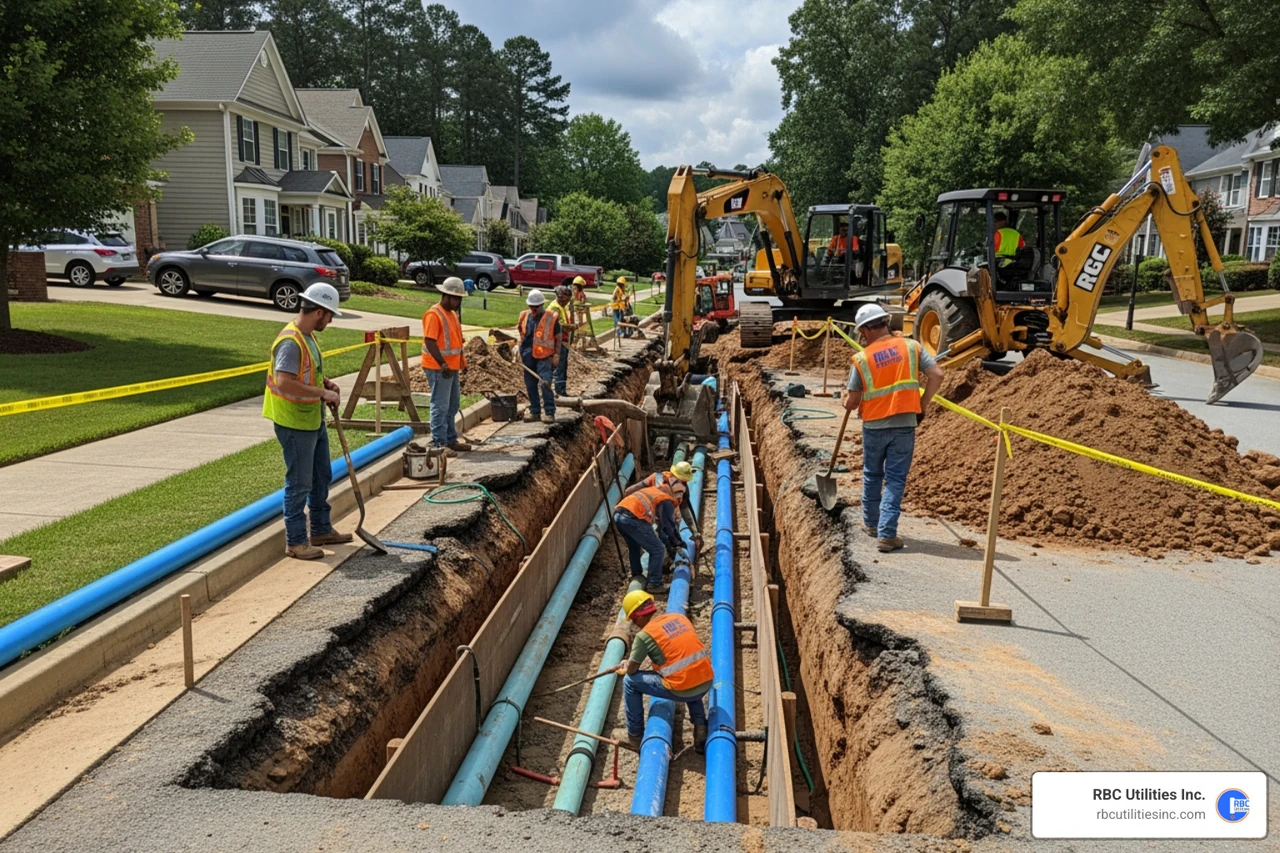
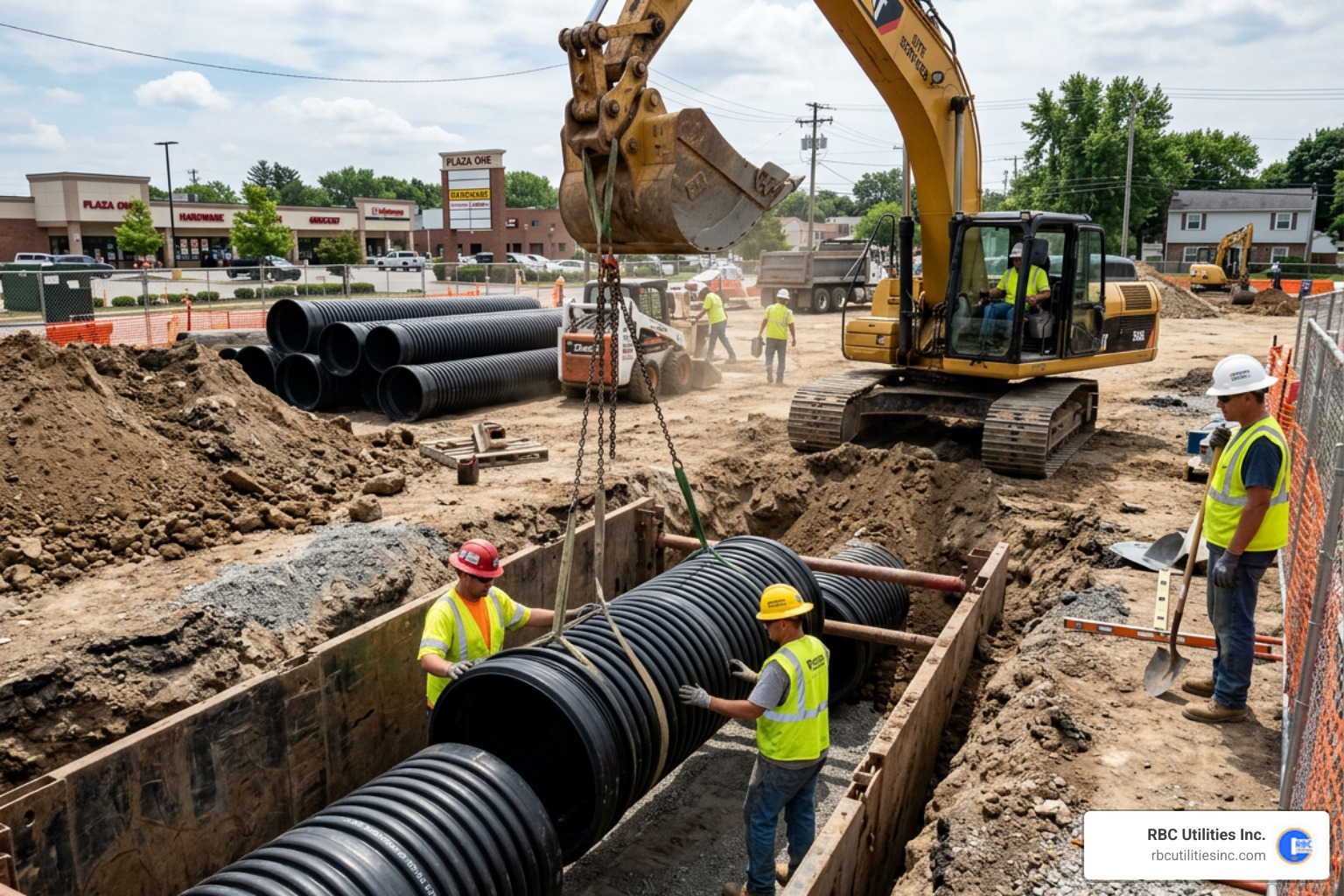
Because we specialize in more on storm sewer pipe installation, we know how much engineering precision goes into ensuring these heavy-duty systems function flawlessly for decades.
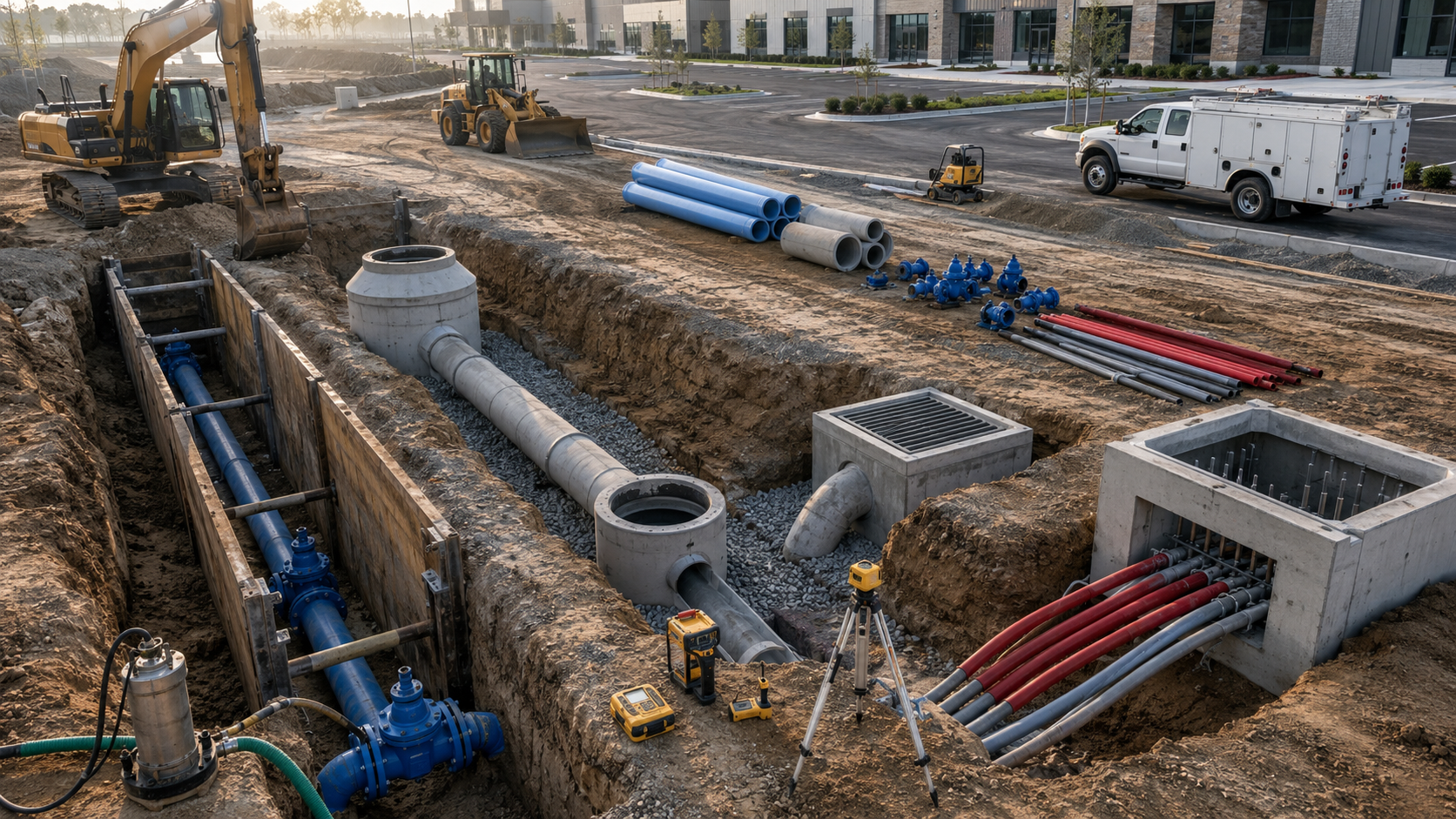
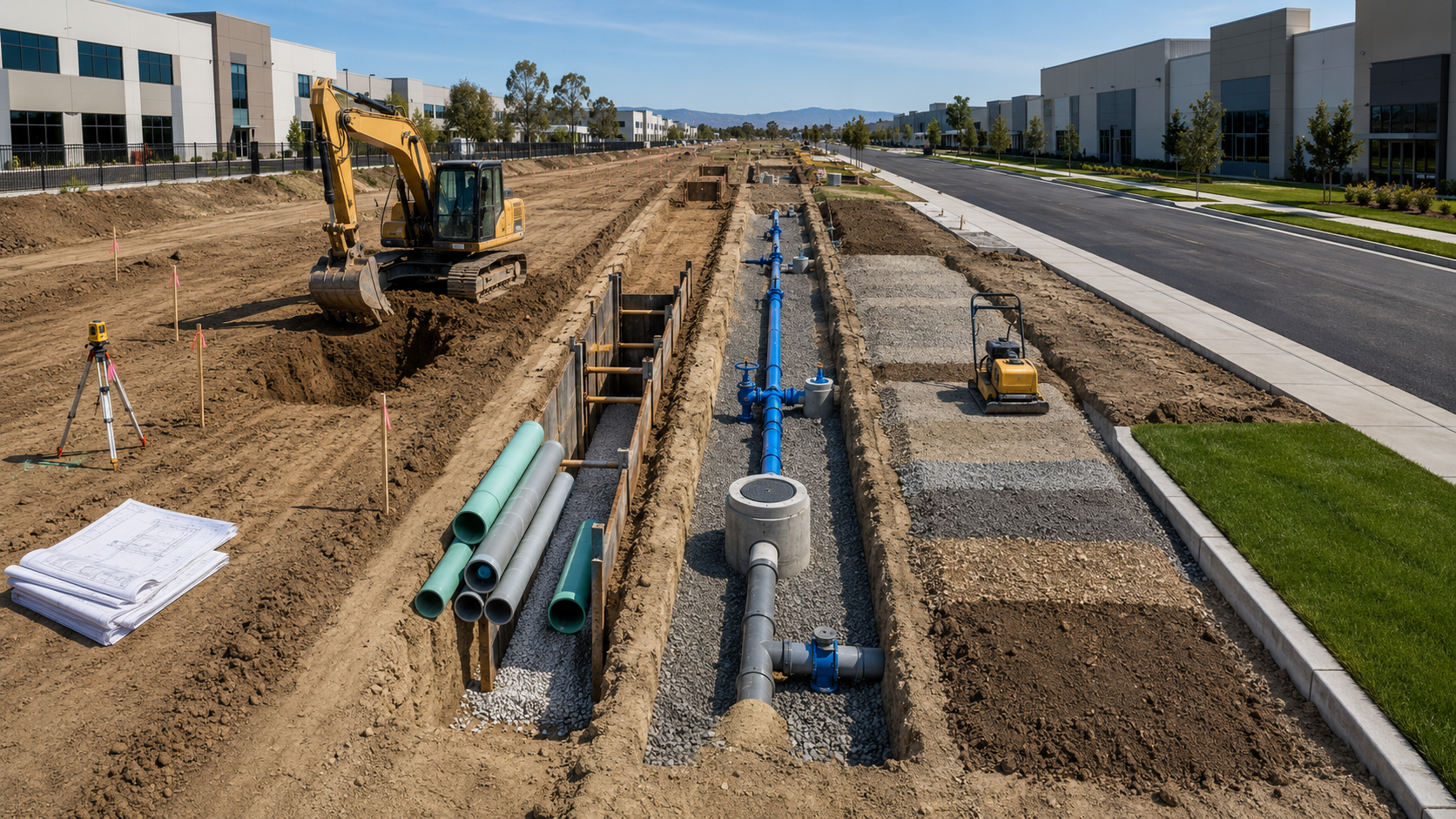
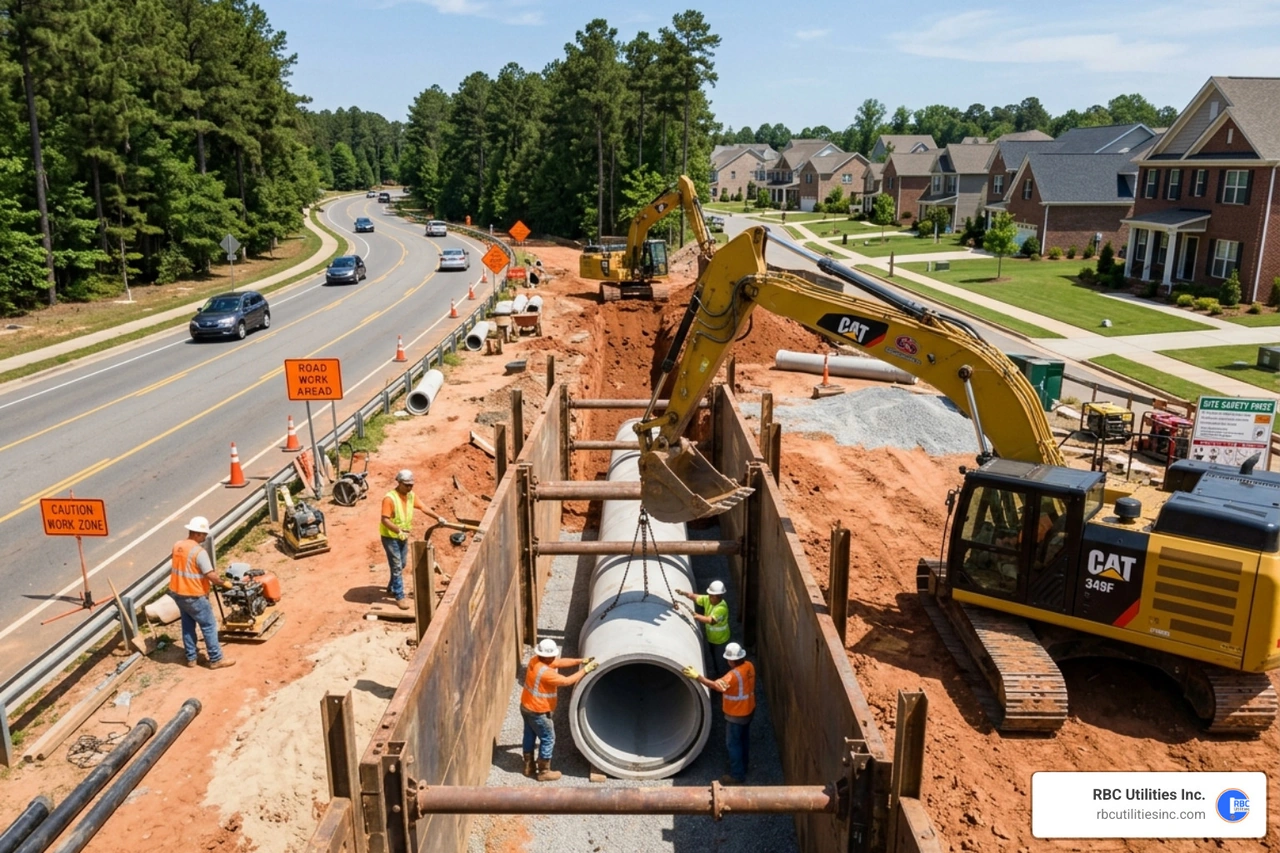
Traditional gray infrastructure is made up of several key structural elements working in tandem:
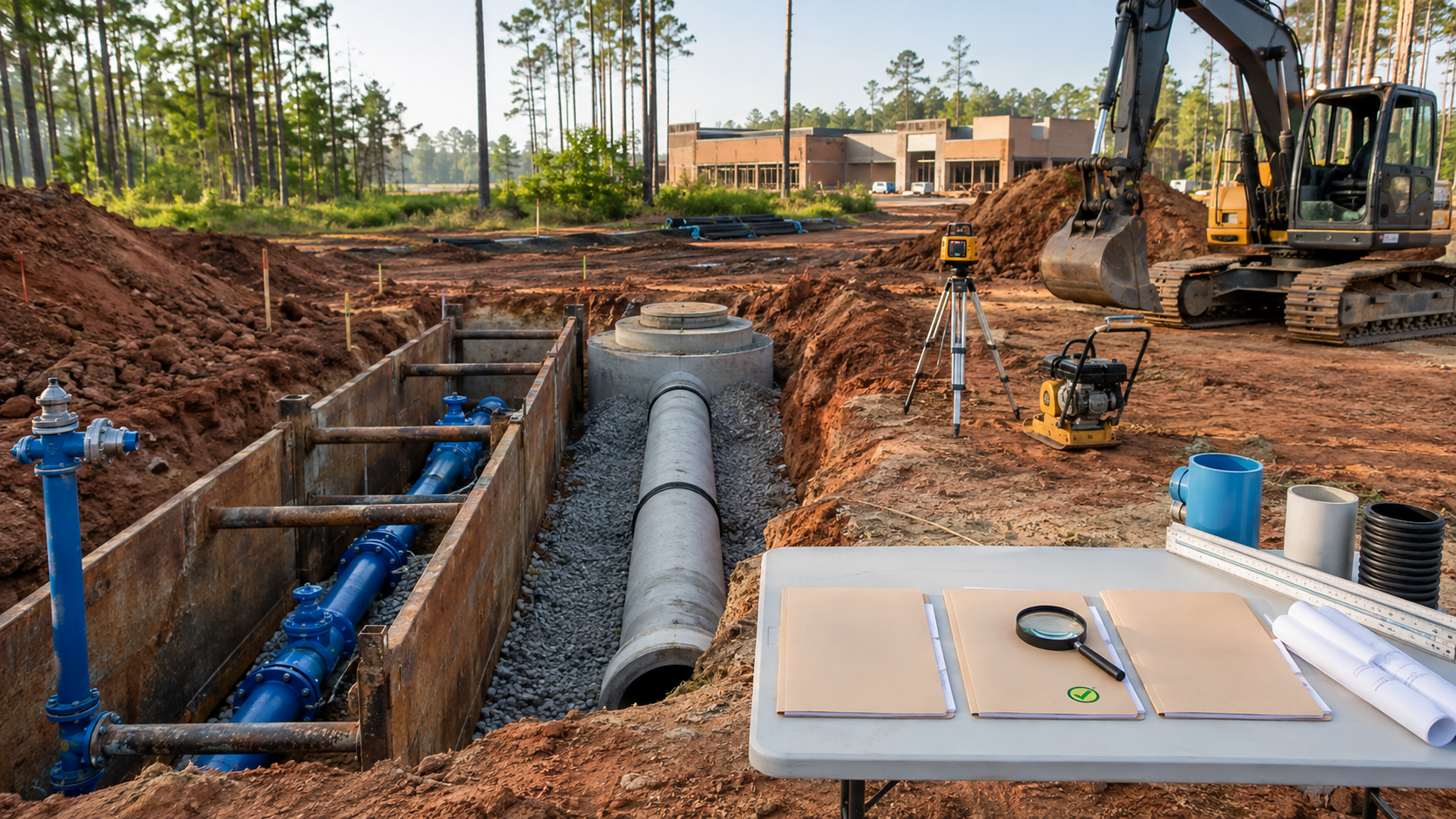
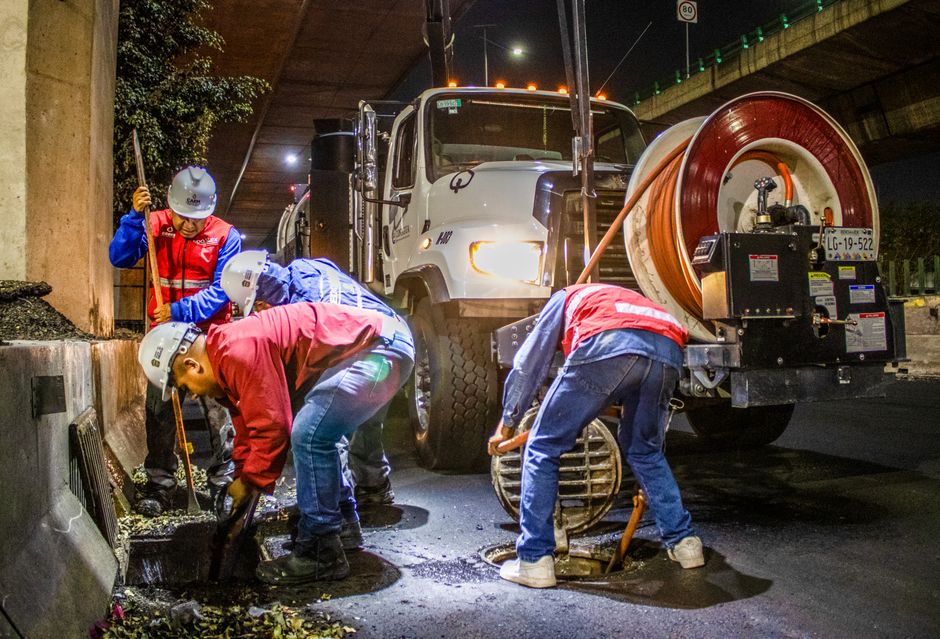
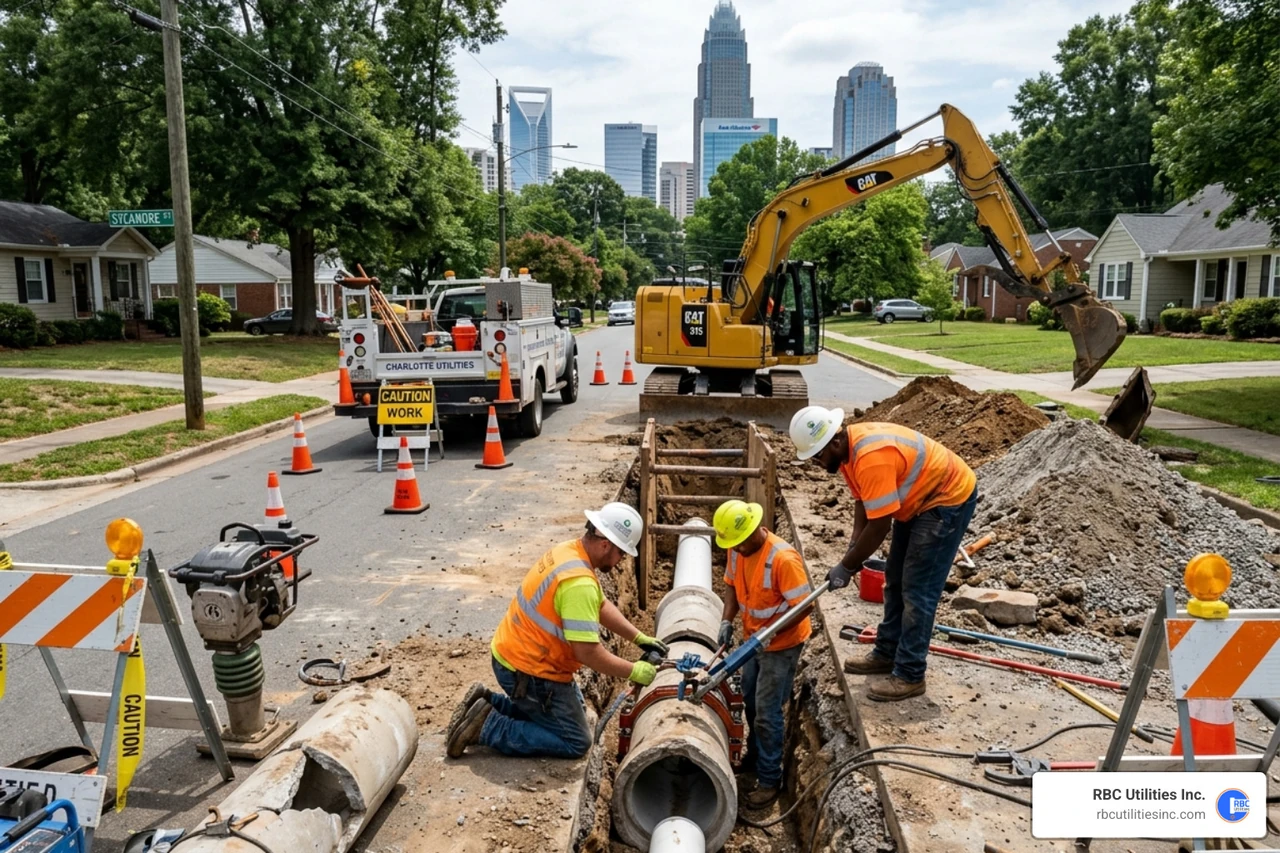
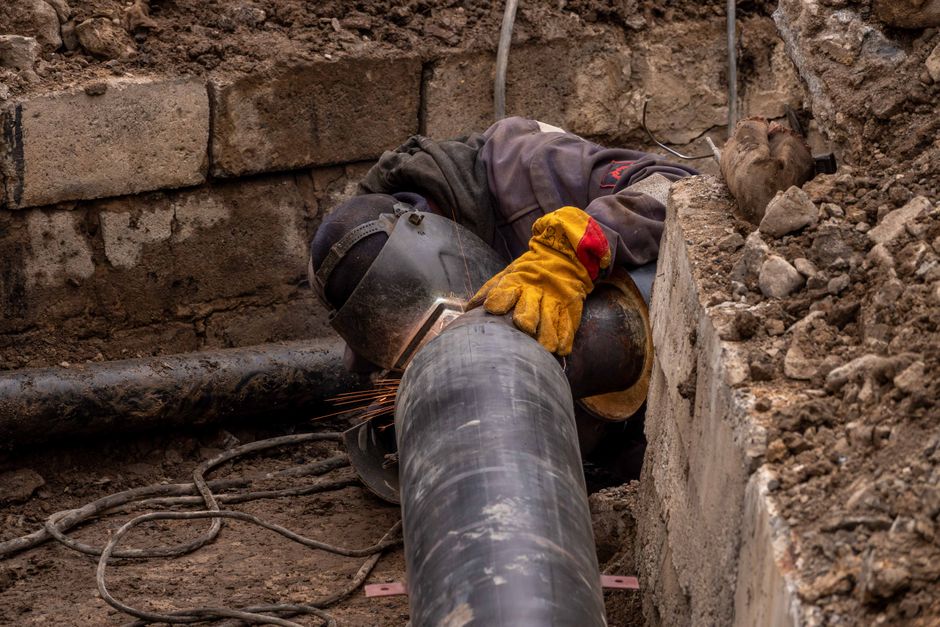
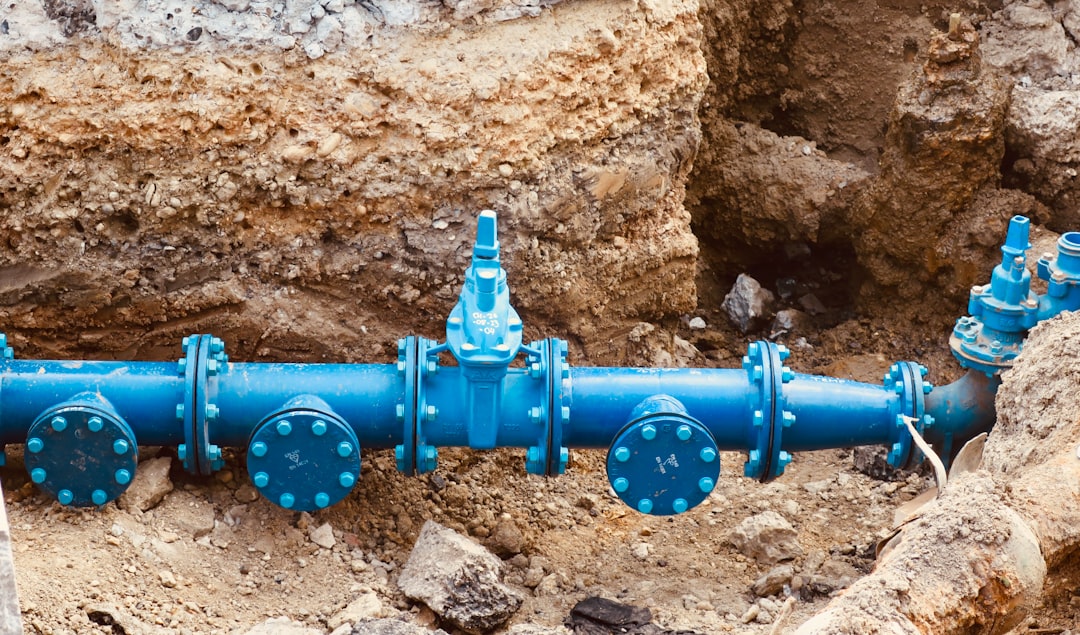
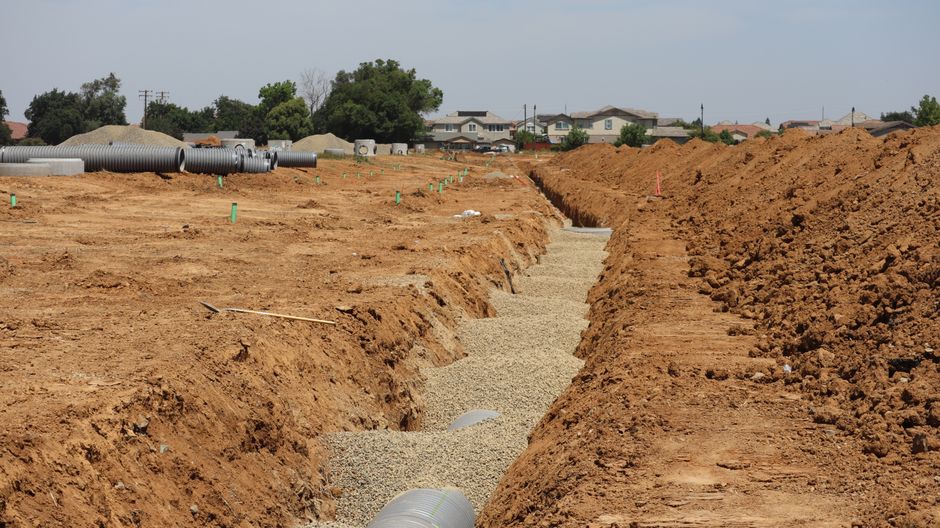
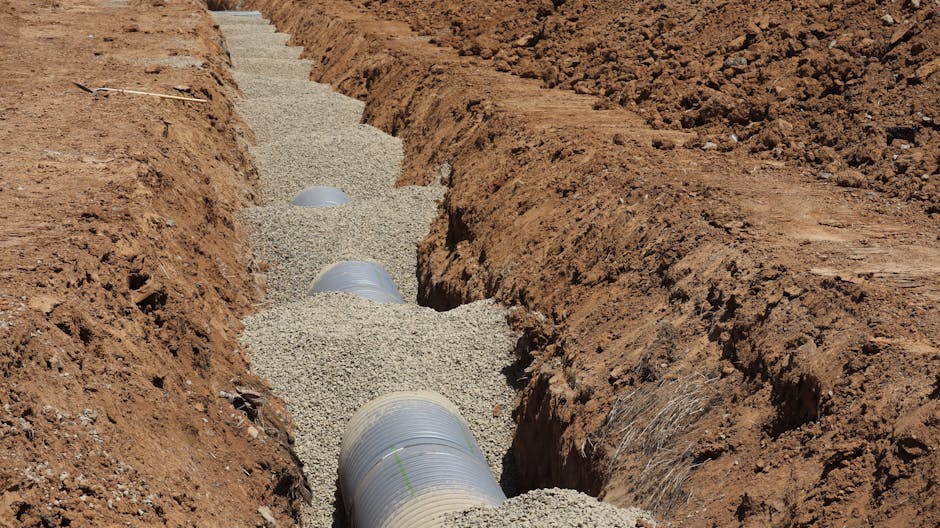
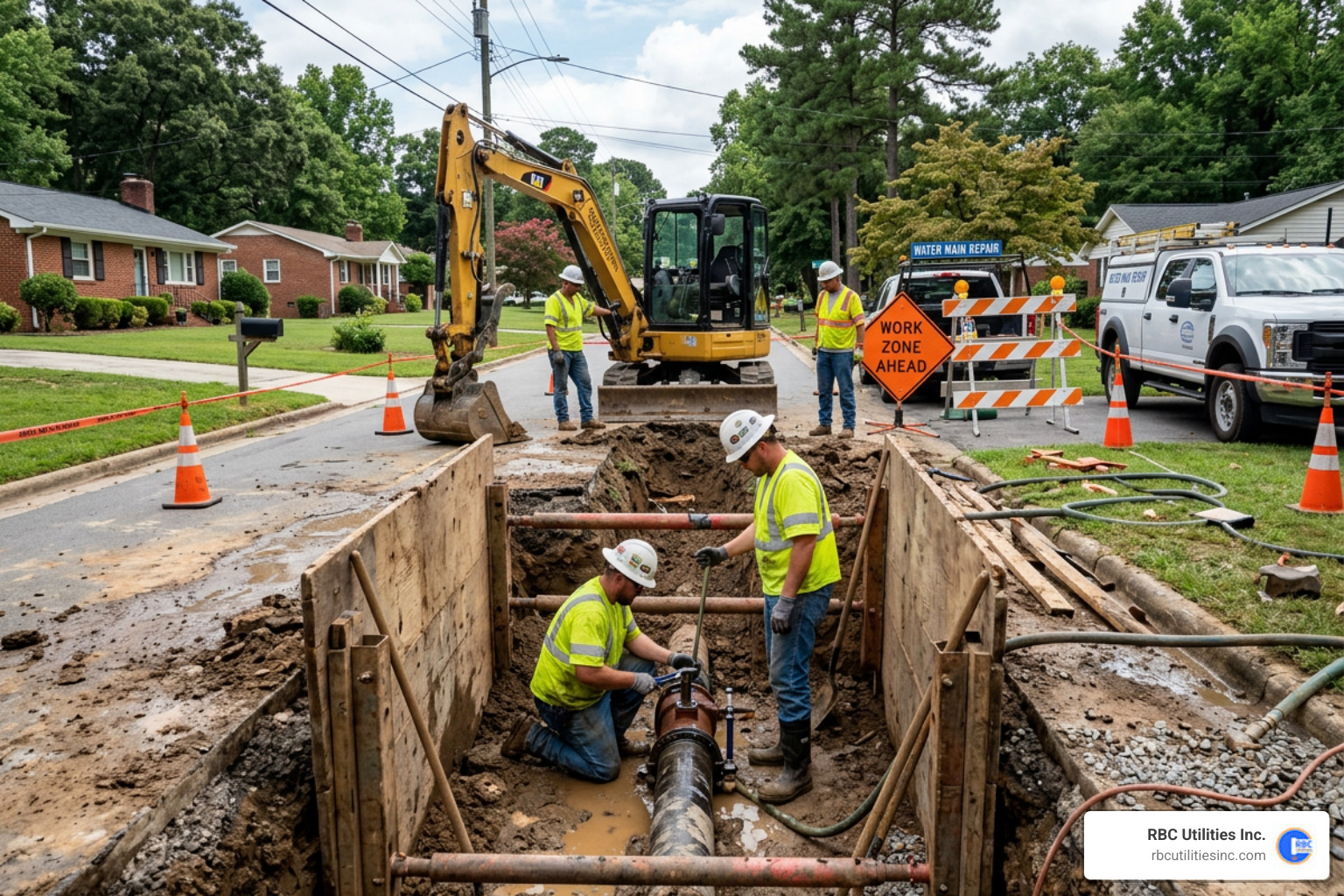
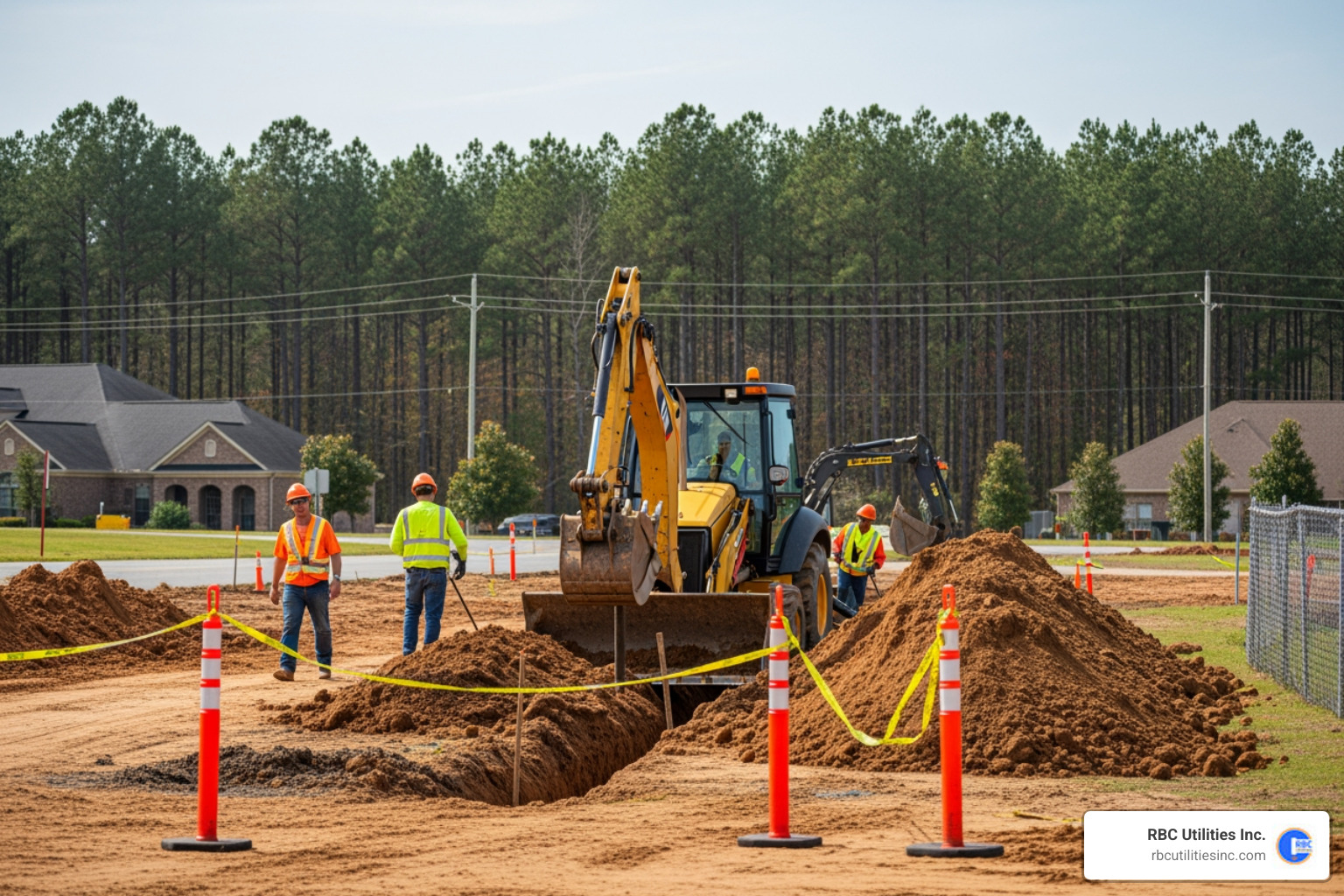
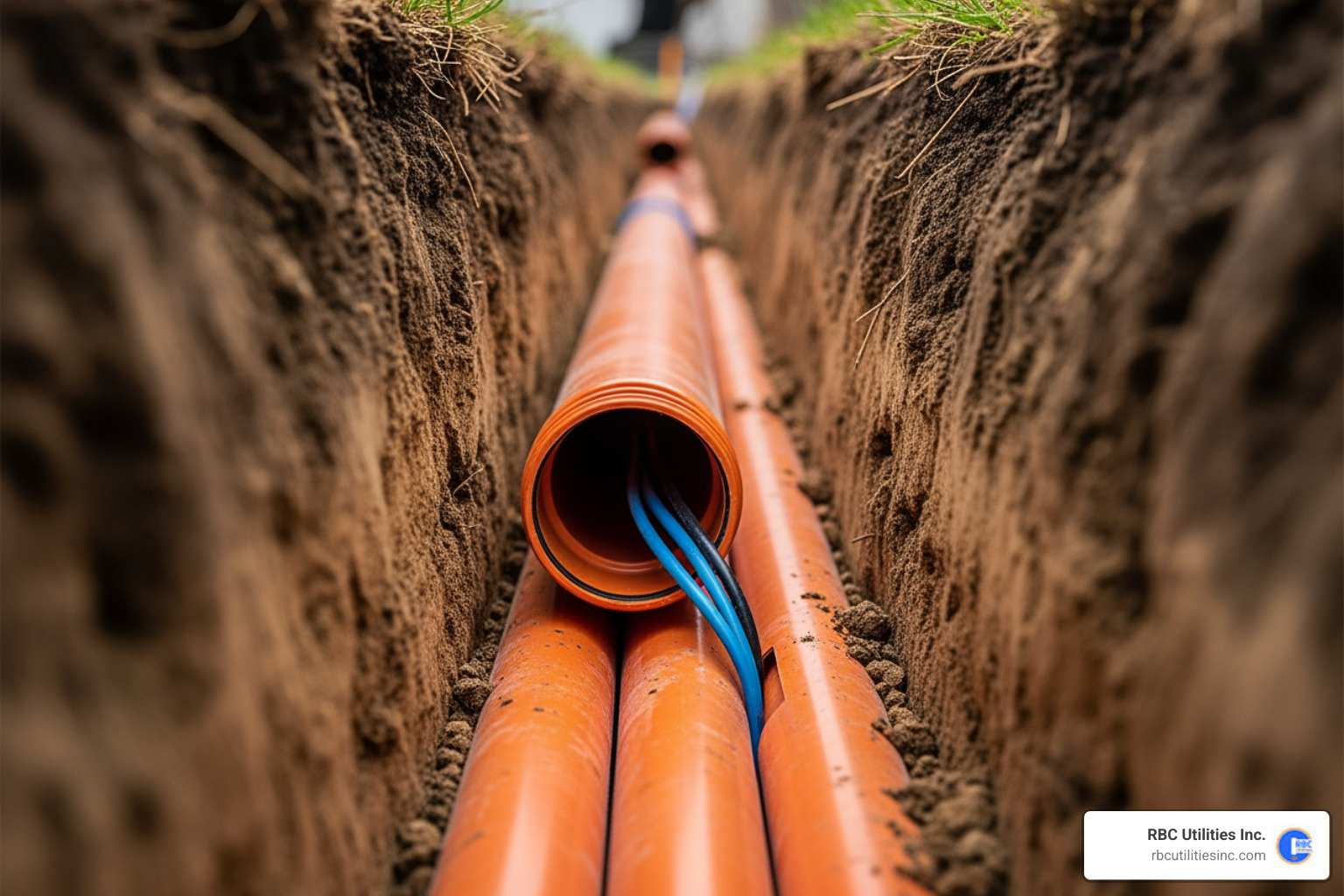
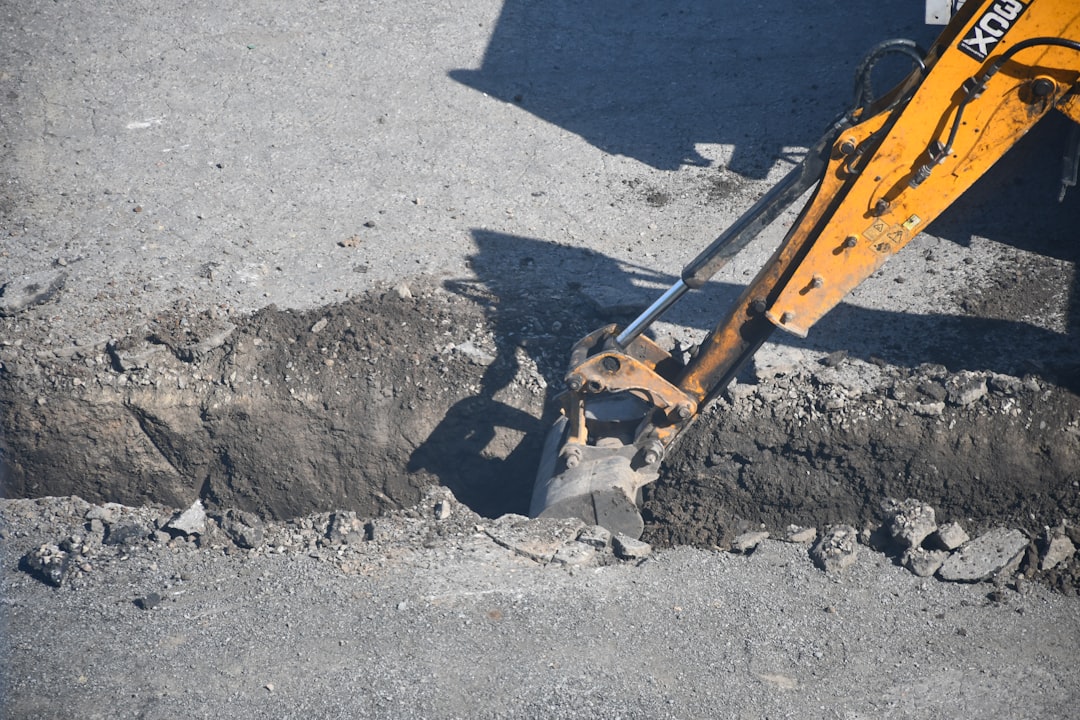
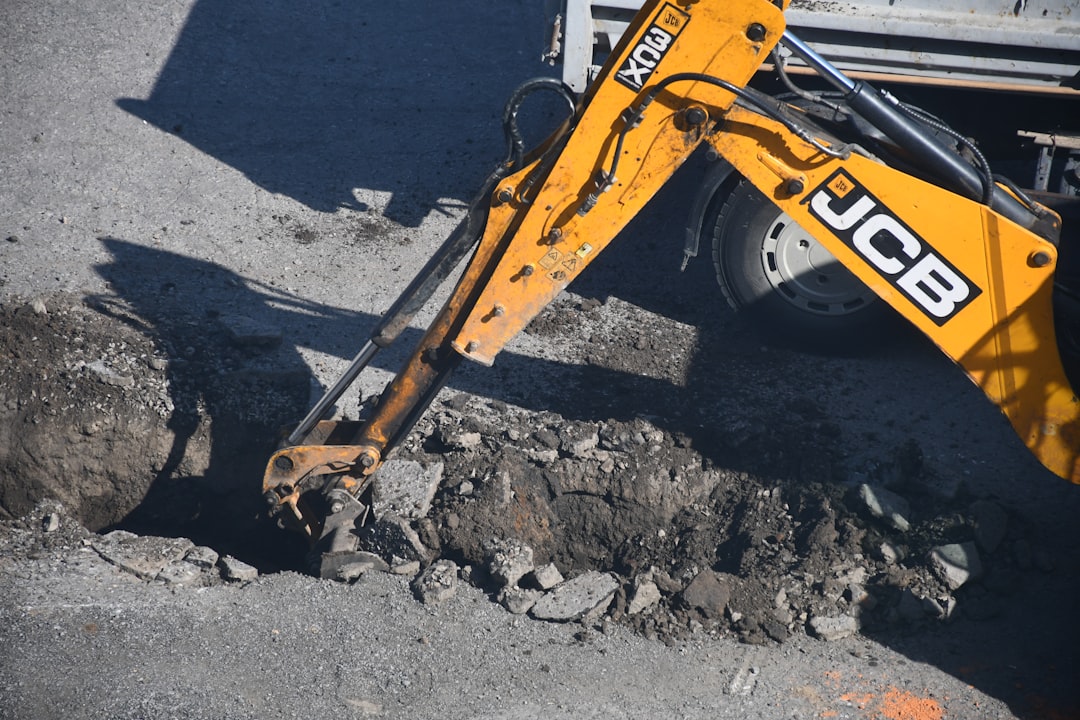
Properly placing and connecting these components requires highly skilled excavation and installation. You can read more on storm drain pipe installation and explore how we manage water flow using more on storm water detention systems.
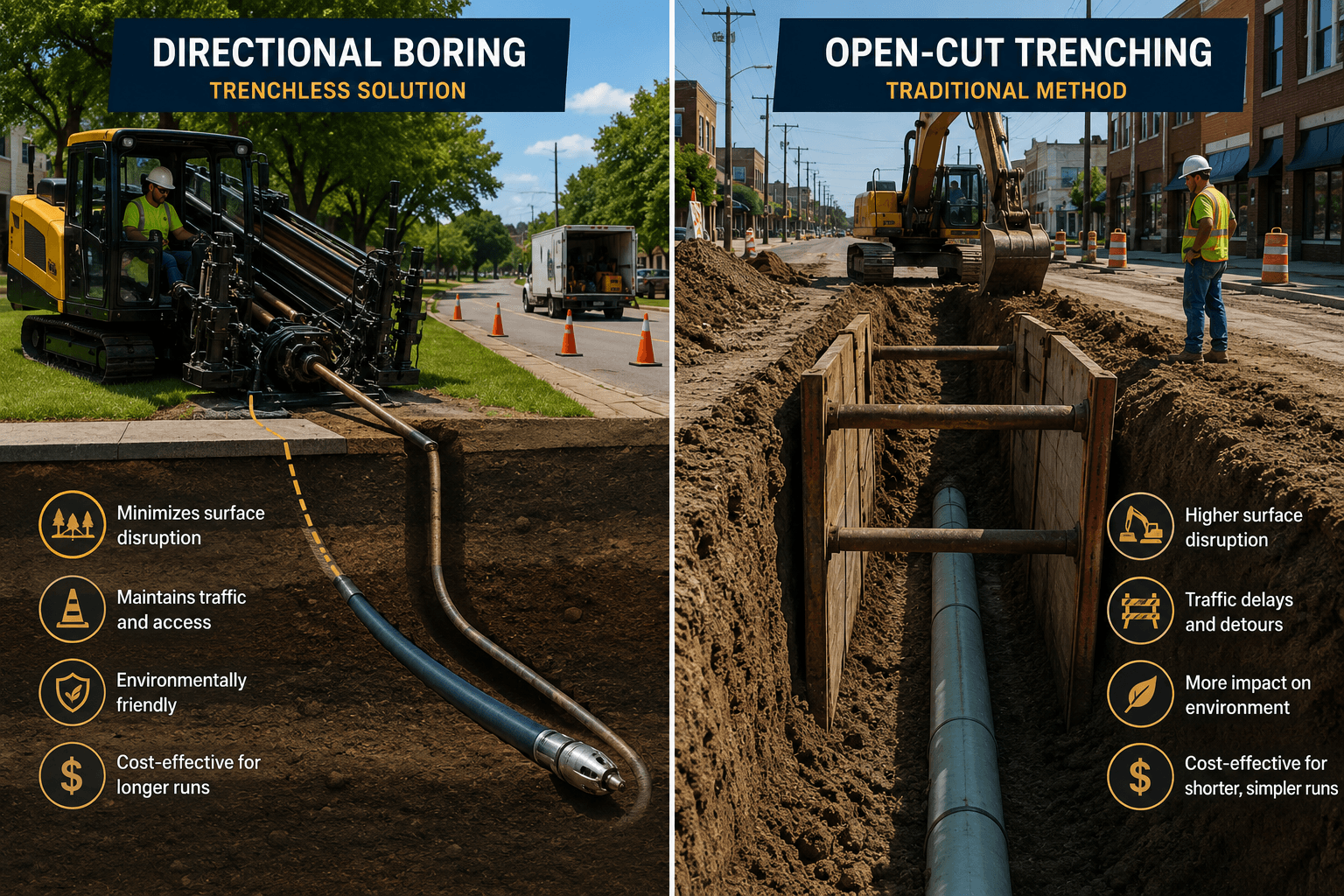
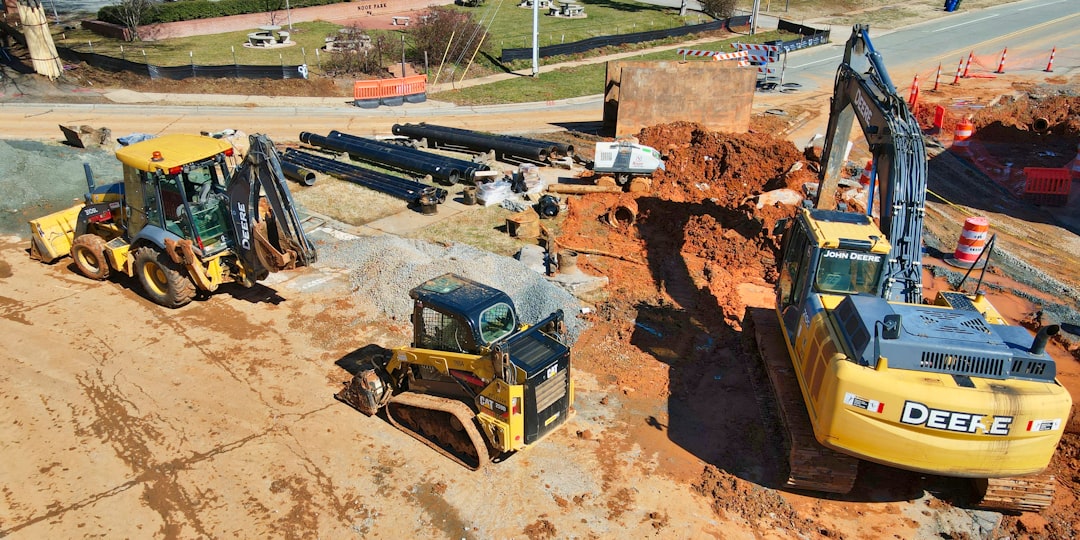
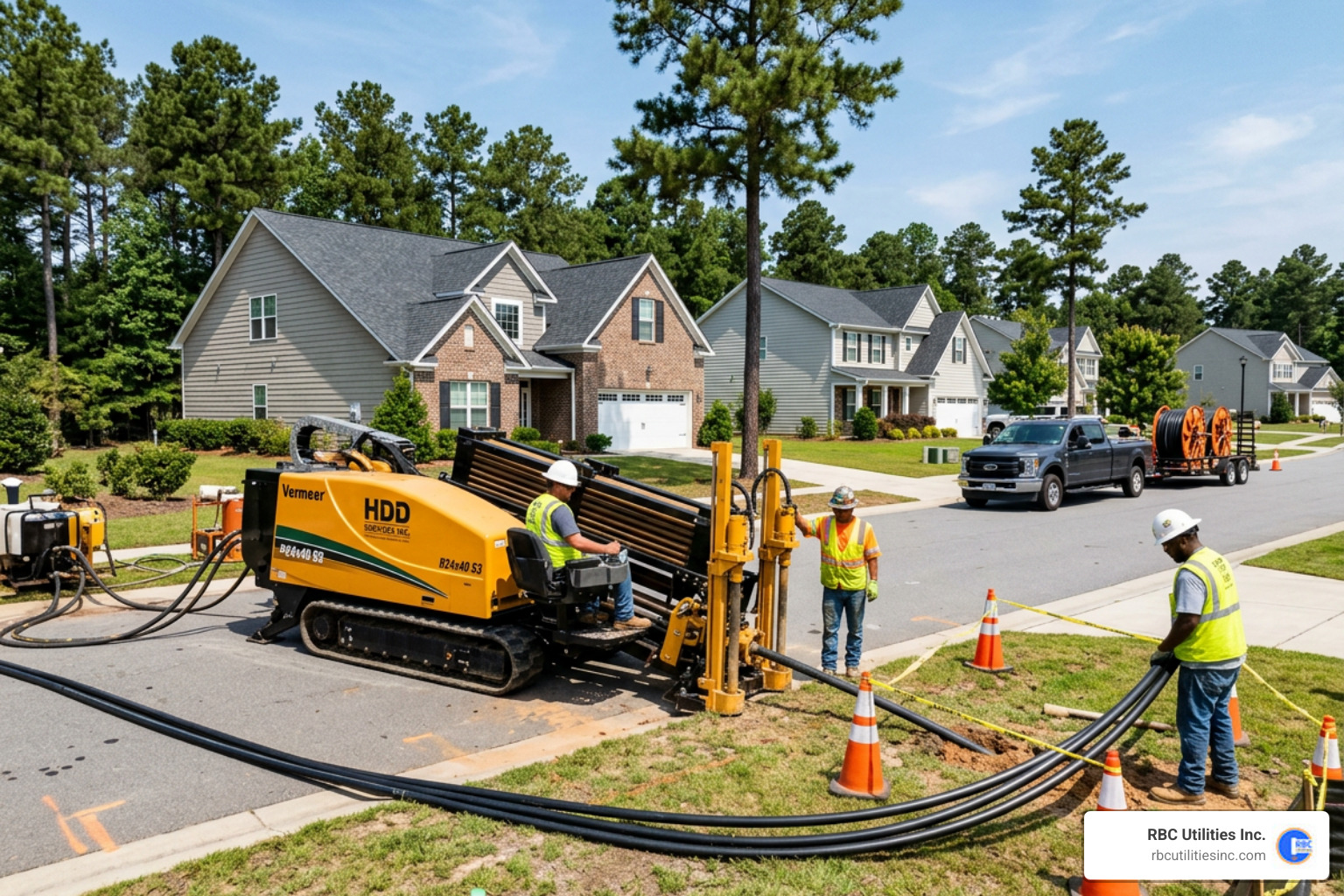
In dense urban areas or beneath active highways and railroads, digging a deep, open trench to install storm sewers isn't always practical. That is where trenchless utility construction techniques come into play.
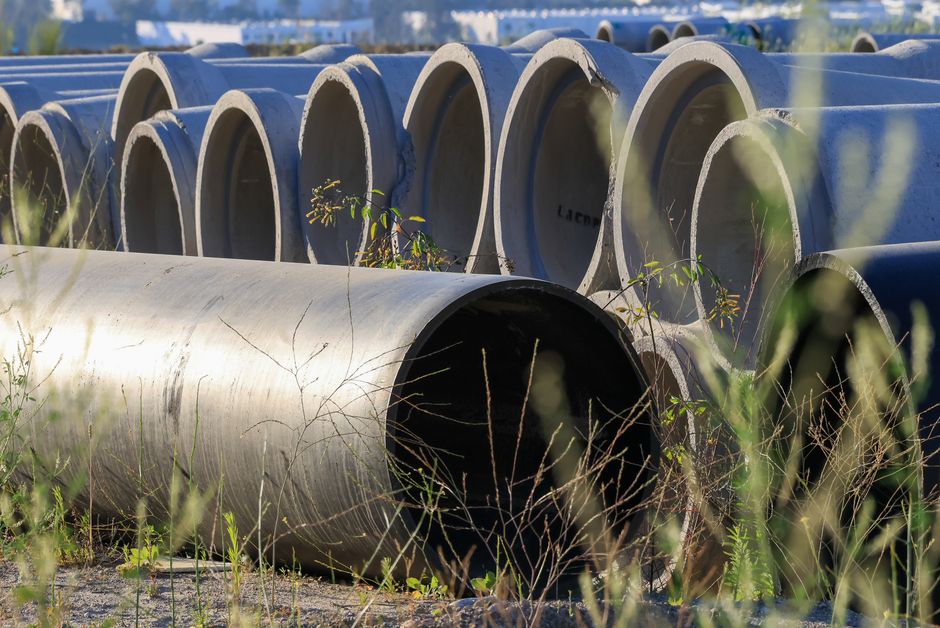
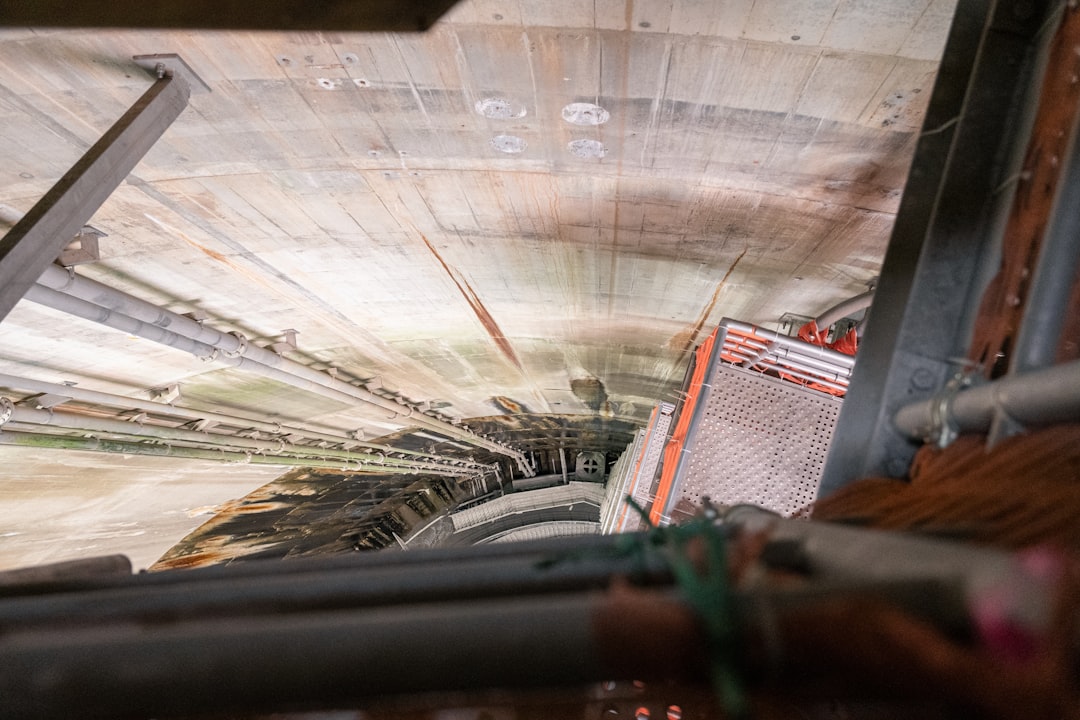
Using methods like horizontal auger boring, jack and bore, and hand mining, specialized contractors can install heavy-duty reinforced concrete pipe (RCP) directly through the earth without disrupting the surface. Because stormwater systems rely entirely on gravity, maintaining precise grade control (the slope or "% fall" of the pipe) during the boring process is absolutely critical. Even a minor deviation in alignment or slope can cause water to pool, leading to sediment buildup and system failure.
While gray infrastructure is excellent at moving massive volumes of water quickly, it does have a downside: it simply transfers untreated, polluted water from one place to another. That is why modern civil engineering has embraced Green Stormwater Infrastructure (GSI).
Instead of fighting nature, GSI mimics it. It uses plant-and-soil systems, permeable surfaces, and landscaping to capture, filter, and absorb rainwater right where it falls. Rather than rushing water into a pipe, GSI encourages infiltration (soaking into the ground) and evapotranspiration (water returning to the air through plants).
To see how communities are successfully blending these nature-based methods with traditional development, check out our What is Green Stormwater Infrastructure Guide or read through the EPA Green Infrastructure Guide.
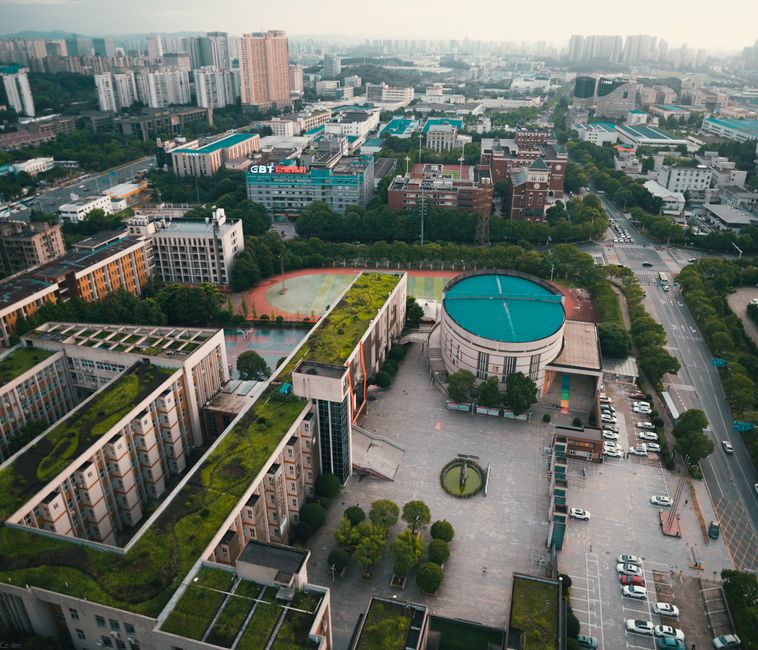
Green infrastructure isn't a one-size-fits-all solution; it consists of a versatile toolkit of practices that can be integrated into streets, parking lots, and building designs:
For a comprehensive technical breakdown of these features and their design standards, refer to the Minnesota Stormwater Manual.
To understand how these two approaches complement each other, here is the same comparison in bullet-point form:
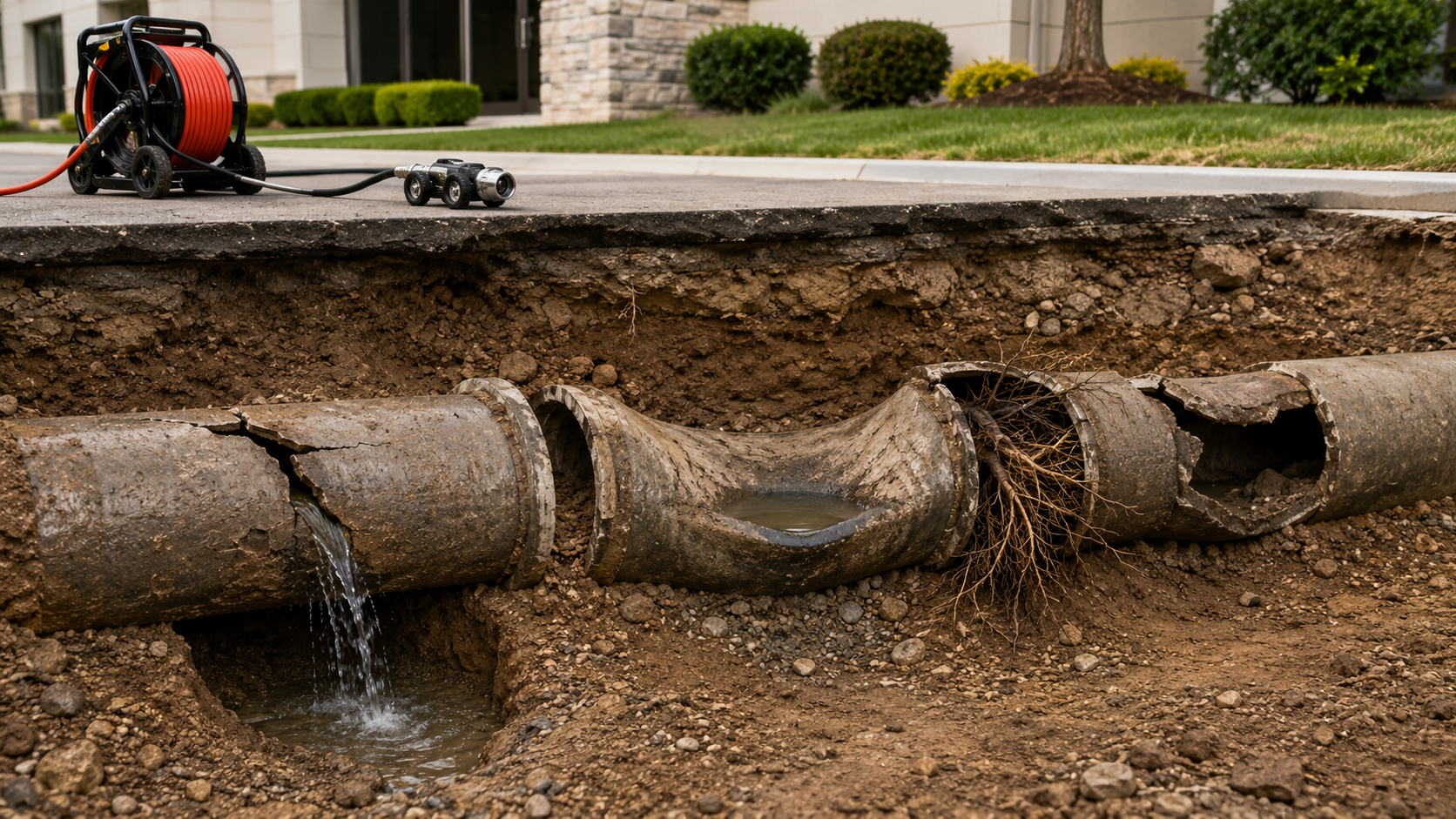
Our nation's stormwater systems are under immense pressure. Across the United States, America's cumulative infrastructure GPA sits at a disappointing D+.
The challenges facing our stormwater networks are threefold:
Upgrading these systems requires significant capital, but funding remains a massive hurdle. The EPA's Clean Watersheds Needs Survey estimated that the 20-year capital investment need for large stormwater systems (MS4s) alone skyrocketed from $23.8 billion in 2012 to $115.3 billion a decade later.
Currently, there is an annual funding gap of $8 billion among MS4 permittees. Historically, federal funding has favored clean drinking water and wastewater treatment; only 3% of all Clean Water State Revolving Fund (CWSRF) allocations have historically gone toward stormwater projects.
To bridge this gap, many municipalities in the Carolinas have established dedicated stormwater utilities. The percentage of communities with MS4s that charge a dedicated stormwater fee grew from 19% in 2013 to over 26% by 2018, with the average monthly fee for a single-family home rising from $5.34 in 2018 to $6.06 in 2023. Even so, 42% of system operators report they lack the funding to meet their capital needs. To learn more about national grading and funding data, explore the ASCE 2021 Infrastructure Report Card.
The future of stormwater management doesn't lie in choosing green over gray; it lies in "greening the gray." By integrating green infrastructure into existing municipal operations and public rights-of-way, communities can take the pressure off their aging pipe systems.
For example, installing bioswales along streets or adding permeable pavements to public parking lots reduces the peak volume of water hitting our underground storm sewers during a storm. This hybrid approach extends the lifespan of our existing gray assets, saves municipalities millions in costly pipe-upsizing projects, and builds long-term climate resilience.
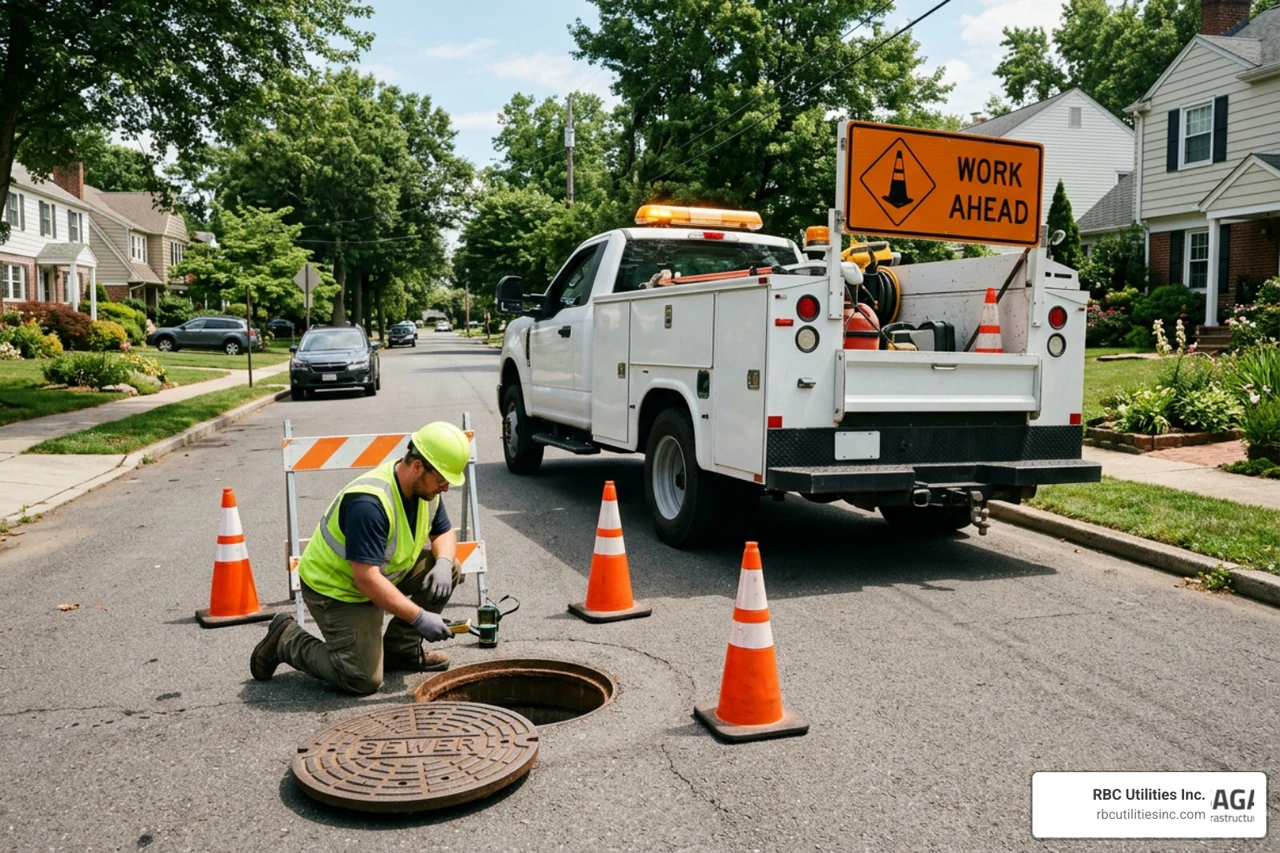
They are completely separate systems. A sanitary sewer collects indoor wastewater from toilets, sinks, and showers, carrying it to a highly specialized treatment plant to be purified before discharge. A storm sewer, on the other hand, collects outdoor rainwater runoff from streets and roofs. In most municipal areas, storm sewers empty directly into local creeks and rivers without any chemical treatment, which is why keeping pollutants out of storm drains is so critical.
Most local communities fund their systems through a combination of municipal stormwater utility fees (usually added to your monthly water bill), local property taxes, and federal programs like the Clean Water State Revolving Fund (CWSRF). Developers also fund a significant portion of local infrastructure by building and dedicating storm systems within new subdivisions and commercial sites.
Unlike underground pipes, which only move water, GSI provides multiple "co-benefits" to the community. It beautifies neighborhoods, creates pocket habitats for birds and pollinators, filters air pollutants, and reduces the "urban heat island effect" by cooling the air through plant transpiration. Additionally, constructing and maintaining these living systems supports local "green collar" jobs in landscaping and environmental engineering.
Understanding what is stormwater infrastructure is the first step toward building stronger, more resilient communities in the Carolinas. Whether it is a massive 84-inch concrete pipe installed deep underground using advanced boring techniques or a beautifully landscaped bioswale filtering runoff on a commercial site, these systems are essential to our daily lives.
At RBC Utilities Inc., we combine our deep Carolinas expertise with the national resources of Saga Infrastructure to deliver safe, reliable, and high-quality underground utility installations. From complex stormwater boring to municipal utility upgrades, we build the foundations that keep our region moving forward.
If you are planning your next commercial, residential, or municipal development in North or South Carolina, we are here to help you get the job done right. Contact RBC Utilities Inc. today to see how we can bring safety and lasting reliability to your next project.
Part of Saga Infrastructure, protecting what others built and helping it grow.
Address: 4404 Stuart Andrews Blvd., Suite K, Charlotte, NC 28217
Email: info@rbcutilities.com
Phone: 803-913-9727
Service Area: North Carolina | South Carolina