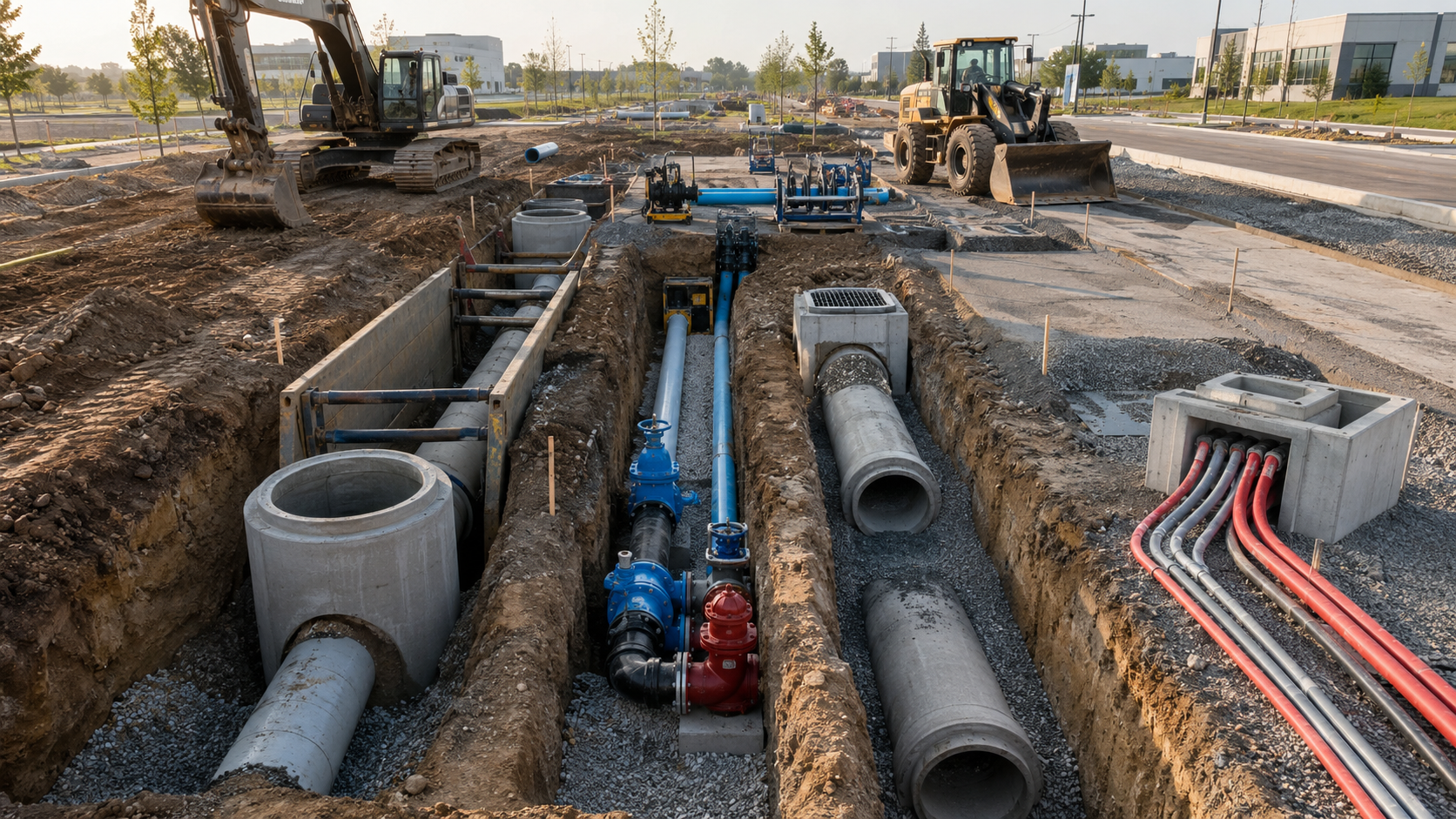
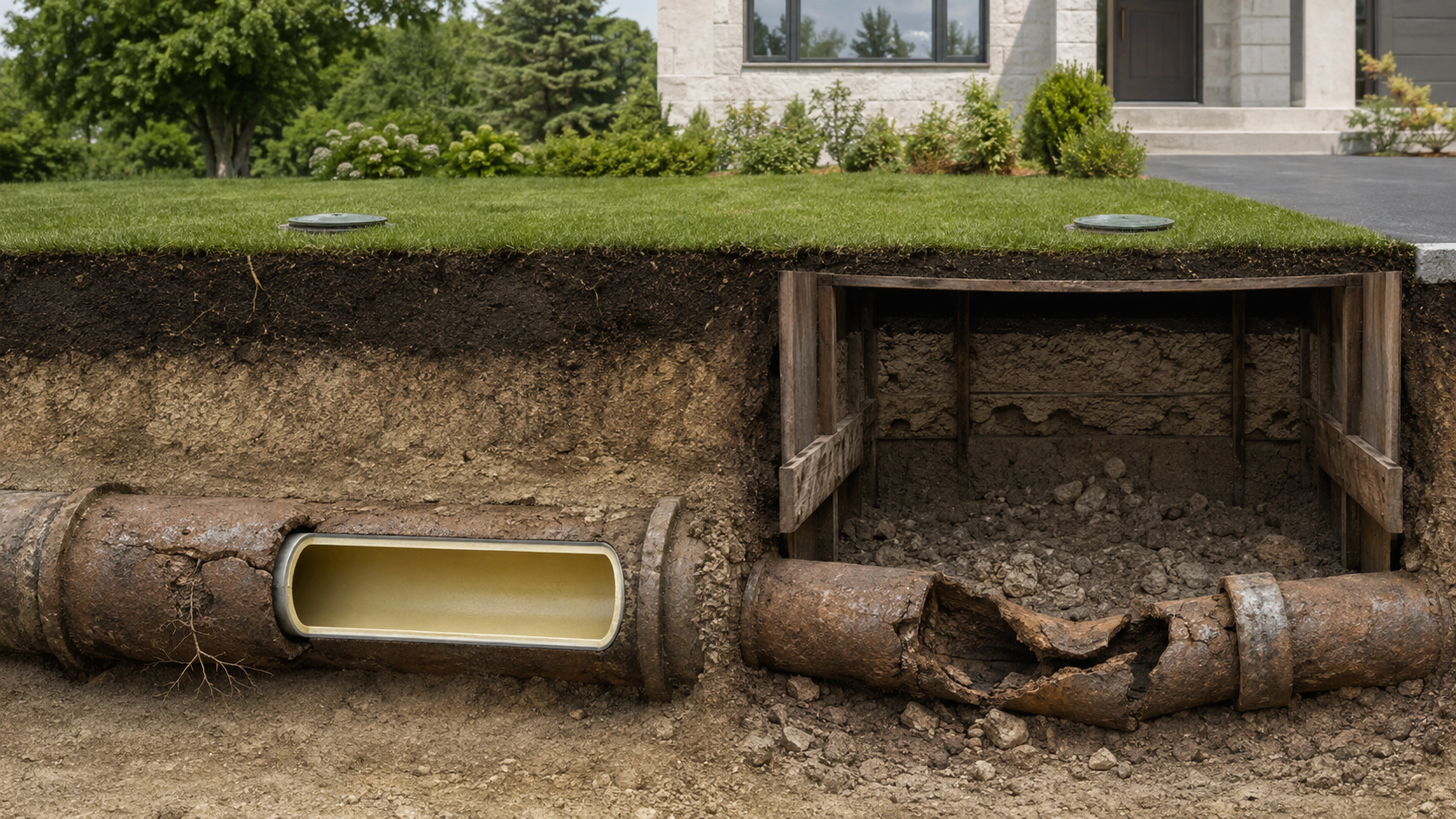
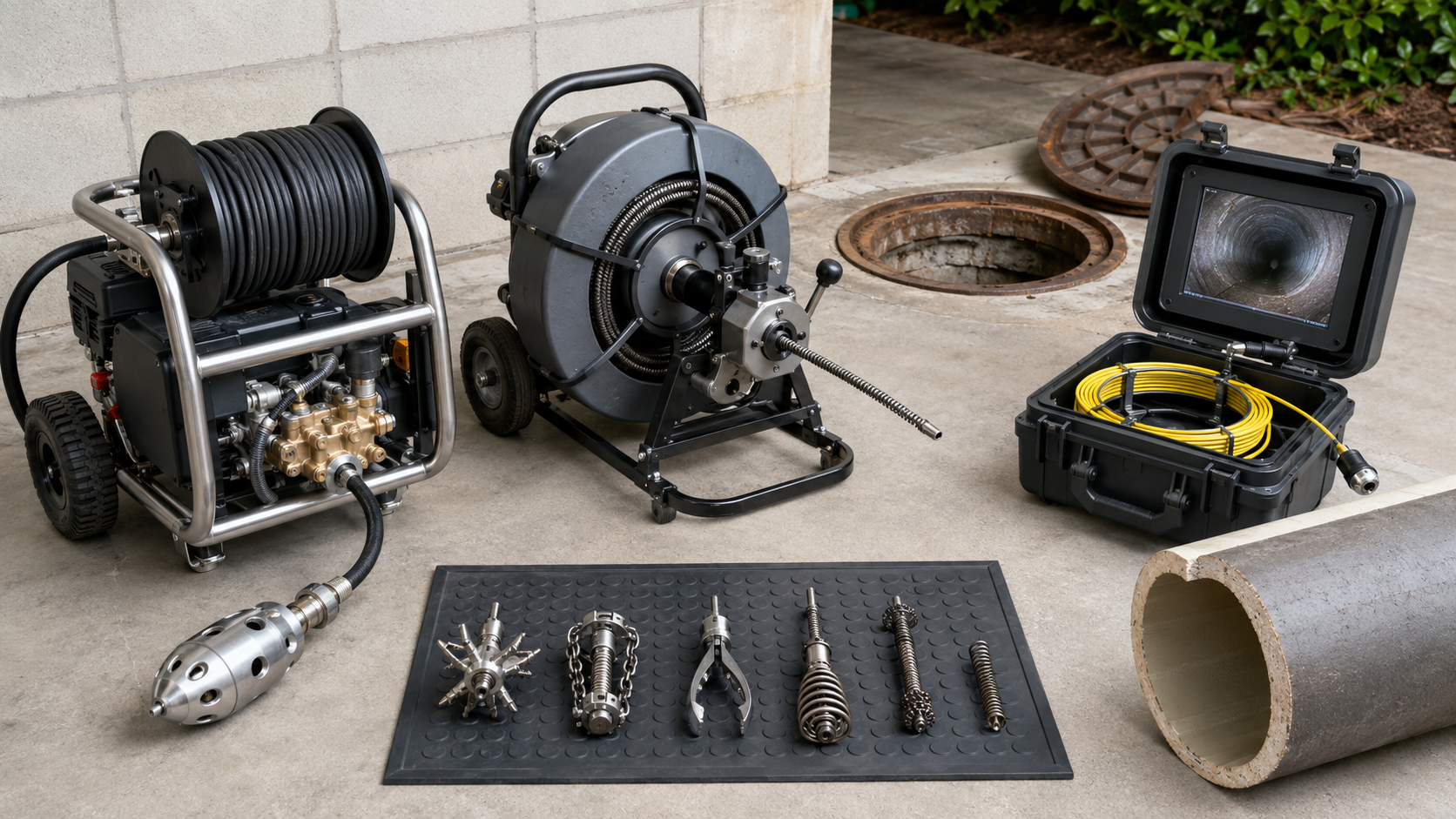
Two bids for the same utility construction scope can look close in price and still be wildly different in what they actually cover. The gap usually isn't visible until a connection is missed, an inspection fails, or a change order shows up for work everyone assumed was already included.
For a broader look at RBC's work, review RBC Utilities services, recent RBC Utilities projects, and this guide to what makes a true utility infrastructure contractor.
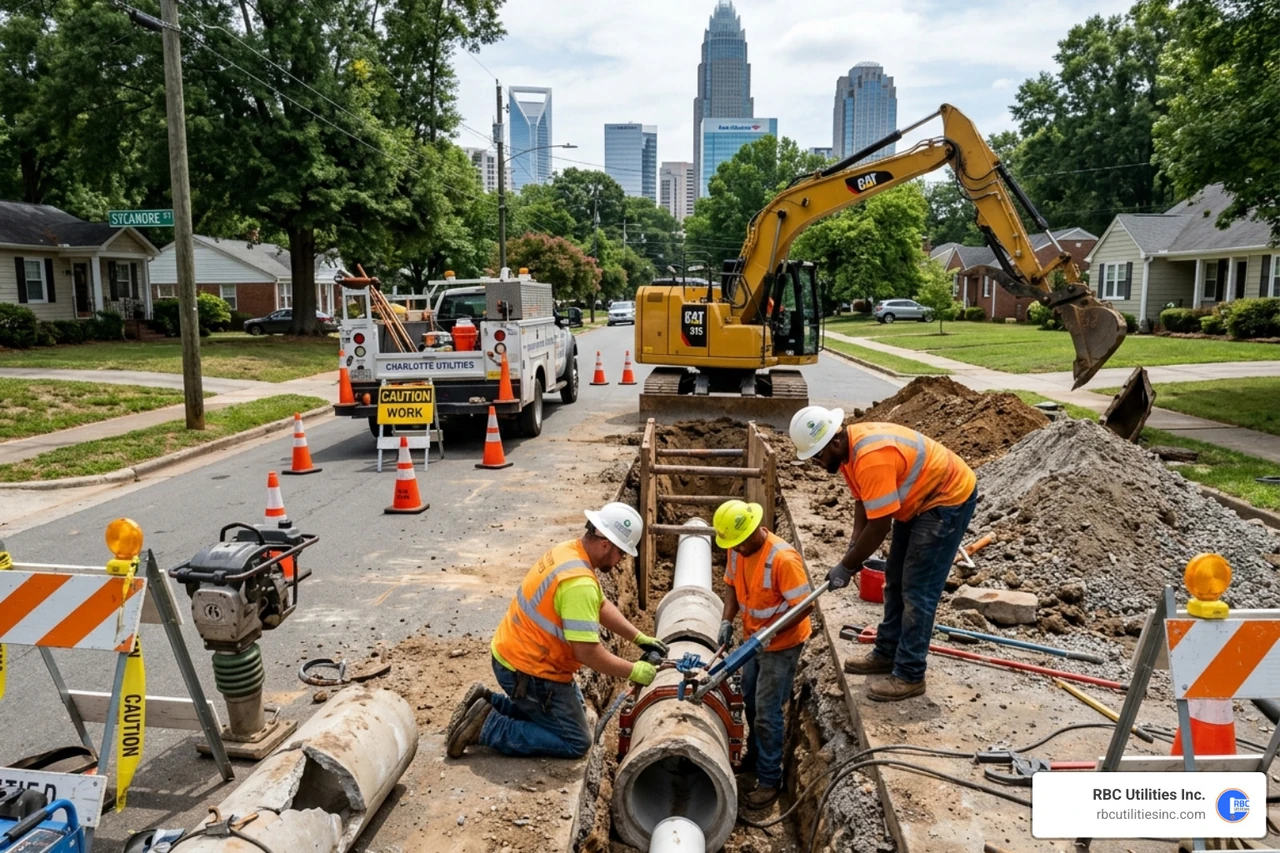
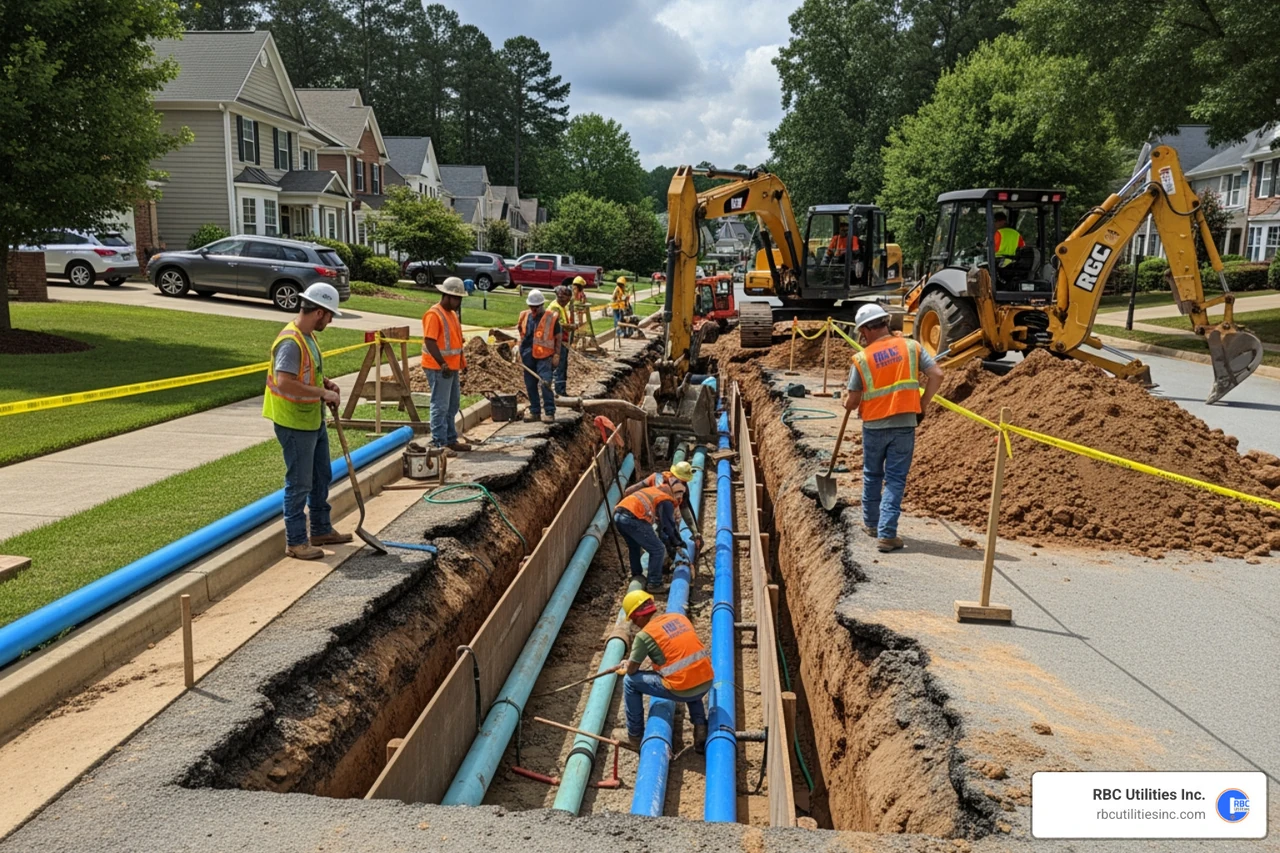
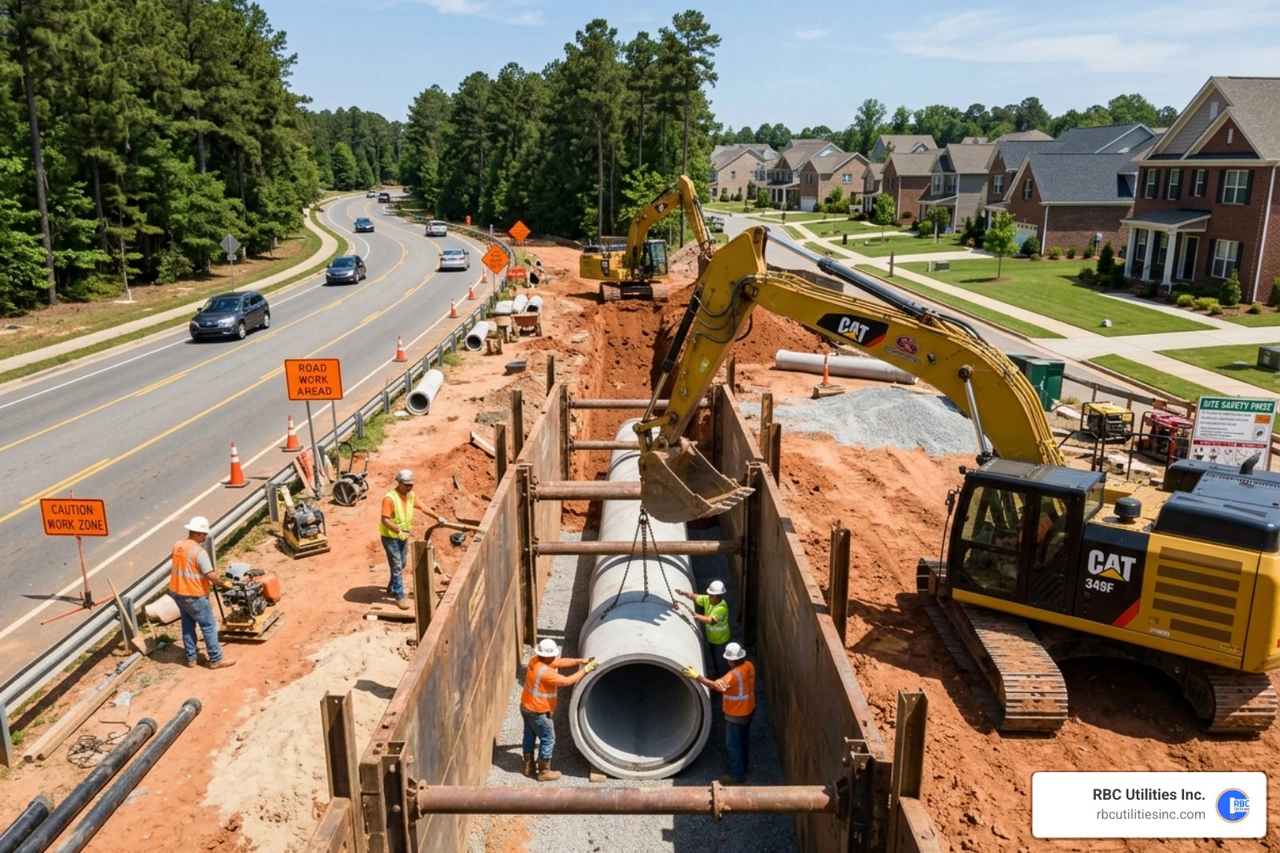
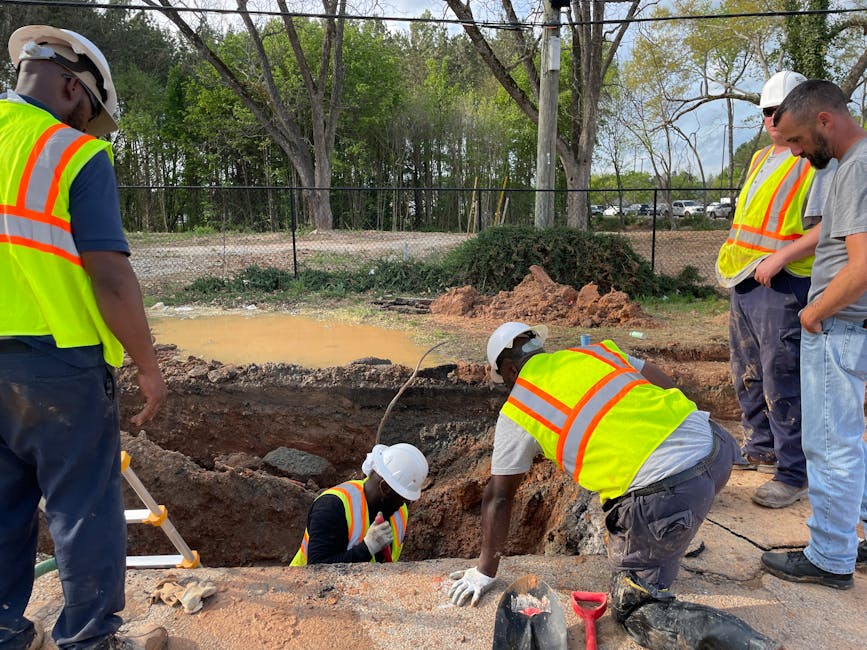
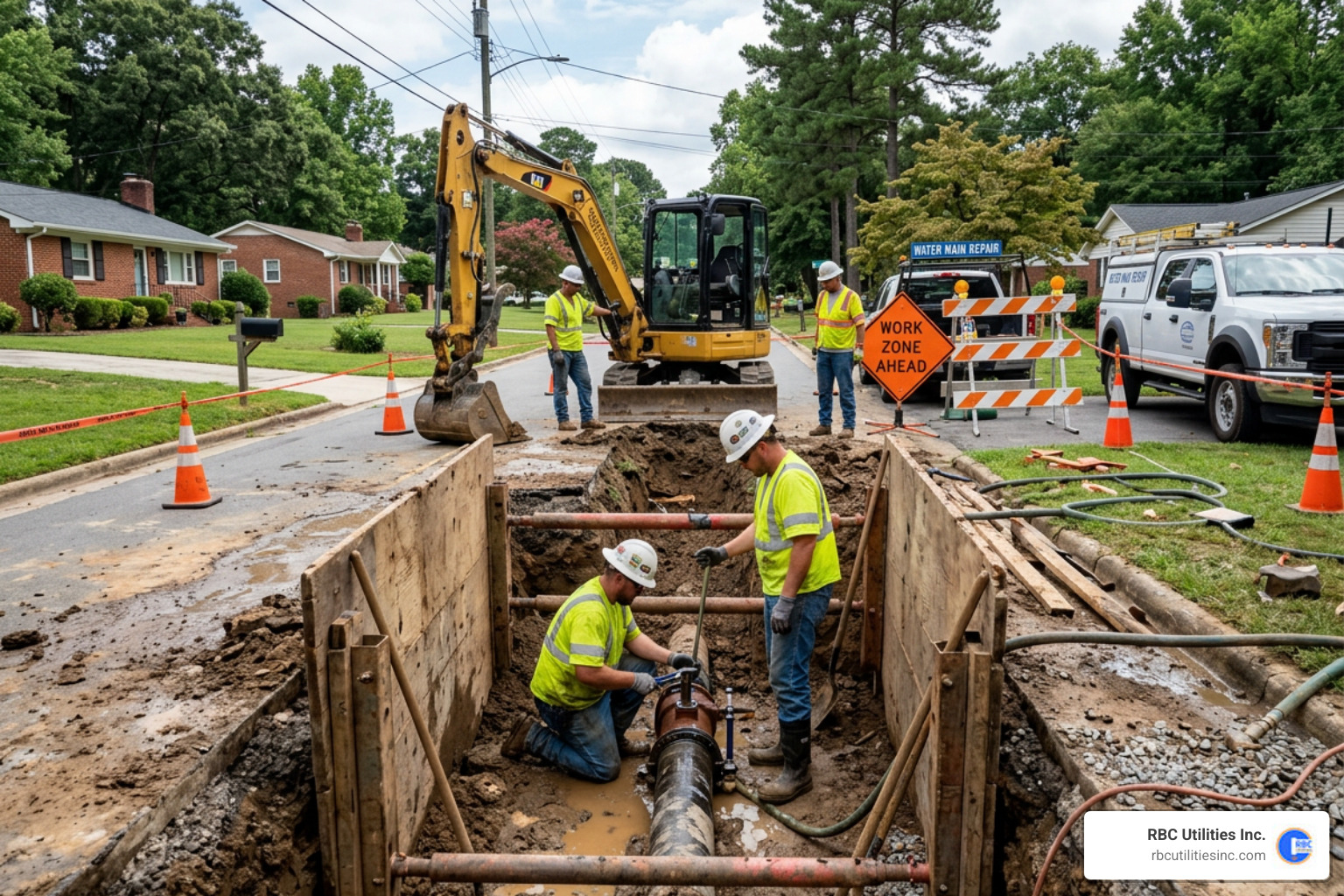
OSHA's trenching and excavation safety guidance is a useful reference for confirming that a bid's safety assumptions match the actual site conditions, since undersized trench safety is a common way scopes get quietly cut.
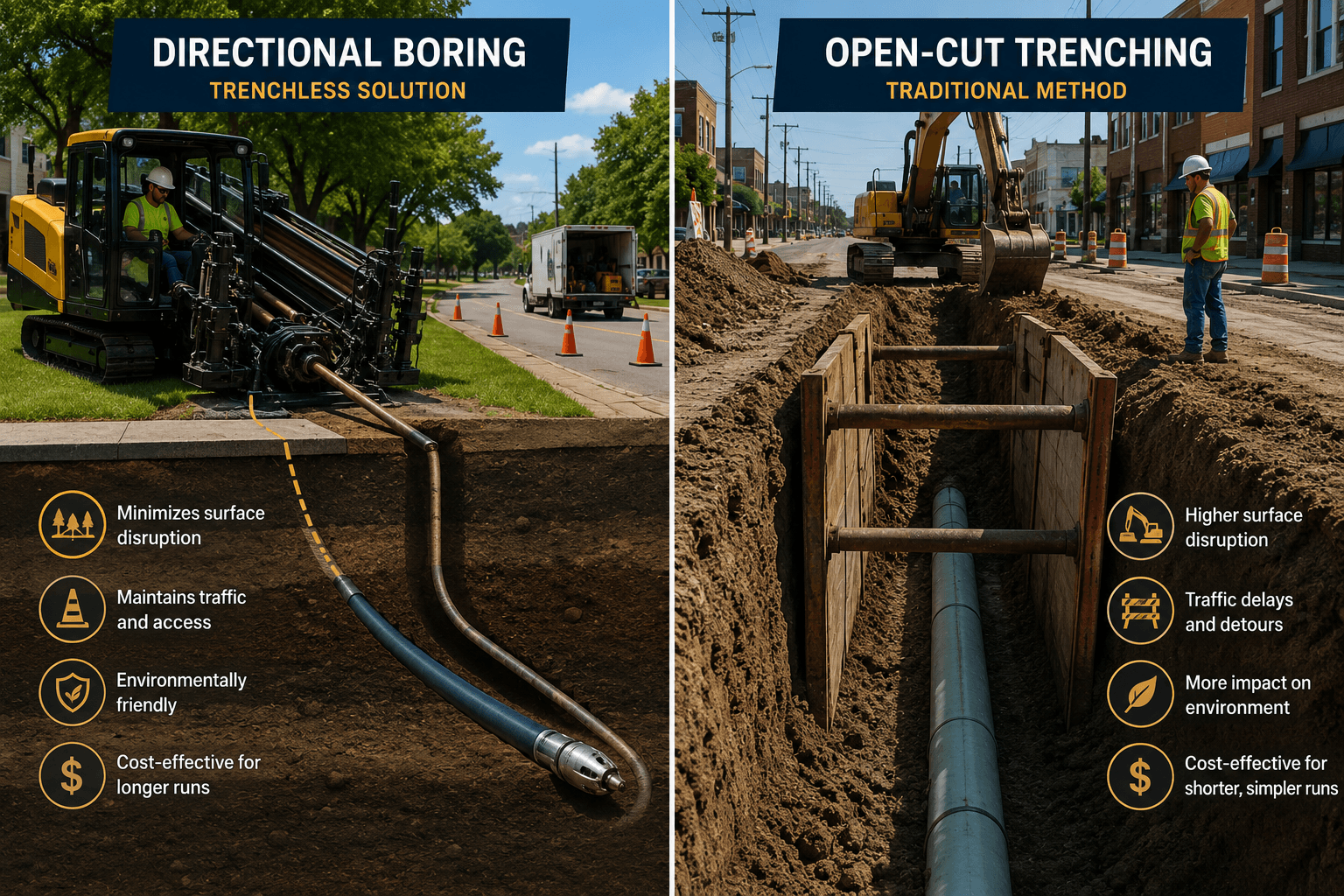
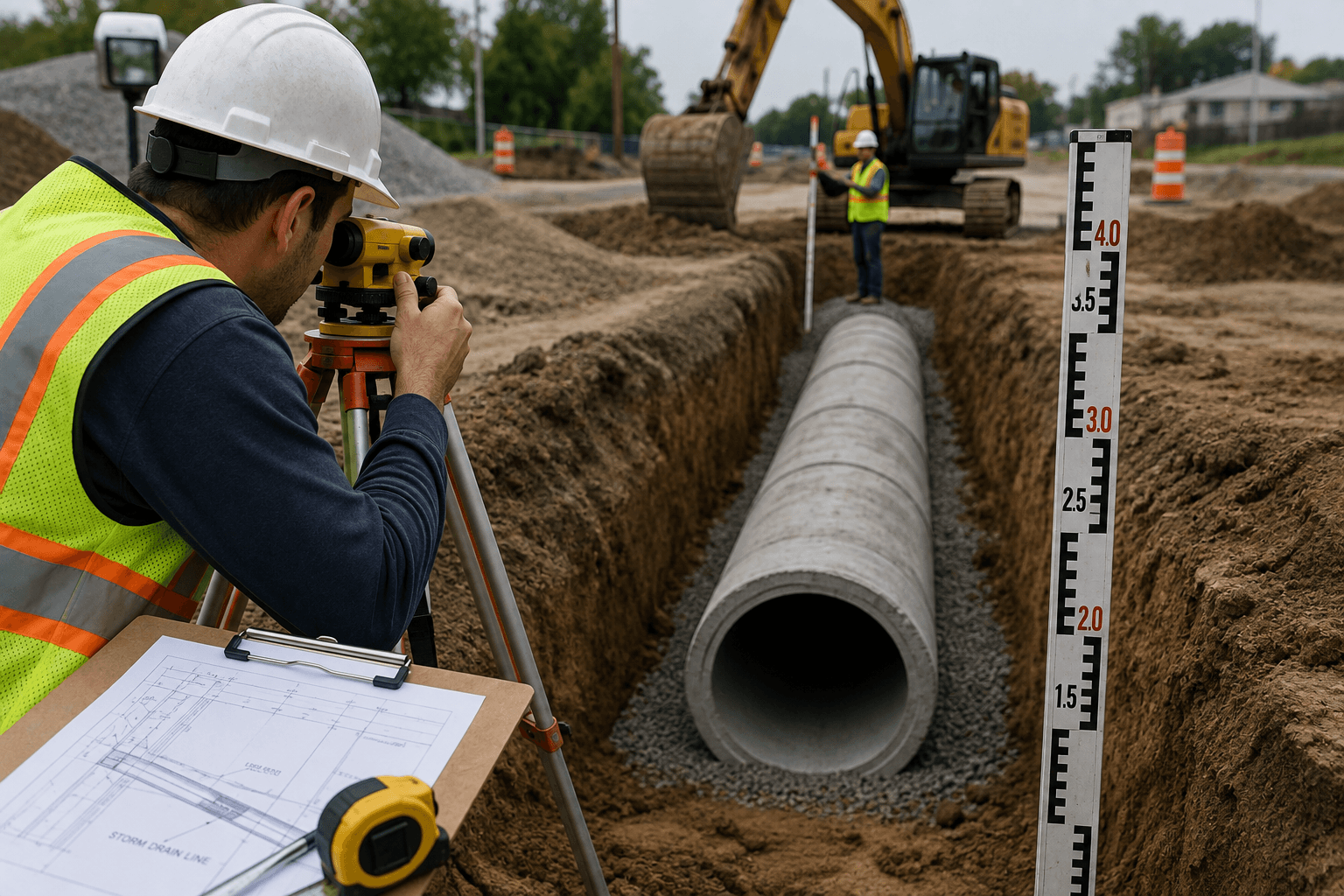
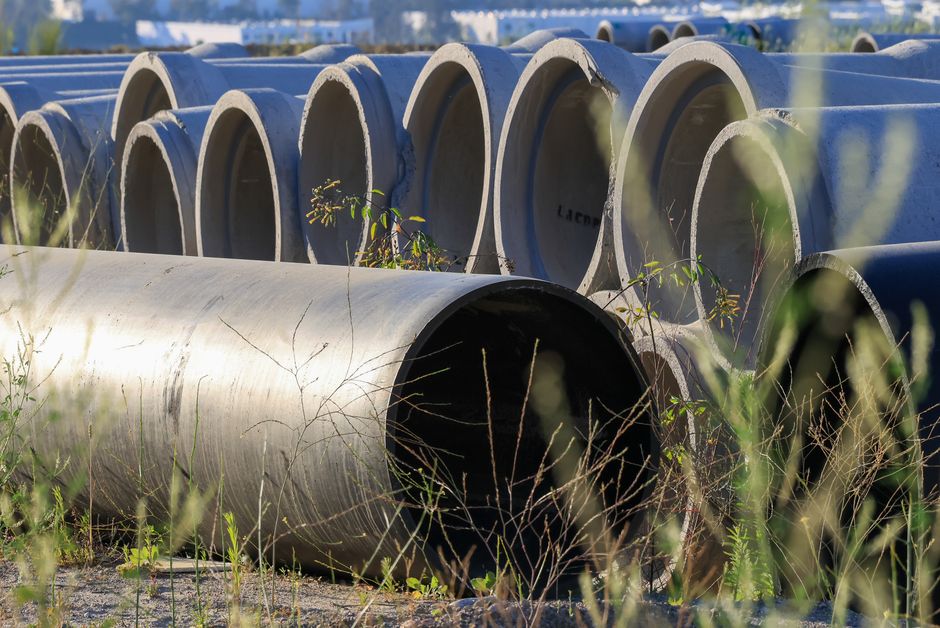
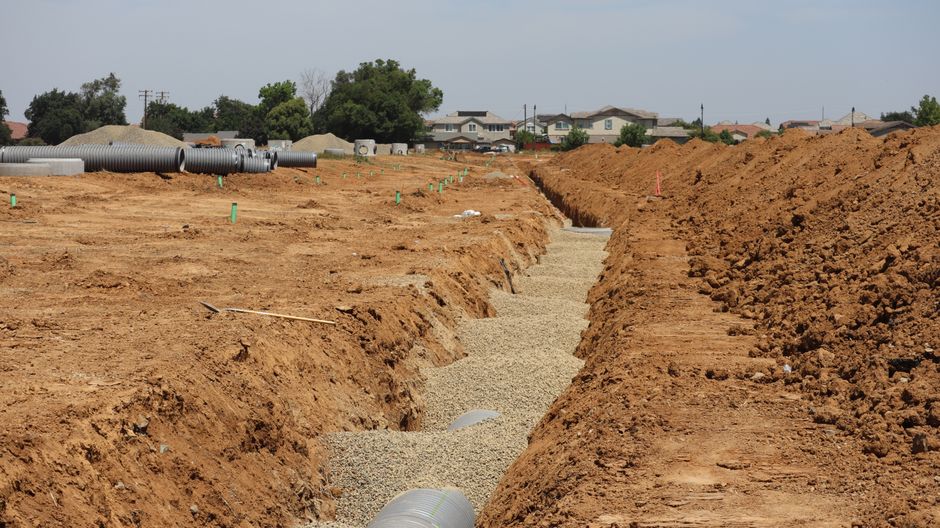
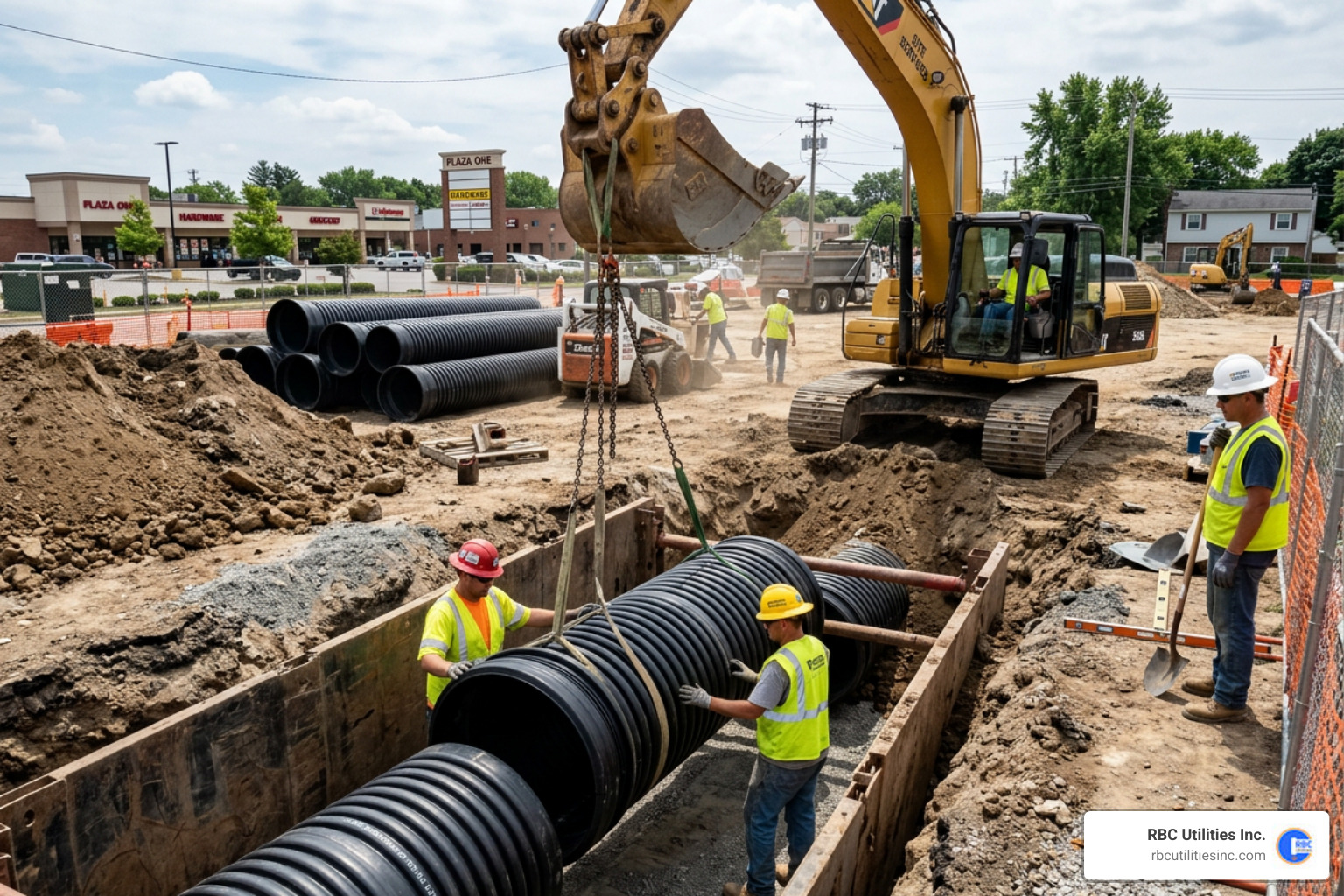
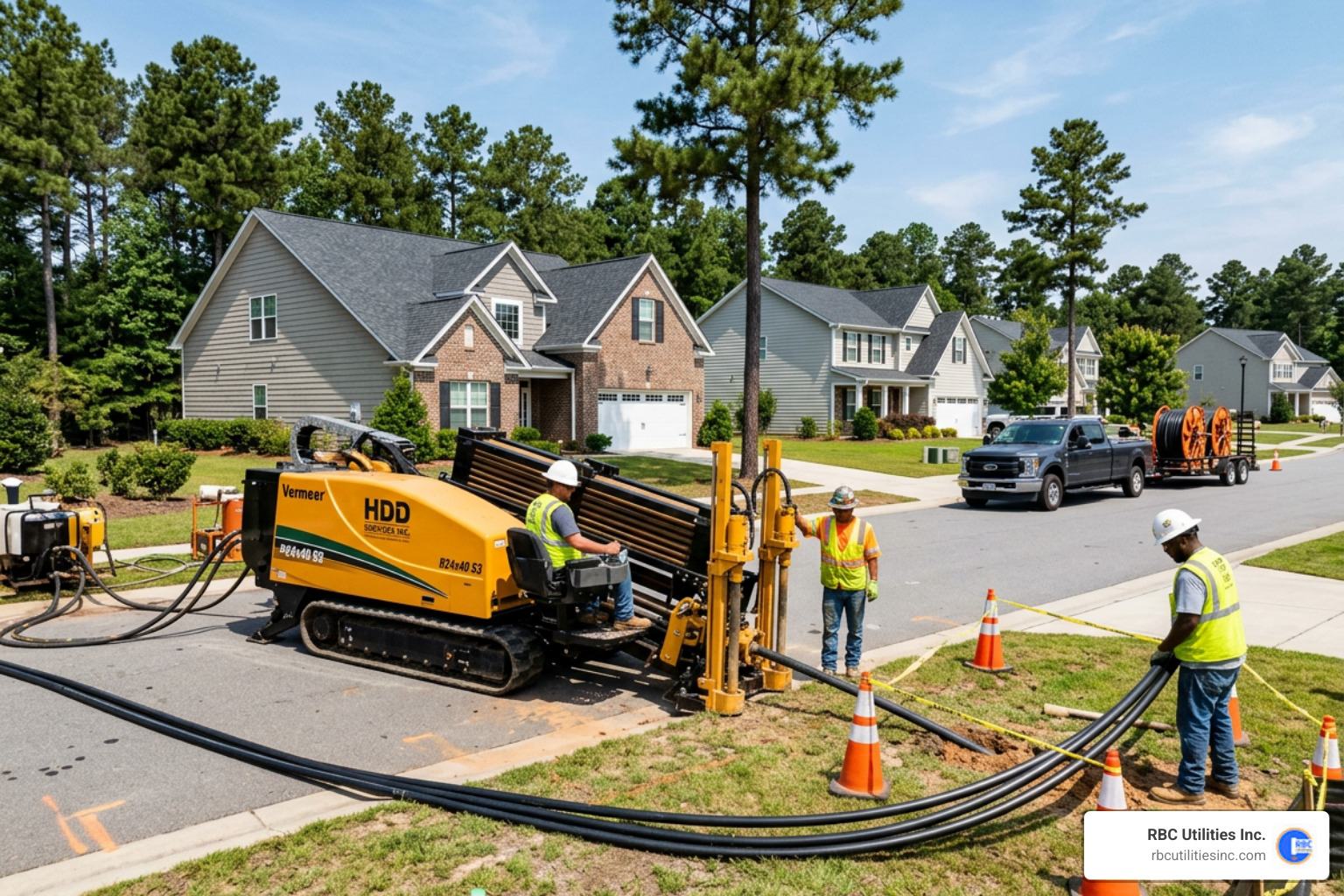
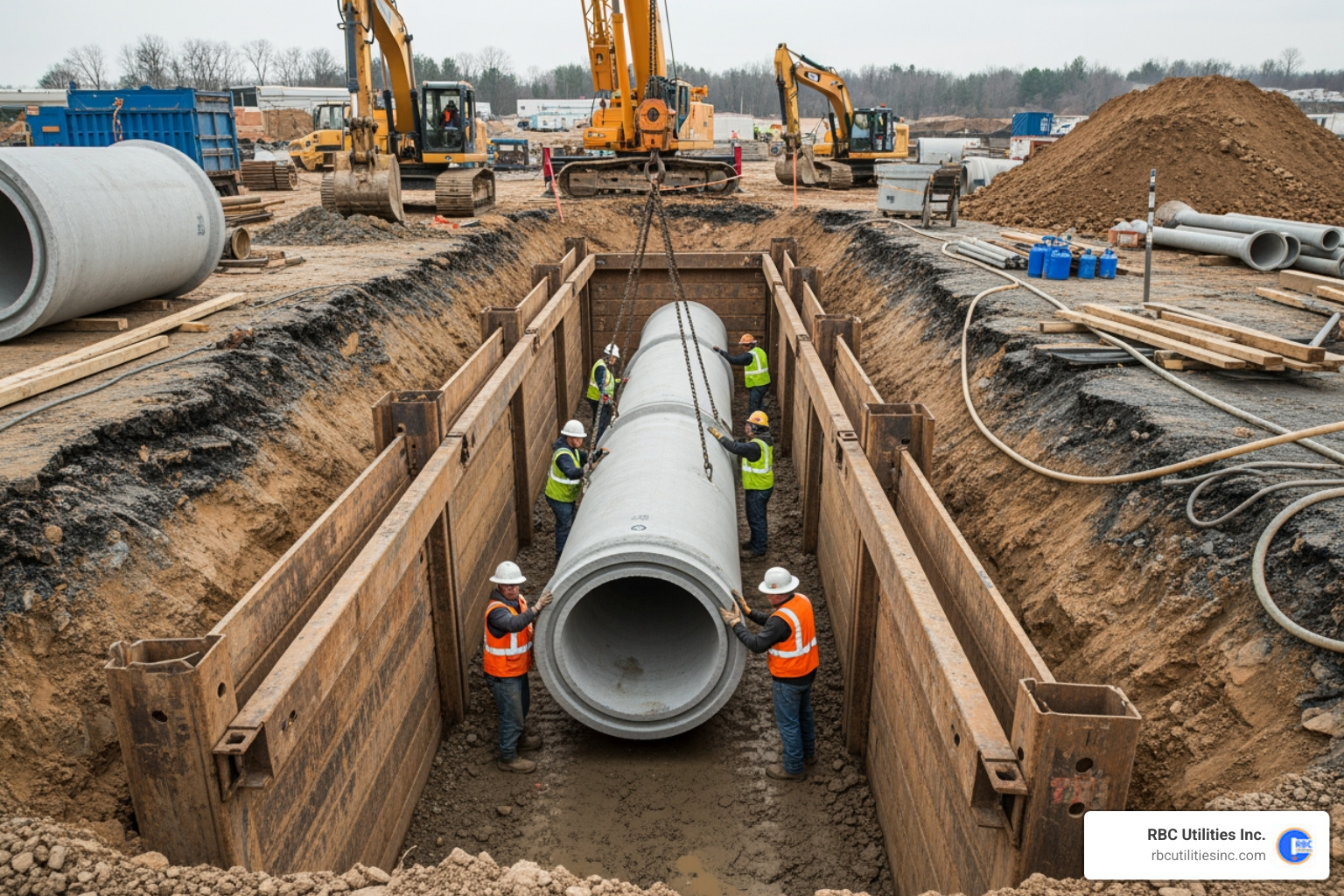
If method selection affects the scope comparison, review RBC's notes on directional boring vs. open-cut trenching, commercial conduit installation, and storm drain pipe installation.
Restoration. It's the line item most often reduced to the bare minimum required to close a permit, rather than what it actually takes to return the site to its intended condition.
They can be, but they should always be visible, not folded into a lump sum that hides whether they were priced correctly at all.
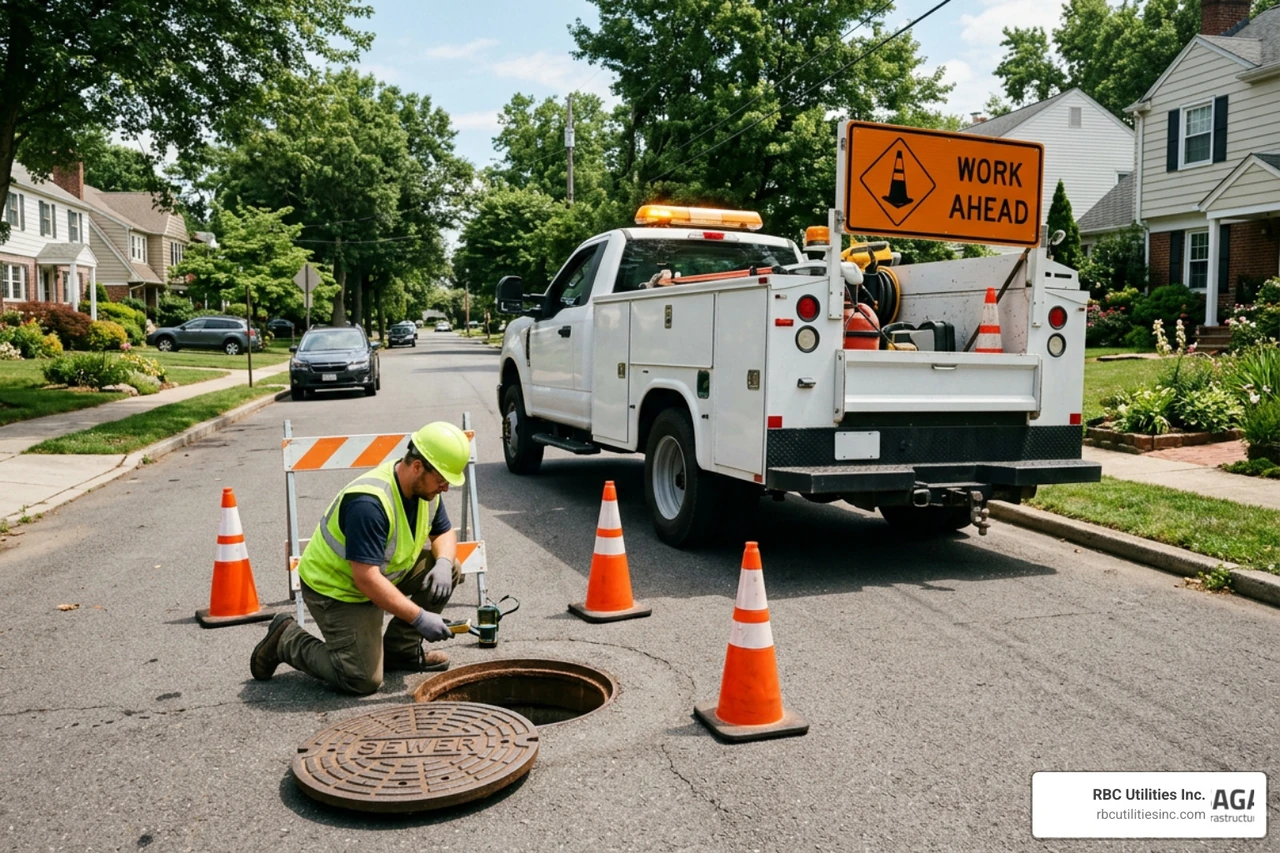
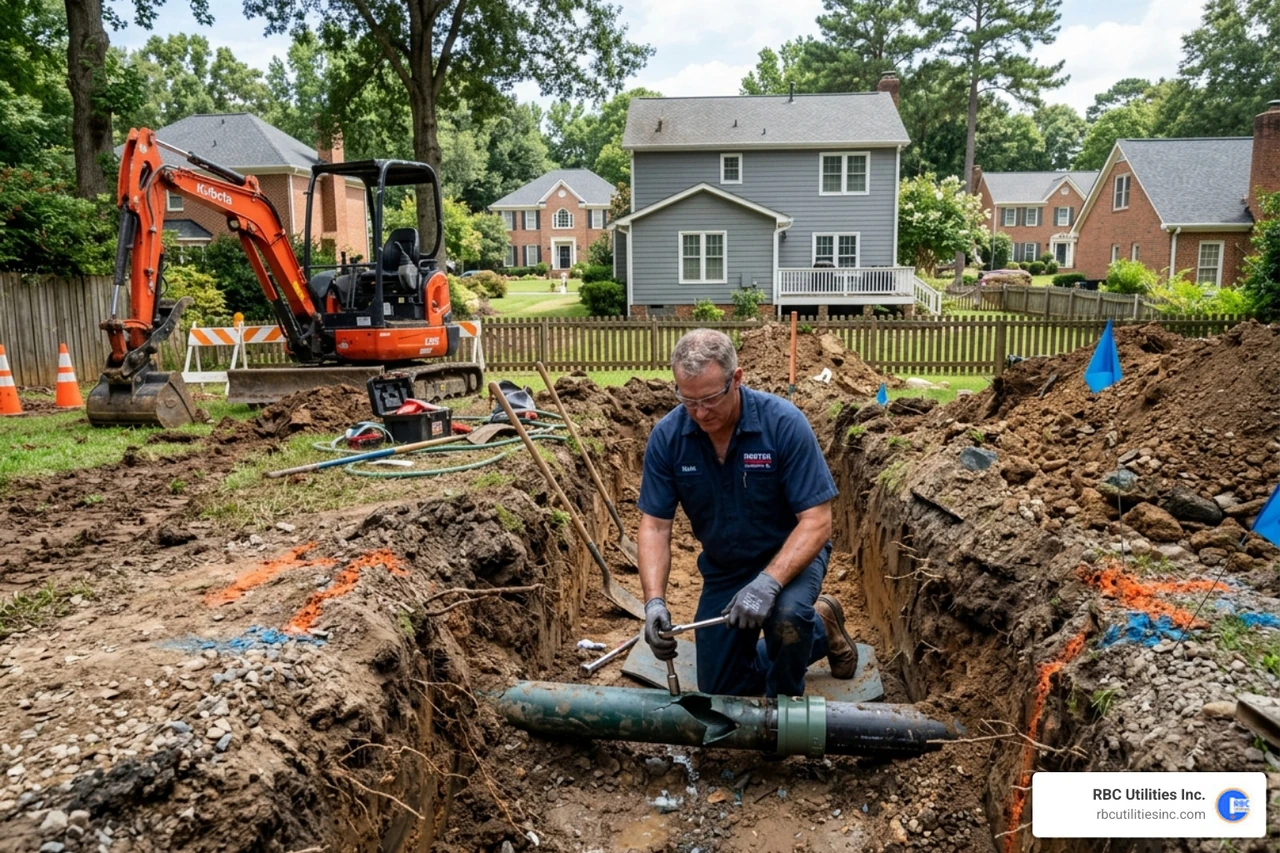
Every RBC bid spells out preconstruction, installation, inspection coordination, and restoration as distinct line items, so owners and GCs know exactly what they're comparing before work starts.
A utility construction bid is only as useful as its scope is clear. The lowest number rarely stays the lowest number once missing testing, restoration, or coordination work surfaces mid-project.
RBC Utilities builds every proposal to spell out what's included, so comparisons are accurate from the start. For project conversations, use the RBC Utilities contact page.
Part of Saga Infrastructure, protecting what others built and helping it grow.
Address: 4404 Stuart Andrew Blvd., Suite K, Charlotte, NC 28217
Email: info@rbcutilities.com
Phone: 803-913-9727
Service Area: North Carolina | South Carolina