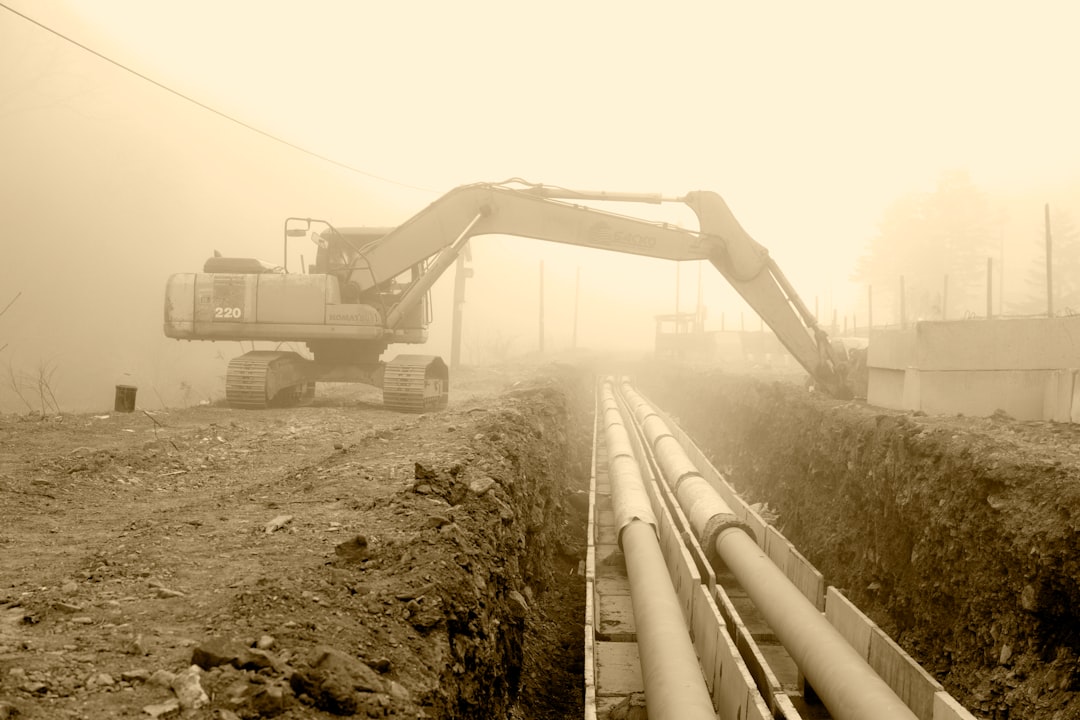
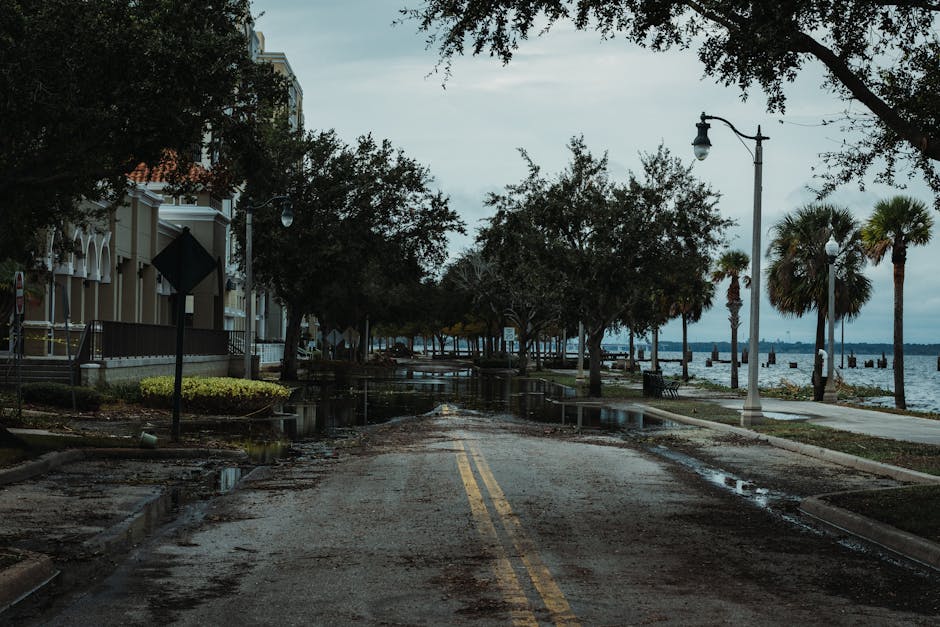
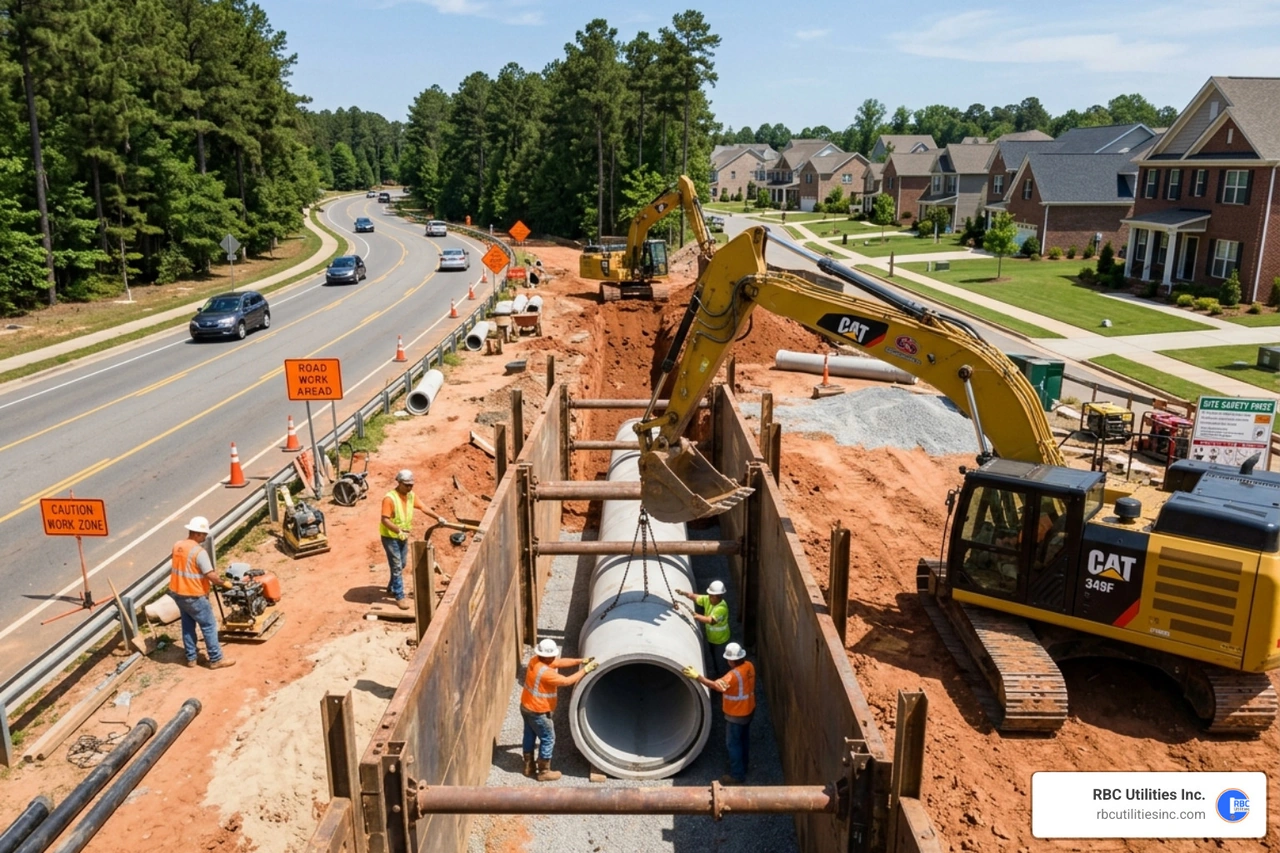
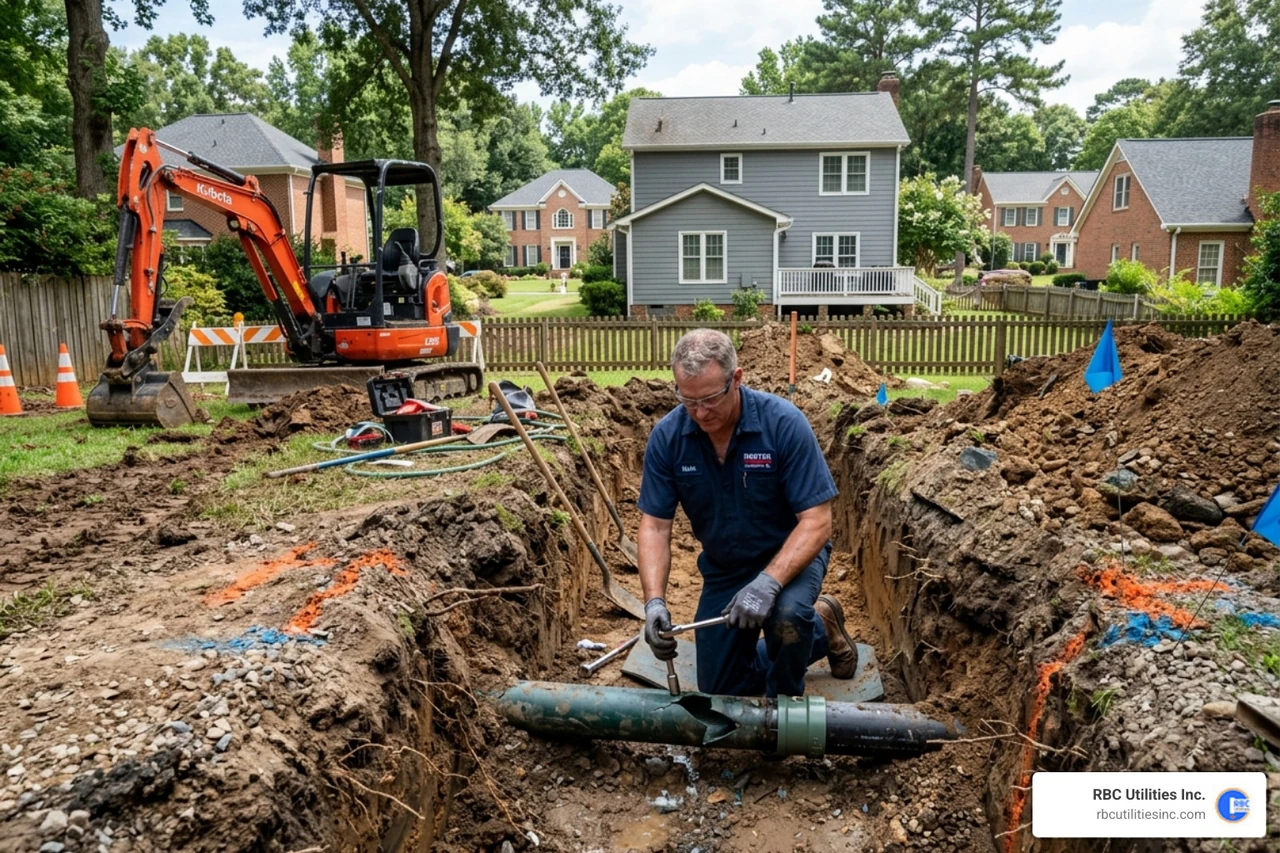
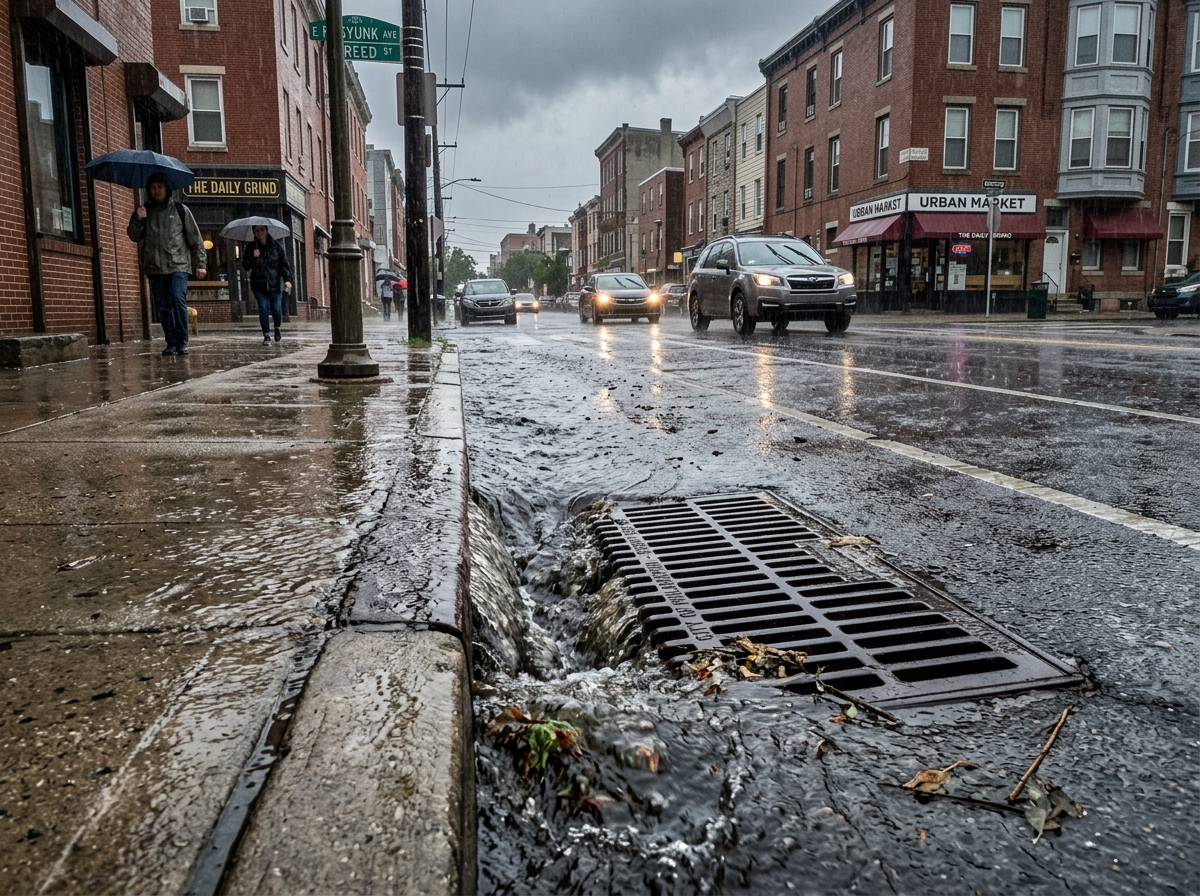
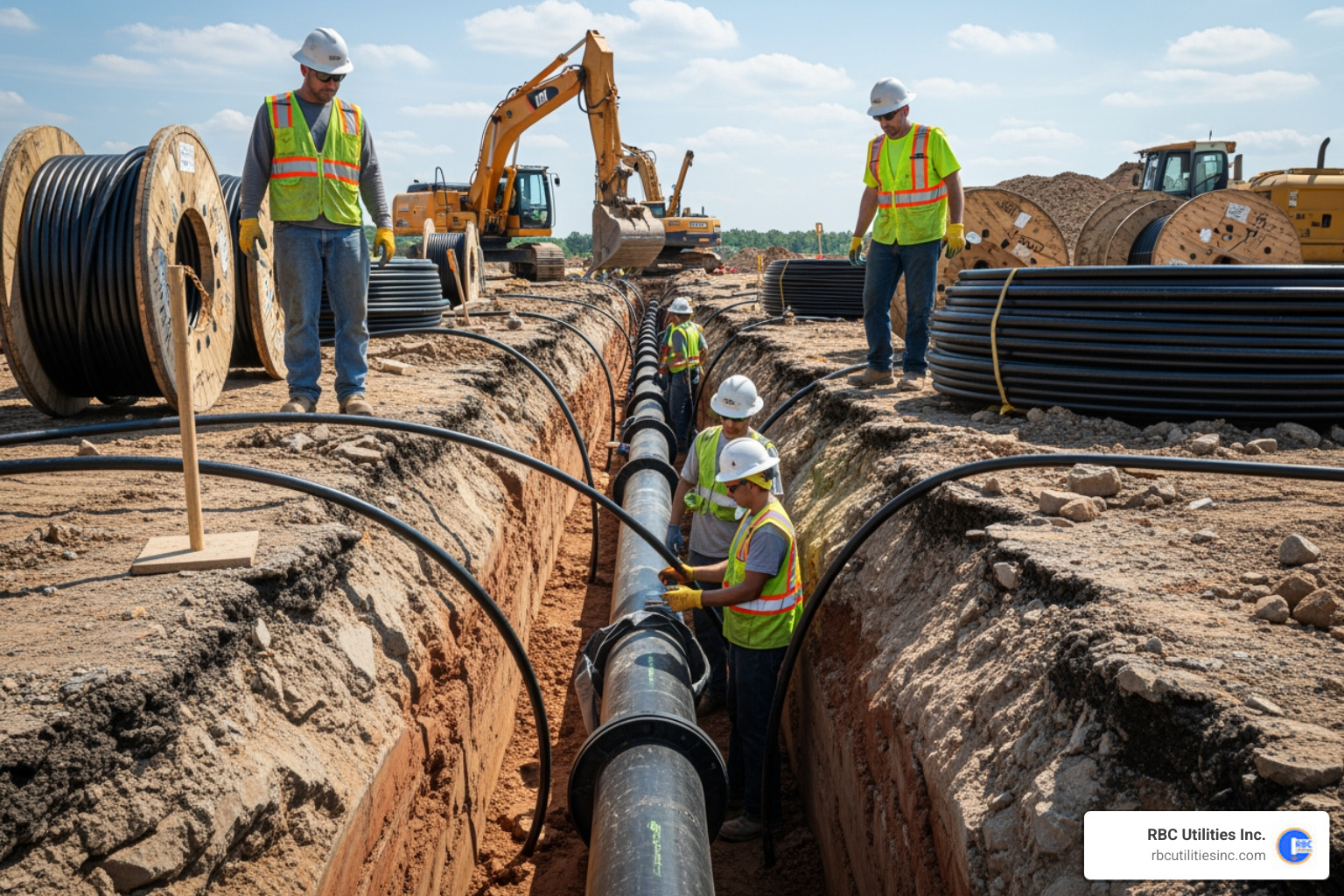
Grey stormwater infrastructure refers to the engineered, human-built systems used to collect, move, and manage rainwater runoff in urban and suburban areas. Think pipes, storm drains, culverts, catch basins, and detention basins — the underground and surface-level network that keeps streets from flooding after a heavy rain.
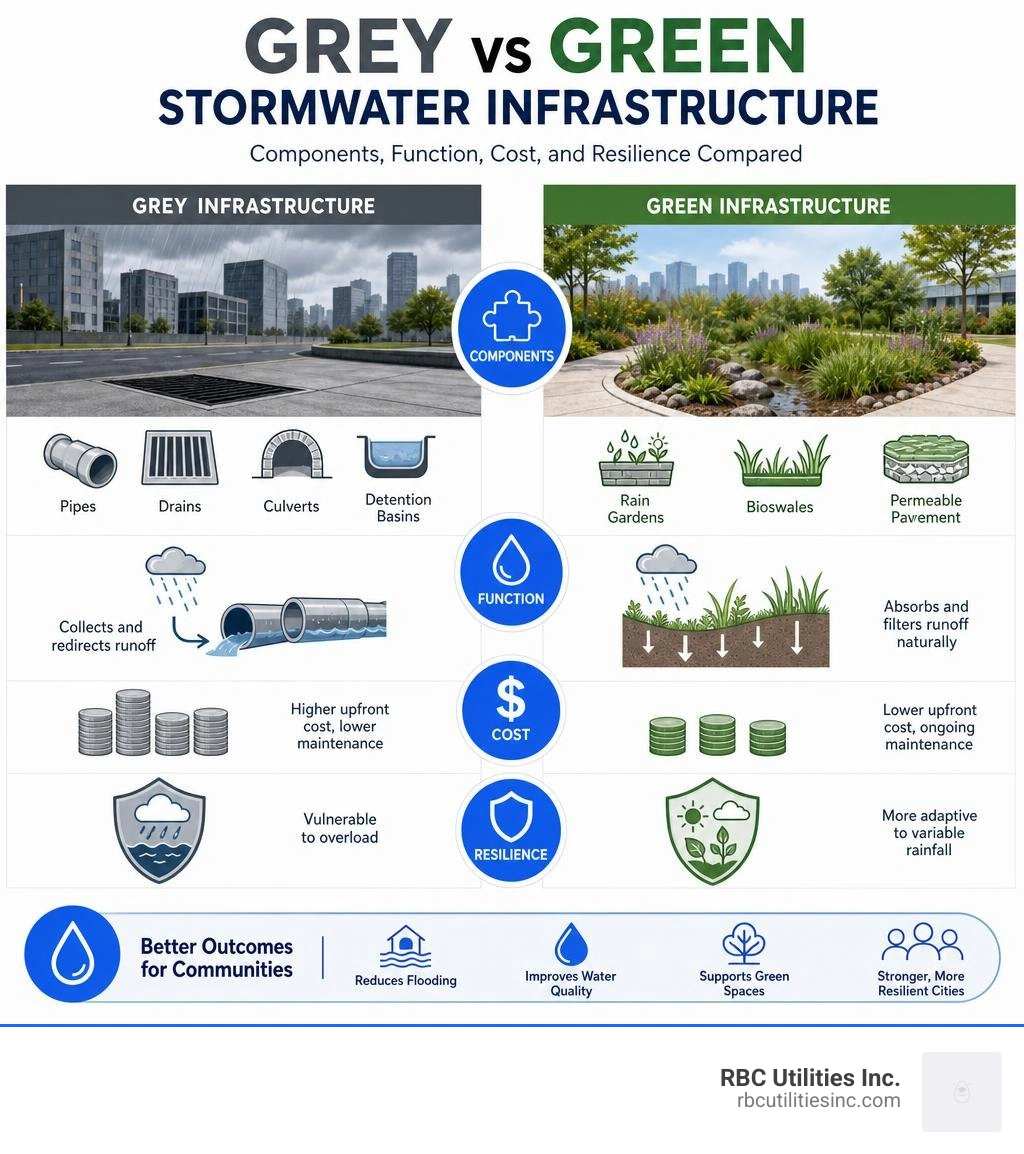
Here's a quick breakdown of what it includes and how it compares to the alternative:
| Feature | Grey Infrastructure | Green Infrastructure |
|---|---|---|
| Main components | Pipes, drains, culverts, detention basins | Rain gardens, bioswales, permeable pavement |
| How it works | Collects and redirects runoff | Absorbs and filters runoff naturally |
| Land footprint | Mostly underground | Requires surface area |
| Water quality benefit | Limited without treatment | Filters pollutants naturally |
| Best for | High-volume, fast conveyance | Infiltration, water quality |
| Climate resilience | Vulnerable to overload | More adaptive to variable rainfall |
Grey systems are the backbone of most urban drainage networks. They move water fast and handle high volumes — but they come with real trade-offs, especially as cities grow and storms intensify.
About 722 U.S. cities still rely on combined sewer systems that carry both stormwater and sewage in the same pipe. When those systems overflow, the result is roughly 850 billion gallons of untreated sewage discharged into waterways every year. That's not a small problem.
Understanding how grey infrastructure works — and where it falls short — is the first step to making smarter decisions on your next project.
I'm Don Larsen, and at RBC Utilities, Inc., we've been installing and maintaining grey stormwater infrastructure across the Carolinas since 2008, from storm drainage and culverts to full municipal drainage systems. That hands-on experience shapes everything in this guide.
Simple grey stormwater infrastructure word guide:
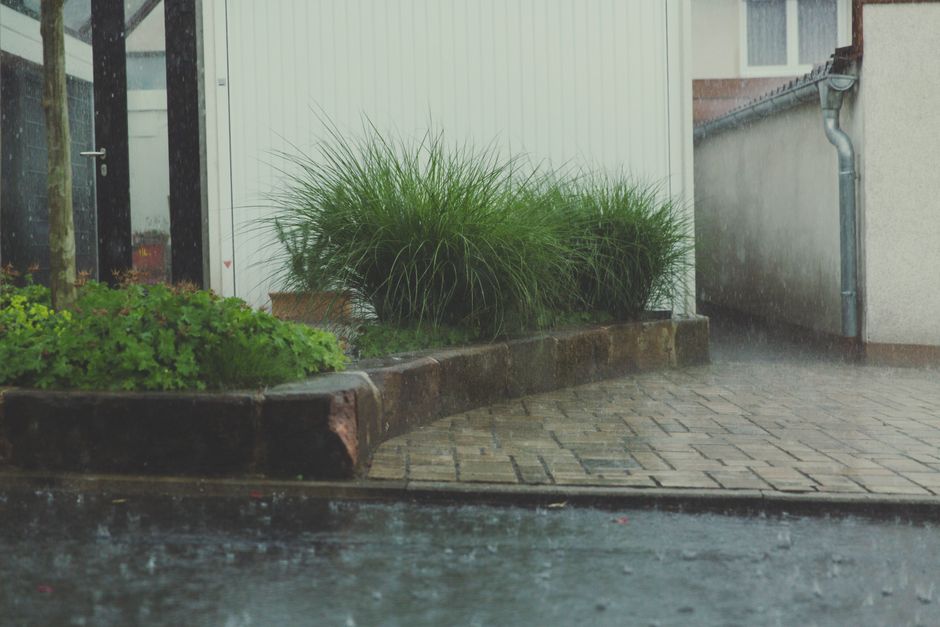
At its core, grey stormwater infrastructure is designed with a single, clear objective: collect stormwater runoff from impervious surfaces and convey it away from our homes, businesses, and roadways as quickly as possible. Unlike green infrastructure, which mimics natural hydrological cycles to absorb water where it falls, grey infrastructure relies on hard, engineered surfaces—such as concrete, asphalt, iron, and plastic—to control the flow of water.
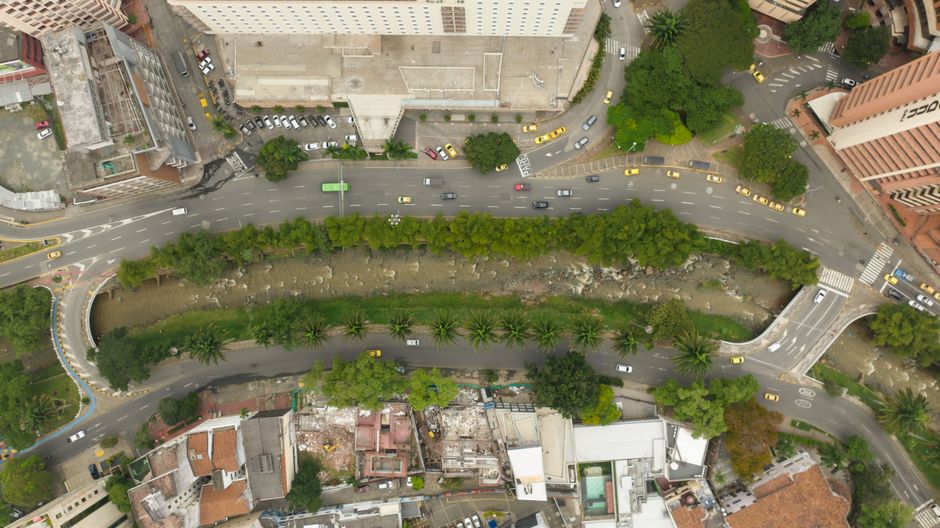
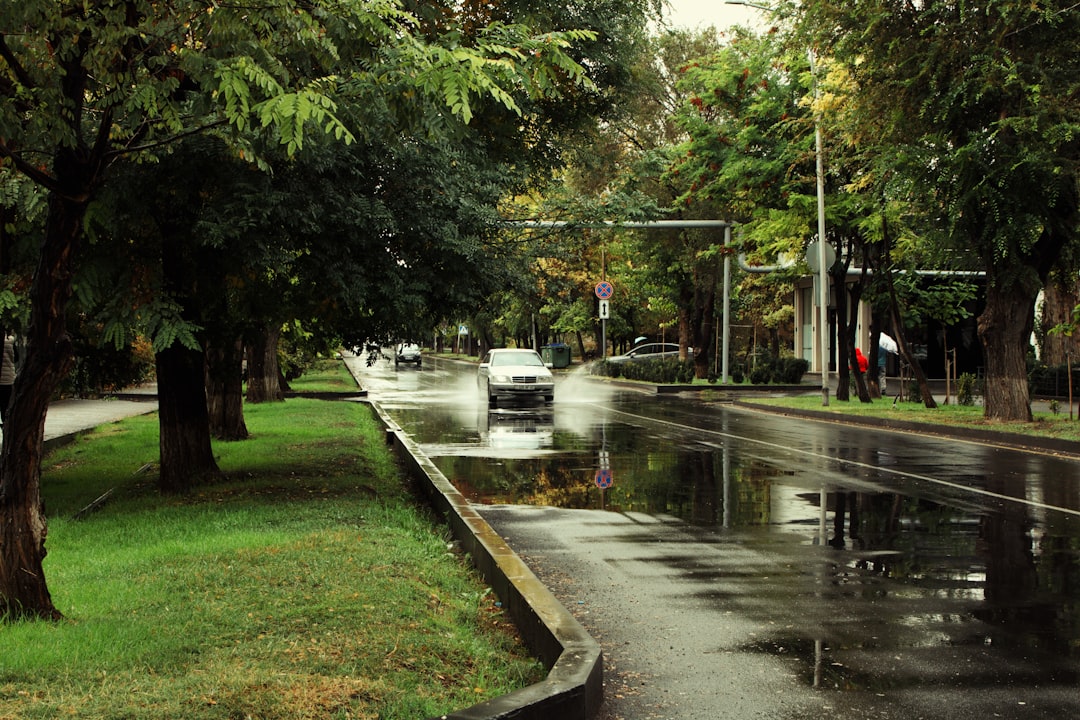
This centralized design philosophy has dominated civil engineering for over a century. When rain hits an impervious surface like a roof, driveway, or highway in Charlotte, NC, it cannot infiltrate the soil. Instead, it pools and flows overland. Grey infrastructure intercepts this runoff at designated collection points and uses gravity to channel it through an underground network of conduits, eventually discharging it into local creeks, rivers, or treatment plants.
According to the Green and Gray Infrastructure Research | US EPA, traditional grey systems are highly effective at preventing localized flooding during standard storm events. However, because they focus on rapid evacuation rather than infiltration or retention, they do not naturally filter out pollutants. Motor oil, heavy metals, fertilizers, and litter are swept directly from the pavement into the drainage network, making runoff management a critical factor in local water quality.
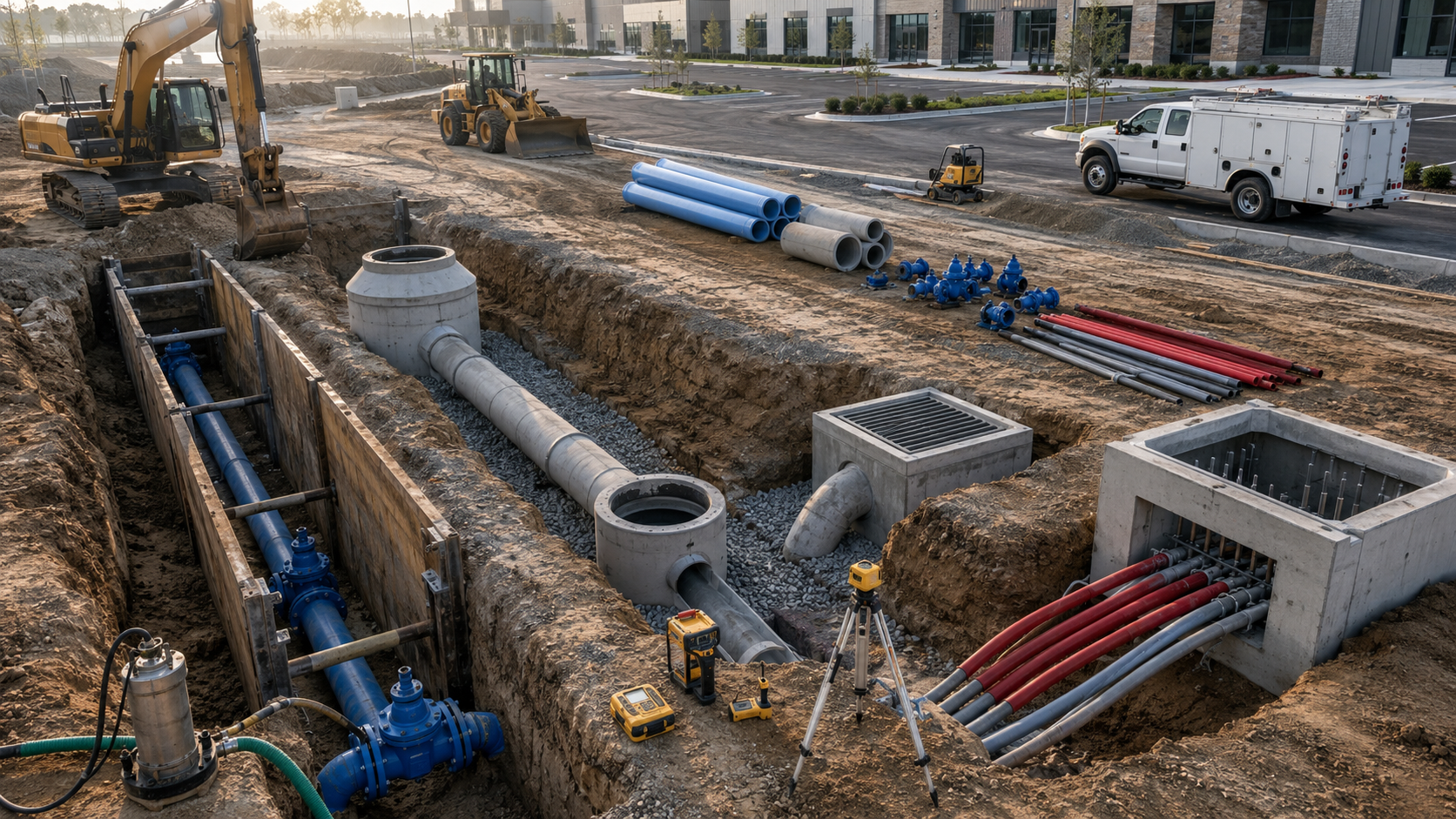
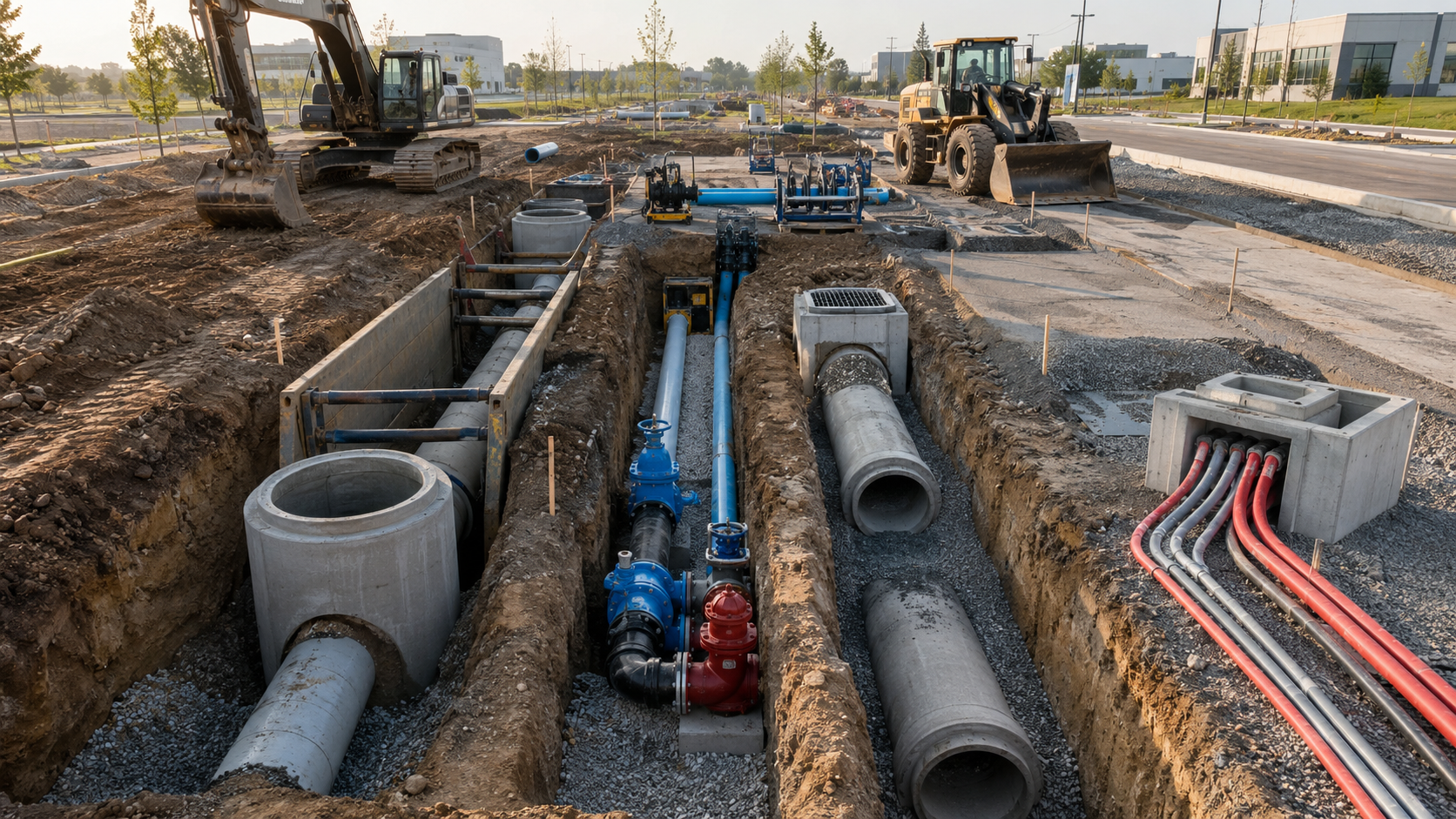
To appreciate how these heavy-duty systems function under our feet every day, we have to look at the individual subsurface utilities and civil engineering structures that make up the network. Each component is precisely sized and sloped to handle specific hydraulic loads.
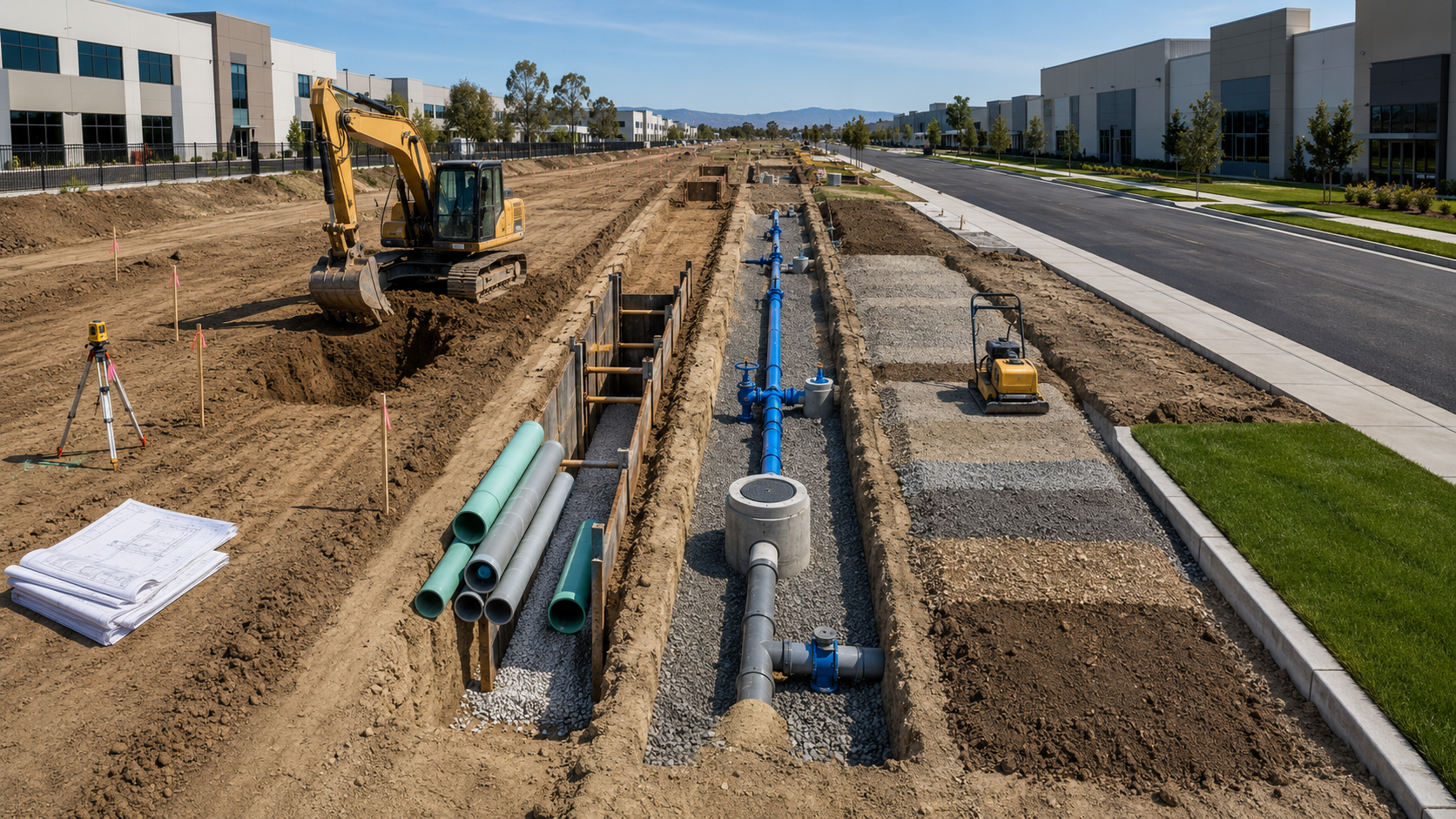
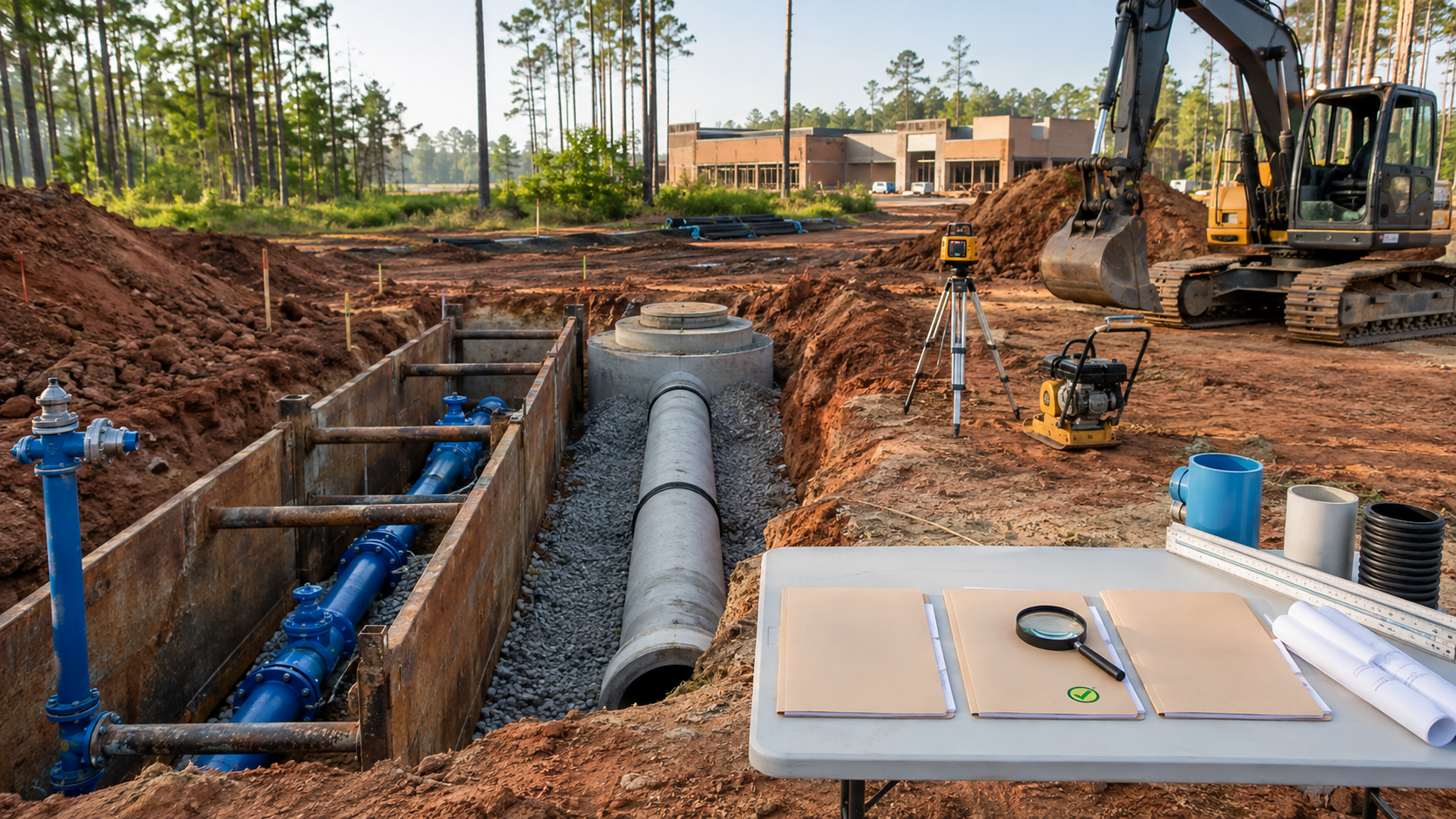
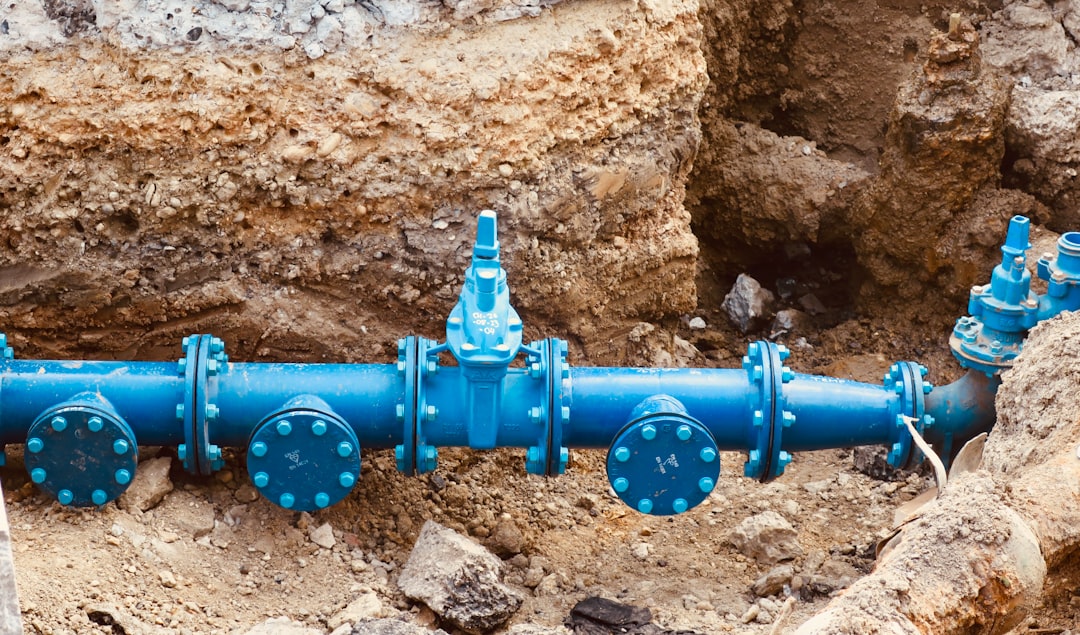
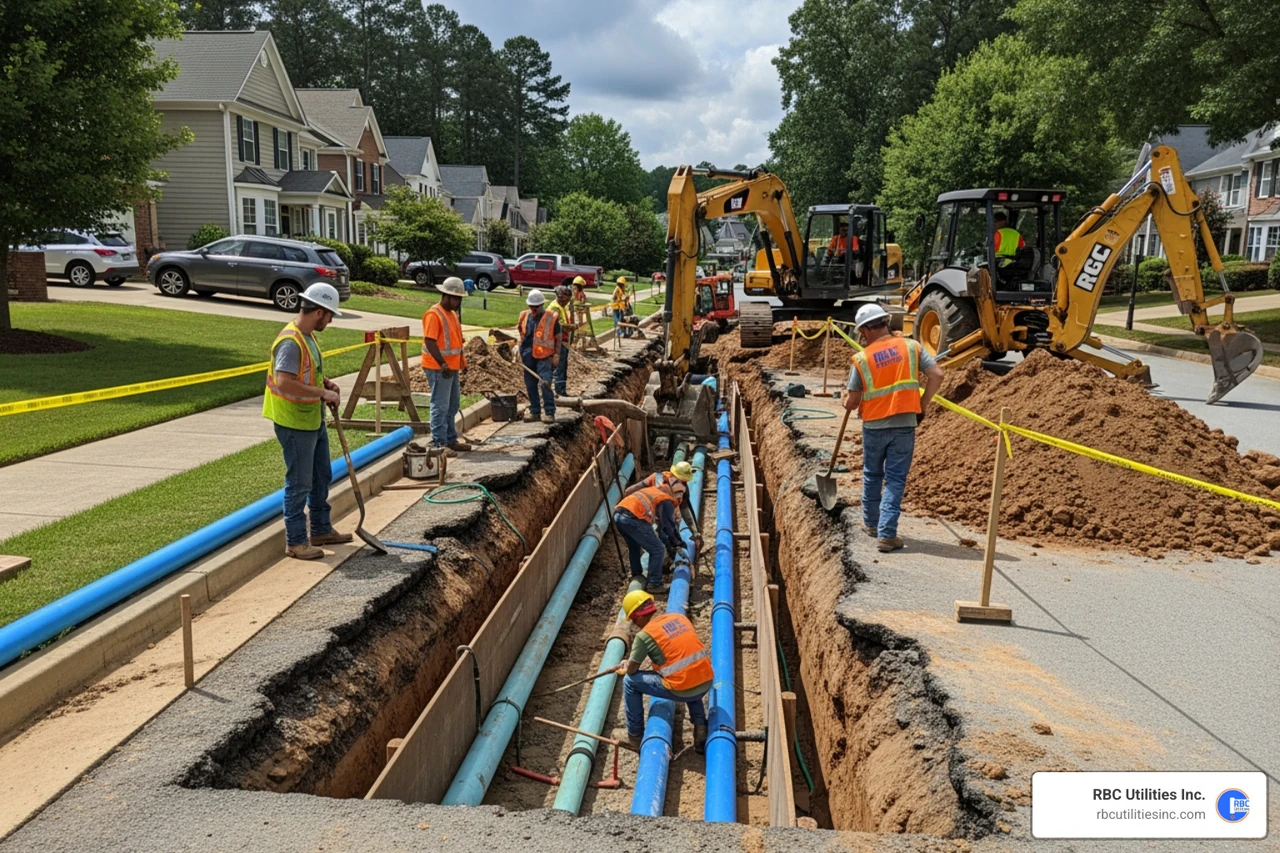
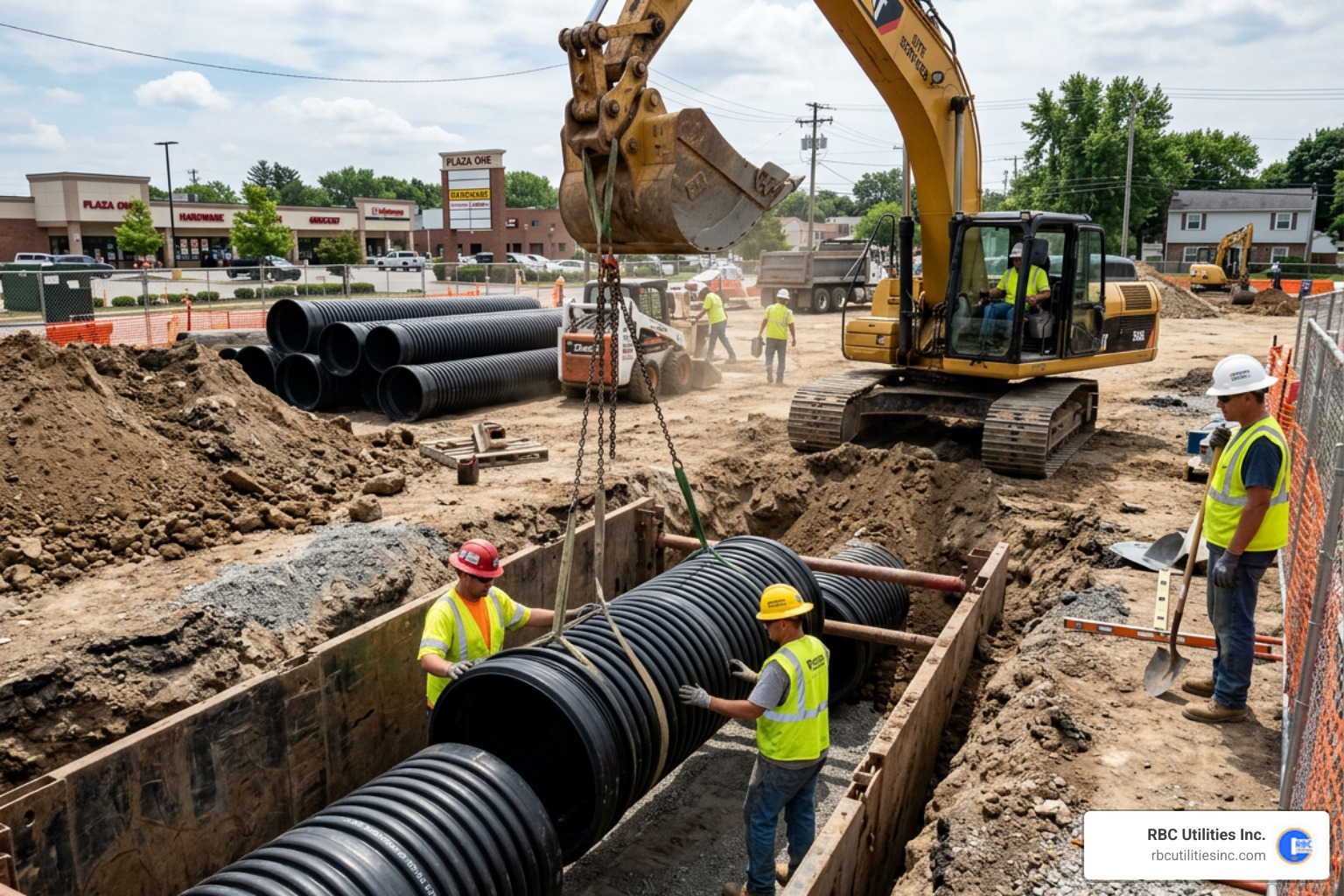
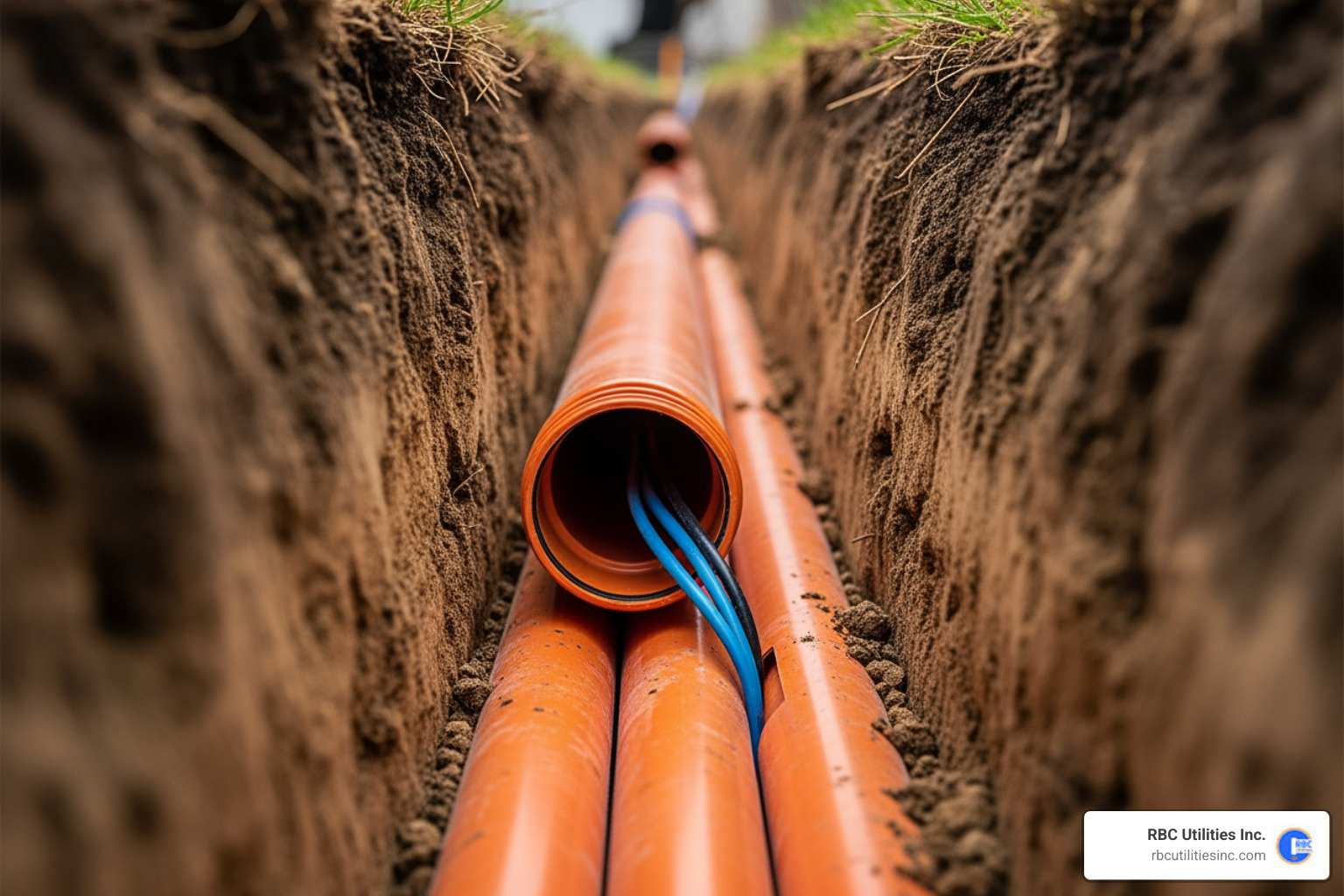
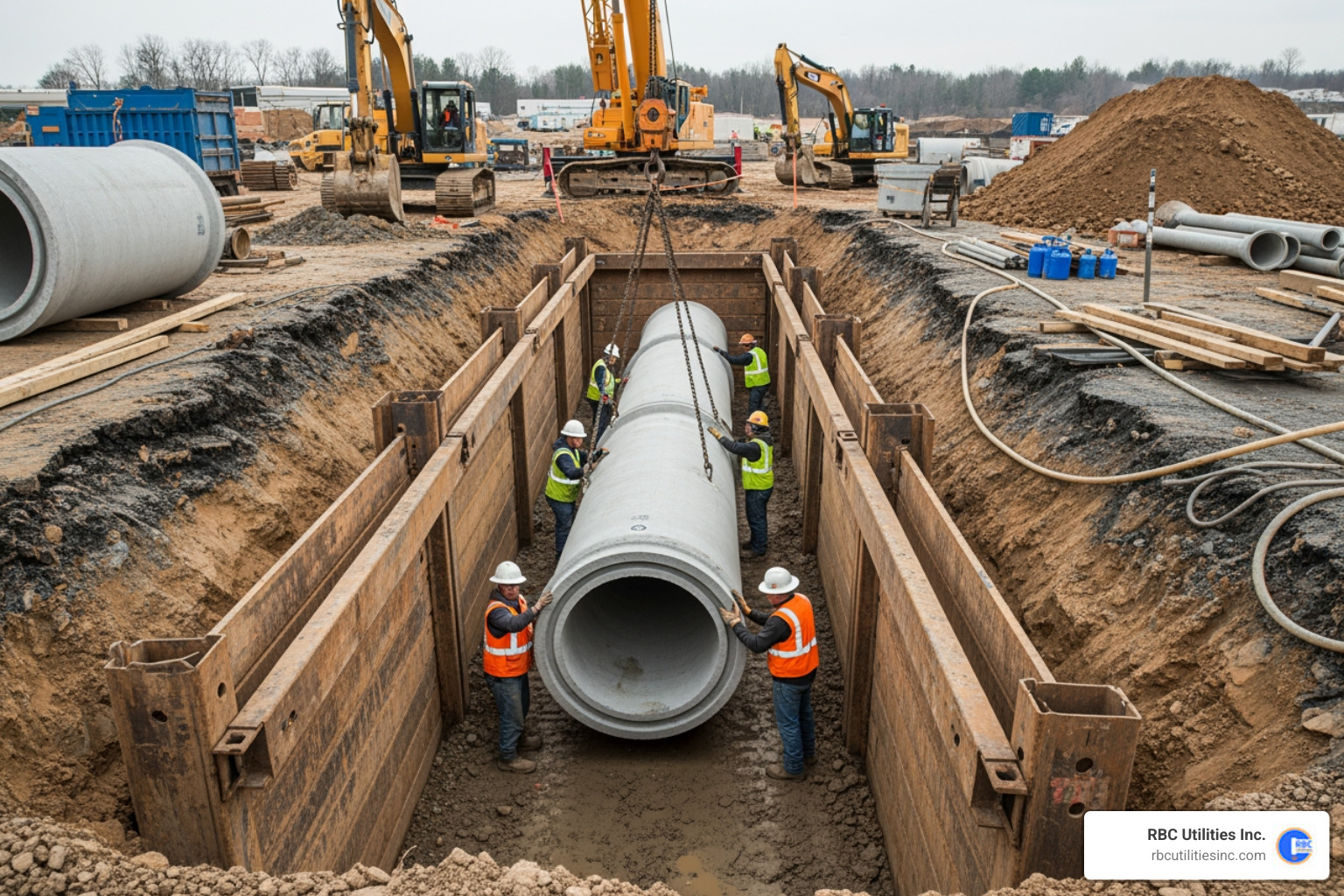
The true workhorses of any municipal drainage network are the subsurface conduits that transport water underground. These pipes must withstand massive external loads from traffic, soil pressure, and shifting water tables.
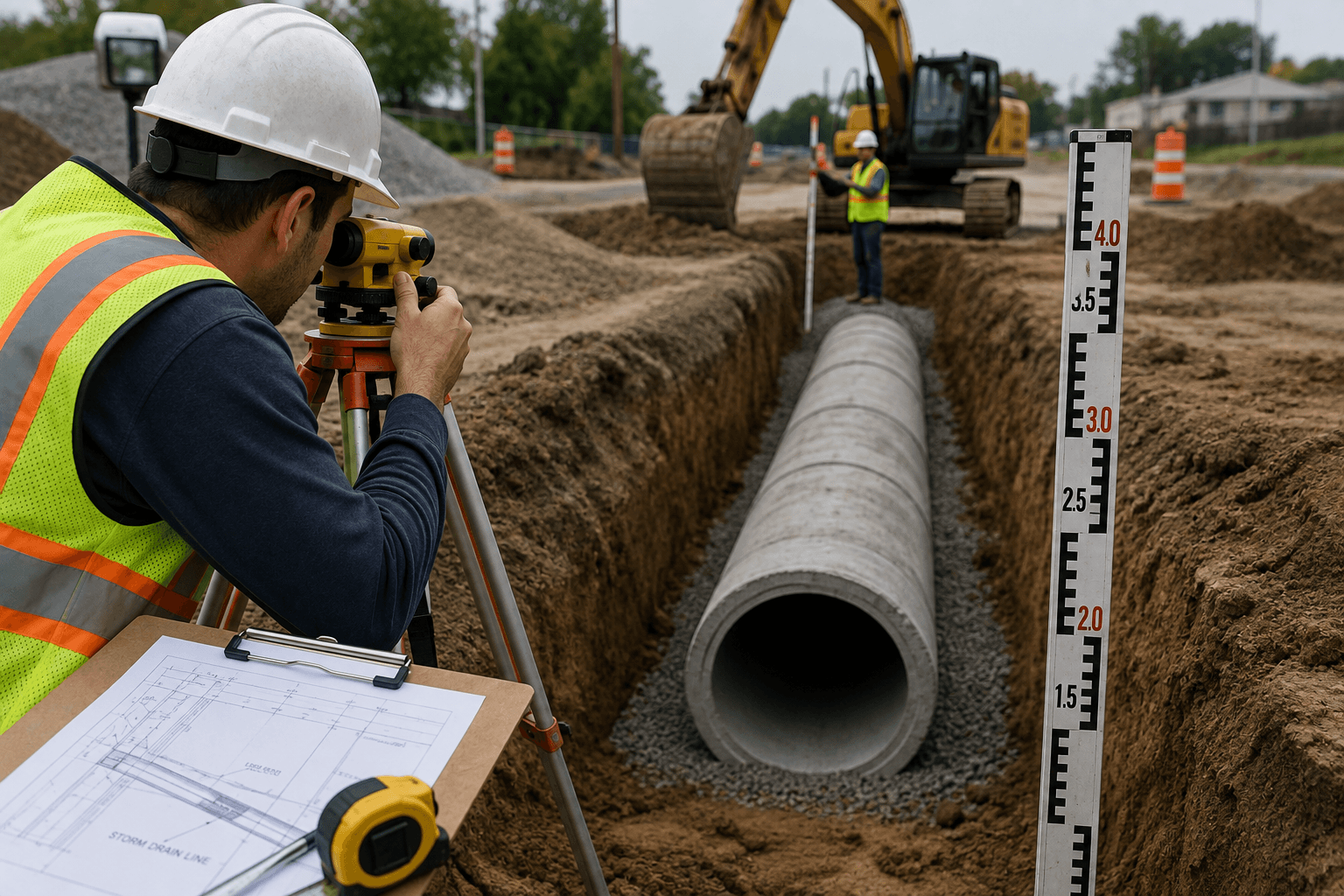
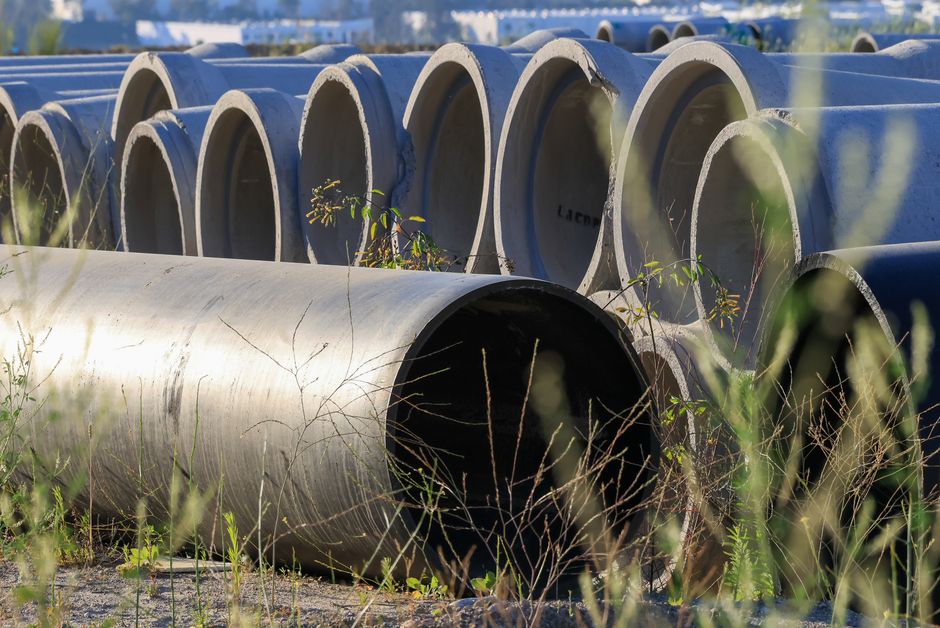
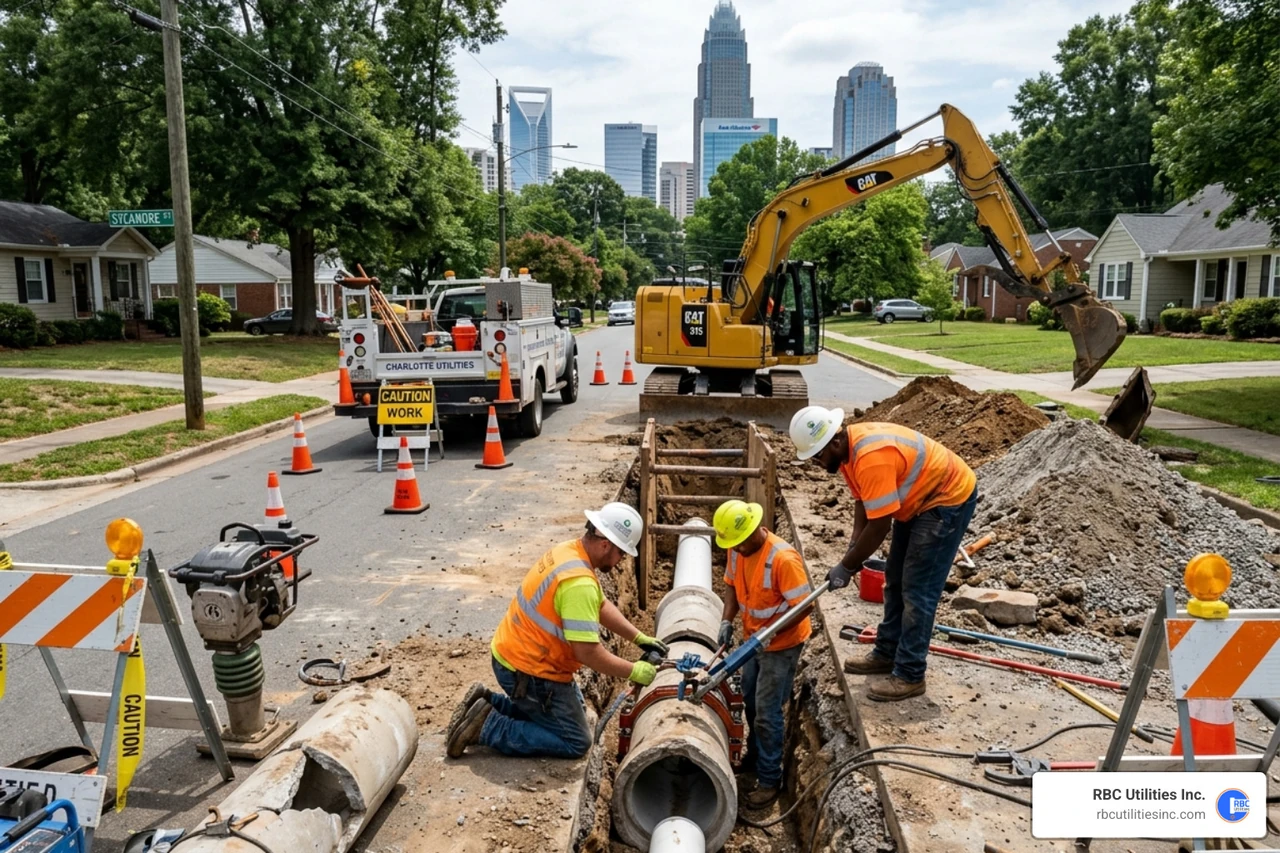
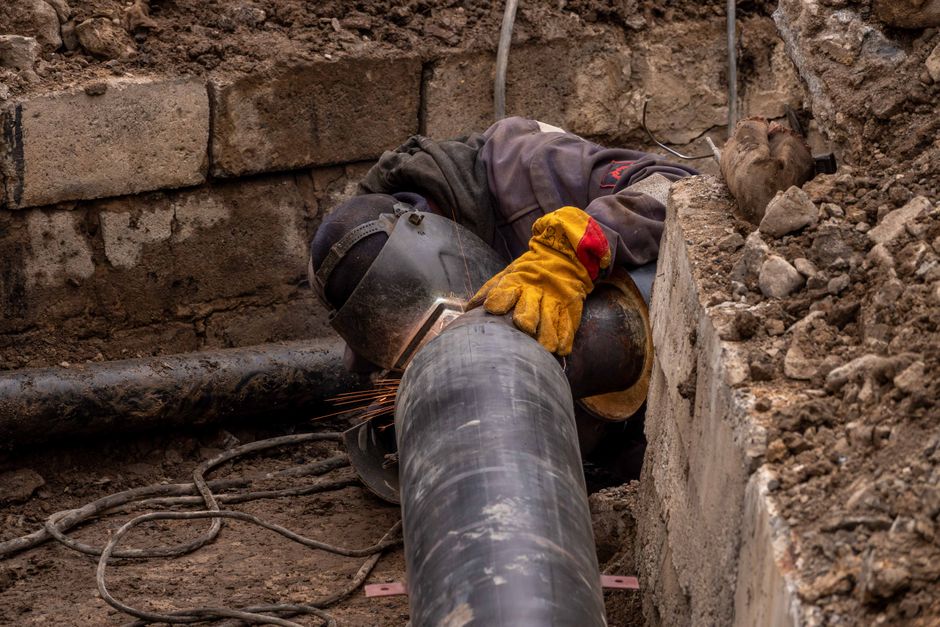
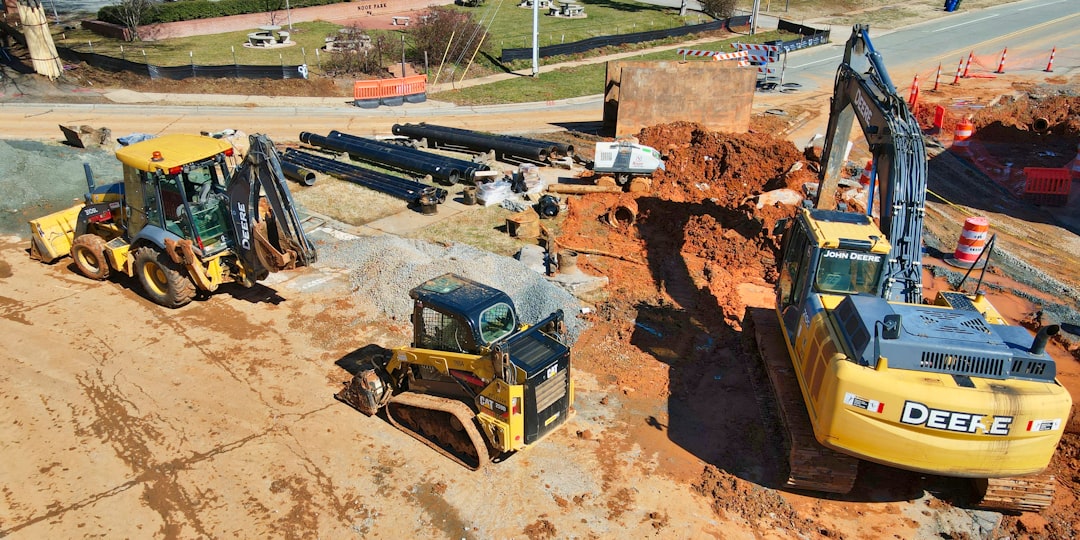
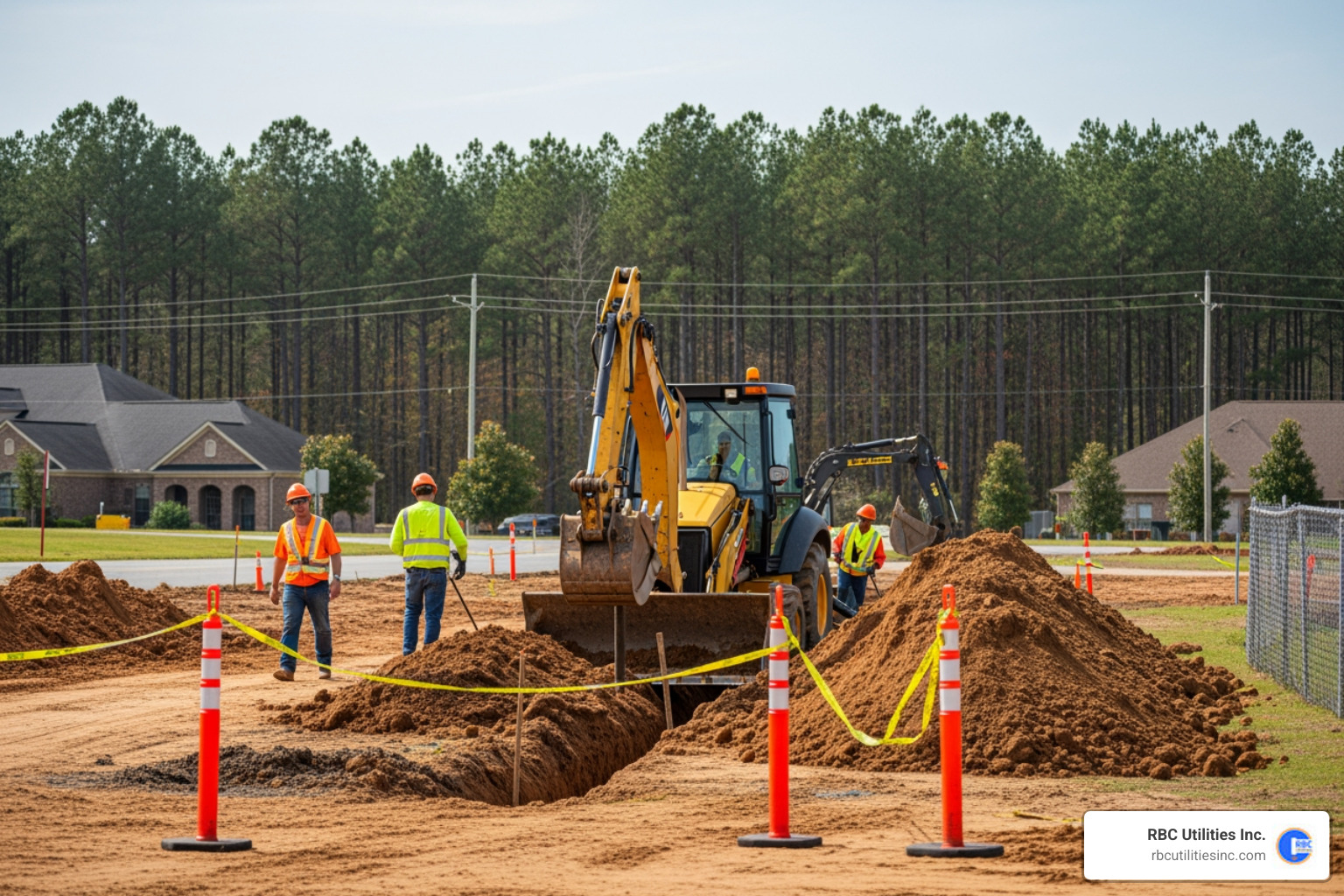
When we perform a storm sewer pipe installation or a storm drain pipe installation, precast concrete pipe (PCP) is often the material of choice due to its exceptional structural strength and a service life that can easily exceed 70 to 100 years. For smaller lateral lines or areas with unique alignment challenges, high-density polyethylene (HDPE) or polyvinyl chloride (PVC) pipes may be used. Culverts, which are shorter conduits used to channel water under roadways or embankments, can be constructed from concrete box sections or corrugated metal pipes.
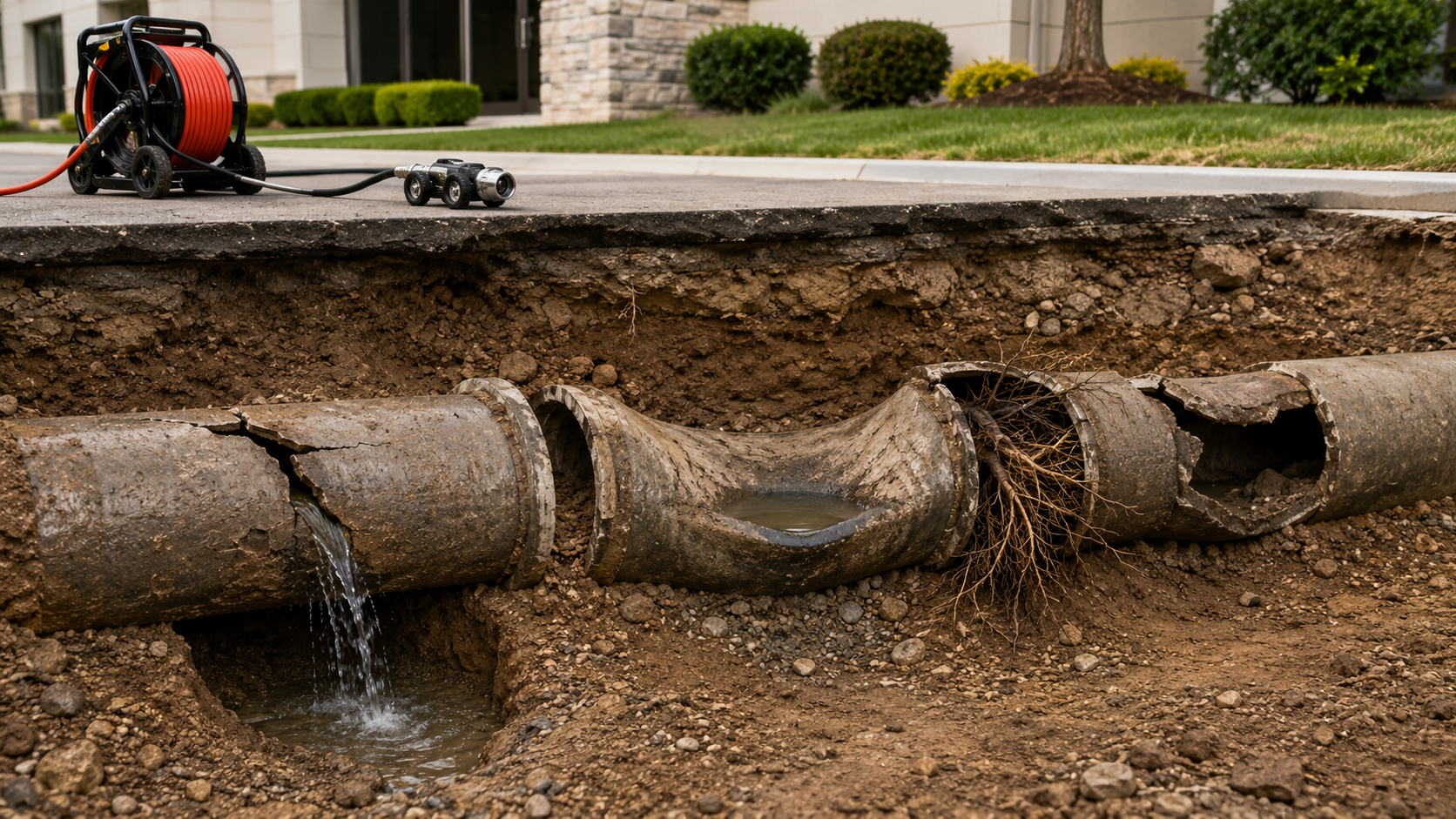
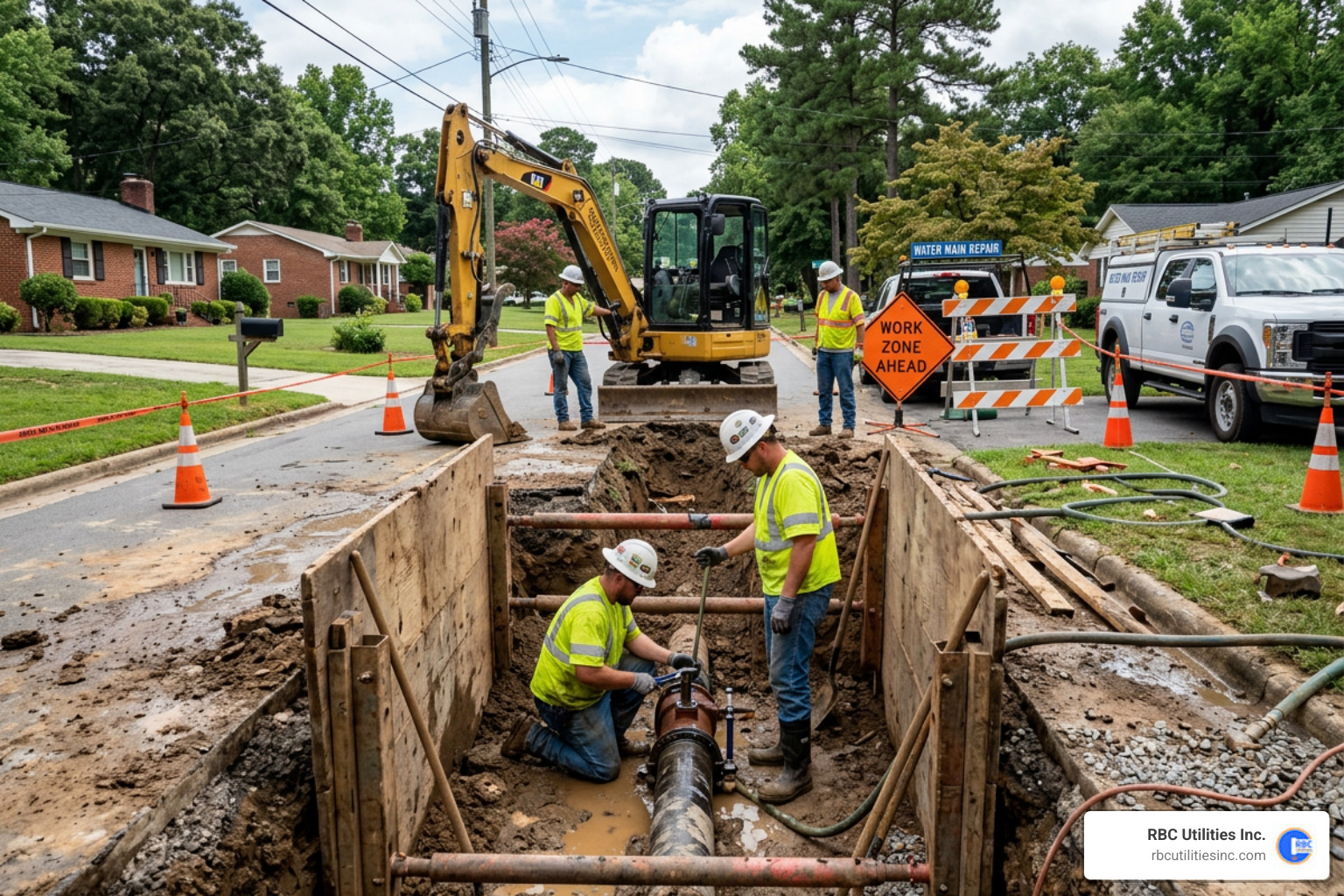
Proper hydraulic design is essential here. If pipes are undersized, water backs up, leading to street flooding. If they are sloped incorrectly, sediment settles inside the pipe, reducing its capacity over time and requiring expensive hydro-jetting maintenance.
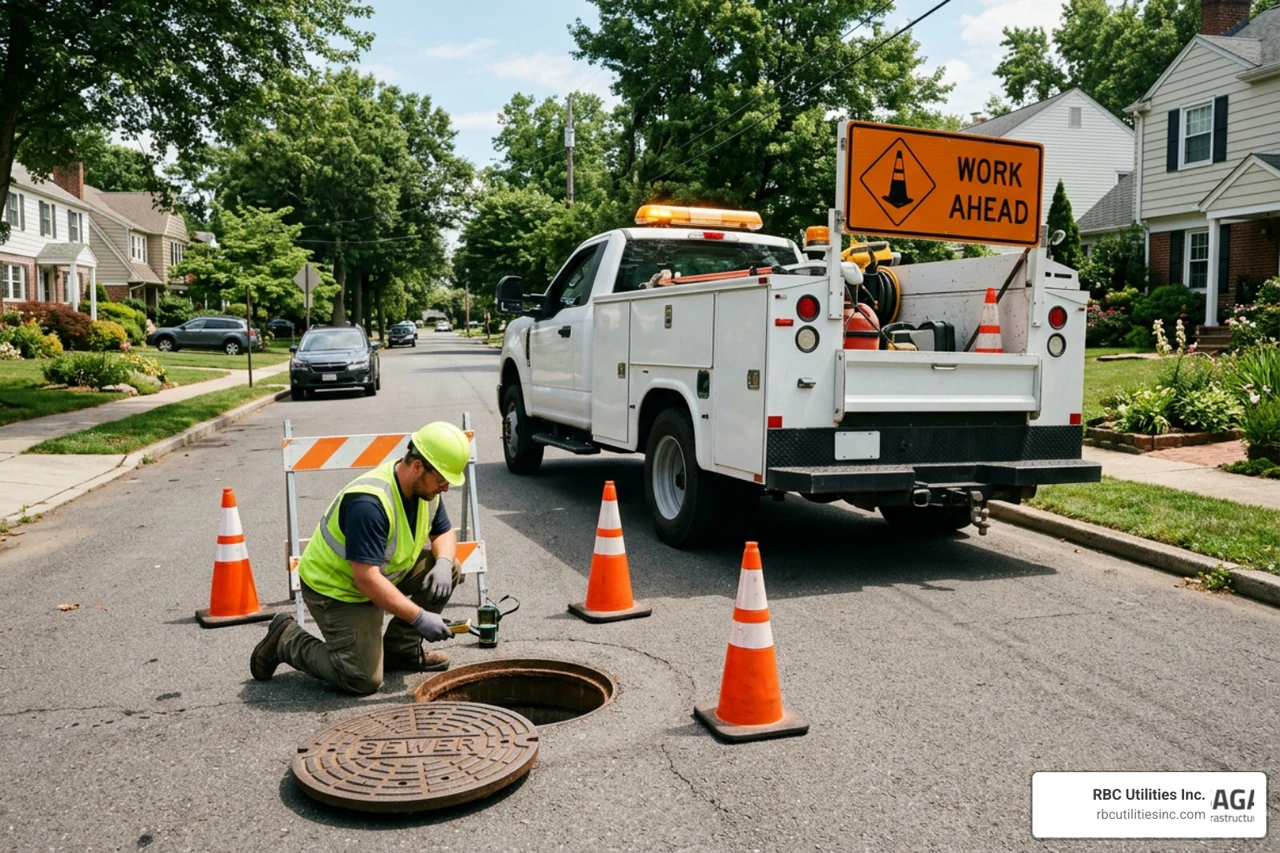
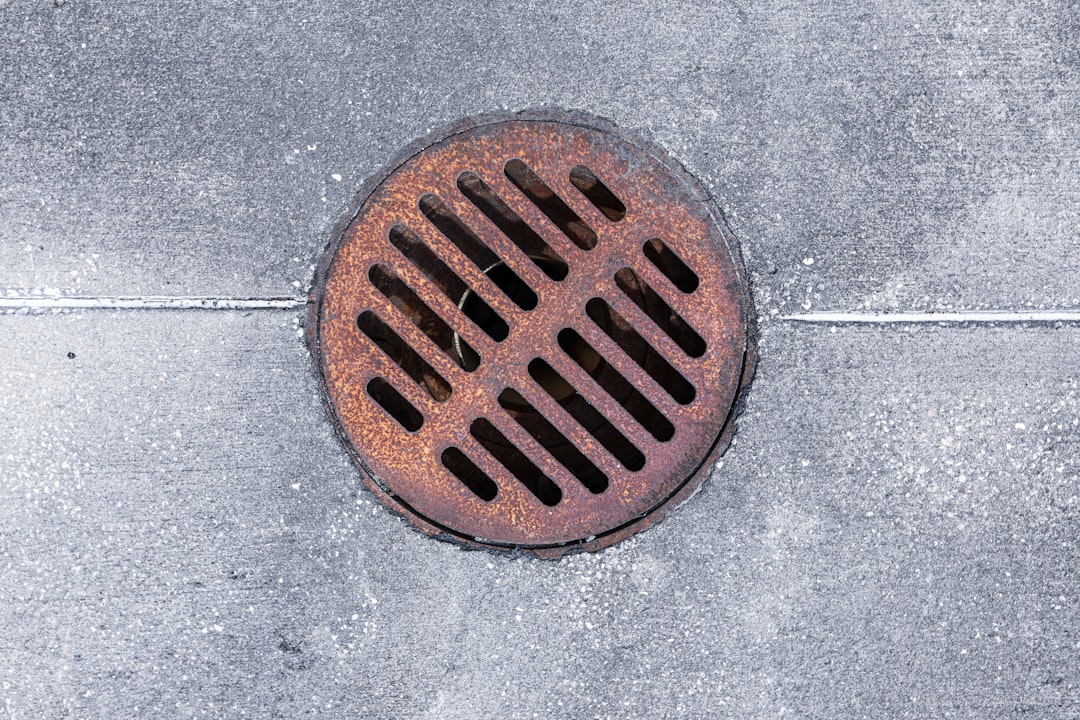
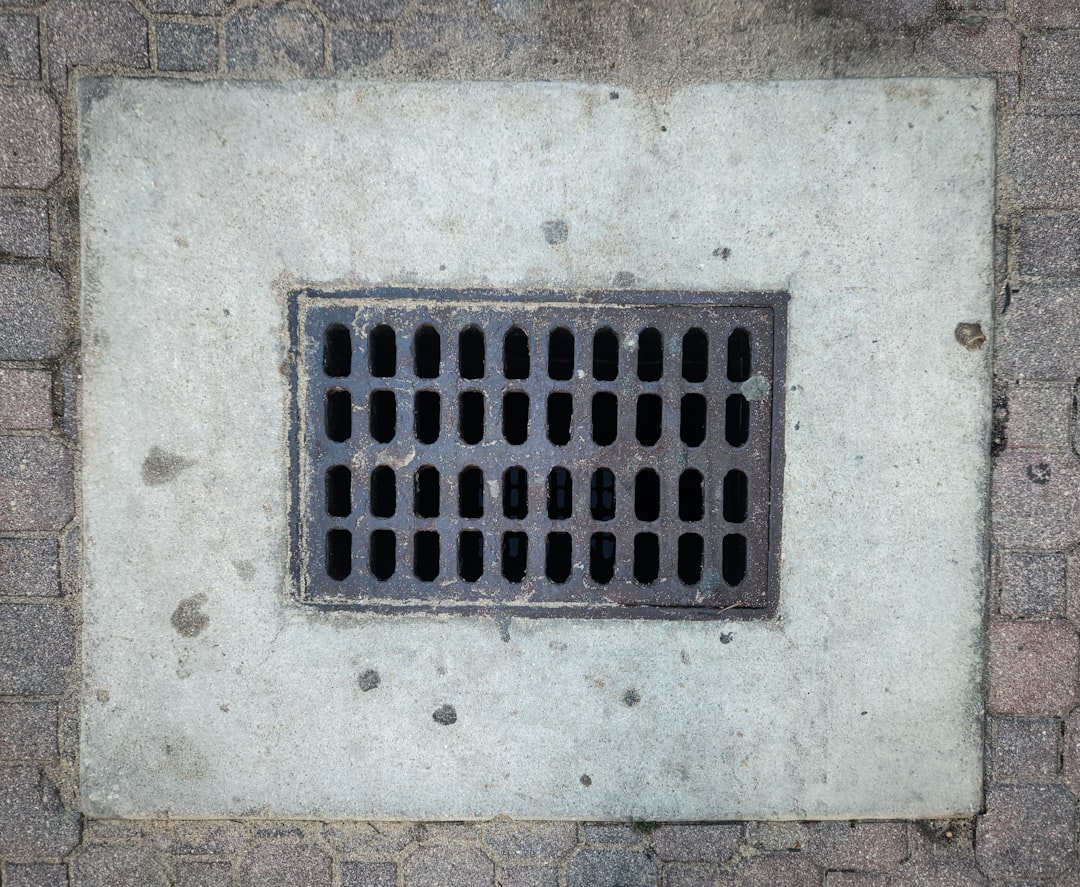
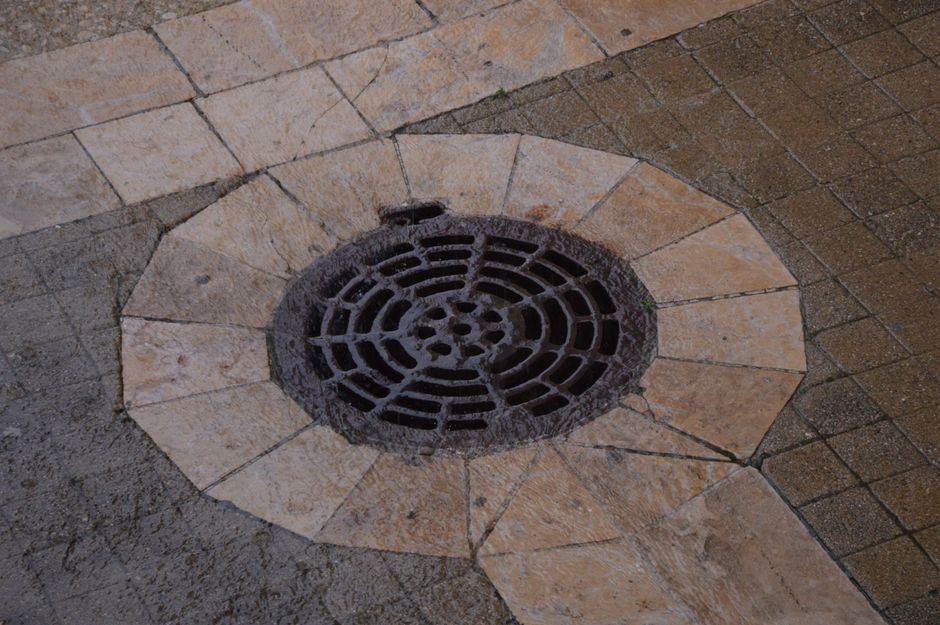
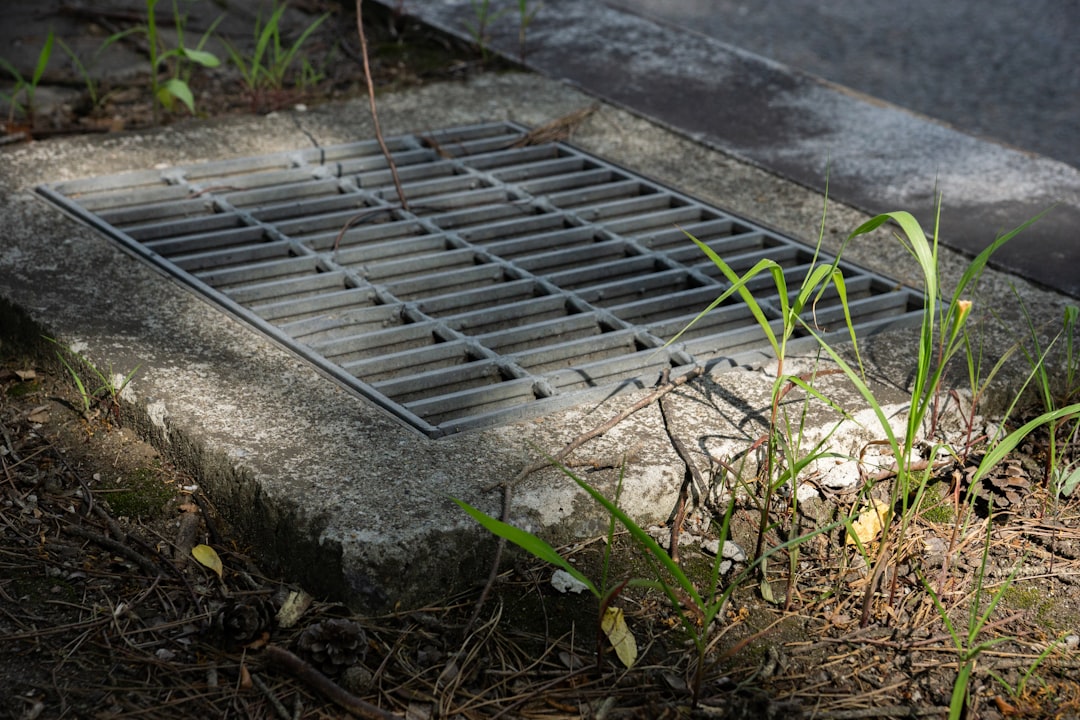
Before water can enter the underground pipe network, it must pass through catch basins and storm drains. Typically located along curb lines, parking lots, and low-lying turf areas, these structures feature heavy metal grates designed to let water through while keeping large debris—like tree branches and trash—out of the pipe system.
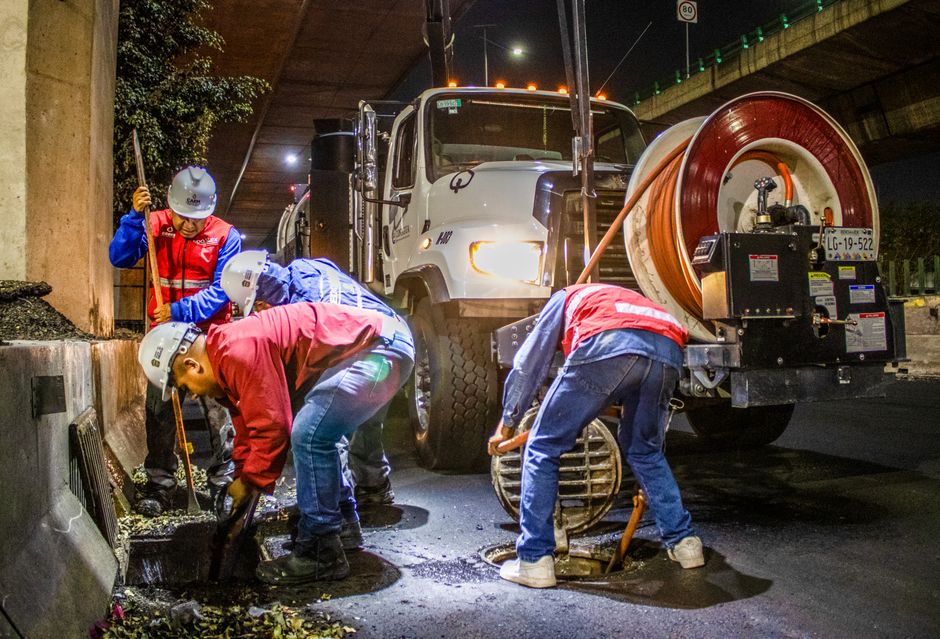
Directly beneath the grate is a catch basin, which acts as a simple, mechanical sediment trap. The basin is designed with a sump—a space at the bottom that sits below the invert of the outlet pipe. As street runoff pours into the basin, heavy particles like sand, gravel, and silt sink to the bottom of the sump, while the cleaner water at the top flows out into the main storm sewer. Over time, these sumps fill up and must be vacuumed out by municipal maintenance crews to prevent clogs.
When storm runoff volume exceeds the immediate carrying capacity of local streams or the pipe network itself, we must temporarily store that water. This is where retention and detention basins come into play.
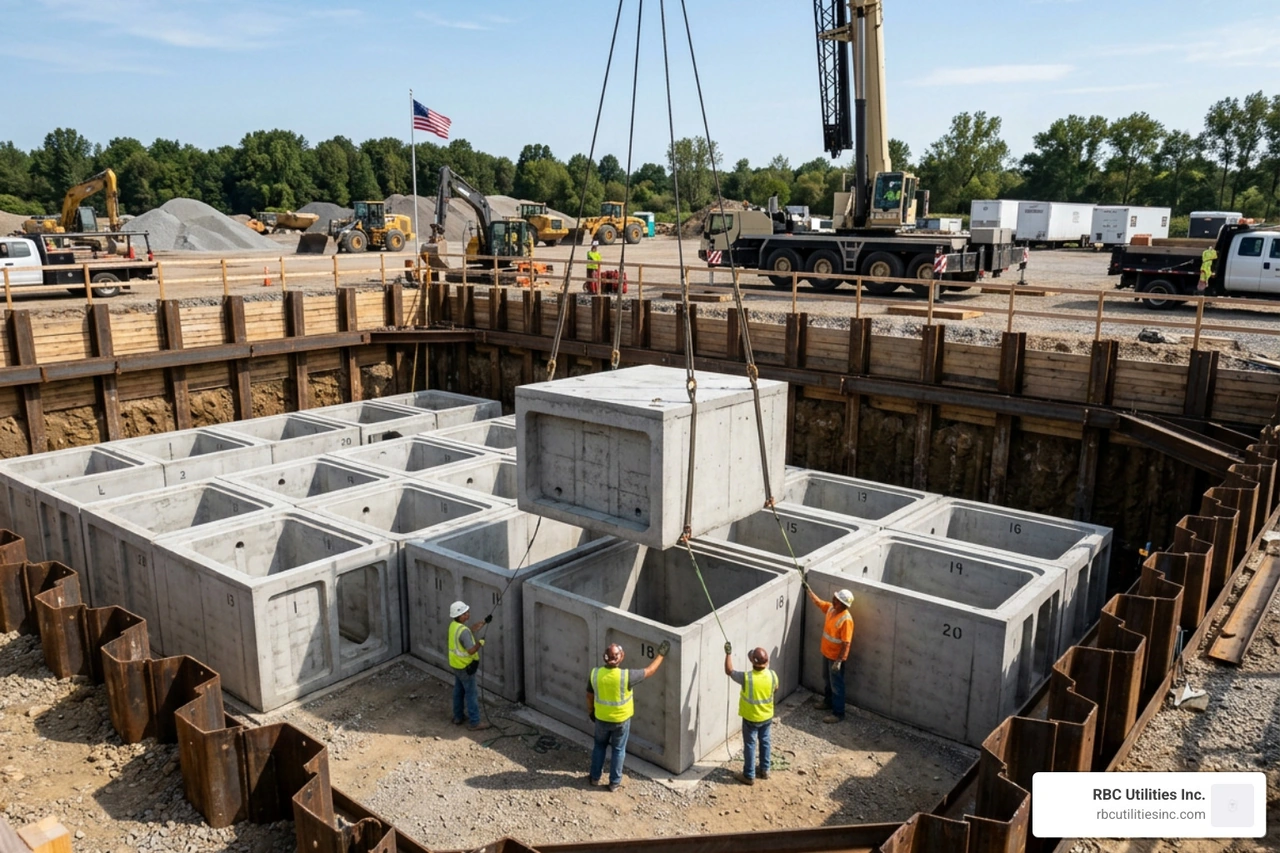
A detention basin (often called a dry pond) is designed to temporarily hold water during a storm and release it at a controlled rate through a restricted outlet structure, eventually draining completely. A retention basin (or wet pond) maintains a permanent pool of water, using natural biological processes and settling to improve water quality while providing storage volume above the permanent pool level for storm events.
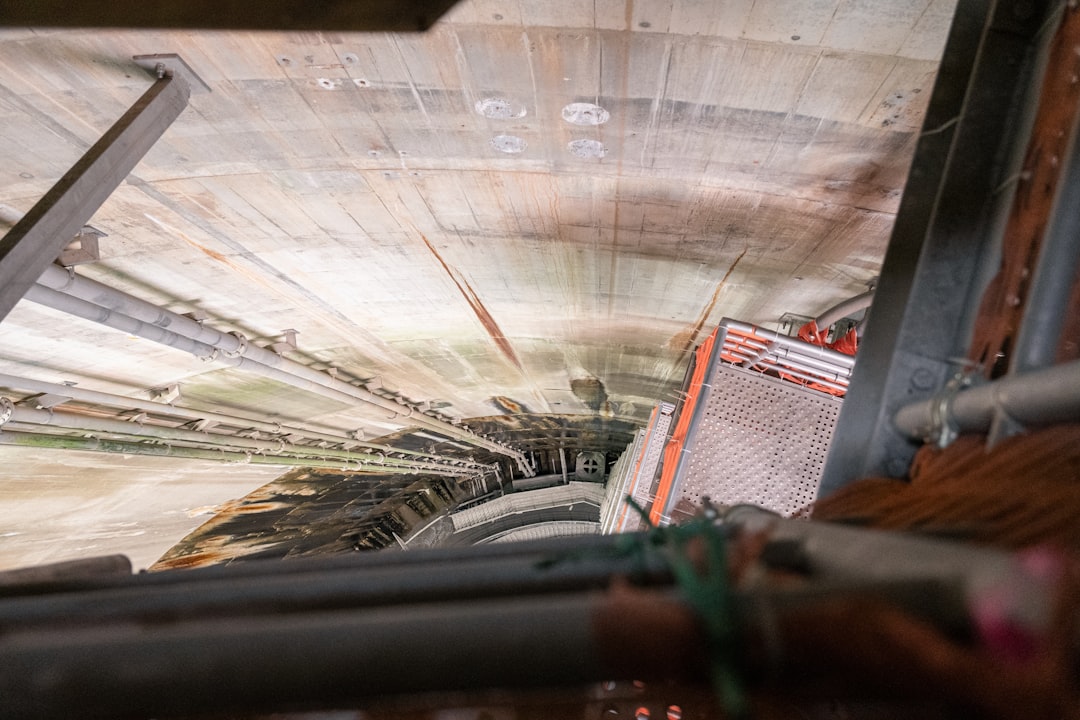
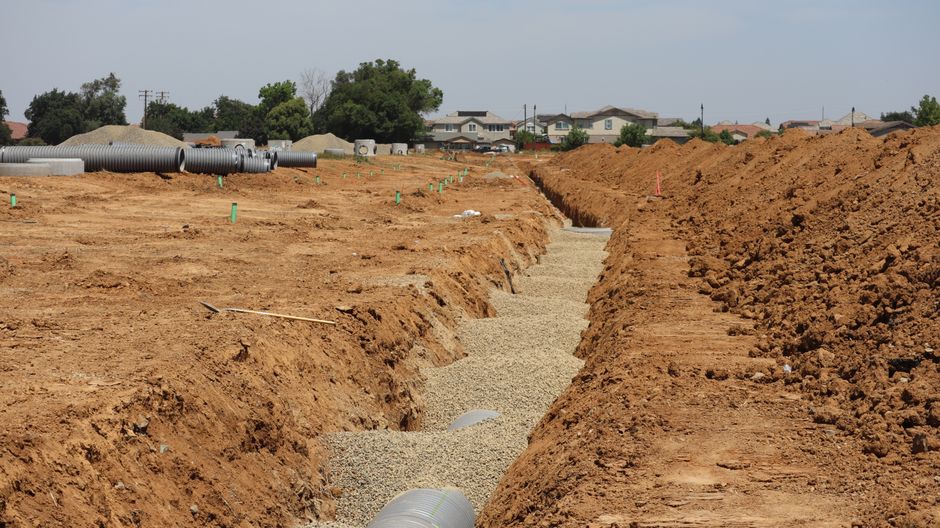
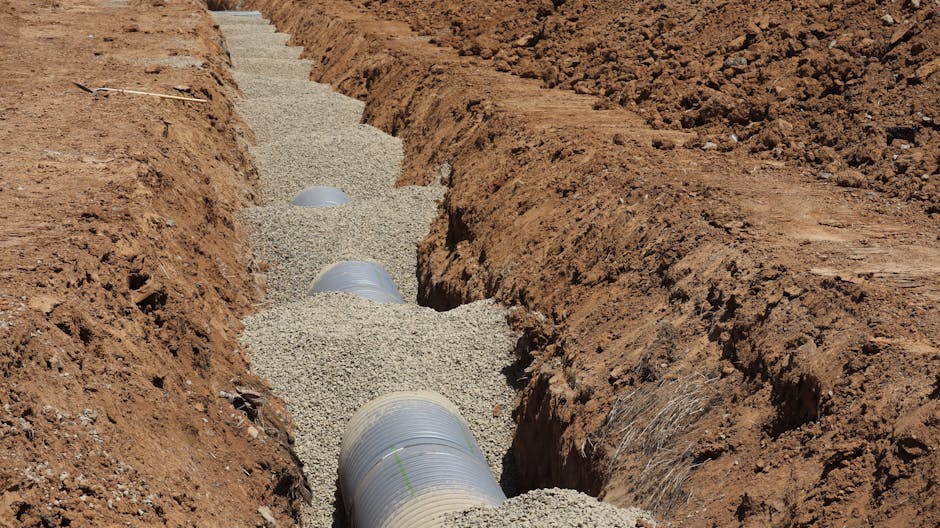
In highly developed urban zones—such as downtown Charlotte, where surface land is incredibly expensive—above-ground ponds are often impractical. In these scenarios, engineers turn to underground storm water detention systems. These systems utilize modular precast concrete vaults, such as those detailed in the Detention, Retention and Infiltration product brochure. These heavy-duty vaults can be installed directly beneath parking lots or roadways, maximizing land use while providing hundreds of thousands of gallons of subsurface storage.
While grey infrastructure relies on hard engineering to move water away, green infrastructure leverages soil, vegetation, and natural processes to manage rainwater where it falls. Understanding the differences between these two approaches is vital for modern site planning.
According to the Gray vs Green Infrastructure guide from the City of Charlotte, the two methodologies differ fundamentally across several key metrics:
| Metric | Grey Infrastructure | Green Infrastructure |
|---|---|---|
| Primary Hydrologic Process | Rapid conveyance and centralized storage | Infiltration, evapotranspiration, and harvesting |
| Water Quality Treatment | Low (relies on physical settling in basins) | High (vegetation and soil microbes filter pollutants) |
| Land Footprint | Low surface footprint (mostly underground) | High surface footprint (requires open green spaces) |
| Initial Capital Cost | High (materials, deep excavation, heavy machinery) | Moderate to high (specialized soils, plantings) |
| O&M Requirements | Periodic (pipe inspections, basin cleaning) | Frequent (weeding, watering, replanting, sediment scraping) |
| Lifespan | Long (50-100 years for concrete structures) | Variable (depends heavily on plant health and soil maintenance) |
For a deeper dive into how nature-based systems are designed, check out our What is Green Stormwater Infrastructure Guide. In practice, the debate is rarely about choosing one over the other; rather, it is about how to balance them to achieve the best performance for a specific site.
As we navigate 2026, climate adaptation has moved from a theoretical discussion to an urgent engineering reality. Urban centers in the Carolinas are experiencing more frequent, high-intensity rain events that dump inches of water in a matter of hours. At the same time, rapid urbanization continues to replace absorbent clay soils with asphalt and concrete.
One of the most severe challenges facing older municipal networks is the management of combined sewer systems (CSS). In these legacy layouts, a single pipeline carries both municipal sanitary sewage and stormwater runoff to a wastewater treatment plant.
During dry weather, the system works perfectly, directing all wastewater to the treatment facility. However, during heavy storms, the sheer volume of stormwater runoff quickly overwhelms the pipe capacity. To prevent the combined water from backing up into homes and businesses, these systems are designed to overflow directly into local rivers and streams.
According to the Rock Institute's analysis on Greening Stormwater and Wastewater Infrastructure, the U.S. discharges about 850 billion gallons of untreated stormwater and sewage effluent annually due to these combined overflows. While modern developments in the Carolinas utilize separate storm and sanitary systems, managing runoff volumes remains critical to preventing downstream overflows in connected regional networks.
When extreme weather hits, green infrastructure alone cannot handle the sheer volume of water. While rain gardens and bioswales are excellent for managing the first inch of rainfall, they can quickly become saturated during severe storms.
To prevent catastrophic property damage and protect human lives, robust grey infrastructure is absolutely essential. Deep storm sewers, high-capacity culverts, and massive concrete detention vaults act as the ultimate defense mechanism, capturing peak runoff and guiding it safely through urban corridors.
This reality is reflected in global spending patterns. With an estimated US$ 94 trillion projected to be spent on global infrastructure over the next 20 years, a significant portion of this funding must be dedicated to upgrading aging drainage mains and storm protection systems to withstand the realities of our changing climate.
Rather than viewing grey and green infrastructure as opposing forces, modern engineering focuses on creating integrated, hybrid systems. By coupling the rapid conveyance of grey systems with the localized infiltration of green systems, communities can build highly resilient, cost-effective networks.
A hybrid approach—often referred to as Coupled Grey-Green Infrastructure (CGGI)—deploys green elements upstream to reduce the overall volume of water entering the grey network.
For example, implementing porous pavements and bioretention cells in a commercial parking lot captures and filters the initial, highly polluted flush of rainwater. When a major storm exceeds the infiltration capacity of these green systems, the excess water safely overflows into a traditional concrete catch basin and pipe network.
According to a 2025 study on Integrating Grey–Green Infrastructure in Urban Stormwater Management, systems optimized for resilience can achieve a 33% improvement in operational resilience with less than a 9% increase in life cycle costs. Furthermore, integrating bioretention and porous pavements can reduce the required average pipe diameters and manhole depths in the downstream grey network by 0.2 to 0.3 meters, translating to substantial savings on excavation and pipe material costs.
When designing drainage networks, engineers must weigh the trade-offs between centralized and decentralized layouts.
Research published in Decentralized Coupled Grey–Green Infrastructure highlights that decentralized systems can reduce total life-cycle costs by up to 29.6% while requiring significantly less green infrastructure surface area than centralized schemes. This is particularly valuable in historic or highly congested urban districts where open land is scarce. If one part of a decentralized network fails, the rest of the system continues to function, greatly increasing the overall operational resilience of the community.
Additionally, innovative research on Dual-mode stormwater-greywater biofilters shows that hybrid biofiltration systems can be engineered to treat both stormwater and household greywater. This dual-mode operation keeps filtration plants healthy and active even during extended dry periods, preventing plant die-off and subsequent soil erosion.
Combined sewer systems (CSS) carry both sanitary sewage and stormwater in a single pipe. The primary disadvantages include:
Urbanization replaces natural, vegetated landscapes with impervious surfaces like roofs, roads, and parking lots. This shift has several major impacts:
While both are used to manage stormwater volumes, they function differently:
Grey stormwater infrastructure remains the indispensable foundation of urban water management. While green infrastructure offers fantastic water quality and localized infiltration benefits, it is the heavy-duty underground network of concrete pipes, catch basins, and engineered detention systems that keeps our cities dry and our roadways passable during major storms. The future of smart urban planning lies in the strategic integration of both systems.
At RBC Utilities, Inc., we bring local Carolinas expertise backed by national Saga Infrastructure resources to every project we undertake. Whether you need a complex storm sewer pipe installation in Charlotte, a commercial storm water detention system, or a complete municipal utility upgrade, our focus is always on safety, reliability, and precision engineering.
Ready to discuss the drainage solutions for your next commercial, residential, or municipal development? Explore our stormwater infrastructure solutions and let's build infrastructure that stands the test of time.
Part of Saga Infrastructure, protecting what others built and helping it grow.
Address: 4404 Stuart Andrews Blvd., Suite K, Charlotte, NC 28217
Email: info@rbcutilities.com
Phone: 803-913-9727
Service Area: North Carolina | South Carolina