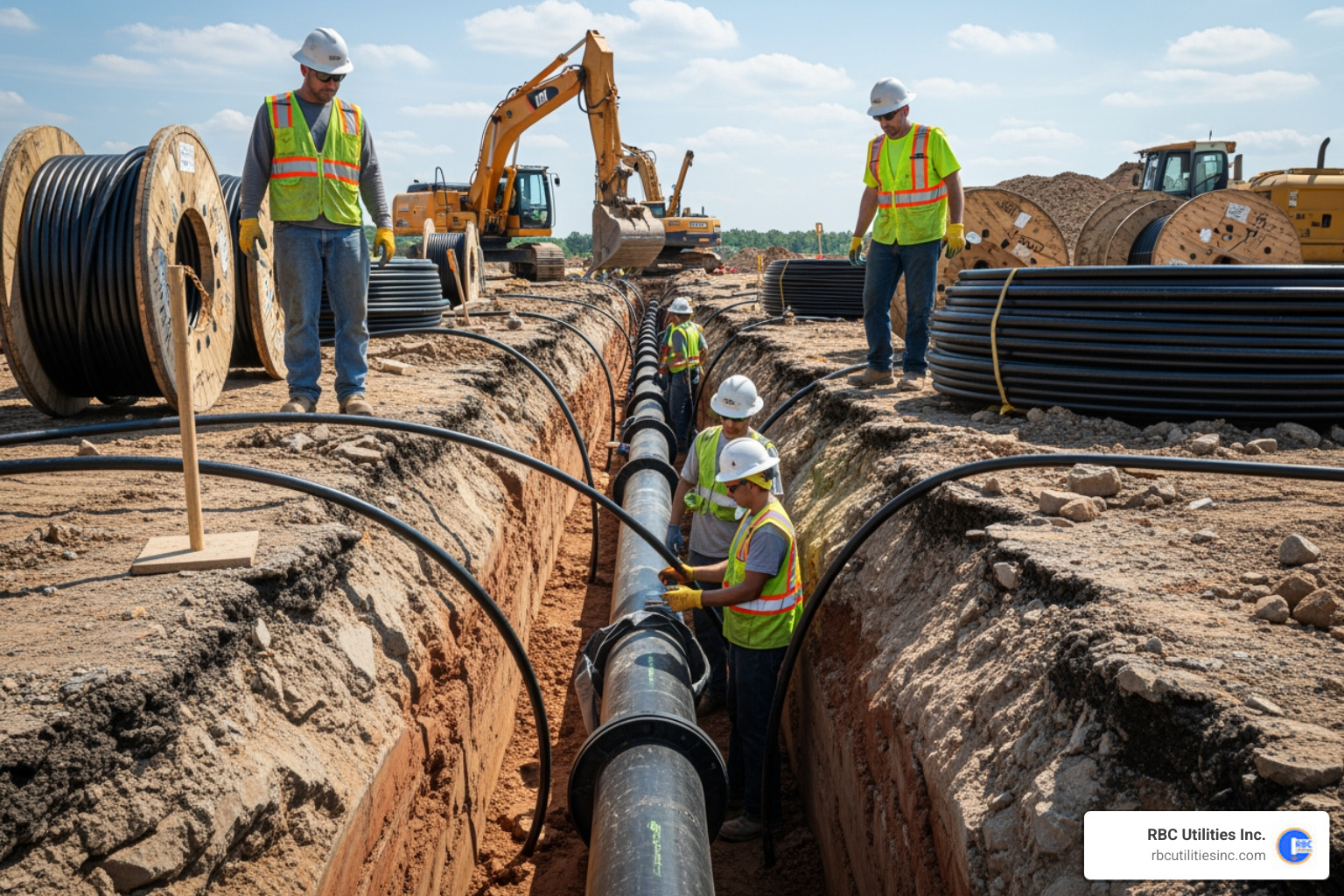
Storm water detention systems are underground or surface structures that temporarily hold runoff and release it at a controlled rate — protecting downstream properties from flooding while keeping your project compliant with local regulations.
Here's a quick overview of the main system types and what they do:
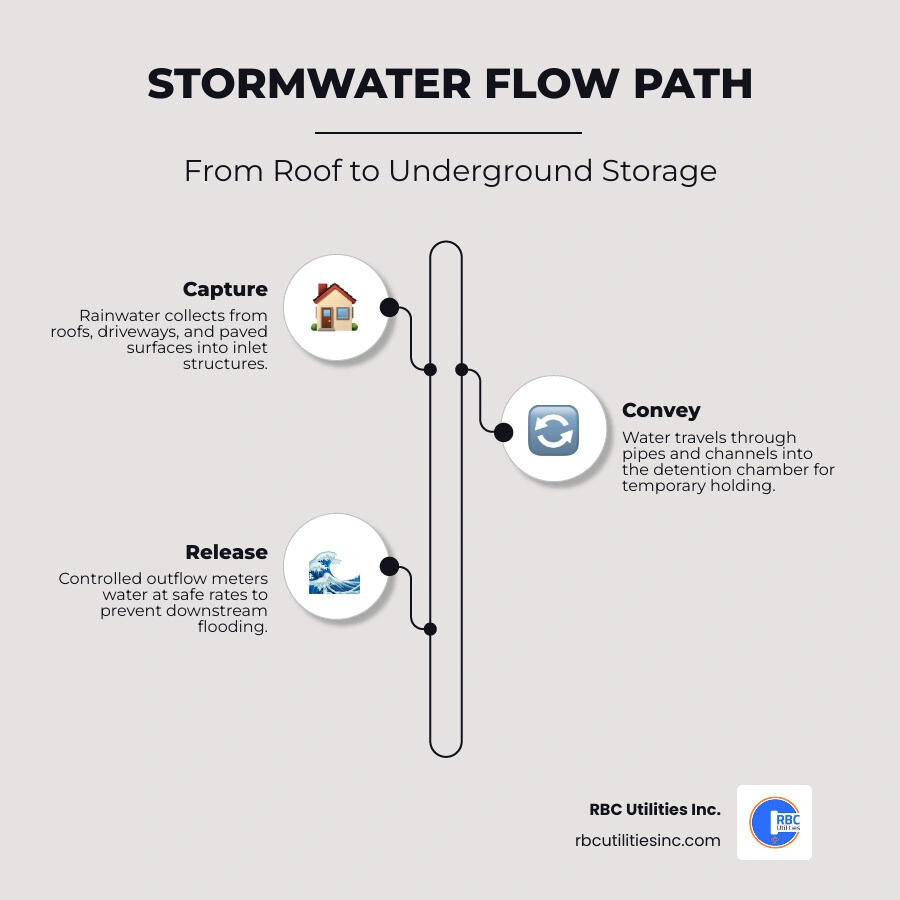
The core job of any detention system is simple: slow the water down before it reaches streams, roads, and neighboring properties.
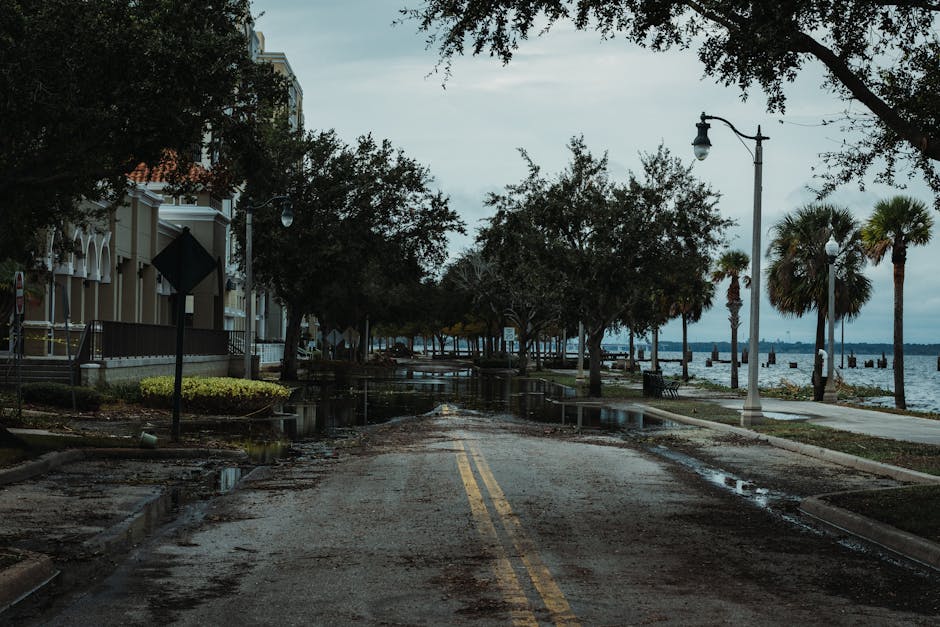
As development replaces open land with impervious surfaces — rooftops, parking lots, driveways — stormwater runoff increases dramatically. Without proper detention, that extra volume causes downstream flooding, erosion, and regulatory violations that can stop a project cold.
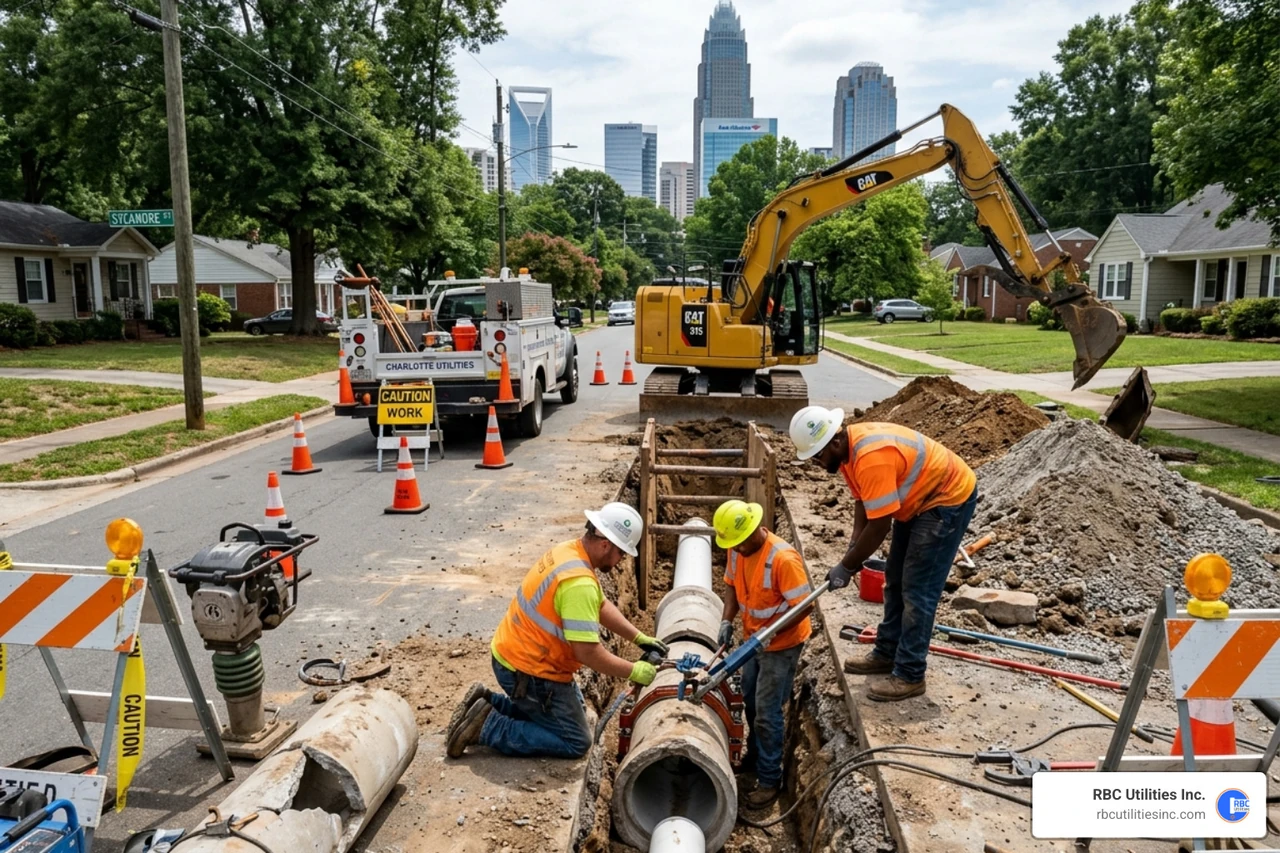
I'm Don Larsen from RBC Utilities, Inc., a Carolina-based underground utility contractor with deep experience designing and installing storm water detention systems for residential and commercial developments since 2008. In the sections below, we'll break down every major system type so you can make the right call for your next project.

Simple guide to storm water detention systems:
When we talk about managing runoff in the Carolinas, the terms "retention" and "detention" are often thrown around like they’re the same thing. However, in Chapter 3 - Storm Water Hydrology, they serve very different masters.
Detention is the practice of temporary storage. Think of a detention system as a "waiting room" for rain. It captures a surge of water during a heavy North Carolina downpour and releases it slowly through a small outlet. These are often "dry" systems, meaning they are designed to be empty between rain events.
Retention, on the other hand, is about keeping the water on-site permanently. Retention systems maintain a permanent pool of water—like a classic neighborhood pond—where the only way water leaves is through evaporation or infiltration into the ground. These are excellent for groundwater recharge, but they require a higher water table or specific soil conditions to stay "wet."
In modern urban development, we often use a 72-hour storage rule. This means that for dry detention basins, the water should be completely gone within three days to prevent mosquito breeding and ensure the system is ready for the next storm. For those looking at water quality, "extended dry detention" is a popular middle ground. It holds the "first flush"—the most polluted first half-inch of rain—for 24 to 48 hours to allow sediment to settle before the water continues its journey.
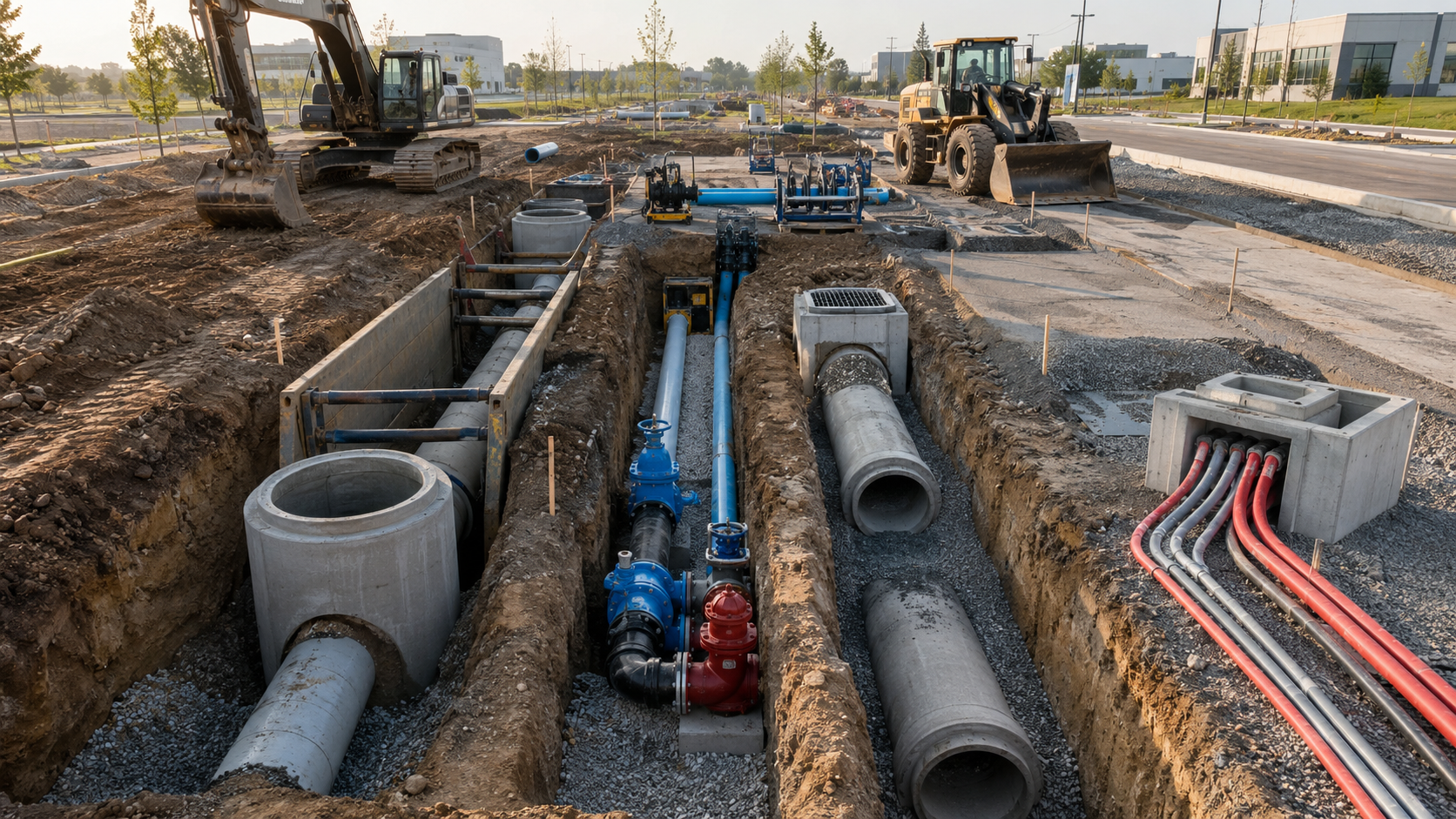
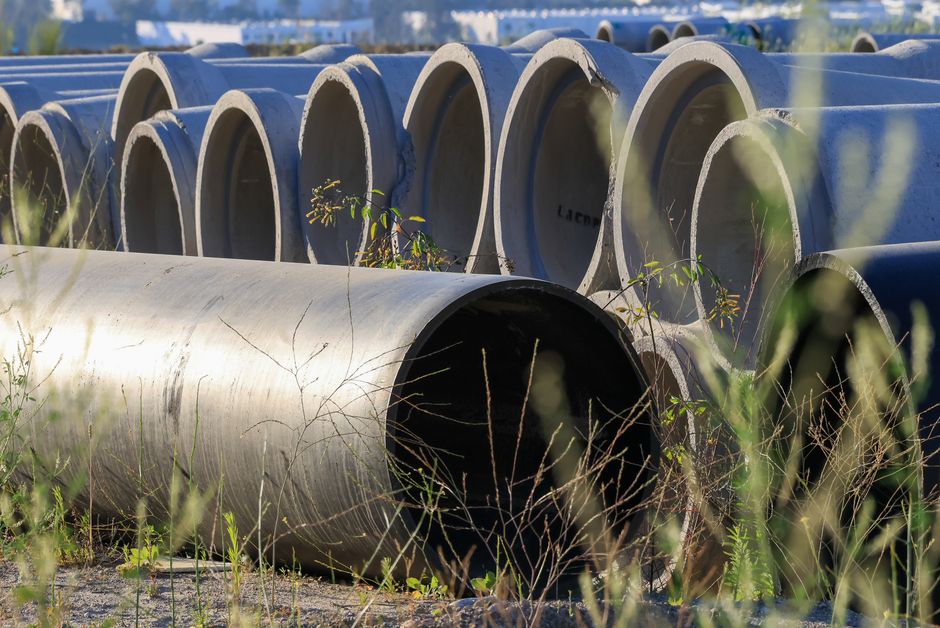
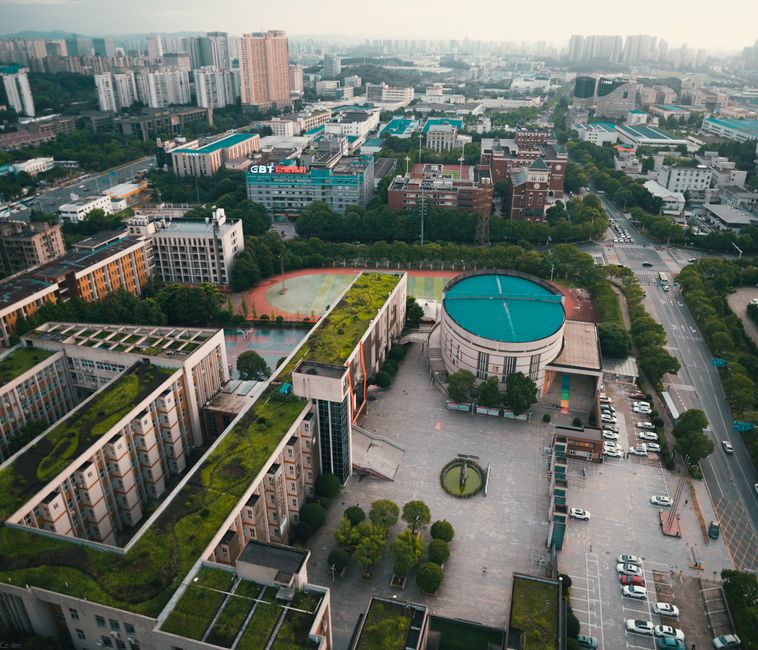
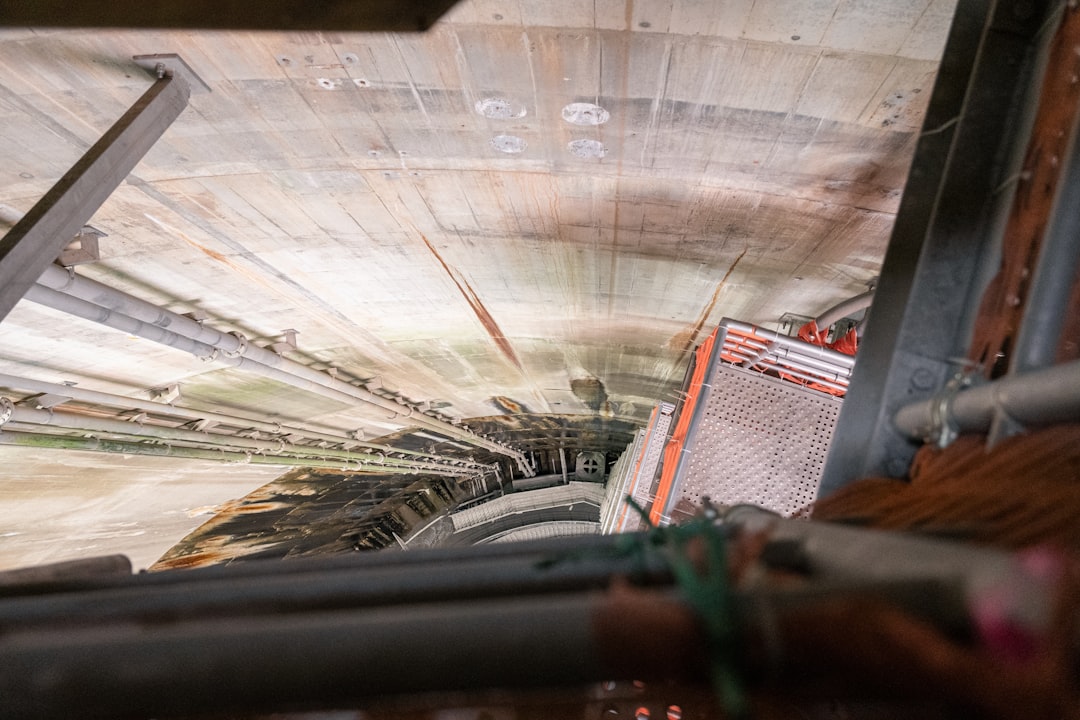
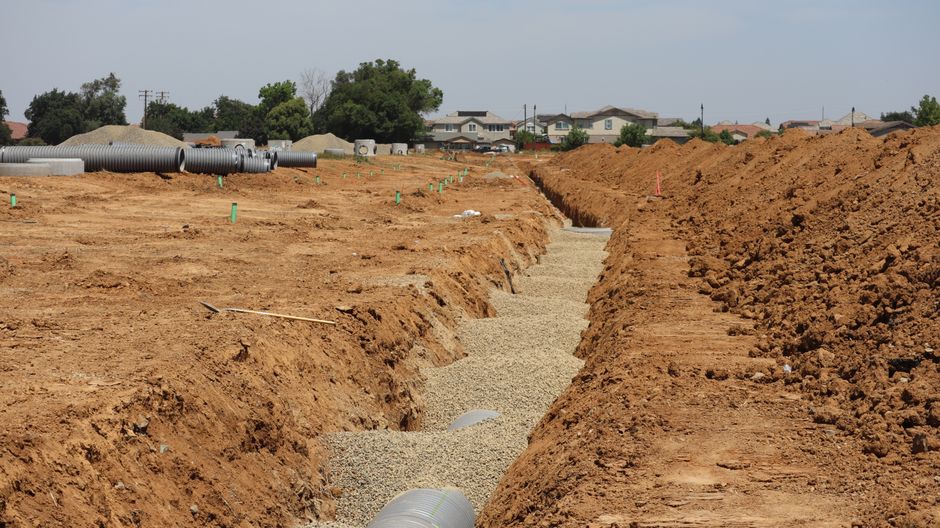
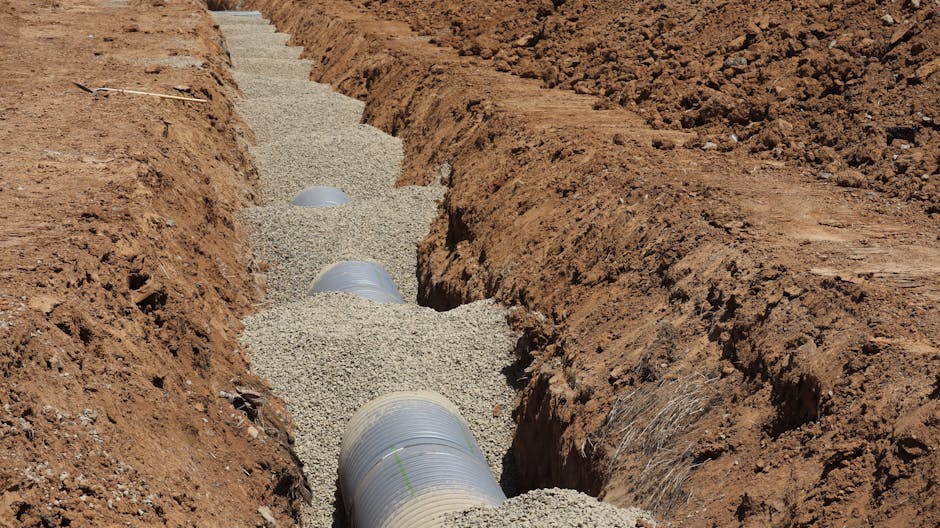
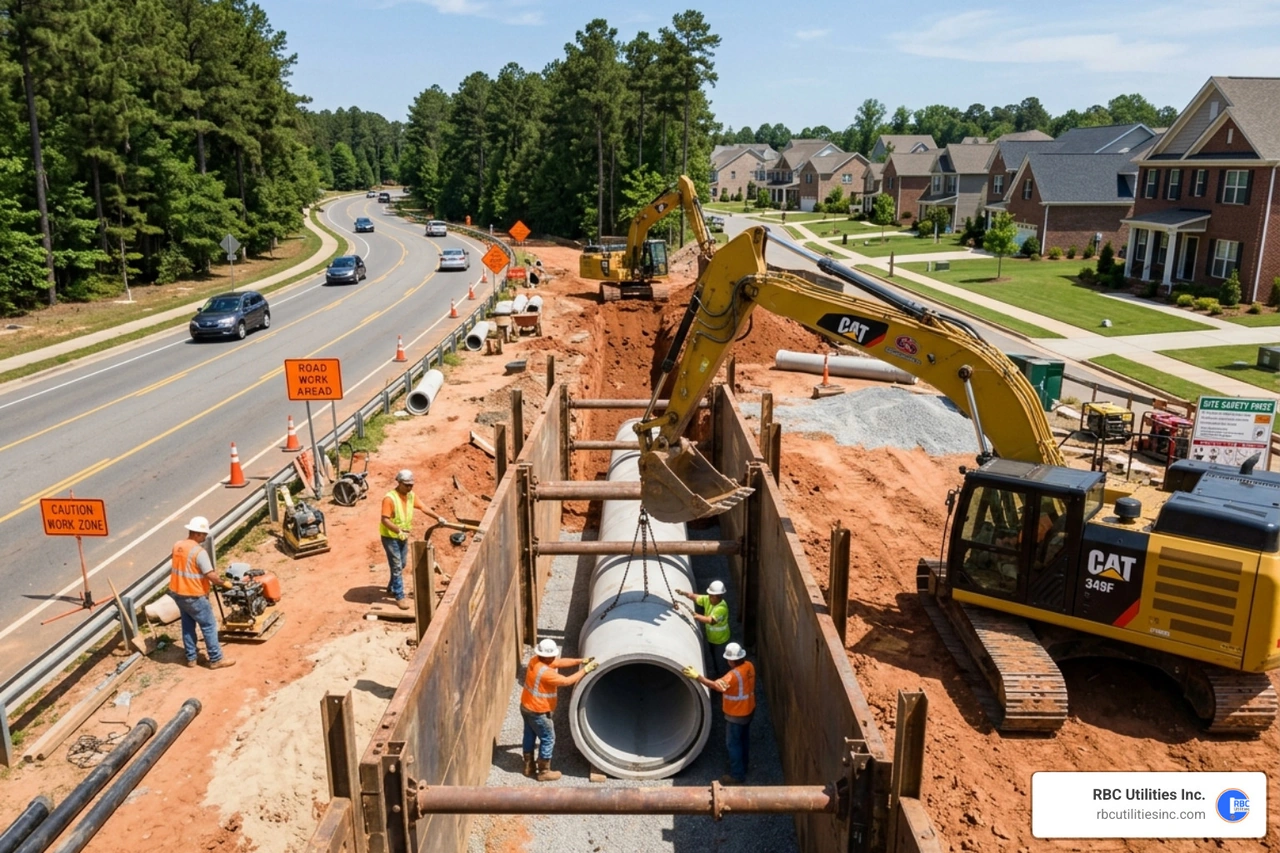
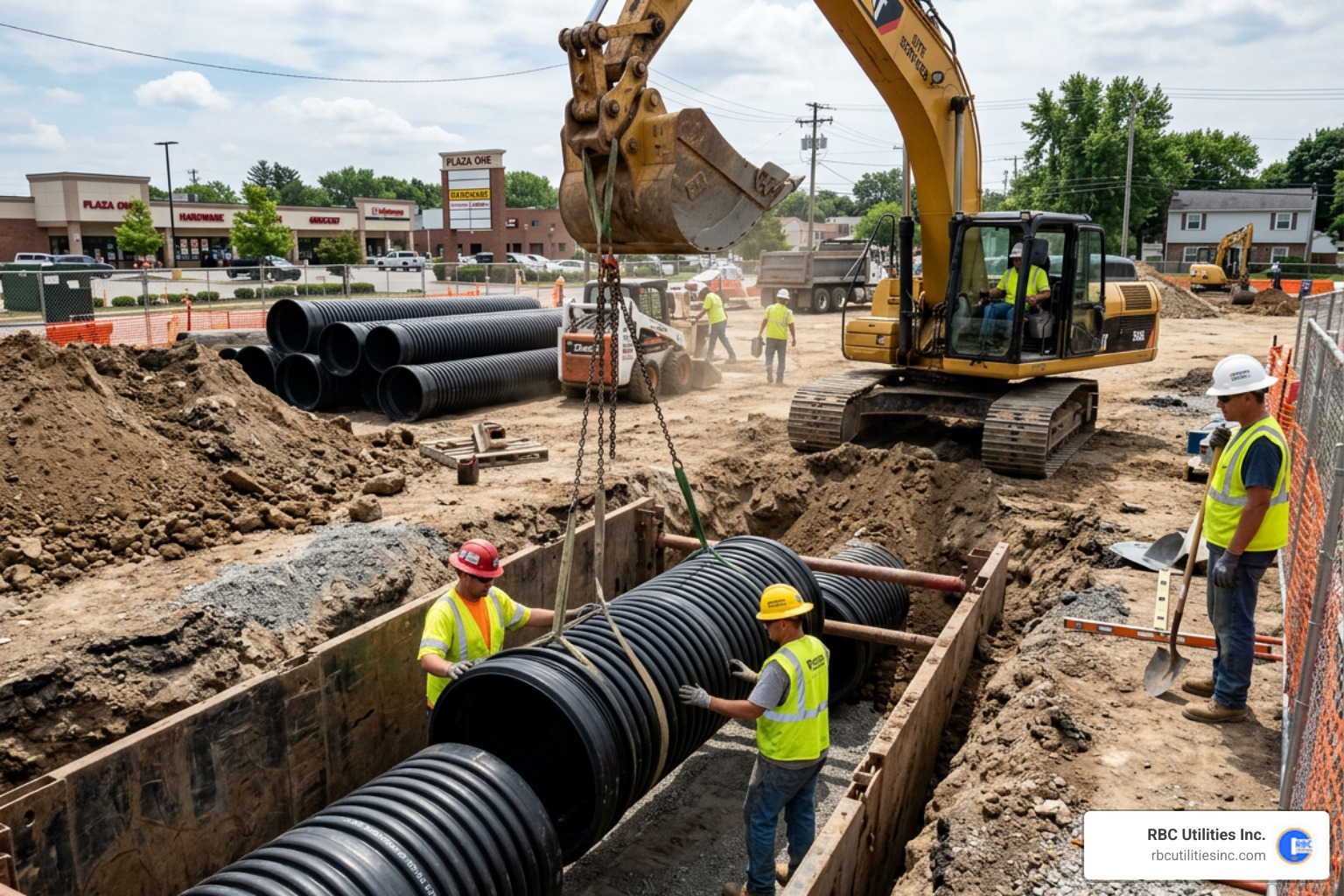
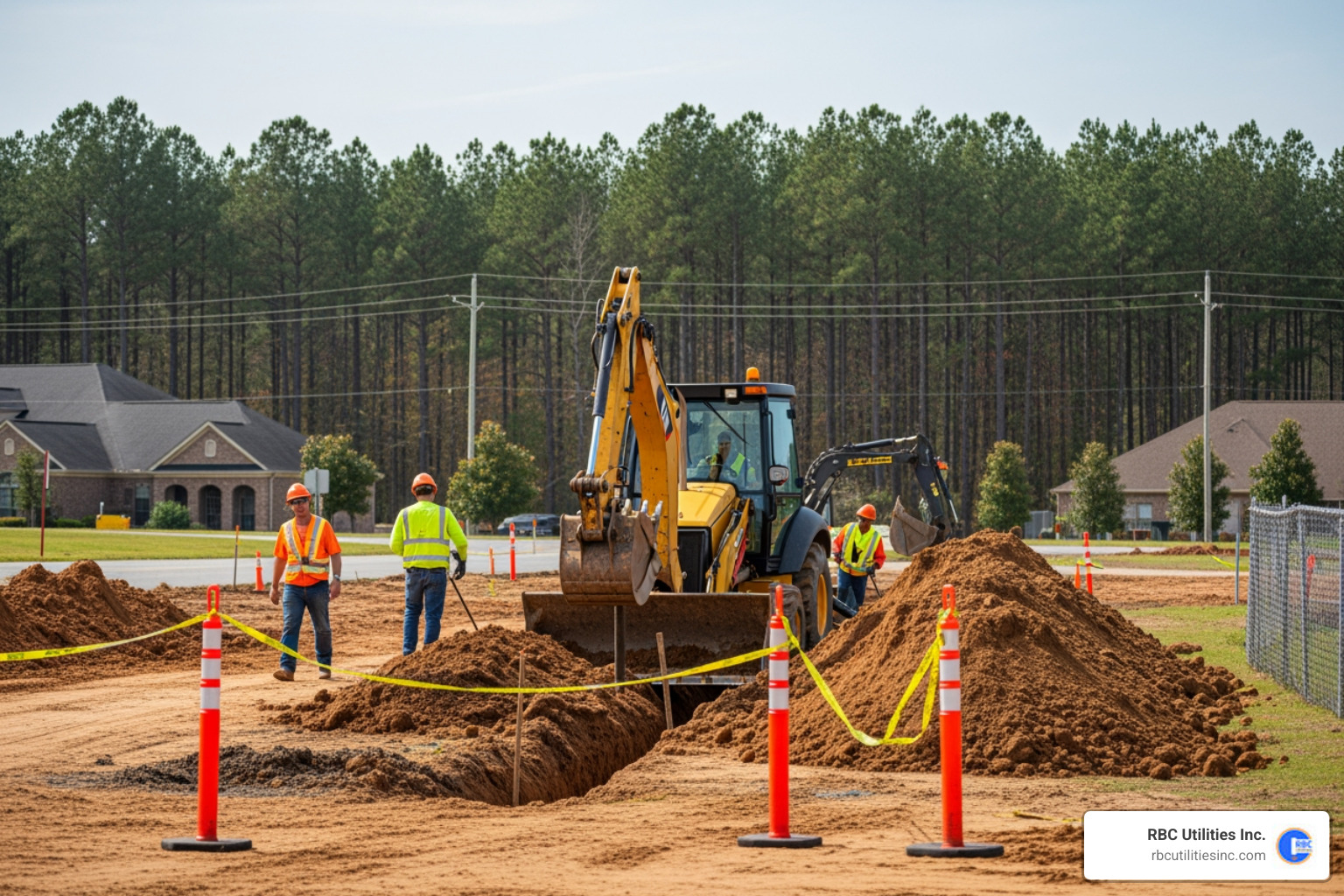
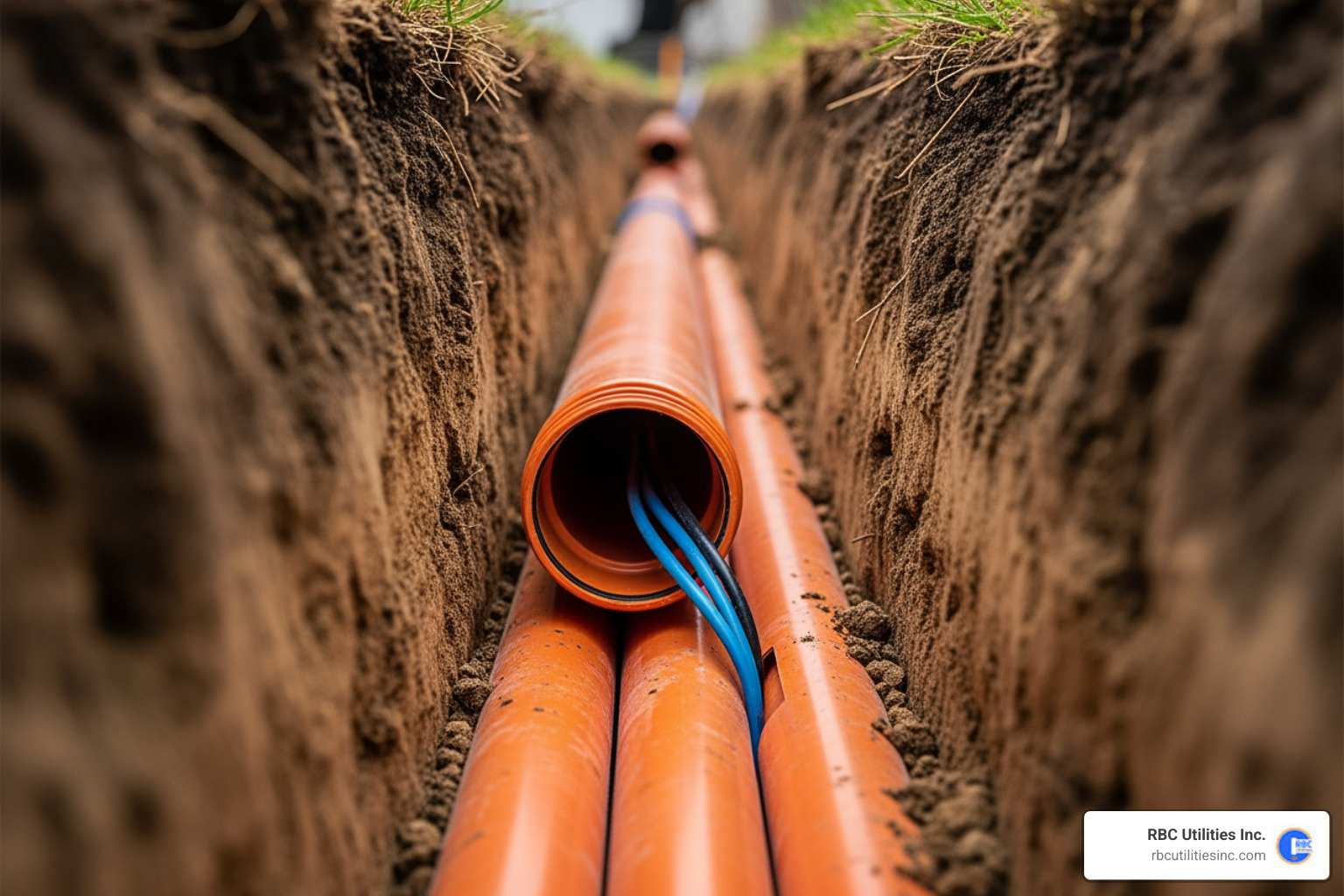
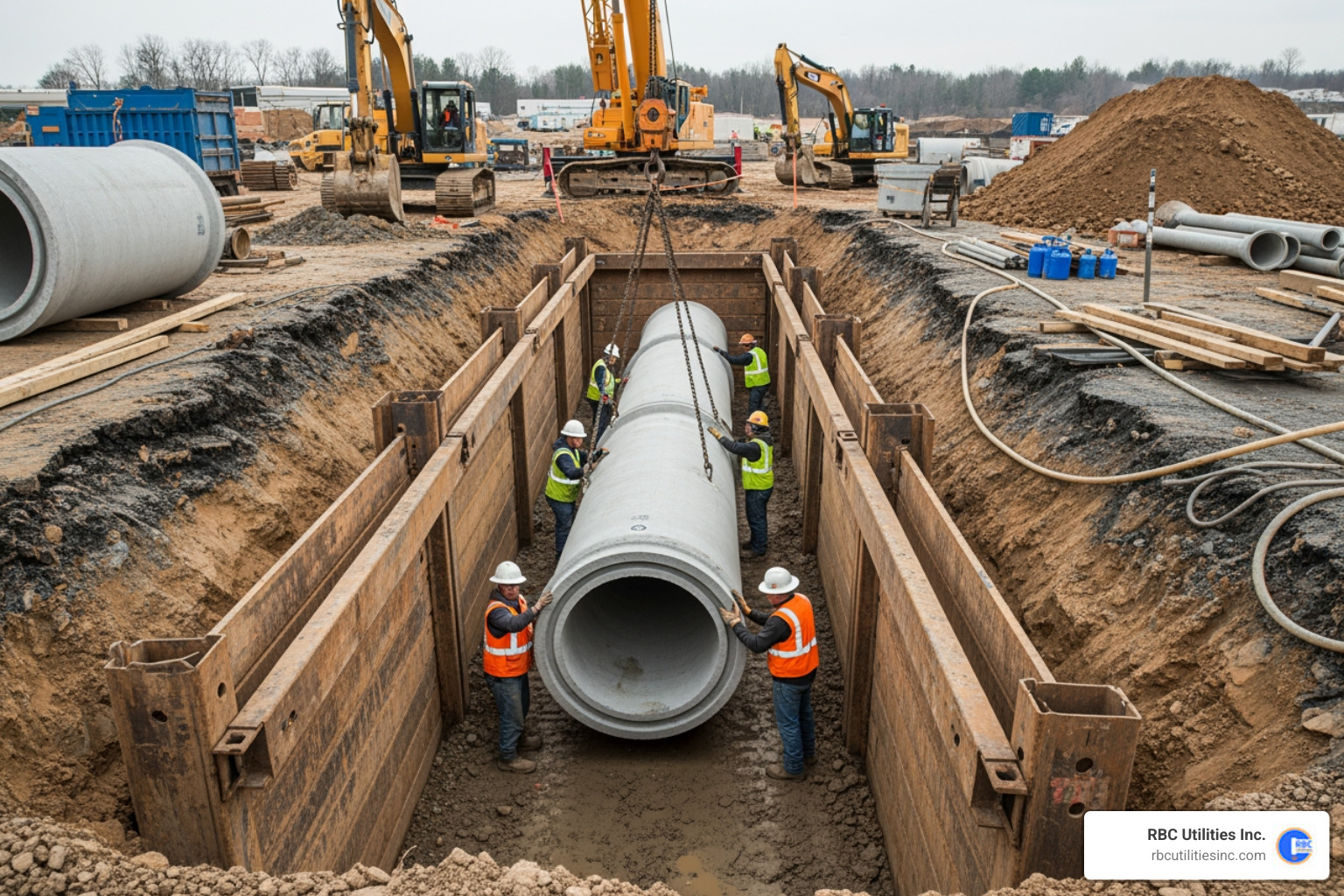
In cities like Charlotte where land is at a premium, we can't always afford to lose half an acre to a hole in the ground. This is where underground storm water detention systems shine. By moving the Stormwater Infrastructure beneath the surface, we allow developers to build parking lots, playgrounds, or even additional units right on top of the storage.
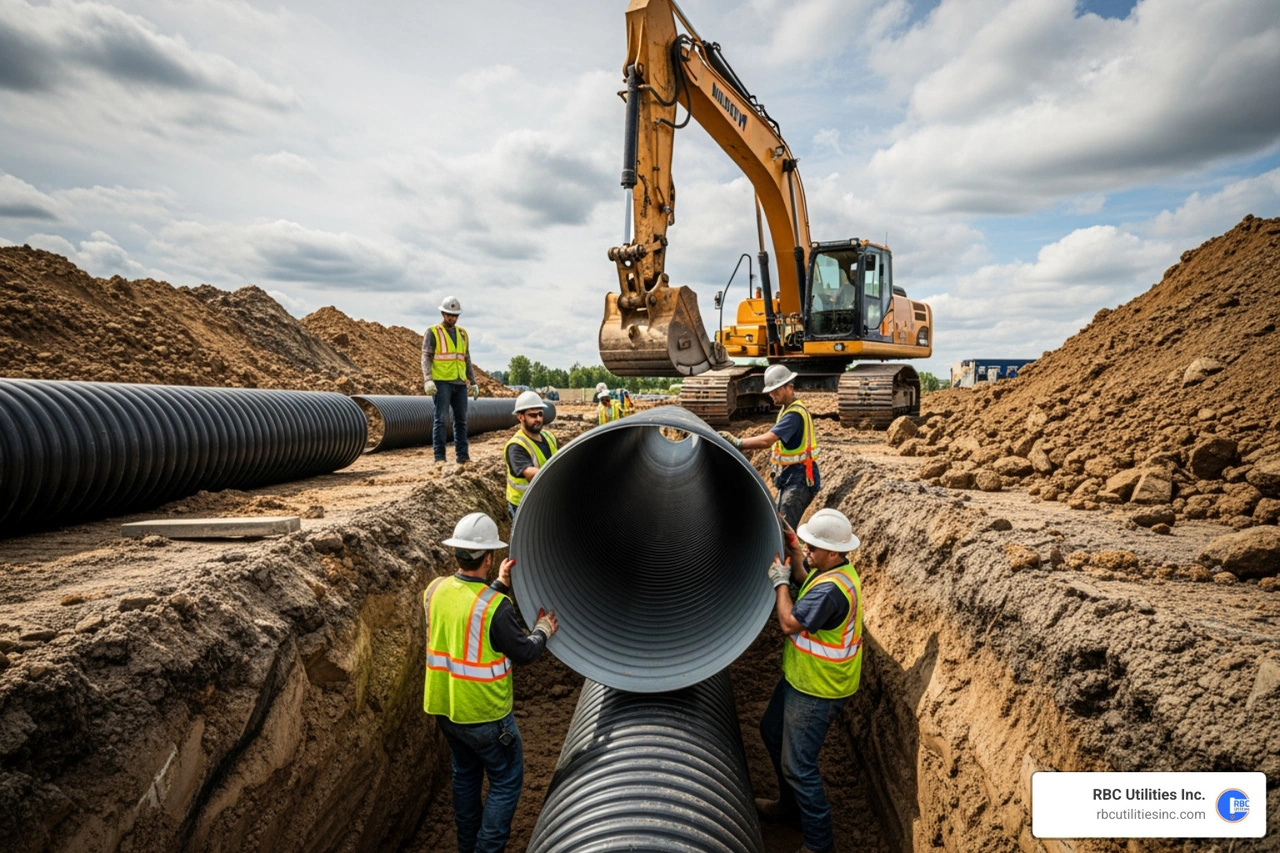
There are several heavy-hitters in the subsurface world:
According to the Storm Water Technology Fact Sheet On-Site Underground Retention/Detention, these systems are the gold standard for urban land value optimization. While the initial construction cost might be higher than a simple dirt hole, the "saved" land can often be sold or developed for a much higher return.
A detention system isn't just a big pipe; it's a precisely engineered tool. To get your permits in North or South Carolina, your system must meet strict performance standards. The primary goal is peak discharge control. We have to ensure that the rate of water leaving the site after development is no higher than it was when the site was just a forest or a field.
Engineers perform a complex hydraulic analysis to size the system for different "design storms"—usually the 2-year, 10-year, and 100-year events. This involves:
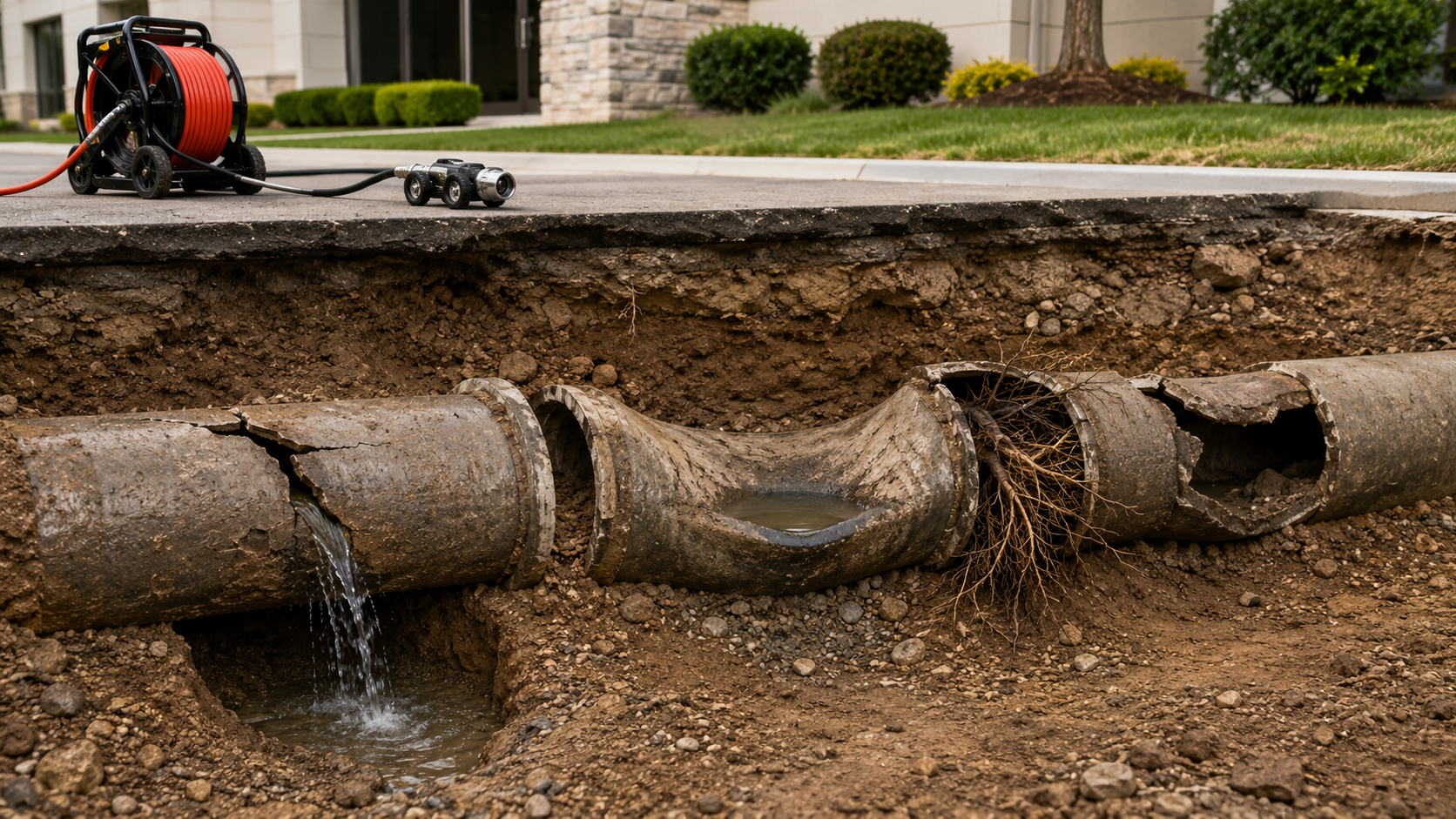
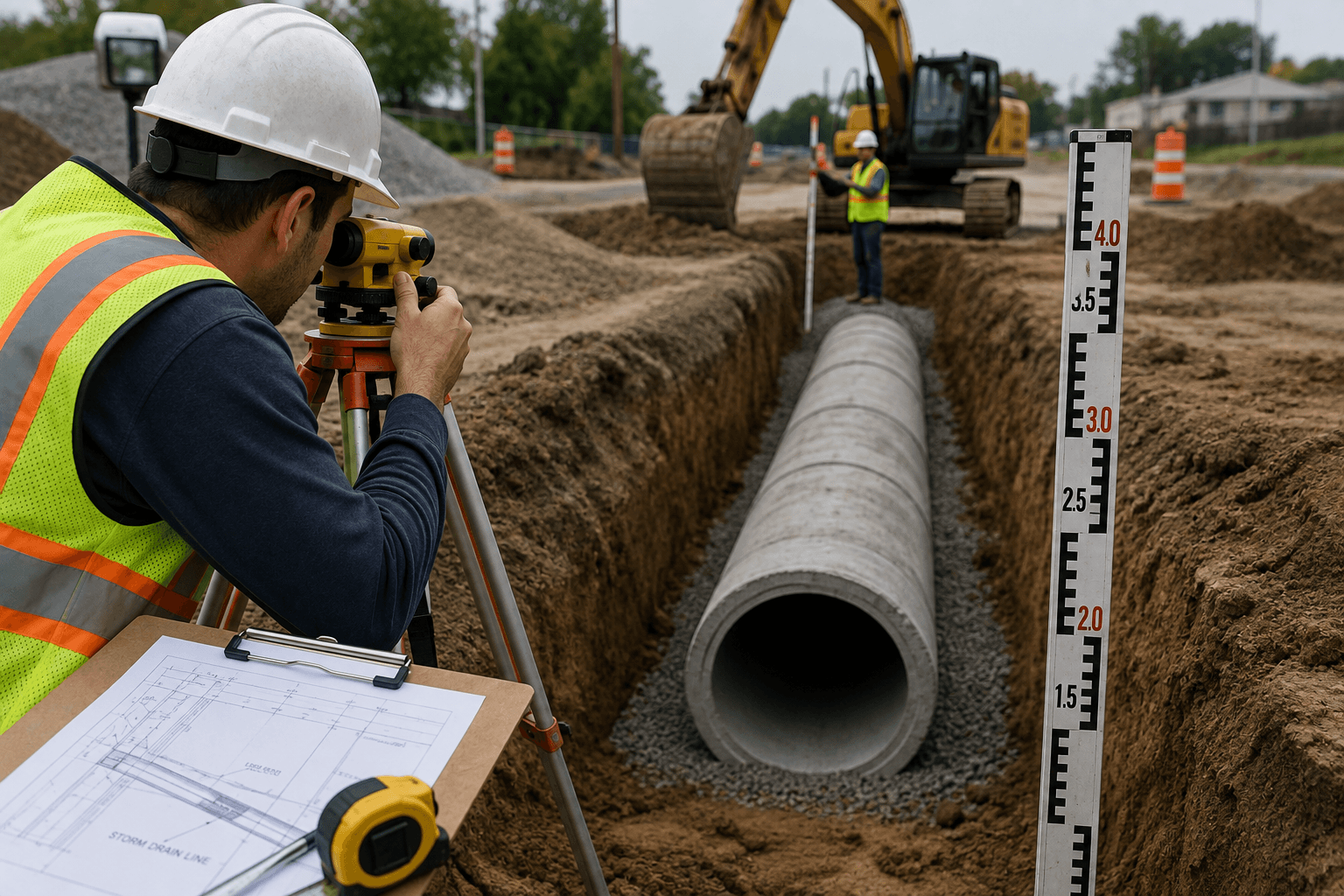
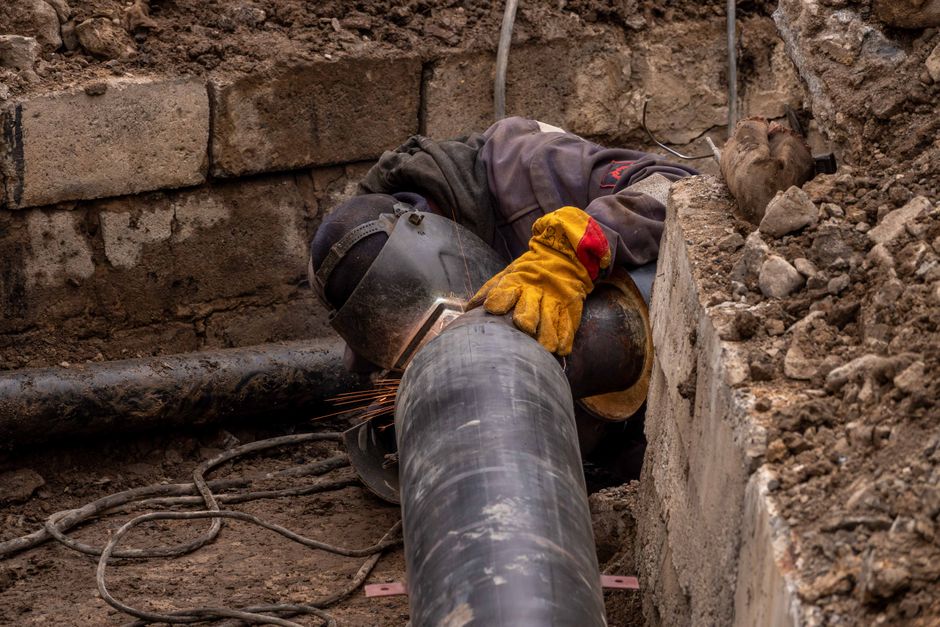
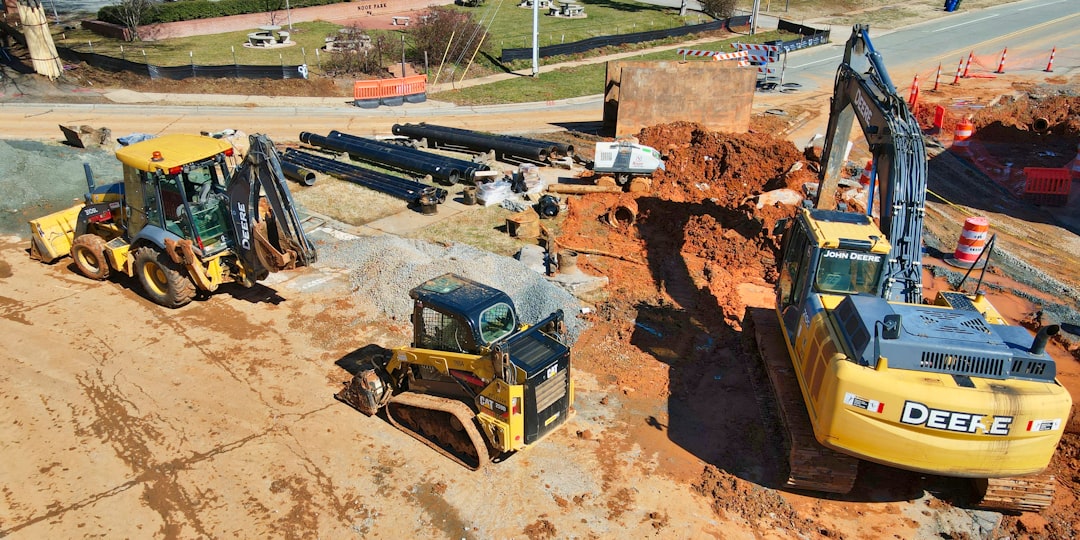
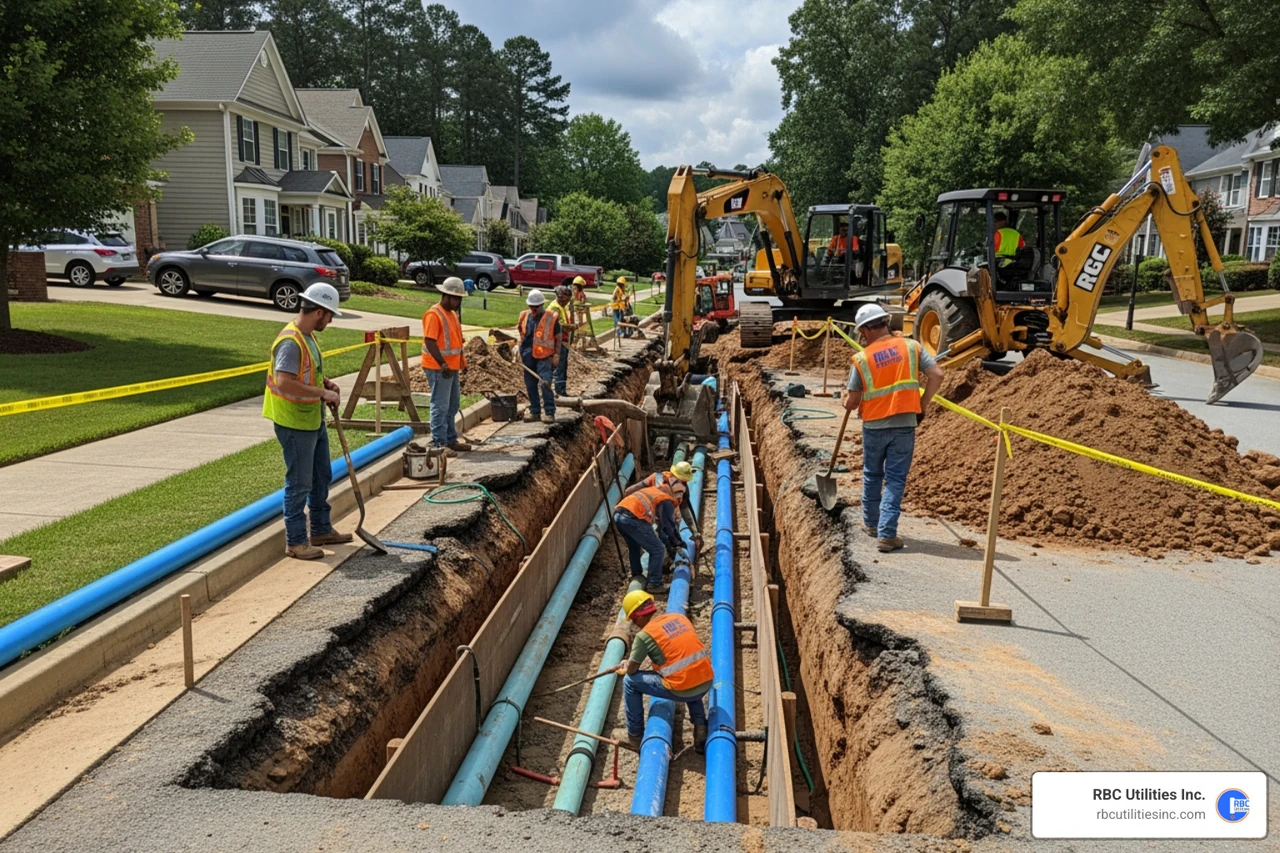
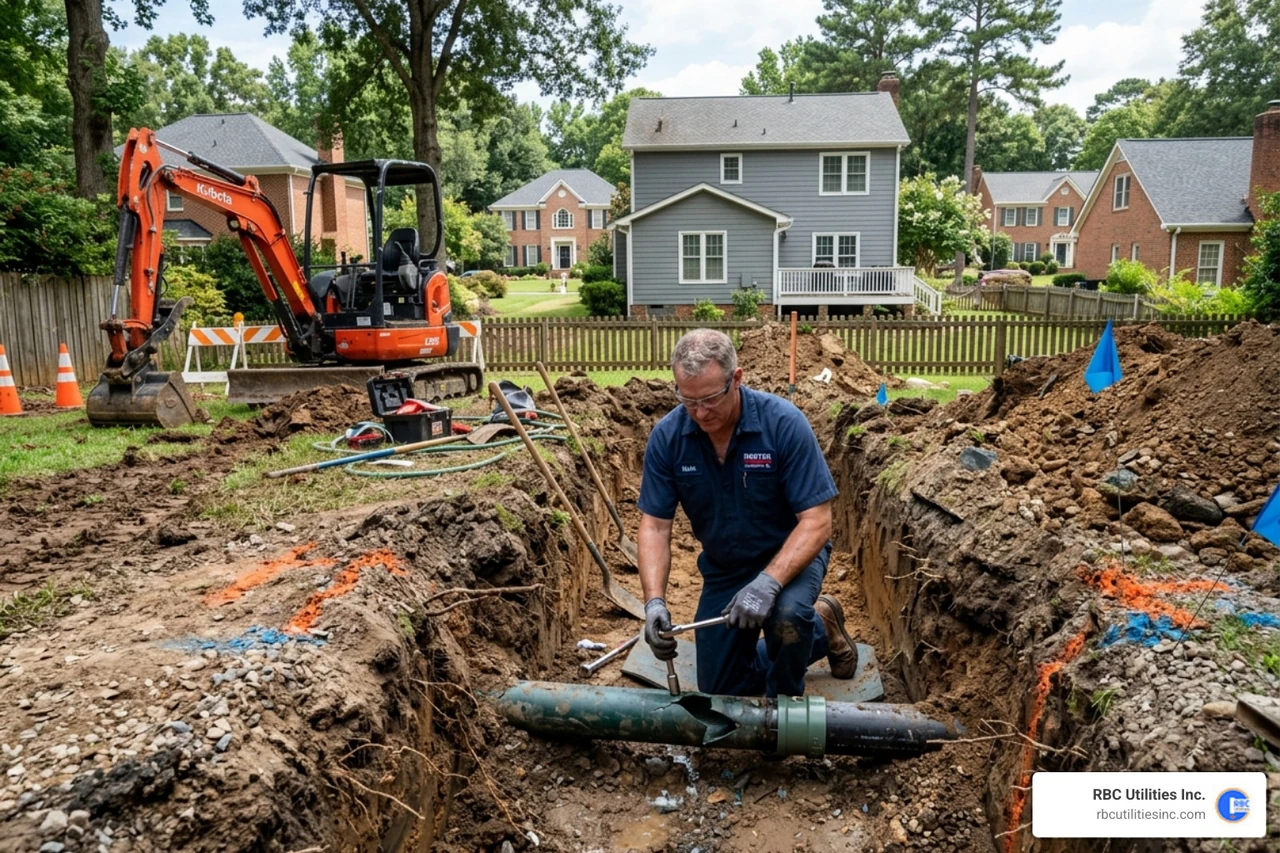
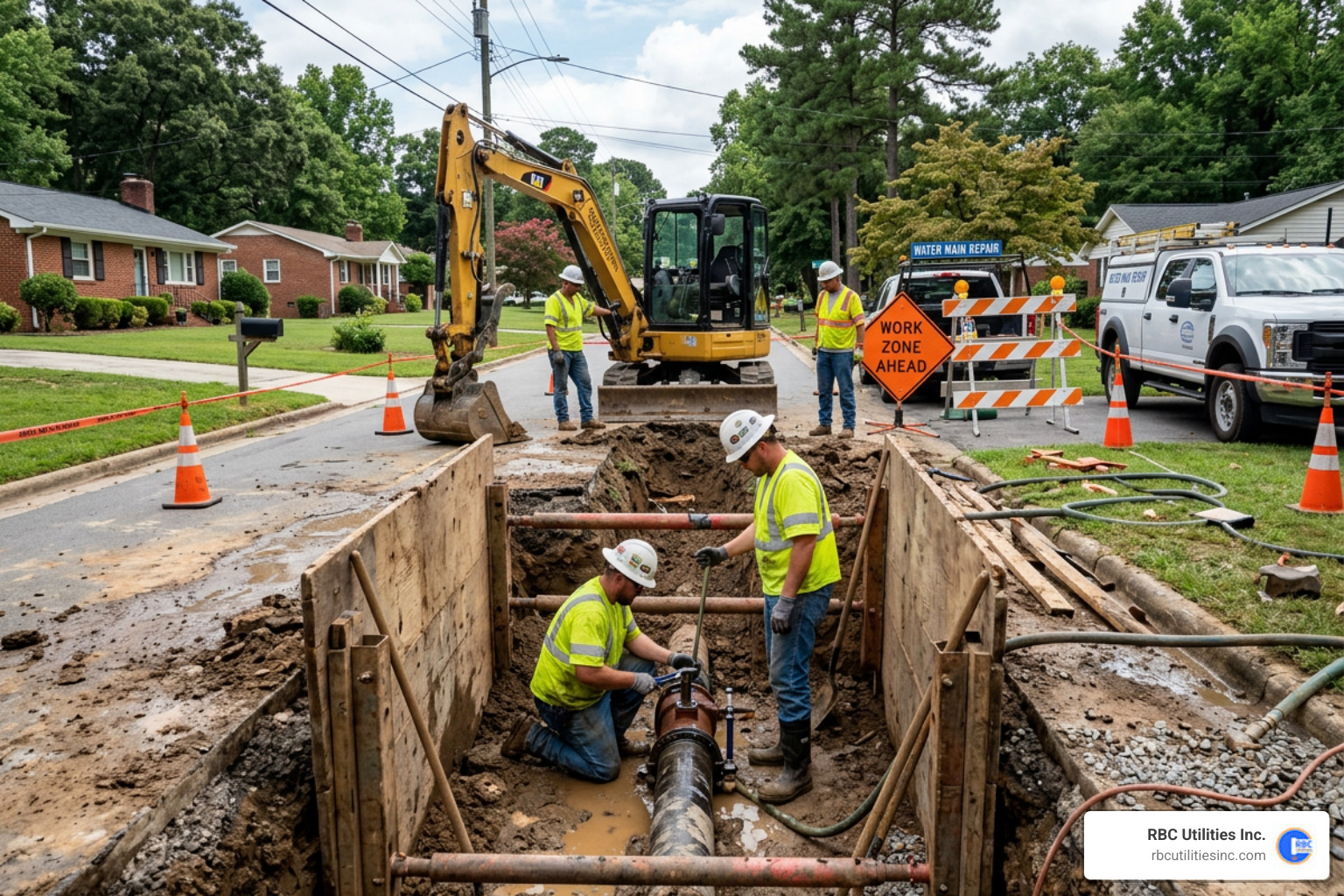
Proper Storm Drain Pipe Installation is critical here. If the pipes aren't sloped correctly or the joints aren't sealed, the hydraulic model fails, and you end up with localized flooding or sinkholes.
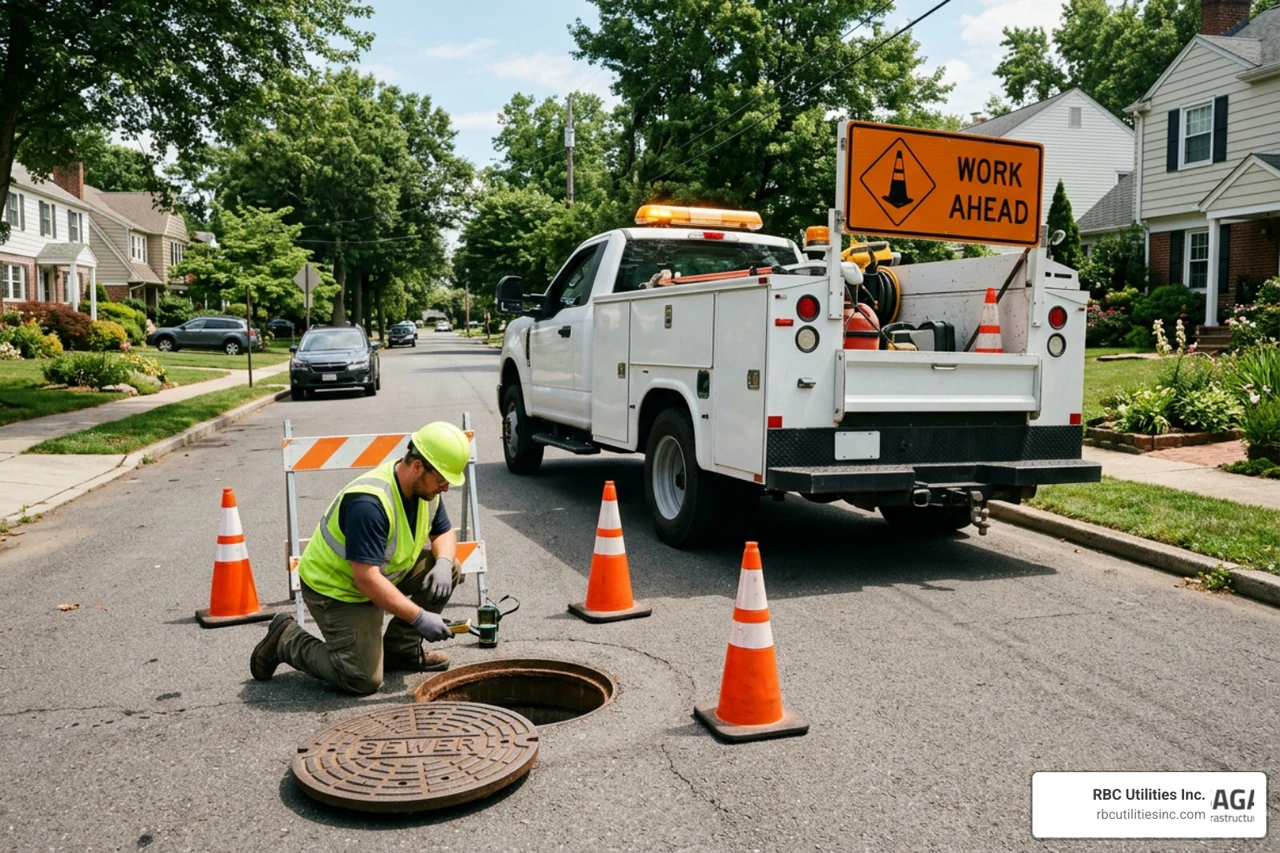
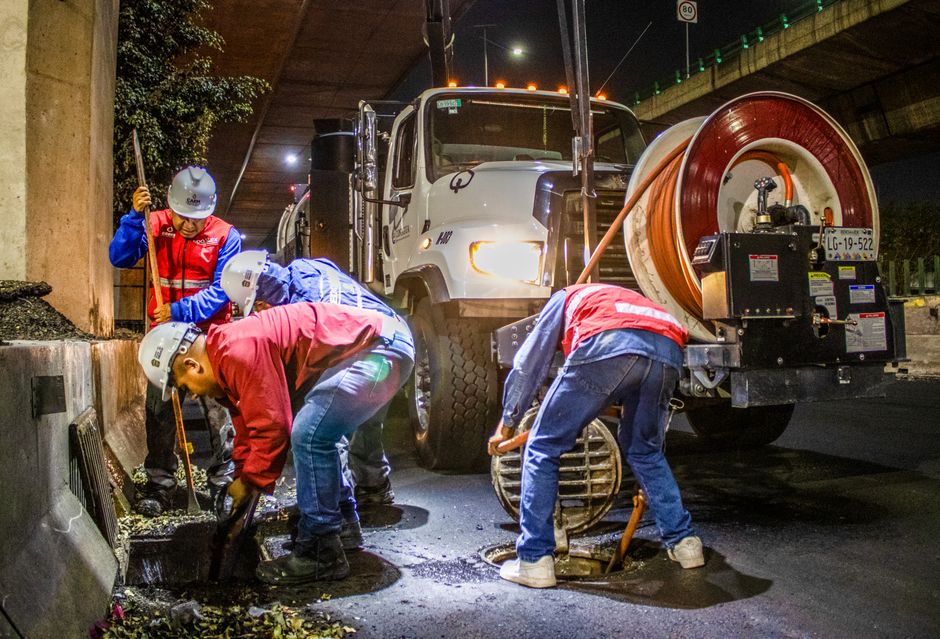
"Out of sight, out of mind" is a dangerous mindset for underground systems. Without maintenance, these systems fill with silt, trash, and Carolina red clay, eventually losing their ability to hold water.
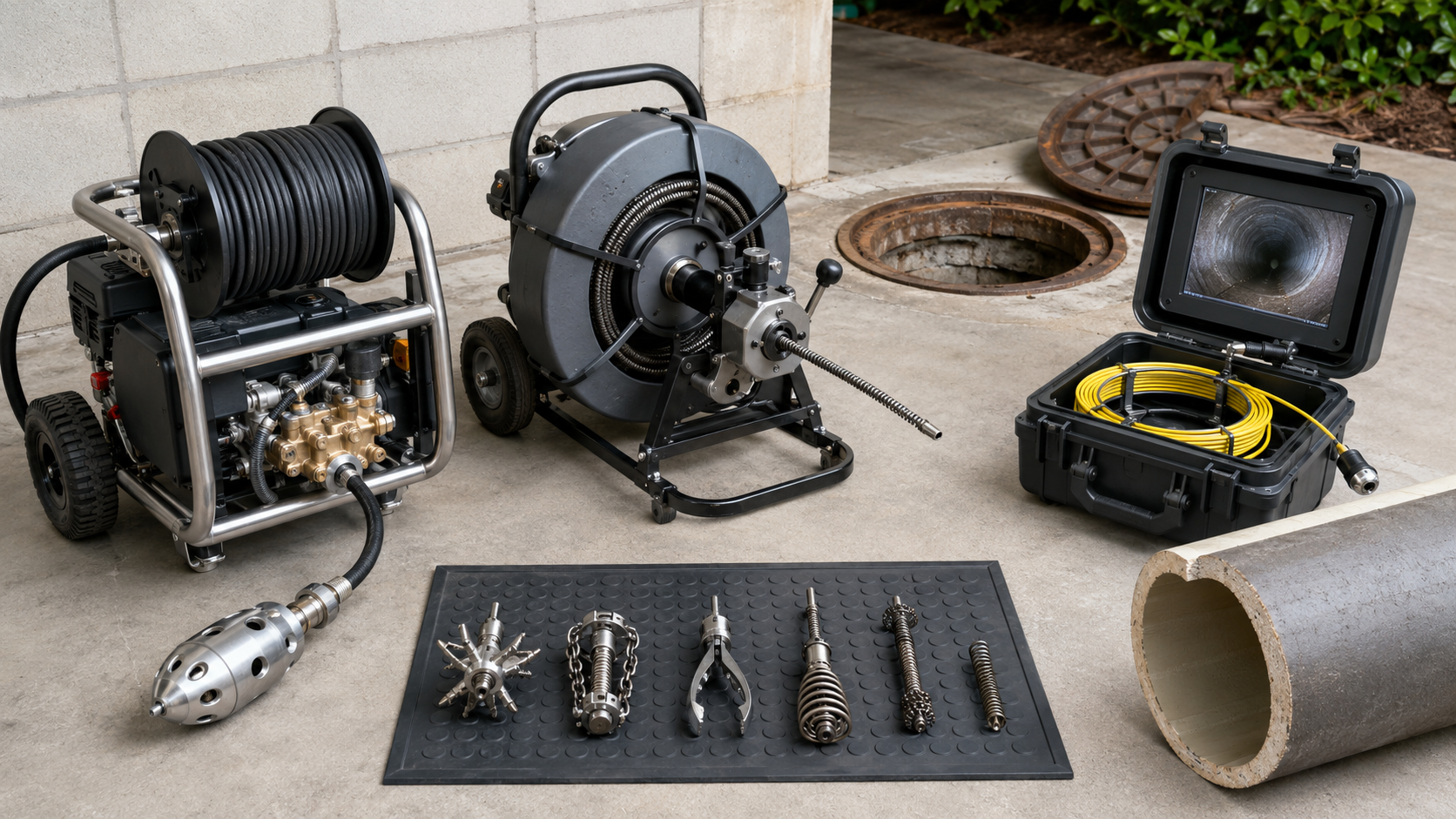
Key maintenance requirements include:
As noted in the Georgia Stormwater Management Manual - Volume 2 / Section 3.4.1, regular inspections—usually quarterly and after every major storm—are the only way to guarantee the system will work when the big one hits.
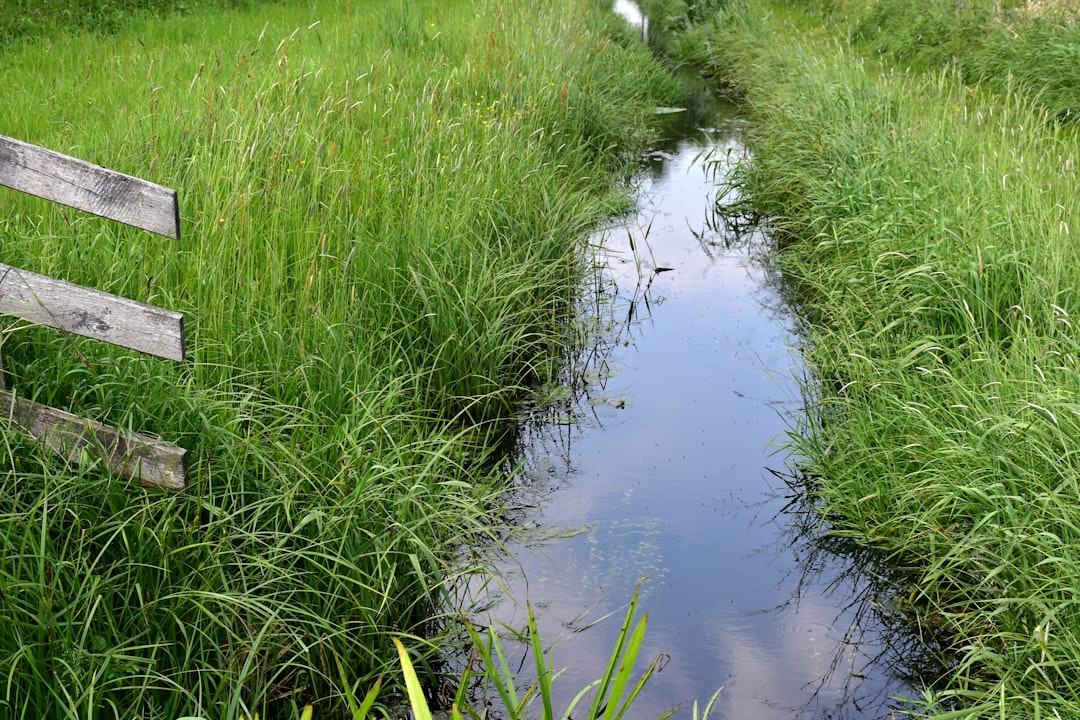
Choosing between a pond and an underground system is a classic balancing act. It’s essentially a battle between "Upfront Cost" and "Land Value."
Installation cost
Land usage
Safety
Maintenance
Lifespan
Aesthetics
In lower-density residential areas of the Carolinas, a dry detention basin is often the most cost-effective choice. However, these ponds can become "mosquito hotels" if they don't drain properly. Underground systems eliminate the safety hazards of open water and the nuisance of pests, making them a favorite for high-end residential developments where every square foot of lot space counts.
If you’re burying a system that needs to last 50 to 75 years, material choice is everything. In our region, we see a lot of concrete and metal, but plastic is becoming a major player. However, plastic comes with a unique set of risks.
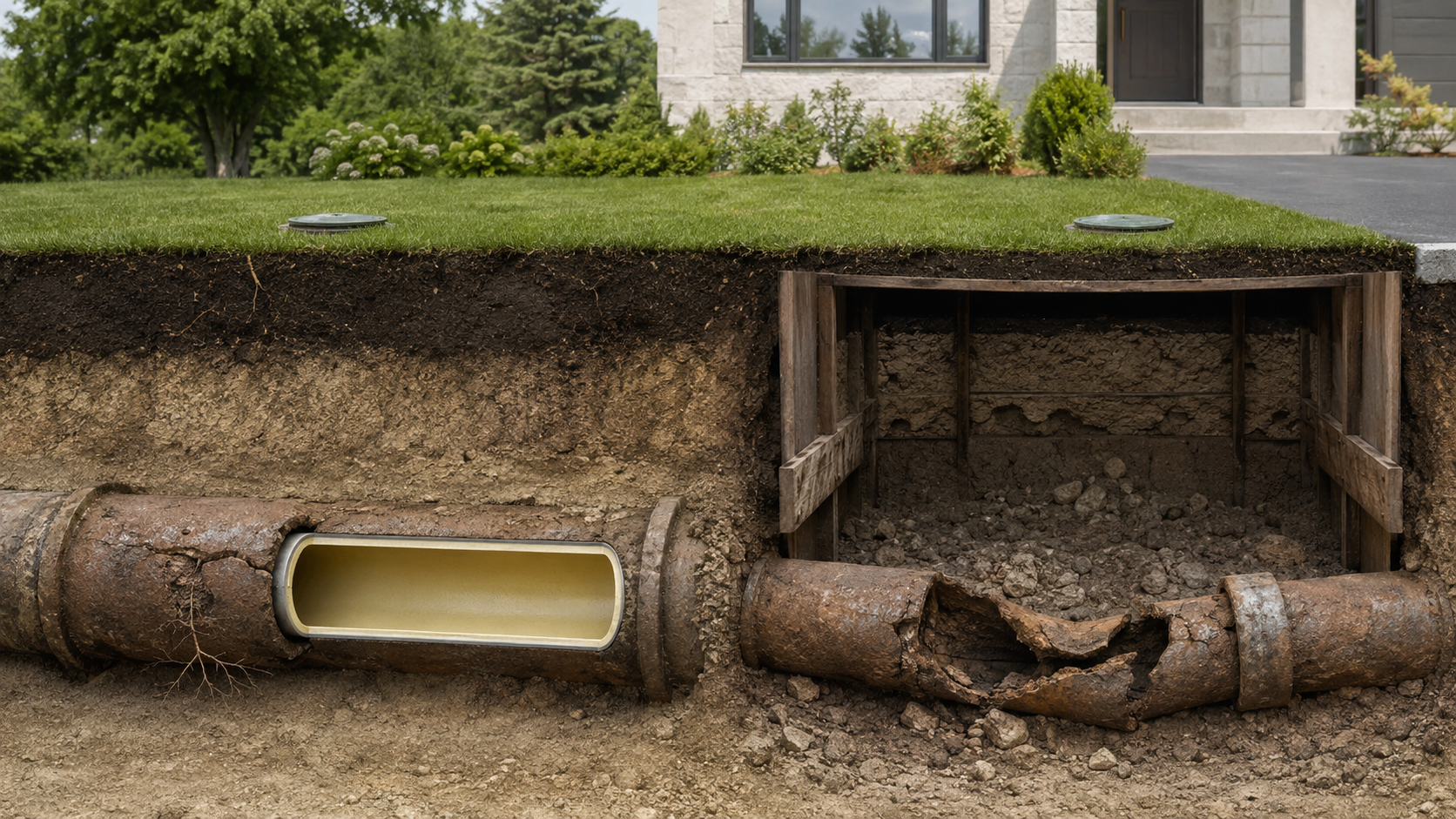
Thermoplastic Creep is a phenomenon where plastic boxes or pipes permanently deform under the constant weight of the soil above them. This doesn't happen overnight. A system might look perfect on day one but fail four months later because the plastic slowly "relaxed" until it reached a buckling point. This is often exacerbated by the P-delta effect, where a small misalignment in the boxes leads to increasing pressure and eventual collapse.
To prevent these failures, we focus on:
Retention systems maintain a permanent pool of water for infiltration or evaporation, while detention systems are designed to be dry between rain events, providing temporary storage and controlled release.
When properly installed and maintained, underground systems made of concrete or corrugated steel can last more than 50 years, with some modern engineered plastics designed for a 75-year minimum service life as of May 2026.
Underground systems maximize land value by allowing the surface to be used for parking lots, playgrounds, or buildings, which is essential in high-density areas where land costs are prohibitive for surface ponds.
Building in the Carolinas requires a partner who understands the local soil, the local rain, and the local regulations. Whether you are looking to maximize your property footprint with a subsurface vault or need a reliable dry basin for a new residential street, the integrity of your infrastructure is non-negotiable.
At RBC Utilities Inc., we bring decades of experience to every project, ensuring your storm water detention systems are installed with precision, safety, and long-term reliability in mind. From the initial excavation to the final outlet structure, we build the systems that keep the Carolinas moving forward.
Ready to secure your property's future? More info about our services can help you get started on a compliant, durable drainage solution today.
Part of Saga Infrastructure, protecting what others built and helping it grow.
Address: 4404 Stuart Andrew Blvd., Suite K, Charlotte, NC 28217
Email: info@rbcutilities.com
Phone: 803-913-9727
Service Area: North Carolina | South Carolina