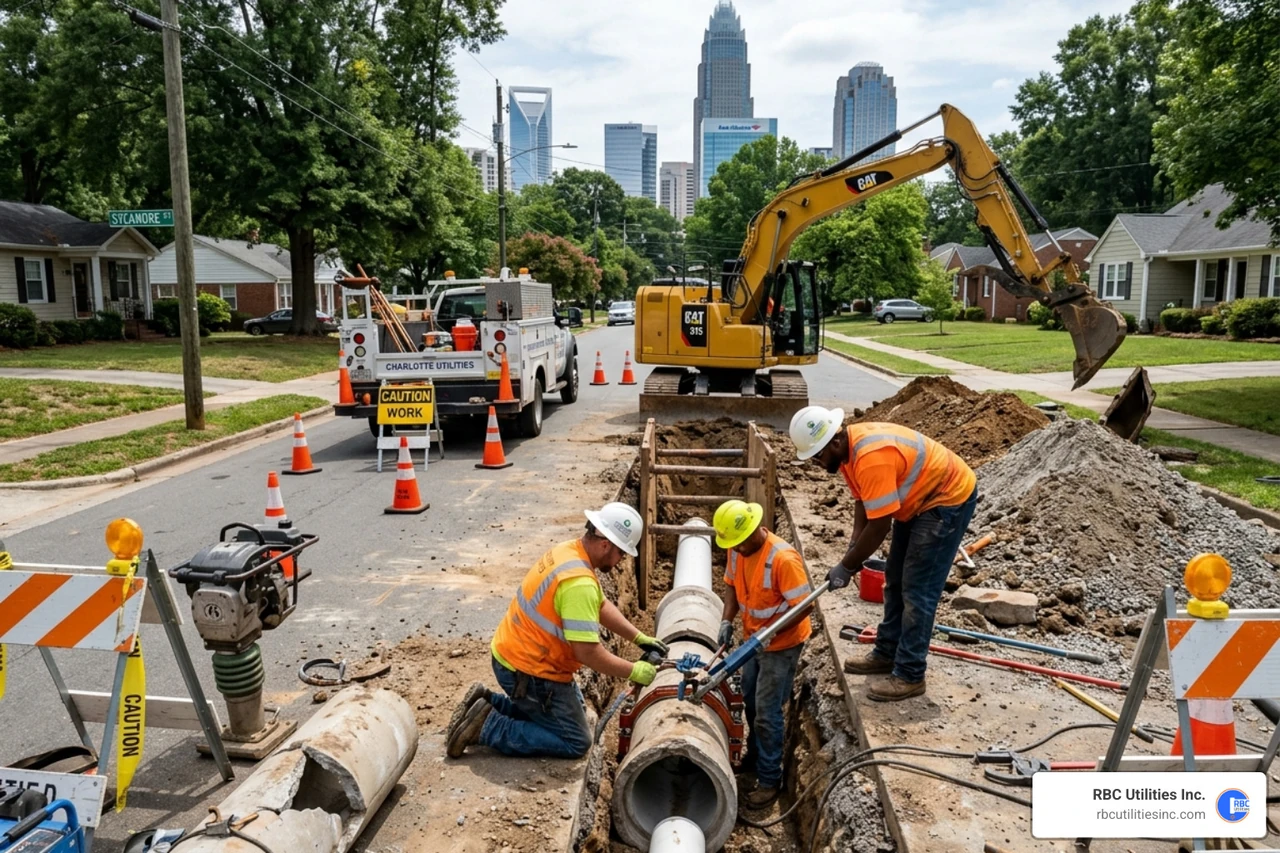
Utility pipeline rehabilitation in Charlotte is the process of repairing or restoring aging water, sewer, and stormwater pipes — ideally without tearing up roads, yards, or active job sites. Here's a quick overview of what that looks like in practice:
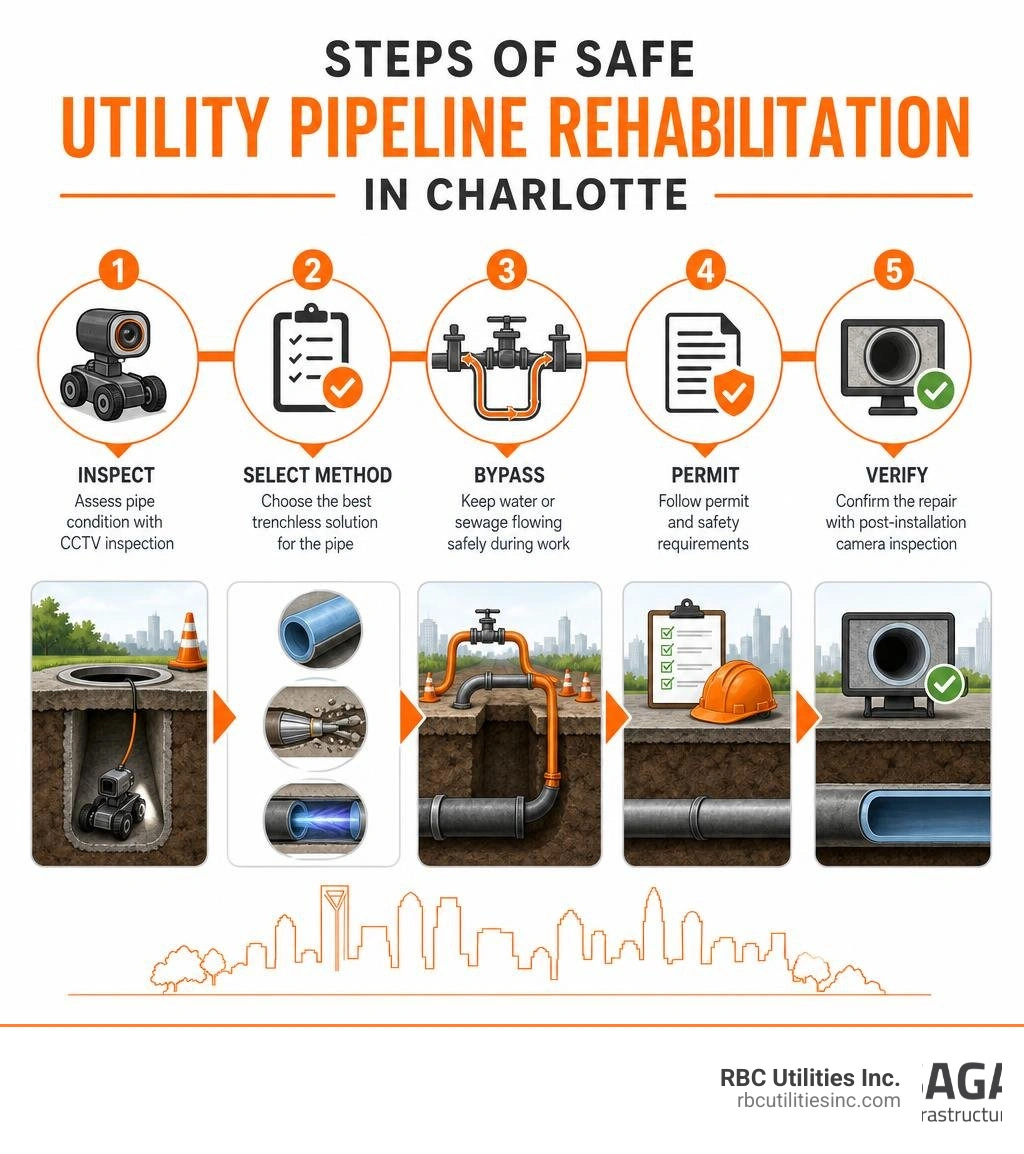
The safest steps to rehabilitate a utility pipeline in Charlotte:
Charlotte manages over 4,400 miles of sanitary sewer — one of the largest utility networks in the Carolinas. Much of that pipe is aging, running through clay-heavy Piedmont soil that expands and contracts with every rain cycle. That movement puts constant stress on buried infrastructure. Left unchecked, it leads to cracks, leaks, and costly sanitary sewer overflows — problems that affect developers, contractors, and property owners alike.
The good news: modern trenchless rehabilitation methods can restore pipelines safely, quickly, and with far less disruption than traditional open-cut excavation.
I'm Don Larsen with RBC Utilities Inc., and our team has spent years delivering utility pipeline rehabilitation in Charlotte and across the Carolinas — from routine small-diameter sewer repairs to complex municipal infrastructure upgrades. In this guide, I'll walk you through exactly how to approach pipeline rehabilitation safely, step by step.
Simple guide to utility pipeline rehabilitation Charlotte:
Underneath Charlotte’s bustling streets, towering office buildings in Uptown, and historic neighborhoods like Dilworth and Myers Park lies an incredibly vast, silent network of pipes. Charlotte Water manages more than 4,400 miles of sanitary sewer mains, serving well over a million residents. Parts of this network date back to the mid-1800s, meaning some of our underground systems have been working hard since before the telephone was invented!
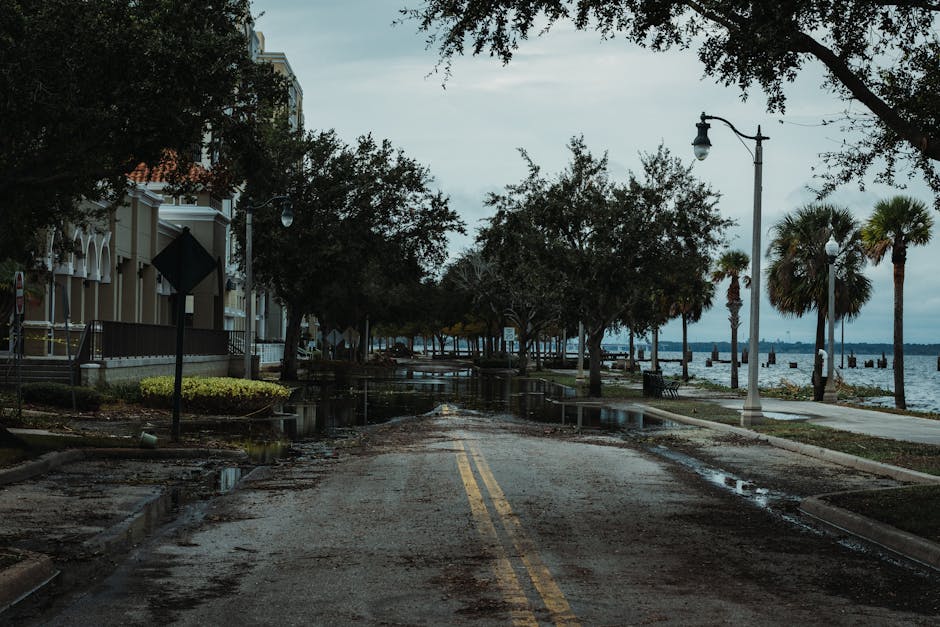
Managing an aging network of this scale is no small feat. Historically, Charlotte struggled with sanitary sewer overflows (SSOs). In 2003, the city experienced over 500 sewer spills, which triggered regulatory pressure, including EPA Administrative Orders. In response, Charlotte Water dramatically ramped up its pipeline maintenance, inspection, and rehabilitation initiatives. By implementing a aggressive, data-driven approach, the city successfully reduced annual spills to just 140 in recent years. This massive turnaround earned them the North Carolina AWWA-WEA "Collection System of the Year" Award and multiple "Utility of the Future" honors.
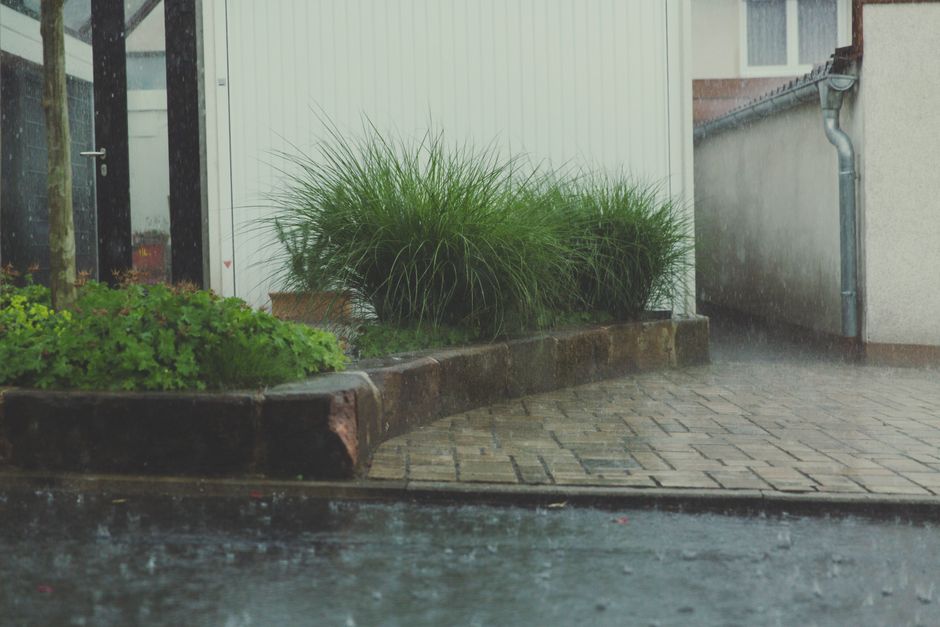
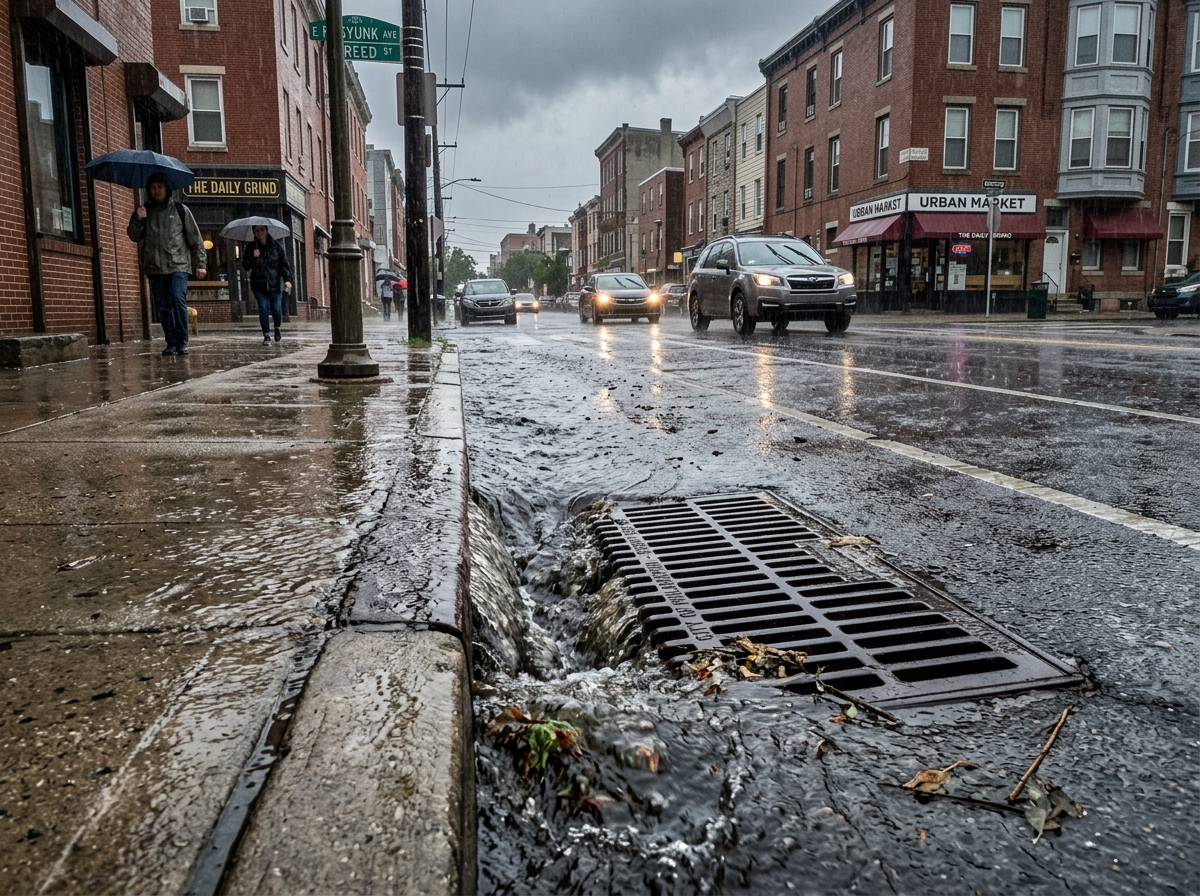
However, the physical challenges remain. One of the biggest obstacles we face in the Queen City is our native soil: Piedmont clay. This thick, red clay is notorious for expanding when wet and contracting when dry. As the ground shifts through seasonal weather patterns, it places immense structural stress on buried pipelines.
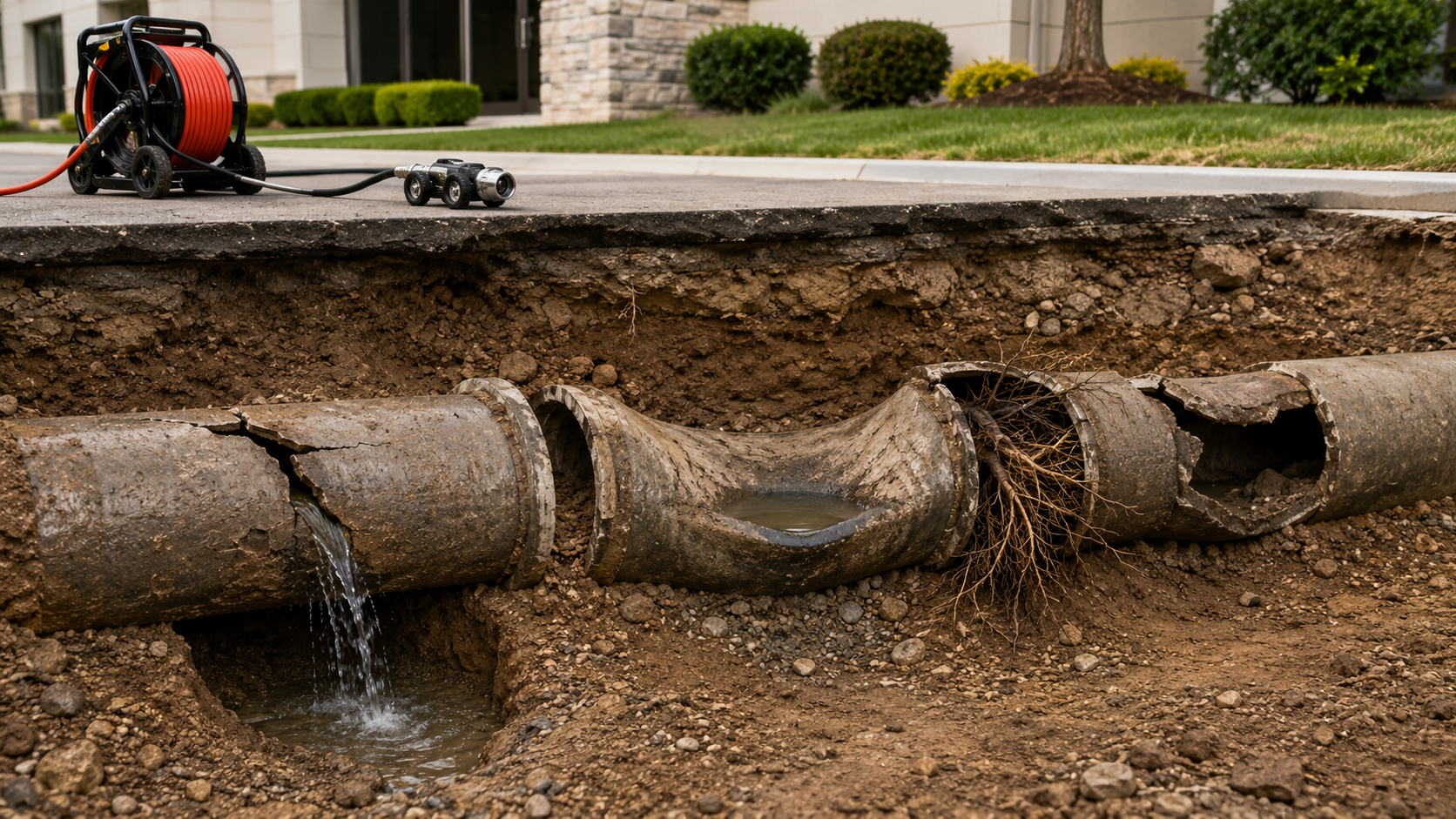
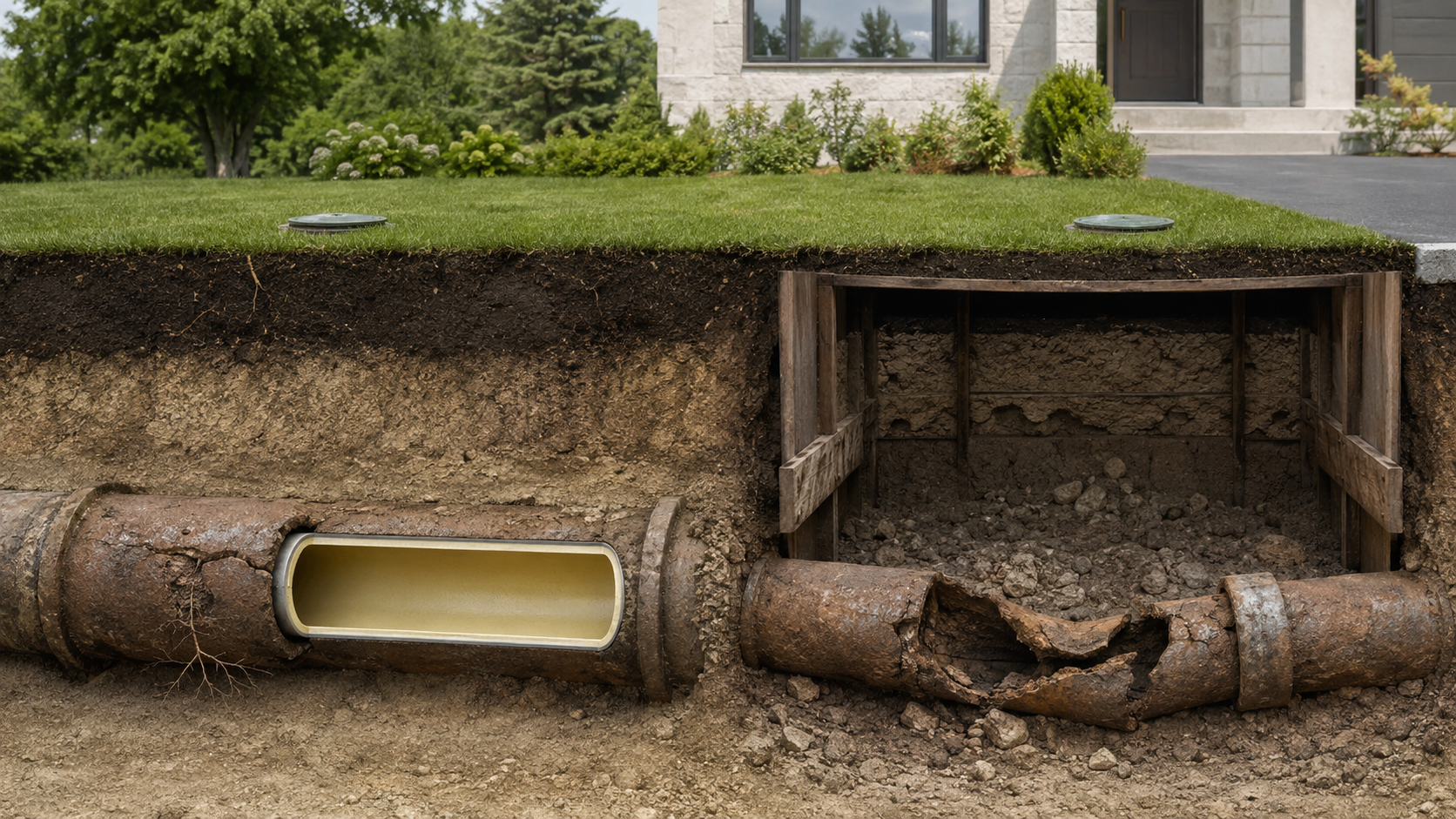
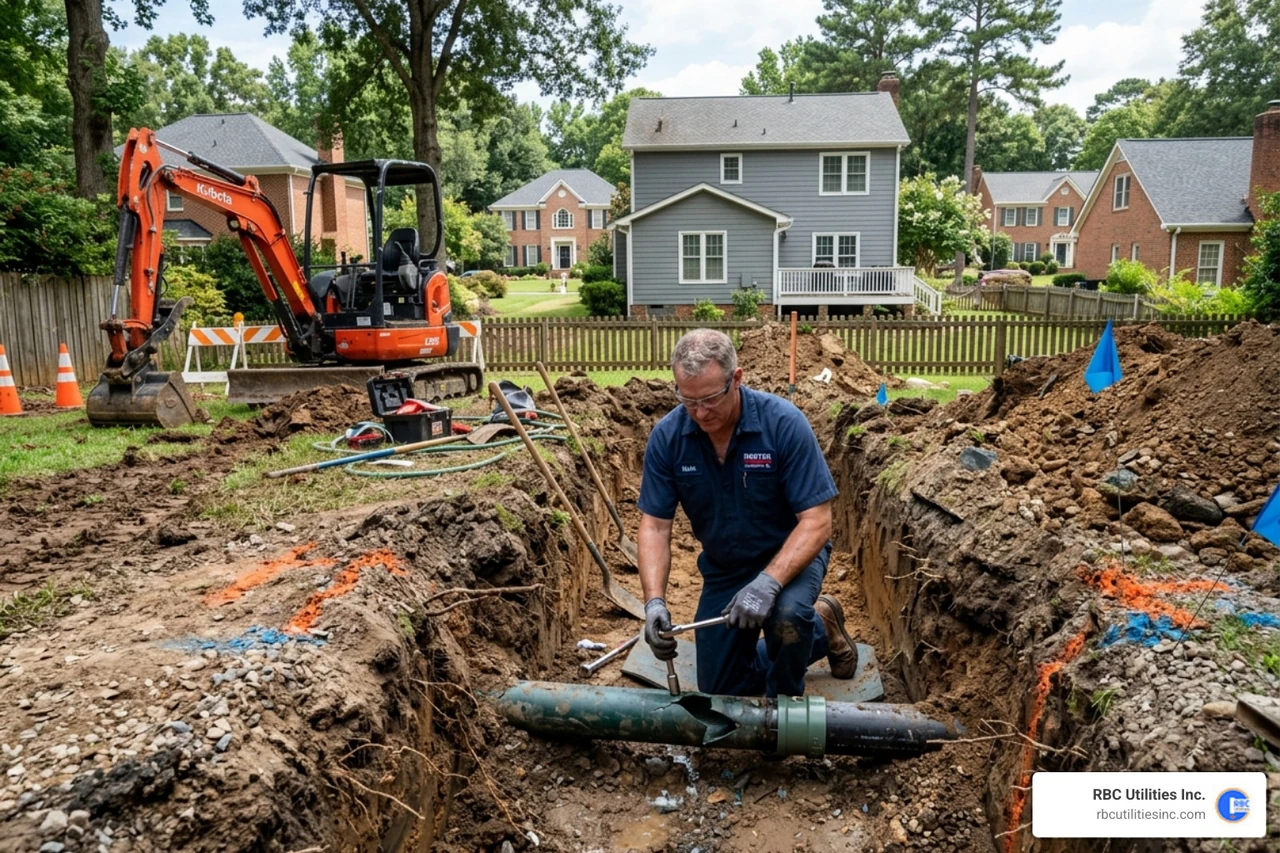
For commercial and municipal properties built before 2000, the underground pipes are often made of rigid materials like cast iron or vitrified clay. Unlike modern flexible plastics, these older materials do not handle ground movement well. Over time, the shifting Piedmont clay causes these pipes to crack, shear, and pull apart at the joints. Once a joint opens up, tree roots crawl inside to drink the nutrient-rich wastewater, creating blockages and structural collapses.
To prevent environmental contamination and comply with local regulations, proactive rehabilitation is essential. If you want to dive deeper into how new underground systems are safely placed in these challenging soils, take a look at our guide on underground utility installation NC. For existing systems, catching structural issues early with a targeted sewer line repair Charlotte plan is the key to preventing catastrophic failures.
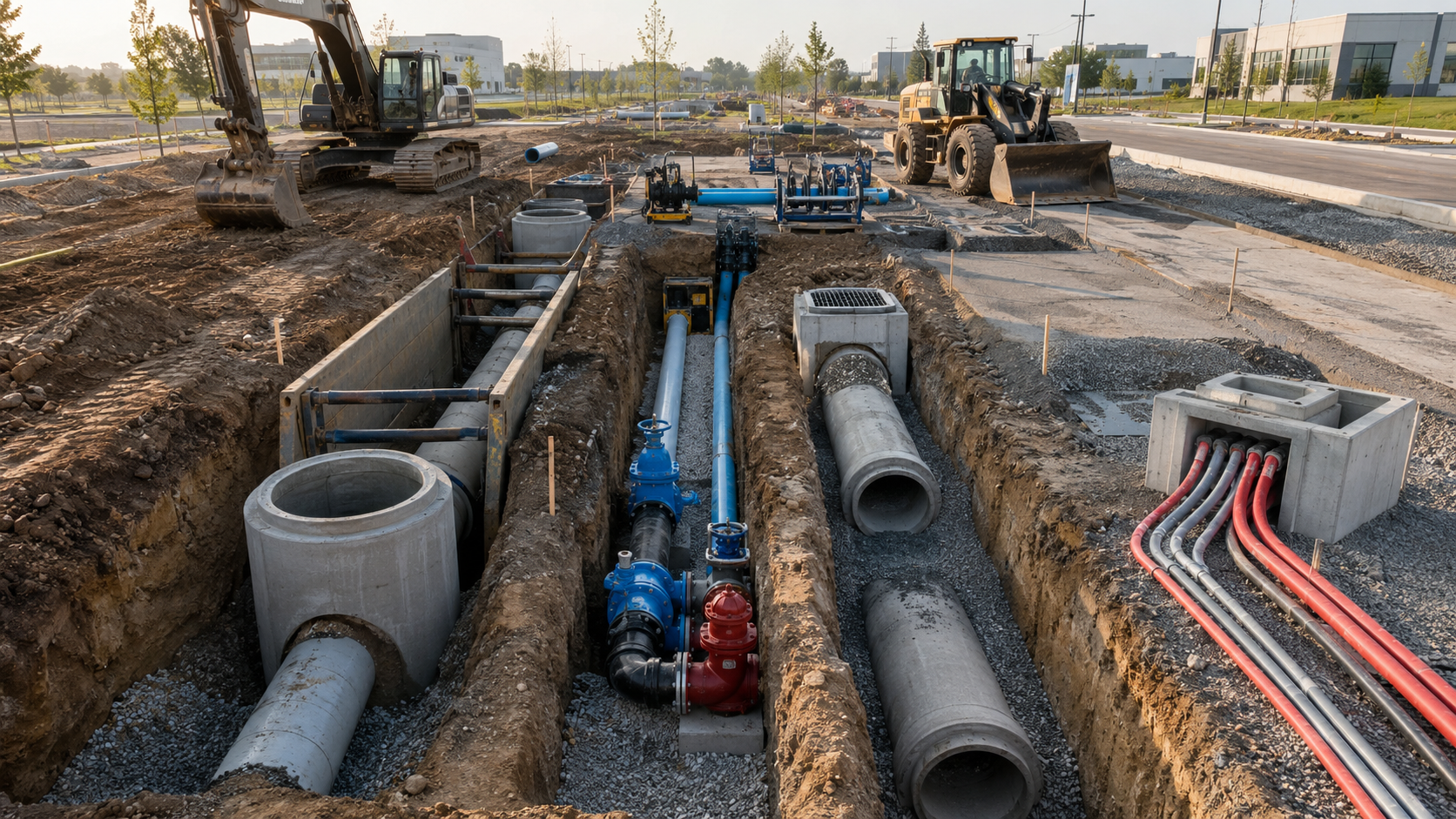
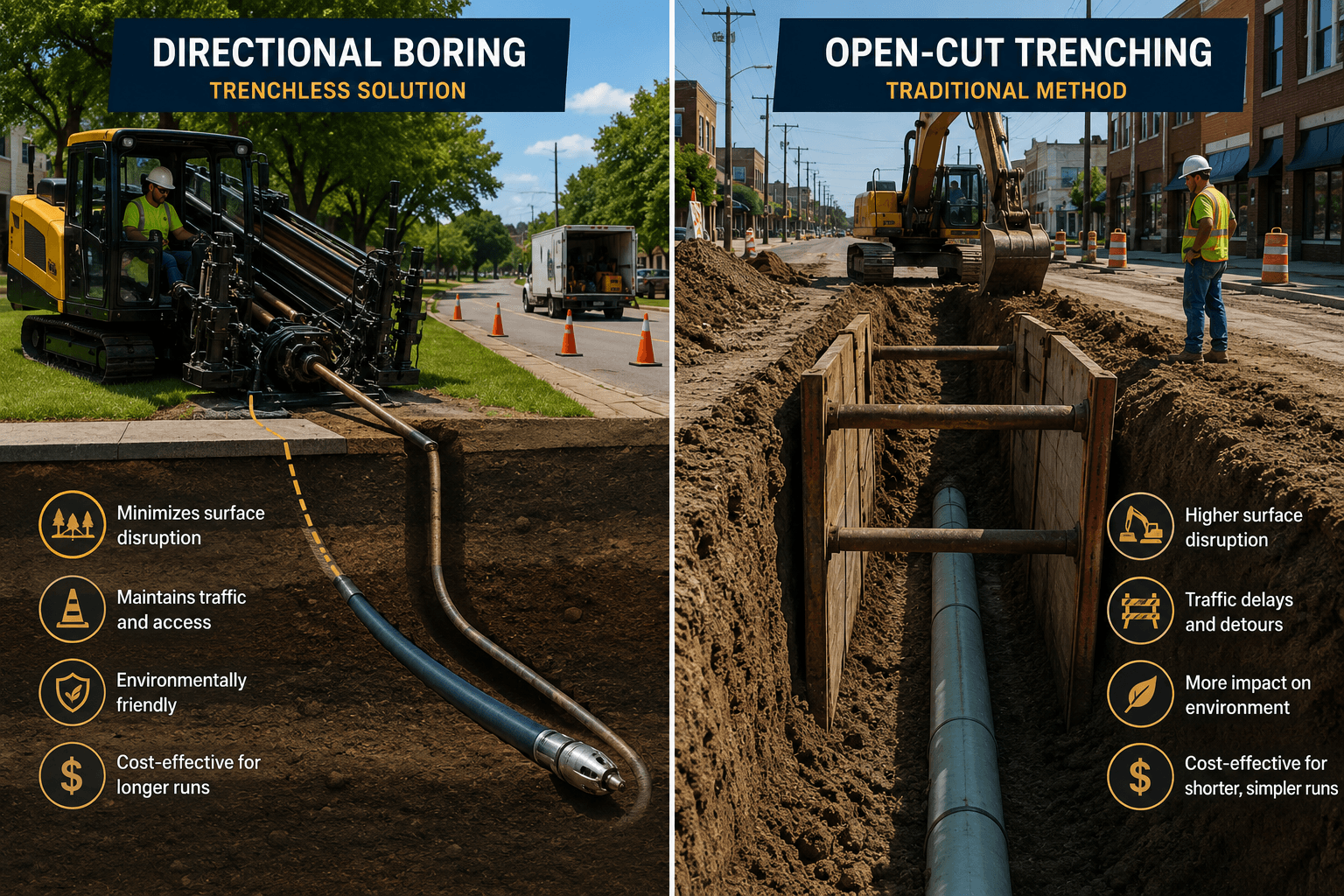
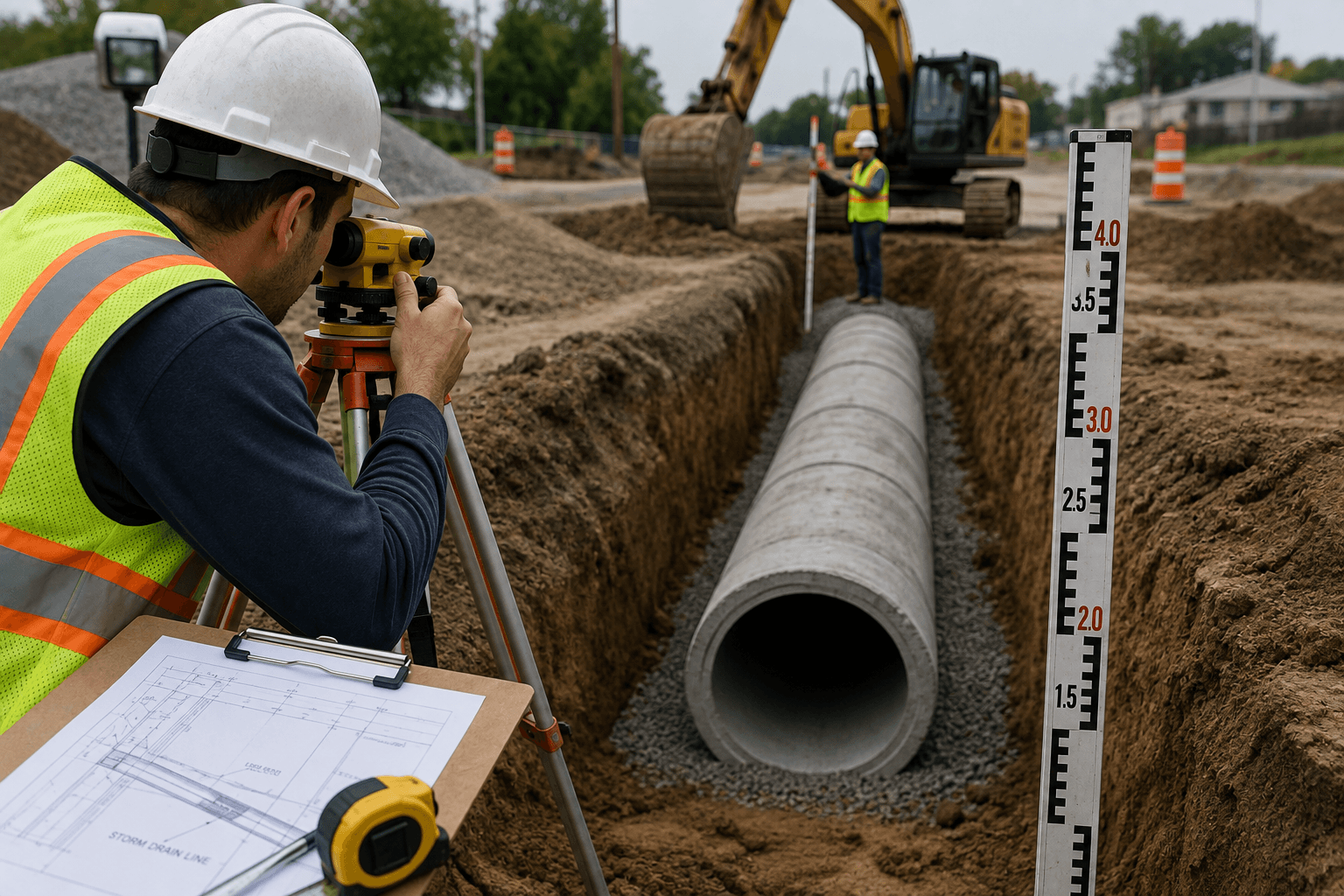
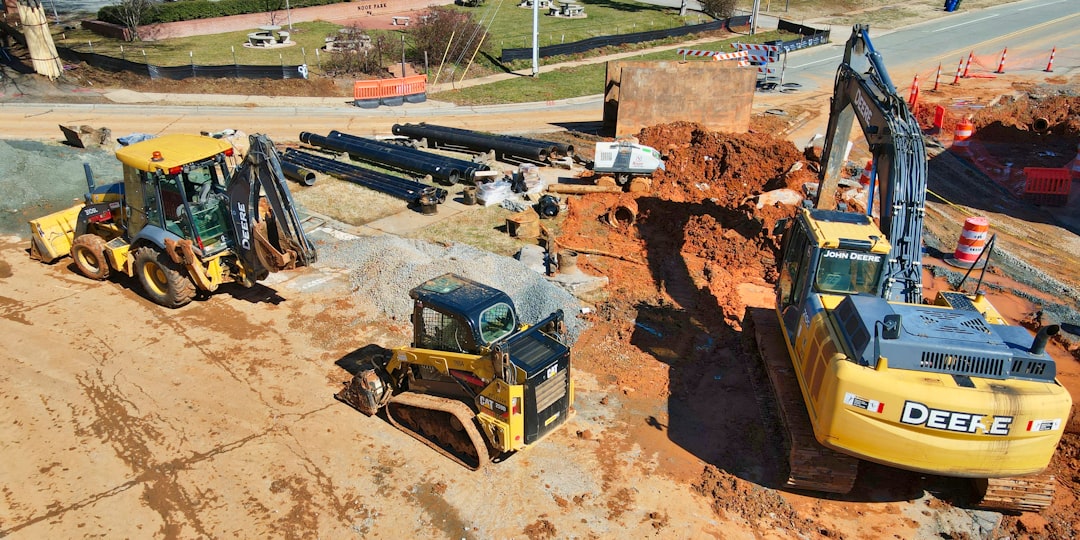
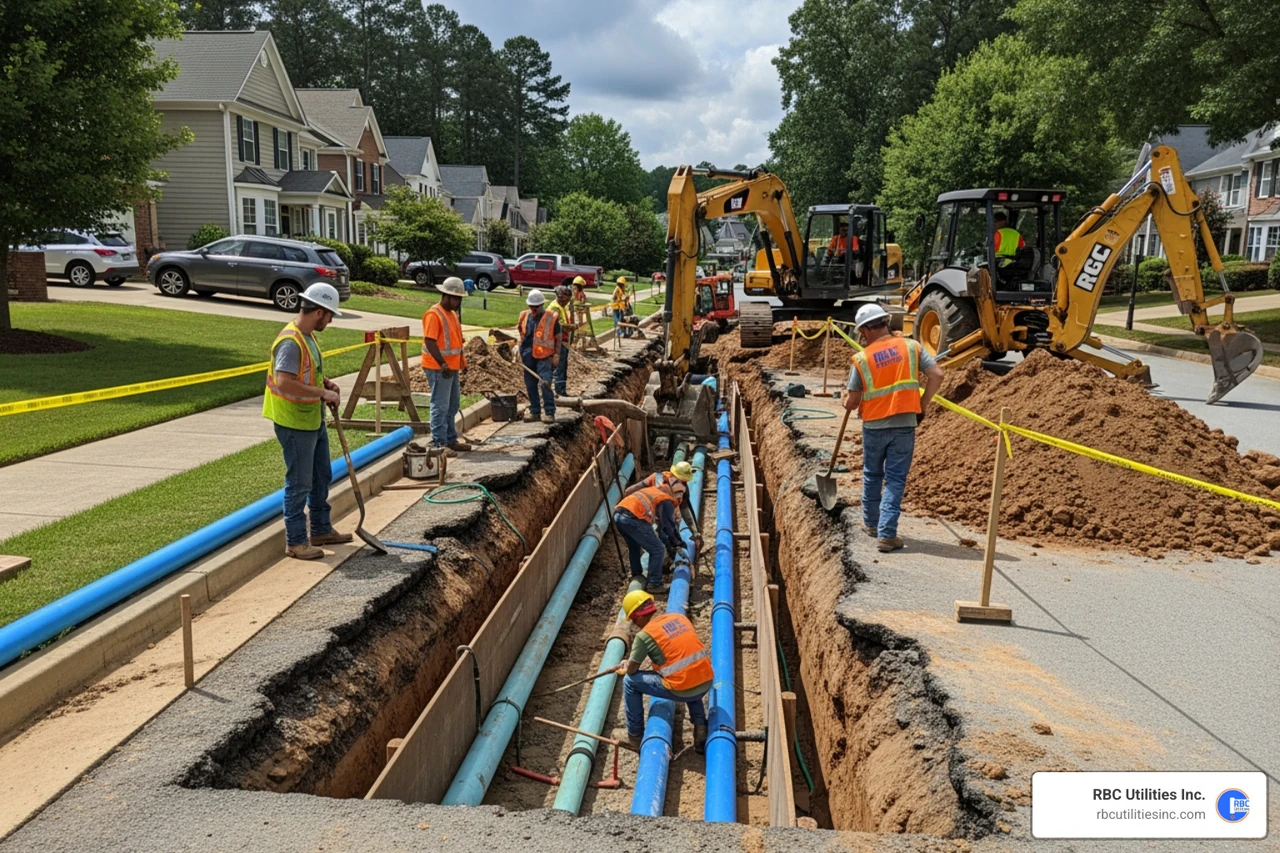
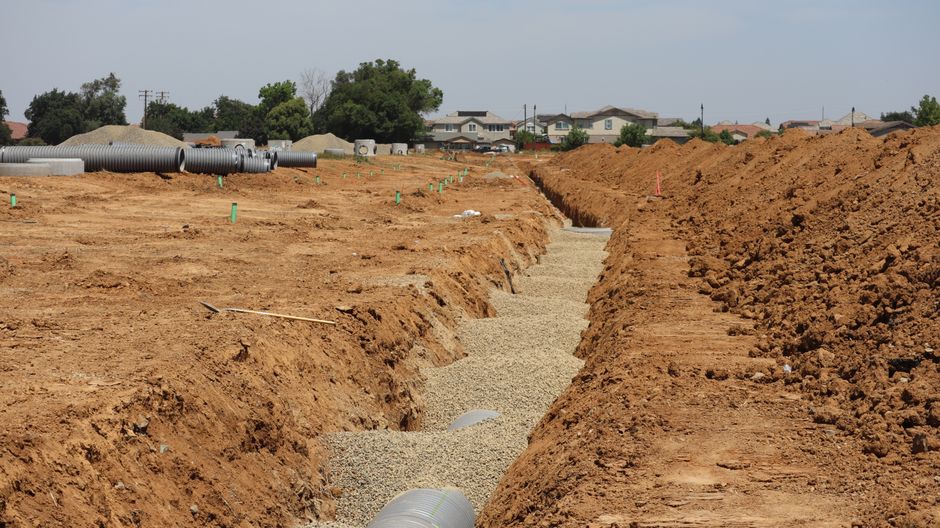
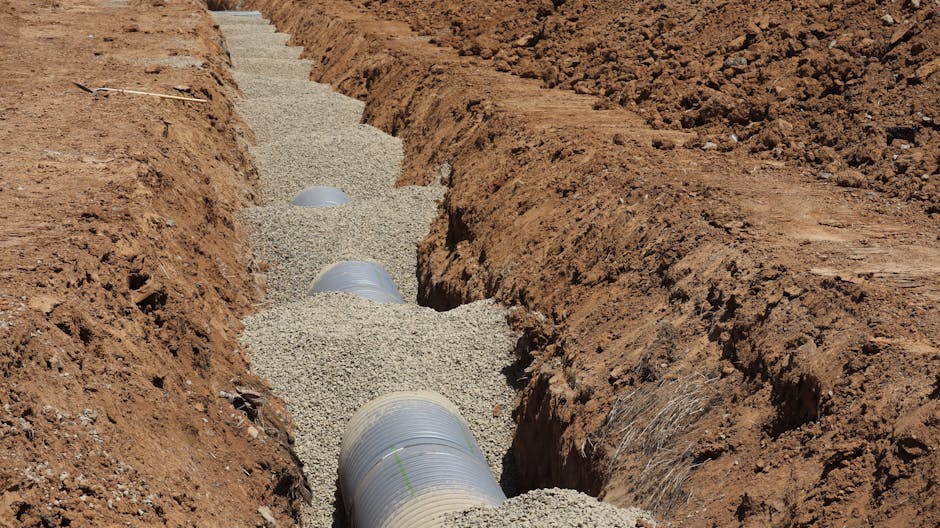
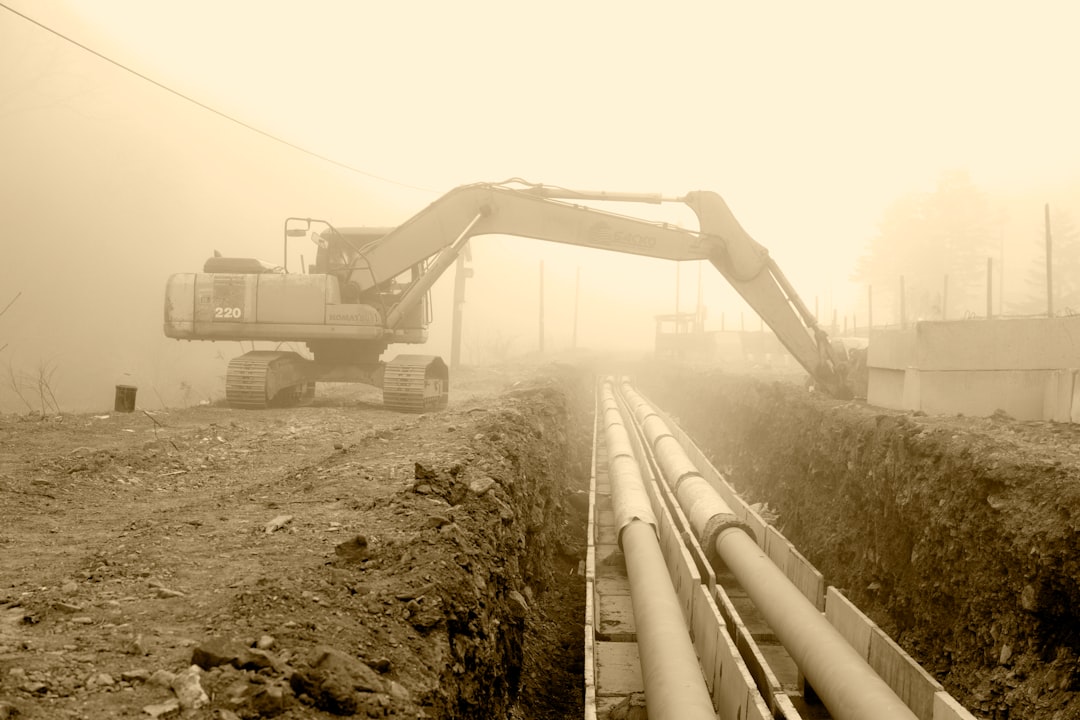
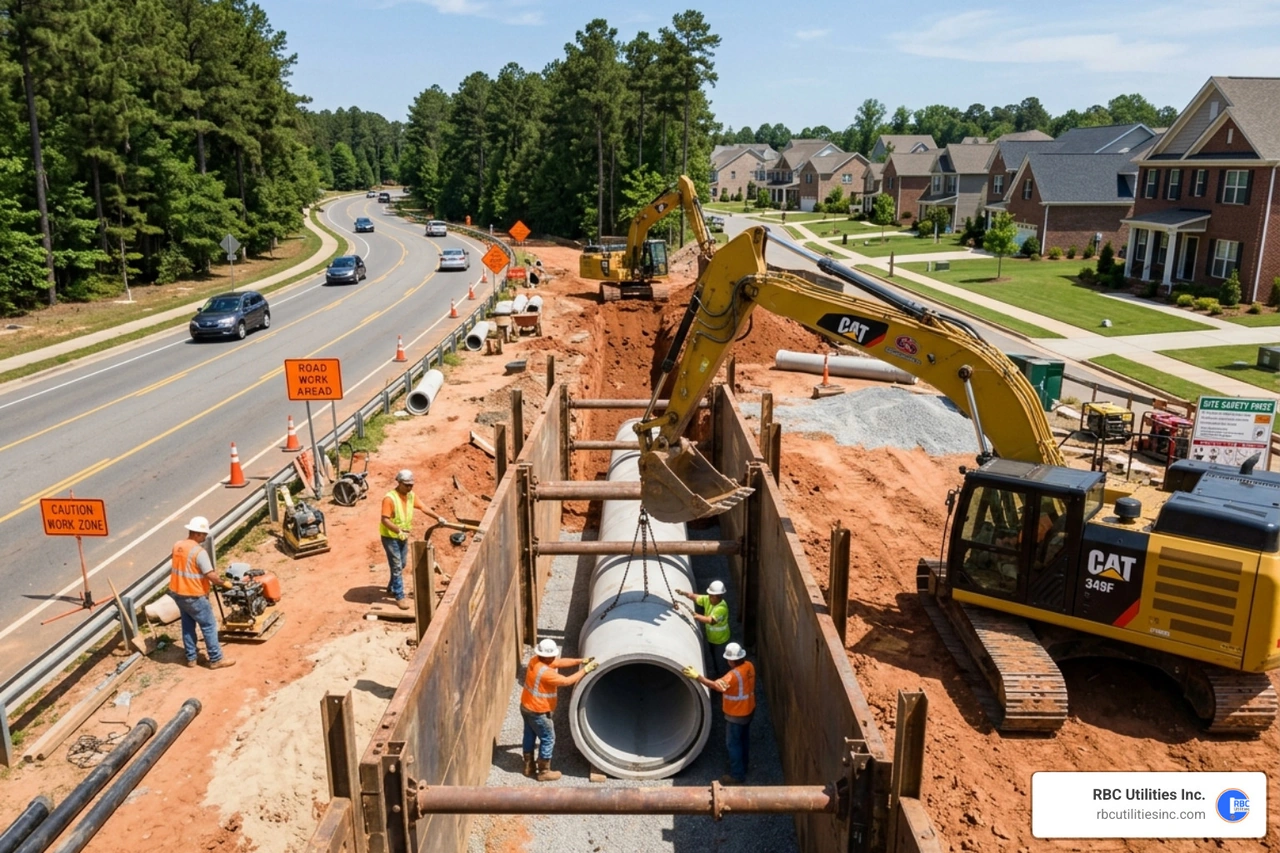
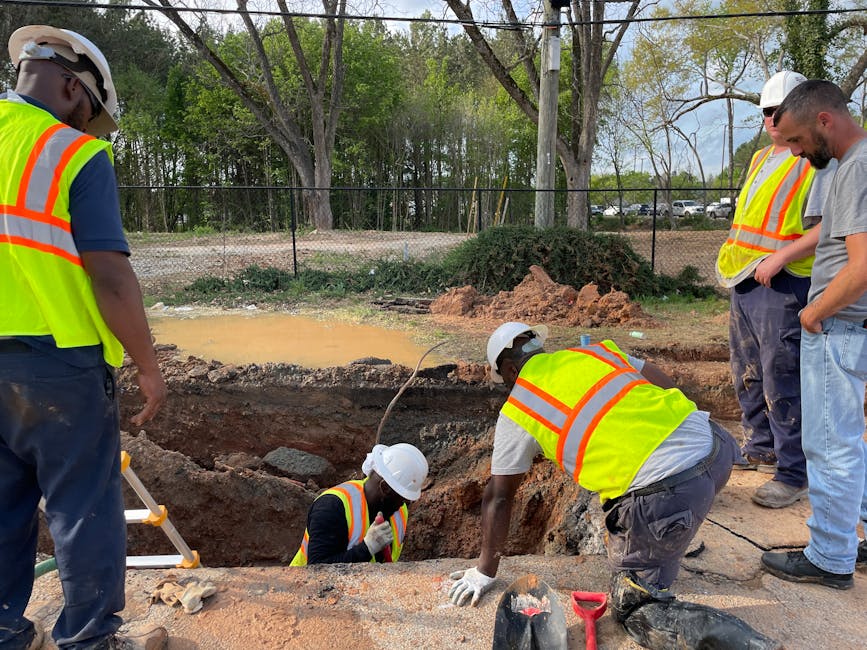
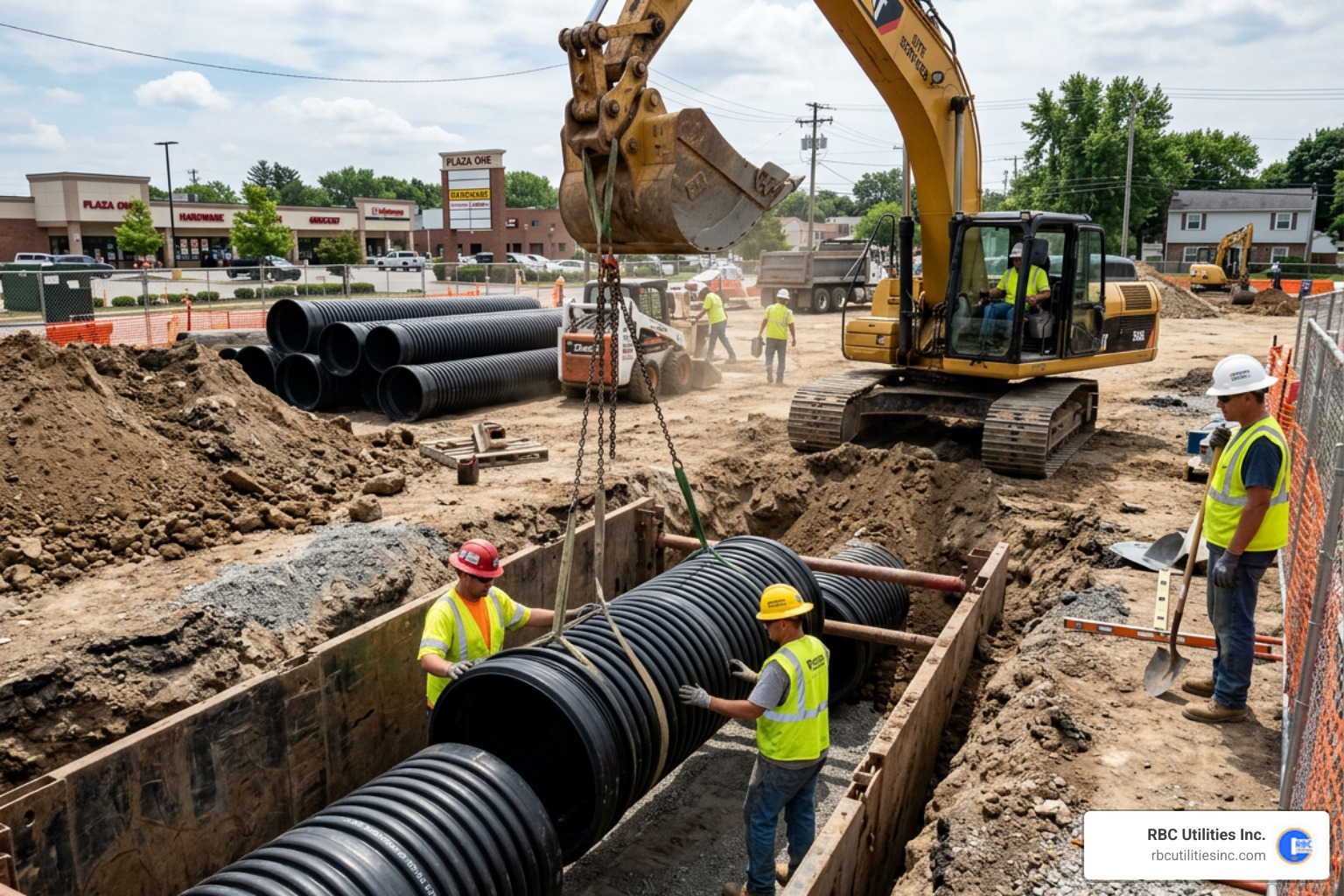
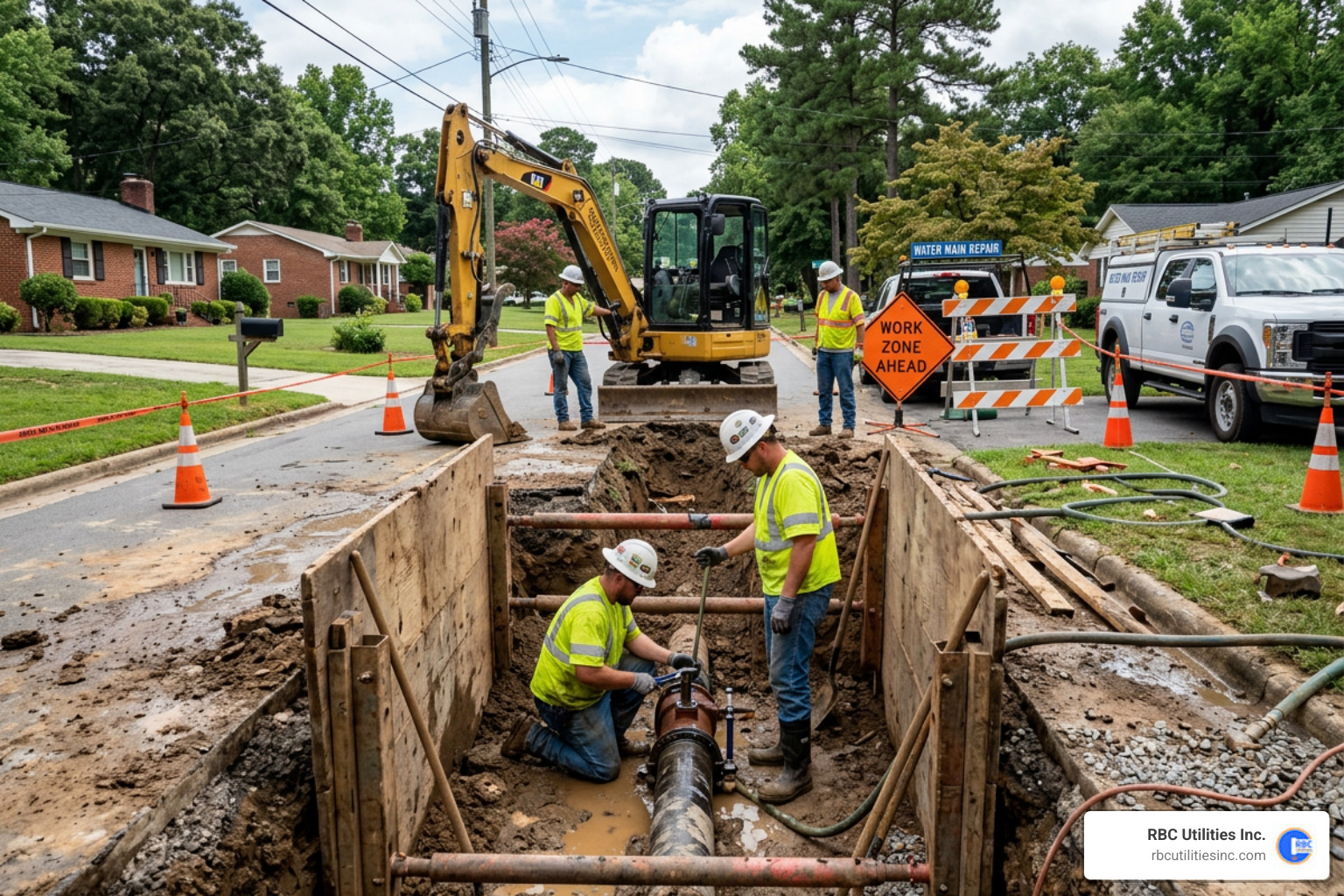
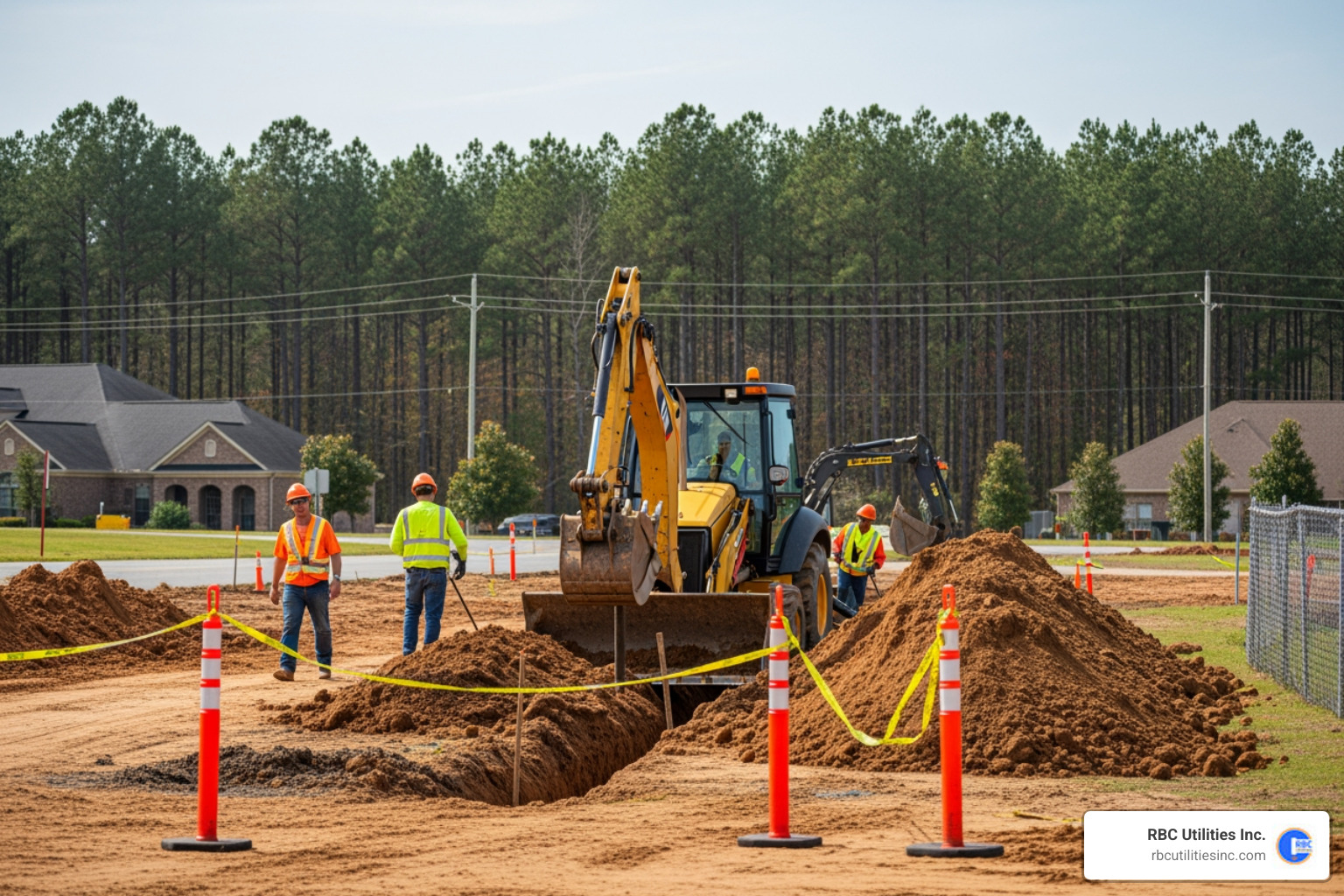
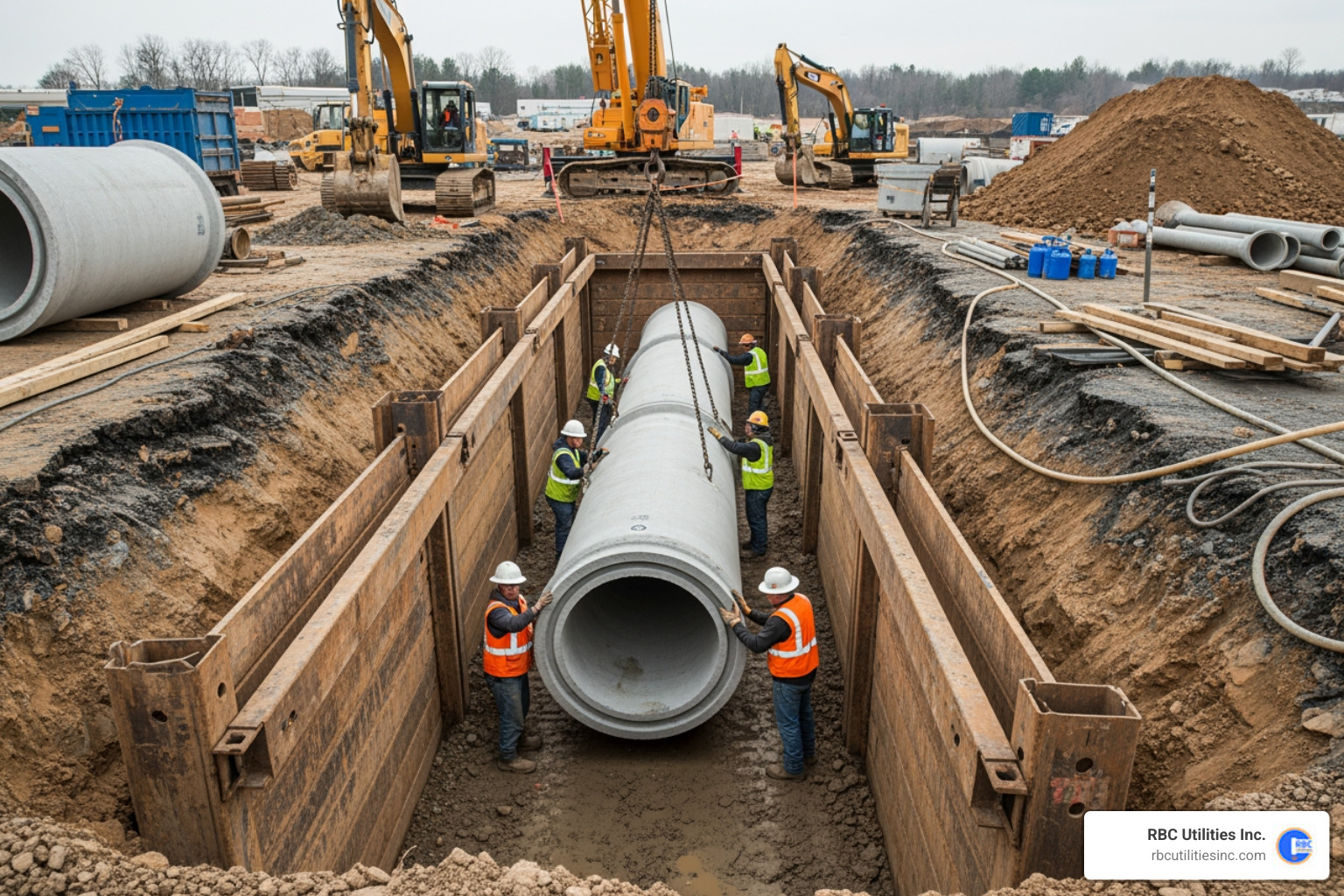
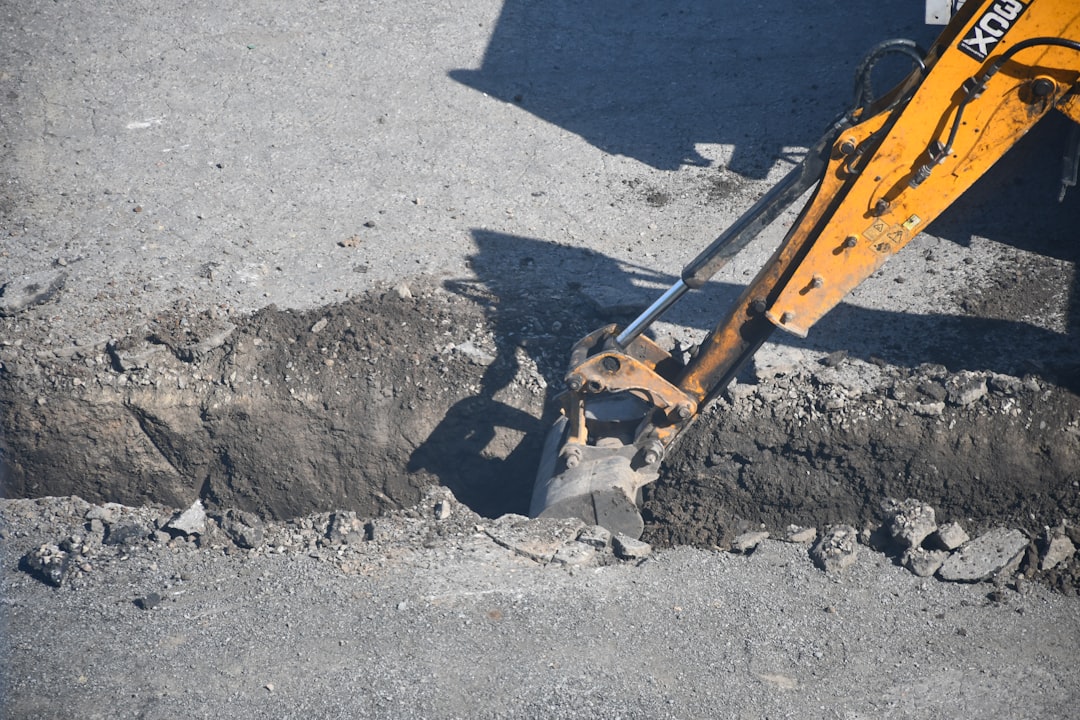
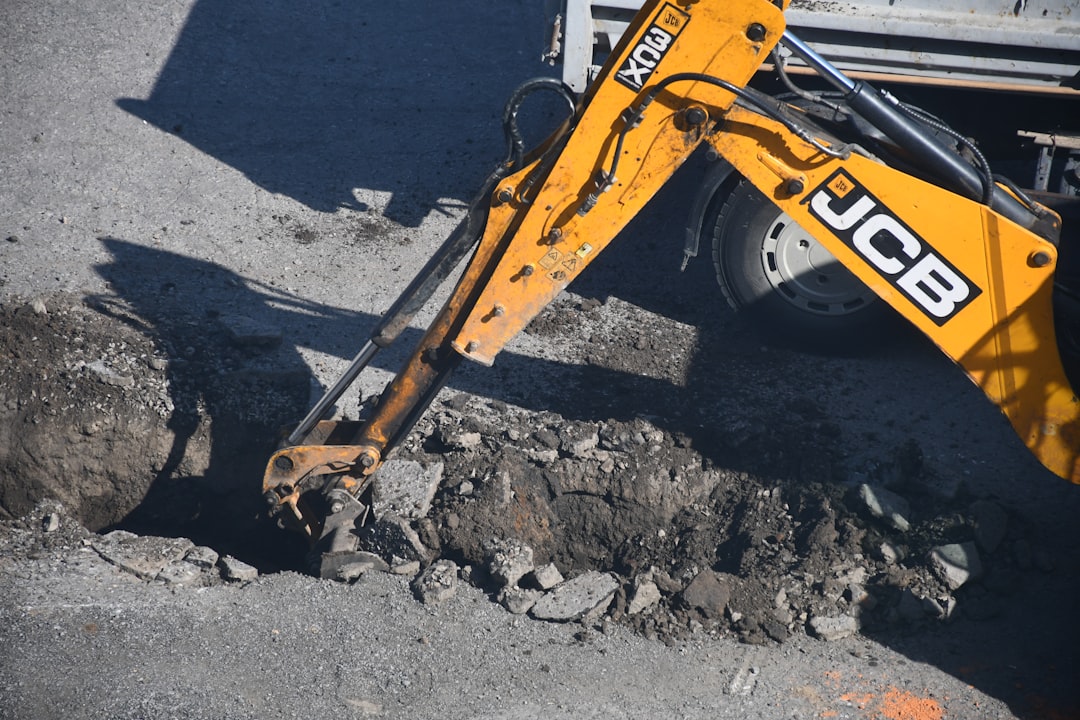
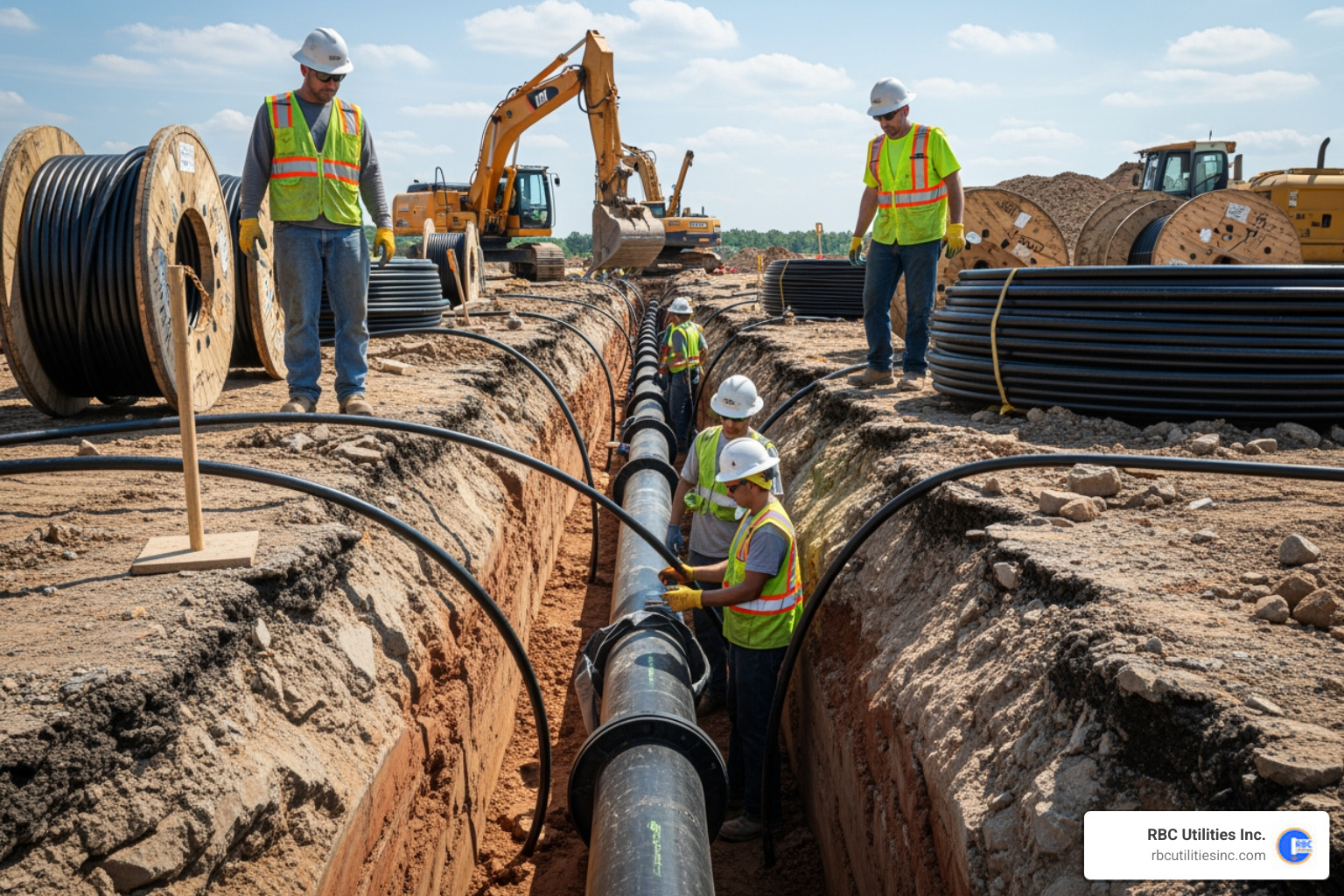
When a utility pipeline is compromised, historically the only option was "dig and replace." This traditional open-trench method requires heavy machinery to excavate a deep trench along the entire length of the pipe, physically removing the old line and laying a new one.
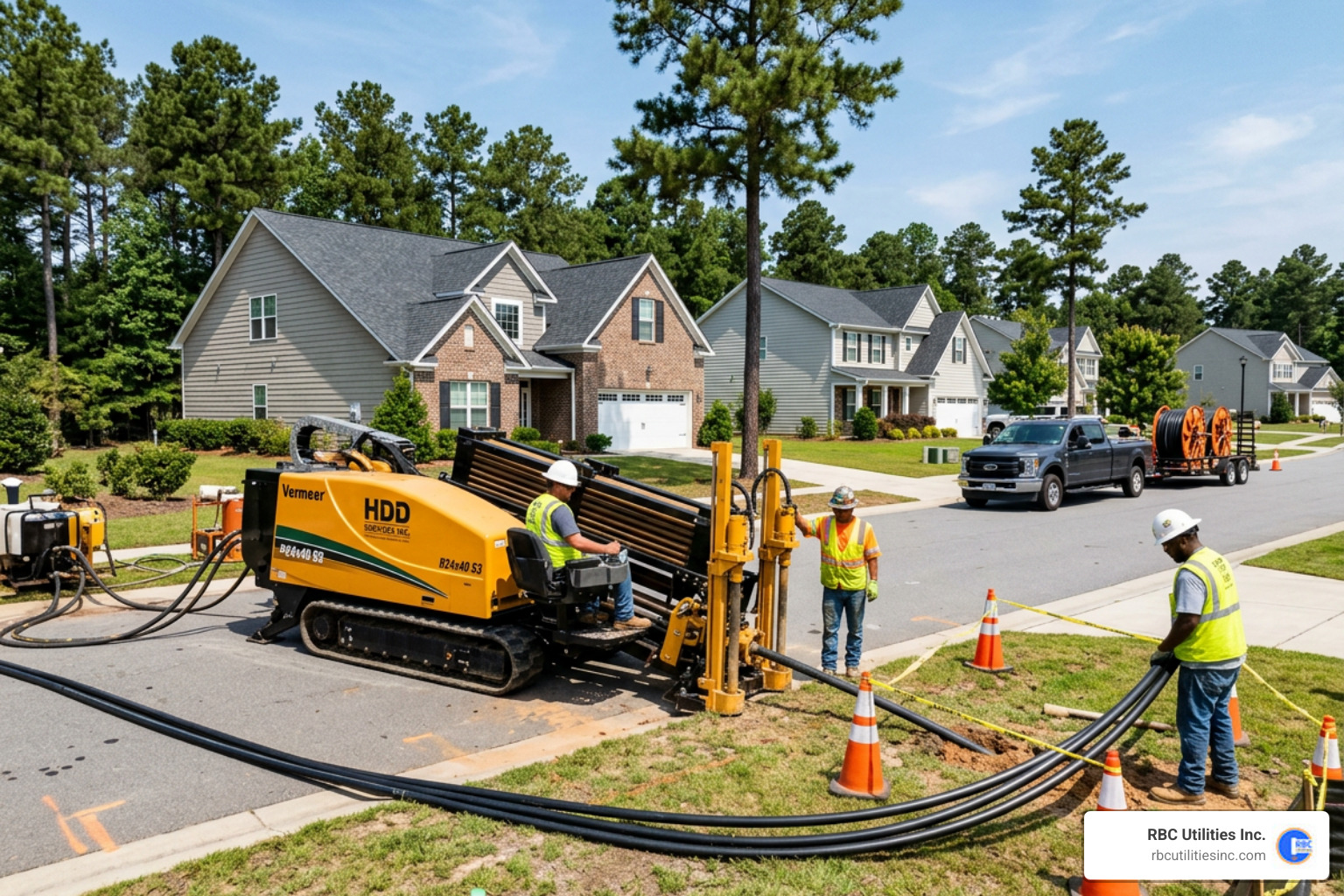
While open-trench excavation is still necessary for completely collapsed lines, modern trenchless technologies offer a safer, faster, and far less disruptive alternative. Let’s break down the primary trenchless methods used in Charlotte today:
CIPP is the workhorse of trenchless rehabilitation. In this process, a flexible fabric liner saturated with a liquid thermosetting resin is inserted into the damaged pipe through an existing manhole or cleanout. Once in place, the liner is inflated using water or steam. The heat cures the resin, turning the soft liner into a hard, jointless, and structurally sound "pipe-within-a-pipe." This method requires zero excavation, seals all cracks, eliminates joint leaks, and stops root intrusion in its tracks.
An advanced variation of CIPP uses ultraviolet (UV) light instead of steam or hot water to cure the resin. The liner is pulled into place, and a specialized light train is run through the pipe. The UV light triggers a rapid curing process. UV-Cured CIPP is highly precise, requires less energy, eliminates the chemical odors sometimes associated with steam curing, and yields an incredibly strong fiberglass-reinforced finish.
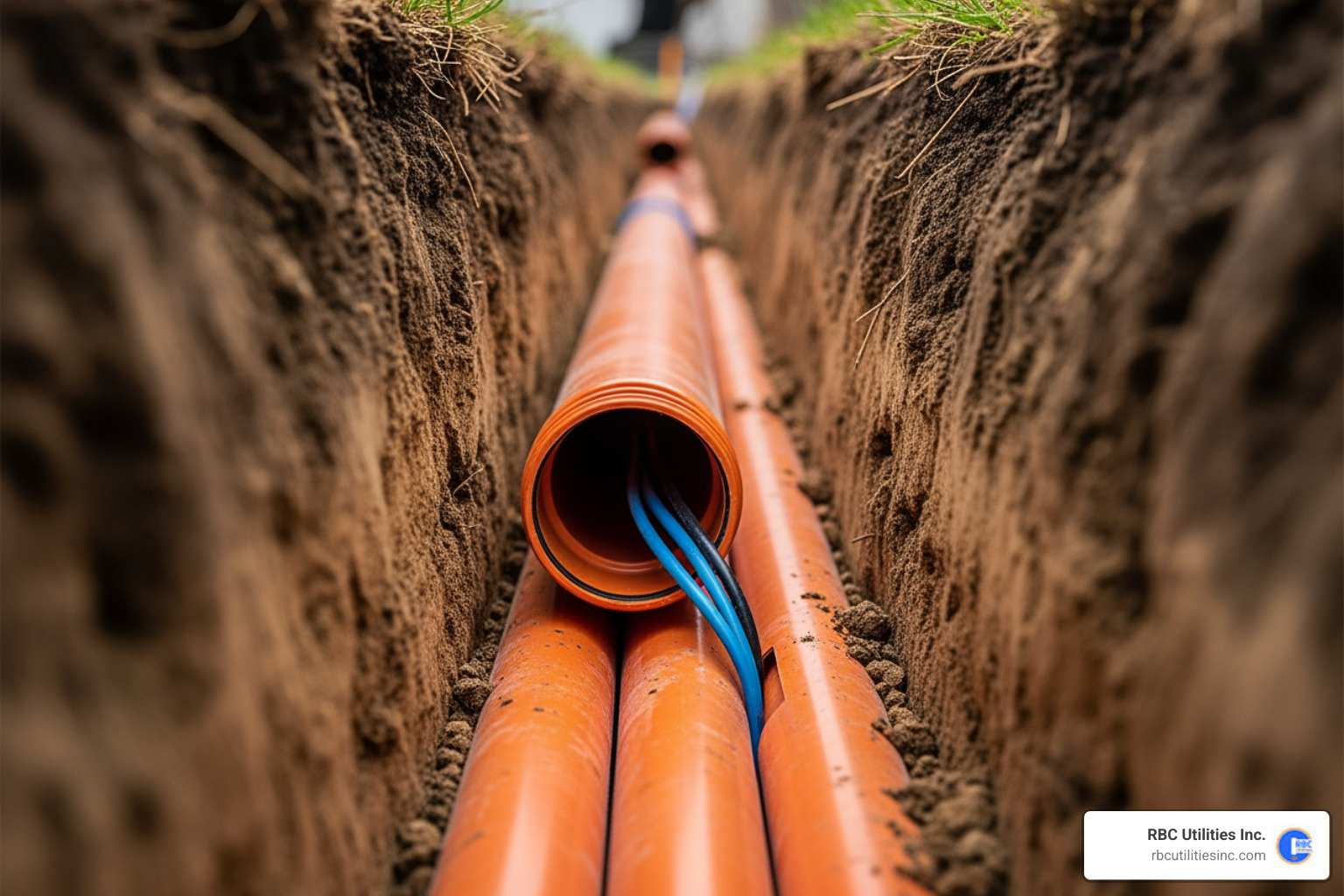
If a pipe is too severely fractured for a liner, or if the utility needs to be upsized to handle increased flow from Charlotte's rapid growth, pipe bursting is the go-to method. A heavy, cone-shaped bursting head is pulled through the old pipe. As it moves, it physically shatters the host pipe and pushes the fragments into the surrounding soil. Directly behind the bursting head, a brand-new High-Density Polyethylene (HDPE) pipe is pulled into the space. Pipe bursting requires only small launch and receiving pits rather than a continuous trench.
To learn more about how these methods are deployed across the region, read about our trenchless utility installation Carolinas services. If your project specifically demands excavation due to severe structural collapse, you can read our detailed breakdown of utility trench excavation Charlotte.
| Feature | Trenchless Rehabilitation (CIPP / Pipe Bursting) | Traditional Open-Trench Replacement |
|---|---|---|
| Excavation Required | Minimal (uses existing manholes or small access pits) | Extensive (continuous trench along the entire pipe length) |
| Project Timeline | 1 to 3 days for most standard runs | Weeks to months depending on depth and restoration |
| Surface Disruption | Extremely low; keeps roads, parking lots, and lawns intact | Extremely high; requires tearing up asphalt, concrete, and landscaping |
| Business Impact | Minimal; businesses can usually remain open with minor bypasses | High; can cause road closures, loss of parking, and business downtime |
| Restoration Costs | Very low (minor patching near access points) | Very high (repaving roads, rebuilding sidewalks, re-landscaping) |
| Design Life | 50 to 100 years | 50 to 100 years |
While trenchless materials can have a higher upfront cost per linear foot compared to basic raw pipe, the total project cost is almost always lower. When you factor in the massive savings from not having to repave parking lots, rebuild sidewalks, or compensate for lost business revenue, trenchless methods win by a landslide.
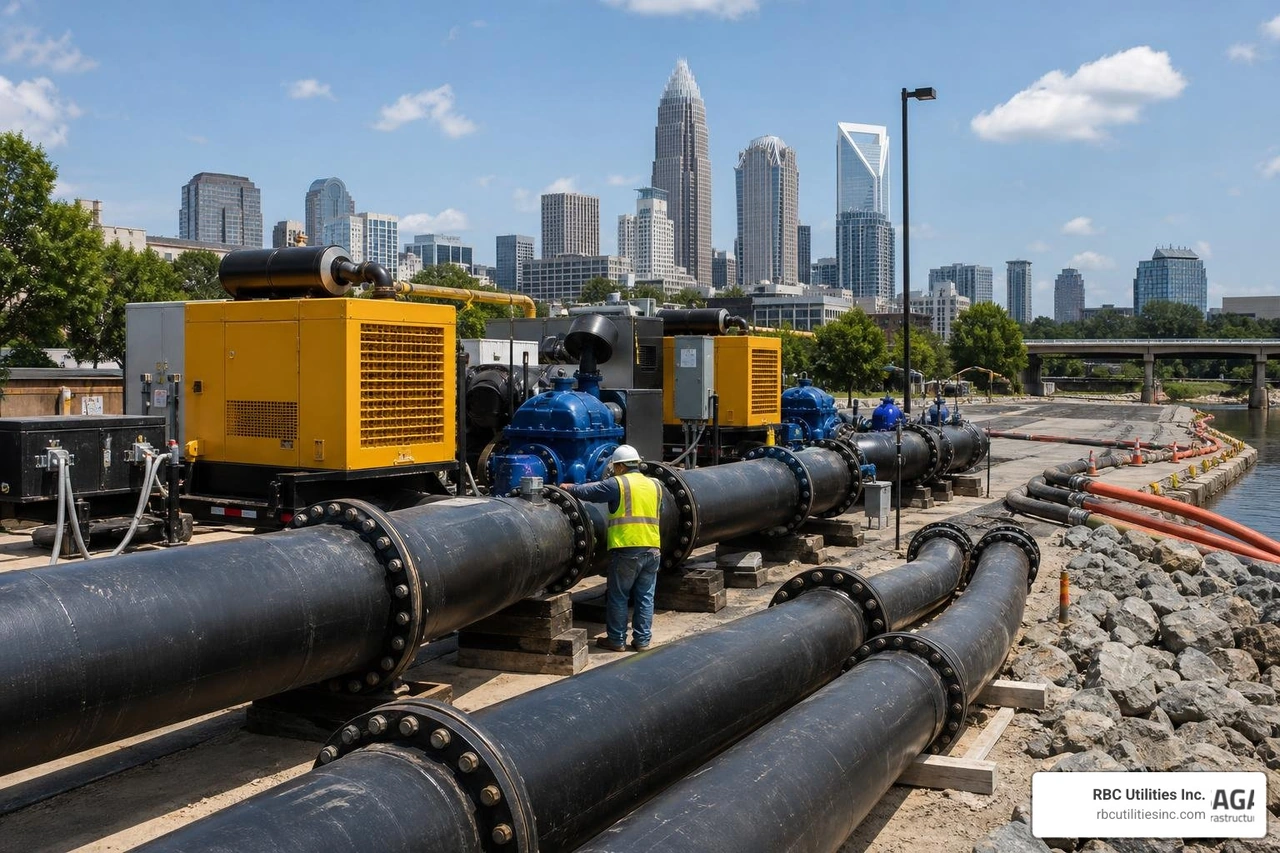
When we move from small-diameter commercial lines to massive municipal trunk lines, the engineering challenges scale up dramatically. Pipelines buried deep underground carrying millions of gallons of wastewater daily require extreme safety protocols and highly creative engineering.
Two major projects managed by Charlotte Water perfectly showcase the complexity of large-scale utility pipeline rehabilitation Charlotte initiatives:
This massive undertaking focuses on relining approximately 6,000 feet of 54-inch wastewater pipe with a project budget of $5.8 million. Because this pipeline serves a massive portion of south Charlotte, the work must be executed within existing easements with zero service interruptions.
To achieve this, crews set up temporary above-ground bypass systems to route the wastewater around the work zone while CIPP liners are installed through existing manholes. Phase 2 of this program pushes boundaries even further, targeting 22,900 feet of 54-inch sewer utilizing UV-CIPP, making it one of the largest UV-cured lining projects ever attempted in the United States.
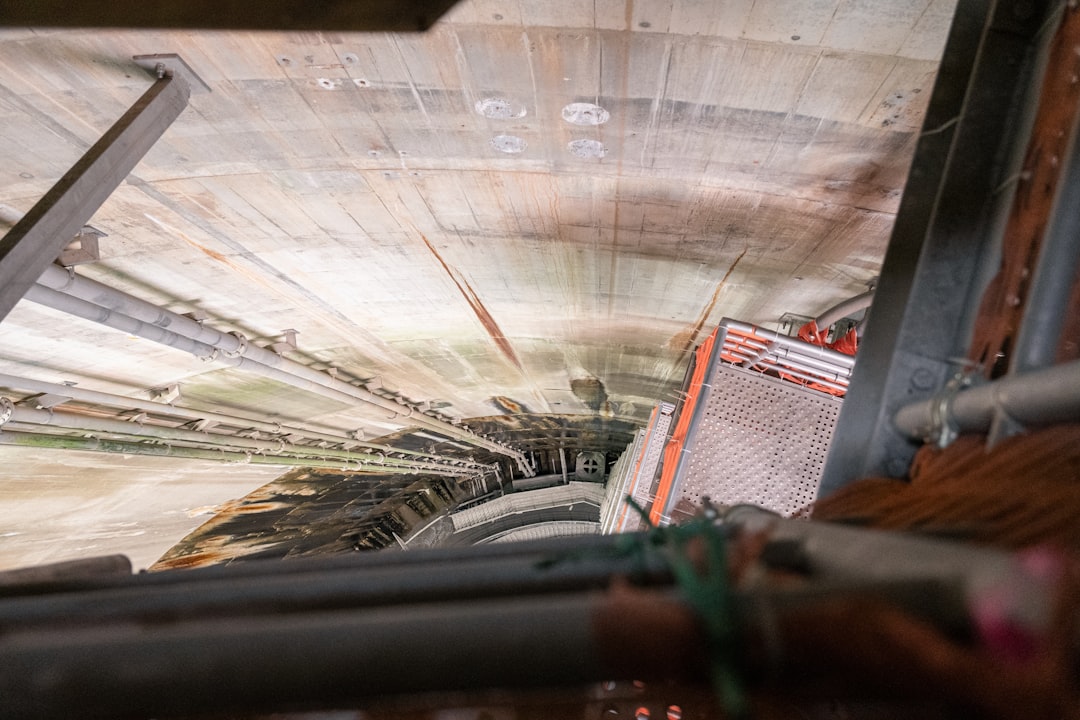
This project dealt with an aging concrete sewer main installed in the 1960s that was suffering from severe hydrogen sulfide corrosion. The pipe was buried up to 64 feet deep at its midpoint, with half a mile of space between some manholes. To make things more interesting, the pipeline route crossed under two major four-lane roads, a busy shopping mall, and big-box store parking lots.
The engineering solutions implemented were nothing short of incredible:
For a deep dive into the engineering calculations and logistics of this monumental project, read the full Lining Charlotte's Main 78 Sewer Case Study.
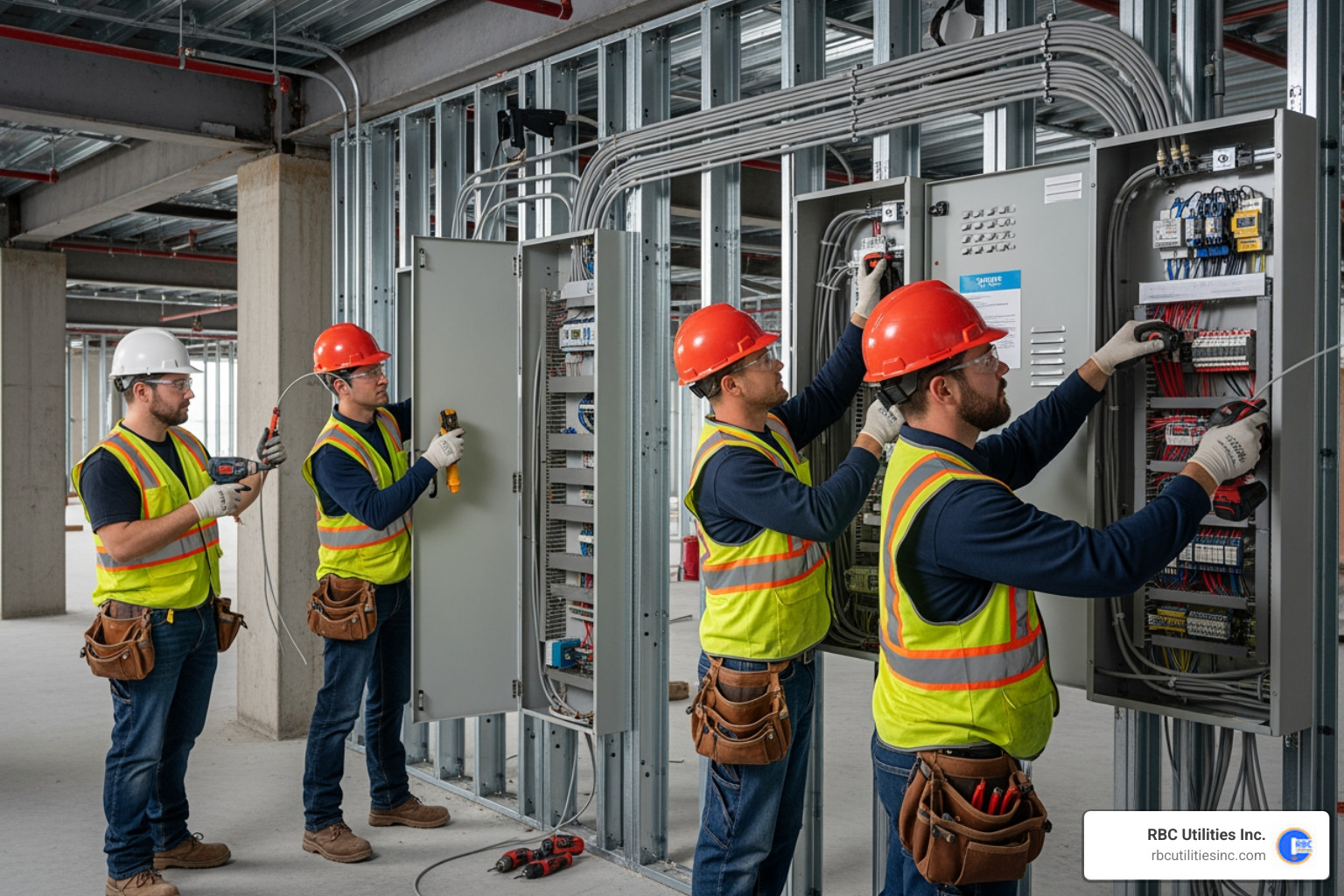
These massive projects highlight why strict safety protocols are non-negotiable. Confined space entry permits, continuous atmospheric gas monitoring (to protect workers from toxic gases like hydrogen sulfide), and robust trench shoring are standard practices for our crews to ensure everyone goes home safely at the end of the day.
Modern pipeline rehabilitation is as much about digital data as it is about heavy machinery and resins. Charlotte Water’s highly successful program relies on a sophisticated mix of data integration, GIS mapping, and advanced inspection tools to maximize their annual $13 million rehabilitation budget (which includes $7 to $8 million dedicated specifically to small-diameter "Find-and-Fix" contracts).
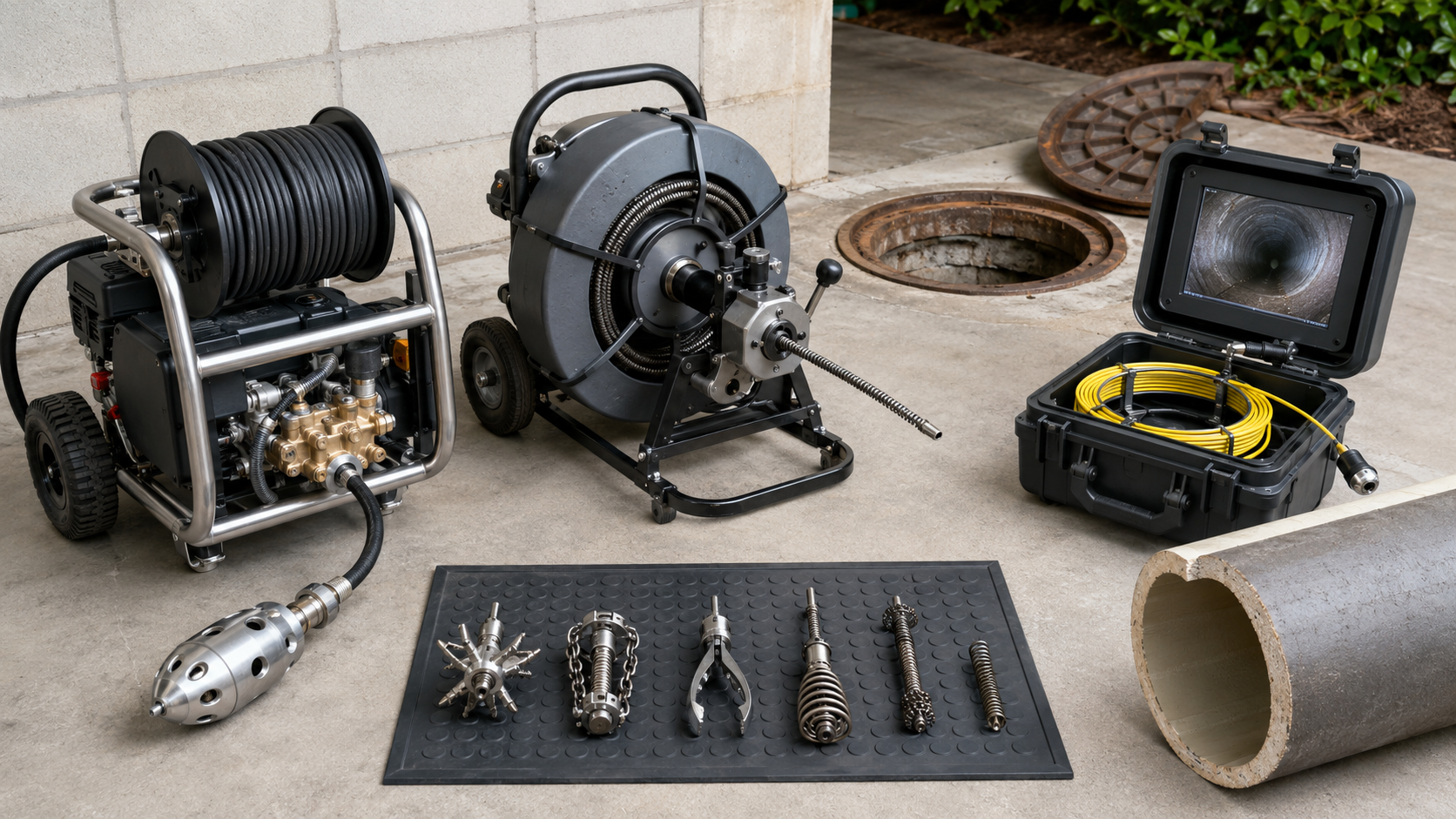
To prevent pipeline failures before they happen, the city utilizes several high-tech diagnostic tools:
All of this inspection data is integrated into asset management software like InfoMaster and synced with Geographic Information Systems (GIS). When an inspection reveals a structural defect, the system automatically coordinates the data to generate a work order in Cityworks. This seamless integration allows the city to fast-track repairs, saving over $8 million since 2000 through efficient planning.
To learn more about how digital workflows keep municipal systems running smoothly, check out the Digital Innovation and Data Integration Presentation or read the Charlotte Water Sanitary Sewer Rehabilitation Program Overview.
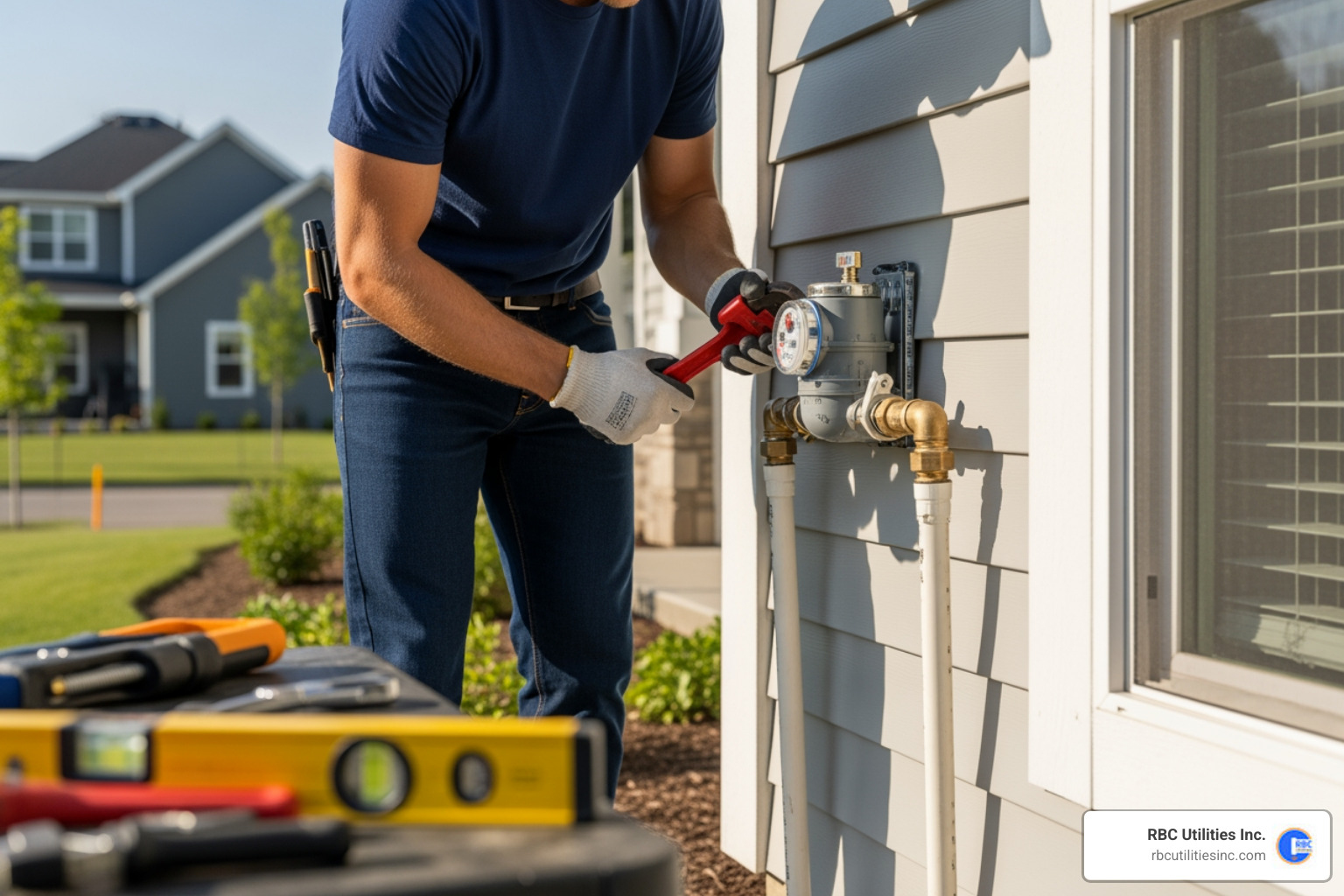
If you own a commercial property, manage a multi-family housing complex, or oversee an industrial facility in Charlotte, a failing sewer or water line is a major liability. A single backup can force your business to close, violate health codes, and lead to thousands of dollars in lost revenue.
When faced with pipe problems, how do you decide between trenchless rehabilitation and a full traditional replacement?
If your system is past the point of rehabilitation and requires a complete structural overhaul, you will need professional sewer pipe replacement services. If you are dealing with localized issues under a commercial building, look into our targeted commercial sewer line repair solutions to keep your business running smoothly. We also provide comprehensive commercial sewer line services to handle ongoing maintenance.
When installed correctly by experienced professionals, trenchless rehabilitation solutions are designed to last for generations. CIPP liners use high-grade structural resins that create a seamless, corrosion-resistant barrier with a design life of 50 years or more. For projects utilizing pipe bursting with High-Density Polyethylene (HDPE) pipe, the new pipe has an expected service life of 75 to 100 years, easily matching or exceeding the lifespan of brand-new traditional pipes.
Charlotte's native Piedmont clay undergoes heavy "shrink-swell" cycles as moisture levels change. This constant soil movement puts massive stress on rigid, jointed pipes like cast iron, concrete, and vitrified clay, leading to cracks and shear failures. When we design rehabilitation solutions in Charlotte, we prefer seamless, flexible materials like CIPP or HDPE. Because these materials lack joints and can slightly flex with soil movement, they are highly resilient against the shifting forces of Piedmont clay.
In most cases, commercial property insurance covers sudden, accidental water damage caused by a pipe failure, but it rarely covers the cost of repairing or replacing the actual pipe itself if the failure was caused by wear-and-tear or age. However, investing in trenchless pipe lining is highly regarded as an excellent preventative maintenance step. By proactively lining aging pipes, you eliminate the liability exposure of catastrophic sewage backups, protecting your property from massive future water damage claims and protecting your business from operational downtime.
Safely maintaining and restoring Charlotte's underground infrastructure requires a careful mix of local expertise, advanced trenchless technology, and a strict commitment to safety protocols. Whether we are dealing with shifting Piedmont clay under a commercial parking lot in SouthPark or navigating deep sewer trunk lines near McAlpine Creek, trenchless utility rehabilitation offers a reliable, cost-effective, and minimally disruptive path forward.
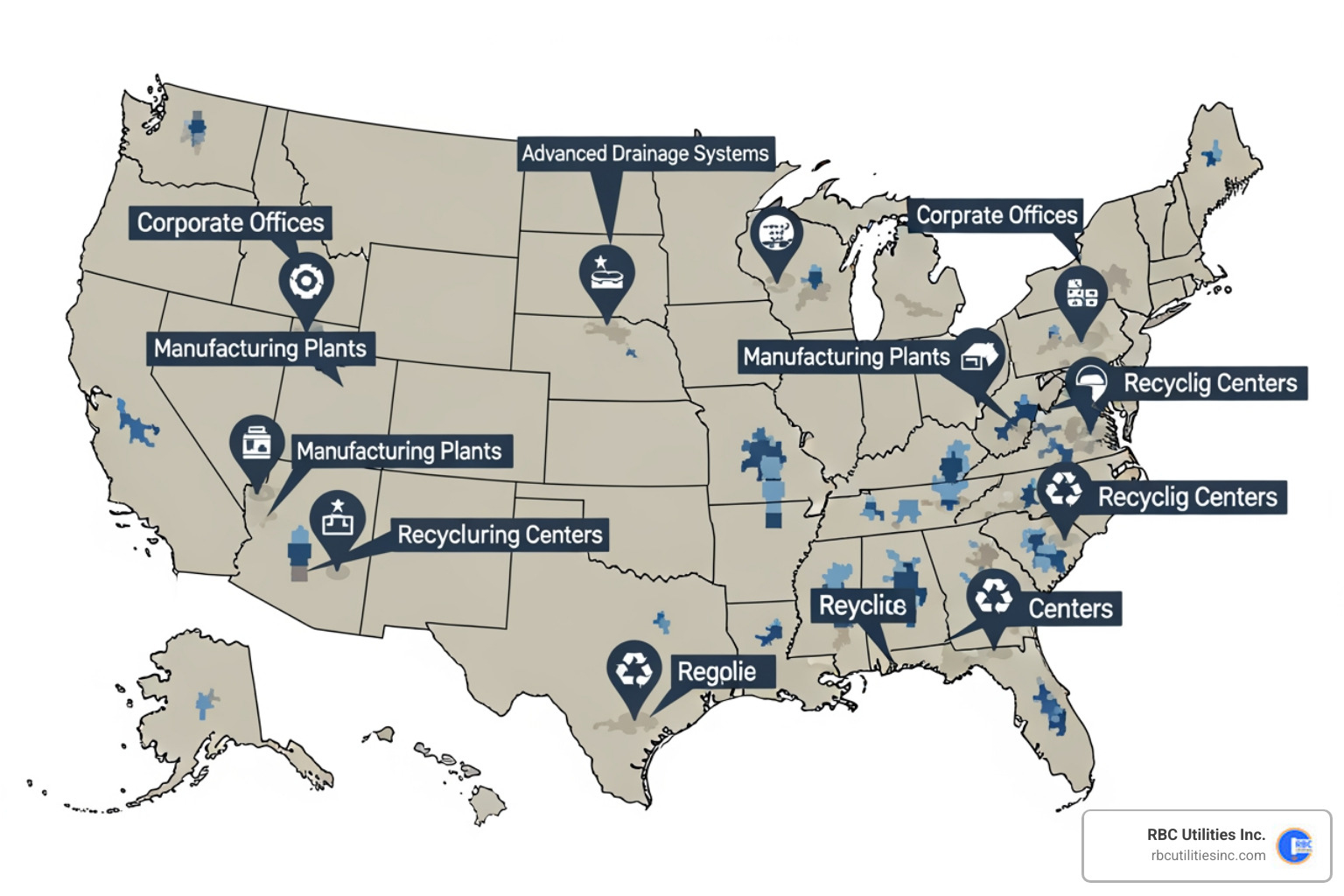
At RBC Utilities Inc., we combine our deep, local Carolinas expertise with the extensive national resources of Saga Infrastructure. Our mission is to build reliable, long-lasting underground systems while ensuring the safety of our crews, our clients, and the communities we serve.
If you suspect your property's utility lines are showing signs of age, don't wait for a costly emergency. Learn more about our services today, and let's discuss how we can restore your pipelines safely, efficiently, and for the long haul.
Part of Saga Infrastructure, protecting what others built and helping it grow.
Address: 4404 Stuart Andrews Blvd., Suite K, Charlotte, NC 28217
Email: info@rbcutilities.com
Phone: 803-913-9727
Service Area: North Carolina | South Carolina