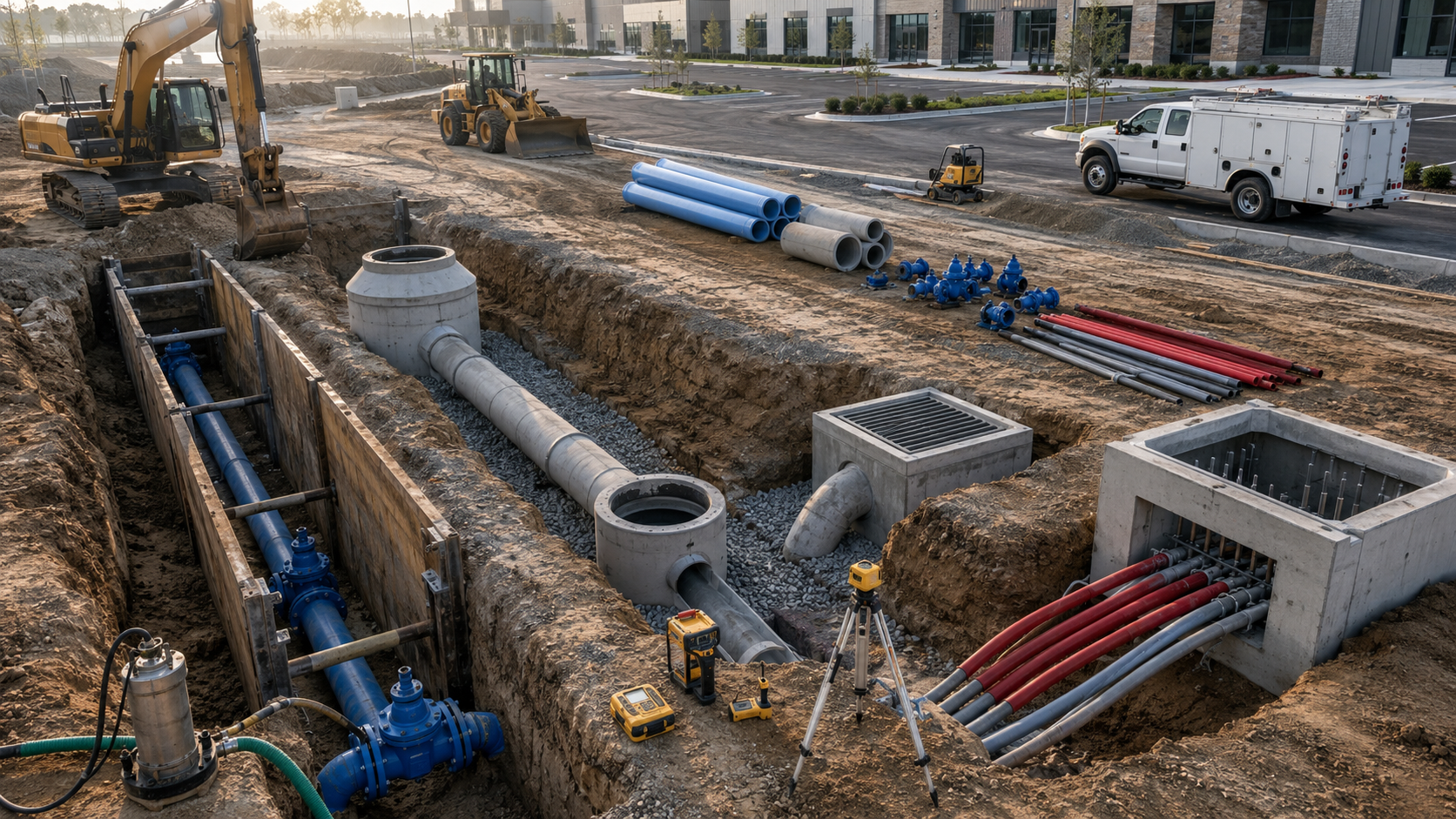
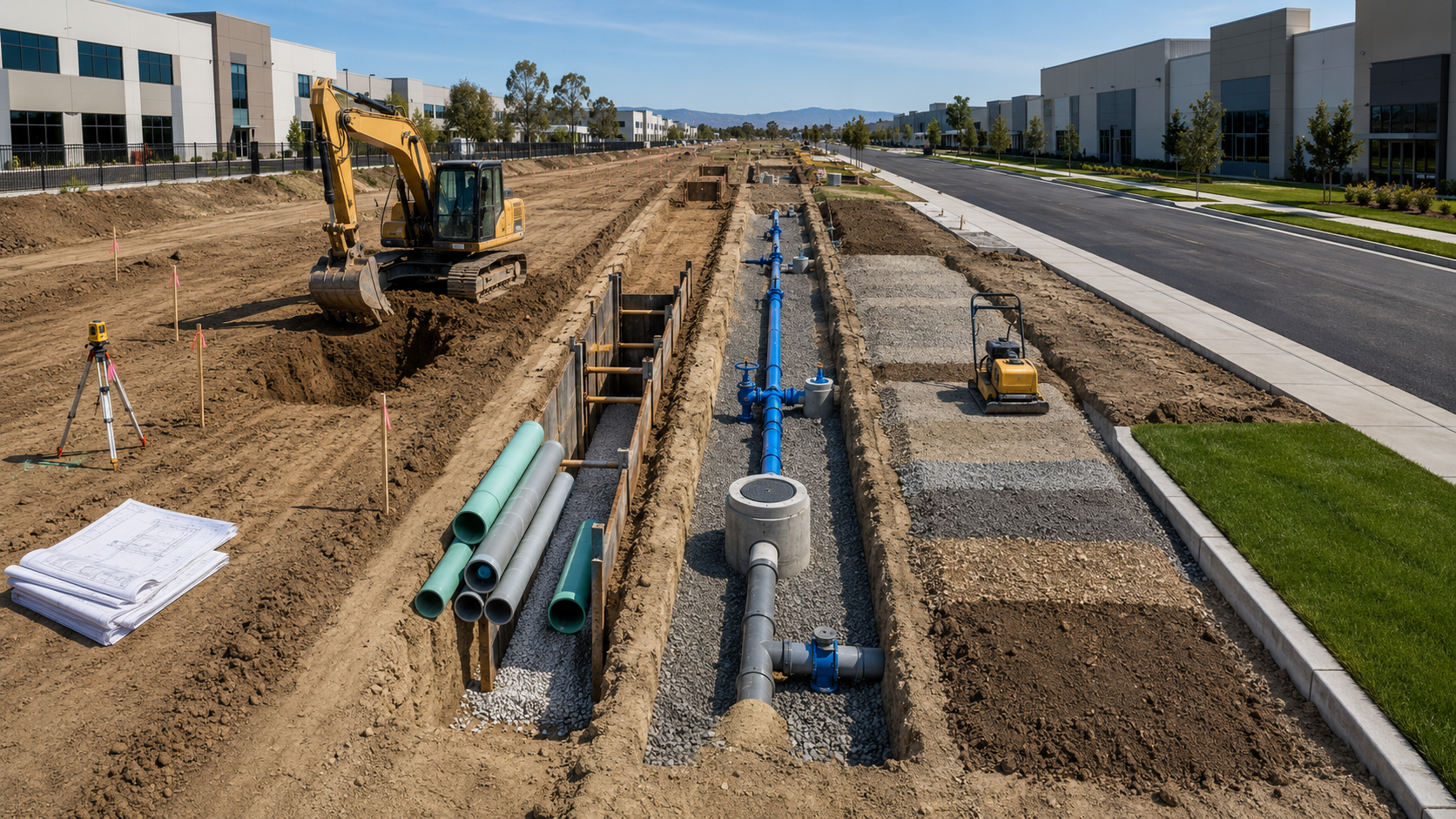
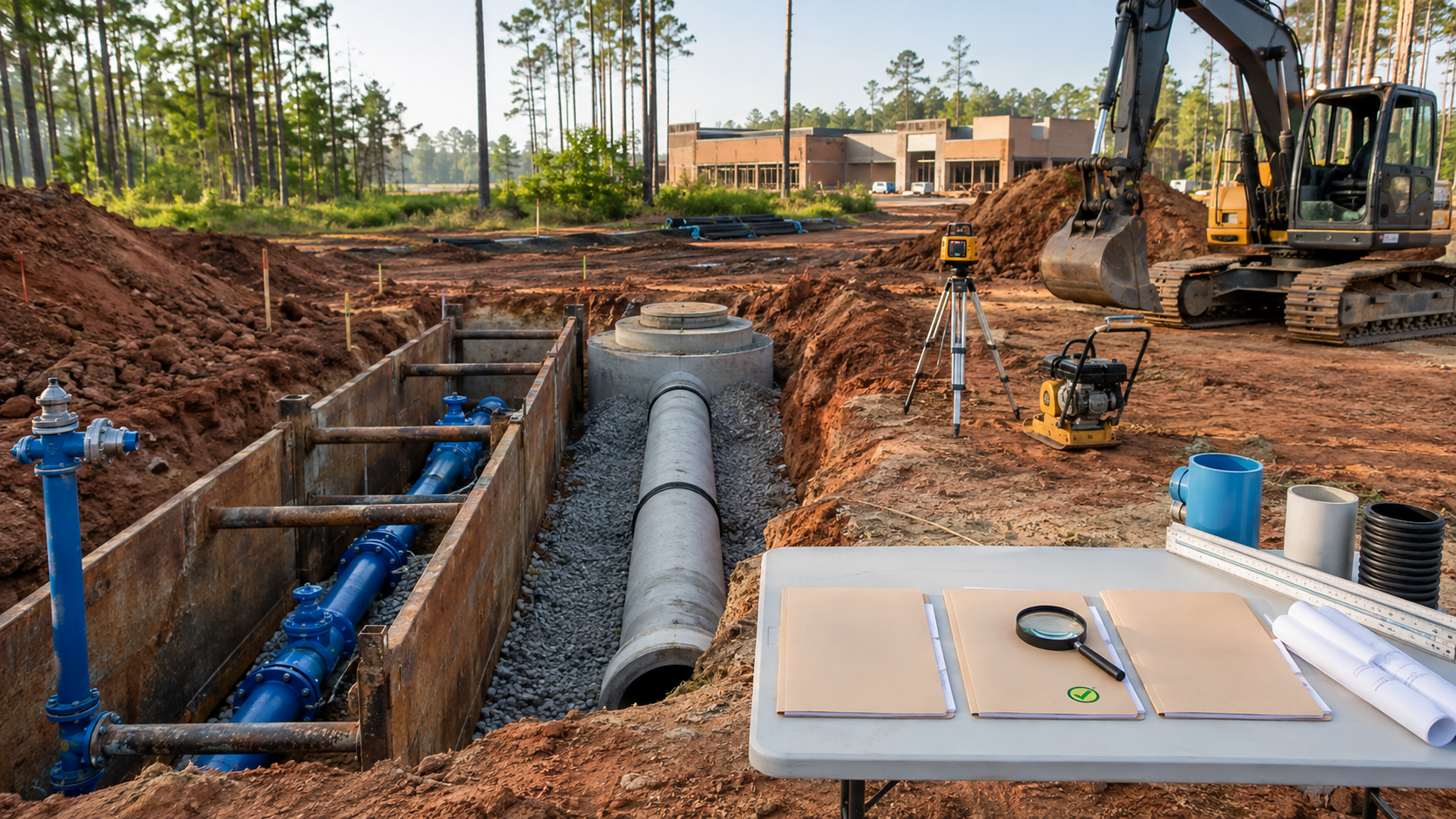
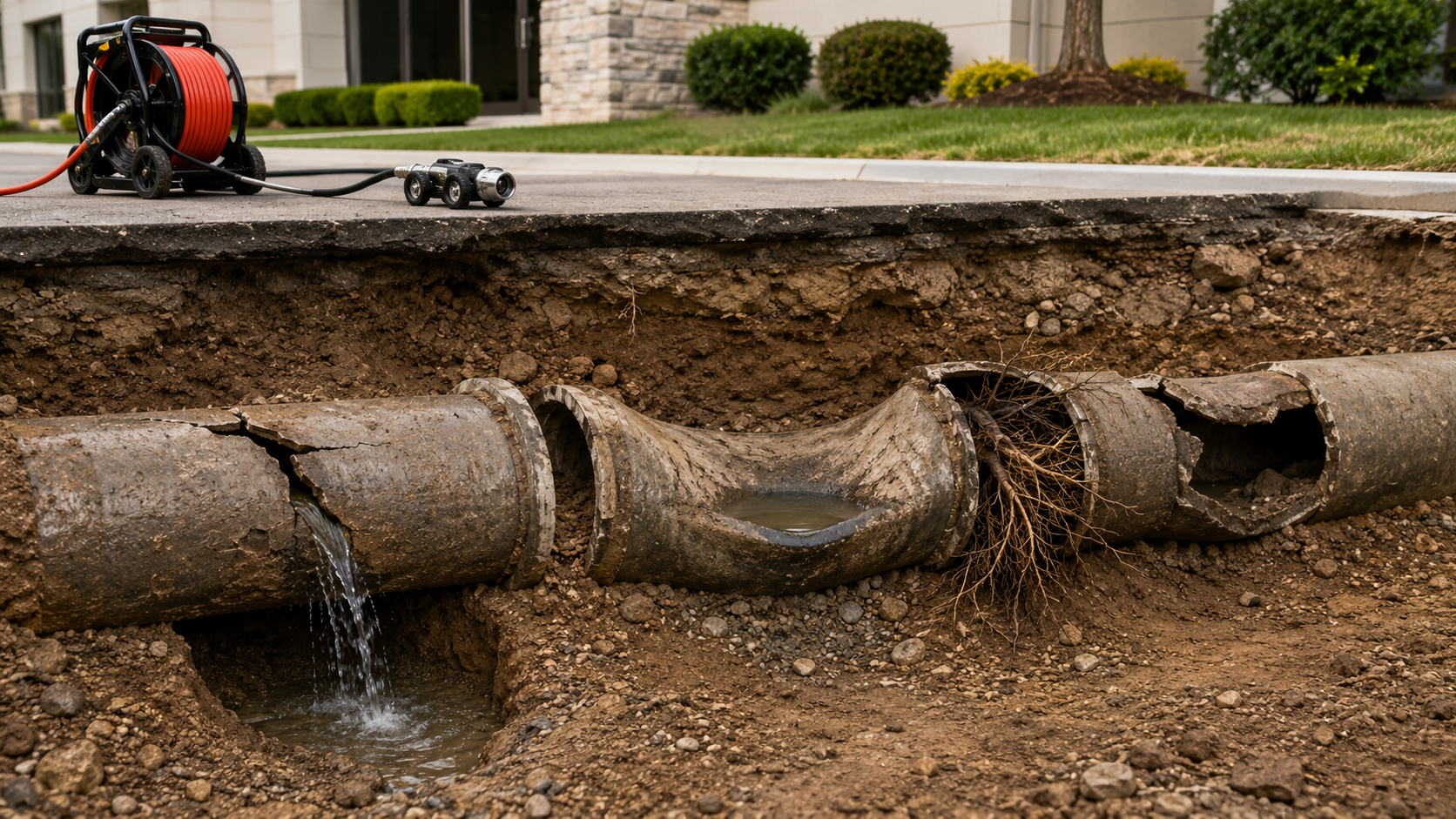
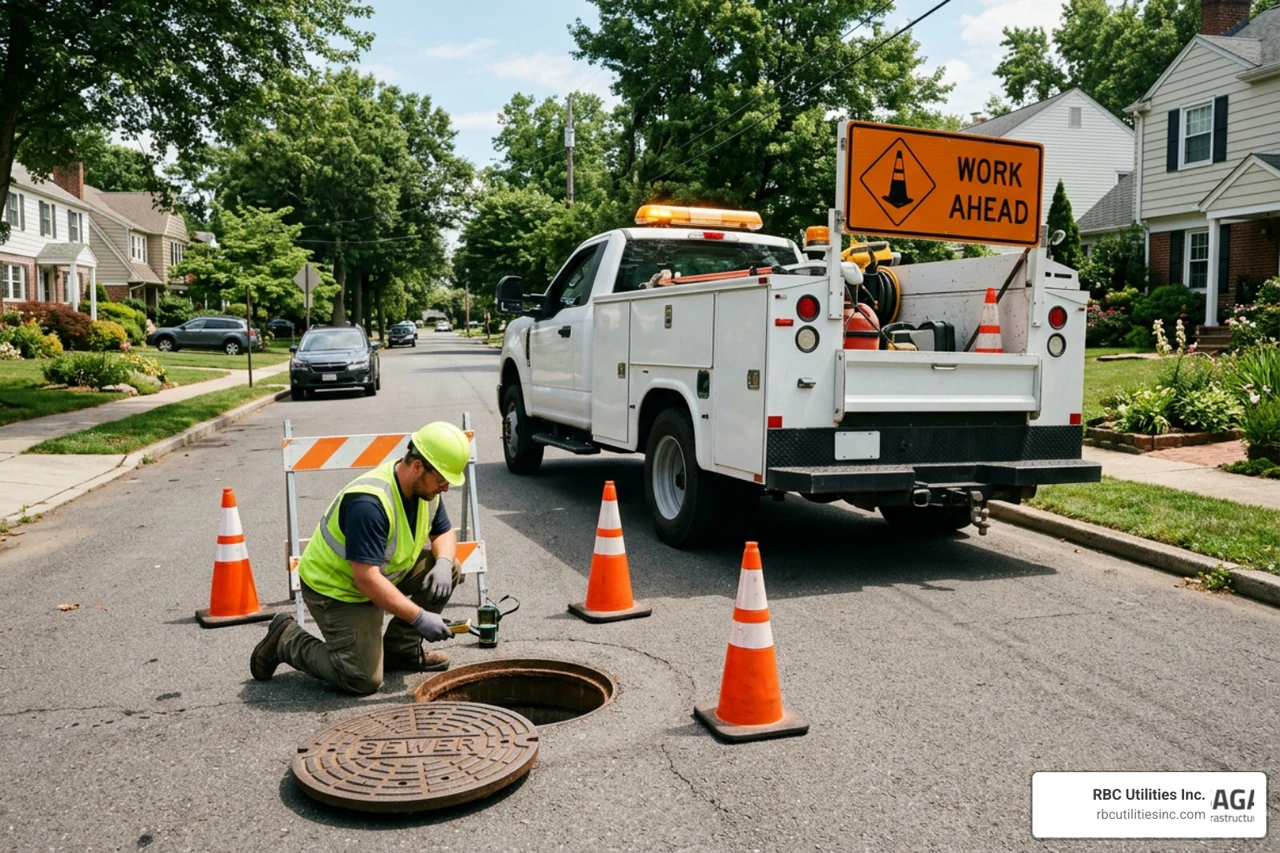
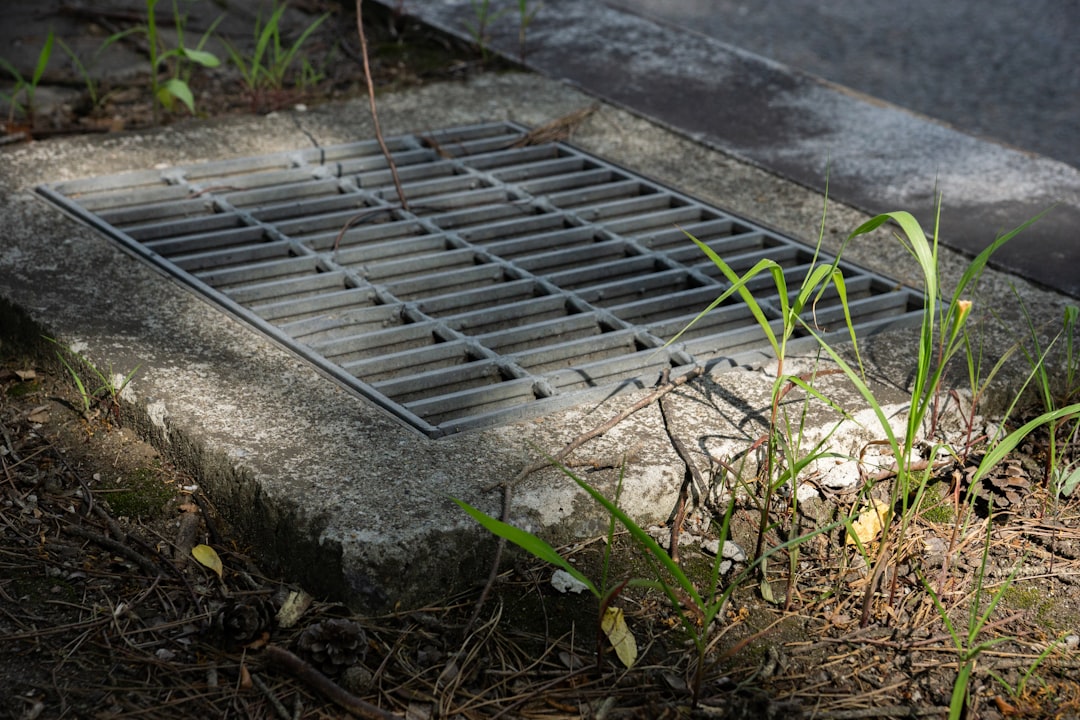
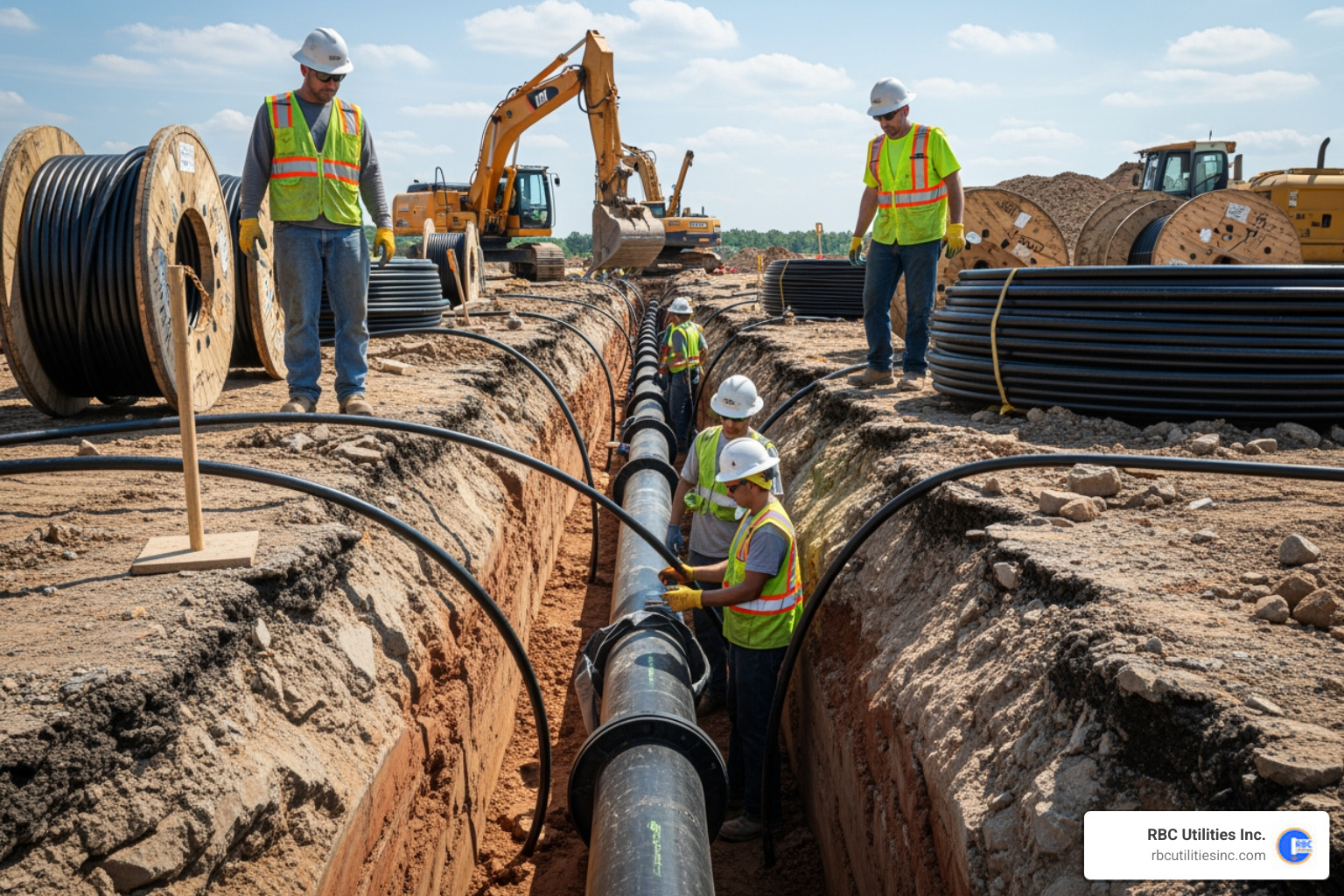
When choosing the right stormwater management techniques for your project, you need reliable solutions that control flooding, clean the water, and satisfy local inspectors without breaking your budget.
Here is a quick-reference summary of the most effective modern techniques:
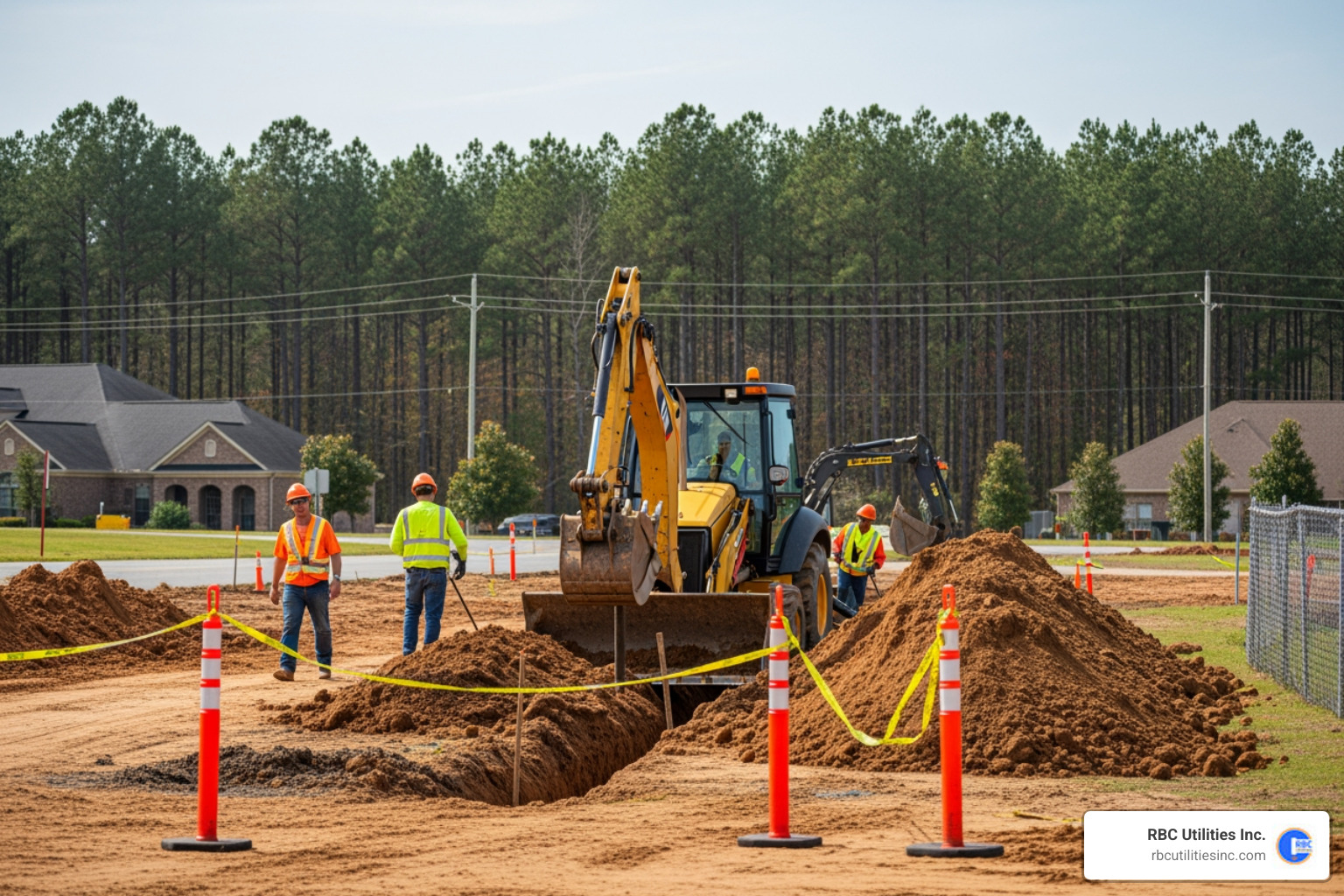
I am Don Larsen. Since 2008, I have led the team at RBC Utilities, Inc., where we install heavy underground utility systems and design reliable stormwater management techniques for developers across the Carolinas. Over the years, we have helped hundreds of projects stay on schedule and in full regulatory compliance by putting the right infrastructure in the ground.
Let's look at how these different systems work and how they can protect your job site.
Terms related to stormwater management techniques:
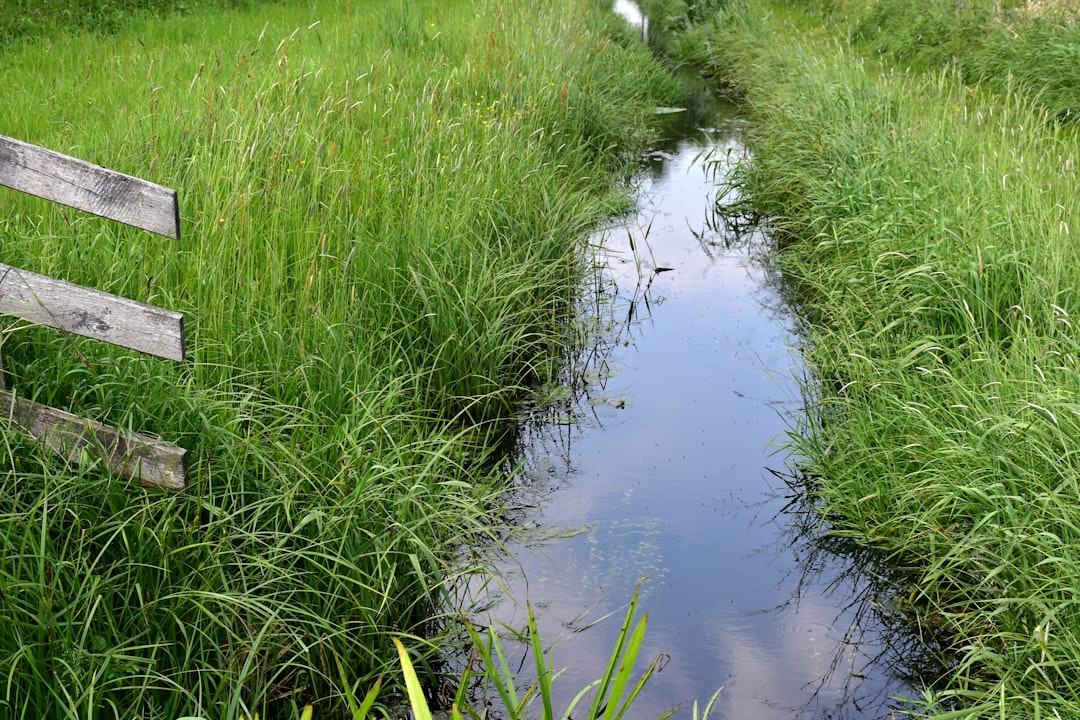
Before we pave over fields to build new neighborhoods, shopping centers, or highways, nature has a beautiful, built-in plumbing system. When rain falls or snow melts, the vast majority of that water gently soaks into the soil (infiltration) or evaporates back into the atmosphere (evapotranspiration). Very little of it actually rushes across the surface of the land.
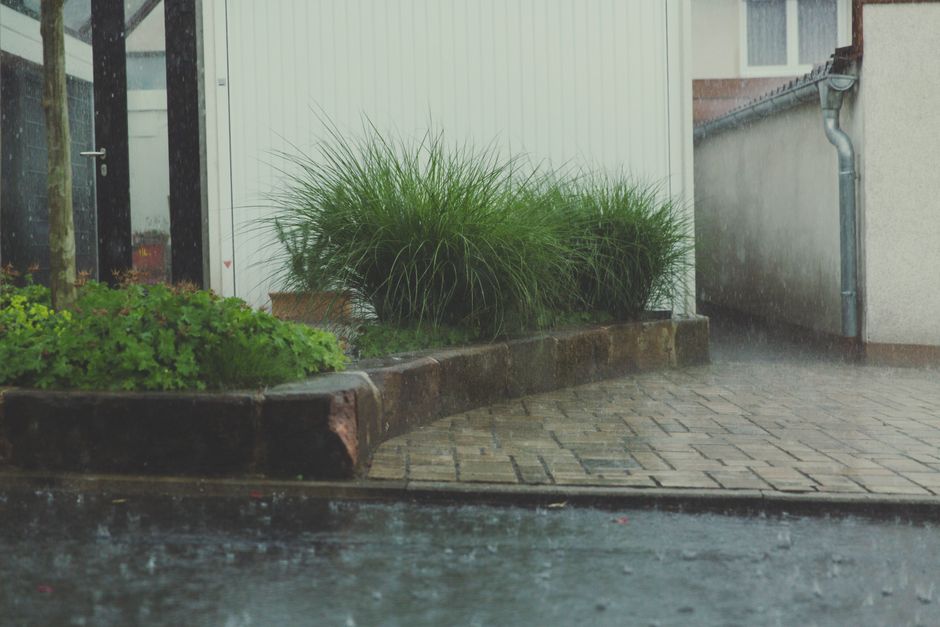
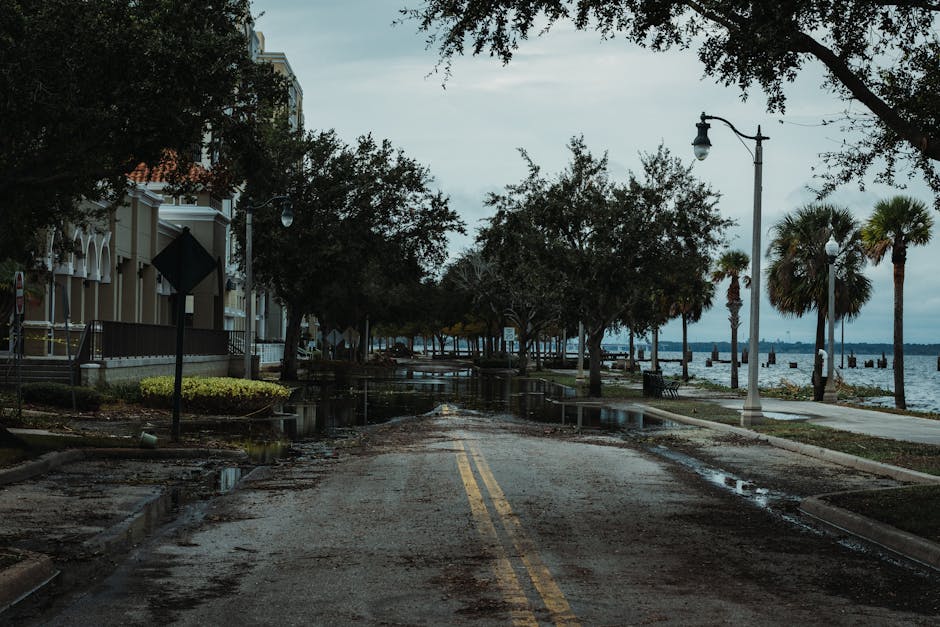
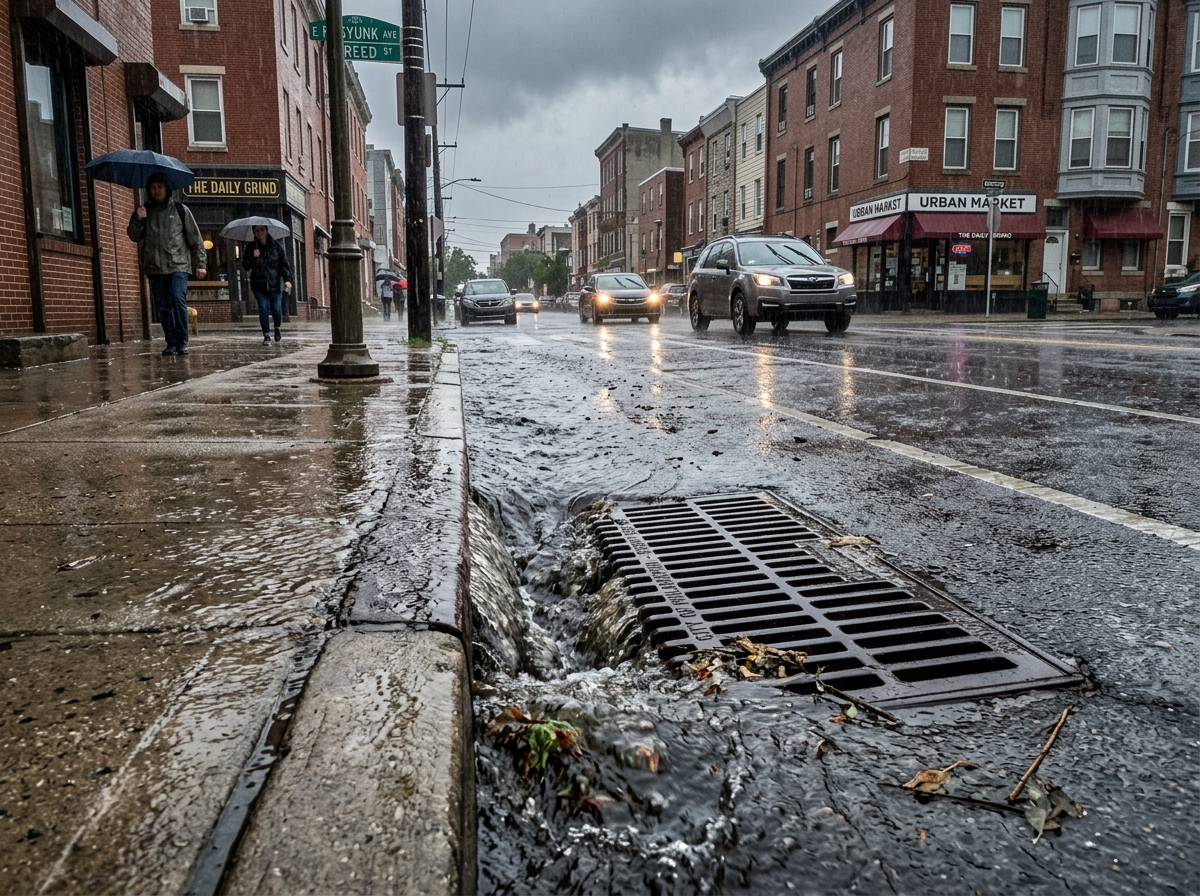
However, when we develop a site, we replace those spongy natural soils with hard, impervious surfaces like asphalt, concrete, and rooftops. Because the water has nowhere else to go, it accumulates rapidly on the surface. This excess water is what we call stormwater runoff.
Without proper stormwater management techniques in place, this volume of water quickly becomes a massive headache for communities and developers alike. In developed areas, unmanaged runoff causes several severe problems:
To understand the real-world impact, we only have to look at our own backyard. For instance, The impact of stormwater runoff in the Carolinas shows how rapidly expanding communities in Charlotte and the surrounding areas face intense pressure on local watersheds. When we build, we must ensure our Stormwater Infrastructure is robust enough to handle these high-flow events while protecting the delicate Southern ecosystems we call home.
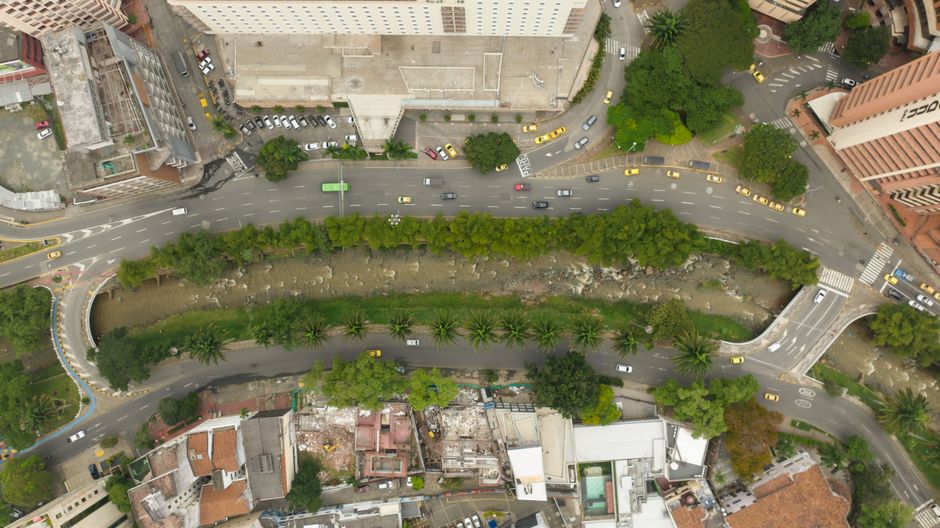
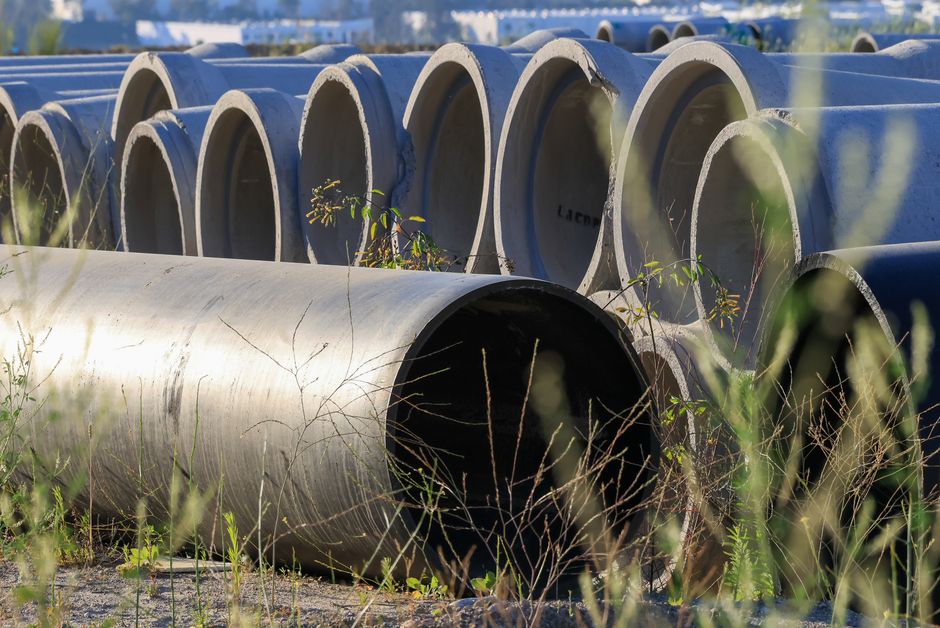
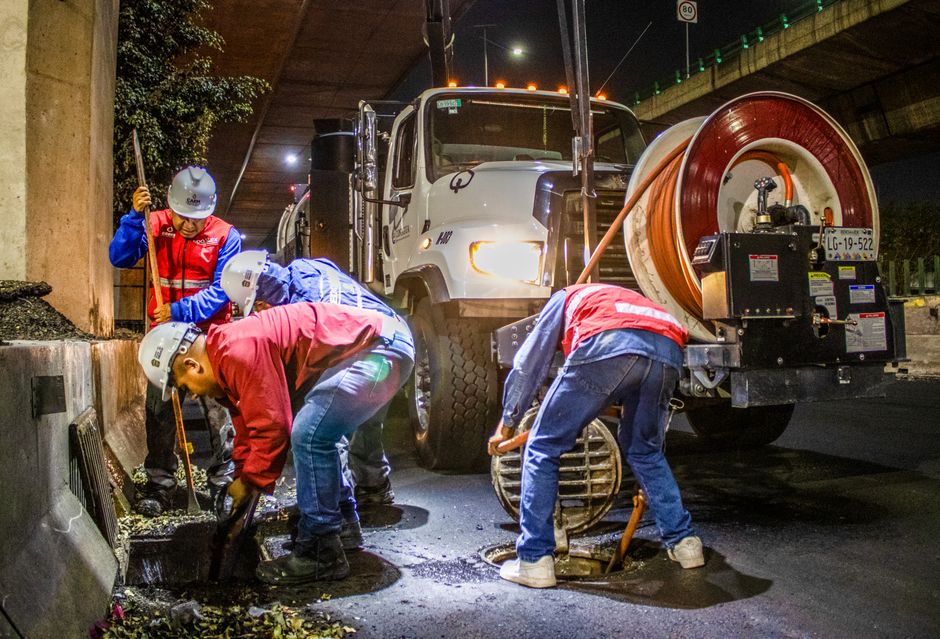
Historically, civil engineers had a simple rule for stormwater: "Get it off-site as fast as possible." This is why older cities are filled with concrete ditches, curbs, gutters, and massive storm pipes. This approach is known as gray infrastructure. While it is great at preventing localized puddles, it simply shifts the flooding and pollution problems further downstream.
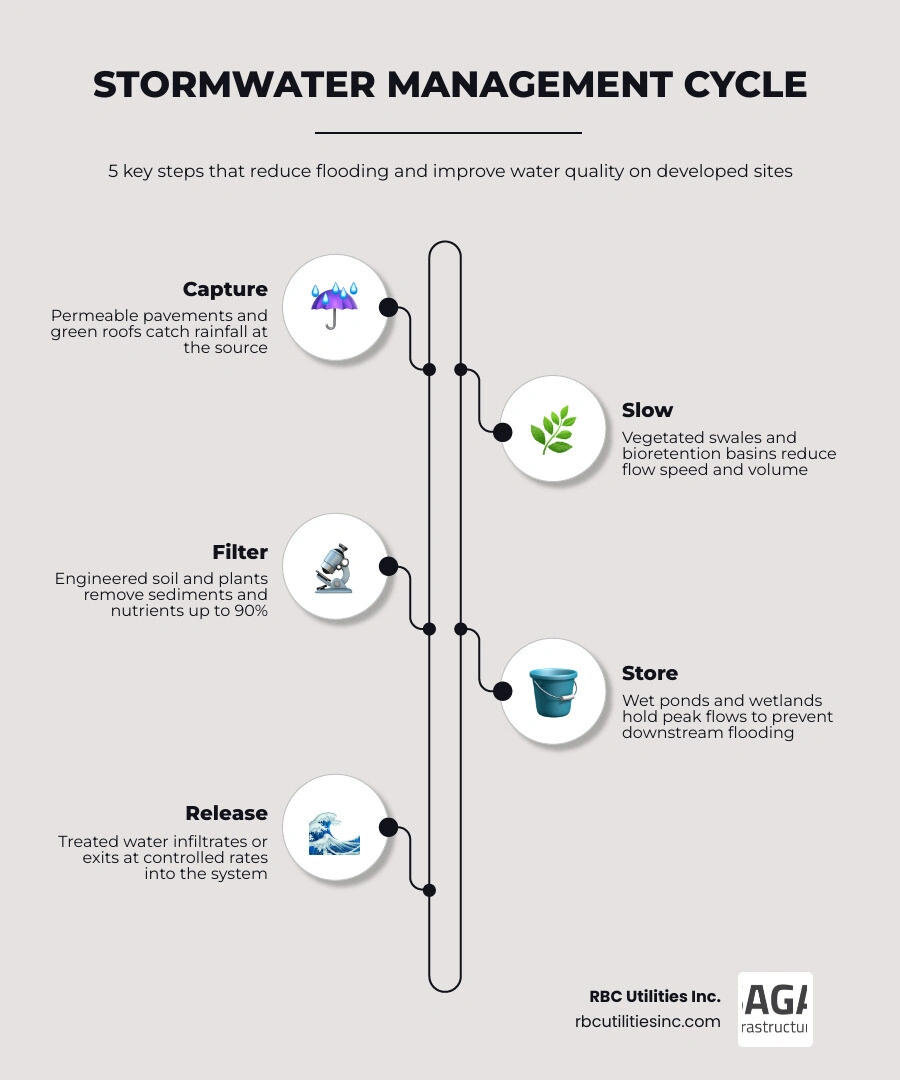
Today, we use a much smarter, more sustainable framework called Low Impact Development (LID) and Green Infrastructure (GI). Instead of fighting nature, these modern stormwater management techniques mimic the natural hydrologic cycle by capturing, filtering, and infiltrating water right where it falls.
When planning a project, engineers categorize these methods into Best Management Practices (BMPs), which are split into two major groups:
Let's look at how these two categories compare:
Non-Structural BMPs (Prevention Focus):
Structural BMPs (Treatment & Mitigation Focus):
To explore how these systems fit together on a broader scale, you can read our What is Green Stormwater Infrastructure Guide. Additionally, organizations like the North Carolina Coastal Federation offer excellent guidance on Nature-based Stormwater Strategies that work in harmony with our regional geography.


When we design modern developments, we combine both natural and engineered systems to achieve three core goals: reducing total runoff volume, controlling peak flow rates (so downstream areas don't flood), and scrubbing pollutants out of the water.
Let's look at the specific, high-performance stormwater management techniques that are leading the industry today.
In highly urbanized environments like downtown Charlotte, finding open space for a traditional retention pond is nearly impossible. That is where we look to the skies and the ground beneath our feet.
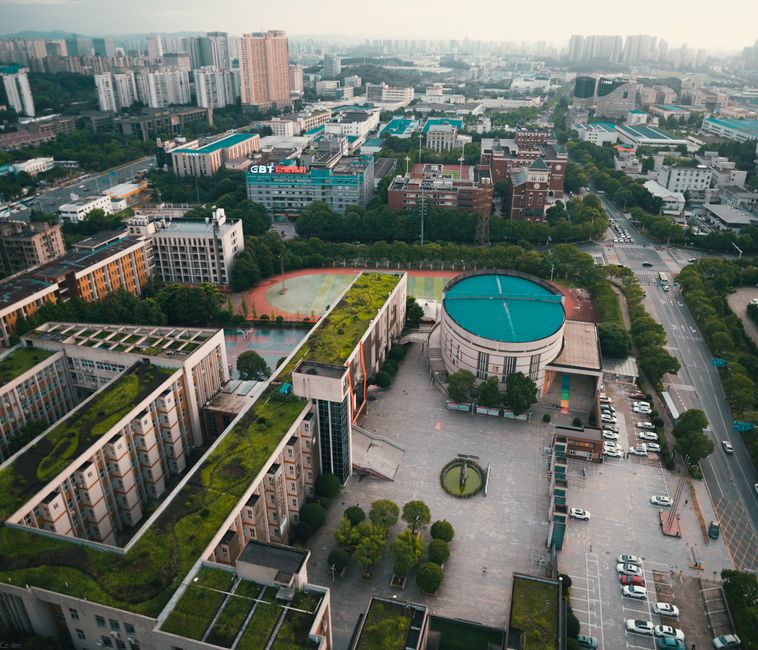
Green Roofs (Vegetated Roofs)A green roof replaces conventional shingles or membrane roofing with a lightweight, multi-layered system of specialized soil media and hardy, drought-resistant plants (like sedum).
Permeable PavementsPermeable pavement systems allow rain to pass directly through the driving or walking surface and soak into an underground stone reservoir. There are several types, including pervious concrete, porous asphalt, and interlocking concrete pavers.
If you have some open space on your site, bioretention and wetlands are among the most cost-effective and beautiful ways to clean and manage stormwater.
Bioretention Areas (Rain Gardens)Bioretention areas are shallow, landscaped depressions engineered with a highly permeable soil mix (usually a blend of sand, soil, and organic compost), covered by a layer of hardwood mulch and planted with native, water-tolerant vegetation.
Constructed WetlandsConstructed wetlands are engineered shallow basins designed to mimic the natural water-cleansing properties of wild swamps and marshes.
To see how these systems compare to traditional underground storage, check out our guide on Storm Water Detention Systems. If you are looking for highly detailed, step-by-step engineering specifications on how to build these basins, you can review the Philadelphia Water Department Stormwater Practice Guidance, which is widely considered one of the most comprehensive municipal design manuals in the country.
Stormwater management is never a one-size-fits-all equation. A technique that works perfectly on a suburban school campus could be a disaster on an industrial brownfield. Here is how we tailor these solutions across different land uses:
All of these designs are driven by a strict regulatory framework. Under the federal Clean Water Act, the National Pollutant Discharge Elimination System (NPDES) permit program requires municipalities and construction sites disturbing more than one acre to manage their runoff.
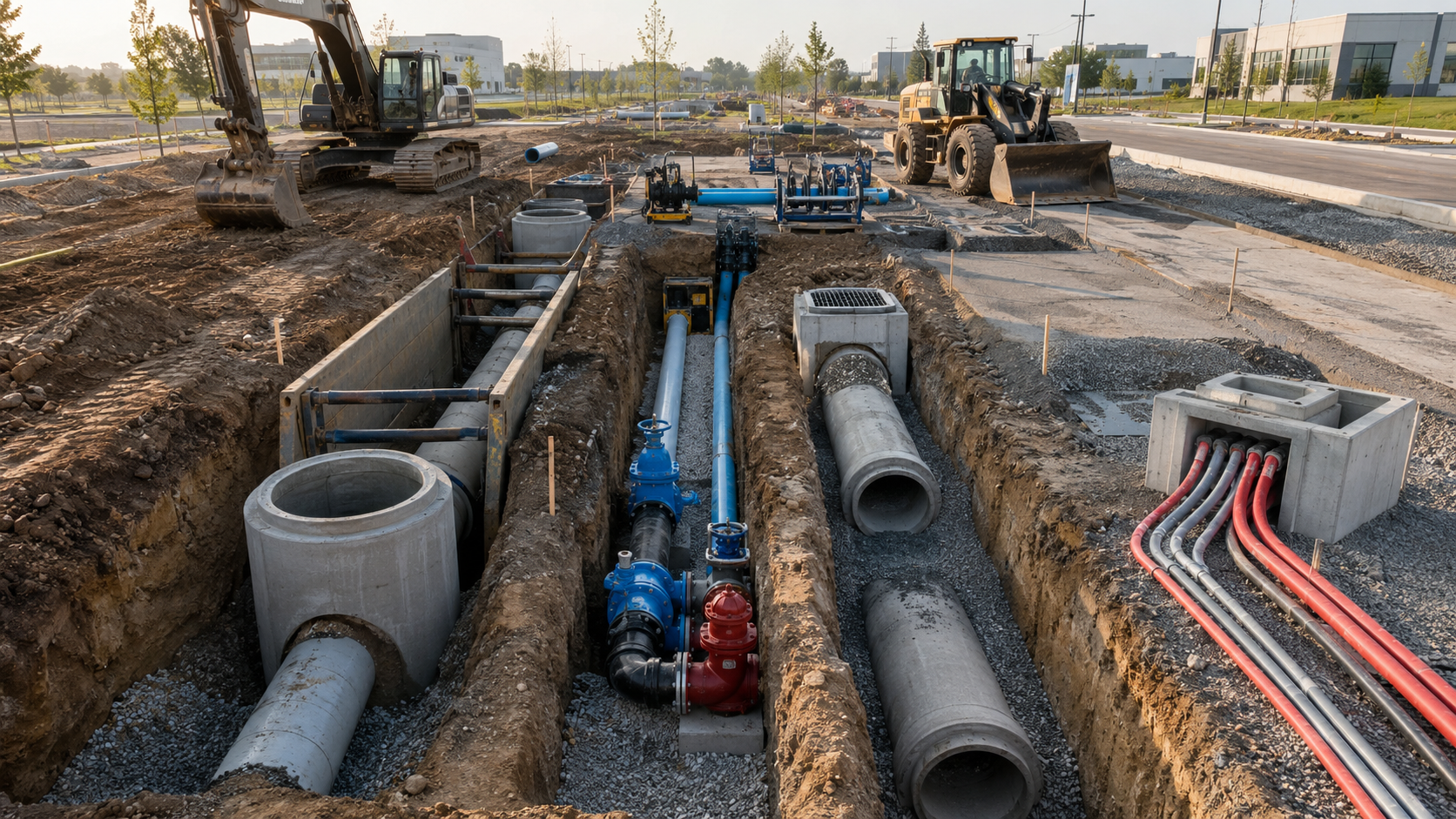
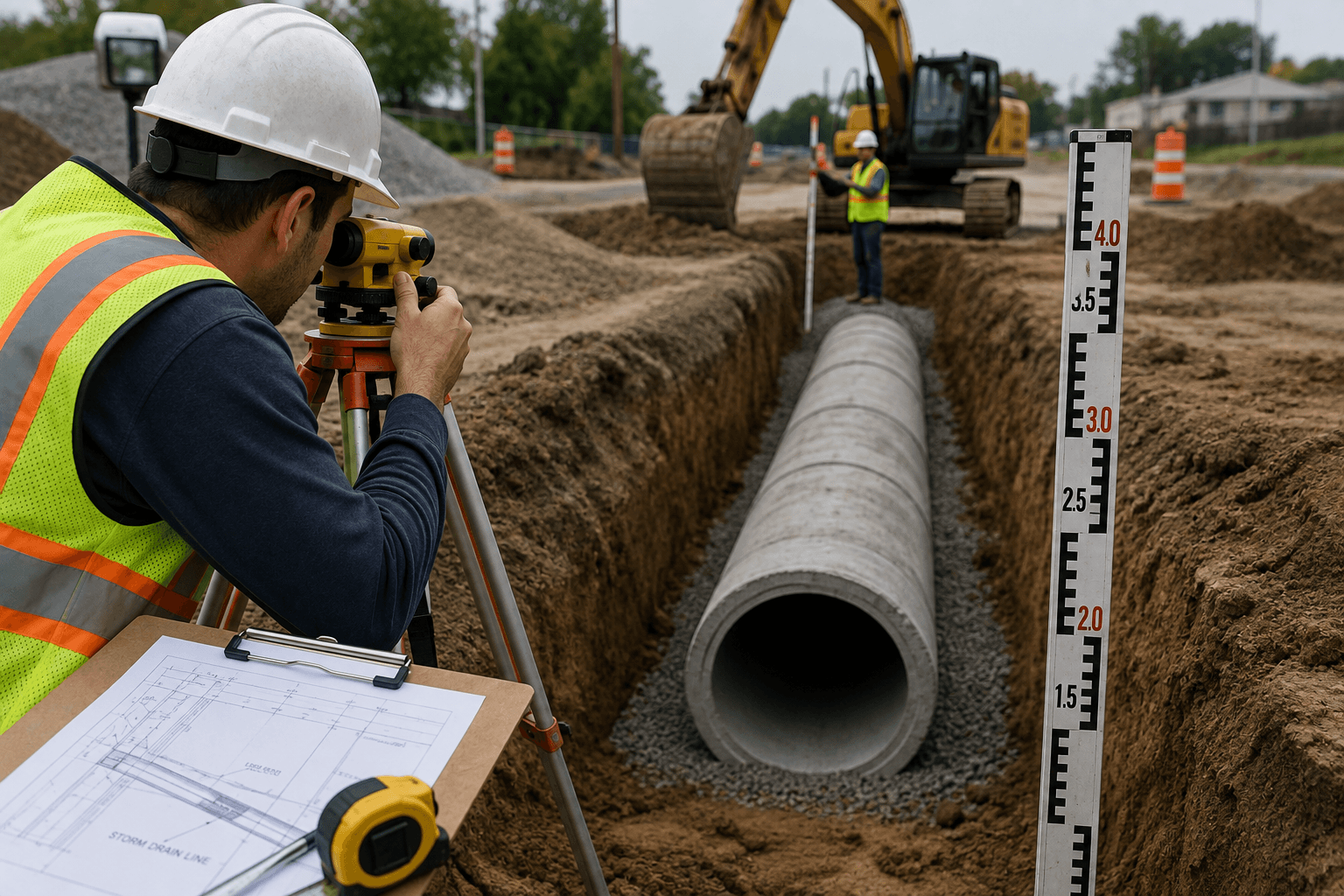
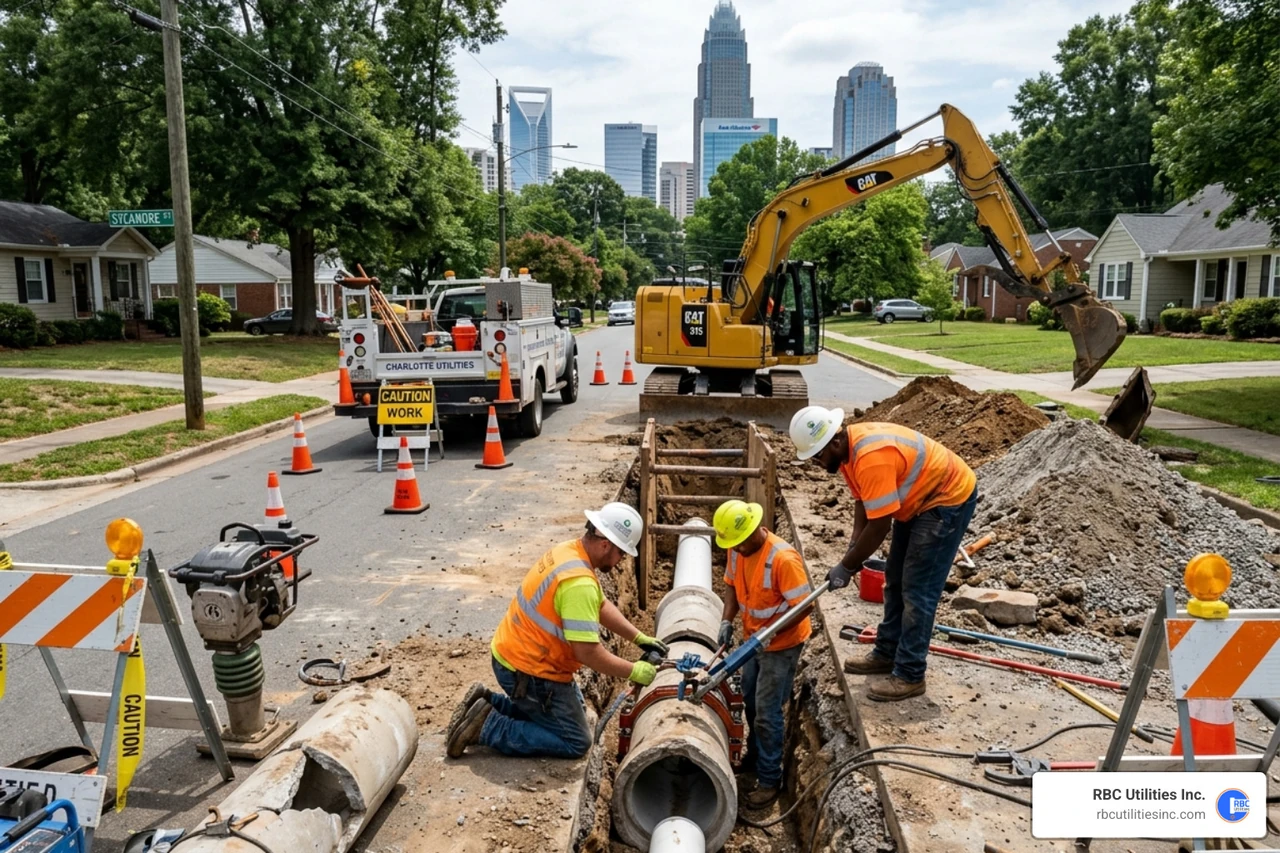
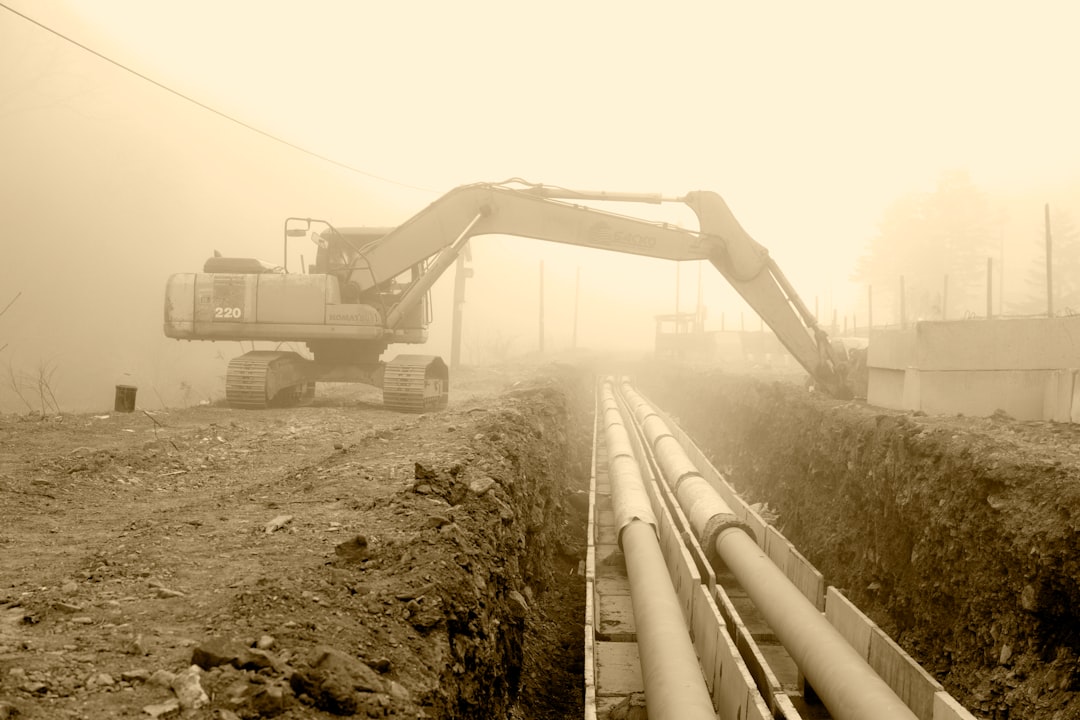
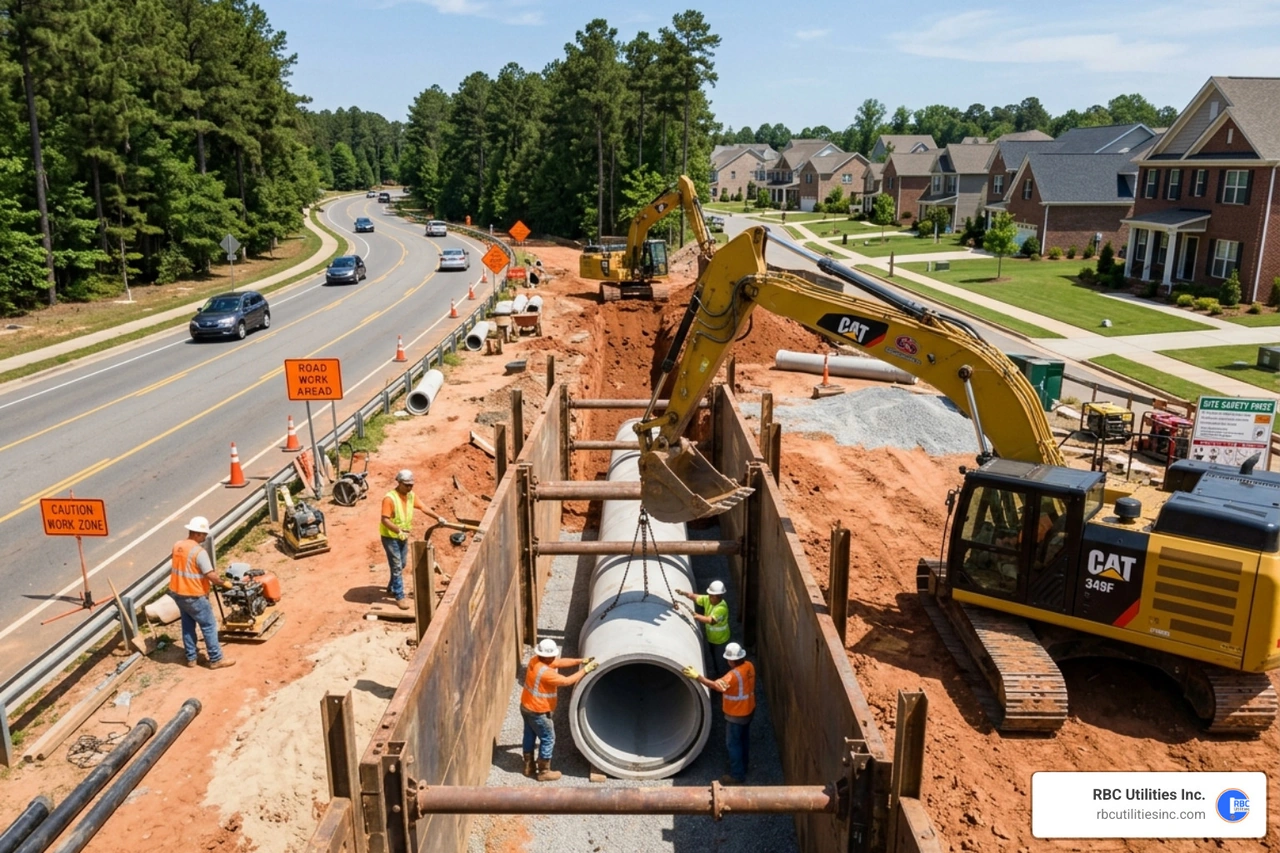
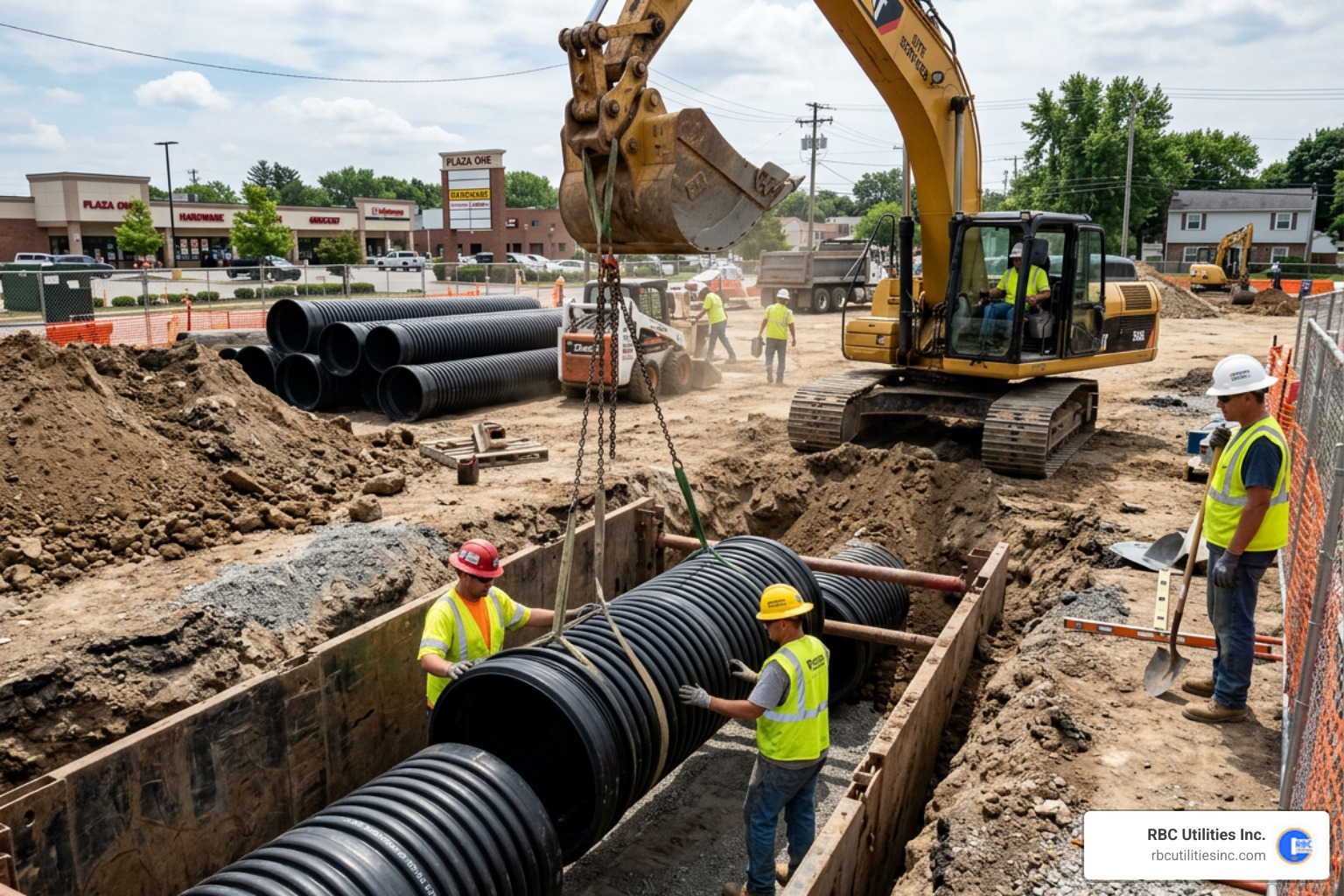
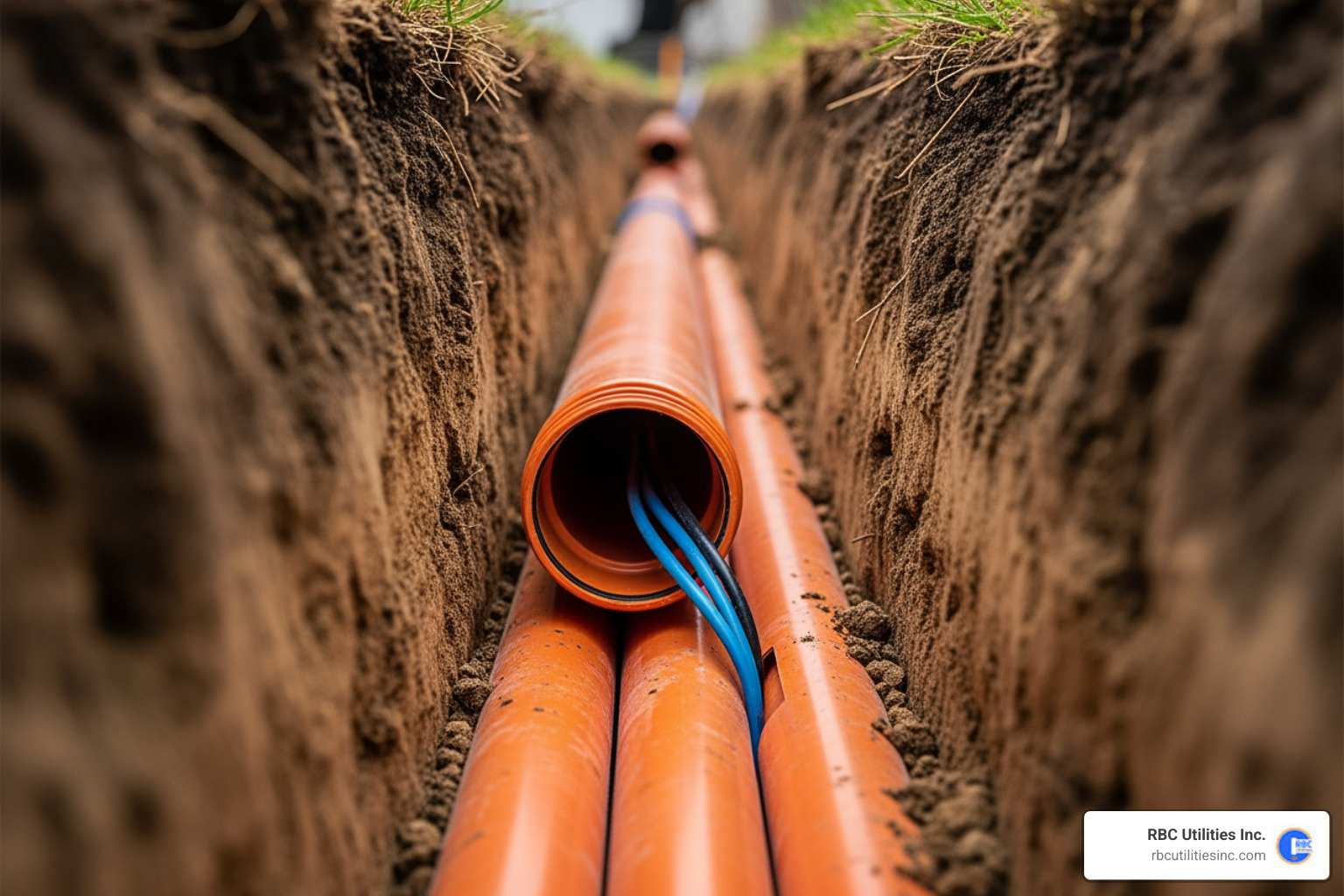
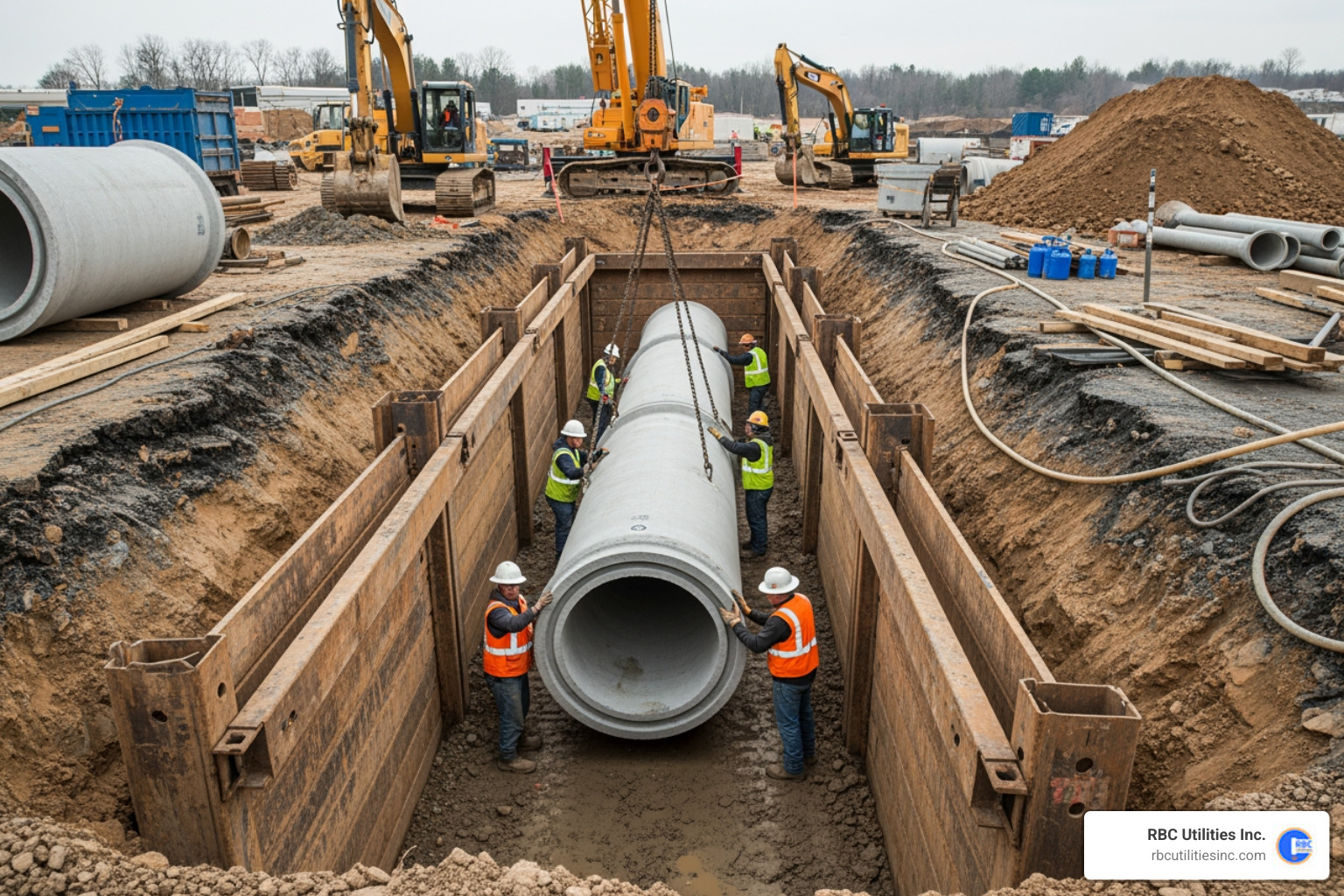
State and local agencies translate these federal rules into technical manuals. For example, developers often look to advanced state standards like the NJDEP Stormwater Best Management Practices Manual 2026 to see how modern, multi-tiered green infrastructure rules are structured. When we physically connect these systems to the municipal network, we must ensure high-quality Storm Sewer Pipe Installation to handle peak storm events without backing up.
You can design the most beautiful, state-of-the-art green infrastructure system in the world, but if you don't maintain it, it will eventually fail. Over time, sediment builds up, weeds take over, and soils clog.
To keep your structural BMPs functioning properly, we recommend following a clear maintenance schedule:
Bioretention and Rain Gardens:
Permeable Pavements:
Constructed Wetlands and Wet Ponds:
Integrating these systems into our communities requires smart local planning. Municipalities across the Carolinas are increasingly using zoning ordinances and redevelopment incentives to encourage developers to build green. For example, some cities offer stormwater utility fee discounts or density bonuses for projects that exceed minimum runoff reduction standards.
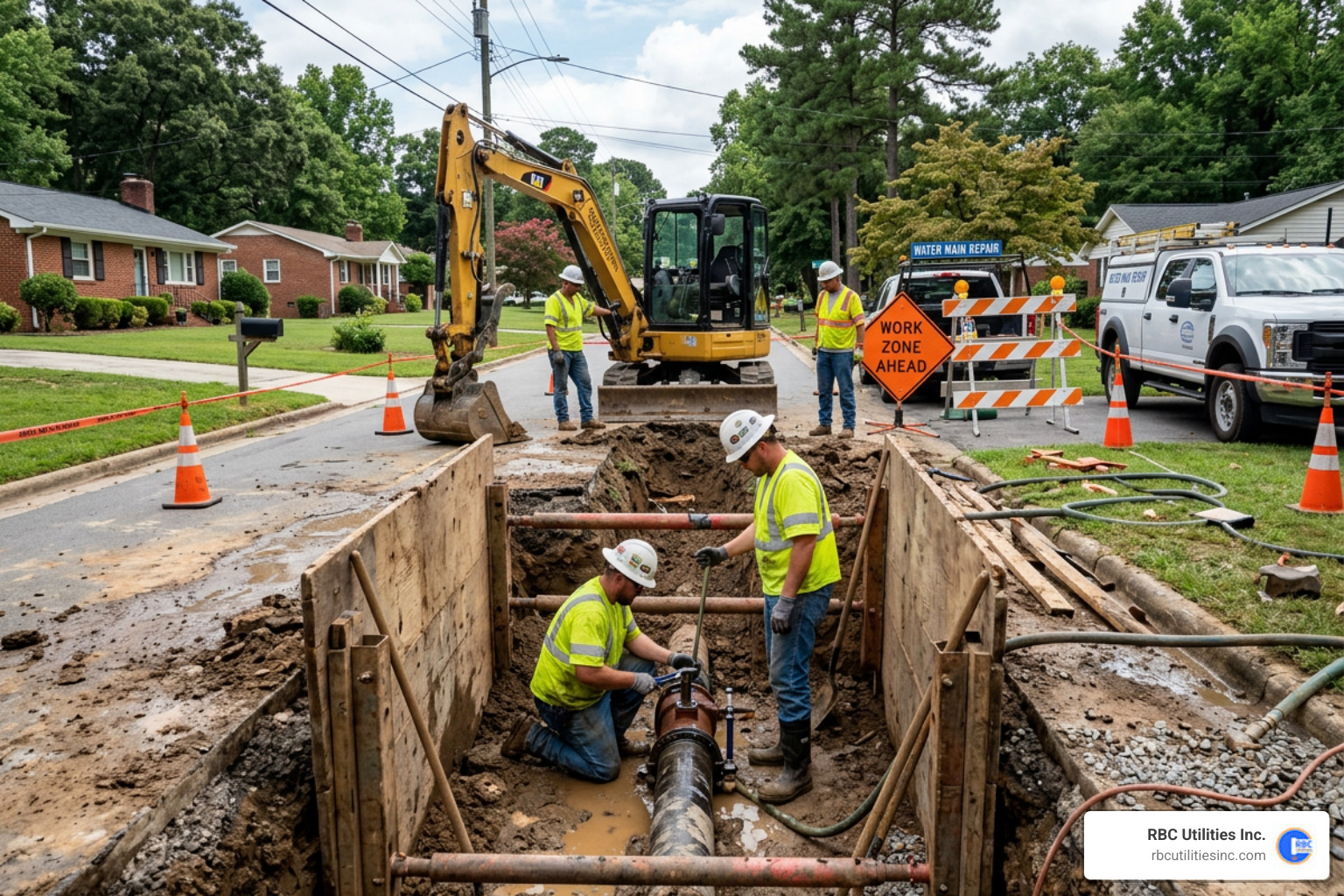
When we install these systems, we rely on precise Storm Drain Pipe Installation to tie everything together. In our region, local programs like the Wake County Stormwater Control Measures provide clear local rules on how to design, permit, and maintain these vital systems to keep our communities safe and dry.
While they sound similar, they perform completely different jobs. A retention basin (often called a wet pond) is designed to hold a permanent pool of water at all times. It mimics a natural pond, and the water level only rises temporarily during a storm before settling back to its normal pool.
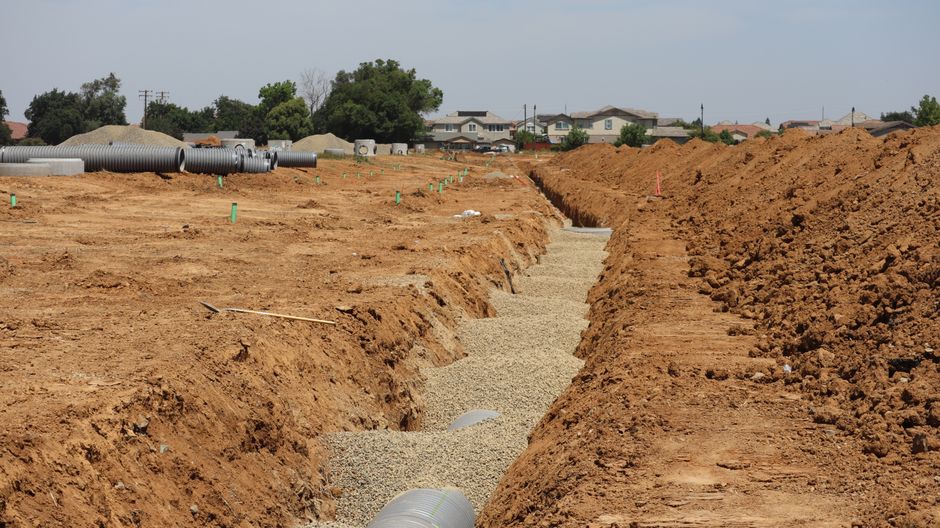
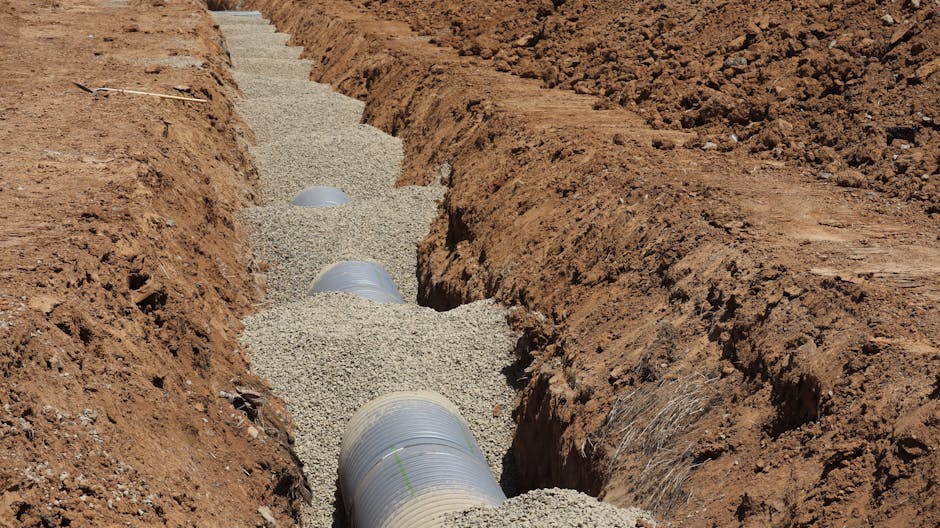
A detention basin (or dry pond) is designed to remain completely dry during normal dry weather. When a storm hits, it temporarily fills up with water and releases it slowly through a restricted outlet pipe over 24 to 48 hours. Its main goal is peak flow attenuation—meaning it slows down the rush of water to prevent downstream flooding, but it does very little to actually reduce total runoff volume or filter out fine pollutants.
Green infrastructure is incredibly efficient at reducing runoff volumes. On average:
Overall, implementing these green infrastructure practices can reduce urban flooding incidents by up to 50% in developed areas, making them an incredibly smart investment.
On brownfield sites—which are properties previously used for industrial purposes that may contain buried chemicals, heavy metals, or fuel spills—we want to avoid direct infiltration. If we let large volumes of stormwater soak into the ground, that water will act as a solvent. It will dissolve the pollutants trapped in the soil and carry them down into the local groundwater table, contaminating drinking water aquifers.
To safely manage stormwater on these sites, we use modified bioretention systems or wet ponds equipped with thick, impermeable synthetic liners. This allows us to filter the water through engineered soils above the liner, collect it in an underdrain pipe, and discharge it safely without ever letting it touch the contaminated ground below.
Mastering stormwater management techniques doesn't have to be overwhelming. By understanding how water flows on your site and choosing the right mix of green infrastructure and structural BMPs, you can build a project that is highly functional, cost-effective, and fully compliant with local environmental laws.
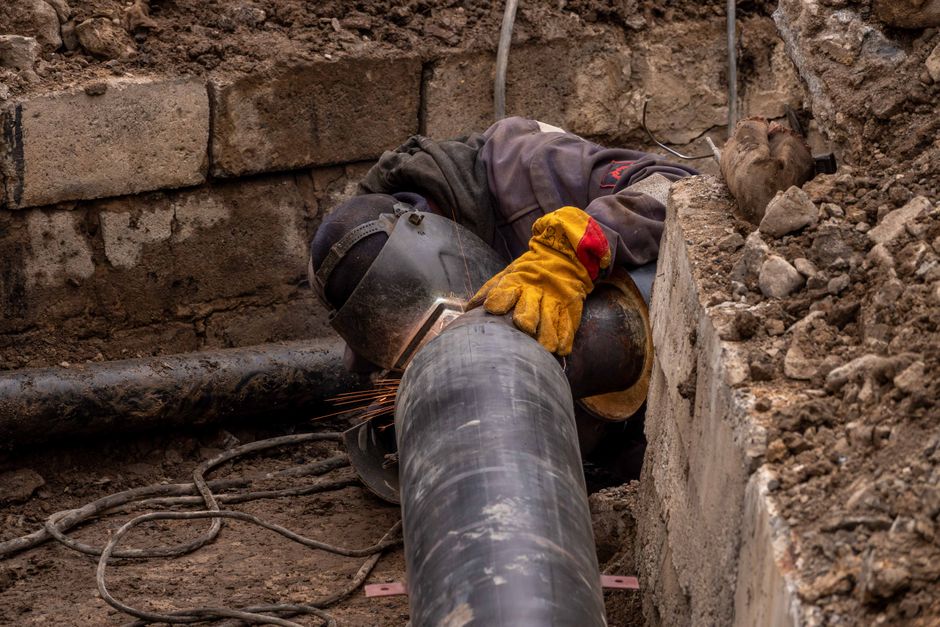
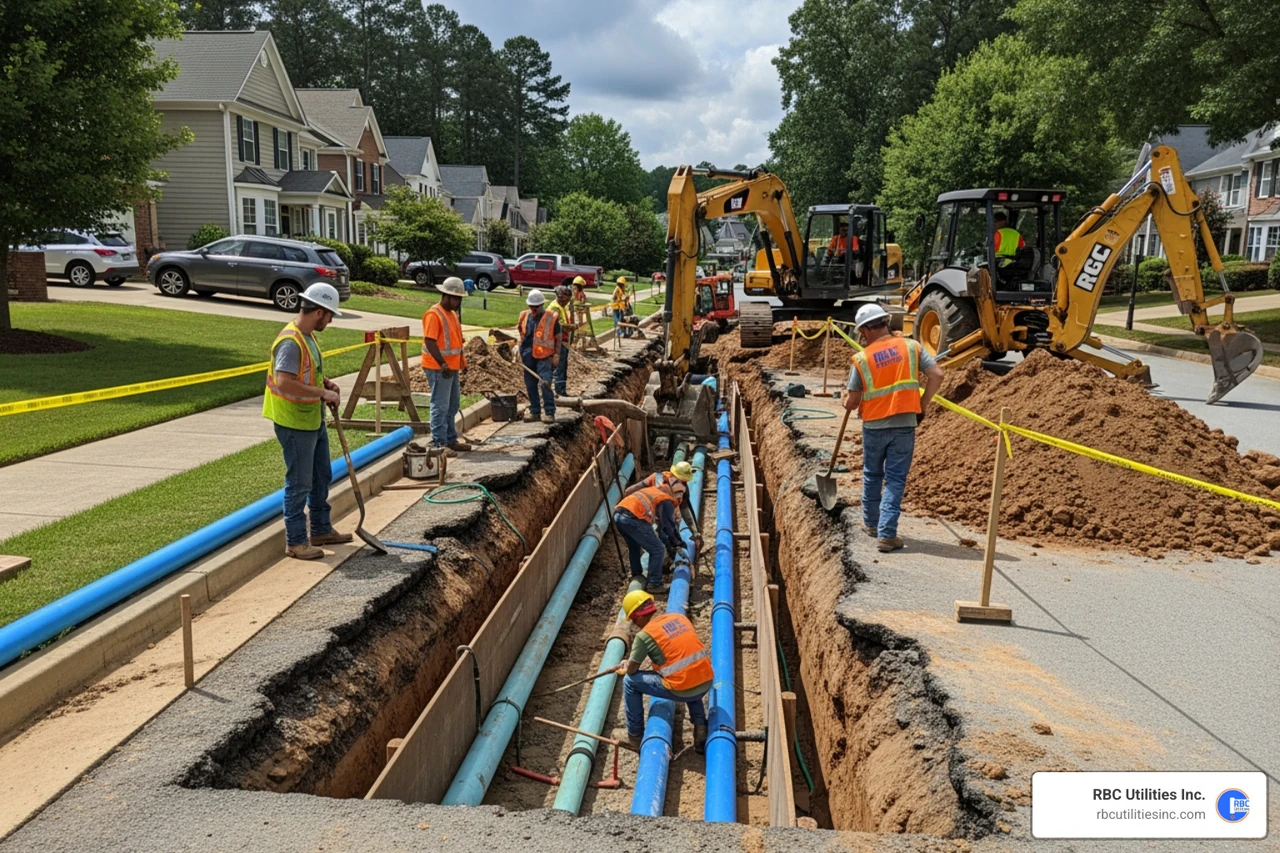
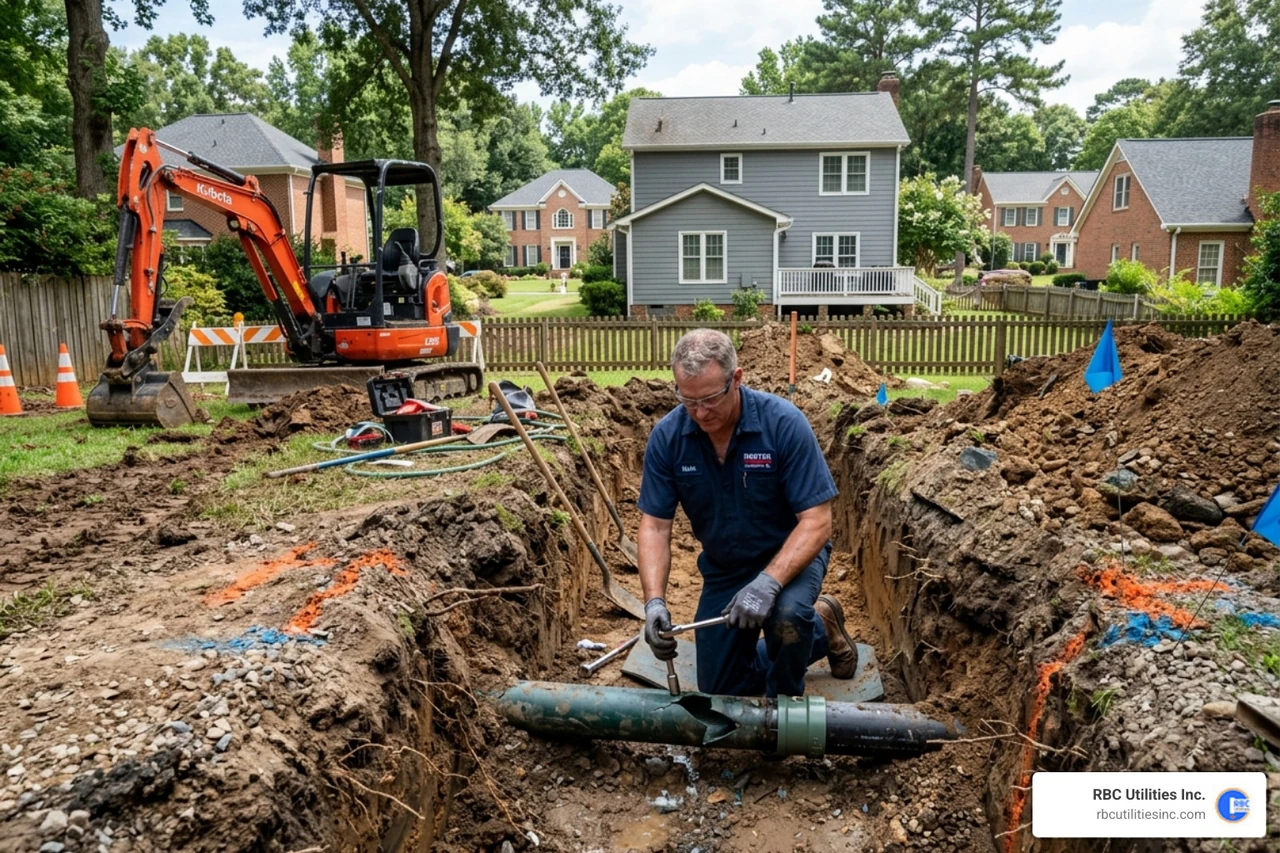
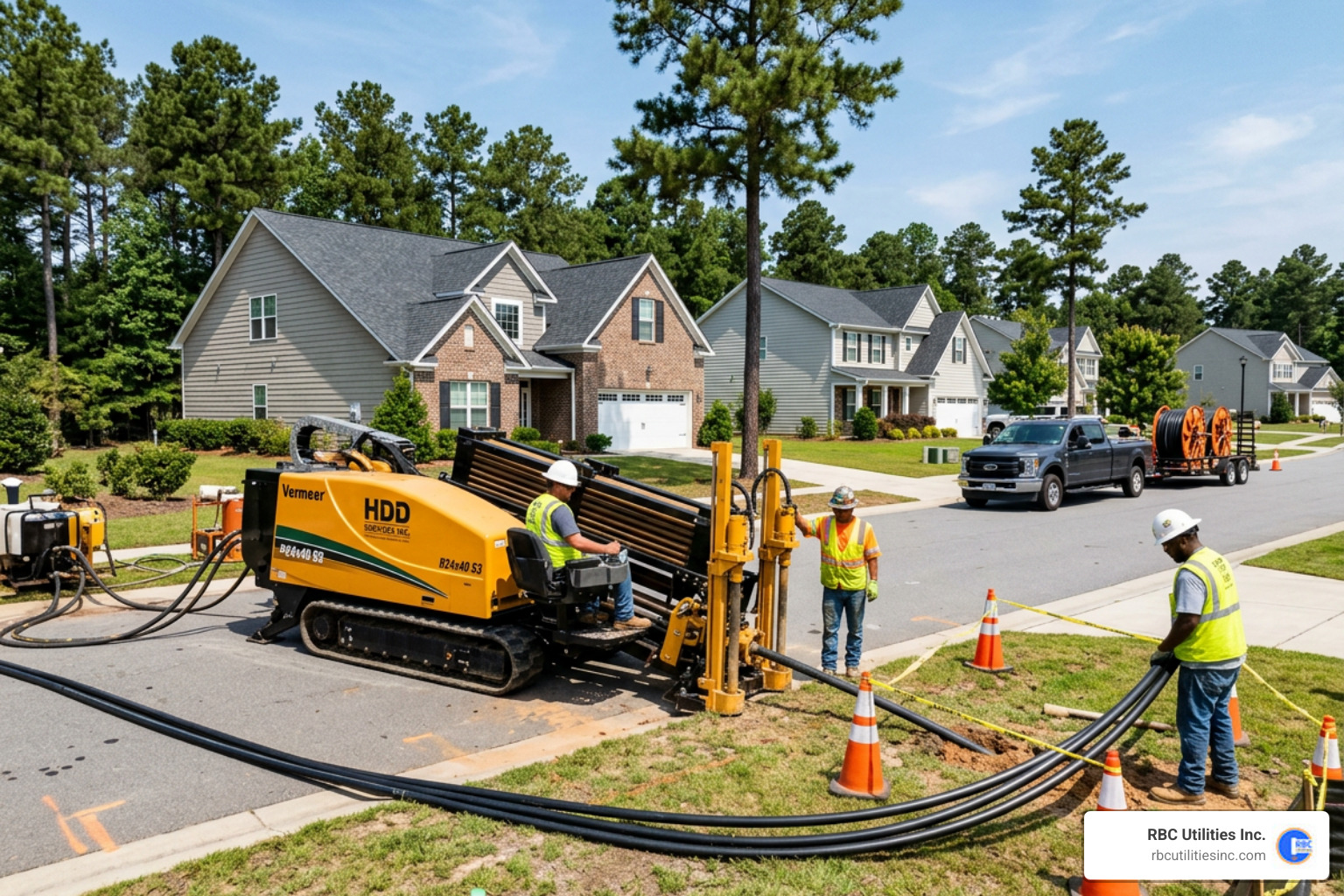
At RBC Utilities, Inc., we specialize in bringing these designs to life. As a trusted Carolinas infrastructure contractor with deep roots in Charlotte, North Carolina, and South Carolina, we build the heavy underground utility systems, storm drains, and detention basins that keep your projects standing on solid ground. Backed by the national resources of Saga Infrastructure, we emphasize safety, reliability, and lasting quality in every pipe we lay.
Ready to plan the utility and stormwater systems for your next commercial, residential, or municipal development? Contact RBC Utilities, Inc. today, and let's build something great together.
Part of Saga Infrastructure, protecting what others built and helping it grow.
Address: 4404 Stuart Andrew Blvd., Suite K, Charlotte, NC 28217
Email: info@rbcutilities.com
Phone: 803-913-9727
Service Area: North Carolina | South Carolina