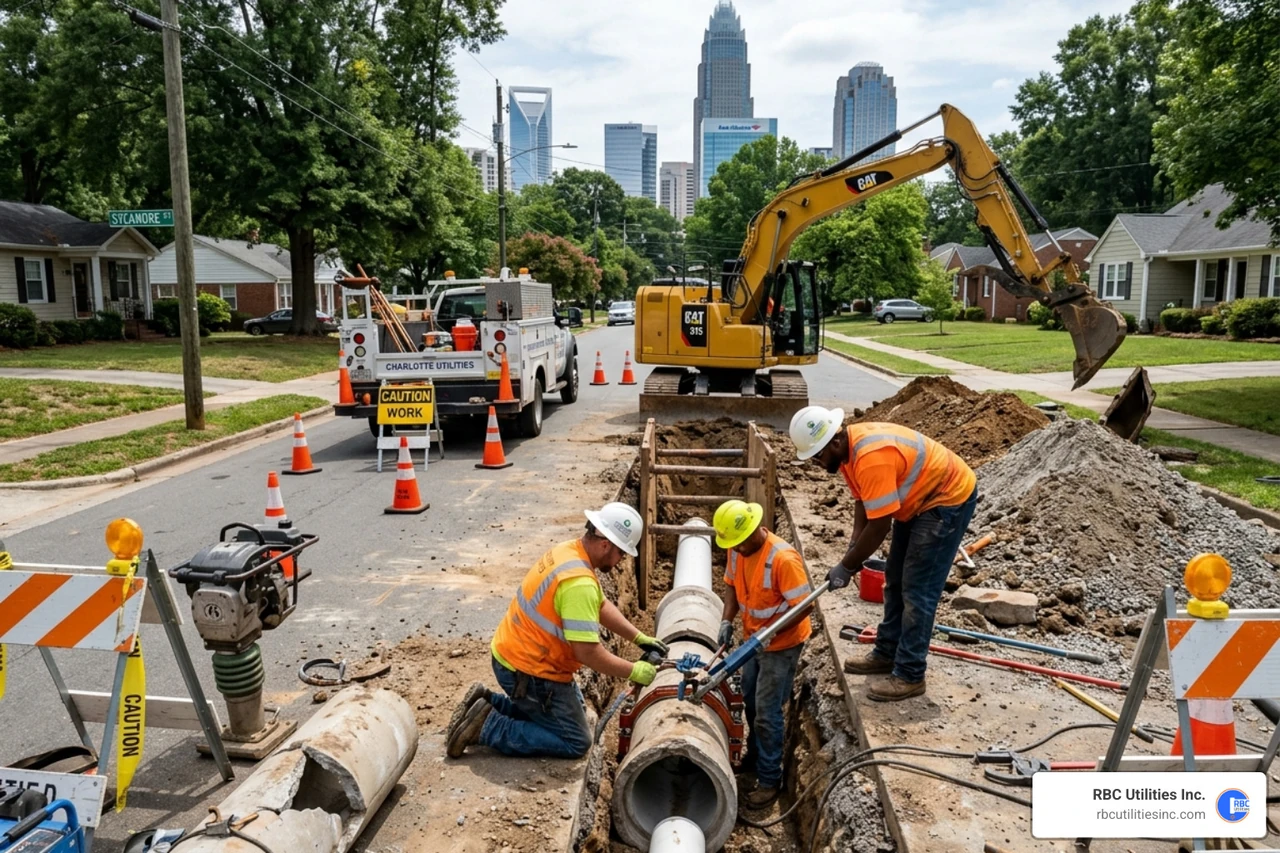
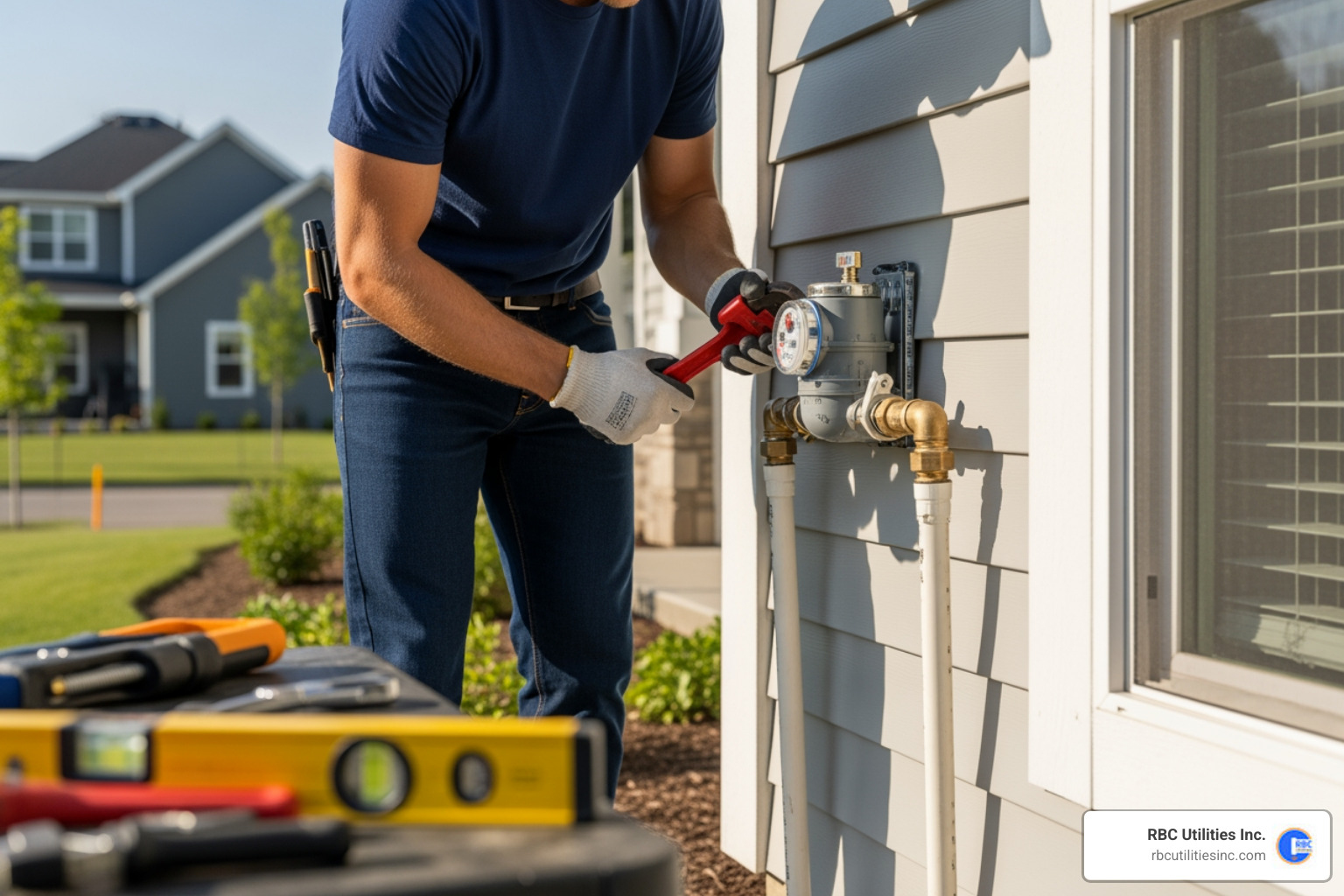
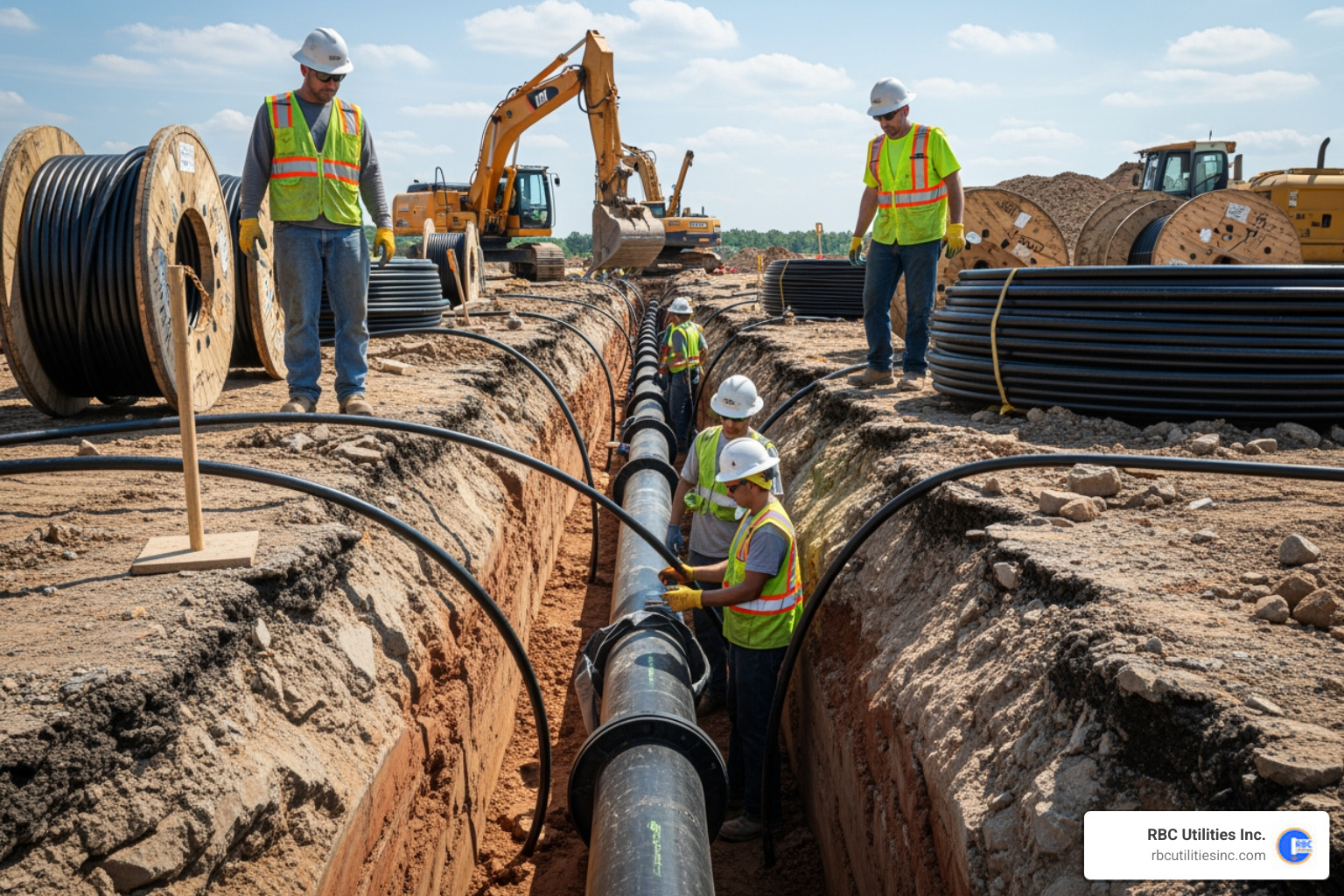
Commercial utility contractors are the specialists who install, repair, and maintain the underground systems that keep buildings and communities running — water, sewer, storm drainage, electrical conduit, and telecommunications infrastructure.
Quick answer: What do commercial utility contractors do?
| Service Area | What They Handle |
|---|---|
| Wet Utilities | Water mains, sanitary sewers, storm drains, force mains |
| Dry Utilities | Electrical conduit, fiber optics, telecommunications, duct banks |
| Construction Methods | Open-cut excavation, horizontal directional drilling (HDD), jack and bore |
| Project Types | New development, public infrastructure upgrades, emergency repairs |
| Clients Served | Developers, general contractors, municipalities, industrial owners |
If you're a developer or general contractor in the Carolinas, the underground utility work on your project is not the place to cut corners. Delays, failures, or code violations in utility installation can halt an entire development — and fixing mistakes underground costs far more than getting it right the first time.
The underground systems beneath any commercial or municipal project are, as one industry observer put it, the veins, bowels, and nerves of modern society. You can't see them once they're buried — which is exactly why the contractor you choose matters so much.
I'm Don Larsen from RBC Utilities Inc., and I've spent years working in commercial utility contracting across the Carolinas, leading underground utility projects for developers, general contractors, and municipalities — from water and sewer installations to complex conduit and storm drainage systems. In this guide, I'll walk you through everything you need to know to find the right contractor for your project in 2026.
Know your commercial utility contractors terms:
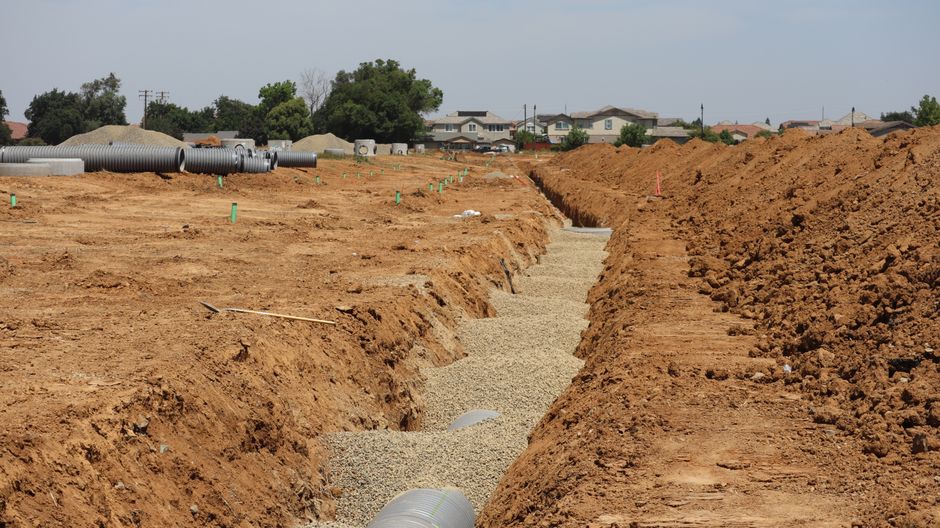
When you look at a freshly paved commercial property or a newly completed municipal roadway, it is easy to forget the massive, highly complex web of infrastructure lying just a few feet below the surface. In the Carolinas, the rapid growth of urban centers like Charlotte, Wilmington, and Rock Hill has placed unprecedented demand on our underground systems.
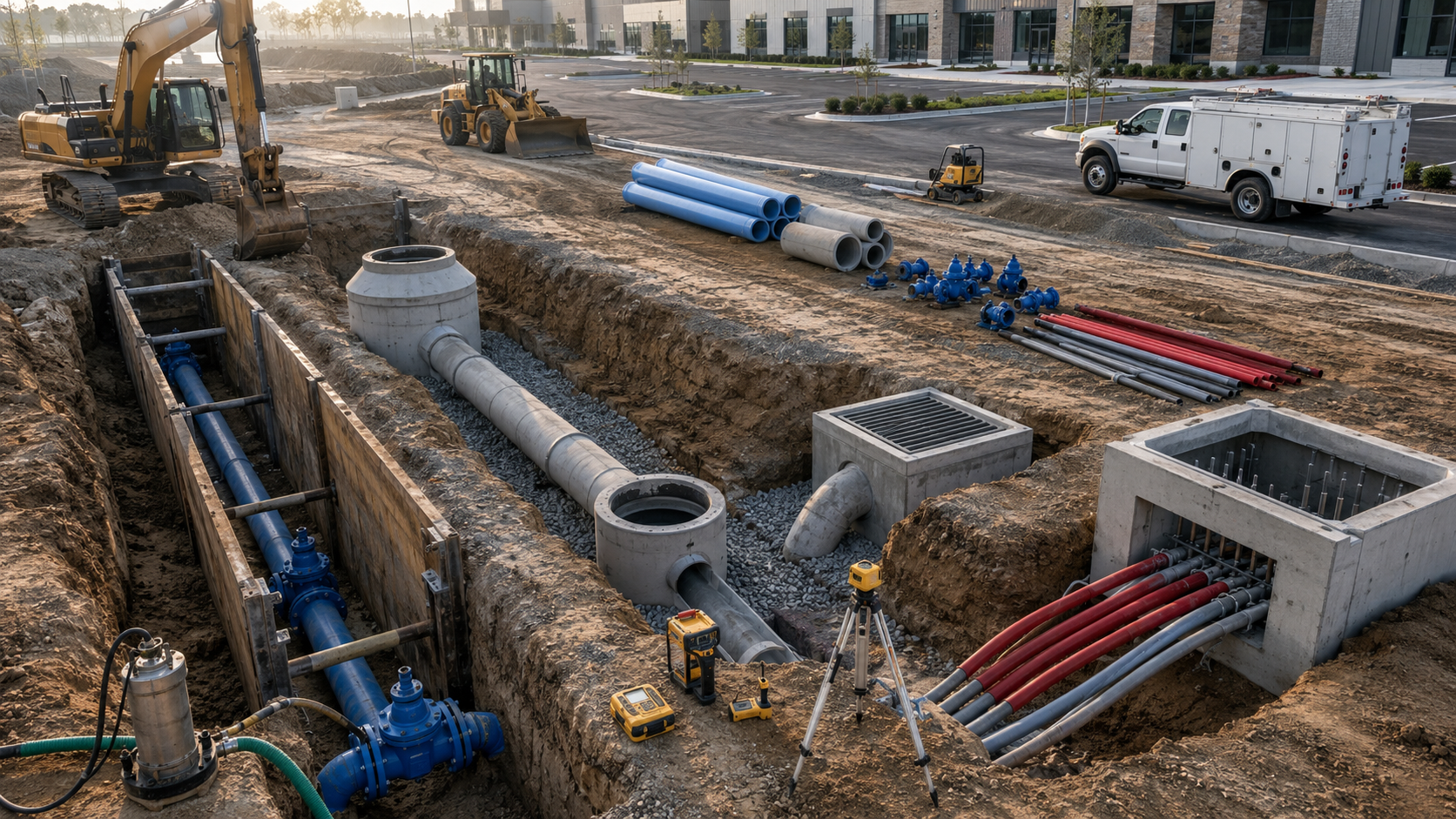
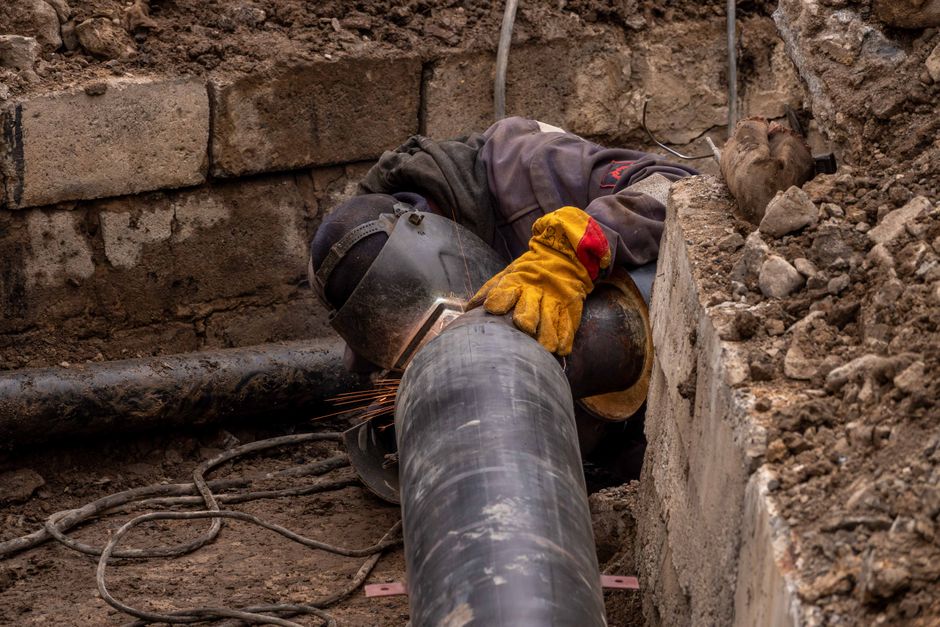
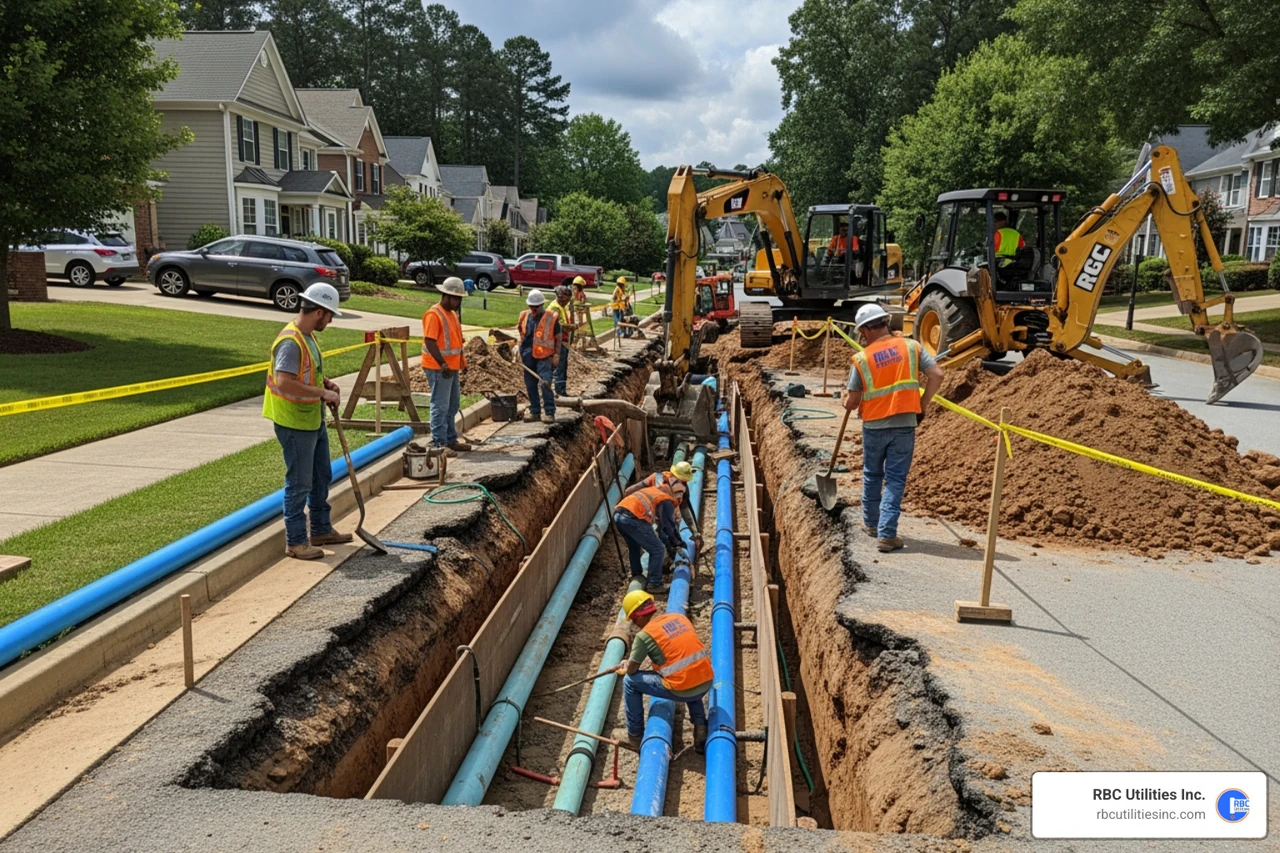
As experienced commercial utility contractors, we specialize in bringing these hidden systems to life. Whether we are dealing with high-density urban corridors or sprawling industrial sites, our work is divided into two primary categories: wet utilities and dry utilities. To install these systems, we utilize a mix of traditional excavation and advanced trenchless technologies depending on the site conditions, environmental constraints, and project goals.

Before a single shovel touches the dirt, we perform extensive planning and coordination to ensure that these systems are built to last. Our work in Underground Utility Installation NC is designed to give developers, municipalities, and general contractors a seamless, single-source solution for all their subterranean infrastructure needs.
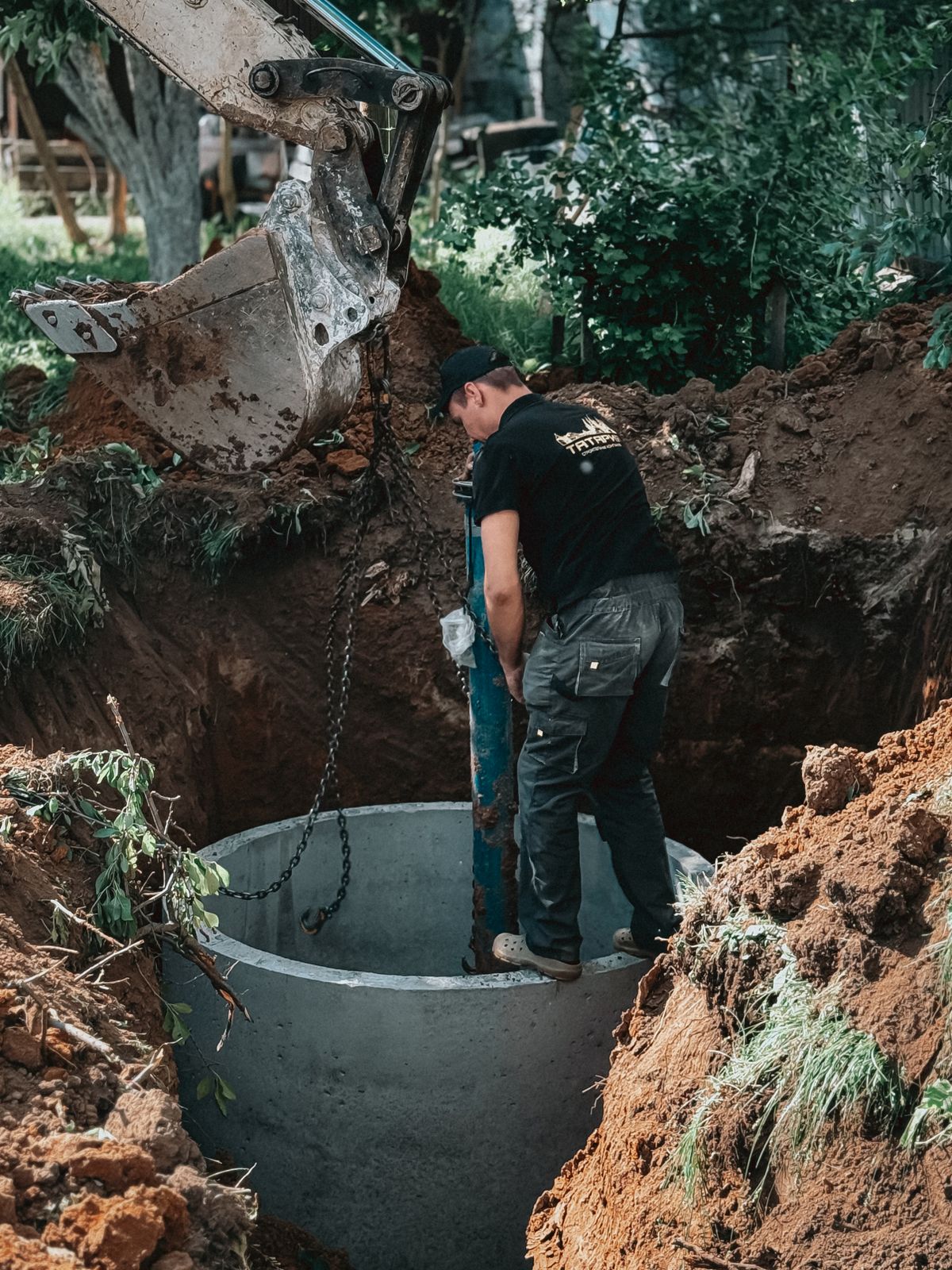
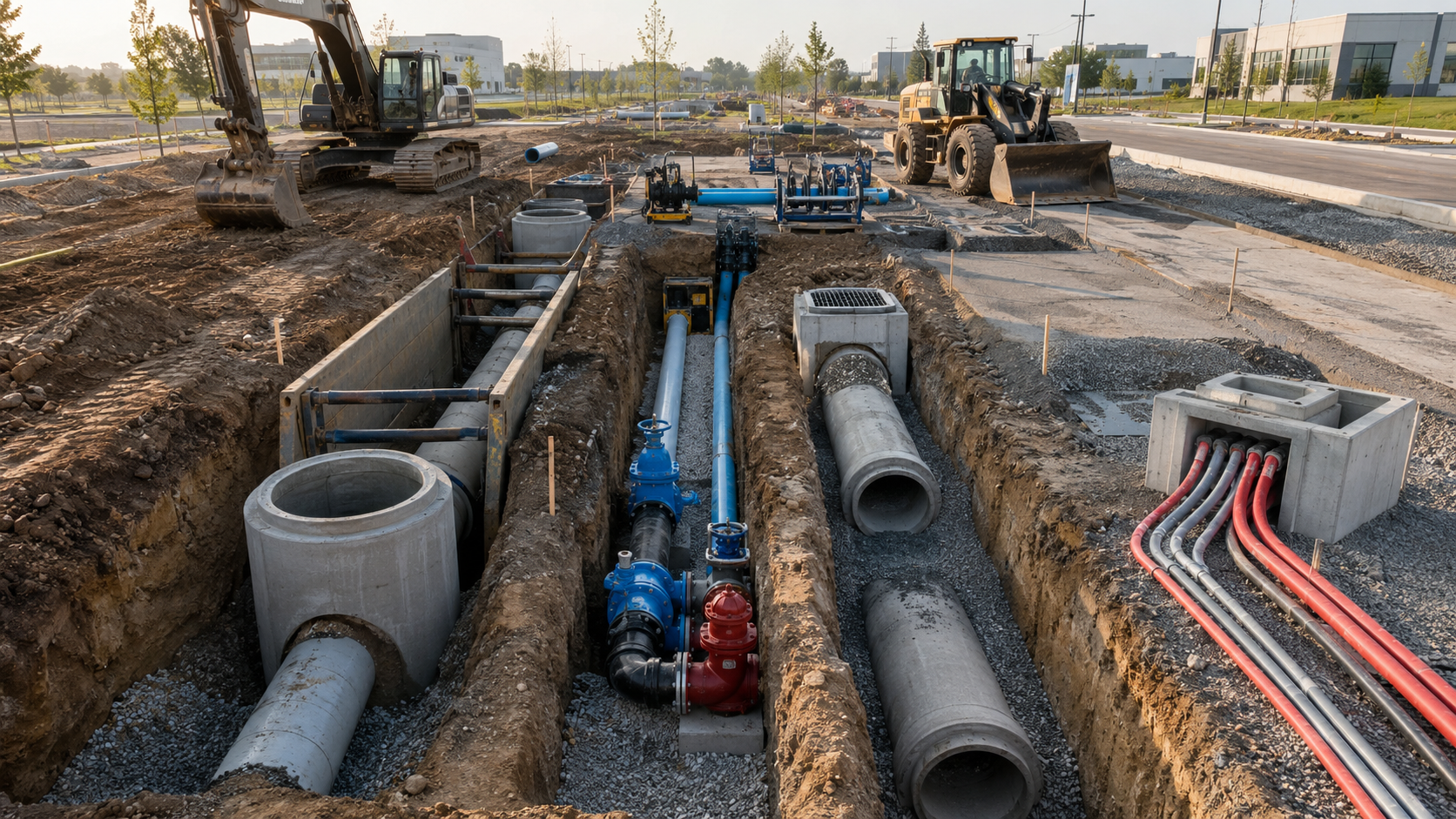
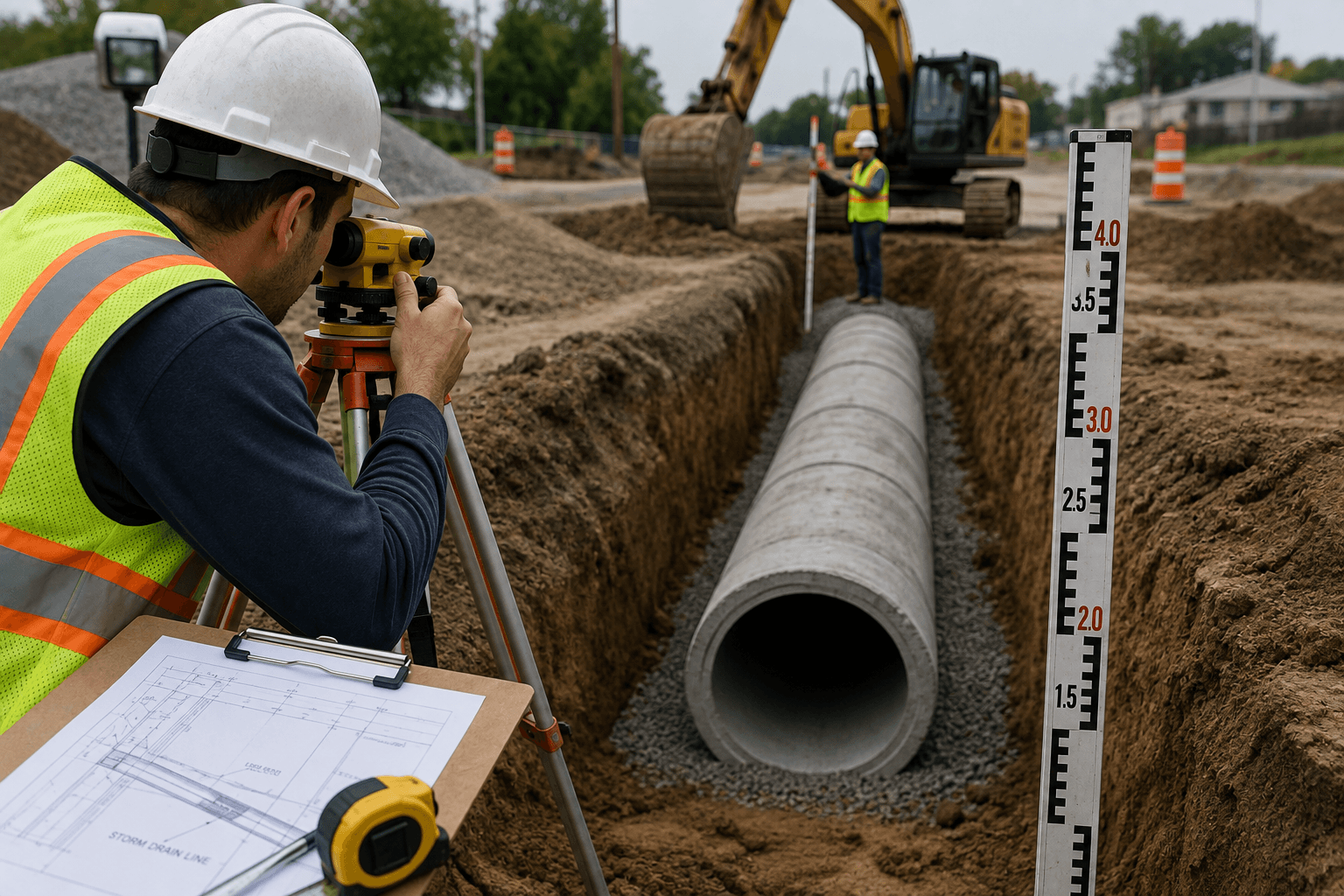
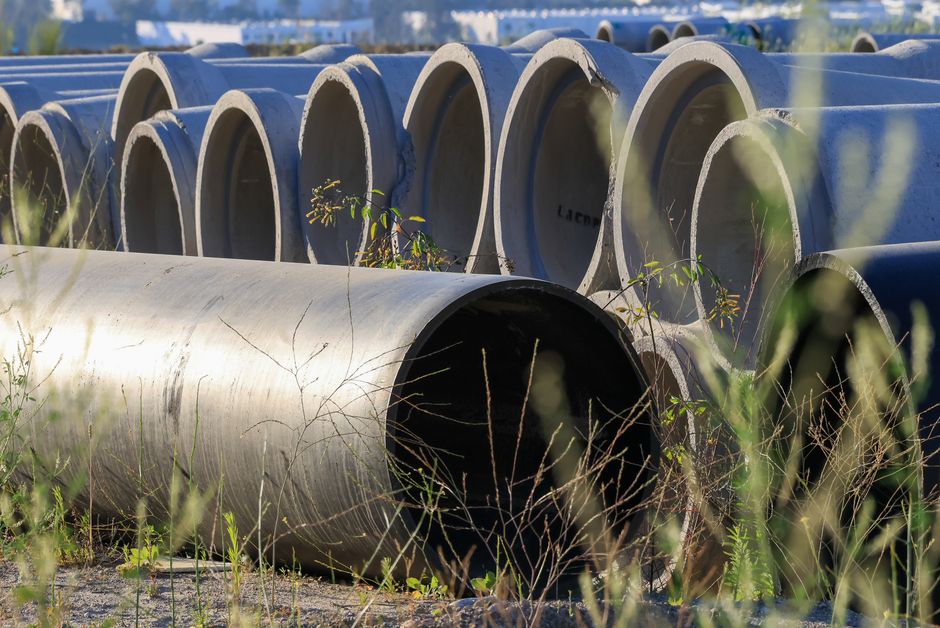
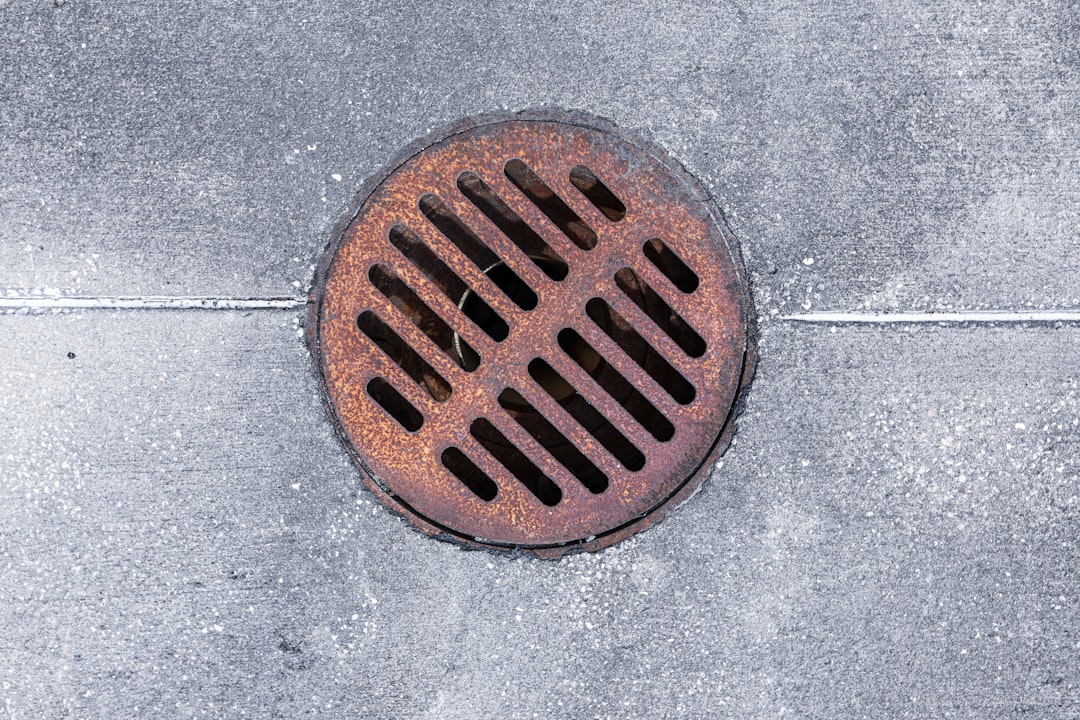
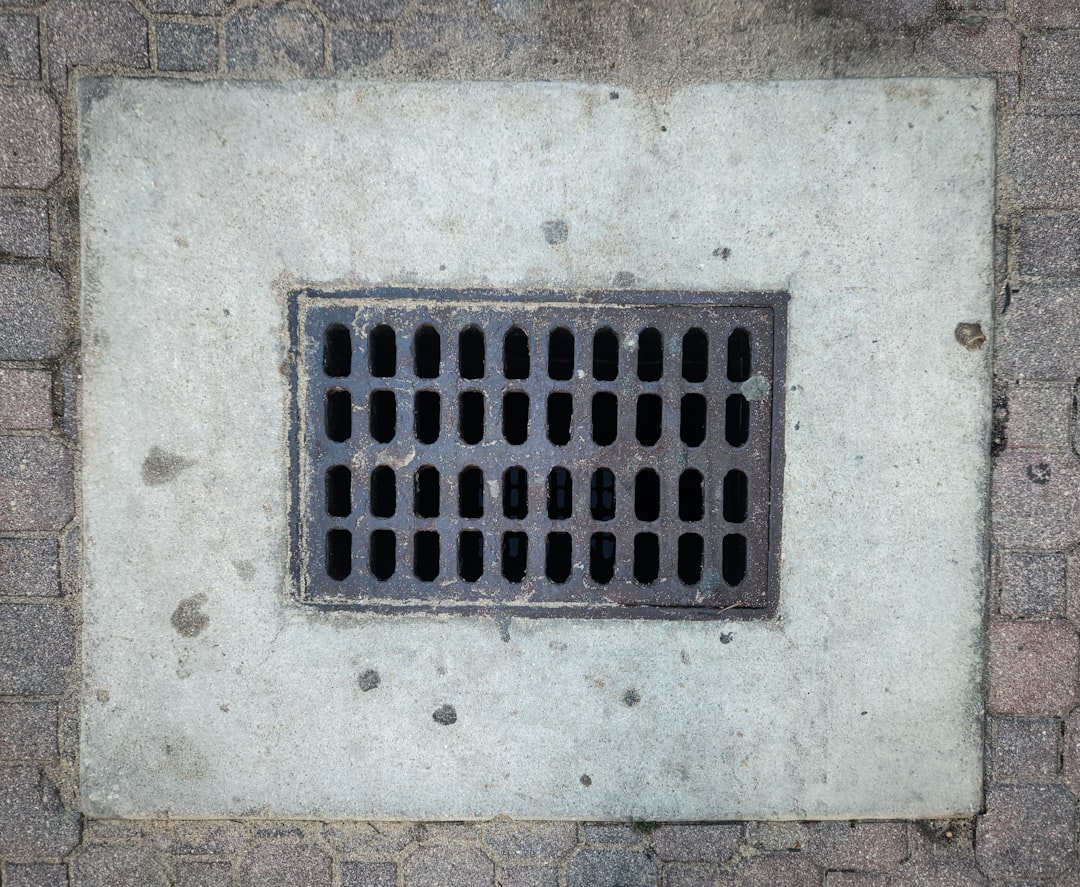
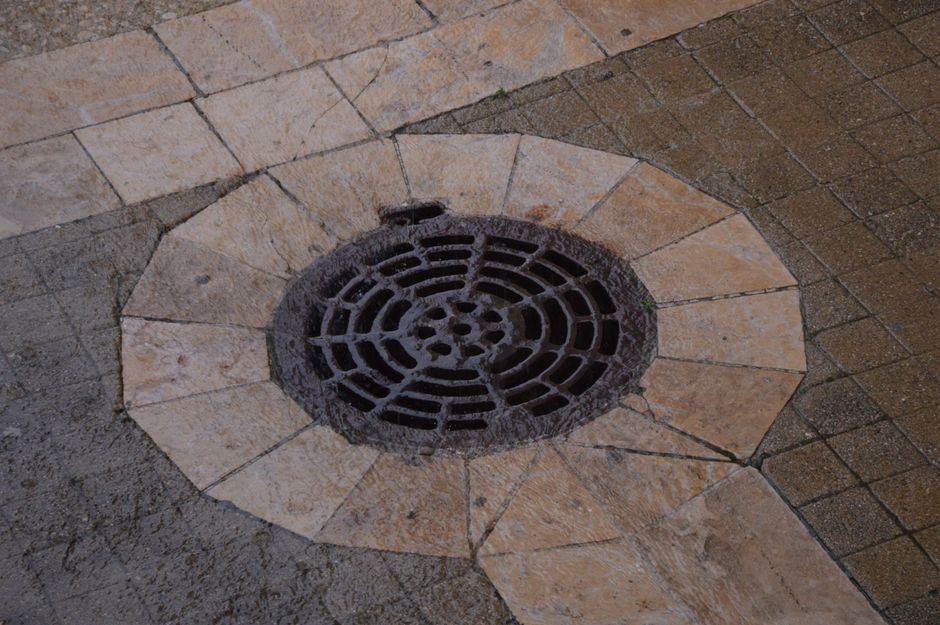
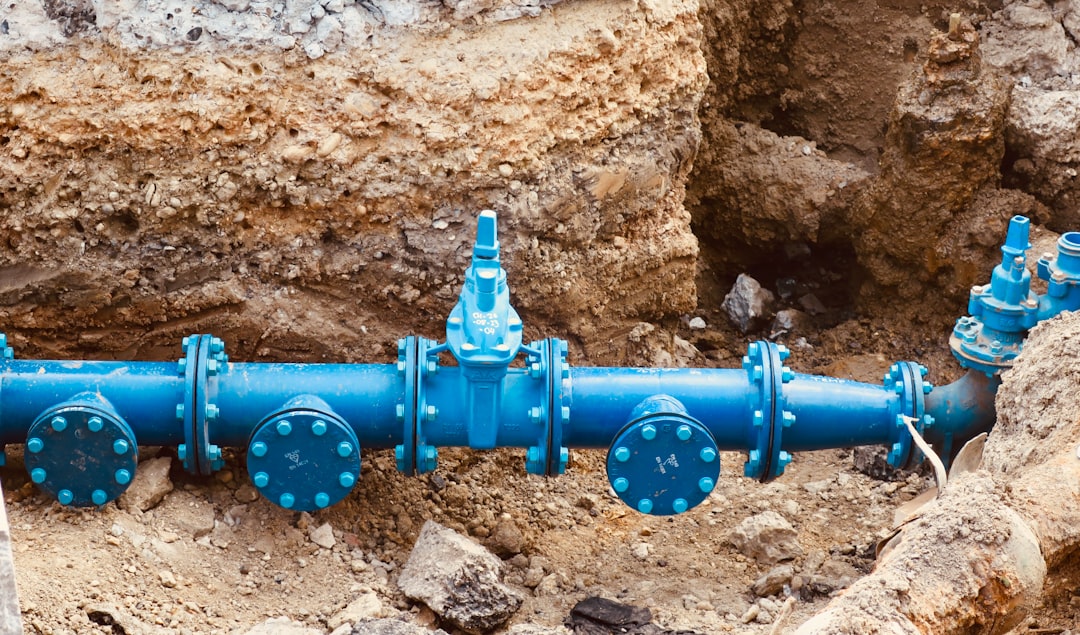
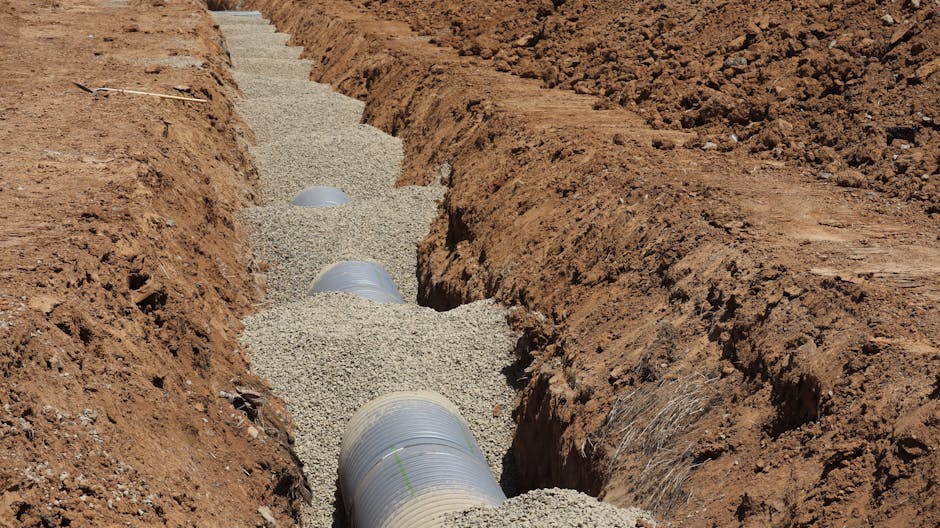
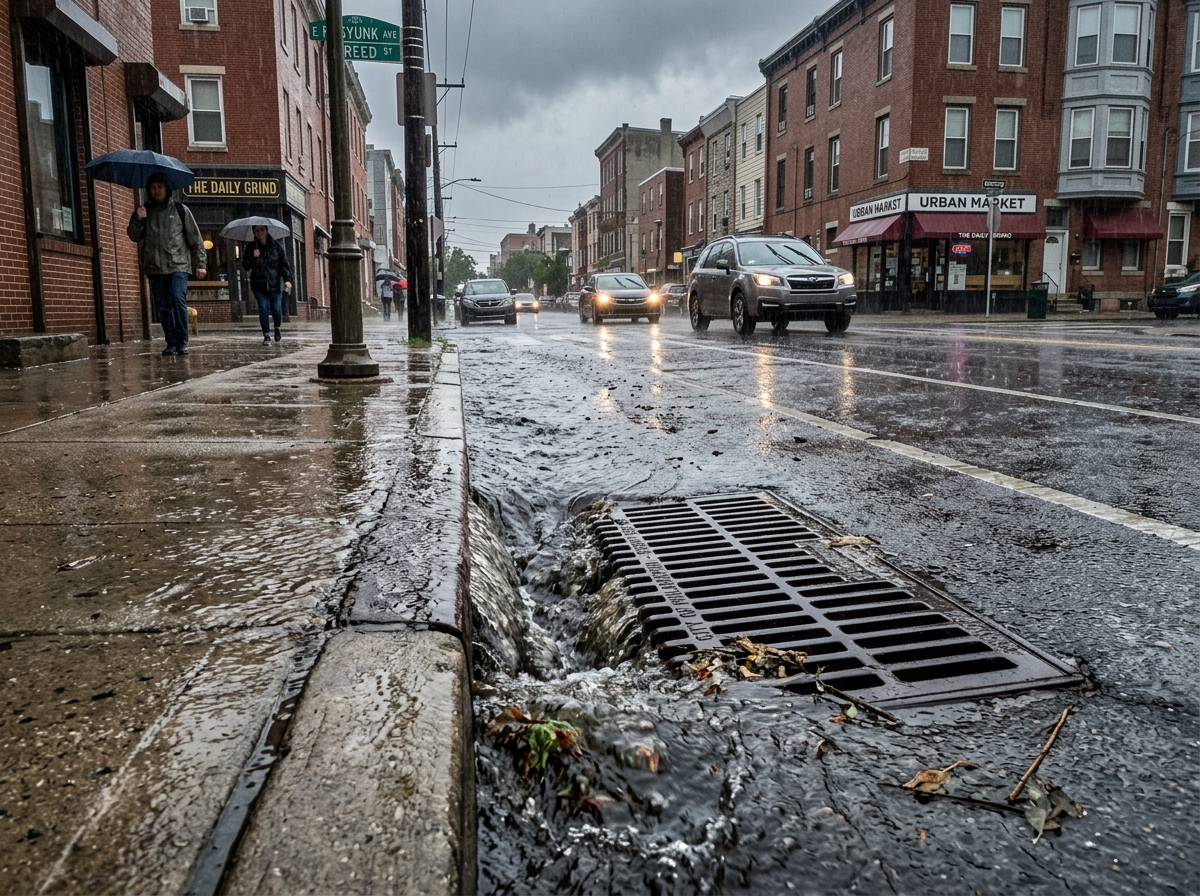
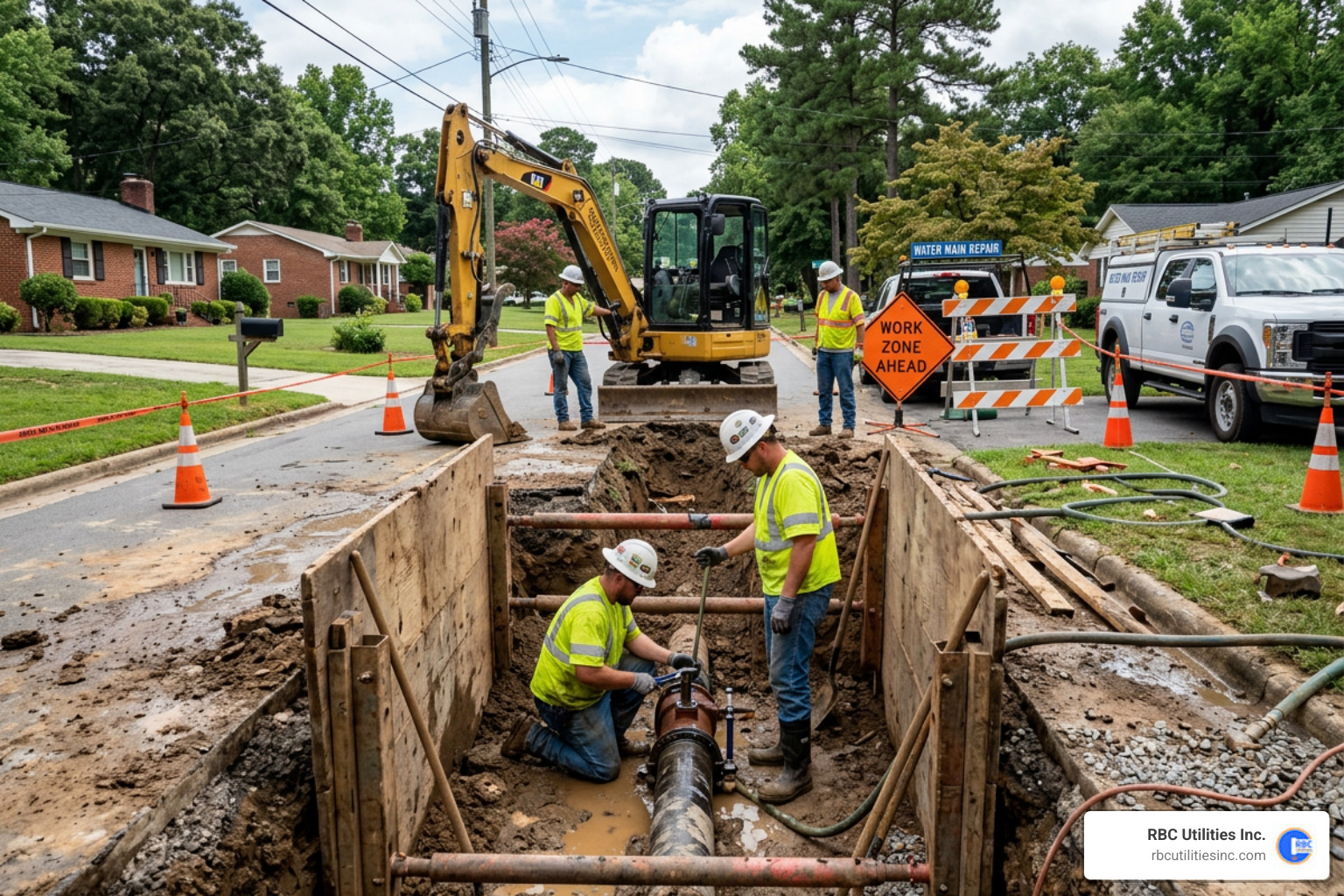
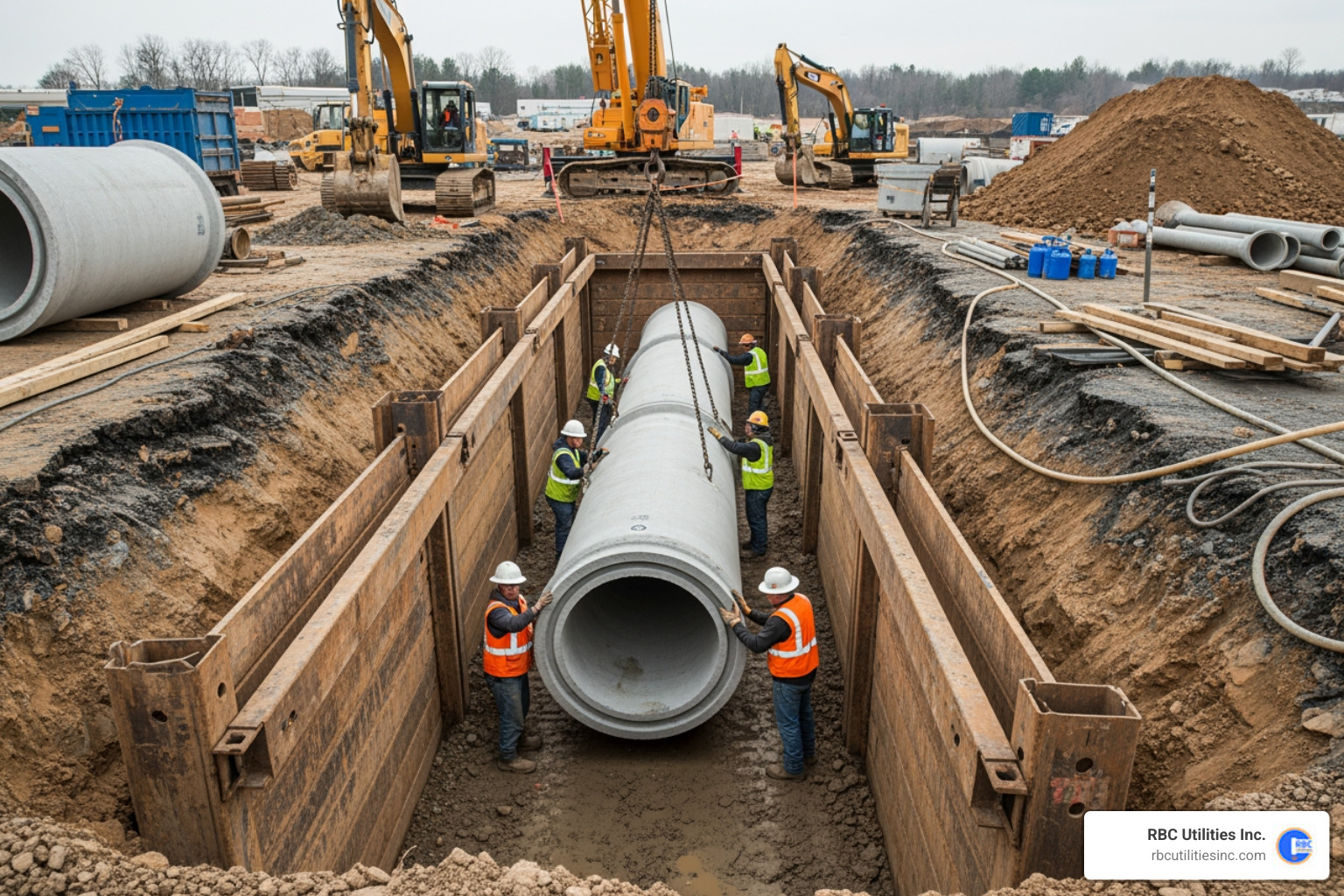
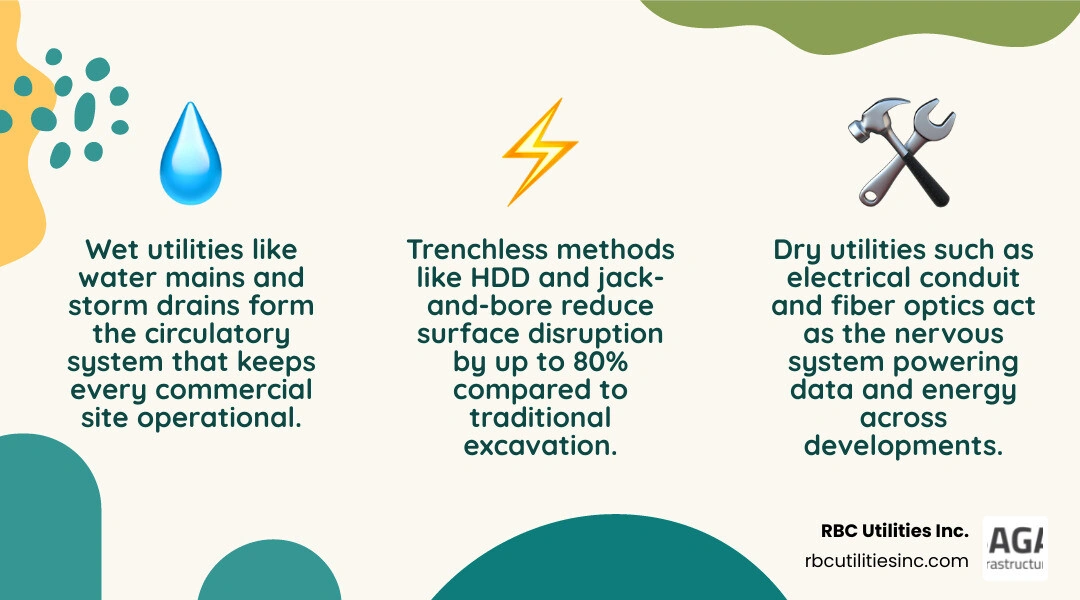
Wet utilities represent the lifeblood of any civil development. They are the systems that deliver clean, pressurized drinking water to buildings, safely carry away wastewater, and manage the massive volumes of rainwater that fall during Carolinas storms.
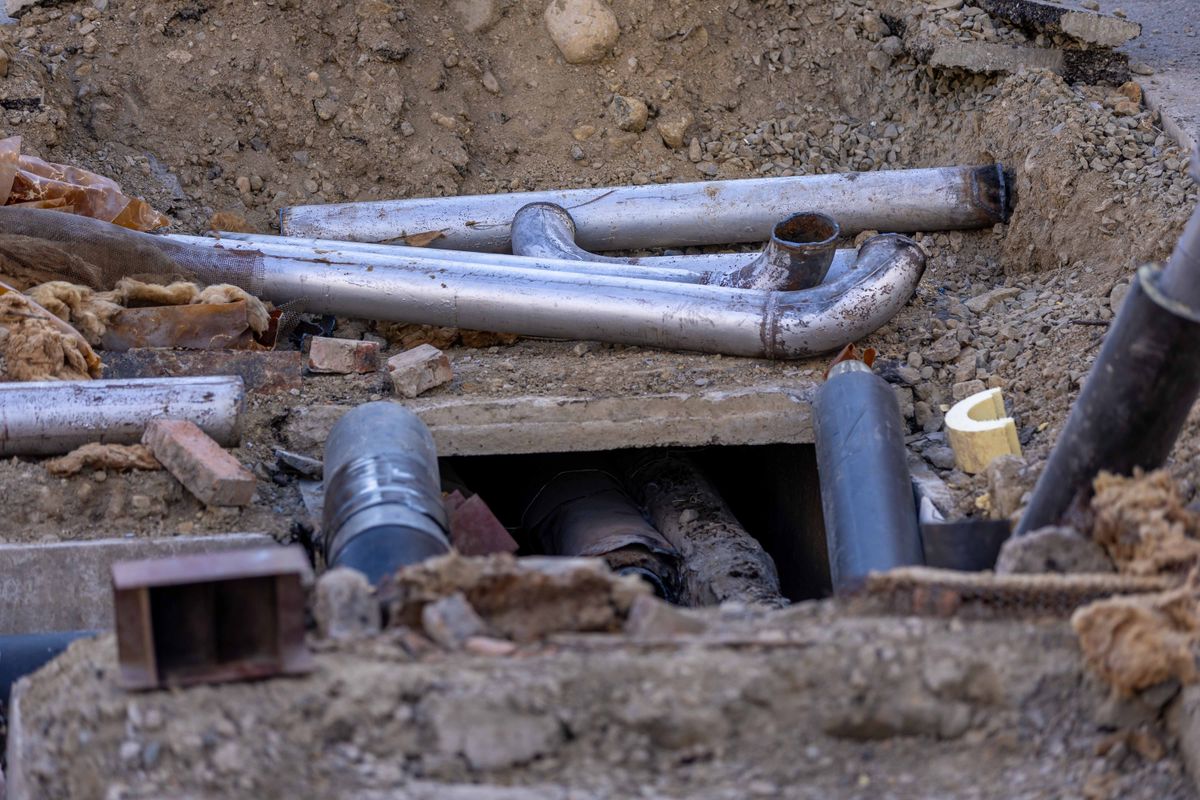
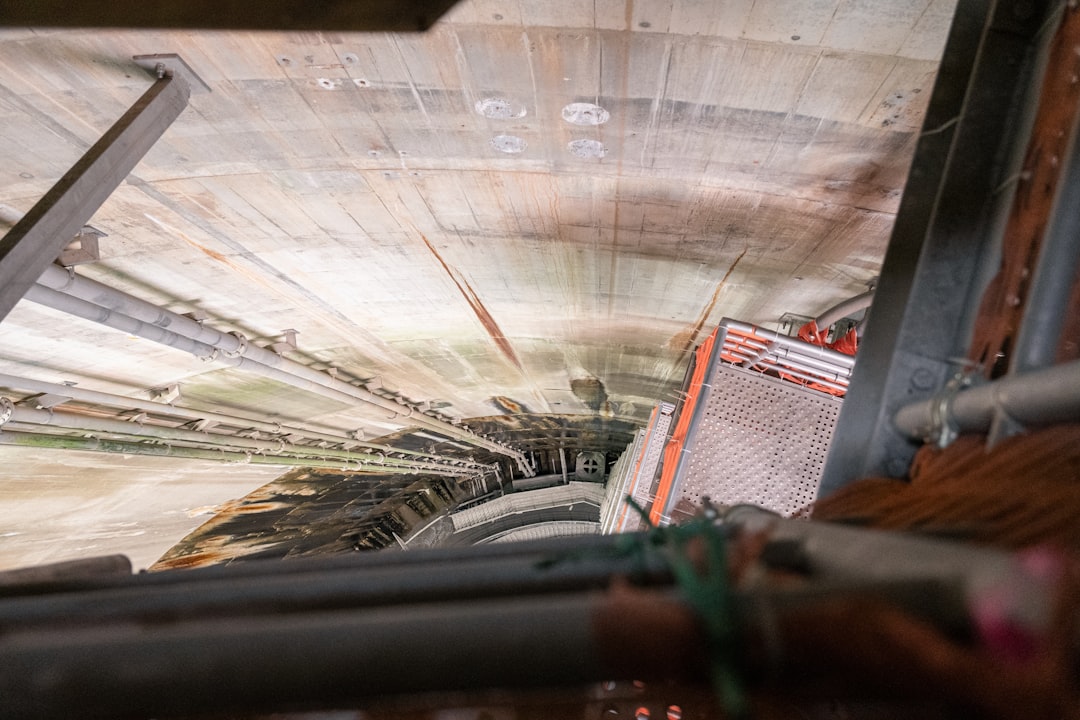
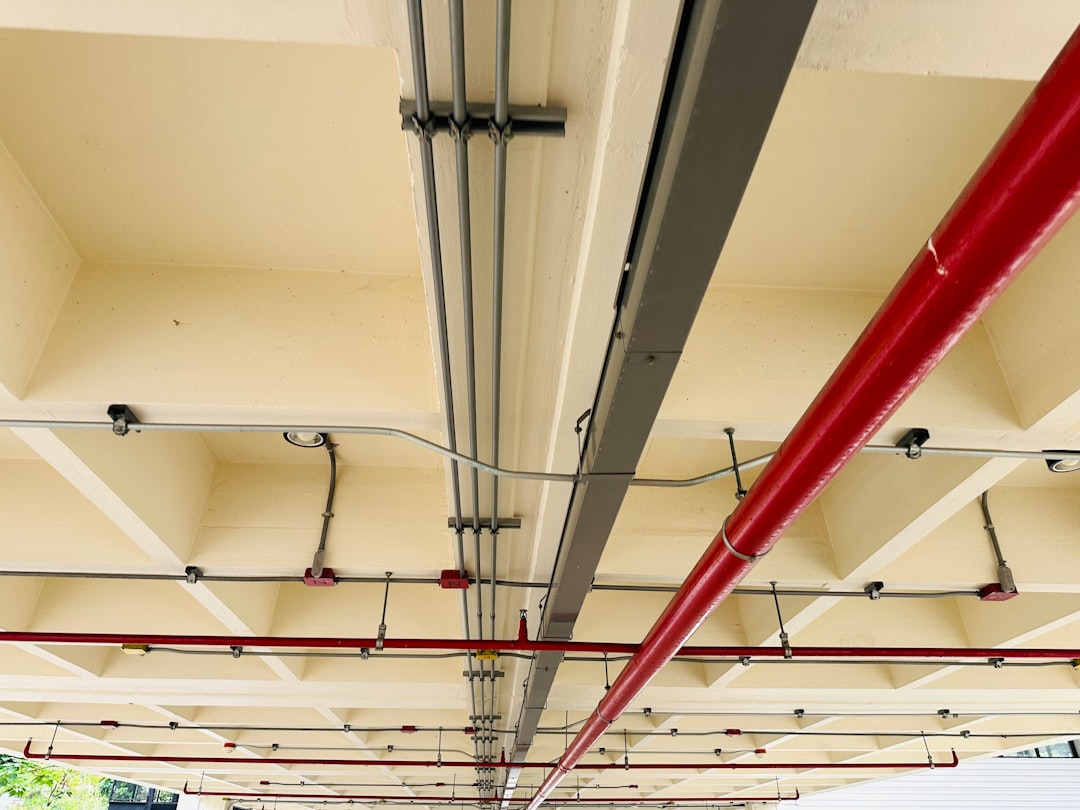
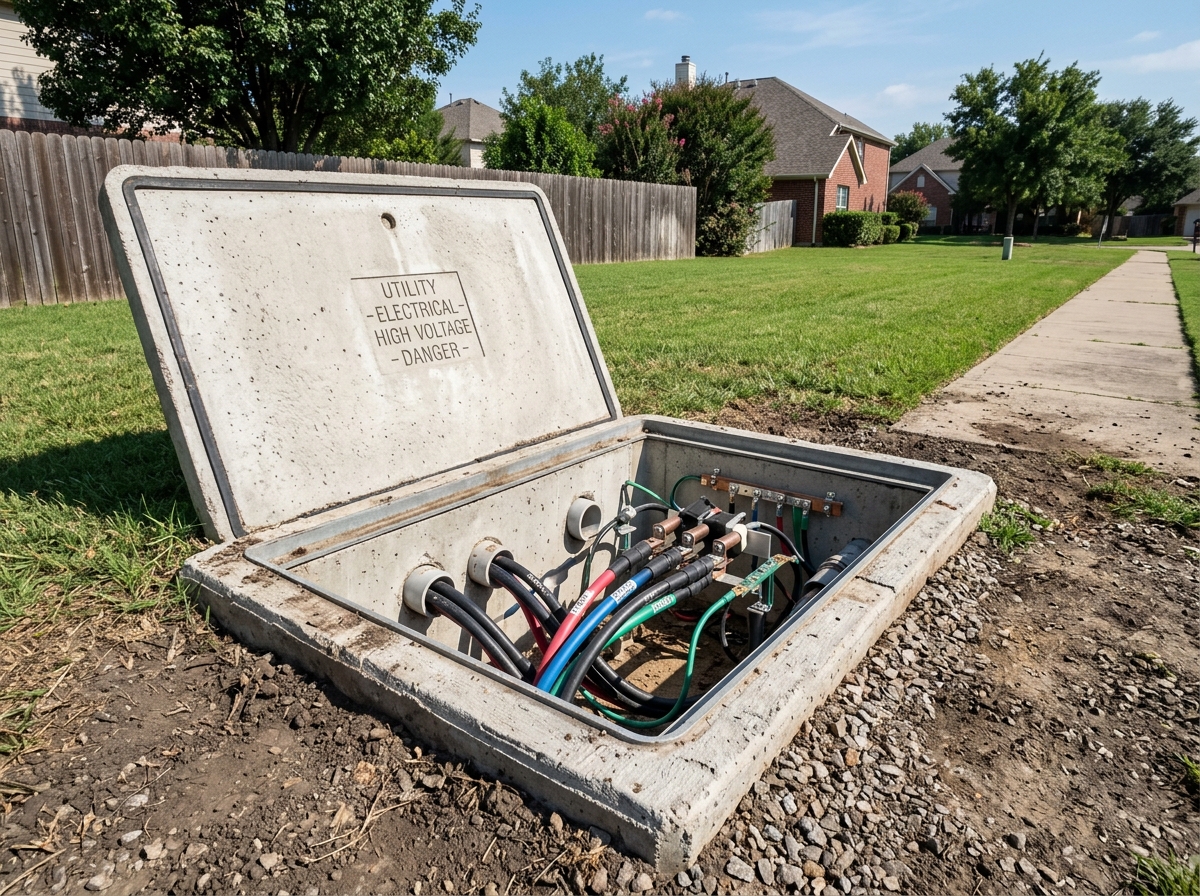
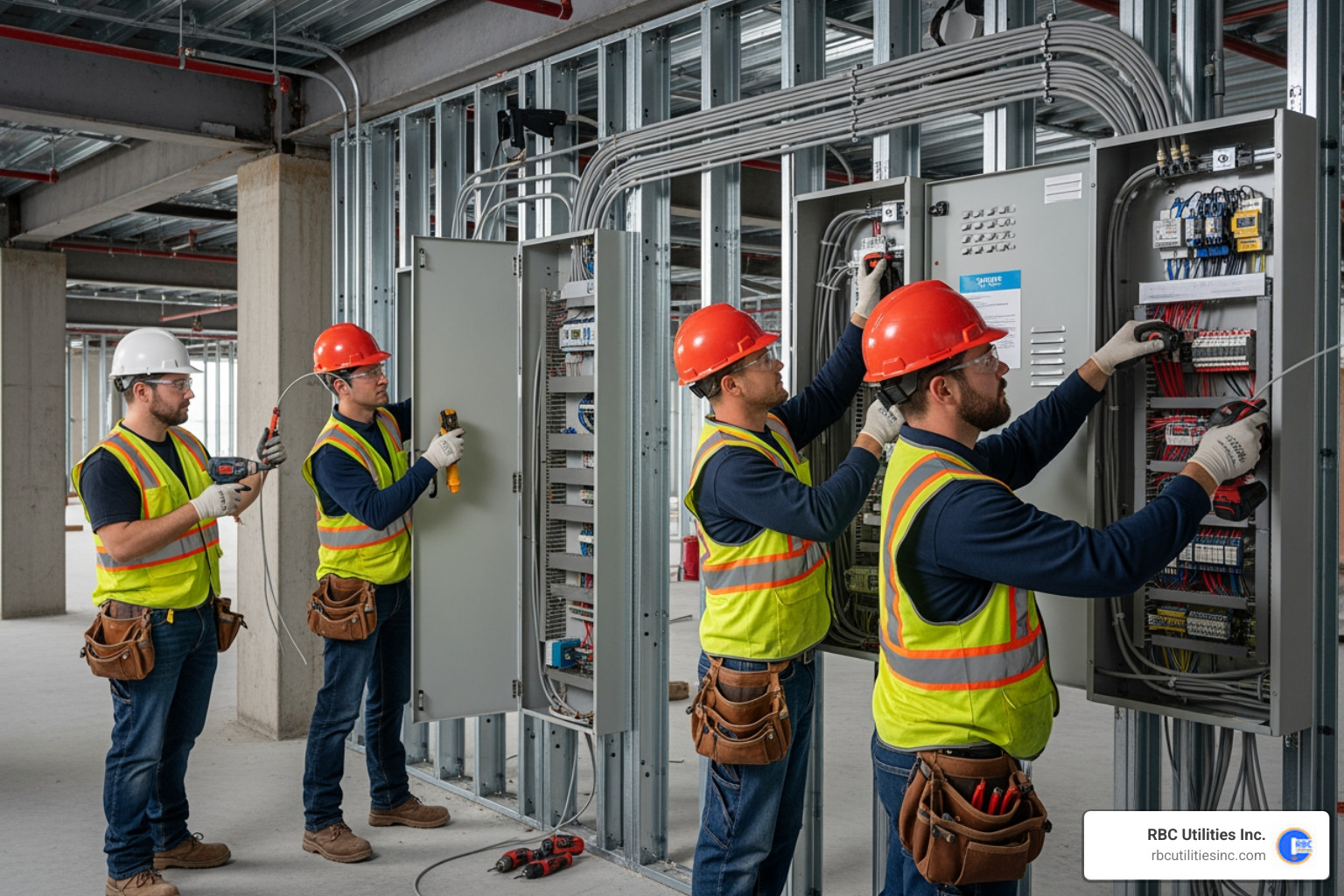
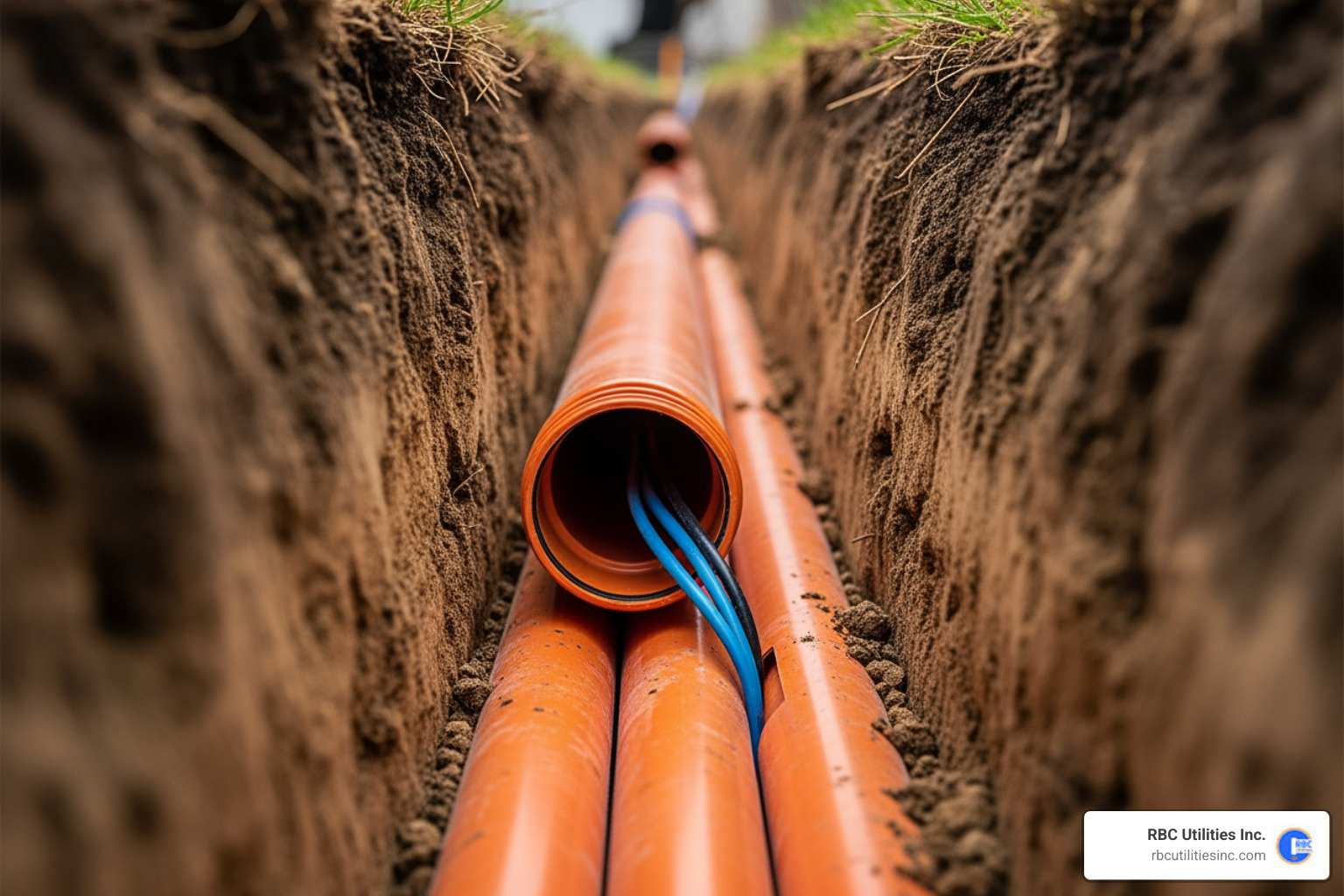
While wet utilities keep things flowing, dry utilities keep the lights on and the data moving. Dry utilities include the underground conduits and vaults that house electrical high-voltage lines, fiber optic cables, and telecommunications networks.
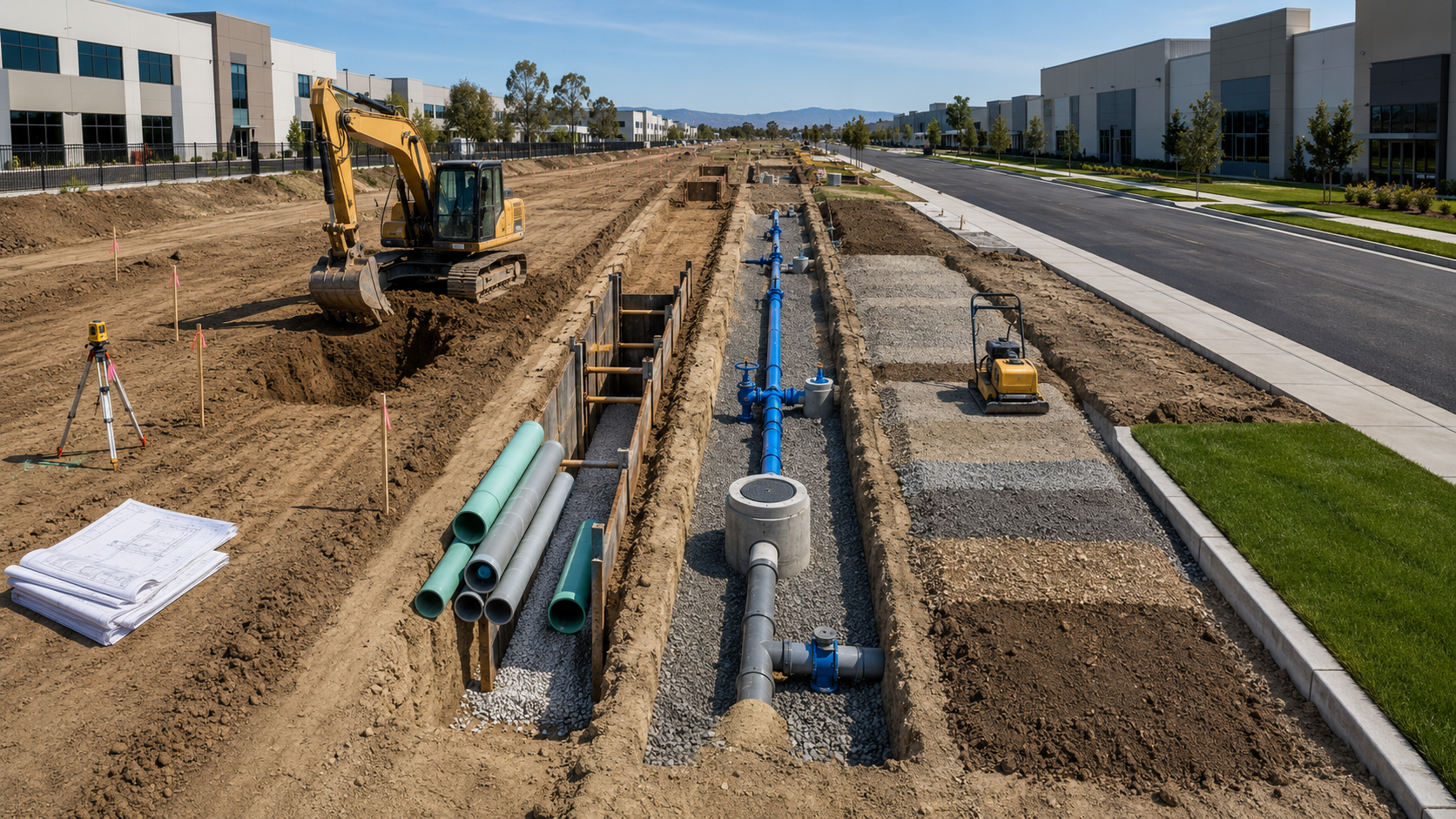
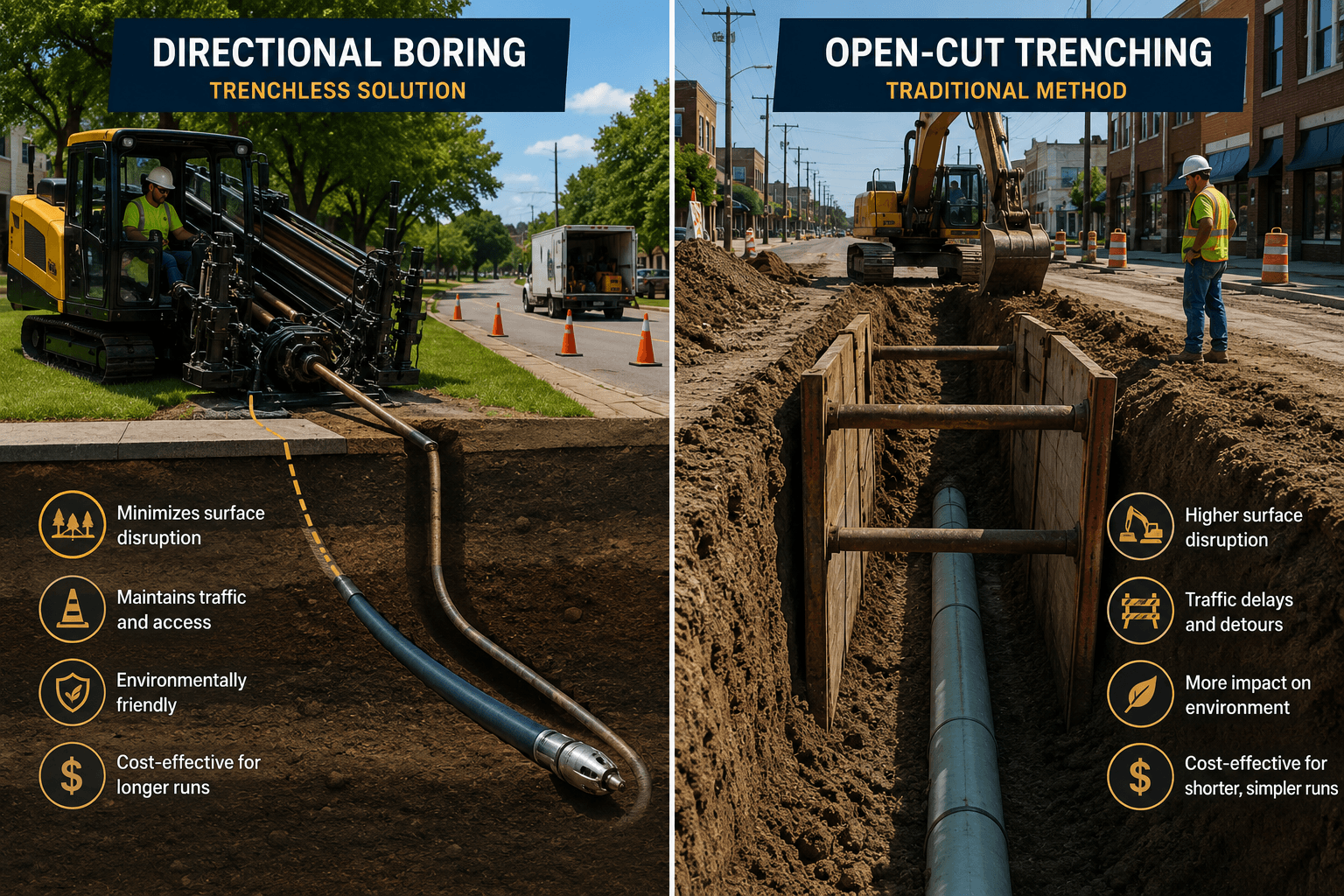
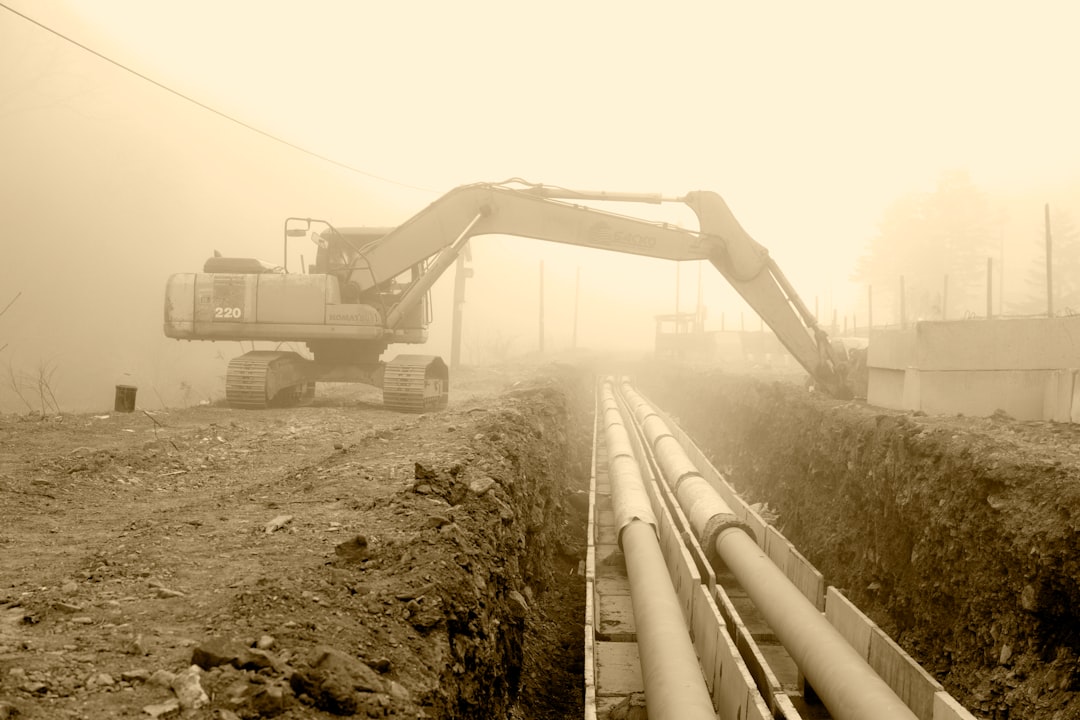
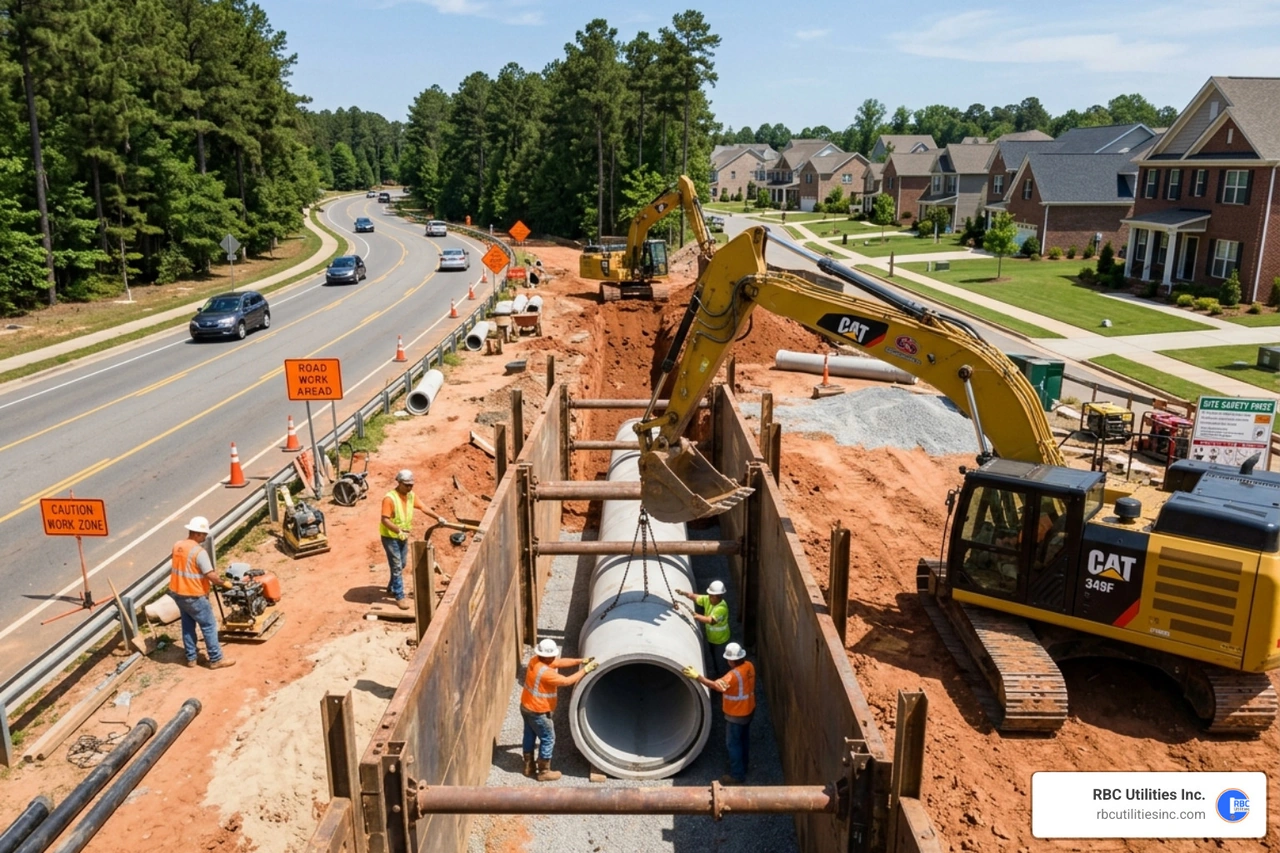
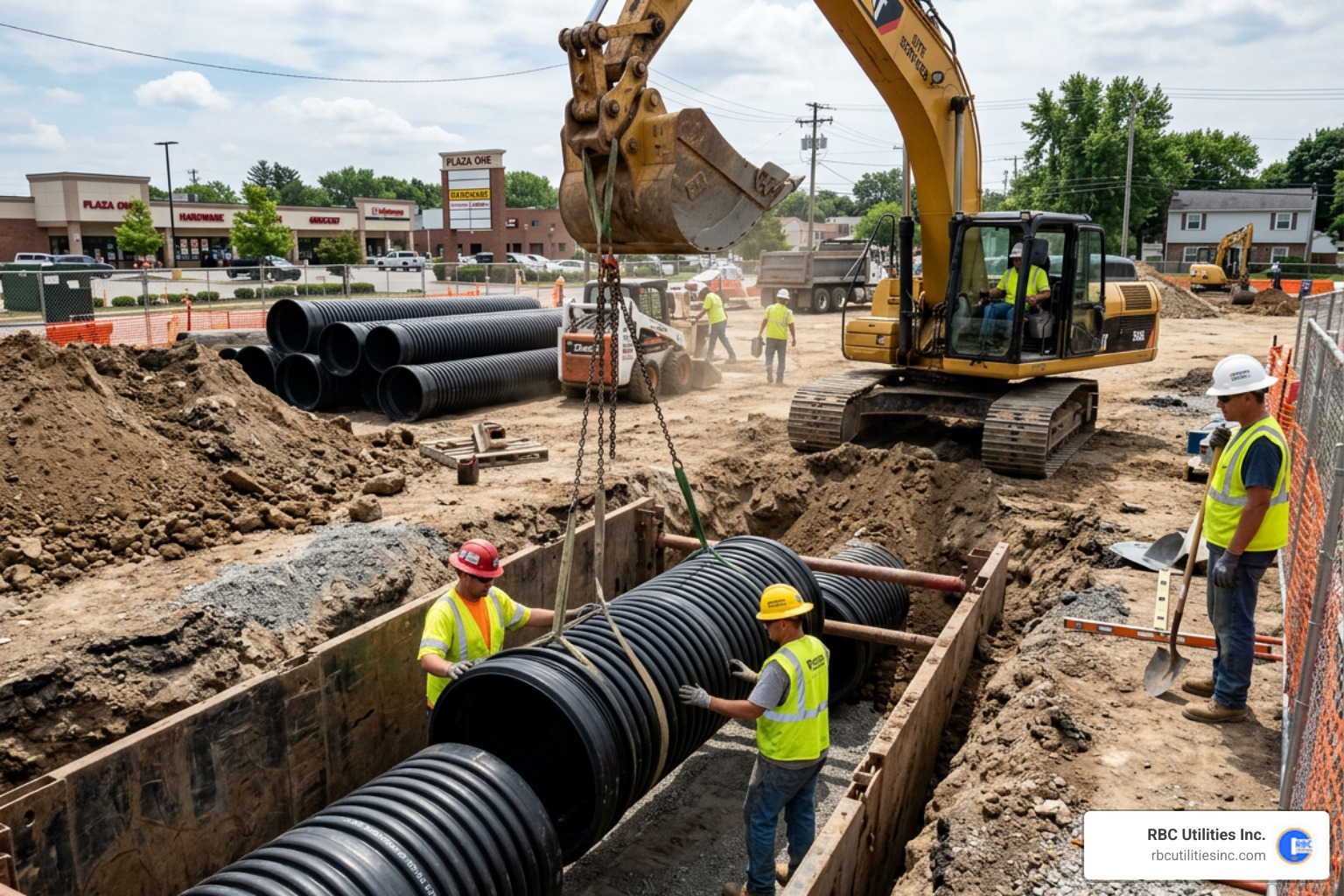
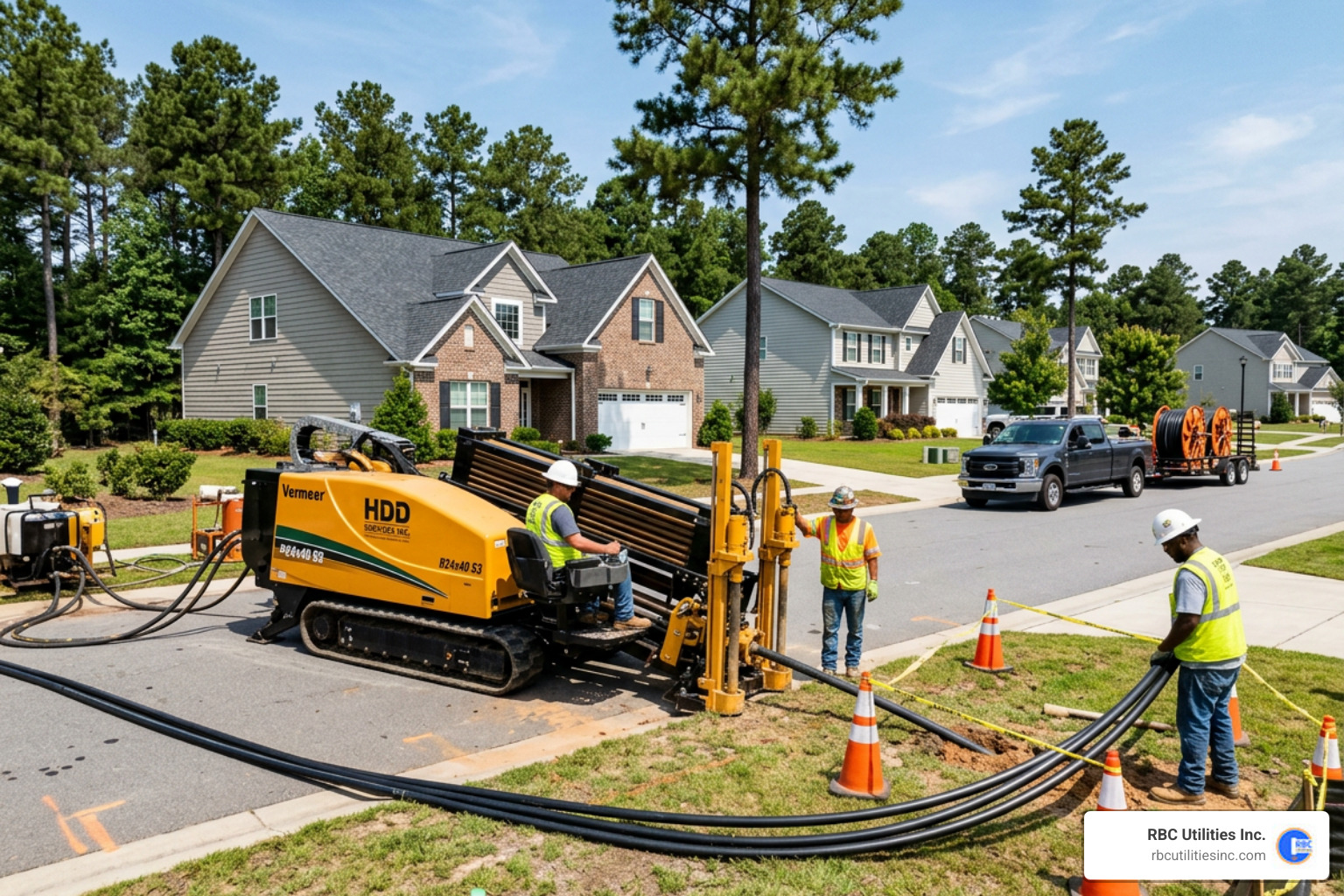
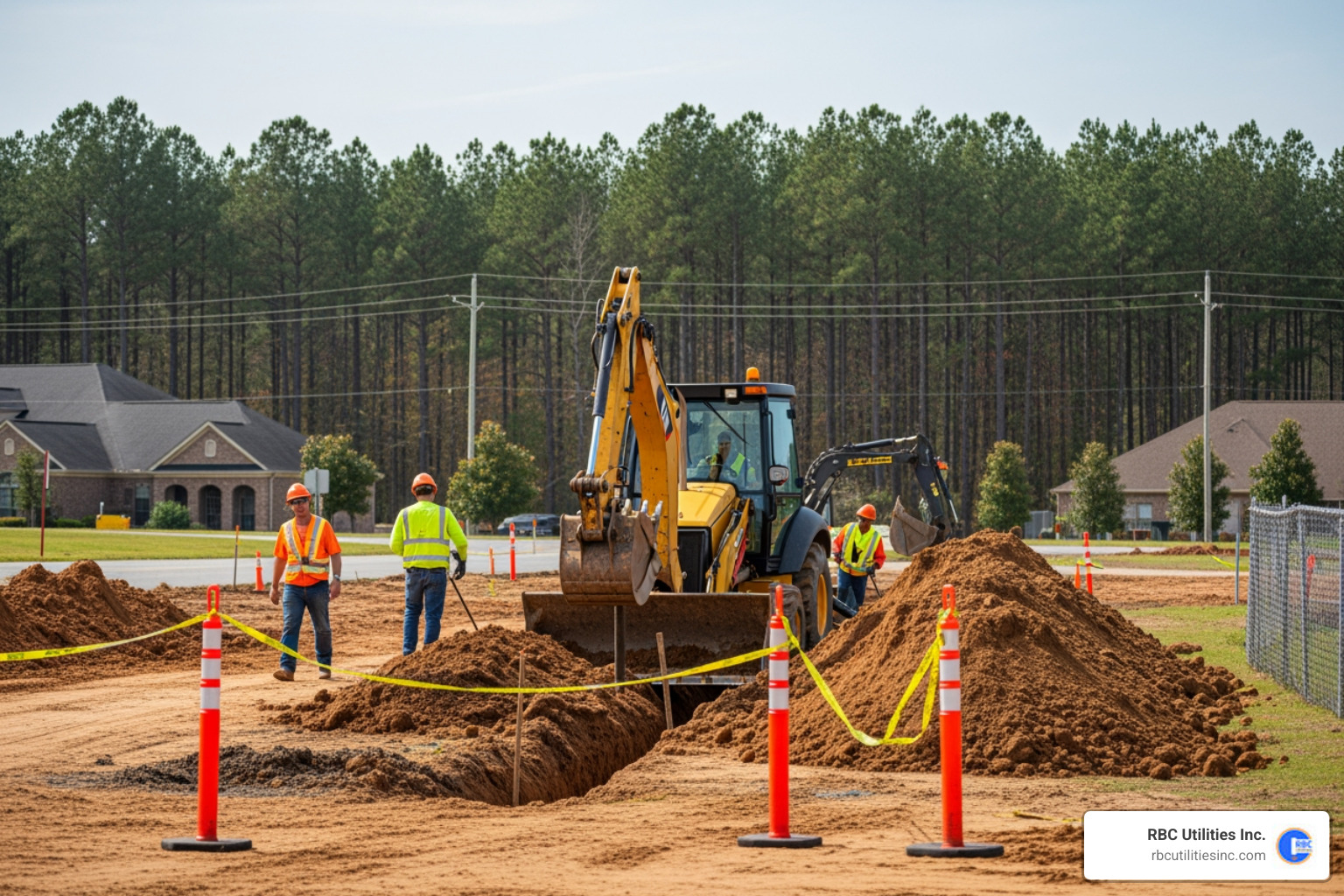
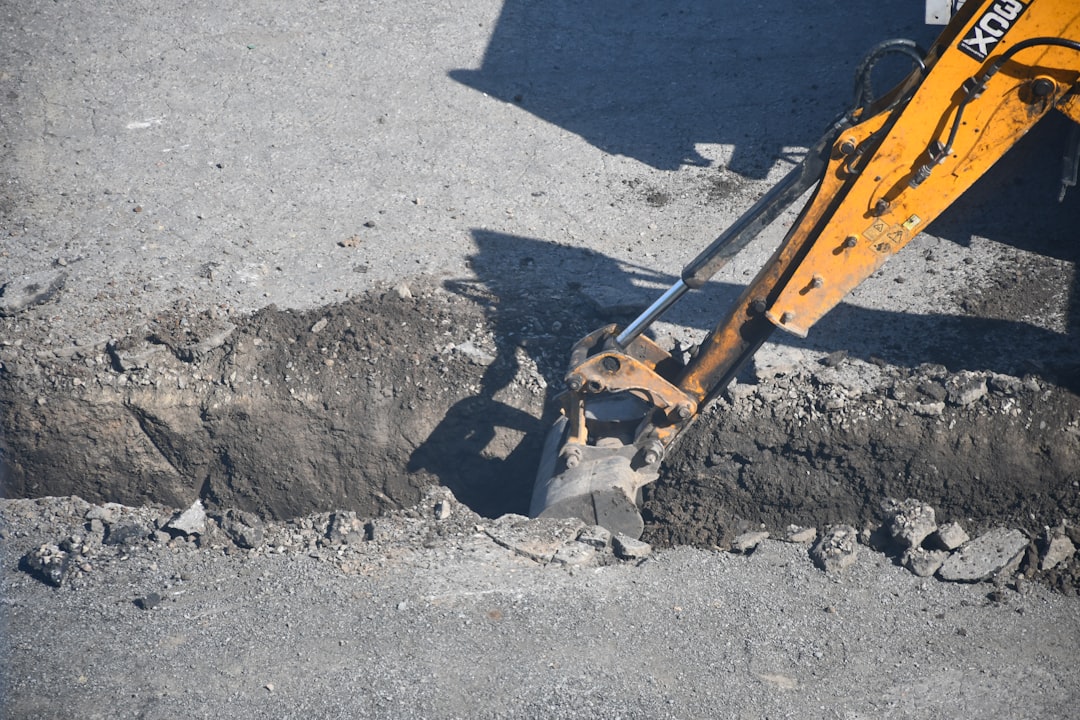
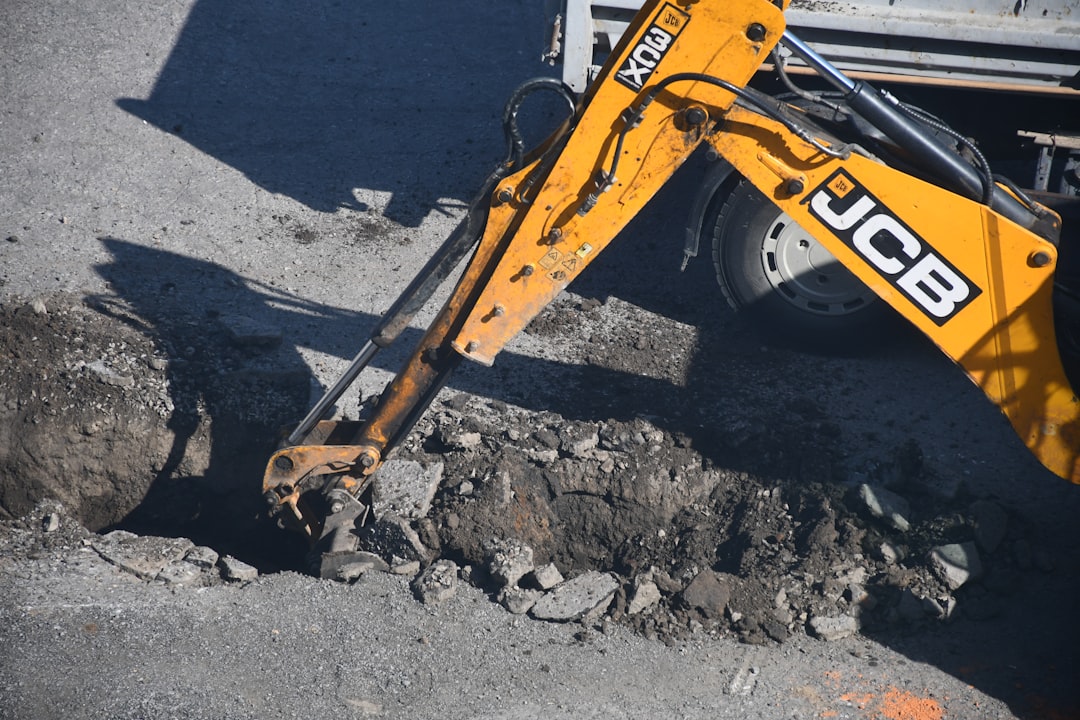
Historically, installing a pipe meant digging a massive, disruptive trench from point A to point B. While open-cut excavation is still highly effective and necessary for many projects, modern commercial utility work often requires a much more surgical approach.
Trenchless technology allows us to install pipes, conduits, and cables beneath existing roads, parking lots, rivers, and buildings without disturbing the surface.
By combining these advanced methods with traditional open-cut techniques, we customize our approach to fit the exact parameters of your project. Explore our full suite of Utility Line Installation Services and see how we apply these techniques on active sites through our guide to Underground Utility Installation NC.
A common mistake project owners make is assuming that any general contractor (GC) can handle underground utility work. While a GC is excellent at managing the overall scope of a building project, coordinating subcontractors, and overseeing vertical construction, they rarely possess the self-performance capabilities, specialized equipment, or licensing required for heavy underground civil work.
| Feature | Specialized Utility Contractor | General Contractor (GC) |
|---|---|---|
| Primary Focus | Underground infrastructure, wet/dry utilities, heavy civil earthwork | Vertical building construction, overall project management |
| Execution | Self-performs excavation, piping, boring, and utility installation | Typically subcontracts utility work to specialty firms |
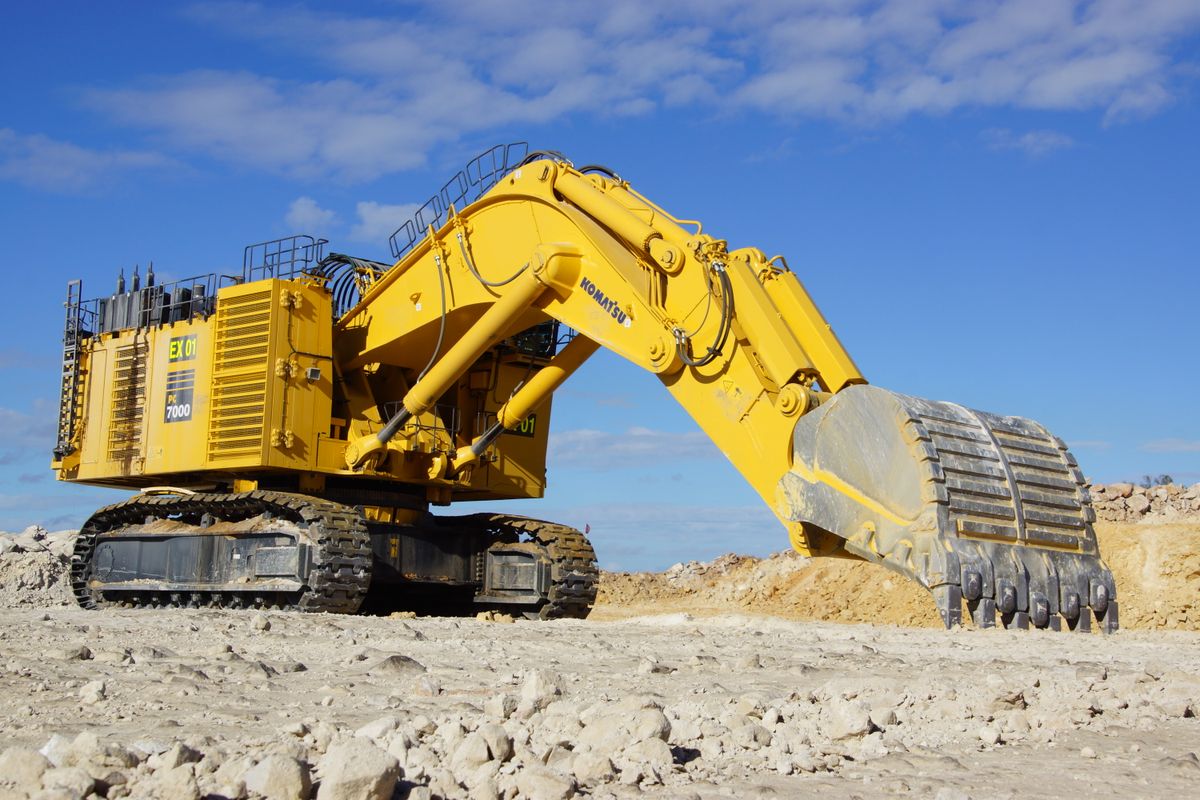
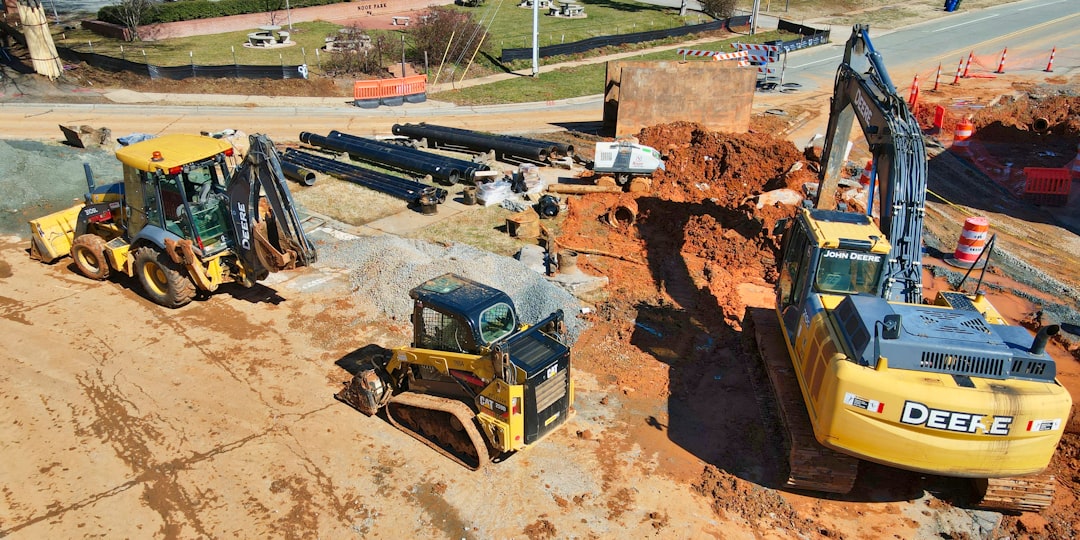
| Specialized Equipment | Owns heavy excavators, trench shoring, HDD rigs, hydrovac trucks | Owns basic site tools; rents or subcontracts heavy machinery |
| Licensing & Certification | Specialized utility/civil licenses, Operator Qualifications (OQ) | General commercial building licensing |
| Risk Profile | High-risk underground environments (cave-ins, utility strikes) | General construction safety and site coordination |
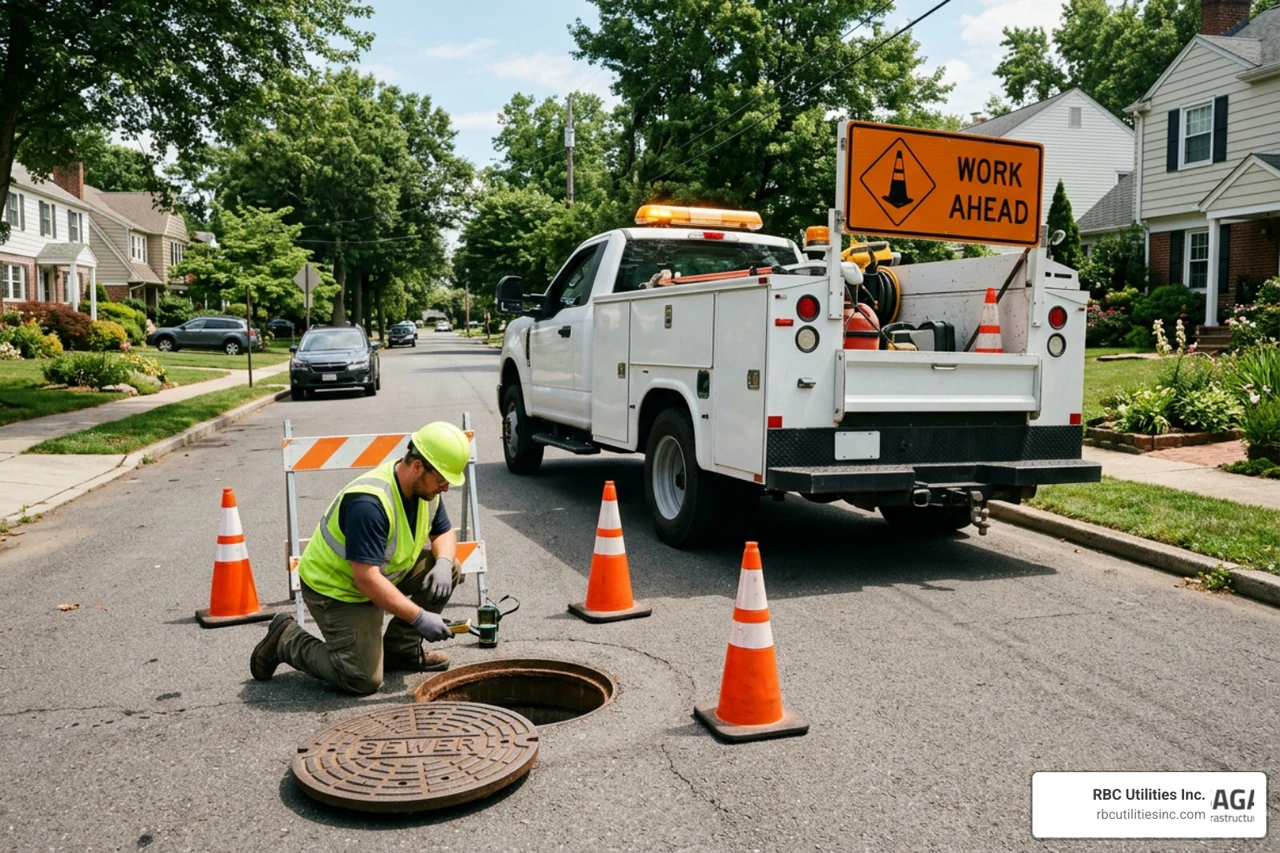
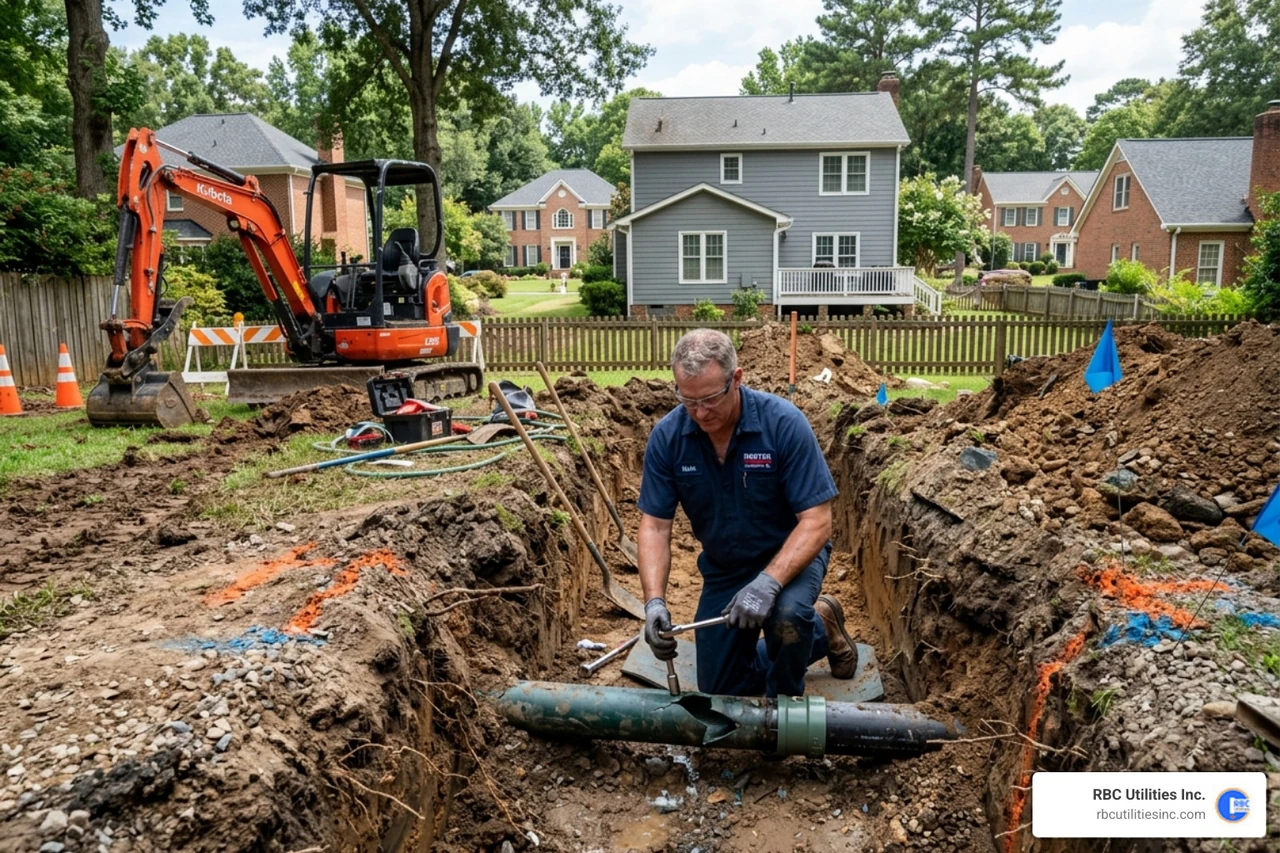
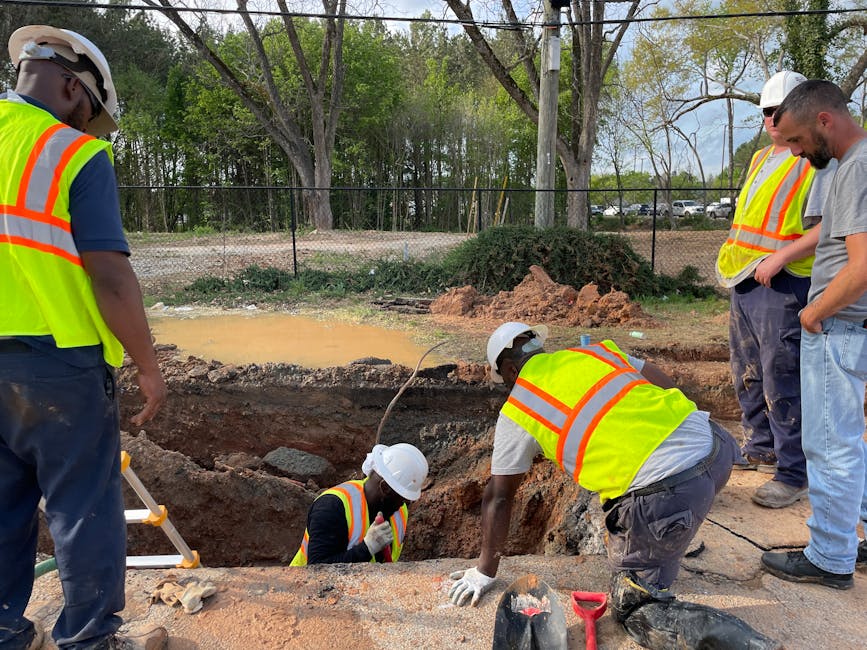
Working underground is inherently unpredictable. You are dealing with varying soil conditions, high water tables, and a crowded maze of existing, active utility lines that may not be accurately marked on older civil plans.
When you hire a specialized contractor, you are not just paying for labor; you are investing in peace of mind, specialized expertise, and a team that self-performs the critical work that sets the foundation for your entire project. Learn more about the specialized capabilities required for these complex installations by reviewing our Utility Line Installation Services.
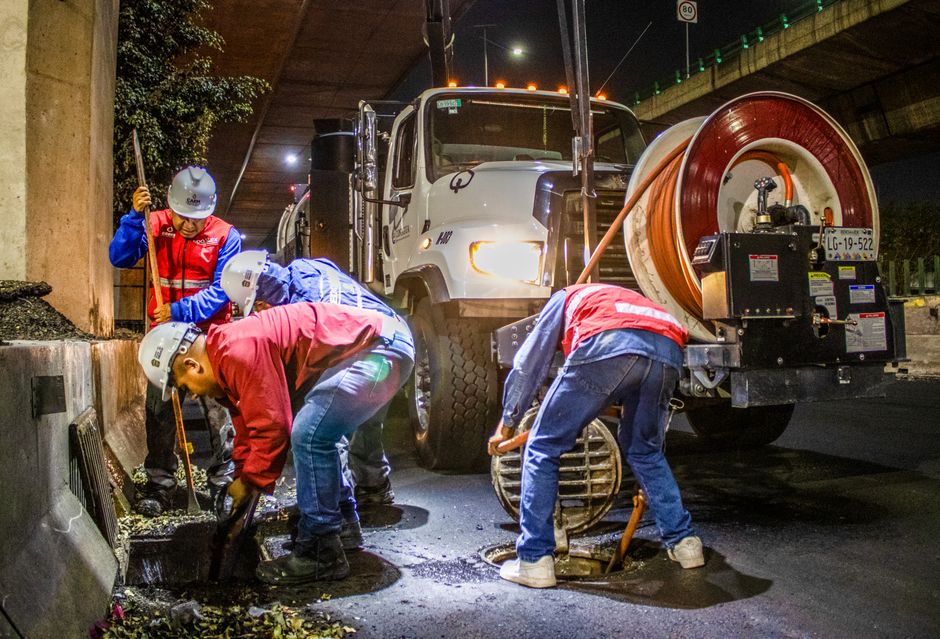
In our industry, safety is not a box we check to satisfy regulatory inspectors — it is a core value that dictates every single action we take on a job site. Working in deep trenches, managing heavy machinery, and navigating active utility corridors requires an absolute commitment to safety, strict compliance with environmental regulations, and a forward-thinking approach to sustainable infrastructure.
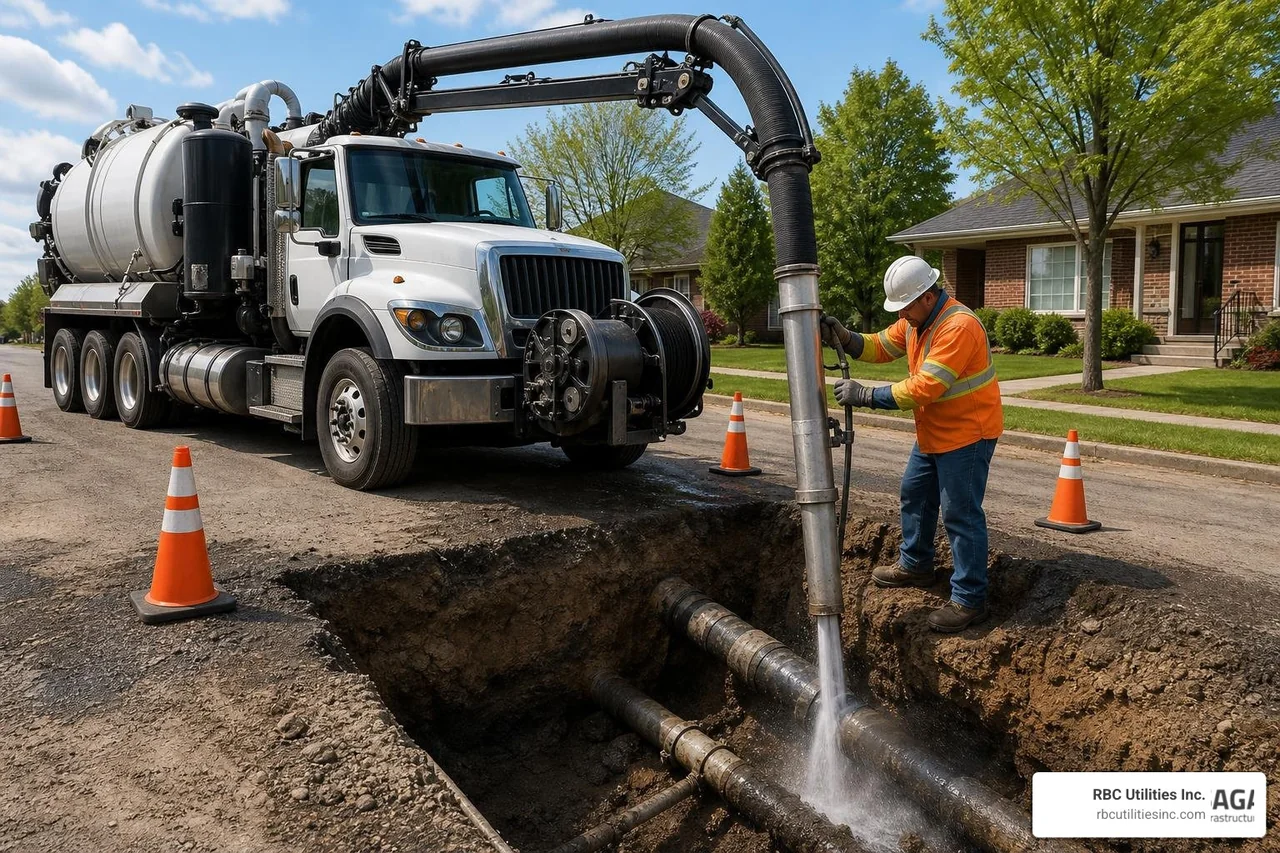
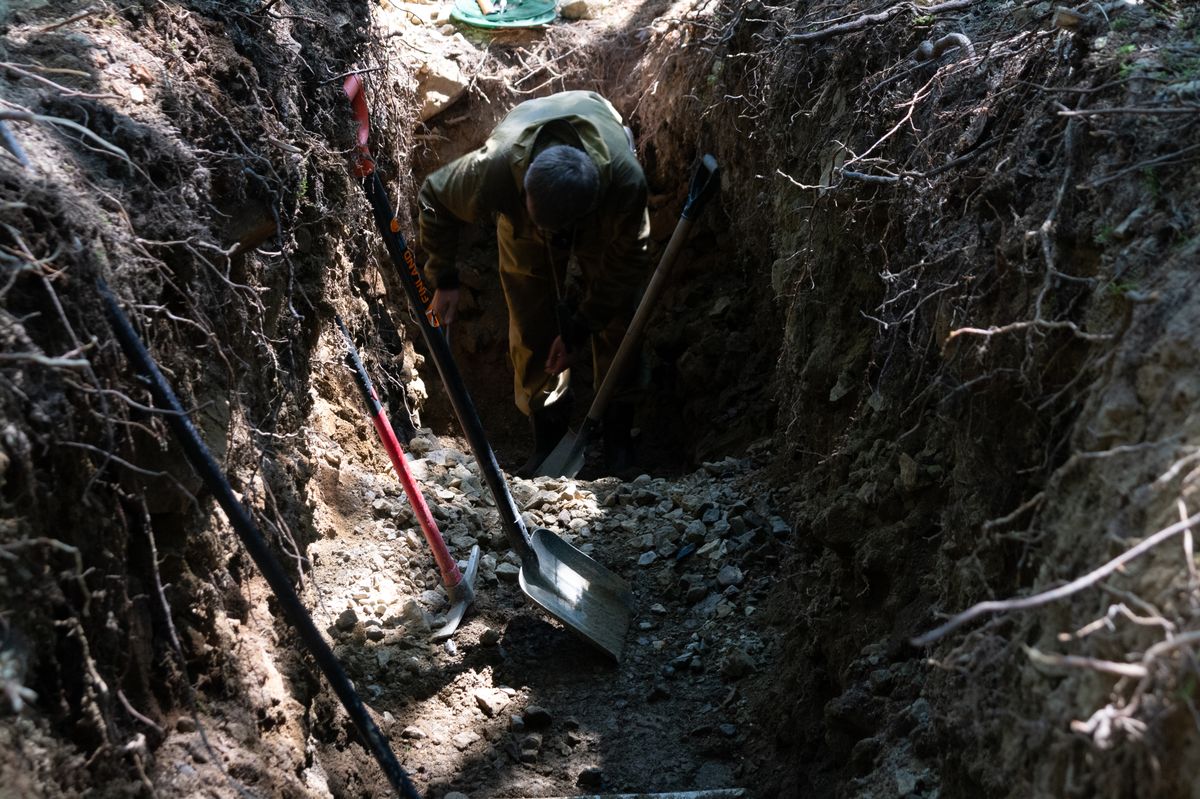
The federal standards established by the OSHA Trenching and Excavation Safety guidelines are the foundation of our daily safety protocols.
As we look toward the future of the Carolinas, sustainability and green energy are taking center stage. Modern commercial utility contractors must be equipped to support these green initiatives.
To see how we integrate safety, compliance, and sustainability into our daily operations, explore the details of Our Services.
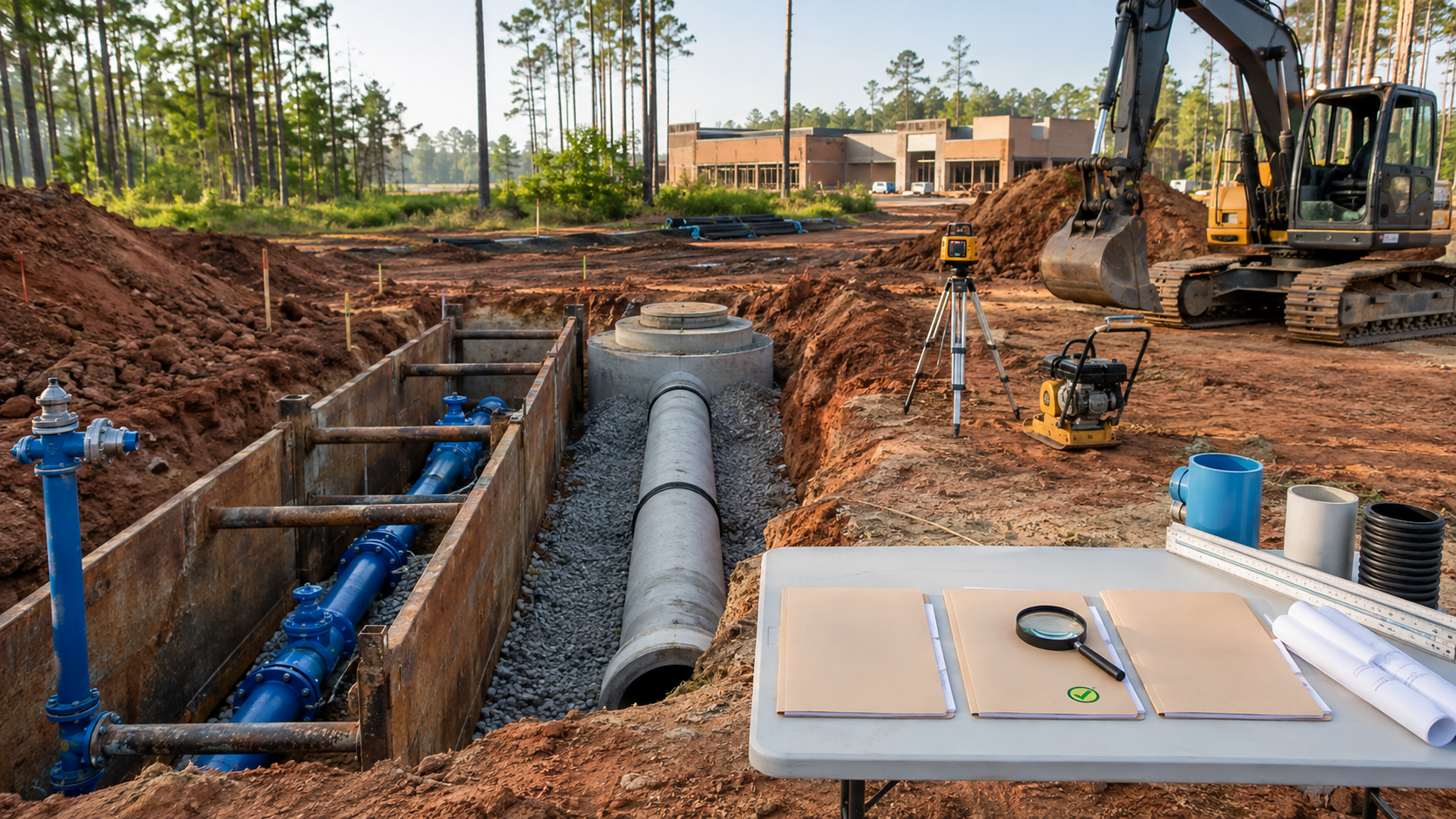
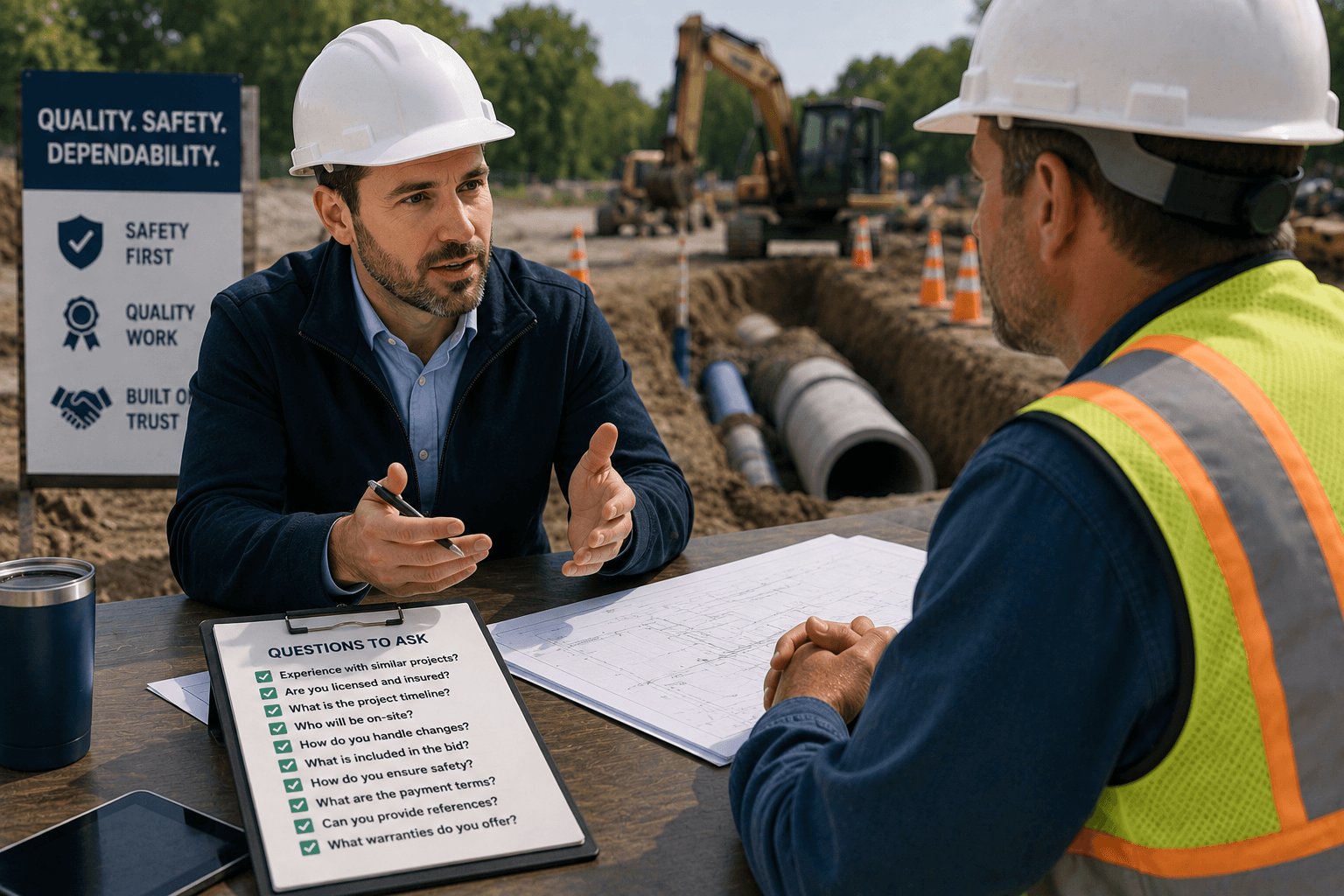
Selecting the right commercial utility contractor is one of the most critical decisions you will make for your project. A poor choice can lead to scheduling delays, budget overruns, and long-term structural failures beneath your property.
When vetting potential partners in the Carolinas, look for directories and localized resources like the 15 Best Commercial Utility Contractors Wilmington, NC - Downtobid, the 15 Best Commercial Utility Contractors Myrtle Beach, SC - Downtobid, or the 15 Best Commercial Utility Contractors Rock Hill, SC - Downtobid to see how regional firms stack up.
To ensure you are partnering with a top-tier contractor, focus on three main areas: bonding capacity, equipment fleet, and project delivery methods. If you are preparing for a water infrastructure project, start by reviewing our guide on Water Main Contractors Carolinas.
A contractor's financial health and physical resources are direct indicators of their ability to successfully complete your project.
Different projects require different management approaches. Your utility contractor should be flexible enough to work within your preferred project delivery method while offering support when things go wrong.
Wet utilities refer to systems that carry liquids, such as potable water mains, sanitary sewer lines, storm drainage systems, and pressurized force mains. Dry utilities refer to systems that protect and house cables and power lines, including electrical conduits, concrete-encased duct banks, telecommunications lines, and fiber optic networks.
HDD is preferred because it is a trenchless technology that minimizes surface disruption. It allows us to install utilities beneath active roads, parking lots, rivers, and existing structures without the need for extensive excavation, road closures, or costly surface restoration. This makes it highly cost-effective and environmentally friendly in urban and sensitive areas.
For major commercial, industrial, or municipal infrastructure projects, a commercial utility contractor should have a substantial aggregate bonding capacity — often in the range of $10 million to $50 million or more. This capacity demonstrates to project owners, lenders, and municipalities that the contractor is financially stable, fully insured, and capable of managing large-scale financial and operational risks.
At RBC Utilities Inc., we believe that the strength of any community or commercial development starts from the ground down. Based in Charlotte, NC, we bring deep, localized Carolinas expertise to every project we touch, backed by the national, world-class resources of Saga Infrastructure.
Our commitment to safety, operational reliability, and building lasting careers for our team members allows us to deliver underground utility installations that stand the test of time. Whether you are planning a municipal water main upgrade, a complex commercial dry utility installation, or a large-scale stormwater management system, our team is ready to deliver.
Ready to discuss your next project? Explore Our Services to see how we can build a strong foundation for your development.
Part of Saga Infrastructure, protecting what others built and helping it grow.
Address: 4404 Stuart Andrew Blvd., Suite K, Charlotte, NC 28217
Email: info@rbcutilities.com
Phone: 803-913-9727
Service Area: North Carolina | South Carolina