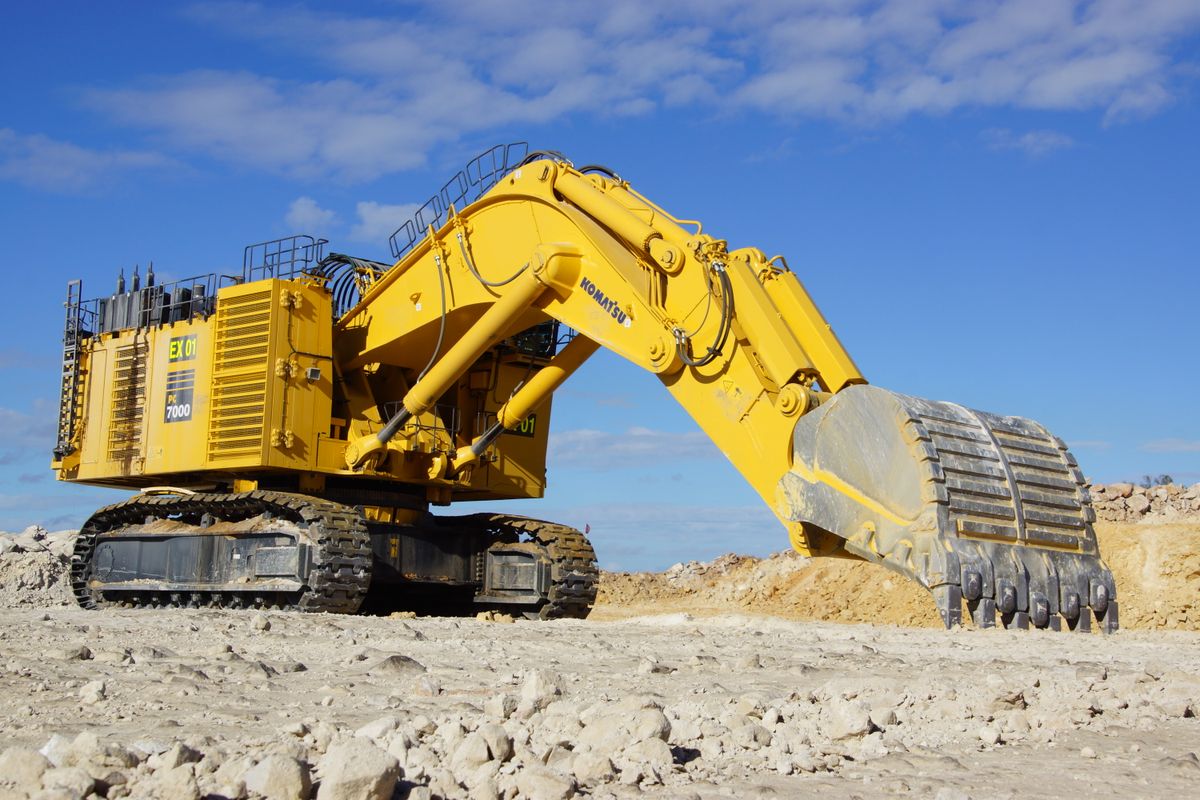
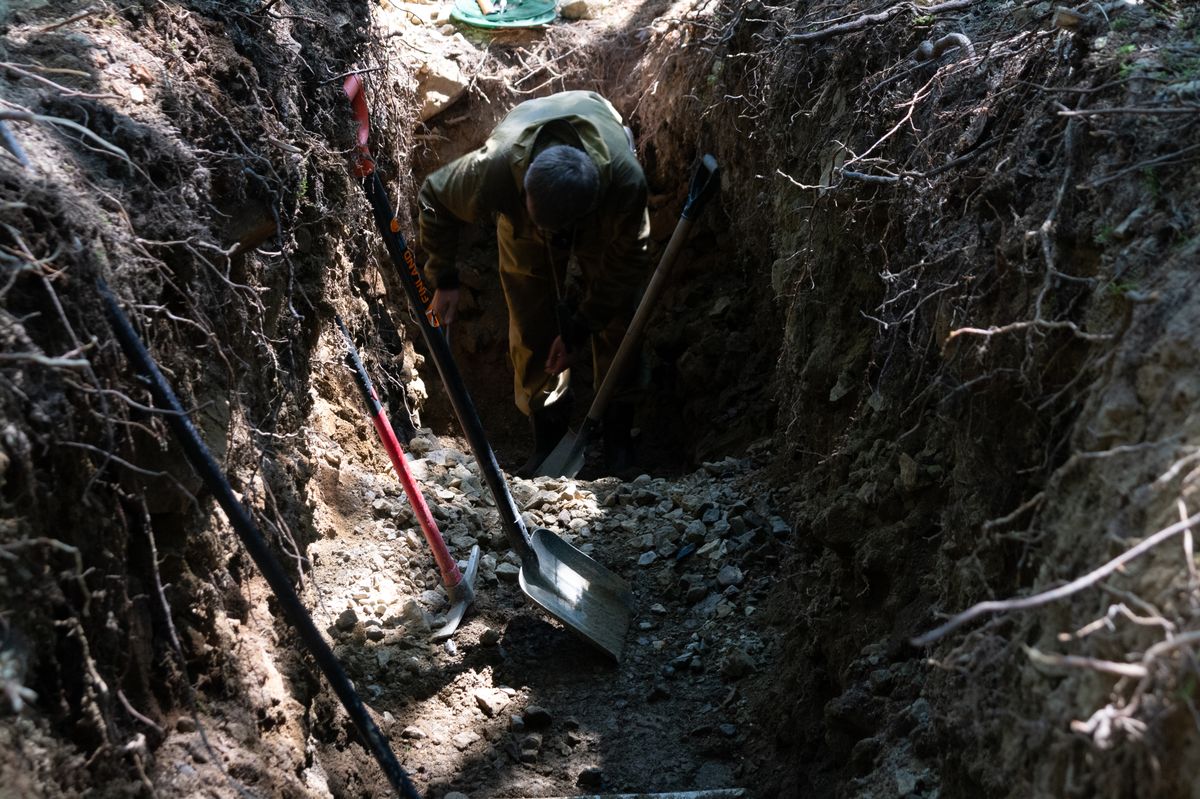
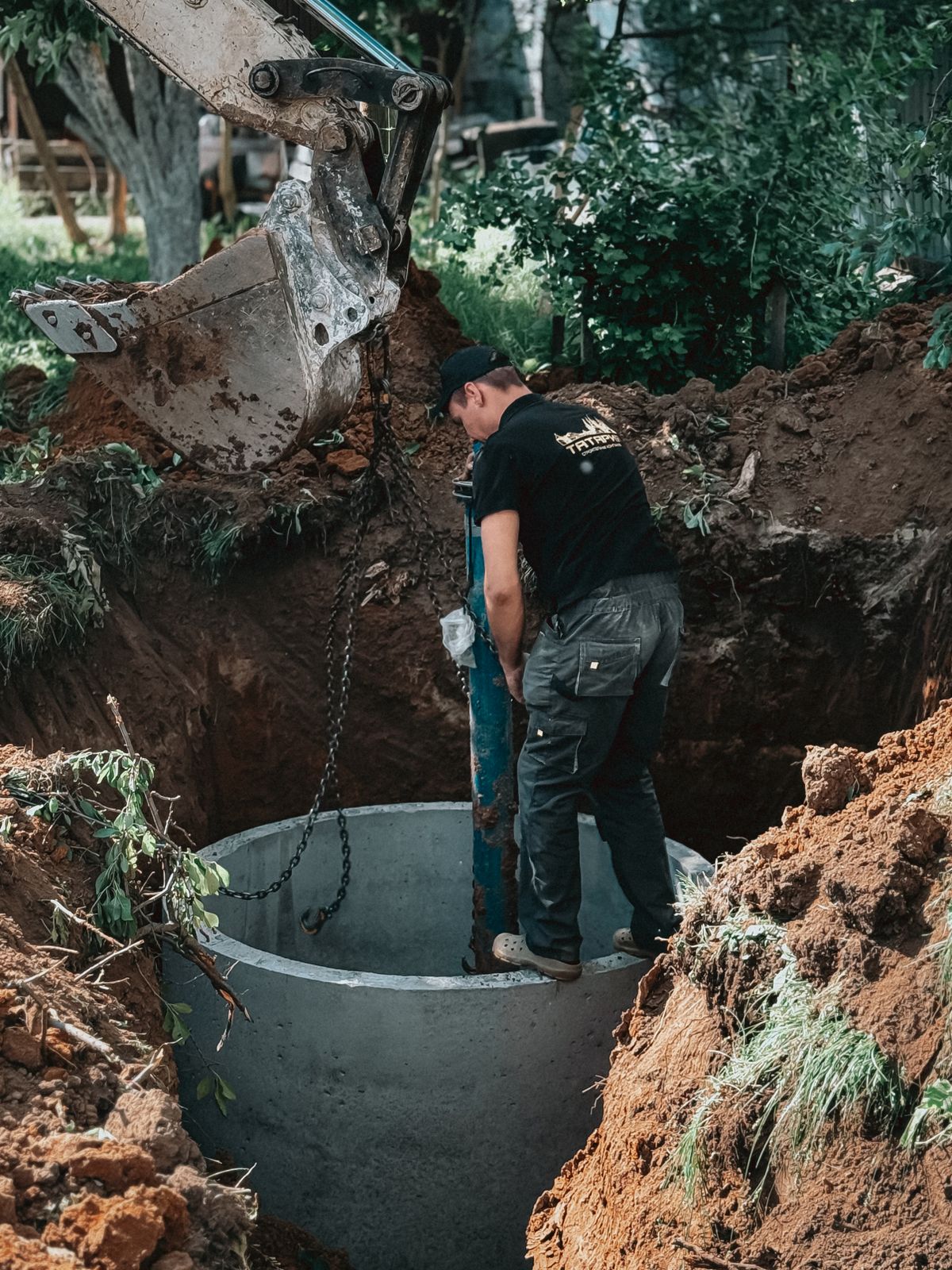
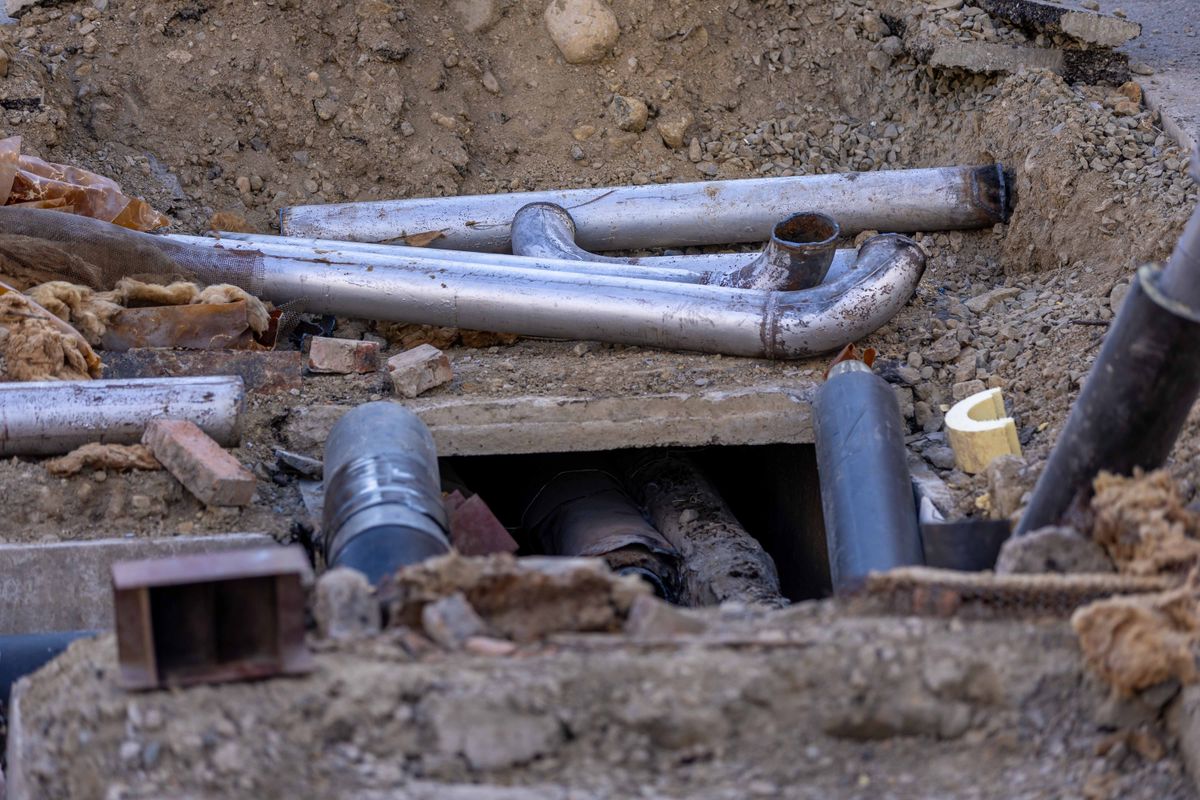
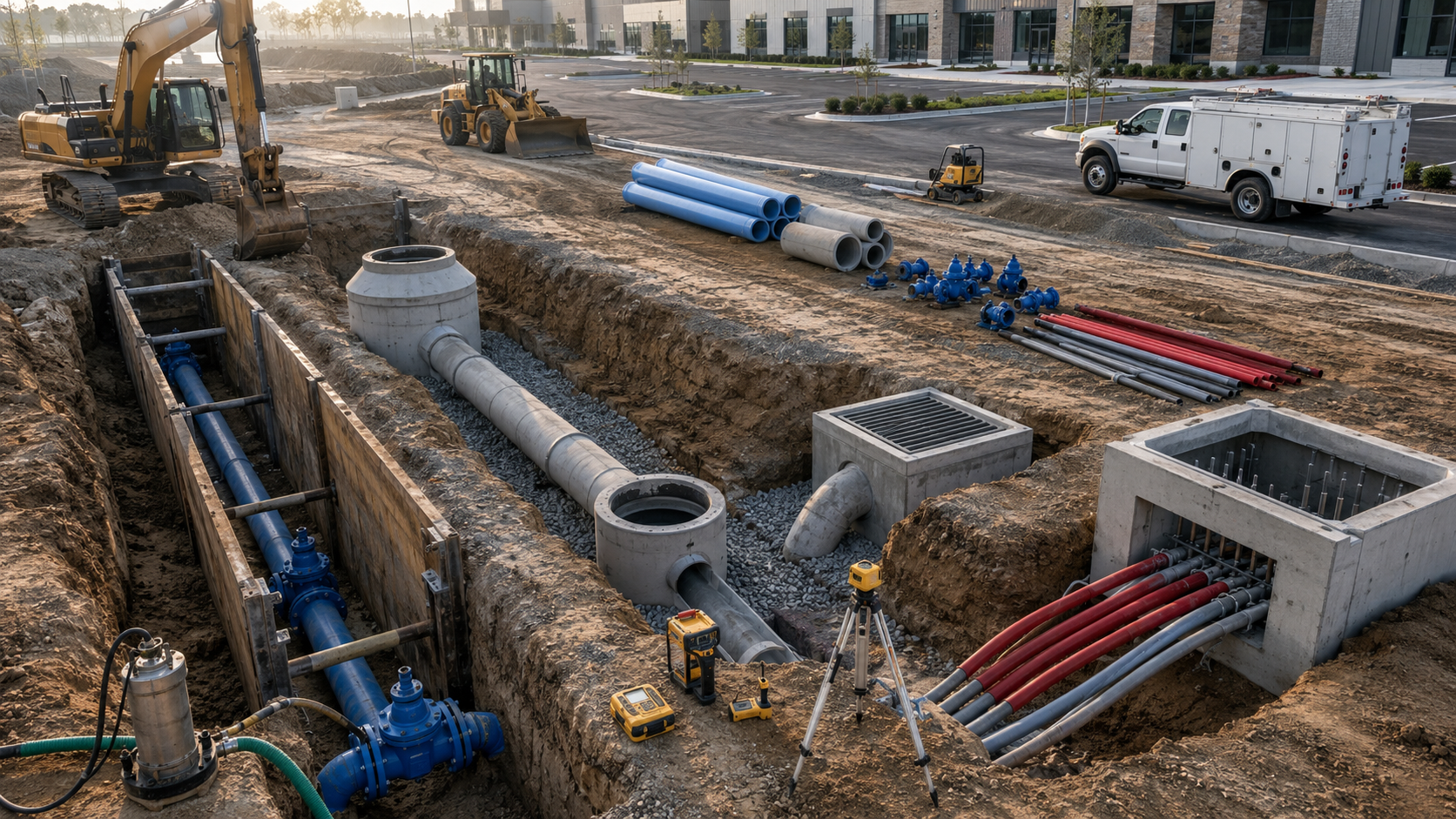
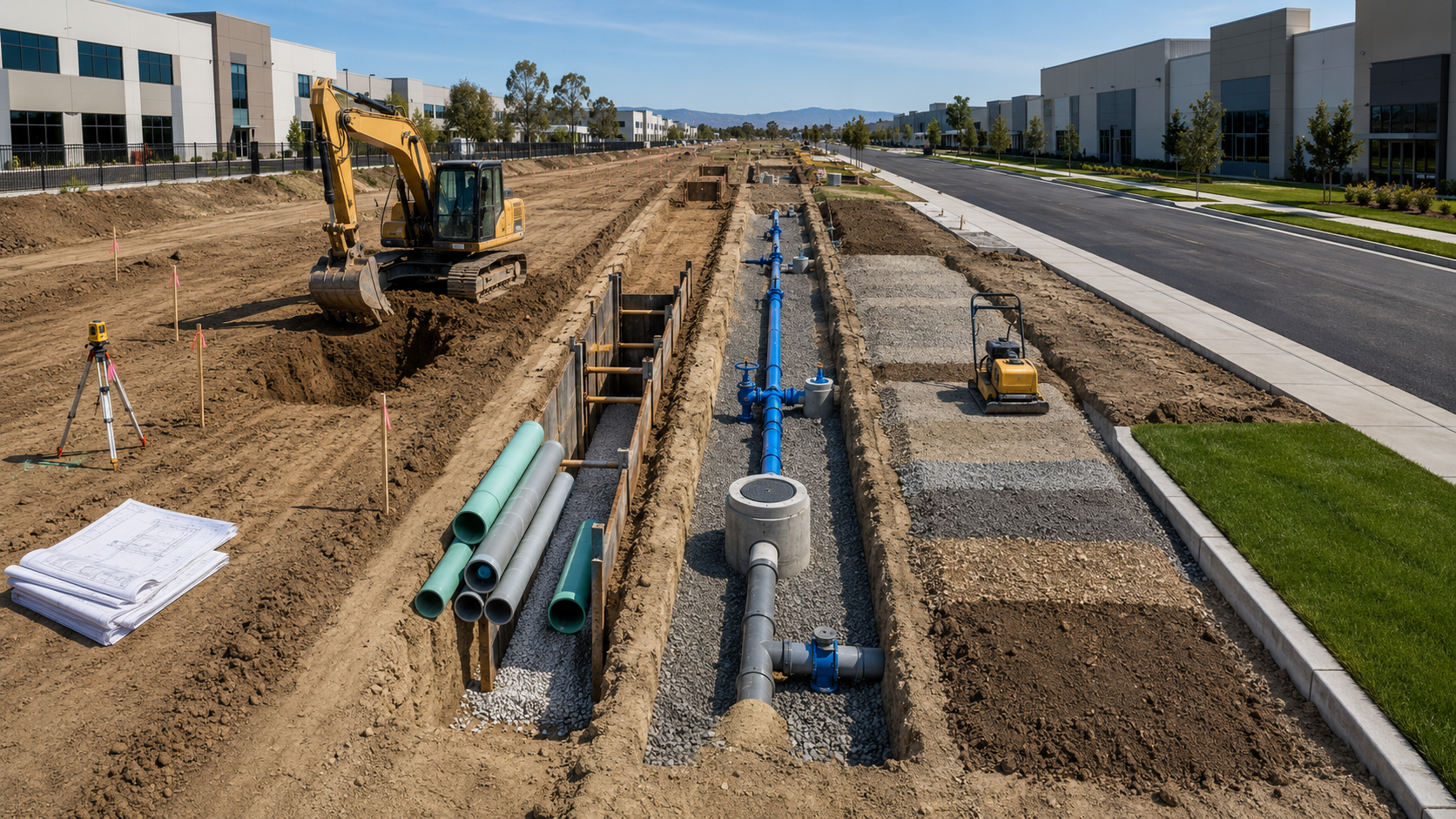
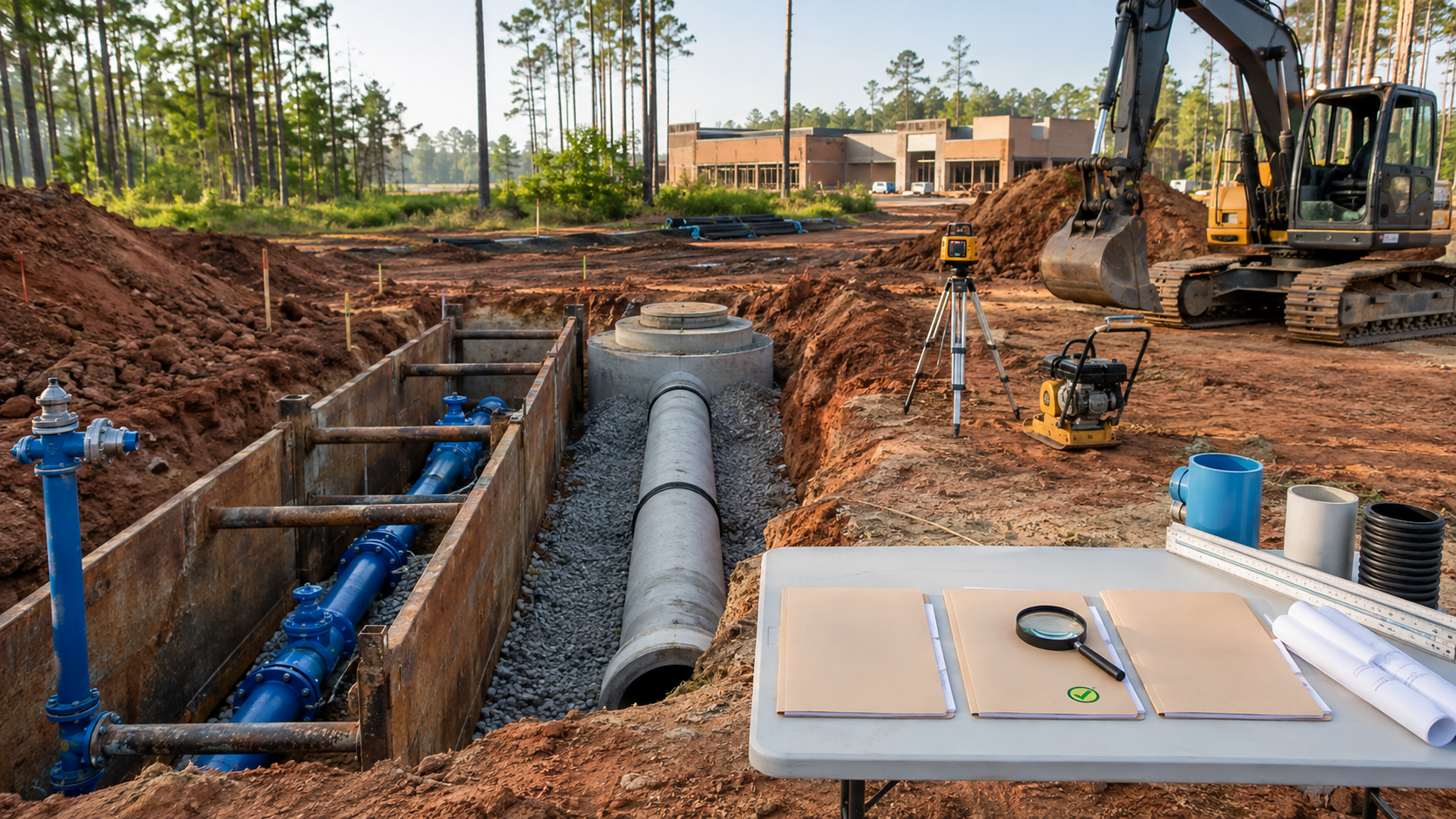
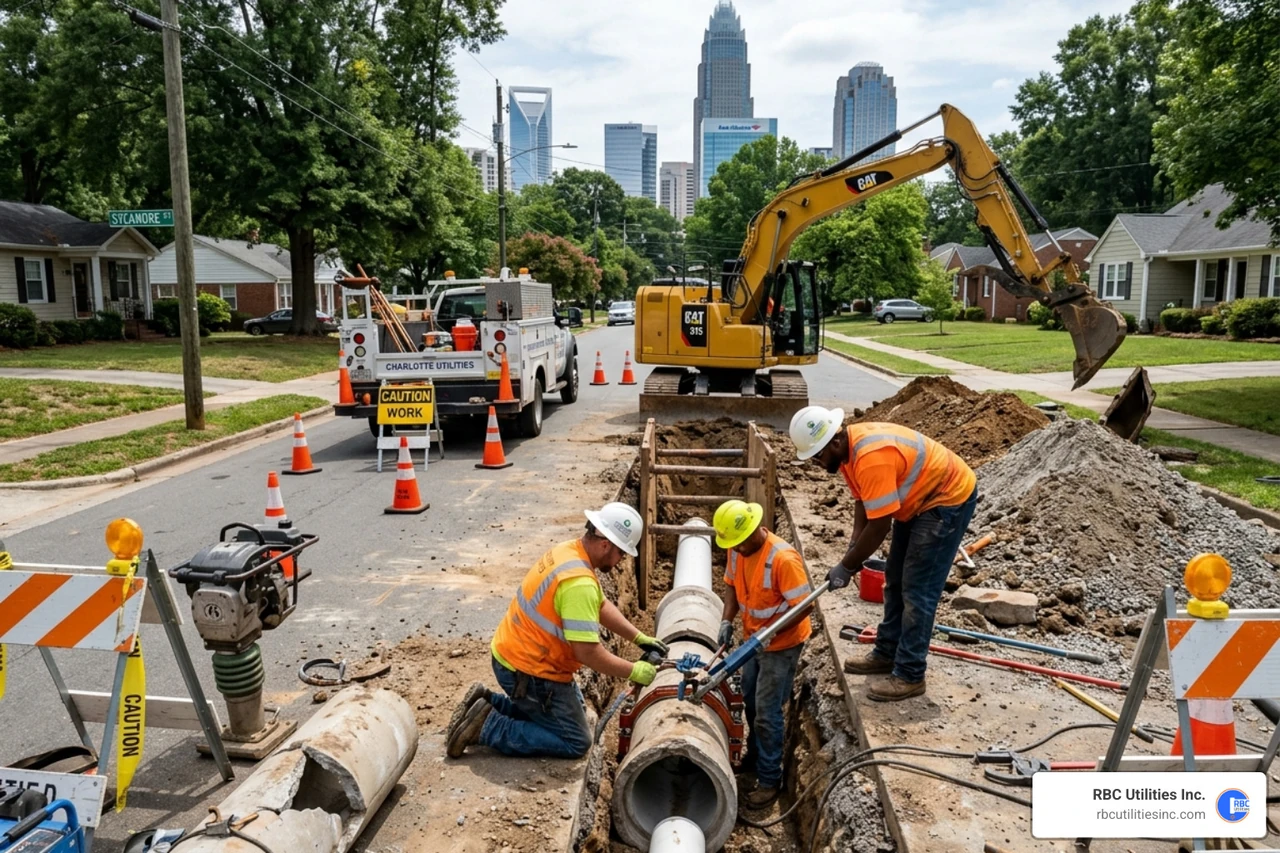
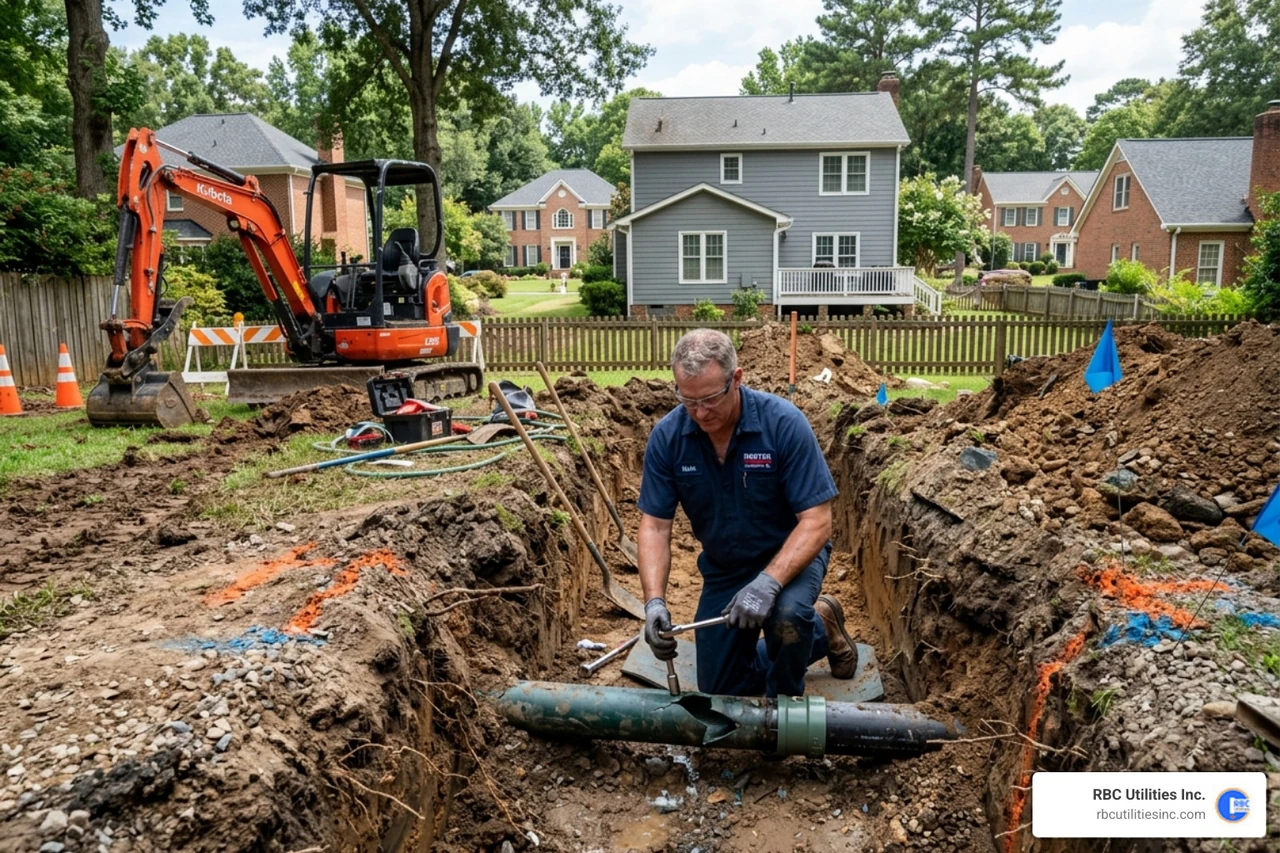
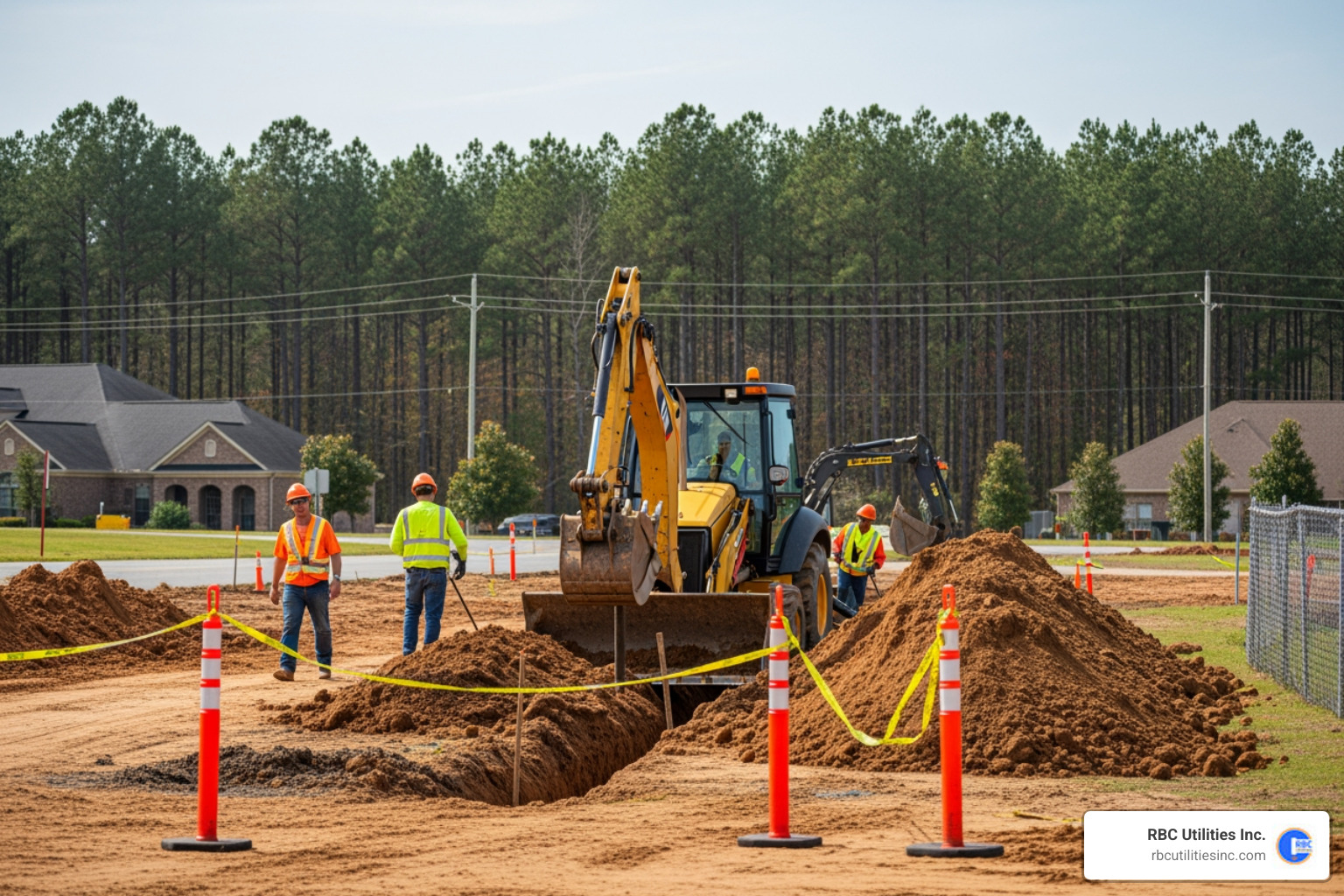
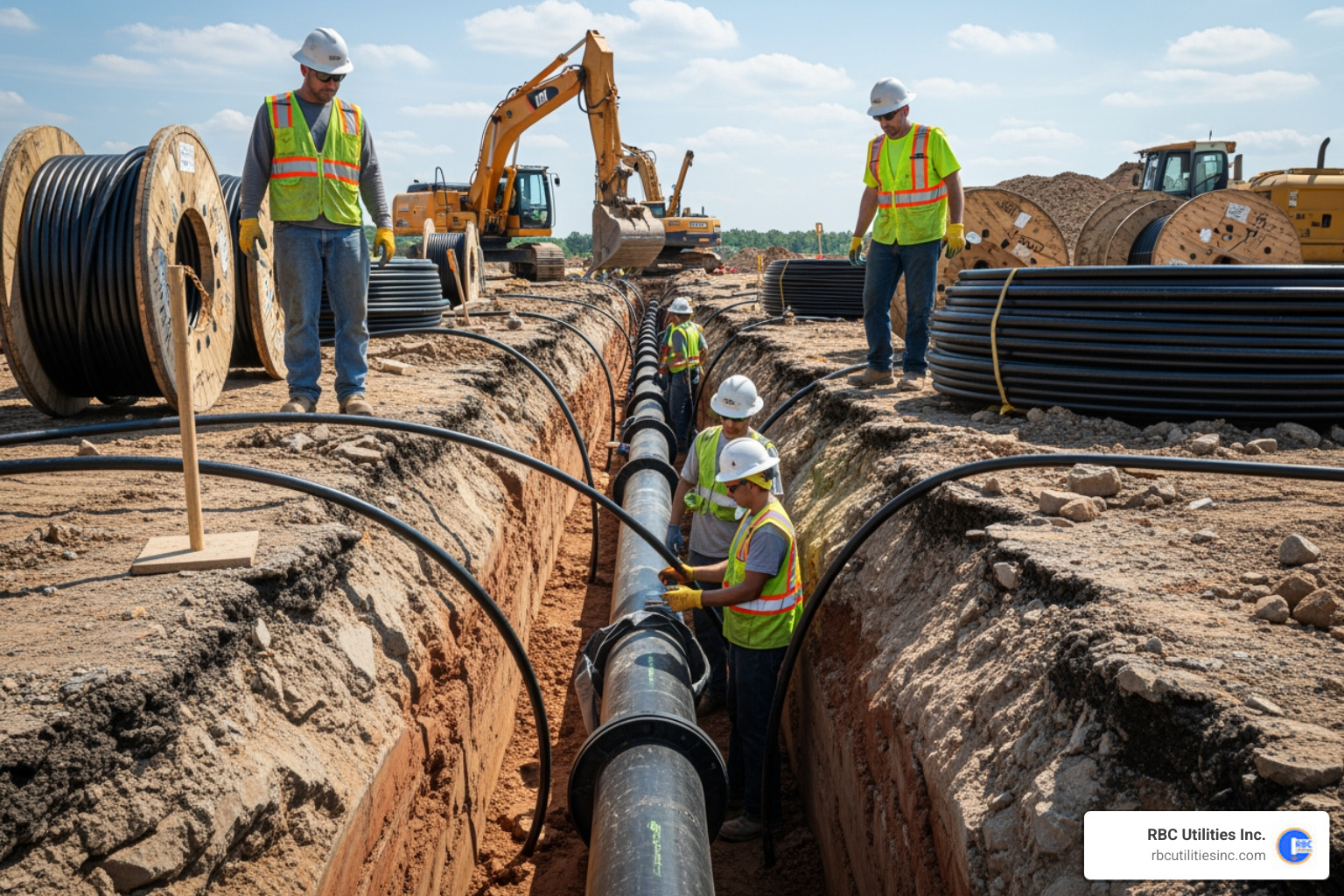
Utility trench excavation in Charlotte is one of the most critical — and most complex — steps in any underground infrastructure project in the Carolinas.
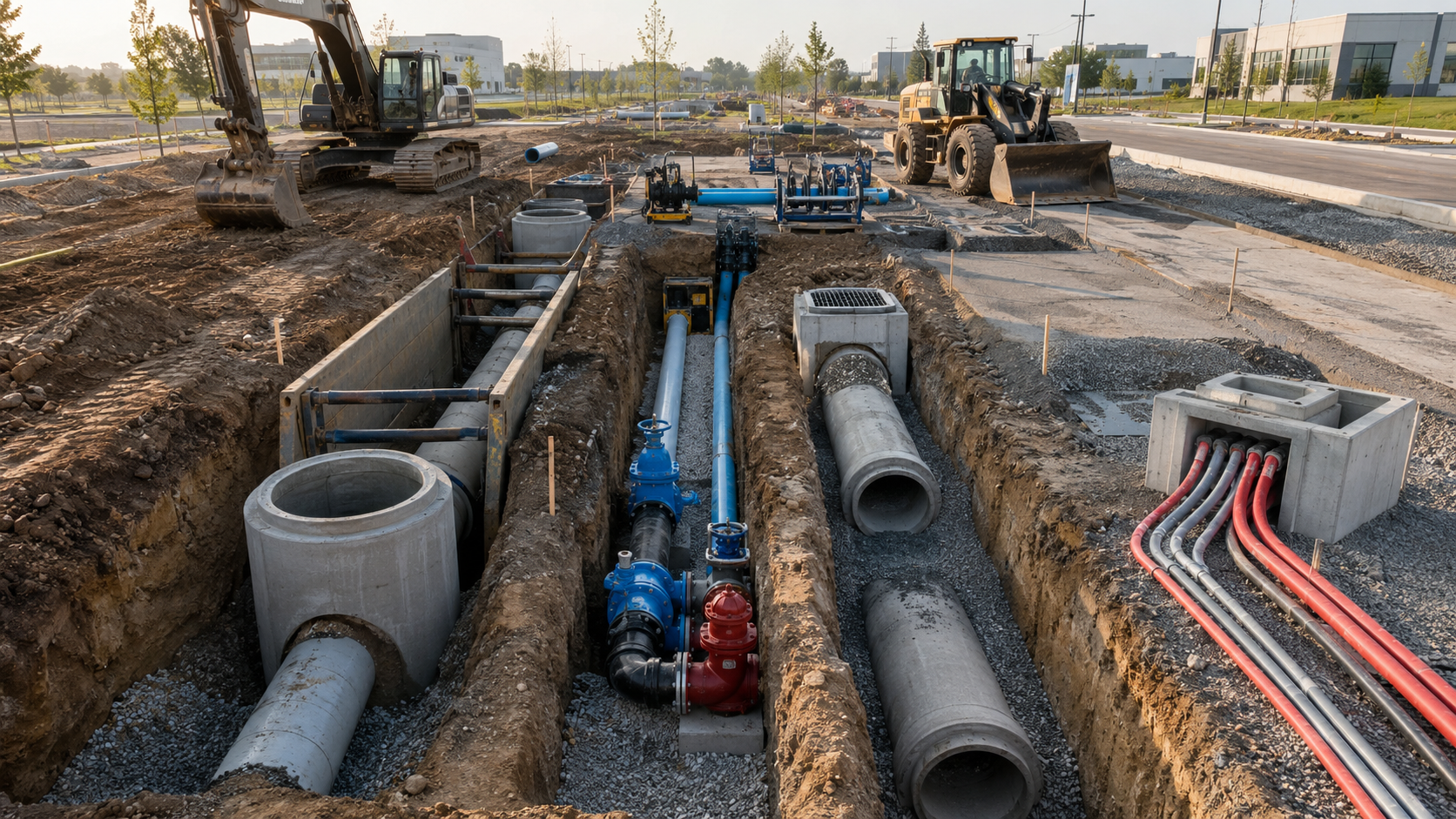
Whether you're a developer breaking ground on a new subdivision or a general contractor upgrading a commercial site, getting the trench work right determines everything downstream: water lines, sewer systems, storm drainage, conduit, and more.
Here's a quick snapshot of what's involved:
Charlotte's rapid growth, combined with its unique Piedmont geology — heavy clay, saprolite, and crystalline bedrock — makes every trenching project a site-specific challenge. Add in NCDOT permitting, municipal right-of-way requirements, and strict OSHA safety standards, and it's clear why this work demands experienced hands.
Poor excavation doesn't just slow a project down. It can cause drainage failures, unstable infrastructure, and costly rework that derails budgets and timelines.
I'm Don Larsen with RBC Utilities, Inc., an underground utility construction contractor with deep roots in the Carolinas and a specialized focus on utility trench excavation in Charlotte — spanning water lines, sewer systems, storm drainage, and conduit for residential, commercial, and municipal projects since 2008. In this guide, I'll walk you through everything you need to know to plan, execute, and complete a successful trenching project in the Queen City.
Utility trench excavation Charlotte terms explained:
At its simplest, utility trenching is the process of digging a narrow, deep channel to house essential services. In a booming metropolis like Charlotte, these trenches are the lifelines of our city. Without precise excavation, our homes wouldn't have water, our offices wouldn't have high-speed fiber, and our streets would flood every time a summer thunderstorm rolls through.
We often think of excavation as just "moving dirt," but when you're working in the dense urban corridors of South End or the expanding residential stretches of Union County, it’s a game of inches. You are navigating a spiderweb of existing pipes and cables while ensuring the new installation meets strict grade and depth requirements.
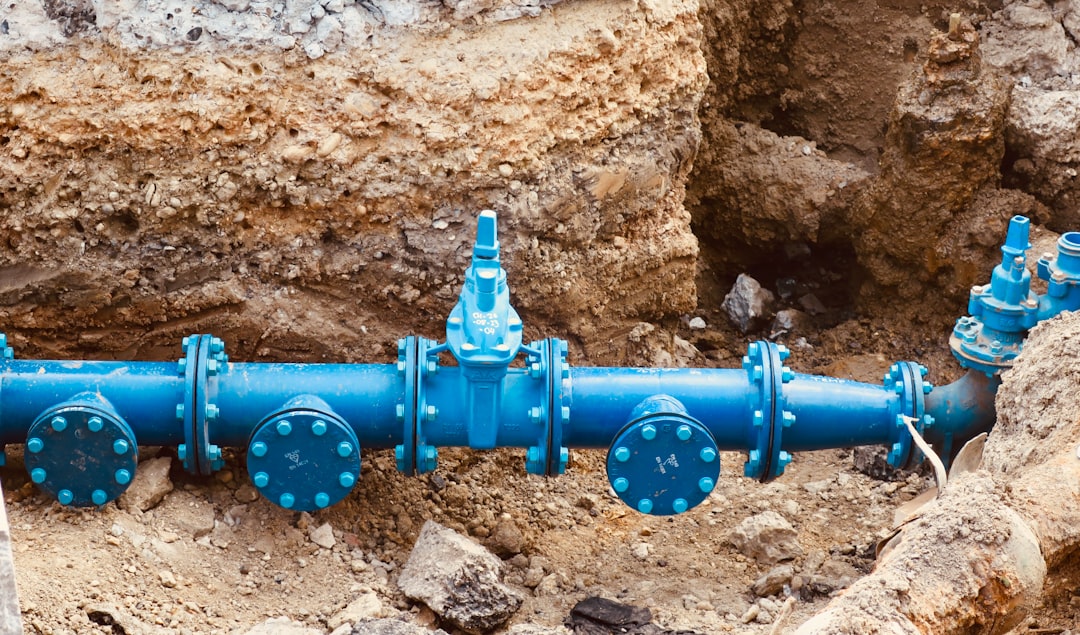
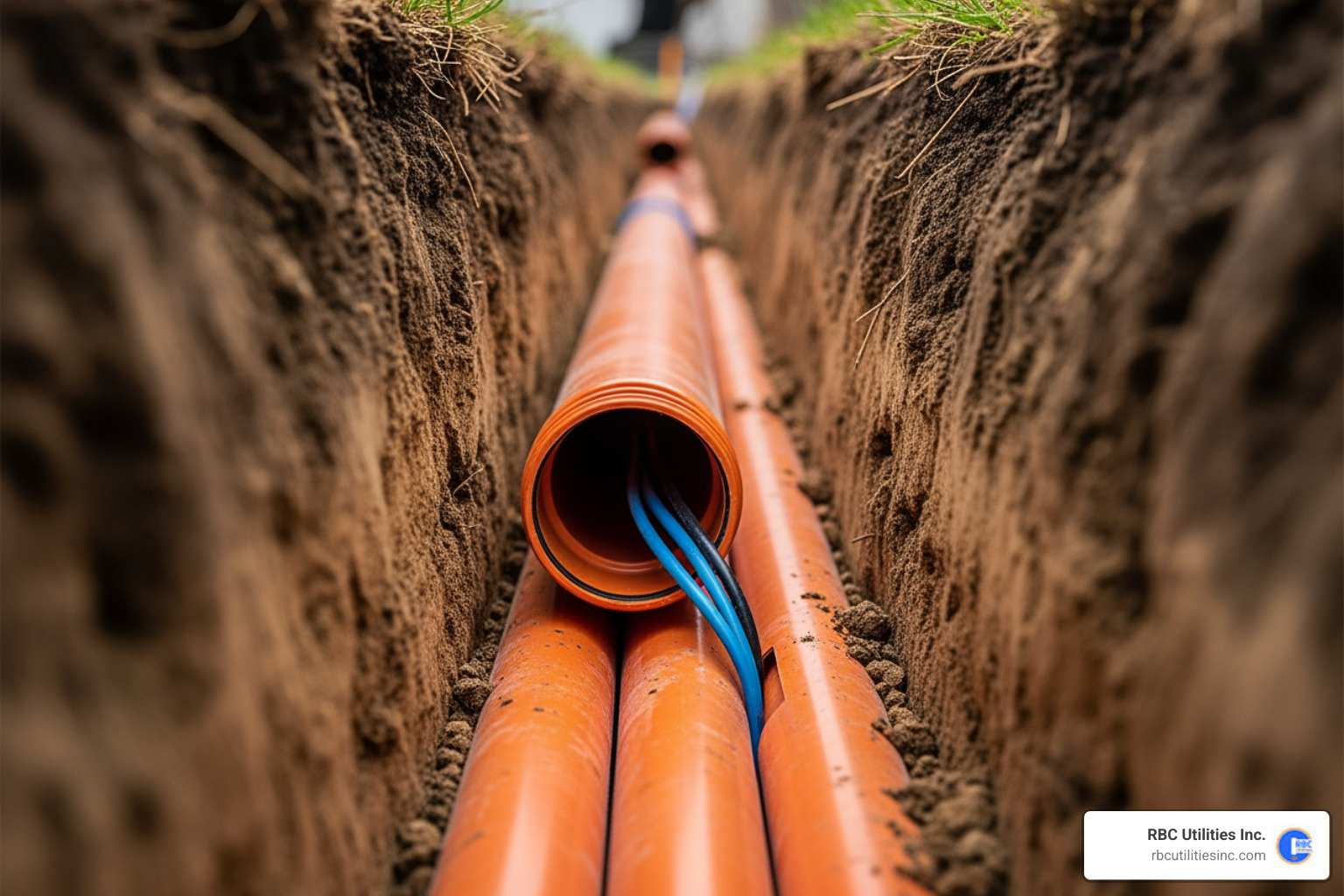
When planning underground utility work in Charlotte, it is important to understand that different utilities require different trench specifications. A fiber optic line might only need a shallow 18-inch trench, while a sewer main might require a deep, precisely sloped excavation reaching 8 to 12 feet or more to ensure proper gravity flow.
To learn more about the specifics of these systems, check out our guide on Underground Utility Installation NC.
As of May 2026, Charlotte’s population continues to surge, placing immense pressure on our existing infrastructure. This growth drives three main types of projects:
Each of these requires a tailored approach. For example, municipal work often involves working within the public right-of-way, necessitating complex traffic control and coordination with the City of Charlotte. Residential work, on the other hand, often focuses on speed and efficiency to keep home-building timelines on track.
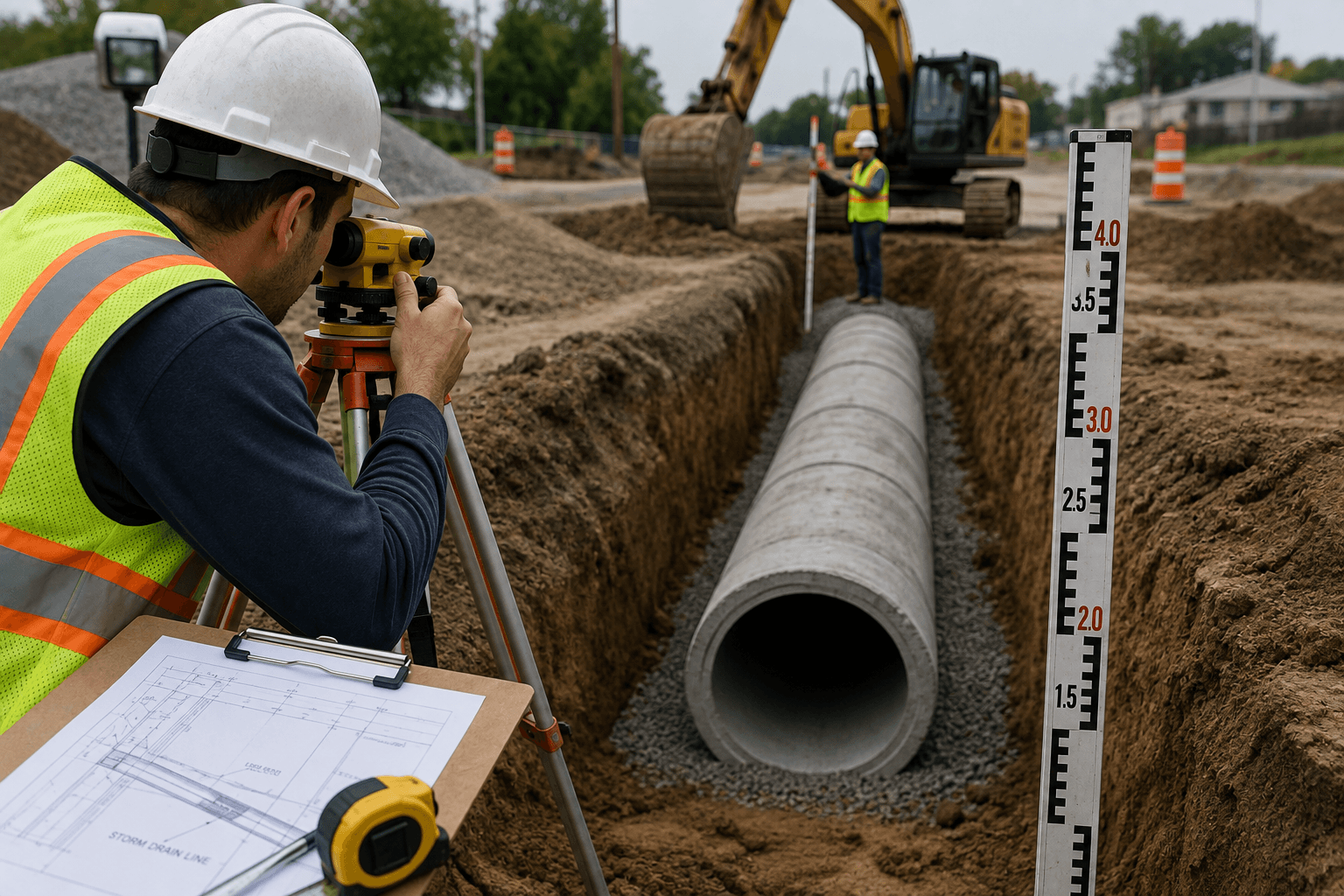
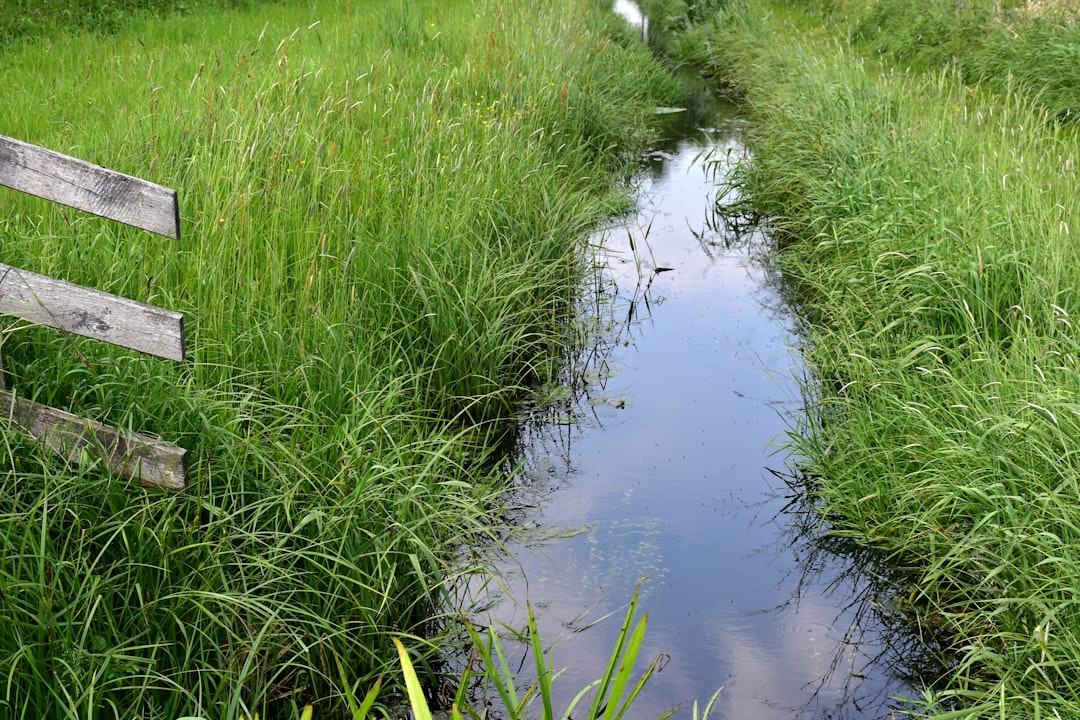
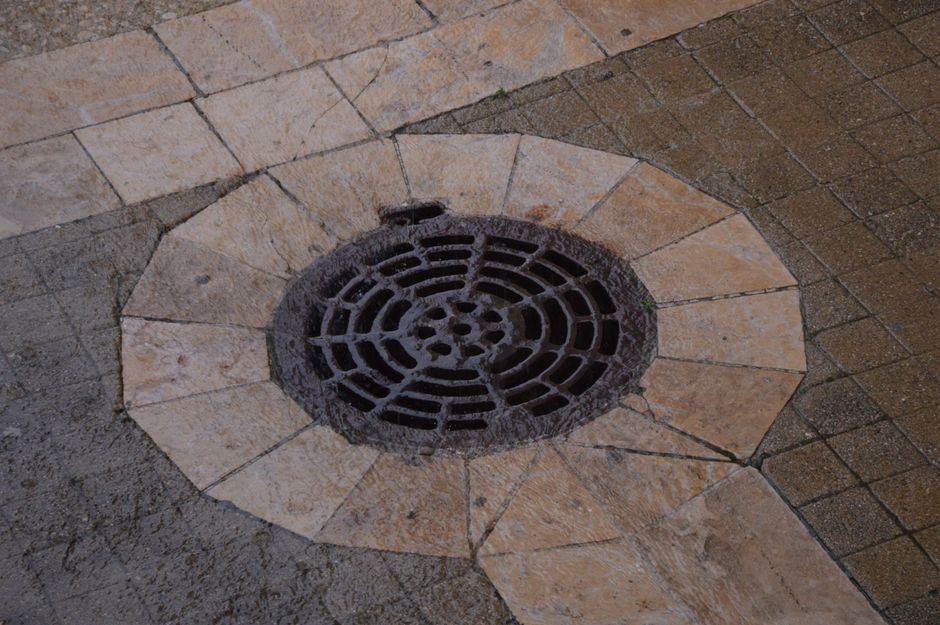
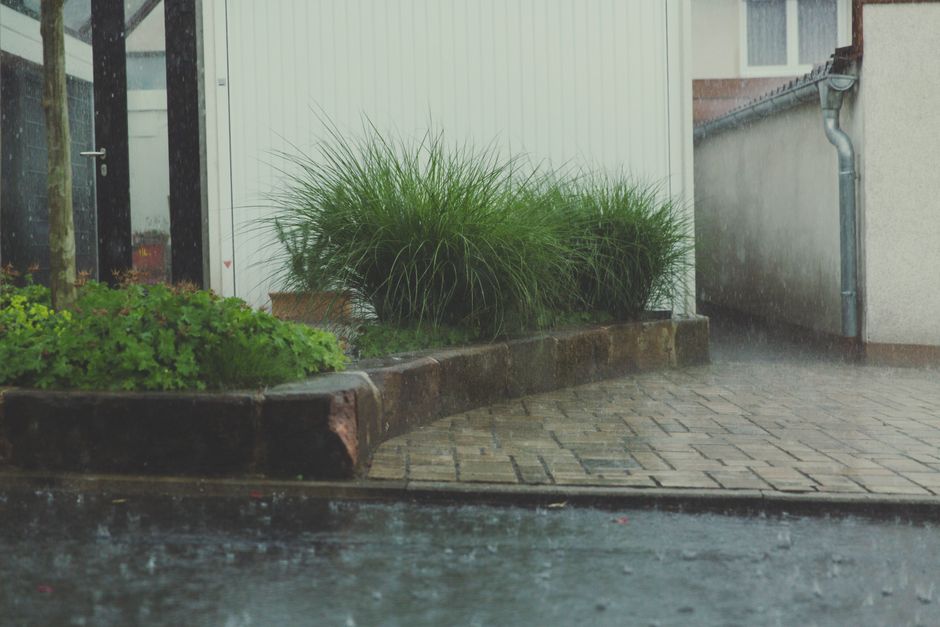
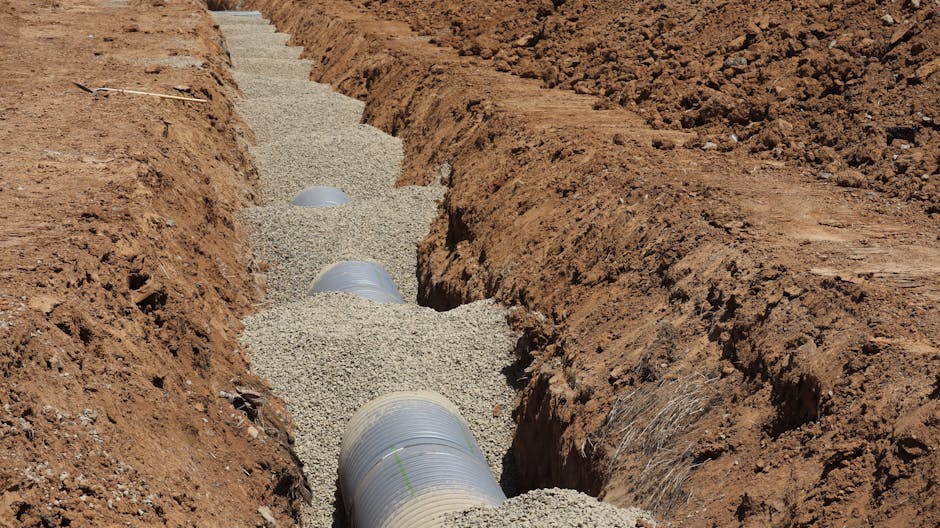
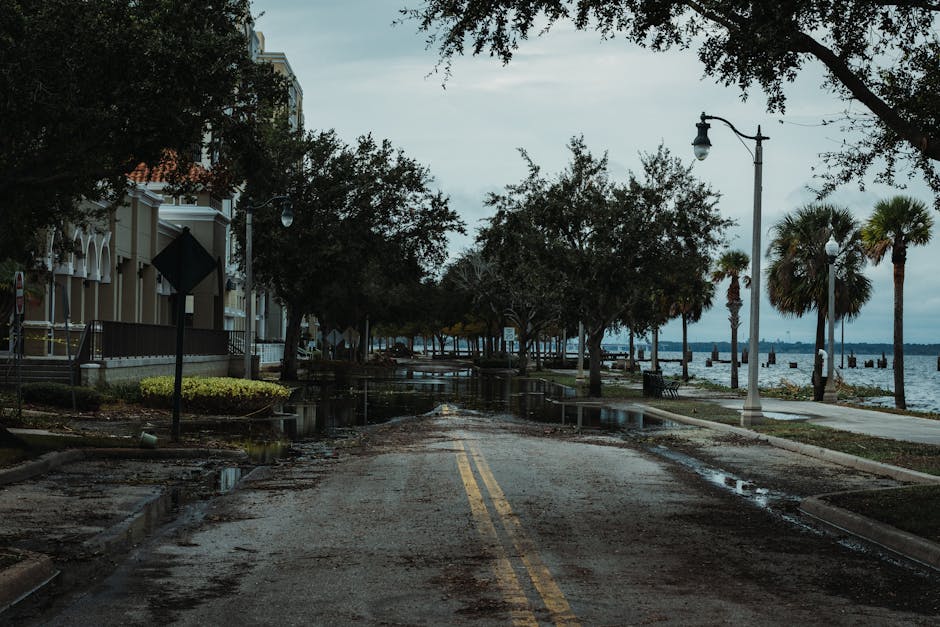
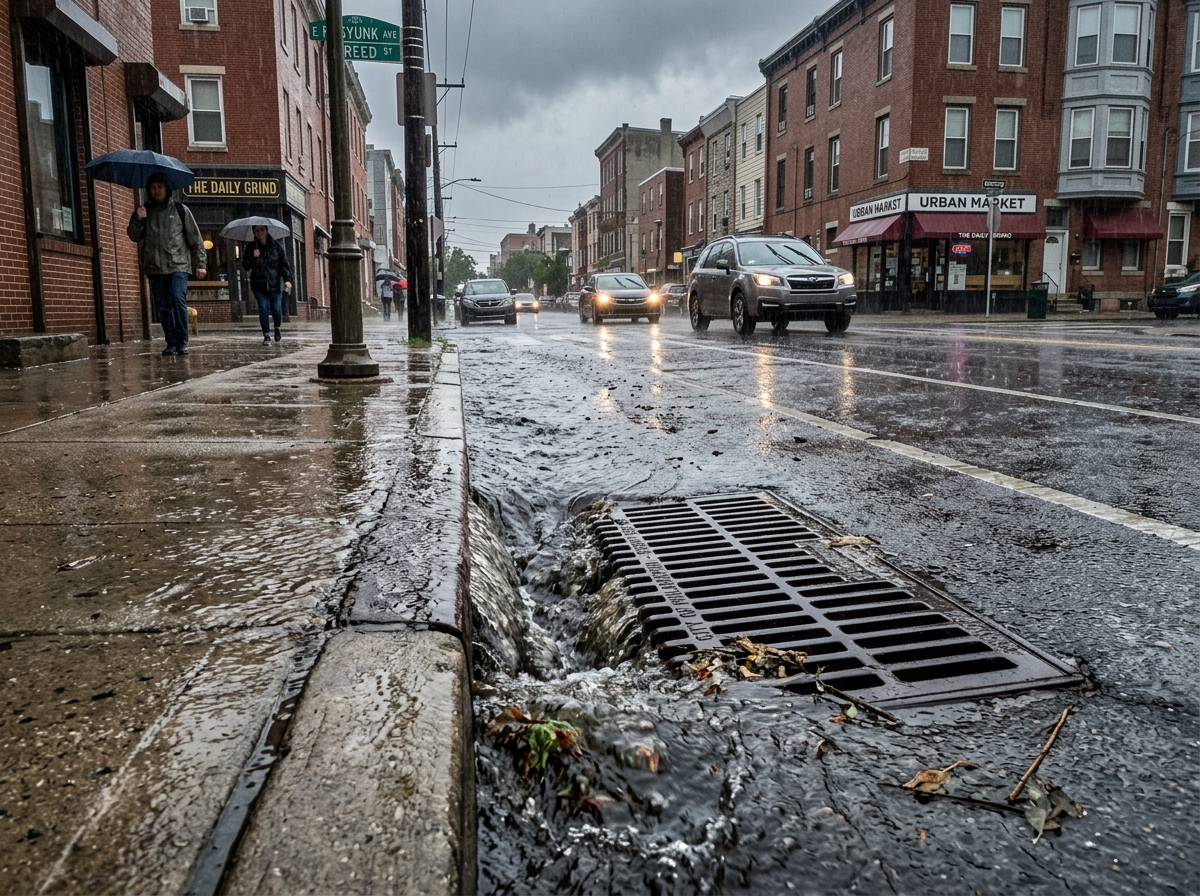
One of the most overlooked aspects of utility trench excavation in Charlotte is drainage. Because the Charlotte region is prone to heavy, sudden rainfall, managing runoff is a top priority for any site developer.
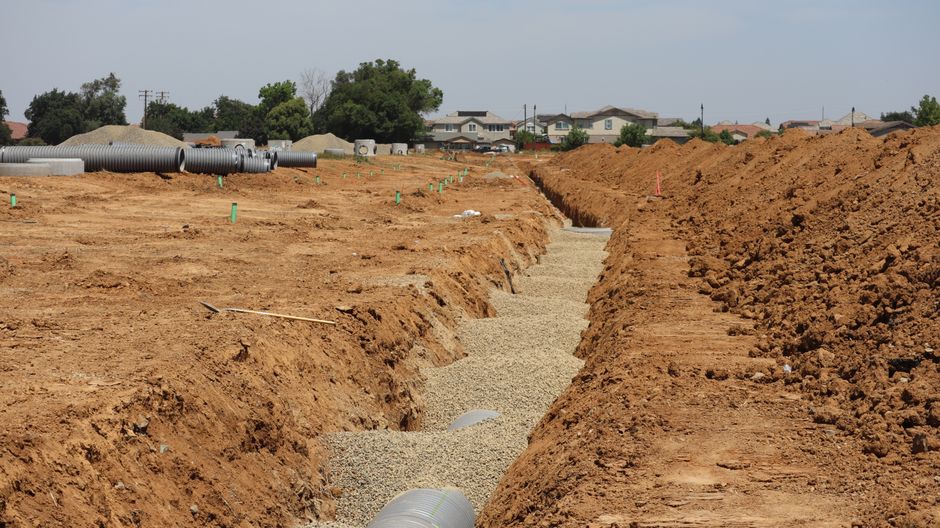
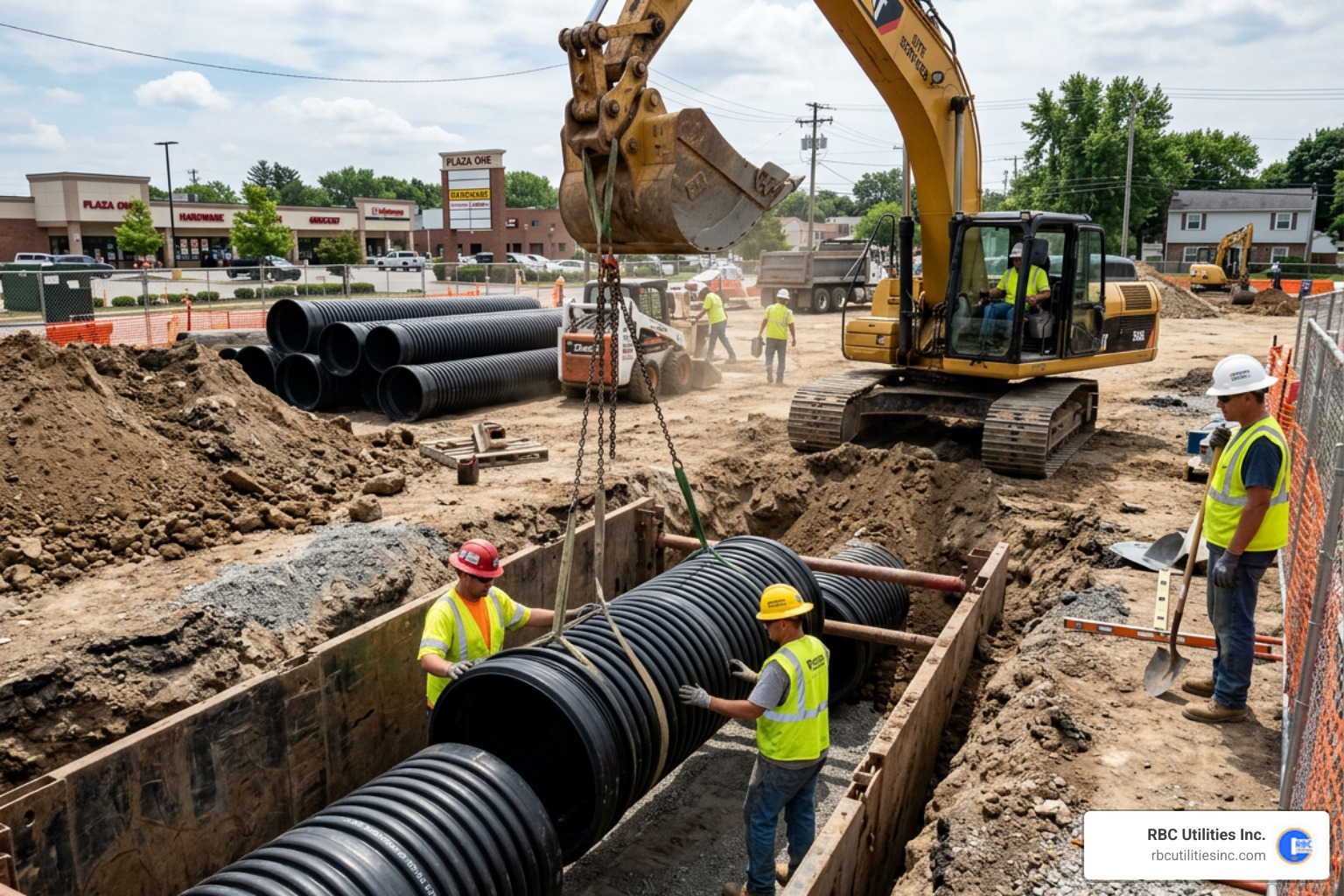
We specialize in Storm Drain Pipe Installation to prevent the standing water issues that lead to foundation damage and mold. This often involves digging trenches for:
Properly excavated drainage trenches ensure that water moves exactly where it's supposed to, protecting the longevity of the entire project.
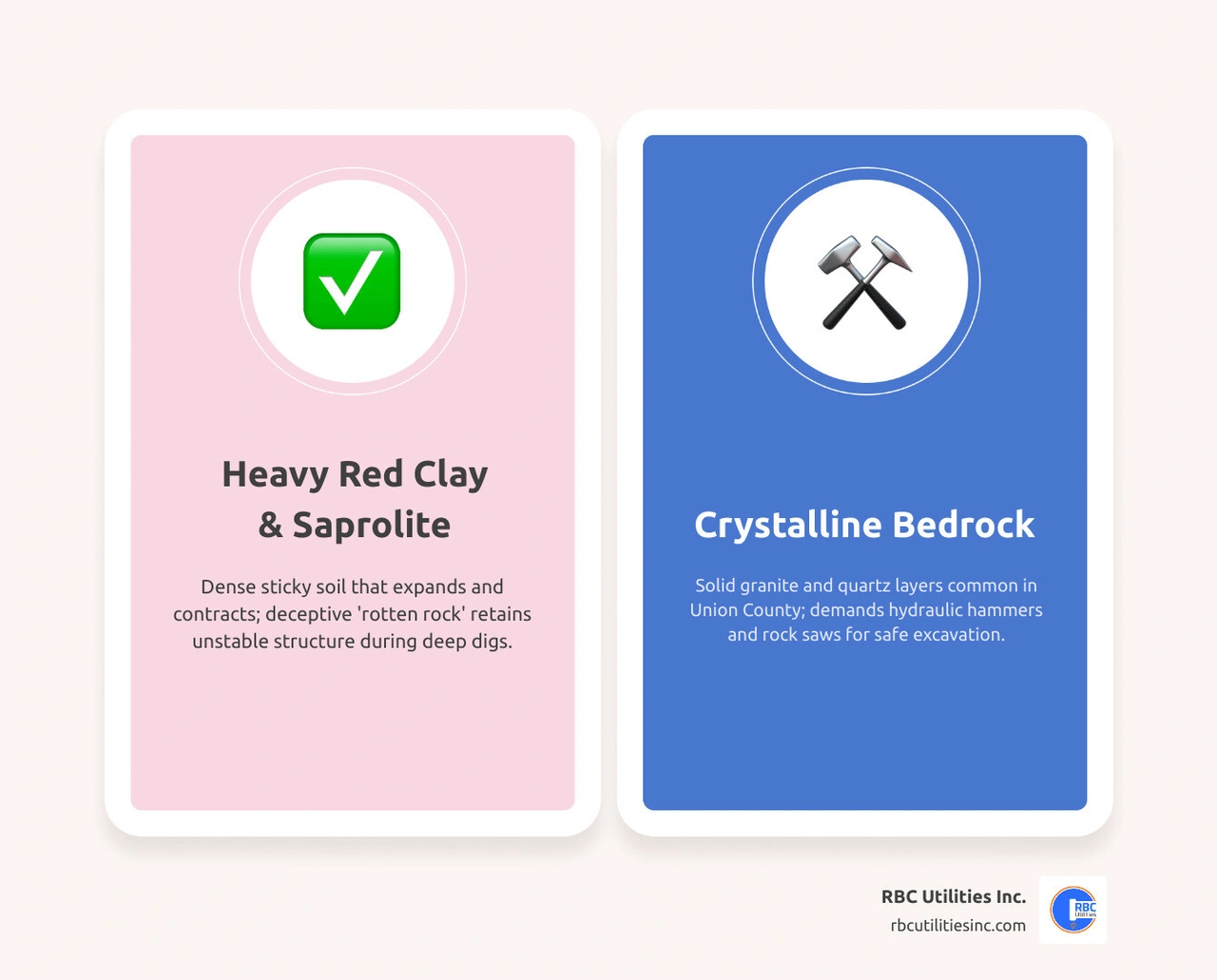
If you’ve ever tried to plant a tree in a Charlotte backyard, you know about the "Carolina Red Clay." For professional excavators, the geology of the Piedmont region is a daily puzzle. We aren't just digging through soft soil; we are contending with a layered cake of challenging materials.
| Soil/Material Type | Characteristics | Excavation Difficulty |
|---|---|---|
| Heavy Red Clay | Dense, sticky, holds moisture, expands/contracts. | Moderate; requires heavy machinery and careful compaction. |
| Saprolite | "Rotten rock" that looks like soil but retains rock structure. | High; can be deceptive and unstable during deep digs. |
| Crystalline Bedrock | Solid granite or quartz formations common in Union County. | Very High; requires specialized rock-rated equipment. |
| Fill Dirt | Loose material from previous projects. | Variable; often requires testing for stability. |
In Union County and parts of South Charlotte, it's not a matter of if you'll hit rock, but when. As we move further into 2026, the use of advanced rock trenching technology has become standard. When we encounter crystalline bedrock, we don't just stop. We utilize:
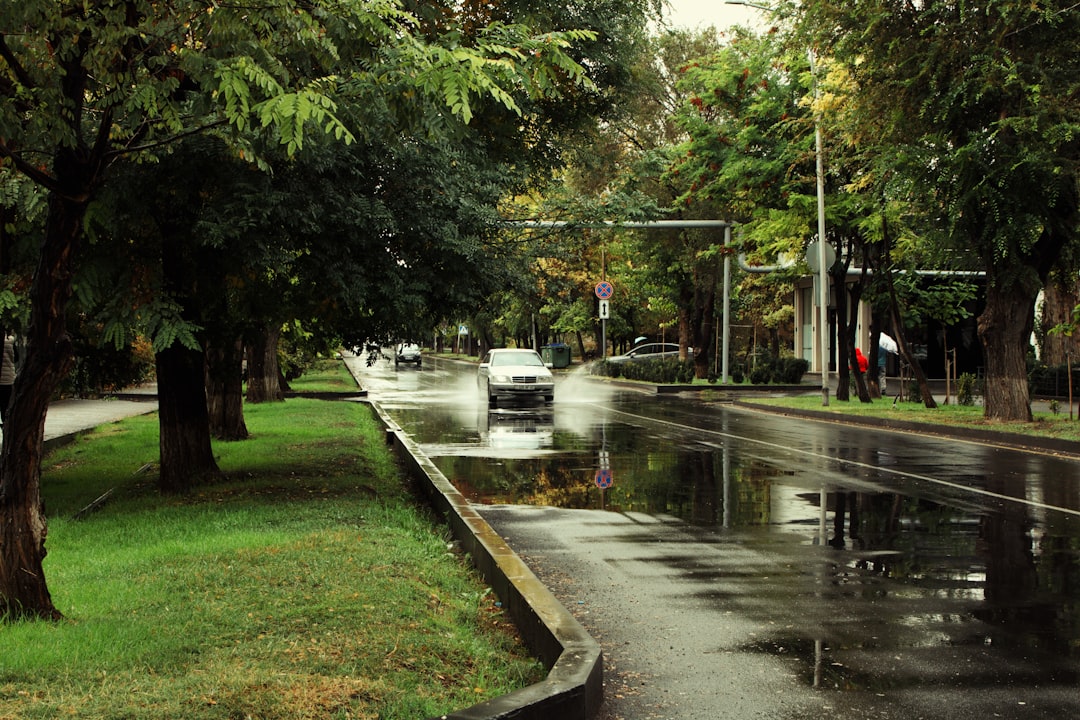
The high clay content in our soil means water doesn't drain quickly. During utility trench excavation in Charlotte, an open trench can quickly become a muddy canal if a storm hits. This creates hydrostatic pressure against trench walls, increasing the risk of a collapse.
To combat this, we implement rigorous erosion control measures:
For those overseeing large-scale water projects, partnering with experienced Water Main Contractors Carolinas is essential to navigate these environmental hurdles.
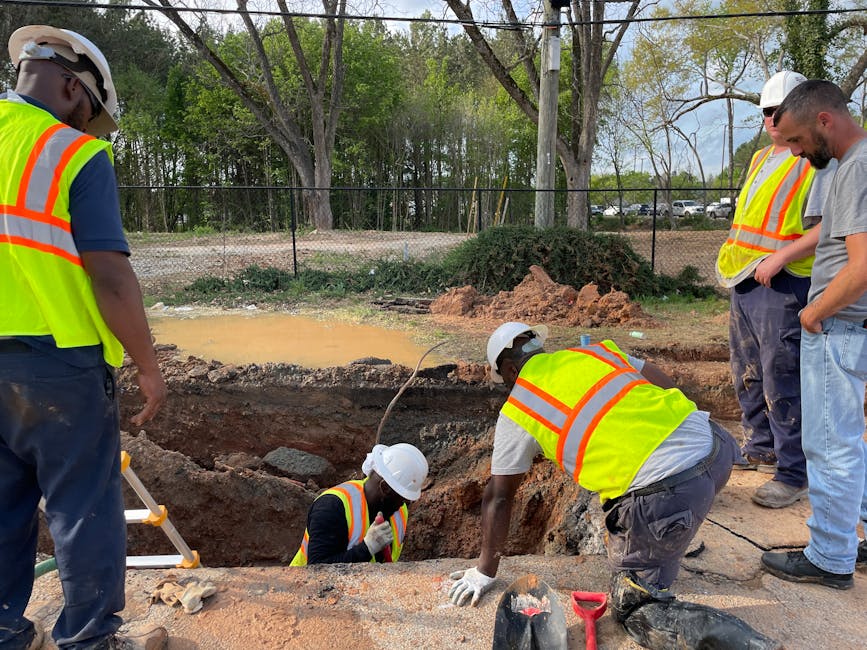
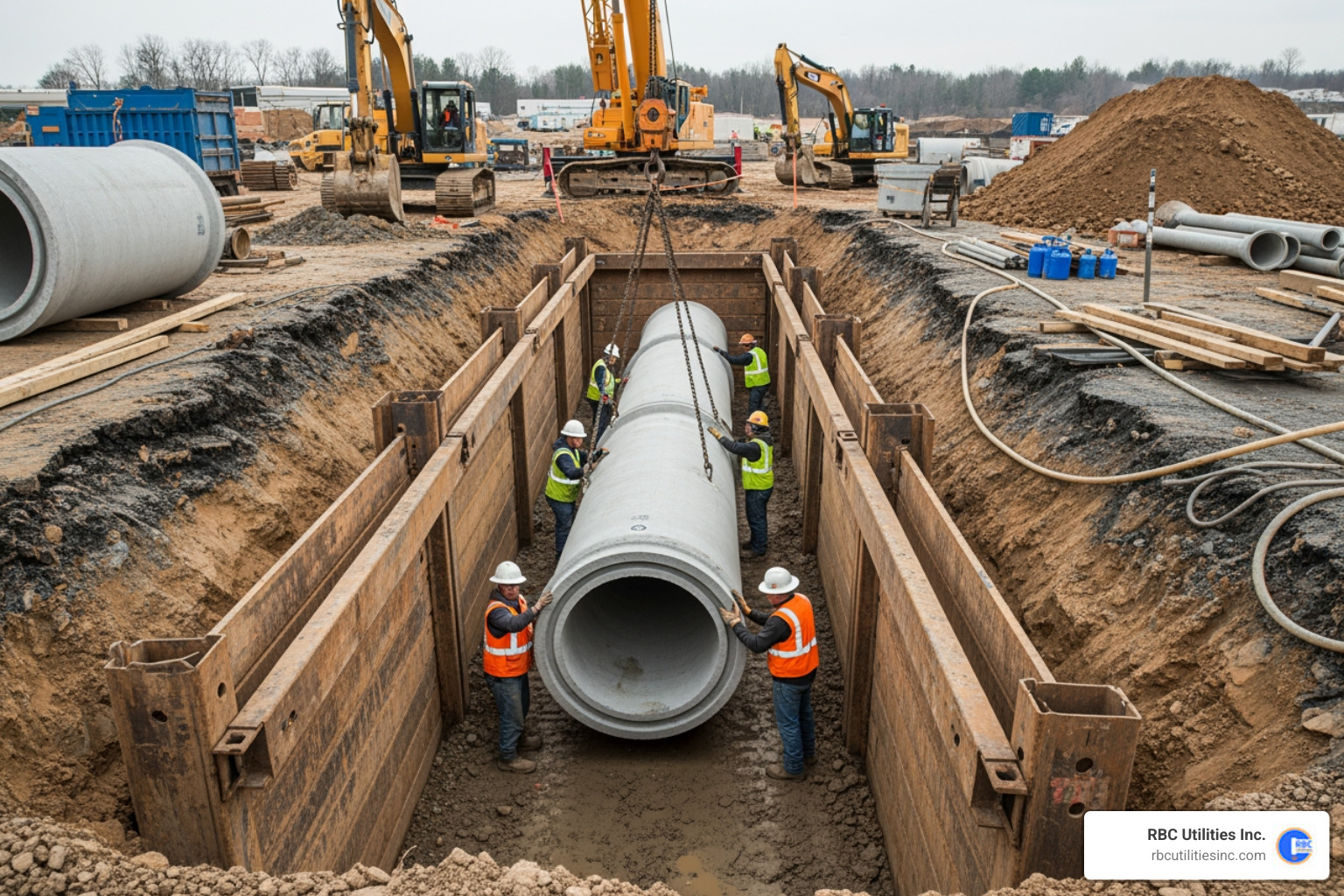
Safety isn't just a checkbox; in trenching, it’s the difference between a successful project and a tragedy. Trenching and excavation are consistently ranked among the most hazardous construction activities. A single cubic yard of dirt can weigh as much as a small car, and a cave-in happens in a split second.
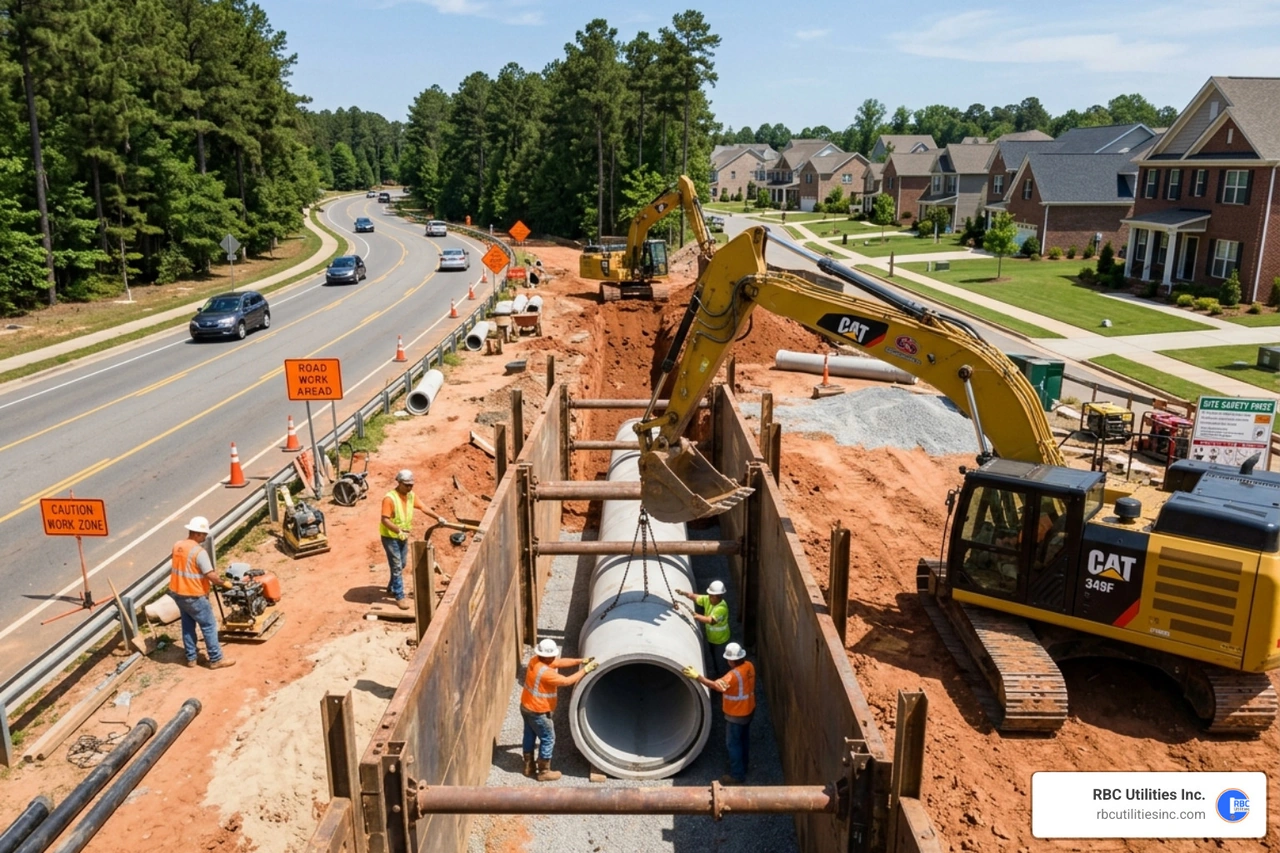
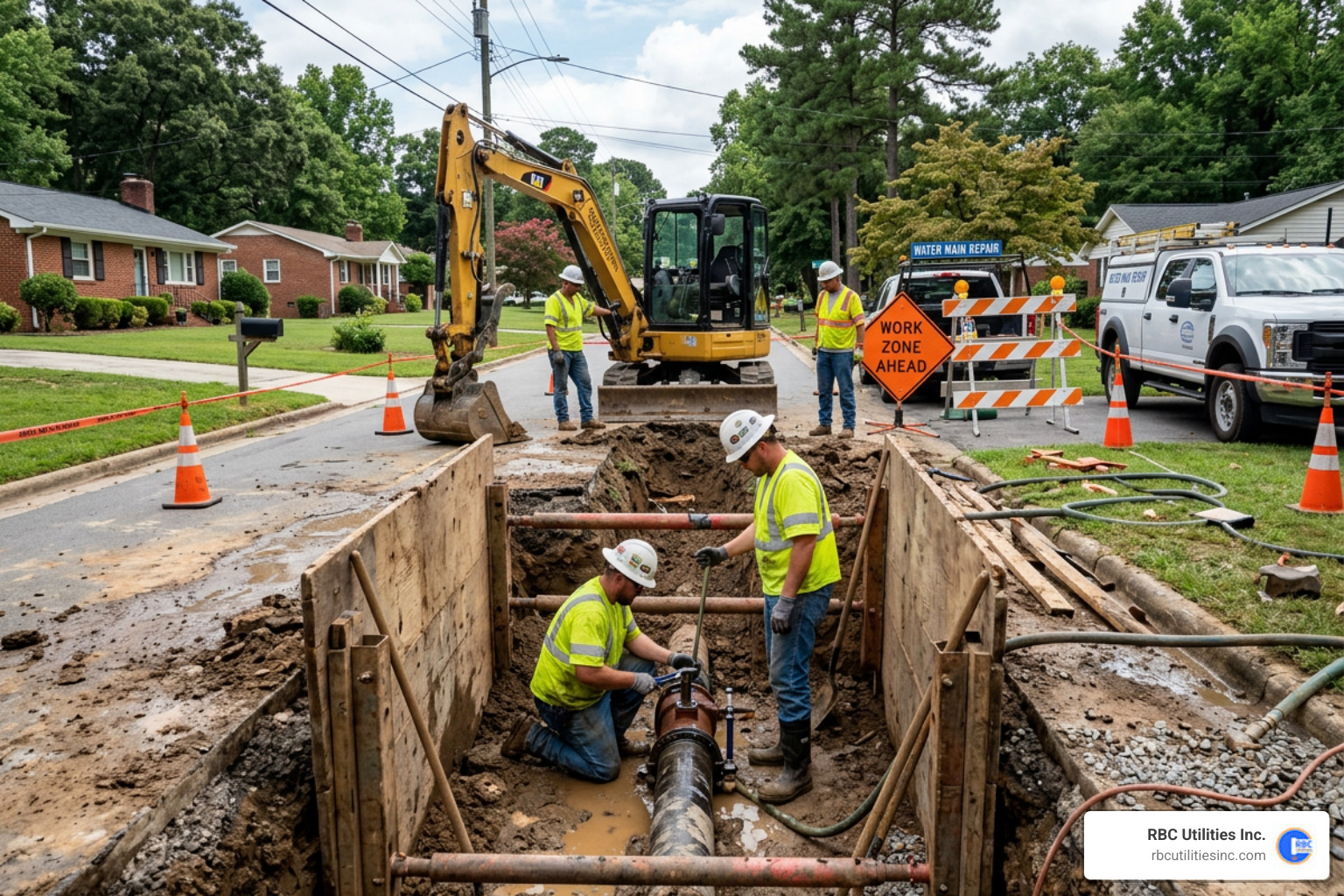
We strictly adhere to OSHA 1926 Subpart P standards. Here are the non-negotiables we follow on every Charlotte job site:
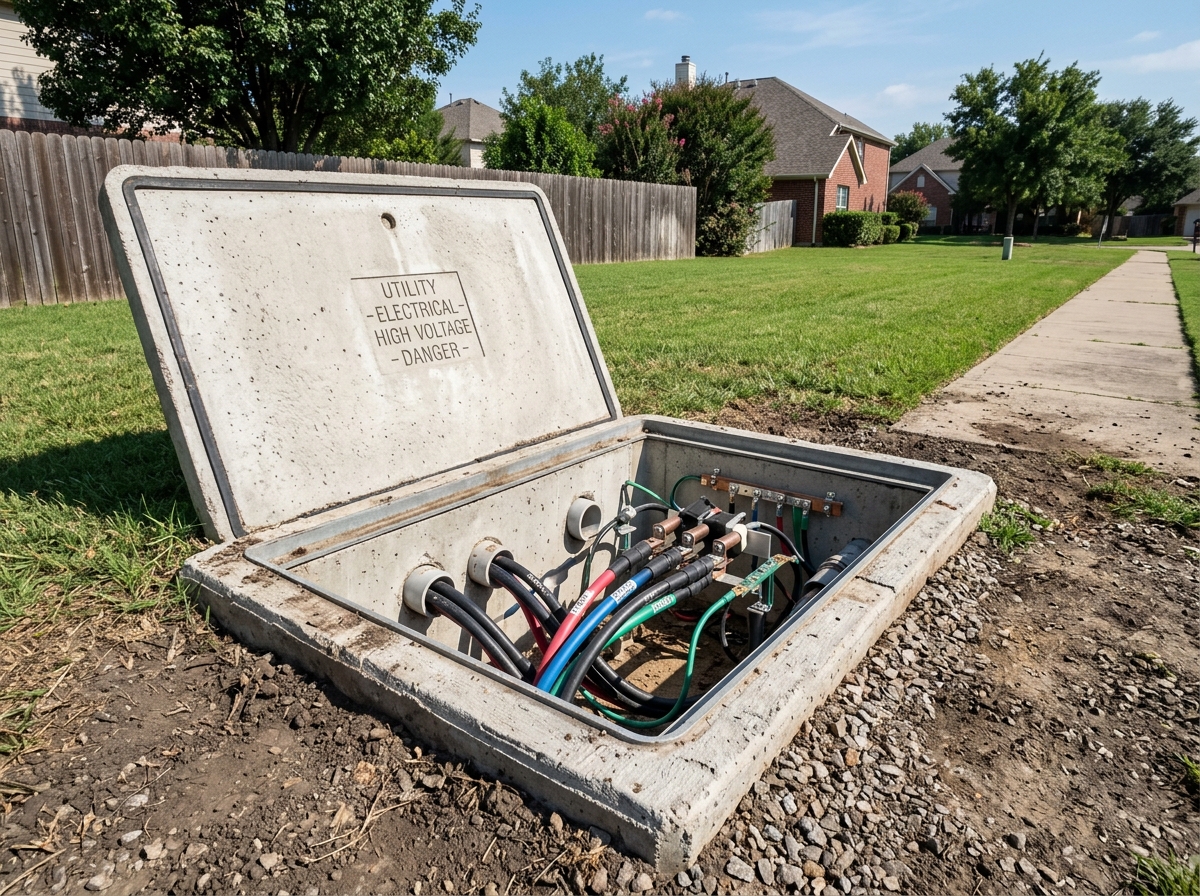
Before a single bucket hits the ground, we verify what’s underneath. While calling 811 is the law, we often go further for complex urban projects. We utilize CUEVAC services and private utility locators who use Ground Penetrating Radar (GPR) and Hydrovac Potholing. Hydrovac uses pressurized water and a vacuum to safely expose underground lines without the risk of a mechanical strike.
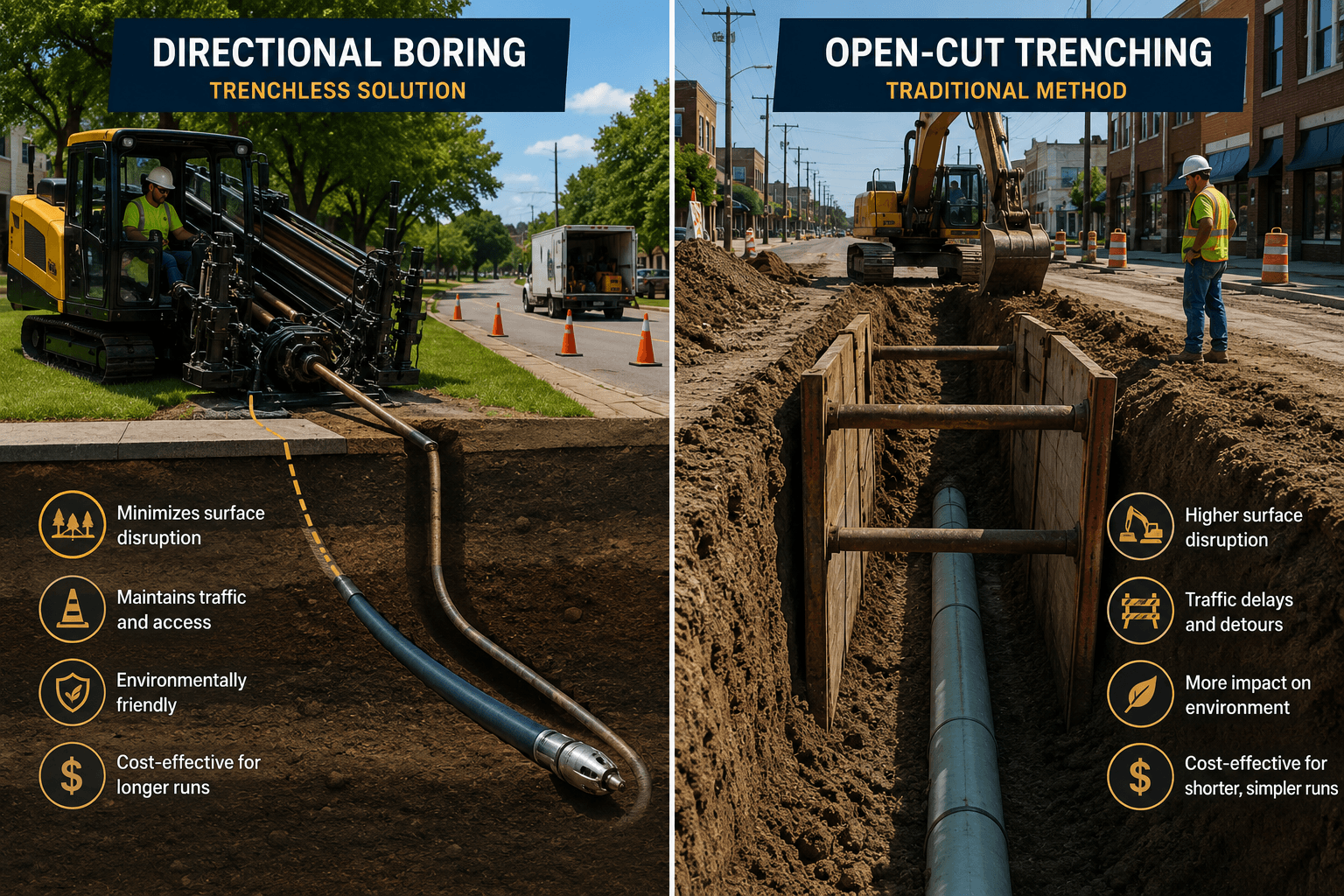
When planning a project, one of the first decisions is how to get the utility into the ground. There are two primary schools of thought: the traditional open-cut method and trenchless technology.
For a deeper dive into these options, see our article on Trenchless Utility Installation Carolinas.
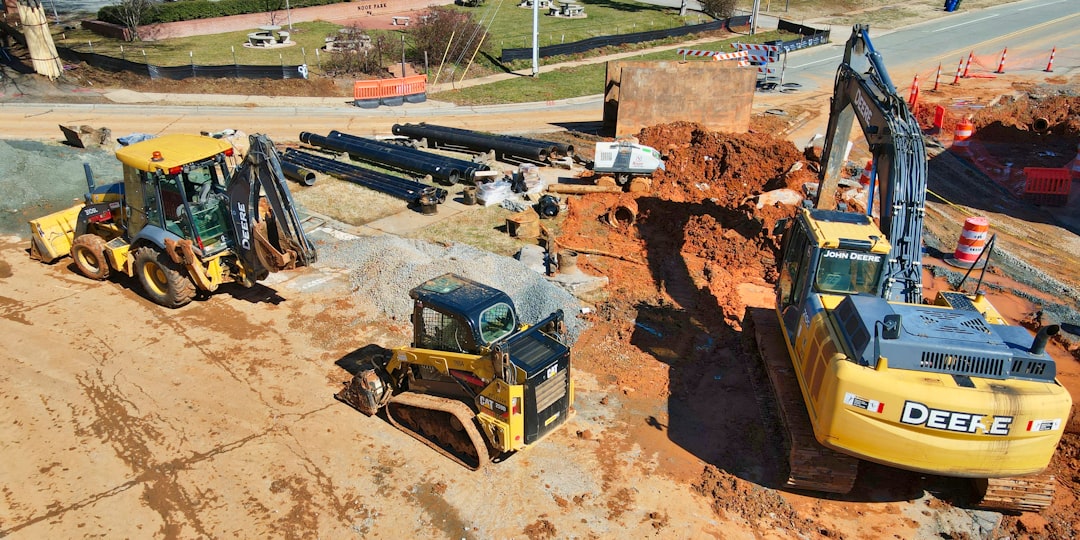
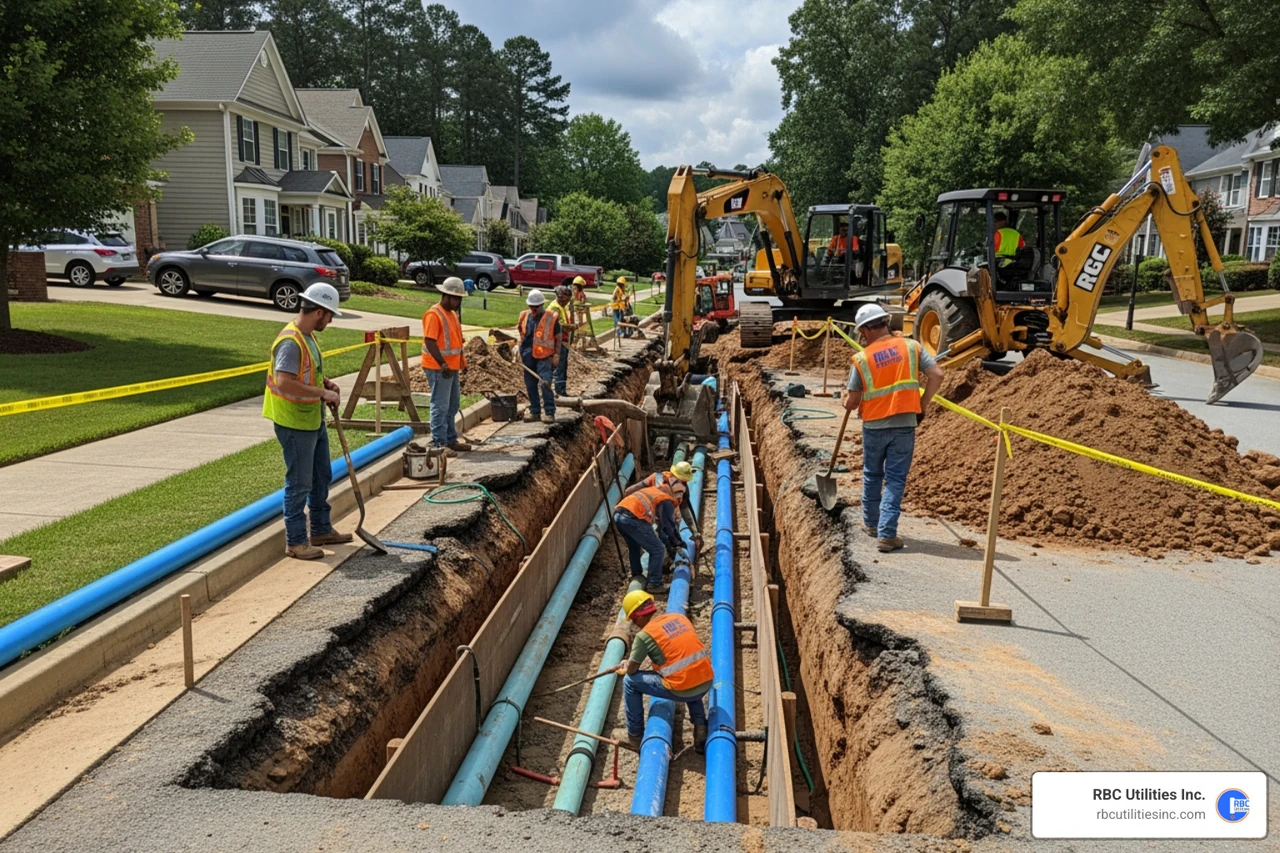
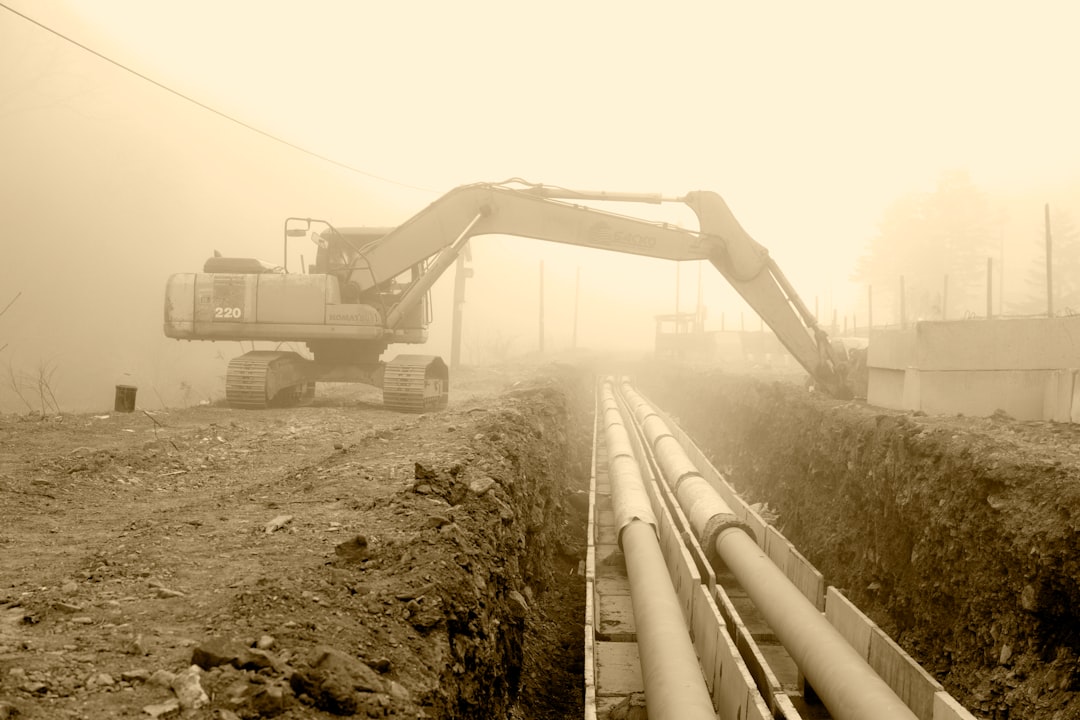
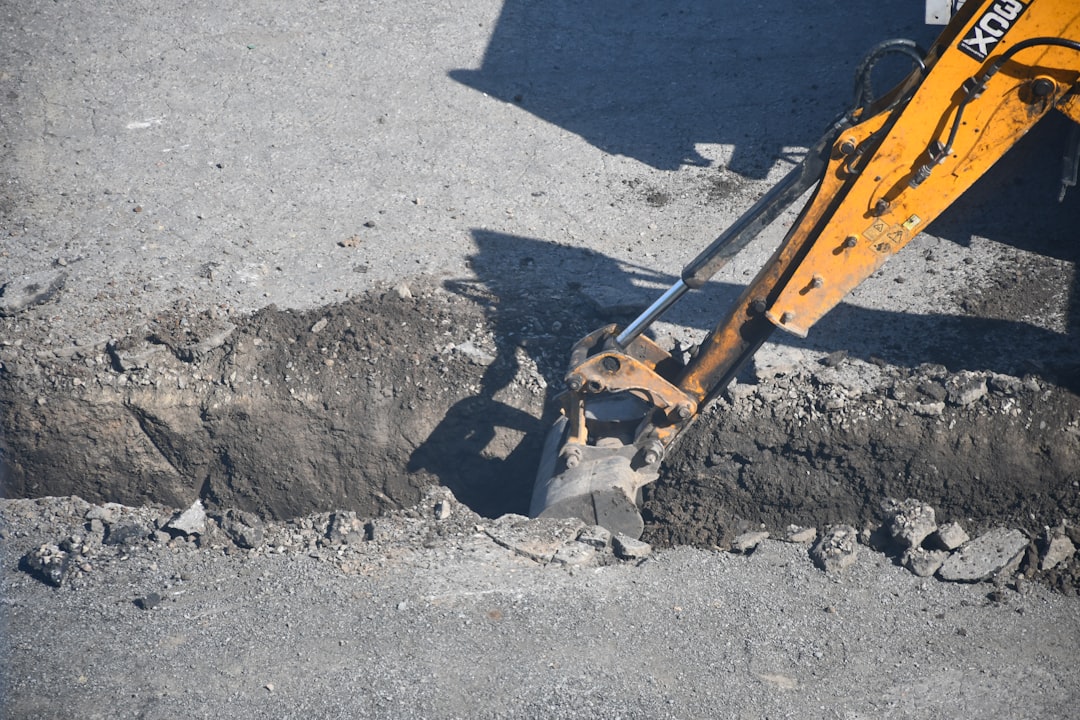
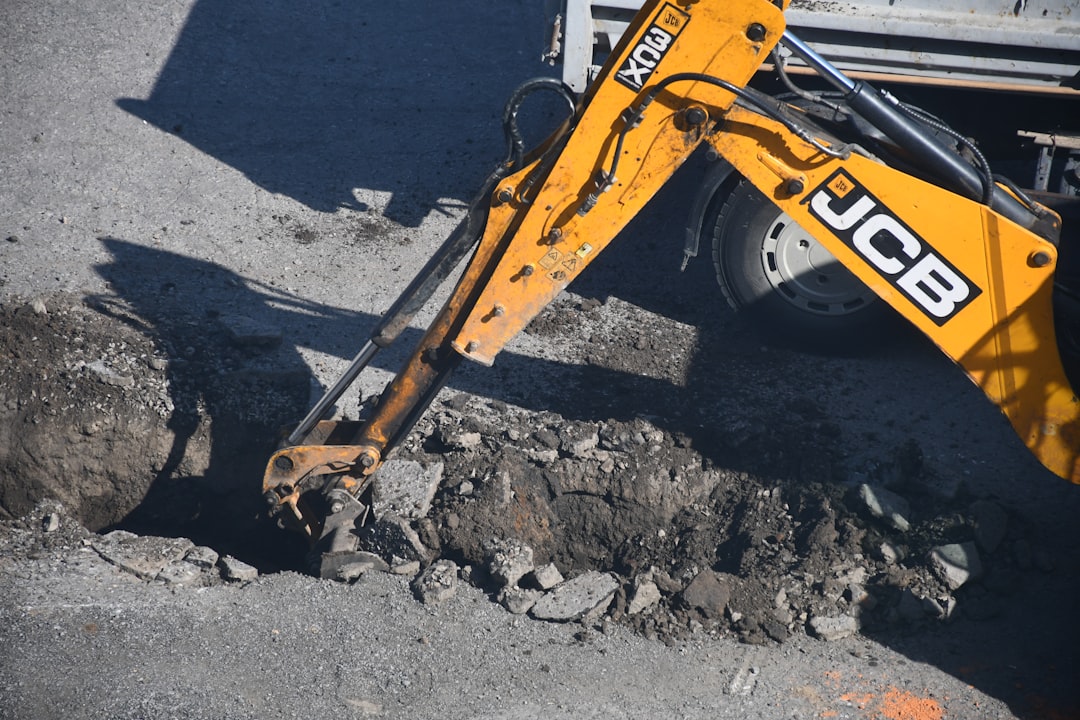
Open-cut trenching is the tried-and-true method. We use excavators or backhoes to dig a trench from the surface, lay the utility, and then backfill.
Why choose Open-Cut?
This method is ideal for foundation footings and large-scale drainage projects where surface restoration is straightforward.
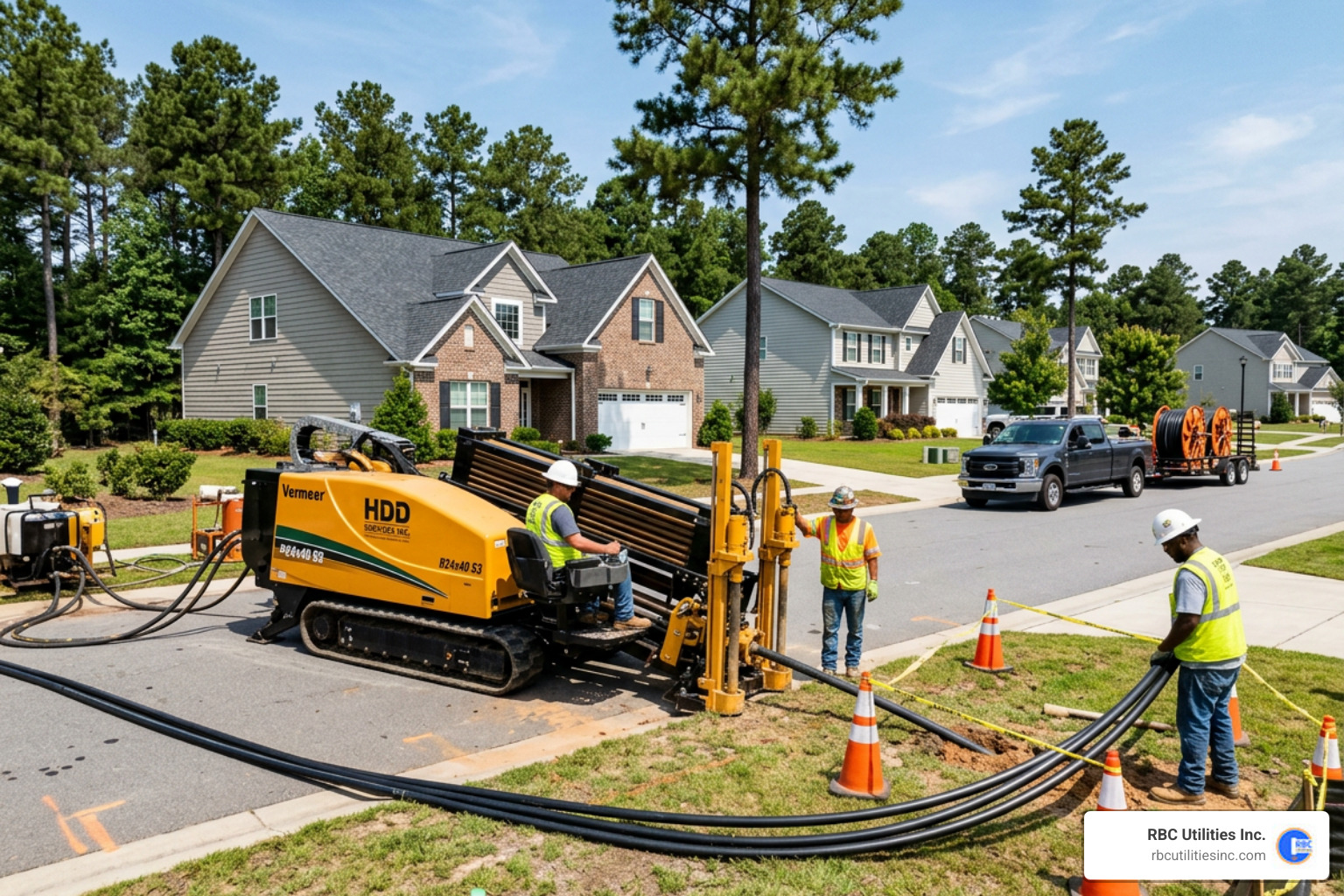
Horizontal Directional Drilling (HDD), or "boring," is the high-tech alternative. Instead of a long open ditch, we dig two small pits and "steer" a drill bit underground between them.
Why choose HDD?
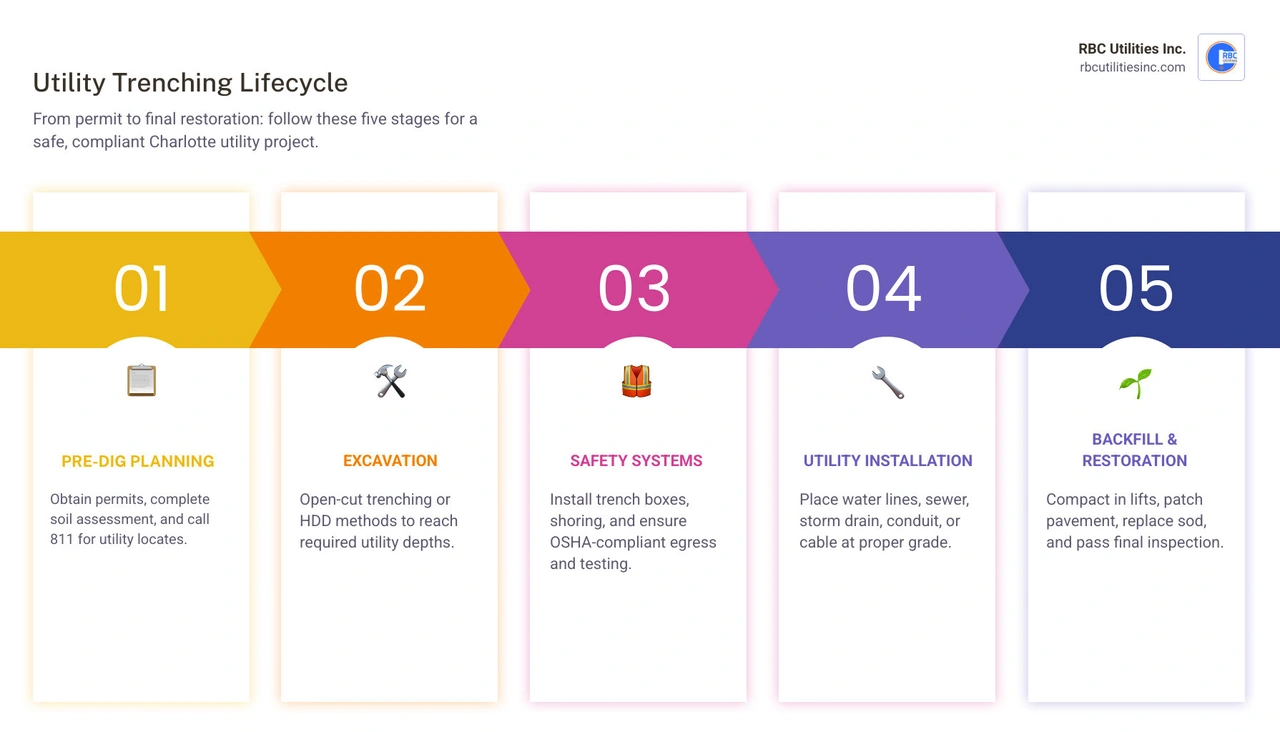
Successful utility trench excavation in Charlotte follows a predictable, albeit rigorous, lifecycle. Skipping a step in this process is how projects end up with "stop-work" orders or future sinkholes.
Budgeting for excavation in the Carolinas requires more than just a per-linear-foot estimate. Several factors can swing the price:
To get a better sense of regional pricing, review our resource on Utility Trench Excavation NC.
The job isn't done when the pipe is in the ground. In fact, the most common failures happen after the utility is installed. If the soil isn't replaced correctly, it will settle over time, creating "dips" in the road or yard.
We follow a strict restoration protocol:
Depths vary significantly by utility. Electrical conduits are often 18 to 24 inches deep. Water lines in the Carolinas are typically buried at least 36 inches to stay below the frost line. Sewer and storm lines are the deepest, often ranging from 4 feet to over 15 feet, depending on the topography and the need for gravity-assisted flow.
If you are trenching along or across a state-maintained road (which includes many major Charlotte thoroughfares), you need an NCDOT Encroachment Agreement. This requires a detailed plan showing the utility's location, a traffic control plan, and proof of insurance. We handle this coordination for our clients to ensure the project meets Division 10 standards.
We treat rock as a known variable rather than a surprise. During the estimating phase, we look at local soil maps and previous project data. When rock is encountered, we pivot to hydraulic hammers or rock saws. In some extreme cases for large-scale municipal projects, controlled blasting may be required, though this is rare in residential areas.
Building the future of the Queen City starts beneath the surface. From the red clay of Matthews to the granite shelves of Union County, utility trench excavation in Charlotte is a demanding discipline that requires the right equipment, a deep understanding of local geology, and an unwavering commitment to safety.
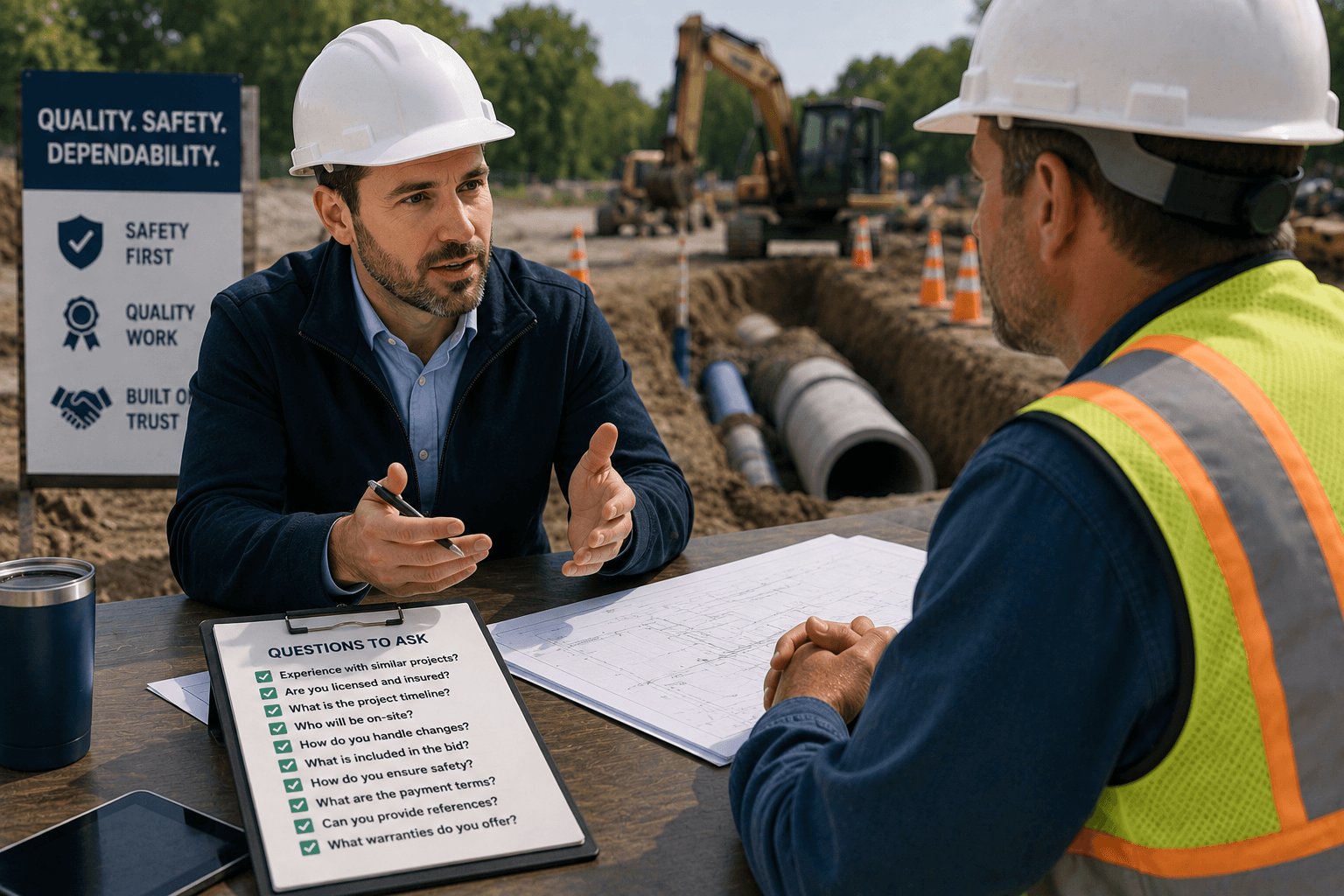
At RBC Utilities Inc., we take pride in being a part of the Carolinas' growth. Backed by the national resources of Saga Infrastructure, we bring local expertise to every water, sewer, and storm drain project we touch. Whether you are managing a municipal upgrade or a new commercial development, we are here to ensure your underground infrastructure is built to last.
Ready to get your project moving?Contact our team for professional utility services and let’s discuss how we can bring reliability and safety to your next Charlotte excavation project.
Part of Saga Infrastructure, protecting what others built and helping it grow.
Address: 4404 Stuart Andrew Blvd., Suite K, Charlotte, NC 28217
Email: info@rbcutilities.com
Phone: 803-913-9727
Service Area: North Carolina | South Carolina