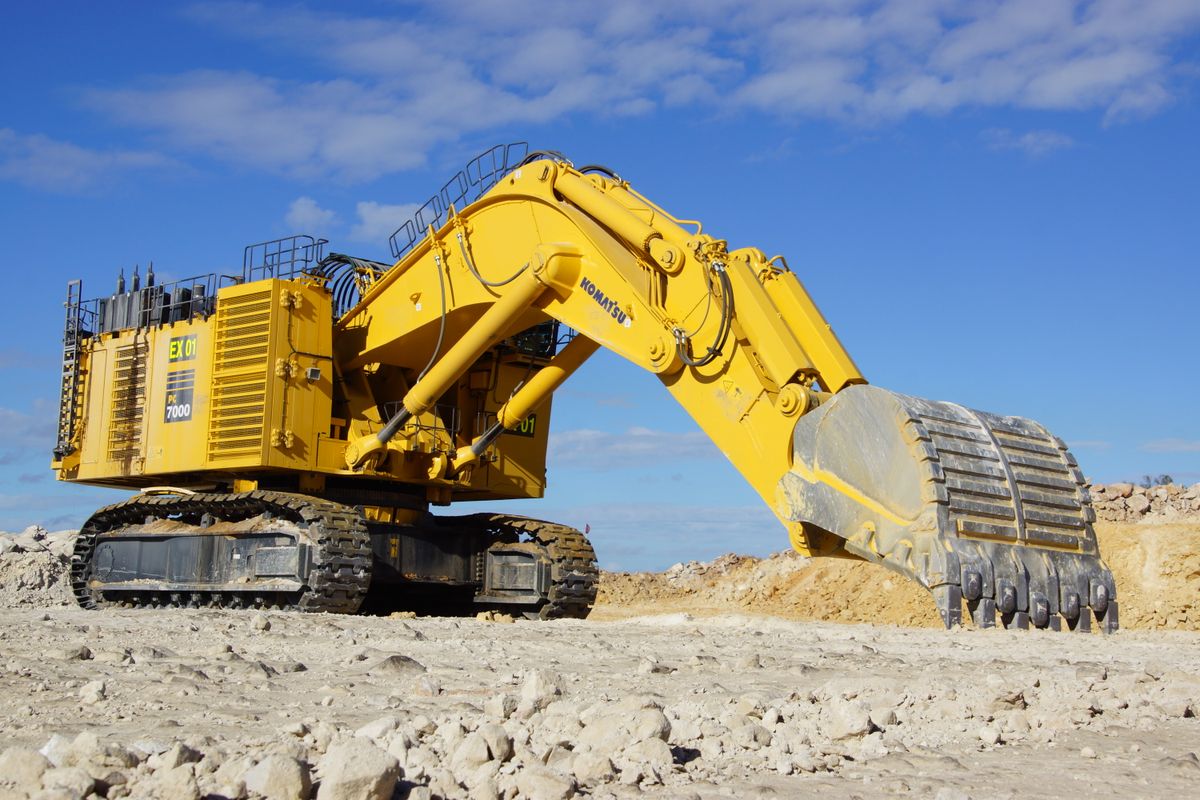
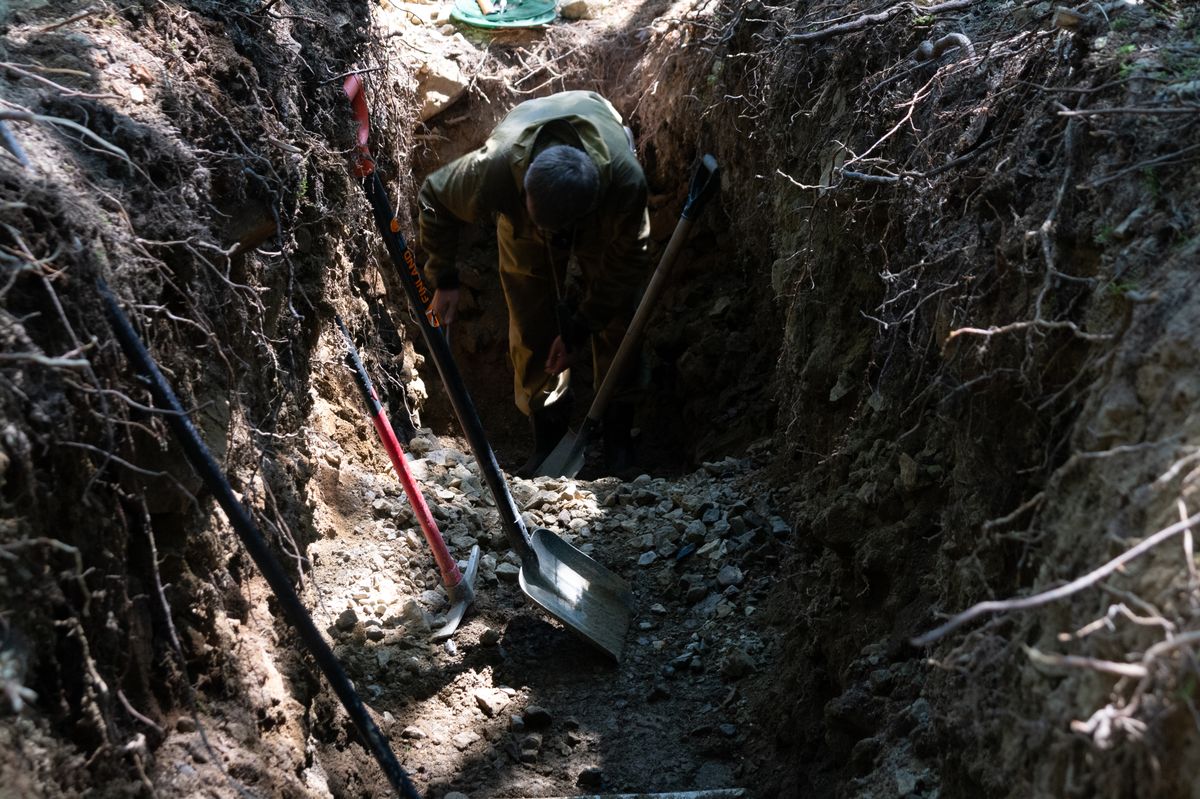
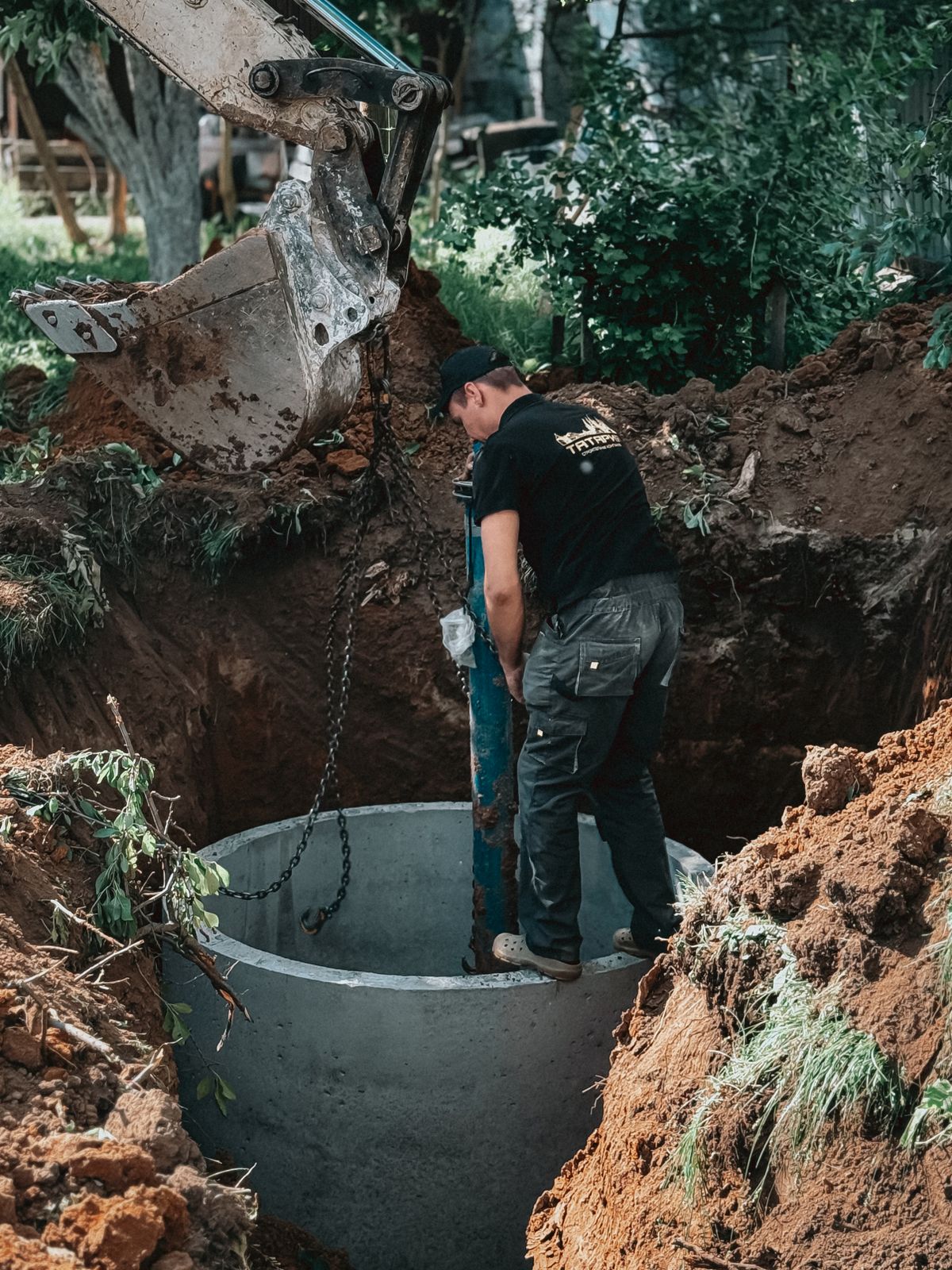
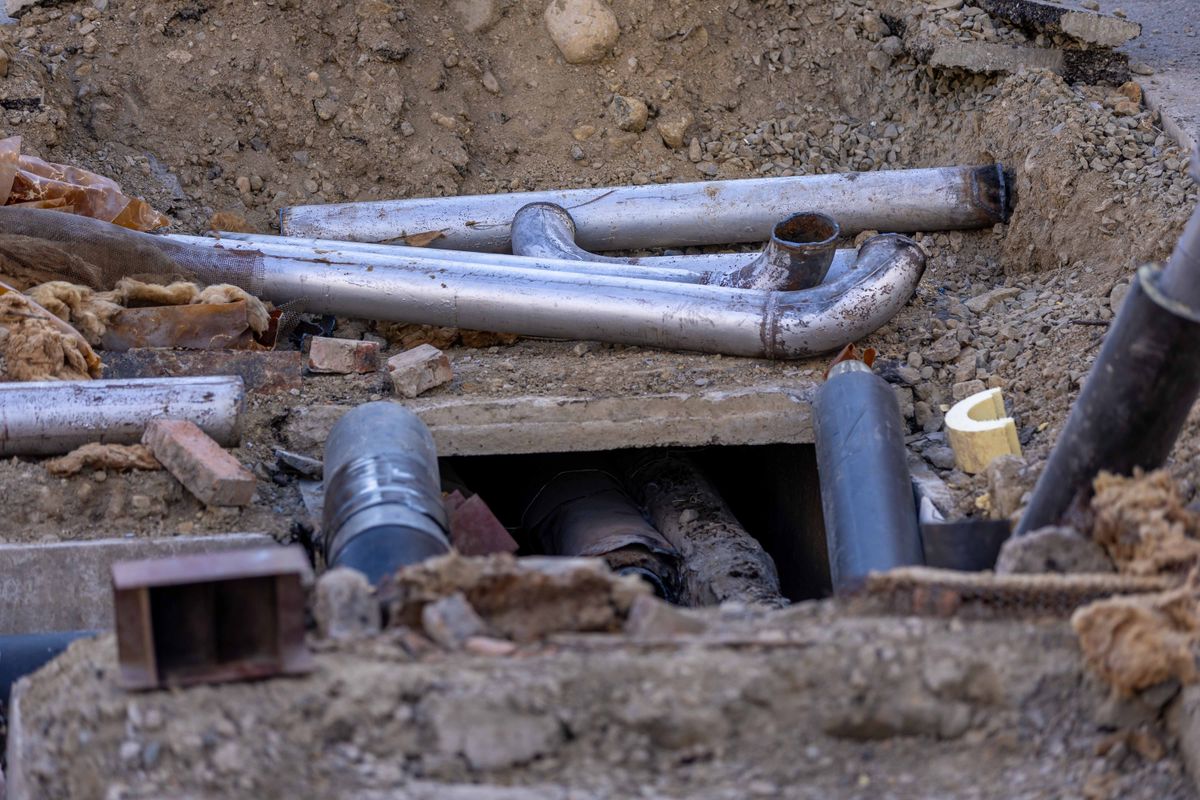
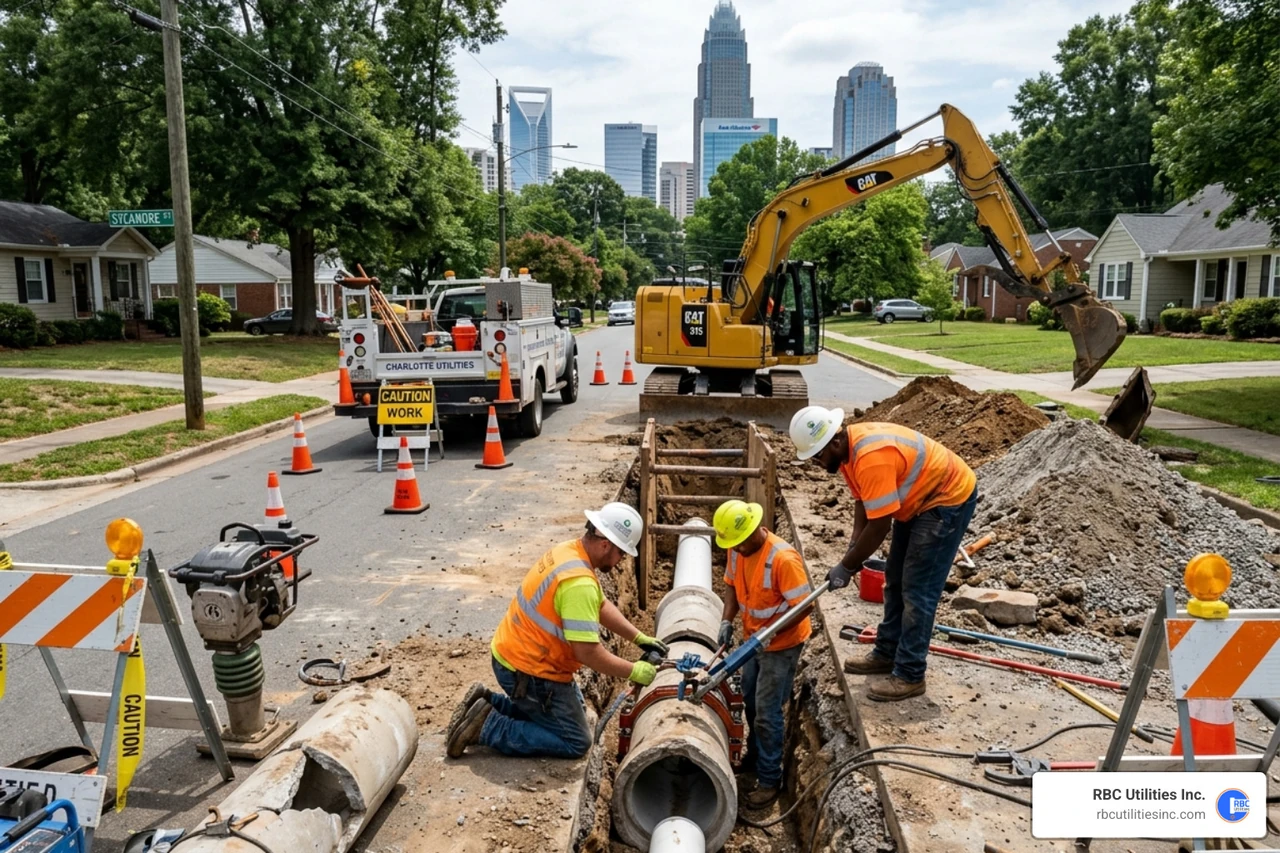
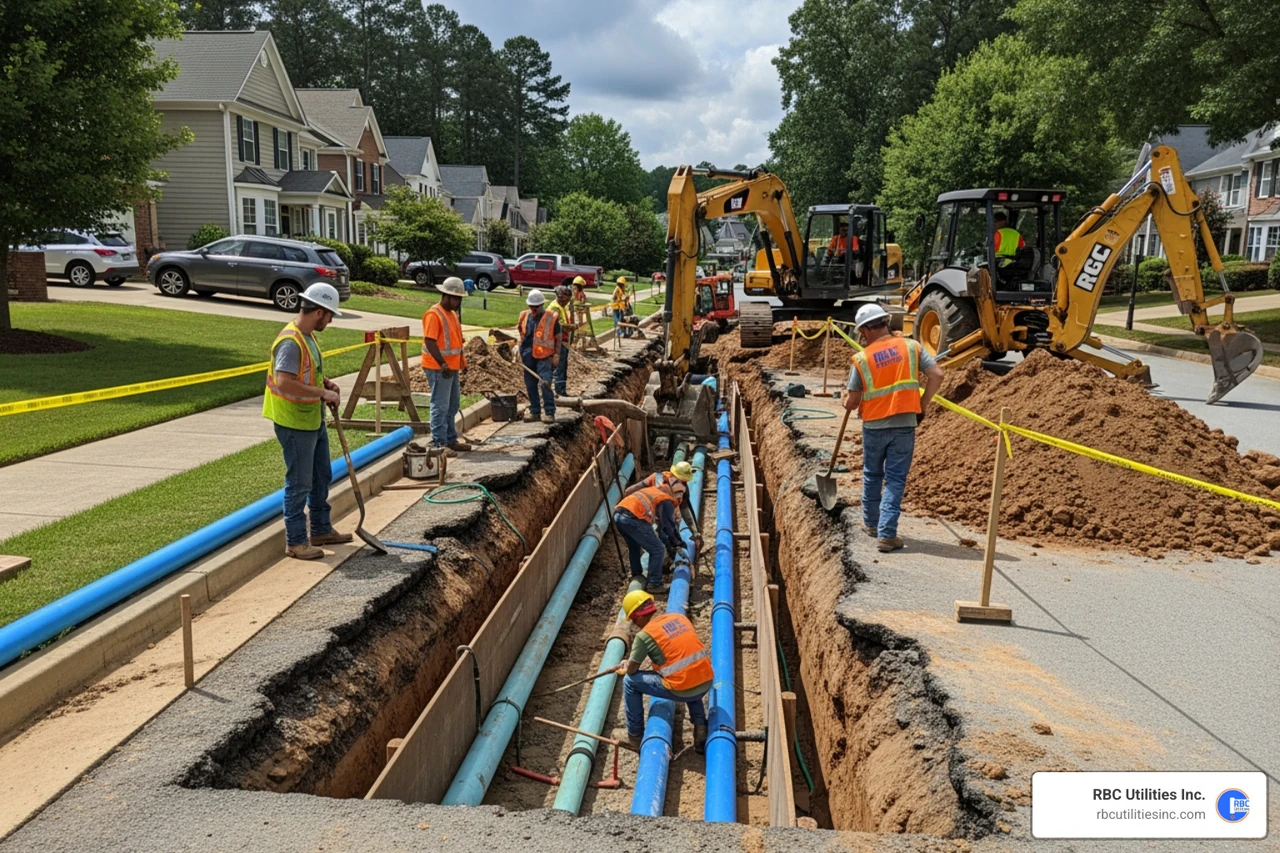
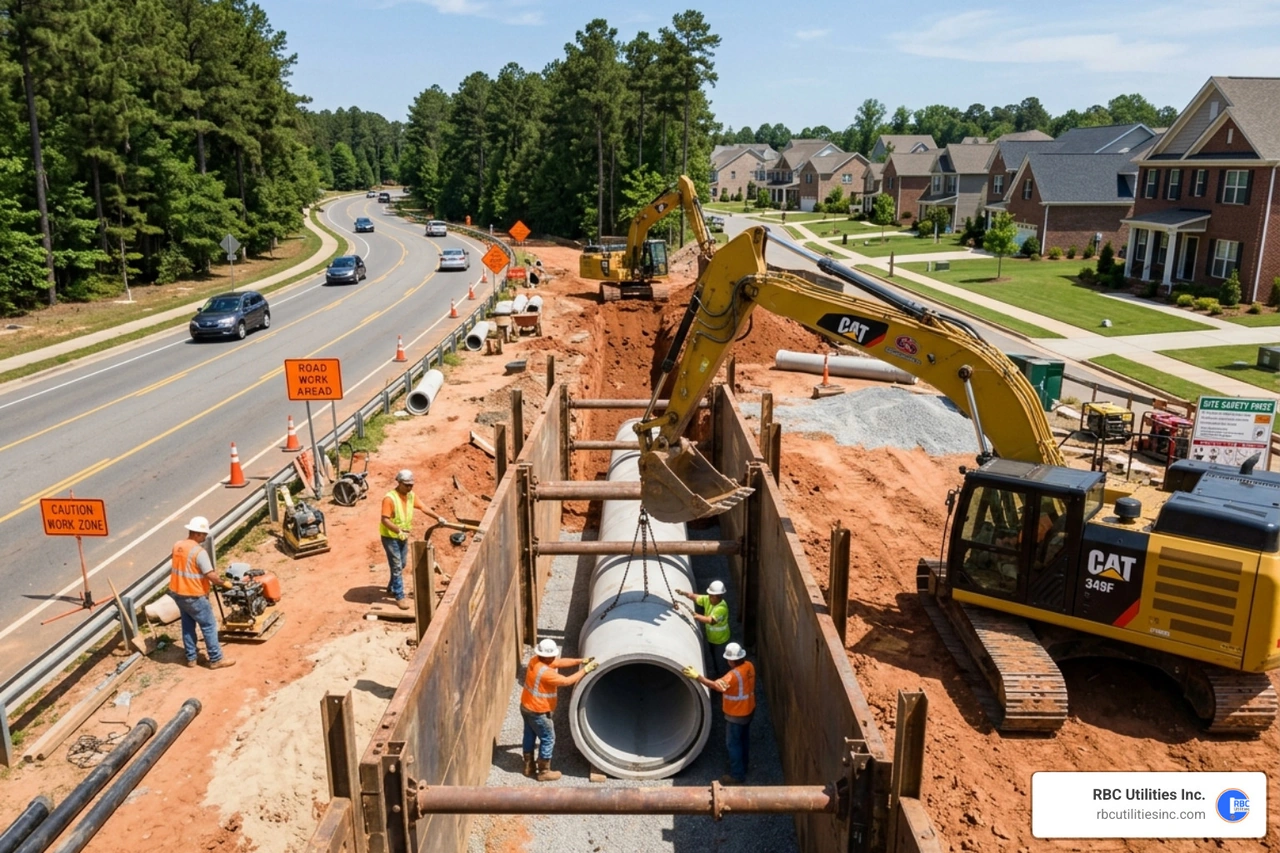
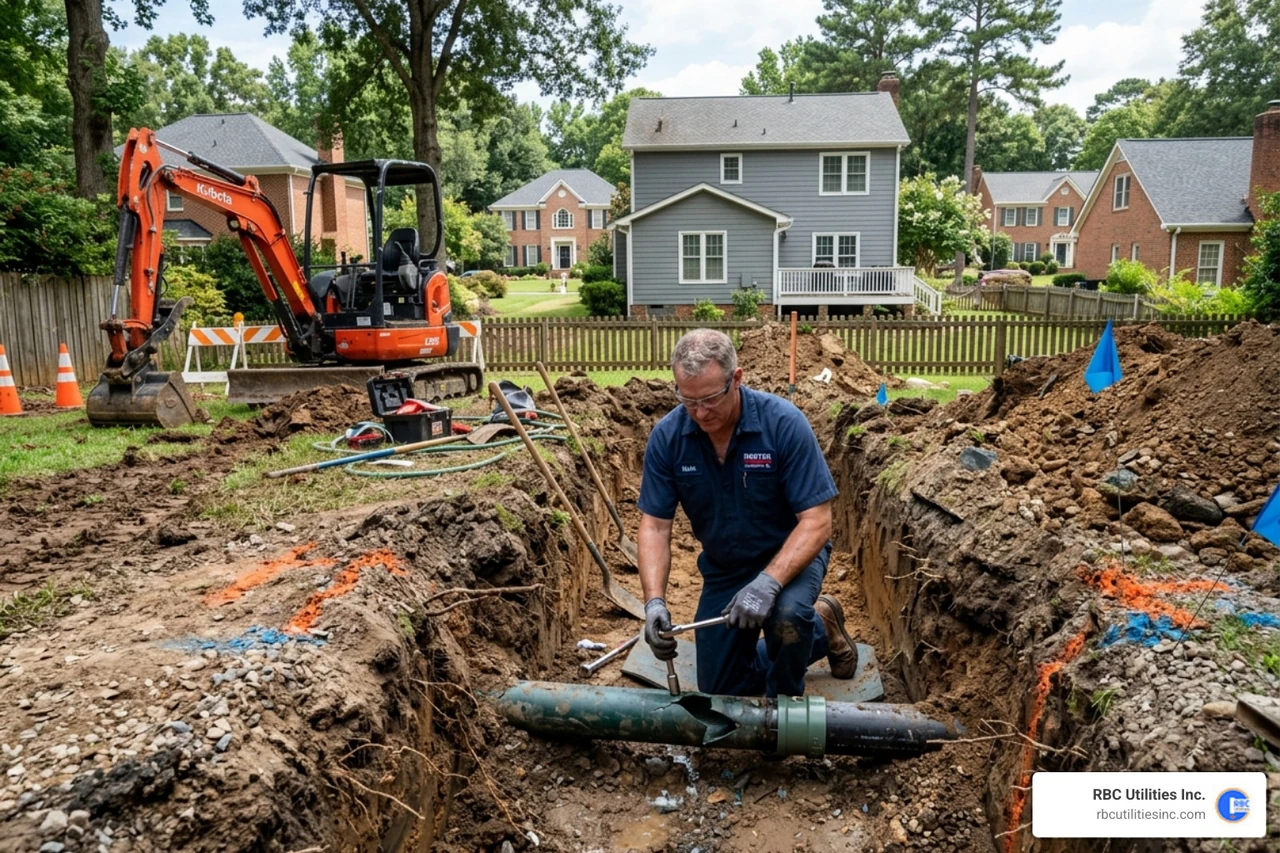
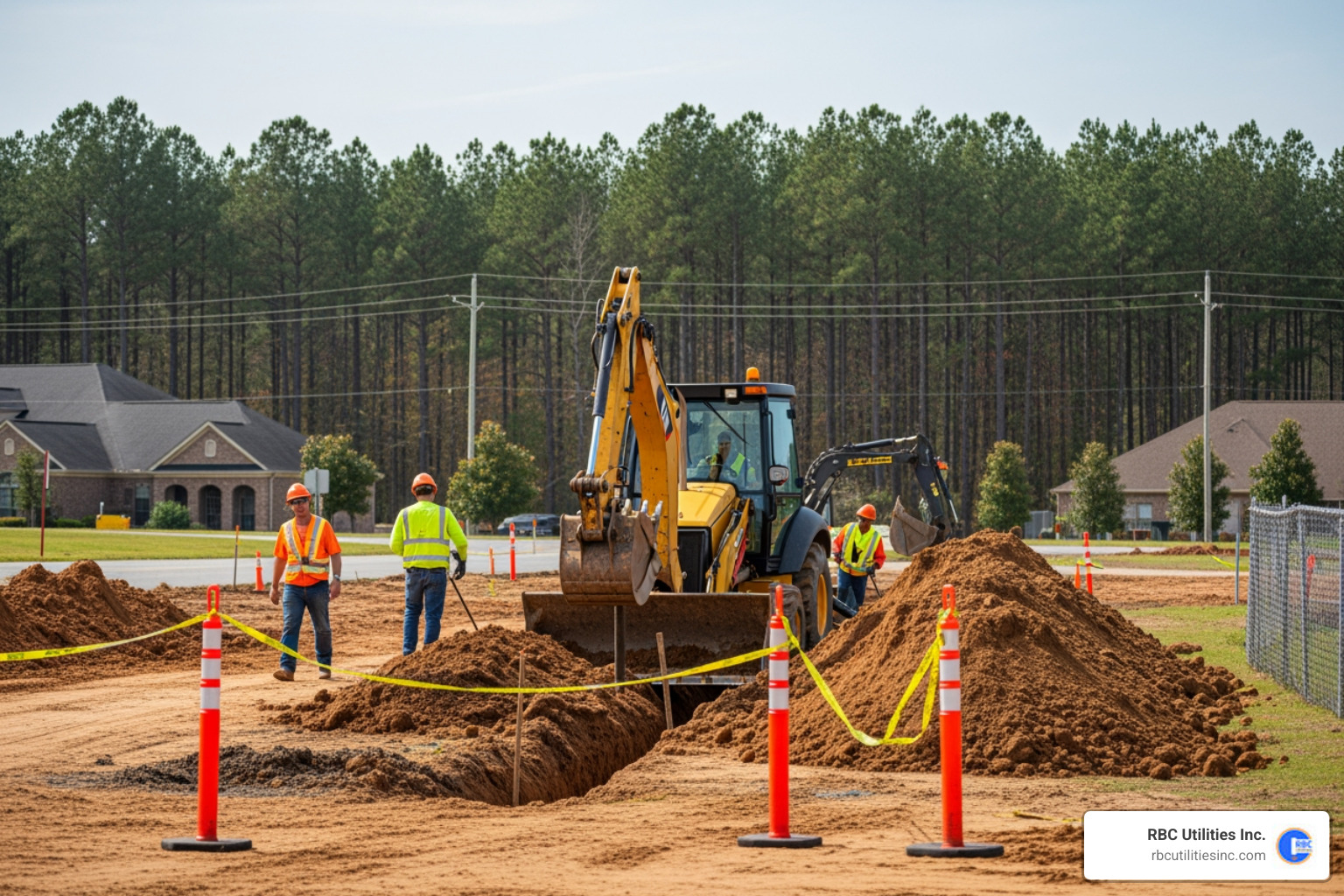
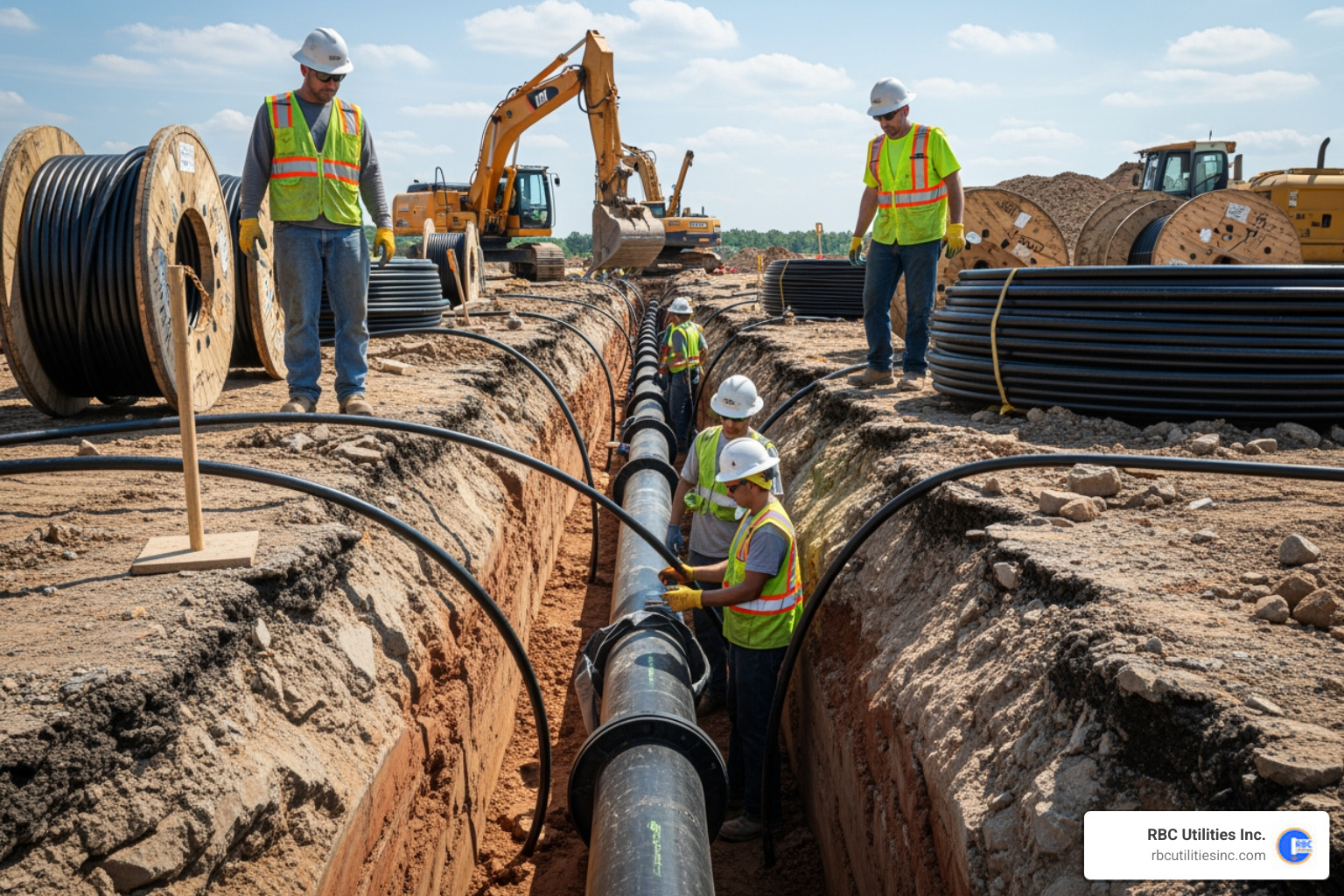
When you are looking for the right partner for your underground infrastructure, you aren't just looking for someone with a backhoe. You are looking for a team that understands the local landscape. In the Carolinas, the soil conditions, regional regulations, and rapid pace of commercial development require a specific kind of expertise. From the dense red clay of the Piedmont to the sandy coastal plains of South Carolina, the geological diversity of this region demands a contractor who knows how to manage varying soil stability and groundwater levels.
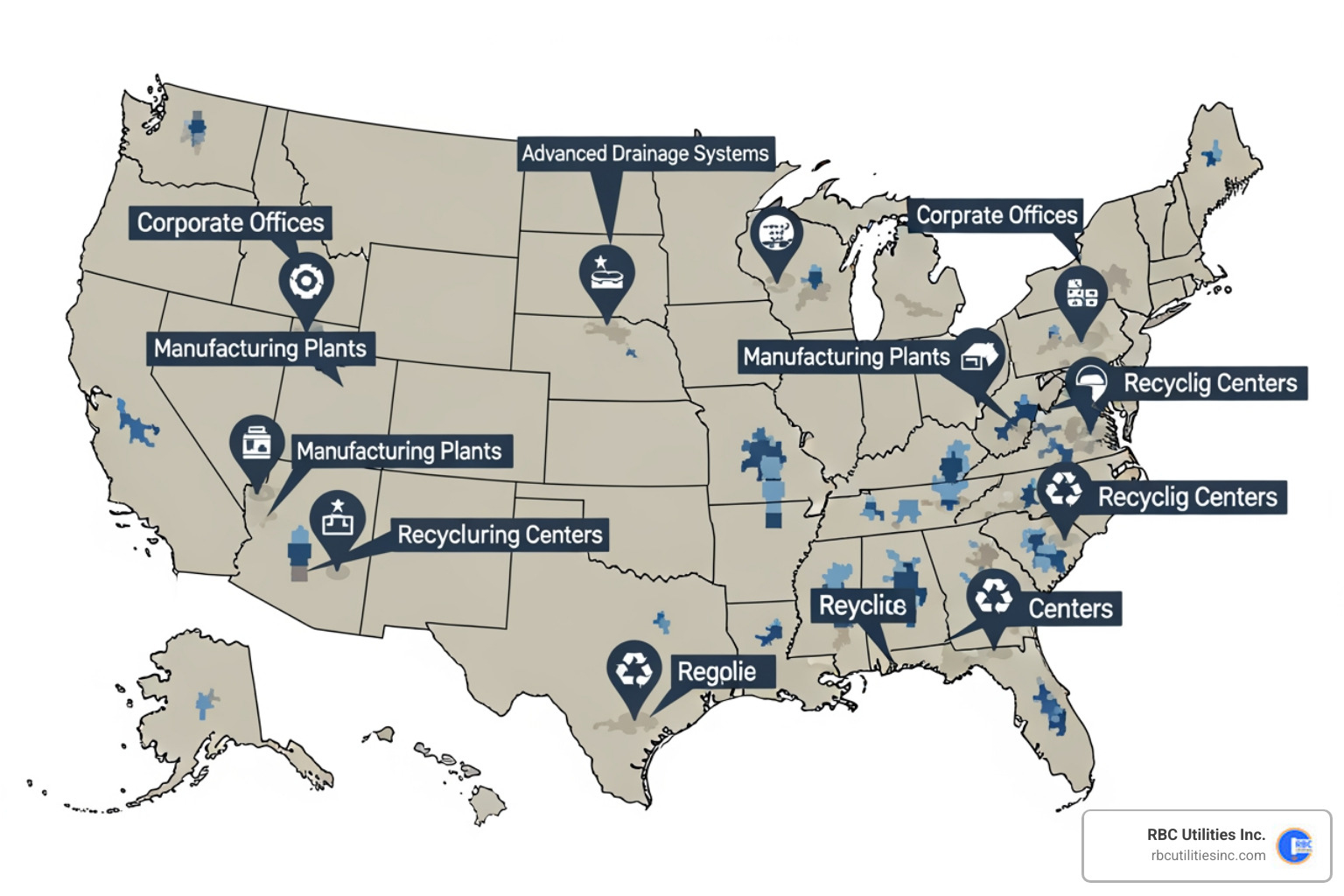
Professional sewer utility contractors act as the backbone of modern infrastructure. Whether it is a municipal project in Charlotte or a new residential development in the Upstate, evaluating a contractor requires looking beyond the price tag. You need to assess their regional experience, their equipment fleet, and their ability to handle the "unseen" challenges that always pop up once you break ground. At RBC Utilities Inc., we believe that local reliability combined with national-scale resources is the winning formula for any project. We are proud members of the National Utility Contractors Association (NUCA), which helps us stay at the forefront of industry standards and safety advocacy.
A true specialist doesn't just "dig holes." They provide a comprehensive suite of services tailored to the specific needs of the site. When evaluating sewer utility contractors, ensure they have a proven track record in the following areas:
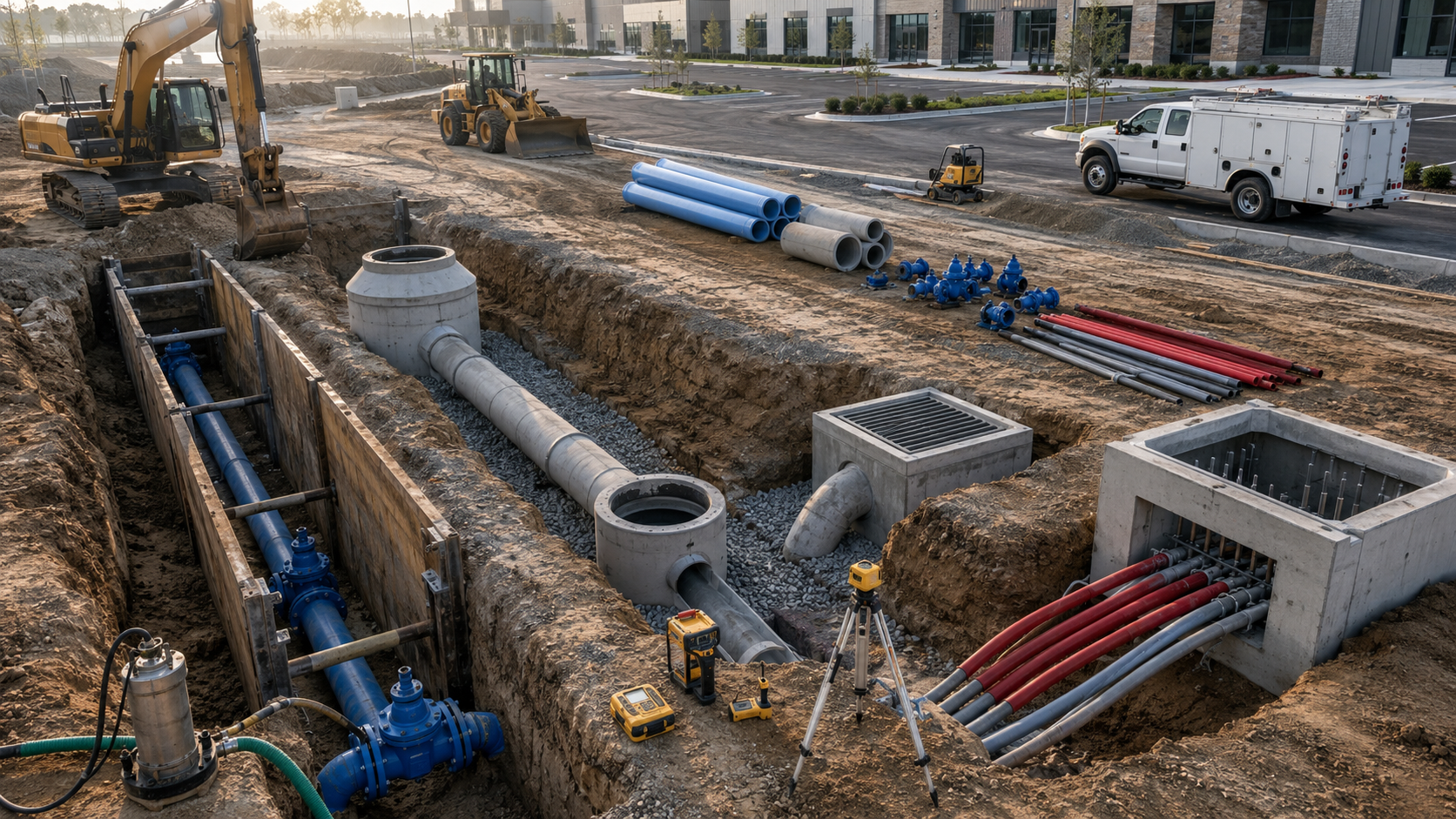
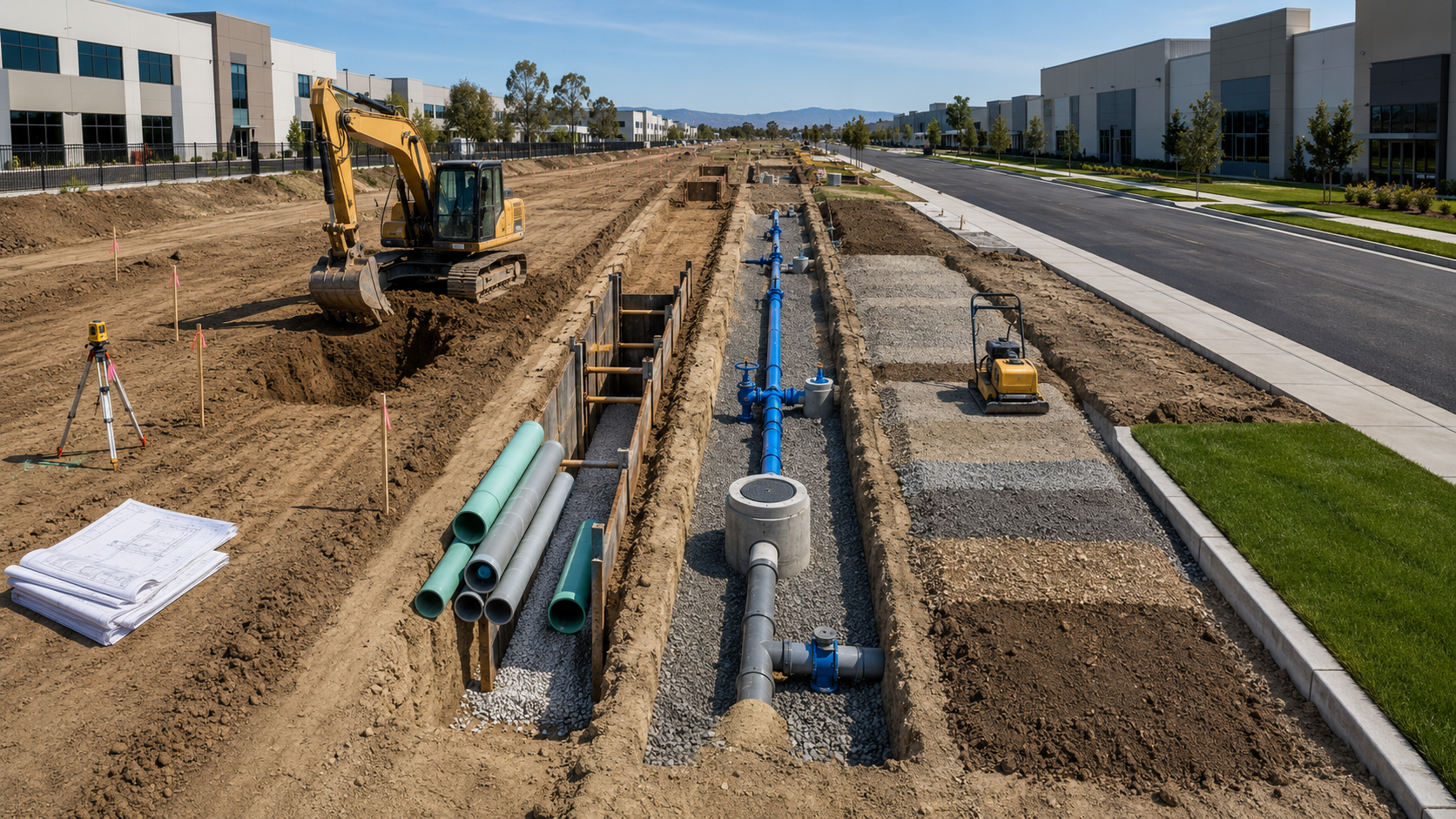
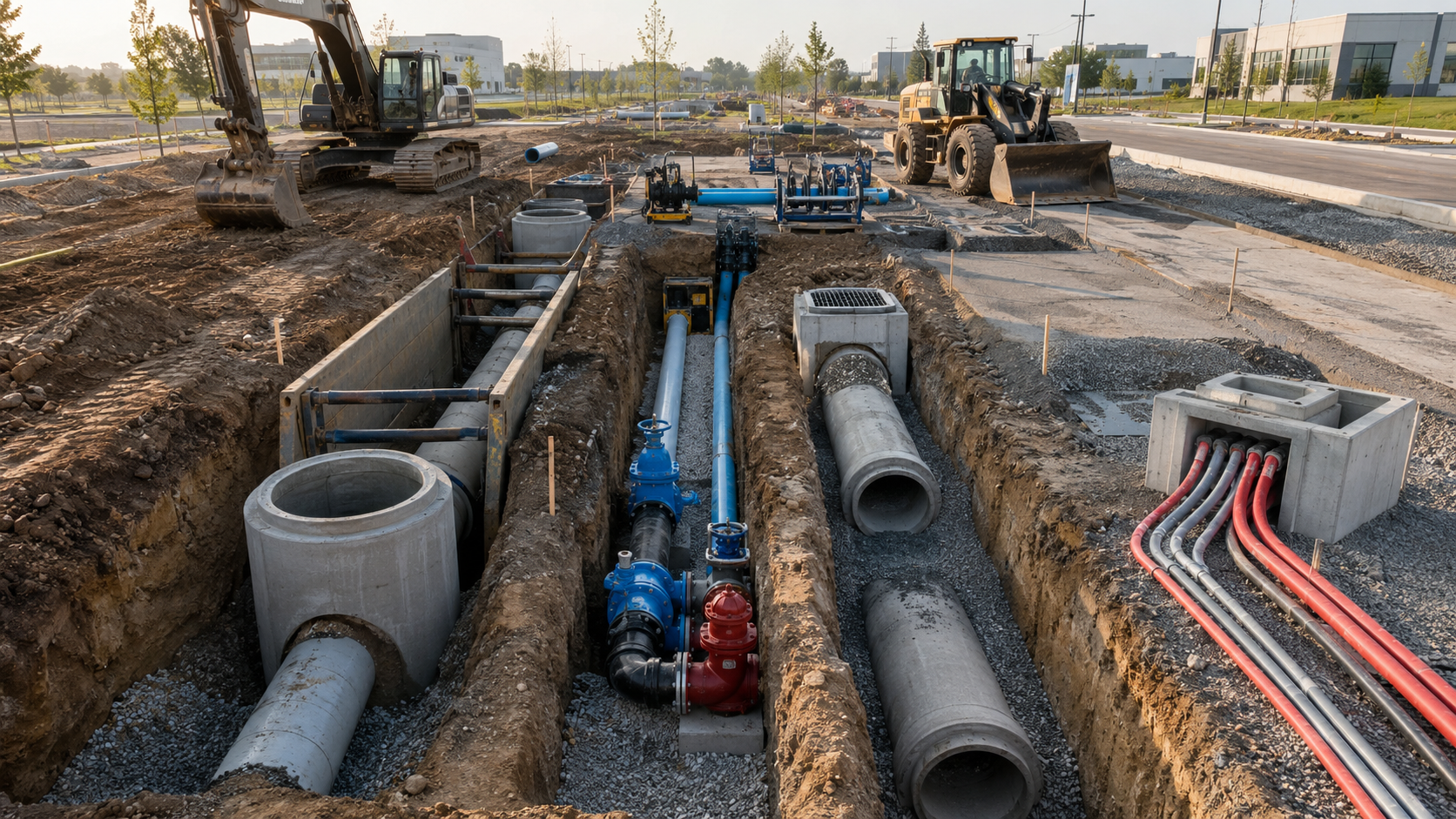
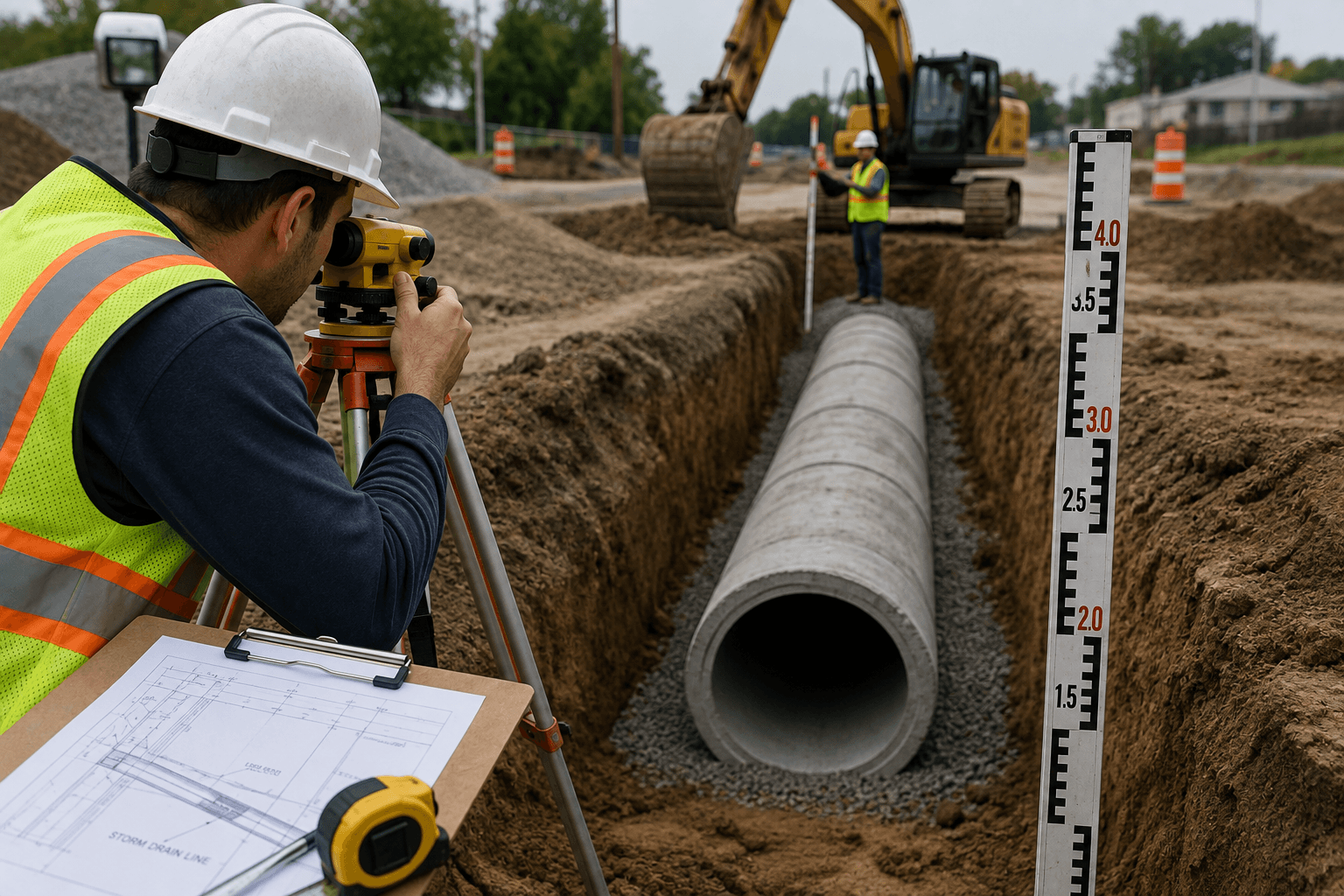
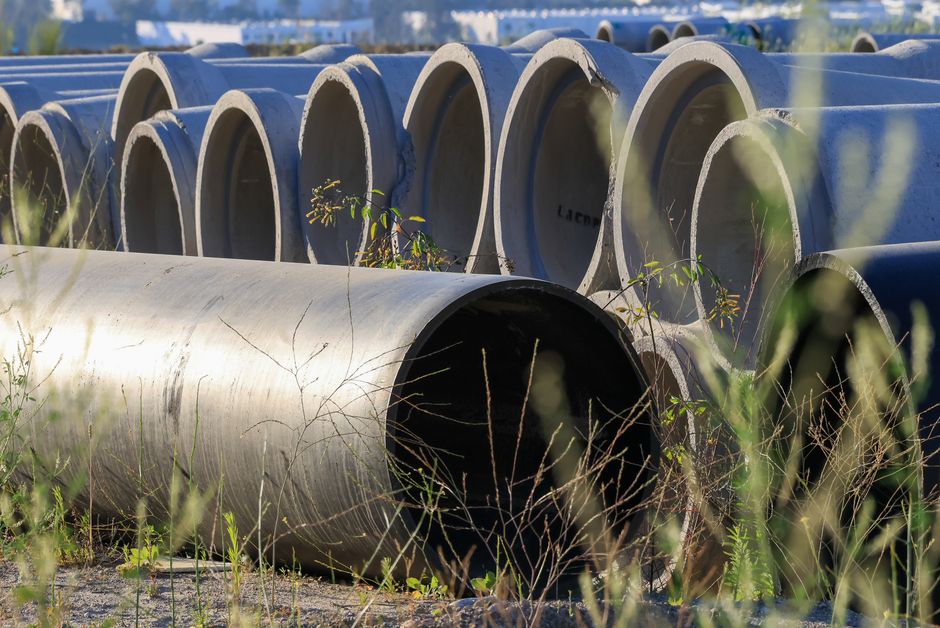
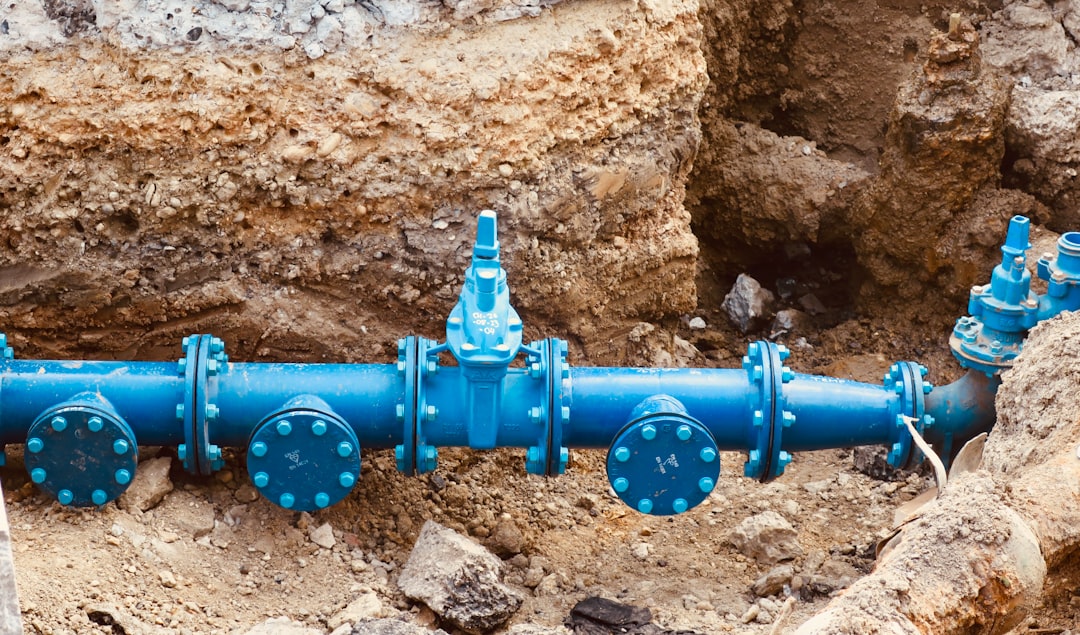
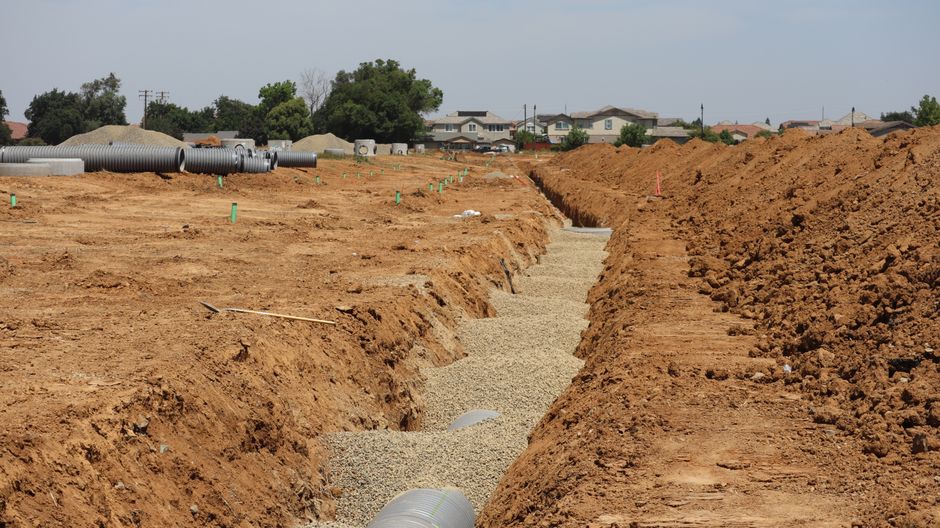
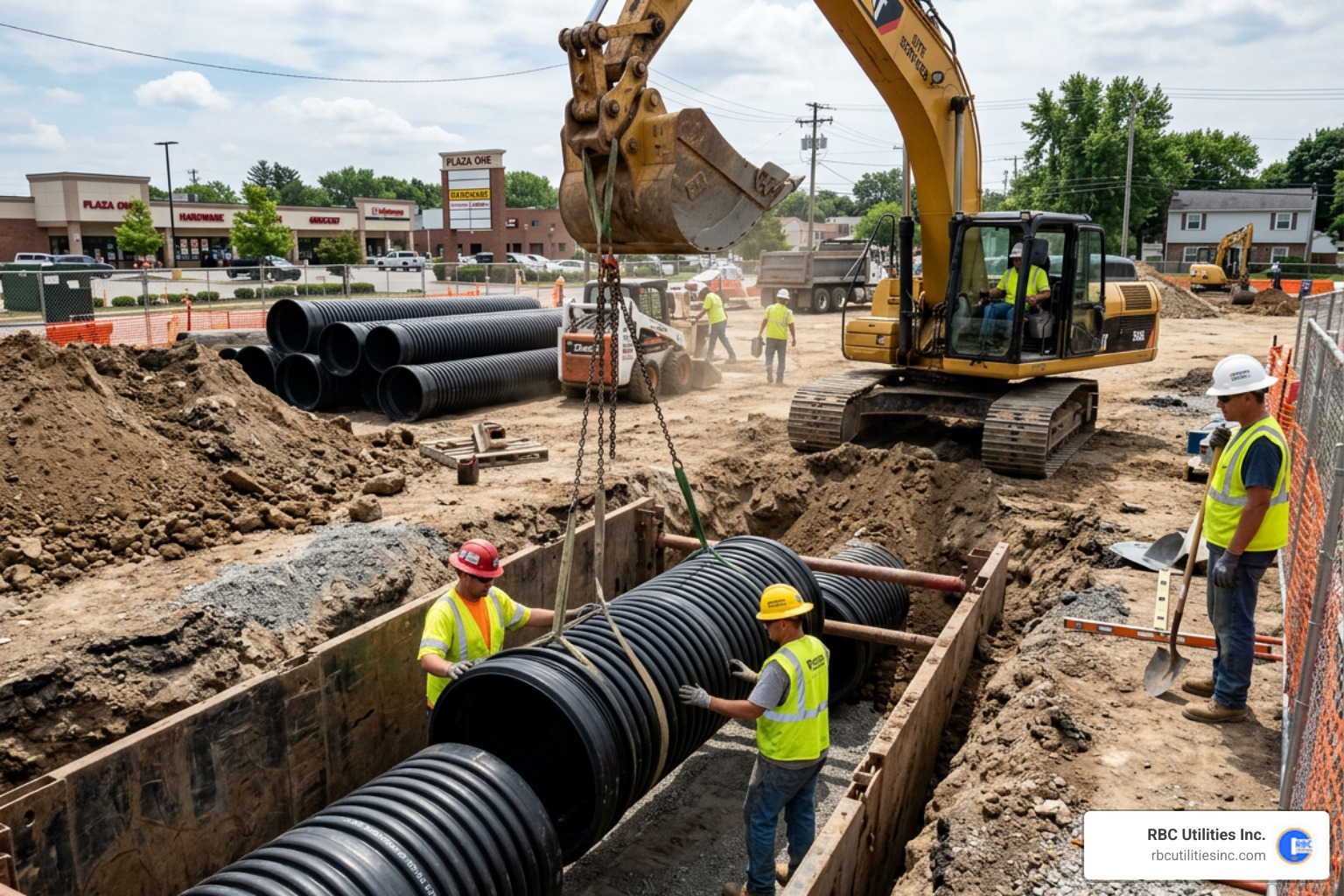
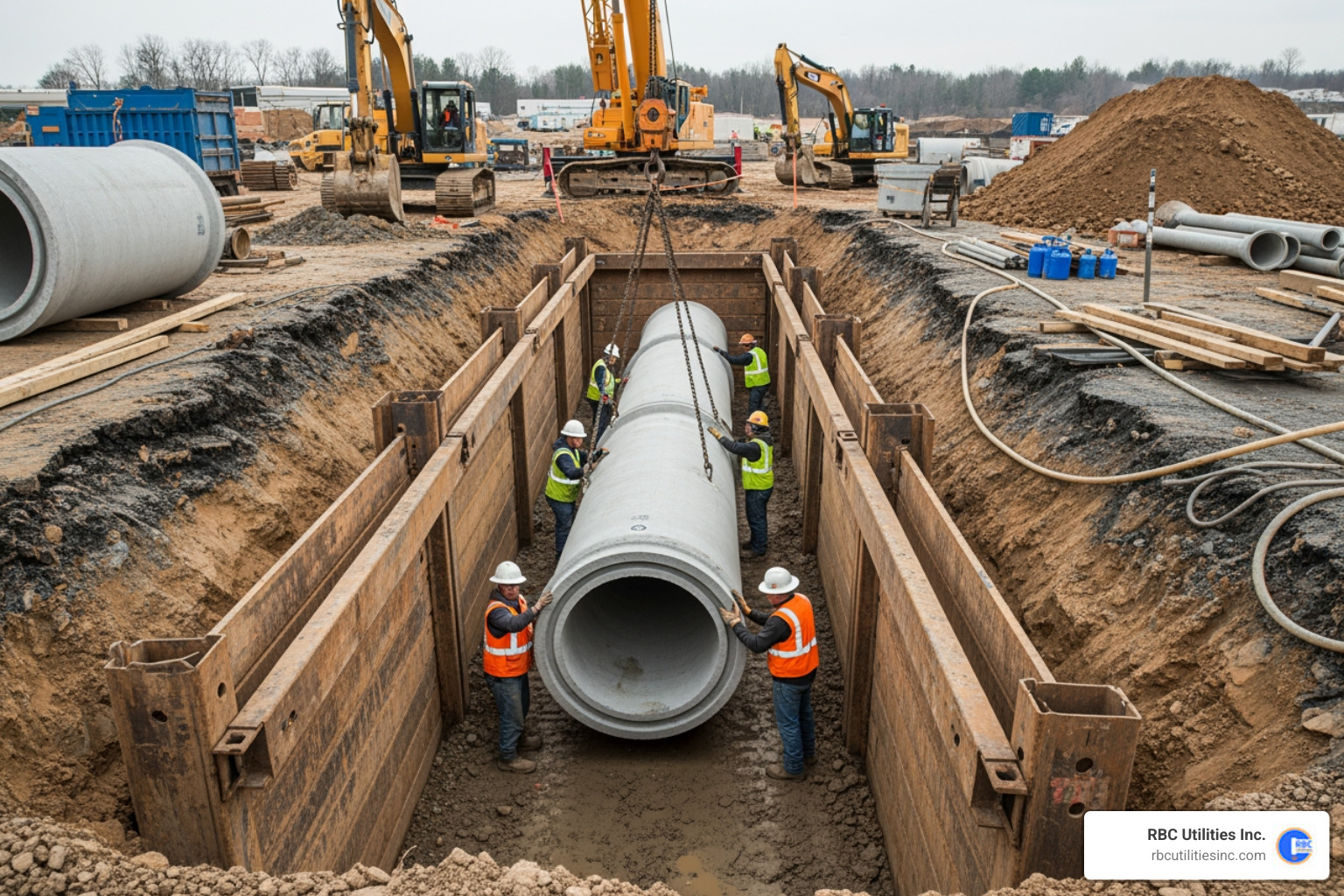
If your project involves the initial stages of a build, you'll likely need Sewer Main Line Installation. This requires precision grading and alignment to ensure that the "lifeblood" of the community flows correctly for the next 50 to 100 years.
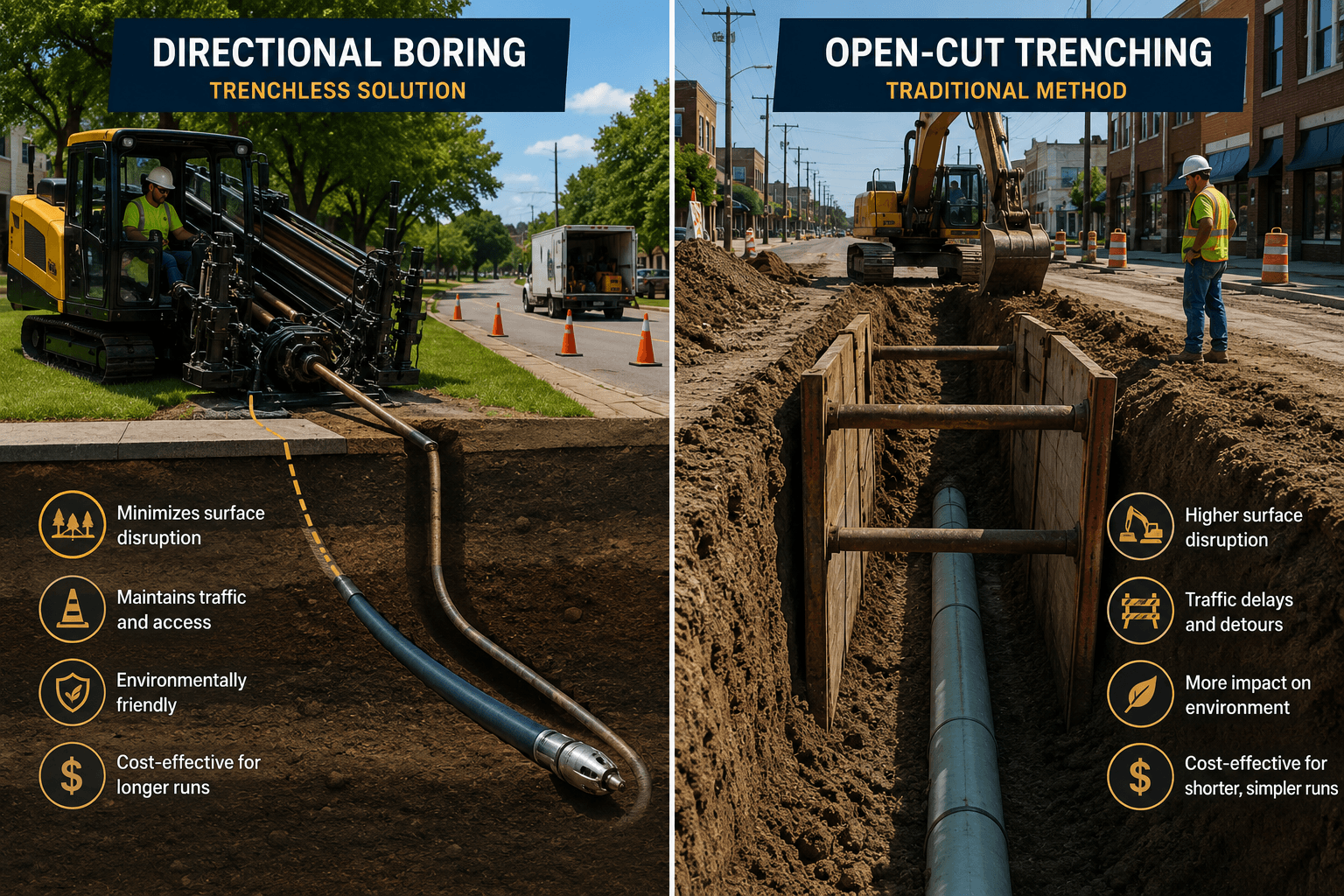
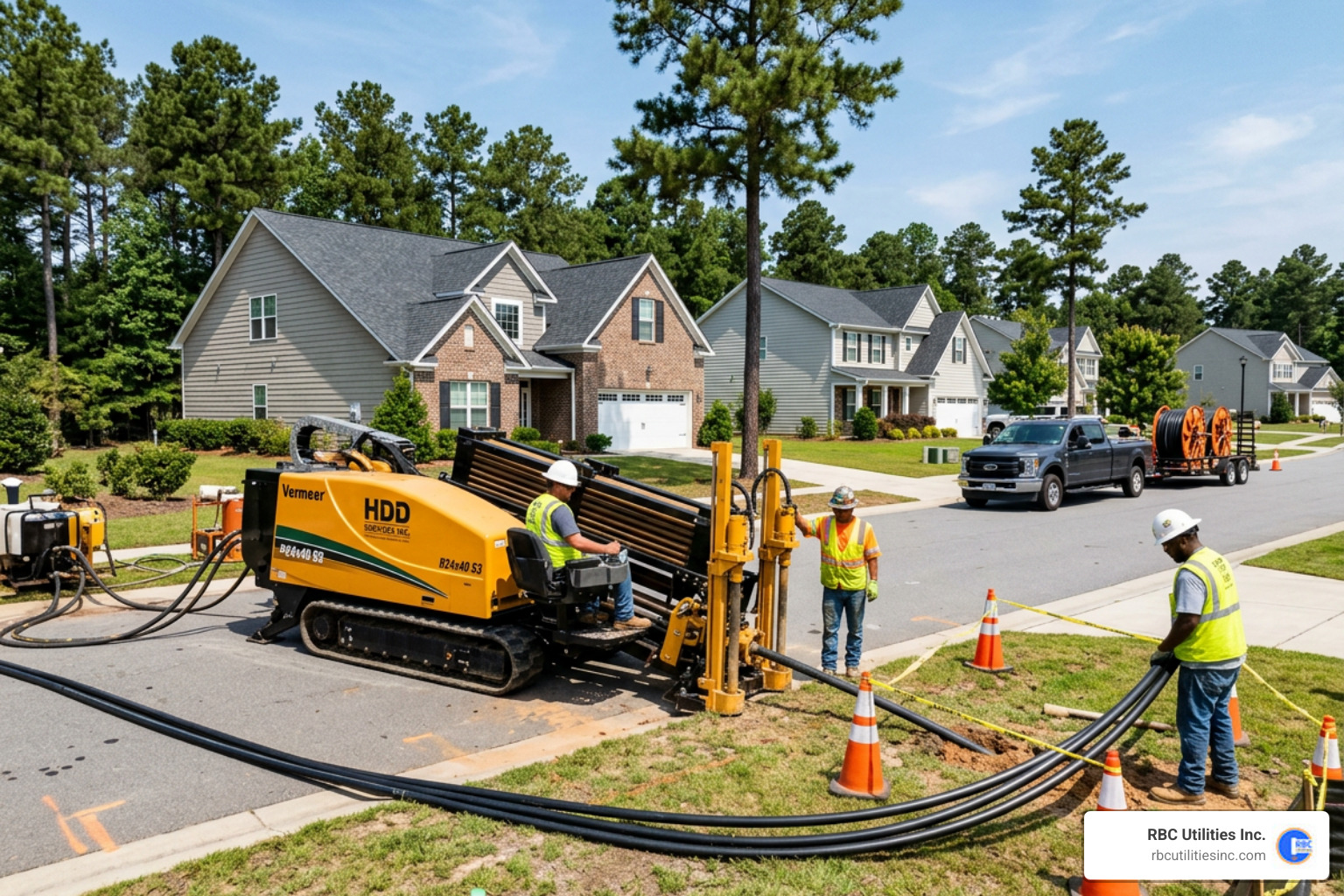
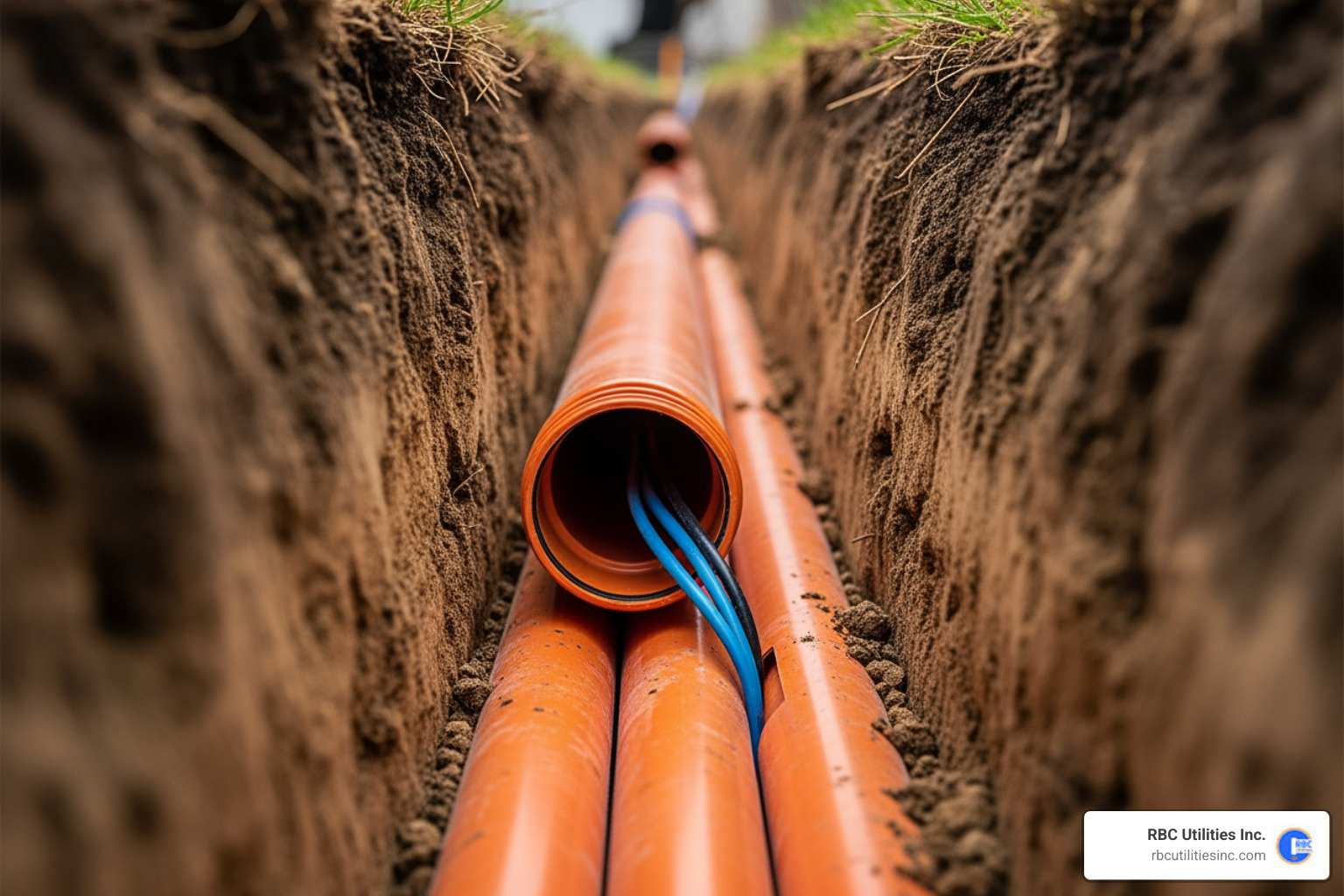
The days of always having to dig a massive, disruptive trench are behind us. Modern sewer utility contractors utilize Advanced Underground Solutions to minimize surface disruption, especially in sensitive areas like river crossings, busy Charlotte intersections, or established neighborhoods.
Some of the cutting-edge methods we use include:
| Feature | Open-Cut Trenching | Trenchless (HDD/CIPP) |
|---|---|---|
| Surface Disruption | High (roads/lawns destroyed) | Minimal |
| Traffic Impact | Major detours required | Low to none |
| Restoration Costs | High (repaving/landscaping) | Very Low |
| Timeline | Longer due to restoration | Usually faster |
| Best For | New developments | Urban repairs/Sensitive areas |
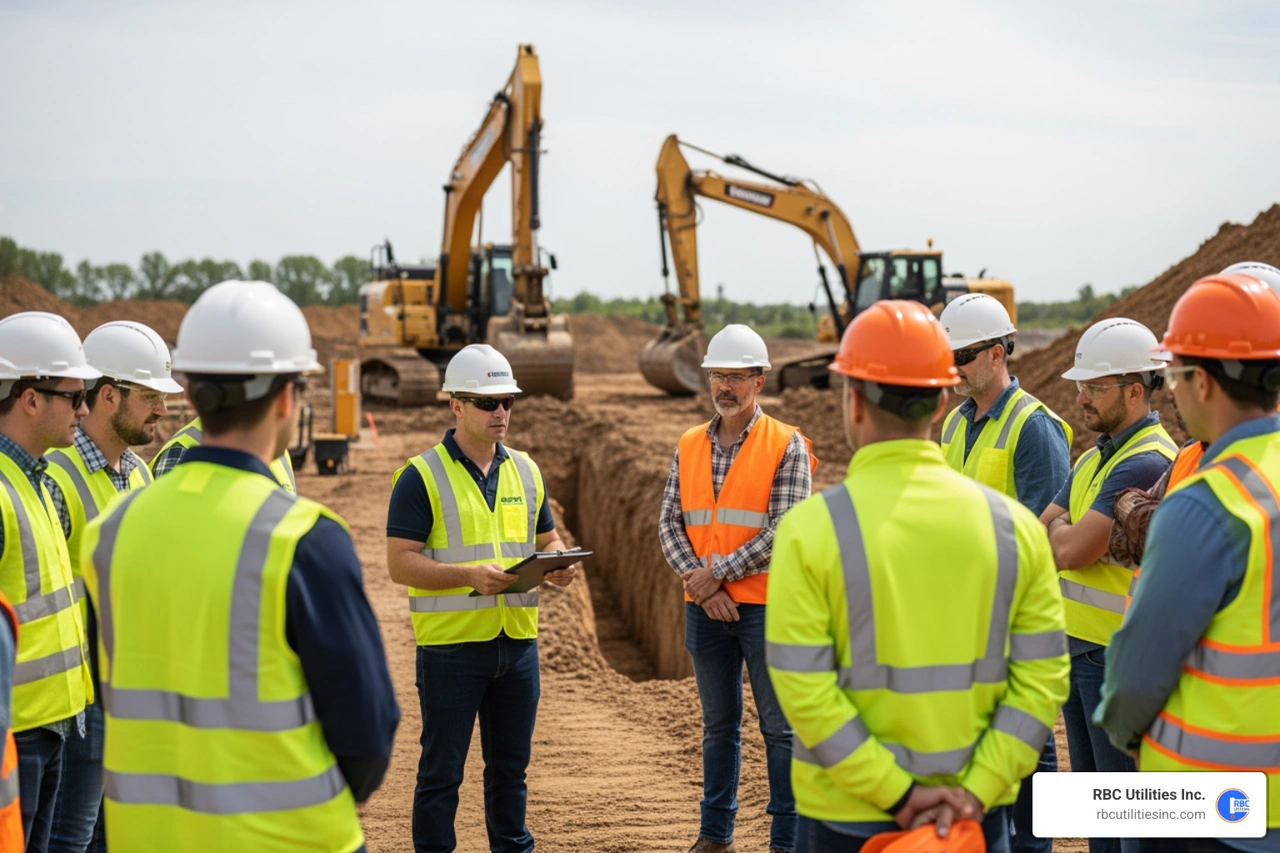
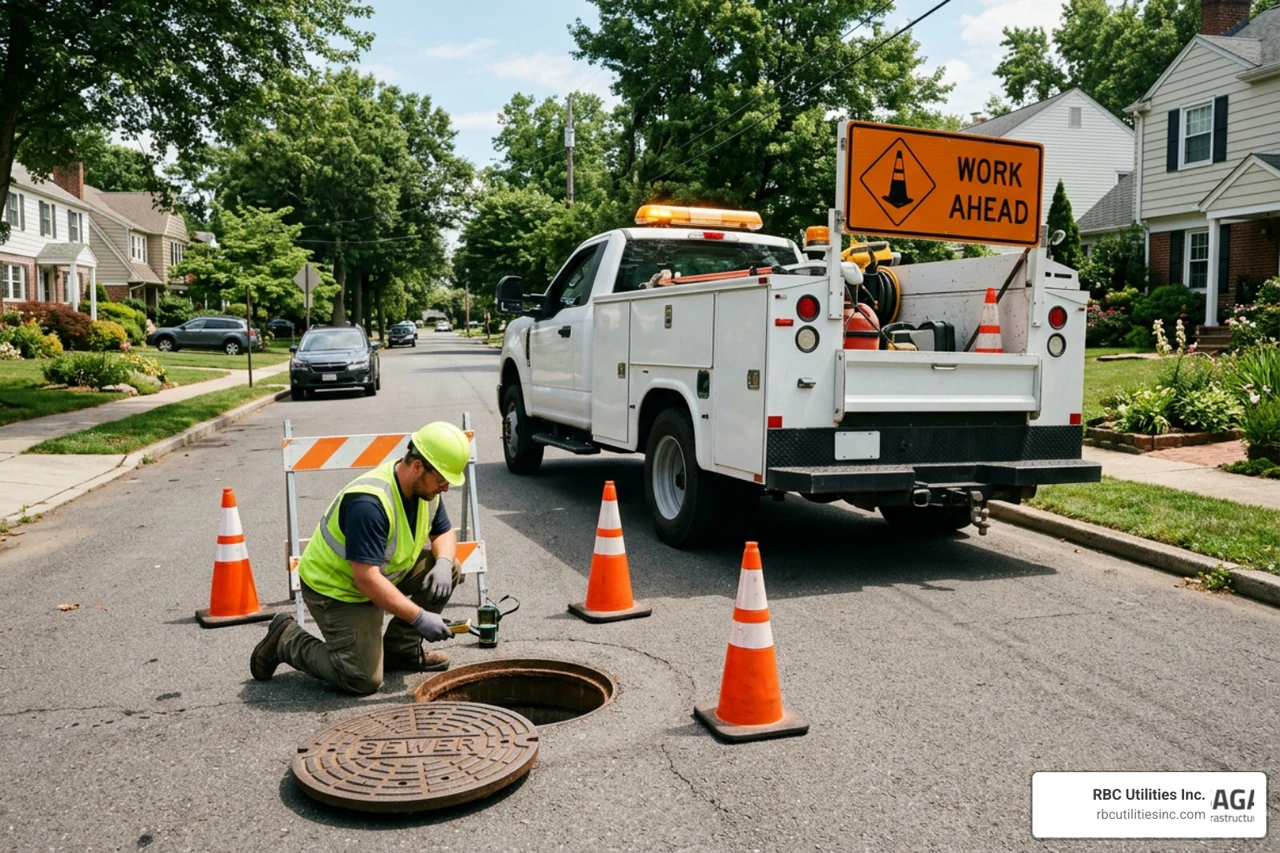
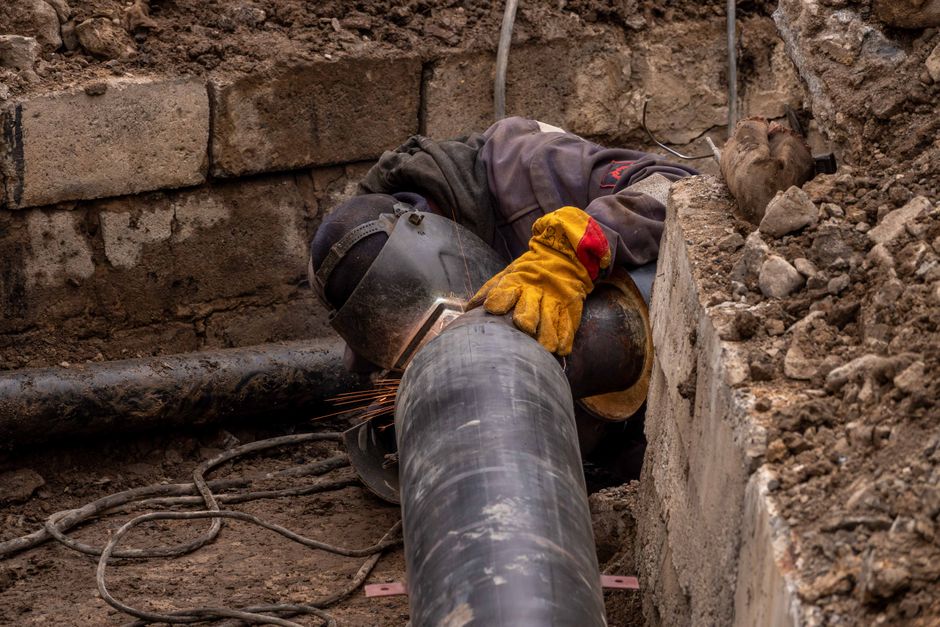
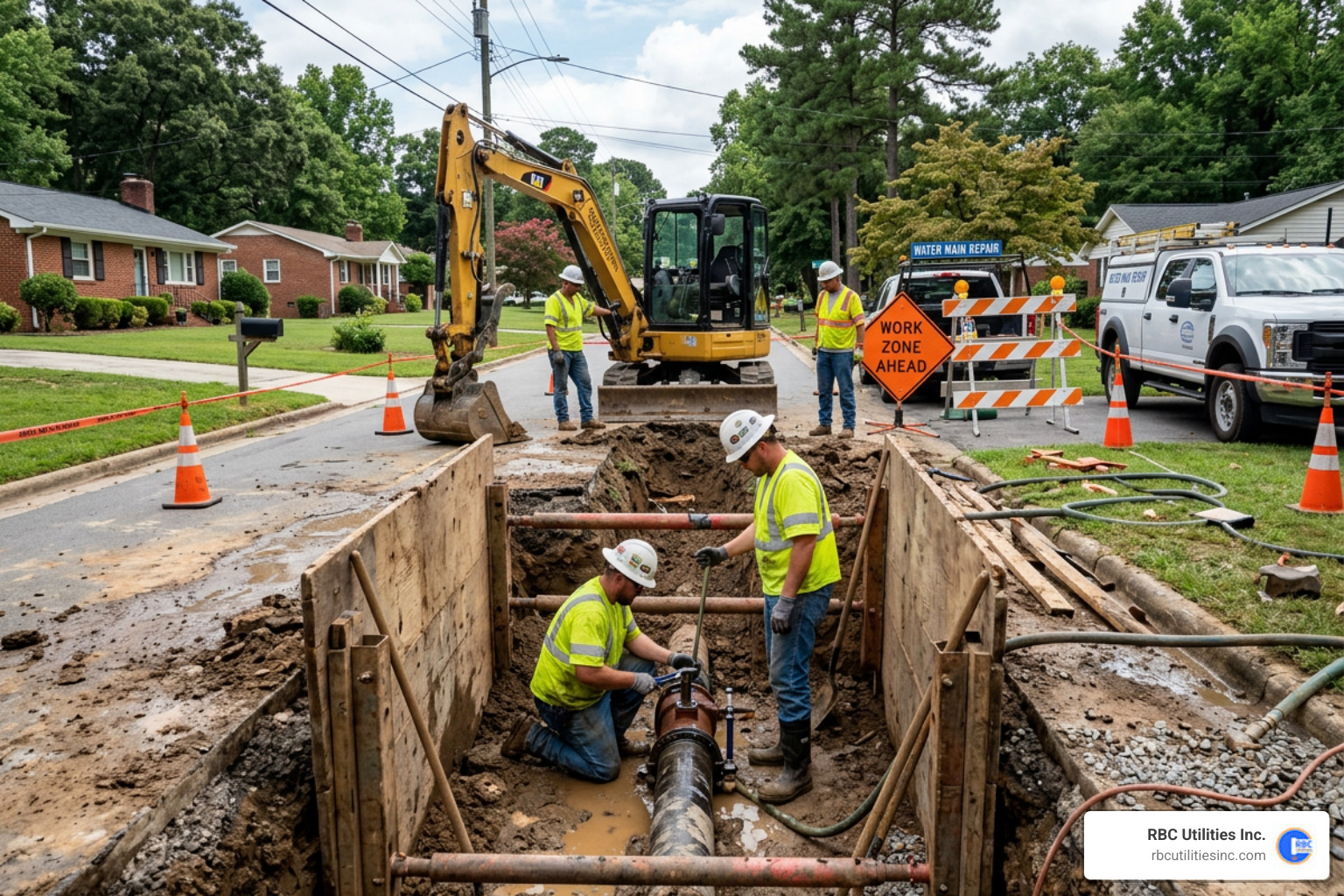
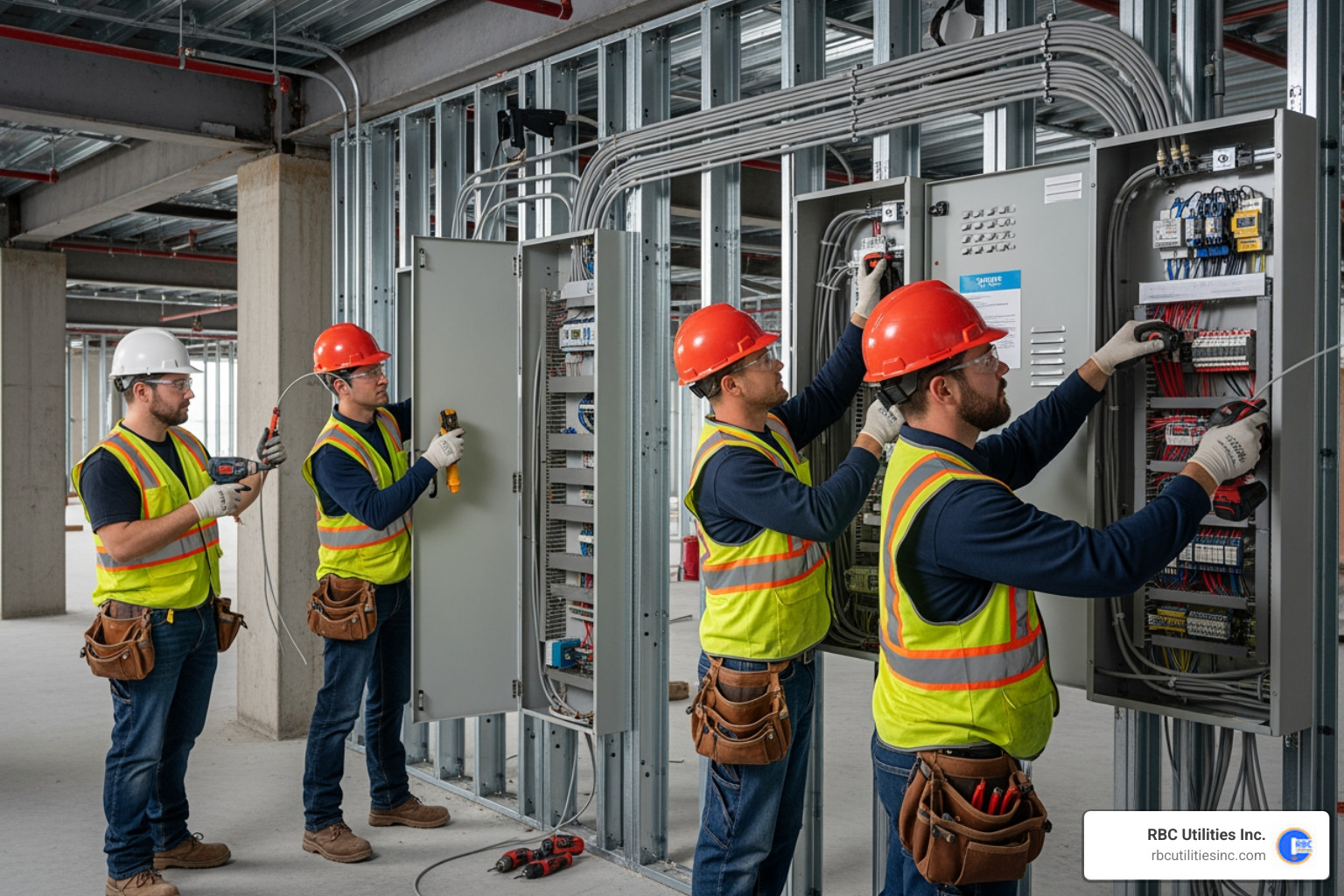
In underground utilities, safety isn't just a checklist—it’s a "zero-incident" mindset. Because we work in deep trenches and confined spaces, the risks are real and ever-present. Professional sewer utility contractors must adhere to strict OSHA, DOT, and EPA standards to protect both their workers and the public.
When you hire a contractor in the Carolinas, they should be able to demonstrate a comprehensive safety program that includes:
The most successful projects are won or lost before the first excavator arrives on site. Pre-construction is where sewer utility contractors prove their value through "Value Engineering." This means looking at the engineering plans and finding ways to save the client money or improve the system's life-cycle without sacrificing quality. For example, suggesting a different pipe material that is better suited for the local soil chemistry can prevent premature corrosion.
Critical pre-construction services include:
By coordinating with other subcontractors and municipal authorities early, we prevent the "finger-pointing" that often happens when a project falls behind schedule due to poor communication.
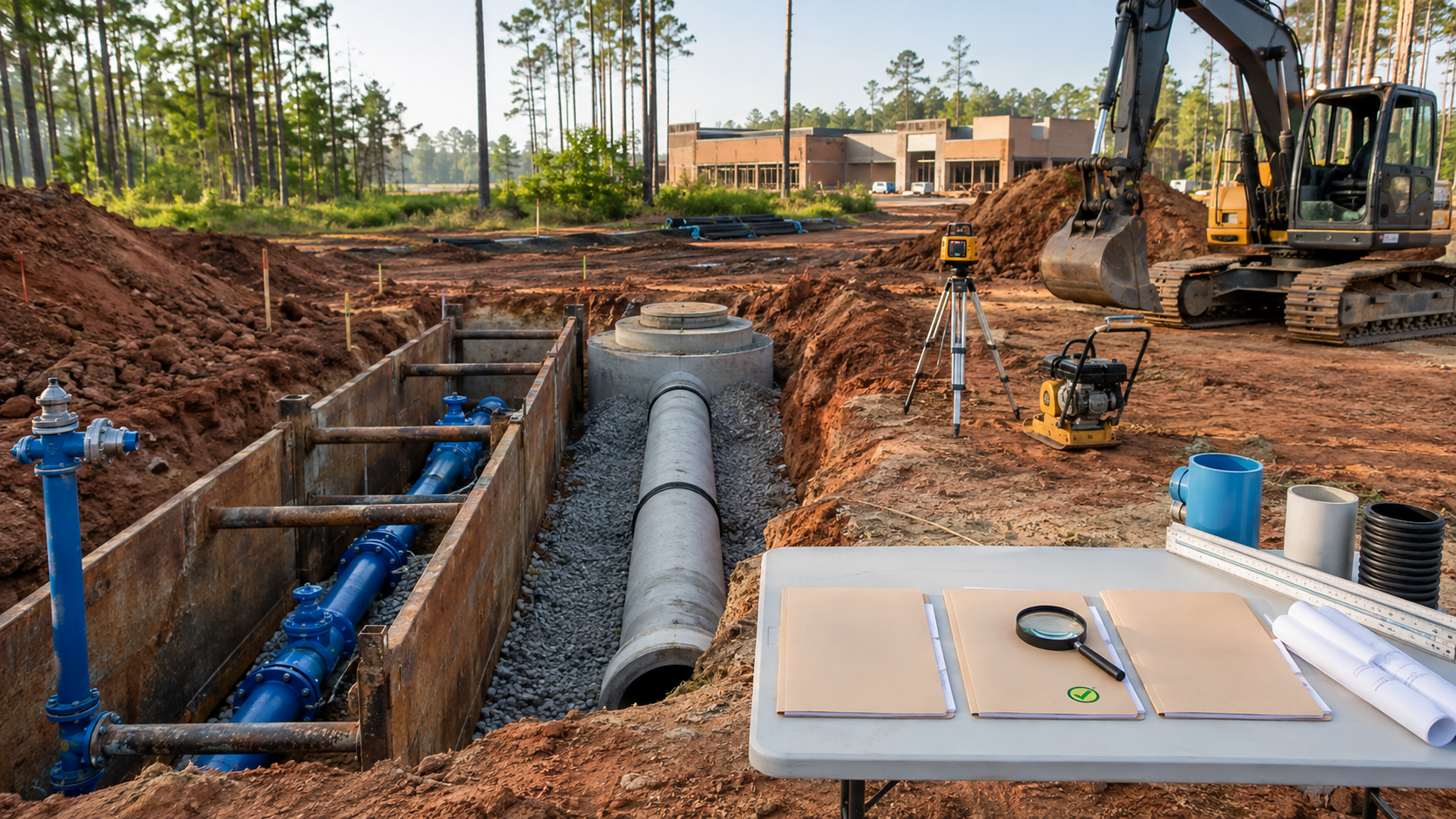
A project isn't finished just because the dirt is backfilled. In fact, some of the most important work happens right at the end. Quality assurance is what separates a fly-by-night operation from a career-focused utility firm. We treat every installation as a 100-year asset for the community.
Once the pipes are in the ground, professional contractors perform a battery of tests:
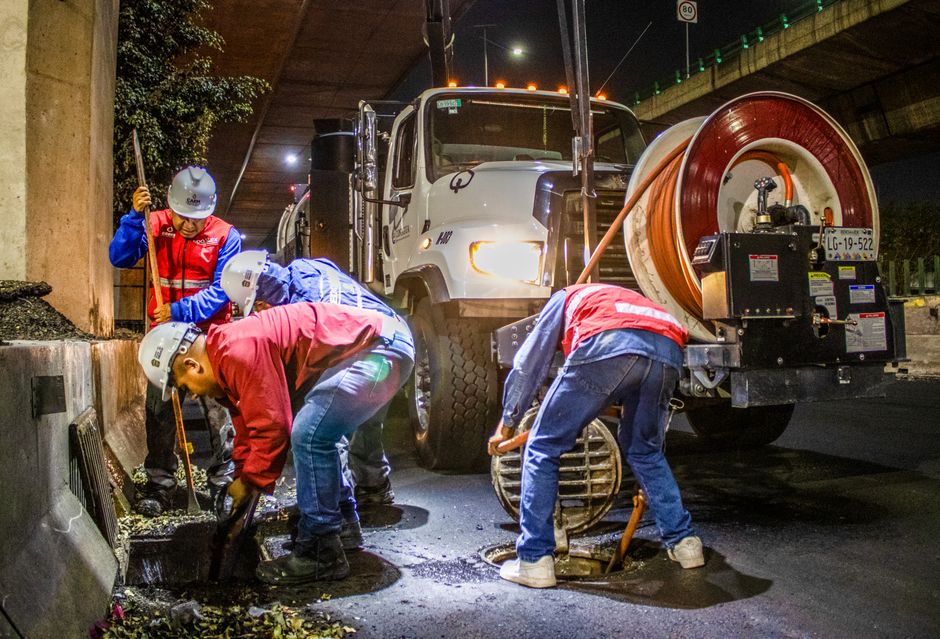
Top-tier contractors also provide Operations and Maintenance (O&M) manuals and owner training, ensuring your facility management team knows how to manage the new infrastructure for decades to come. This includes guidance on pump station maintenance and storm drain cleaning schedules.
A sanitary sewer typically relies on gravity. The pipes are laid at a precise downward slope so that waste flows naturally toward a treatment plant. This is the most common and cost-effective method but requires specific topography. A force main is used when the waste needs to go uphill or across long, flat distances where deep excavation isn't practical. Force mains use pumps (located in lift stations) to "force" the liquid through the pipe under pressure. Because they are pressurized, force mains require different pipe materials and more frequent mechanical maintenance than gravity lines.
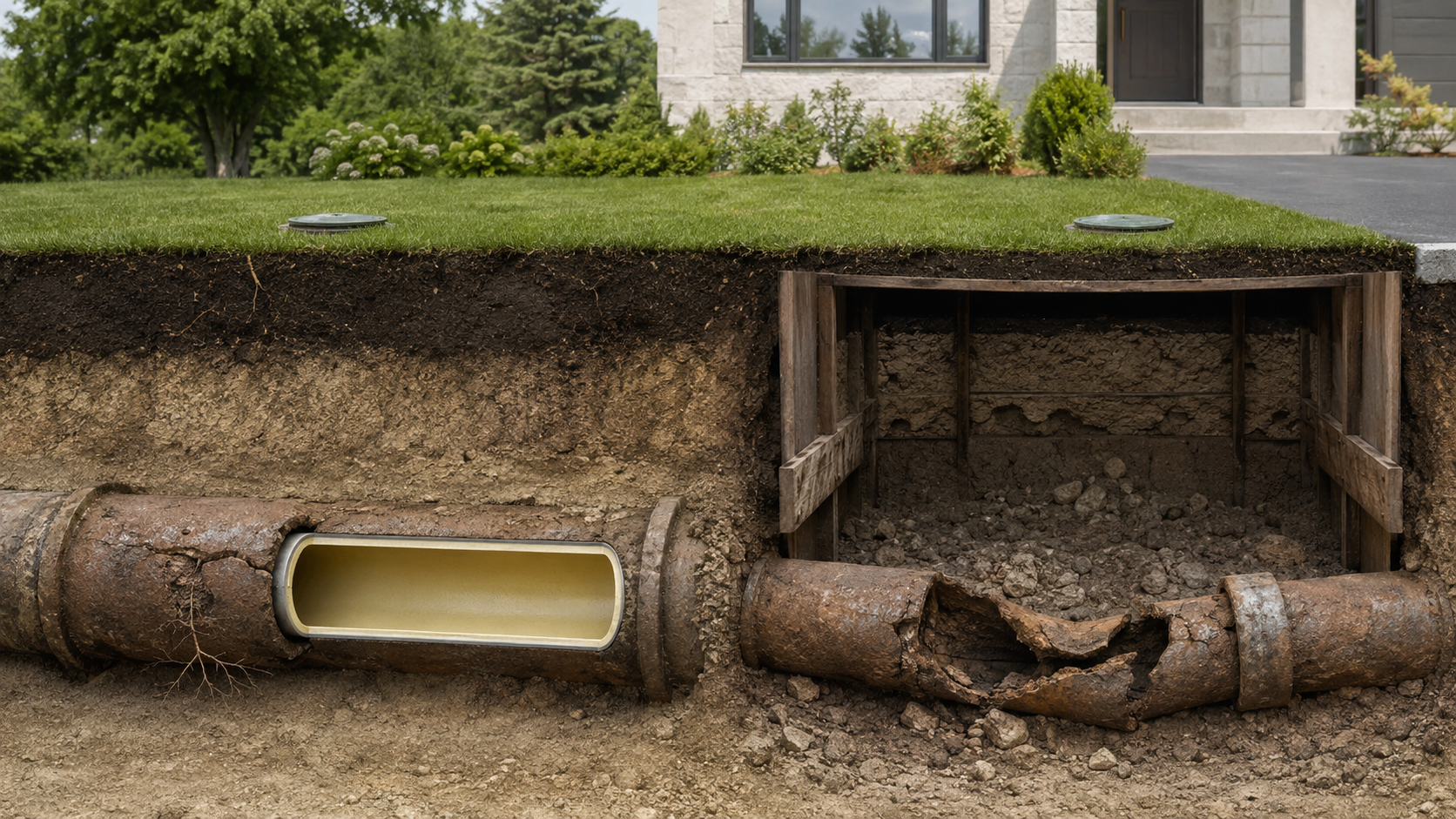
Trenchless methods like Cured-in-Place Pipe (CIPP) are a lifesaver for established businesses, hospitals, and HOAs. Instead of digging up a parking lot, a busy road, or a beautiful landscape, we use existing access points (like manholes) to repair the pipe from the inside. A resin-saturated felt tube is inserted, inflated, and then cured using steam or UV light. This creates a seamless, jointless "pipe within a pipe" that can last for 50 years or more. This saves thousands of dollars in restoration costs and prevents your business from having to close during construction.
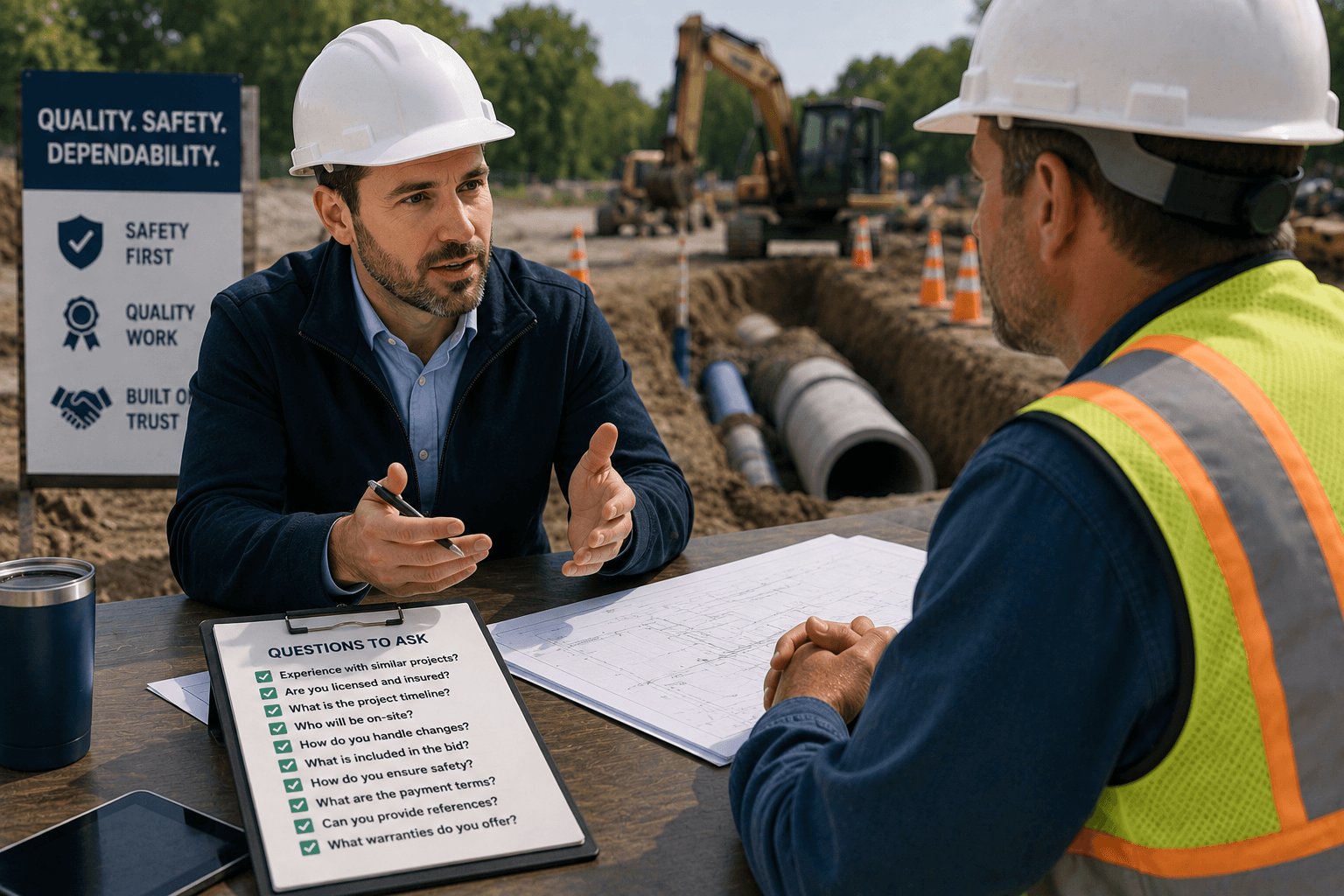
In the Carolinas, you should look for contractors who are fully licensed, bonded, and insured for the specific dollar value of your project. Specific certifications like OSHA-30 for supervisors, NASSCO certification for pipe inspections, and being a member of organizations like NUCA (National Utility Contractors Association) are signs of a high-quality firm. Additionally, some projects may require MBE (Minority Business Enterprise) or DBE (Disadvantaged Business Enterprise) certifications to meet municipal requirements. Always ask for a contractor's EMR (Experience Modification Rate) to see their safety track record.
The timeline for a sewer project varies wildly based on the length of the run, the depth of the pipe, and the soil conditions. A standard residential subdivision main line might take a few weeks, while a major municipal interceptor project involving large-diameter pipes and deep excavations could take several months. Factors like rock removal (common in the Charlotte area) and utility coordination can also impact the schedule. A professional contractor will provide a detailed critical path schedule during the pre-construction phase.
Choosing the right sewer utility contractors is an investment in the future of your development and the safety of your community. At RBC Utilities Inc., we take pride in being the "backbone" of the Carolinas. By combining our deep local roots in Charlotte and the surrounding regions with the robust resources of Saga Infrastructure, we deliver projects that are built to last. Our commitment to safety, precision, and long-term reliability ensures that the infrastructure we build today will serve the Carolinas for generations.
Whether you are managing a complex municipal upgrade, a large-scale residential development, or a new commercial site, you need a partner who values safety, utilizes the latest trenchless technology, and stands by their work long after the final inspection. More info about our sewer utility services is just a click away—let's build something reliable together. Our team is ready to help you navigate the complexities of underground utility construction with expertise and integrity.
Part of Saga Infrastructure, protecting what others built and helping it grow.
Address: 4404 Stuart Andrew Blvd., Suite K, Charlotte, NC 28217
Email: info@rbcutilities.com
Phone: 803-913-9727
Service Area: North Carolina | South Carolina