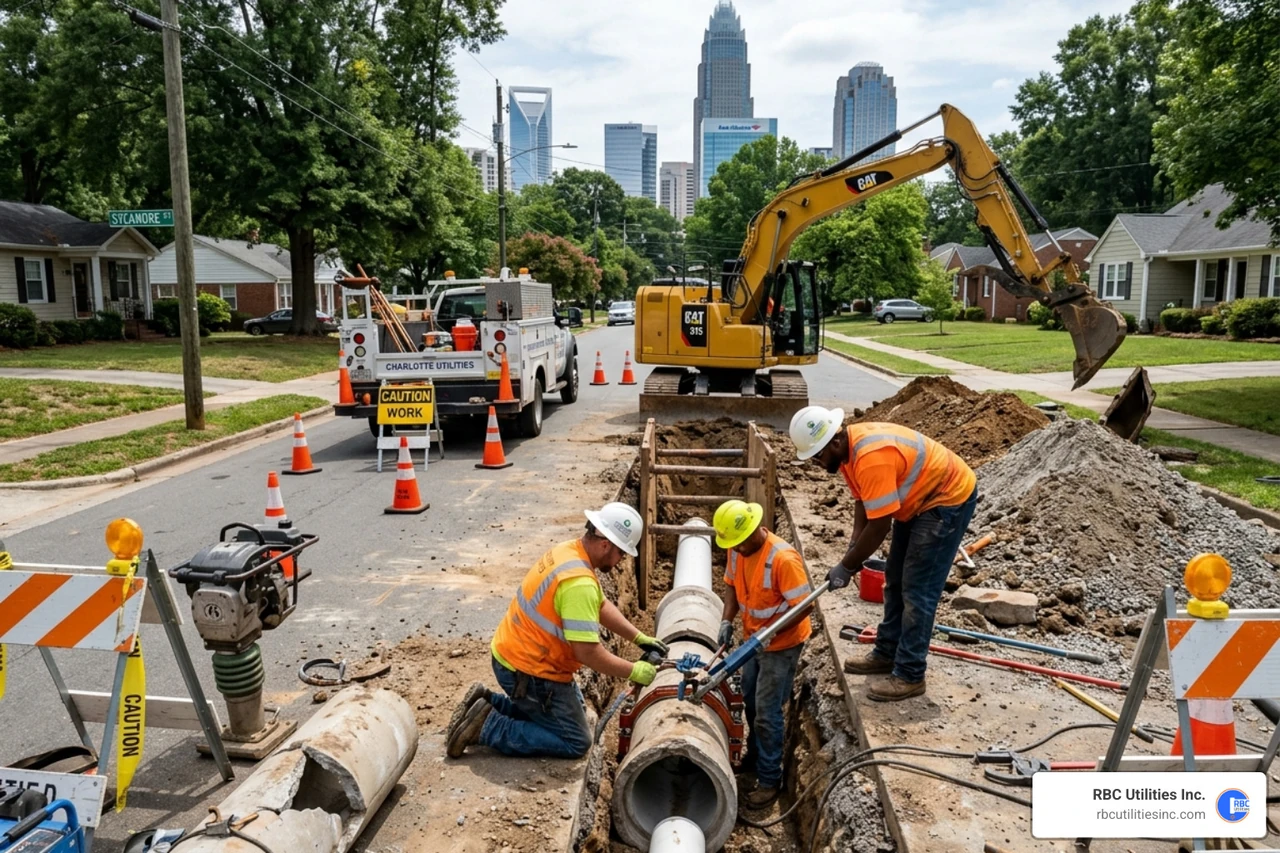
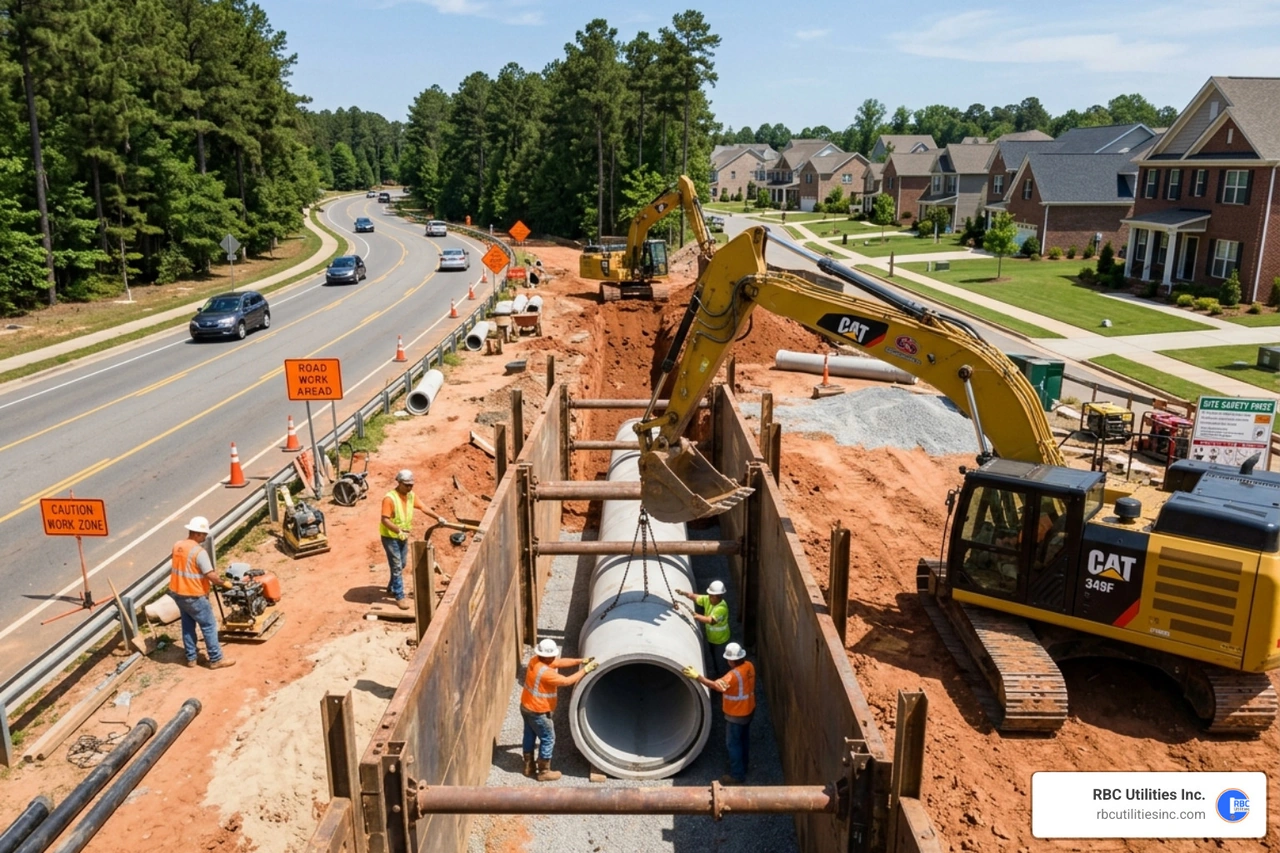
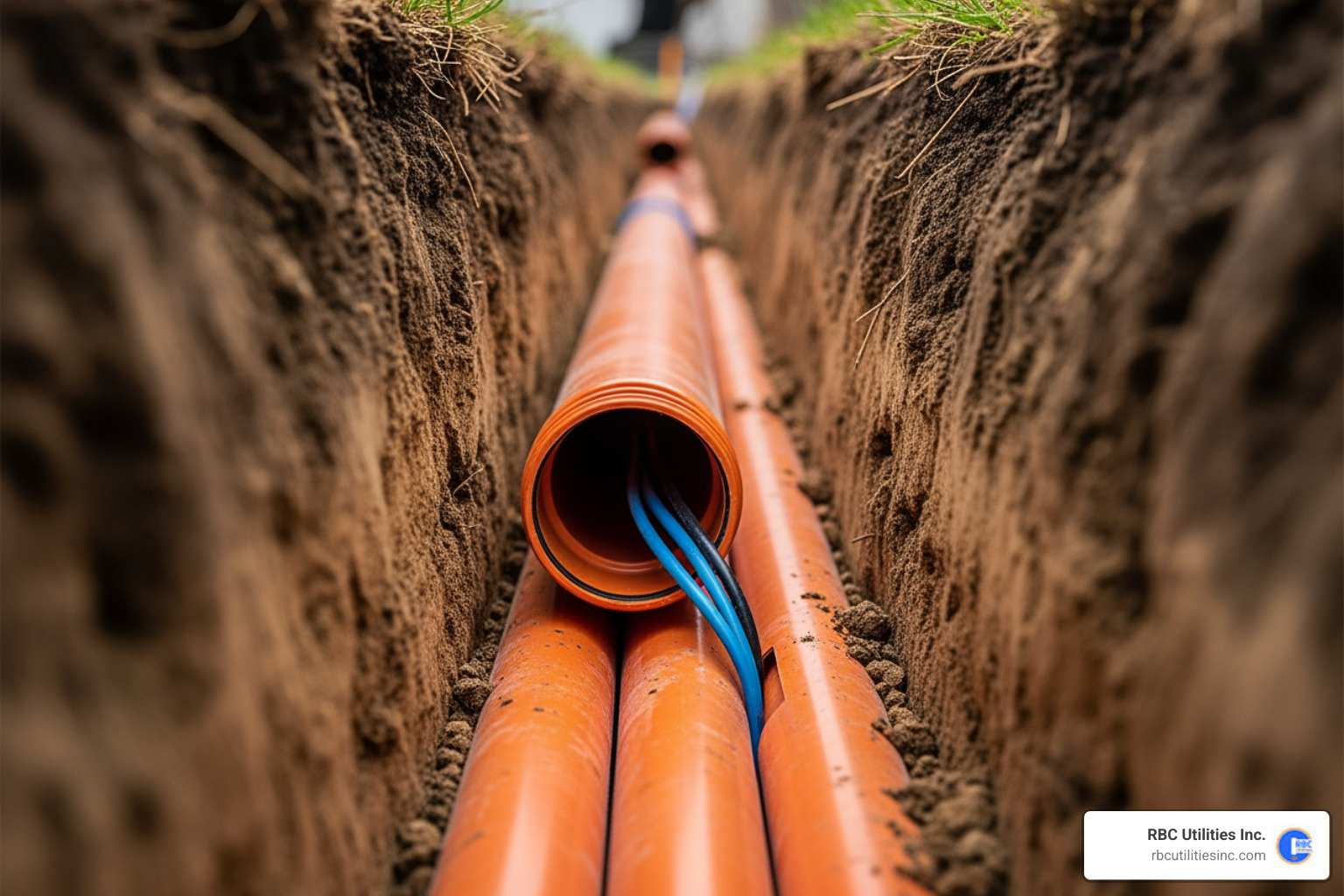
Storm sewer pipe installation is the backbone of any well-drained residential or commercial site — and getting it wrong can mean flooded properties, failed inspections, and costly rework.
Here's a quick overview of what storm sewer pipe installation involves:
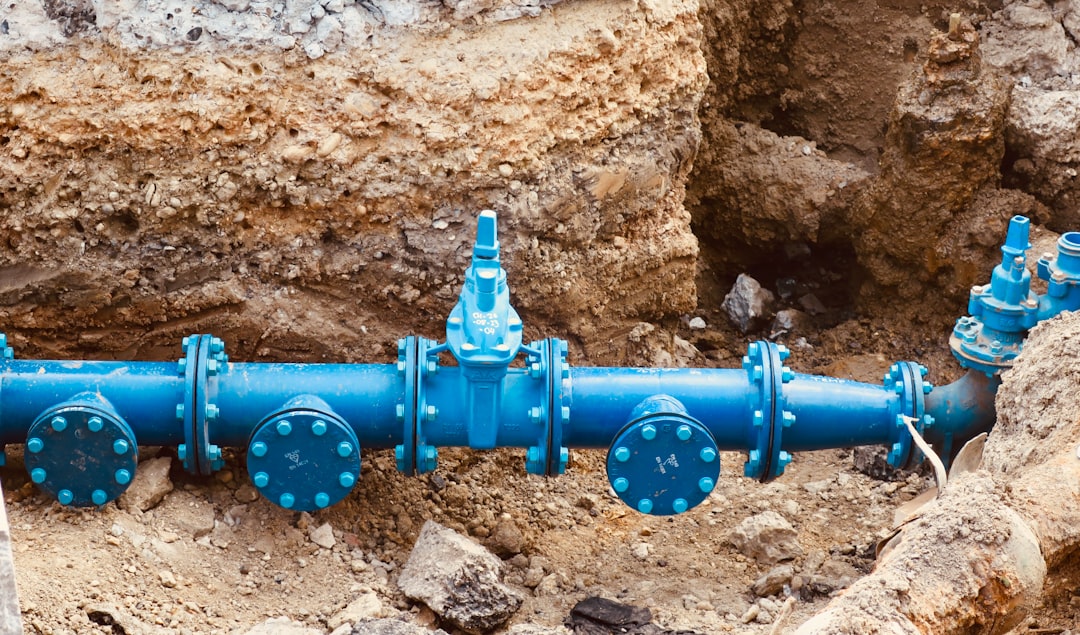
A storm sewer is a closed-pipe network that collects surface runoff from inlets and moves it to a discharge point. It is not the same as a culvert. These systems are essential infrastructure — and in the Carolinas, where intense summer storms and rapid development push drainage systems hard, they need to be built right the first time.
I'm Don Larsen, and at RBC Utilities, Inc. we've been designing and installing storm sewer pipe installation systems for developers, general contractors, and municipalities across the Carolinas since 2008. Whether it's a new subdivision in Charlotte or a commercial build in Columbia, our crews bring the technical knowledge and field discipline to deliver drainage infrastructure that performs for generations.
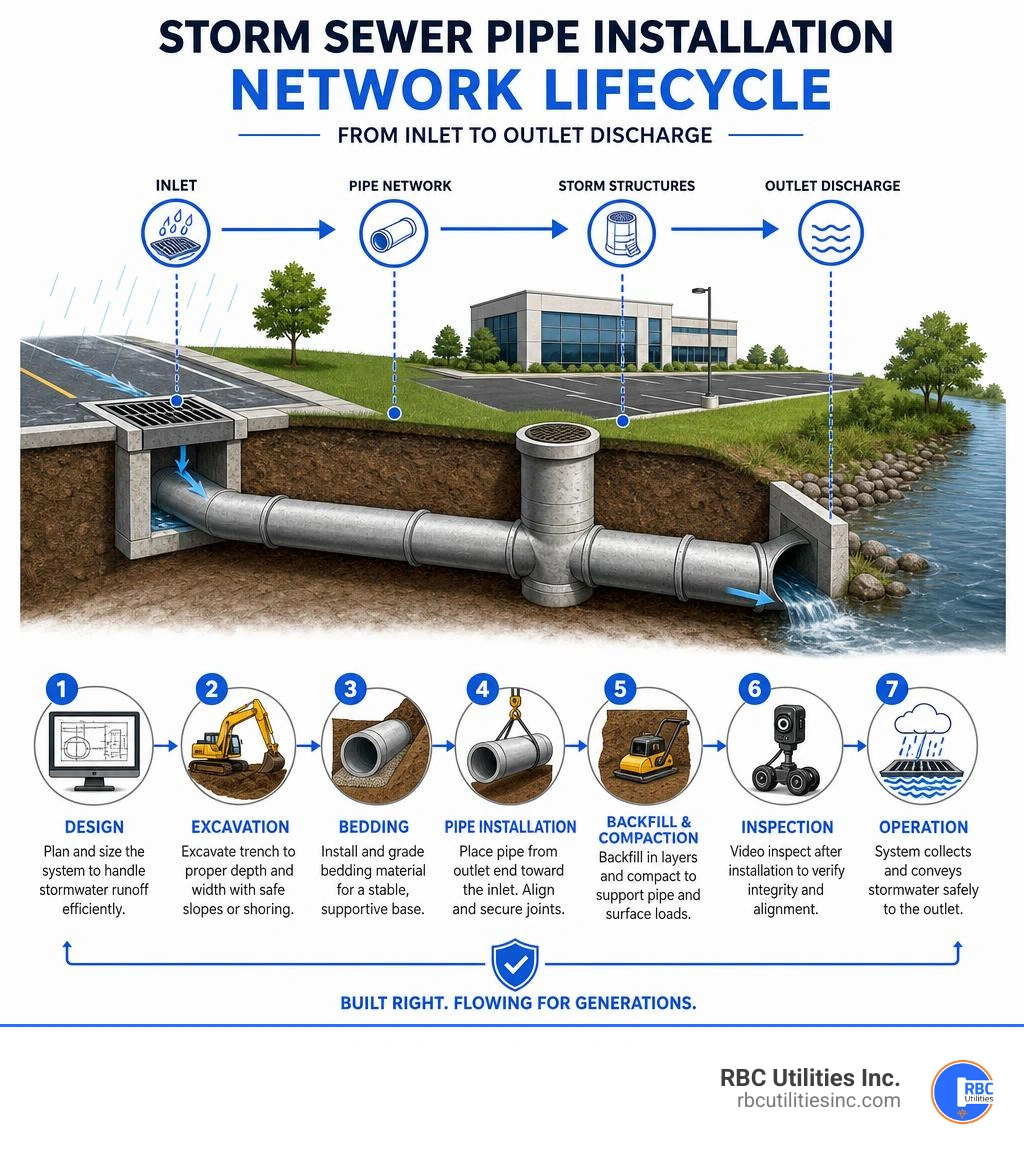
Storm sewer pipe installation definitions:
To the untrained eye, any large pipe moving water under the ground looks like a "drain." But in civil infrastructure, there is a massive functional and structural difference between a culvert and a storm sewer network. Understanding this distinction is the first step toward a successful storm sewer pipe installation.
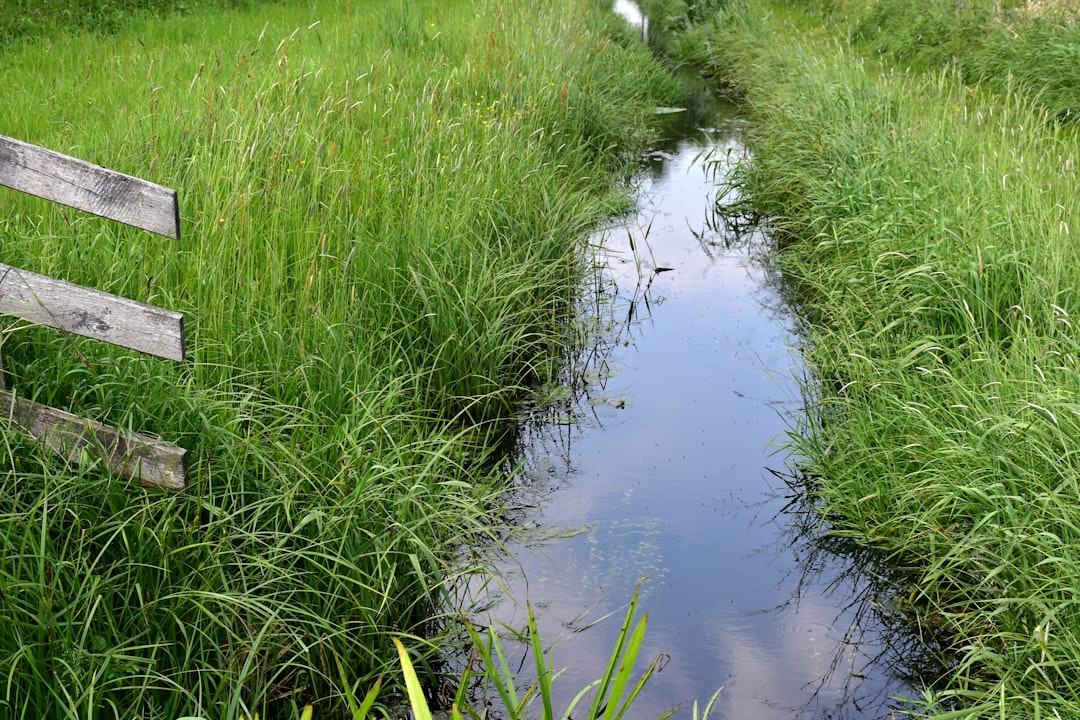
A culvert is a simple, direct water conveyance system. Typically placed under a single roadway, driveway, or embankment, its primary job is to connect open ditches or natural streams, allowing water to pass from one side of the road to the other. Culverts are usually short, straight runs that do not connect multiple inlets or underground structures.
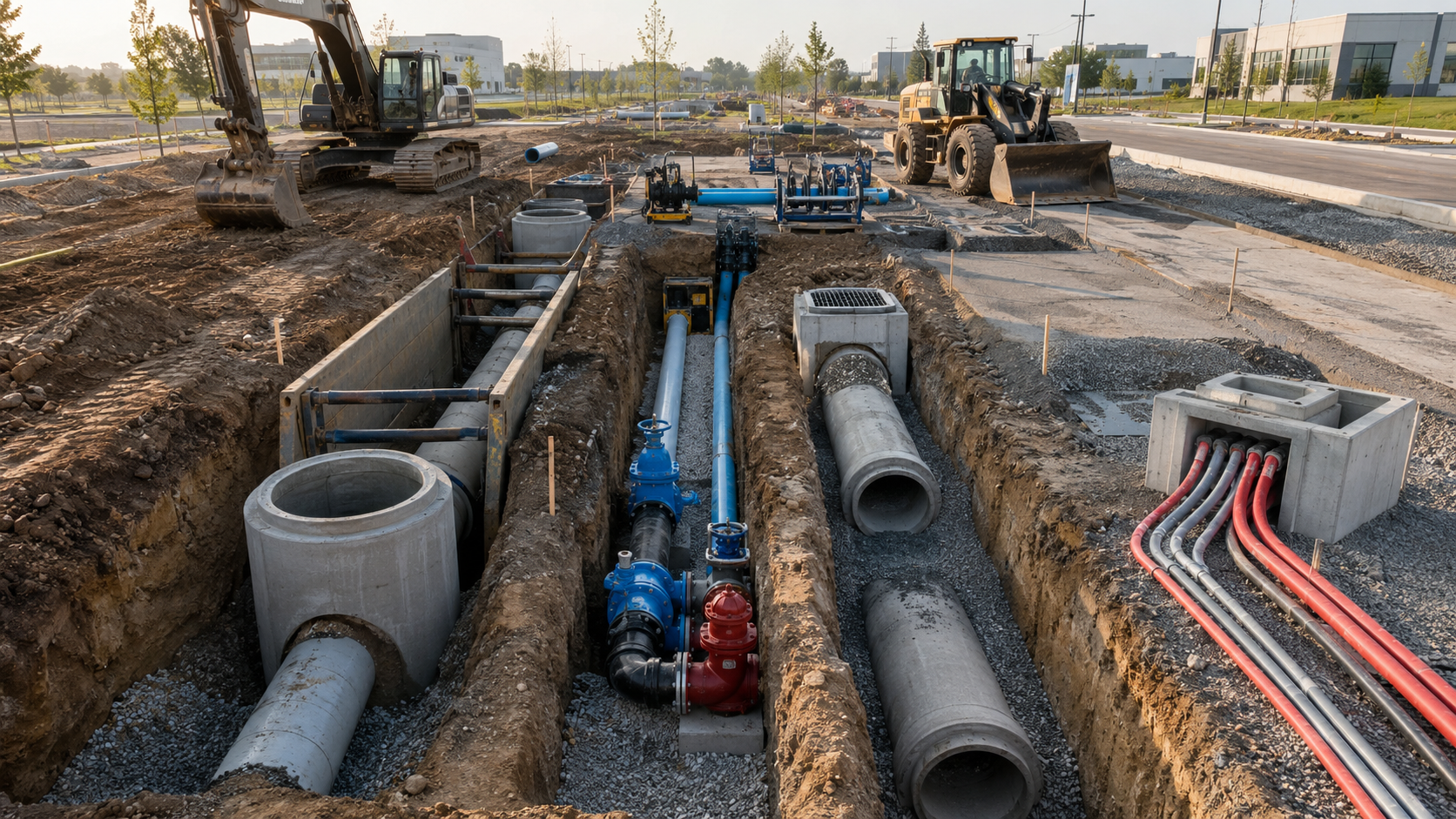
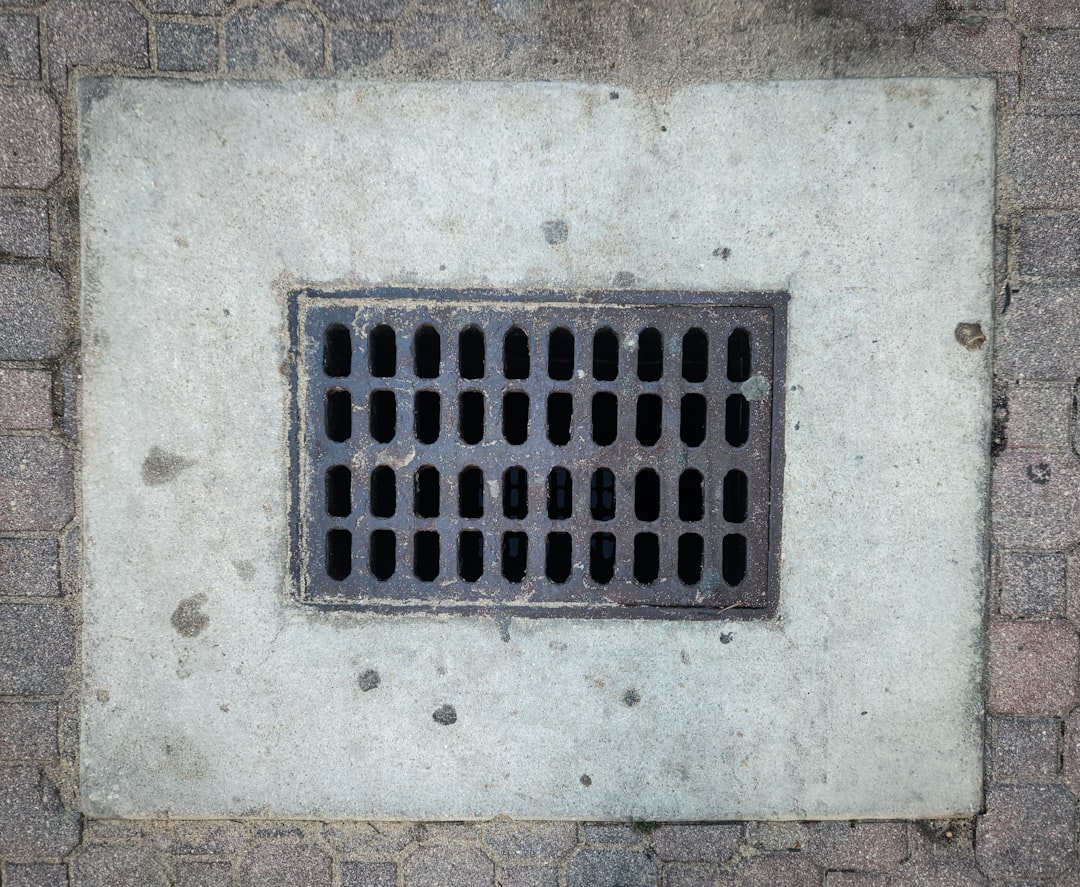
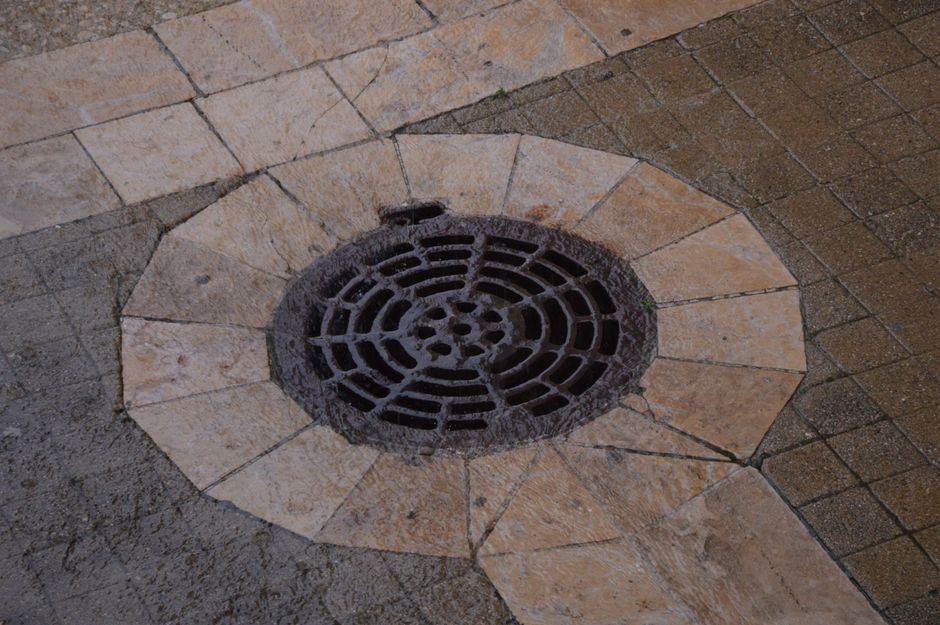
A storm sewer is a complex, interconnected system consisting of two or more inlet structures (such as catch basins or yard drains) linked by underground piping. This network collects pavement and surface runoff across a broad area and routes it through a series of lateral and trunk lines before discharging it at a designated outfall.
This functional difference directly impacts how we handle the structural design and installation of the pipe.
For projects utilizing flexible options, contractors must adhere to strict guidelines, such as those found in the Corrugated Plastic Pipe Storm Installation Guide , to ensure the structural soil envelope is built perfectly.
Before any shovel touches the dirt, a storm sewer system must be engineered to handle the expected hydraulic load. If the pipes are too small, the system will back up and flood. If they are too large, the water won’t flow fast enough to keep the pipes clean, leading to sediment buildup.
To size the system, engineers calculate runoff using the Rational Method or the Single Event Hydrograph Method. Once the flow rates ($Q$) are established, we use Manning’s Equation to calculate velocity and capacity:
$$Q = \frac{1.486}{n} A R^{2/3} S^{1/2}$$
Where:
To learn more about how these calculations shape public and private projects, check out our detailed guide on Stormwater Infrastructure.
When designing a storm sewer system in 2026, several rigid physical constraints must be met:
The Hydraulic Grade Line (HGL) represents the profile of water pressure throughout the pipe network. In a perfect world, storm sewers operate under gravity flow, meaning the HGL remains below the top of the pipe. However, during major storms, the system may become surcharged, putting the pipes under pressure.
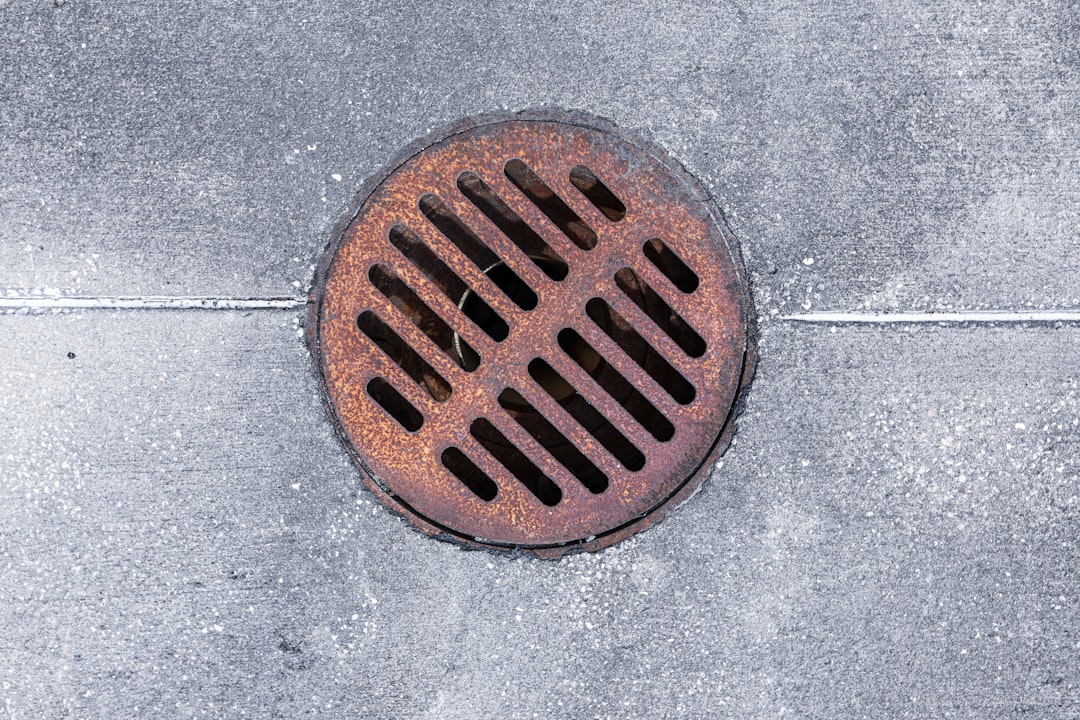
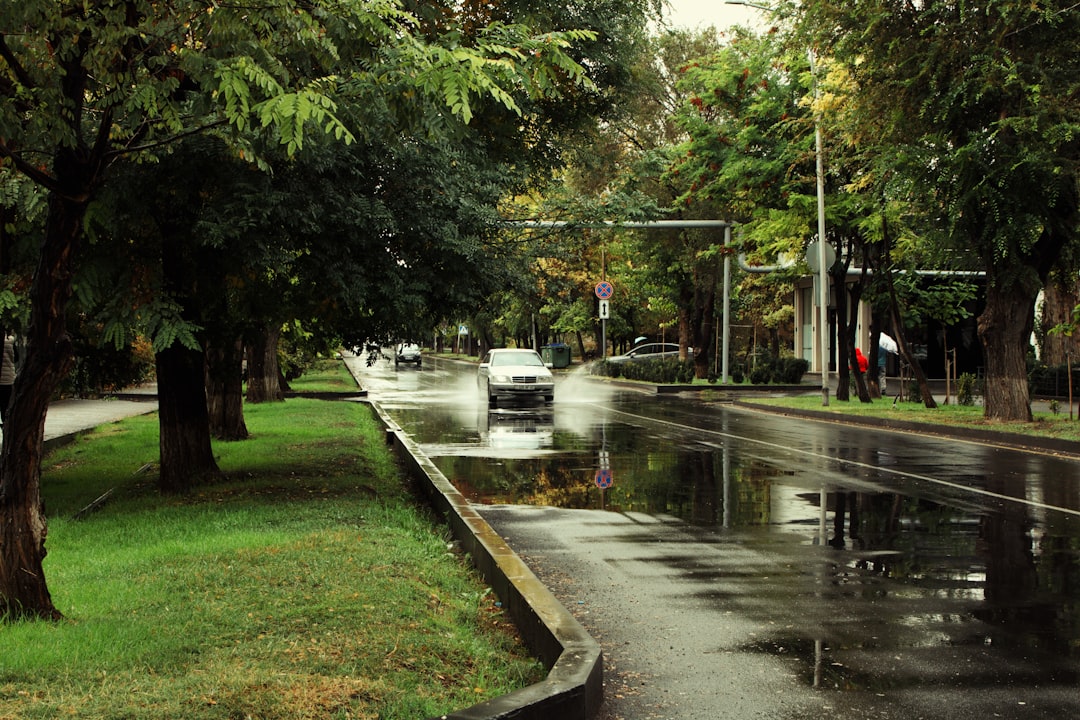
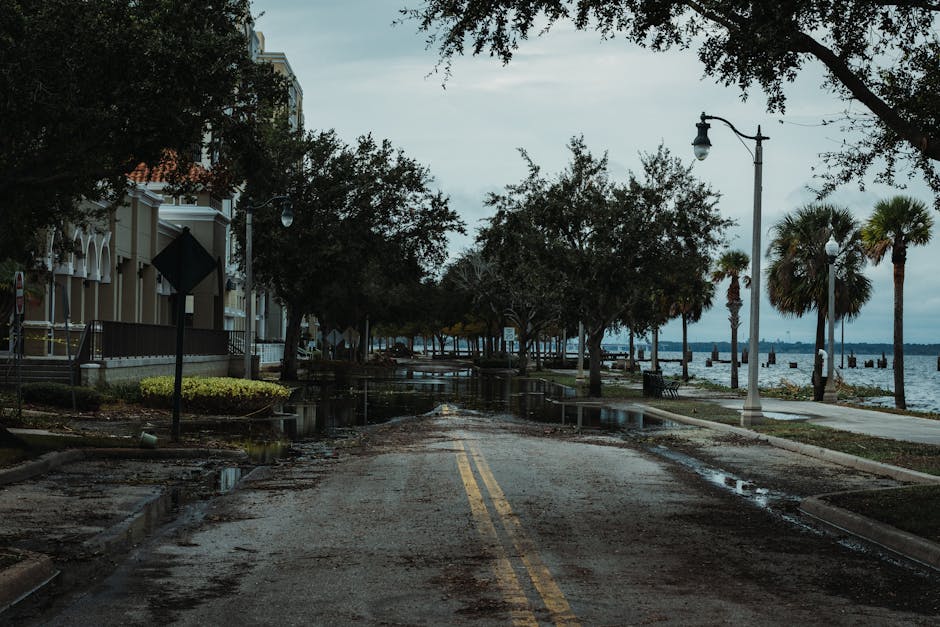
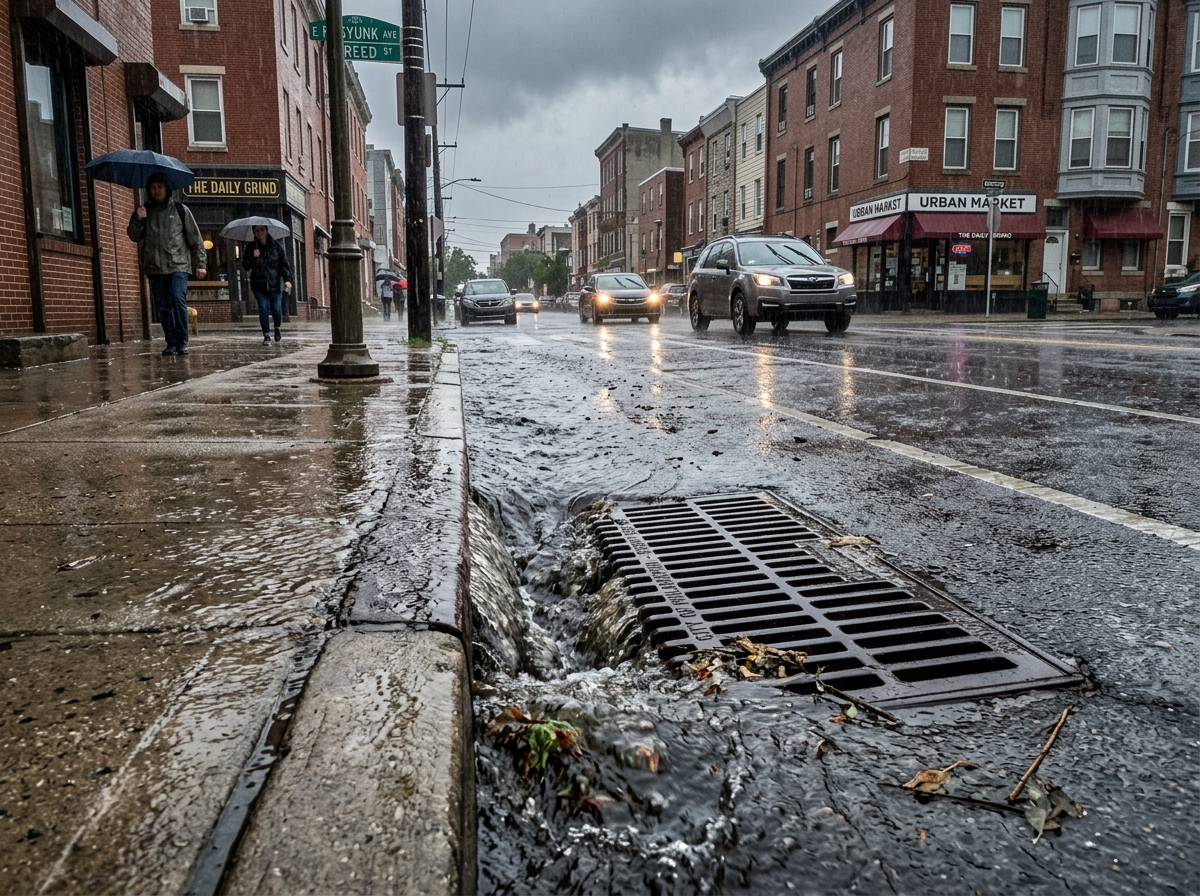
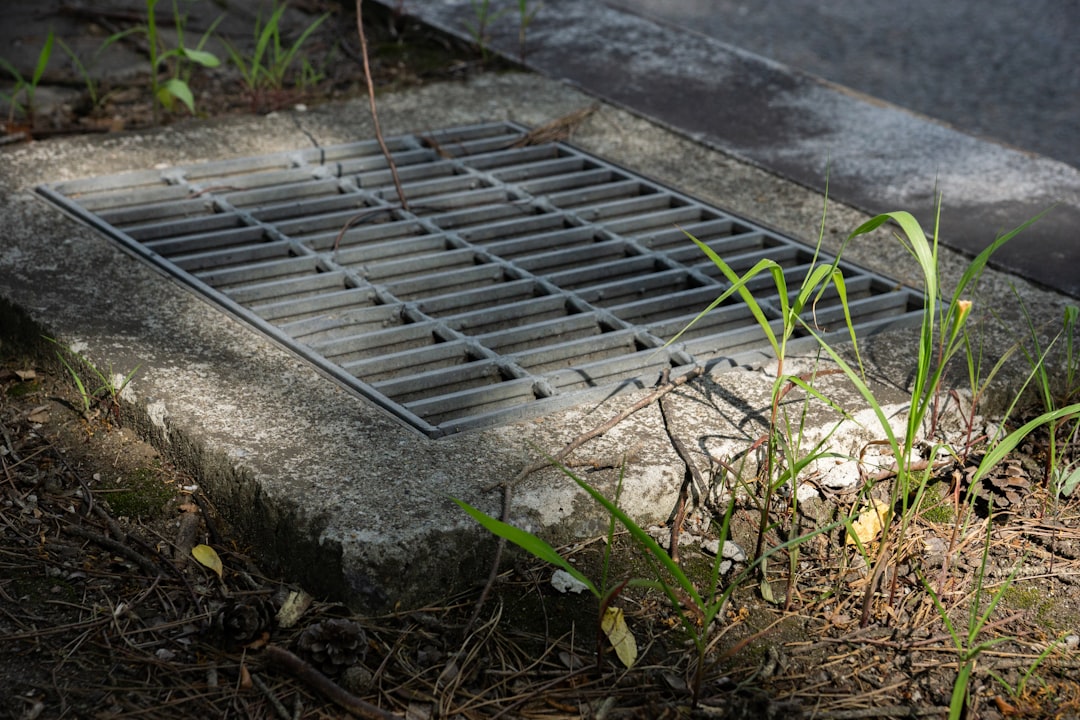
To prevent hazardous surcharging, we must evaluate the HGL during the design phase to ensure that the water level never rises above the rim elevations of our catch basins or manholes. If the HGL exceeds the rim, water will erupt out of the grates like a geyser, flooding streets and parking lots.
In the Carolinas, evaluating the HGL has become more critical than ever due to climate resilience factors. As we navigate 2026, our region is experiencing:
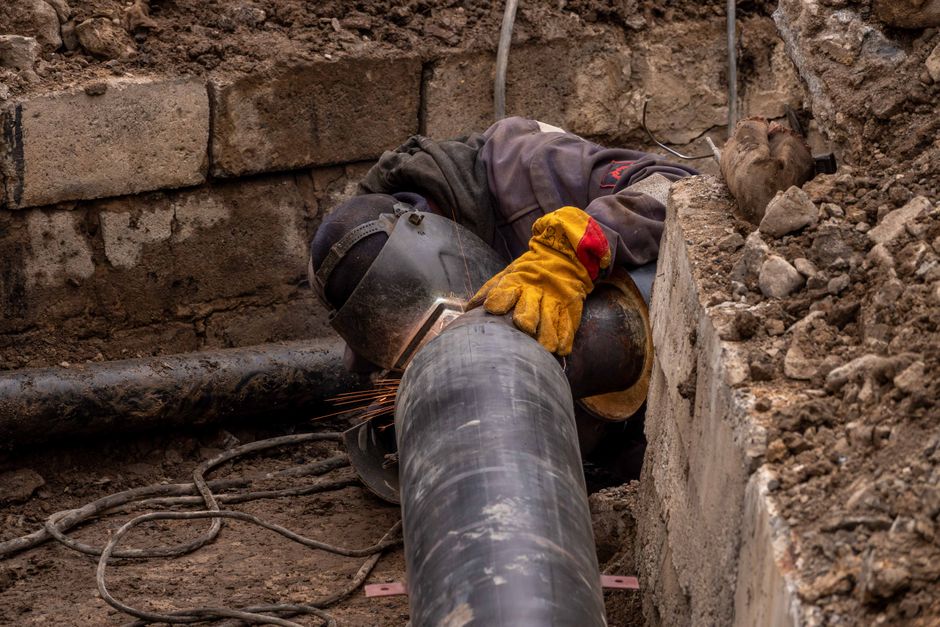
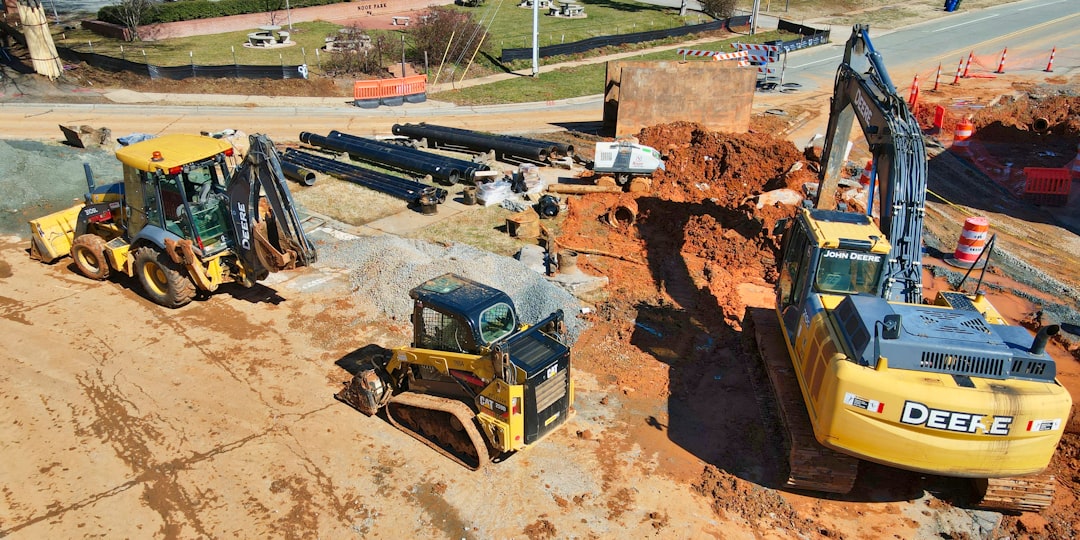
Once the plans are approved, the real physical work begins. Proper installation in the field is what separates a system that lasts 100 years from one that collapses in five. To explore the broader scope of how we execute these civil installations, read our comprehensive overview of Underground Utility Installation NC.
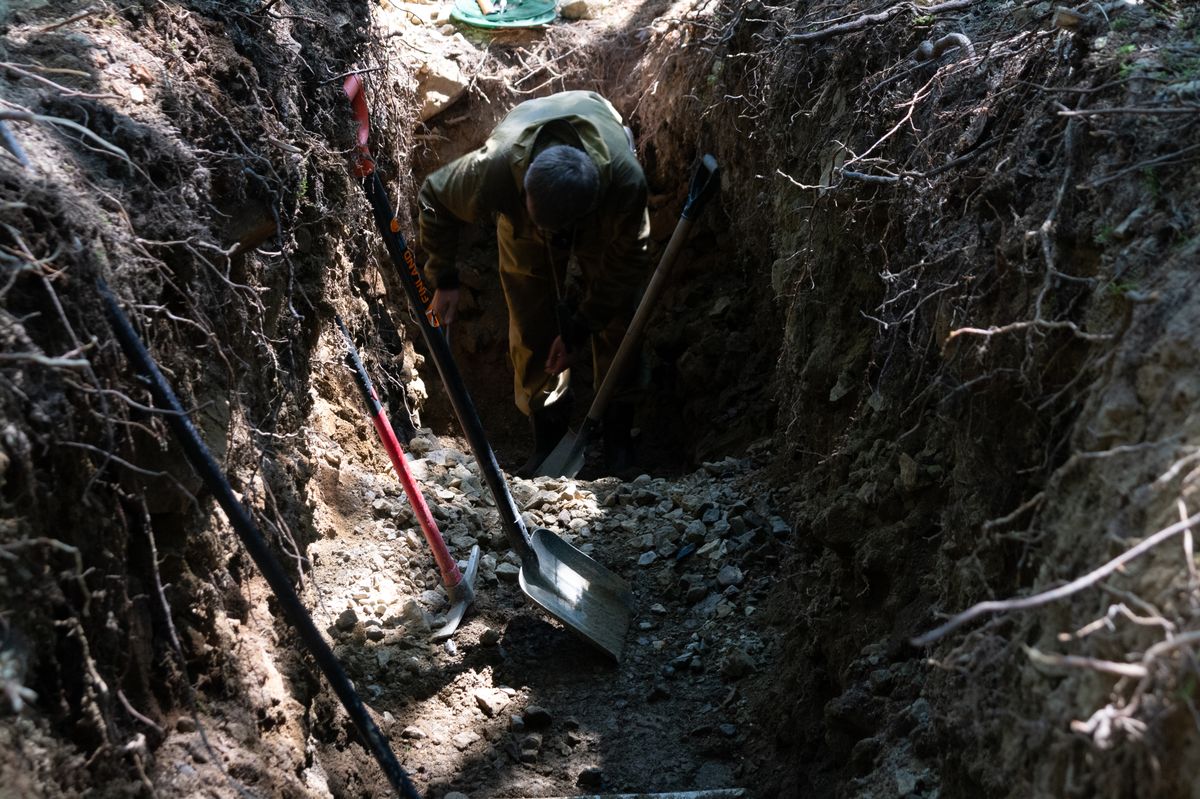
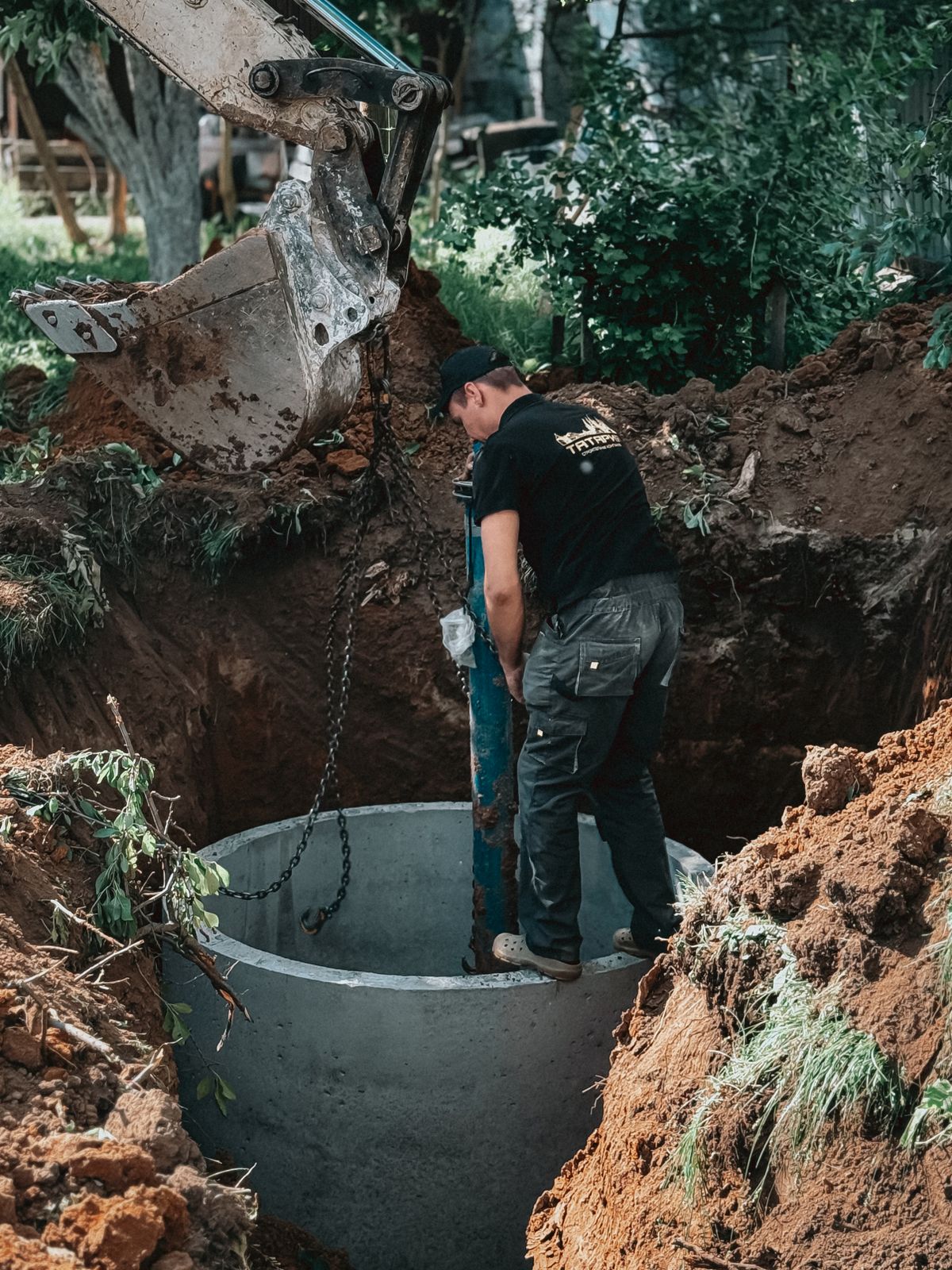
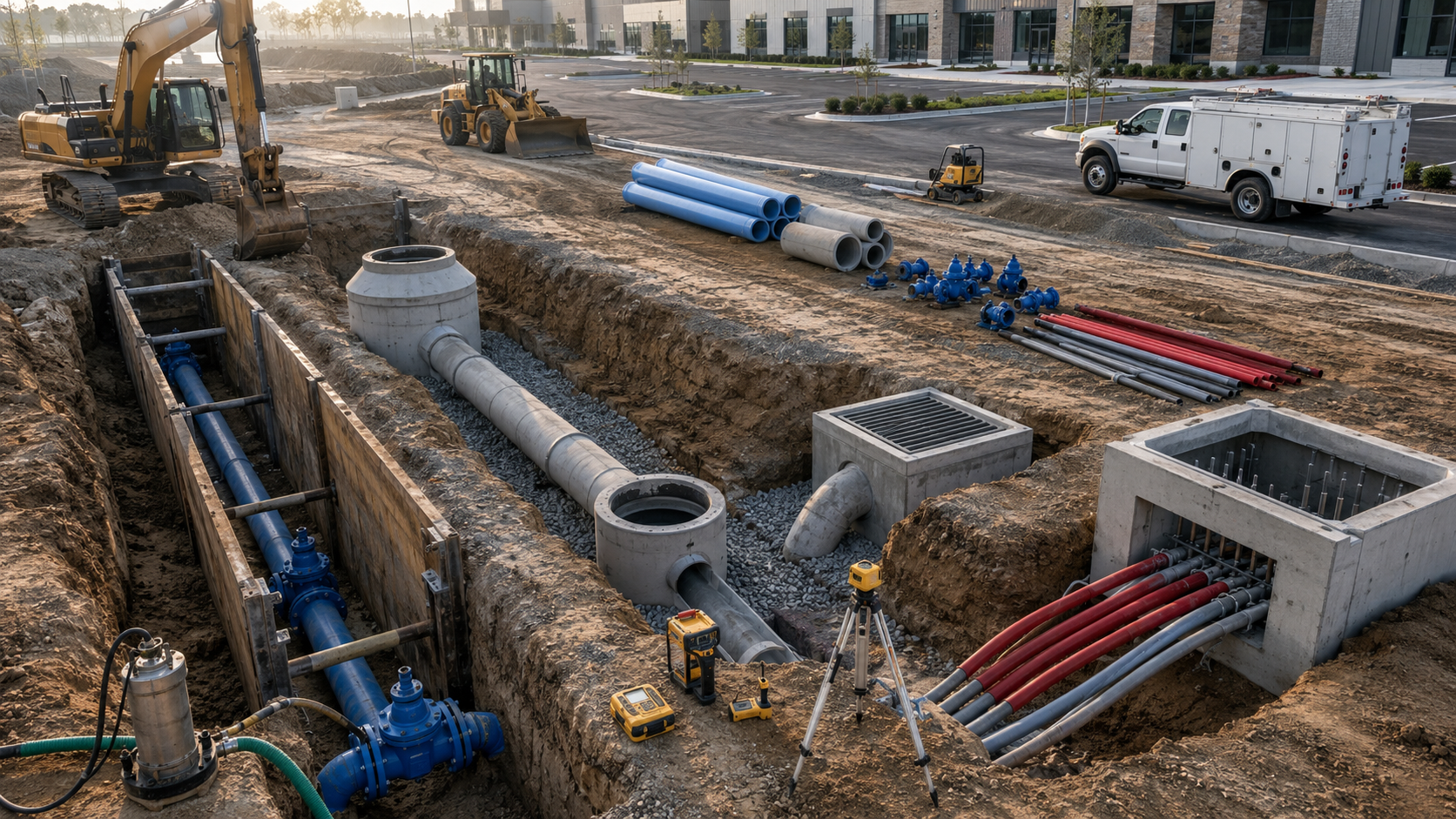
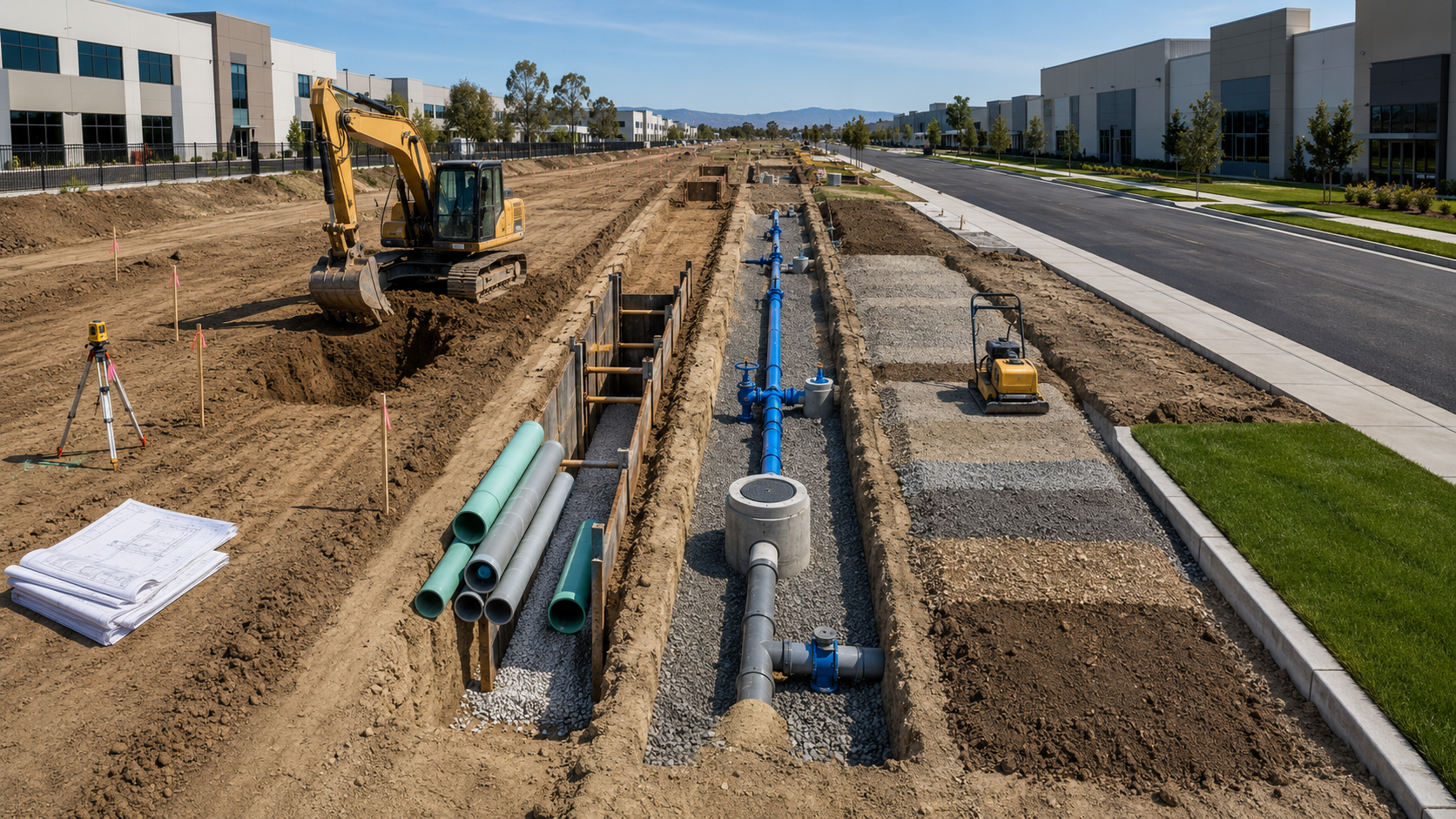
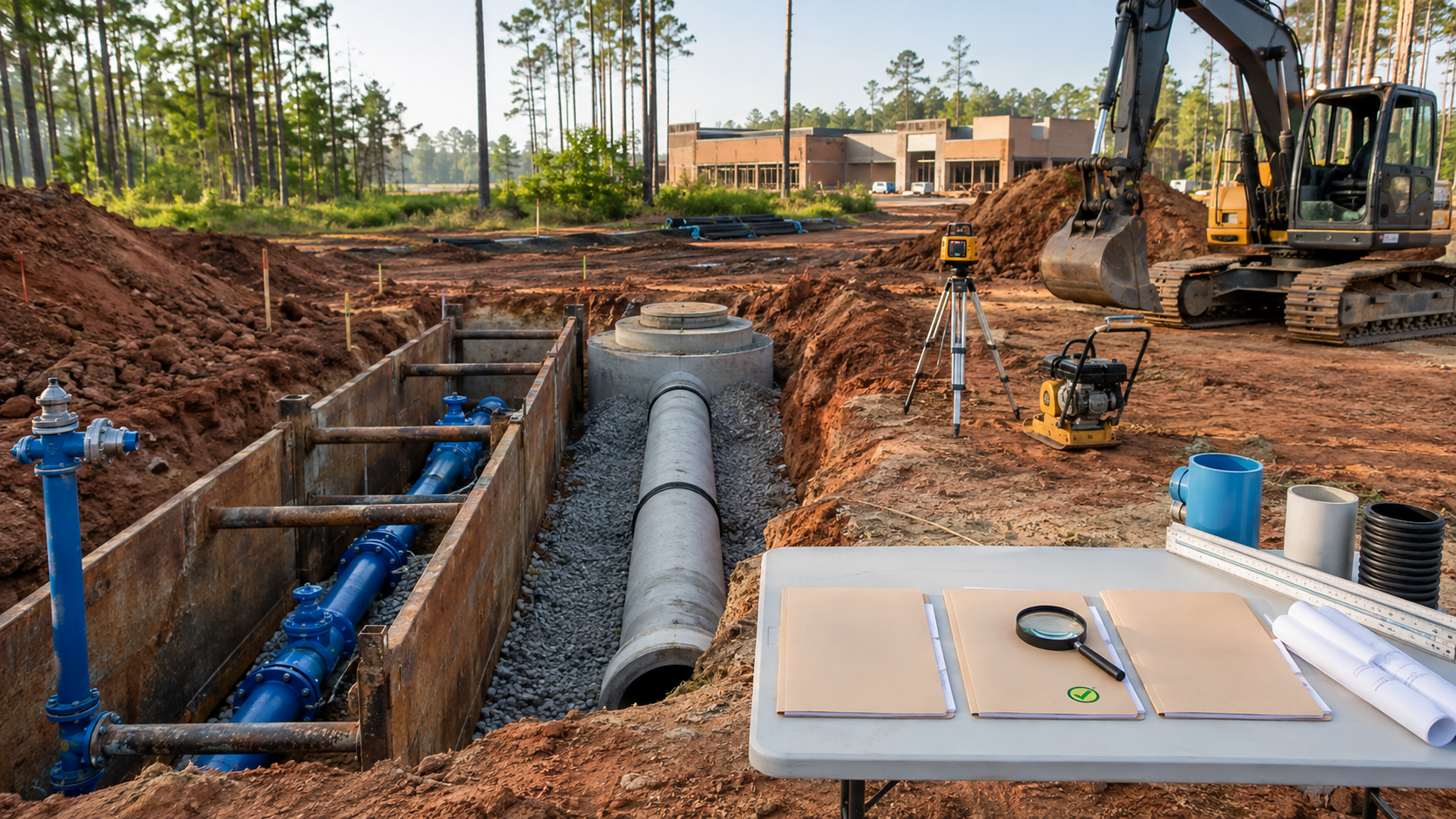
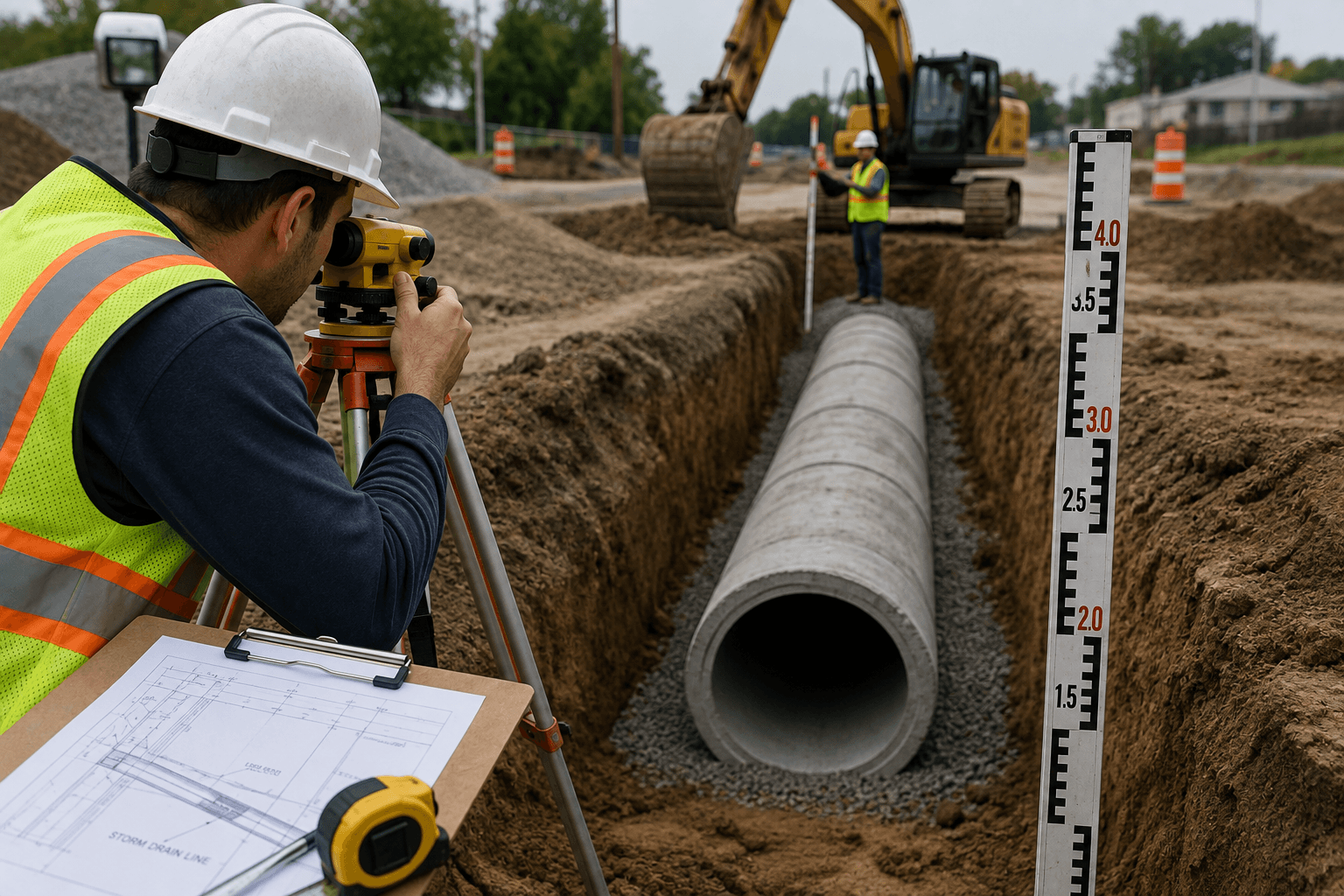
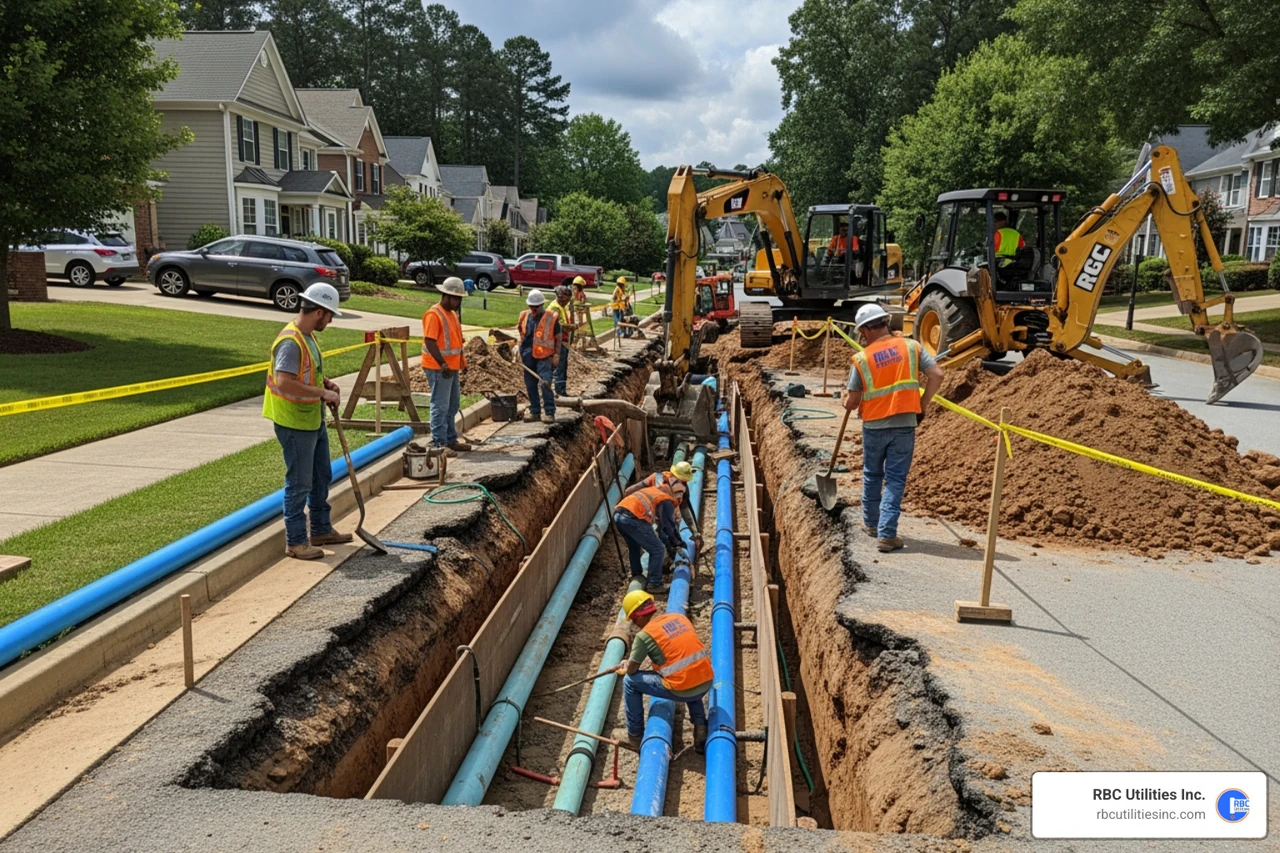
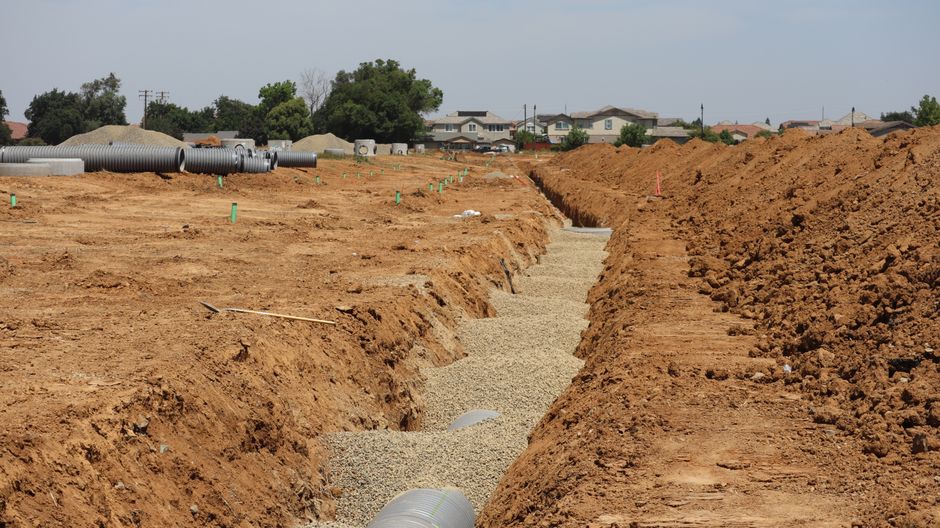
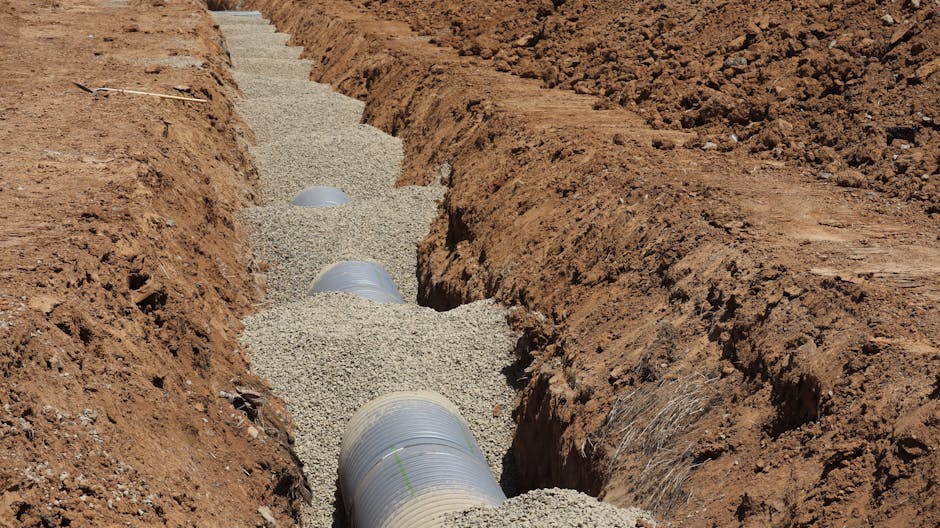
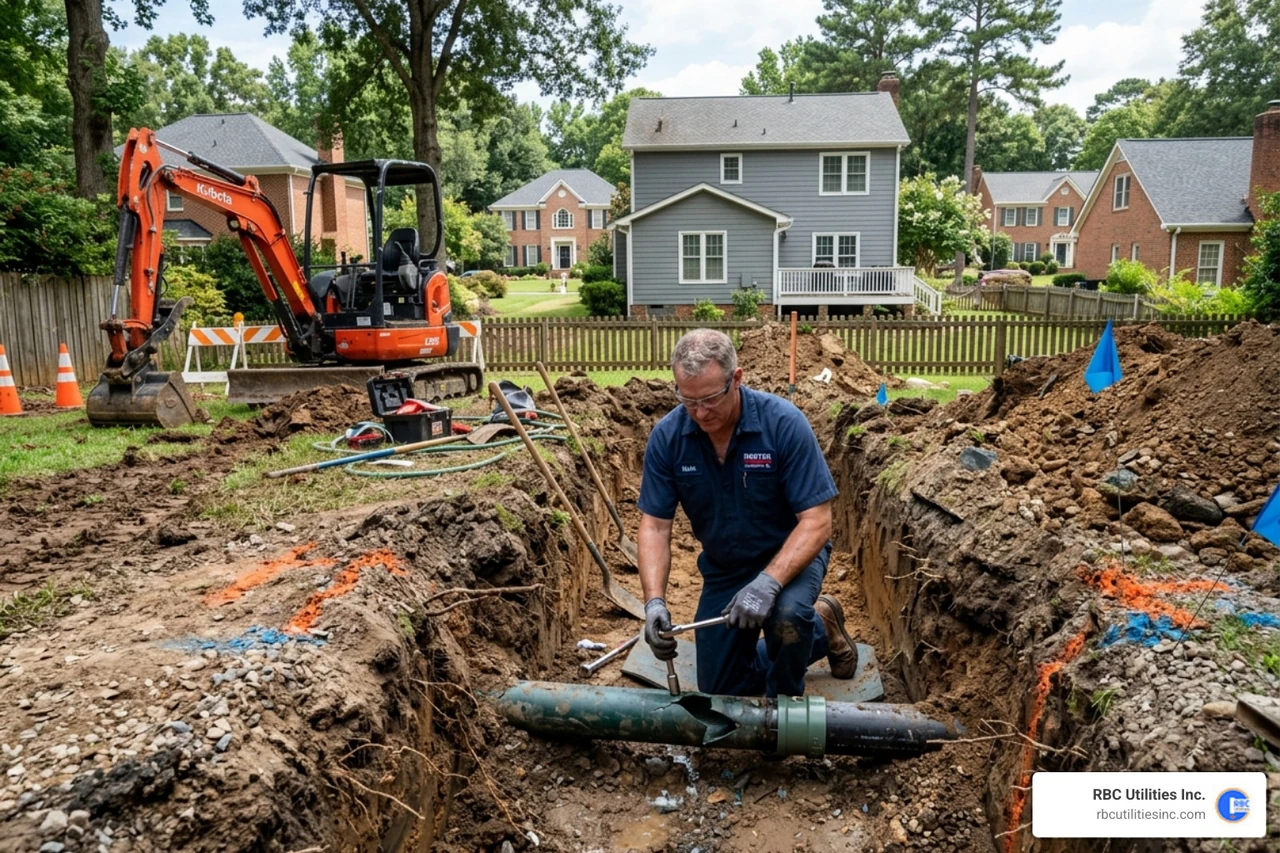
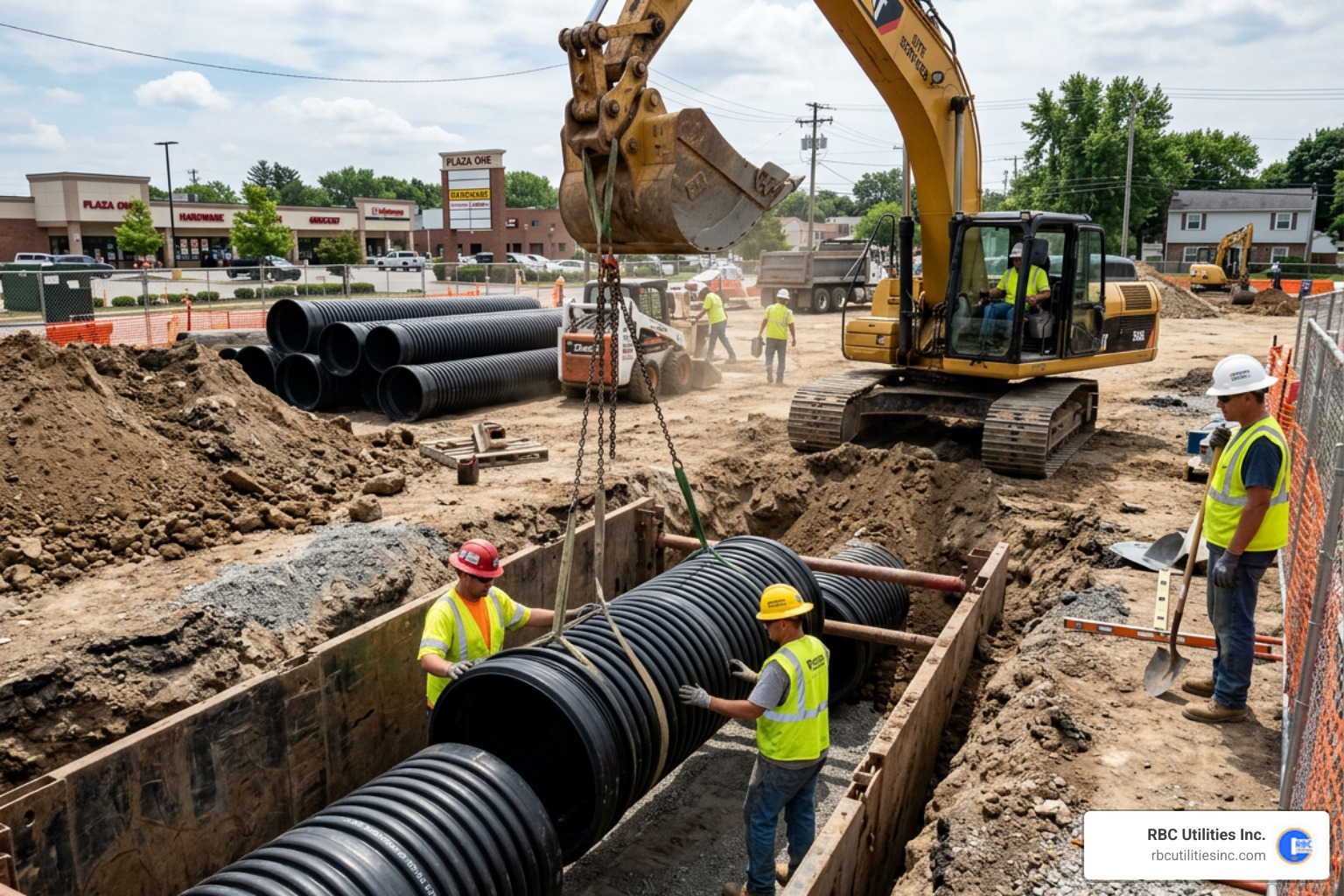
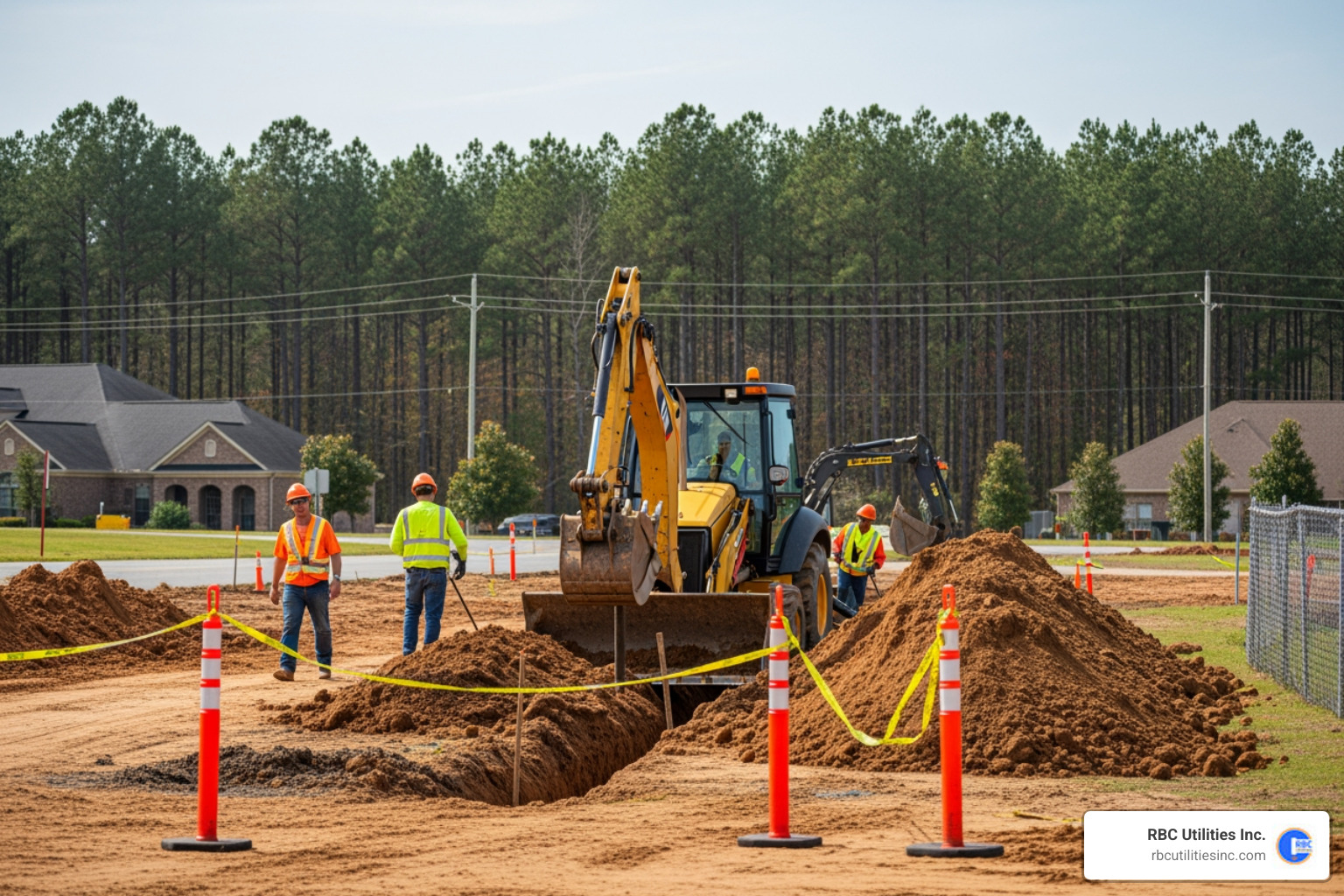
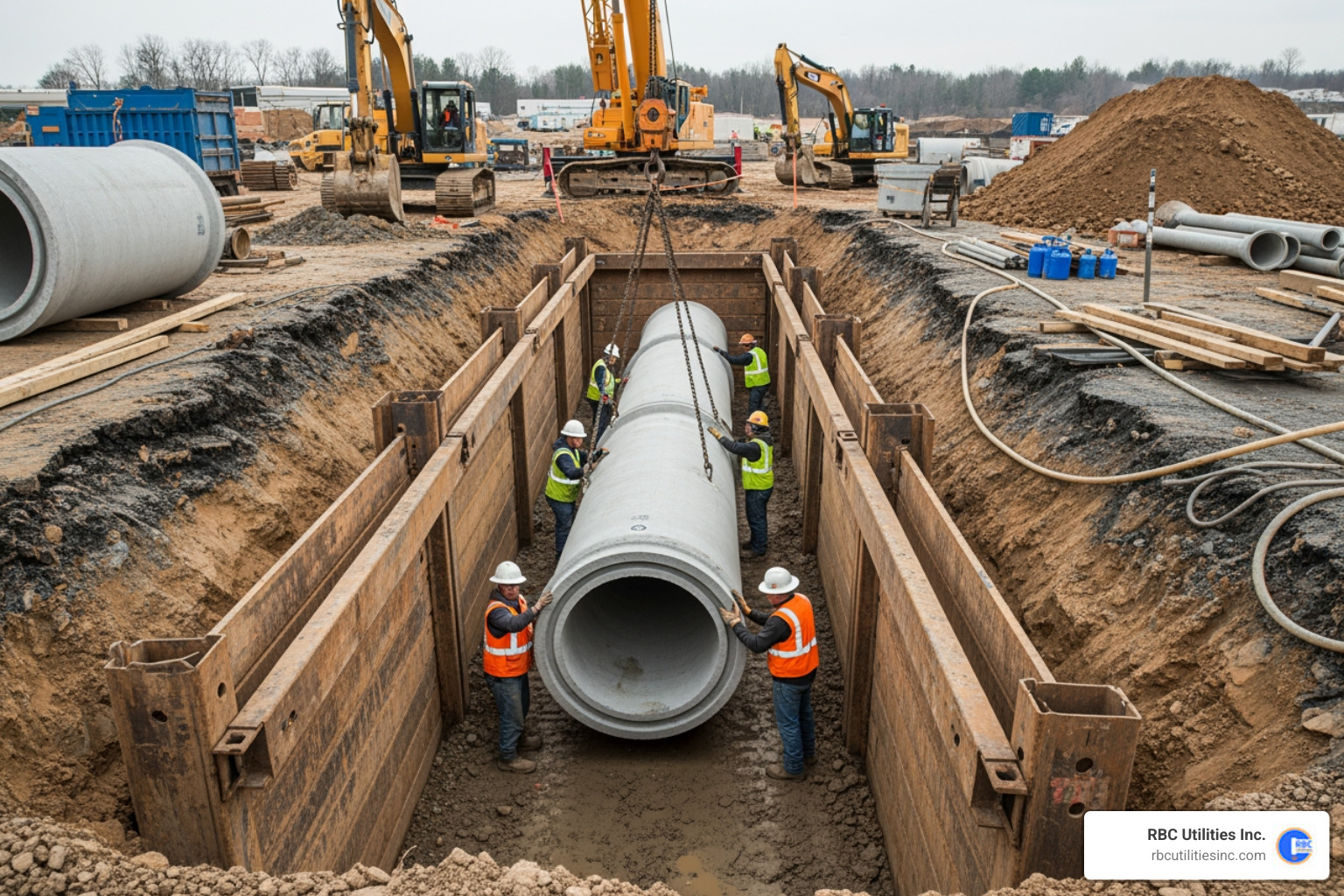
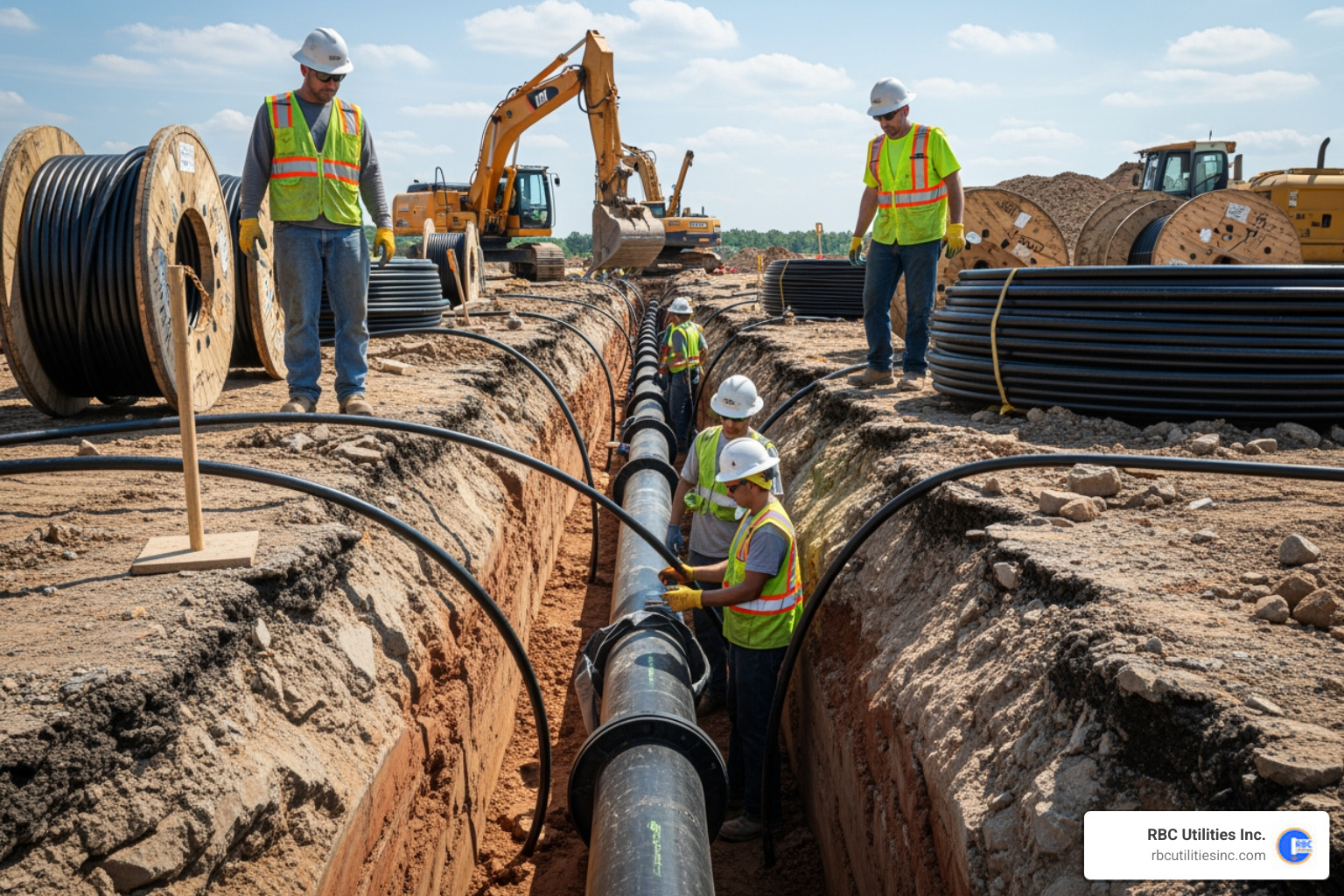
Excavating a trench is about more than just digging a hole. We must carefully control the width of the trench to ensure we have enough room to properly place and compact the bedding material around the pipe's "haunches" (the bottom curved sides).
Below is a quick reference table comparing bedding and backfill requirements for rigid versus flexible pipes:
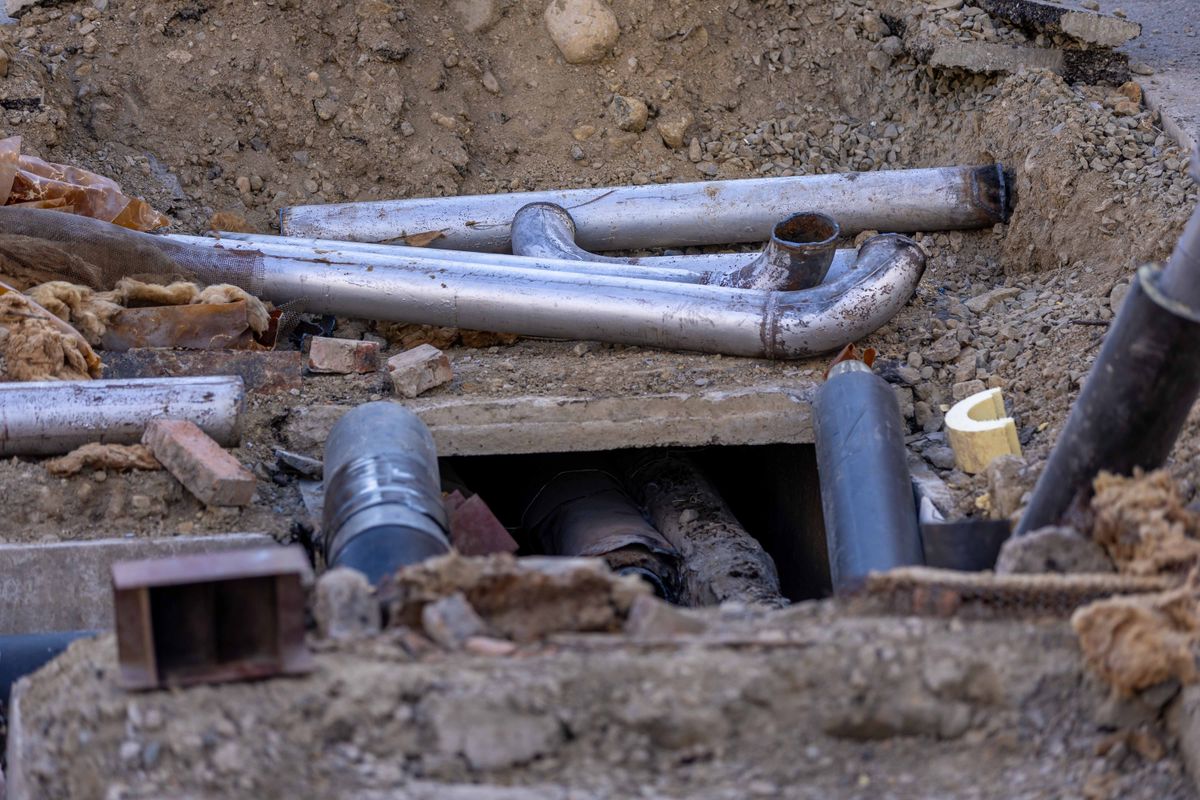
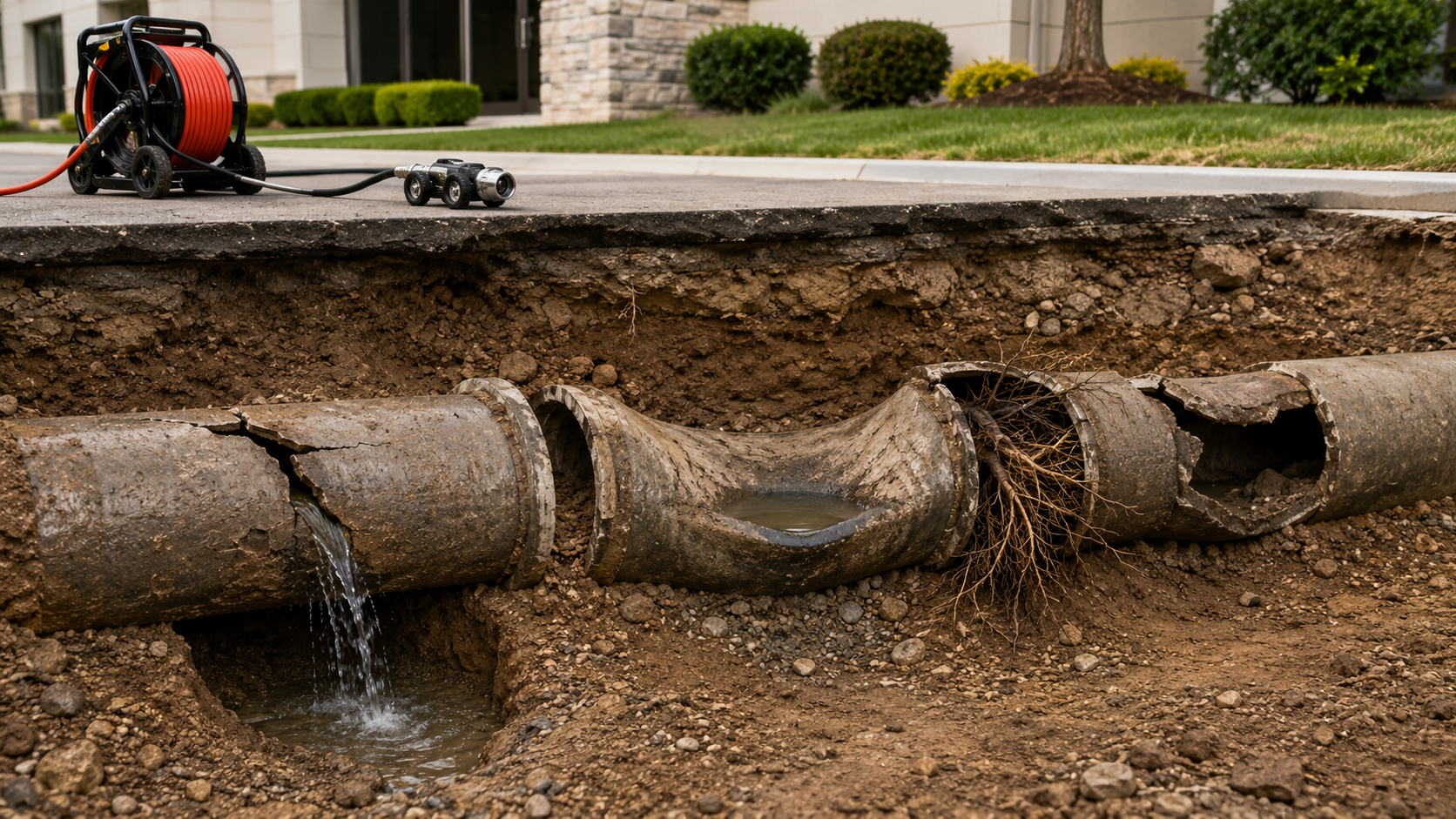
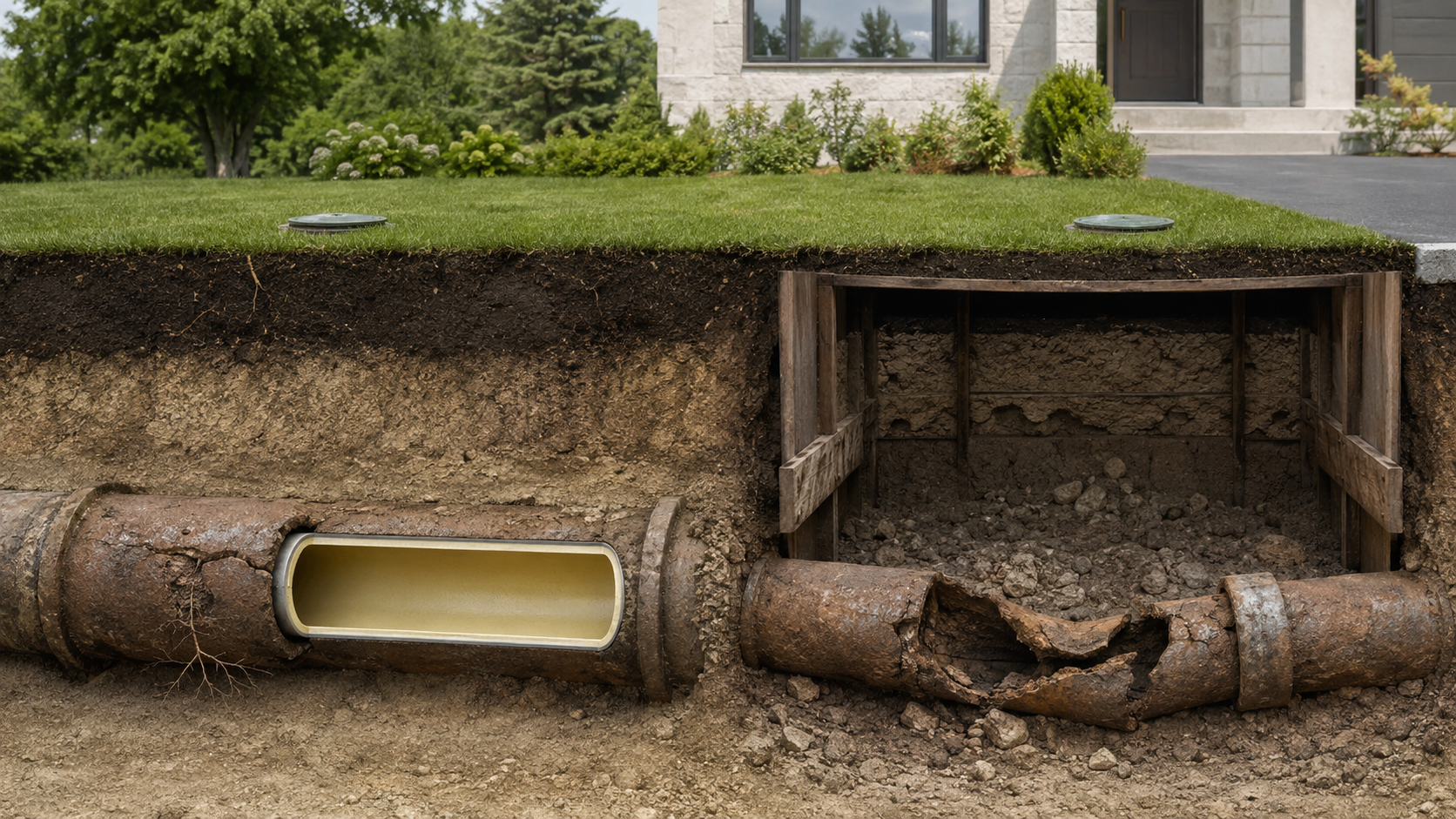
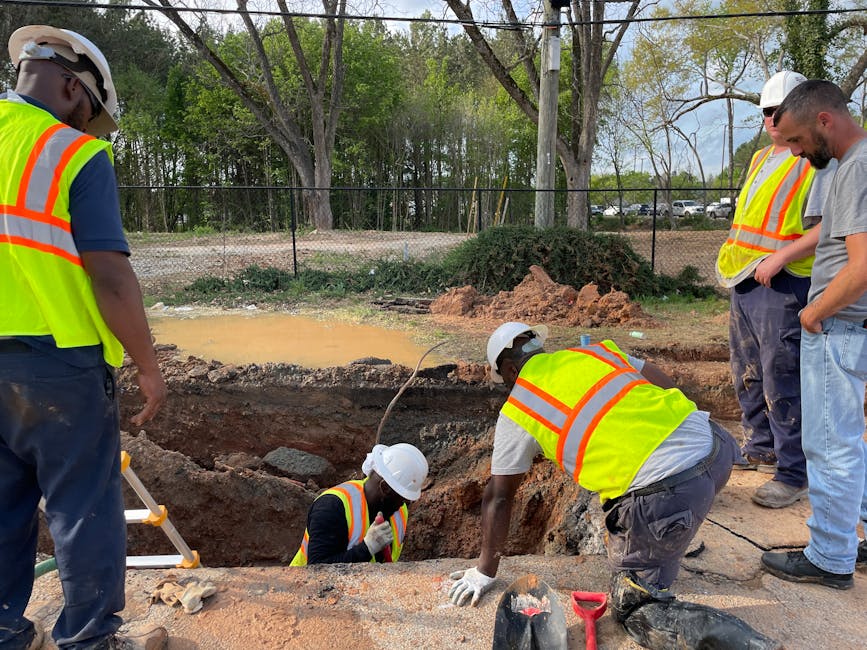
Leaky joints can cause surrounding soil to wash into the storm sewer, leading to sinkholes in roads and parking lots.
For additional field-level guidance on metallic drainage structures, refer to the Installation Manual for Corrugated Steel Pipe, Pipe Arches, Structural Plate .
The minimum cover height for permanent storm sewer installations is generally 2 feet from the top of the pipe to the bottom of the flexible pavement or top of the rigid pavement. This protects the pipe from daily traffic loads.
However, during the construction phase, heavy equipment (like fully loaded dump trucks or scrapers) exerts much higher localized forces. For construction loading, a minimum temporary cover of 4 feet is required to prevent pipe deformation or cracking. For more details on protecting shallow pipes, check out our guide on Storm Drain Pipe Installation.
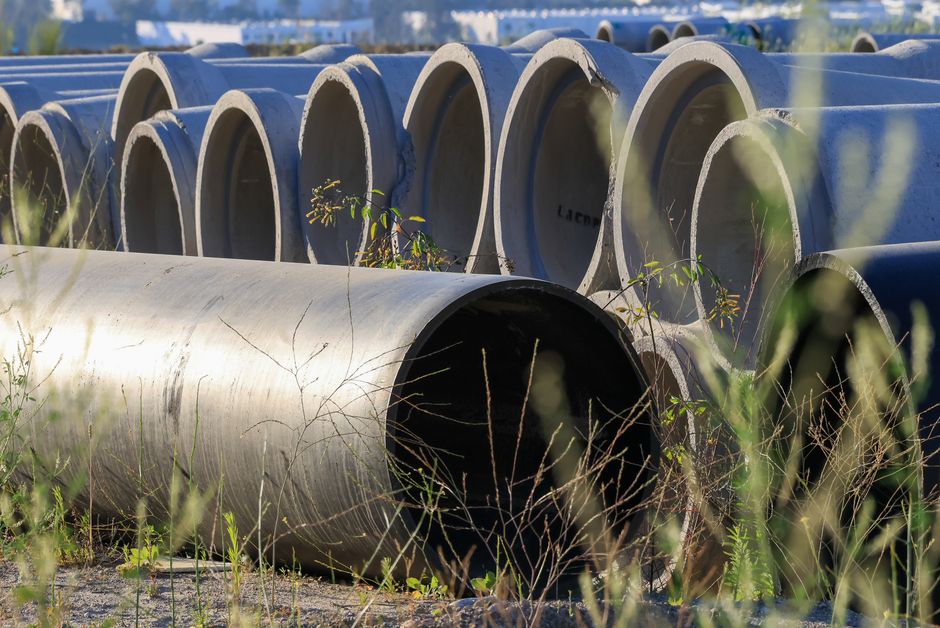
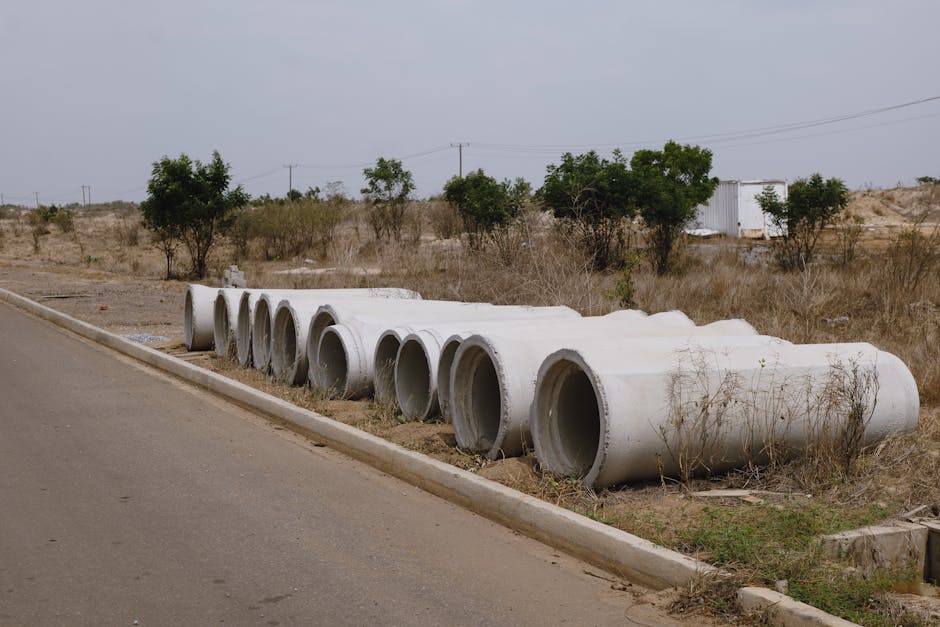
Reinforced concrete pipe is the gold standard for durability. You can expect RCP to last at least 100 years, and under optimal conditions, it can last up to 150 years. RCP has incredible compressive strength, is highly resistant to abrasion from sediment-laden water, and is heavy enough to resist flotation in areas with high water tables.
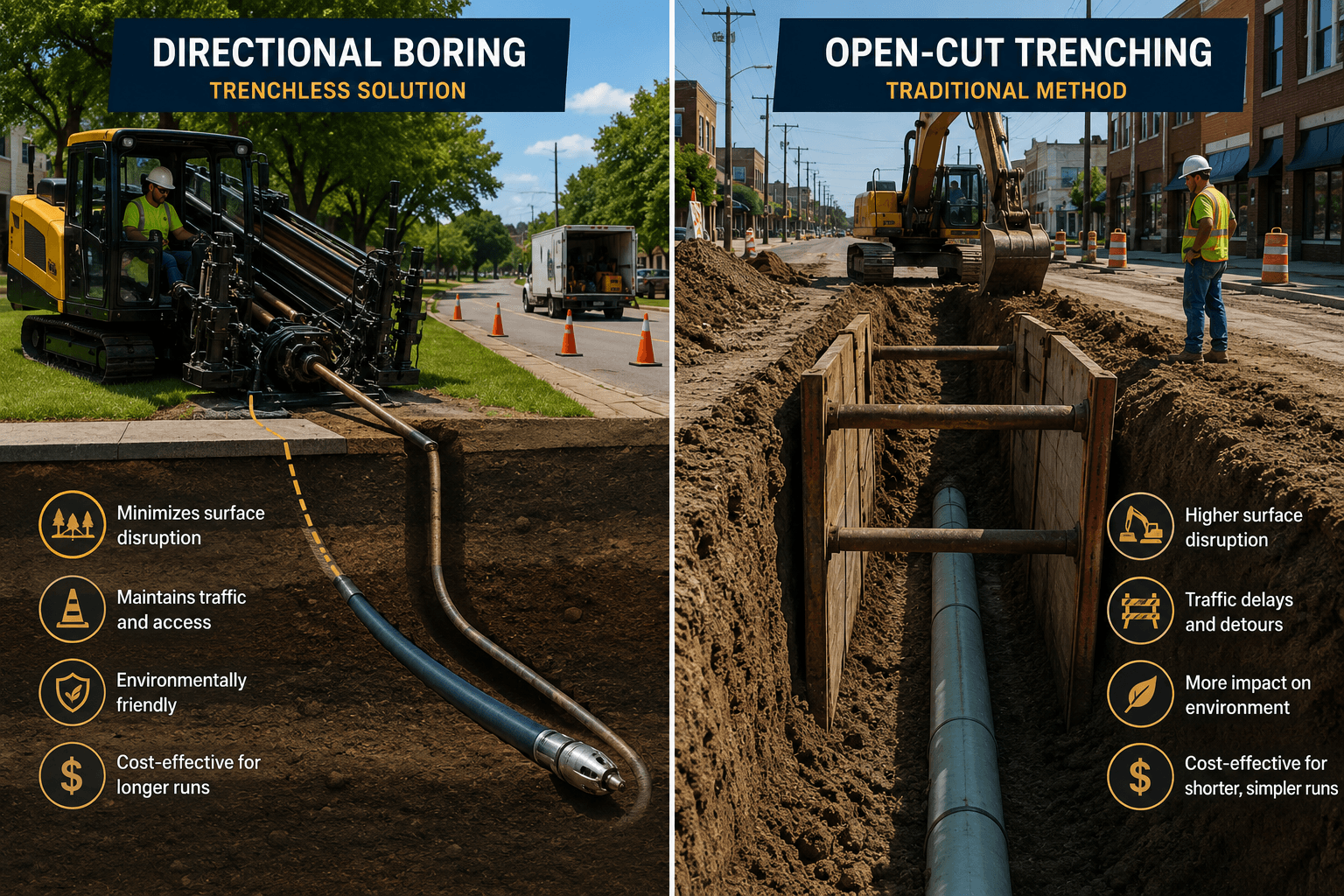
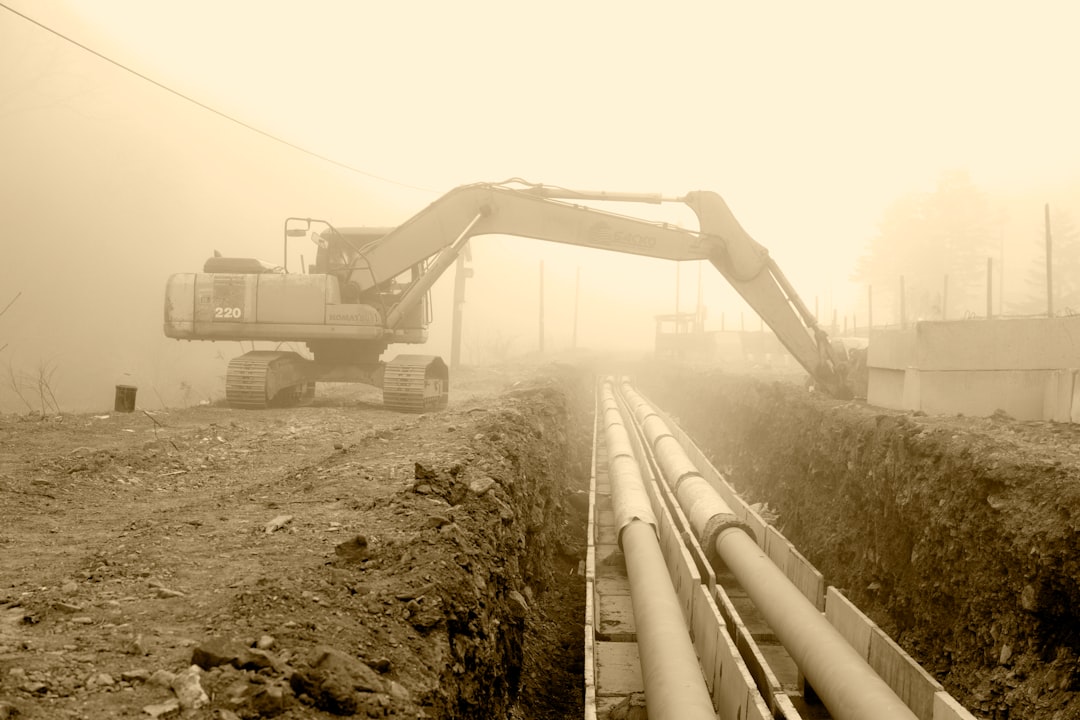
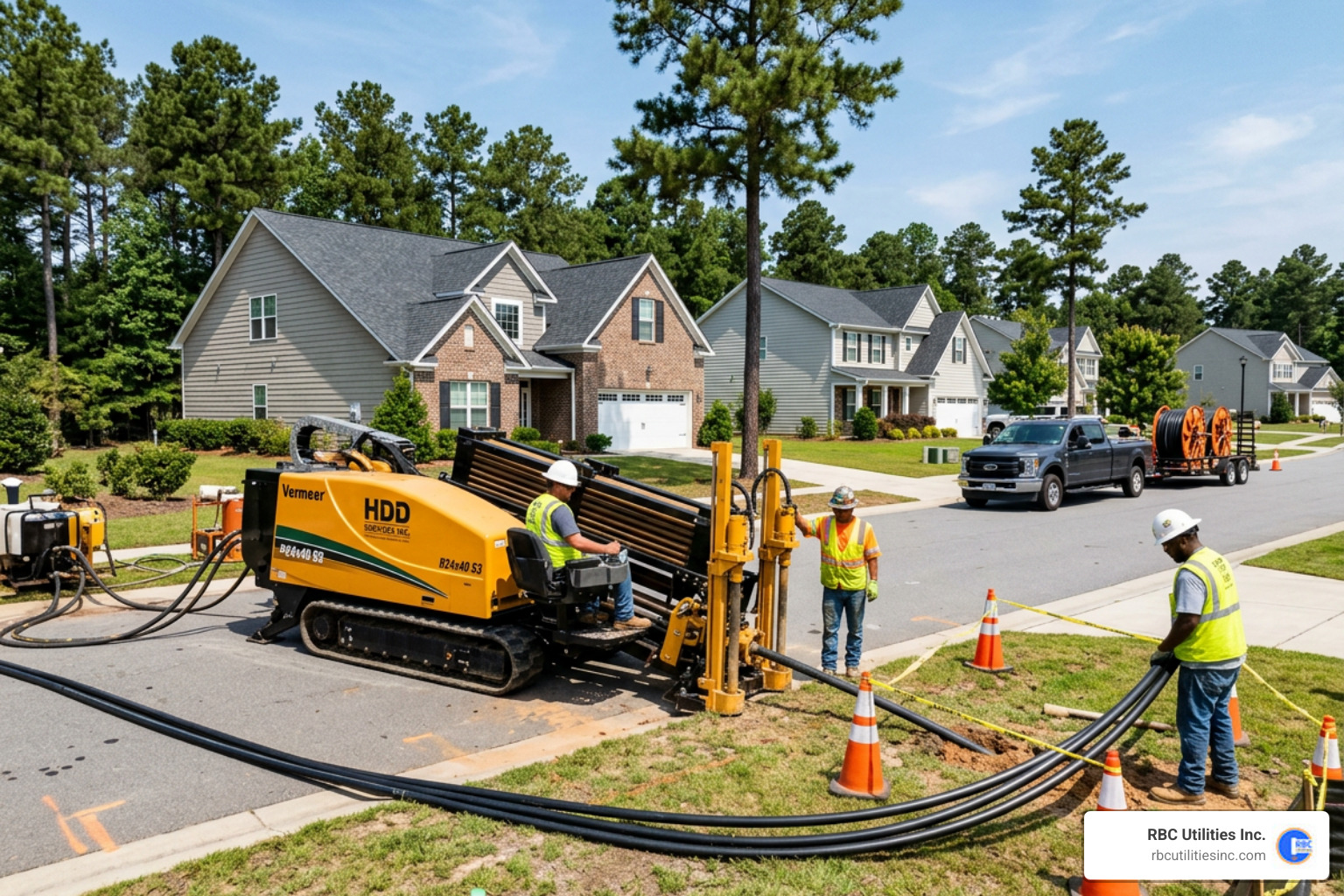
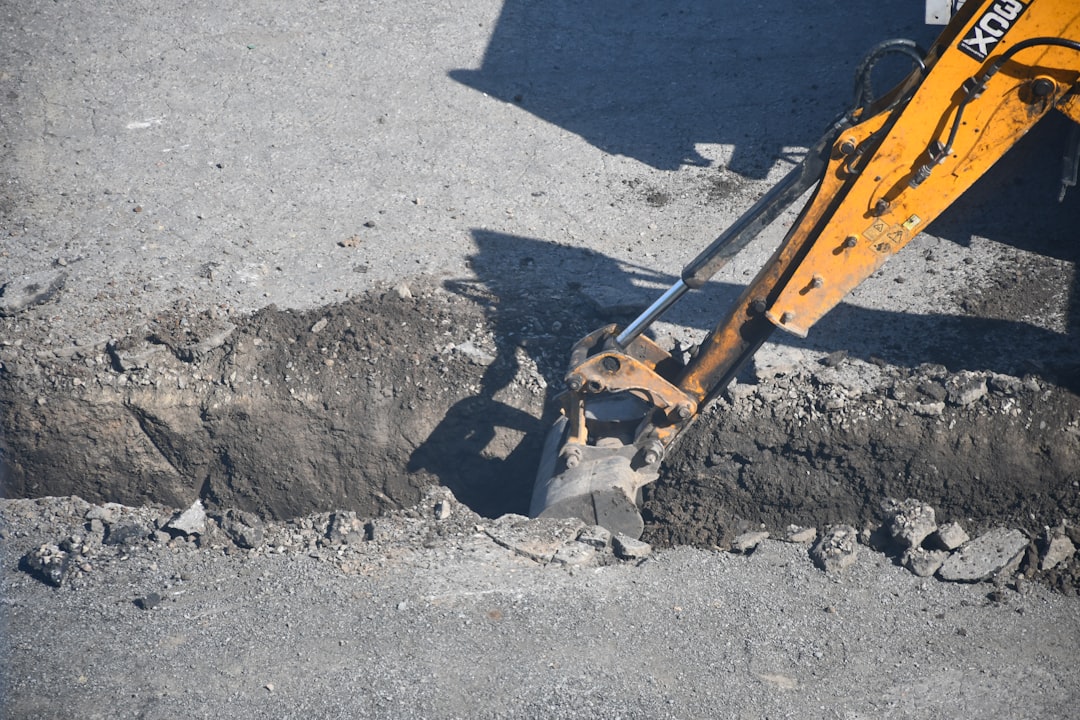
Traditional open-cut trenching can completely disrupt traffic, tear up mature landscaping, and damage existing utility lines. Trenchless methods, such as directional boring or horizontal auger boring, allow us to install pipes underground along a precise path with minimal surface disruption.
Trenchless methods are highly cost-effective in congested urban areas, environmentally safe around wetlands, and keep project timelines moving forward. To see if your project is a good fit for this approach, explore Trenchless Utility Installation Carolinas.
A successful storm sewer pipe installation requires careful planning, precise hydraulic calculations, and rigorous field execution. From matching pipe crowns at junction boxes to compacting the haunching zones in 6-inch lifts, every detail directly impacts the lifespan of the infrastructure.
At RBC Utilities Inc., we combine deep local Carolinas expertise with the national resources of Saga Infrastructure. Our team is committed to safety, engineering precision, and building lasting infrastructure that supports our communities.
If you have an upcoming municipal, commercial, or residential project in North or South Carolina, let’s build it to last. Explore our underground utility services today and get in touch with our team for an estimate.
Part of Saga Infrastructure, protecting what others built and helping it grow.
Address: 4404 Stuart Andrew Blvd., Suite K, Charlotte, NC 28217
Email: info@rbcutilities.com
Phone: 803-913-9727
Service Area: North Carolina | South Carolina