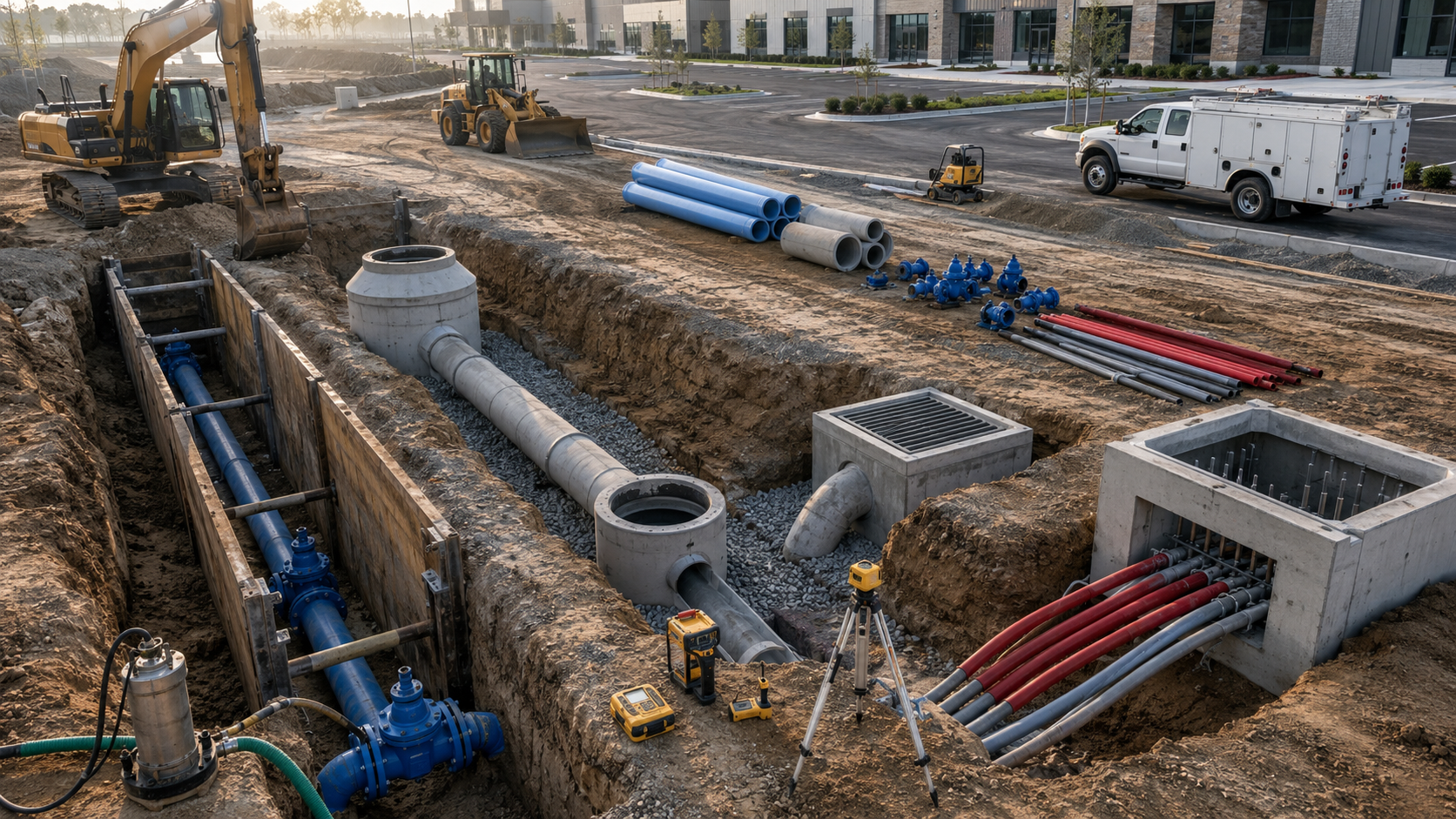
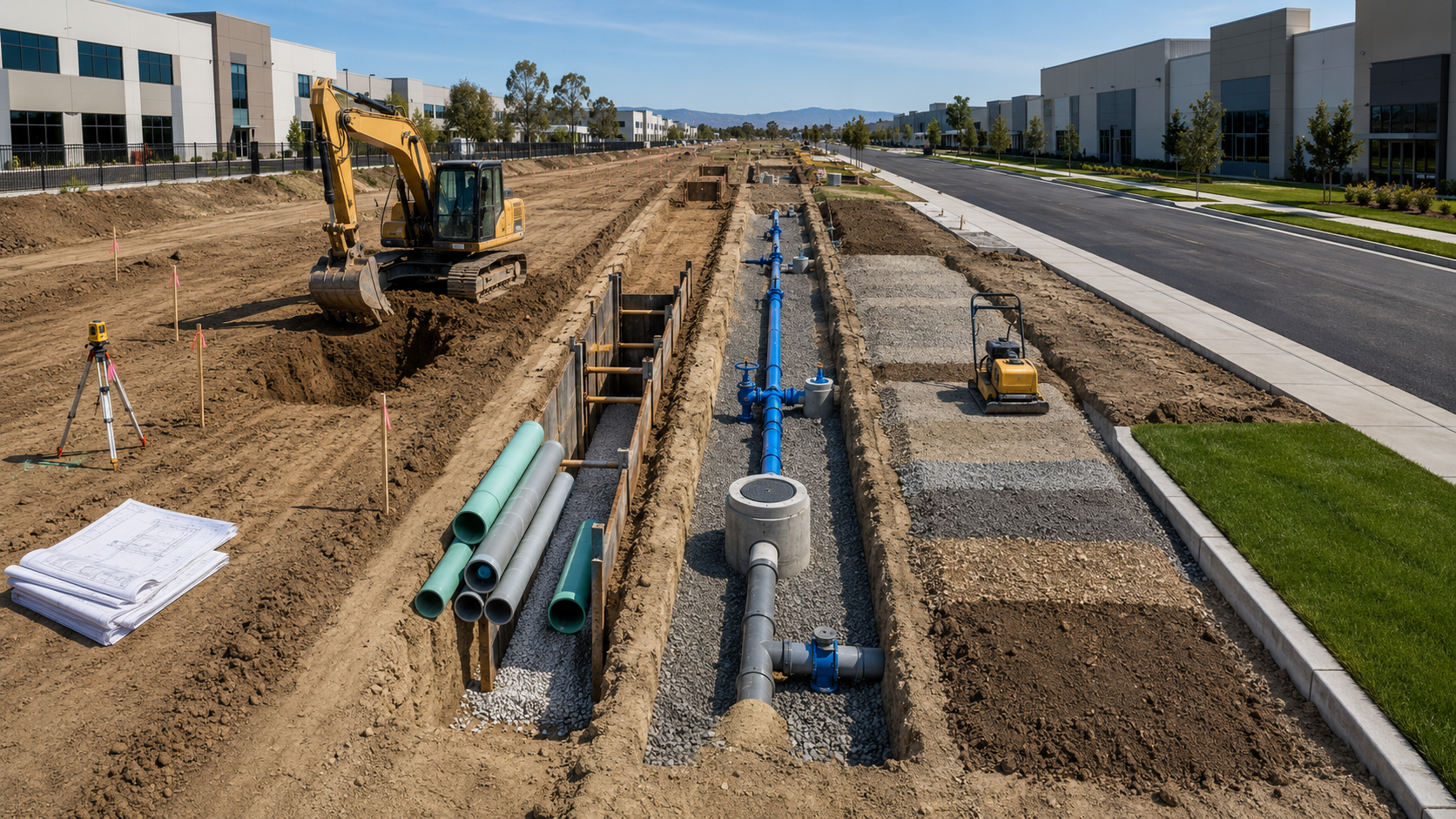
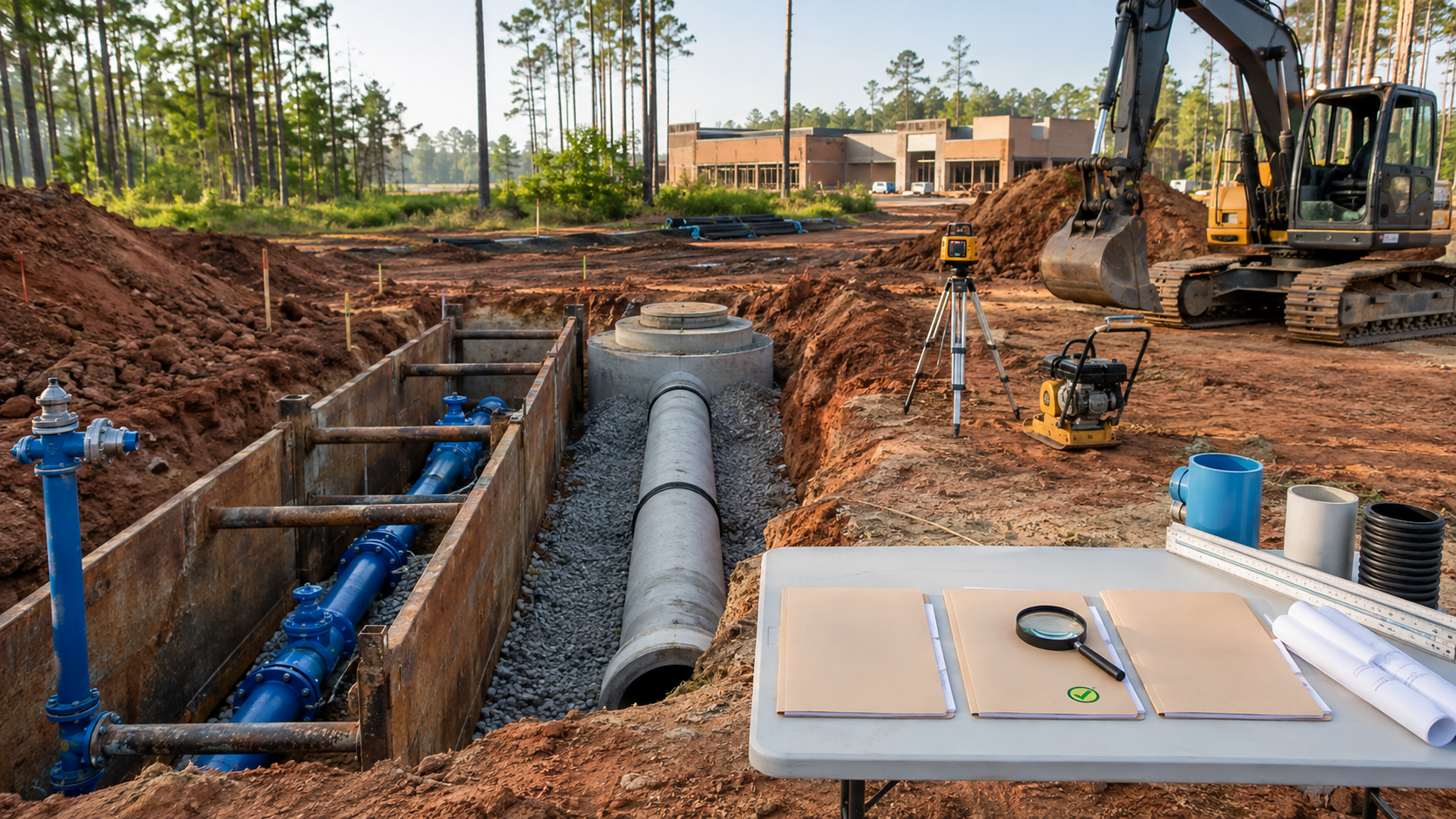
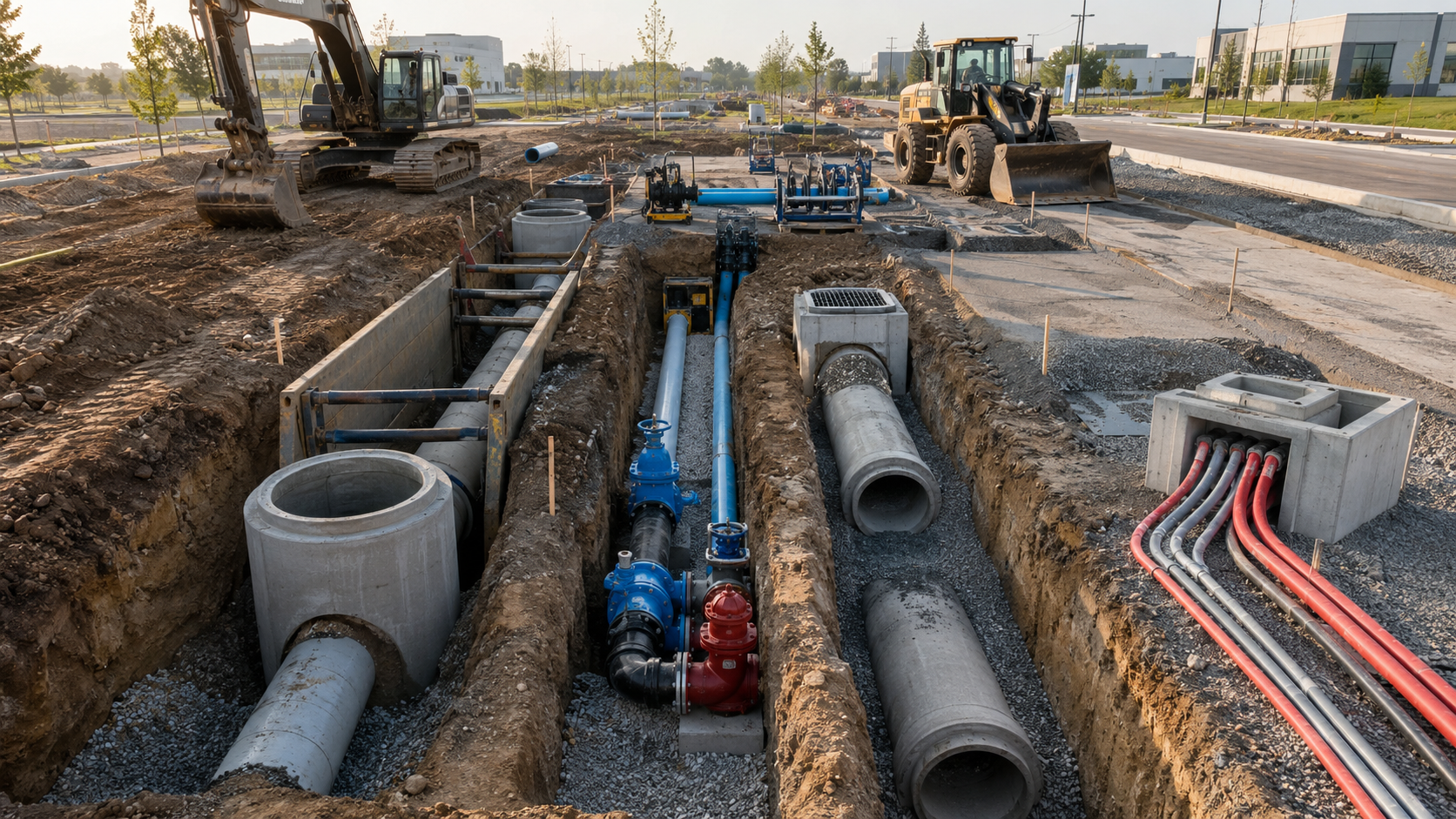
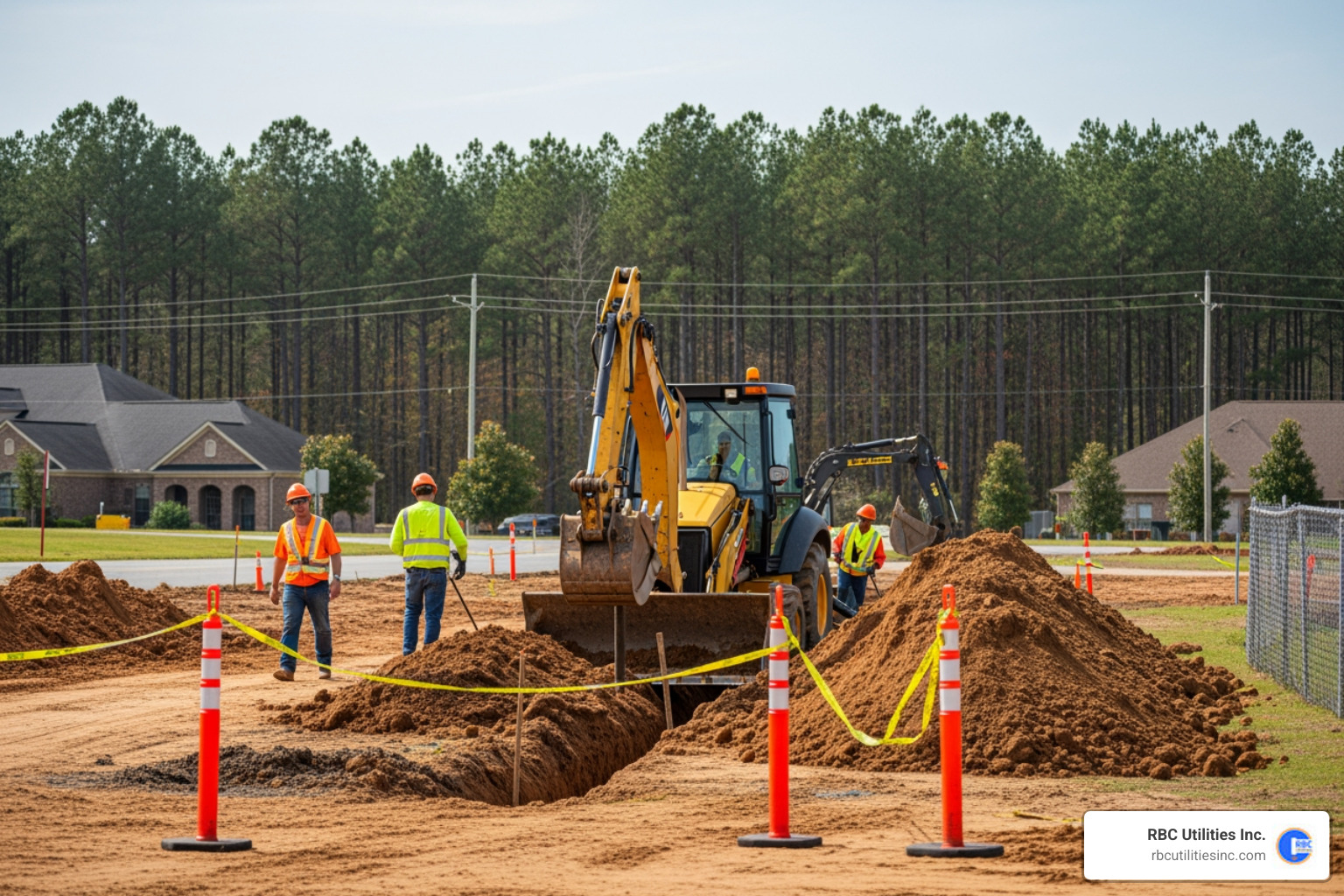
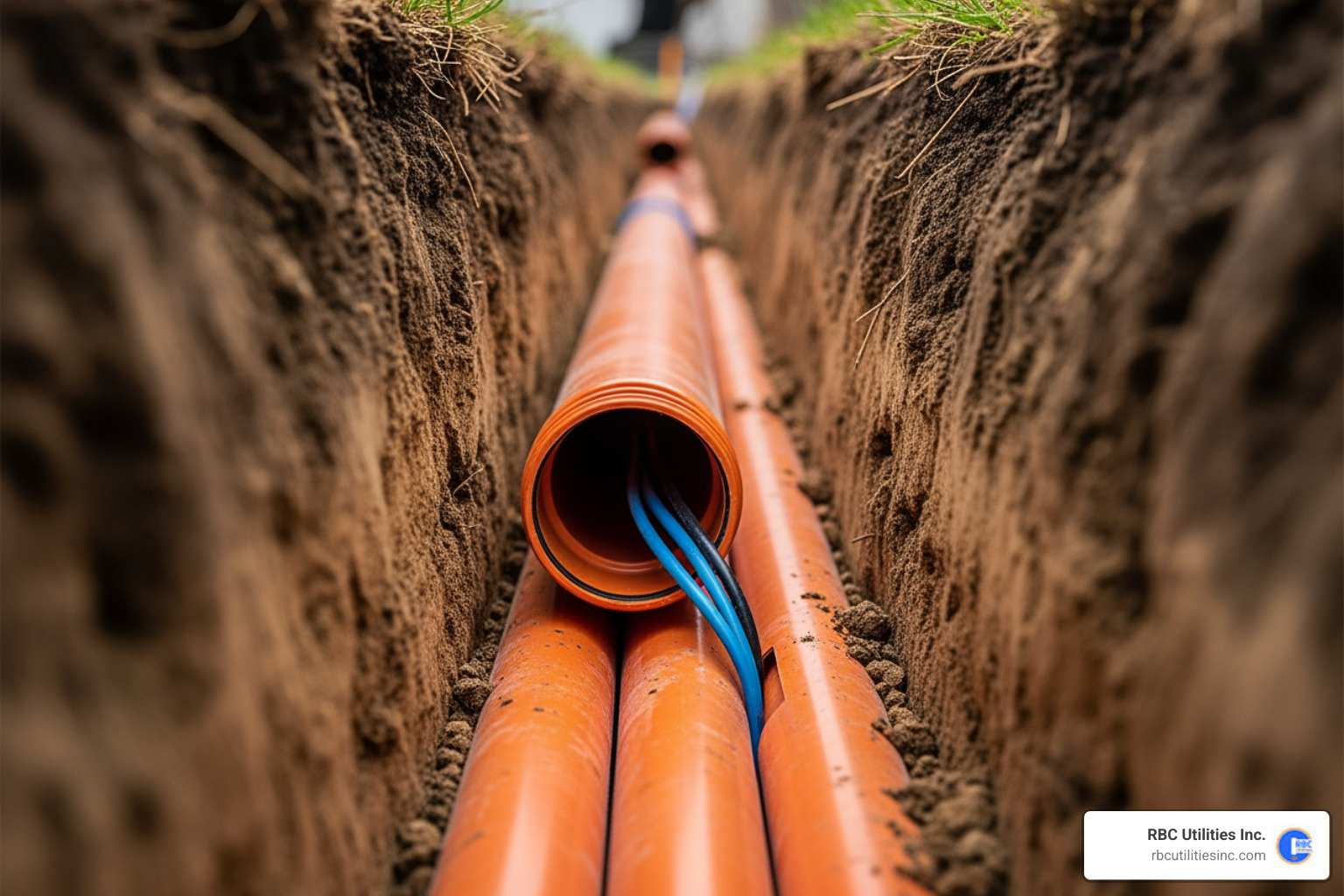
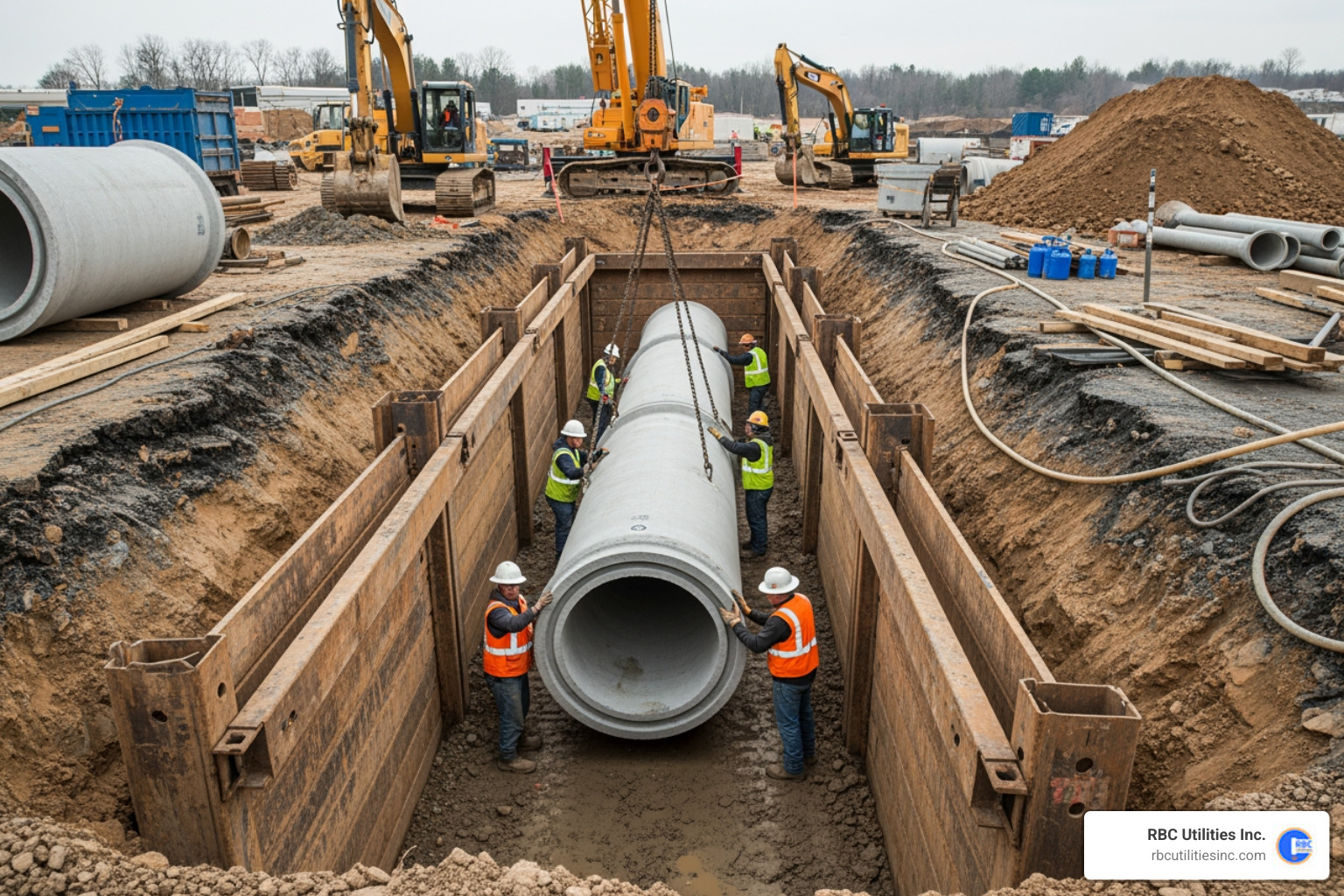
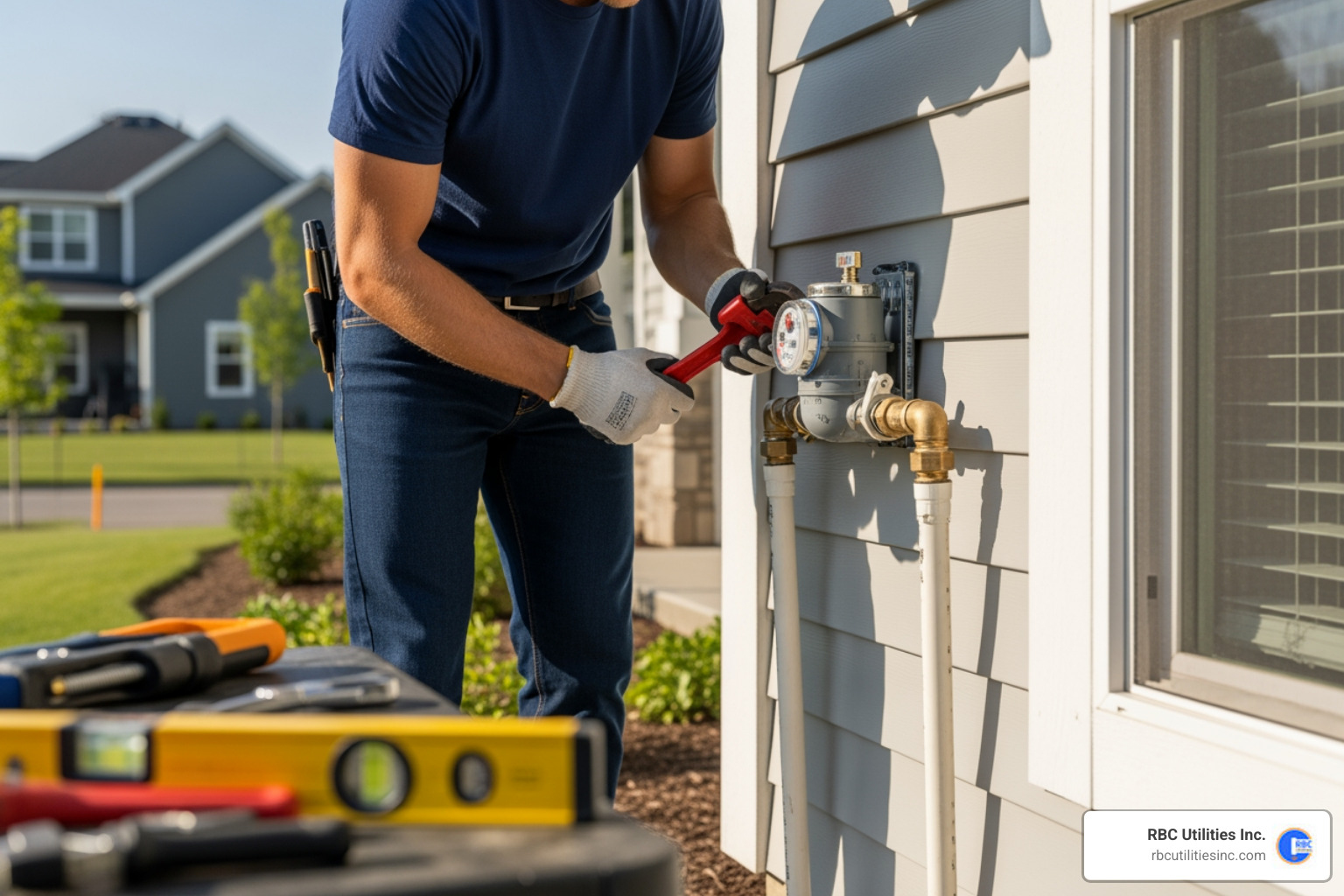
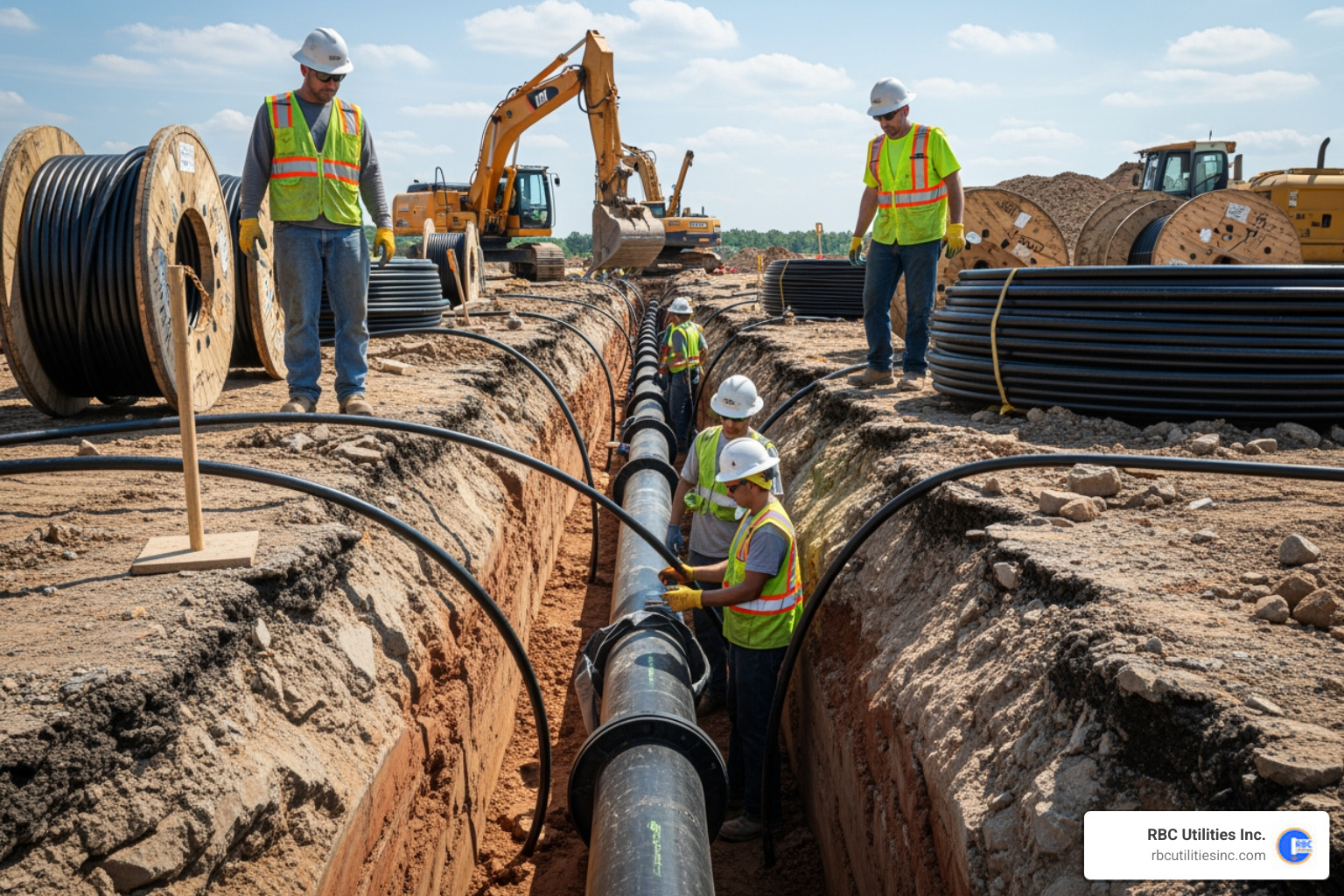
Every site plan eventually turns into a punch list of underground scopes: water, sewer, storm, and conduit, each with its own depth, spacing, and inspection requirements. Developers who treat that list as a formality rather than a sequencing problem are usually the ones asking for a schedule extension six weeks later.
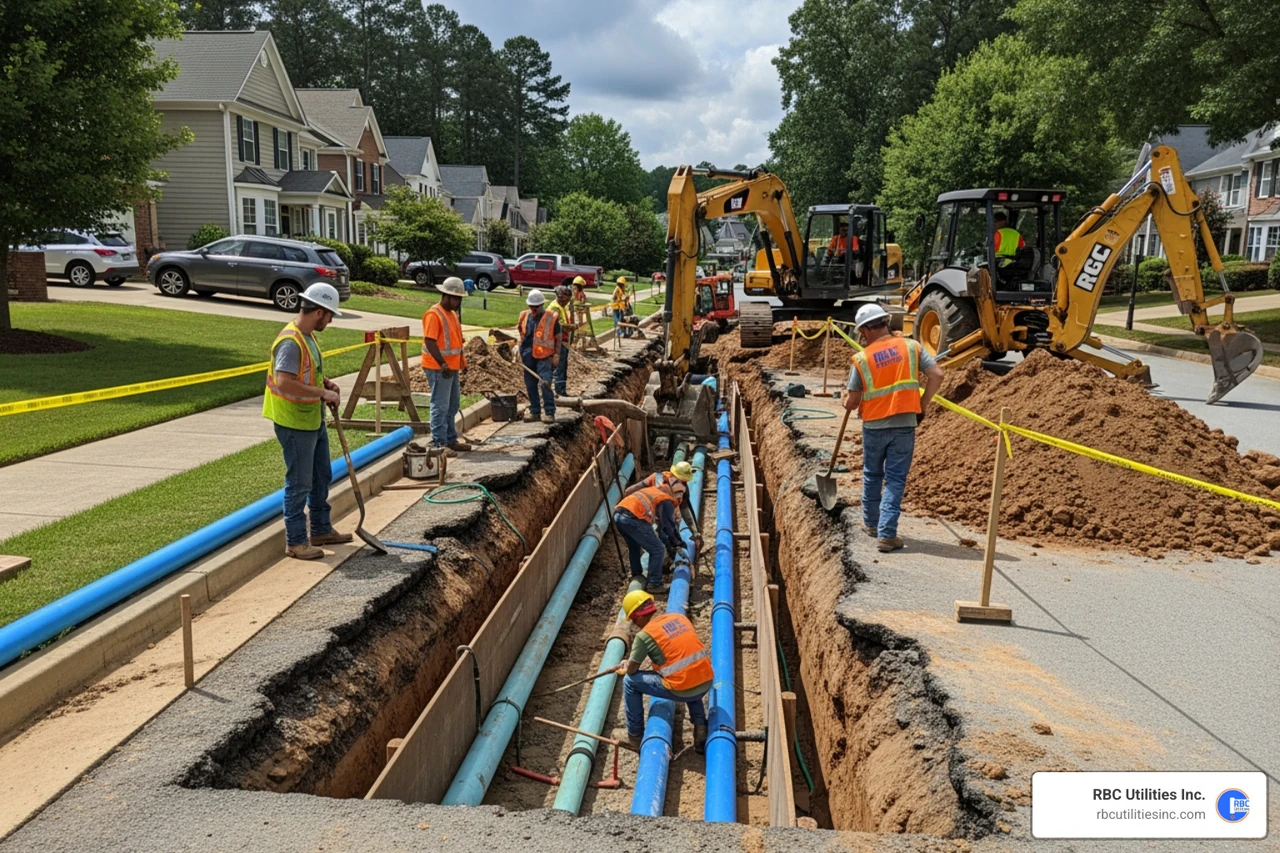
RBC Utilities has been building water, sewer, storm, and conduit systems across the Carolinas since 2008, working out of the Charlotte, NC region for developers, general contractors, and municipal partners. The company joined Saga Infrastructure Solutions in 2025, with founder Bill Cummings staying on through the transition, which means local crews and local judgment are now backed by a larger organization's resources without losing the on-the-ground relationships that make Carolinas projects move.
For a broader look at RBC's work, review RBC Utilities services, recent RBC Utilities projects, and this guide to what makes a true utility infrastructure contractor.
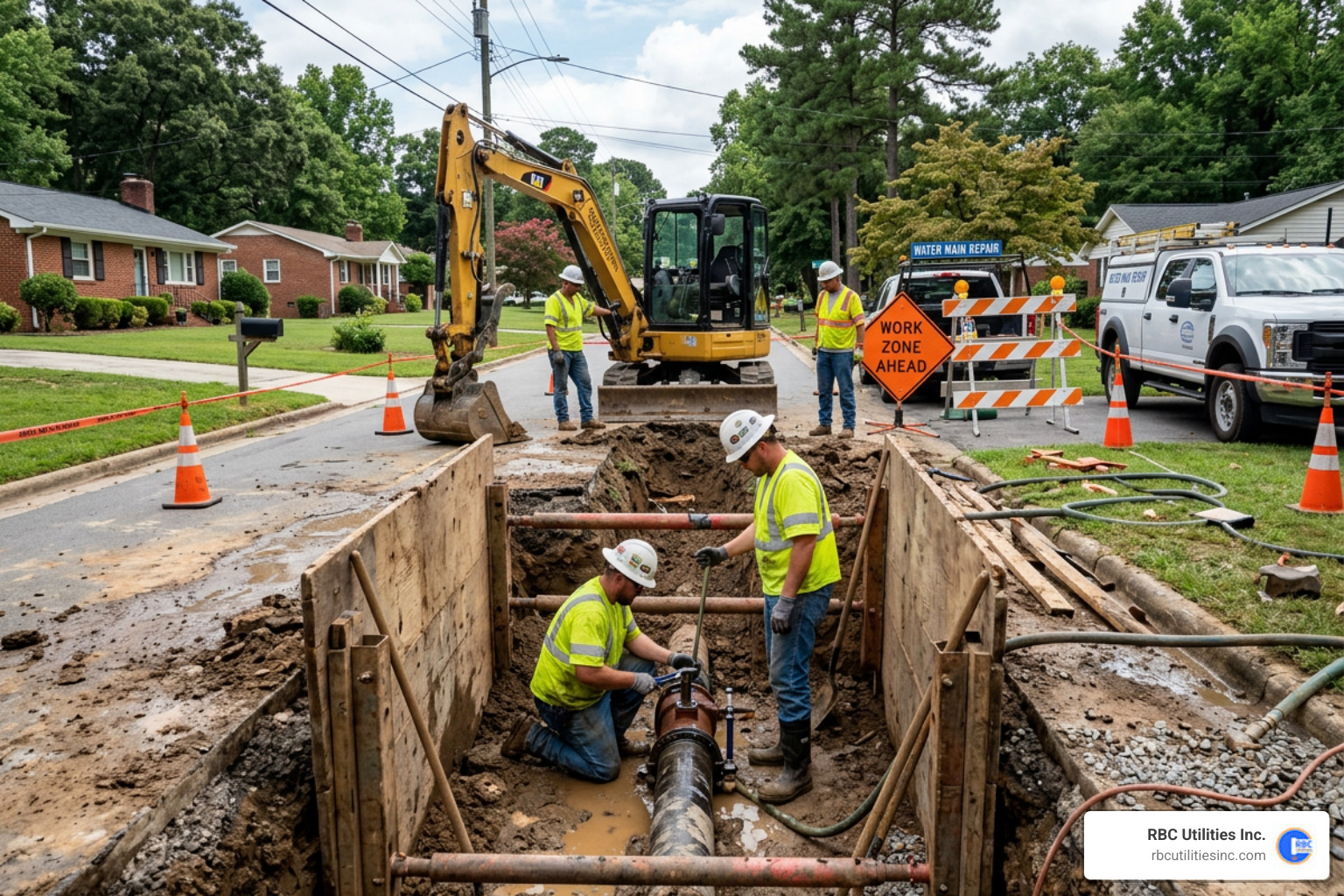
Teams comparing utility scopes should also read RBC's practical breakdown of utility construction services and the expected underground utility installation timeline.
NC 811 is the starting point for locate requests on any Carolinas site, but the schedule discipline still has to come from the project team.
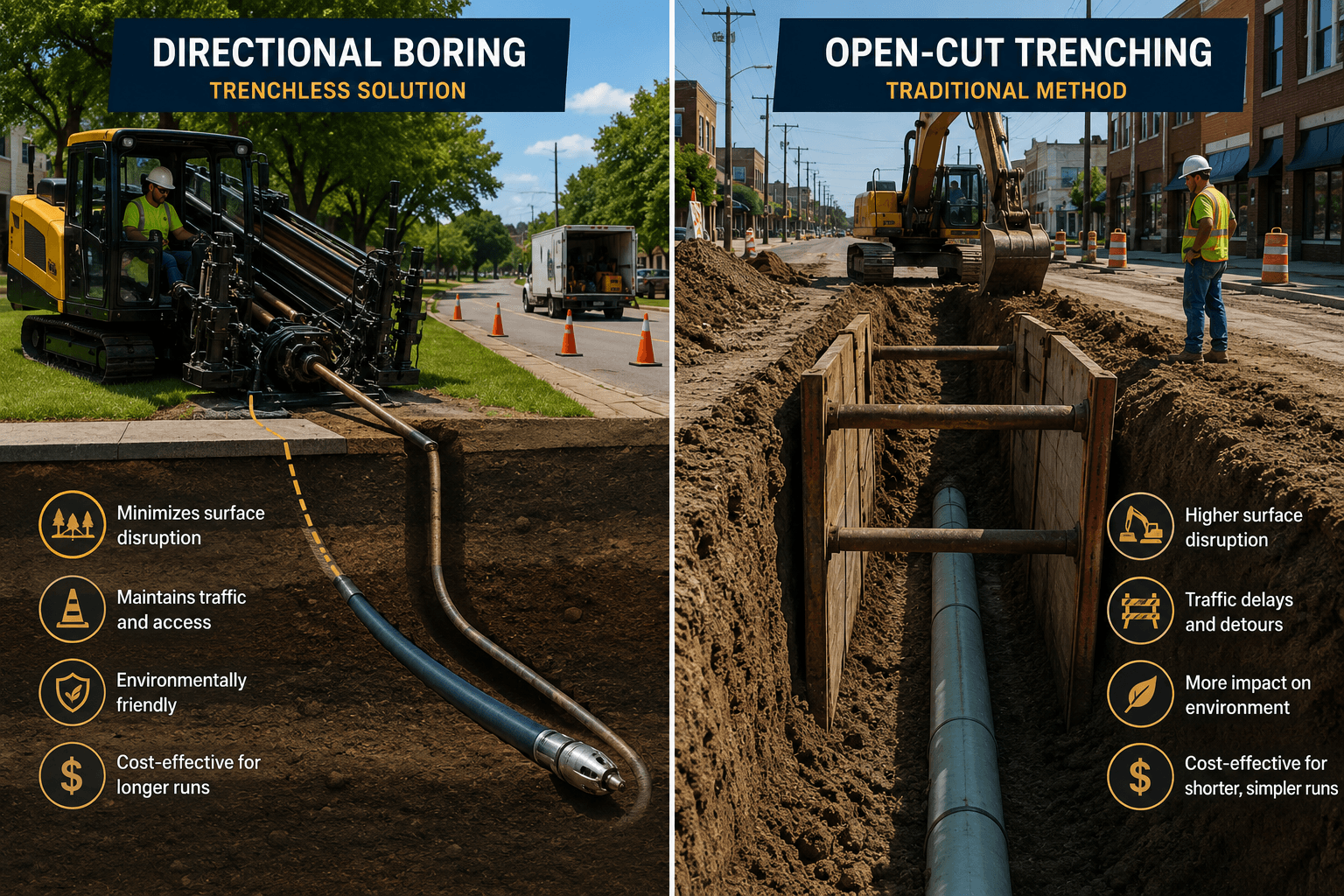
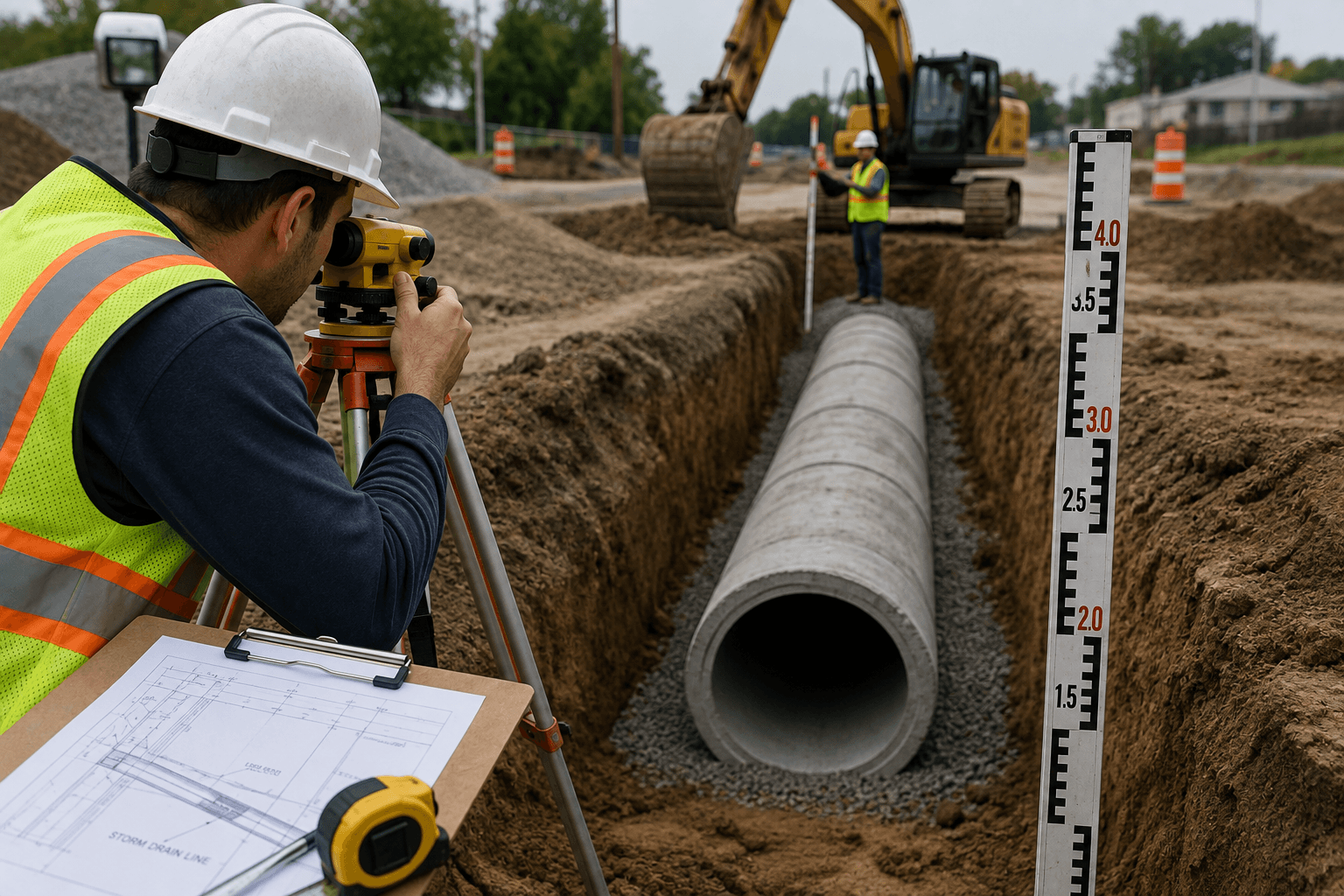
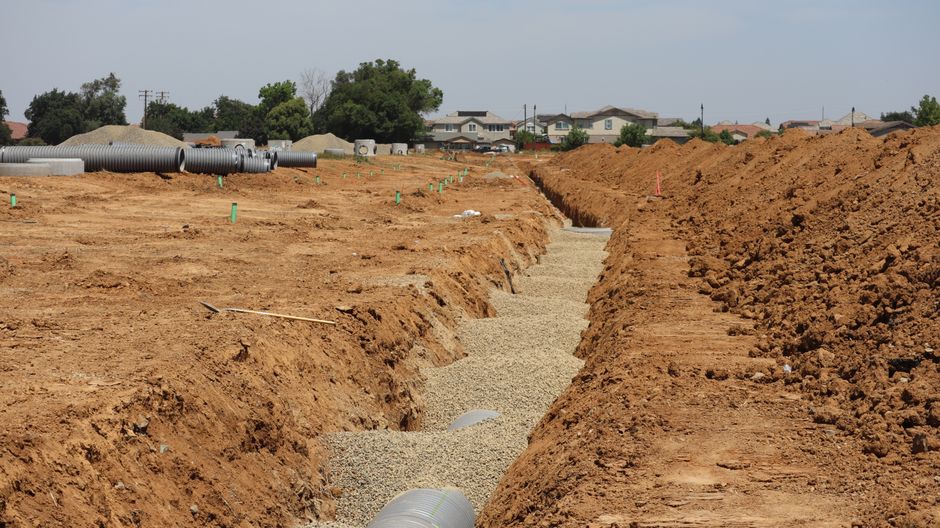
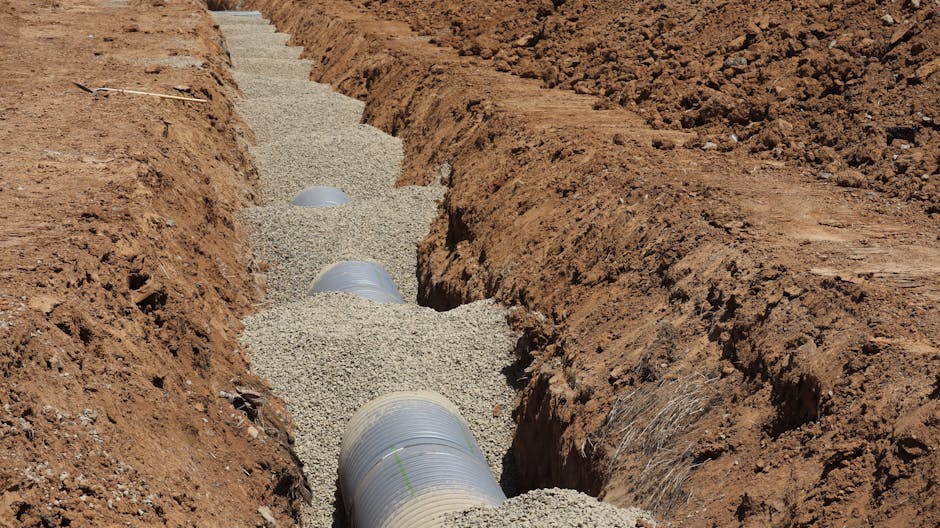
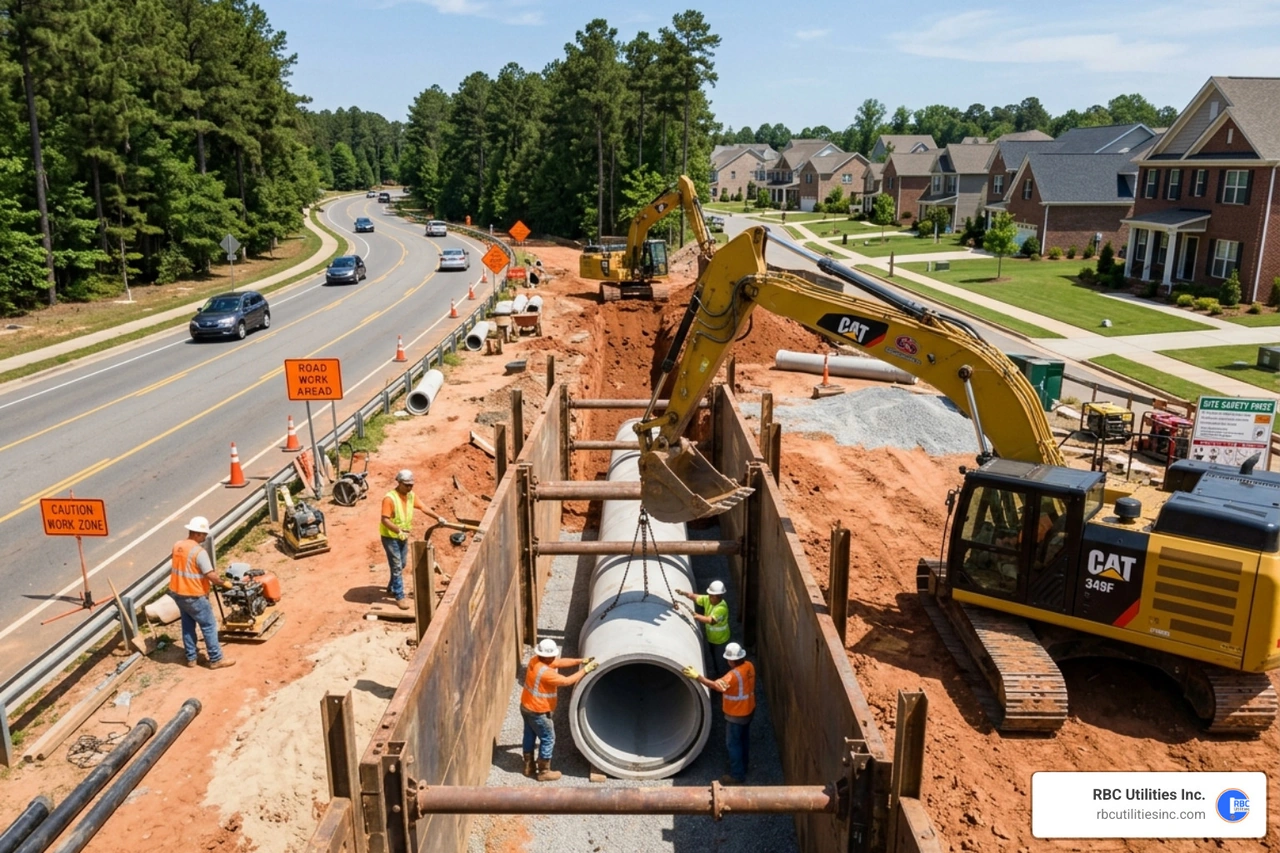
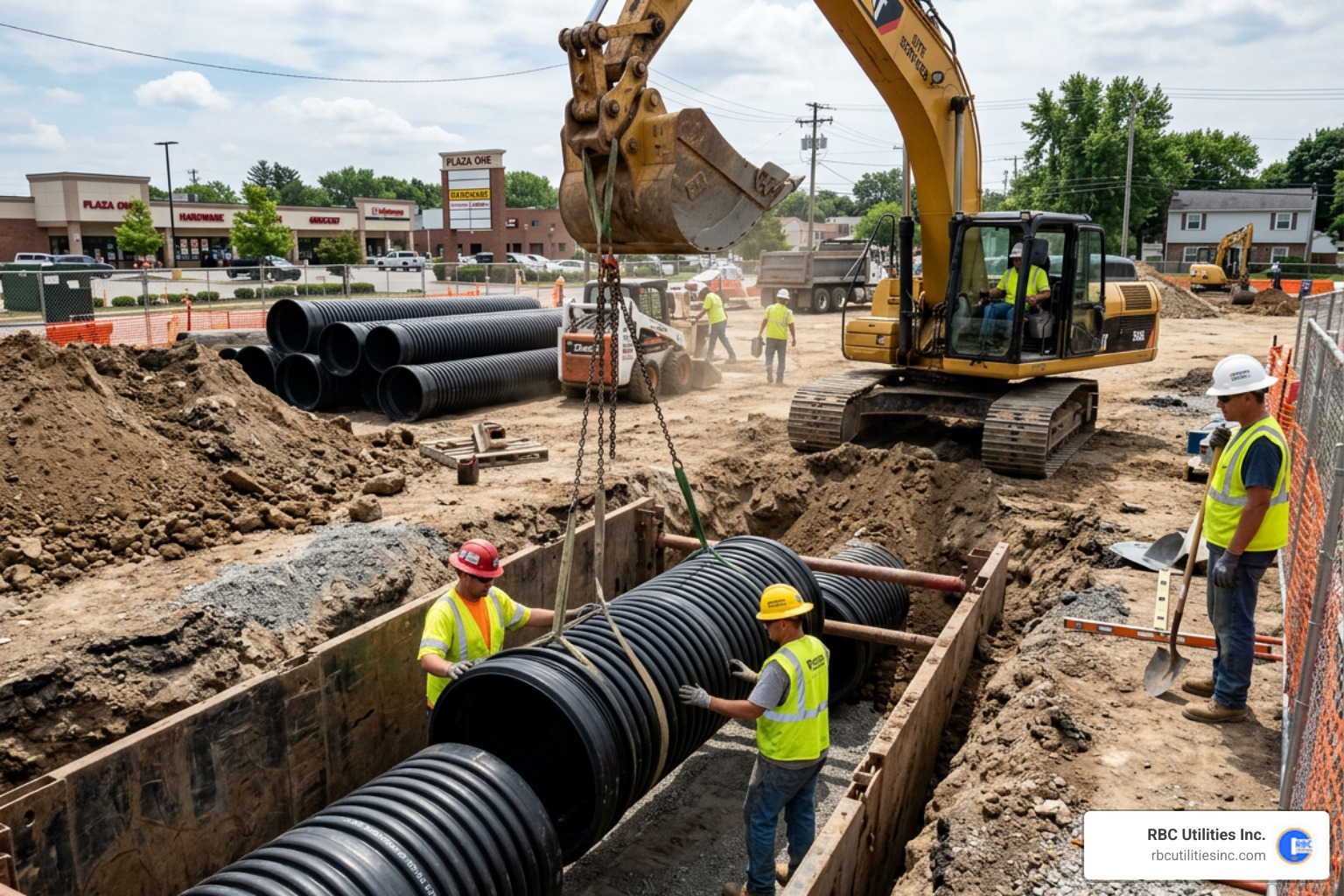
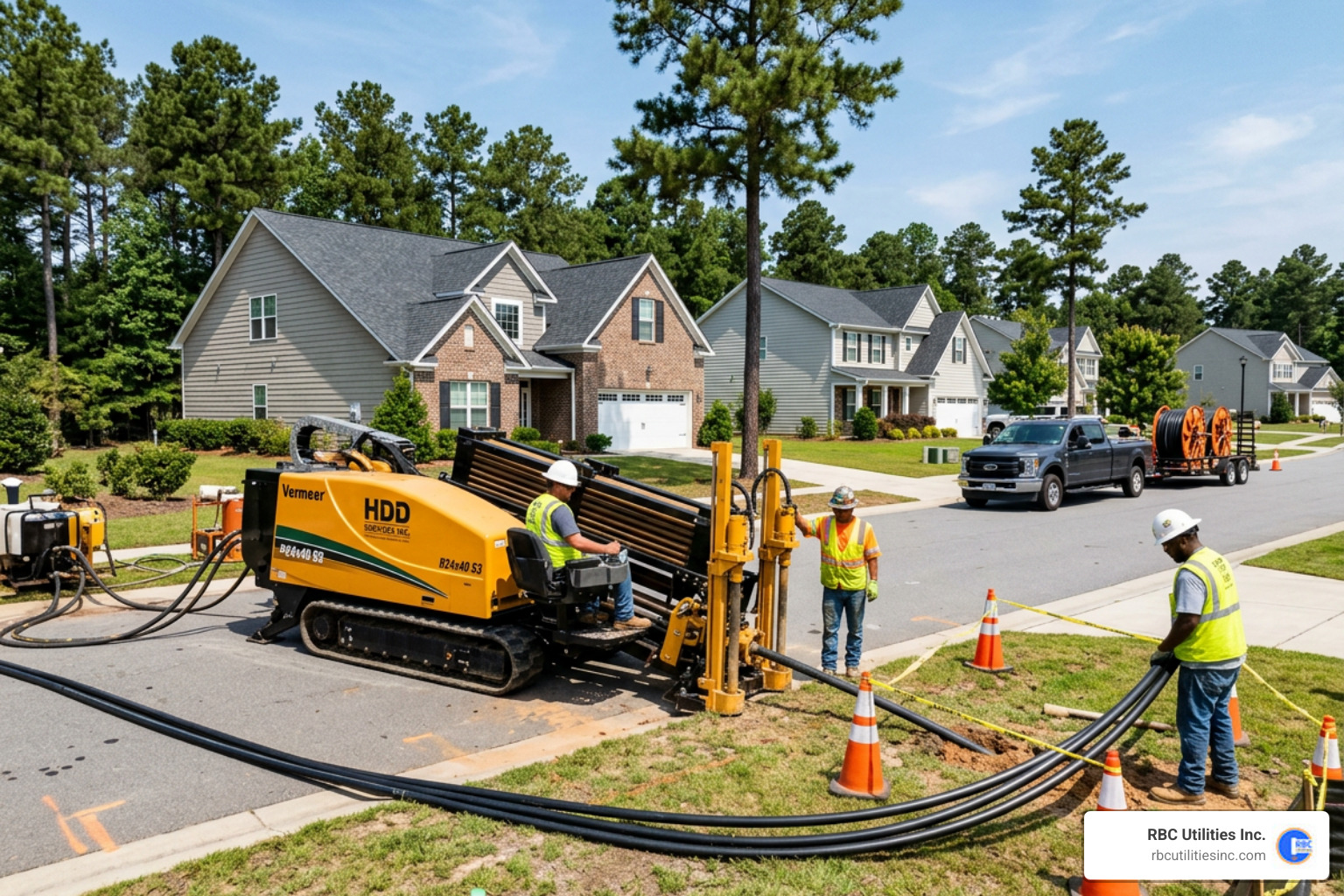
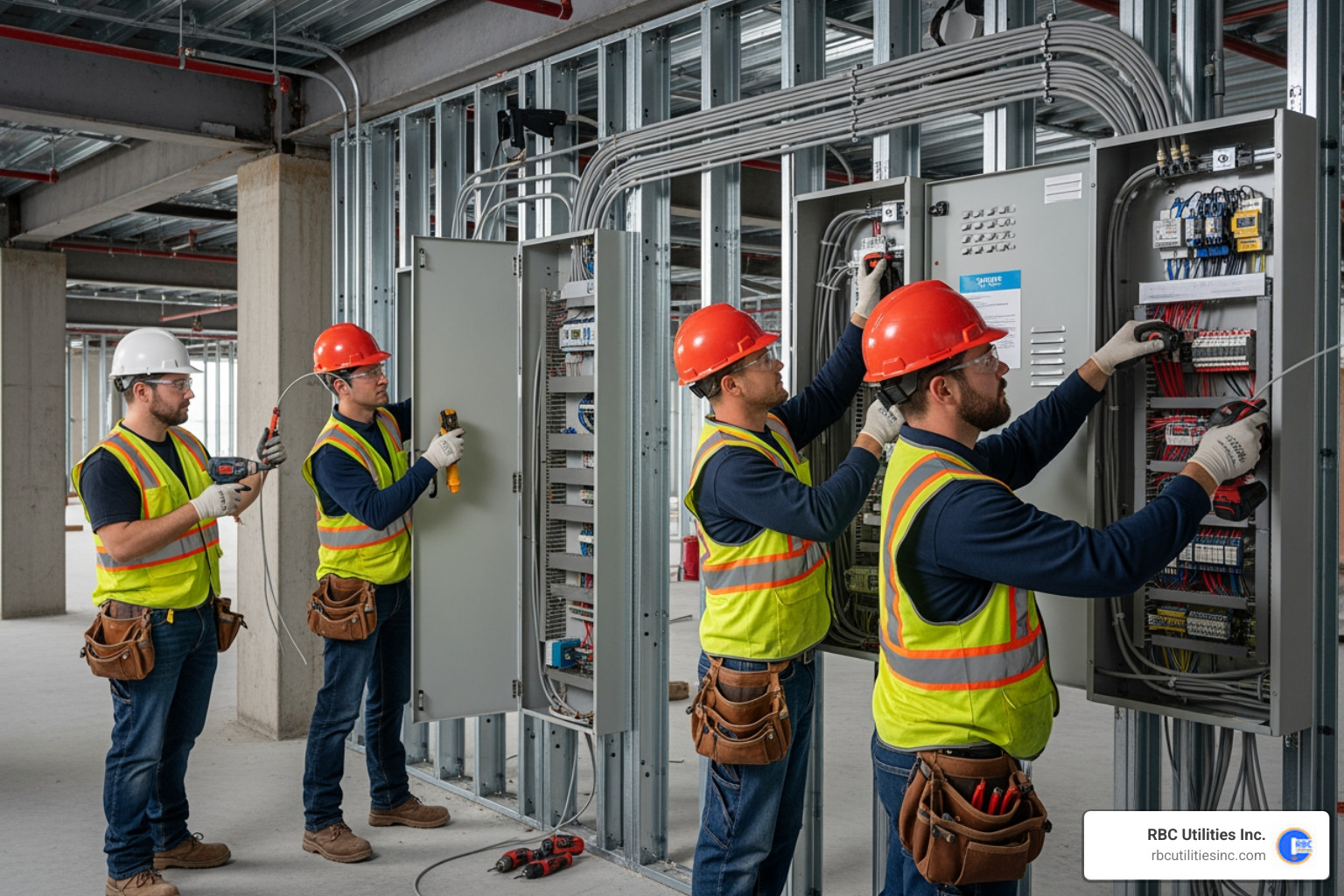
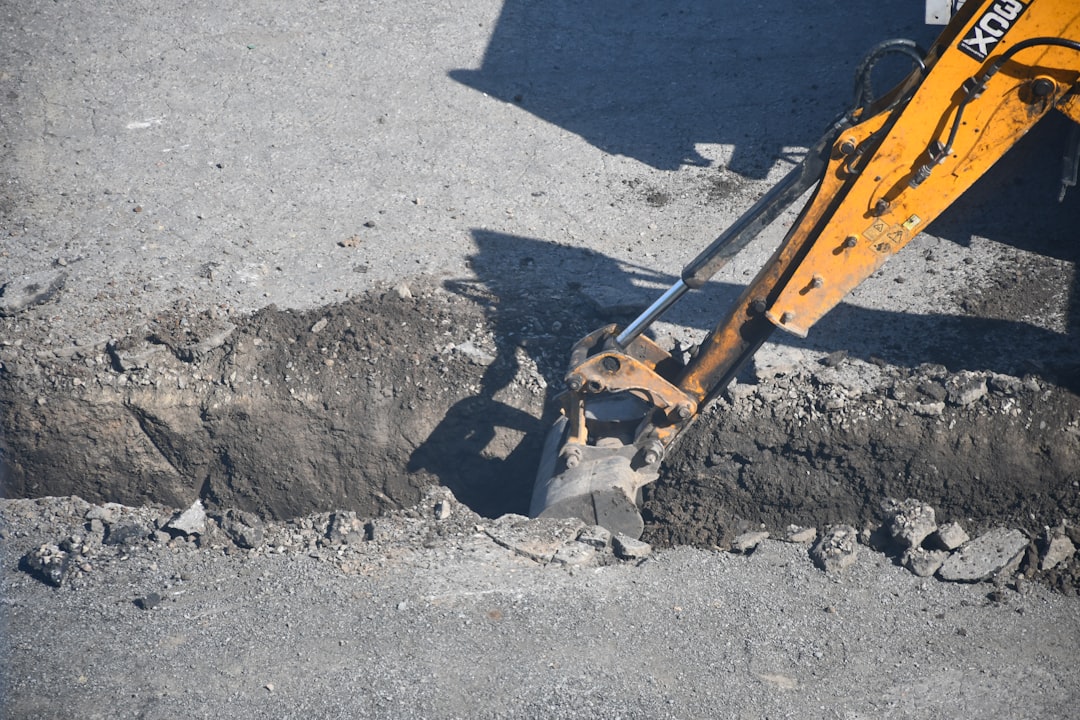
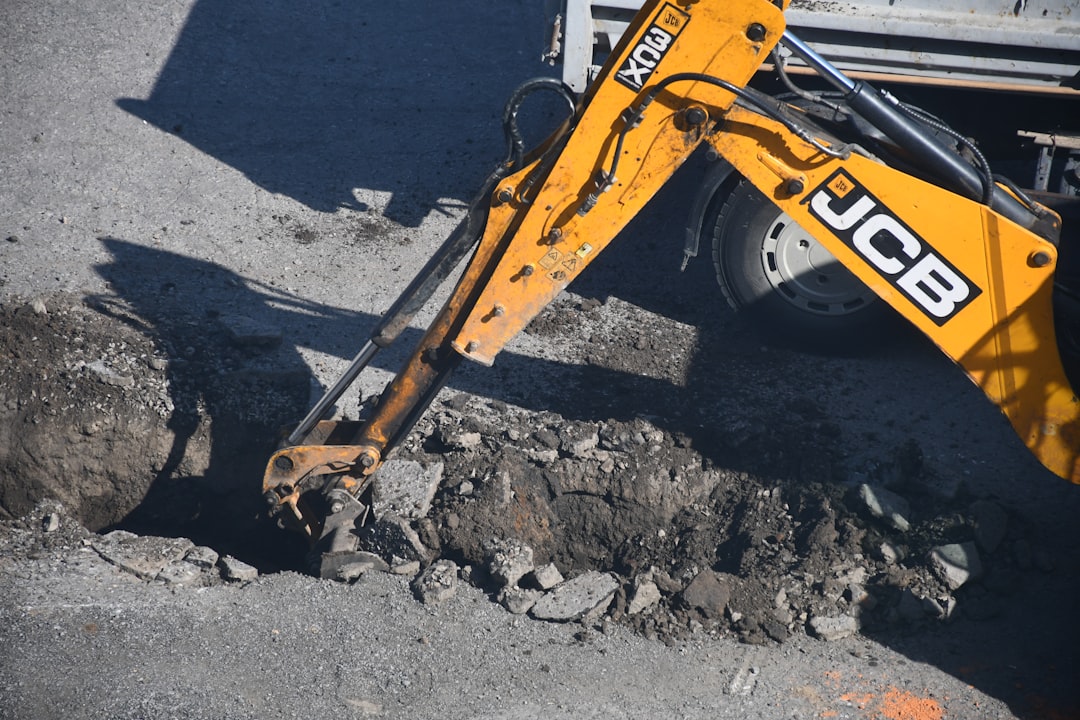
Compare RBC's notes on directional boring vs. open-cut trenching, commercial conduit installation, and storm drain pipe installation if method selection is still an open question.
Before the site plan is finalized, if possible. A contractor who can flag access, sequencing, or constructability issues at that stage saves far more time than one brought in after excavation starts.
Not always. Boring reduces surface disruption in the right soil and depth conditions, but open-cut is often the better call where tie-ins, depth, or access make direct excavation more practical.
A track record of passing inspections without repeat visits, clear communication with municipal reviewers, and enough scale to staff a project properly, which is part of why RBC's move into the Saga Infrastructure family matters for larger developments.
Underground utility work in the Carolinas rewards teams that plan the sequence before they plan the schedule. Locates, method selection, inspection windows, and restoration are not separate problems, they are one problem viewed from different angles.
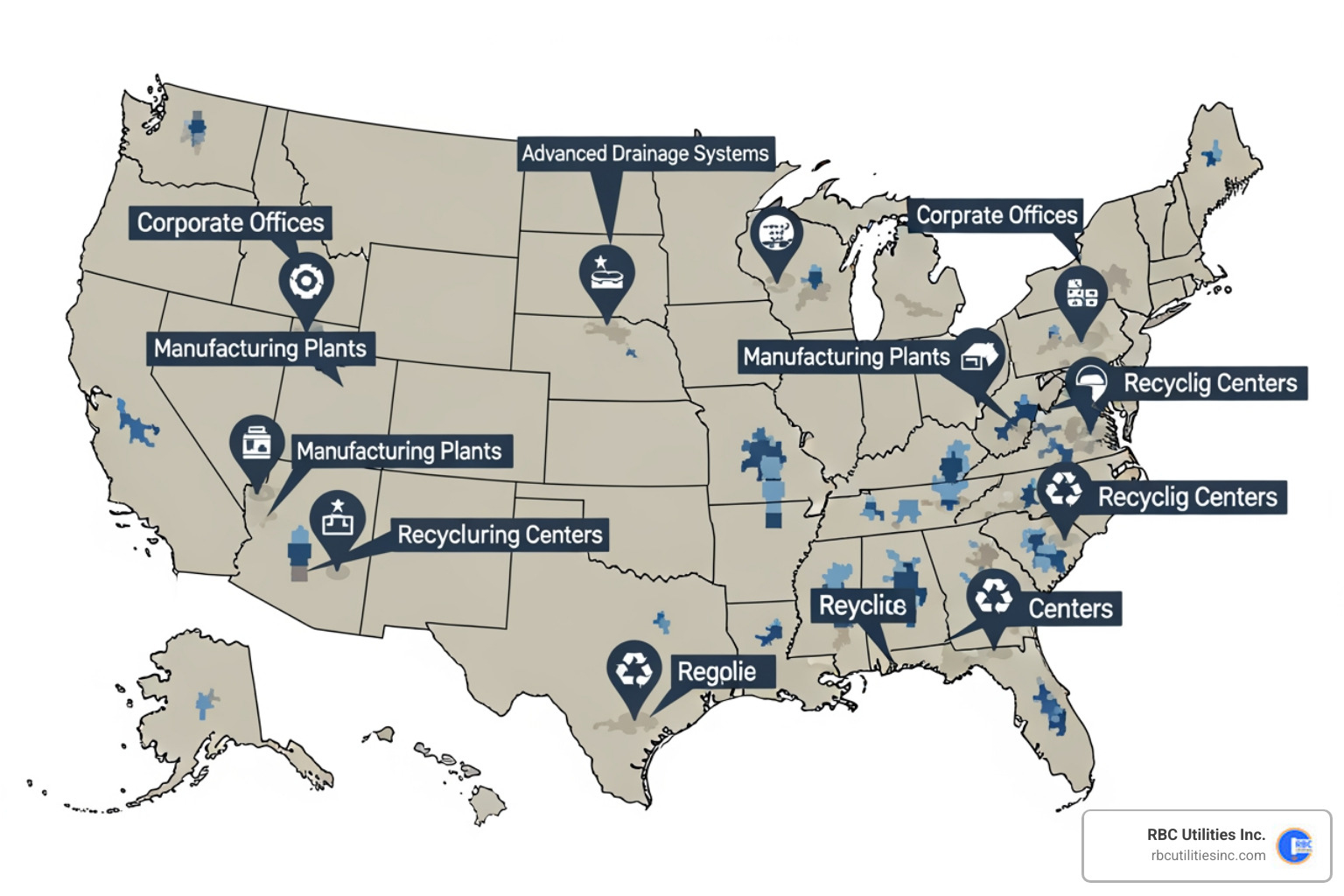
RBC Utilities brings nearly two decades of Carolinas experience, now paired with Saga's national resources, to water, sewer, storm, and conduit work across the region. For project conversations, use the RBC Utilities contact page.
Part of Saga Infrastructure, protecting what others built and helping it grow.
Address: 4404 Stuart Andrew Blvd., Suite K, Charlotte, NC 28217
Email: info@rbcutilities.com
Phone: 803-913-9727
Service Area: North Carolina | South Carolina