Green stormwater solutions are nature-based approaches that manage rainwater where it falls — using soil, plants, and engineered systems that mimic natural processes — instead of routing it straight into pipes and drains.
Here are the most common green stormwater solutions and what they do:
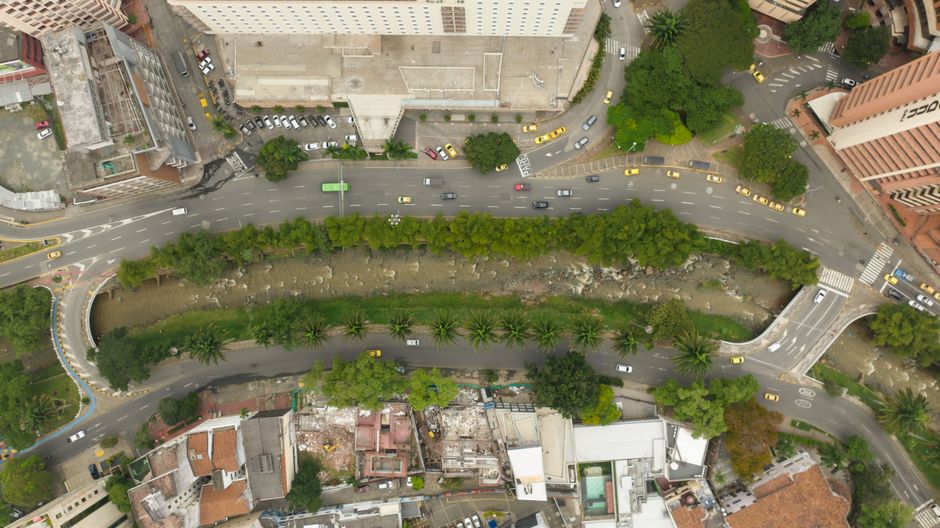
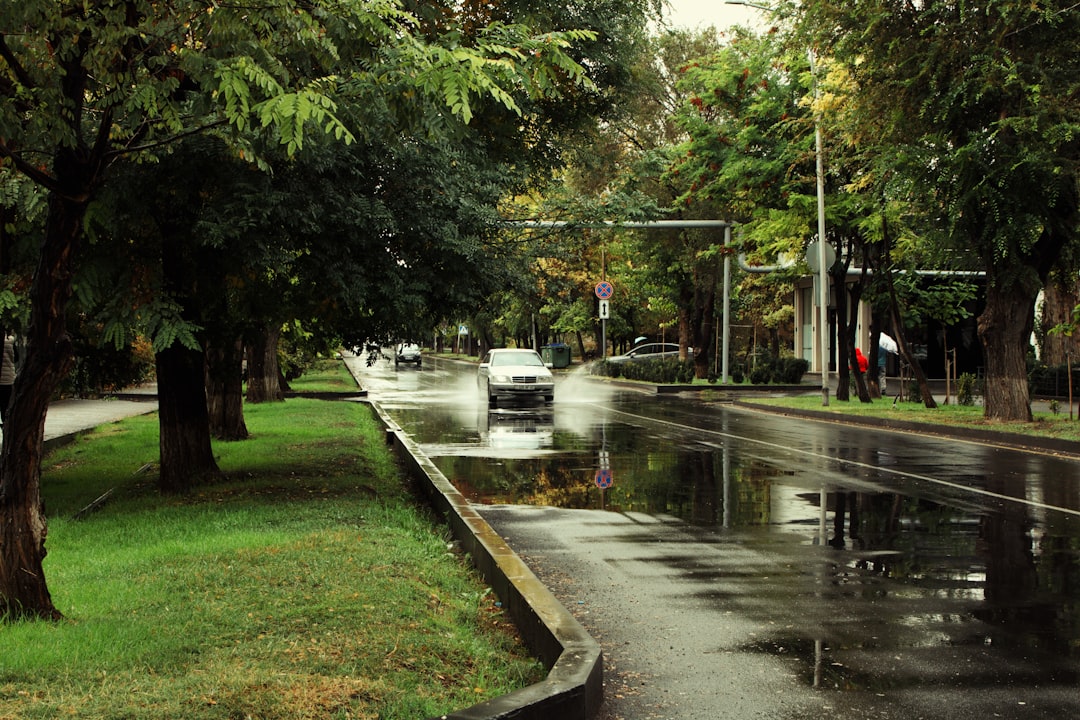
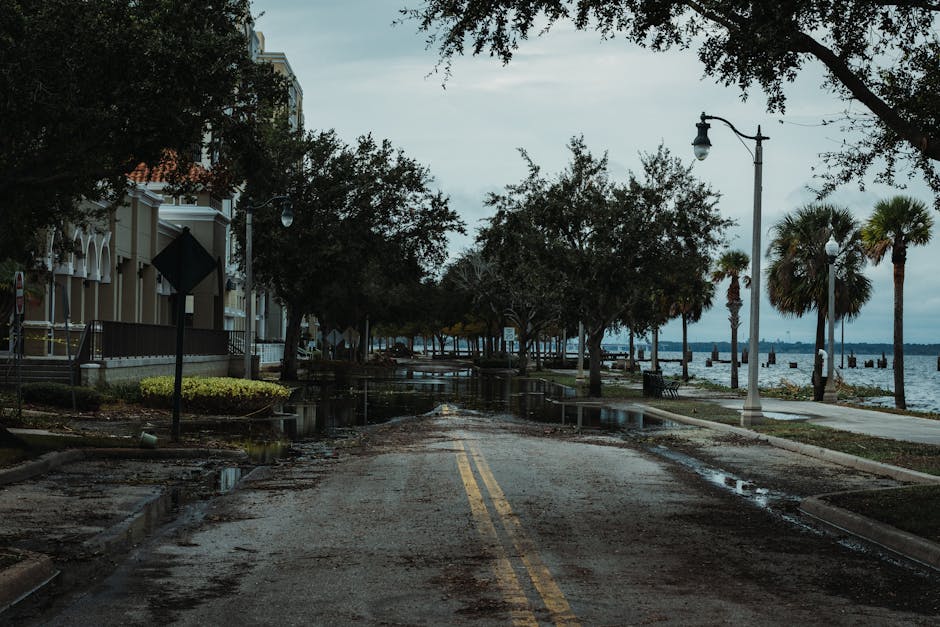
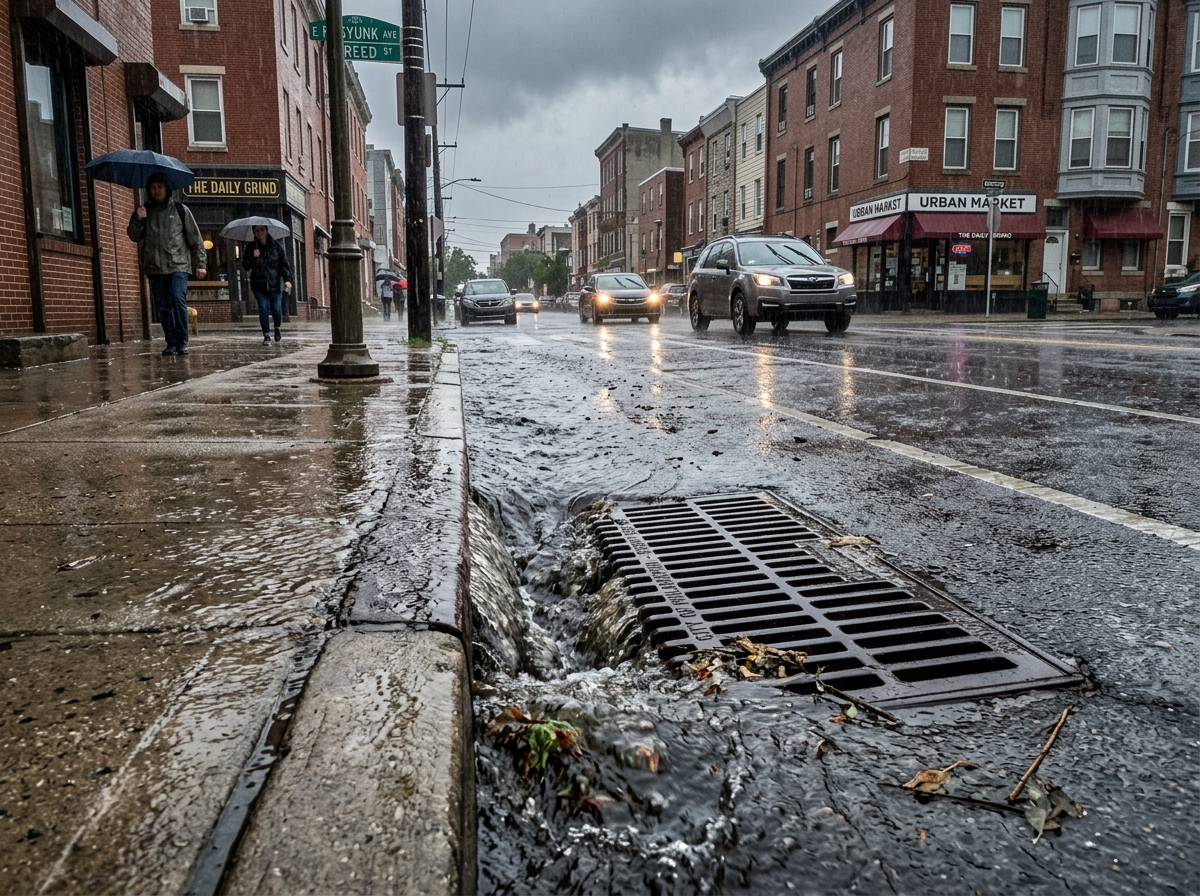
Urban development has a water problem. When rain hits roads, rooftops, and parking lots, it has nowhere to go but the nearest drain — picking up oil, metals, and pollutants along the way.
The scale of this is significant. Just 3% impervious groundcover can have drastic impacts on a river's health. In heavily urbanized areas, impervious cover can reach up to 80% of a watershed.
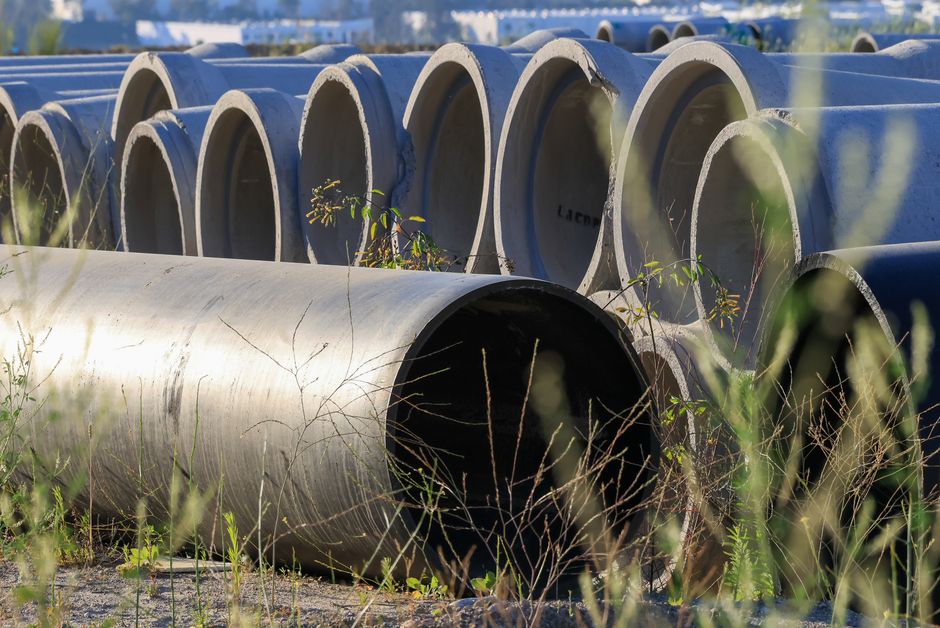
Traditional storm drains and concrete pipes were built to move that water away fast. But they were never designed to clean it, slow it, or put it back into the ground where it belongs.
That's where green stormwater infrastructure changes the equation — and why developers and municipalities across the Carolinas and beyond are paying close attention.
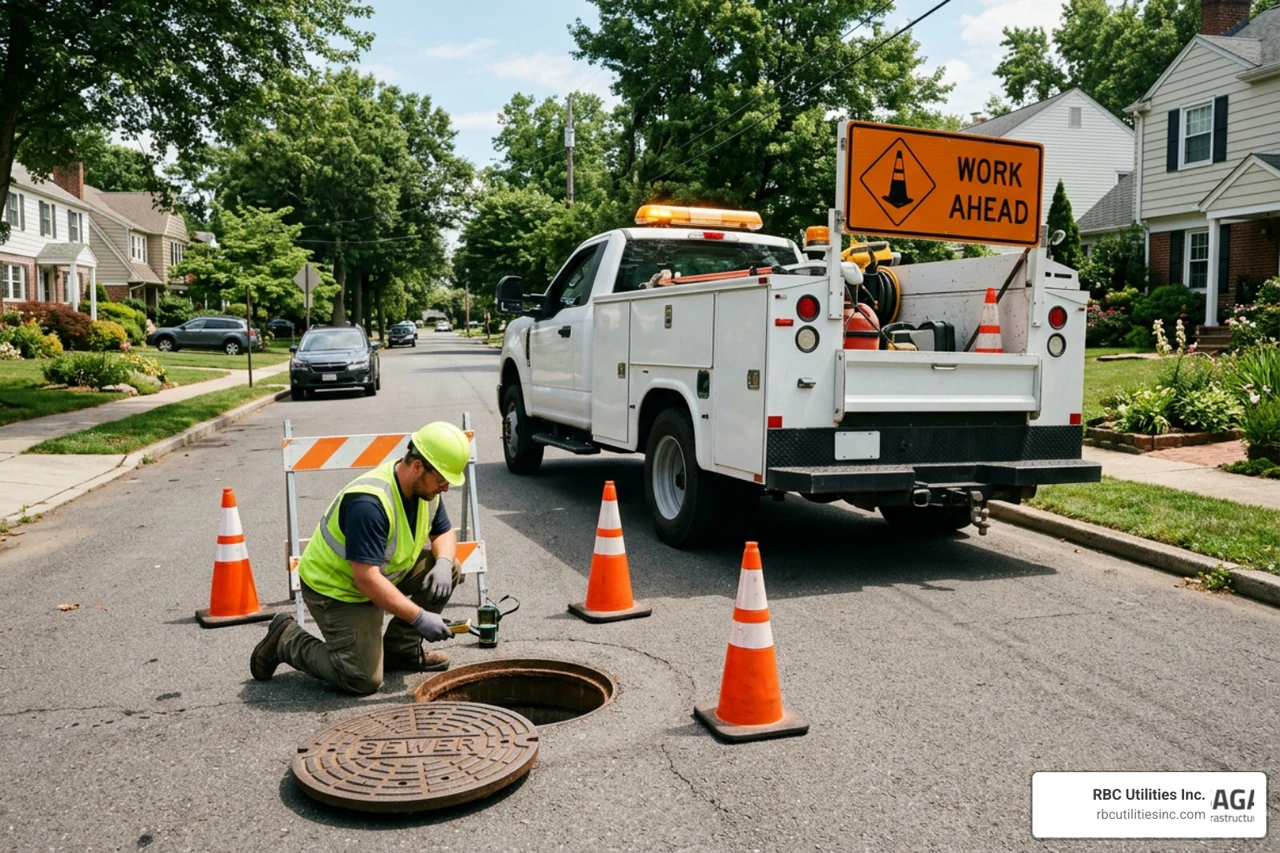
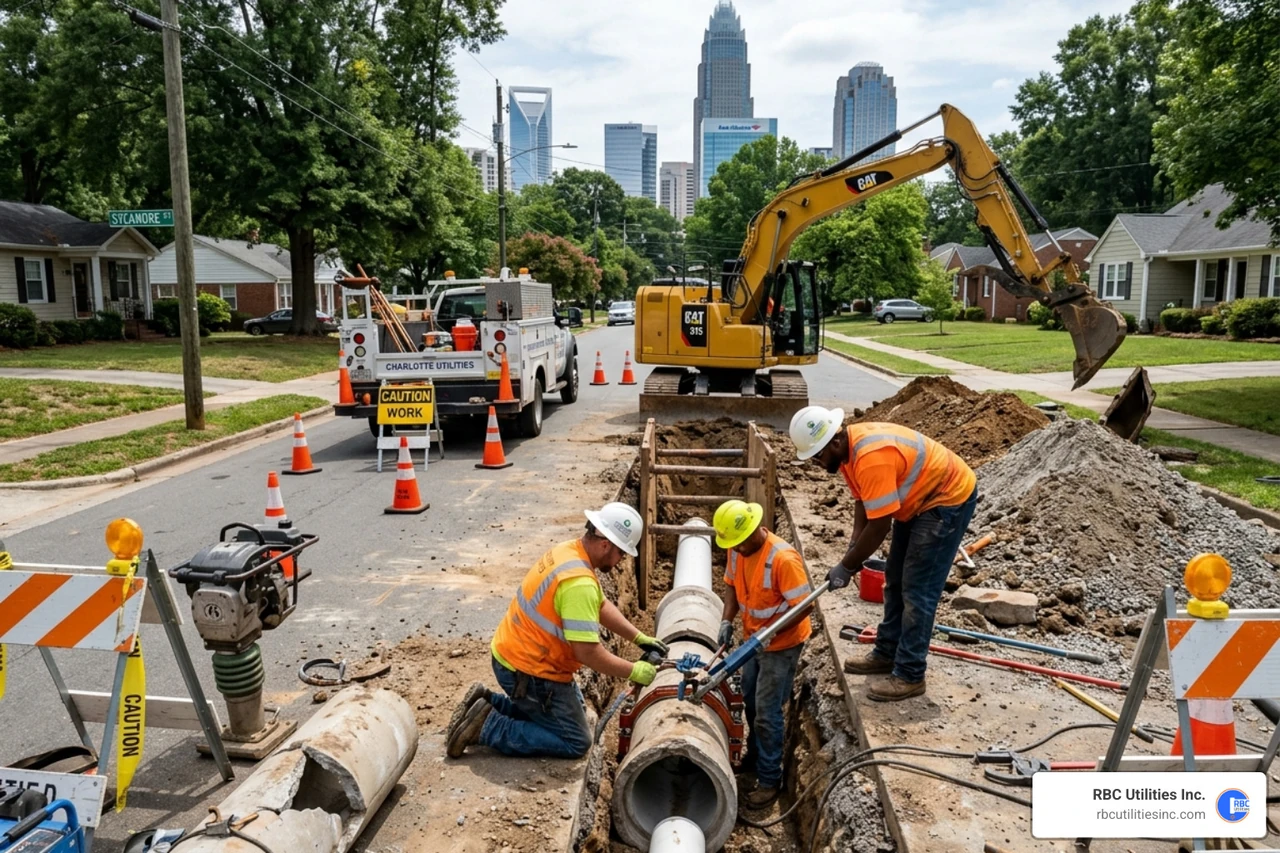
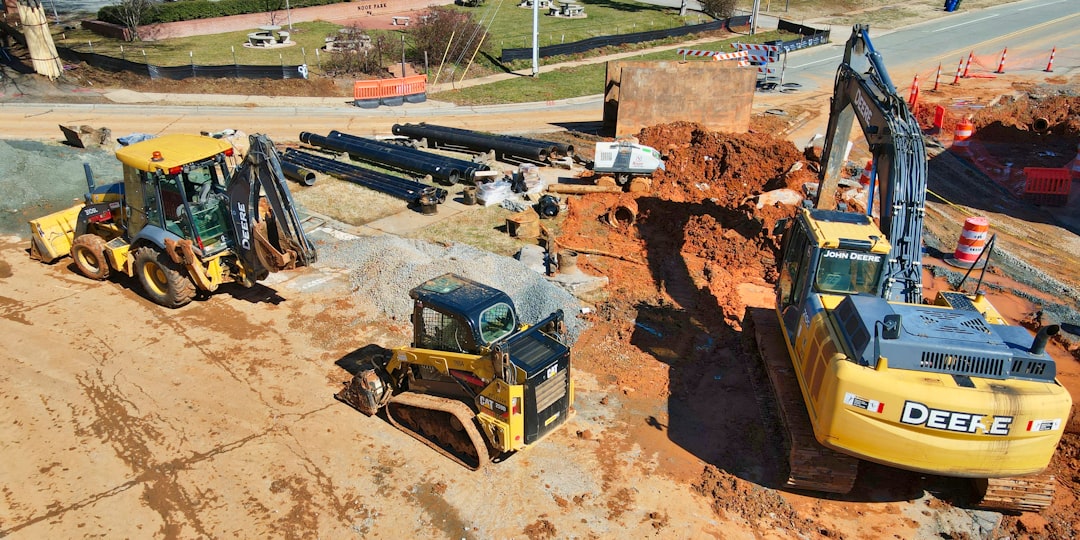
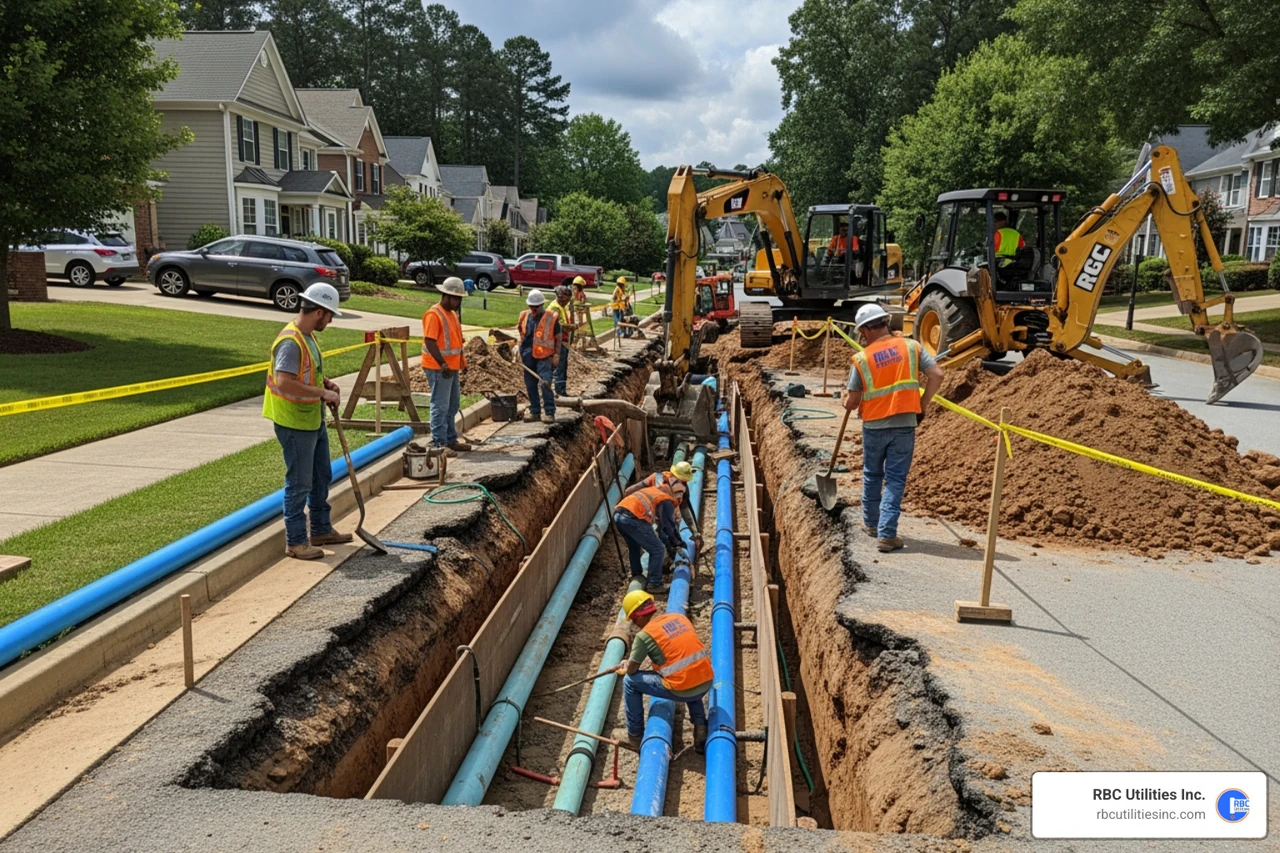
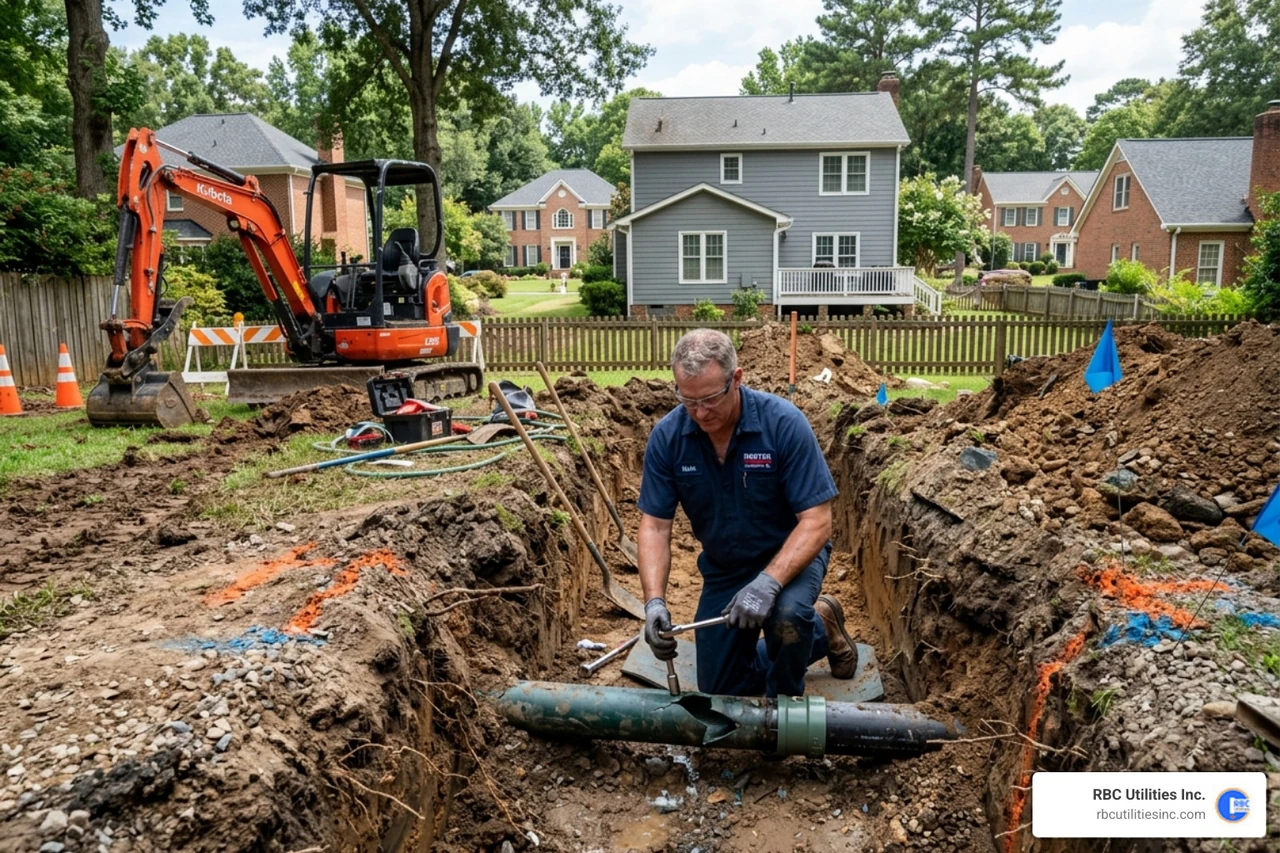
I'm Don Larsen with RBC Utilities, Inc., and our team has spent years delivering underground utility solutions — including storm drainage systems — for residential, commercial, and municipal projects across the Carolinas. That hands-on experience with both traditional and emerging green stormwater solutions shapes everything in this guide. Let's break down exactly how these systems work, what they cost, and how to implement them successfully.
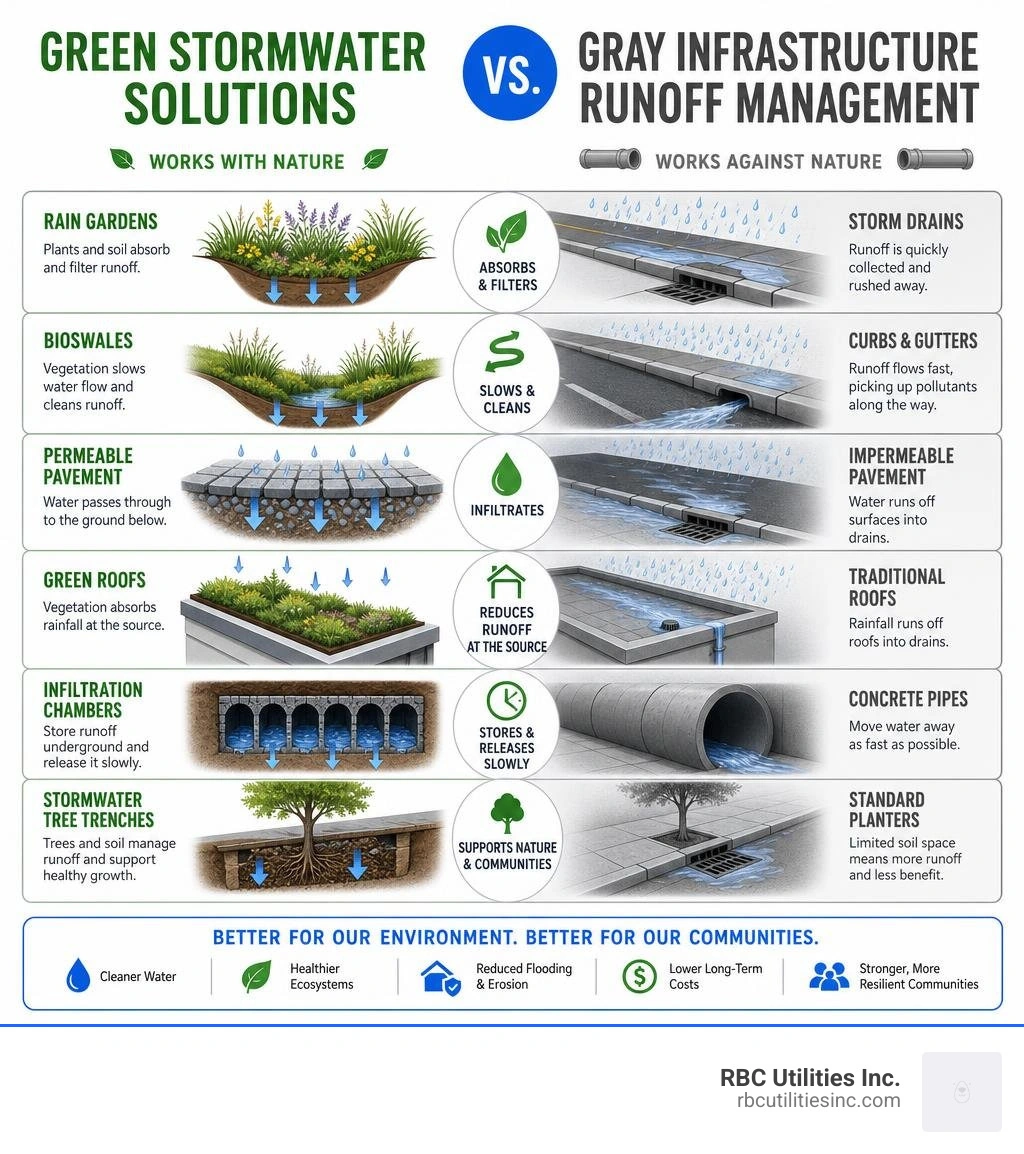
Green stormwater solutions vocab to learn:
To understand why the industry is shifting toward nature-based designs, we first have to look at how we got here. For decades, the standard playbook for civil engineering was "collect, concentrate, and convey." This is what we call gray infrastructure.
When rain falls on natural landscapes like forests or meadows, the soil acts as a massive sponge. Most of the water infiltrates the ground, replenishing local aquifers, while plants drink up the rest. Only a tiny fraction of that water flows over the surface.
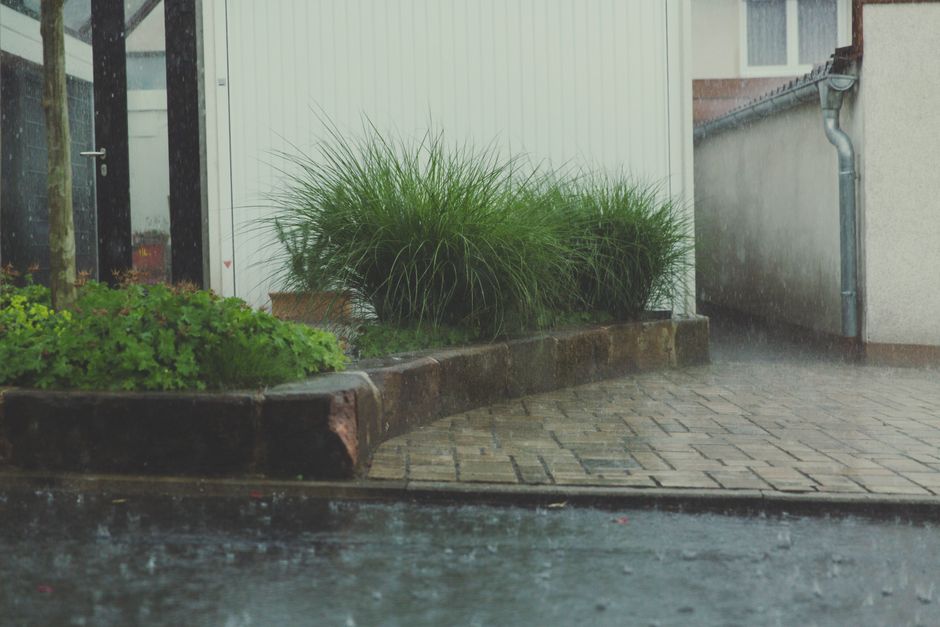
In a modern urban environment, we replace that sponge with concrete, asphalt, and rooftops. Because these impervious surfaces prevent natural hydrology from doing its job, we end up with millions of gallons of fast-moving, highly polluted runoff. To learn more about how we define these modern systems, check out our comprehensive What is Green Stormwater Infrastructure Guide.
Green Stormwater Infrastructure (GSI) flips the traditional model on its head. Instead of treating rainwater as a waste product that needs to be exported as quickly as possible, GSI treats it as a valuable resource to be managed on-site. By integrating natural soil chemistry and plant biology into our civil designs, we can slow down, filter, and absorb water right where it lands.
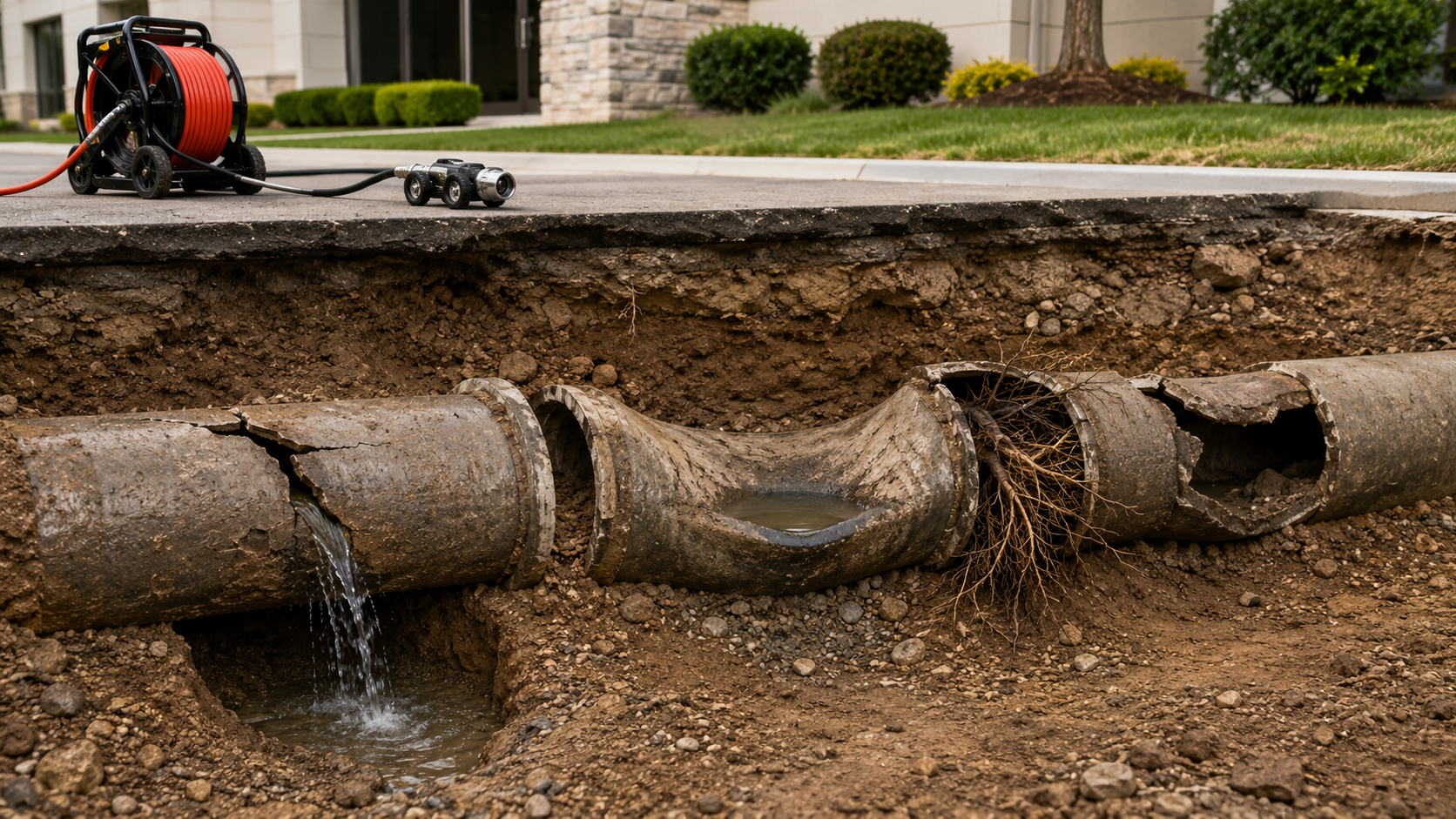
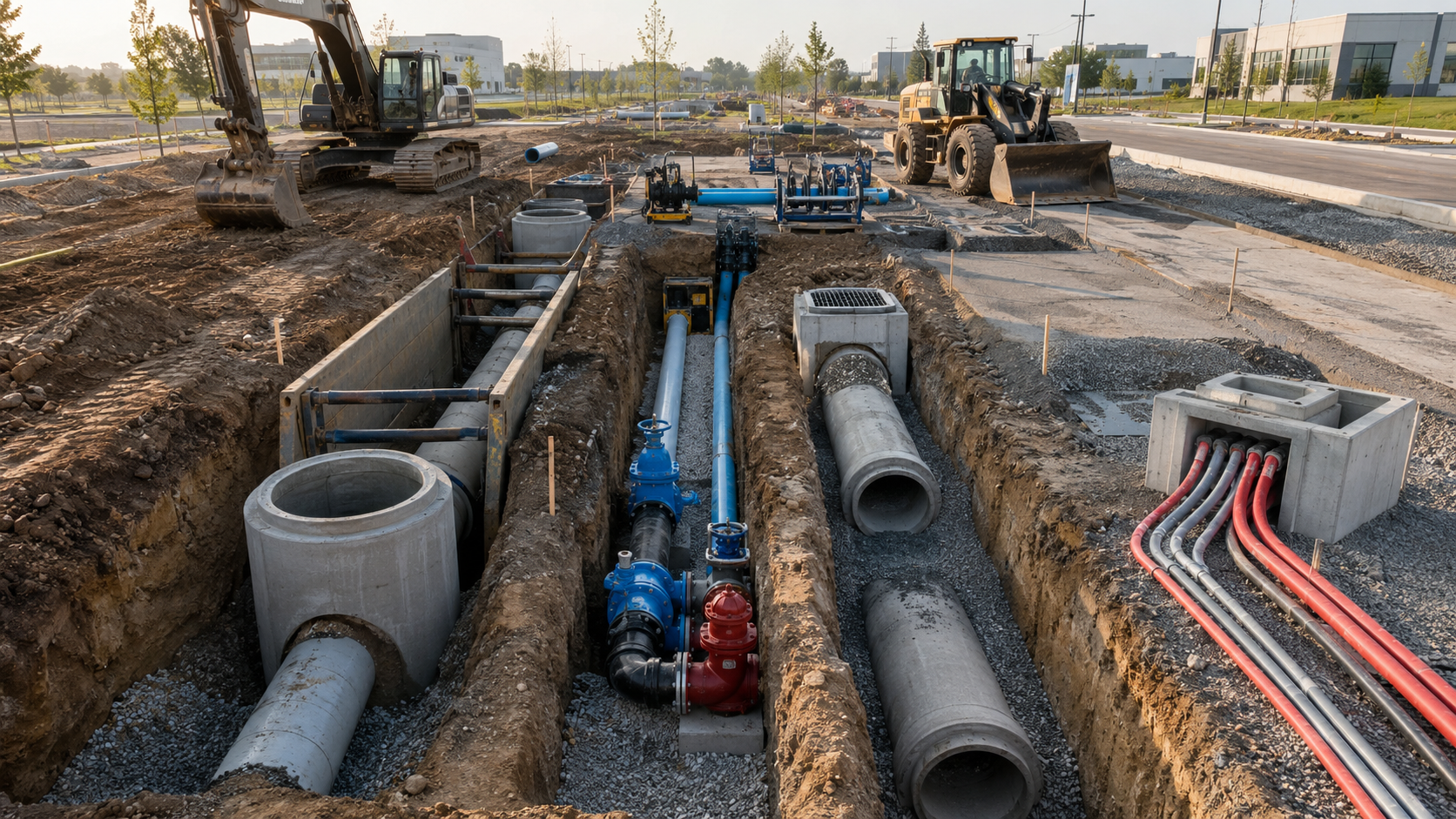
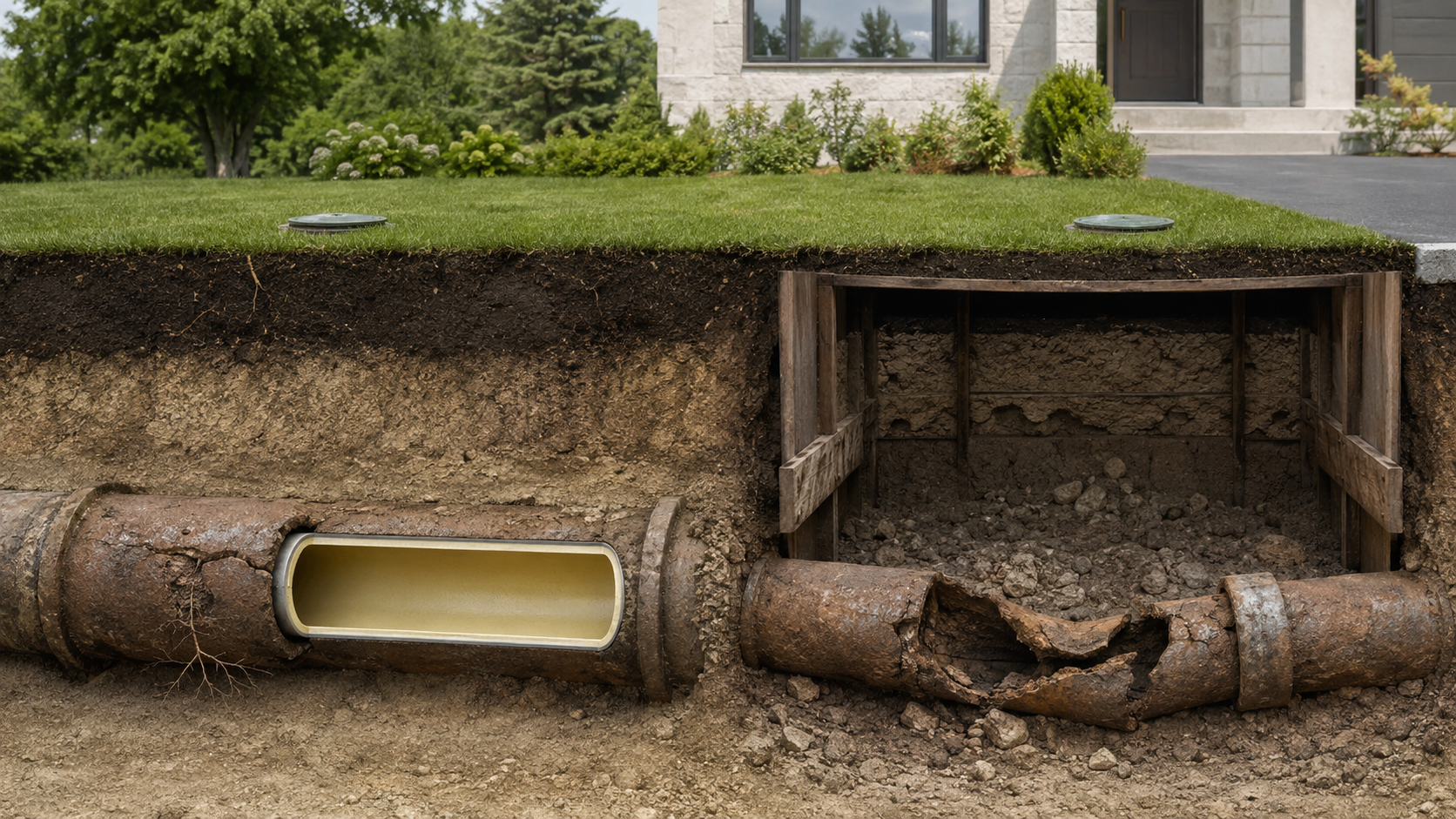
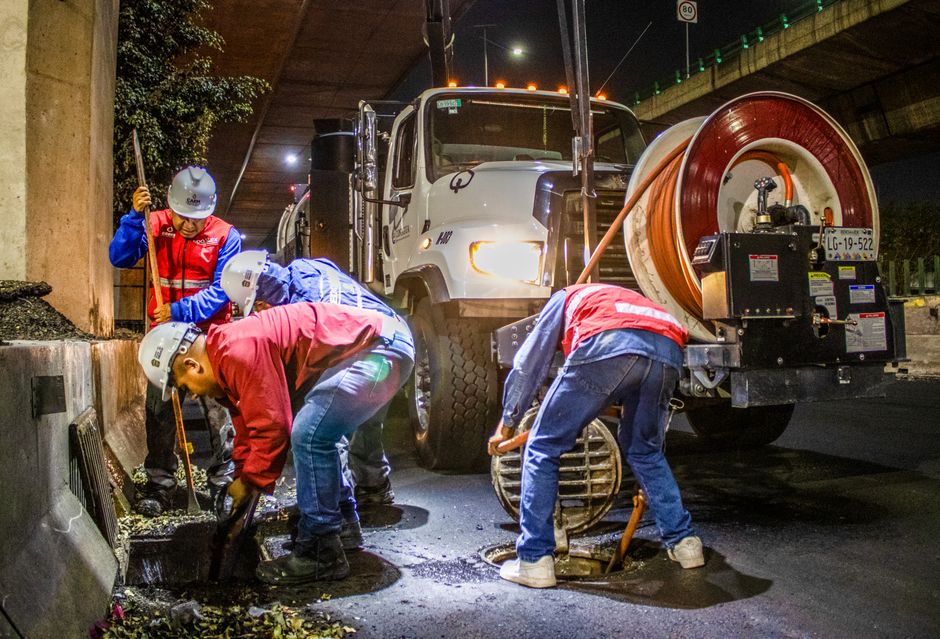
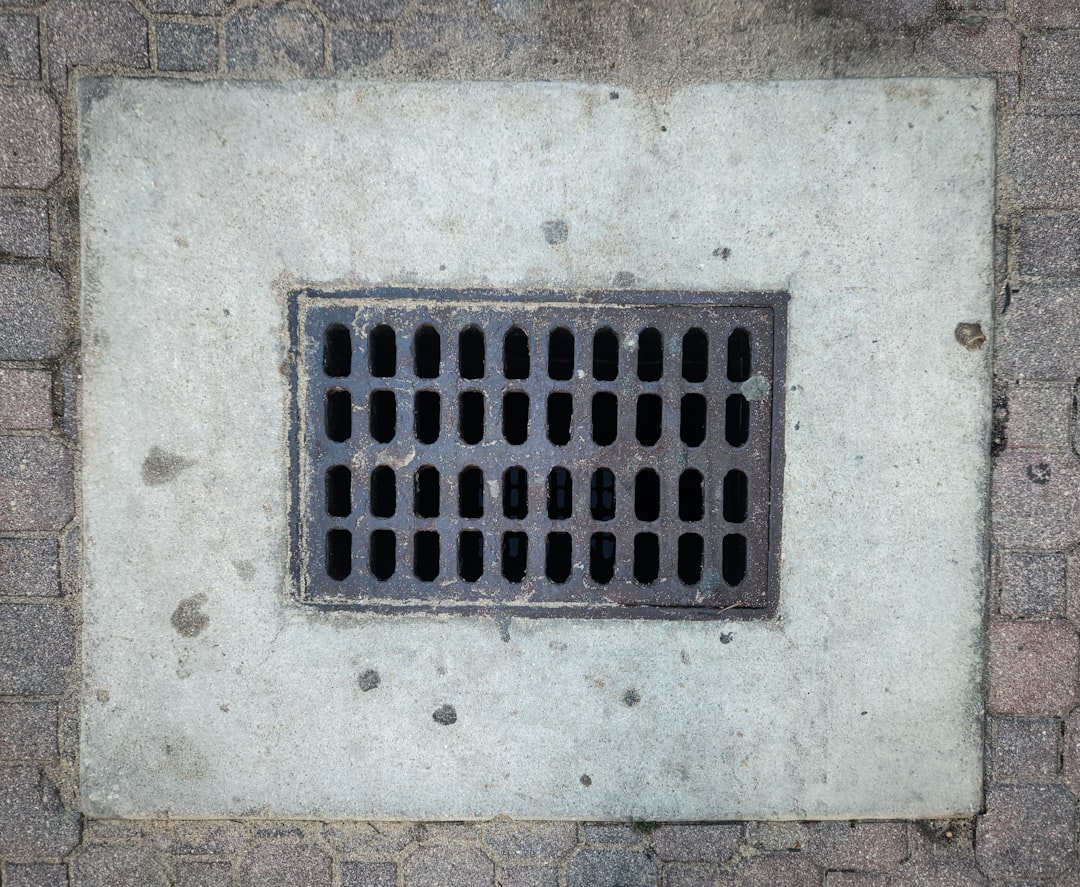
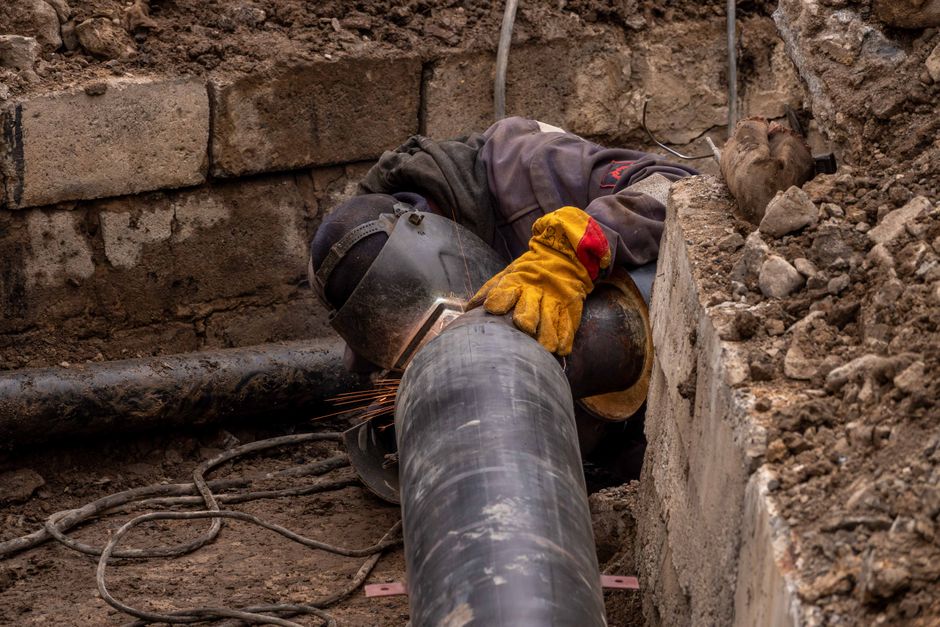
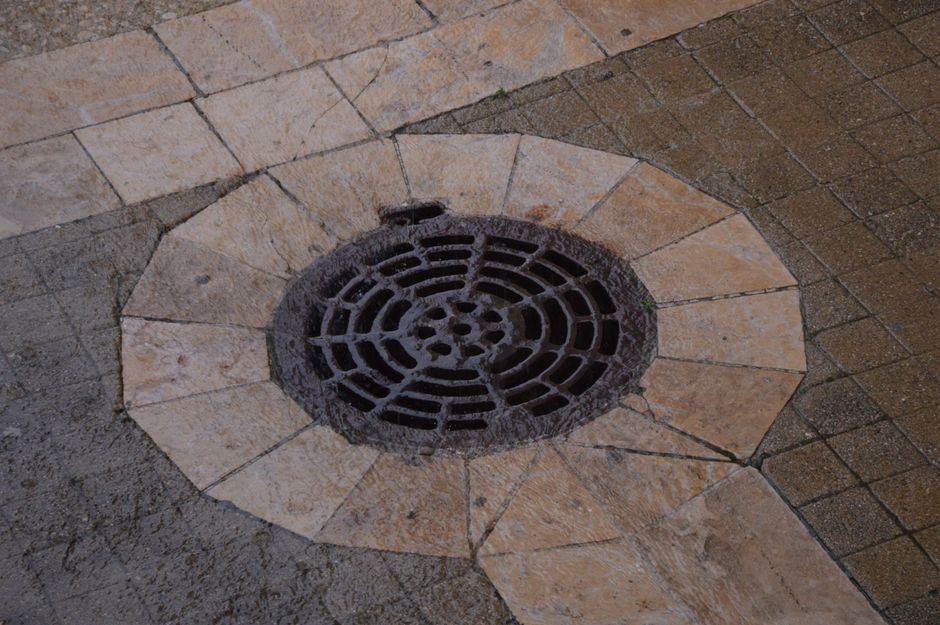
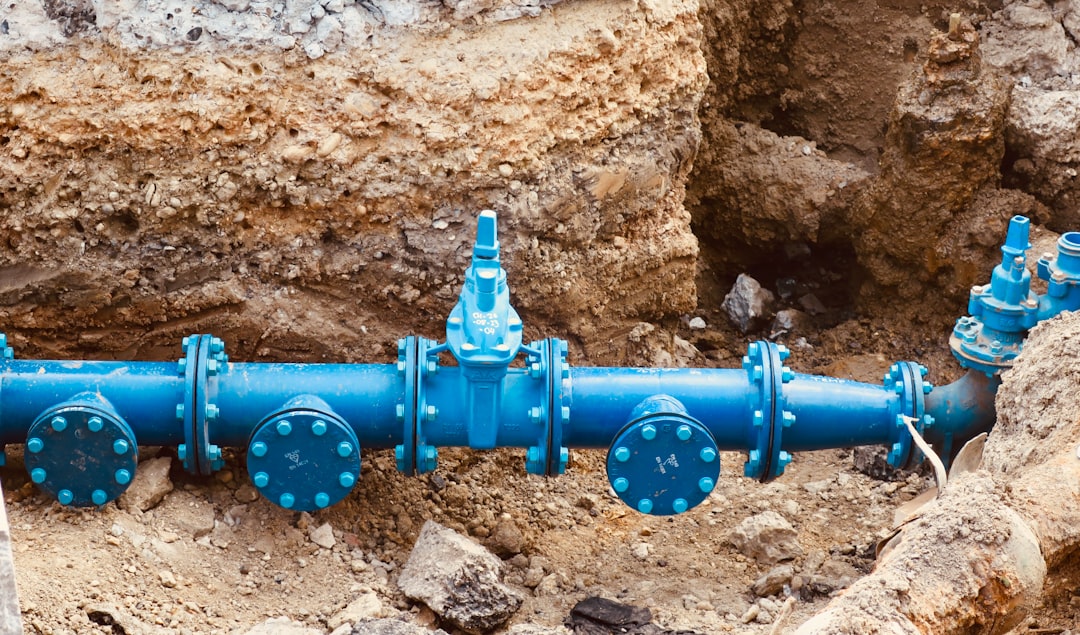
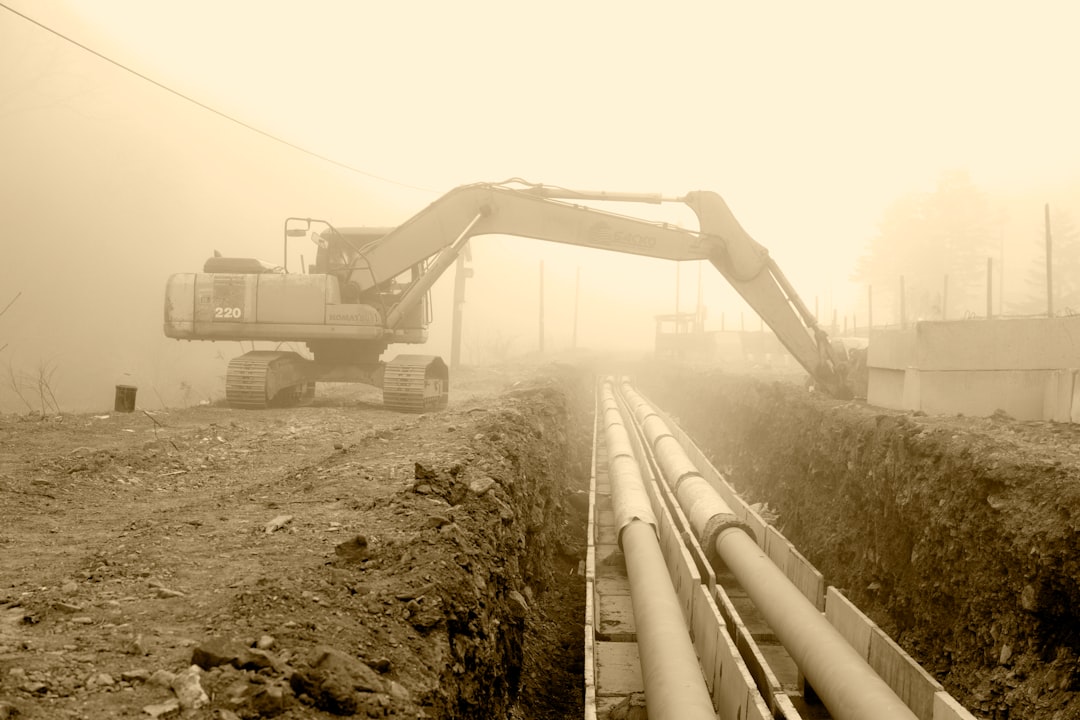
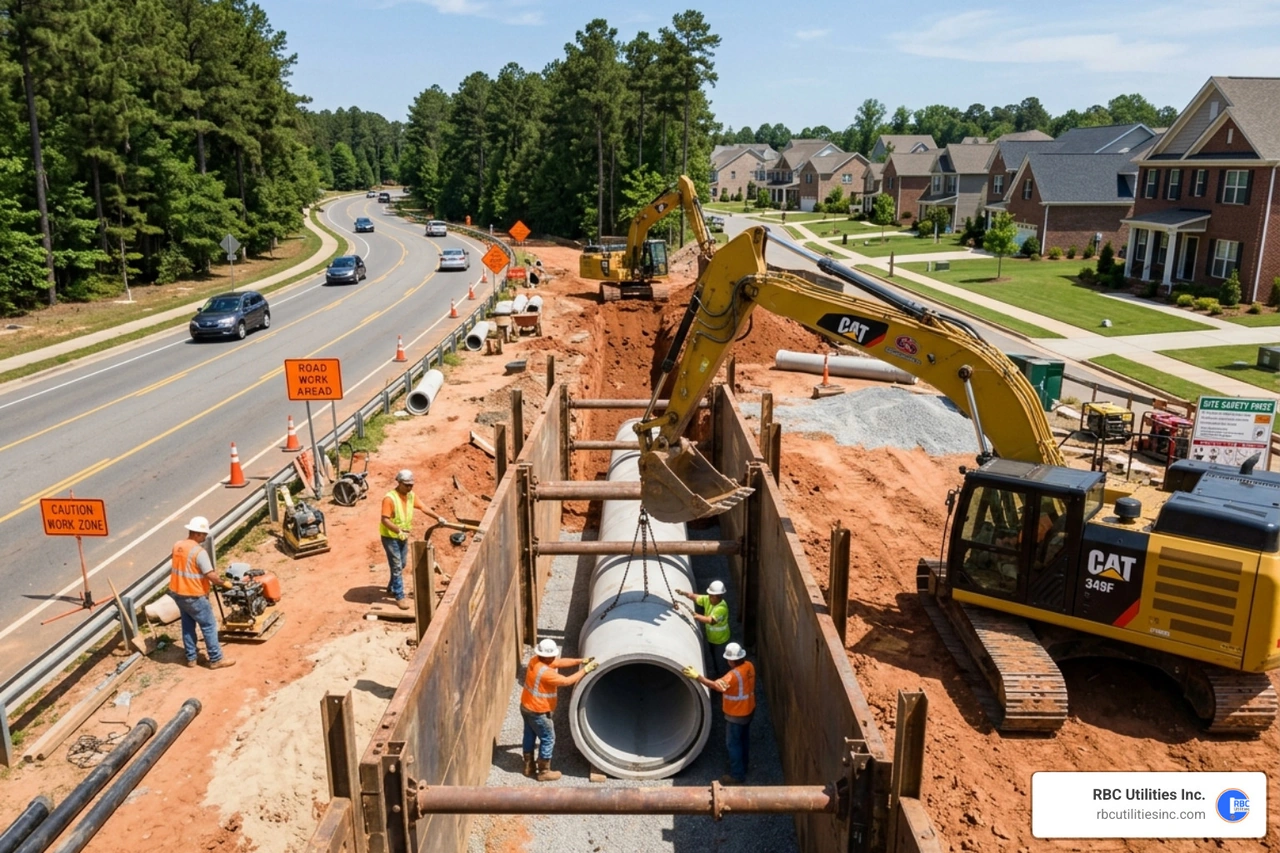
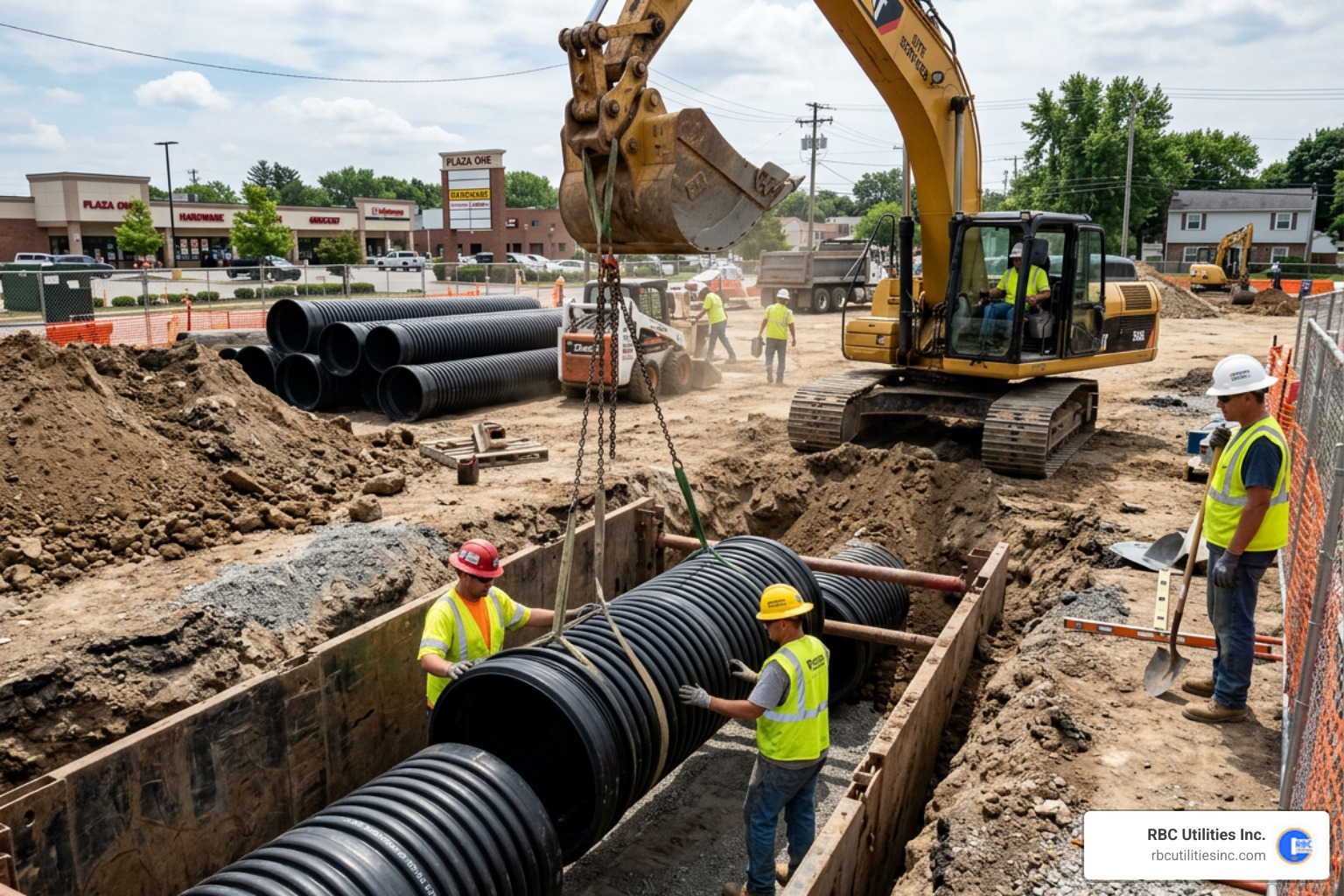
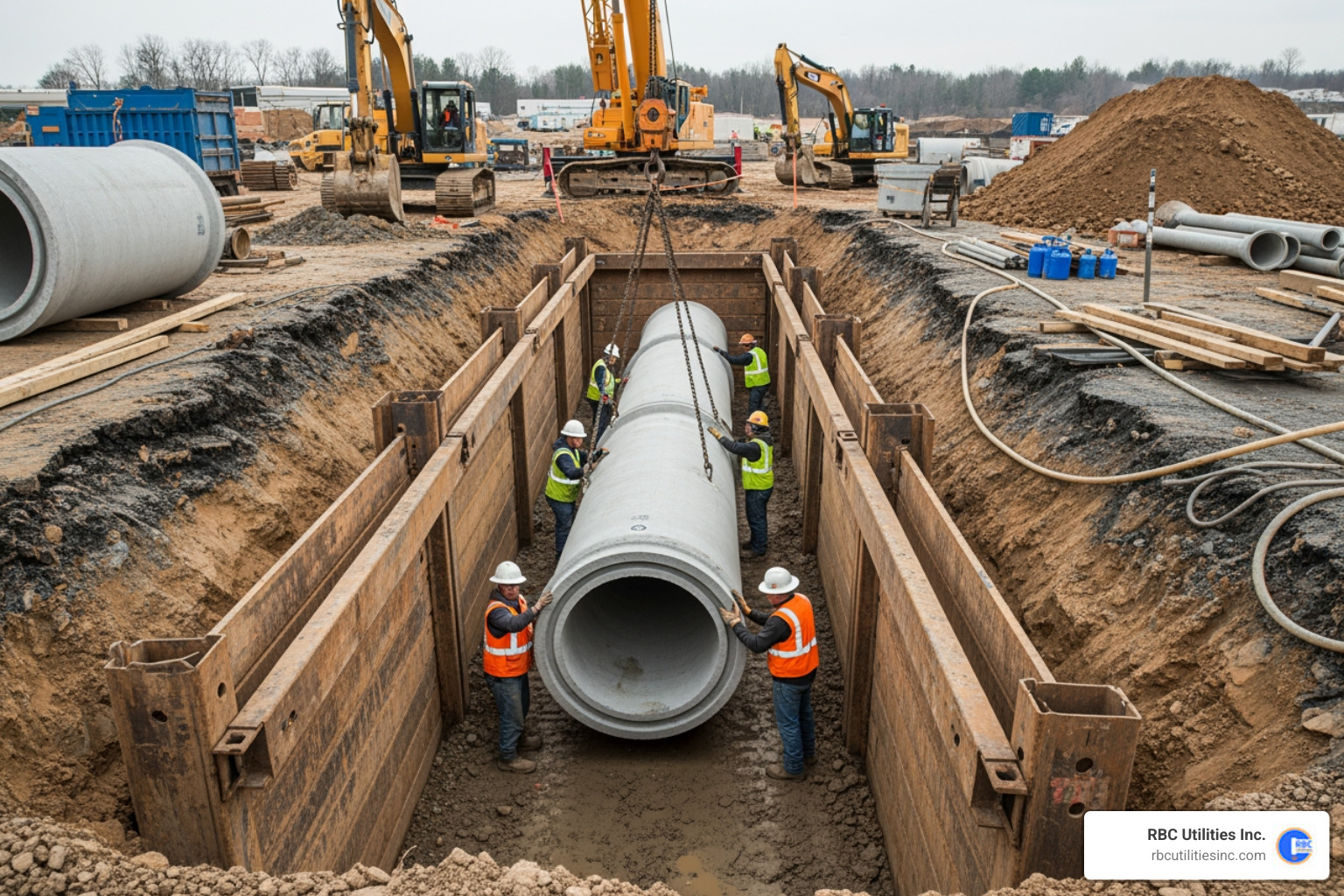
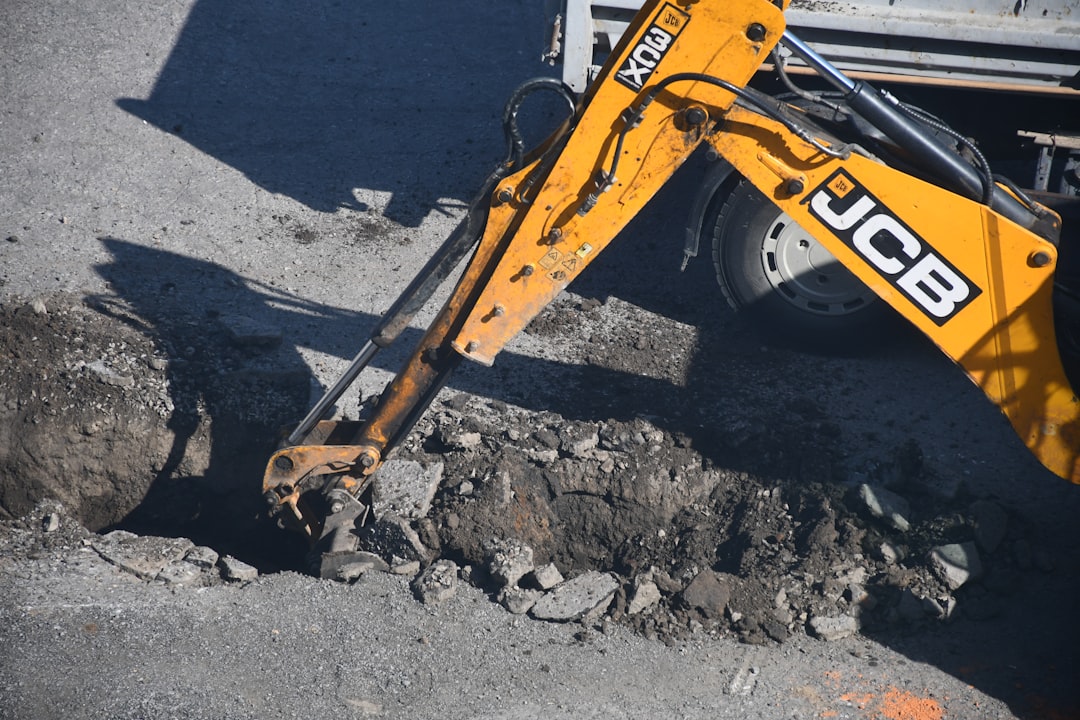
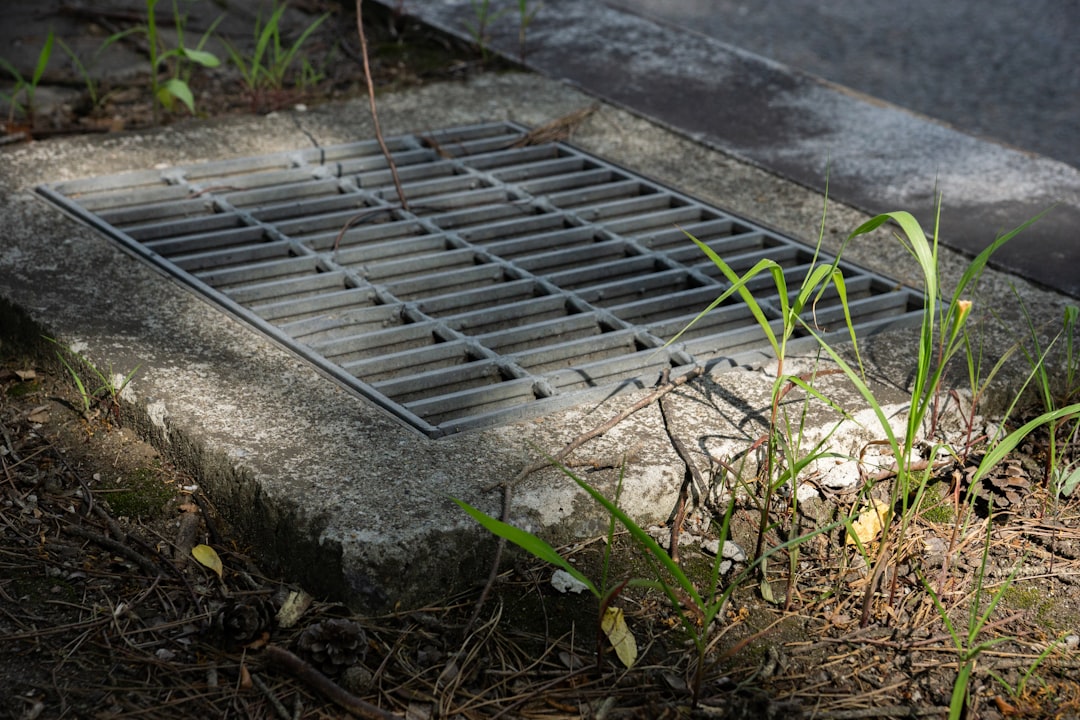
Traditional gray infrastructure relies on a vast network of hard engineered assets: storm drains, catch basins, concrete pipes, and combined sewer systems. While these systems are highly efficient at moving water away from properties to prevent localized pooling, they have several major limitations:
To safely manage extreme storms, many properties rely on traditional Storm Water Detention Systems like dry ponds or concrete vaults. While these are vital for flood control, combining them with green solutions takes performance to the next level.
Communities across North and South Carolina are recognizing that we cannot simply pipe our way out of modern flooding and water quality challenges. Forward-thinking municipalities are investing in green stormwater solutions because they restore natural filtration and soil absorption to the urban landscape.
The environmental threshold is surprisingly low: as little as 3% impervious cover in a watershed can trigger noticeable ecological degradation in local streams. In highly urbanized neighborhoods where that number climbs to 80%, local waterways stand little chance without intervention.
By prioritizing soil-based infiltration, we reduce peak runoff volumes, filter out harmful sediments, and help cool down the warm runoff that can shock aquatic life during hot Carolina summers. To dive deeper into how advocacy groups and policy makers view these shifts, read about What is Green Stormwater Infrastructure - PennFuture.
Implementing GSI isn't a one-size-fits-all endeavor. Different properties require different tools depending on space, soil conditions, and budget. For those interested in the deep engineering principles behind these systems, the textbook Green Stormwater Infrastructure Fundamentals and Design | Wiley is an invaluable resource.
Here is a quick look at how the most common GSI practices stack up against each other:
Rain gardens
Bioswales
Permeable pavement
Green roofs
Stormwater trees
Infiltration chambers
Rain gardens and bioswales are the workhorses of vegetative stormwater management.
A rain garden is a shallow, landscaped depression designed to collect runoff from rooftops, driveways, or small parking areas. It is engineered with highly permeable soil layers and planted with deep-rooted native plants that can handle being temporarily flooded as well as dry spells. Rain gardens act as natural bowls, holding water for a few hours while it slowly percolates into the ground, filtering out sediments and pollutants along the way.
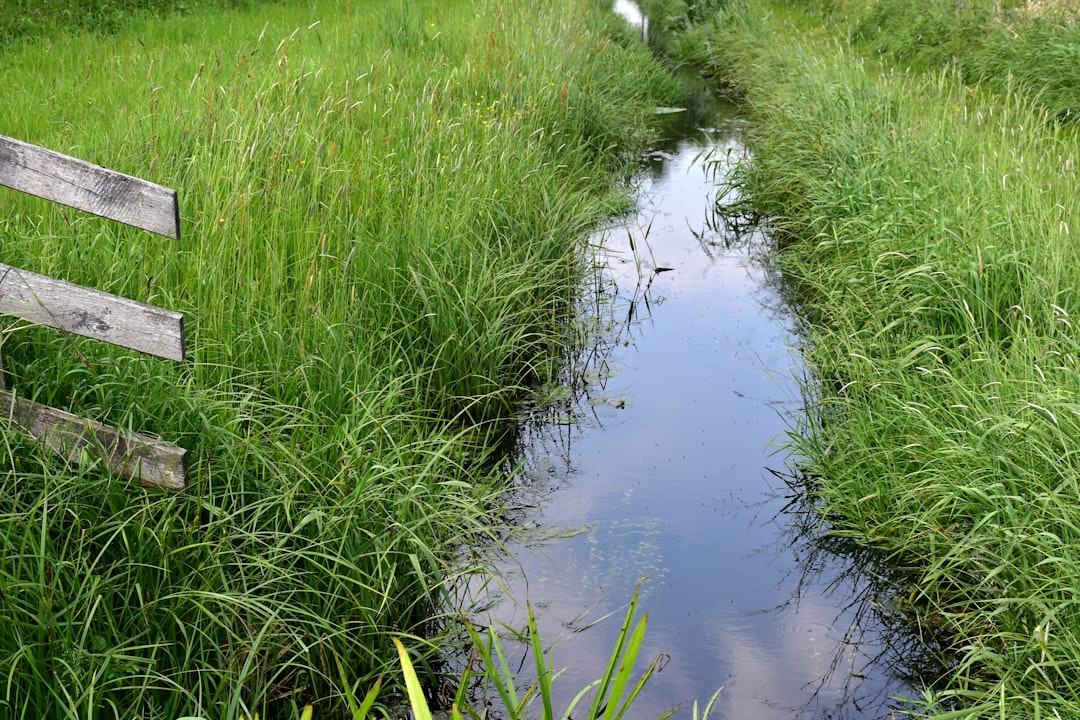
A bioswale takes this concept and puts it in motion. Bioswales are gently sloped, vegetated channels designed to direct, slow down, and clean stormwater as it travels. Instead of rushing through a concrete ditch, water flows through dense vegetation and engineered soil. This slows down the velocity of the water, allowing heavier pollutants to settle out and a portion of the water to infiltrate the ground. To learn more about how these bioretention systems are structured, you can explore the Overview of green stormwater infrastructure (GSI) and sustainable stormwater management | Minnesota Stormwater Manual.
When space is at a premium and you cannot afford to dedicate surface acreage to plants, you have to make your hardscapes work harder.
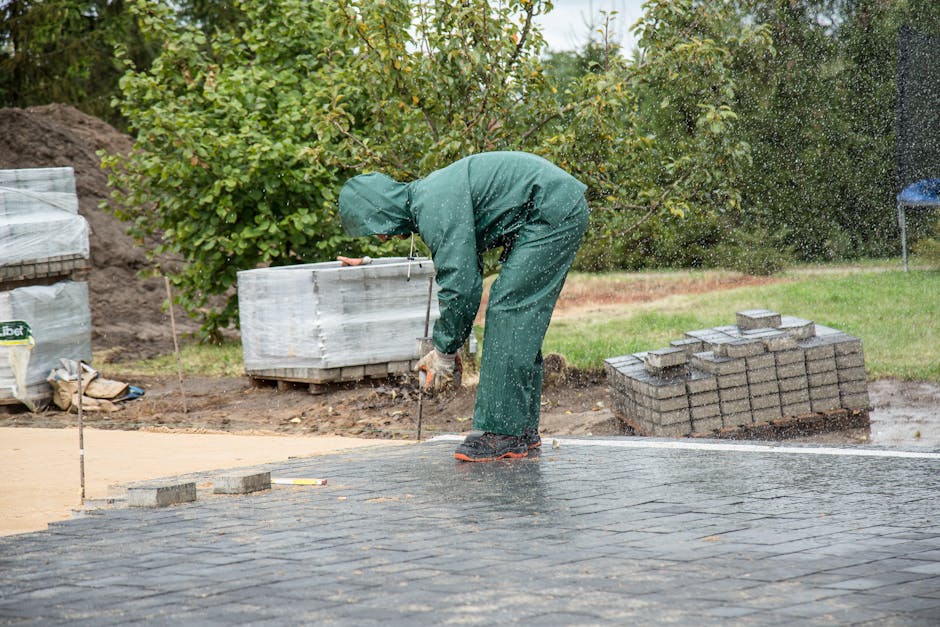
Permeable pavements replace traditional impervious concrete or asphalt with materials that let water pass directly through them. This can include porous asphalt, pervious concrete, or interlocking concrete modular pavers. Beneath the surface sits a deep bed of clean, open-graded stone. When rain falls, it flows straight through the pavement into the stone reservoir, where it is stored safely until it naturally infiltrates the soil below. This is an exceptional option for parking lots, pedestrian plazas, and low-volume alleys.
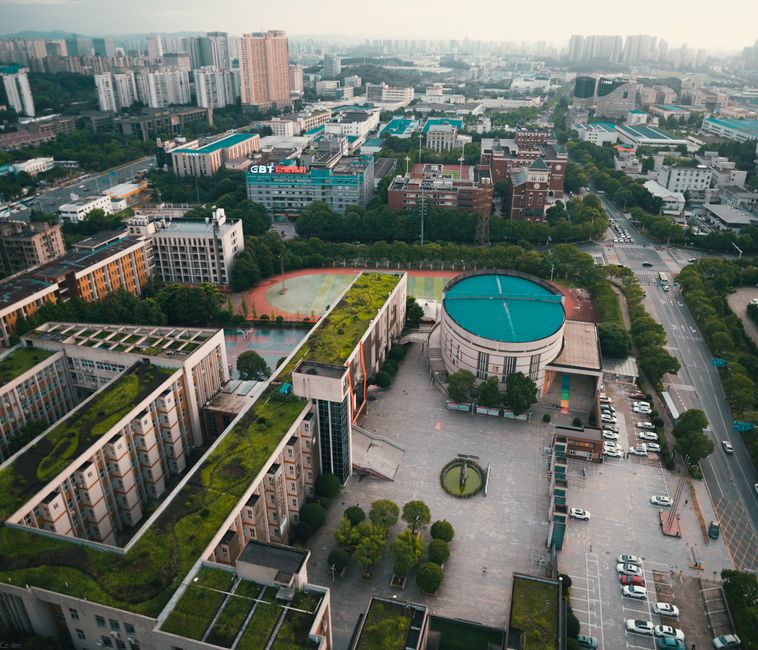
Green roofs take stormwater management to the sky. By installing a multi-layered system—including a waterproofing membrane, root barrier, drainage layer, engineered growing media, and hardy, drought-resistant plants (like sedum)—green roofs capture rainwater before it ever reaches the ground. The plants and soil absorb a significant portion of the rainfall, releasing it back into the atmosphere through evapotranspiration, while slowing down any excess runoff that does overflow.
For heavy commercial sites, industrial yards, or dense urban corridors, surface-level plants and green roofs might not be enough to handle the sheer volume of water. That is where subsurface engineered systems come in.
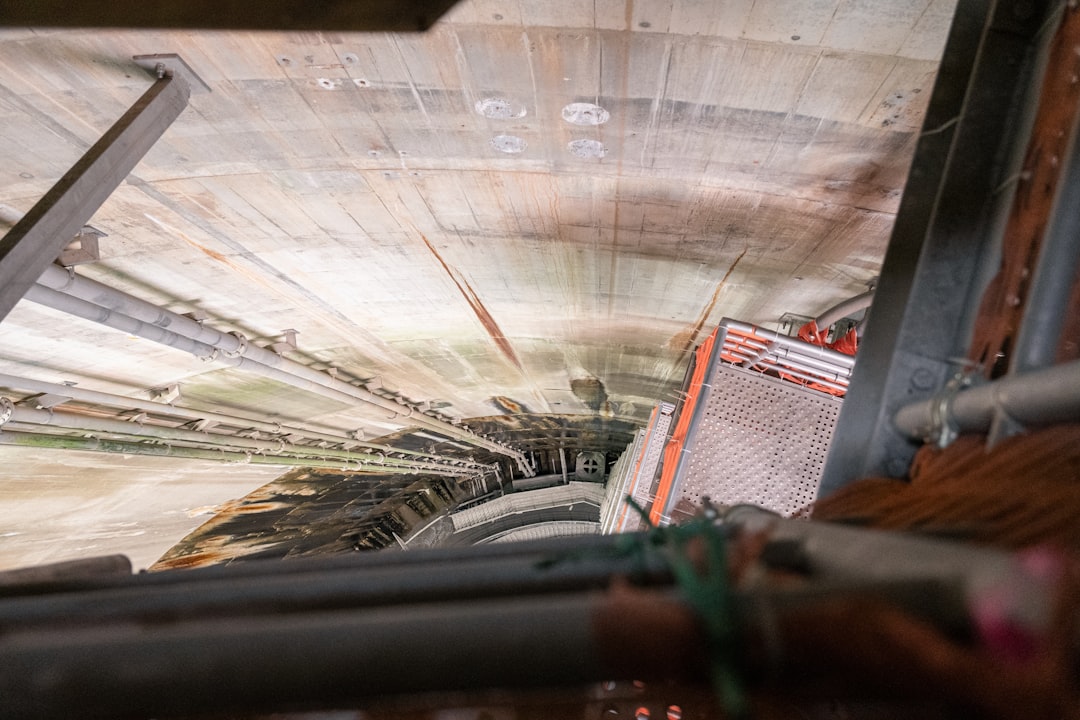
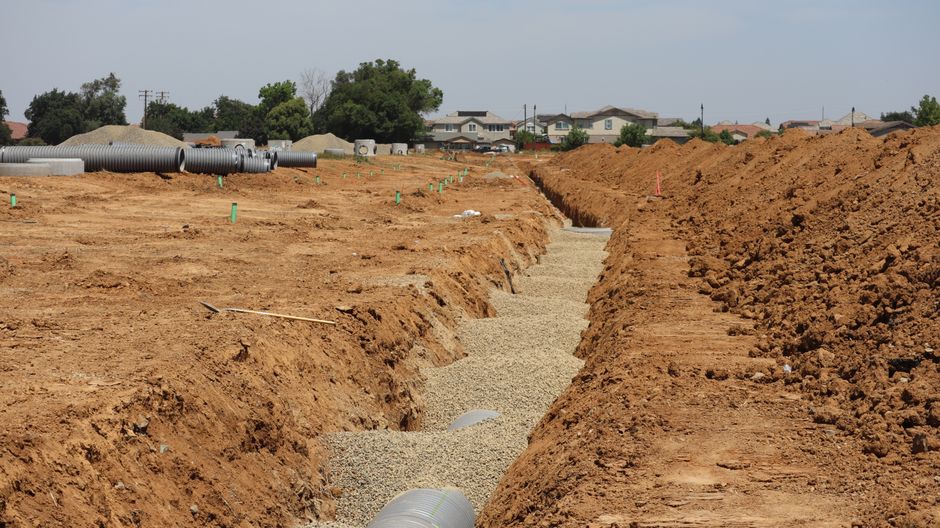
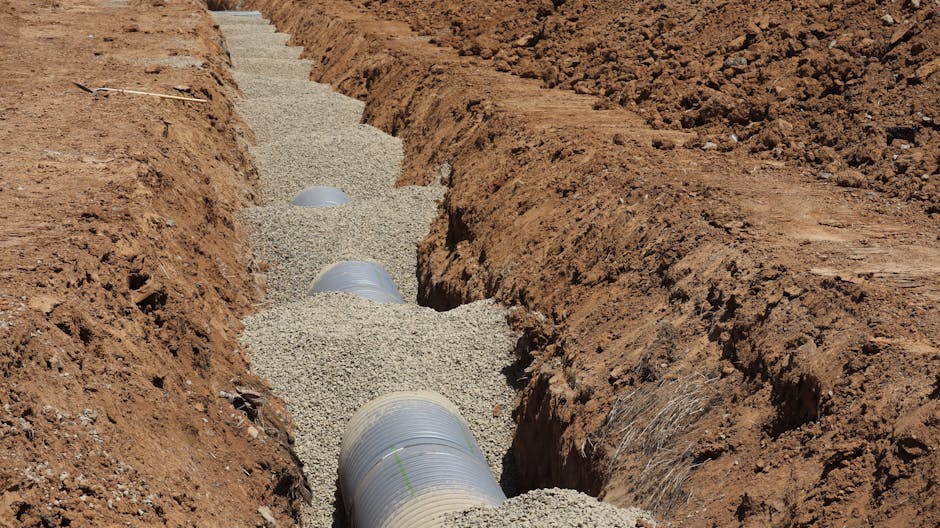
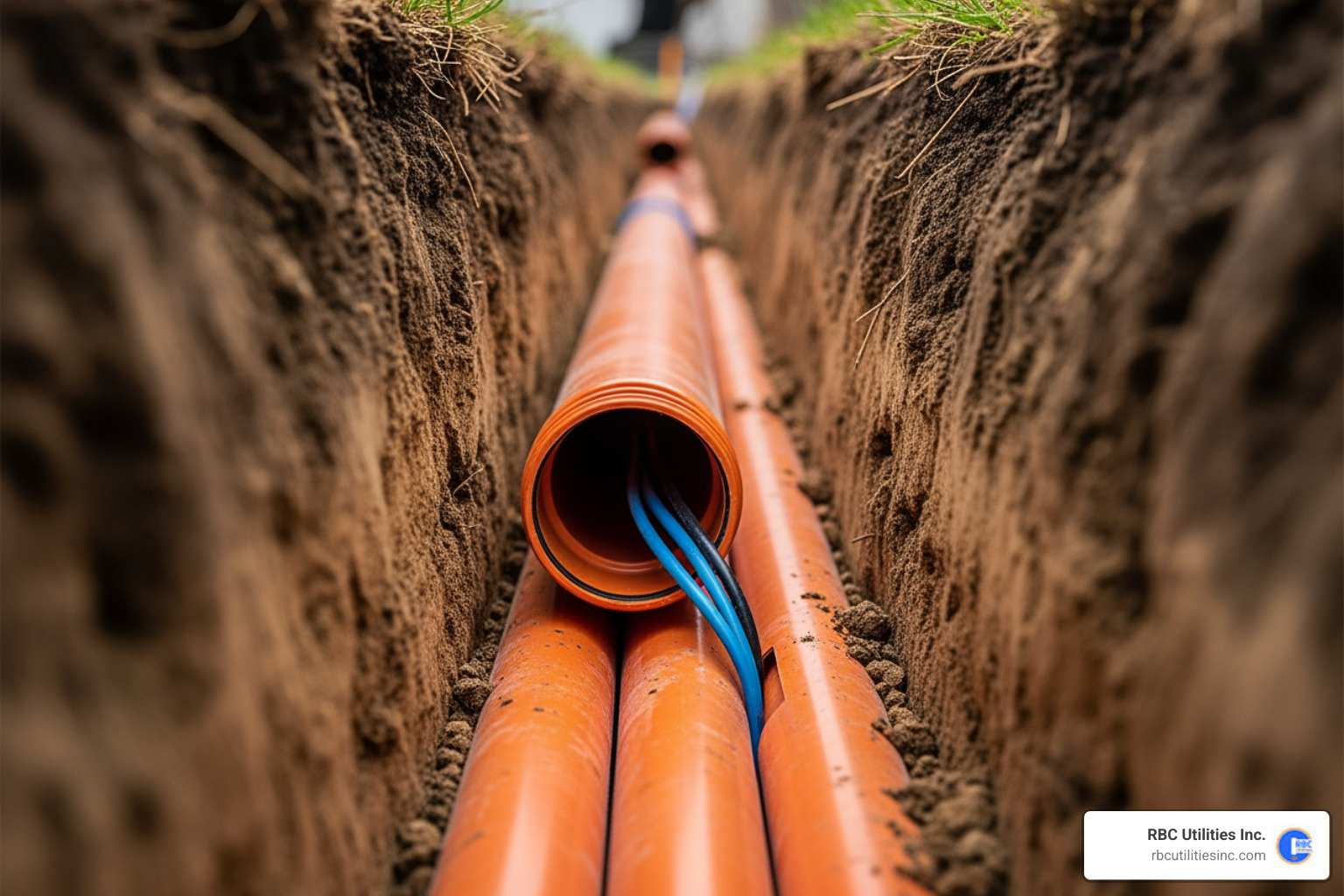
Subsurface infiltration chambers and modular storage units are placed beneath parking lots, parks, or roadways. These heavy-duty plastic or concrete arch systems create a large underground void space surrounded by clean stone. During a major storm, massive amounts of runoff are diverted into these chambers, where the water is held safely out of sight. It then slowly filters down into the underlying soils, completely bypassing the municipal sewer system.
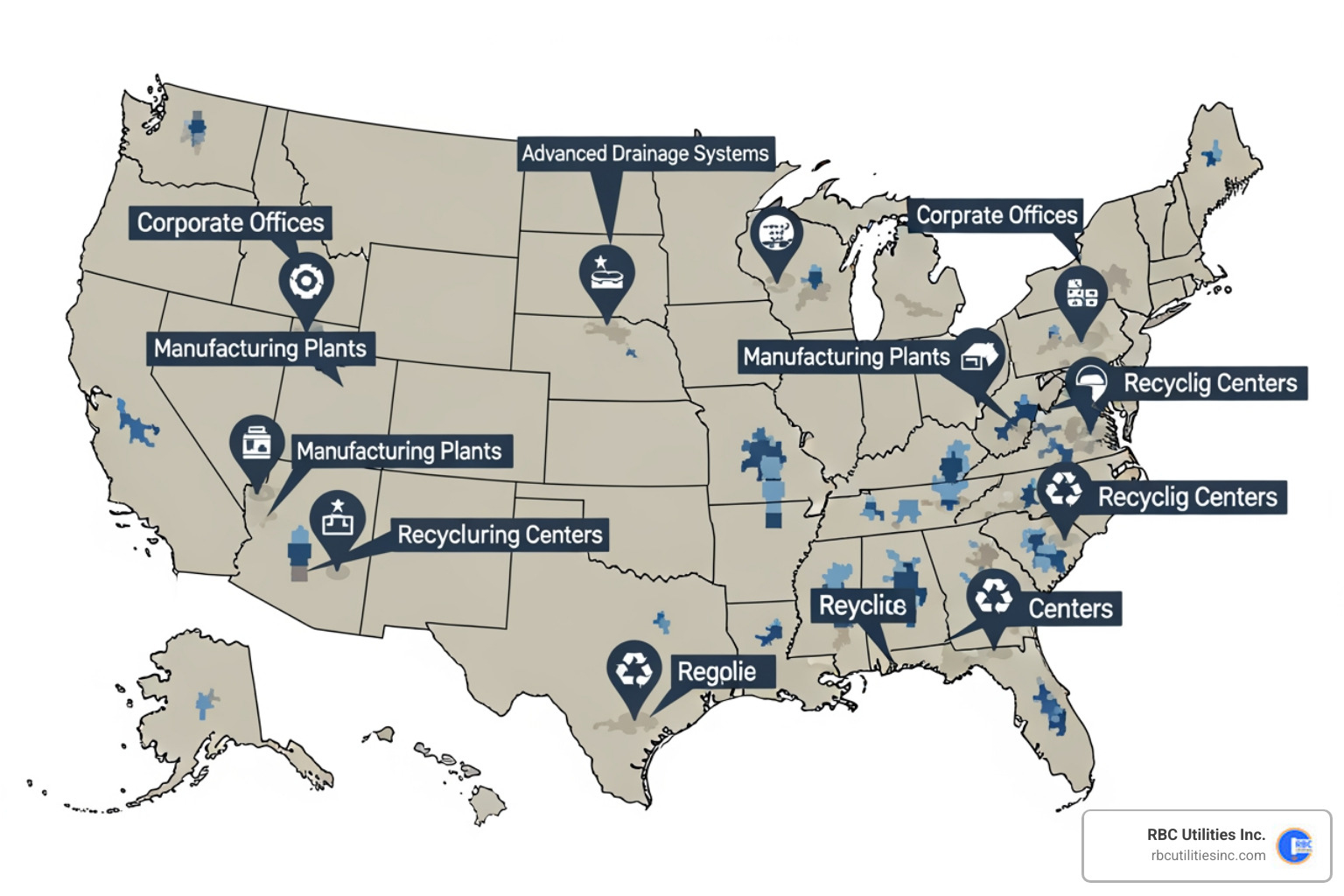
When planning these high-capacity systems, partnering with experienced local contractors who understand regional geology is essential. To find support near you, check out Advanced Drainage Systems Locations to see where specialized stormwater components are readily available.
What makes green stormwater solutions so compelling is that they deliver on the "triple bottom line"—providing measurable value across environmental, social, and economic metrics.
Every time a heavy rainstorm rolls through Charlotte or Charleston, our creeks and storm sewers are put to the test. GSI acts as a pressure valve for these systems. By capturing water at the source, green systems dramatically reduce the "peak flow"—the single moment during a storm when the highest volume of water is rushing into our creeks. Lowering this peak flow is the single best way to prevent flash flooding and stop creek bank erosion.
Furthermore, GSI is incredibly effective at filtering out the "first flush" of pollution. The first half-inch of rain usually carries the highest concentration of roadway toxins. Passing this water through soil and plant roots filters out suspended solids, binds heavy metals to soil particles, and allows soil microbes to naturally break down hydrocarbons. Local agencies like Storm Water Services - City of Charlotte work tirelessly to monitor these impacts and implement watershed-scale improvements.
While some developers worry about the upfront cost of green designs, the long-term economic advantages are substantial.
For starters, many cities charge commercial property owners a monthly stormwater fee based on the amount of impervious surface on their land. By converting traditional asphalt to permeable pavement or installing bioretention basins, property owners can often secure ongoing stormwater utility bill credits.
Additionally, incorporating green spaces and mature trees into commercial developments has been shown to boost property values, attract higher-paying tenants, and increase foot traffic for retail businesses. In coastal areas, these practices are even more critical. You can learn about coastal GSI policies and municipal incentives through the Green Infrastructure | Charleston, SC - Official Website.
If green infrastructure is so fantastic, why isn't every square inch of our cities green? The reality is that implementing these projects comes with practical challenges.

Common hurdles include:
Thankfully, funding pathways are expanding rapidly to help public and private builders bridge the financial gap.
Federal and state grant programs, such as the Clean Water State Revolving Fund (CWSRF) and specialized coastal management grants, frequently provide millions of dollars for green initiatives. In coastal Carolina communities, where rising sea levels and intense storms threaten local infrastructure, organizations are increasingly turning to nature-based solutions. To explore funding guides and coastal design resources, take a look at Nature-based Stormwater Strategies.
Additionally, public-private partnerships (P3s) and equity-focused investment groups are helping to fund large-scale GSI retrofits in historically under-engaged neighborhoods, ensuring that the flood-mitigation and cooling benefits of green spaces are distributed fairly.
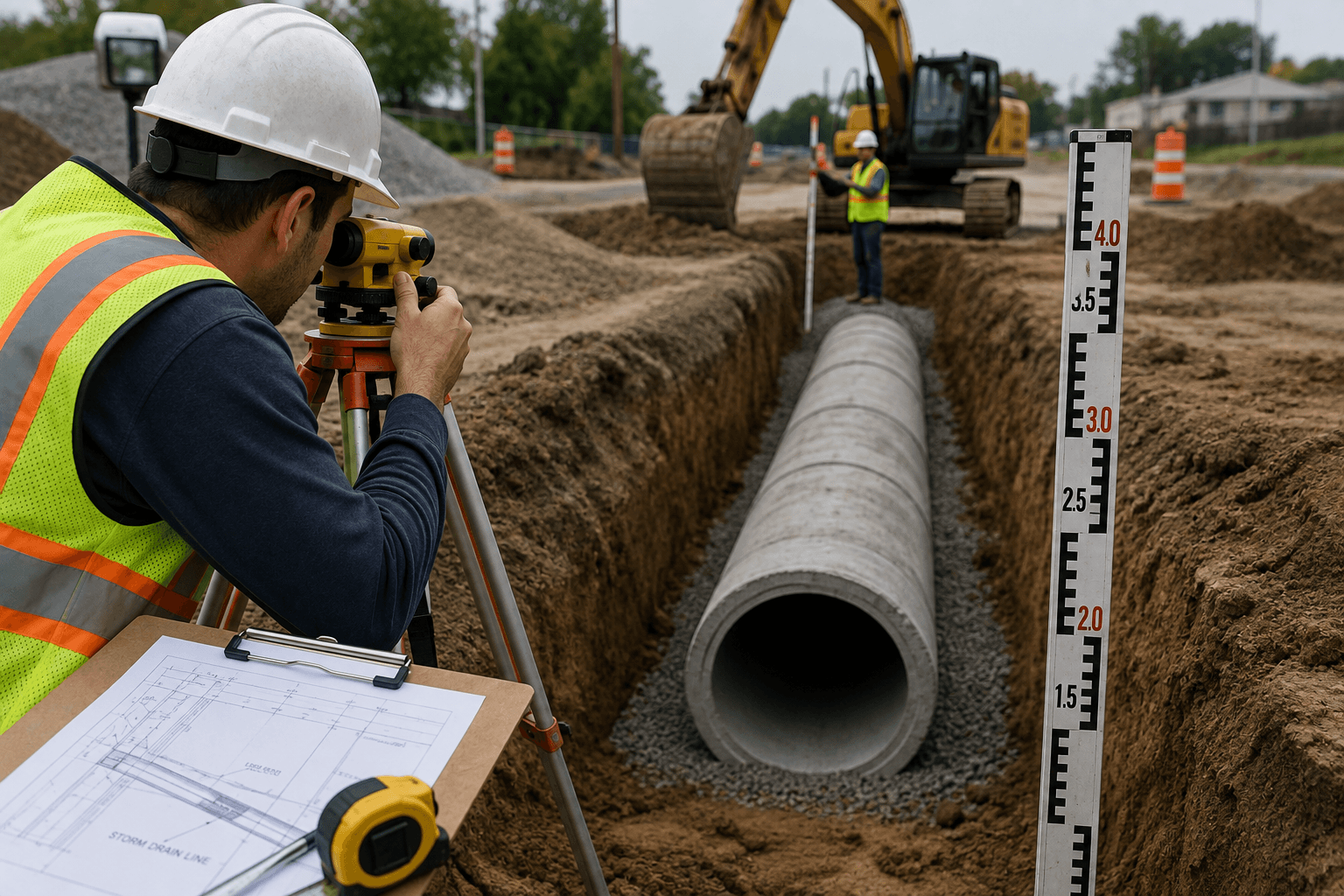
To scale GSI successfully, we have to treat these systems with the same engineering rigor we apply to traditional utilities. This starts with thorough geotechnical testing. If your site has tight clay soils, you can still use green infrastructure—you simply design a "filtration" system with an underdrain rather than a pure "infiltration" system.
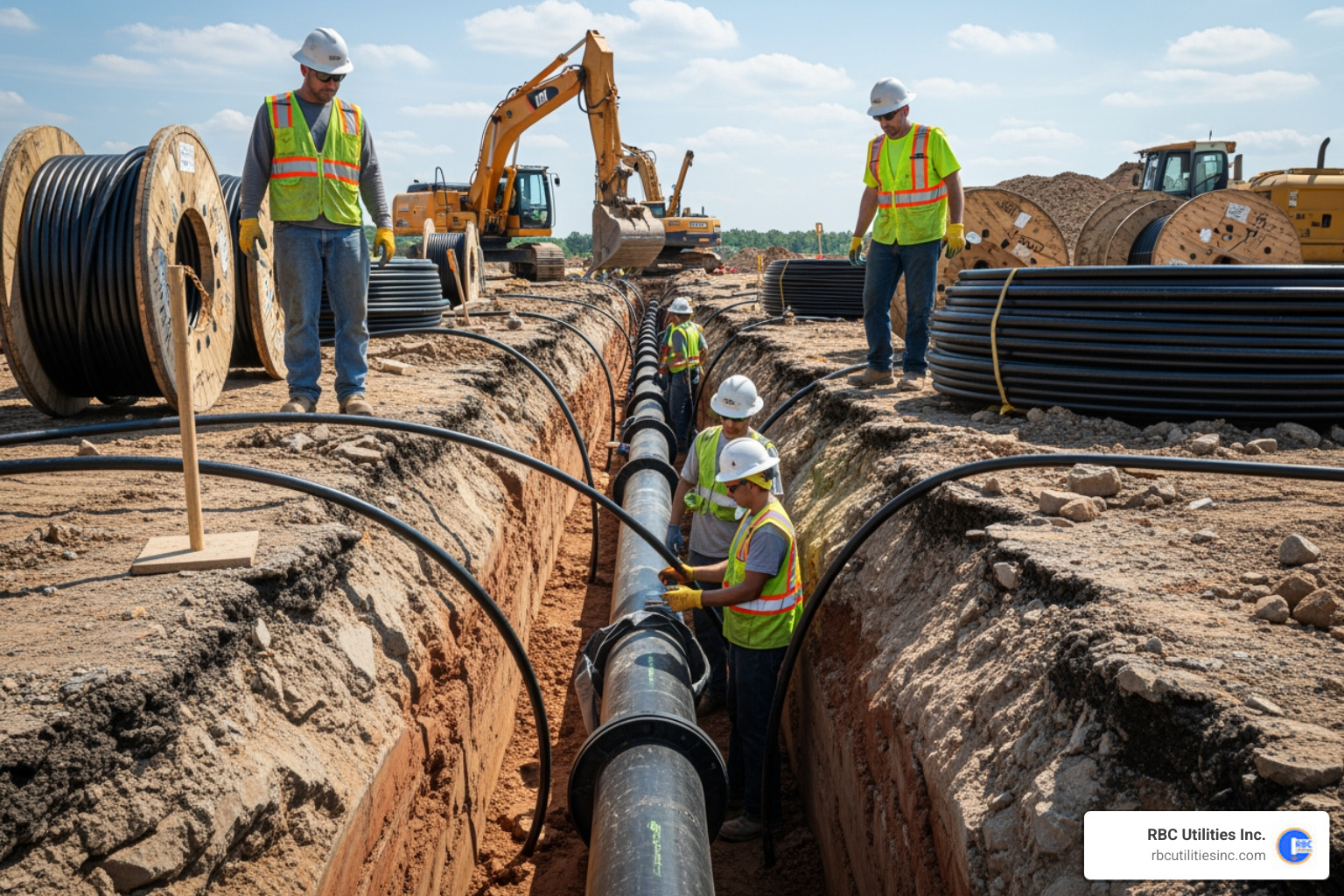
Furthermore, early coordination with municipal utility departments is critical. When we lay out permeable pavements or tree trenches, we must ensure they do not block access to critical underground water or sewer mains. Building a career in this integrated field requires a deep understanding of both civil construction and ecological design. If you are passionate about building these sustainable systems, you can explore career opportunities in this growing sector at Advanced Drainage Systems Jobs.
Seeing is believing. Across the country and right here in our backyard, communities are proving that green infrastructure delivers on its promises.
A prime regional example of GSI in action is the Biltmore Hills Park project in Raleigh, North Carolina. This project focused on installing nature-based solutions to address chronic drainage and water quality issues in a beloved community park.
By installing bioretention areas and native plantings, the project successfully reduced localized flooding on the park's recreational fields while filtering runoff before it reached local creeks. The project also served as an incredible educational tool, showing local residents how beautiful, functional, and eco-friendly design can coexist. To read the full details of this inspiring regional project, check out the Green Solutions at Biltmore Hills Park - NC Sea Grant.
On a larger municipal scale, cities like San José have pioneered comprehensive Green Stormwater Infrastructure Plans to systematically replace aging asphalt with green space.
Through projects like the Martha Gardens Green Alleys, the city replaced over 35,000 square feet of traditional asphalt with permeable surfaces and recycled-content green concrete, backed by $945,000 of Proposition 84 Stormwater Grant funding. Similarly, the Park Avenue Green Streets project utilized $859,128 in grant funds to build 6,500 square feet of curbside rain gardens and 2,800 square feet of permeable pavers.
These projects prove that even highly urbanized, high-traffic corridors can be retrofitted to absorb and clean rainwater. For a deep dive into these municipal strategies and their maintenance guidelines, explore the Green Stormwater Infrastructure | City of San José portal.
Gray infrastructure uses hard, human-made structures like concrete pipes, gutters, and storm drains to collect and transport stormwater away from urban areas as quickly as possible without treating it. Green infrastructure uses natural systems—such as soil, vegetation, and permeable surfaces—to mimic the natural water cycle, absorbing, filtering, and slowing down runoff right where it falls.
While green infrastructure does not require clearing out clogged concrete pipes with heavy machinery, it does require routine landscape maintenance. For vegetative systems like rain gardens and bioswales, this includes weeding, checking plant health, and removing accumulated trash or sediment during the first few growing seasons. For permeable pavements, occasional vacuum sweeping is recommended to keep the pores from clogging with fine dirt and leaves.
Absolutely! This is known as "retrofitting." While it is easiest to design GSI for brand-new developments, cities are constantly finding creative ways to tuck green solutions into existing footprints. Examples include replacing standard concrete sidewalk parking strips with stormwater tree trenches, converting low-use alleys into permeable pavement lanes, and turning empty turf grass medians into active bioswales.
The future of civil design is clear: we must build with nature, not against it. As the Carolinas continue to grow at a rapid pace, integrating green stormwater solutions into our residential, commercial, and municipal developments is no longer just an eco-friendly option — it is a necessity for building resilient, flood-resistant, and healthy communities.
At RBC Utilities, Inc., we pride ourselves on our deep local Carolinas expertise. Backed by the national resources of Saga Infrastructure, we specialize in constructing safe, reliable, and long-lasting underground utility systems — including the critical storm drainage networks that keep our cities running. Whether your next project requires traditional gray utility mains or cutting-edge green infrastructure, our team is committed to delivering quality work with an unwavering focus on safety and reliability.
Ready to make a sustainable splash on your next development? Partner with RBC Utilities Inc. to bring your civil infrastructure into the green era.
Part of Saga Infrastructure, protecting what others built and helping it grow.
Address: 4404 Stuart Andrews Blvd., Suite K, Charlotte, NC 28217
Email: info@rbcutilities.com
Phone: 803-913-9727
Service Area: North Carolina | South Carolina