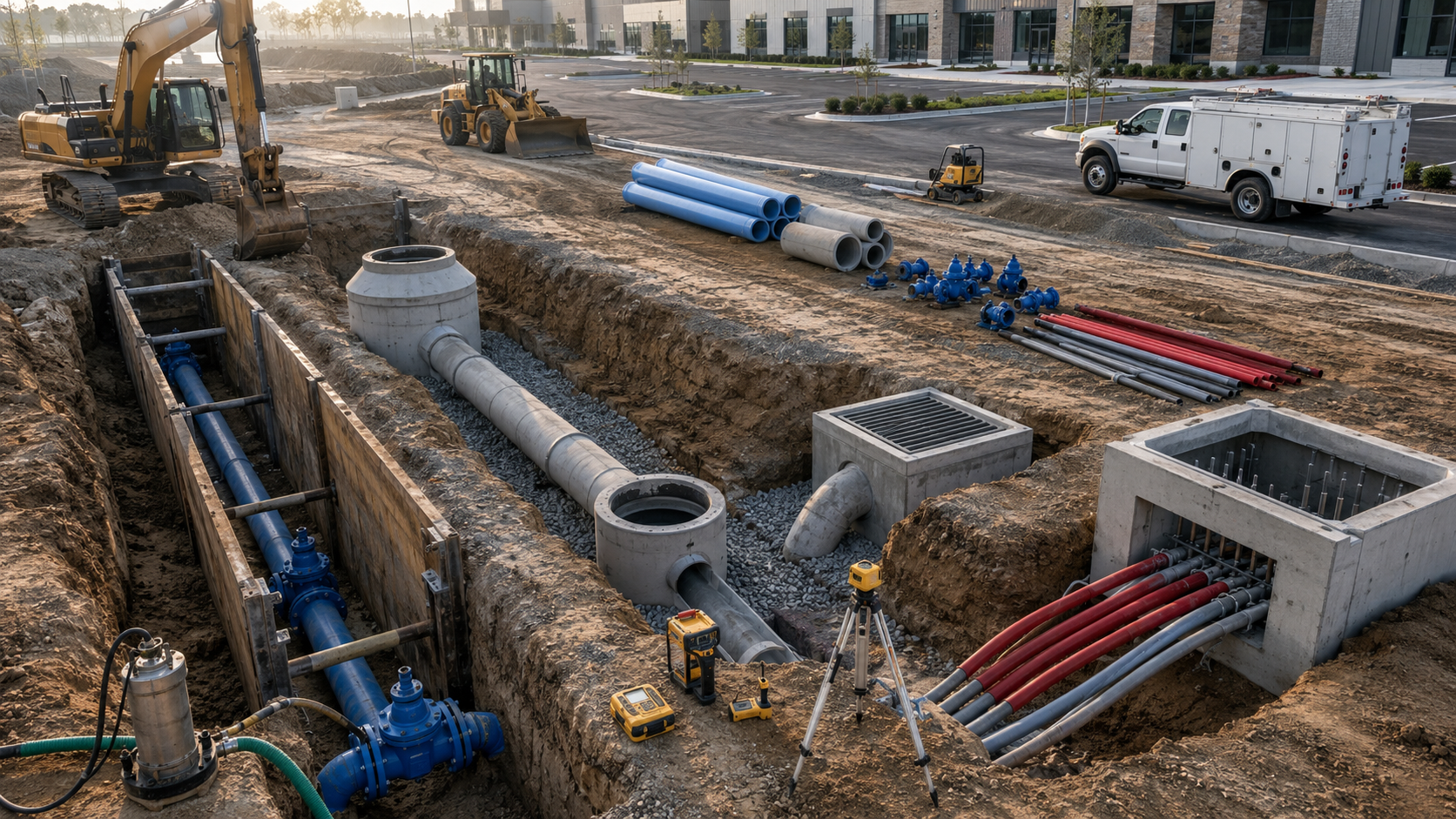
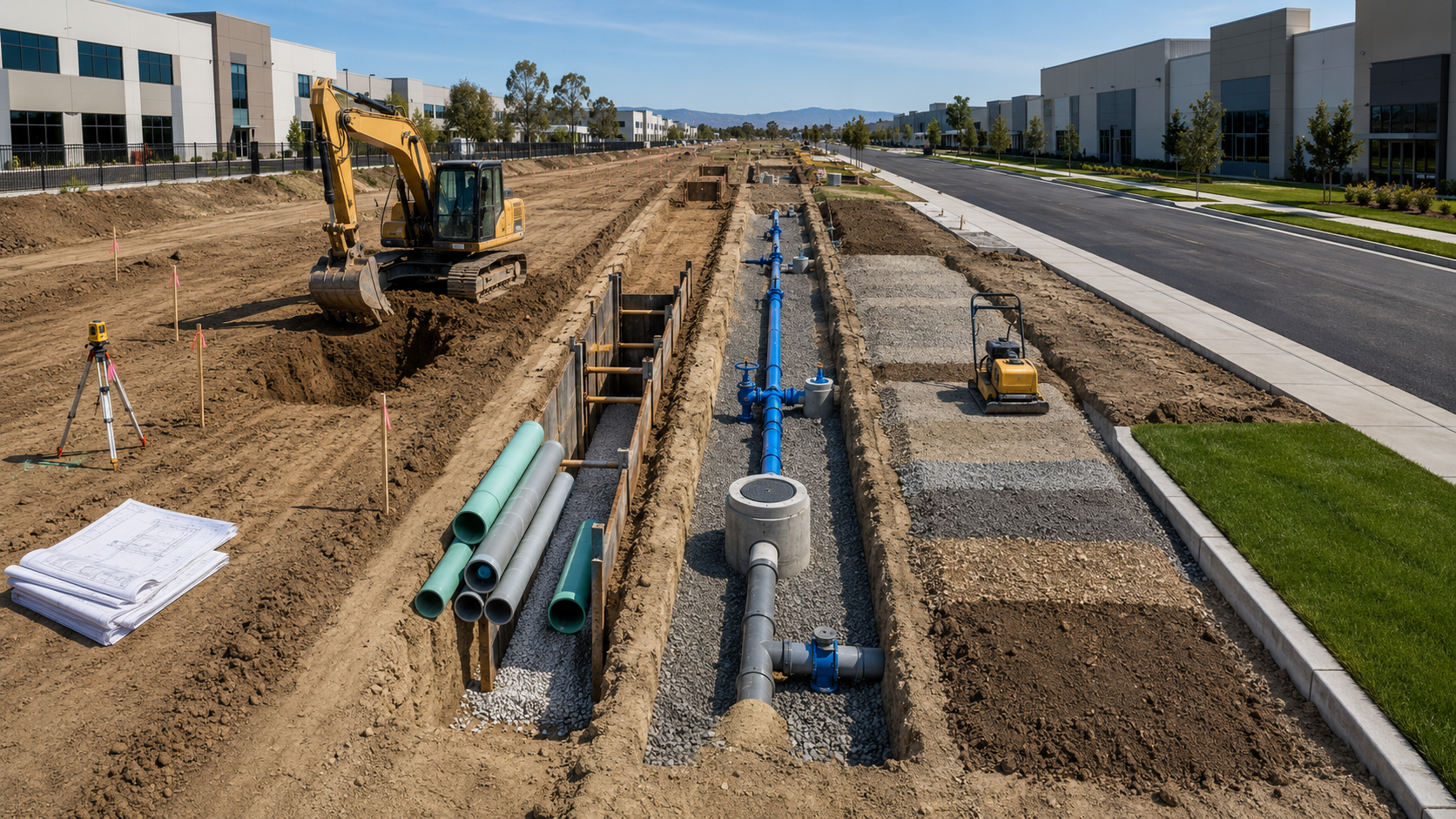
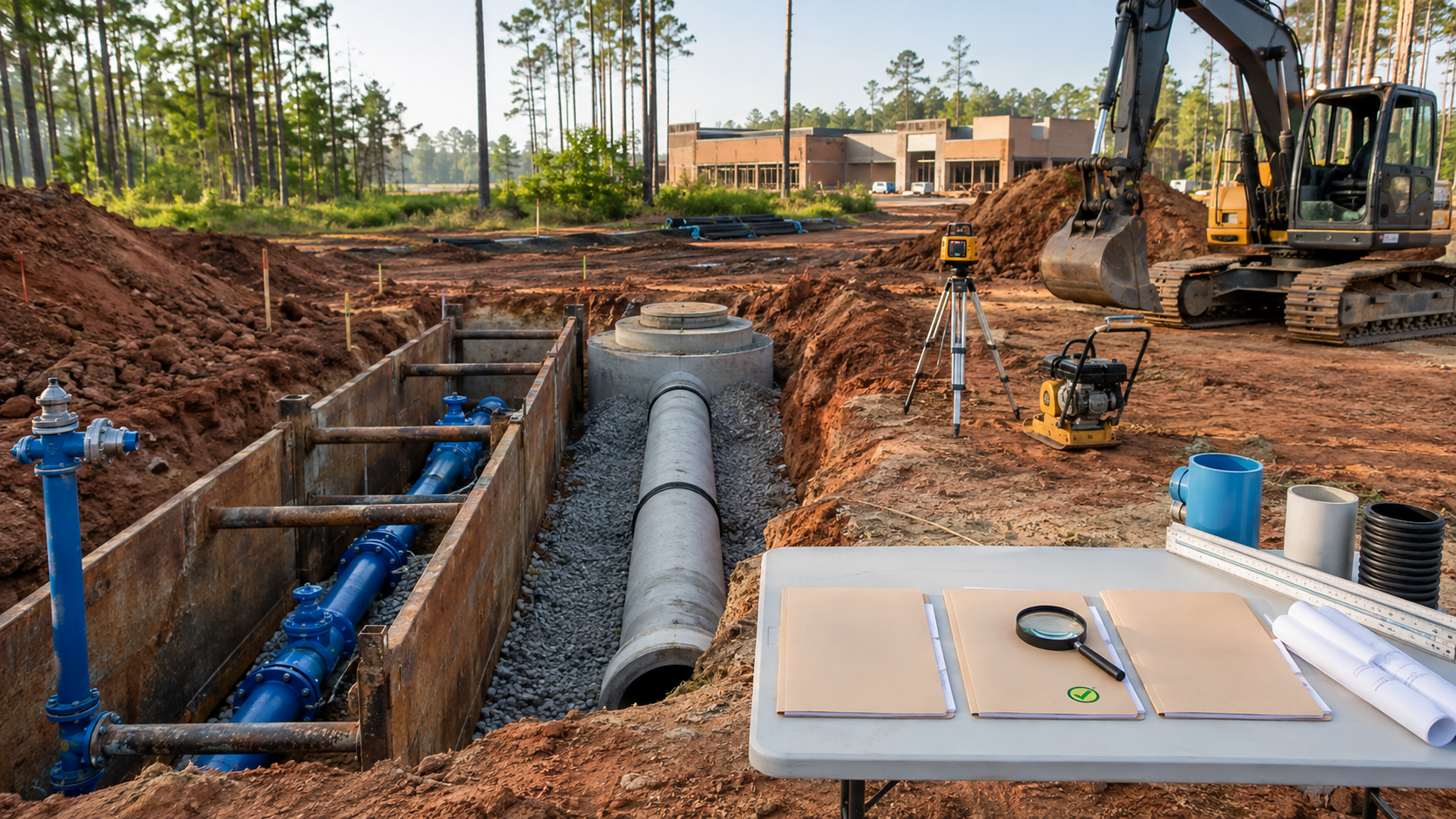
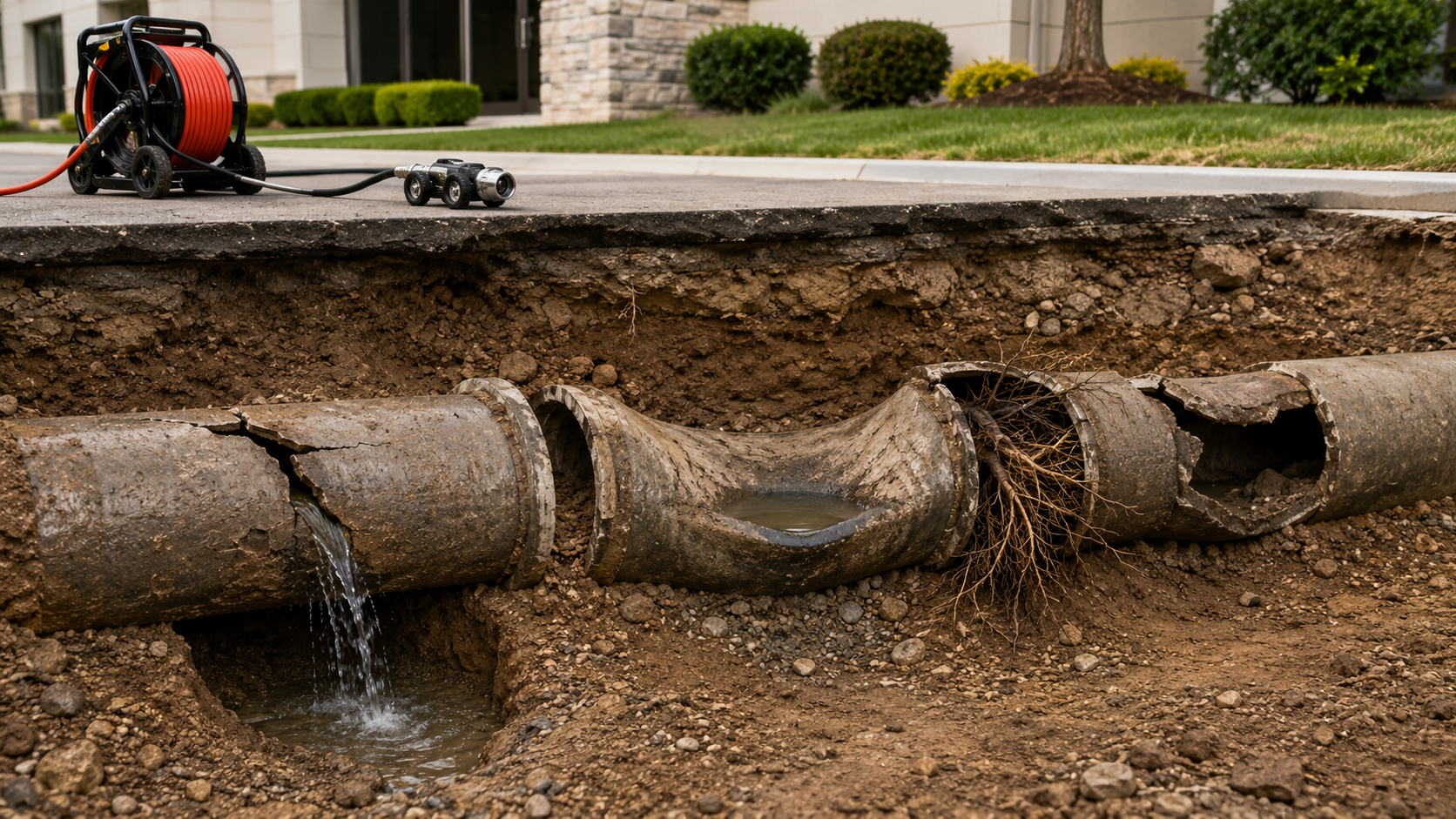
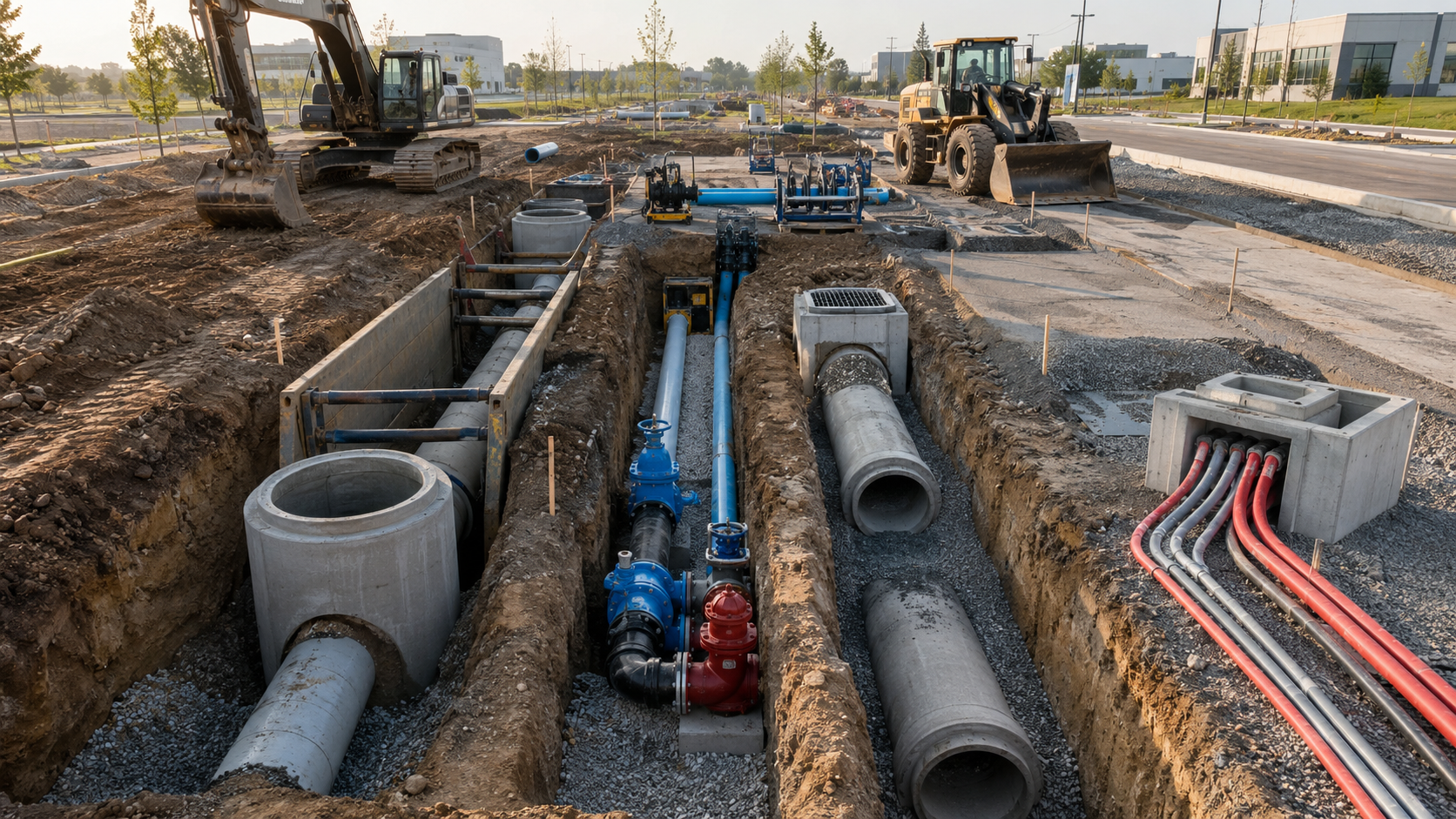
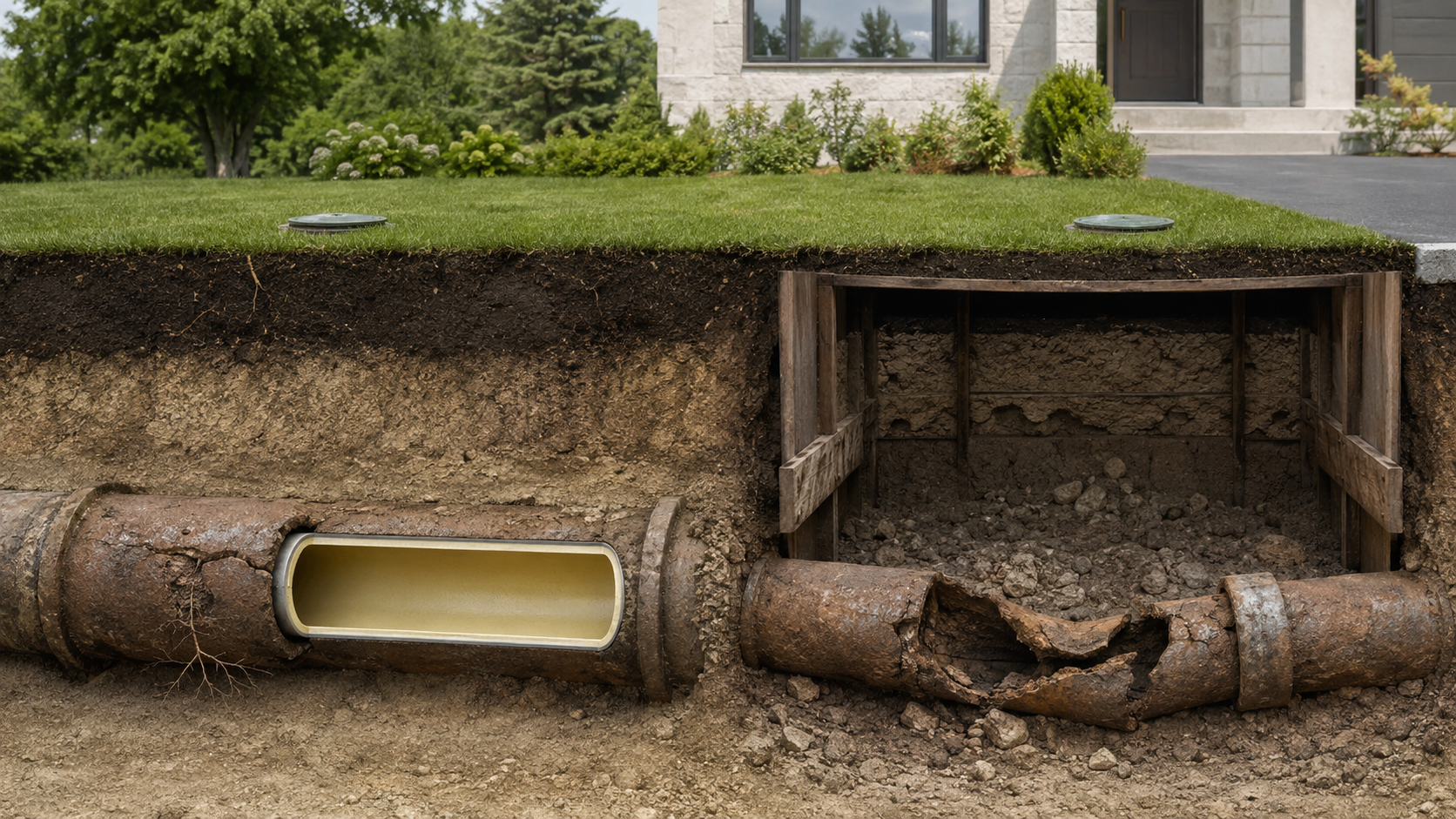
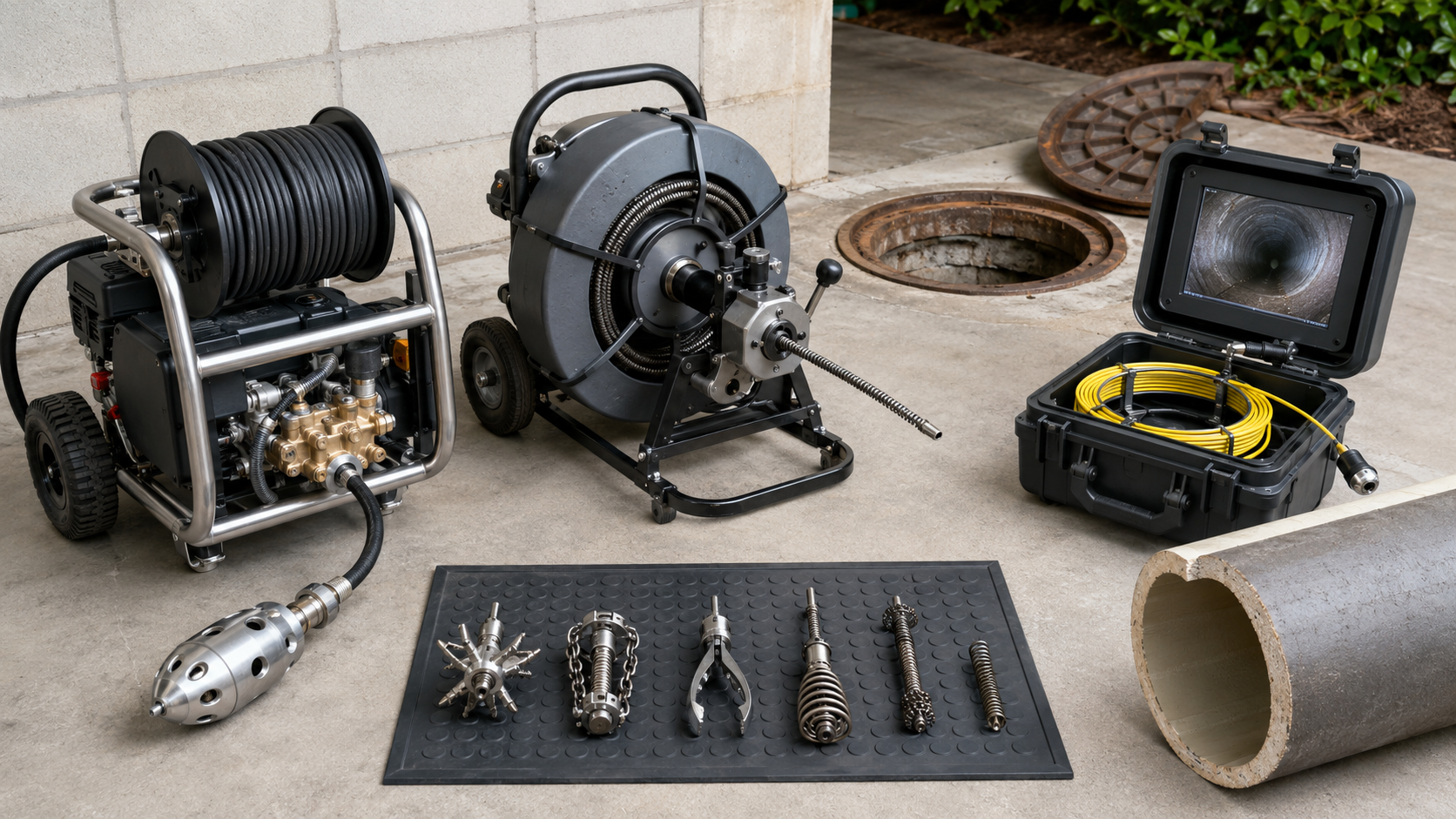
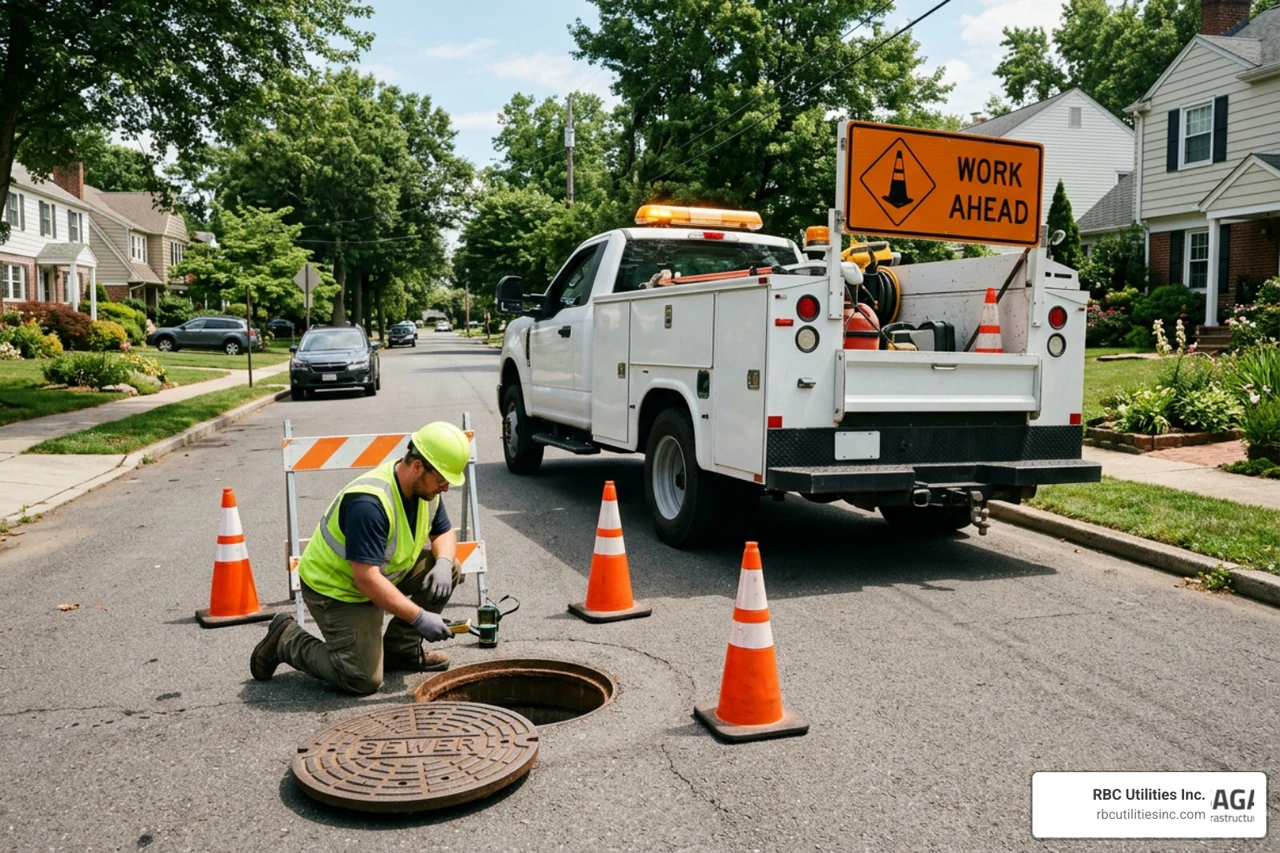
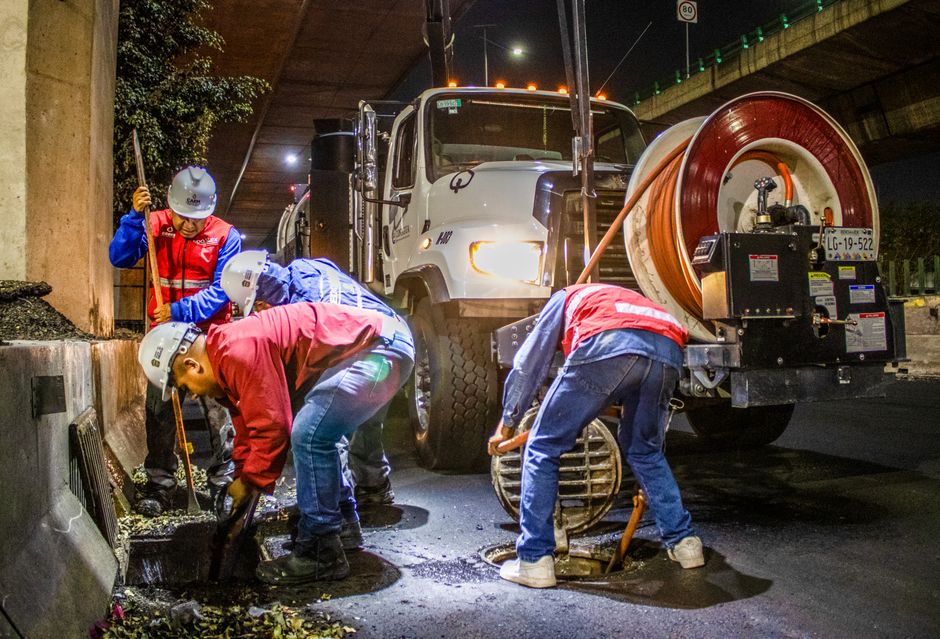
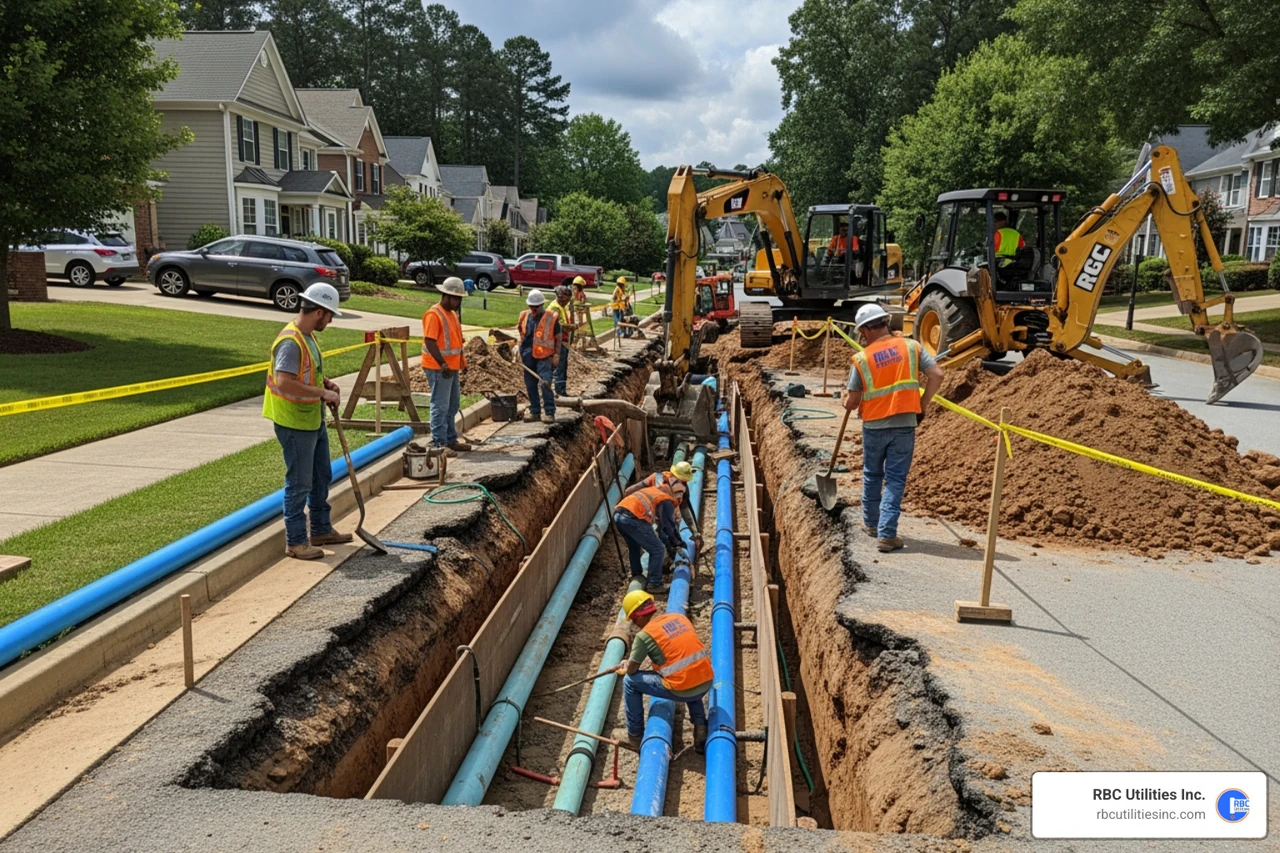
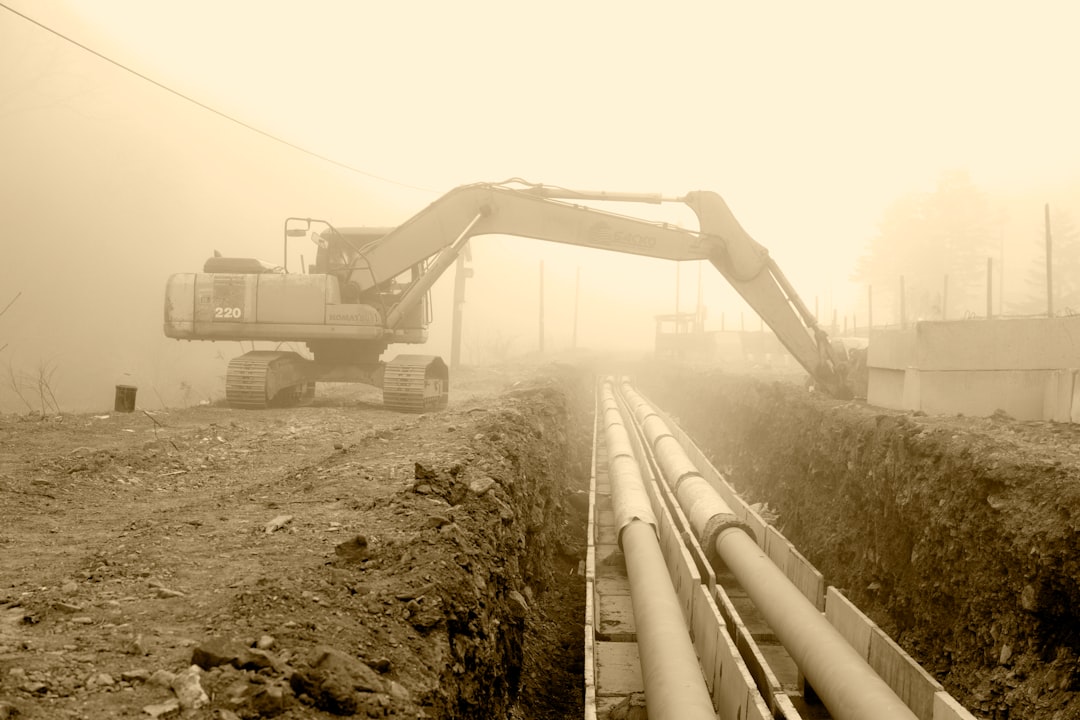
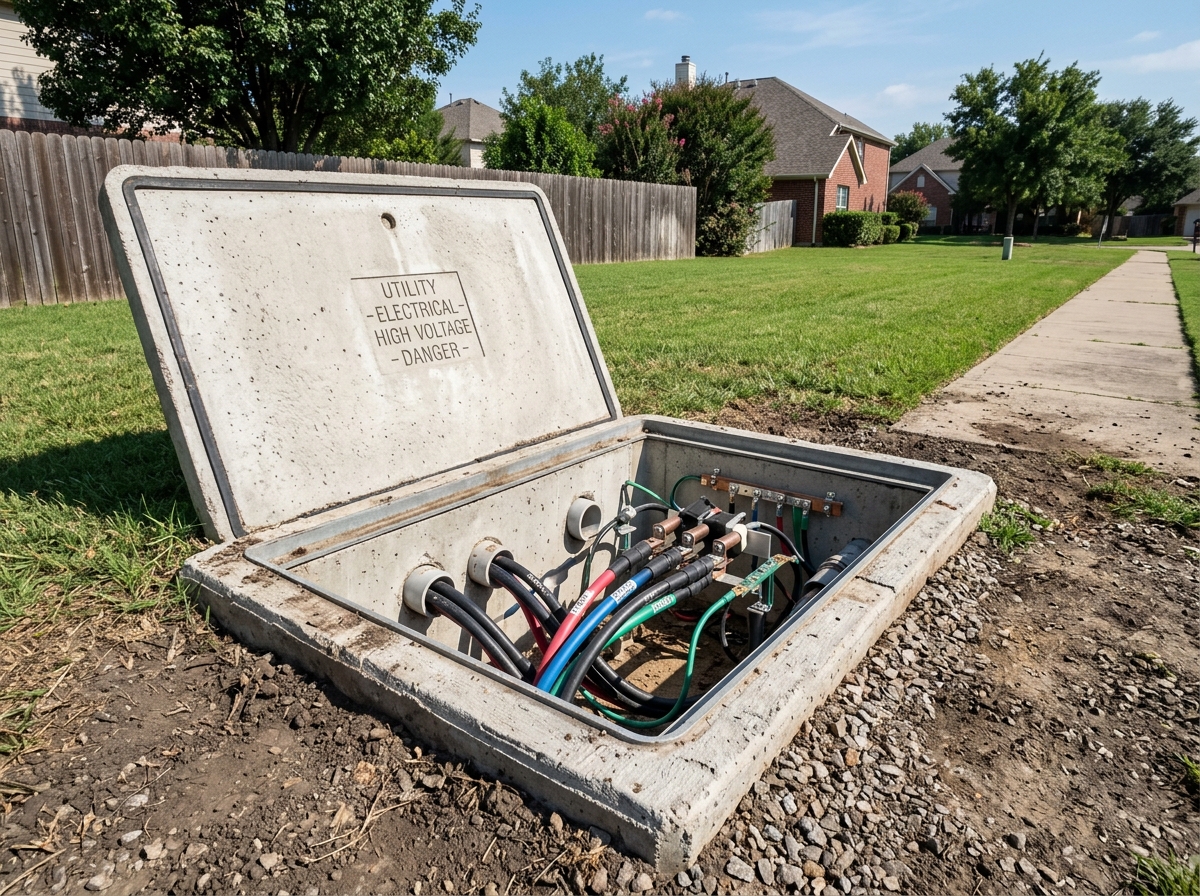
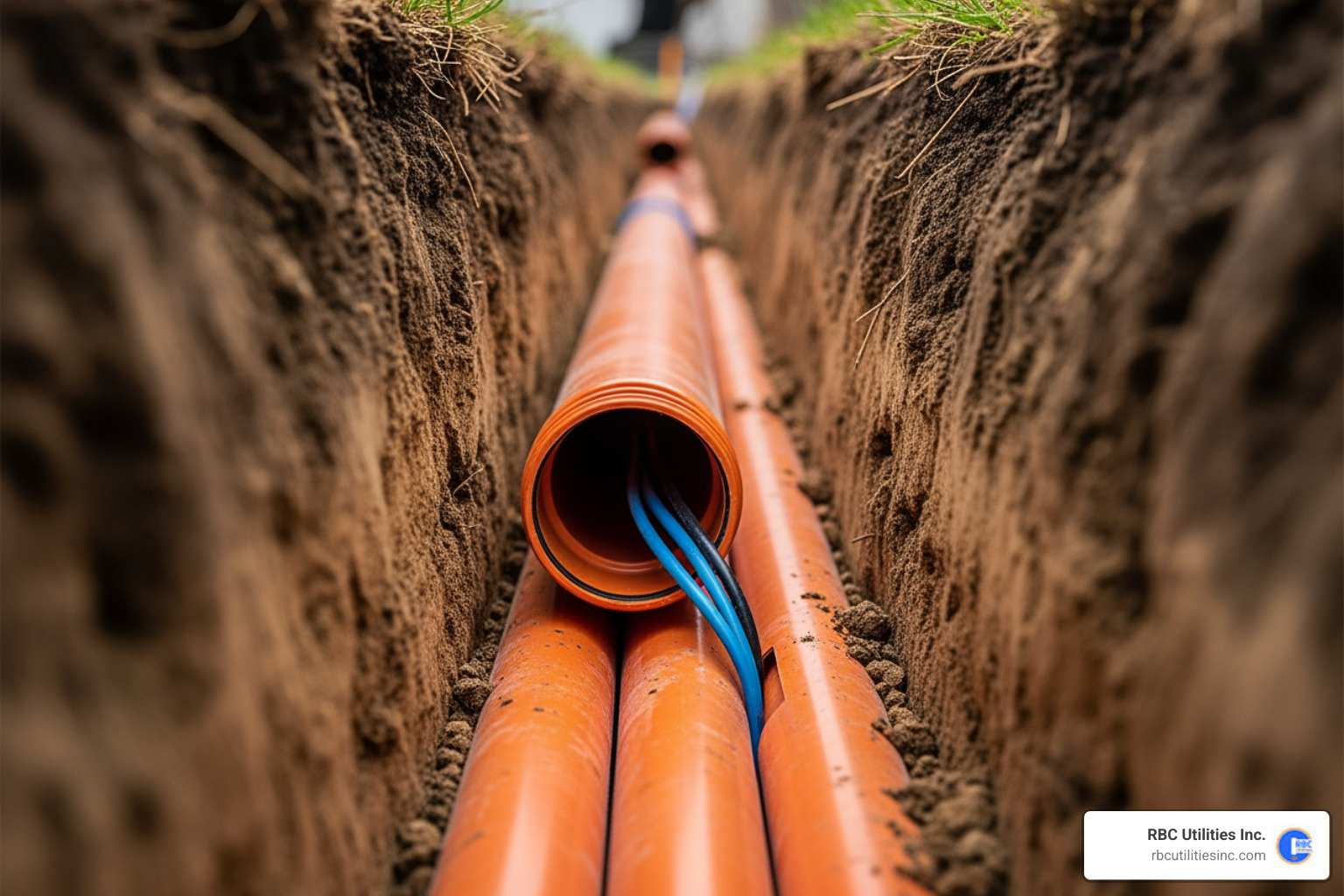
Underground utility installation is the process of burying pipes, cables, and conduits beneath the ground to deliver essential services — water, sewer, stormwater drainage, gas, electric, and telecommunications — to residential and commercial developments.
Here's a quick overview of what it involves:
The scale of this infrastructure is massive. There are over 20 million miles of underground utilities in the U.S. alone — and every 9 minutes, a utility line is damaged somewhere in the country due to excavation. For developers and general contractors in the Carolinas, getting underground utility work right isn't just about avoiding fines. It's about keeping your project on schedule, on budget, and built to last.
I'm Don Larsen with RBC Utilities, Inc., a Carolinas-based underground utility construction contractor specializing in underground utility installation for water, sewer, storm drainage, and conduit systems since 2008. In this guide, I'll walk you through everything you need to know — from methods and depth requirements to safety regulations and common pitfalls — so your next project runs without costly surprises.
Learn more about underground utility installation:
At its core, underground utility installation is the invisible engine of modern civil infrastructure. While towering skyscrapers and pristine residential subdivisions grab all the headlines, none of them could function for a single day without the vast network of pipes, conduits, and cables buried right beneath our boots.
When we talk about installing underground utilities, we are referring to the systematic planning, excavation, placement, and connection of these life-giving systems. In the construction world, we generally categorize these networks into two distinct ownership types:
As experienced Sewer Utility Contractors, we know that managing these systems requires specialized engineering and heavy equipment. For example, a standard gravity-fed sanitary sewer system relies on precise mathematical slopes to move waste. When the natural topography of a site doesn't allow for a continuous downward slope, we must construct specialized pump stations (or lift stations) to pressurize and pump wastewater uphill through a force main.
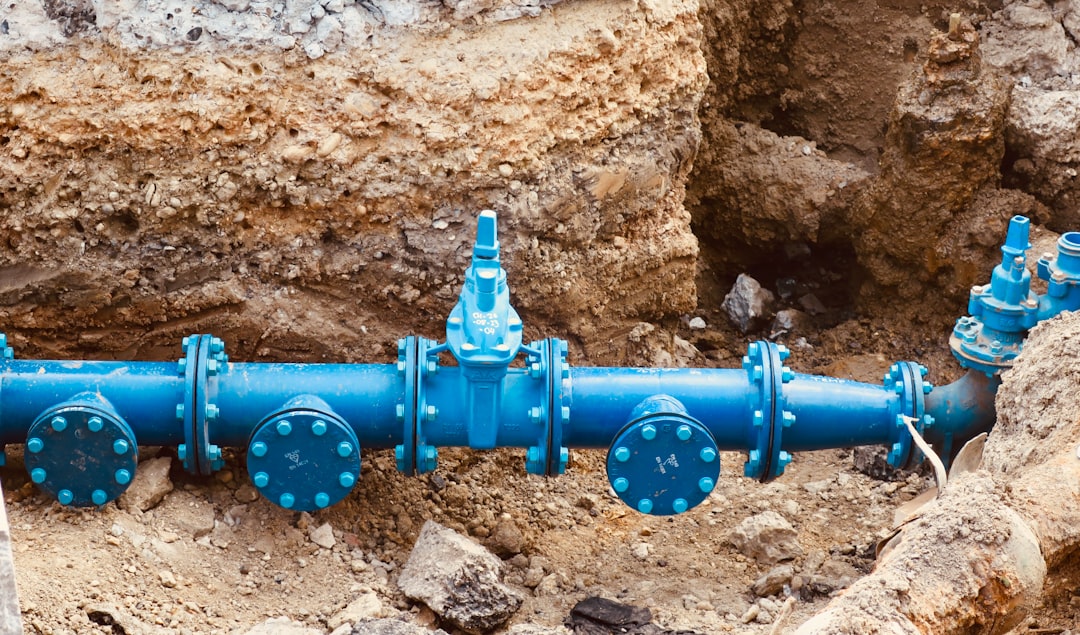
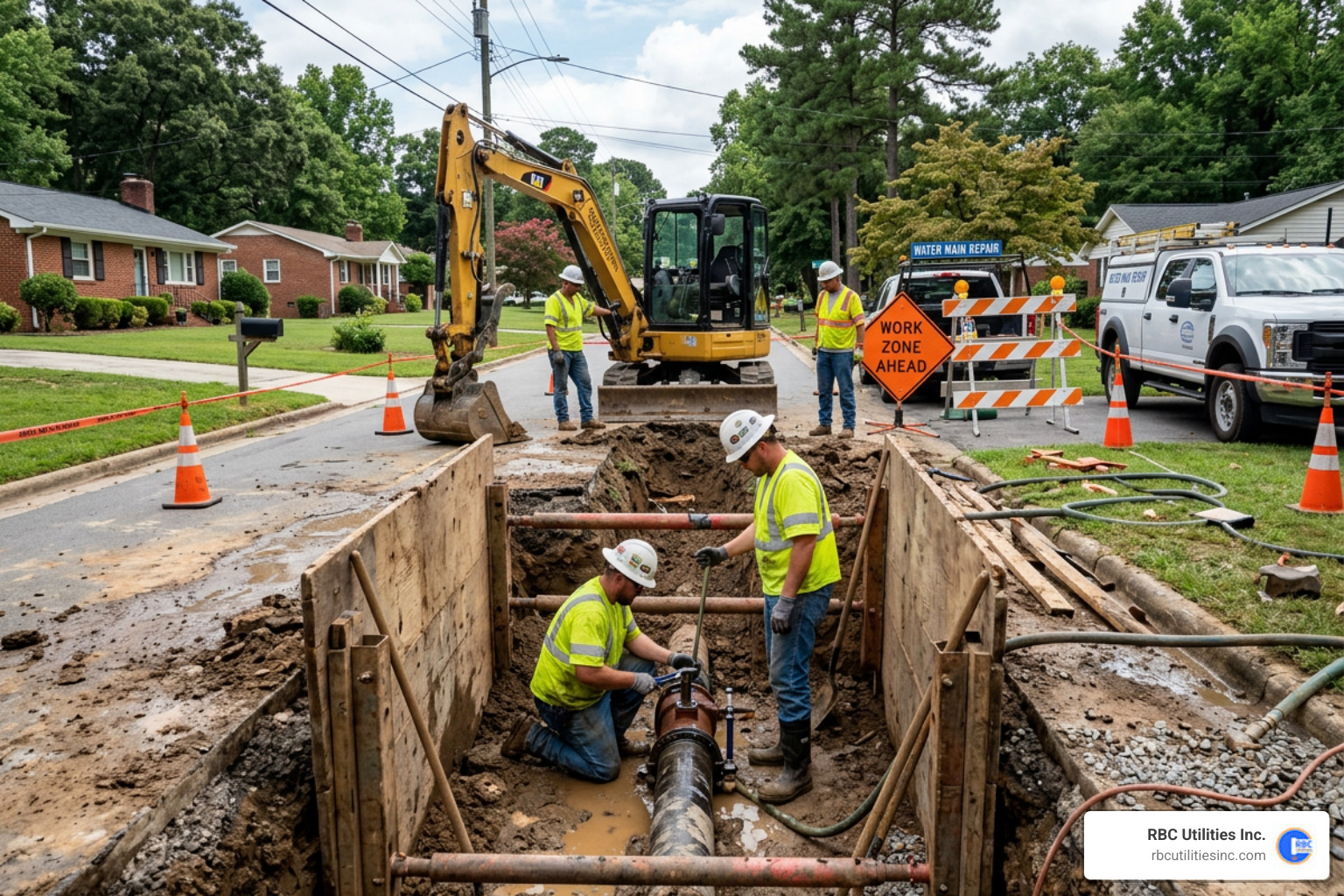
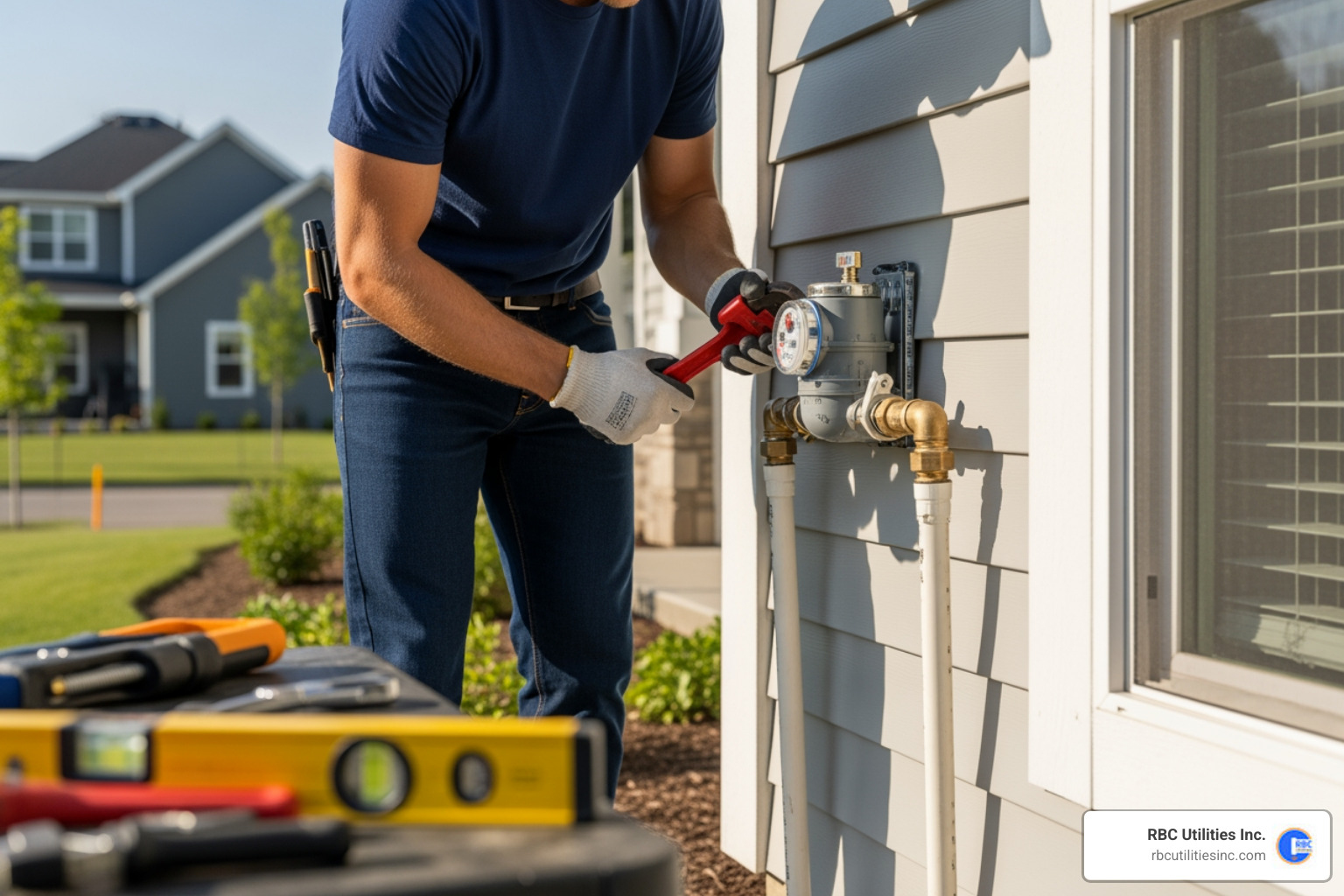
Similarly, clean water delivery requires the expertise of seasoned Water Main Contractors Carolinas to install robust water distribution systems. A critical component of these systems is the backflow preventer. These mechanical valves are installed to prevent non-potable water, chemicals, or contaminants from reversing direction and flowing back into the clean public water supply.
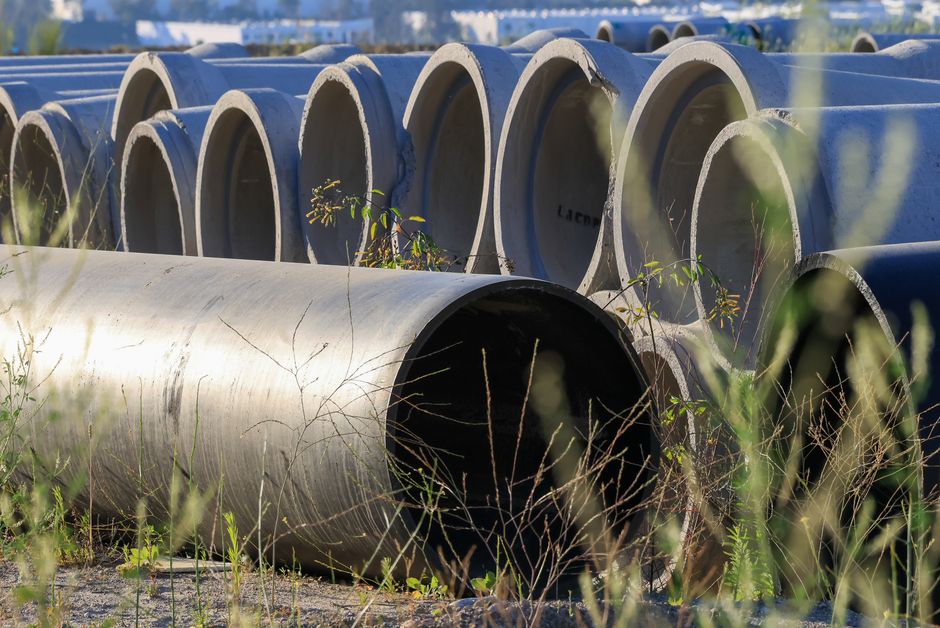
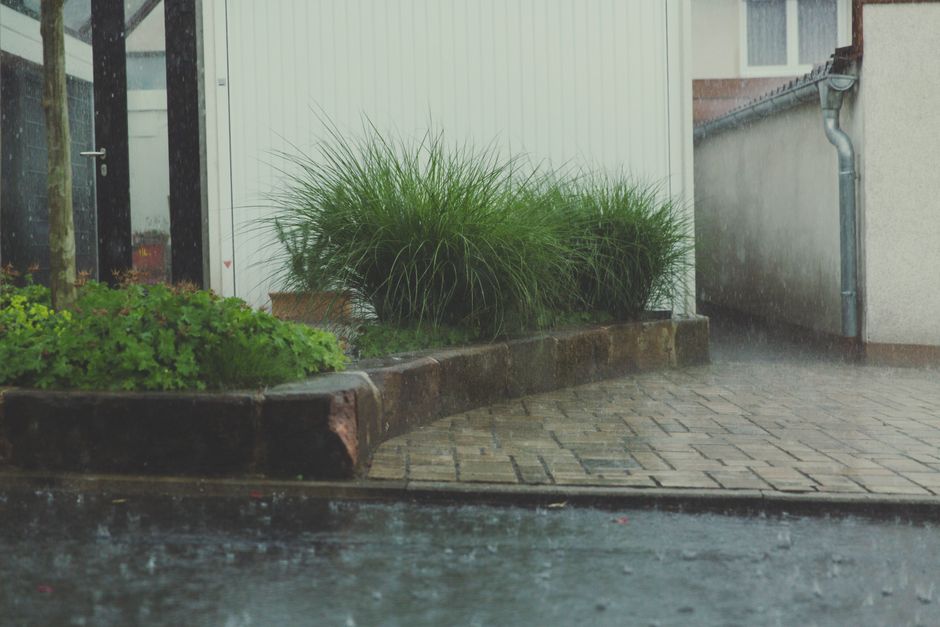
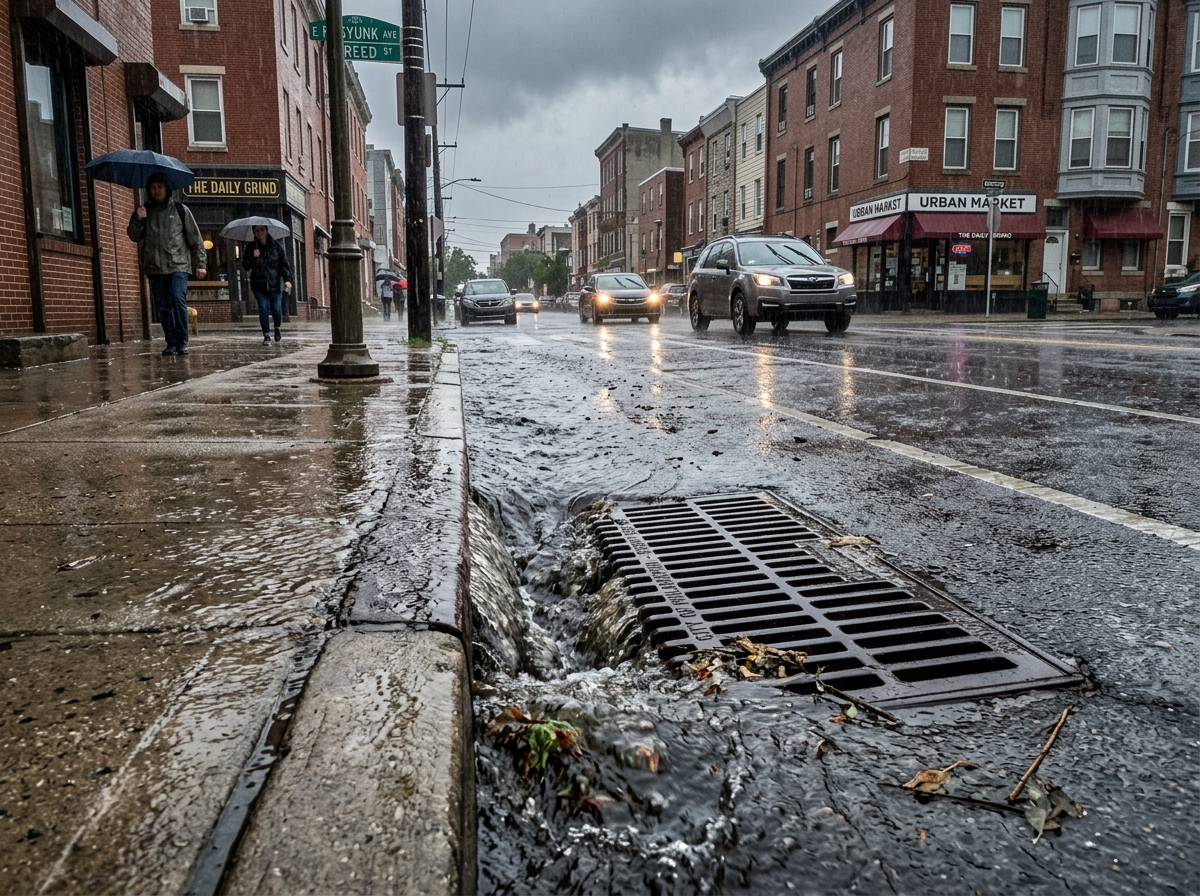
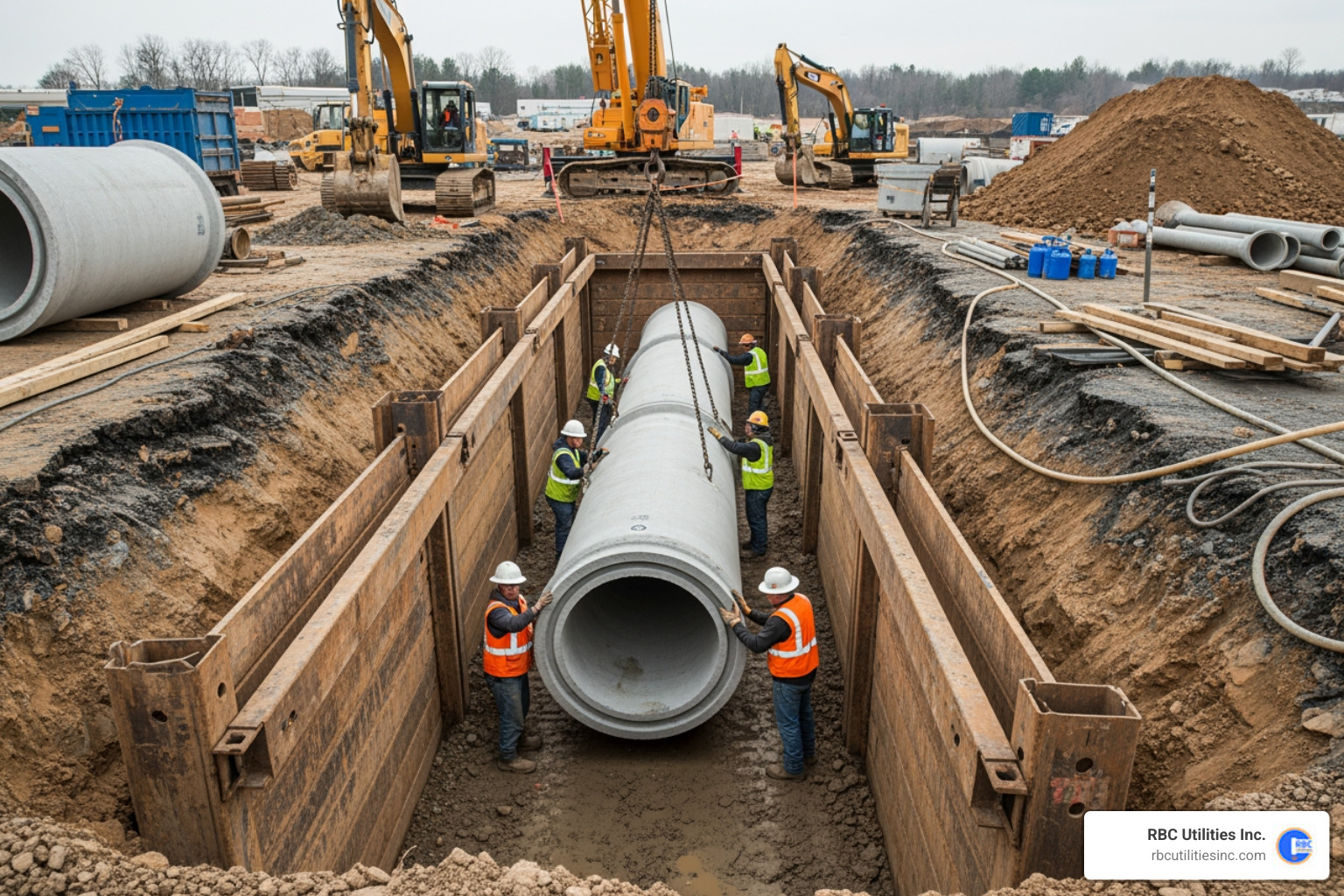
When it comes to managing rainfall, we construct massive Stormwater Infrastructure to prevent erosion and flooding. While standard PVC pipes handle routine runoff, high-volume runoff areas require heavy-duty concrete box culverts. These precast concrete structures are designed to handle significantly larger volumes of stormwater than standard circular pipes, routing massive flows safely beneath roadways and developments.
Deciding to place utilities underground rather than hanging them from overhead poles comes with distinct trade-offs:
However, these benefits come with notable challenges. The initial installation costs of underground systems are substantially higher than overhead alternatives due to the heavy labor, specialized excavation equipment, and detailed mapping required. Furthermore, when a line does break or leak, locating and repairing the damage is far more labor-intensive and disruptive than simply climbing a utility pole.
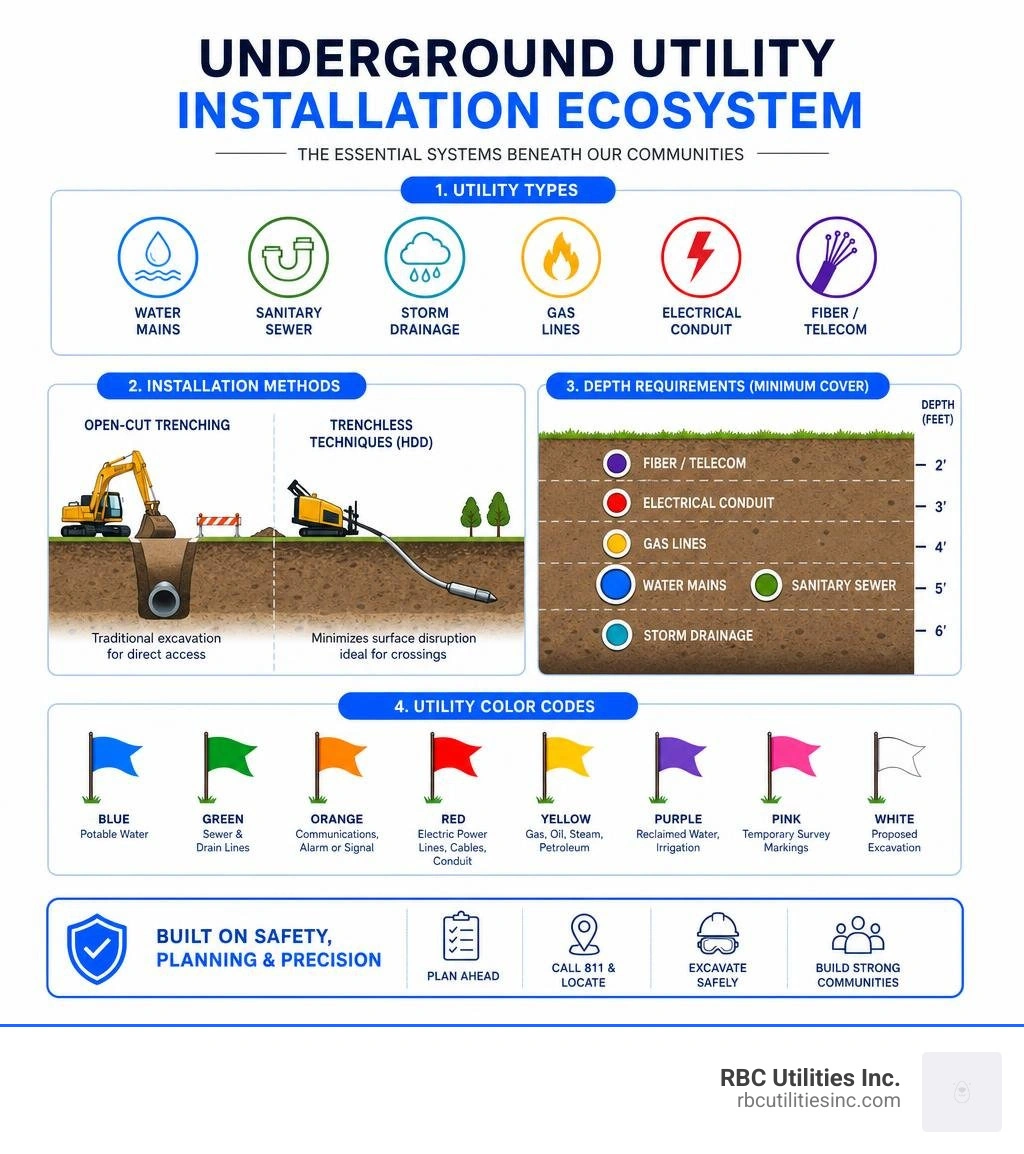
Every modern site development requires a coordinated, multi-layered utility layout. The most common utility lines we install include:
To streamline these installations, we often utilize joint trench systems. By combining electric, fiber, and communication lines into a single, shared trench corridor, we can significantly reduce excavation costs and optimize limited right-of-way space. You can read more about how these systems are coordinated in our guide on Utility Line Installation Services.
Installing underground utilities is a highly technical process where precision is non-negotiable. Whether we are utilizing heavy excavators or advanced boring rigs, executing the work requires strict adherence to engineering specifications and local Carolinas building codes.
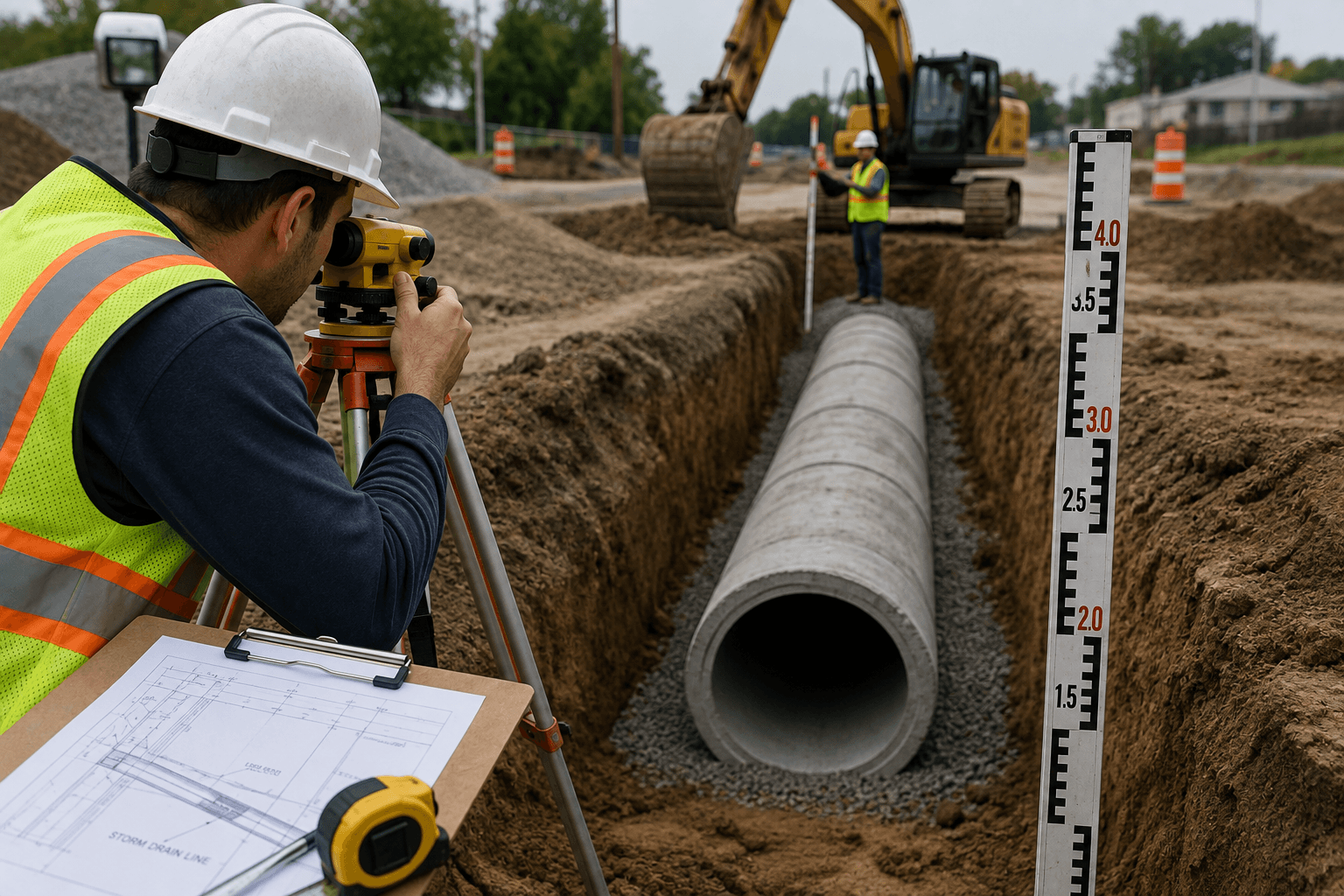
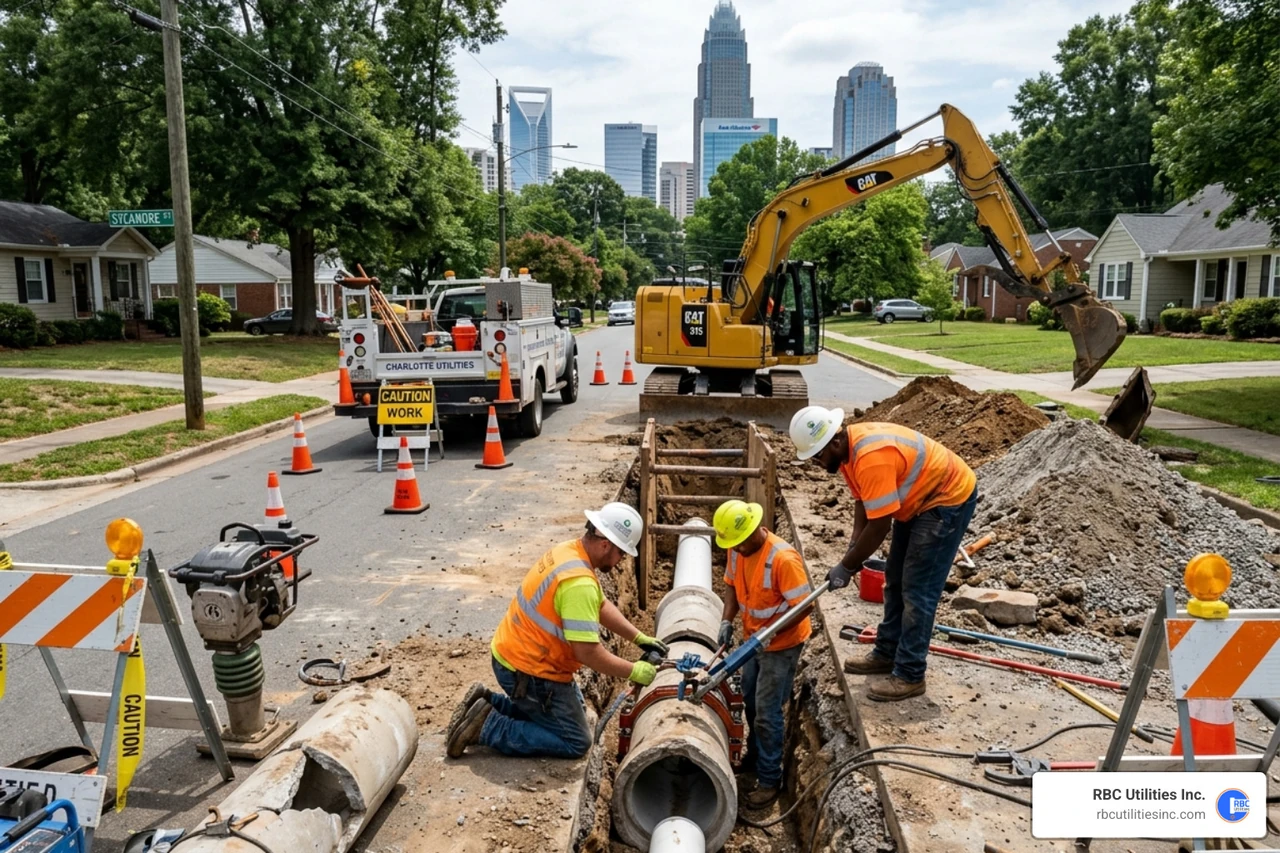
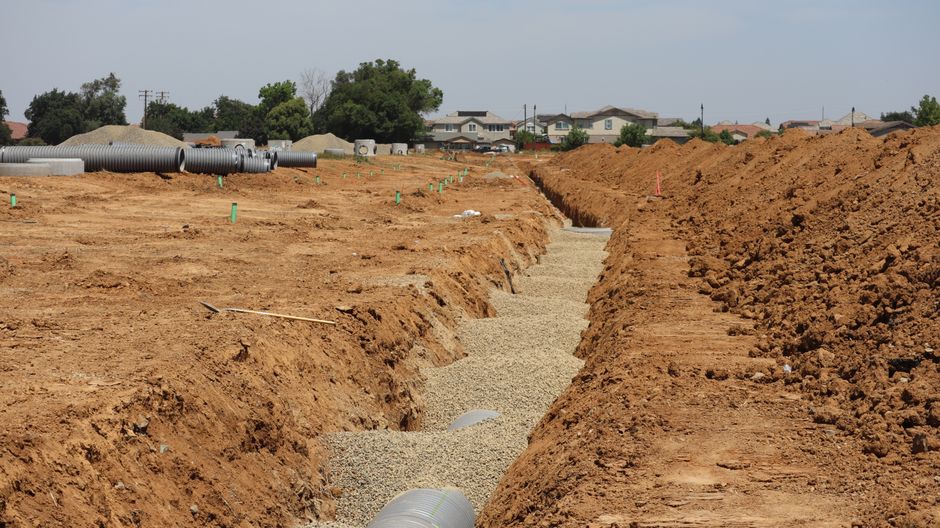
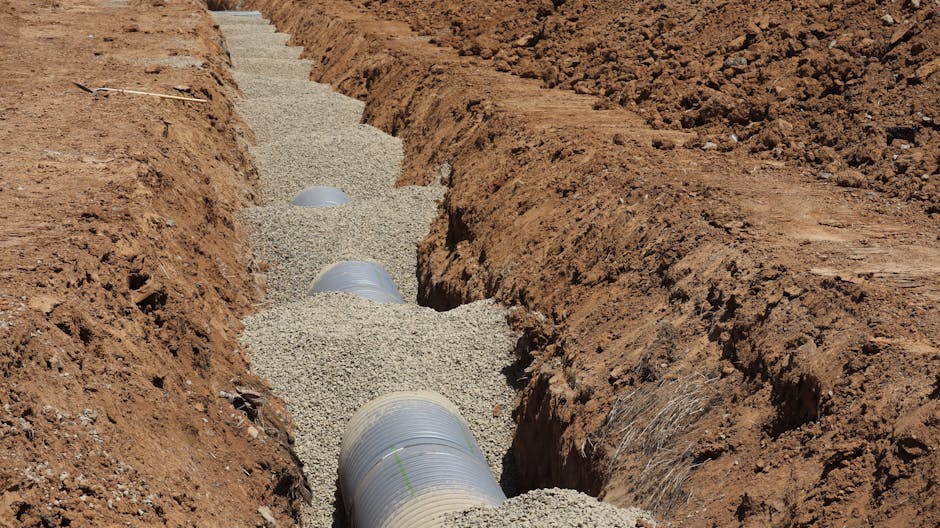
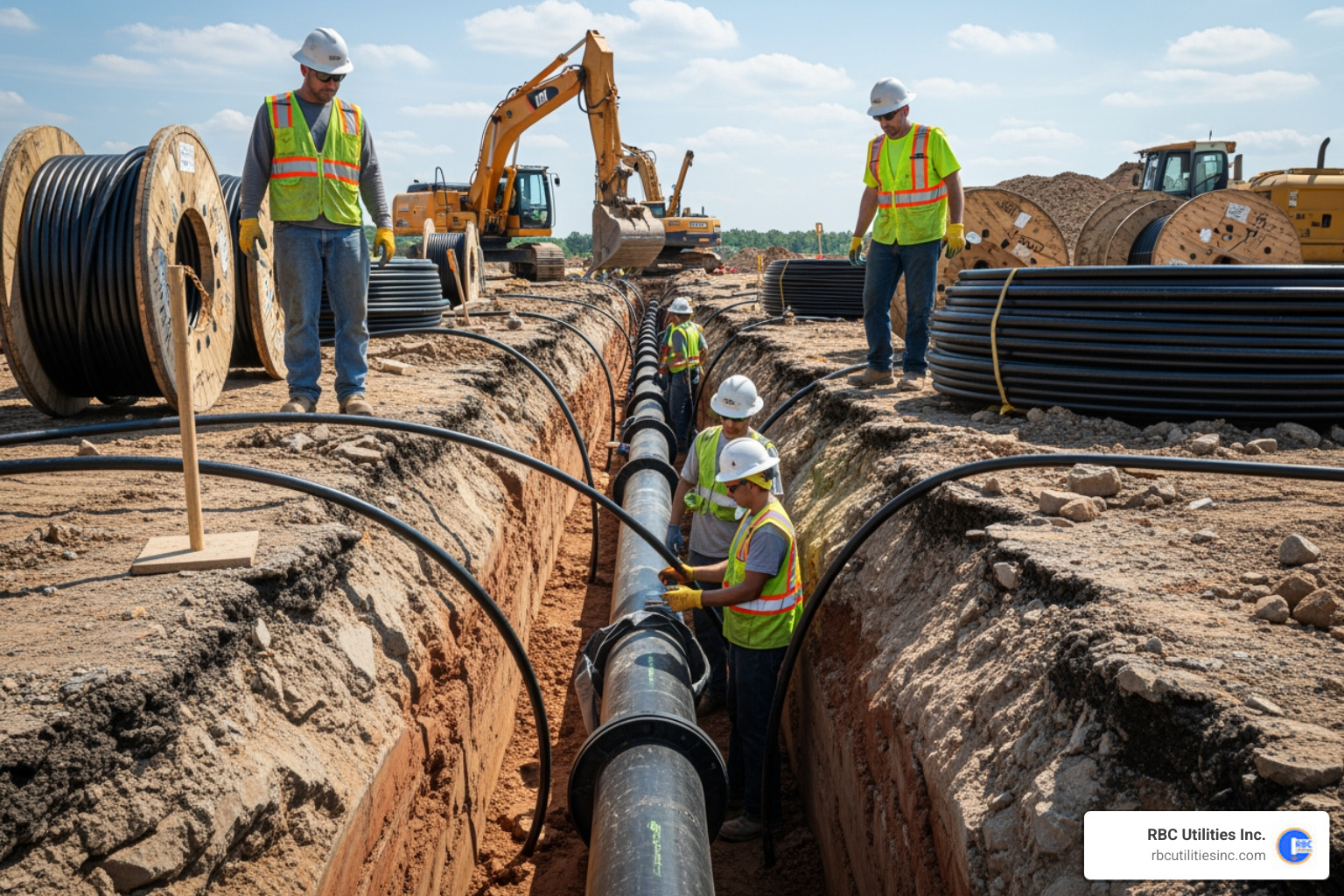
To protect these vital lines for decades to come, we follow a rigorous installation sequence. First, we excavate the pathway to the exact engineered grade. Next, we place a specialized bedding material—typically sand or fine gravel—to support the pipe or conduit and protect it from sharp rocks in the native soil.
Once the utility lines are laid, we install protective conduits (such as Schedule 40 or Schedule 80 PVC) for electrical and communication cables. Finally, we backfill the trench in thin, controlled layers, compacting each lift to eliminate air pockets and prevent future soil settling. For a deeper dive into these specifications, you can consult standard reference material like the Underground Installation Guide.
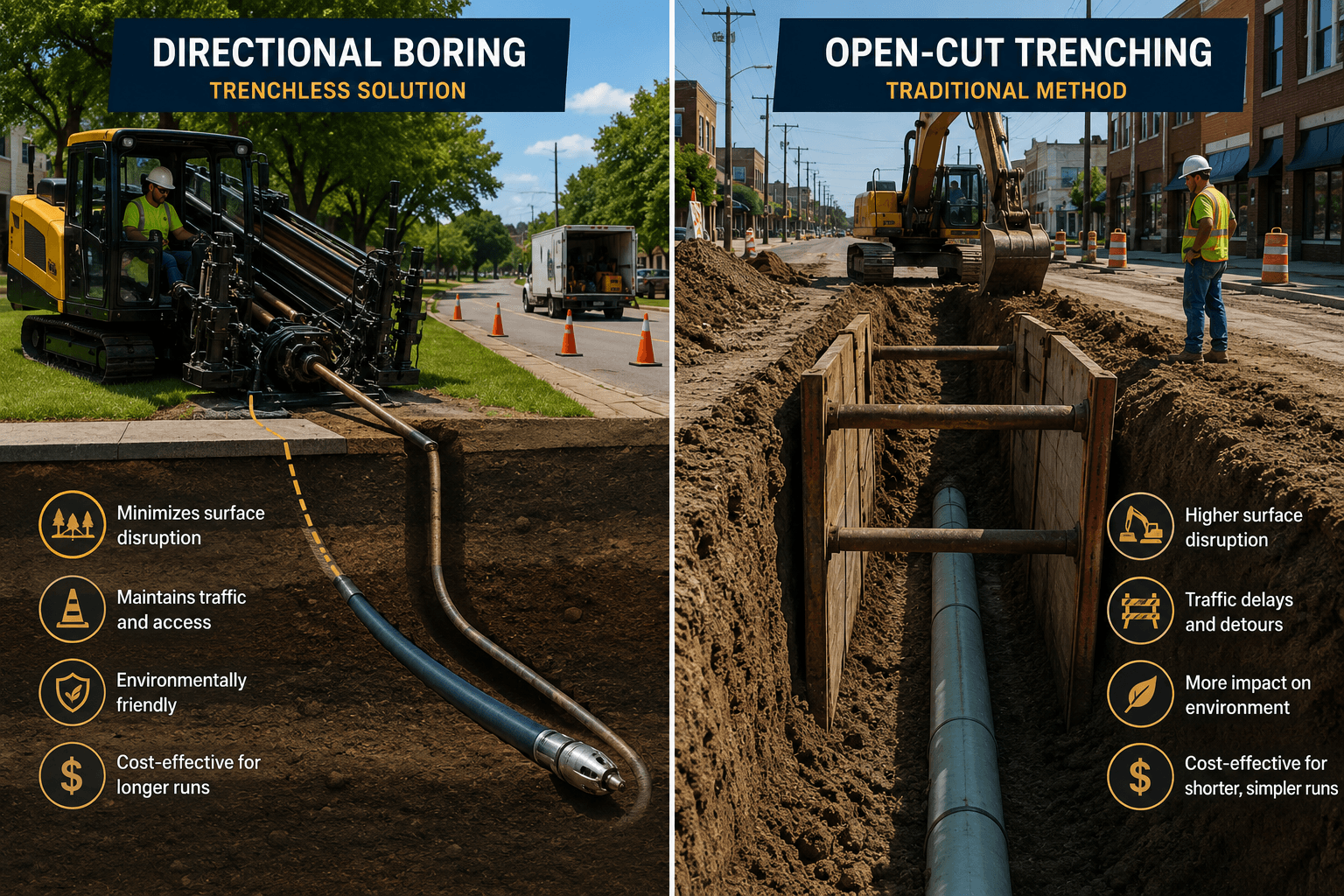
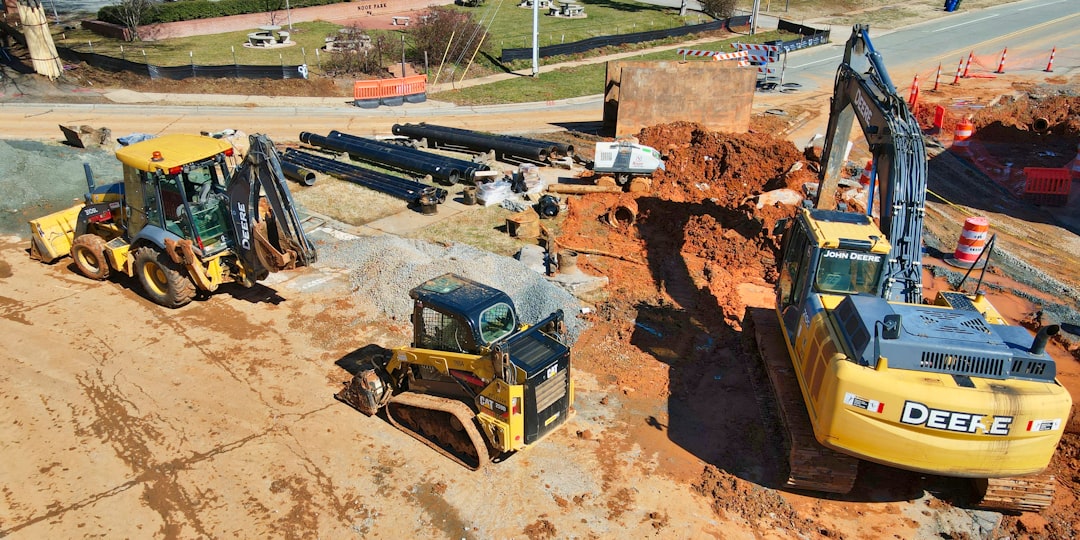
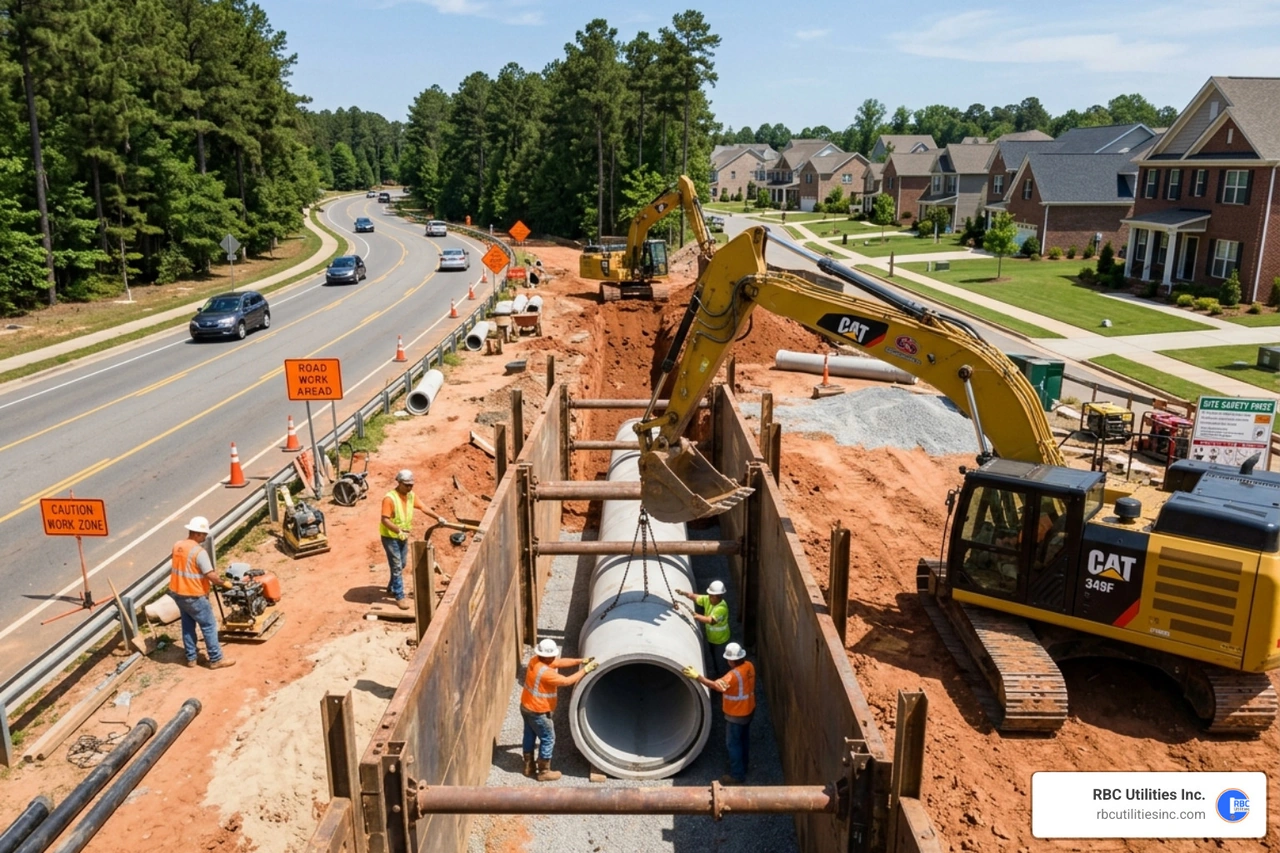
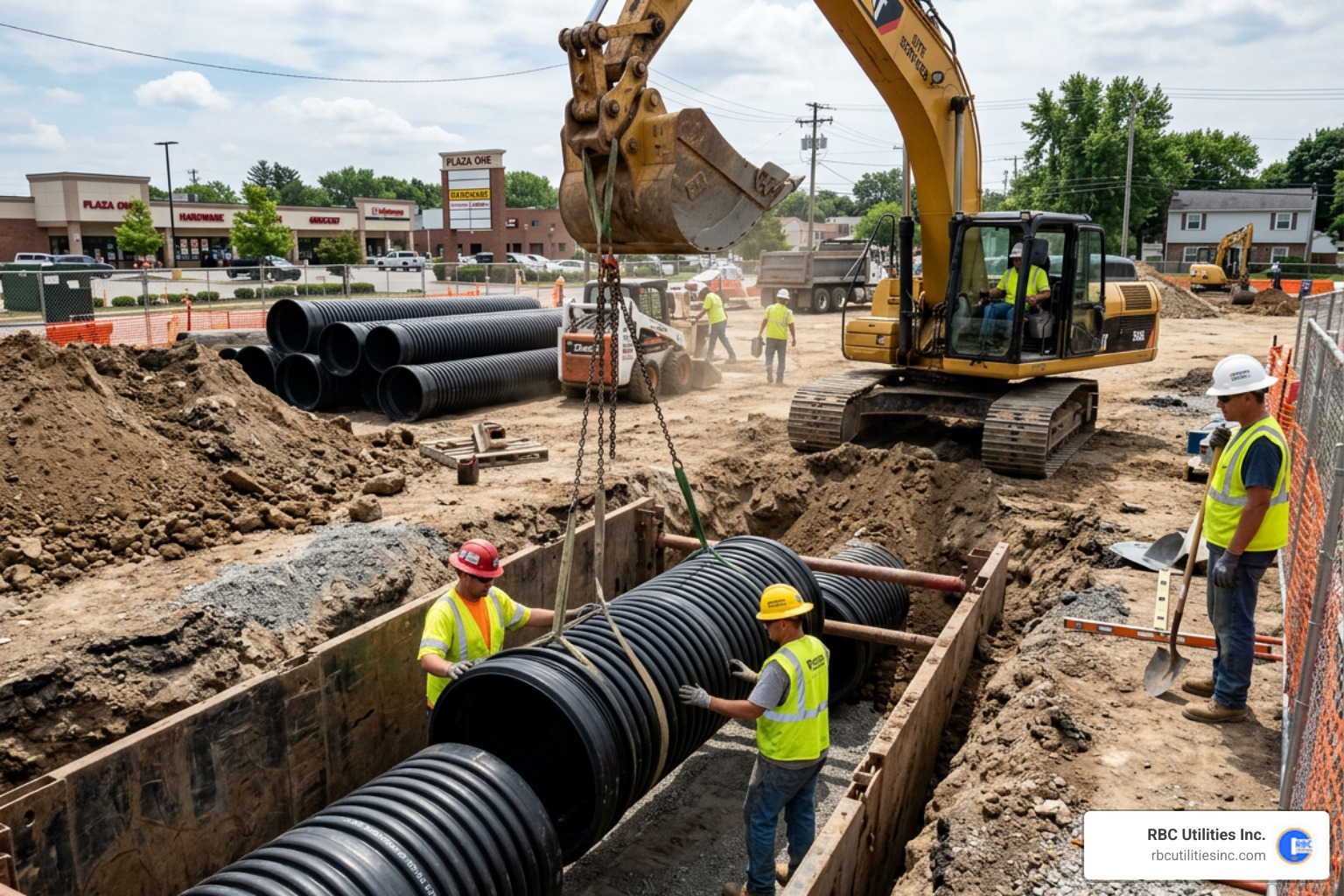
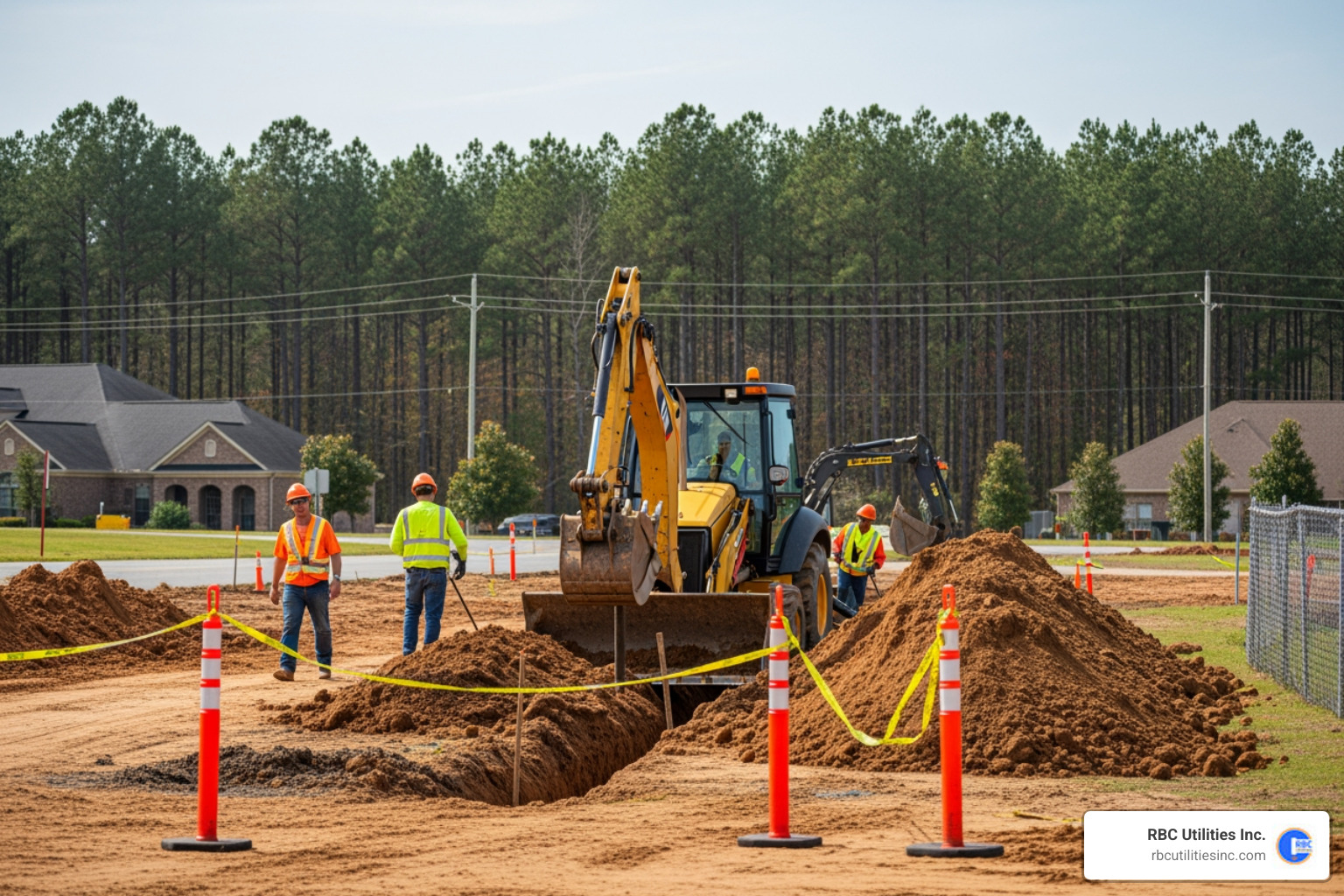
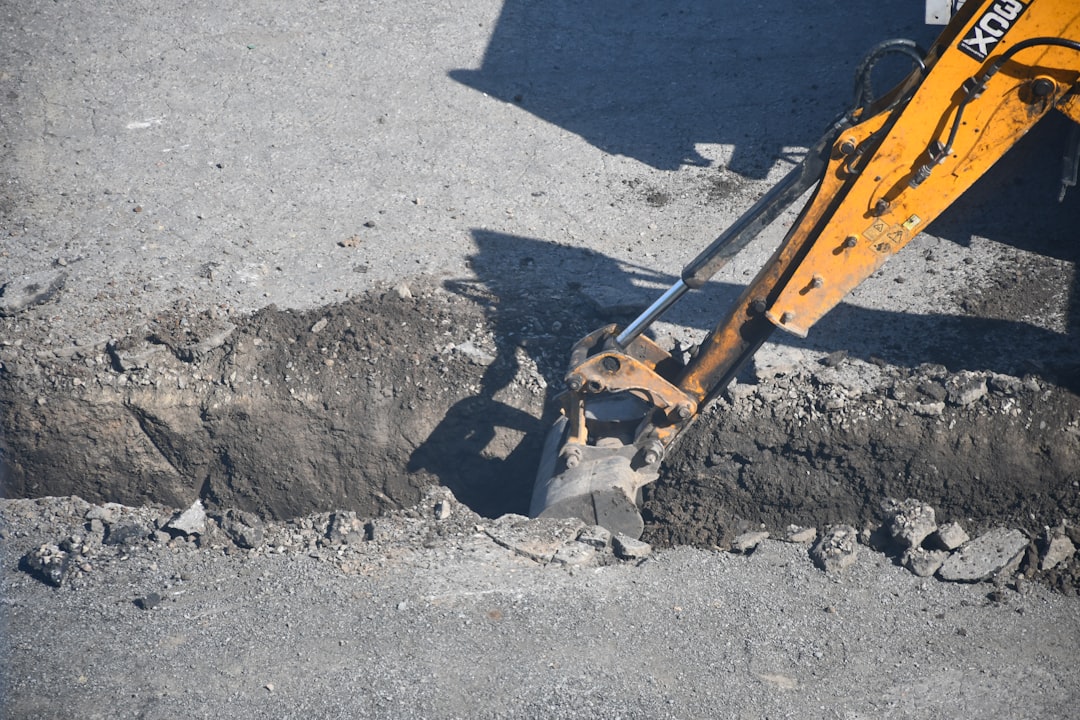
The most common and time-tested method of utility placement is traditional open-cut excavation. This involves digging a continuous, open trench from the surface down to the required utility depth.
While open-cut excavation is highly efficient in undeveloped areas, it requires absolute precision when preparing the trench floor. The bottom of the trench must be uniformly graded and free of large rocks or debris that could puncture pipes under pressure.
We always use high-quality bedding materials like washed sand or fine gravel to create a stable foundation. After the utilities are tested and approved, backfilling must be executed in layers (typically 6-inch to 12-inch lifts). Each layer is thoroughly compacted using vibratory rammers or trench rollers. Rushing this step is a recipe for disaster; poor compaction leads to localized ground settling, which can crack overlying asphalt and ruin new concrete slabs.
For a comprehensive overview of how we manage these complex earthworks, check out our Commercial Utility Contractors Ultimate Guide. If your project is located in our core service areas, you can learn more about our local excavation capabilities via Utility Trench Excavation NC and Utility Trench Excavation Charlotte.
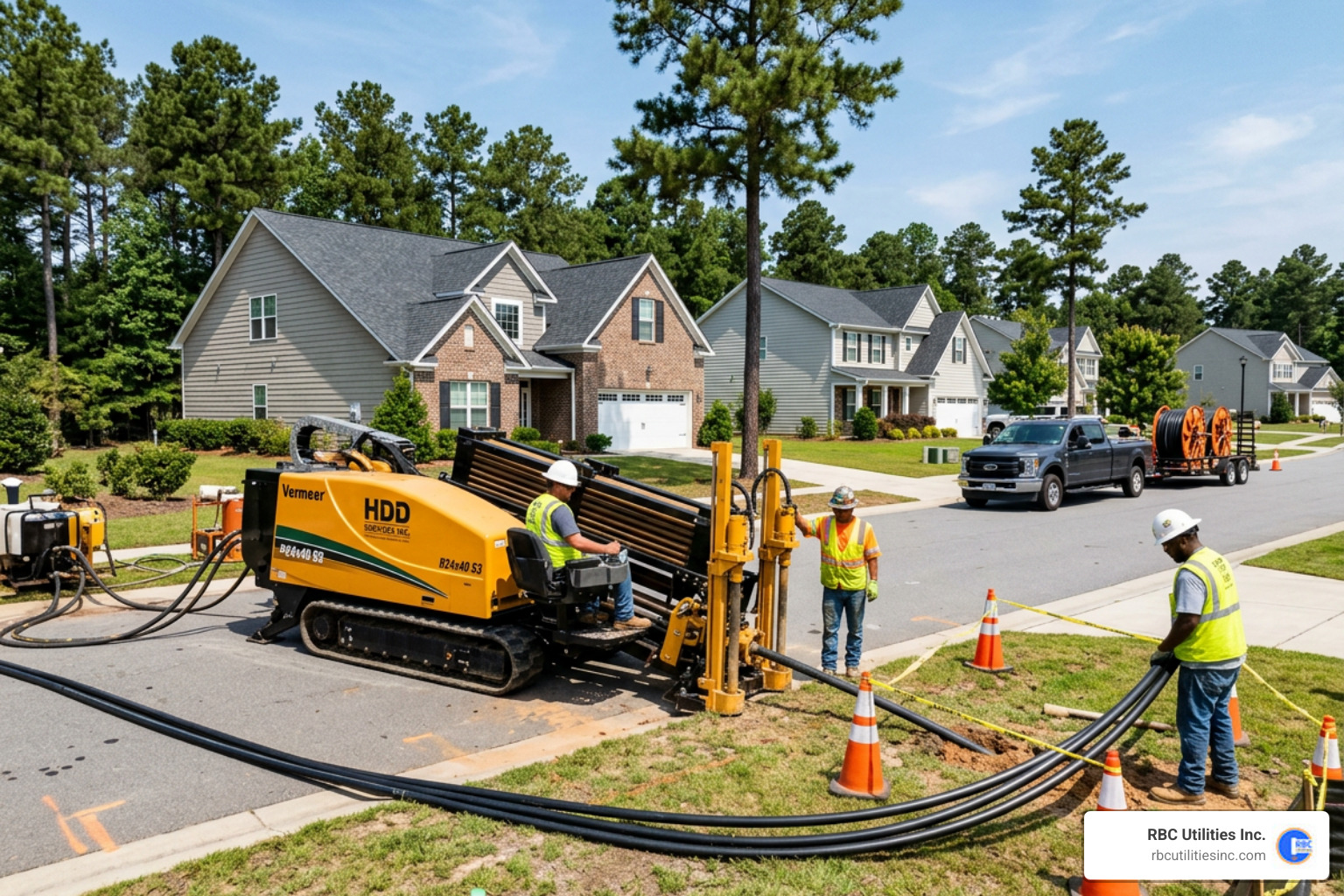
When projects require crossing beneath high-traffic highways, active railroads, or environmentally sensitive wetlands, traditional open-cut trenching is often impractical or prohibited. In these scenarios, we turn to trenchless technology. These advanced methods can reduce surface disruption by up to 90% and eliminate the need for costly pavement restoration.
The primary trenchless methods we utilize include:
For federal or highly regulated projects, these methods must comply with strict engineering guidelines, such as those outlined in the UFGS Trenchless Utility Installation Specification. To explore how we apply these advanced drilling methods across North and South Carolina, read about our Trenchless Utility Installation Carolinas services.
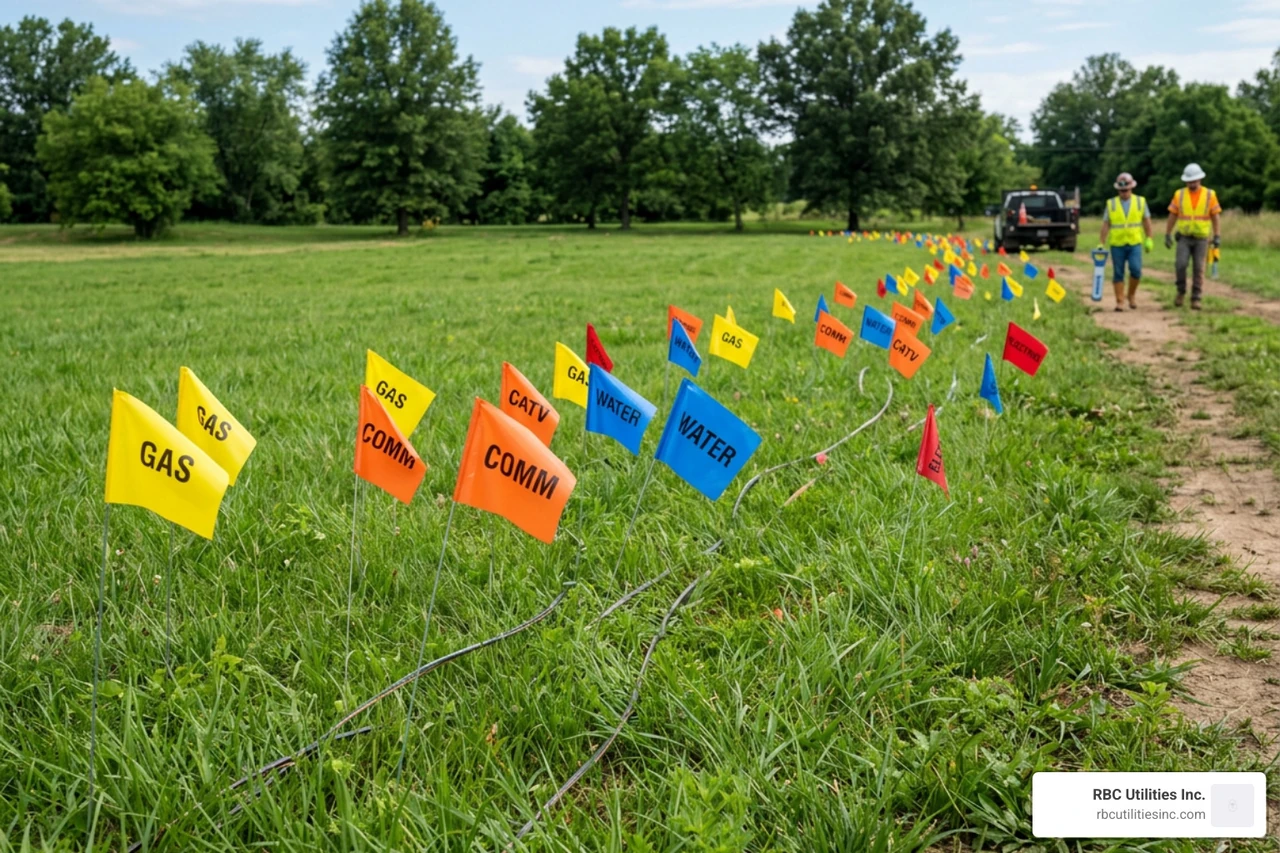
Safety and damage prevention are the absolute pillars of underground utility construction. With millions of miles of active lines crisscrossing the country, excavating without strict safety protocols is incredibly dangerous.
To prevent accidental utility strikes, the utility industry relies on a universal, standardized color-coding system established by the American Public Works Association (APWA). Every contractor, surveyor, and utility locator must use these exact colors to mark buried lines before any excavation begins:
In addition to color-coding, utility lines must be installed with proper physical separation. For example, electrical conduits must maintain a minimum horizontal separation of 36 inches from gas and water lines to prevent thermal interference or catastrophic damage in the event of a leak. While standard civil manuals like the NYSDOT Blue Book Utility Requirements provide excellent national reference guidelines for utility accommodation, we tailor every installation to meet the specific right-of-way regulations of NCDOT and SCDOT.
A successful utility project begins months before the first excavator arrives on site. The planning phase requires a meticulous site assessment to evaluate soil conditions, groundwater levels, and potential conflicts.
To map out existing, hidden infrastructure, we utilize advanced technologies like Ground Penetrating Radar (GPR) and electromagnetic induction. This data is integrated into Geographic Information System (GIS) mapping software, allowing our field crews to view a highly accurate, digital blueprint of the subsurface.
However, technology is only part of the equation. By law, anyone planning to disturb the ground must call 811 (the national "Call Before You Dig" service) at least three working days prior to excavation. This alerts local utility companies to visit the site and mark the locations of their active lines using the APWA color codes. To learn more about how we coordinate these complex pre-construction phases, check out our guide on Underground Infrastructure Expansion Carolinas.
Excavation is inherently hazardous work, which is why we strictly enforce all OSHA trench safety regulations. Any trench deeper than 5 feet must utilize active protective systems, such as:
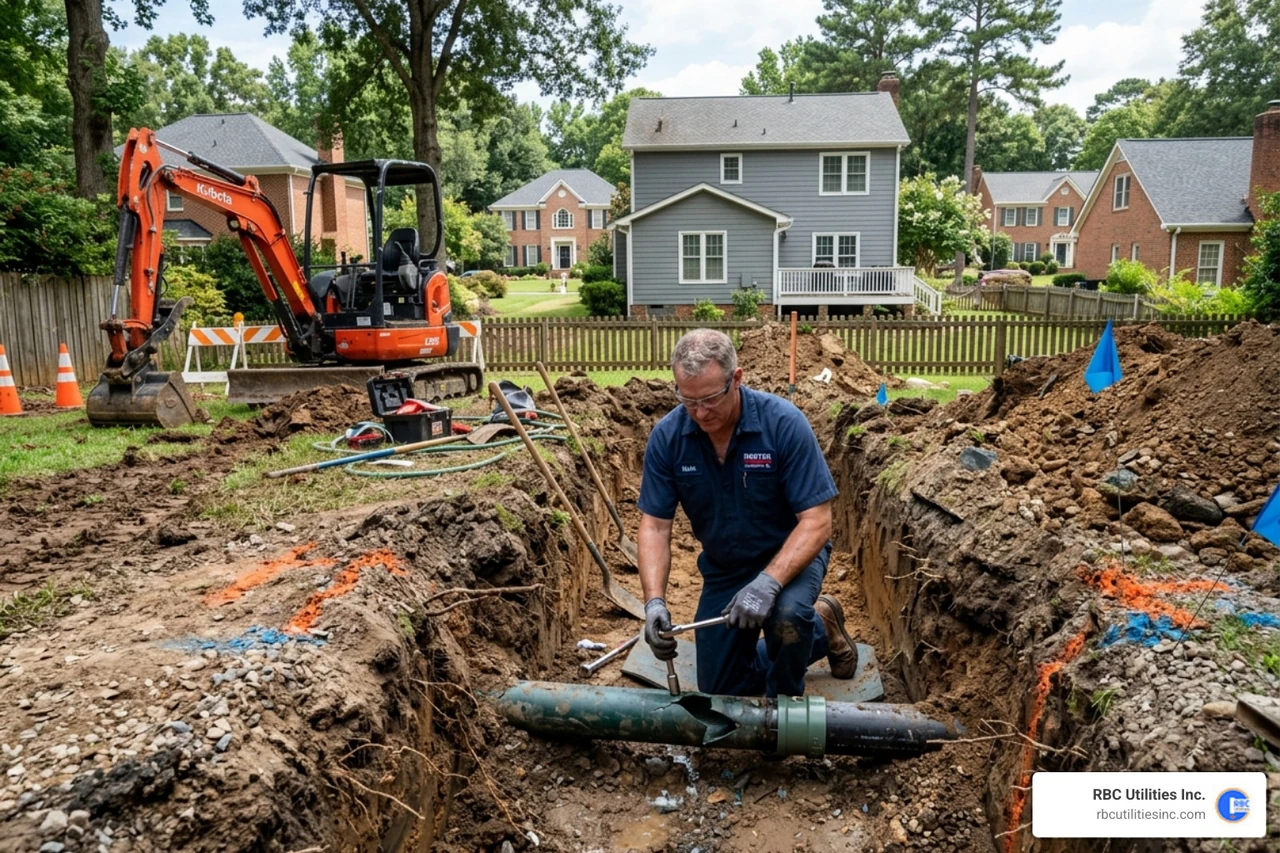
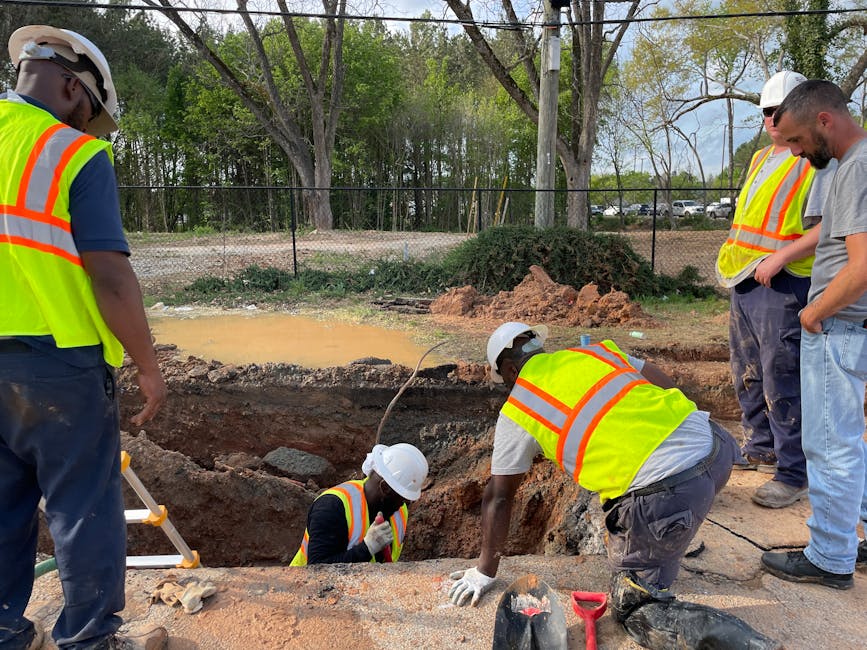
To avoid utility strikes, our crews practice "hand digging zones." Within 24 inches of any marked utility line, heavy machinery is prohibited, and workers must carefully expose the existing utility using hand shovels or vacuum excavation.
Once a new utility system is successfully installed, tested, and inspected, the responsibility for long-term maintenance must be officially documented and transferred. Public mains are typically dedicated to the local municipality or utility district, while private service connections remain the responsibility of the private property owner.
Understanding the technical nuances of underground utility work can be challenging. Below, we've compiled a quick-reference comparison of the two primary installation methods, followed by answers to common industry questions.
| Feature / Consideration | Traditional Trenching (Open-Cut) | Trenchless Installation (HDD / Boring) |
|---|---|---|
| Primary Equipment | Excavators, trenchers, backhoes | Directional boring rigs, microtunneling machines |
| Surface Disruption | High (requires cutting roads, clearing land) | Extremely low (requires only small launch/receive pits) |
| Best Suited For | Undeveloped land, new subdivisions | Urban areas, highway crossings, water crossings |
| Initial Cost | Moderate to low (in open areas) | Higher initial setup cost |
| Restoration Cost | High (requires repaving, landscaping) | Minimal to none |
| Soil Constraints | Highly adaptable to most soil types | Requires specific drill bits for solid rock or cobble |
Burial depths are strictly regulated by local building codes, utility specifications, and environmental factors like the local frost line. As a general rule of thumb:
The difference lies entirely in ownership and maintenance responsibility:
In our years of field experience, we've seen that most project delays and budget overruns stem from a few avoidable pitfalls:
Successful underground utility installation is where coordination wins or loses a construction project. From the initial 811 call to the final compaction test, every step of the process requires absolute precision, specialized equipment, and a deep understanding of local regulations.
At RBC Utilities, Inc., we deliver exactly that. Backed by the national resources of Saga Infrastructure, we combine deep, local Carolinas expertise with world-class construction capabilities. Whether you are developing a new residential community in Charlotte, expanding municipal water infrastructure in South Carolina, or managing a complex commercial development, we have the experienced crews and specialized equipment to get the job done safely, on time, and built to last.
Ready to partner with a utility contractor you can rely on? Contact us today to discuss your project, or read more about our local capabilities in our dedicated guide to Underground Utility Installation NC. Let’s build your project’s foundation the right way, from the ground down.
Part of Saga Infrastructure, protecting what others built and helping it grow.
Address: 4404 Stuart Andrews Blvd., Suite K, Charlotte, NC 28217
Email: info@rbcutilities.com
Phone: 803-913-9727
Service Area: North Carolina | South Carolina