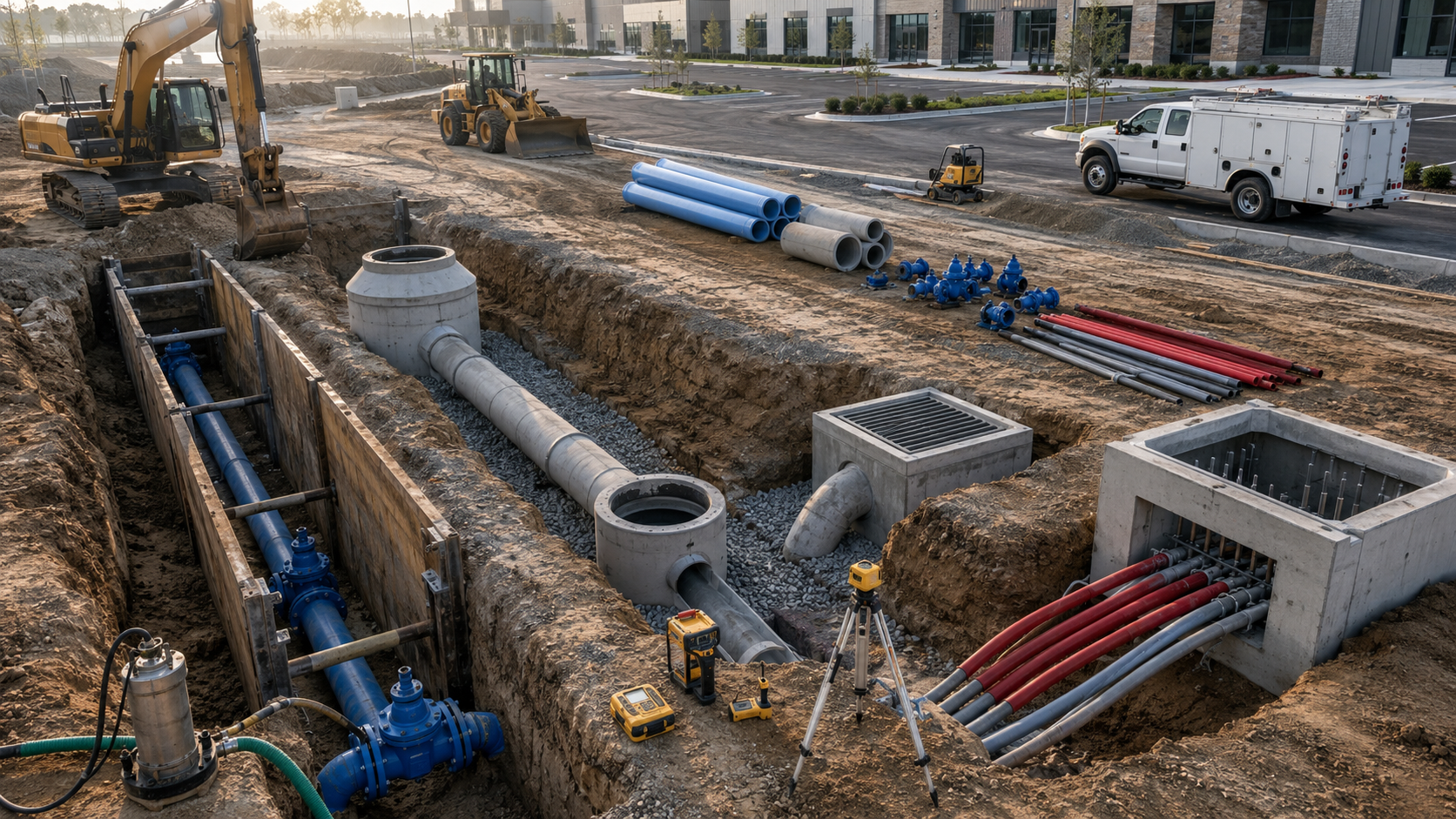
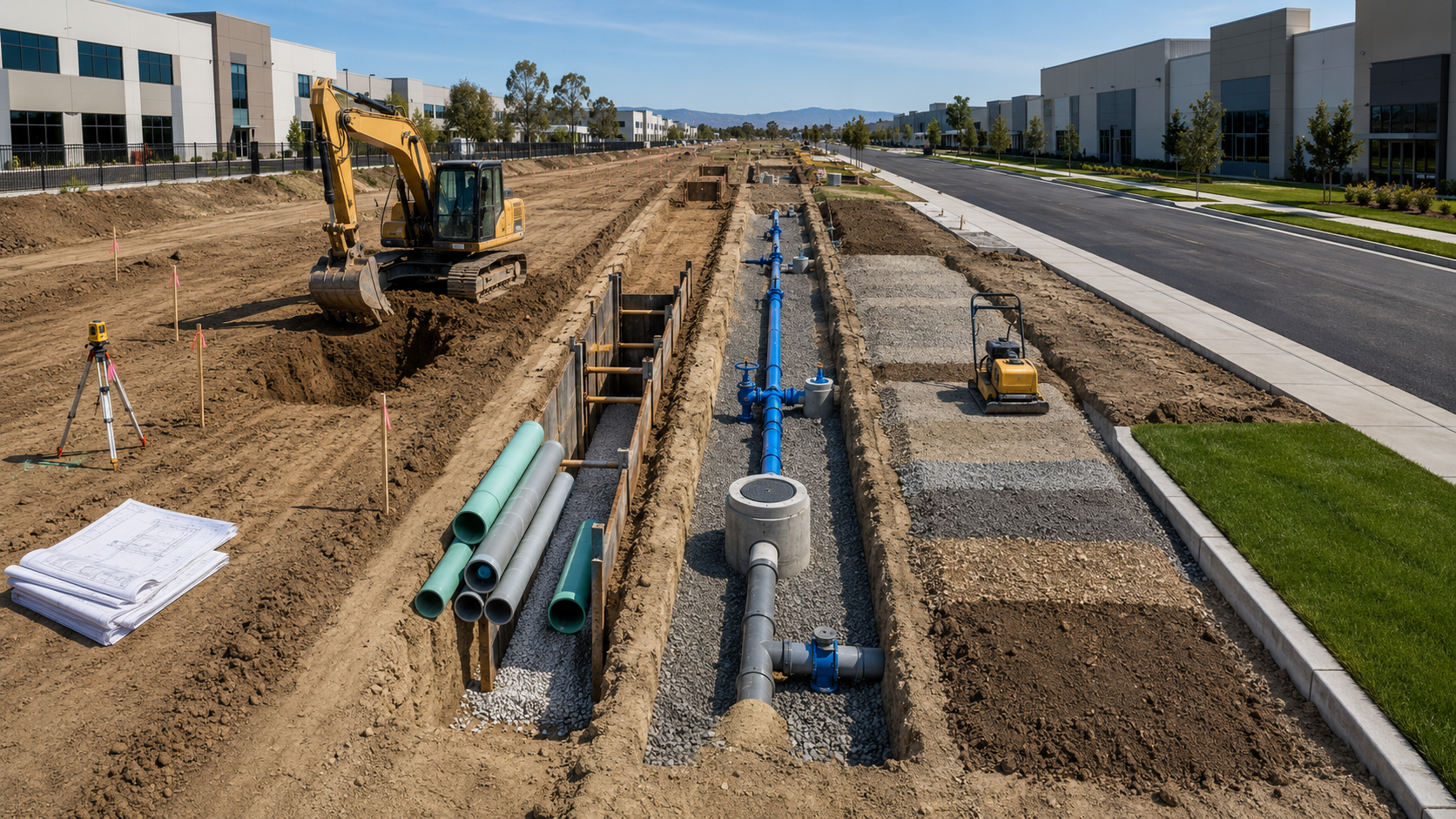
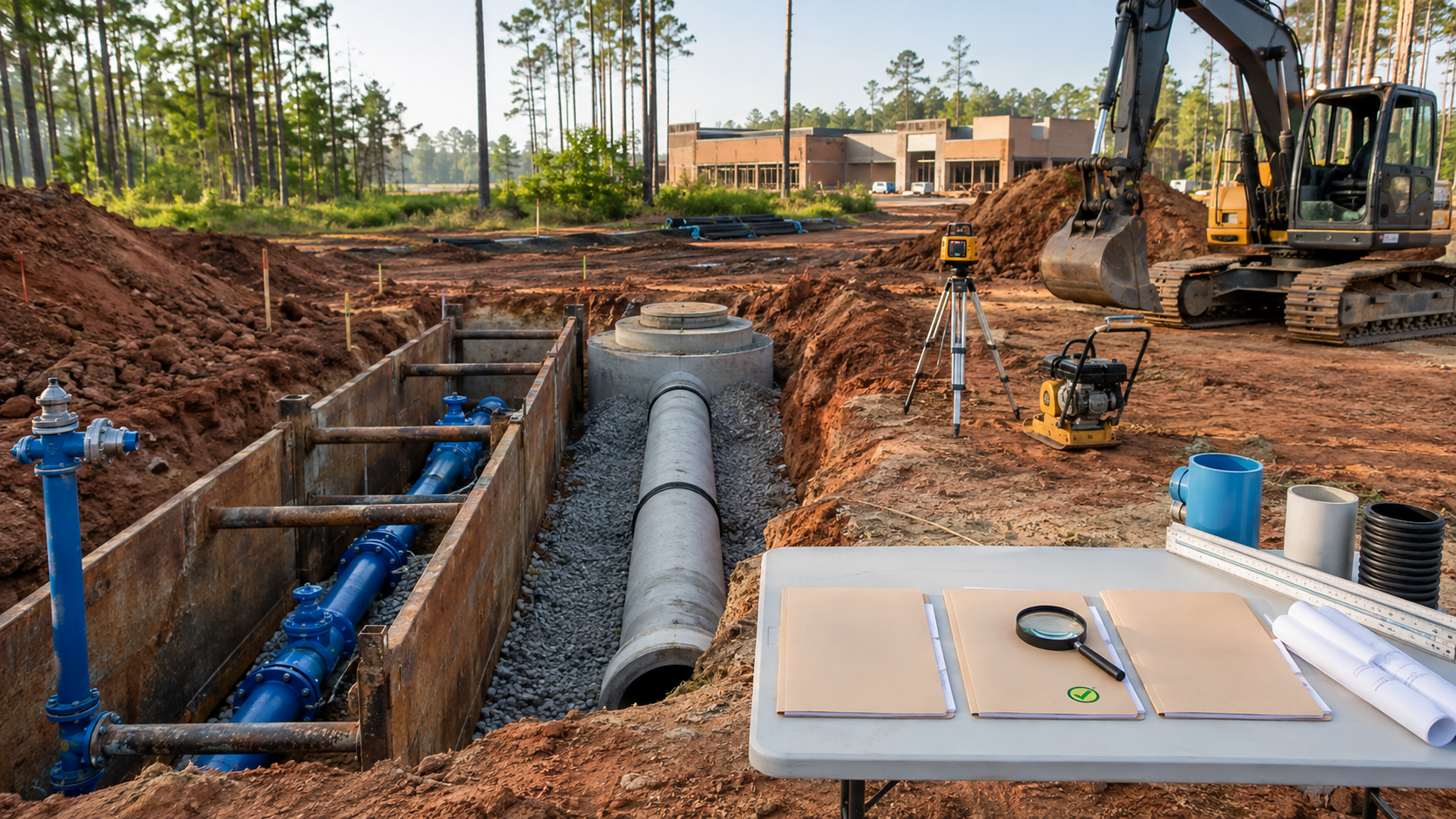
Commercial conduit installation services are the foundation of any safe, reliable electrical and utility system in modern buildings. Whether you're developing an office complex, a warehouse, or a retail center, the conduit network is what keeps power, data, and communications flowing — protected and organized.
Here's a quick look at what professional commercial conduit installation delivers:
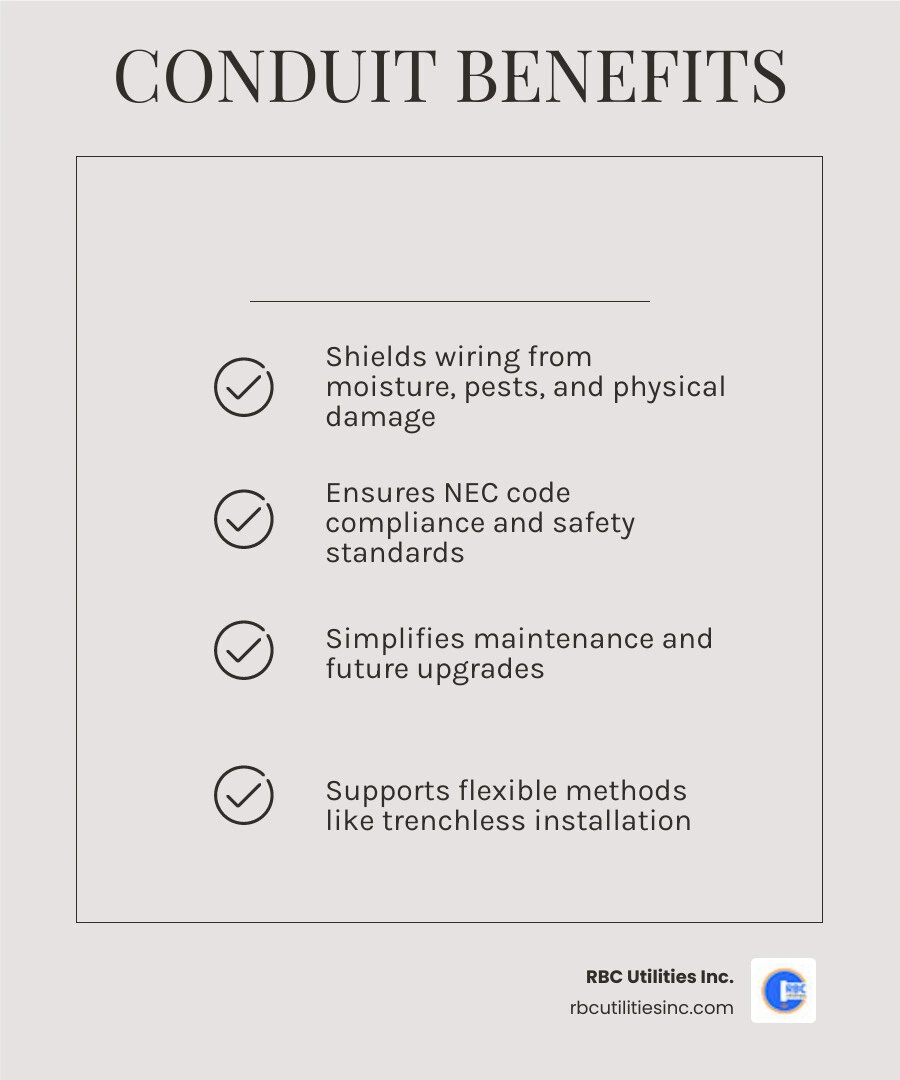
Protected wiring pathways: Shields cables from moisture, pests, and physical damage
Code-compliant systems: Meets NEC standards and local building regulations
Organized infrastructure: Makes future upgrades and maintenance easier
Flexible installation methods: Trenchless options can reduce site disruption
Long-term reliability: Helps prevent costly repairs and system failures
Think of conduit as the highway system for your building's utilities. Without it, wiring is exposed, disorganized, and vulnerable. With it, your infrastructure is built to last — and easy to service when needed.
For mid-sized developers and general contractors in the Carolinas, choosing the right conduit installation partner can mean the difference between a smooth project closeout and costly rework.
I'm Don Larsen with RBC Utilities, Inc., and since 2008 our team has delivered commercial conduit installation services across the Carolinas for residential, commercial, and municipal projects — from new development builds to complex infrastructure upgrades. In this guide, I'll walk you through everything you need to evaluate your options and make a confident decision.
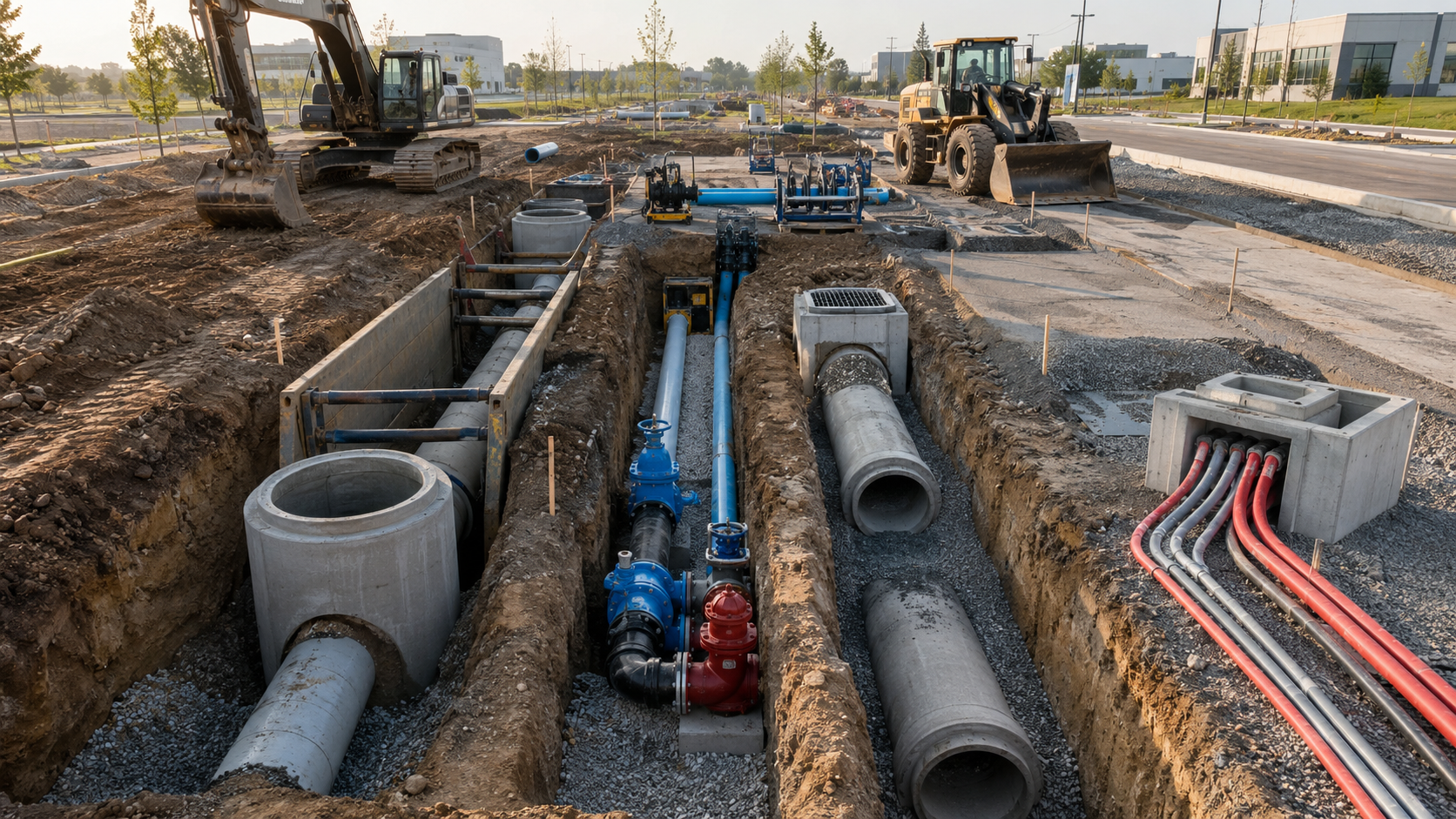
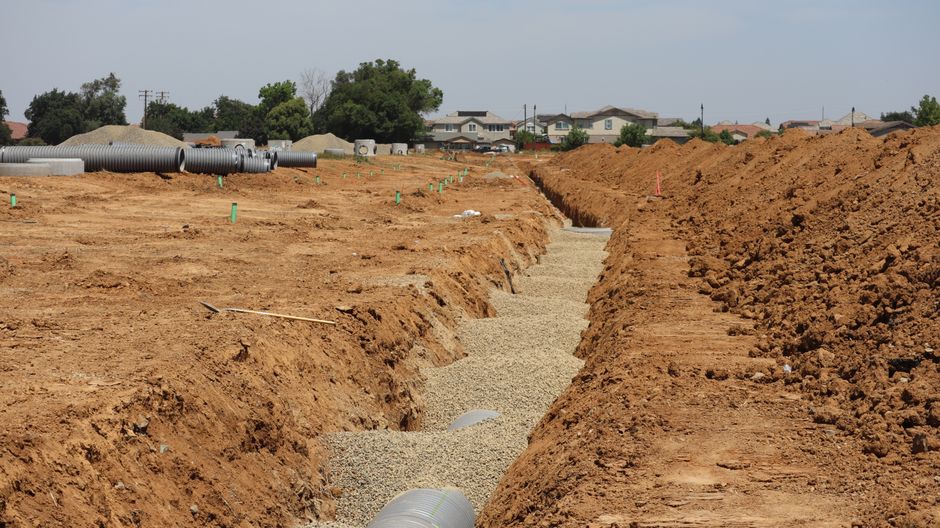
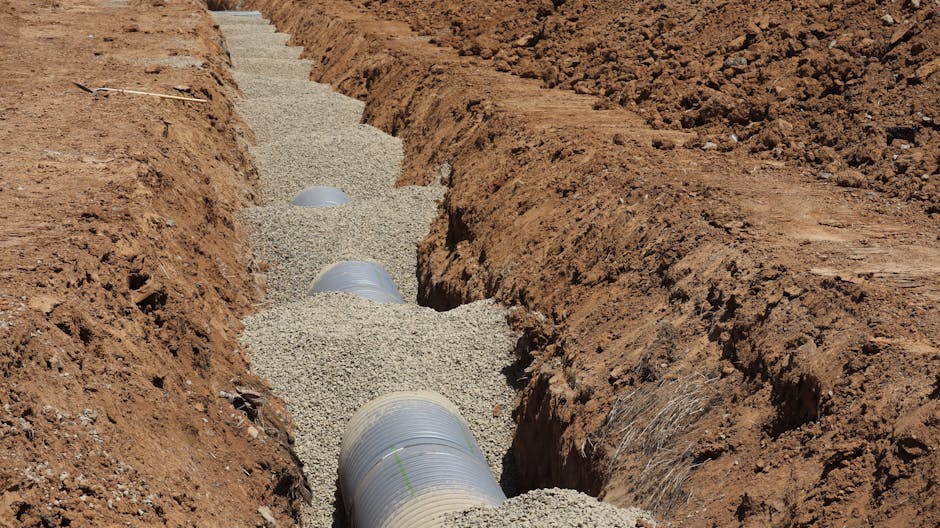
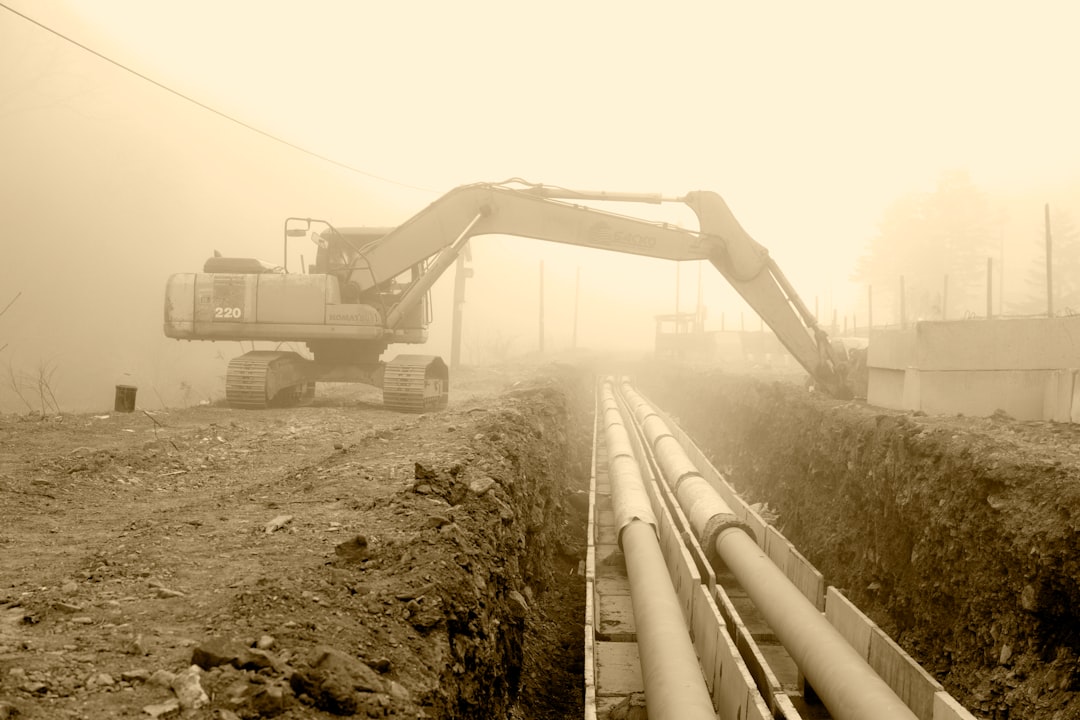
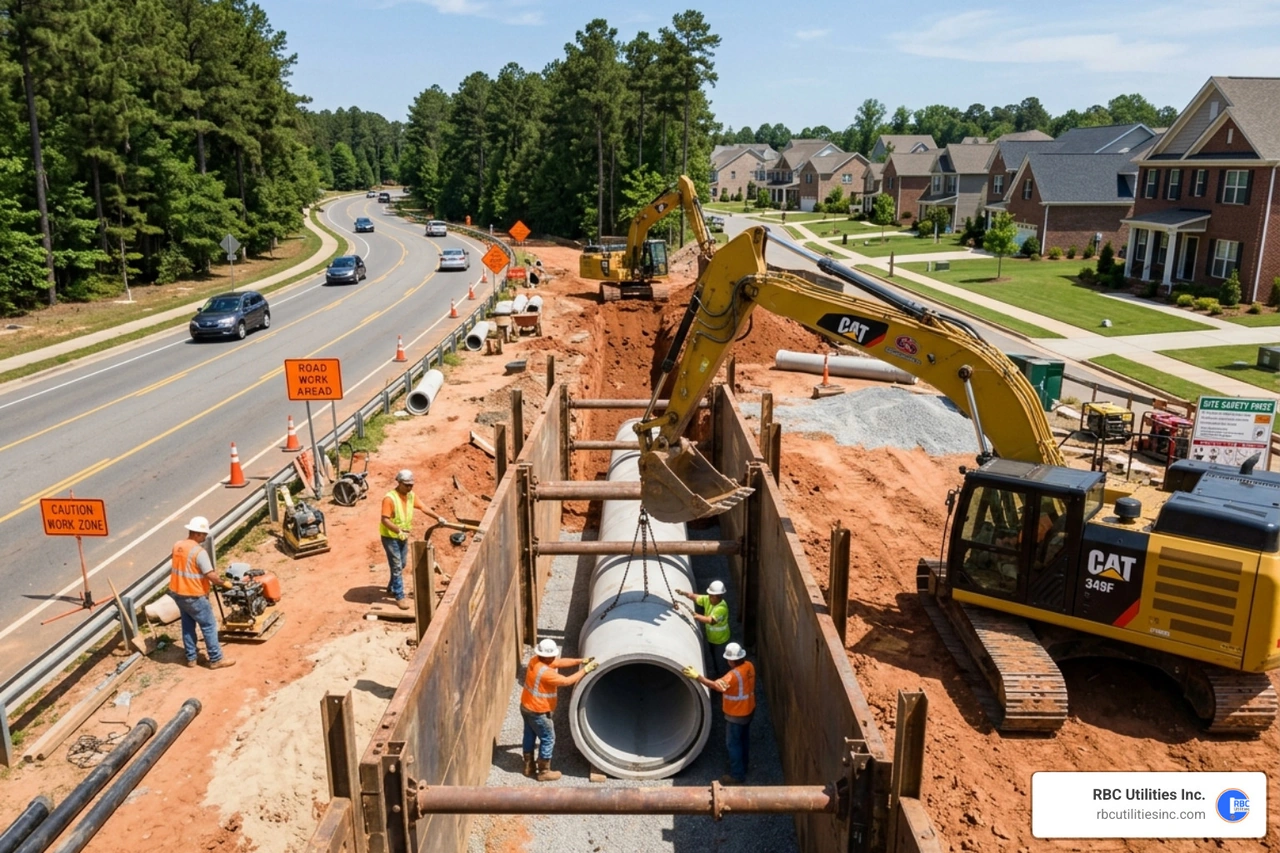
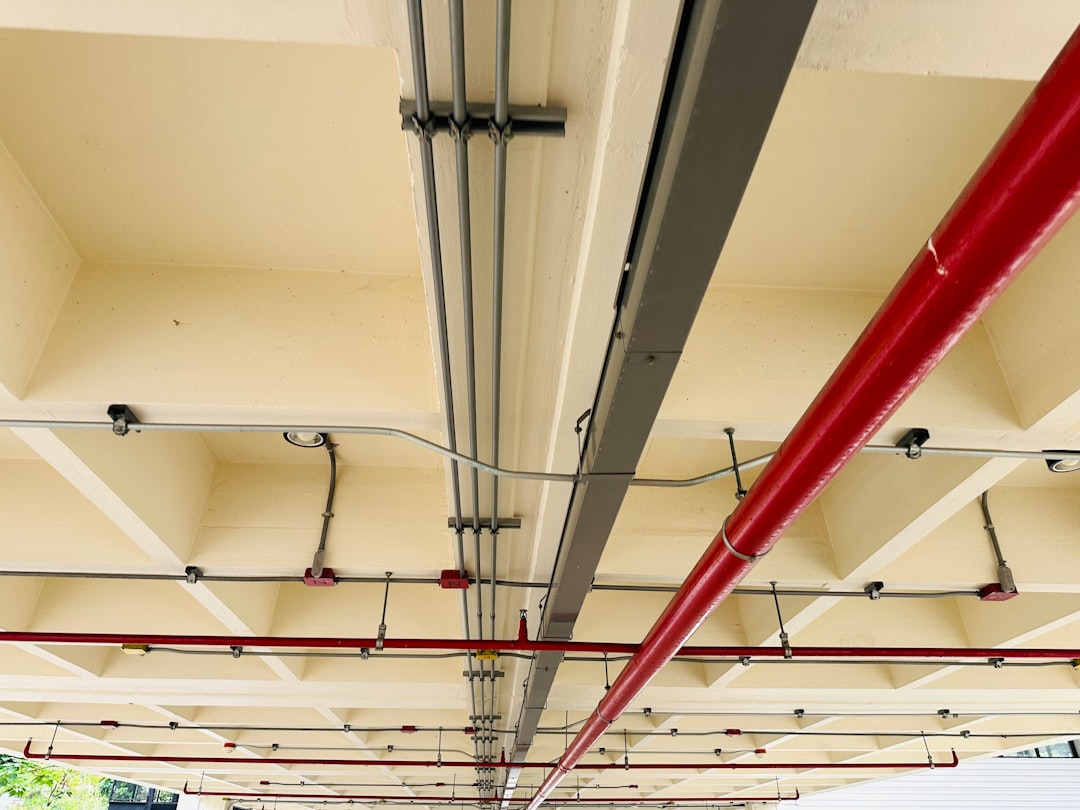
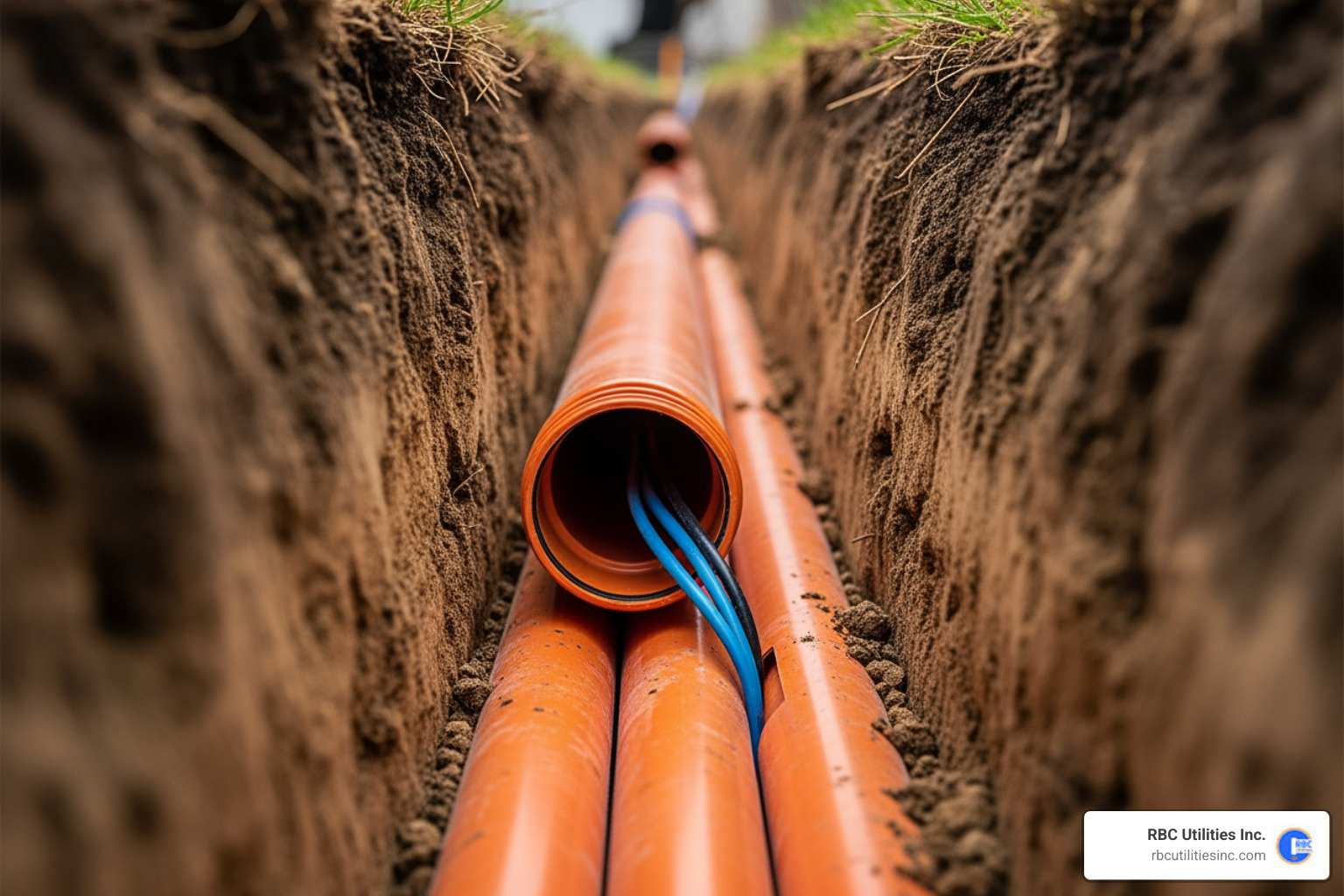
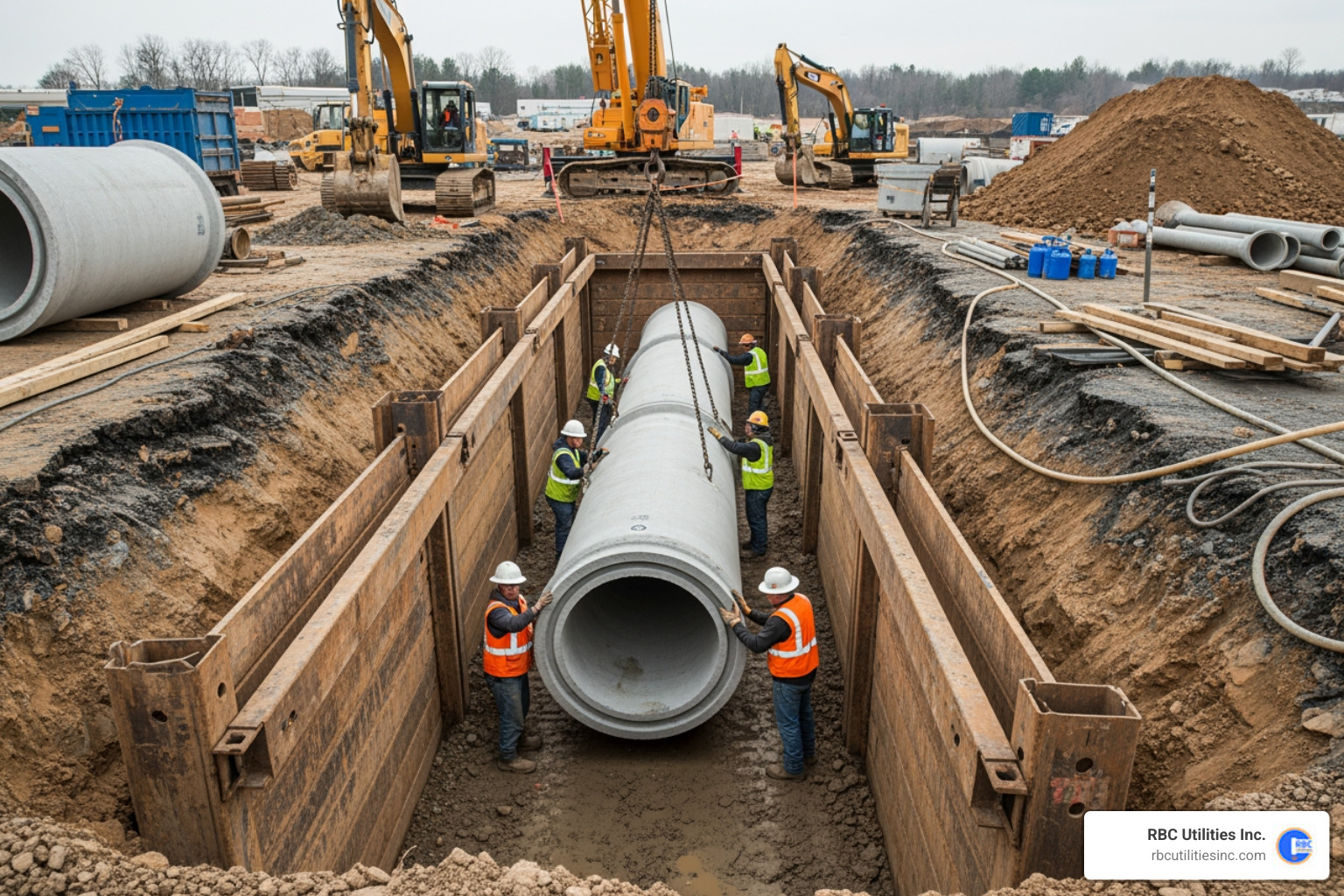
When we talk about commercial conduit installation services, we aren't just talking about pipes in the ground or behind walls. We are talking about a strategic asset for your property. A high-quality conduit system serves as a "utility highway," providing a dedicated, protected route for the lifeblood of your business: electricity and data.
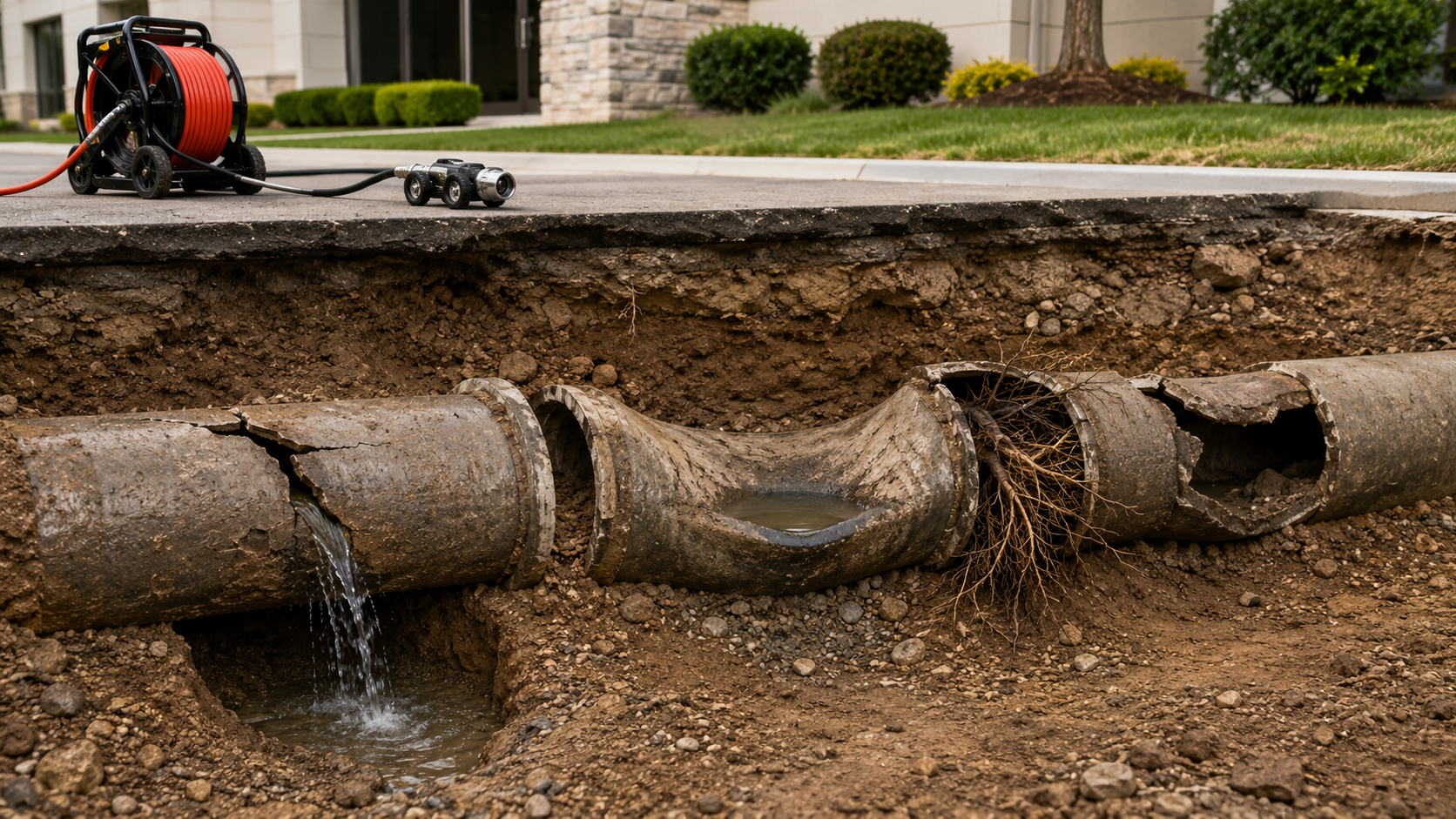
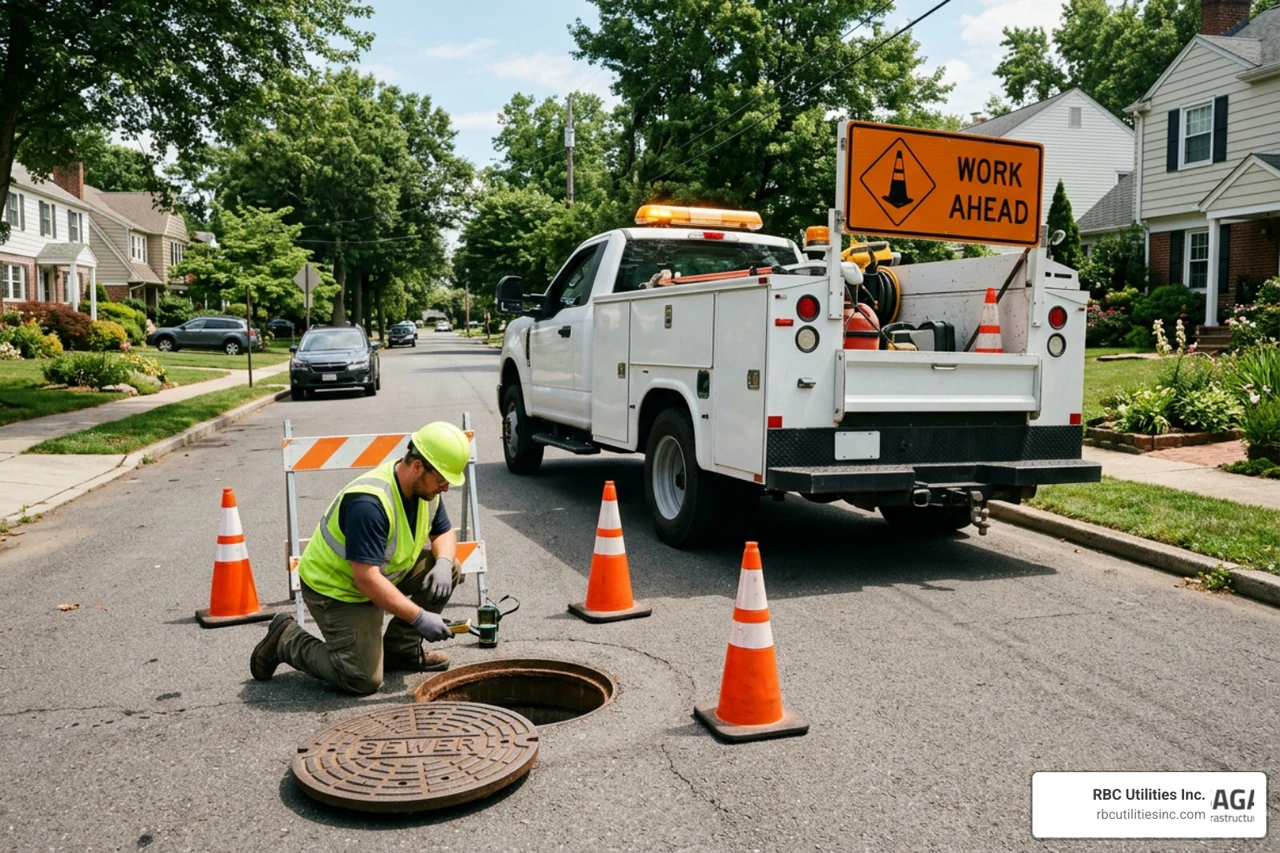
The primary value of these services lies in protection. In the Carolinas, our climate can be tough on exposed infrastructure. Proper conduit shields sensitive wiring from moisture infiltration, which can lead to corrosion and short circuits. It also acts as a fortress against pests—rodents are notorious for chewing through unprotected wires, causing thousands of dollars in damages and fire risks. Furthermore, in high-traffic commercial environments like warehouses or manufacturing plants, conduits provide a physical barrier against accidental impacts from machinery or equipment.
Beyond protection, there is the factor of future-proofing. A well-organized system allows for easy maintenance access. Instead of tearing out walls or trenching through a finished parking lot to upgrade a data line, technicians can simply pull new cables through existing conduit runs. This level of foresight saves businesses immense amounts of time and money as technology evolves.
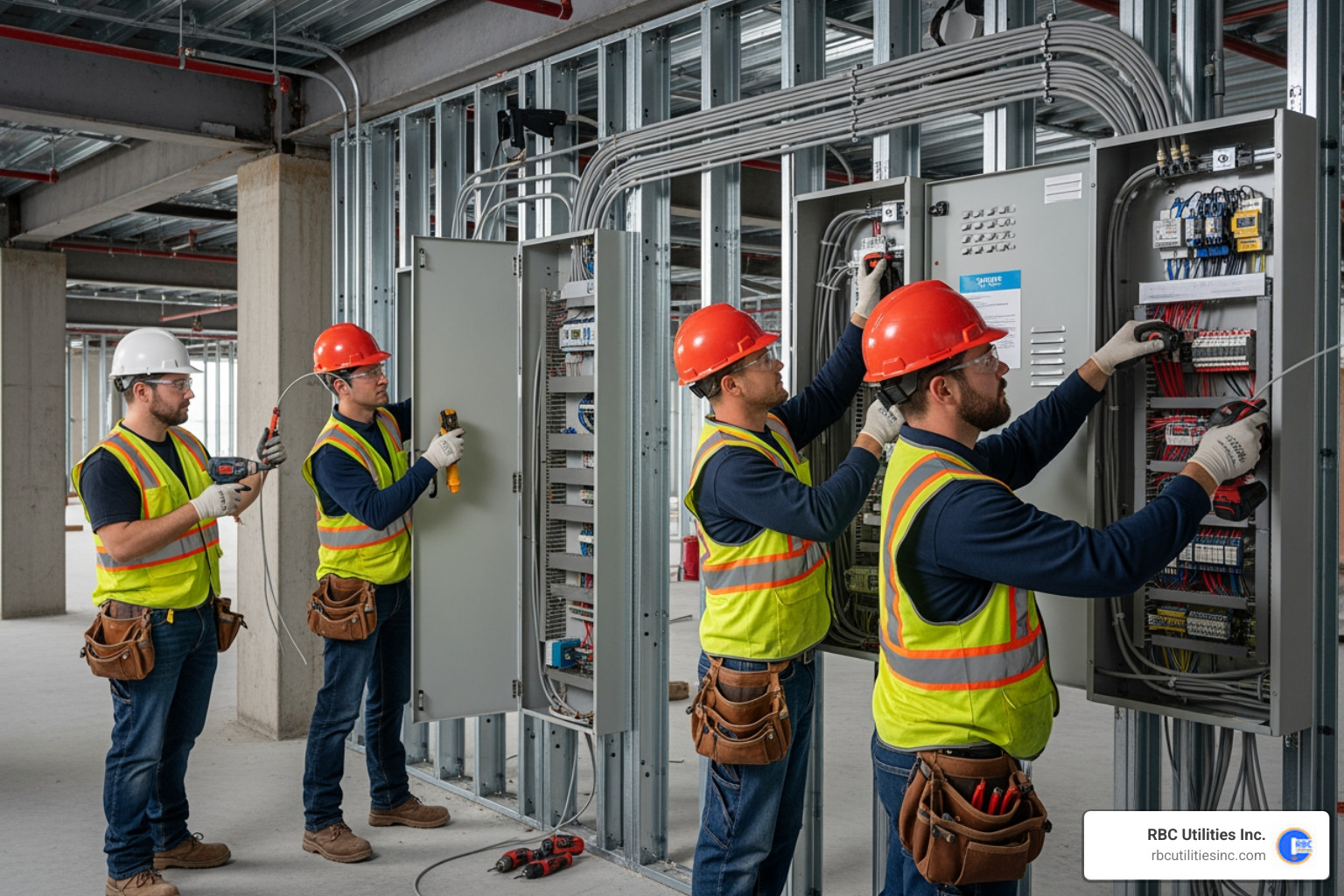
Hiring a professional team for your commercial conduit installation services is not just a matter of convenience; it is a matter of safety and liability. Professional planning ensures that the system is designed to handle the specific electrical loads and environmental stresses of your site.
We see commercial conduit installation services utilized across a wide variety of sectors in the Carolinas. Each application has its own set of challenges:
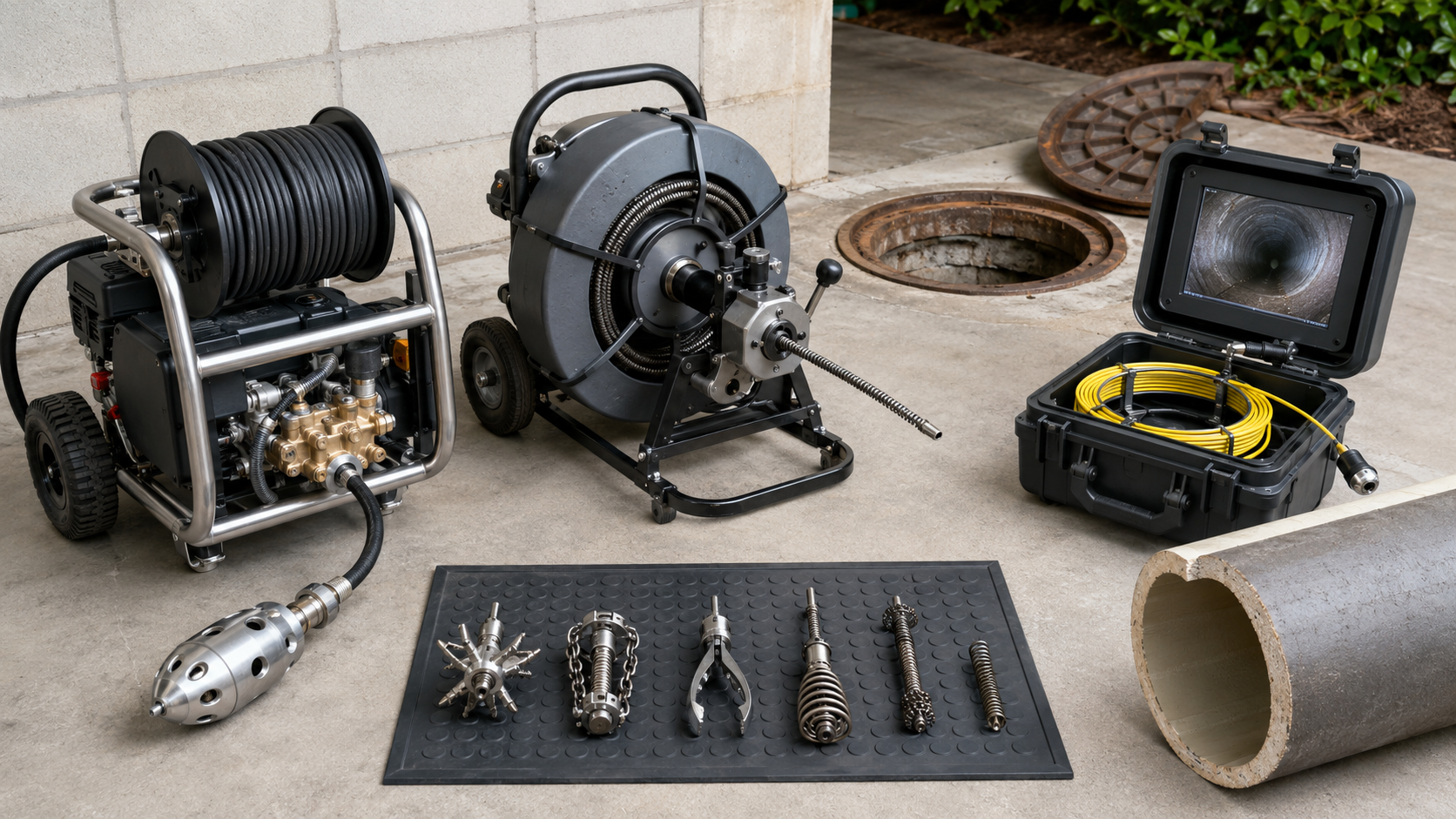
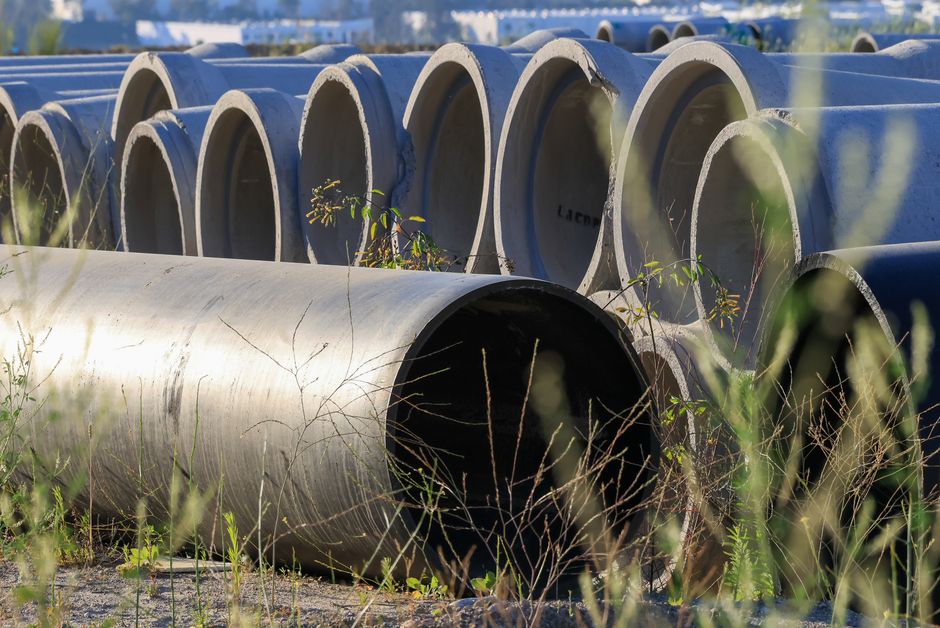
Choosing the right materials is half the battle in any infrastructure project. Depending on whether we are working in a sleek Charlotte office or a rugged industrial site in South Carolina, the "raceway" (the system of conduits and fittings) must be tailored to the environment.
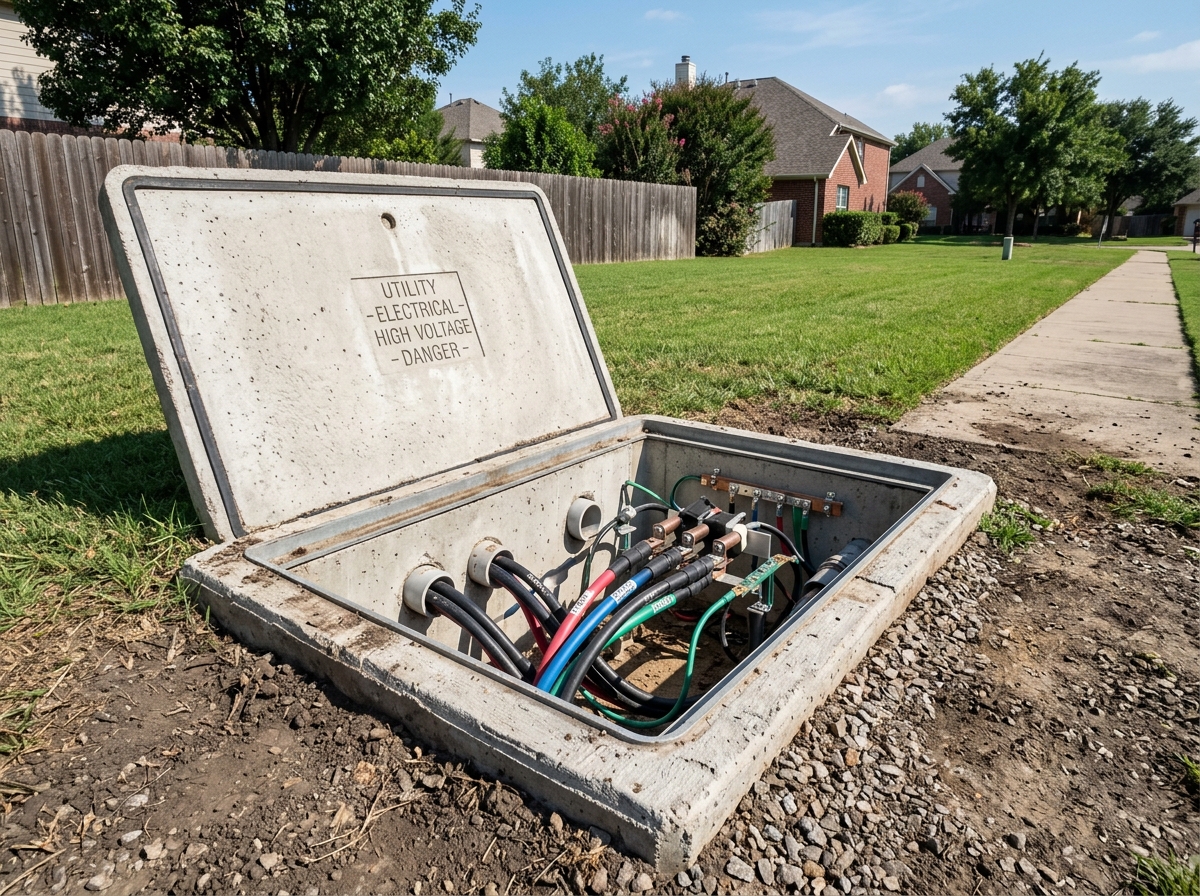
A key component we often use is the Condulet™ (conduit outlet body). These act as pull-outlets for conductors, allowing us to connect sections, create branch runs, and provide access points for future system updates. For specialized projects, we utilize components like the TMC3 armored cable gland, which is dual-certified for both armored (MC/TECK) and non-armored tray cables, offering incredible versatility for commercial systems. We also integrate environmental and fire seals to ensure that the conduit path doesn't become a corridor for smoke or water in an emergency.
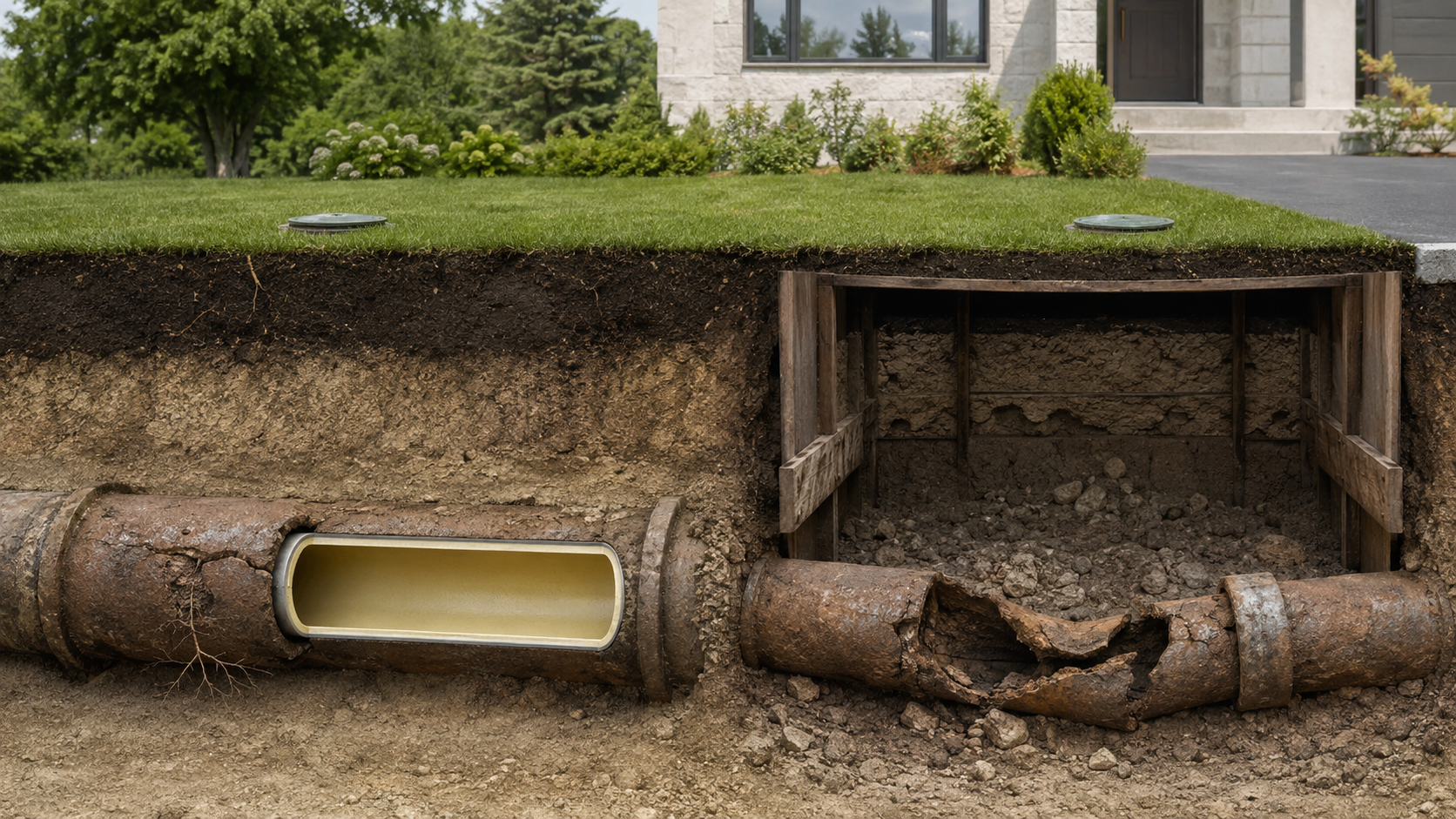
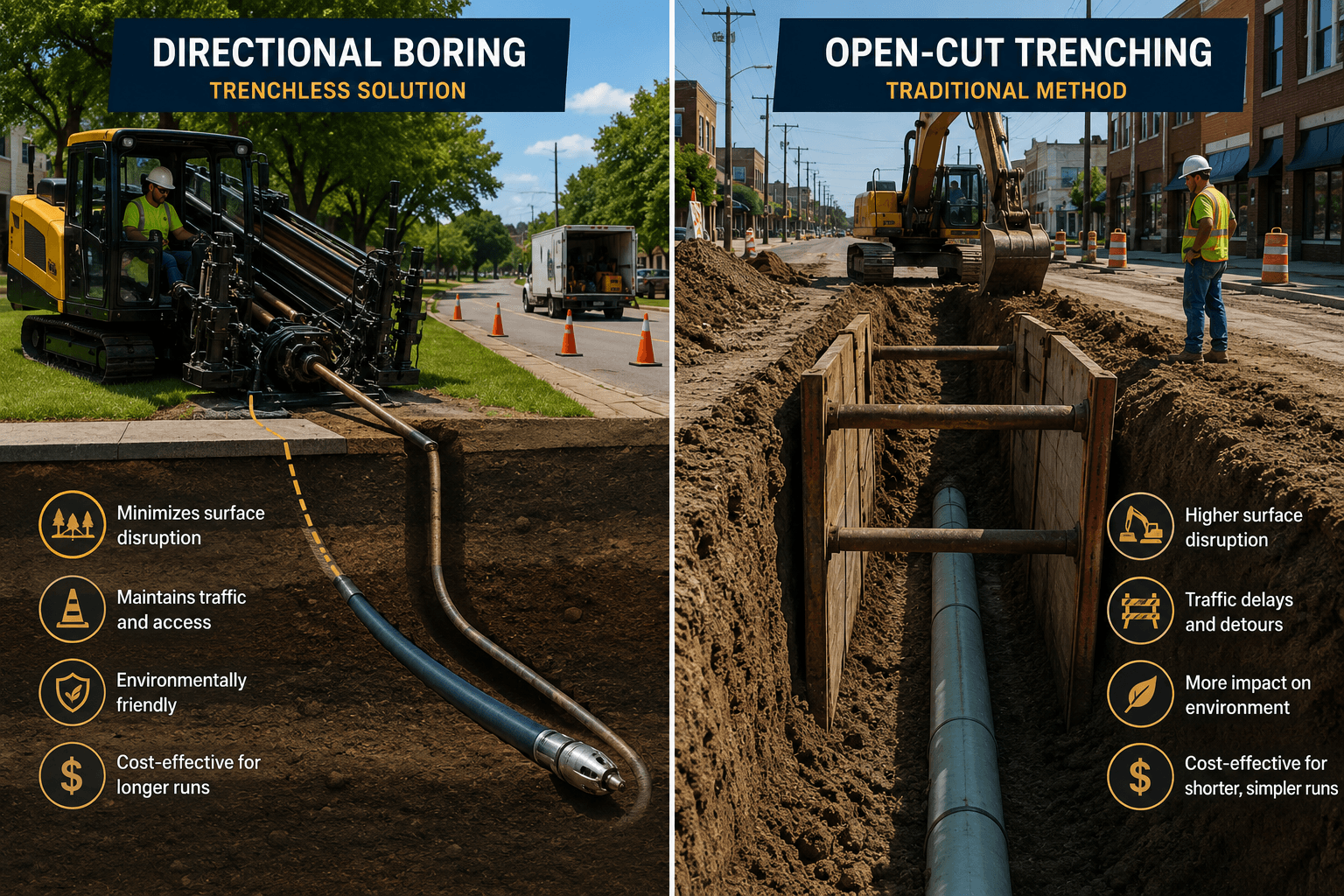
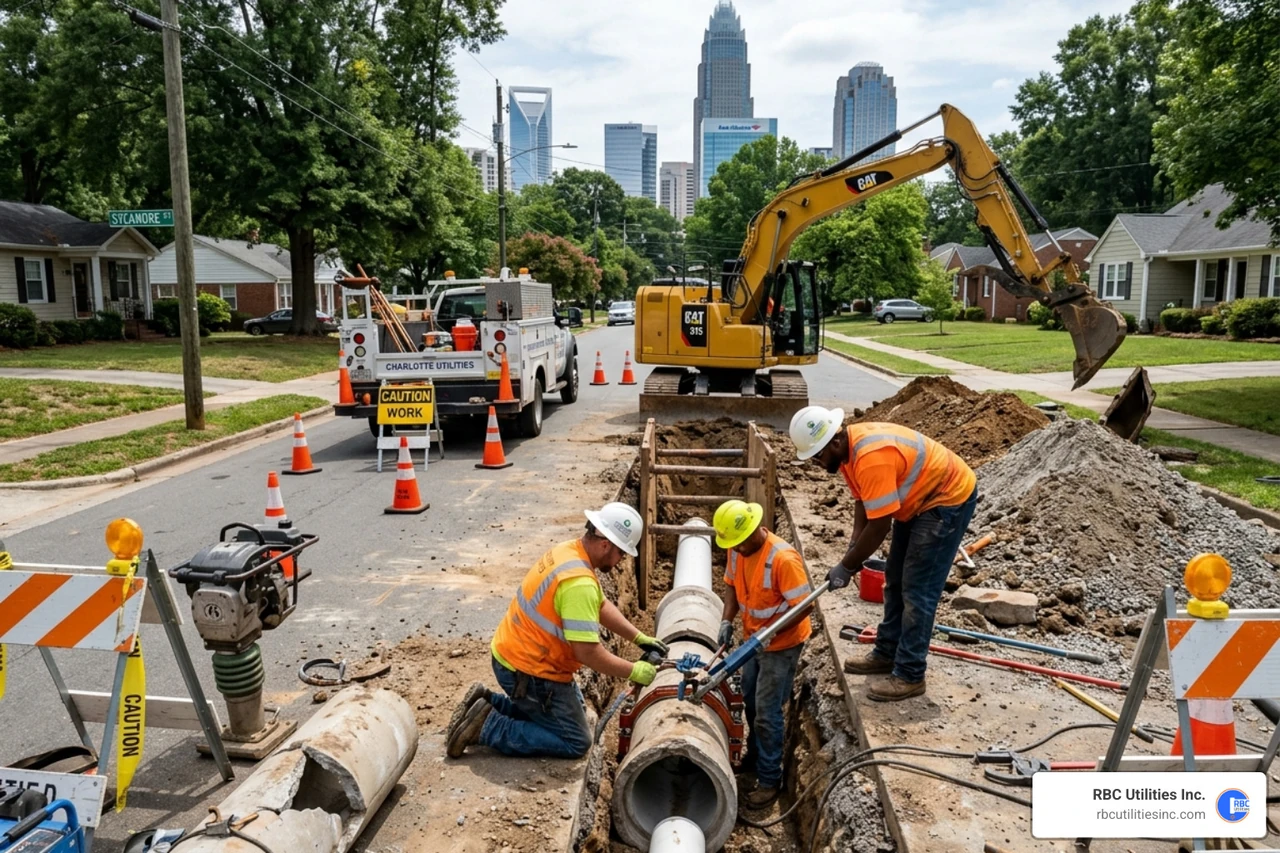
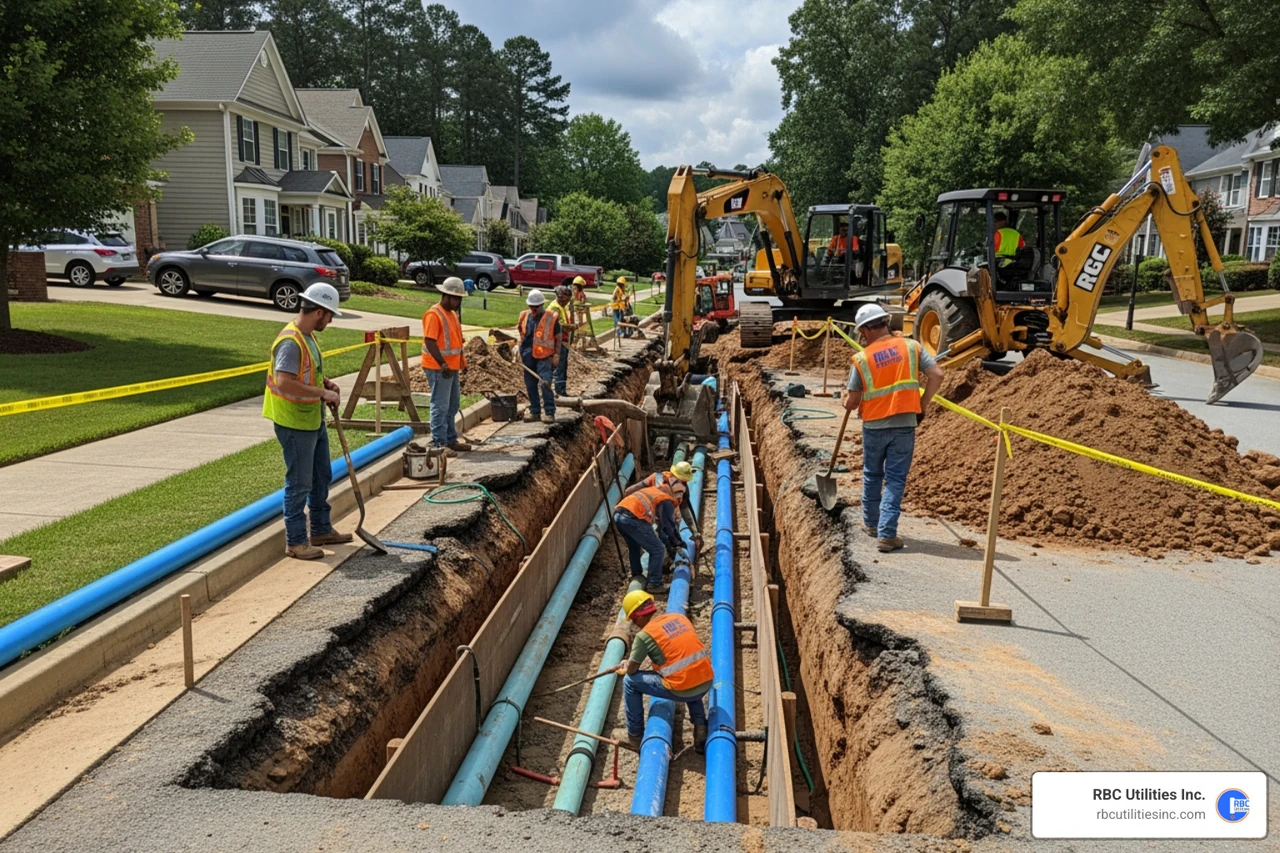
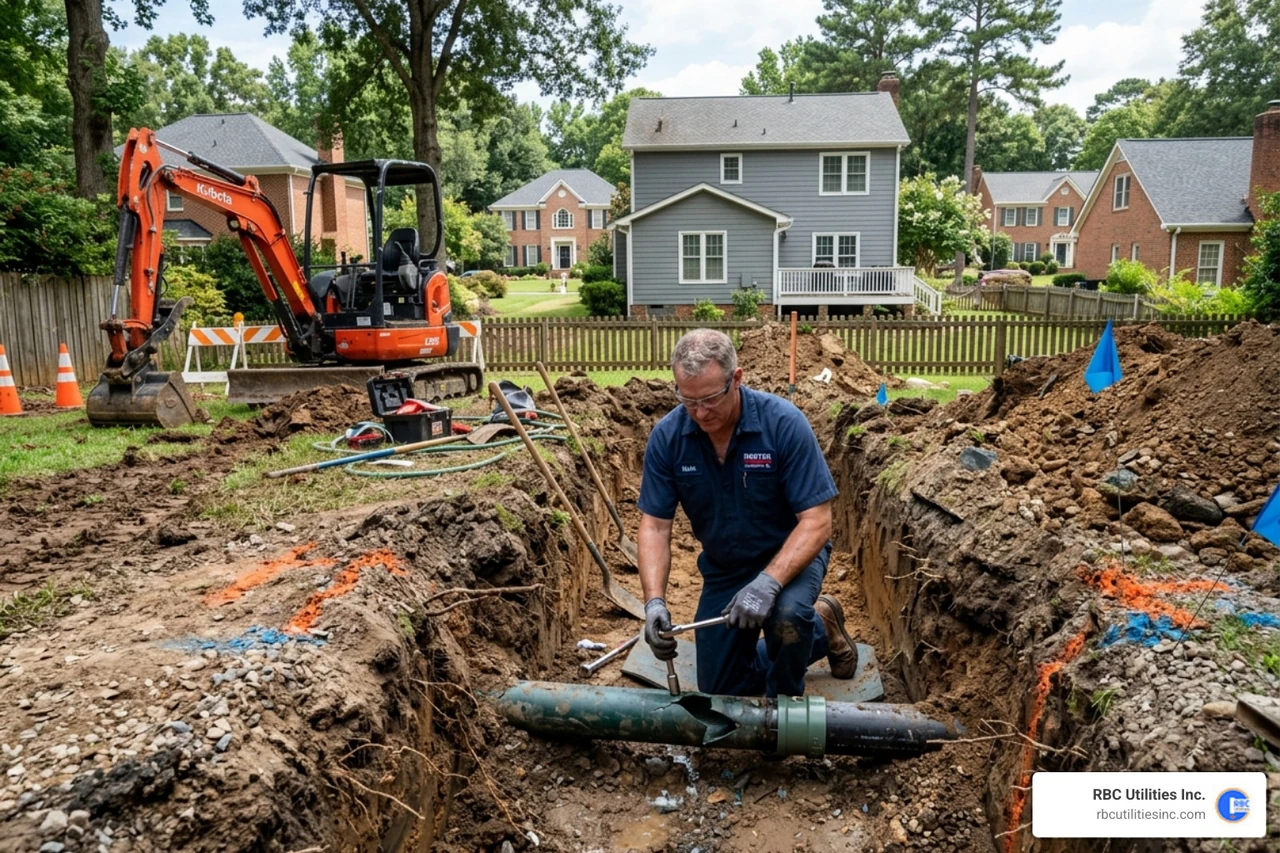
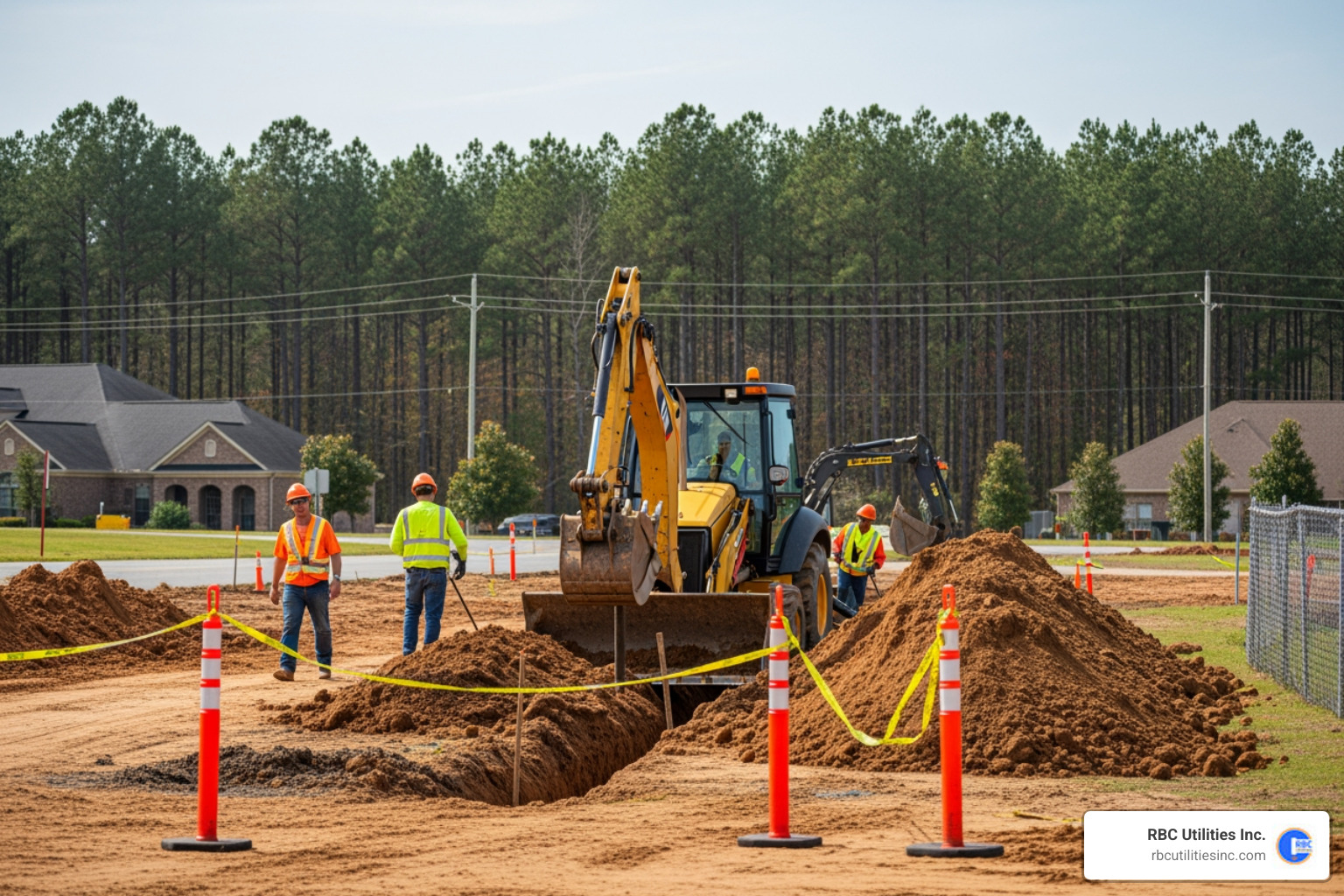
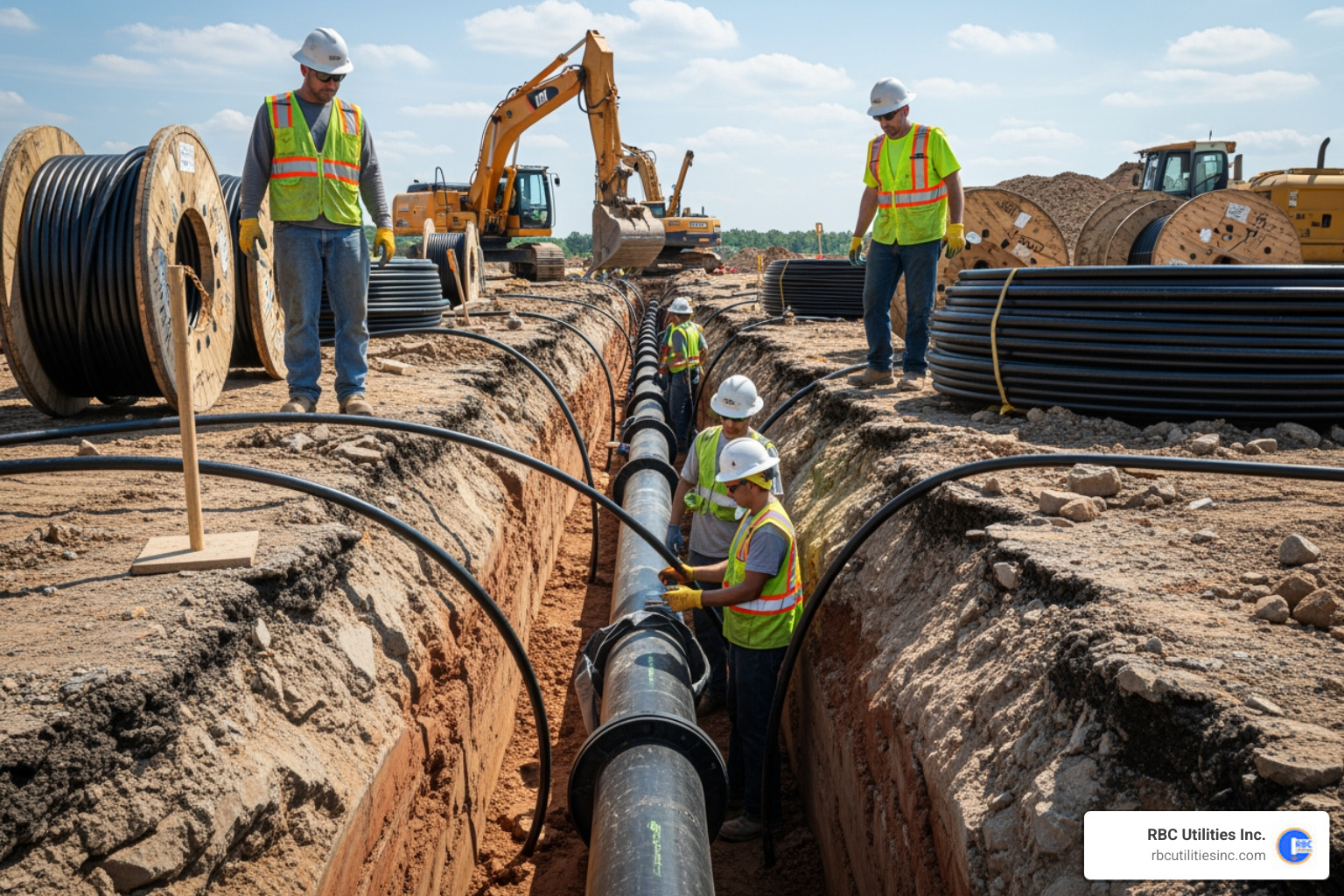
In the past, installing underground conduit meant digging a long, messy trench across your property. Today, we utilize innovative trenchless methods that save time, money, and your landscaping.
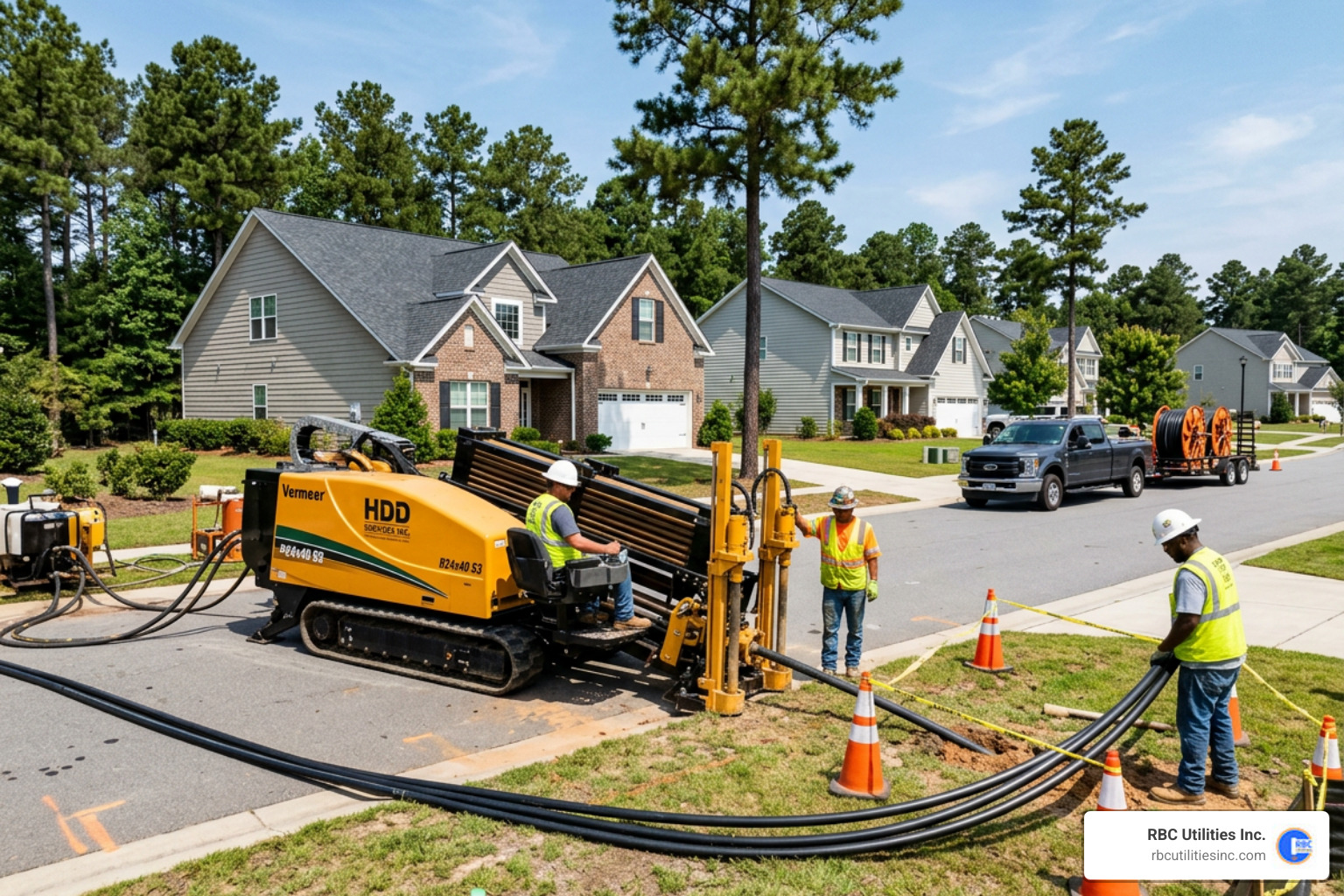
HDD is a game-changer for commercial conduit installation services. It allows us to install utilities along a predetermined bore path with minimal surface disruption. We can bore pipes ranging from 1 to 24 inches in diameter under roads, sidewalks, and even existing buildings. This is particularly useful in congested urban areas like downtown Charlotte or Raleigh where traditional digging is impossible.
For smaller runs under driveways or lawns, pneumatic piercing tools can create a path without any open-cut trenching. In some power and telecom projects, we use the "drill and leave" method, where the drill pipe itself is left in the ground to serve as the conduit, significantly accelerating the timeline.
Budgeting for commercial conduit installation services requires an understanding of several variables. No two projects are exactly alike, but having a baseline helps in the planning phase.
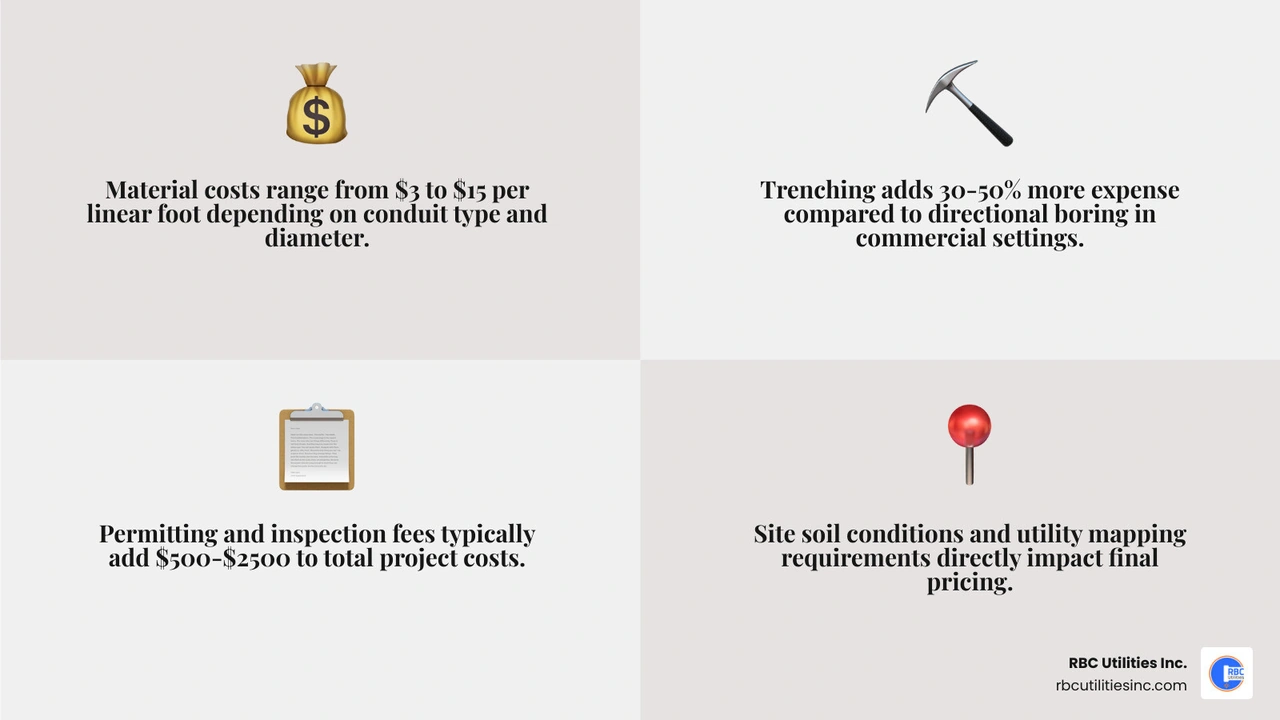
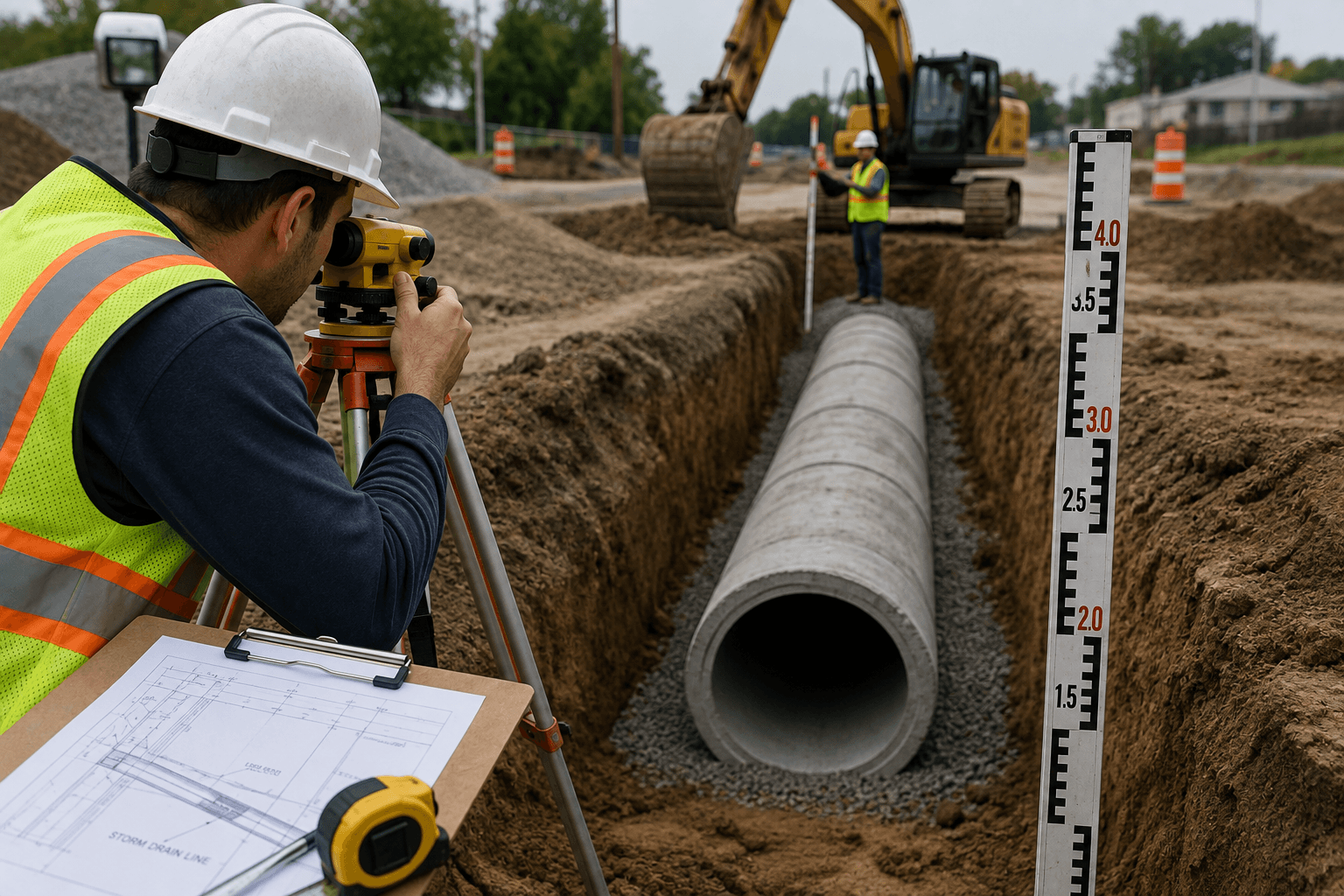
Several elements will influence the final price of your project. The distance of the run and the depth requirements are the most obvious. However, soil conditions play a huge role—boring through the red clay of the Carolinas is different than working in sandy or rocky soil. Permitting fees in North Carolina can range from $50 to $300, and you should always factor in the cost of professional inspections to ensure everything is up to code.
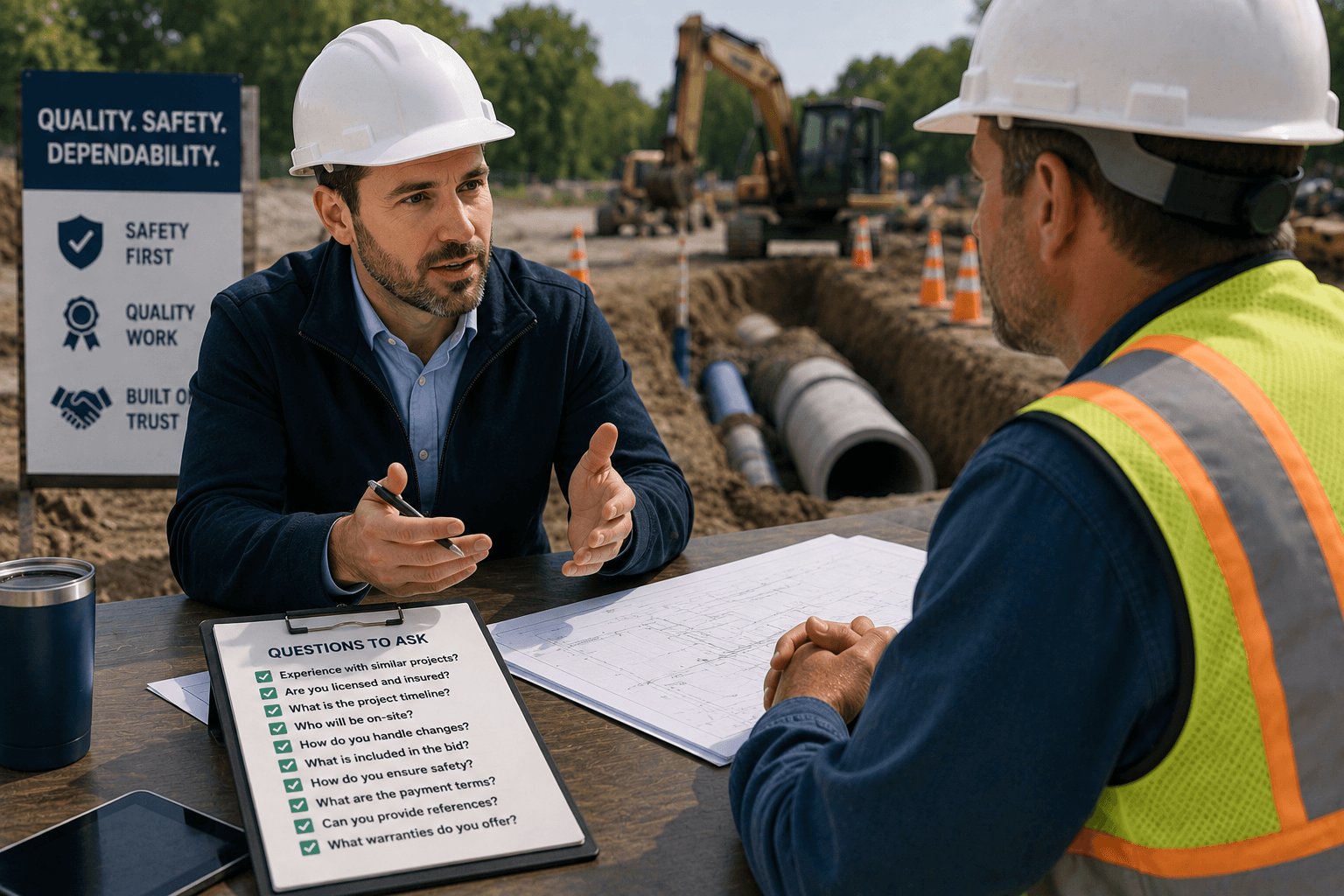
When selecting a provider for commercial conduit installation services, look for a team with a deep footprint in the Carolinas. You want a contractor who:
A professional installation doesn't end when the pipe is in the ground. To ensure the longevity of your system, we recommend several post-installation steps:
The total cost is primarily driven by the material type (metal is more expensive than PVC), the total distance of the run, and the installation method. If we encounter difficult soil conditions or need to bore deep to bypass other utilities, labor hours will increase. Don't forget to account for permitting and inspection fees required by local Carolinas municipalities.
A standard commercial run can often be completed in a few days. However, the project scope, site complexity, and weather conditions all play a role. Using trenchless methods like directional boring can significantly speed up the timeline compared to traditional trenching, as there is less site prep and almost no surface restoration needed.
Compliance with the National Electrical Code (NEC) and local standards is non-negotiable. It ensures the safety of your employees and customers, and it is often a requirement for your business insurance to remain valid. A system that isn't up to code will fail building inspections, leading to expensive rework and potential legal issues.
Building a reliable commercial property starts from the ground up—literally. Investing in high-quality commercial conduit installation services ensures that your electrical and data infrastructure is protected, organized, and ready for the future. Whether you are breaking ground on a new facility or upgrading an existing one, the right conduit system is the "highway" that keeps your business moving.
At RBC Utilities Inc., we bring local Carolinas expertise backed by national resources to every project. We focus on safety, reliability, and precision, ensuring your underground utility systems are built to last for decades.
Ready to secure your property's infrastructure? More info about our services
Part of Saga Infrastructure, protecting what others built and helping it grow.
Address: 4404 Stuart Andrew Blvd., Suite K, Charlotte, NC 28217
Email: info@rbcutilities.com
Phone: 803-913-9727
Service Area: North Carolina | South Carolina