What is green stormwater infrastructure — and why should developers and contractors care? Here's the short answer:
Green stormwater infrastructure (GSI) is an approach to managing stormwater runoff that uses natural systems — plants, soil, and stone — to absorb, filter, and slow rainwater where it falls, rather than rushing it into pipes and drains.
At a glance:
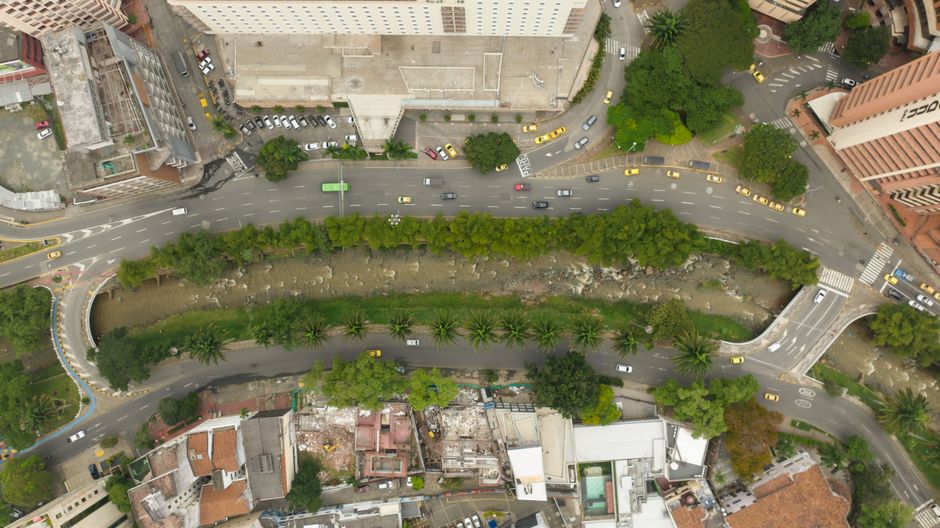
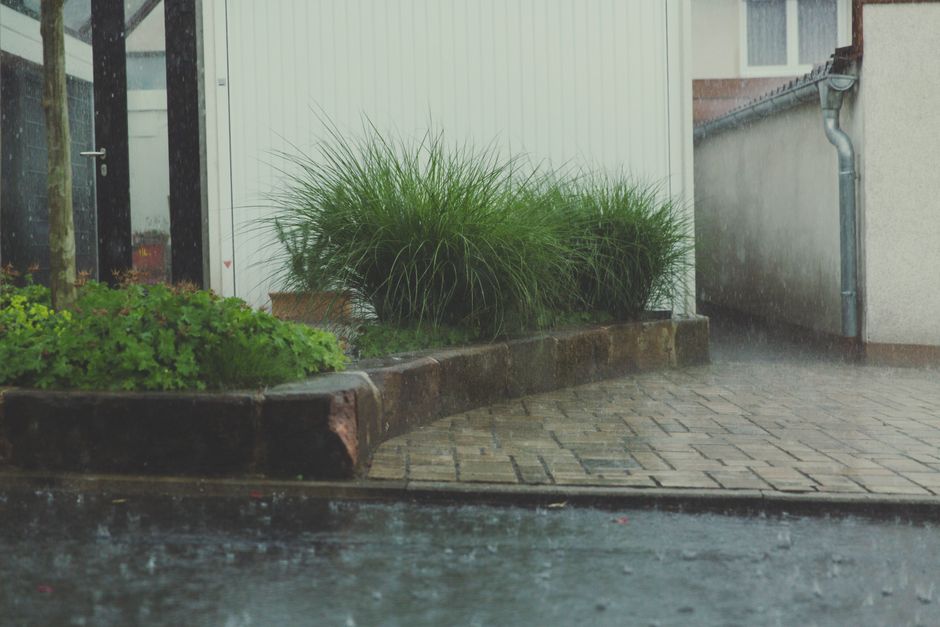
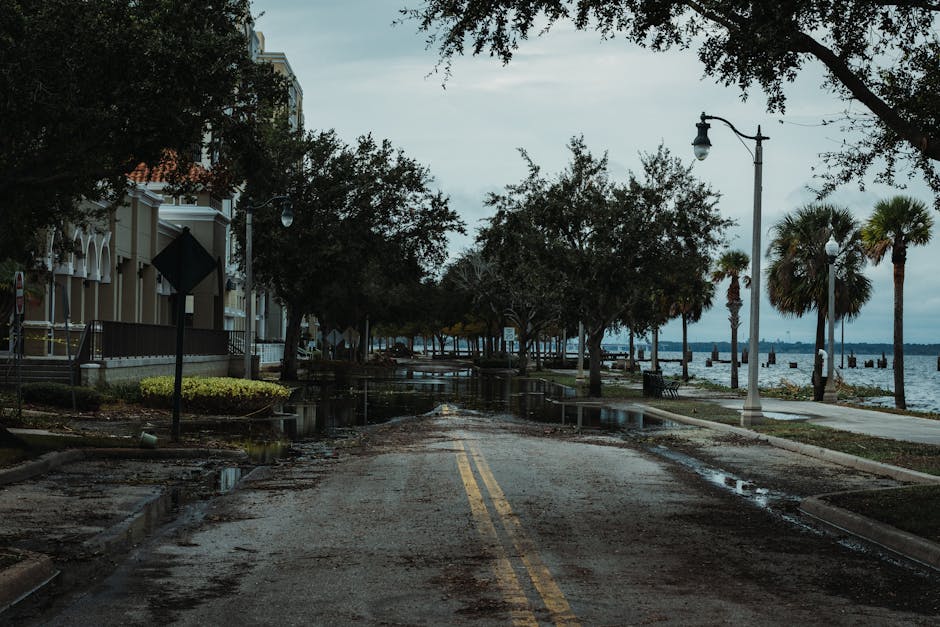
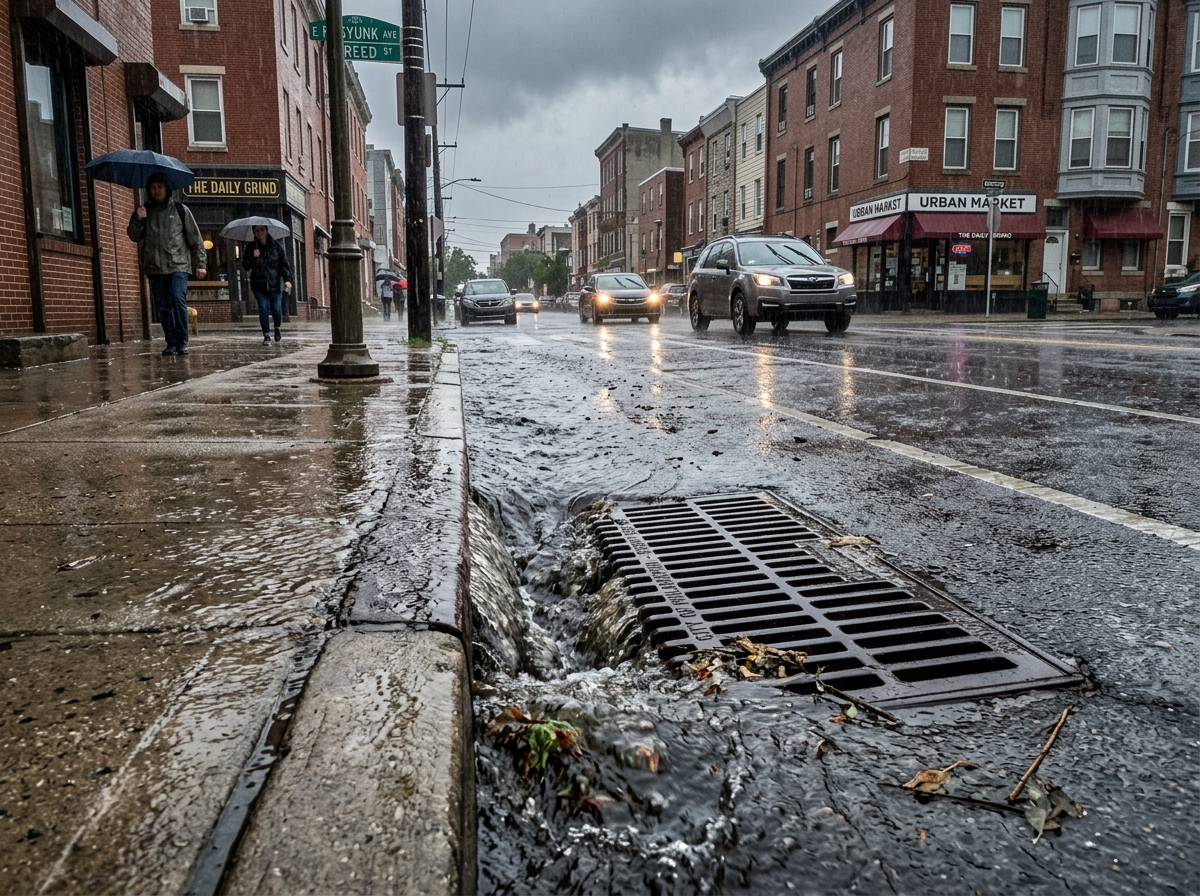
Here's the problem GSI solves: when rain falls on natural land, most of it soaks into the ground. But in urban areas, hard surfaces like roads, parking lots, and rooftops block that process entirely. A single 1-inch rainstorm generates 623 gallons of runoff per 1,000 square feet of paved surface. That water has to go somewhere — and without proper management, it carries pollutants like heavy metals, fertilizers, and petroleum products straight into local streams and rivers.
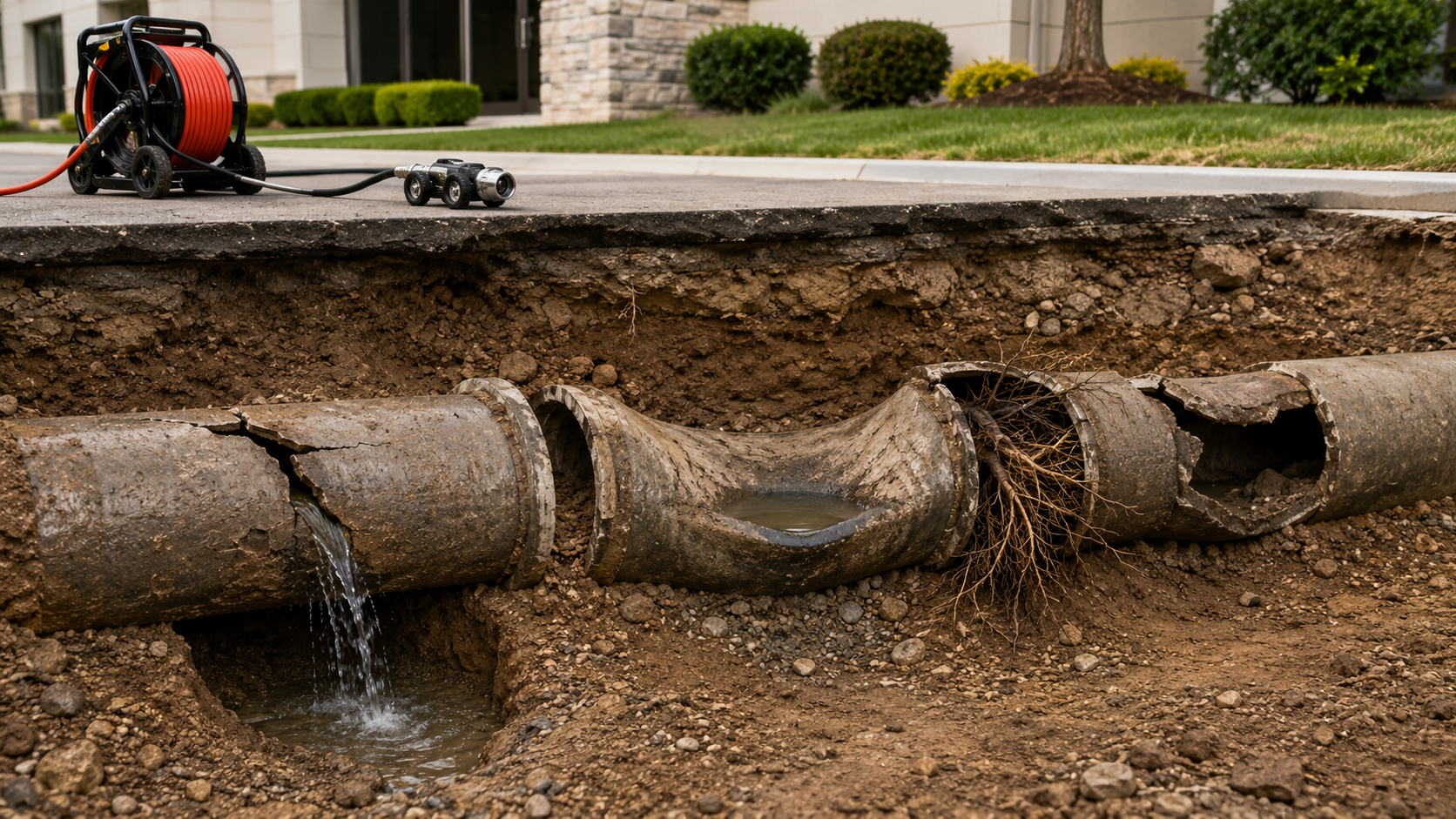
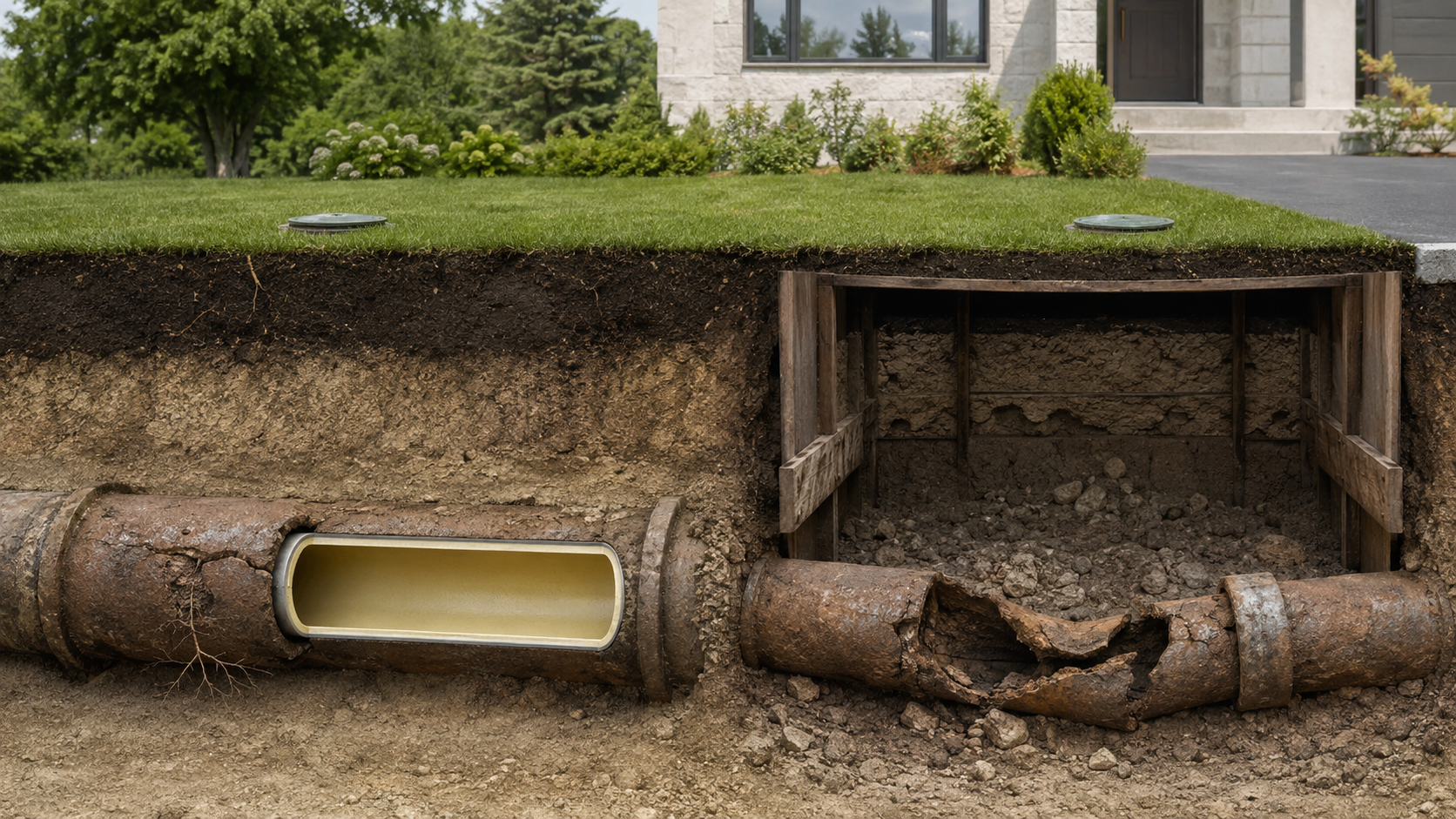
Traditional gray infrastructure — pipes, gutters, and storm drains — moves that water away fast. But aging systems are struggling. The EPA's 2022 Clean Watersheds Needs Survey identified $115 billion in future stormwater investment needs across the U.S. alone. Communities are looking for smarter, more sustainable ways to manage what falls from the sky.
That's exactly where GSI comes in.
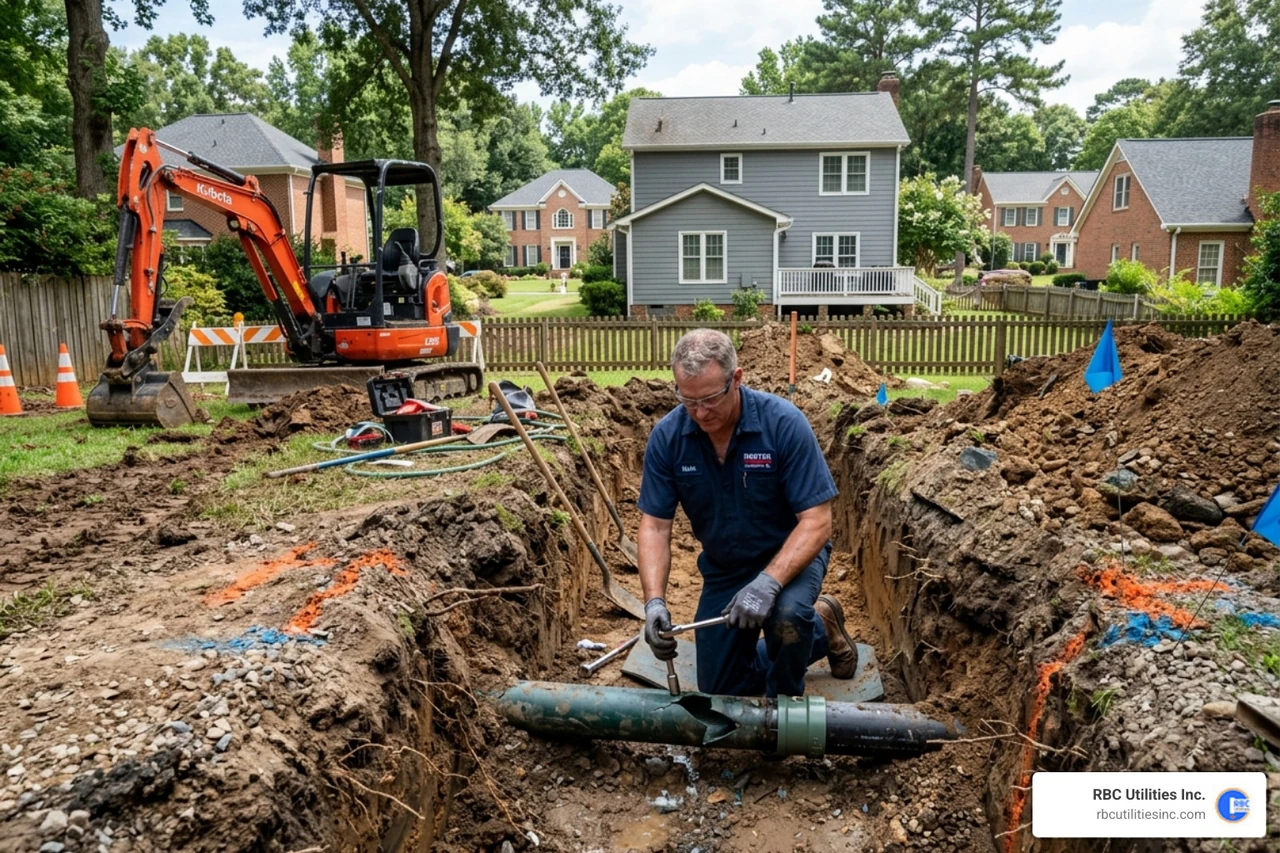
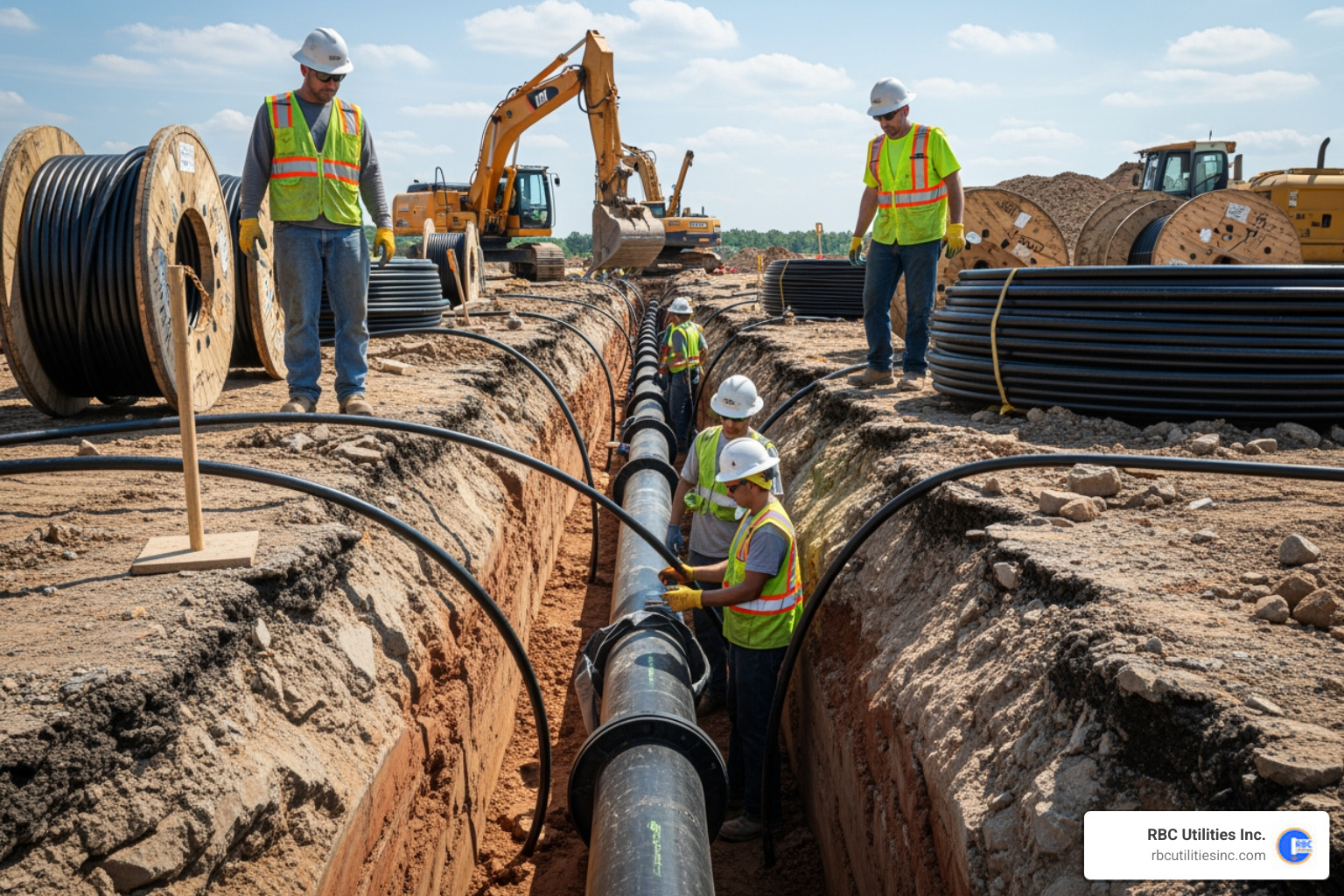
I'm Don Larsen from RBC Utilities, Inc., and our team has spent years building the underground utility systems — storm drainage, sewer lines, and water infrastructure — that communities across the Carolinas depend on, giving us insight into what is green stormwater infrastructure and how it integrates with traditional construction. In this guide, we'll walk you through everything you need to know about GSI — from how it works to how it gets built and funded.

Key terms for what is green stormwater infrastructure:

To truly understand what is green stormwater infrastructure, we have to look at it as a shift in engineering philosophy. Historically, civil engineering focused on conveyance—getting stormwater out of sight and out of mind as quickly as possible. GSI, on the other hand, prioritizes on-site management. It is defined as a network of decentralized, soil-water-plant systems designed to intercept, filter, and slow down runoff close to where it originates.
According to the About Green Infrastructure | US EPA framework, green infrastructure utilizes natural processes like infiltration, evapotranspiration, and rainwater harvesting to treat stormwater as a resource rather than a waste product. Instead of relying solely on massive, centralized concrete basins, GSI distributes smaller, nature-based installations throughout our communities.
This approach is highly adaptable. It can be integrated into highly developed urban centers, commercial developments, or residential neighborhoods. By incorporating engineered soils, native plants, and specialized aggregates, GSI systems act like sponges, soaking up the "first flush" of a storm—the initial, highly polluted wave of runoff—and letting it drain naturally or slowly releasing it back into the local drainage network after the peak of the storm has passed.
In an undisturbed forest or meadow in the Carolinas, the water cycle operates in perfect balance. When rain falls, most of it infiltrates deep into the ground to recharge local aquifers, while trees and plants draw up moisture and release it back into the atmosphere via transpiration. Very little water actually runs off the surface.
Urbanization breaks this cycle. When we replace soil with asphalt, we stop infiltration entirely. GSI acts as a biomimetic patch for this broken cycle. It restores natural hydrology through three primary mechanisms:
By managing water at the source, as detailed in the guide on What Is Green Stormwater Infrastructure?, we prevent the massive surges of water that overwhelm our streams, erode our banks, and cause localized flooding in cities like Charlotte and Charleston.
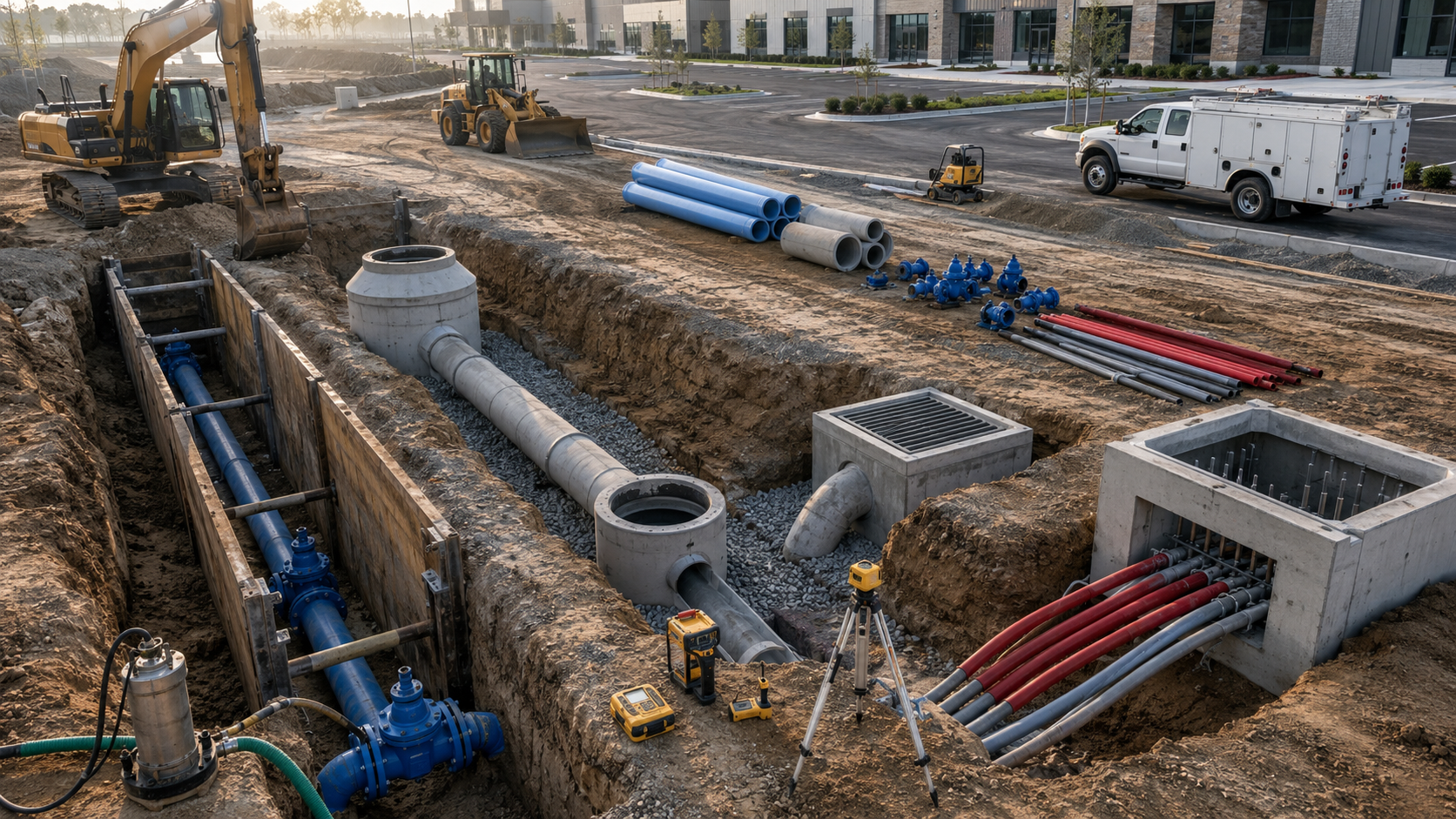
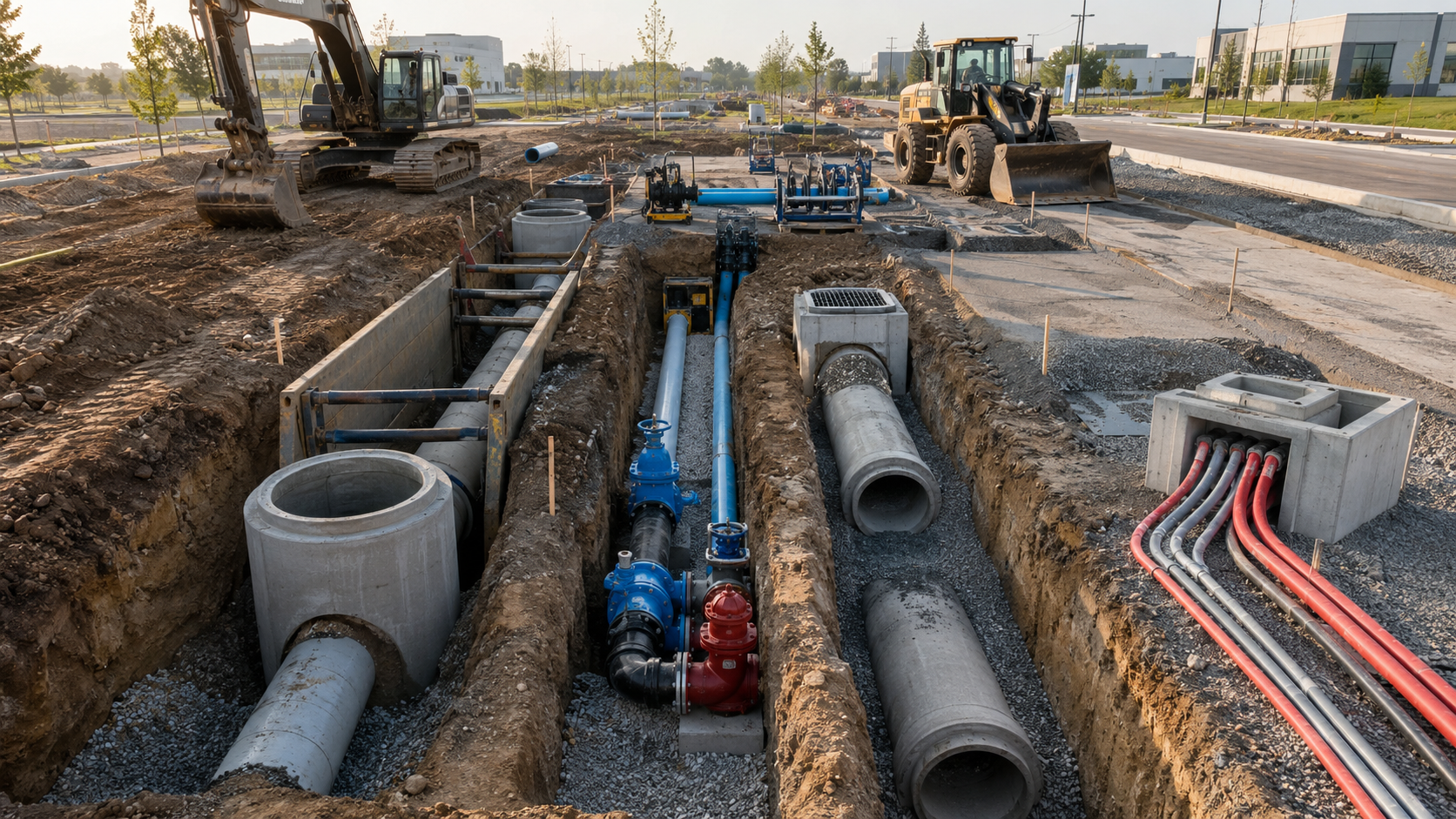
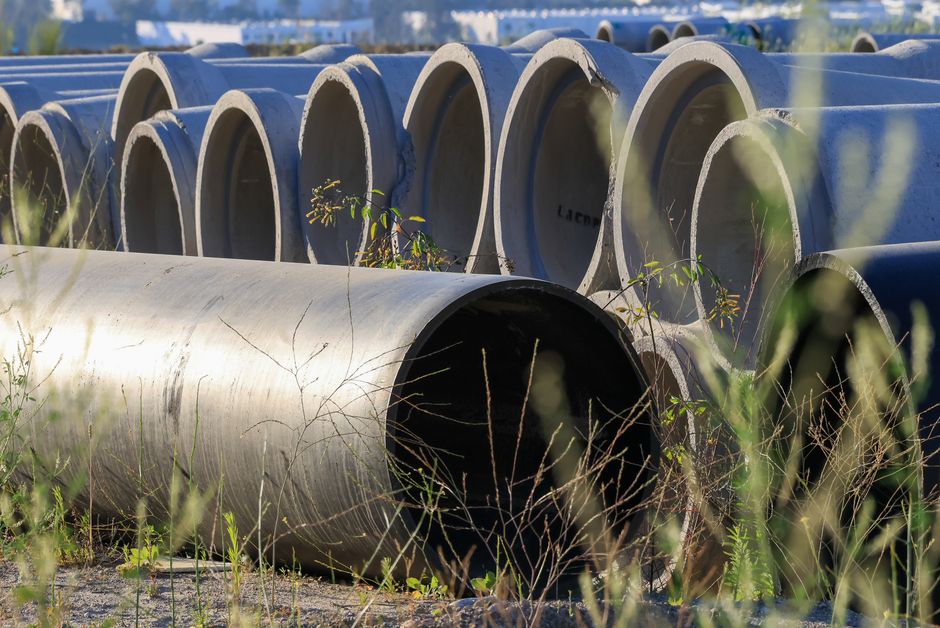
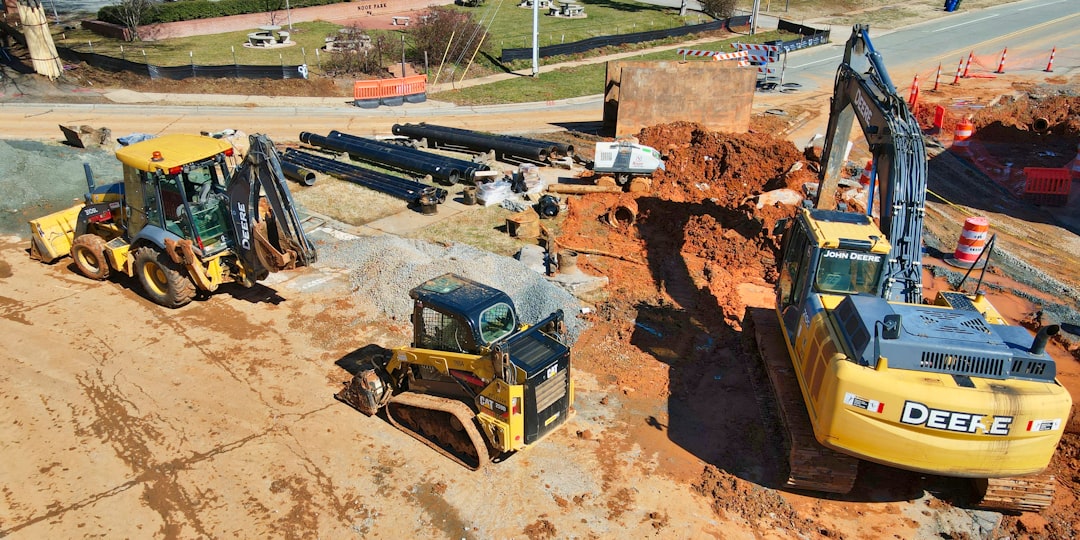
It is important to clarify that green infrastructure is not meant to completely eliminate traditional gray infrastructure. Instead, the two work best when paired together. Gray infrastructure—consisting of concrete storm sewer pipes, catch basins, and detention vaults—is designed to handle massive, high-consequence flood events. GSI, however, excels at managing and cleaning the frequent, smaller storms that make up the vast majority of our annual rainfall.
Here is a direct comparison of how these two approaches manage stormwater:
Primary materials
Water quality
Flood risk management
Water supply and aquifer recharge
Aesthetics and community value
Target runoff phase
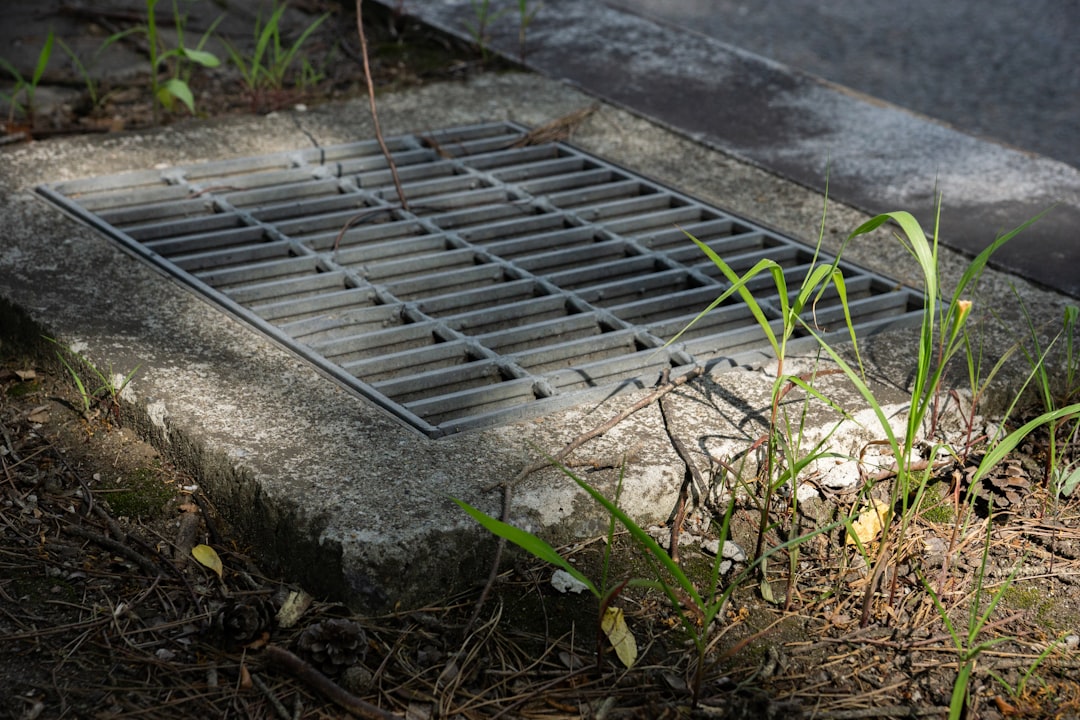
For modern developments in the Carolinas, integrating both systems is the gold standard. For instance, a parking lot might use permeable pavers to handle everyday rain, but feature an emergency overflow grate connected to a traditional stormwater infrastructure network to safely route water away during a major hurricane.
In dense urban environments where open land is at a premium, GSI relies on creative, decentralized tools that double as functional landscape features. These practices are designed to fit seamlessly into rights-of-way, parking lots, and building footprints.
As outlined in the Green Infrastructure and Green Stormwater Infrastructure | Minnesota Stormwater Manual, successful urban GSI relies on selecting the right tool for the specific site conditions, taking into account soil type, space limitations, and local water tables.
Bioretention systems are the workhorses of green infrastructure. A rain garden is a shallow, vegetated depression designed to collect, treat, and infiltrate stormwater runoff from rooftops, driveways, or sidewalks.
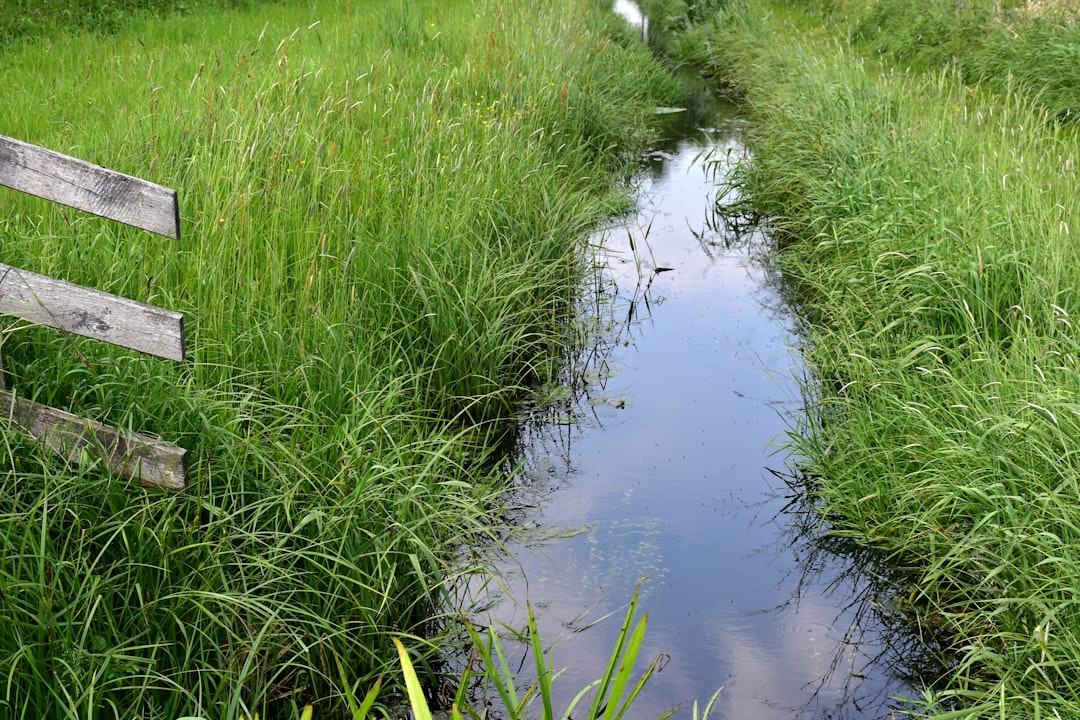
Bioswales are similar but linear, acting as vegetated channels that guide water along streets or parking lots while filtering it. Stormwater planters are structural, walled concrete boxes placed along urban sidewalks, containing engineered soil and plants that capture runoff directly from the pavement.
These bioretention systems rely on a specific recipe to work effectively:
In urban settings, we can transform typical hard surfaces into active stormwater management tools.
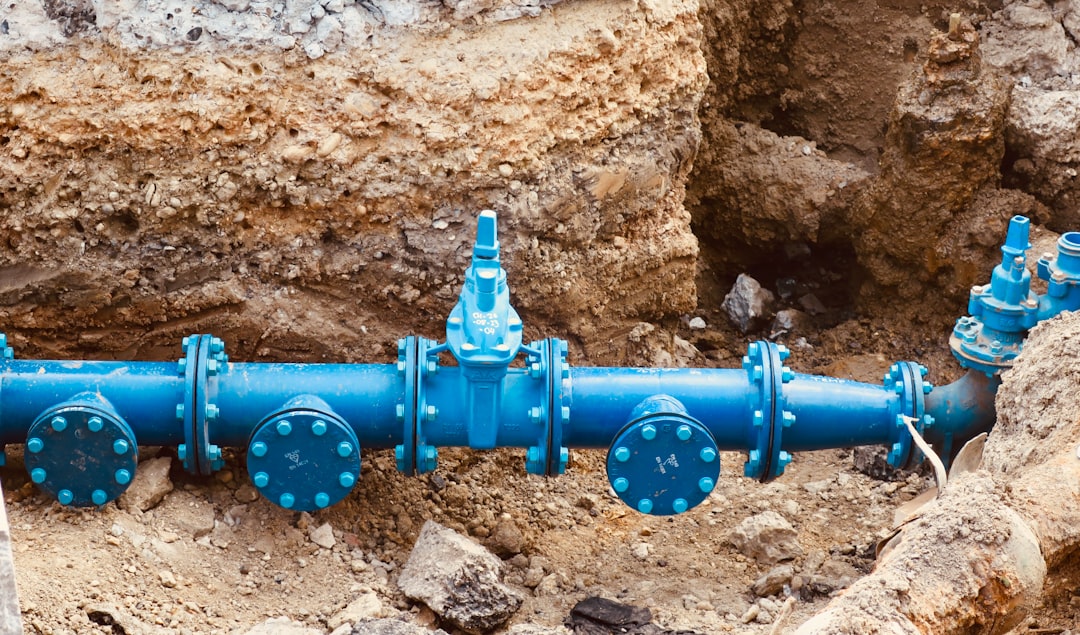
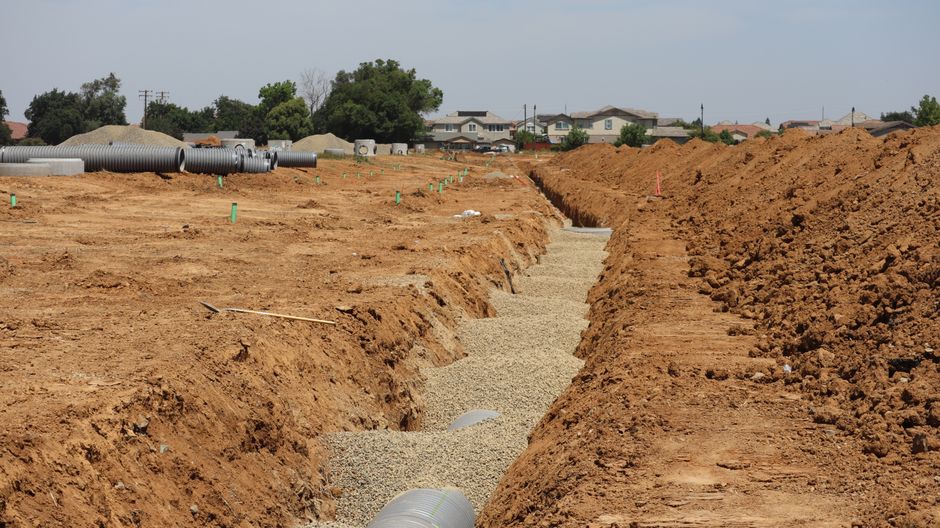
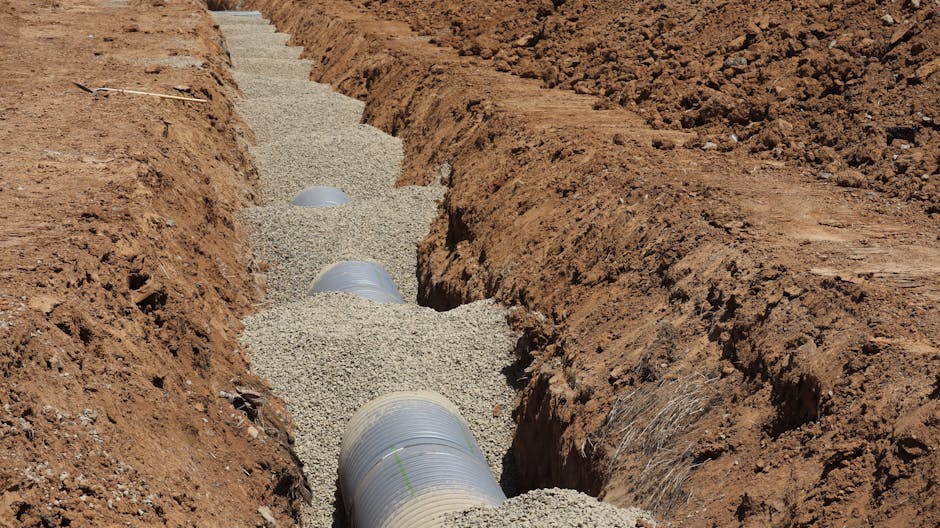
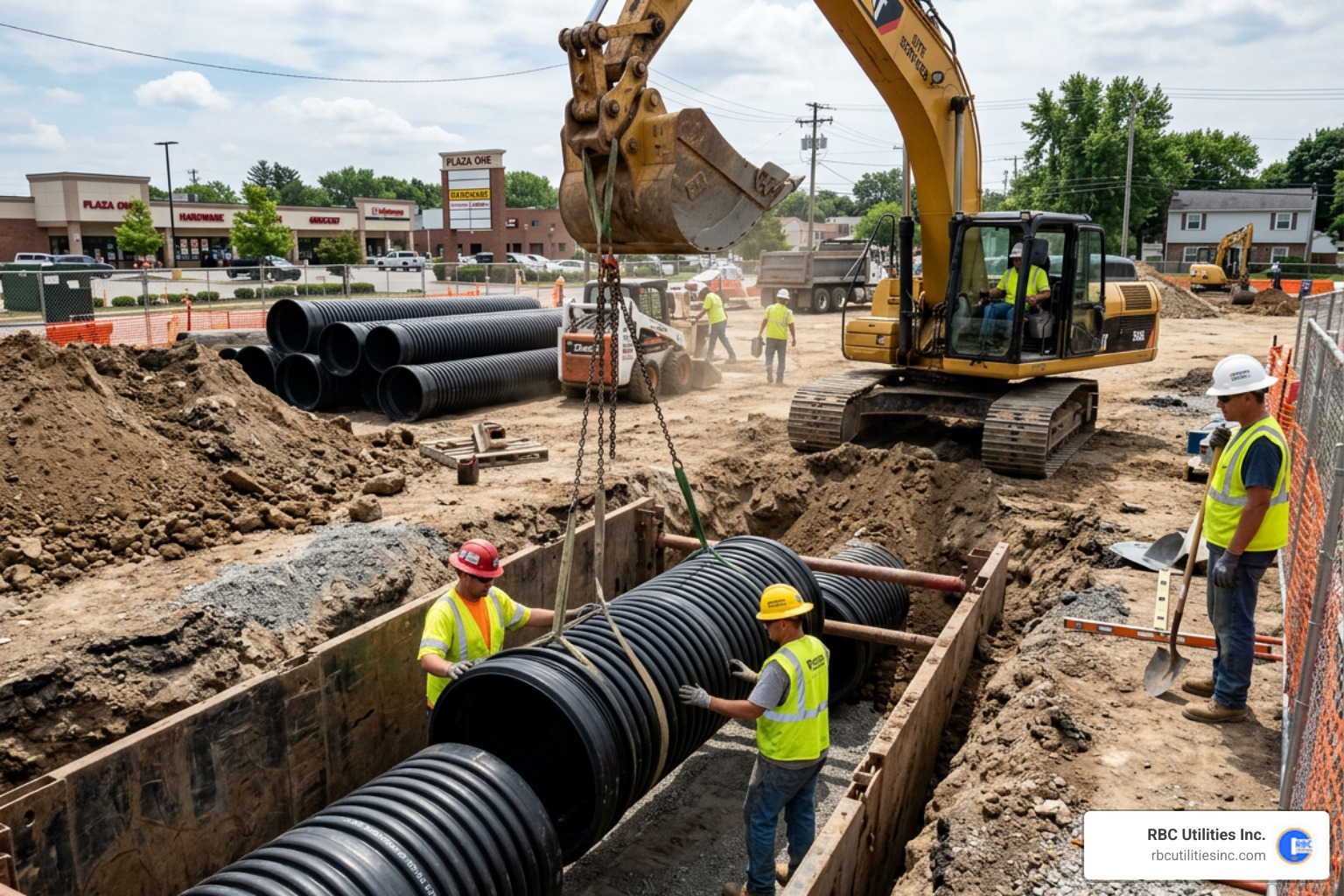
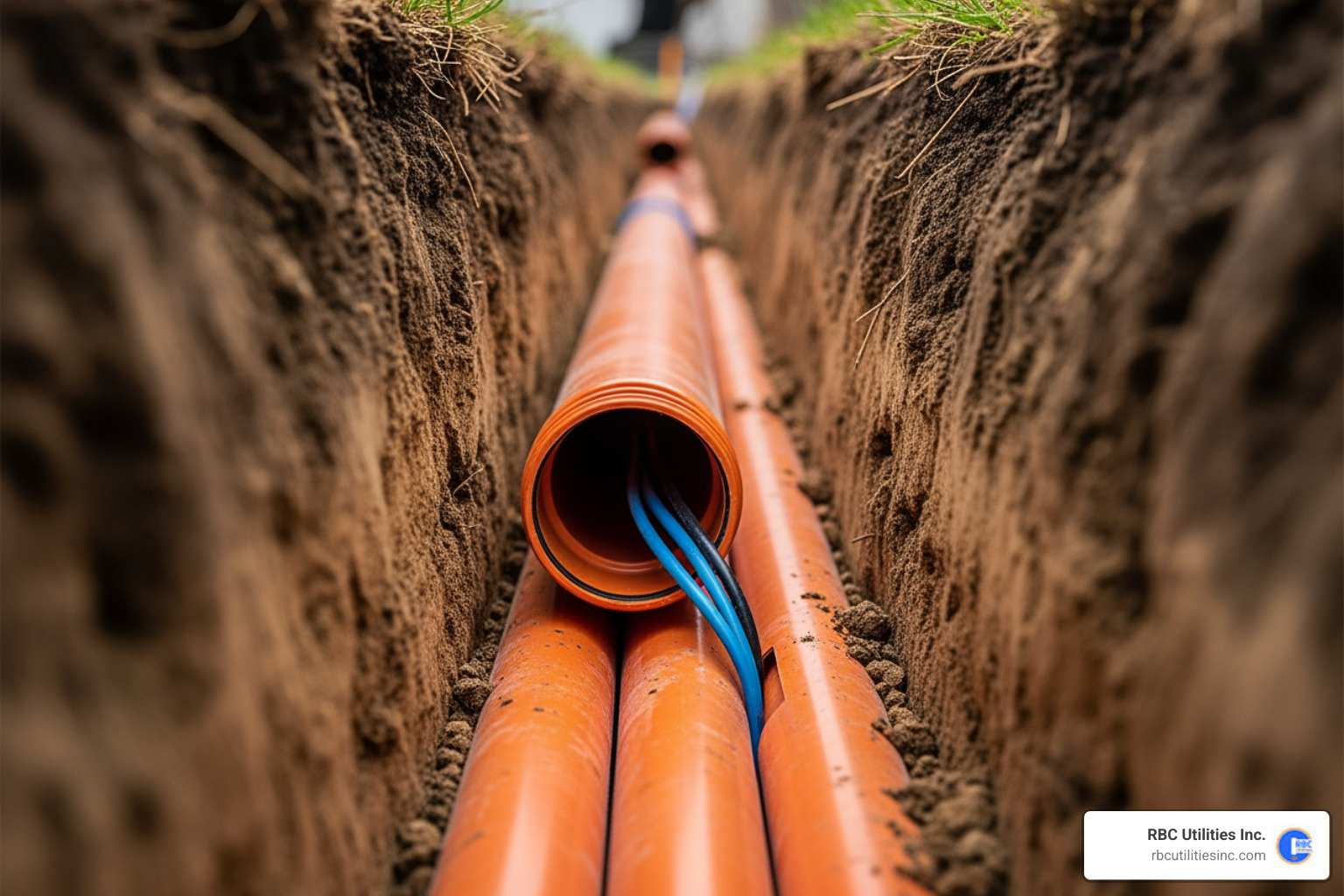
Permeable pavement—including pervious concrete, porous asphalt, and interlocking concrete pavers—allows rain to pass directly through the surface into a stone reservoir below. This stone layer temporarily stores the water before letting it soak into the subsoil. It is incredibly effective for parking lots, pedestrian walkways, and low-traffic alleyways, reducing the need for extensive traditional piping and storm sewer pipe installation.
Green roofs are engineered vegetative systems installed on top of commercial or residential buildings. They consist of a high-quality waterproofing membrane, a drainage layer, a lightweight engineered growing medium, and specialized, drought-tolerant plants (often sedum).
Rainwater harvesting is the practice of capturing and storing rain for later use. This is particularly useful in both residential and commercial sectors to reduce municipal water demand.
The true value of green stormwater infrastructure lies in its ability to deliver "triple bottom line" benefits—environmental, social, and economic advantages that traditional gray pipes simply cannot match. According to the [PDF] GREEN STORMWATER INFRASTRUCTURE - NC DEQ primer, investing in GSI helps local governments and private developers maximize the return on their infrastructure spending.
When stormwater flows over asphalt, it picks up speed and heat, along with a toxic cocktail of pollutants. When this hot, fast-moving water enters our streams, it causes severe bank erosion, destroys aquatic habitats, and fuels toxic algae blooms.
GSI solves this by addressing the root cause: water volume and velocity. By capturing the water where it falls, GSI practices reduce peak runoff volumes, protecting local waterways from erosion and sediment transport.
As water filters through GSI soil layers, natural physical, chemical, and biological processes trap heavy metals, break down petroleum hydrocarbons, and absorb excess nutrients like nitrogen and phosphorus. This ensures that any water eventually entering our rivers or leaving our sites via a storm drain pipe installation is clean and cool.
Beyond water quality, GSI transforms the visual landscape of our neighborhoods. Adding trees, bioswales, and rain gardens introduces natural beauty into concrete-heavy urban centers.
These green spaces have a direct impact on public health and community well-being:
While the benefits of green infrastructure are clear, implementing these systems in the real world requires careful planning, navigating local regulations, and securing proper capital.
Cities like Charleston, SC, are leading the way by integrating green infrastructure directly into their long-term municipal planning to combat sea-level rise and tidal flooding, as outlined on the Green Infrastructure | Charleston, SC - Official Website.
For developers and municipal leaders alike, GSI is increasingly becoming a regulatory necessity rather than a voluntary design choice. Under the Clean Water Act, cities must manage their municipal separate storm sewer systems (MS4s) to reduce pollution to the "maximum extent practicable."
Many Carolinas municipalities have updated their local stormwater ordinances to require on-site retention of the first inch of rainfall for all new developments. GSI is the most cost-effective way to meet these strict performance standards.
To accelerate GSI adoption, many progressive cities are utilizing Public-Private Partnerships (P3s) and stormwater utility fee incentives. For example, commercial property owners who install certified GSI practices—such as permeable parking lots or bioretention cells—can receive significant, ongoing discounts on their monthly municipal stormwater utility bills.
According to the State Action on Stormwater and Green Infrastructure - River Network policy tracker, these incentive-based programs are highly effective at driving private investment in public water quality goals.
Funding remains one of the largest hurdles for municipal GSI projects. Fortunately, federal and state programs have stepped up to bridge the gap. The primary vehicle for funding public clean water infrastructure is the Clean Water State Revolving Fund (CWSRF).
Under federal guidelines, CWSRF programs include a Green Project Reserve (GPR), which mandates that at least 10% of a state’s clean water funding must be directed toward green infrastructure, water or energy efficiency, or other environmentally innovative projects.
Across North Carolina, cities are leveraging these funds to build highly resilient public spaces. For instance, the Green Stormwater Infrastructure Initiatives - RaleighNC.gov program highlights how municipal grants, state funds, and utility programs work together to fund green street retrofits, public rain gardens, and residential rain barrel distribution programs. These funding pools make it easier for local governments to upgrade aging gray systems with resilient, green additions during routine roadway resurfacing or utility upgrades.
Green stormwater infrastructure (GSI) relies on natural, soil-water-plant systems to absorb, filter, and slow down stormwater runoff right where it falls. Traditional gray infrastructure, on the other hand, consists of hard, man-made structures like concrete pipes, gutters, storm sewers, and centralized detention ponds designed to collect and rapidly transport untreated runoff away from urban areas and discharge it into local waterways. GSI focuses on source control and water quality, while gray infrastructure focuses on rapid conveyance and flood prevention.
GSI plays a vital role in climate adaptation by helping communities withstand extreme weather events. As climate change drives more intense, frequent downpours, traditional gray pipe networks often run out of capacity, leading to severe localized street flooding. GSI adds decentralized storage and infiltration capacity to the landscape, taking the pressure off aging pipe networks. Additionally, GSI helps mitigate urban heat island effects and preserves local groundwater resources during periods of prolonged drought.
Unlike gray infrastructure, which is largely hidden underground, GSI systems require regular surface-level maintenance to remain functional. Key maintenance tasks include:
Understanding what is green stormwater infrastructure is the first step toward building more resilient, beautiful, and compliant communities across the Carolinas. By mimicking the natural water cycle, GSI turns a potential hazard—stormwater runoff—into a valuable community resource that recharges aquifers, cools our cities, and protects our local rivers and streams.
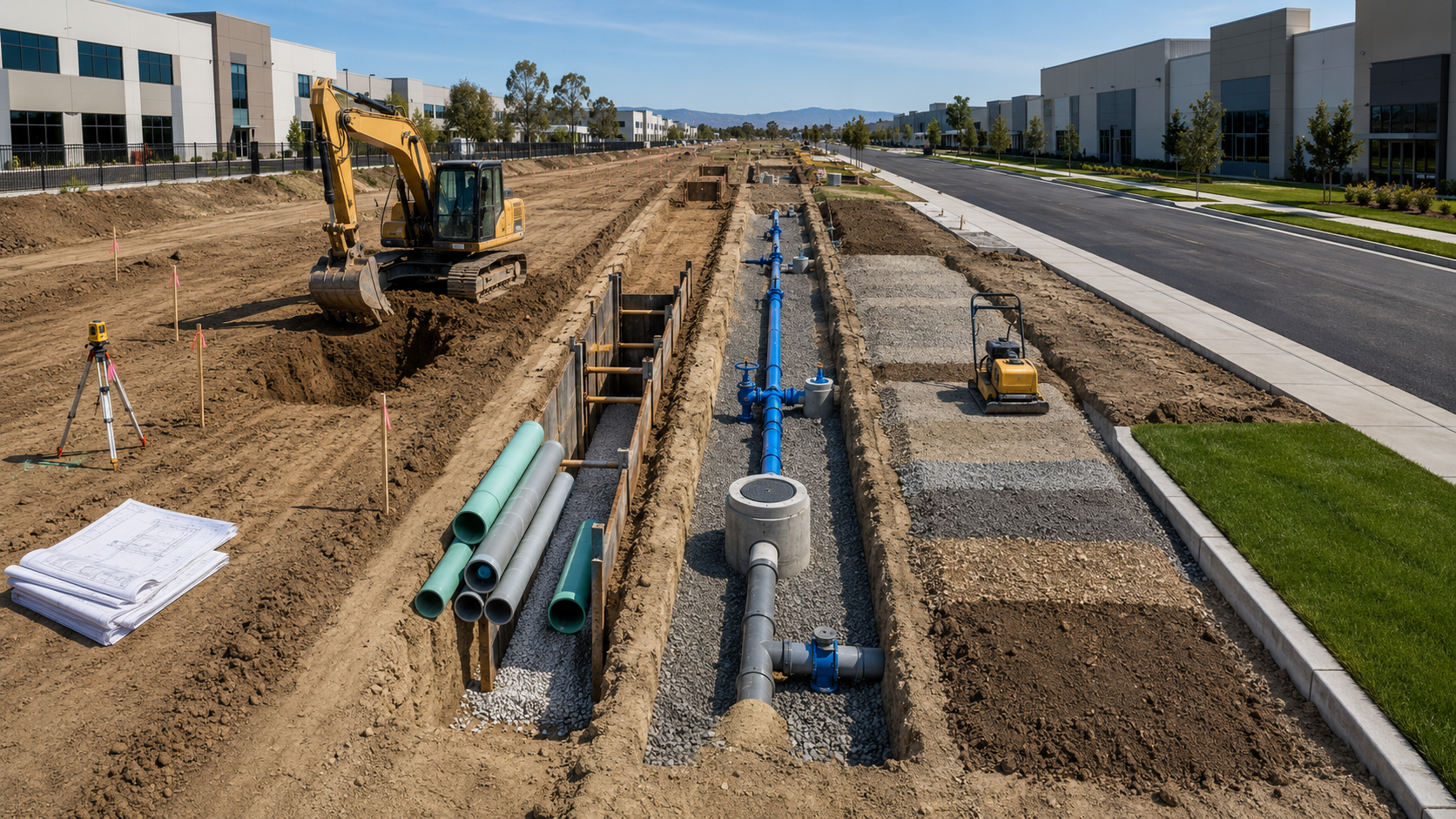
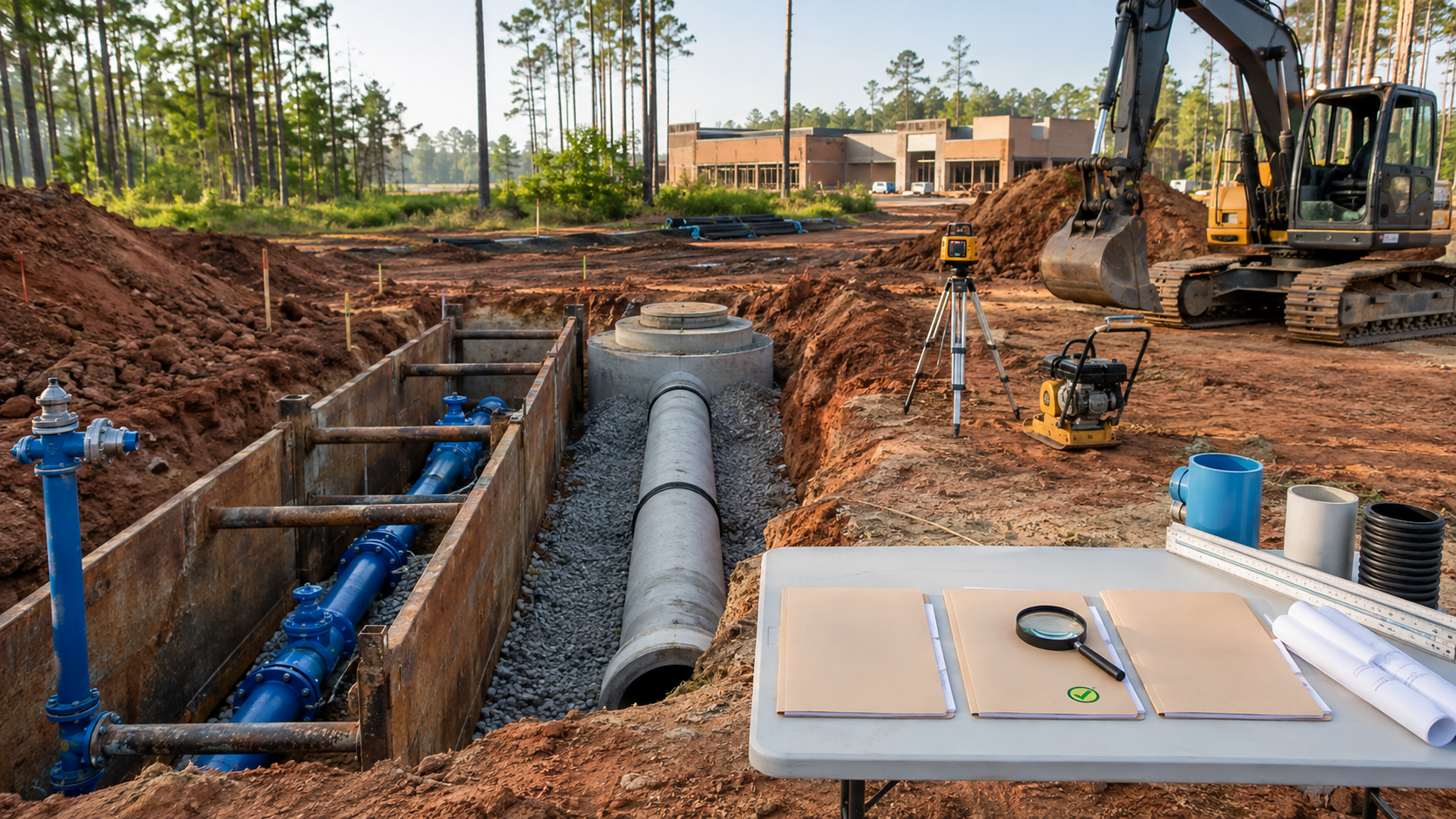
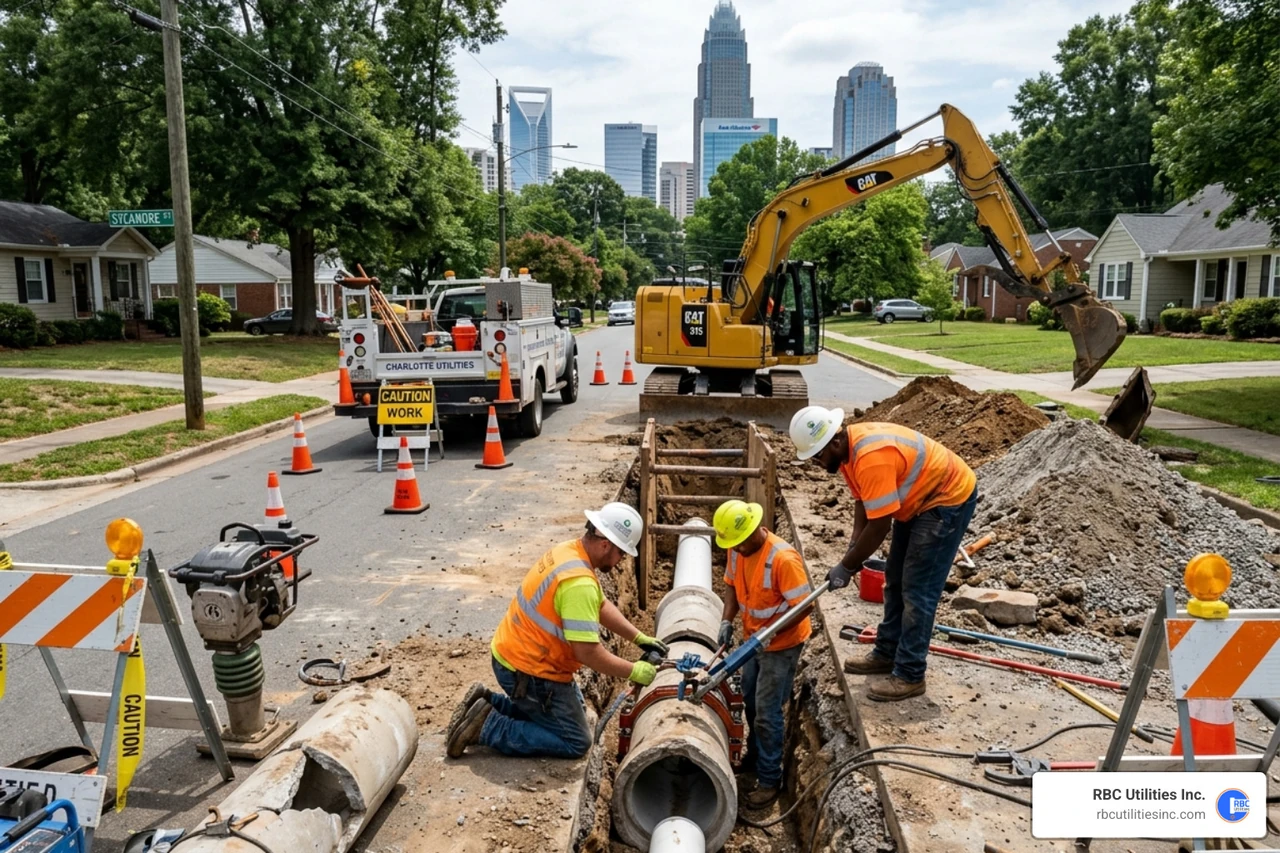
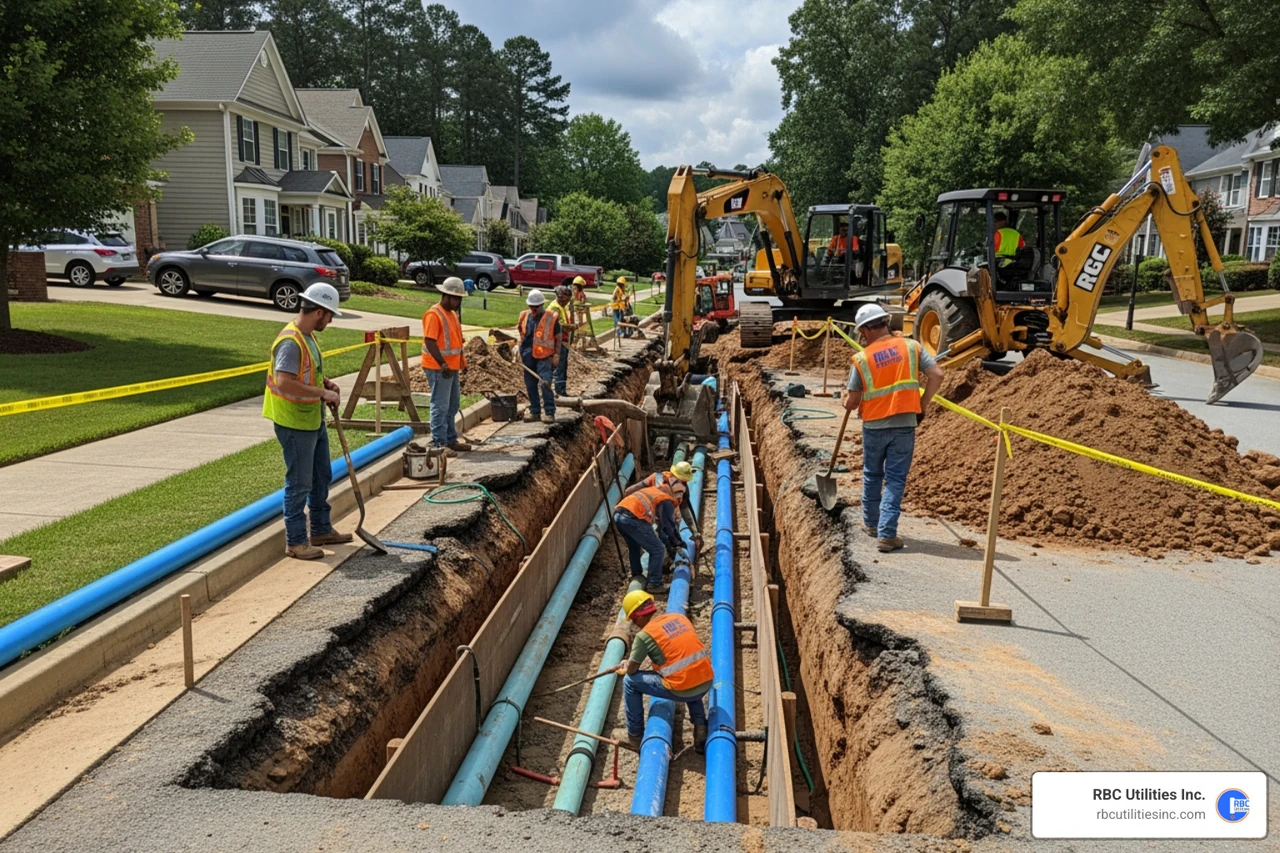
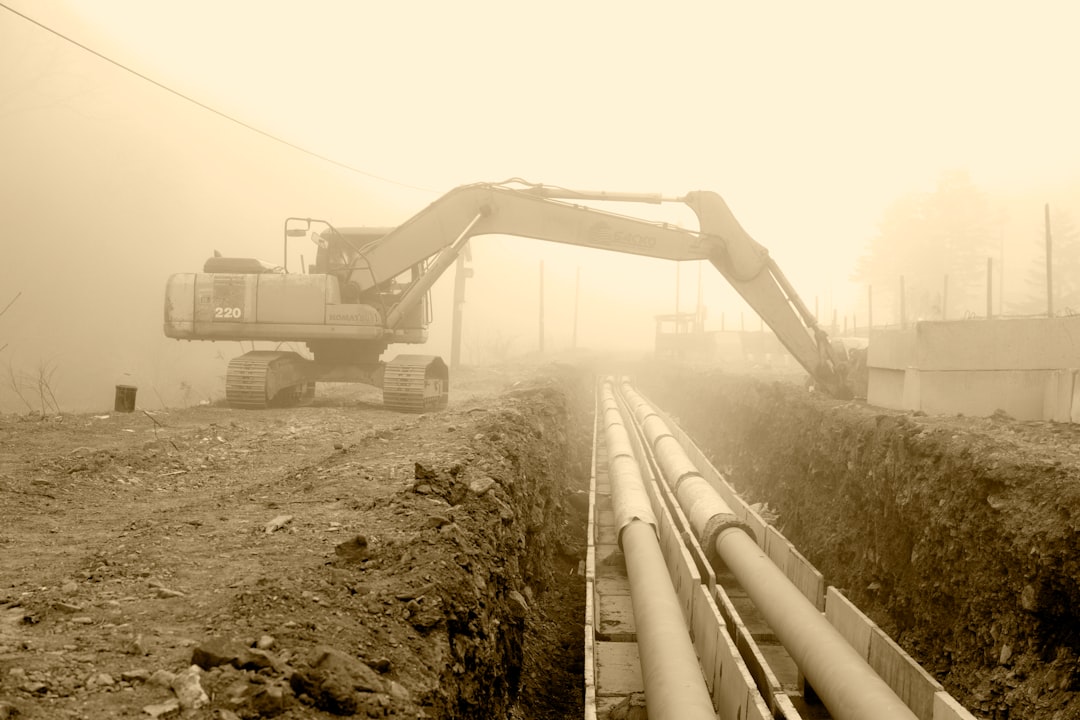
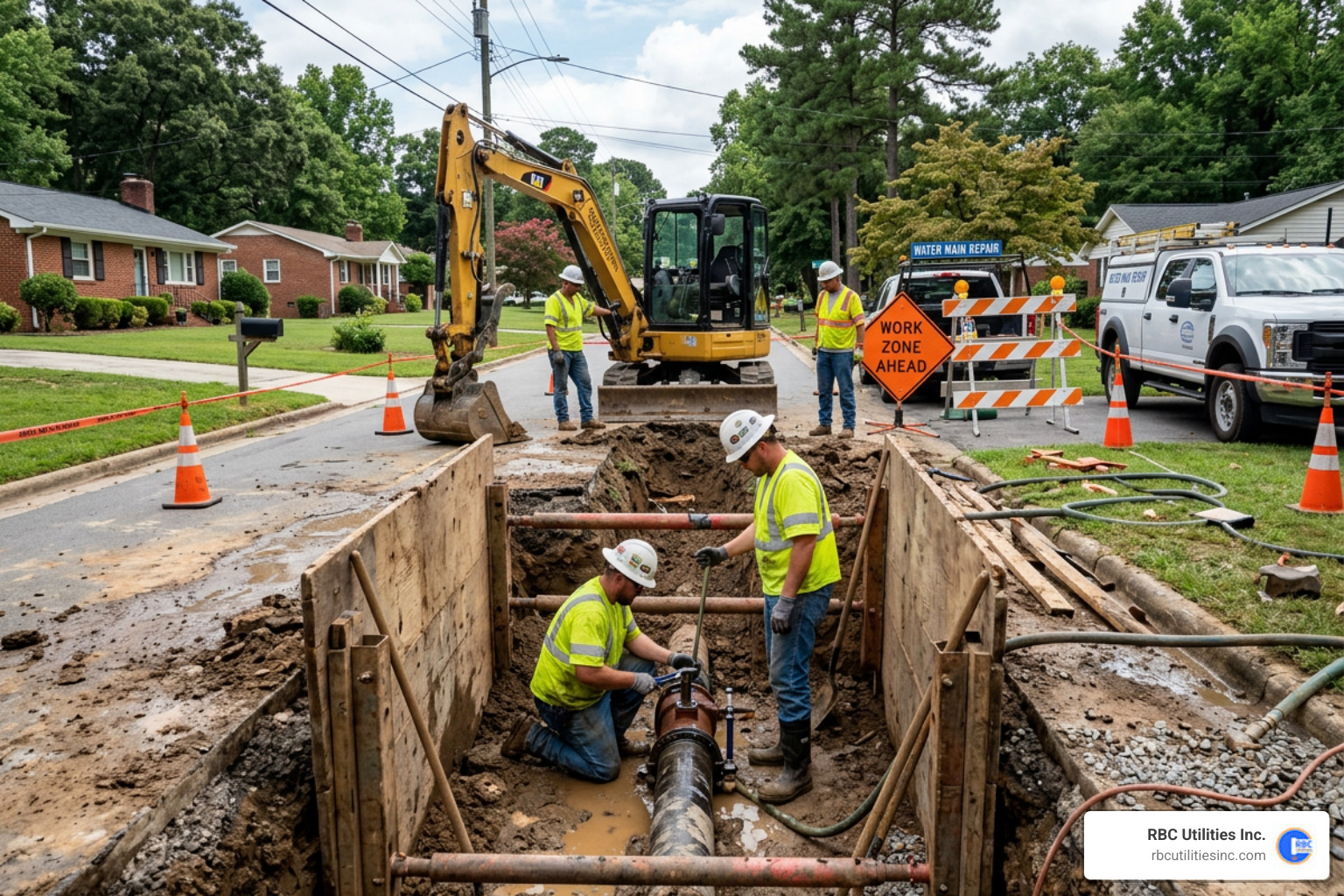
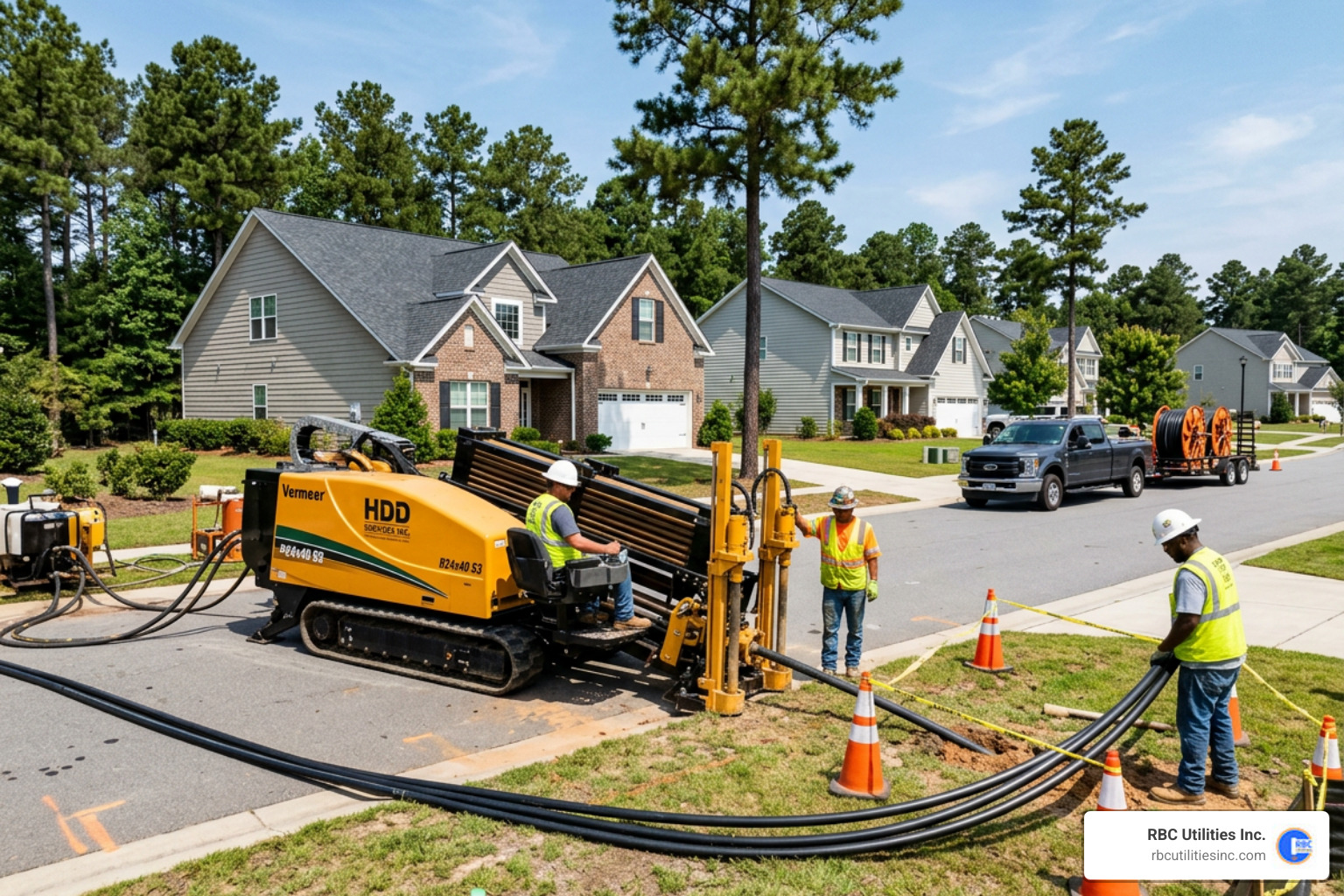
At RBC Utilities, Inc., we believe the future of infrastructure lies in the intelligent integration of both green and gray systems. Backed by the national resources of Saga Infrastructure, our team brings local Carolinas expertise to every project we touch—from Charlotte to Charleston. Whether your next project requires a complex storm sewer pipe installation, a robust underground detention system, or the utility preparation needed for advanced green infrastructure, we have the skills, equipment, and safety-first culture to get the job done right.
Ready to plan your next municipal, commercial, or residential infrastructure project? Learn more about our comprehensive utility construction capabilities and Our Services today.
Part of Saga Infrastructure, protecting what others built and helping it grow.
Address: 4404 Stuart Andrew Blvd., Suite K, Charlotte, NC 28217
Email: info@rbcutilities.com
Phone: 803-913-9727
Service Area: North Carolina | South Carolina