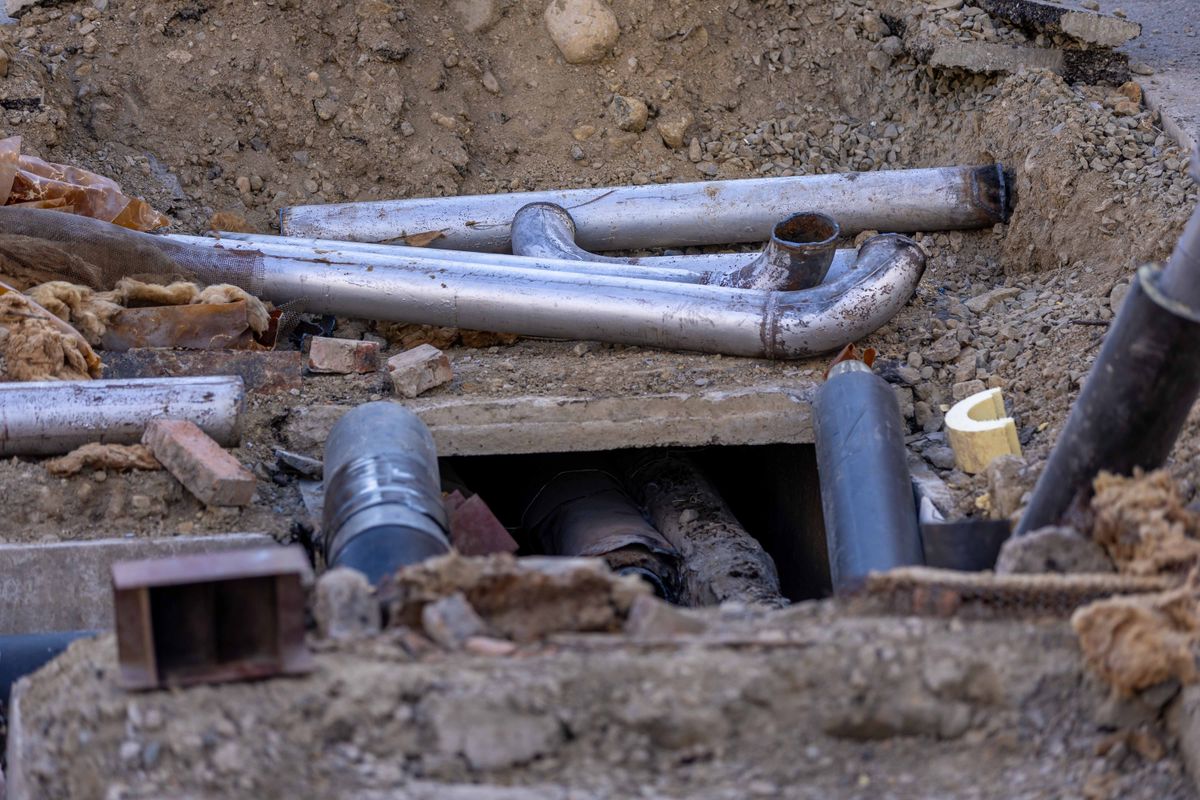
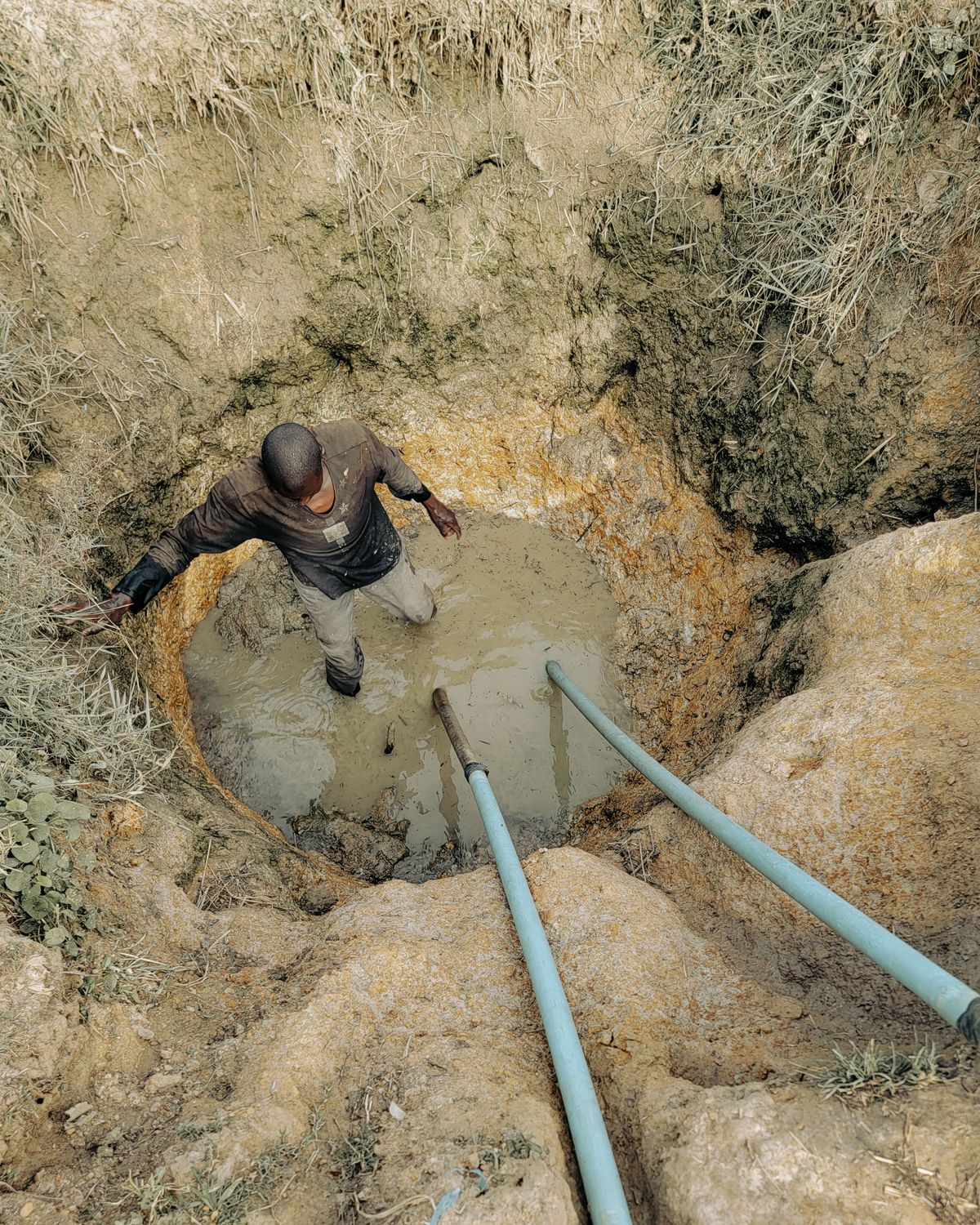
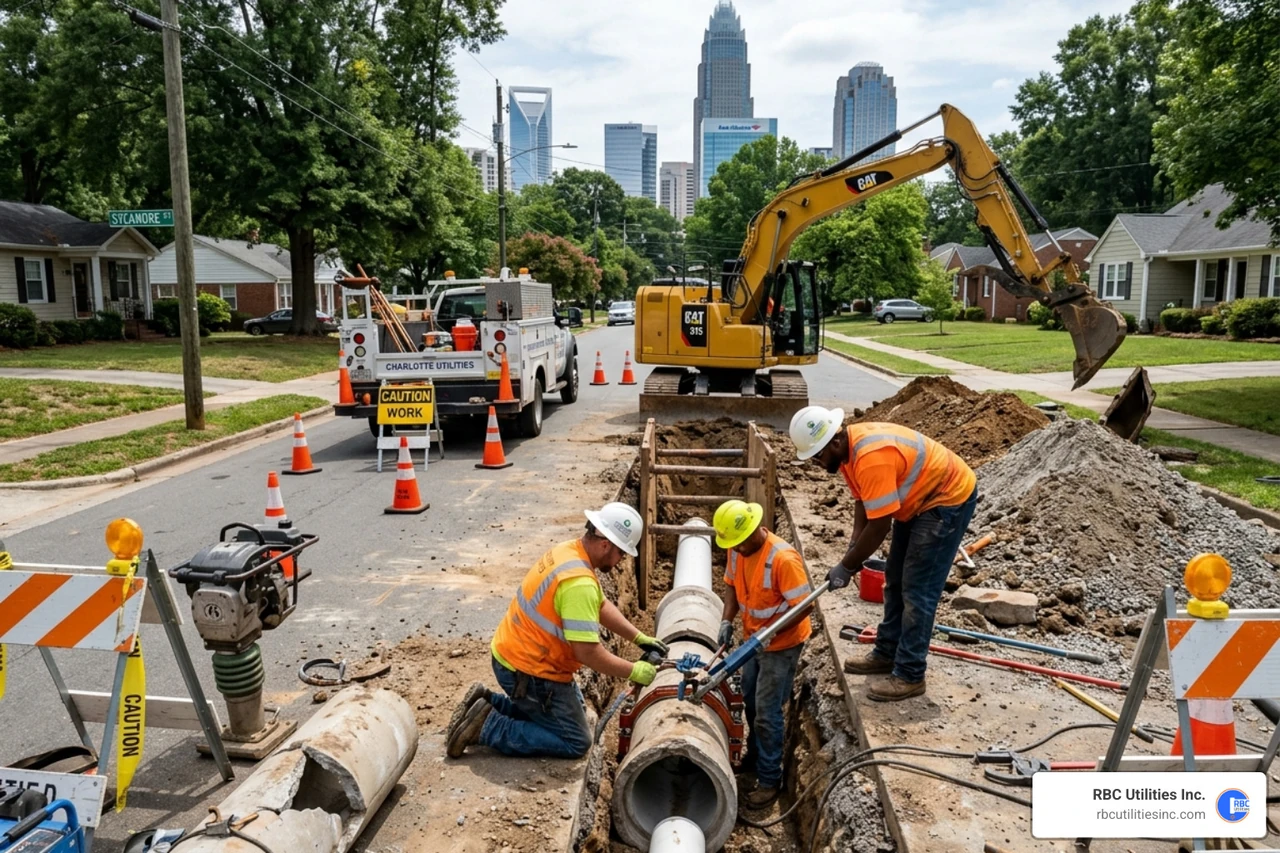
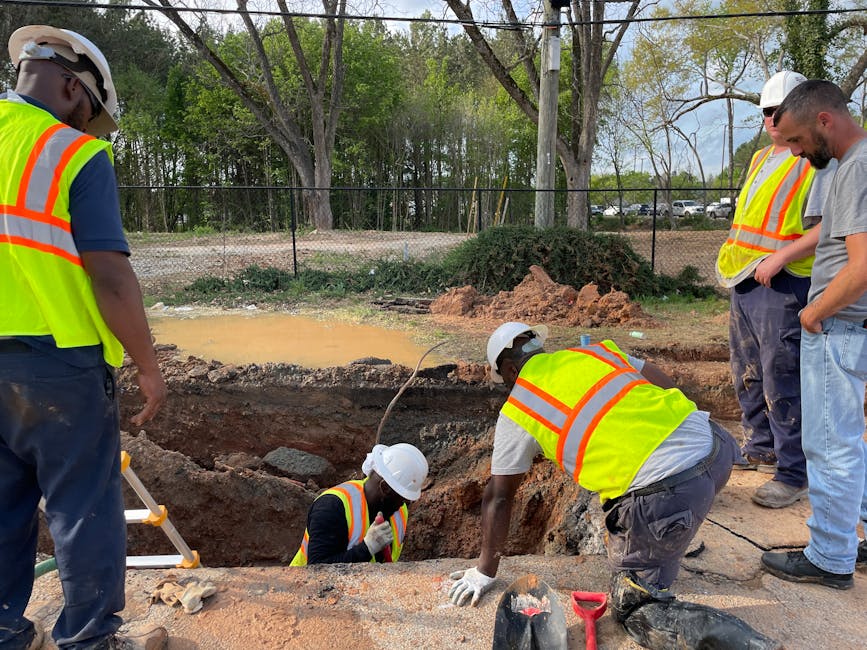
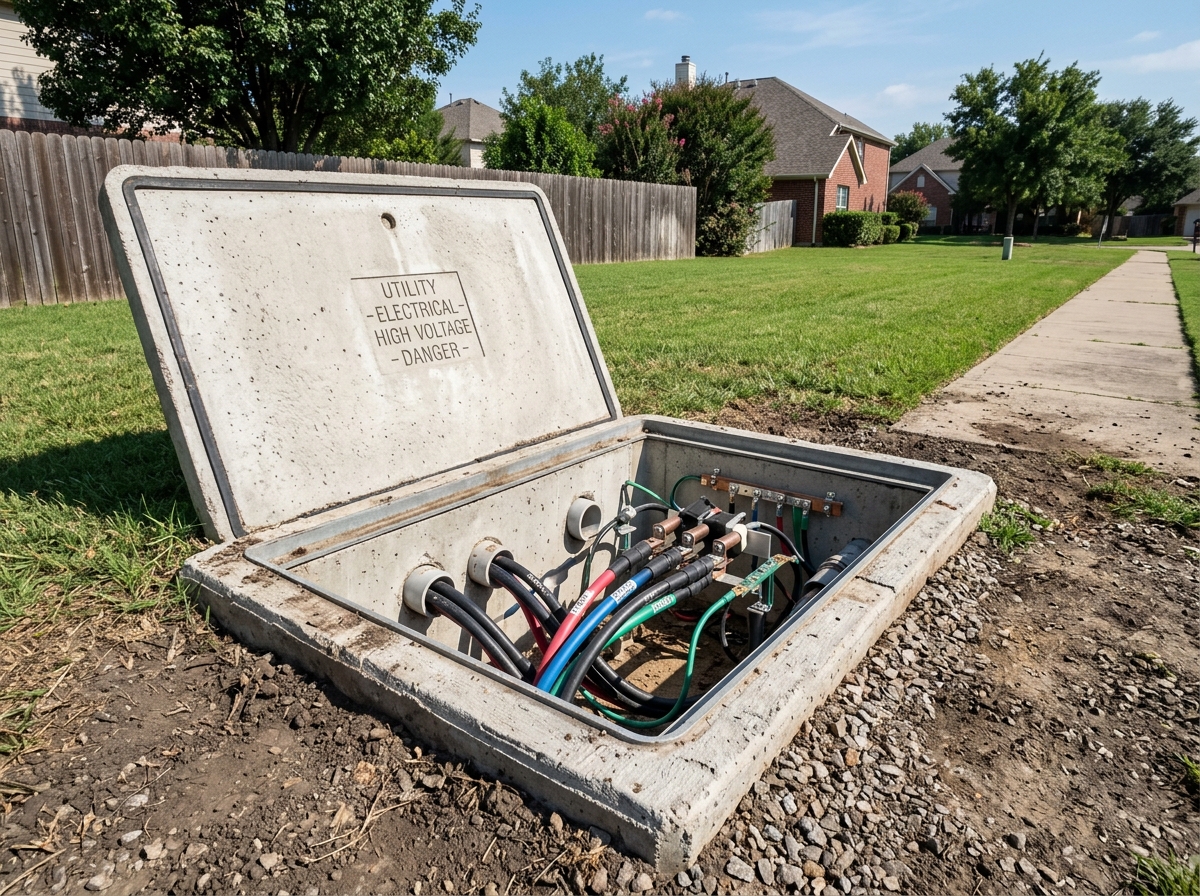
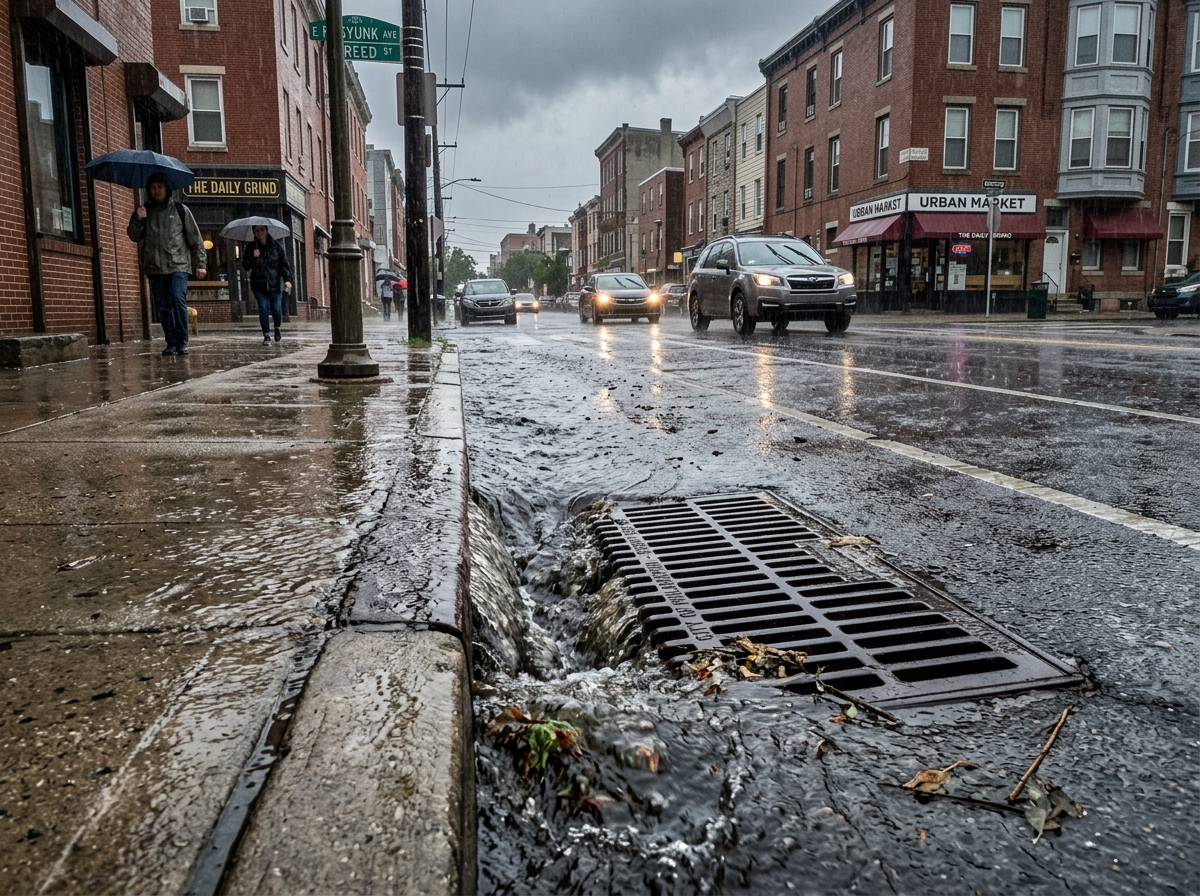
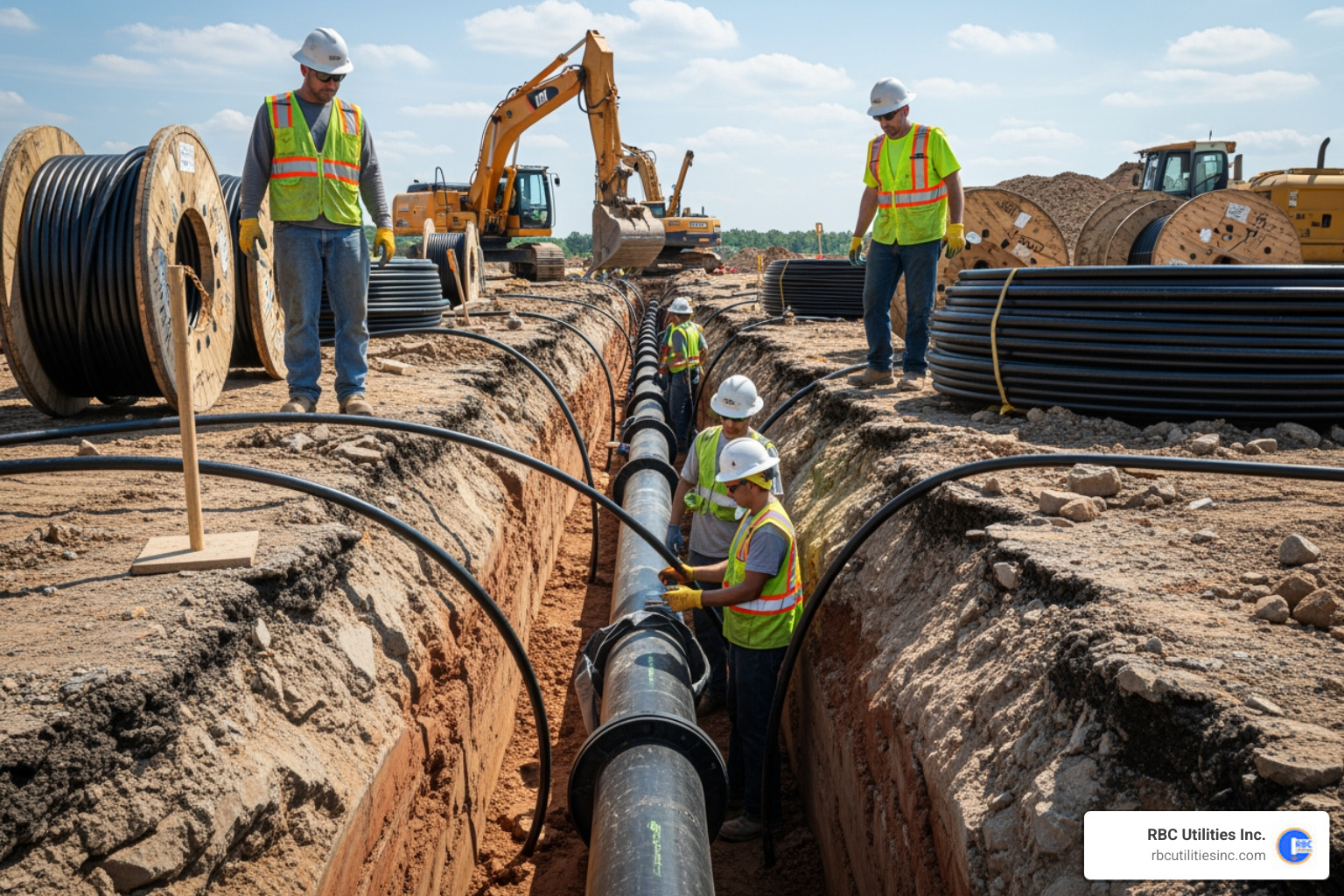
utility line repair Charlotte is one of the most critical — and most disruptive — challenges facing developers and general contractors working across the Carolinas. Whether it's a broken water main, a failing sewer line, or a compromised storm drain, underground utility failures can halt a project, blow a budget, and create serious liability.
Here's a quick overview of what you need to know:
| Topic | Quick Answer |
|---|---|
| Who handles repairs | Licensed NC utility contractors for private-side lines |
| Common repair methods | Trenchless (CIPP, pipe bursting) or traditional excavation |
| Typical project timeline | Most trenchless repairs complete in one day |
| Financial assistance | Charlotte Water Cares program for qualifying customers |
| Emergency availability | Many Charlotte contractors offer 24/7 response |
| Permits required | Yes — Charlotte requires permits for private utility line work |
Underground utility problems rarely announce themselves early. By the time a sewer backup, soggy yard, or pressure drop becomes visible, the damage is often already significant. For developers and contractors managing multi-unit builds or commercial sites, the stakes are even higher — a single utility failure can cascade into missed deadlines and costly rework.
This guide breaks down how to identify utility line problems, choose the right repair method, navigate Charlotte's regulations, and protect your project long-term.
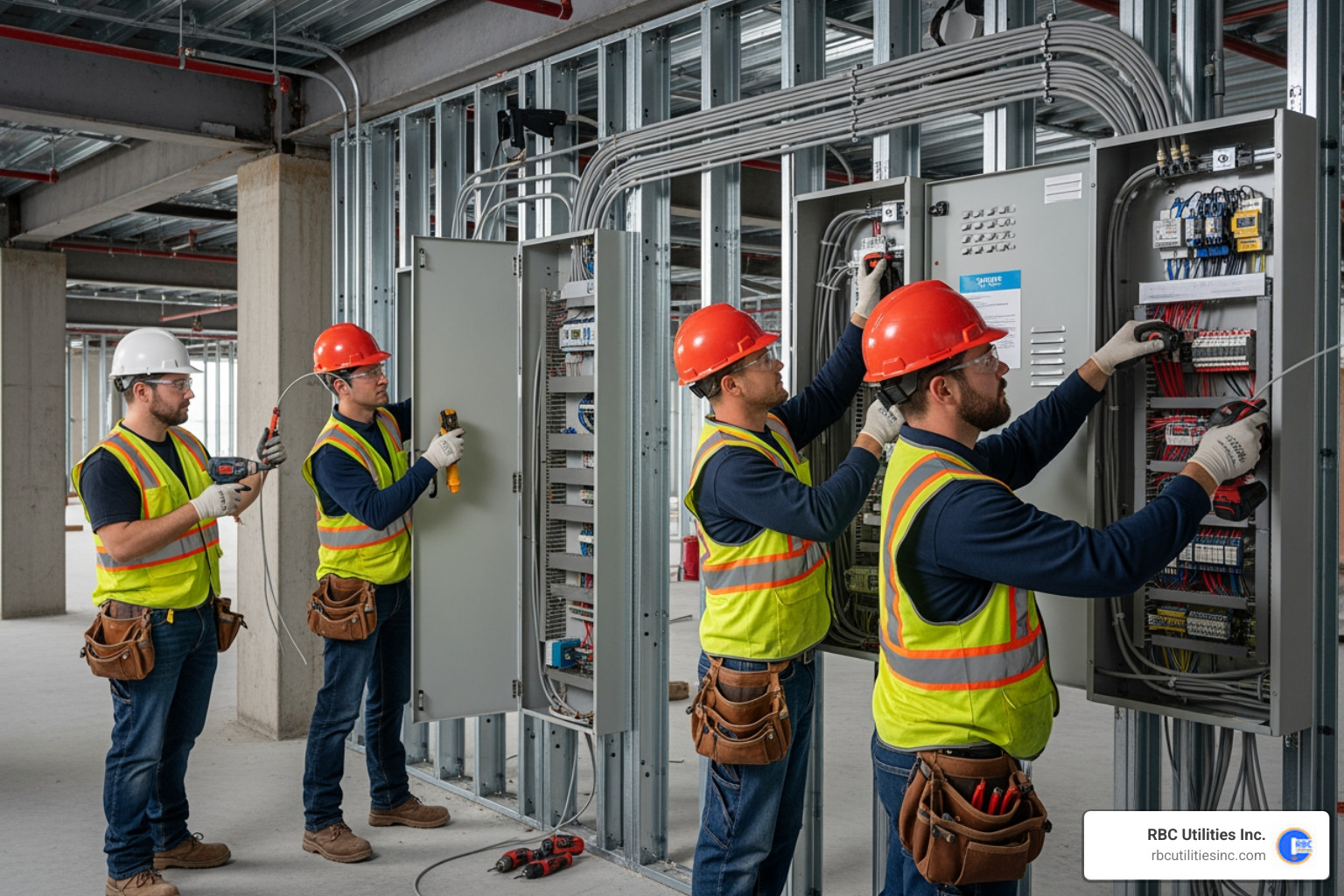
I'm Don Larsen, writing on behalf of RBC Utilities, Inc., a Carolinas-based underground utility contractor specializing in utility line repair Charlotte and beyond — from water and sewer installation to storm drainage and conduit systems for residential, commercial, and municipal projects since 2008. In the sections ahead, we'll walk you through everything you need to make confident, informed decisions about underground utility repair.
utility line repair Charlotte definitions:
In the Queen City, our soil and climate can be tough on buried infrastructure. Identifying the need for utility line repair Charlotte early can be the difference between a simple fix and a catastrophic site failure. For homeowners and developers alike, the signs are often hidden just beneath the surface—until they aren't.
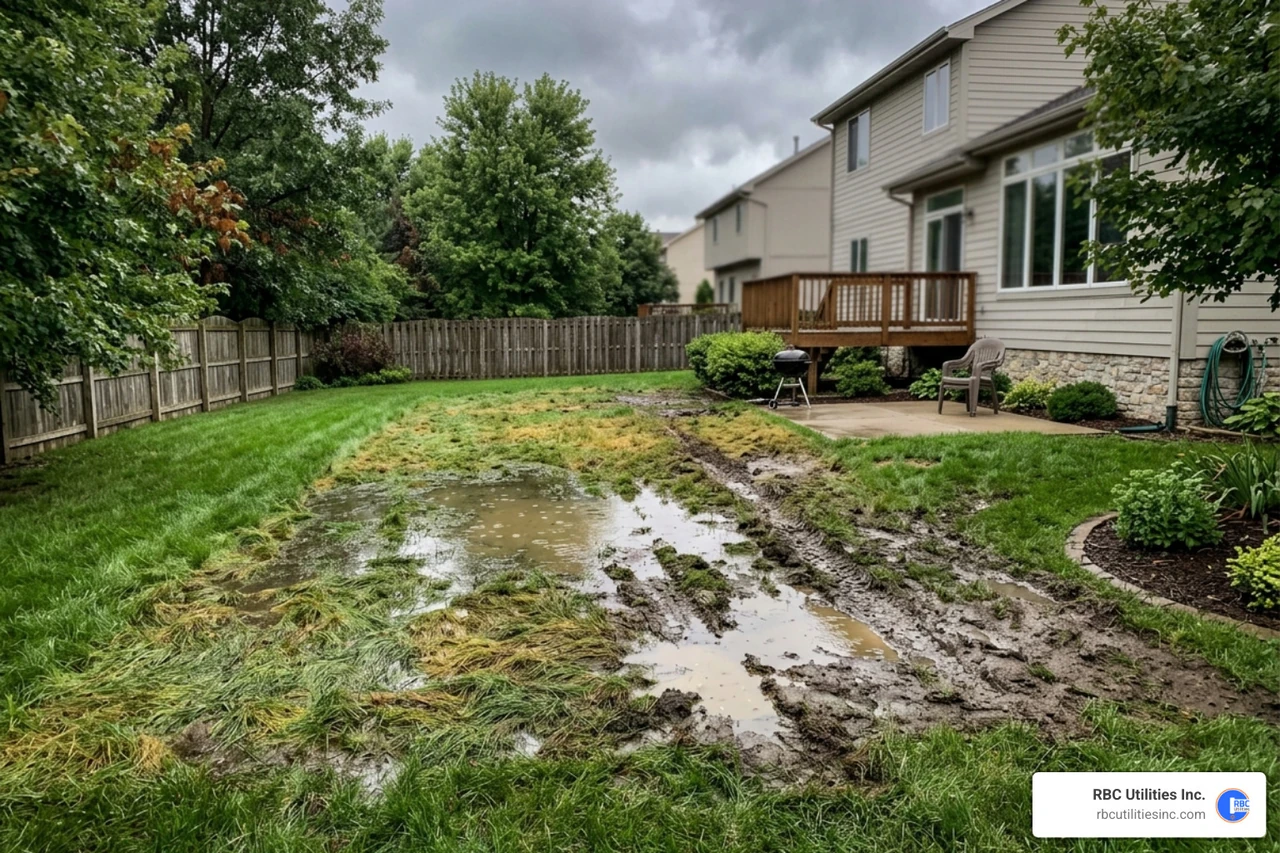
Common red flags include:
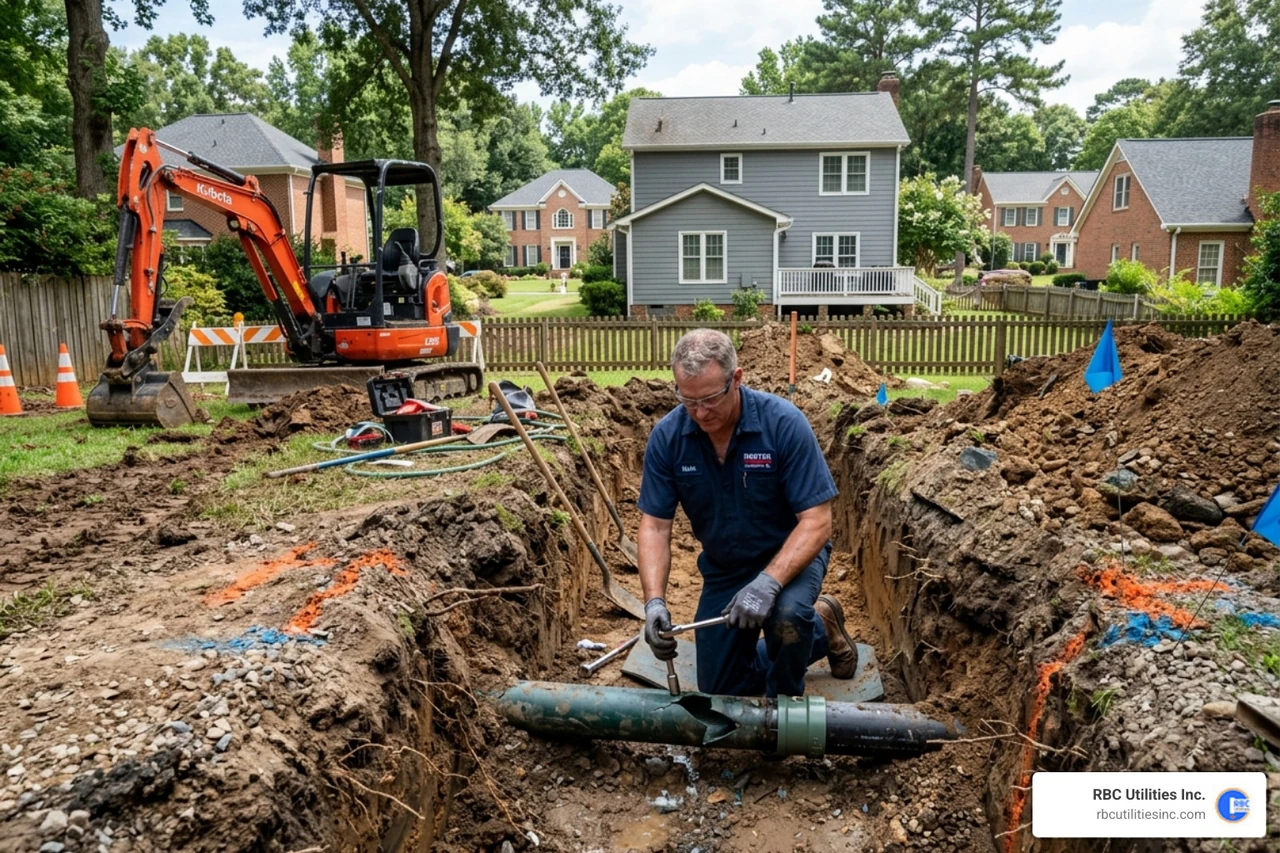
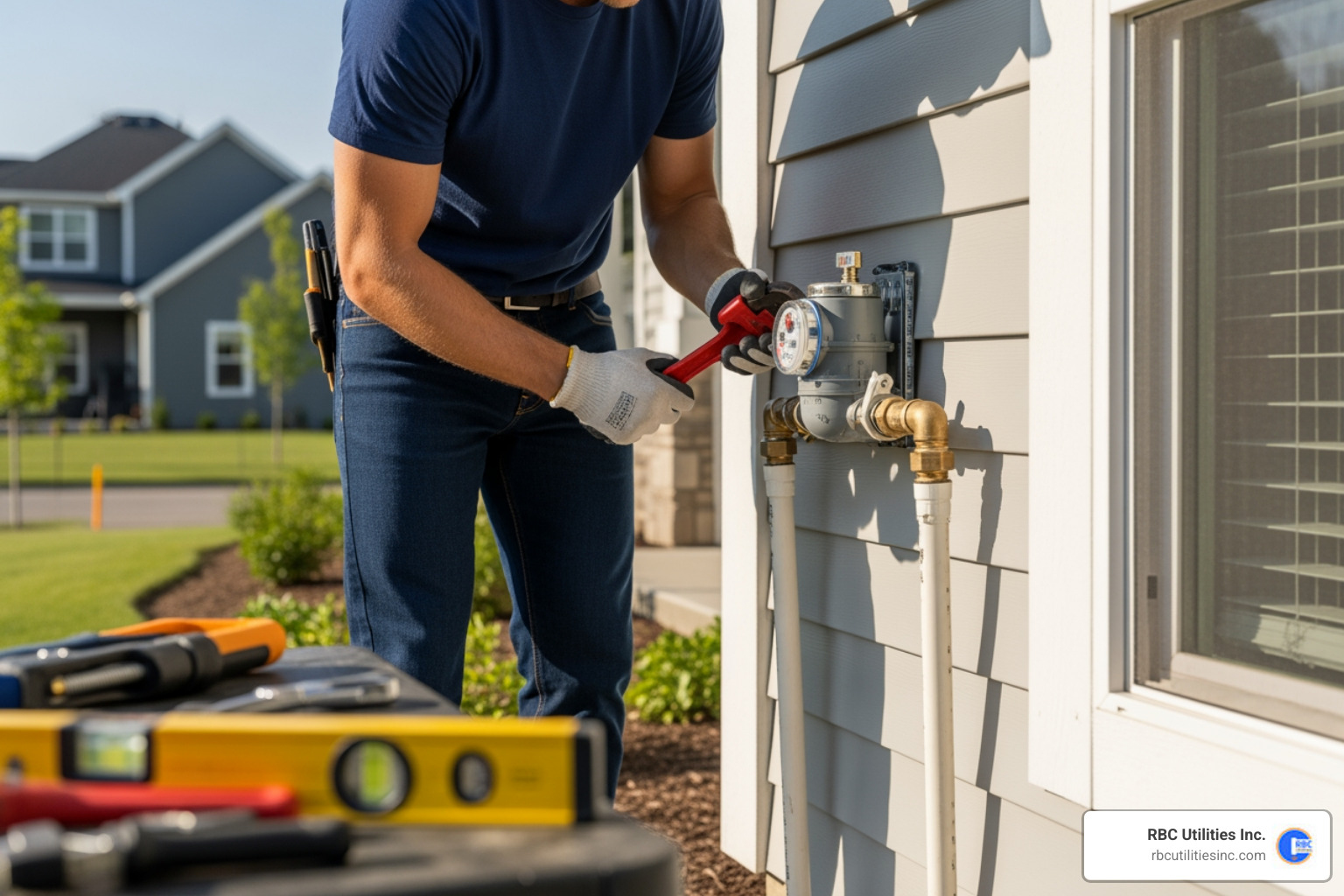
One of the most common points of confusion in Charlotte is determining who pays for the fix. The responsibility is generally split at the property line or the meter box.
If you are dealing with a private-side leak, you must navigate the Utility Right of Way Management regulations to ensure any work near the street or sidewalk is compliant with city standards.
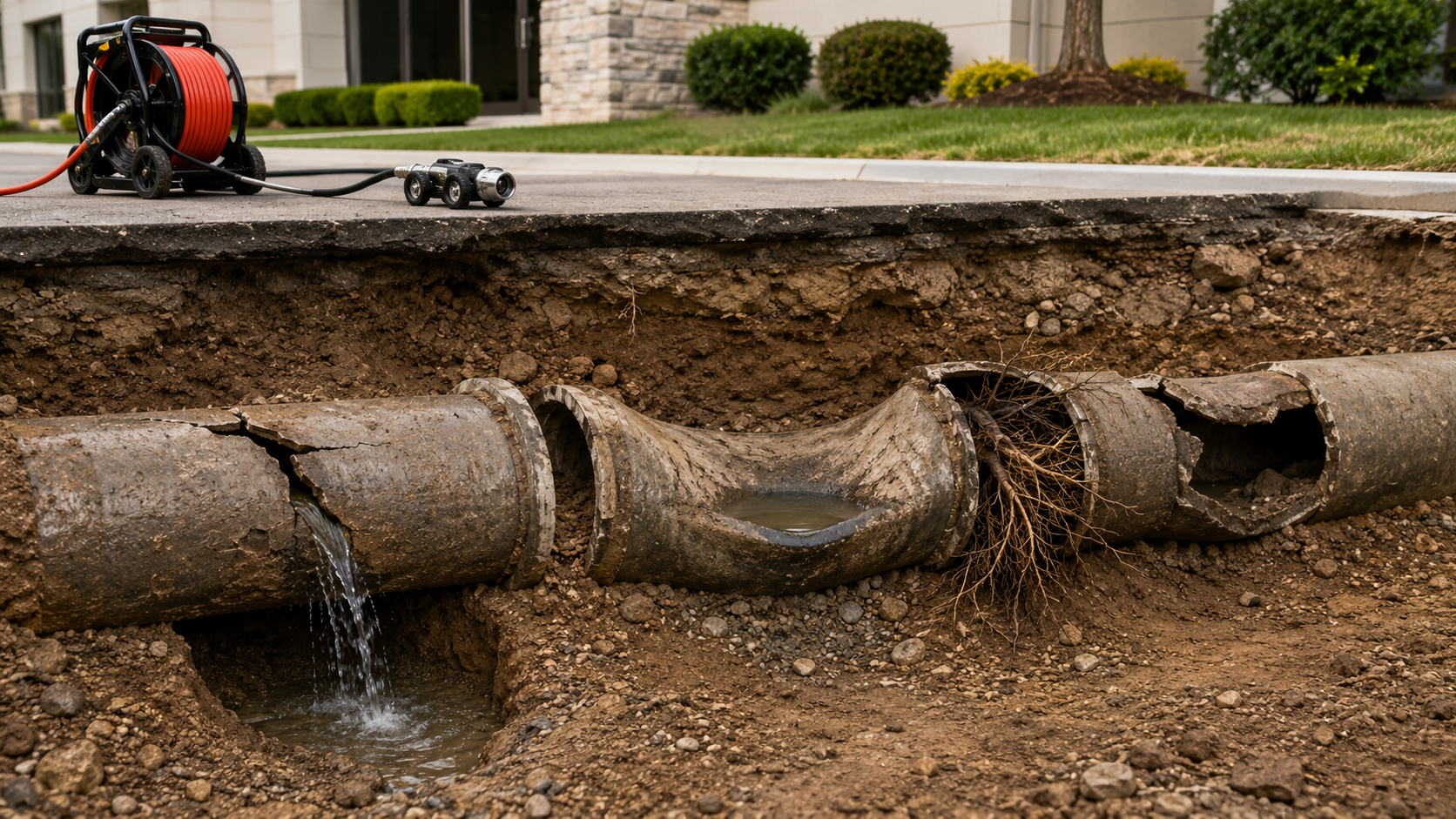
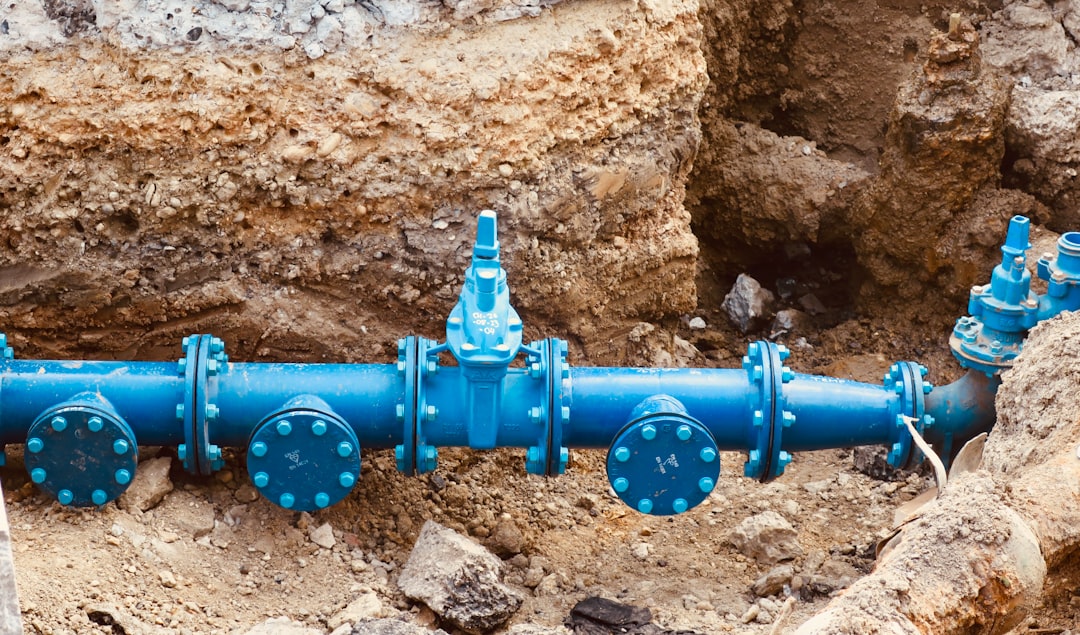
Why do these lines fail in the first place? In older Charlotte neighborhoods like Myers Park or Eastover, many homes still rely on clay, cast iron, or even Orangeburg pipes. These materials have a finite lifespan. Corrosion eats away at metal, while clay pipes are susceptible to shifting soil and aggressive tree roots.
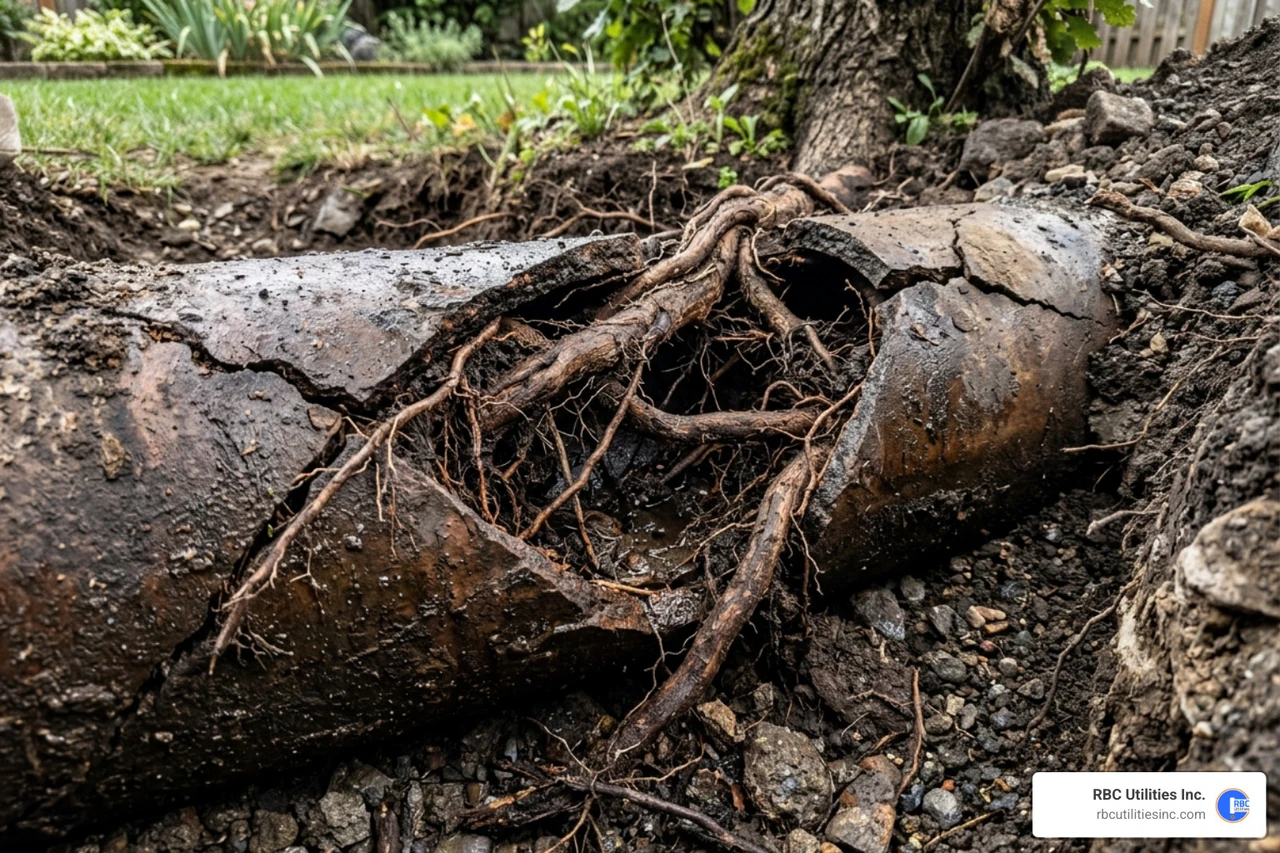
A sudden drop in water pressure or a spike in your monthly bill are clear indicators of a water line failure. For sewer lines, a gurgling sound coming from the toilets when you run the washing machine is a classic warning sign that the system is under duress and nearing a total backup.
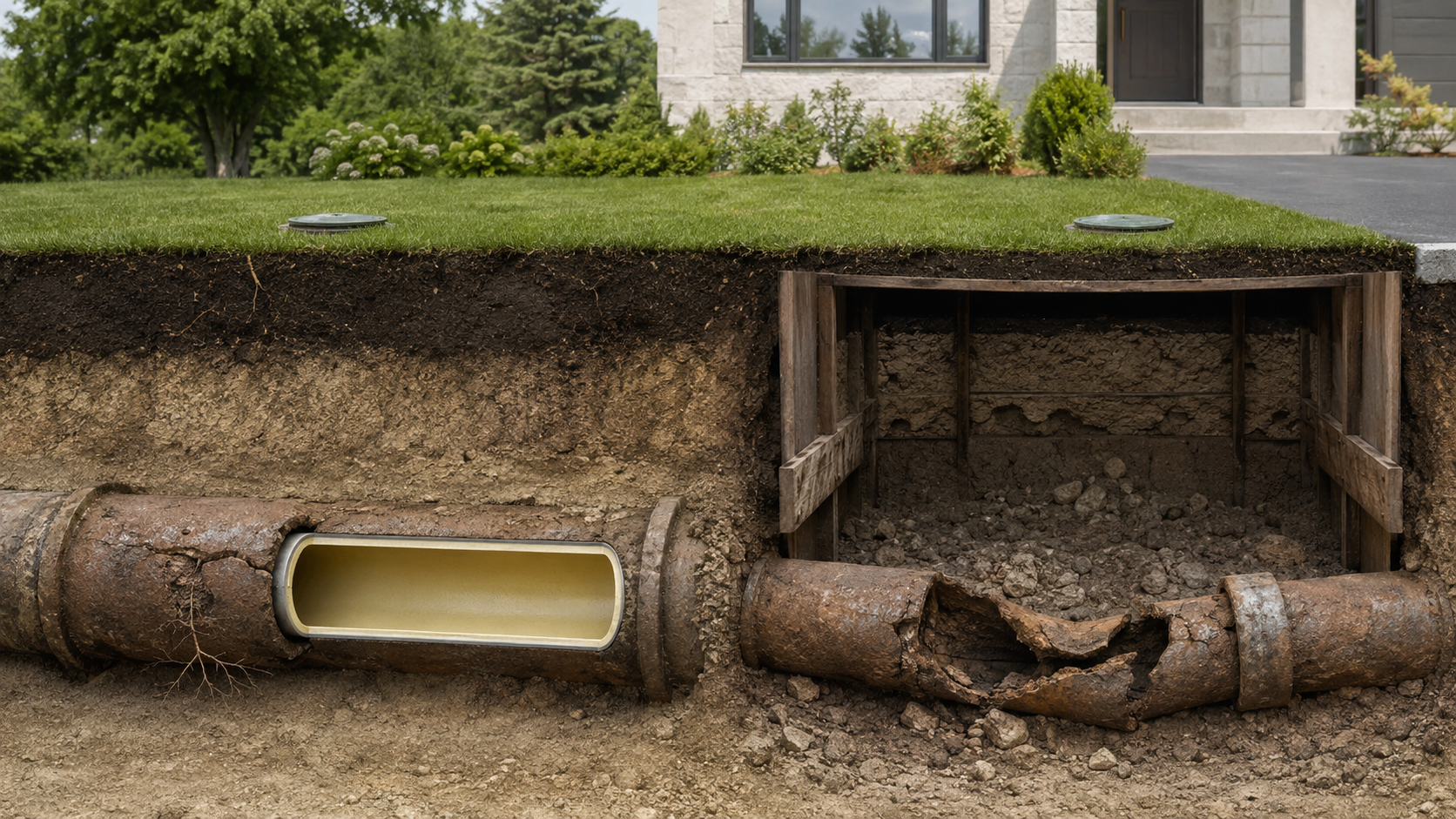
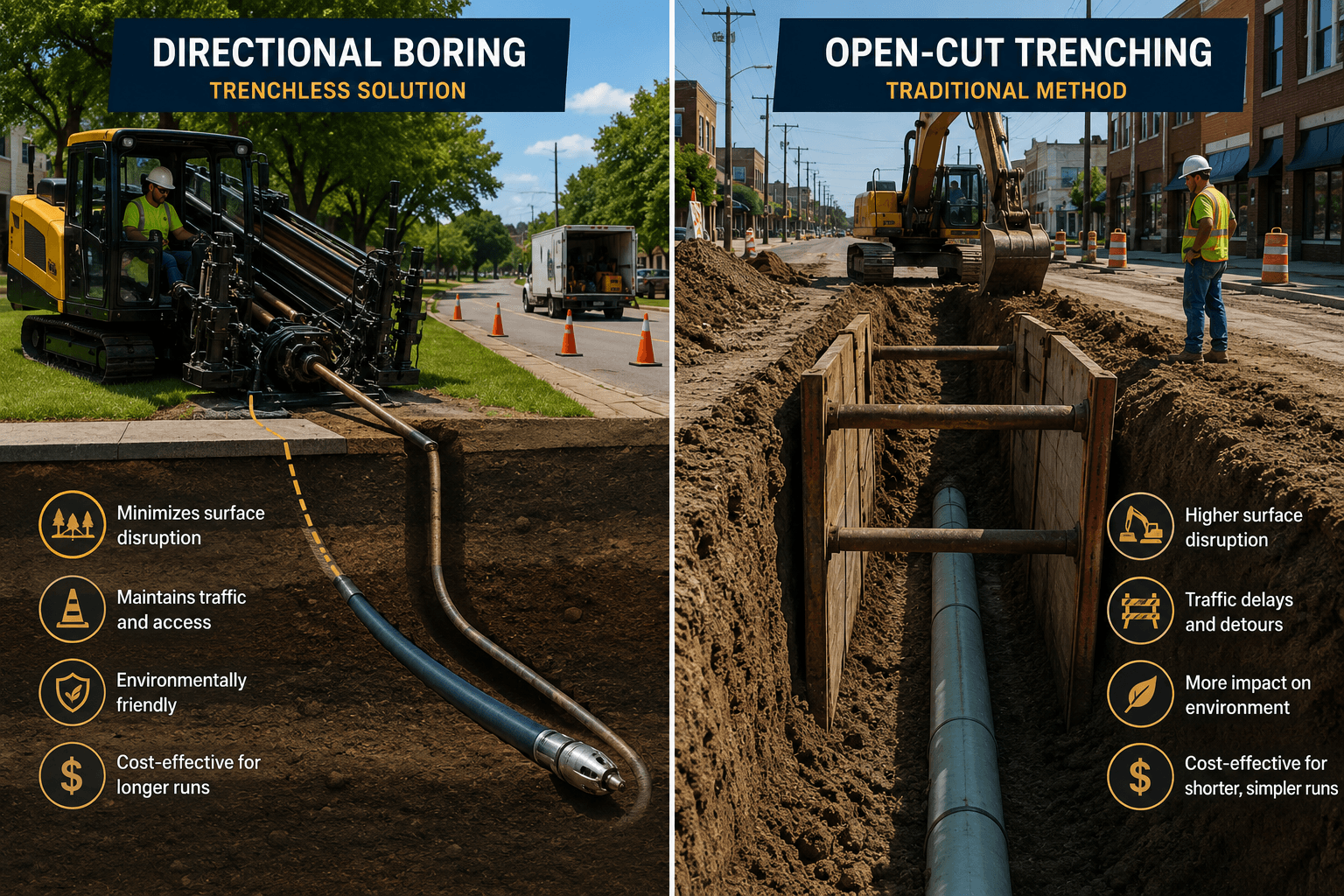
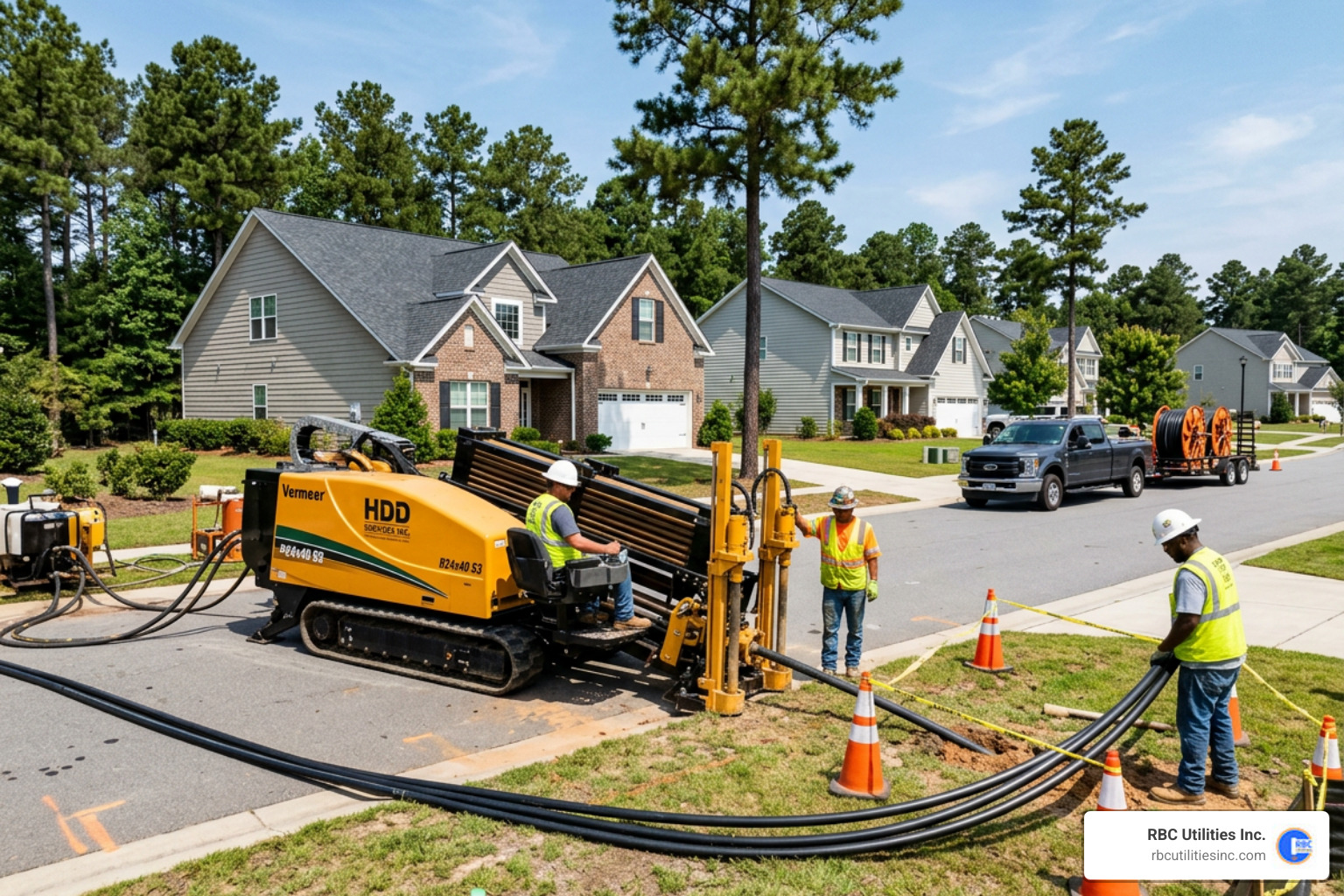
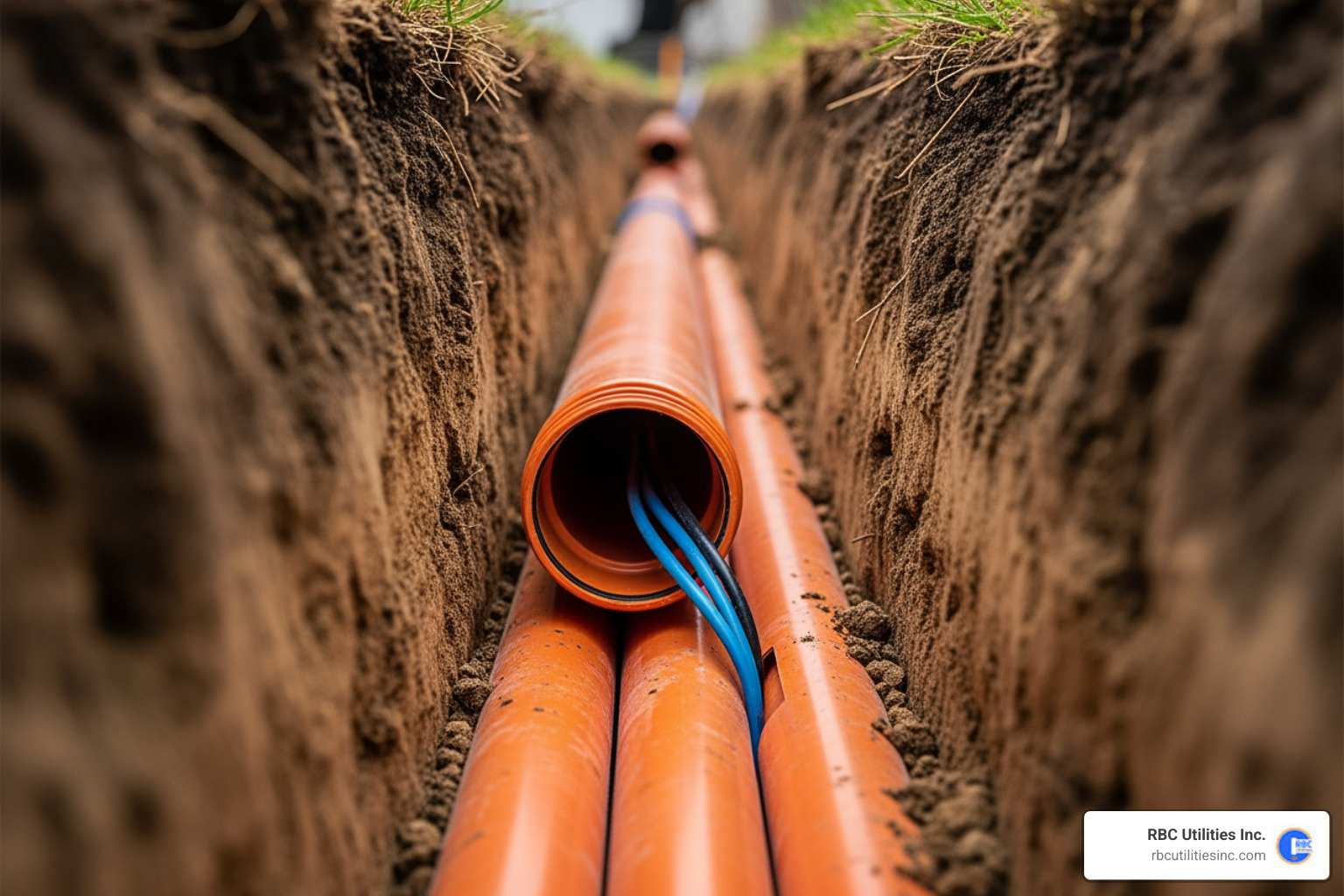
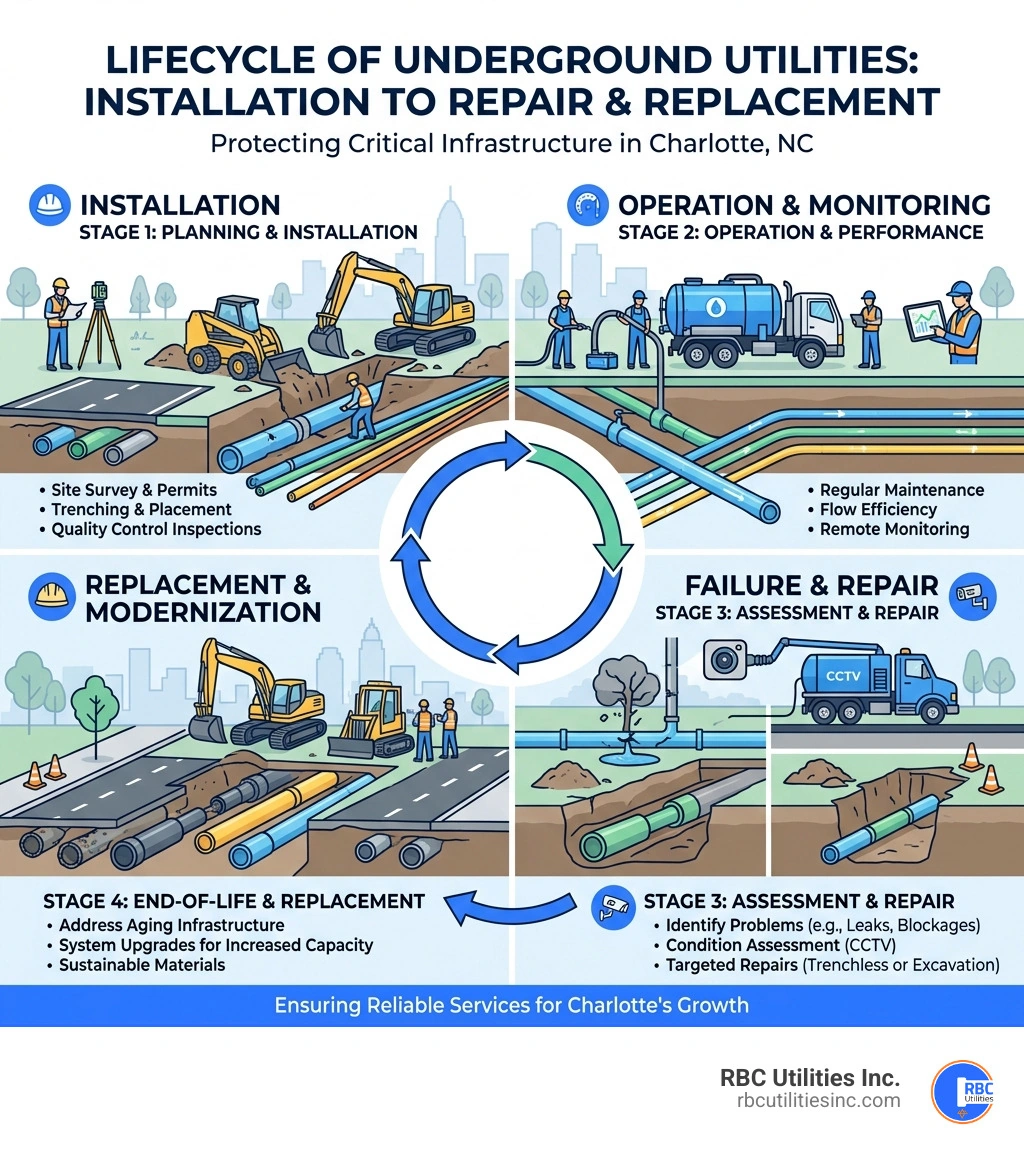
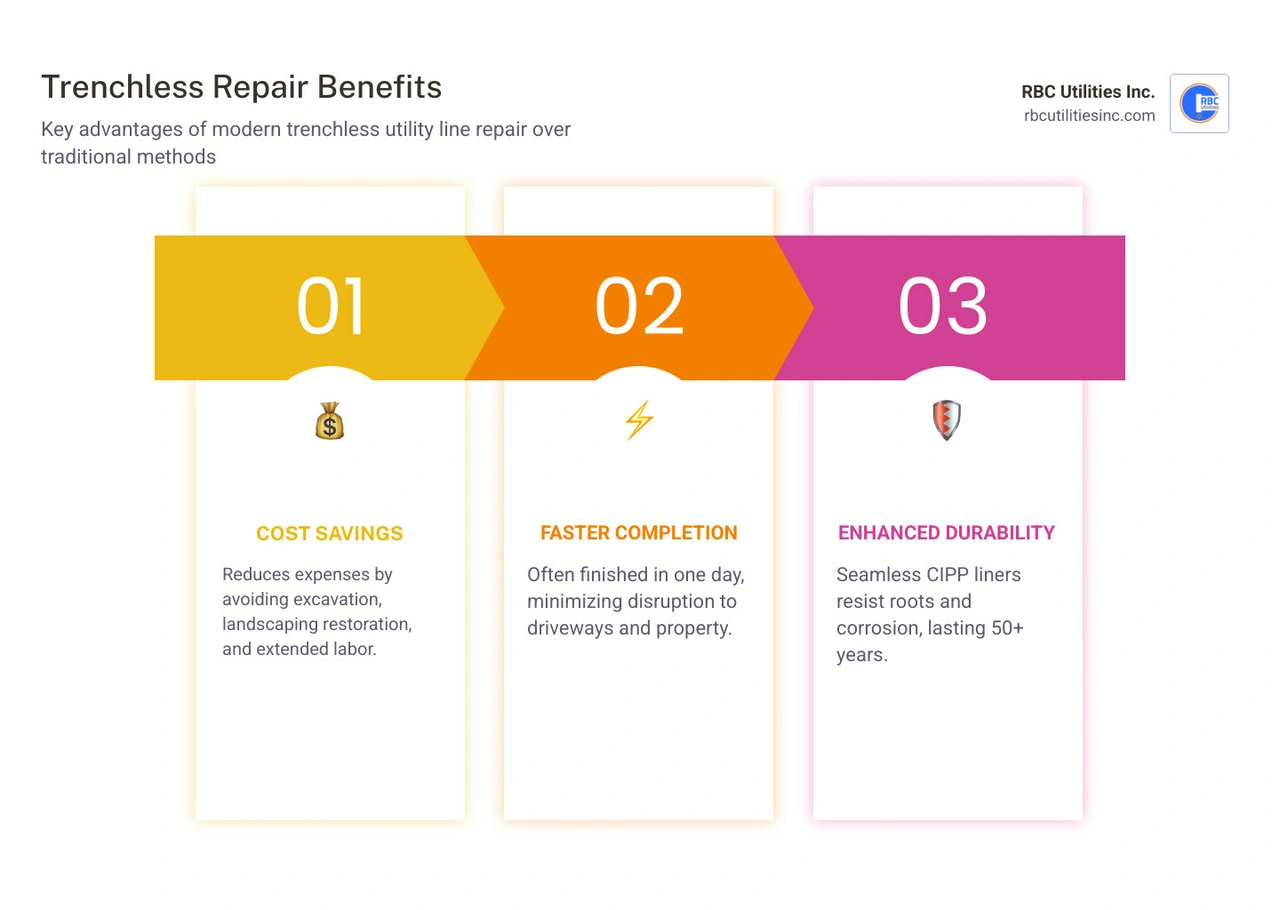
Gone are the days when every sewer repair required a massive trench through your pristine landscaping or expensive driveway. Modern utility line repair Charlotte often utilizes trenchless technology, which allows us to fix the "flow" from the inside out.
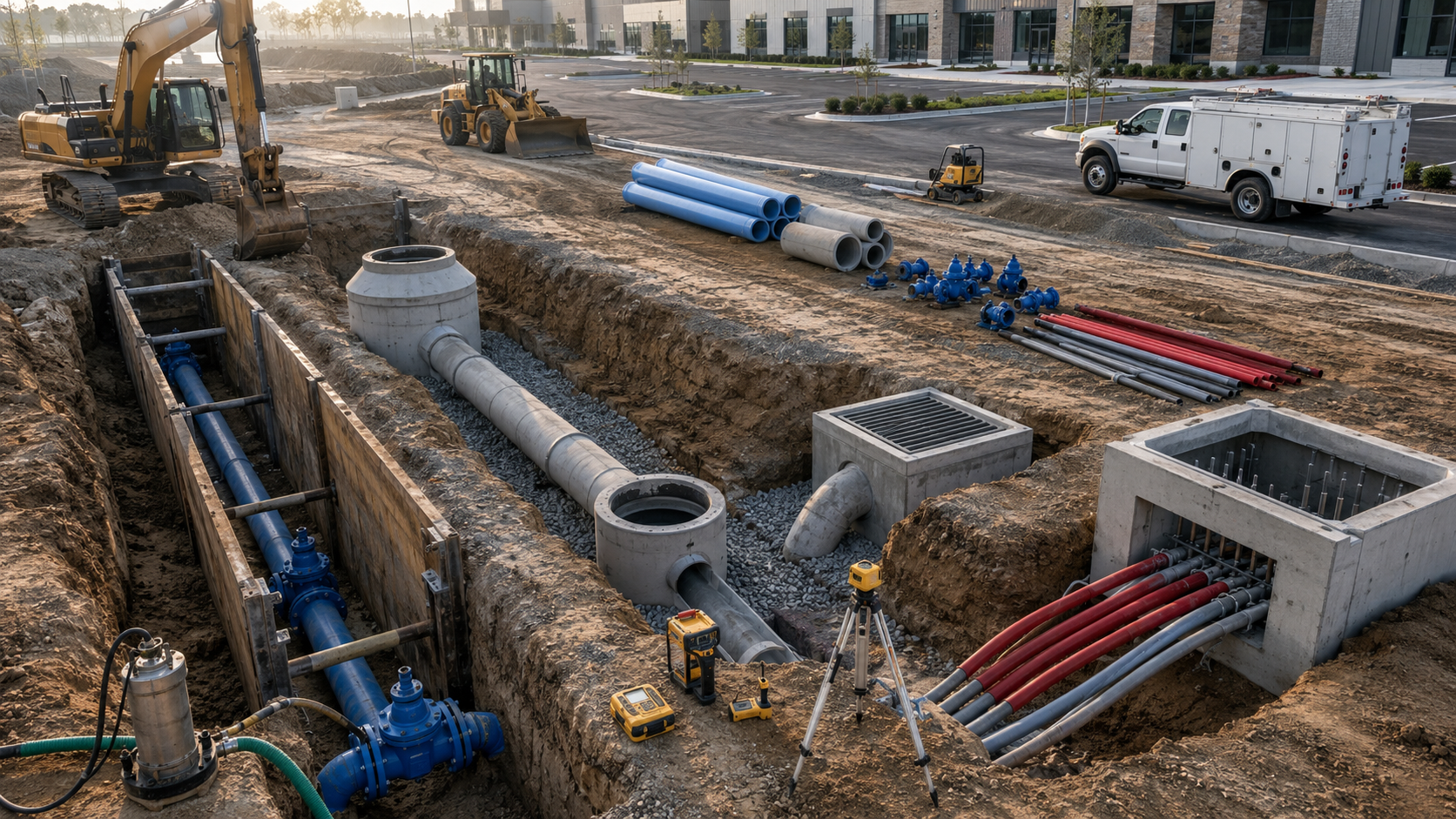
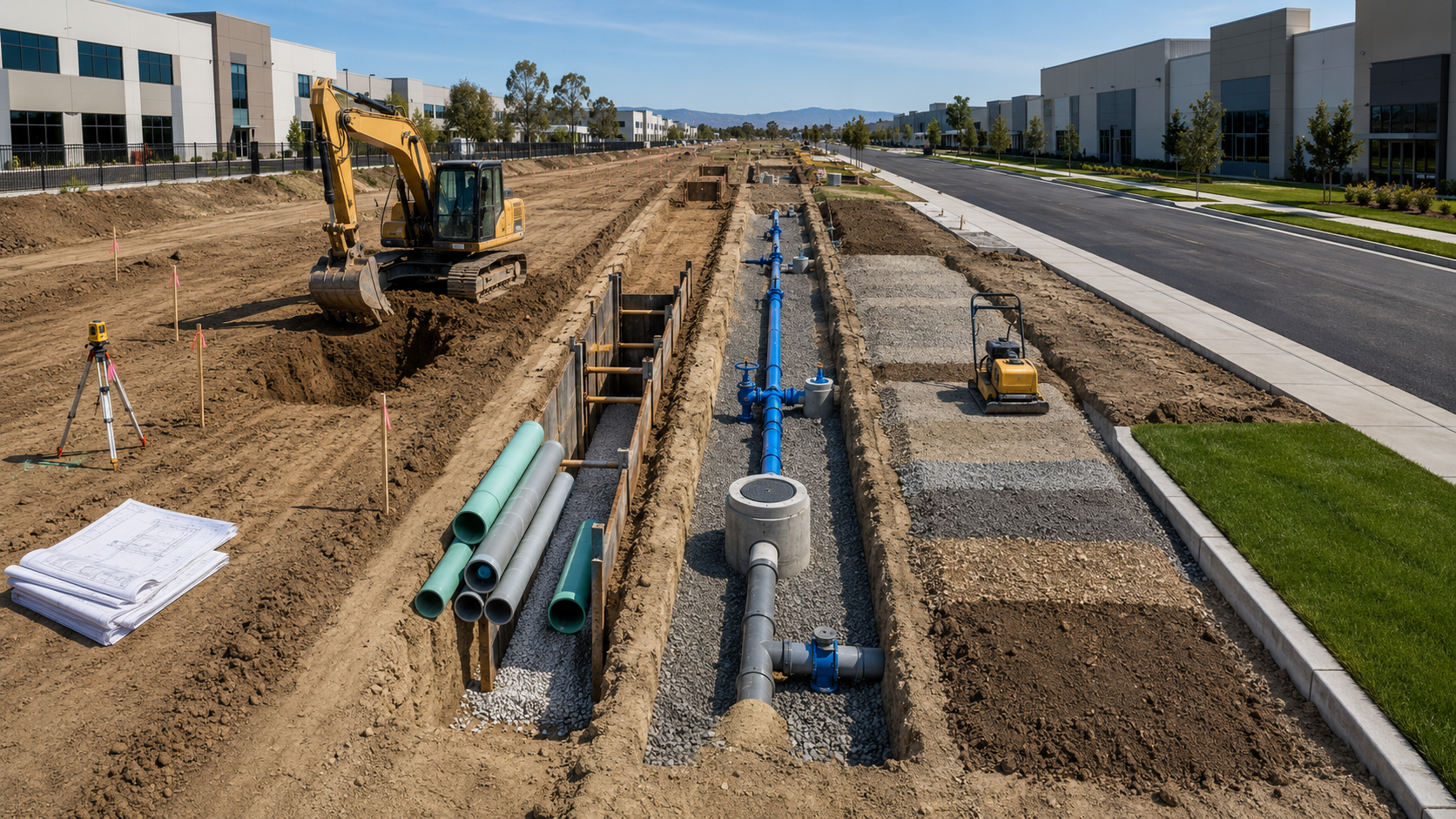
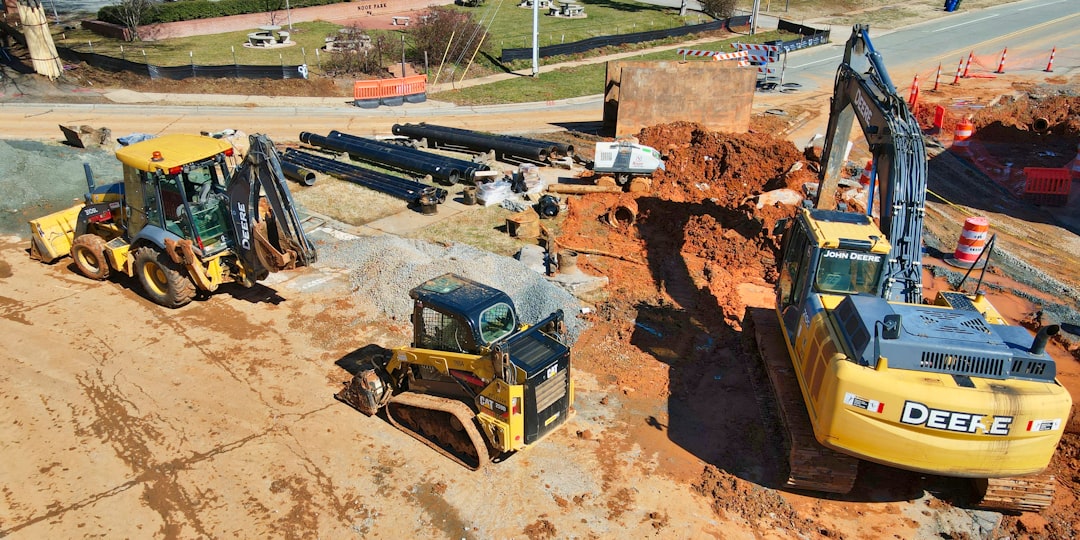
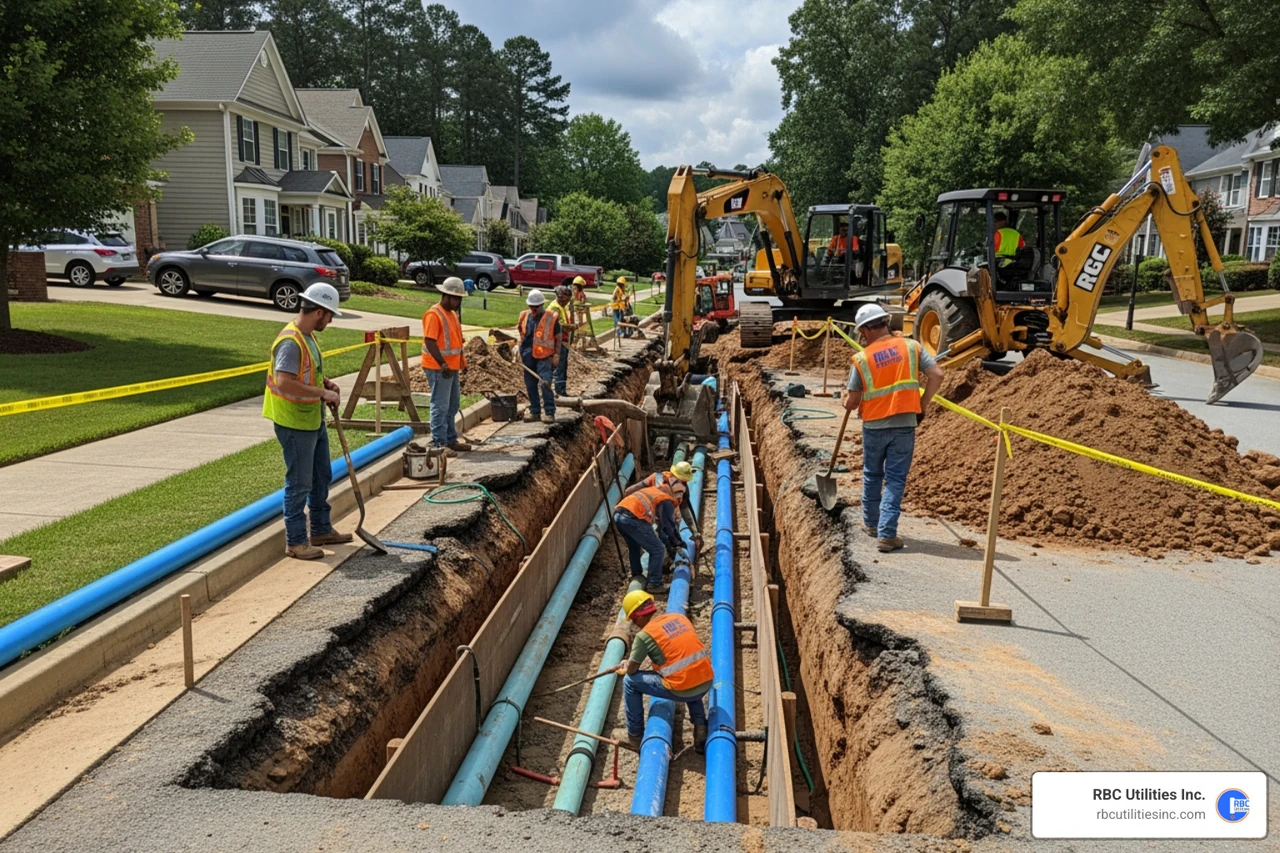
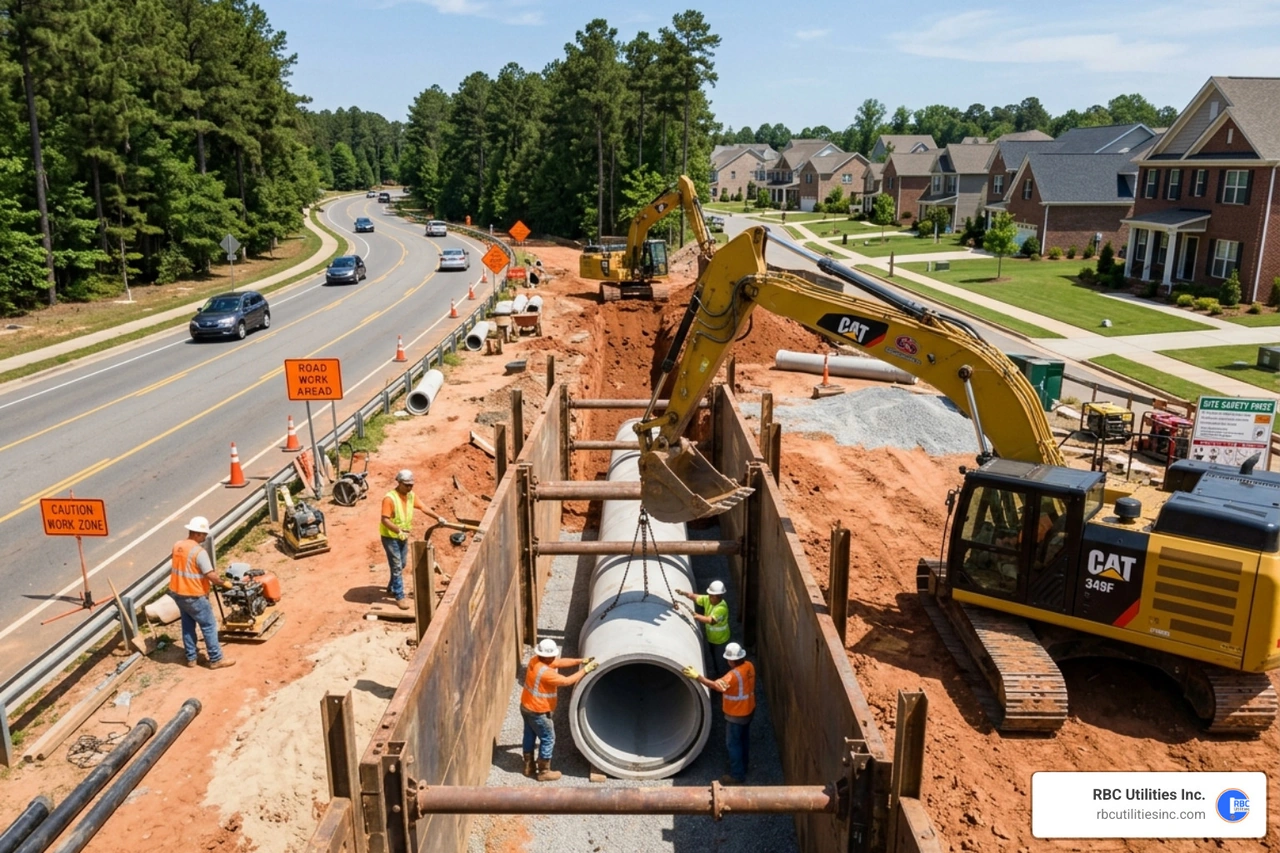
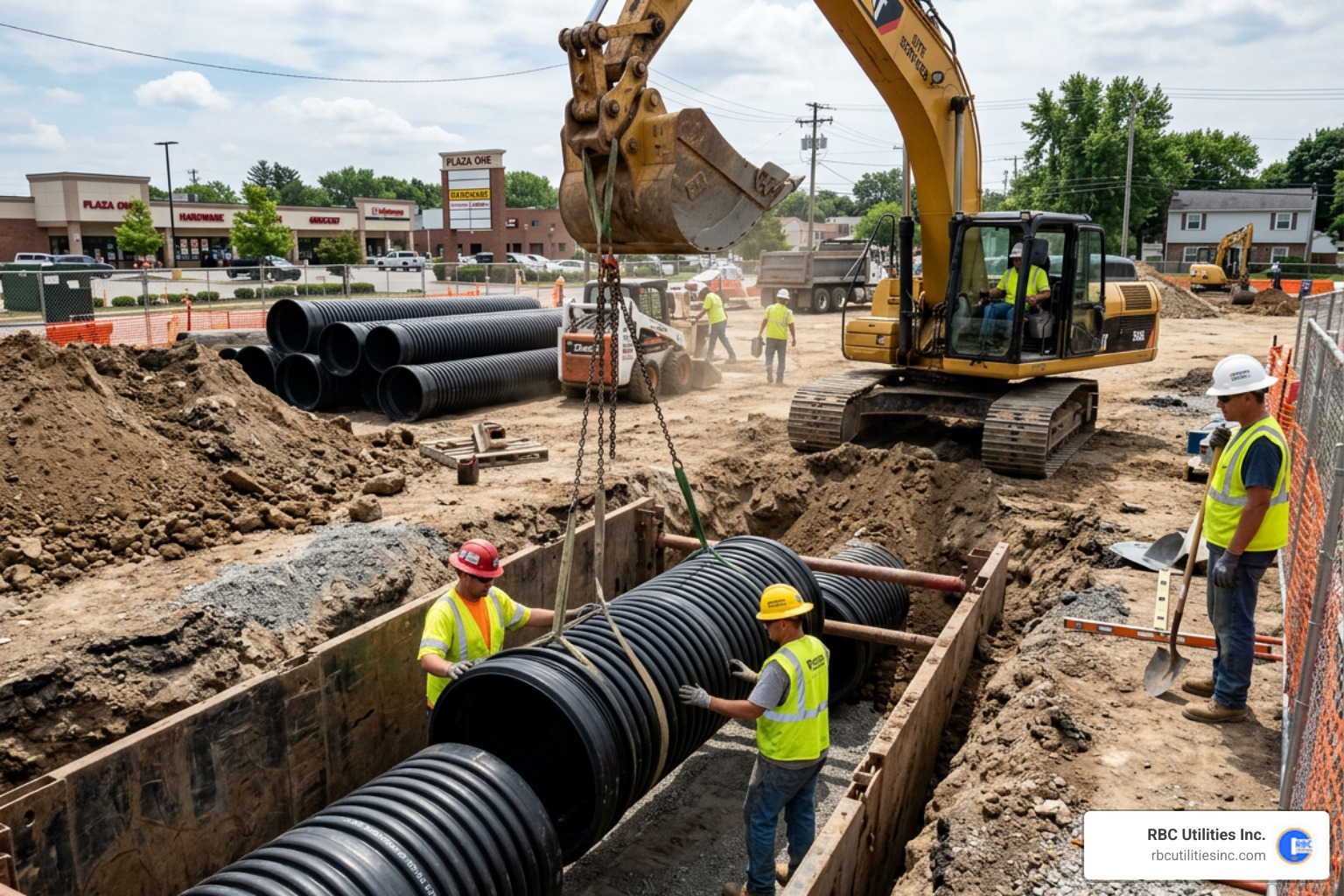
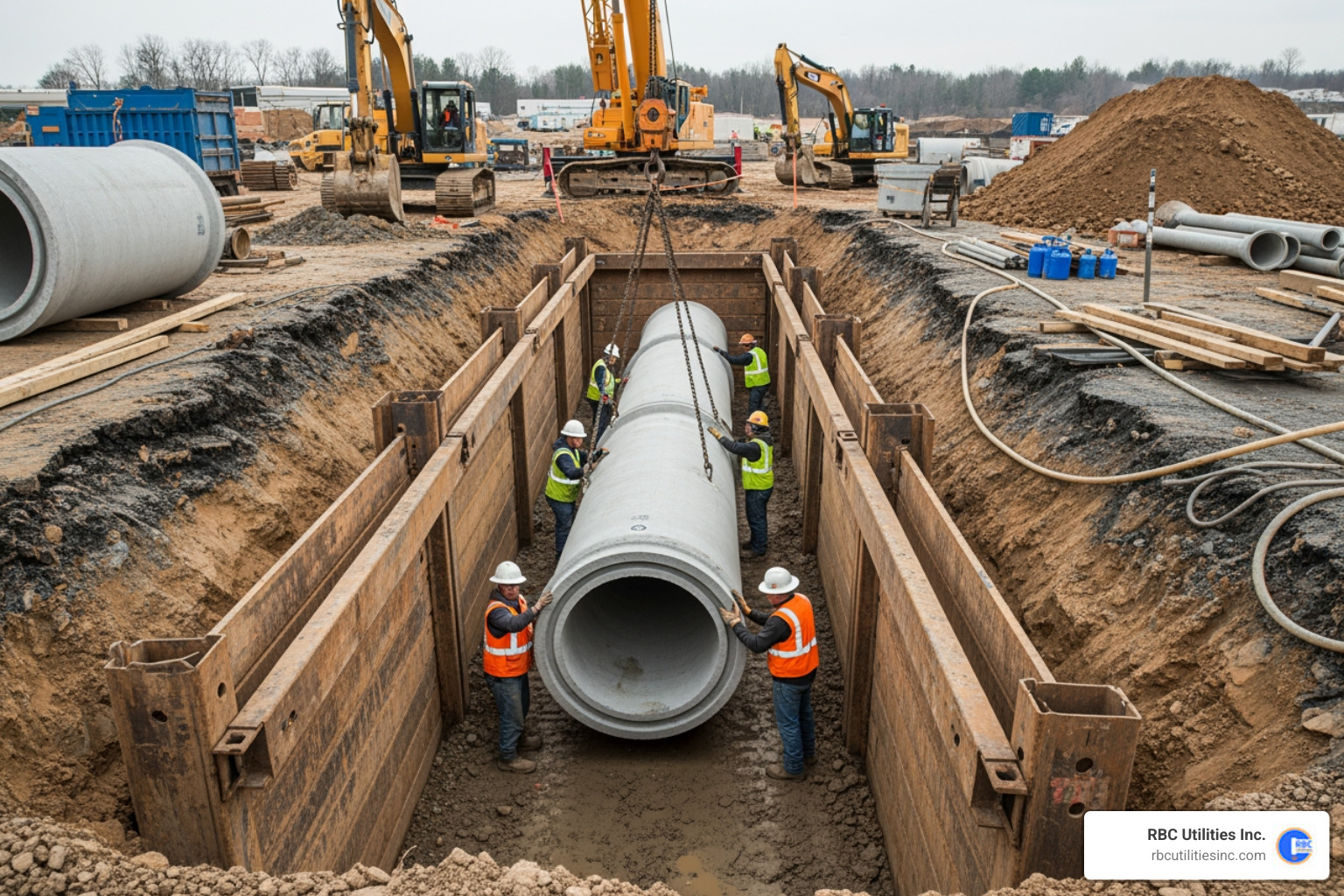
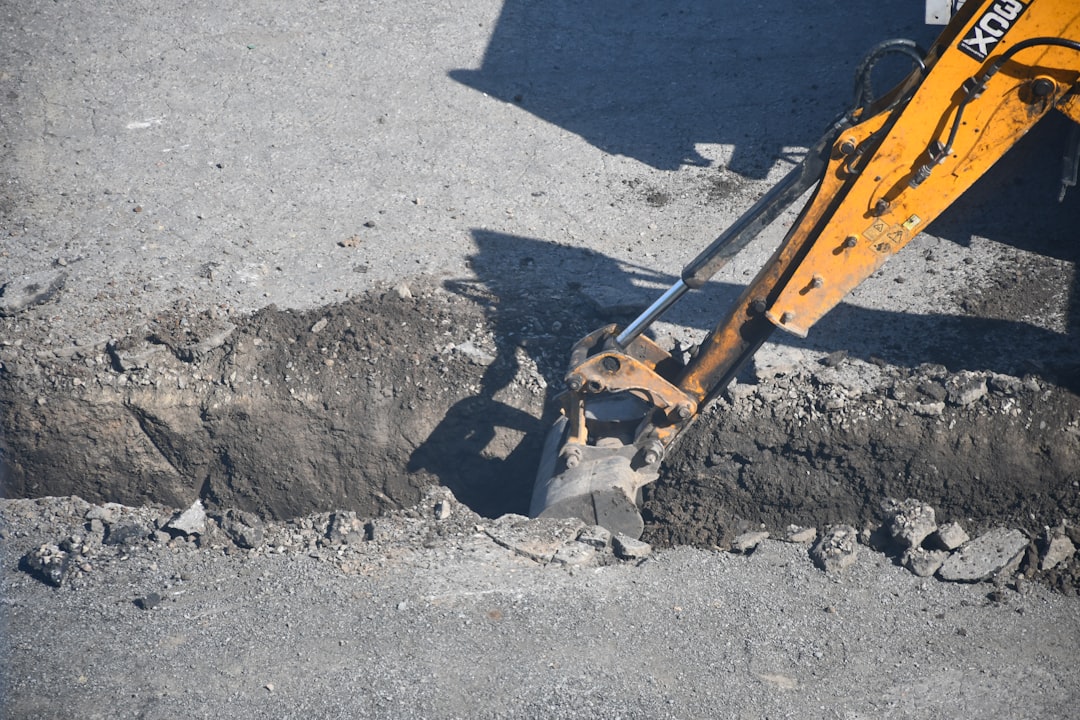
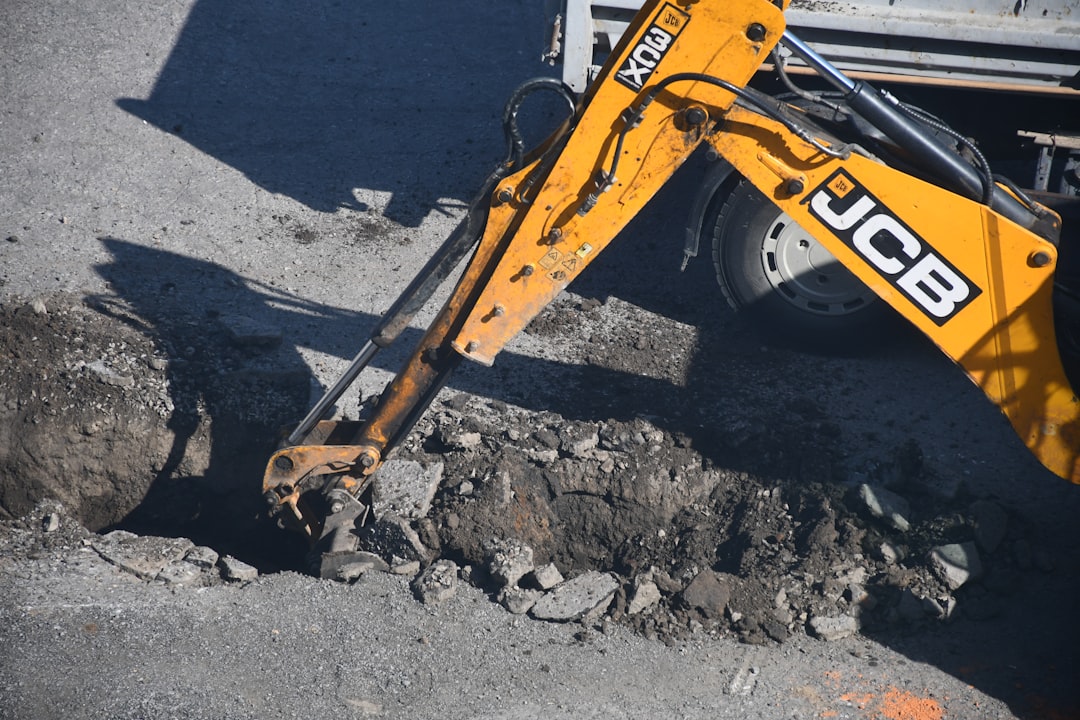
Traditional excavation involves heavy machinery, piles of dirt, and weeks of property restoration. Trenchless methods, however, offer a "no-dig" alternative that is faster and often more cost-effective when you factor in the savings on landscaping and pavement repair.
| Feature | Traditional Excavation | Trenchless (CIPP/Bursting) |
|---|---|---|
| Property Impact | High (trenches, dirt piles) | Minimal (small access points) |
| Timeframe | 3–7 days | 1 day (typically) |
| Longevity | 50+ years | 50+ years |
| Landscaping Cost | High restoration costs | Little to no restoration |
For those looking for more info about trenchless services, it’s important to understand that these methods create a "pipe-within-a-pipe" that is often stronger than the original material.
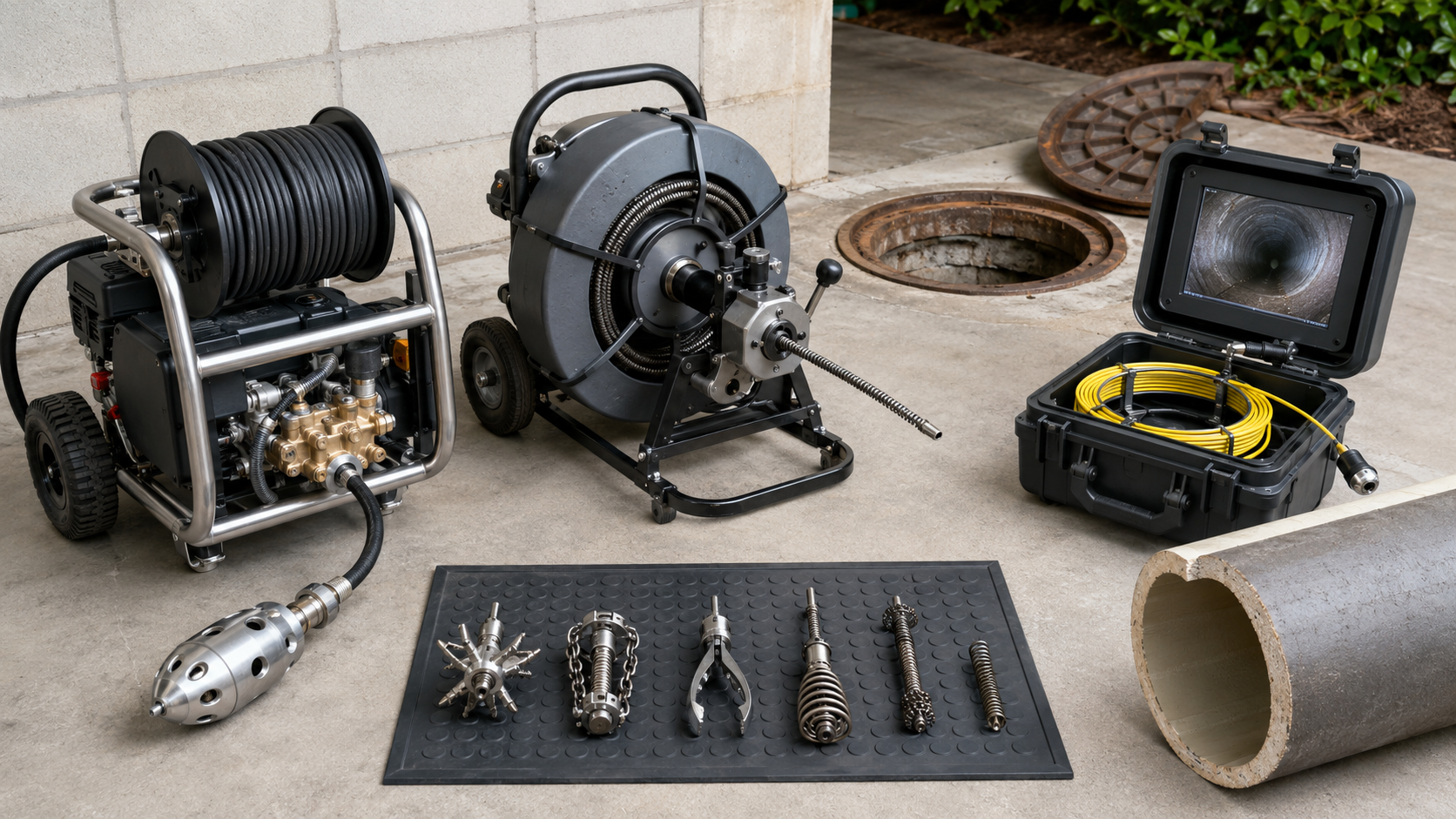
The process usually begins with a CCTV inspection. We send a high-definition camera down the line to pinpoint the exact location of the break or blockage. Once identified, we can use one of two primary methods:
These methods are incredibly durable and resist the corrosion and root intrusion that plague older systems. Even major utility providers recognize the value of protecting these lines; for example, some homeowners look into Water Line Repair Essential - Duke Energy plans to mitigate the costs of such advanced repairs.
The cost of utility line repair Charlotte can vary wildly based on the depth of the line, the material used, and whether excavation is required. On average, sewer line repairs can range from a few thousand dollars for a spot fix to over $10,000 for a full replacement of a long lateral.
We know that a sudden utility failure can be a financial shock. Fortunately, the city offers some relief. The Charlotte Water Cares program provides assistance for low-income customers facing high bills or necessary repairs.
If you’ve experienced a private-side leak and have since repaired it, you may qualify for a leak adjustment. Here are the basics:
It is also important to stay current on your bill to avoid additional costs. As of early 2023, Charlotte Water reinstated disconnect and reconnect fees of $17 each, along with late fees of 1.5% on past-due balances.
To protect against future surprises, over 4 million households across North America utilize protection plans from providers like HomeServe. These plans partner with utilities to cover the cost of home emergencies, including water and sewer line failures, for a small monthly fee.
Proactive maintenance is the best way to avoid the headache of emergency utility line repair Charlotte. If you live in an area with mature trees, your sewer lines are constantly under threat. Roots seek out the moisture inside pipes, entering through tiny cracks and expanding until the pipe shatters.
We recommend a professional inspection every 18 to 24 months, especially for homes older than 40 years. For properties in the Eastover Community Grid Improvements area or other established neighborhoods, this is particularly vital.
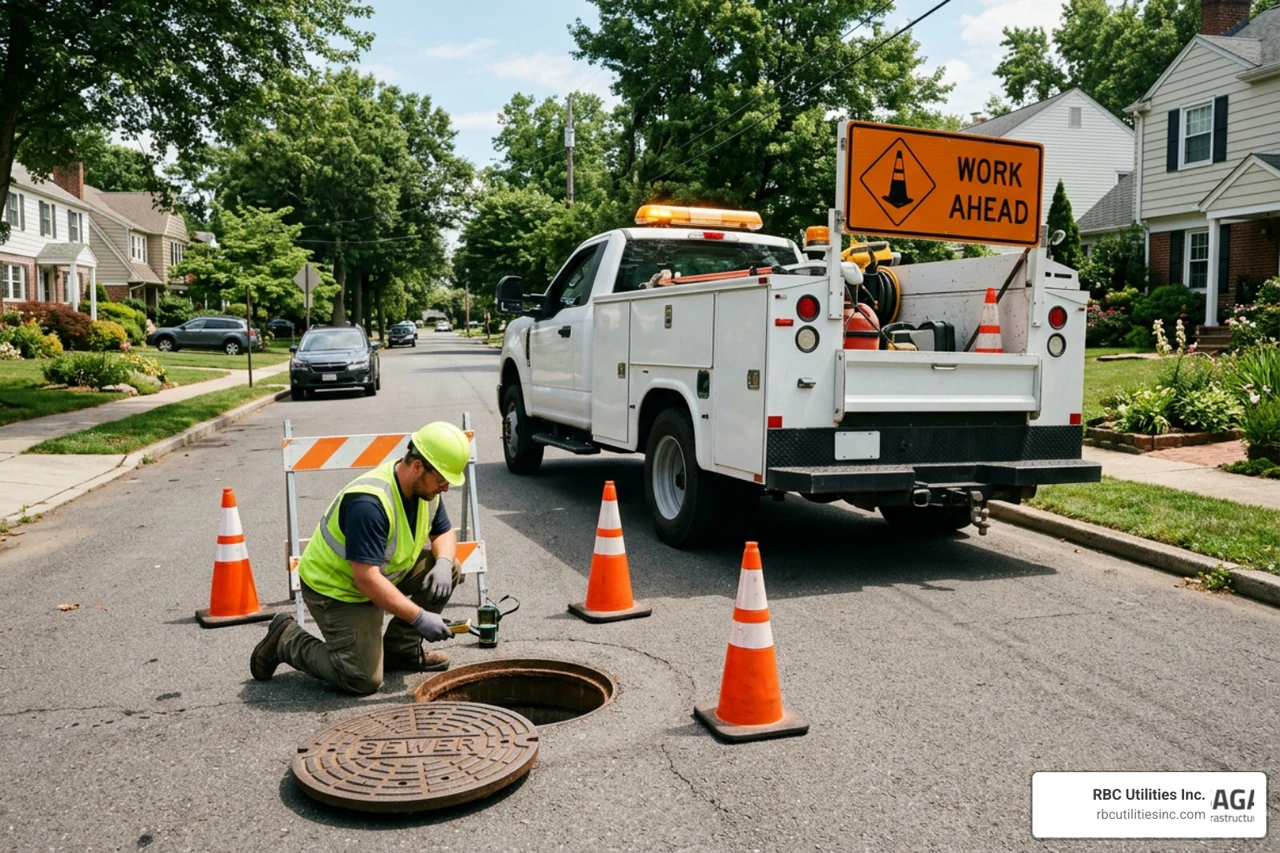
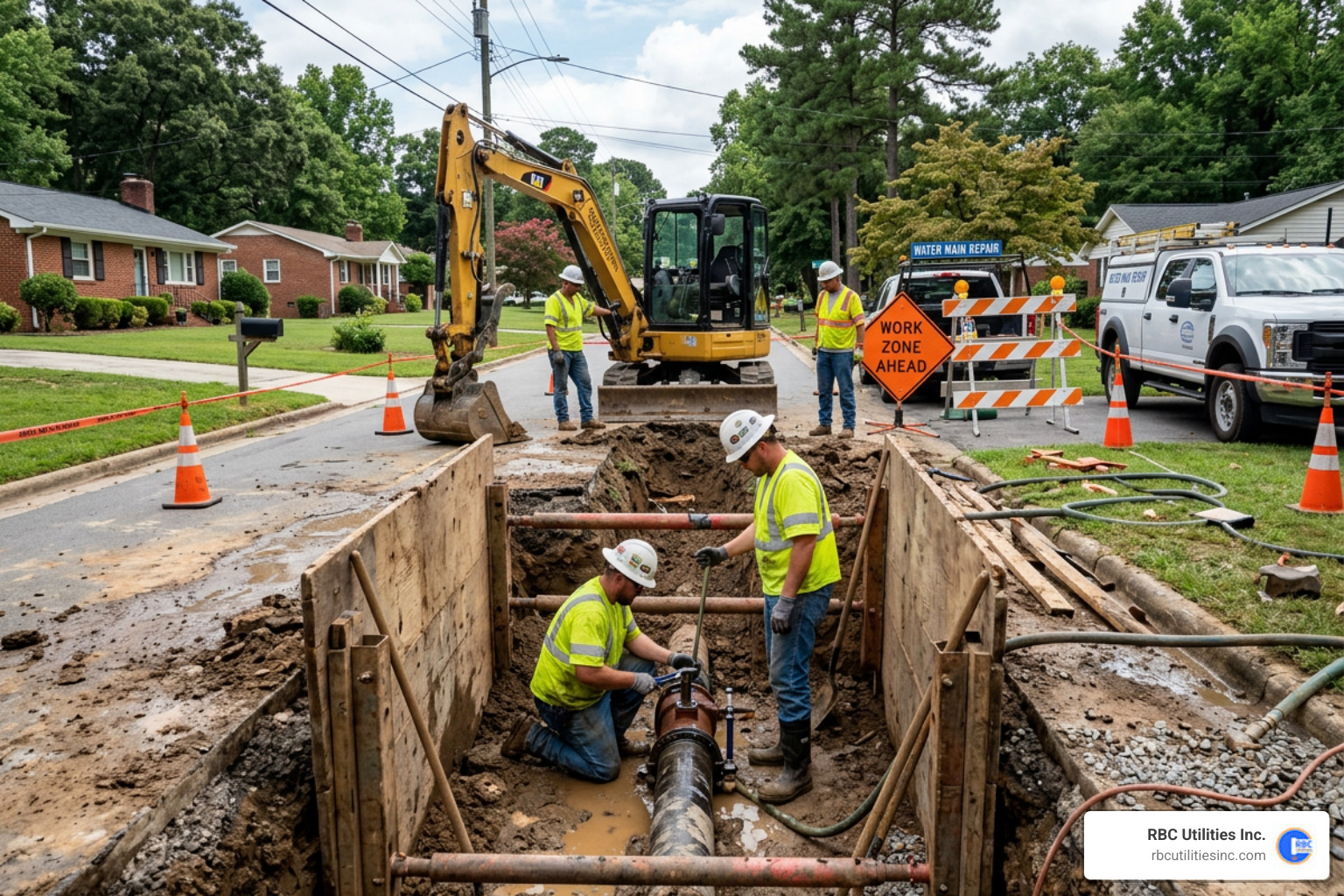
Sometimes, despite your best efforts, things break. When a water main fails or a sewer line backs up into your basement, you need a rapid response team. Many Charlotte-area contractors offer 24/7 emergency services to install shut-off valves or perform emergency patches.
While we focus on water and sewer, it’s worth noting that utility failures often go hand-in-hand during major storms. Understanding the Power Restoration Process - Duke Energy can help you coordinate your repairs if a fallen tree has damaged both your power lines and your underground water service.
To qualify, you must repair the leak within a reasonable timeframe and submit a request form along with a repair receipt. The leak must have resulted in a bill that is significantly higher than your average usage. Adjustments are generally limited to once every 12 months.
A public leak occurs in the city-owned mains or the service line leading up to your meter. A private leak occurs on your property, in the lines that connect your home or business to the city's system. You are responsible for the cost of repairing private-side leaks.
Yes! Modern CIPP liners and HDPE pipes used in trenchless repairs are designed to last 50 years or more. Because they are seamless, they are actually more resistant to root intrusion and joint failure than traditional sectional pipes.
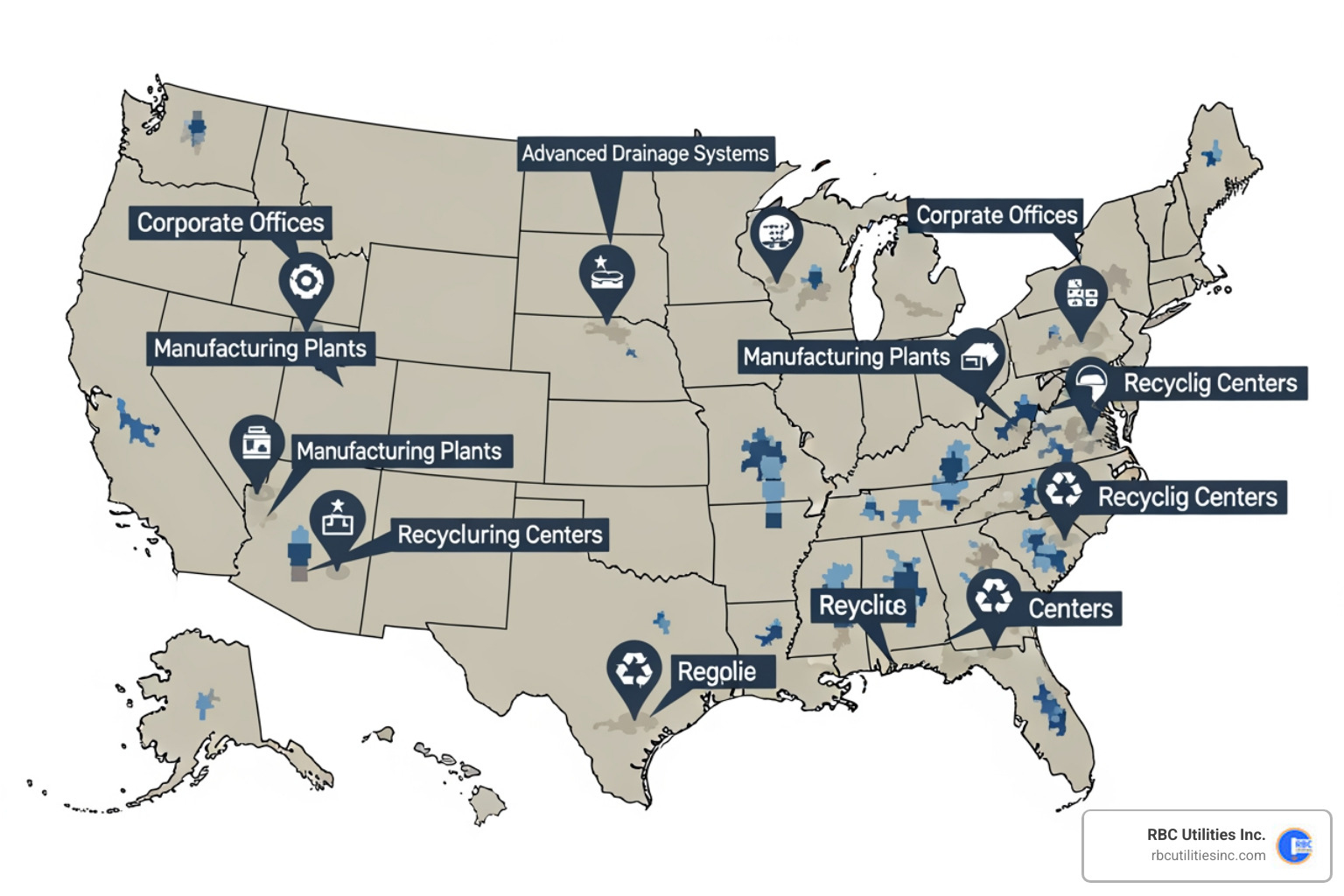
At RBC Utilities, Inc., we understand that utility line repair Charlotte is about more than just pipes and dirt—it's about keeping your project on track and your property safe. Backed by the national resources of Saga Infrastructure, we bring local Carolinas expertise to every job, whether it's a complex municipal storm drain system or a critical sewer repair for a new commercial development.
We pride ourselves on safety, reliability, and building lasting infrastructure that the Charlotte community can depend on for decades. Don’t let a hidden leak turn into a high-cost disaster. If you suspect a problem or are planning a new project that requires expert underground utility installation, we are here to help.
Contact our utility experts today to ensure your underground systems are built to last.
Part of Saga Infrastructure, protecting what others built and helping it grow.
Address: 4404 Stuart Andrew Blvd., Suite K, Charlotte, NC 28217
Email: info@rbcutilities.com
Phone: 803-913-9727
Service Area: North Carolina | South Carolina