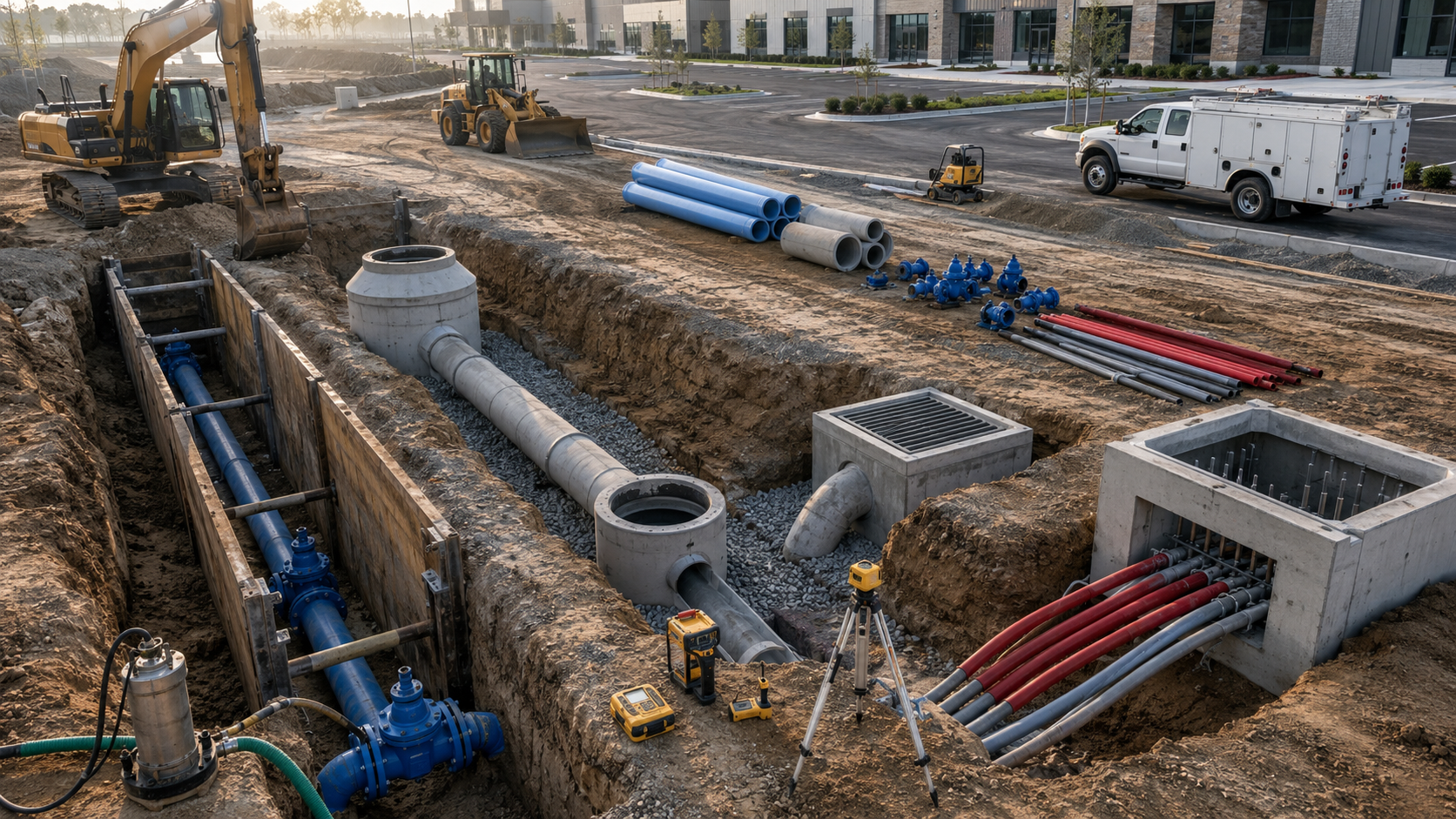
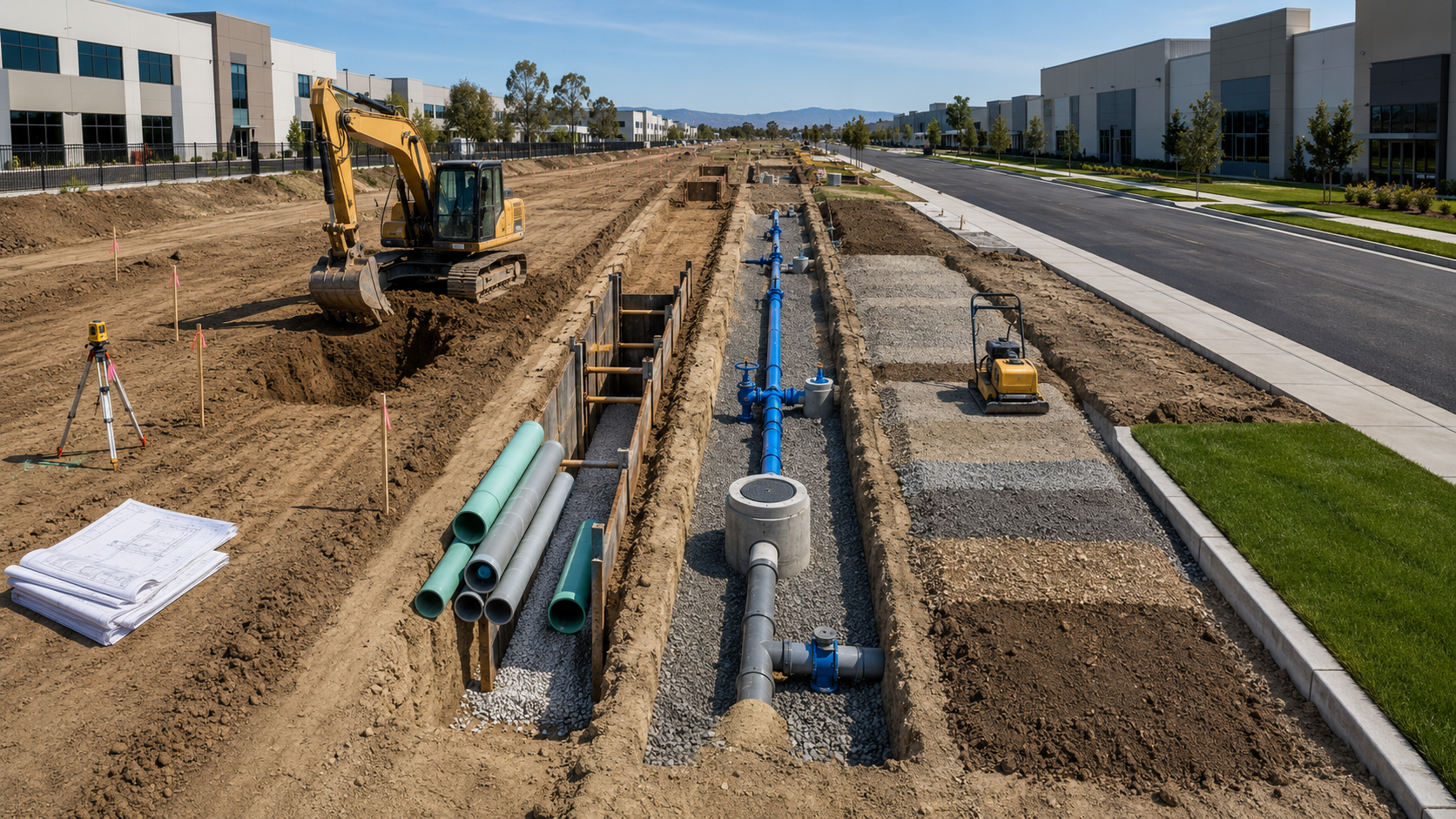
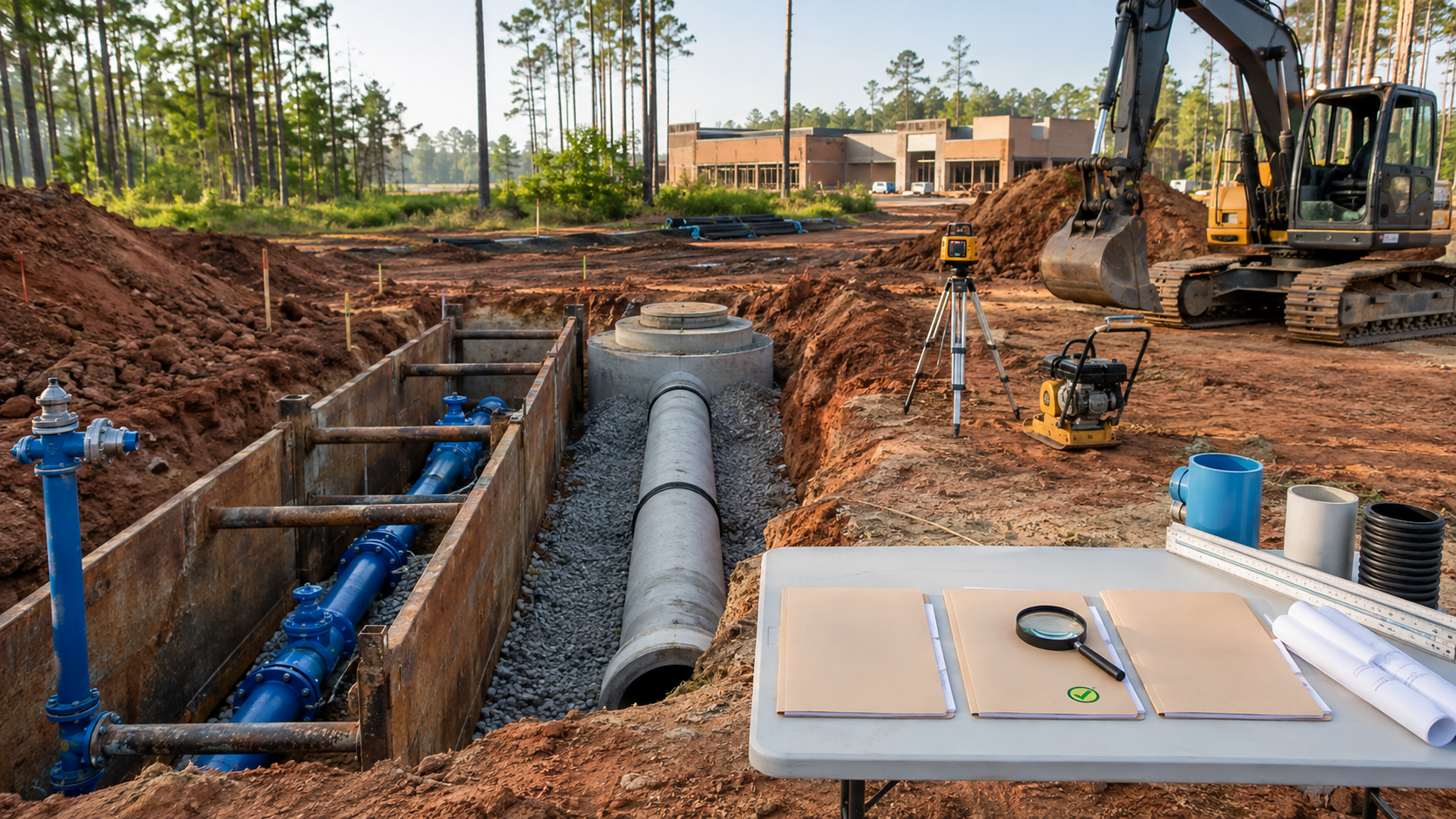
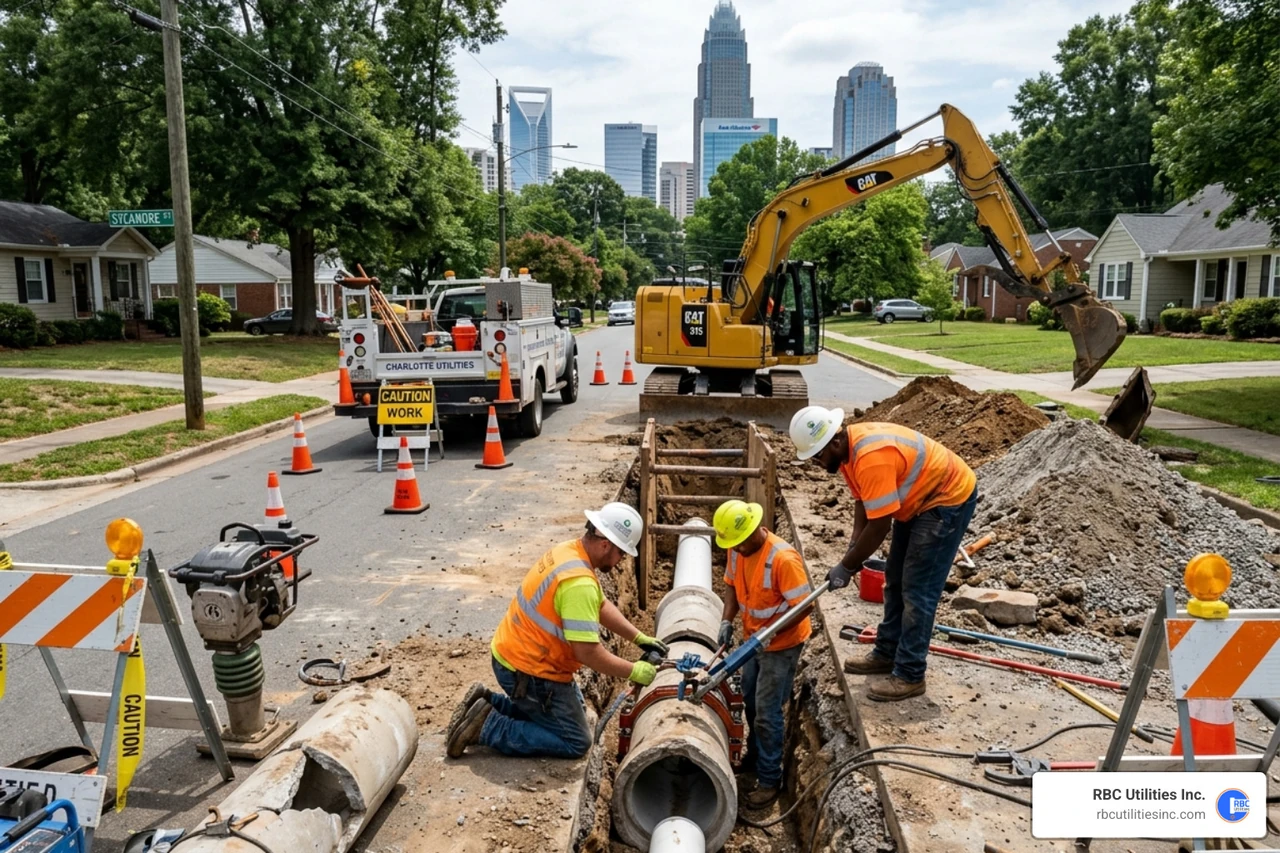
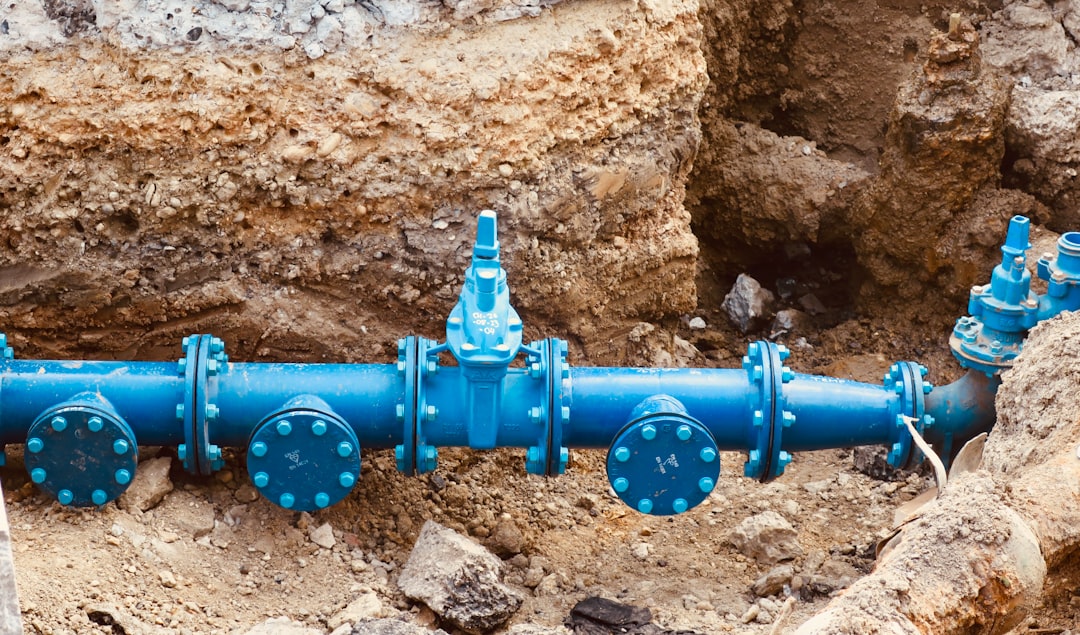
Underground infrastructure expansion in the Carolinas is accelerating at a pace few regions in the country can match, driven by booming population growth, aging utility systems, and billions in new federal and state funding.
Here is a quick snapshot of what is driving this expansion right now:
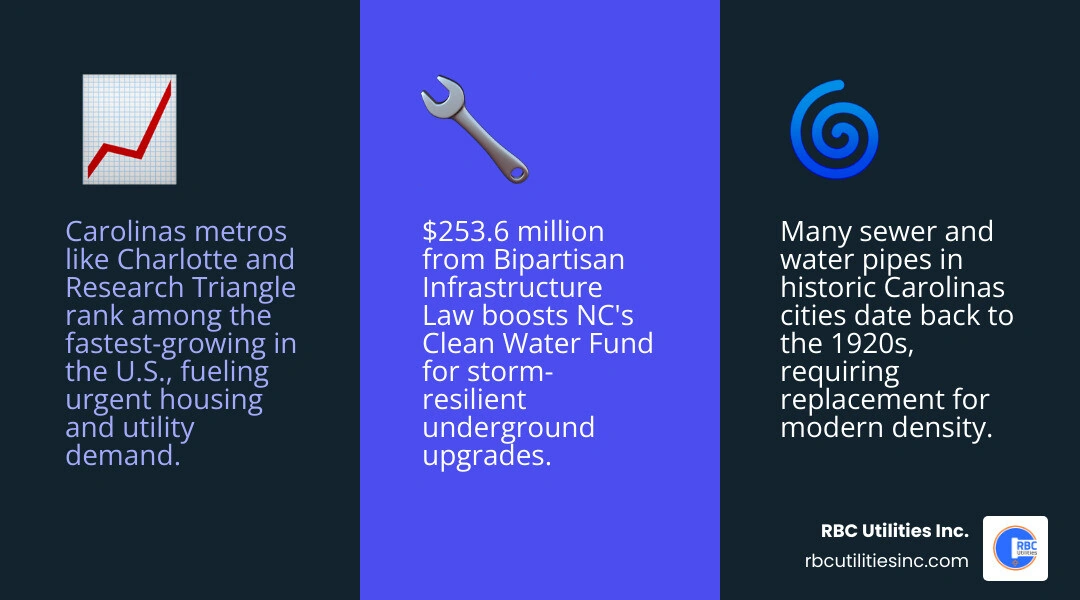
Population growth: Charlotte, Charleston, and the Research Triangle continue to rank among the fastest-growing metro areas in the country, increasing demand for new underground utility capacity.
Aging systems: Many water, sewer, and utility lines across the Carolinas were installed decades ago, with some dating back to the 1920s and 1950s.
Federal funding: North Carolina received a major boost through the Bipartisan Infrastructure Law, including $253.6 million added to the Clean Water State Revolving Fund.
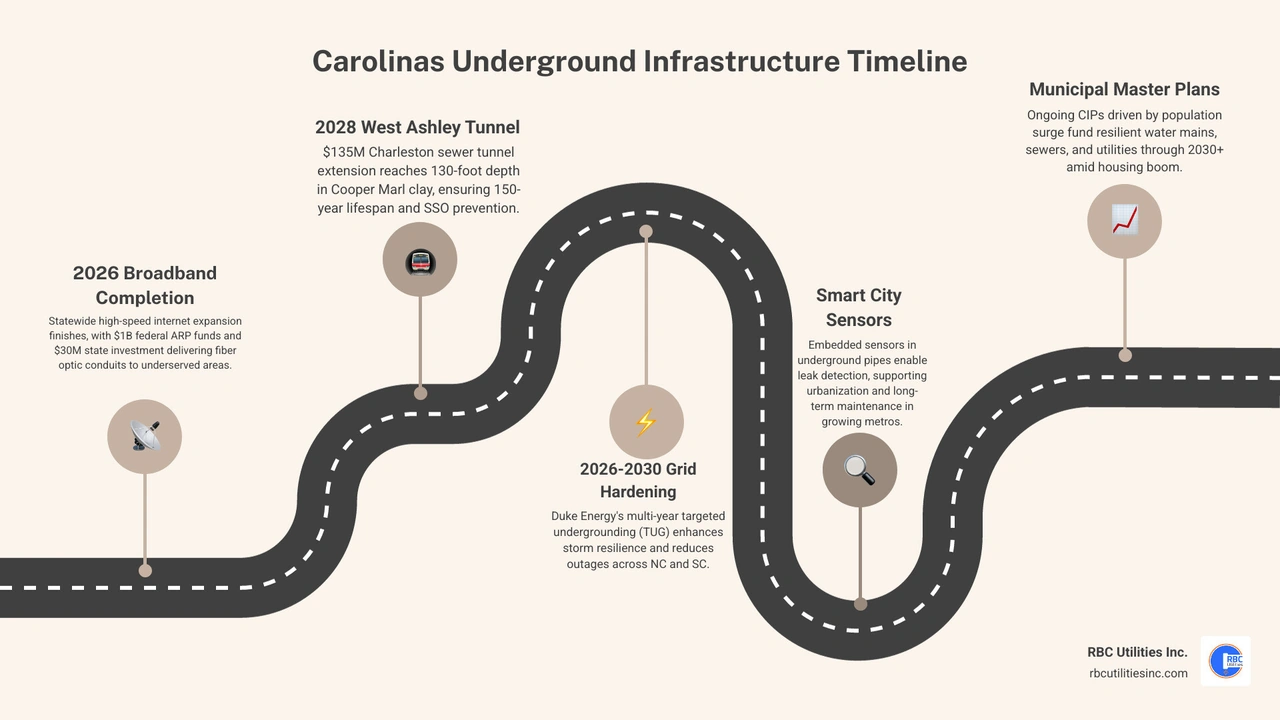
Broadband buildout: Nearly $1 billion in federal support is helping drive statewide fiber expansion, with major deployment goals set for the end of 2026.
Storm resilience: Utilities and municipalities are undergrounding select overhead lines to reduce storm-related outages and improve grid reliability.
Major active projects: Large-scale work across the region includes a $135 million Charleston sewer tunnel, a $39 million Greenville tunnel, and a $3 million Greenville duct bank project.
The scale of what is happening beneath Carolina streets right now is remarkable. Deep sewer tunnels are being bored 130 feet under residential neighborhoods. Fiber conduits are being drilled under highways and rivers. Pump stations that have served cities for 25 years are being rebuilt while still running — described by one Charleston official as "like changing the oil in your car while you're driving down the road."
This guide breaks down exactly what is happening, why it matters, and how it gets done.
I'm Don Larsen from RBC Utilities, Inc., and our team has spent over 15 years delivering underground utility construction — water lines, sewer systems, storm drainage, and conduit — across the Carolinas. We have built our work around the kind of underground infrastructure expansion in the Carolinas that this guide covers, and we bring that hands-on experience to every insight here.
As we look across the landscape of North and South Carolina in May 2026, it is clear that the dirt is moving for a reason. We aren't just digging for the sake of it; we are responding to a massive shift in how our region functions. The primary drivers behind this expansion are a mix of necessity, safety, and a vision for a more connected future.
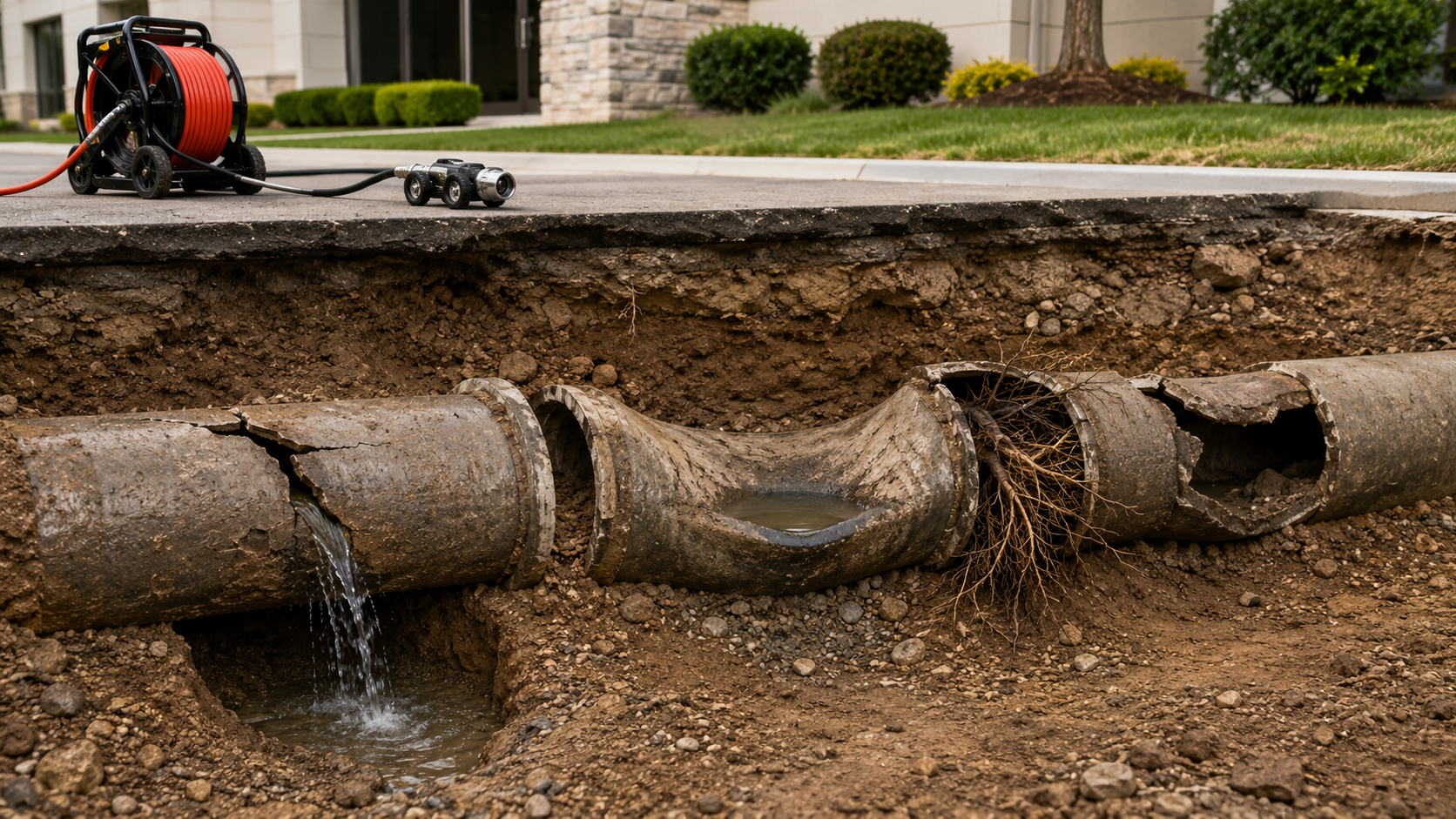
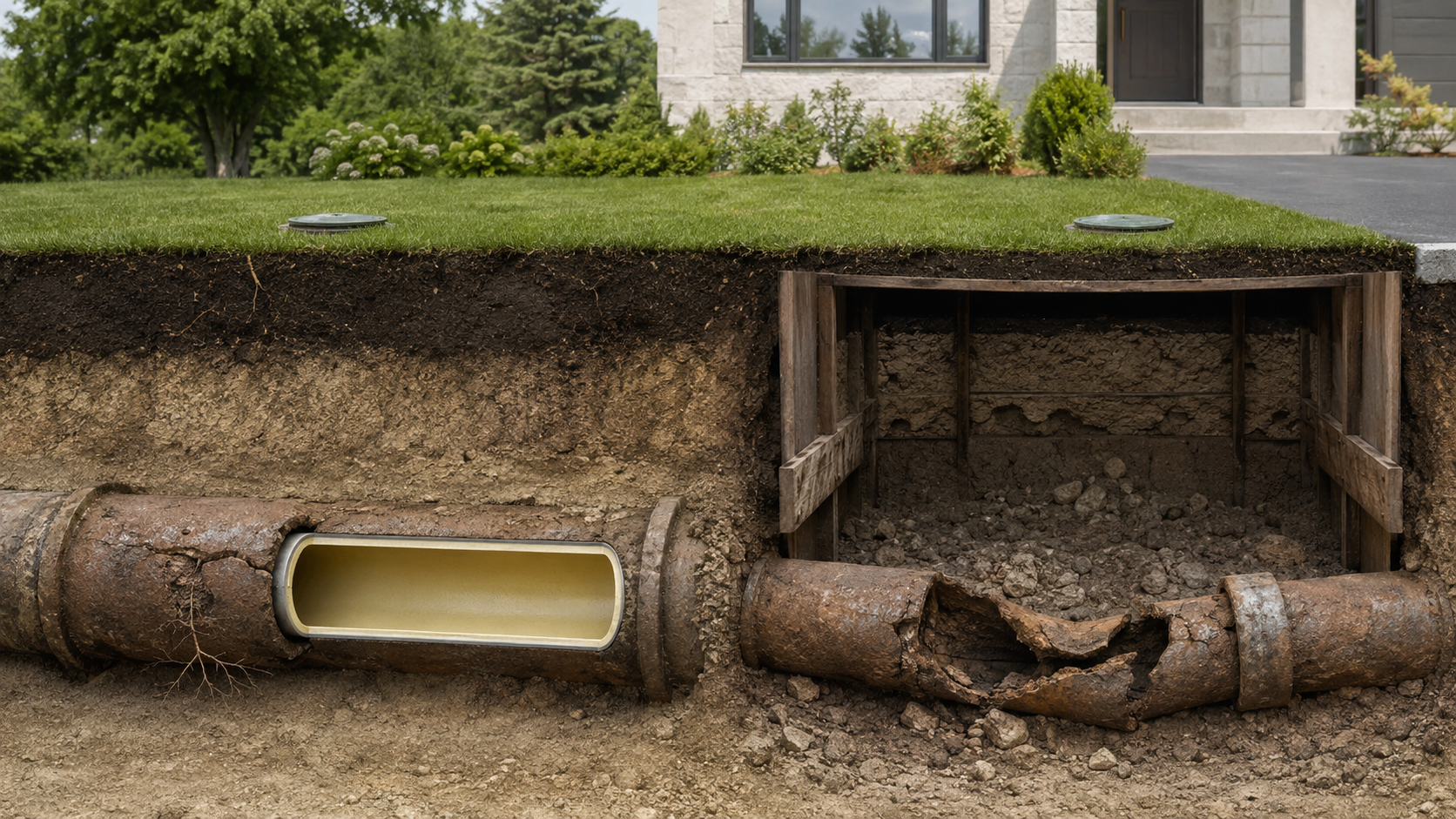
One of the biggest factors we deal with is the sheer age of existing systems. In many of our historic downtowns, we are working around pipes that were laid in the 1920s. These systems weren't designed for the density of a modern city. Beyond age, there is the critical need for storm resilience. By moving utilities underground, we protect our power and communication lines from the high winds and falling trees that come with Carolina hurricane seasons.
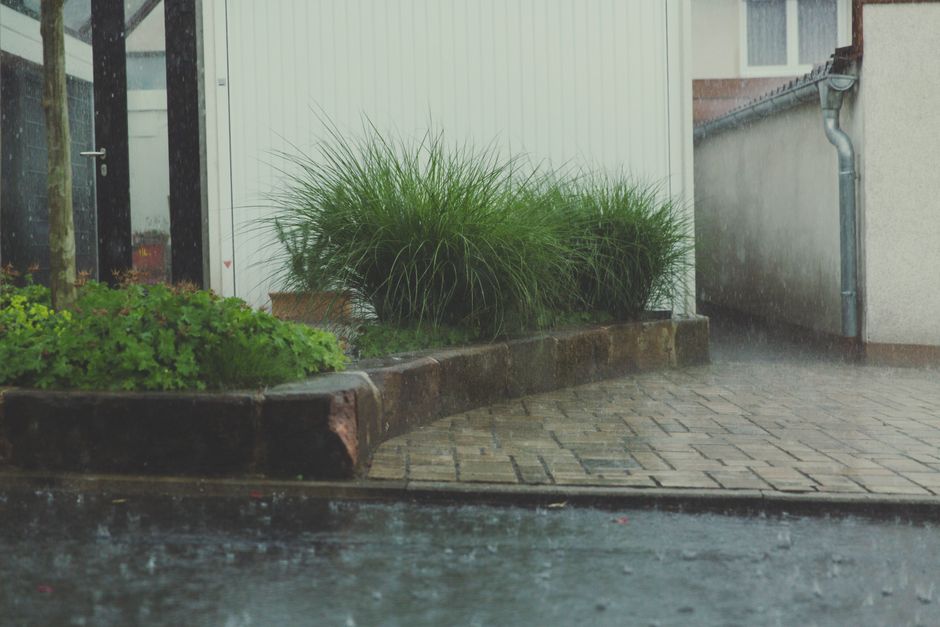
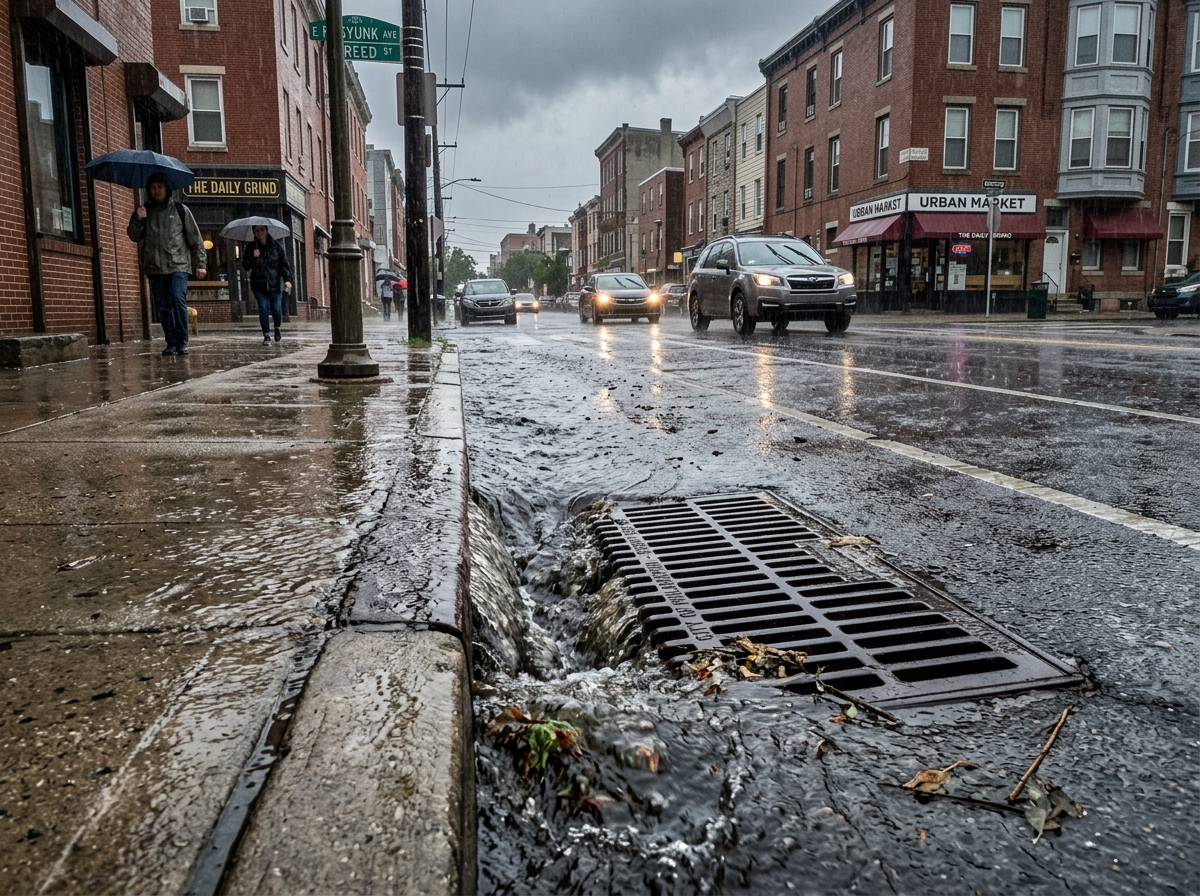
Furthermore, Underground Utility Installation NC is increasingly focused on environmental protection. Preventing sanitary sewer overflows (SSOs) is a top priority for municipal leaders. When heavy rains hit, old, undersized pipes can become overwhelmed. Modern, larger-diameter underground tunnels act as a massive buffer, keeping wastewater where it belongs and protecting our local waterways.
The "secret" is out: the Carolinas are a fantastic place to live. Whether it is the Research Triangle, the Charlotte metro area, or the coastal charm of Charleston, people are moving here in droves. This population surge puts an immediate strain on existing utilities.
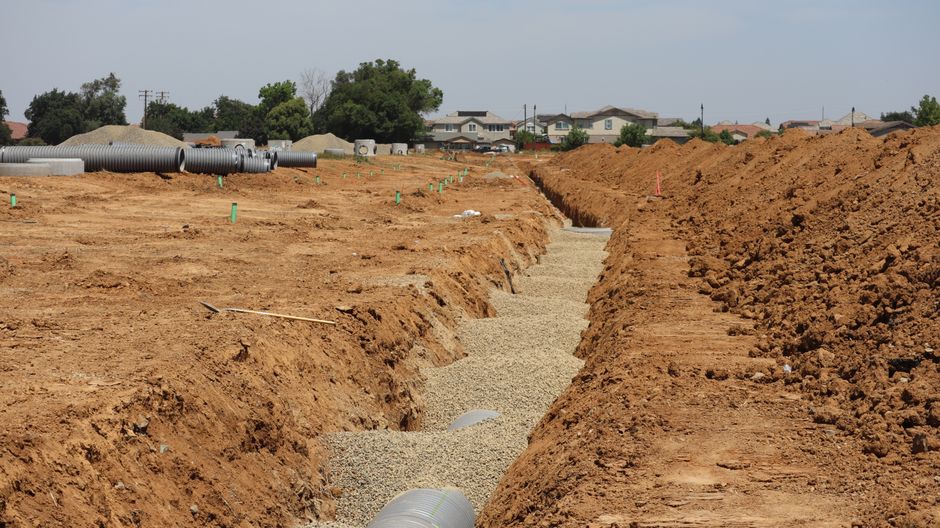
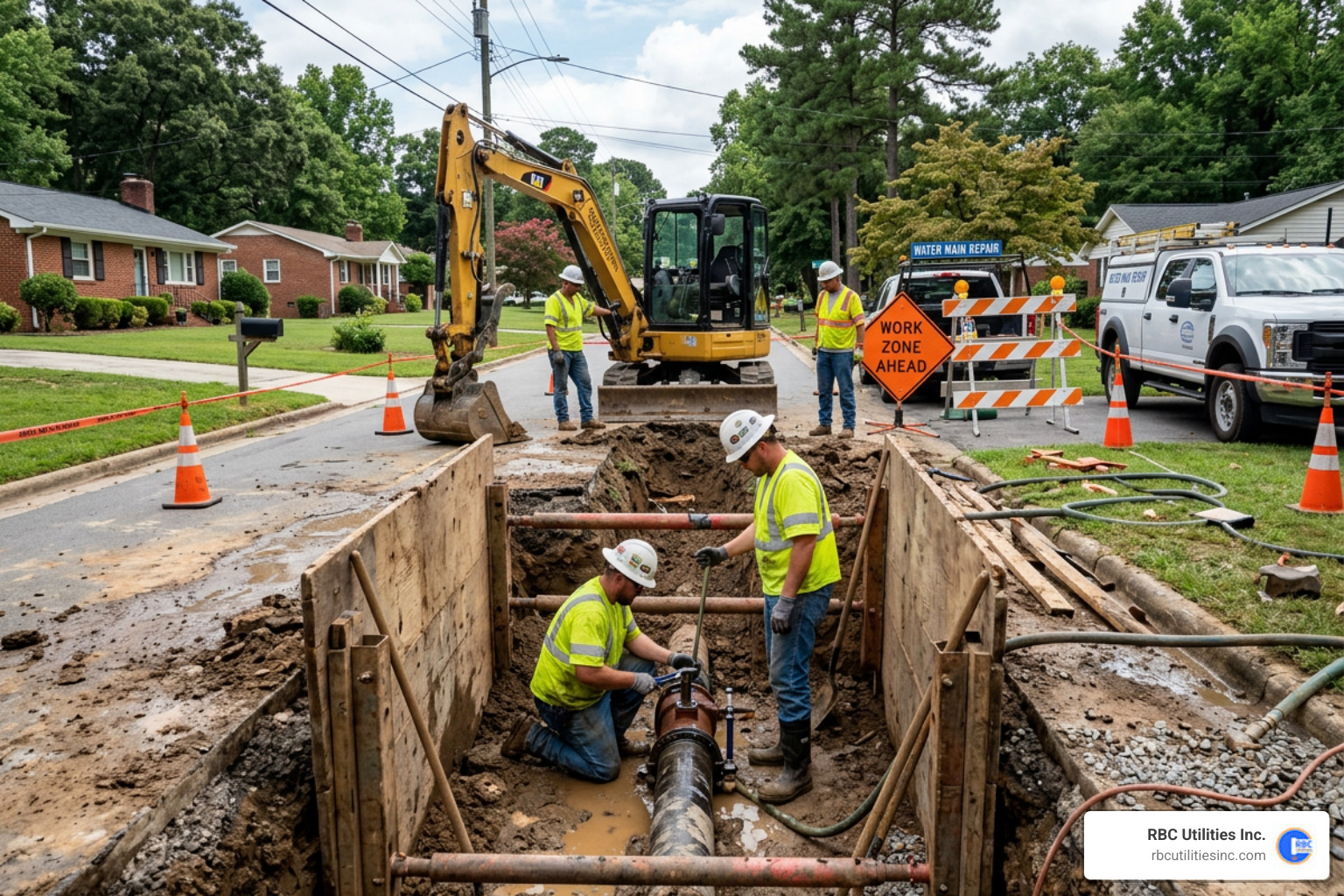
To keep up, organizations like the Metropolitan Sewerage District (MSD) of North Carolina have launched massive capital improvement plans. In fact, the MSD has planned spending of approximately $465 million on capital projects to ensure the infrastructure can handle this growth. As Water Main Contractors Carolinas, we see how new housing developments and commercial hubs require entirely new corridors of water and sewer lines. Urbanization isn't just about building up; it’s about building down to support the weight of that new growth.
In 2026, high-speed internet is as essential as water or power. North Carolina has been a leader in this space, leveraging nearly $1 billion in federal American Rescue Plan (ARP) funds alongside $30 million in state investments for a statewide broadband expansion. The goal is to have this massive initiative completed by the end of 2026.
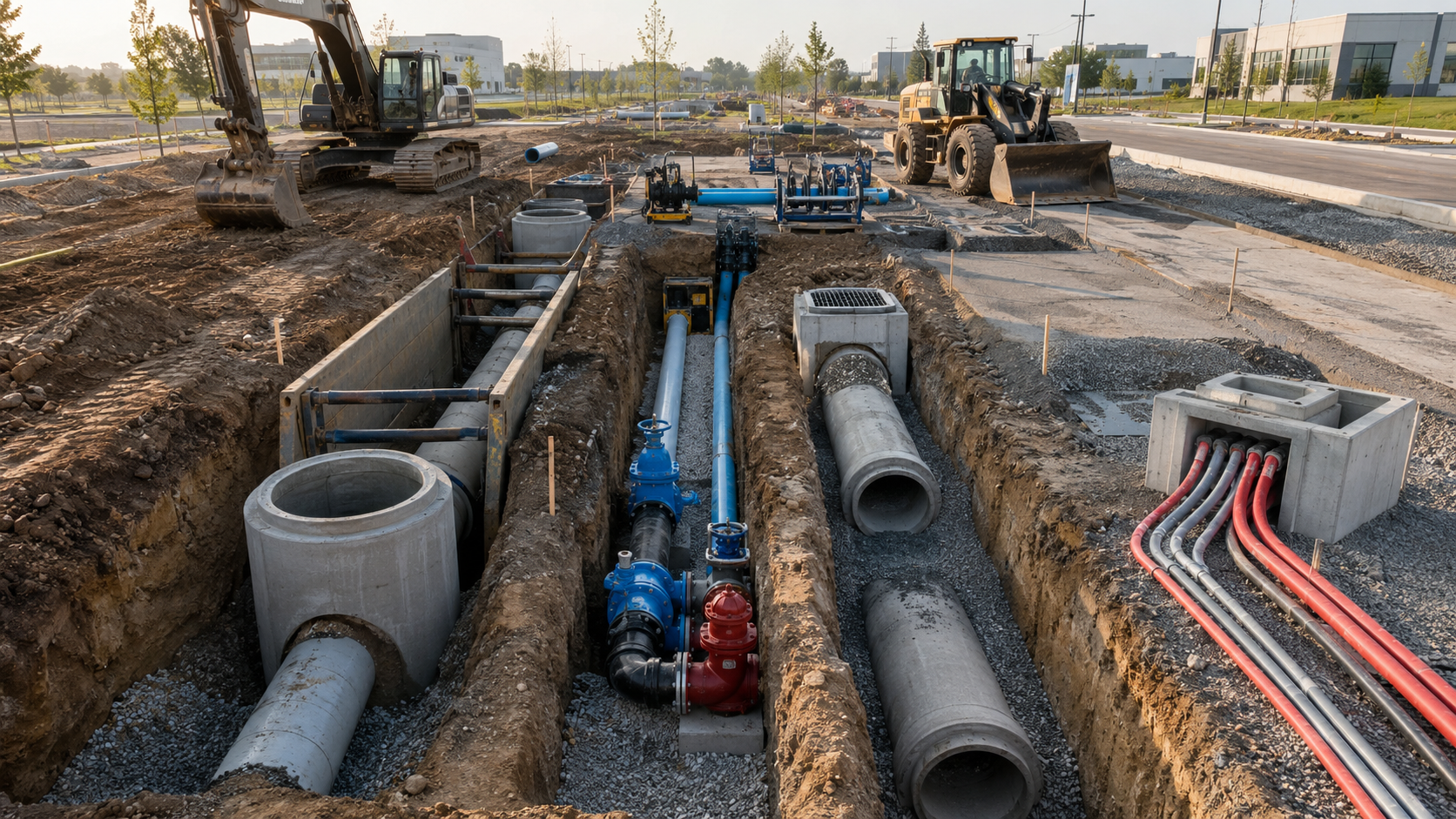
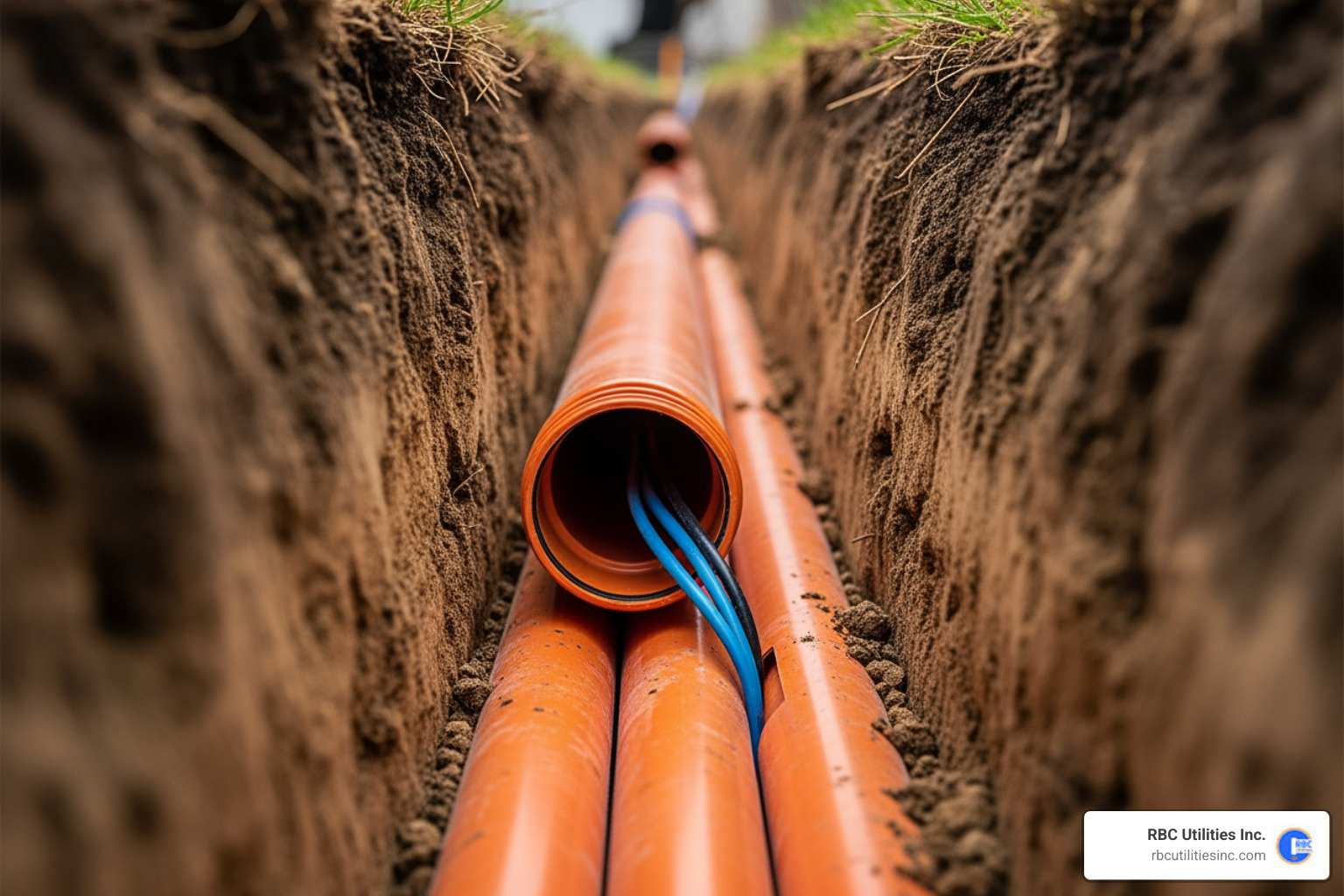
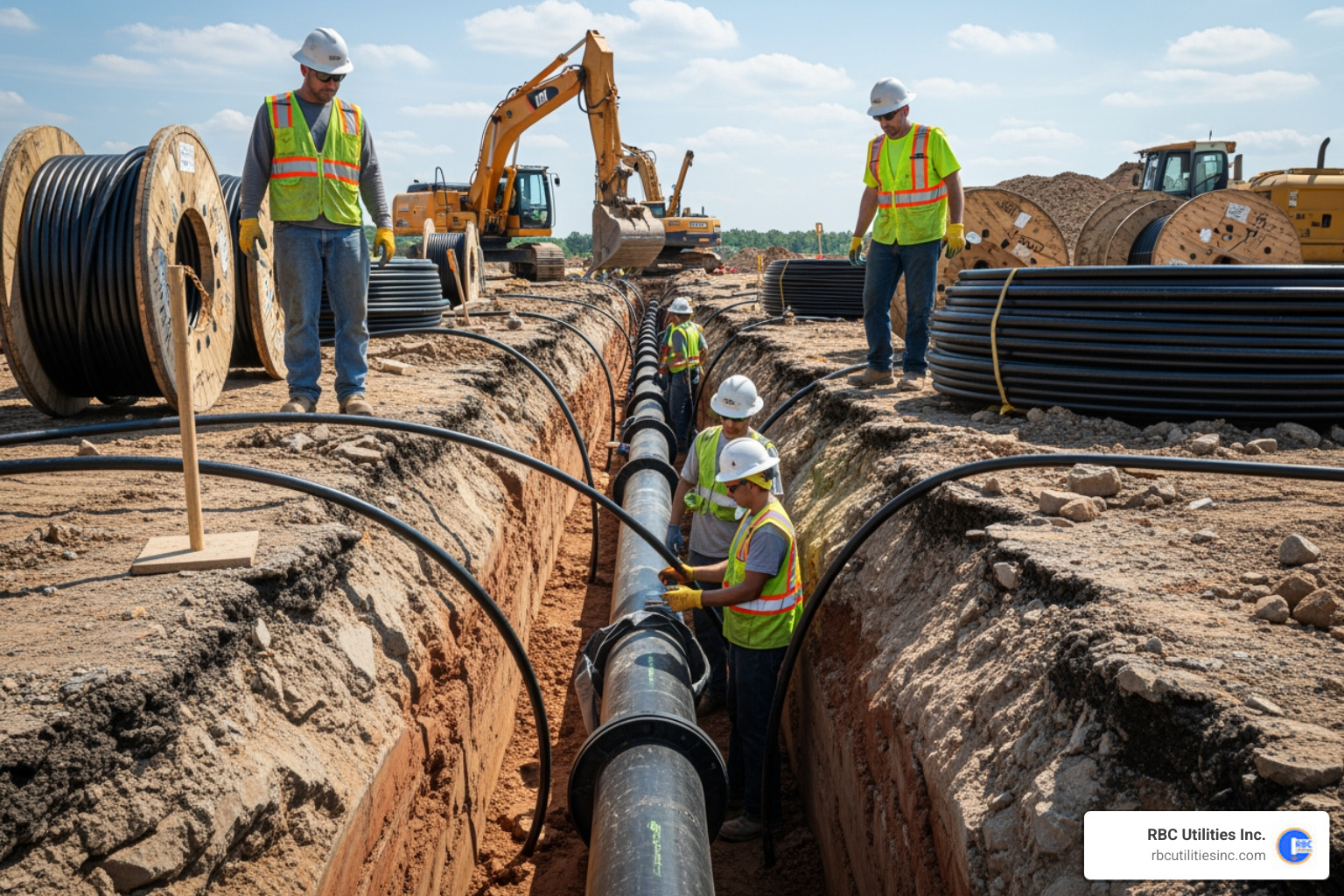
This push for connectivity directly intersects with underground infrastructure expansion Carolinas. To bring fiber to rural corners and densifying urban centers, we have to install thousands of miles of conduit. This isn't just about sticking a cable in the ground; it involves complex coordination with the NCDIT Division of Broadband & Digital Opportunity and local municipalities to ensure that these new fiber optic lines don't interfere with existing water or gas mains.
To understand the scale of underground infrastructure expansion Carolinas, you have to look at the "mega-projects" currently reshaping our subsurface. These projects represent hundreds of millions of dollars in investment and use some of the most advanced engineering techniques available today.
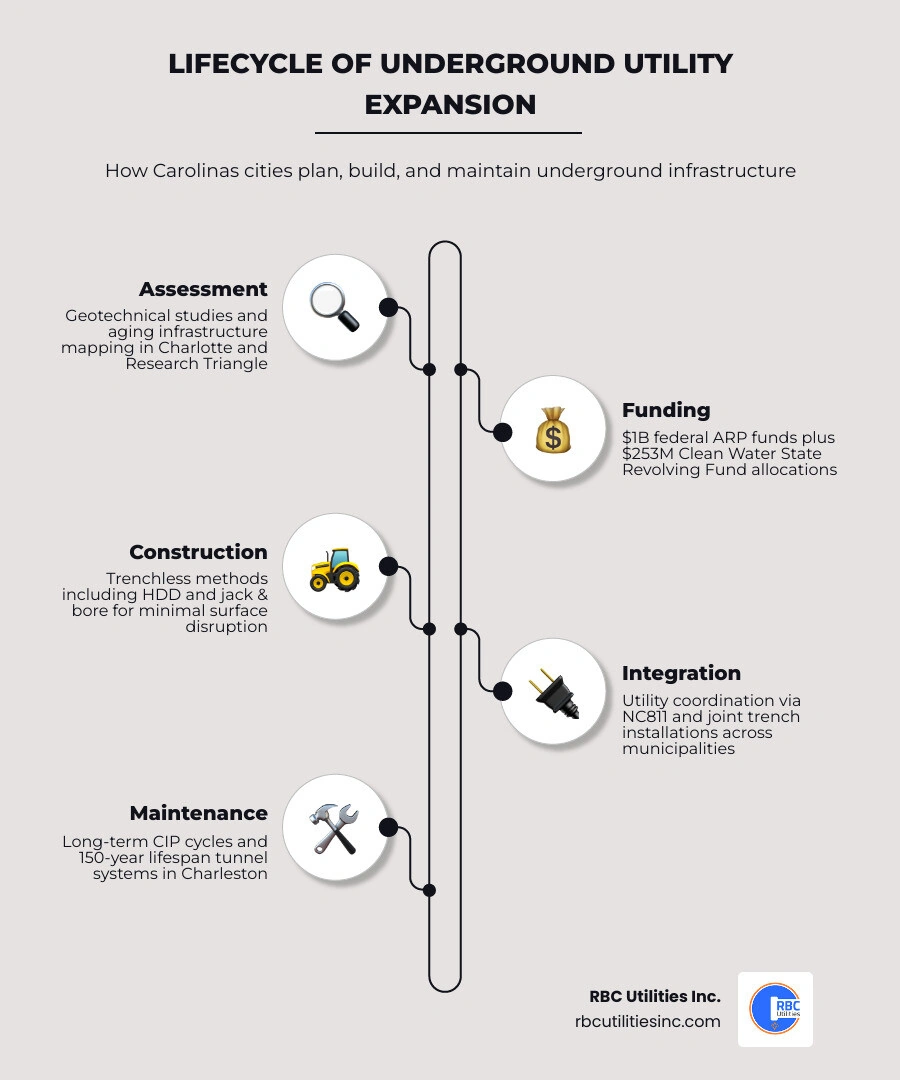
These projects are more than just construction sites; they are the lifelines of our future cities. For instance, Digging for the future: Work on West Ashley tunnel underway highlights how a project can be designed to last for 150 years, ensuring that today's investment serves our great-grandchildren.
Two of the most impressive feats of engineering in the region are the Dig Greenville project and the West Ashley Sewer Tunnel. The Greenville project involved building a 5,950-foot underground wastewater tunnel 100 feet below the surface. Because it is gravity-powered, it eliminates the need for many mechanical components that require high maintenance.
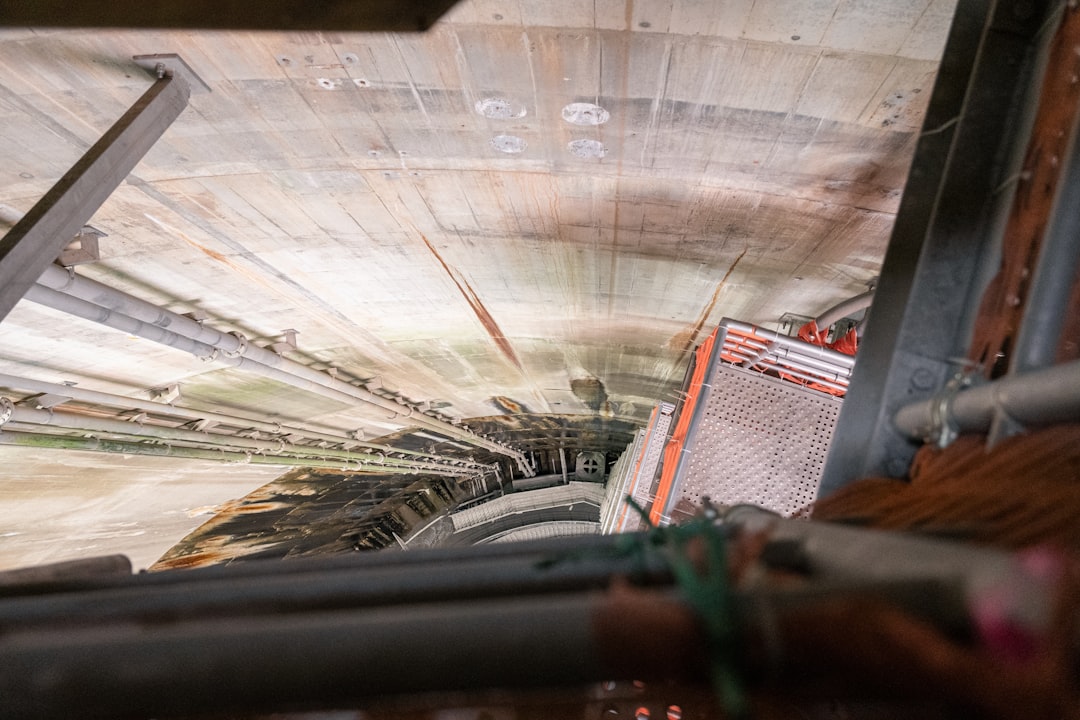
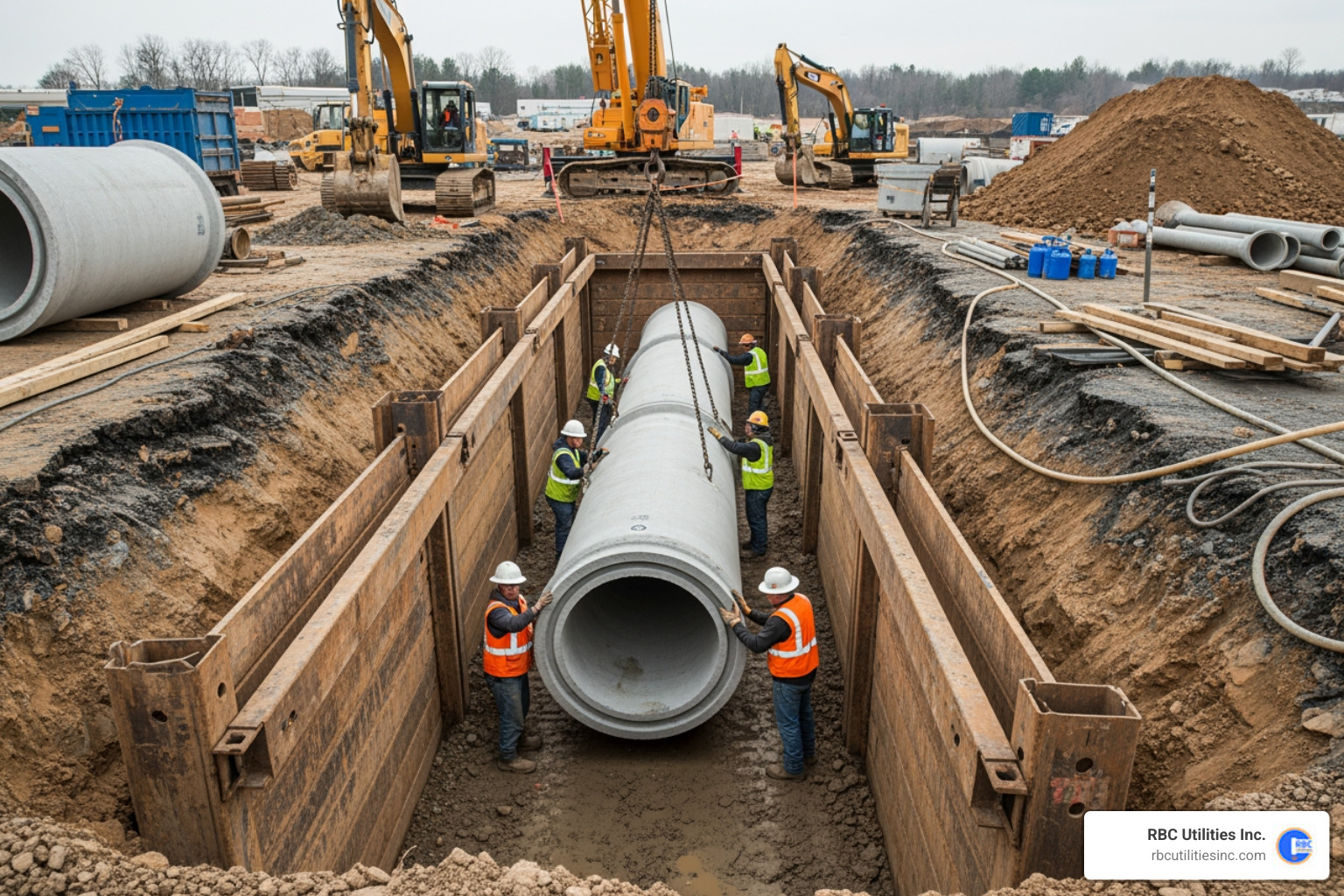
Down on the coast, the West Ashley Sewer Tunnel Extension is even more ambitious. With a total cost of $135 million, this 8-foot wide, nearly 4-mile long tunnel sits 130 feet below ground. One of the reasons this project is so successful is the local geology. We work in a layer called "Cooper Marl," a dense clay unique to the coastal plain that is incredibly stable and prevents water from leaking into the tunnel. The Tunnel Boring Machine (TBM) used for this project, affectionately named "Miss Harper," can progress between 60 to 100 feet per day, quietly working beneath homes and businesses without the residents even knowing she's there.
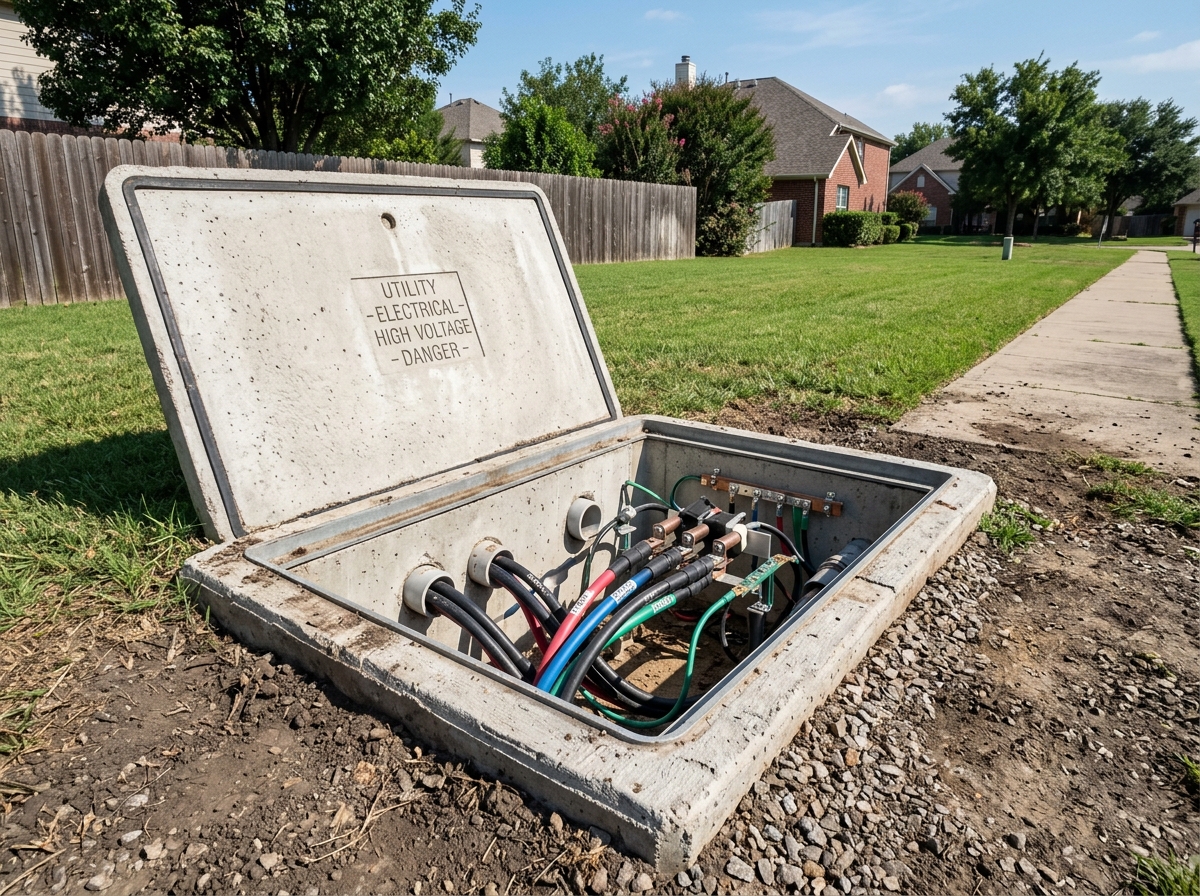
It isn't just about water and sewer. Duke Energy has been a major player in underground infrastructure expansion Carolinas through their Targeted Undergrounding (TUG) program. By using data-driven insights, they identify the most outage-prone overhead lines and move them underground to improve grid reliability.
A great example is the work in Biltmore Forest and other parts of the North Carolina mountains, where falling limbs frequently cause power flickers. By moving these lines, they aren't just making the neighborhood look better; they are making the economy more stable by reducing downtime. We also see this in urban projects like the Augusta Street Utility Undergrounding in Greenville. This $3 million project includes a joint-use 15-way electrical duct bank and a 14-way communication duct bank.
Meanwhile, in Charleston, the $10 million upgrade to the Concord Street Pump Station is a masterclass in operational continuity. According to Deep underground, a critical upgrade aims to keep Charleston’s east side dry, the station now handles 140,000 gallons per minute, serving 240 acres of the city's east side.
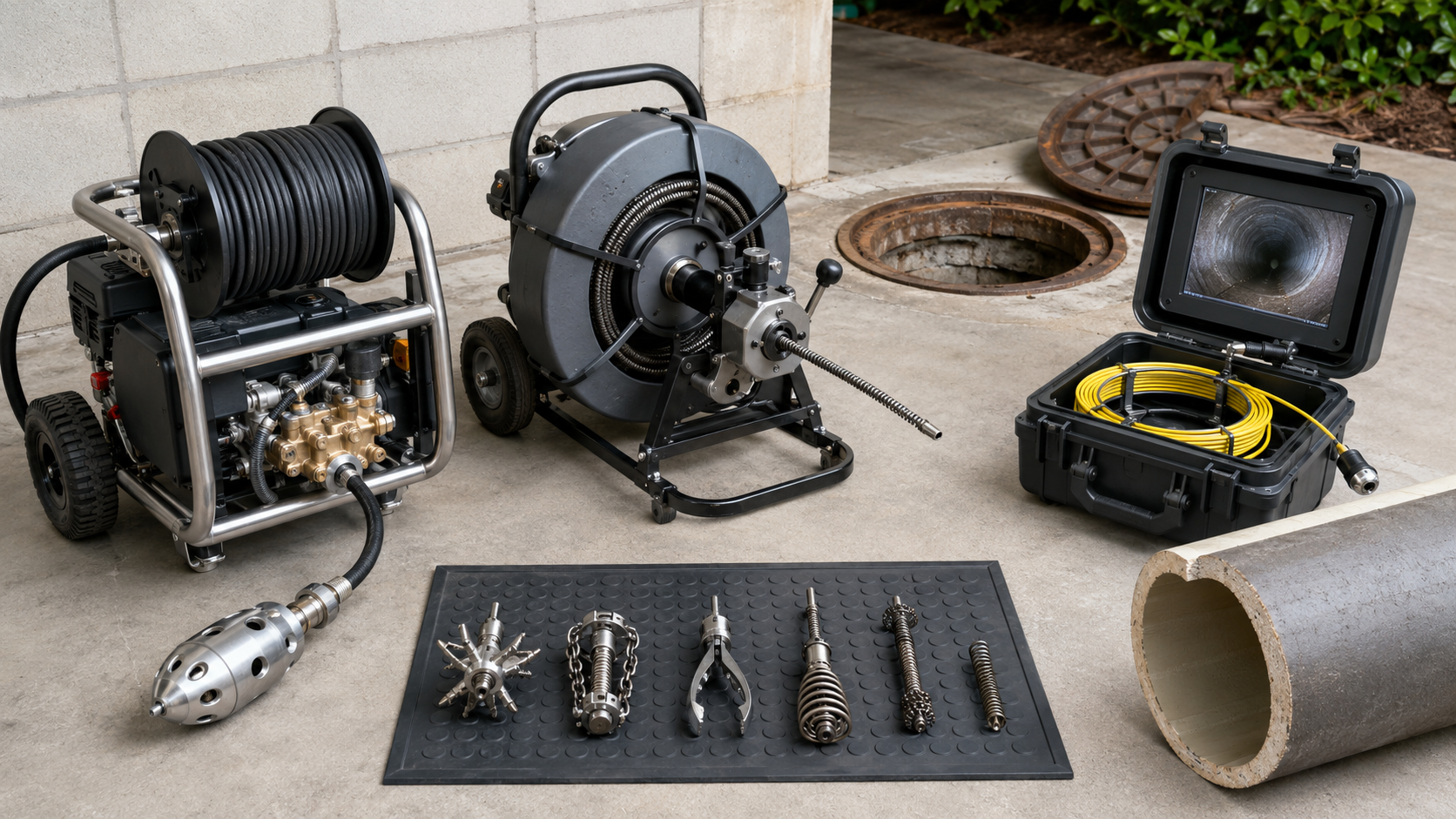
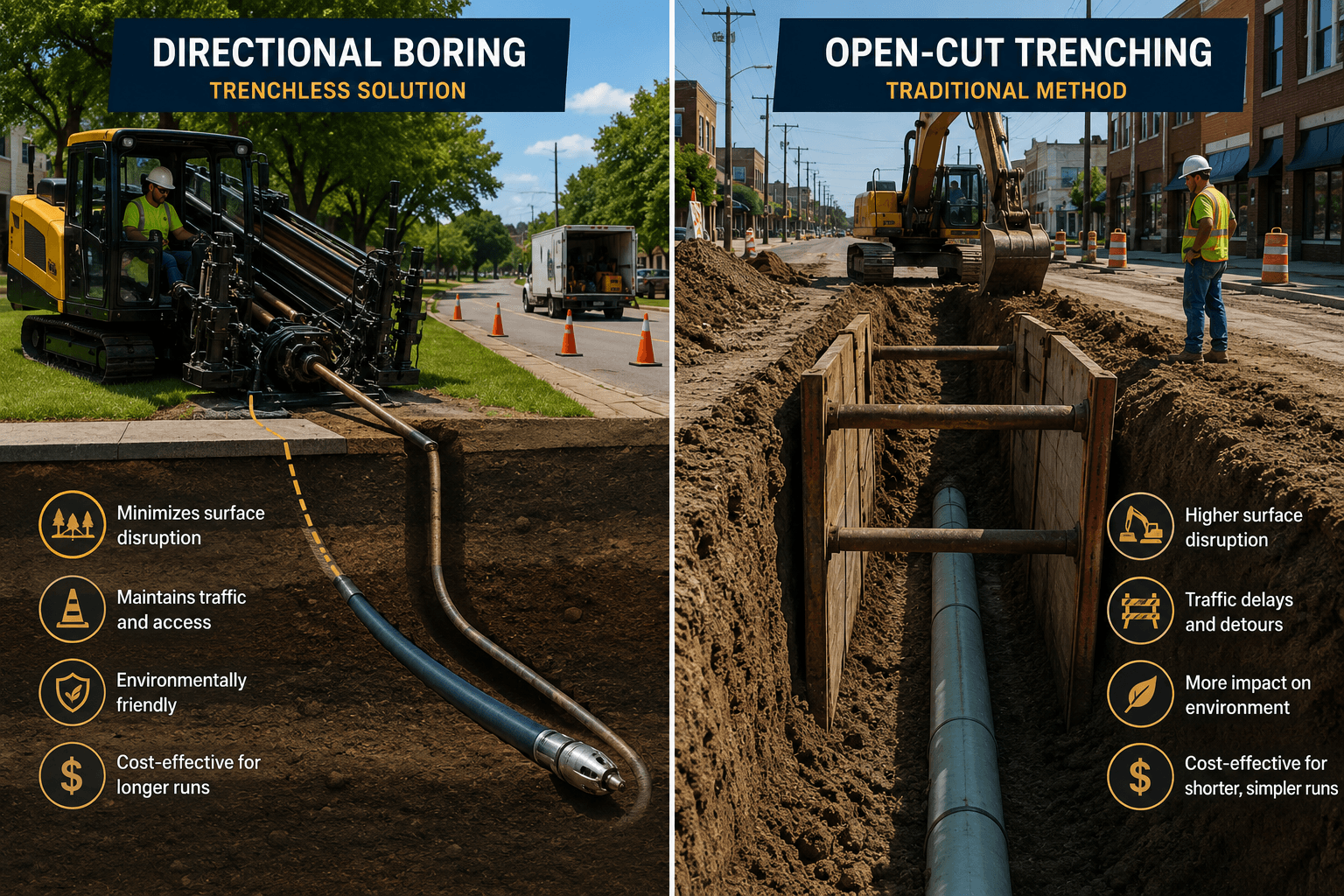
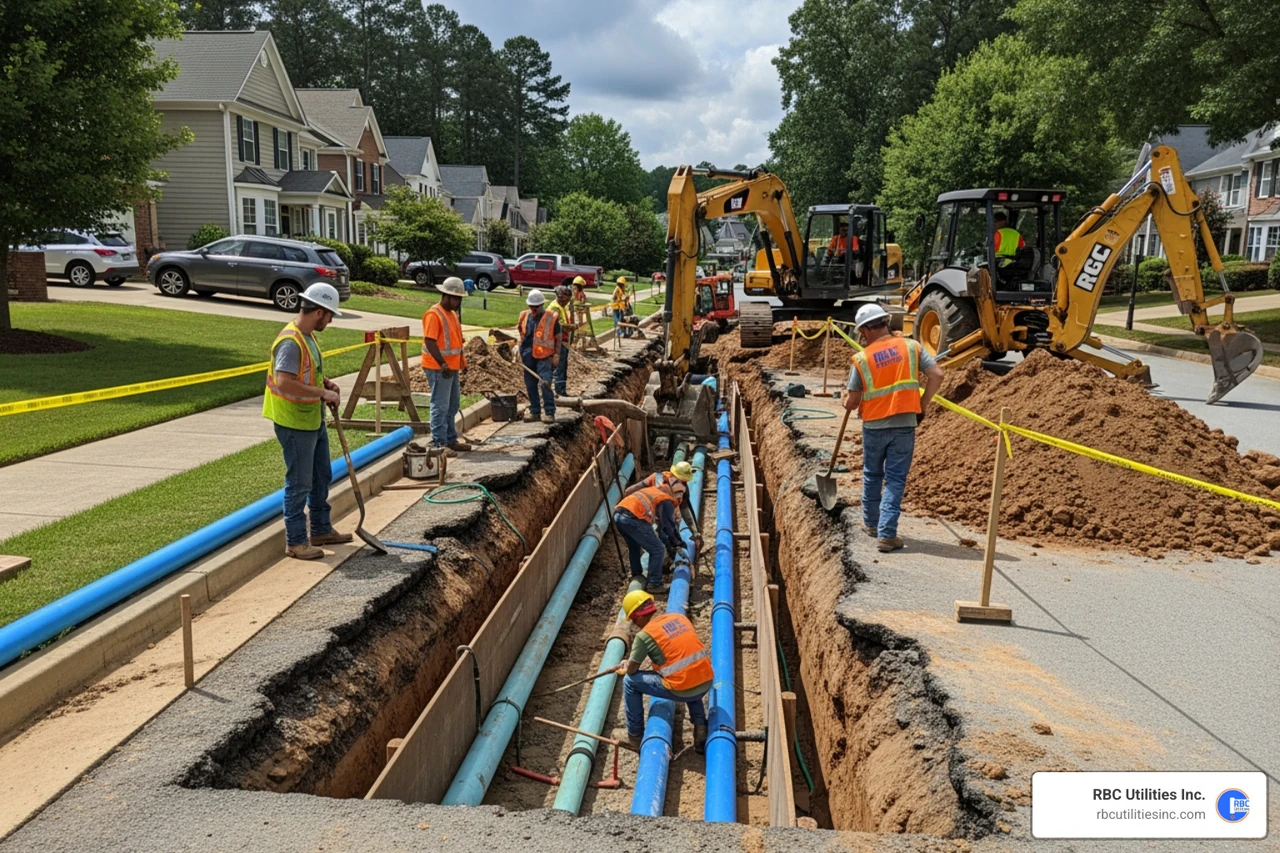
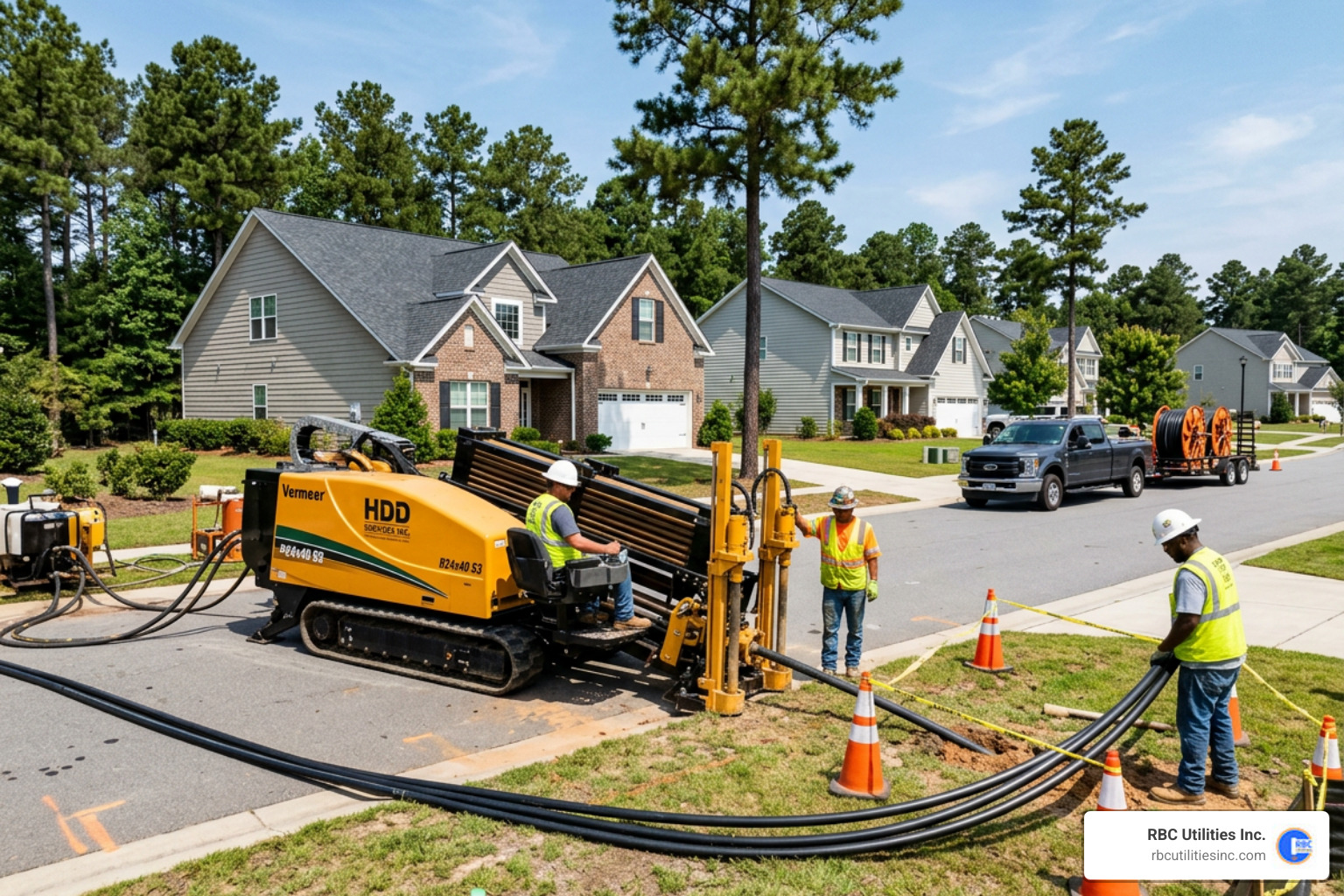
How do we actually get these pipes in the ground without tearing up every road in the Carolinas? The answer lies in trenchless technology. At RBC Utilities, we utilize a variety of methods depending on the soil conditions and the specific needs of the project.
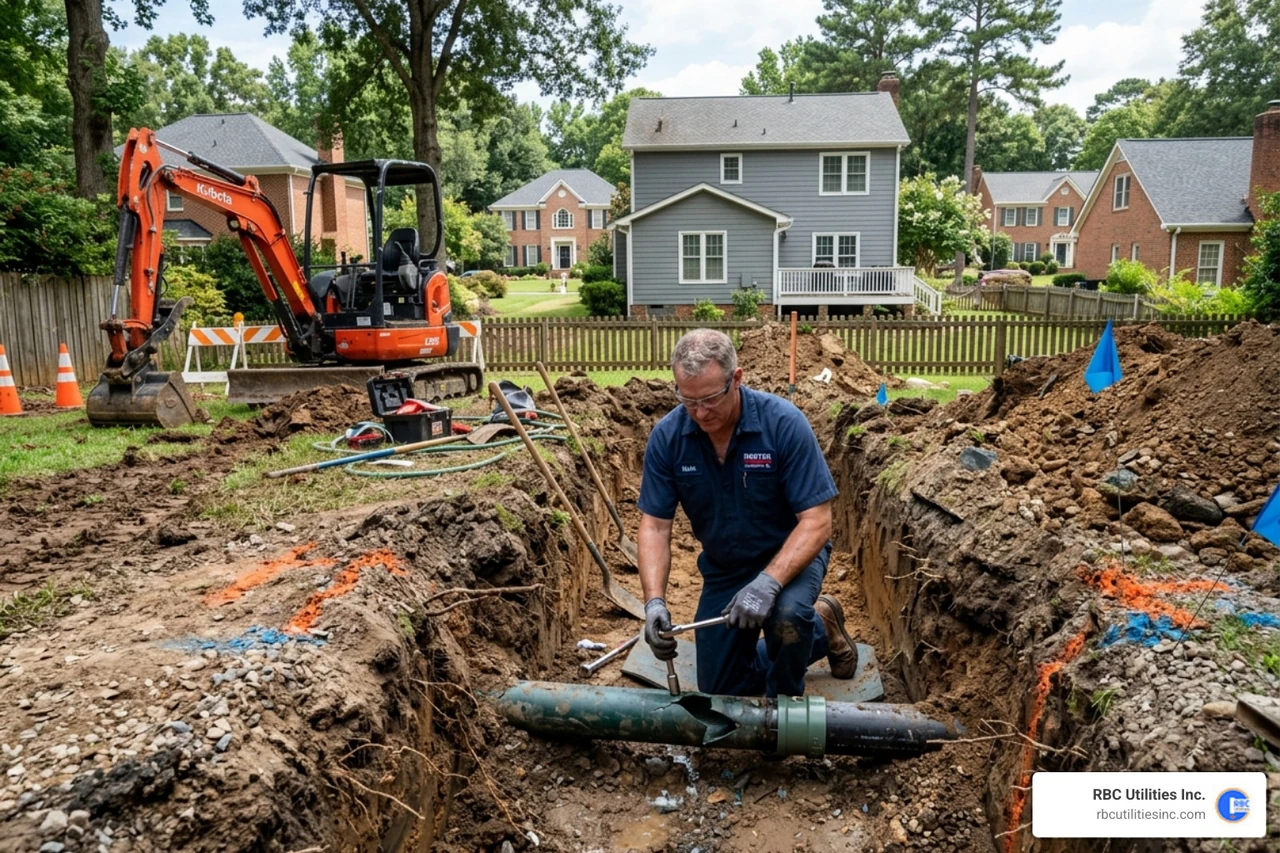
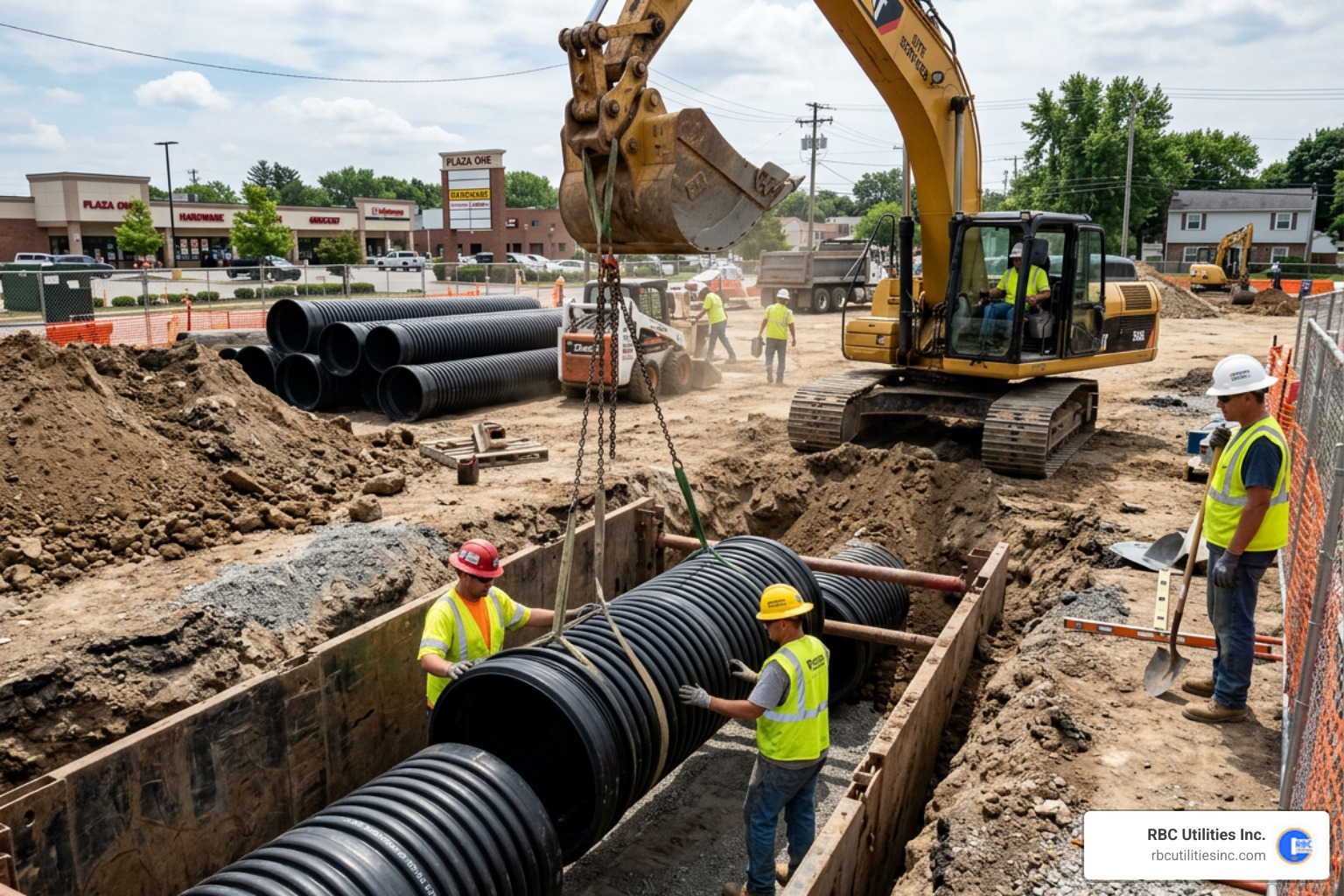
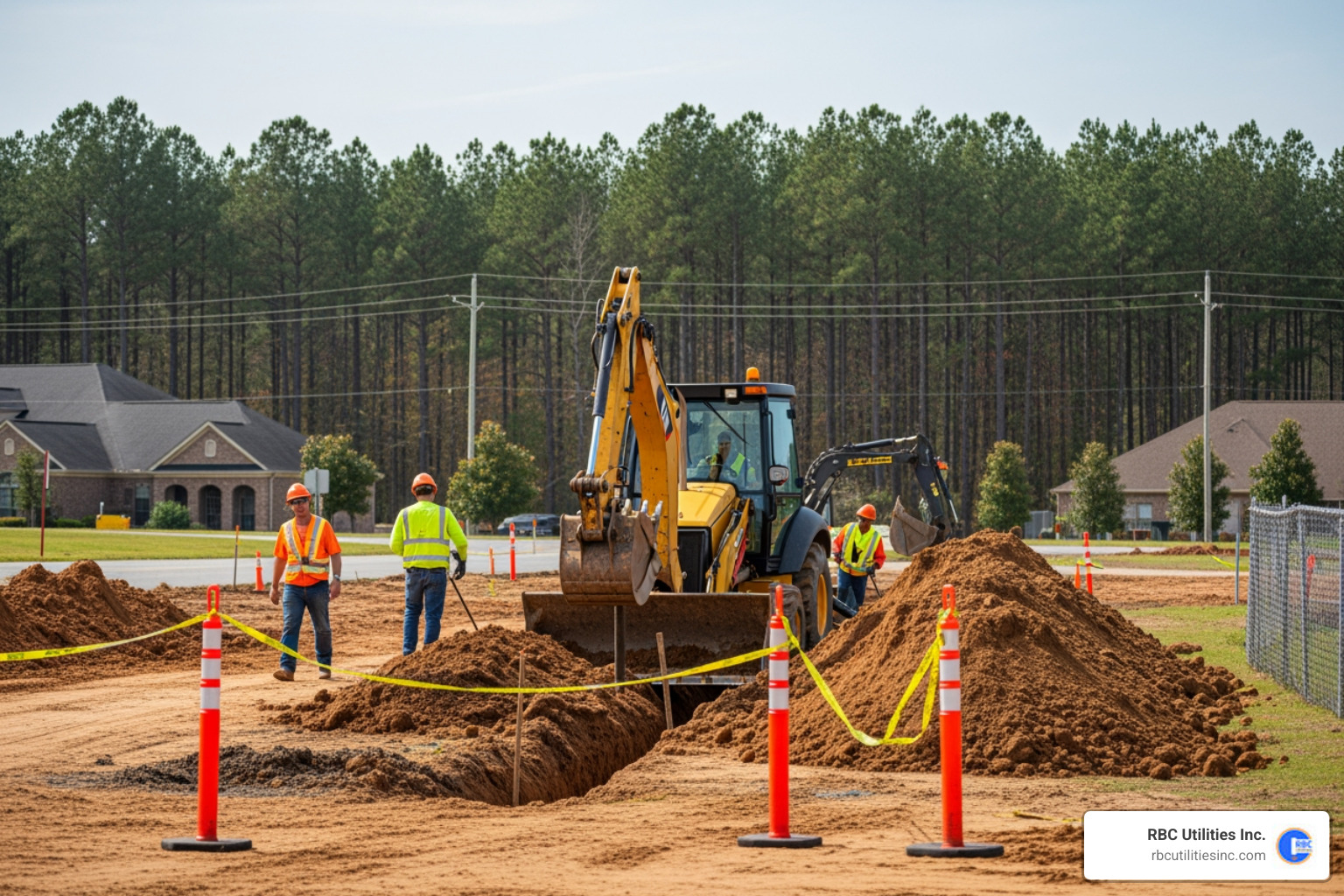
The beauty of Trenchless Utility Installation Carolinas is the minimal surface disruption. We can install a water main under a busy four-lane highway or a protected wetland without ever breaking the surface. This saves money on road restoration and keeps traffic moving, which makes everyone in the community much happier.
The workhorses of the industry are Horizontal Directional Drilling (HDD), Jack and Bore, and traditional Open Trenching.
Deep tunneling isn't without its "uh-oh" moments. Geotechnical investigations are vital, but sometimes the earth still surprises us. On the Dig Greenville project, the team had to pivot their entire plan when they hit rock types that were much harder than expected. They ended up using 41 controlled blasts over a nine-month period just to create a "starter tunnel" for the boring equipment.
When we work in these environments, we have to be incredibly sensitive to the surroundings. This means using:
None of this happens without a way to pay for it. We are currently in a "golden age" of infrastructure funding. The Bipartisan Infrastructure Law (BIL) has been a game-changer, infusing an additional $253.6 million into the Clean Water State Revolving Fund (CWSRF) specifically for North Carolina wastewater projects.
This funding is often targeted at "emerging contaminants" like PFAS, ensuring our water is not just flowing, but safe. Municipalities also use Capital Improvement Plans (CIPs) to map out their spending years in advance, giving contractors like us a roadmap of where the growth is headed.
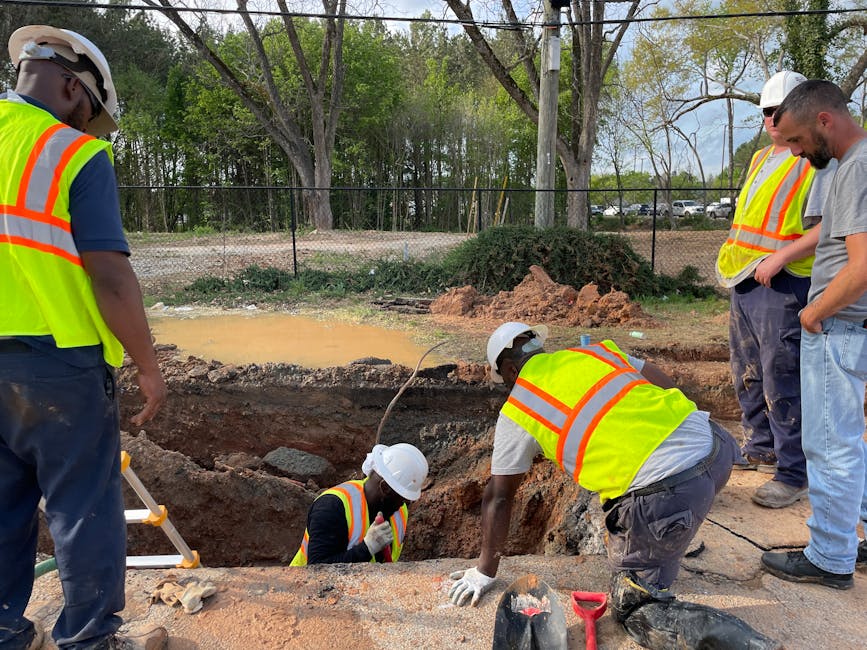
Safety is the foundation of everything we do at RBC Utilities. With the massive increase in underground infrastructure expansion Carolinas, the risk of striking an existing line is higher than ever. This is why coordination with NC811 and SC811 is so critical.
Effective October 1, 2025, North Carolina saw significant legislative changes to utility locating rules. The "ticket life" for a locate request was extended to 28 calendar days to reduce administrative burden on contractors and locators alike. We also participate in Utility Coordinating Committees (UCC), where we meet monthly with other utility owners to discuss upcoming projects. Using tools like the Common Ground Alliance’s DIRT tool, we can analyze where "near misses" are happening and adjust our safety protocols accordingly.
What should we look forward to? The timelines are ambitious:
As urbanization continues, we expect to see even more focus on "smart city" infrastructure, where sensors are embedded directly into our underground pipes to detect leaks before they become major breaks.
The Carolinas are being rebuilt from the bottom up. At RBC Utilities Inc., we are proud to be a part of this transformation. Backed by the national resources of Saga Infrastructure but rooted in local Carolinas expertise, we are committed to building systems that are safe, reliable, and built to last for generations.
Whether we are laying a new water main in a Charlotte suburb or helping a municipality navigate the complexities of a deep sewer tunnel, our focus remains on the people who rely on these services every day. Underground infrastructure expansion Carolinas is the engine of our regional growth, and we’re here to keep that engine running smoothly.
Learn more about our underground utility services
Moving utilities underground provides a massive boost to storm resilience—power lines don't blow over in a hurricane if they are six feet under the soil! Beyond safety, it improves the aesthetics of our beautiful Carolina neighborhoods, often increases property values, and reduces long-term maintenance costs because the lines are protected from the elements.
It’s a "braided" approach. We see a mix of federal funds (like the Bipartisan Infrastructure Law and the American Rescue Plan), state revolving loan programs that provide low-interest financing to cities, municipal bonds, and the capital budgets of private utility companies like Duke Energy.
Horizontal Directional Drilling (HDD) is the most common for fiber and smaller water lines because it’s so versatile. For larger sewer projects, we see a lot of Jack and Bore and, for the massive tunnels, Tunnel Boring Machines (TBMs). In very tight, historic urban areas, we sometimes still utilize hand mining to ensure we don't disturb sensitive existing structures.
Part of Saga Infrastructure, protecting what others built and helping it grow.
Address: 4404 Stuart Andrew Blvd., Suite K, Charlotte, NC 28217
Email: info@rbcutilities.com
Phone: 803-913-9727
Service Area: North Carolina | South Carolina