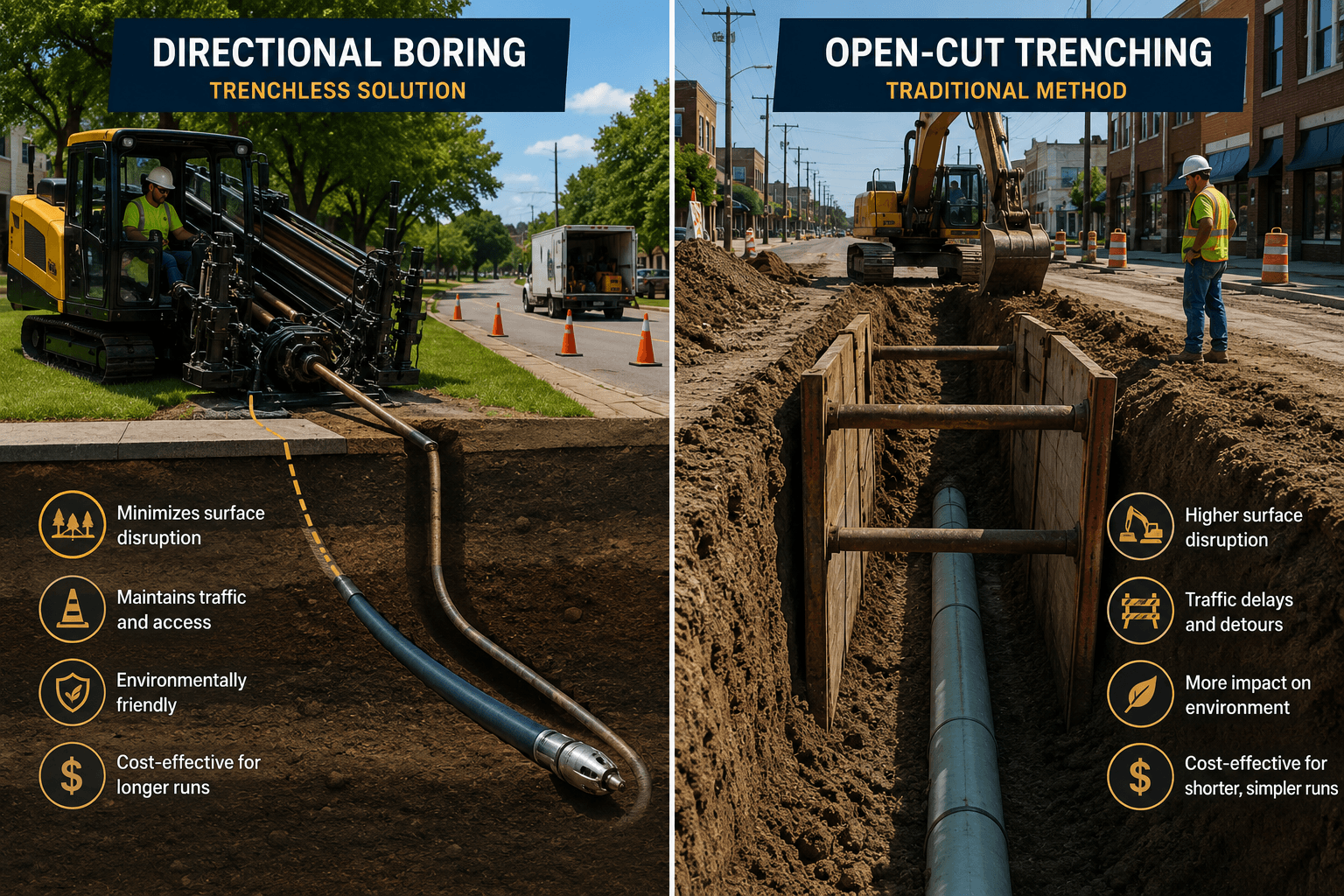
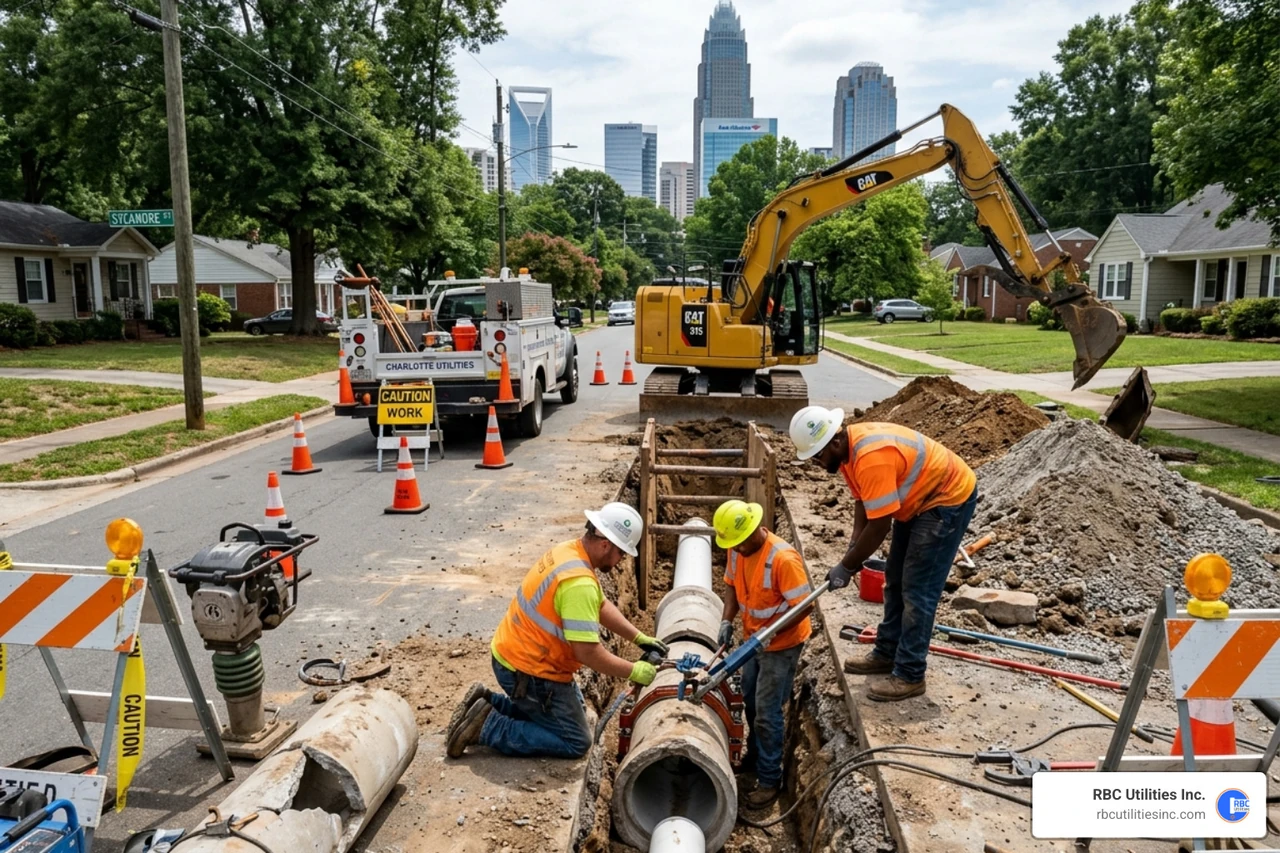
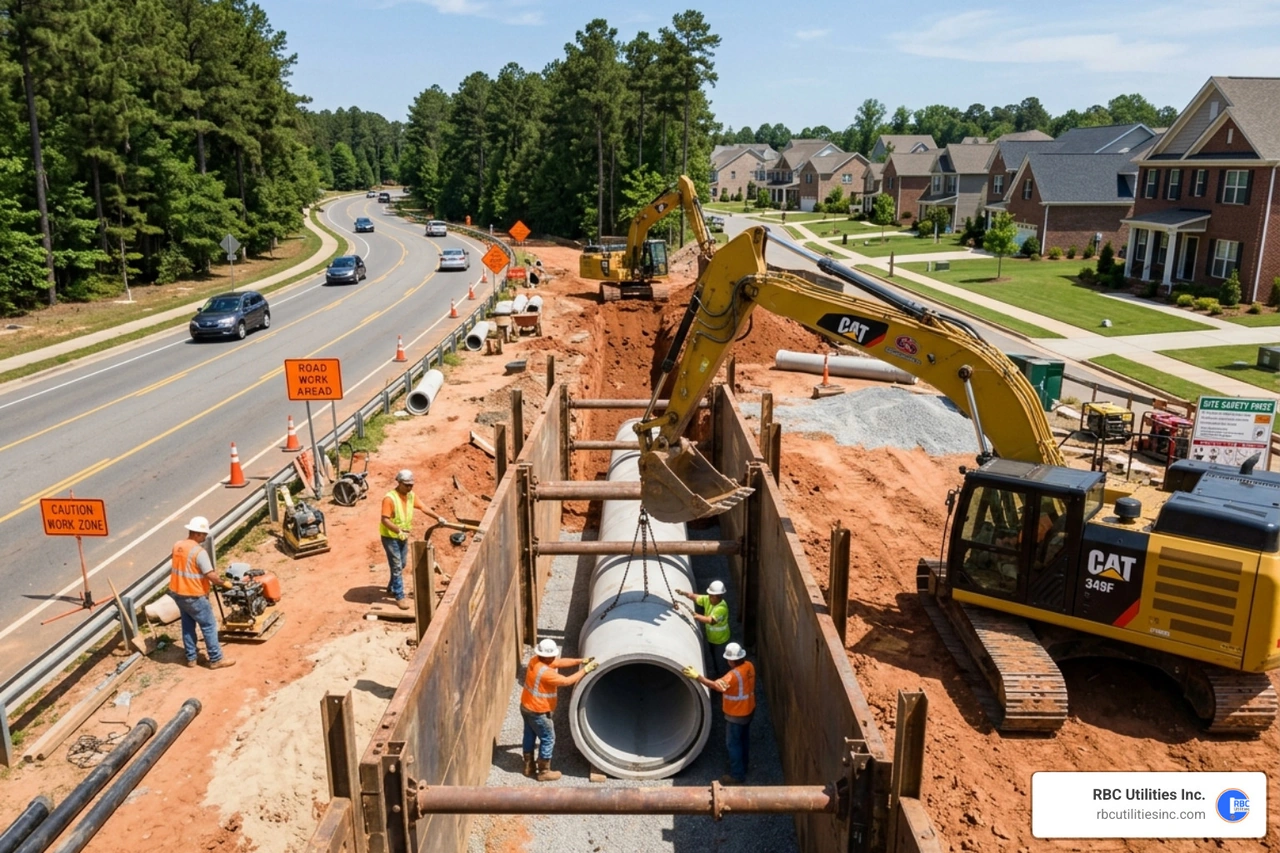
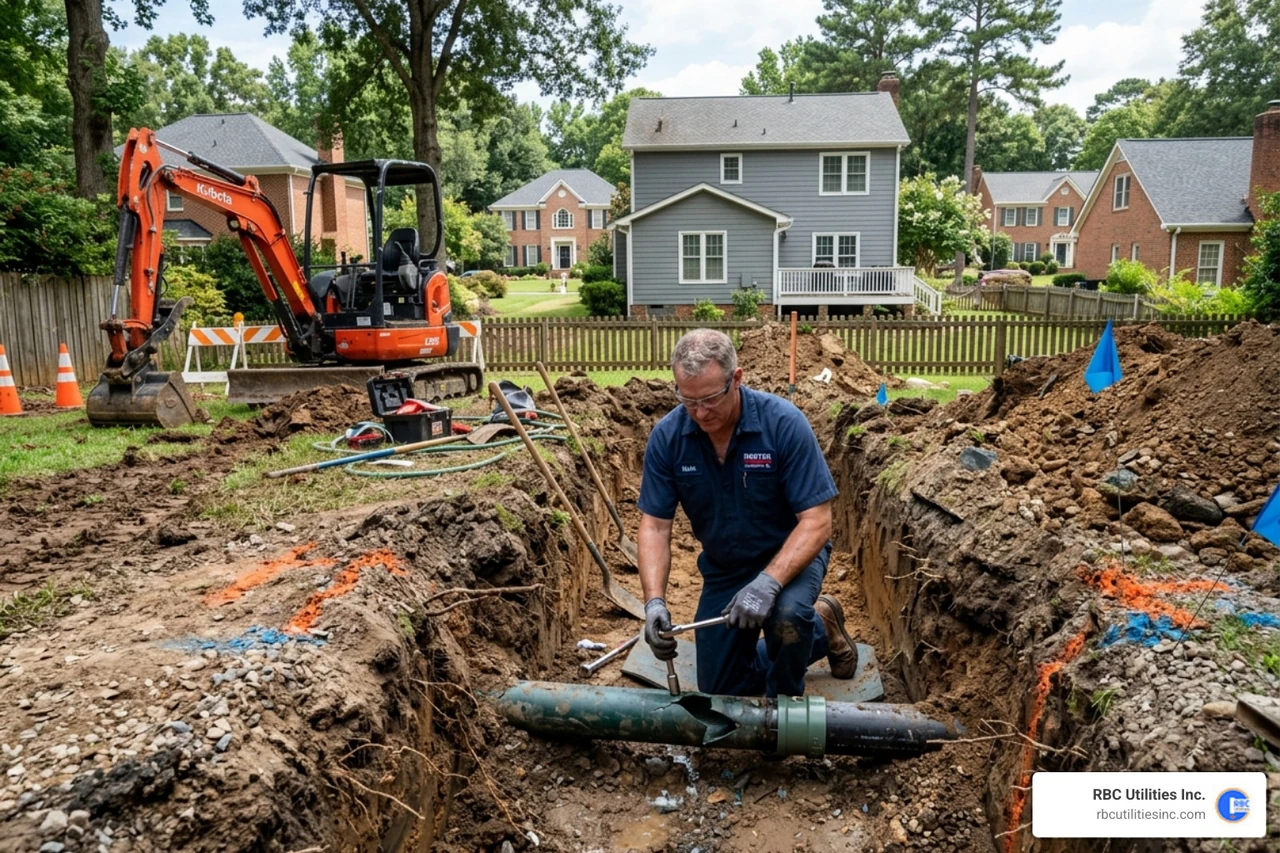
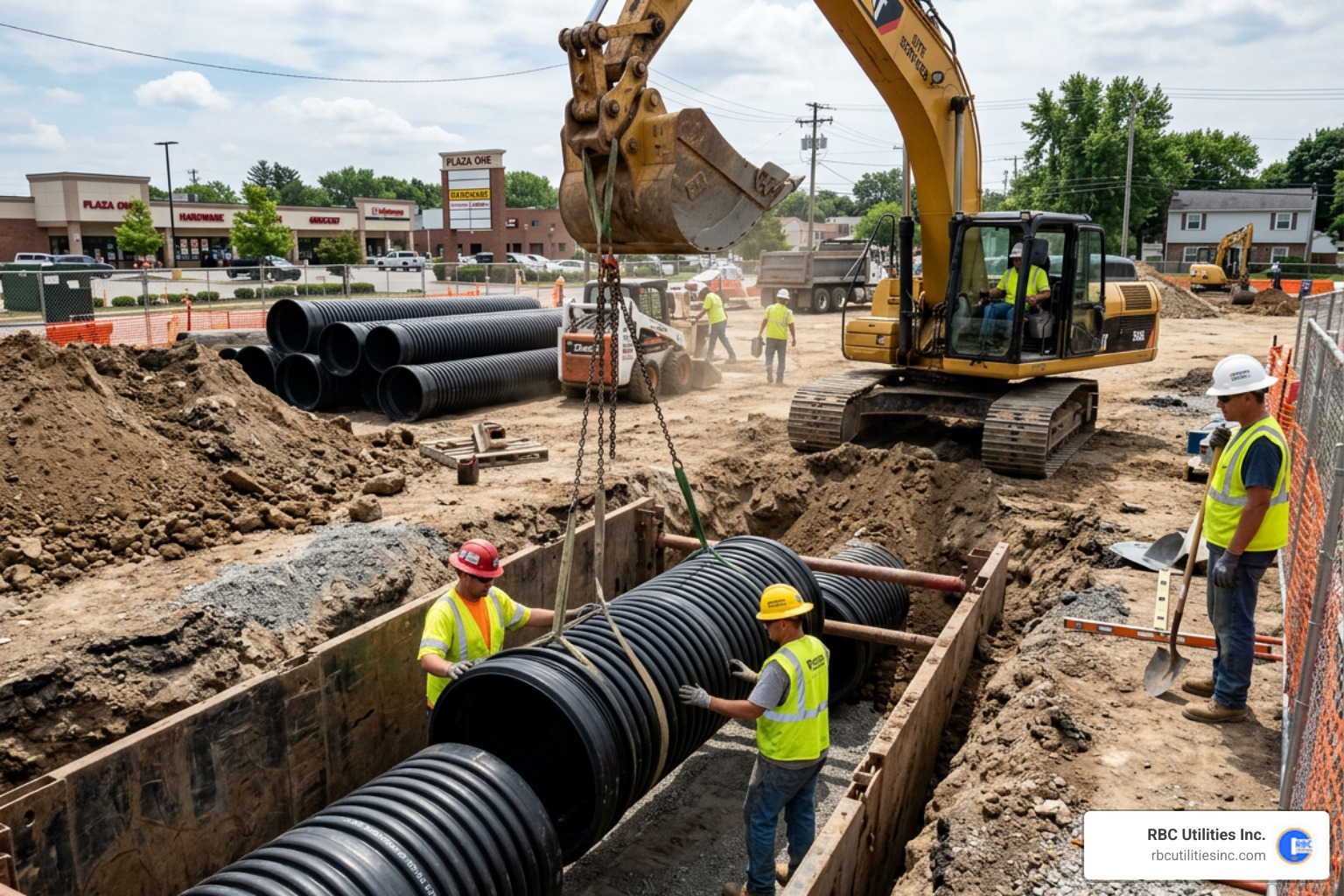
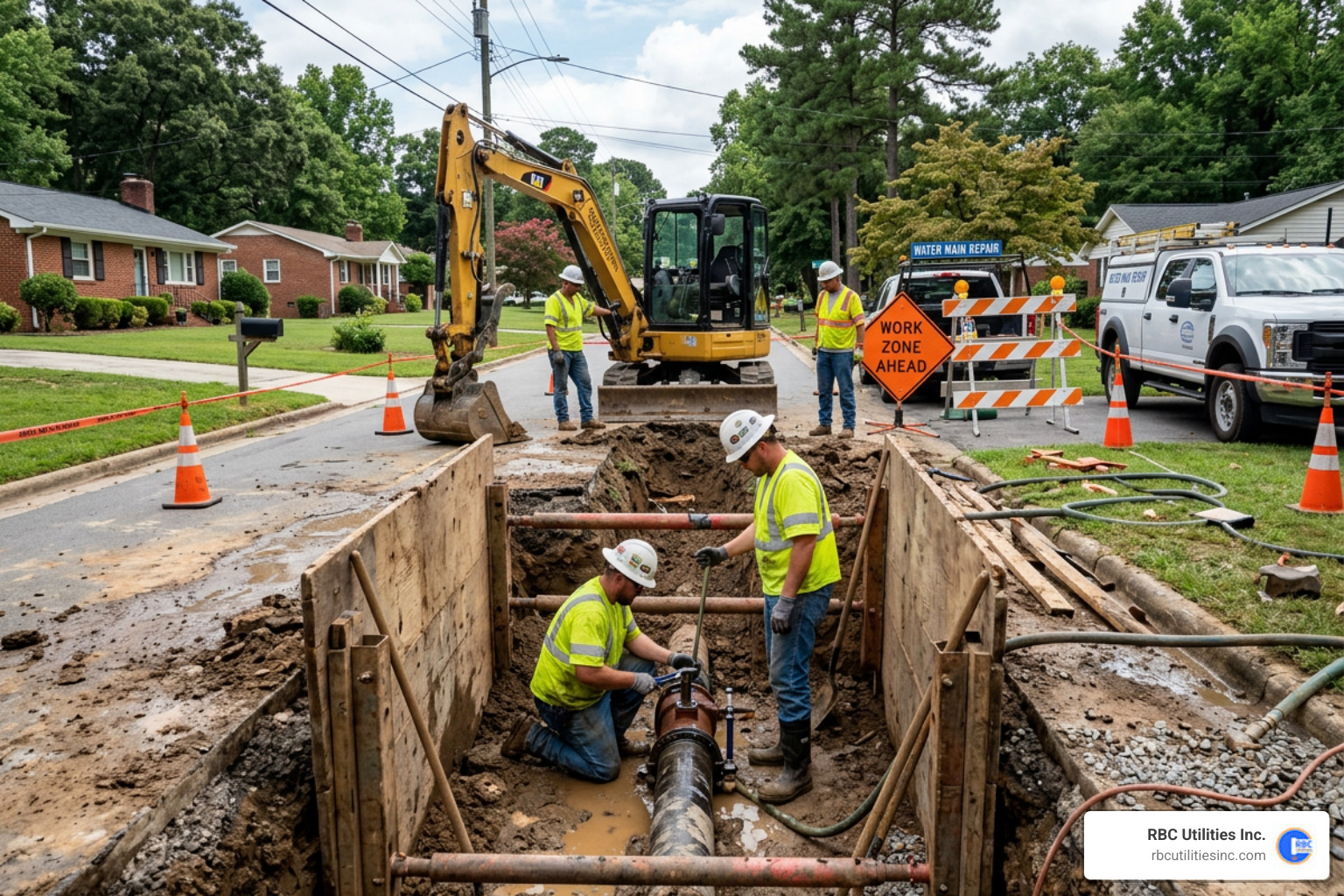
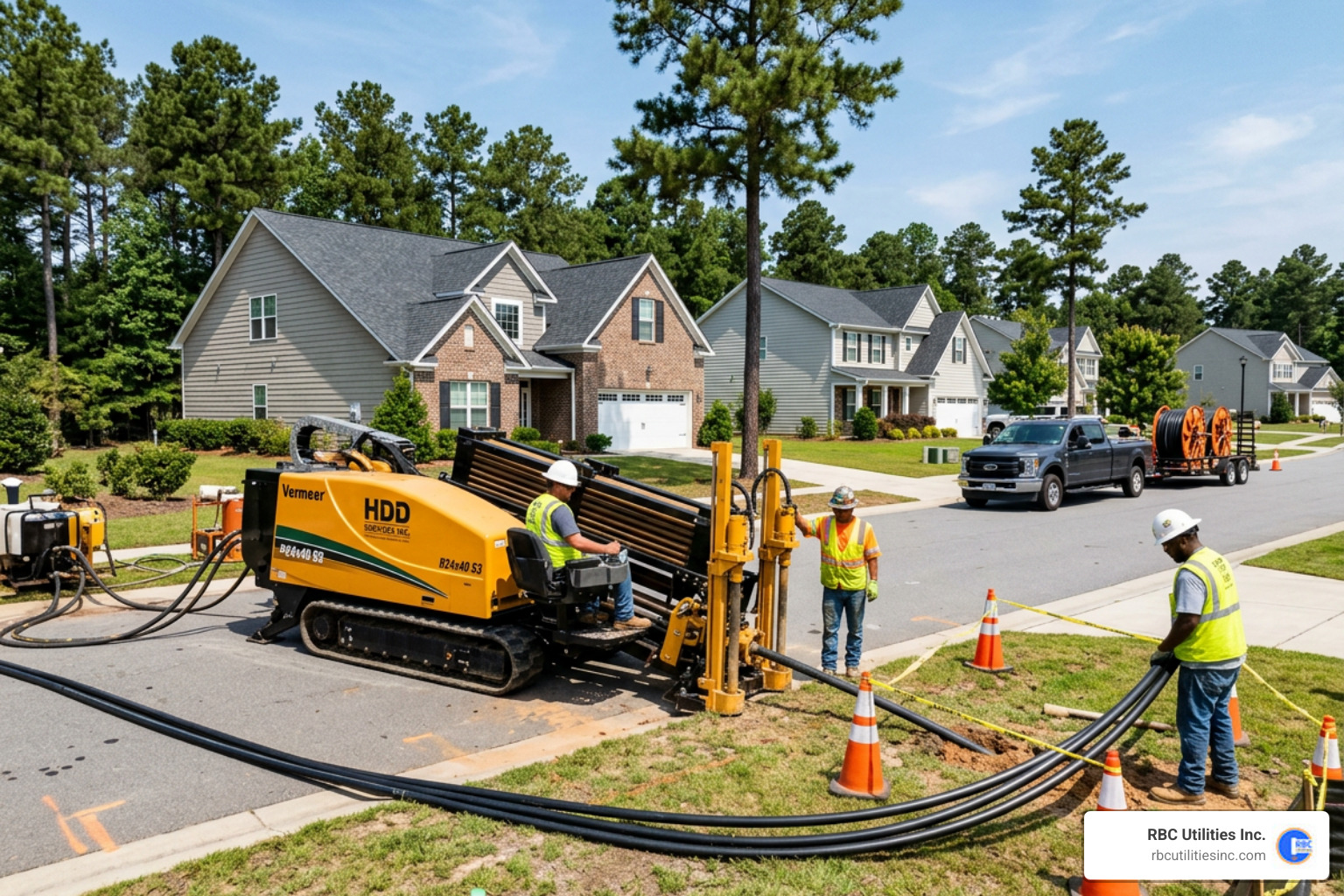
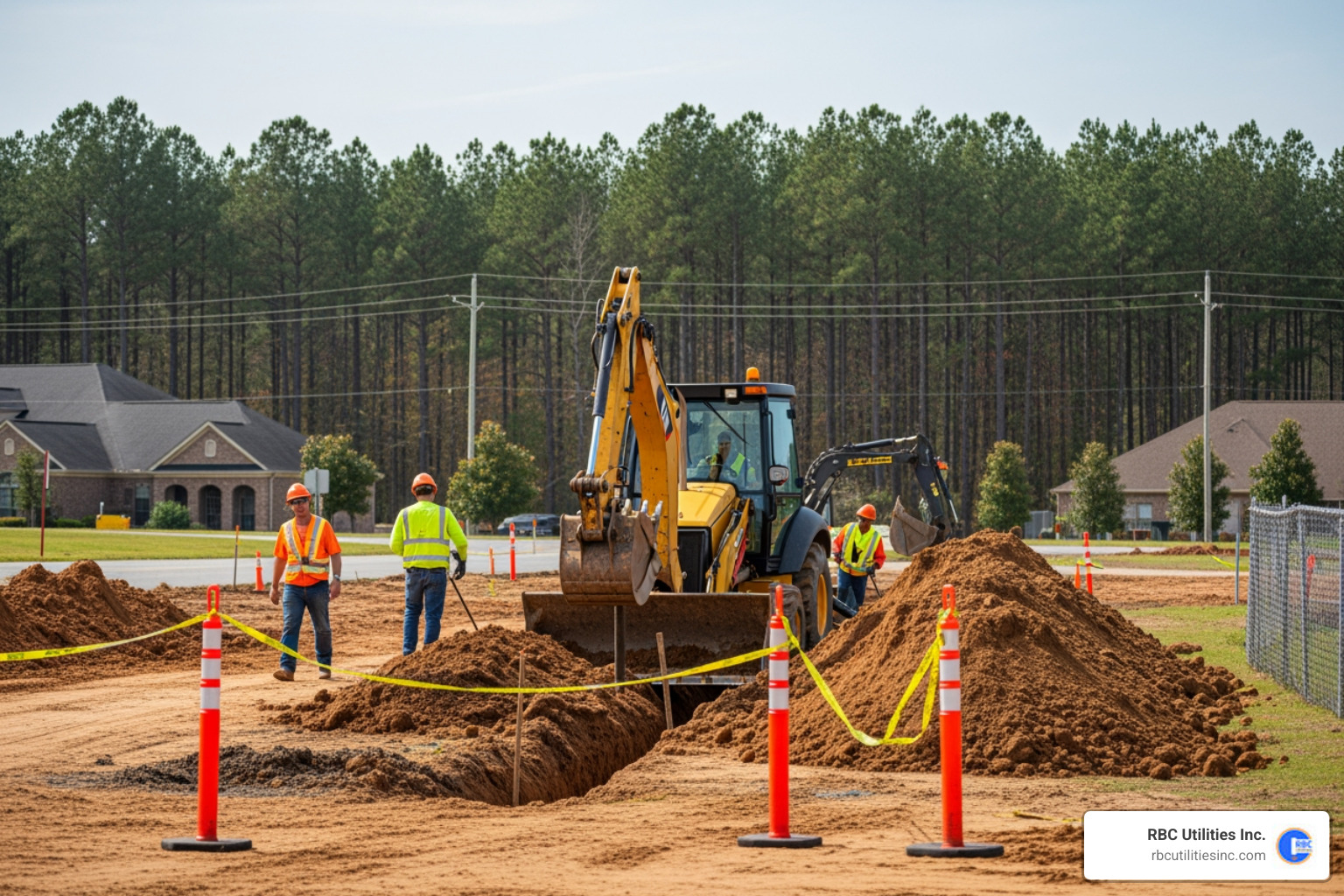
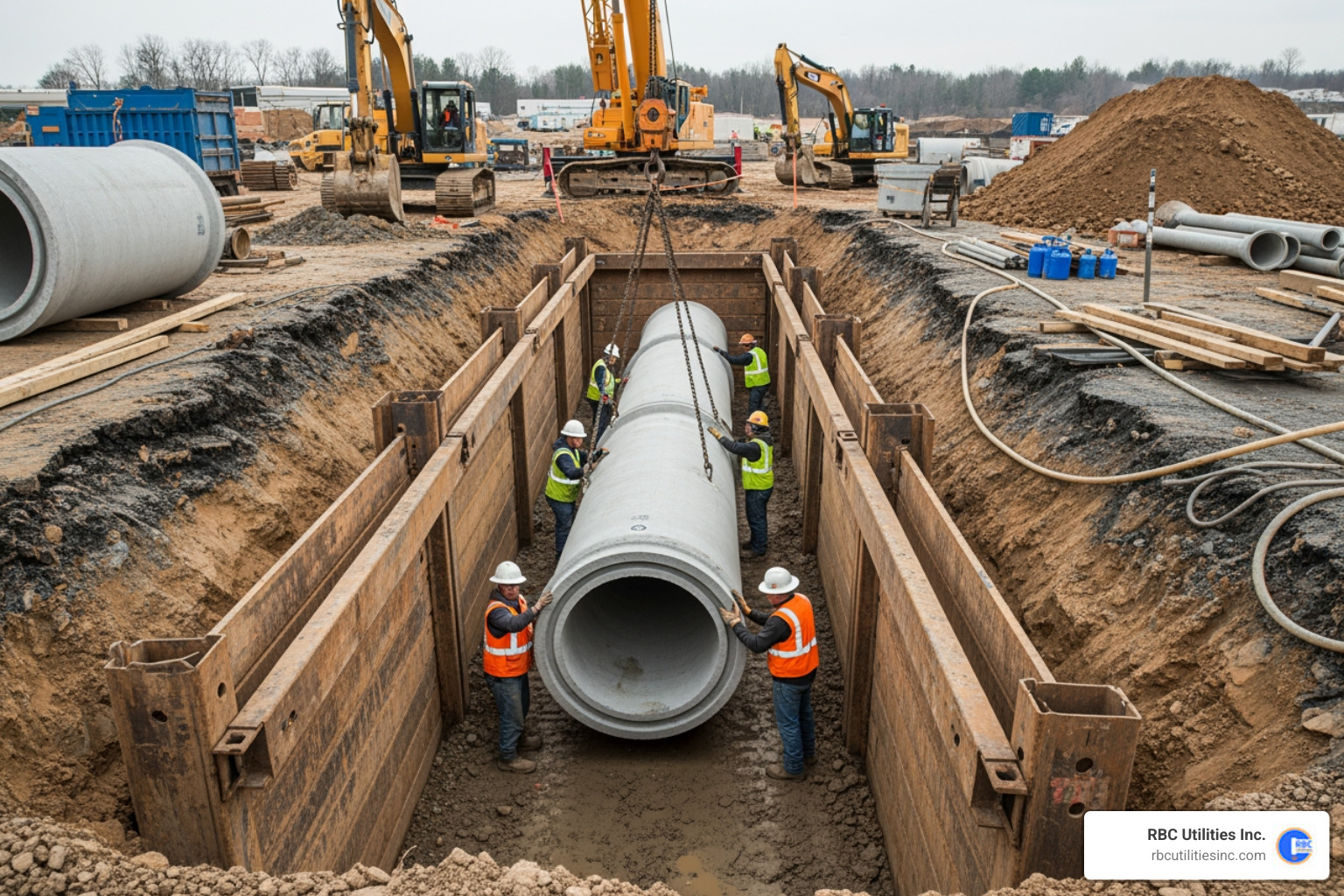
Trenchless repair sounds like the obvious upgrade, less digging, less disruption. It's not universally the right answer for every damaged line.
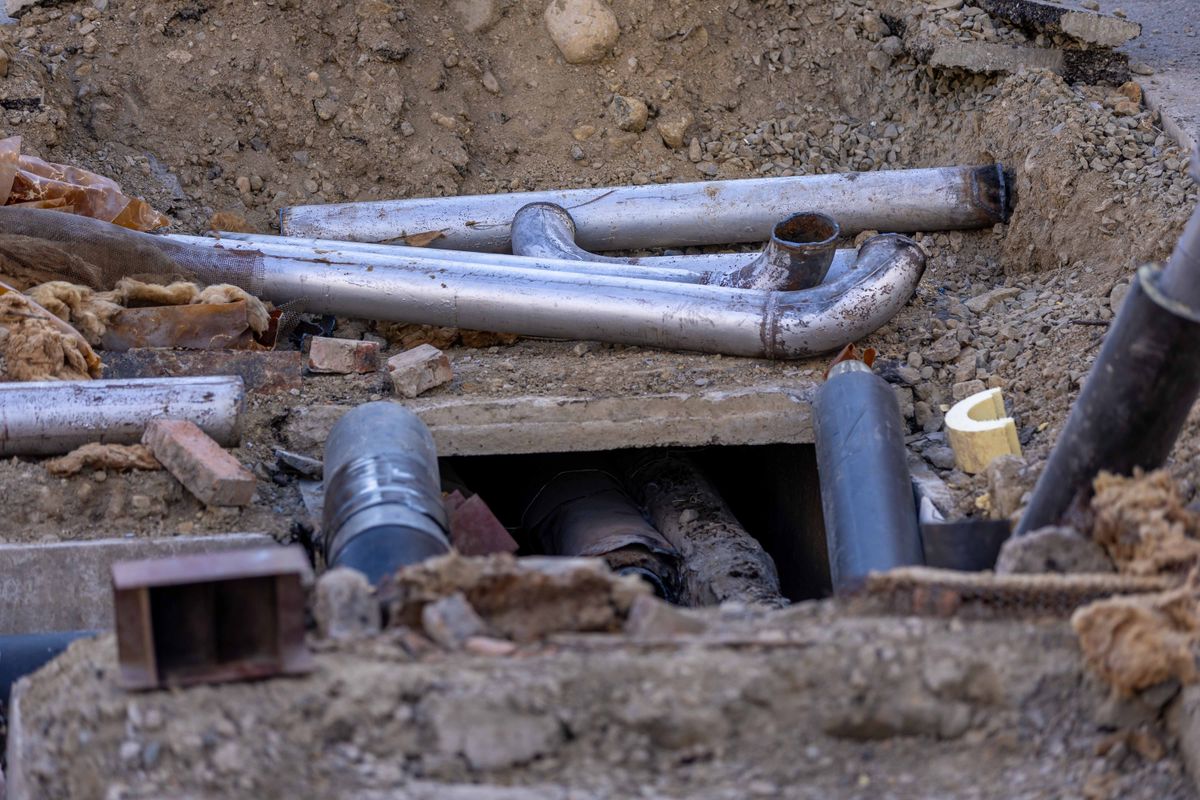
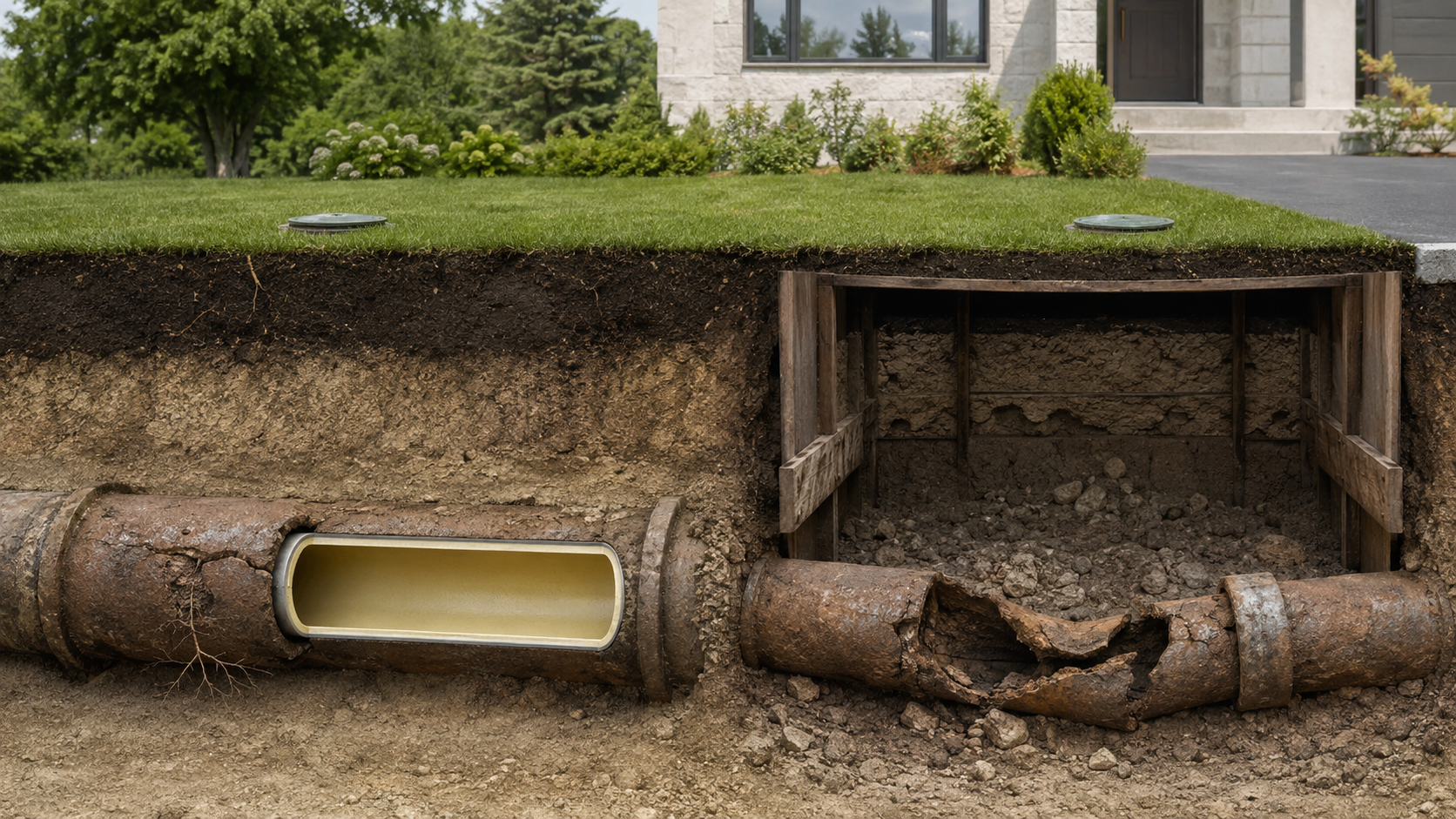
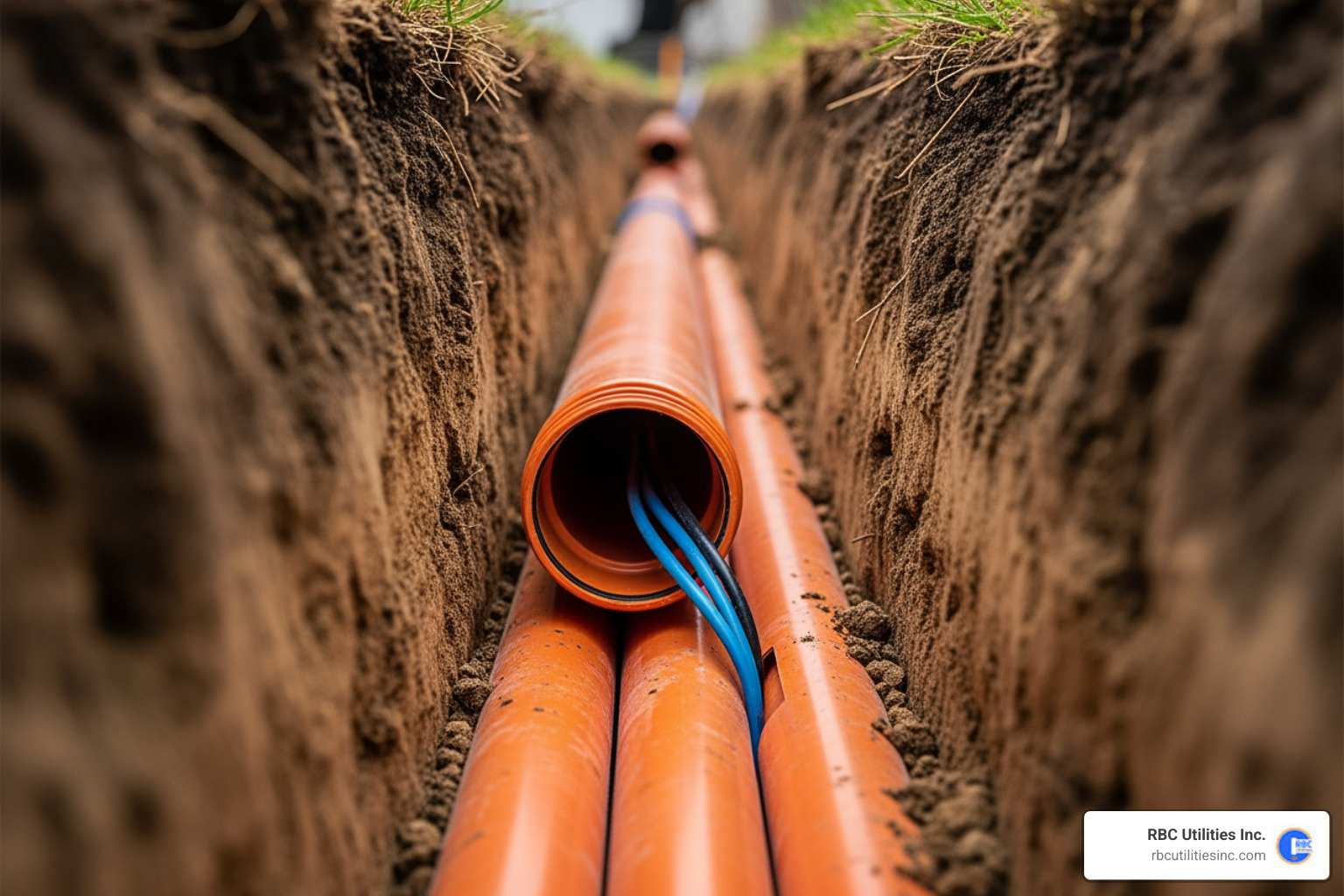
Pipe is damaged but the surrounding alignment is still intact
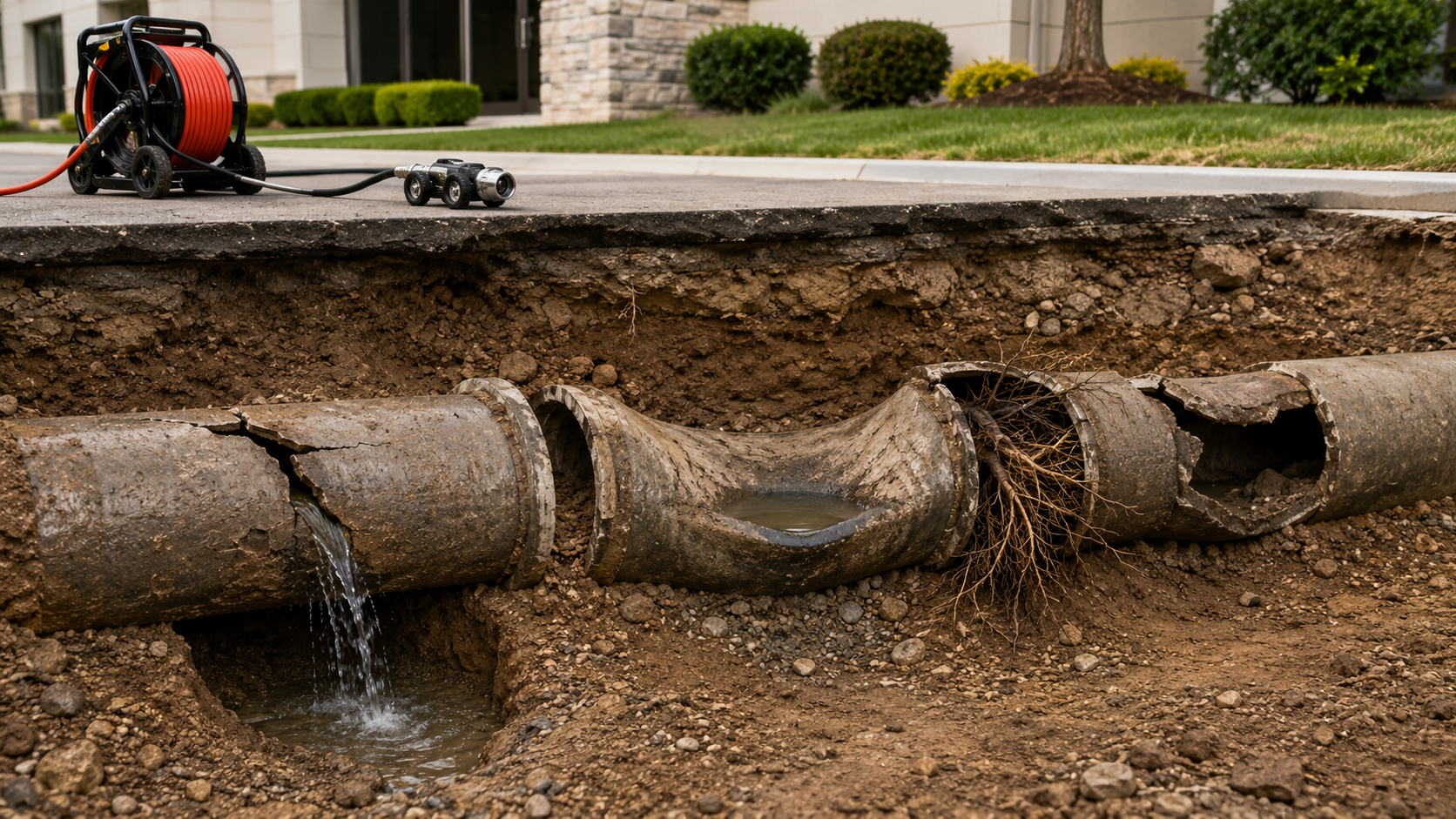
Cracks, minor offsets, or root intrusion without full collapse
Access points at both ends of the line are reachable
How is trenchless feasibility determined?
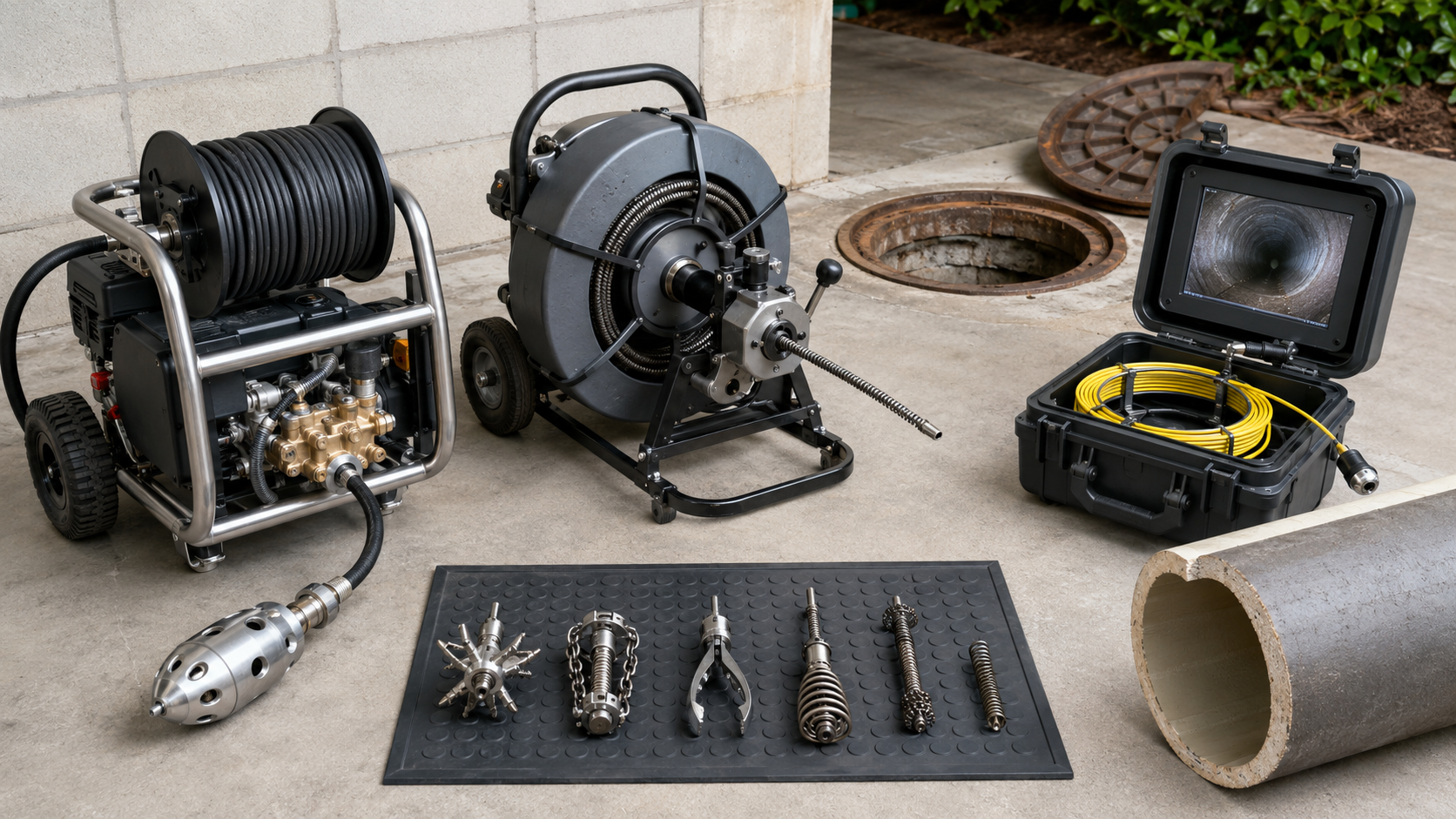
Almost always through a camera inspection first, it shows the actual condition and alignment of the existing line.
Is trenchless repair more expensive than digging?
Sometimes per foot, but savings on restoration, landscaping, driveways, and hardscape, can offset that difference.
A camera inspection, not a guess, is what determines whether trenchless repair is actually a fit for your specific damage.
American Water Works Association
Part of Saga Infrastructure, protecting what others built and helping it grow.
Address: 4404 Stuart Andrew Blvd., Suite K, Charlotte, NC 28217
Email: info@rbcutilities.com
Phone: 803-913-9727
Service Area: North Carolina | South Carolina