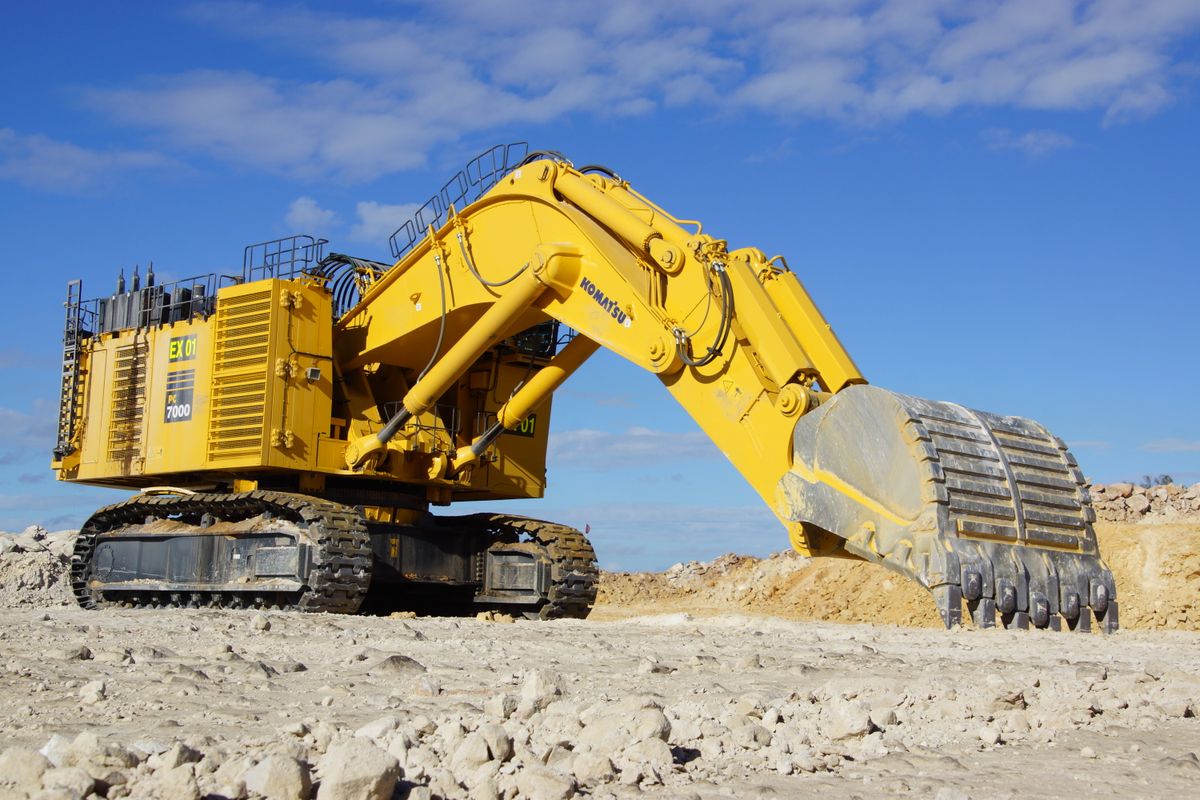
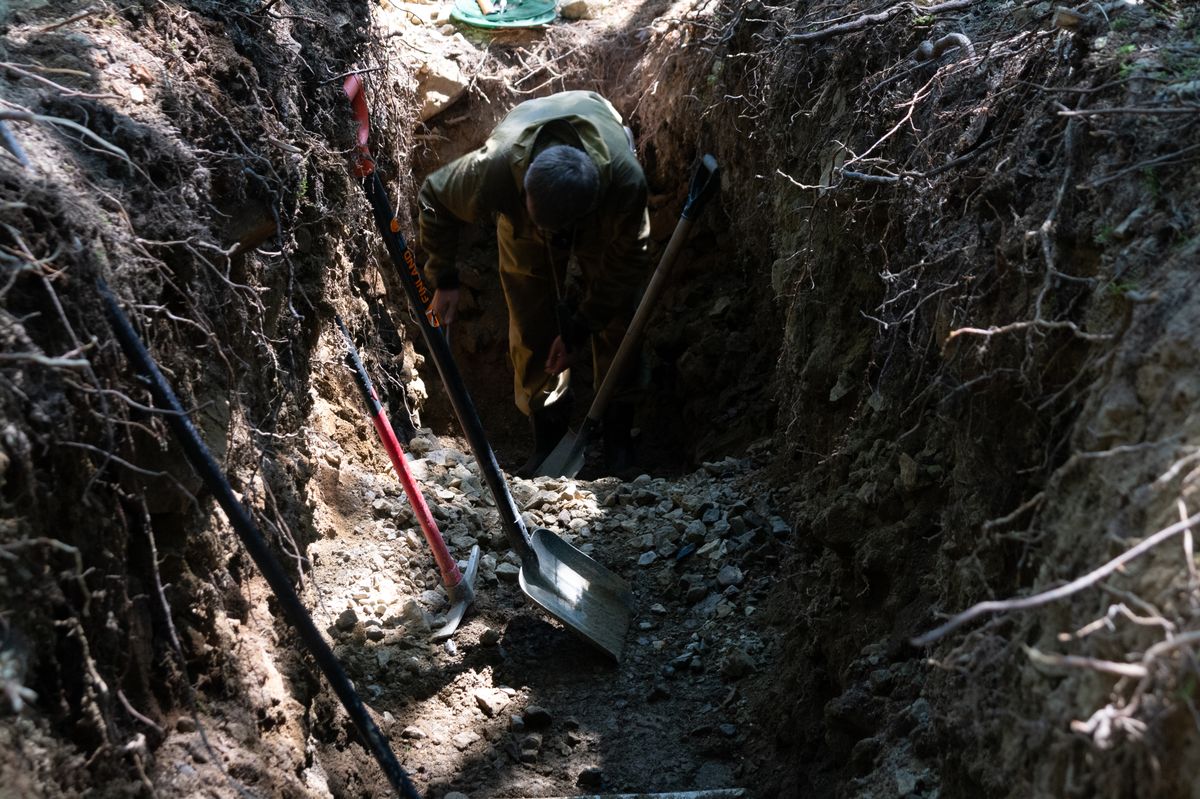
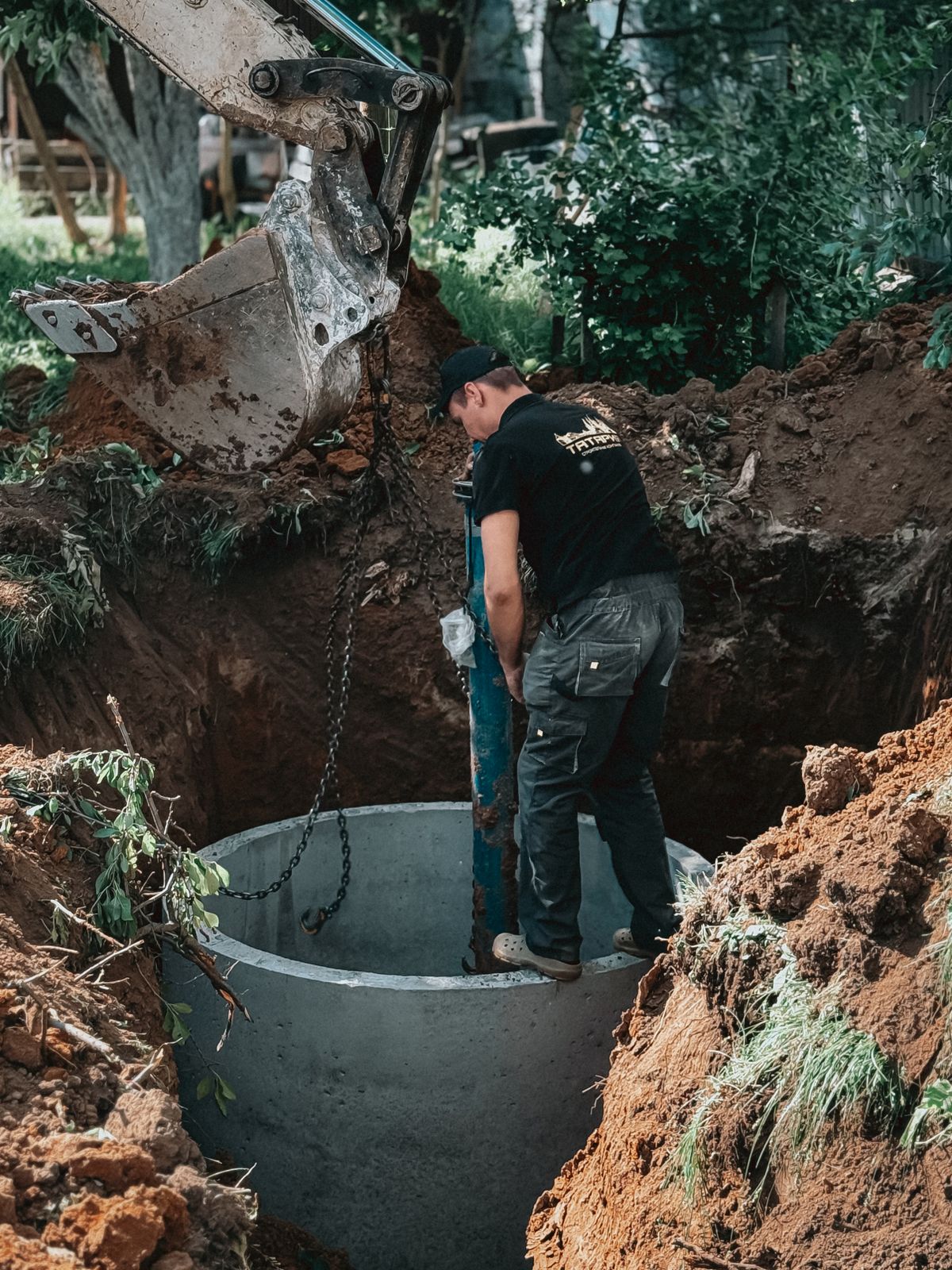
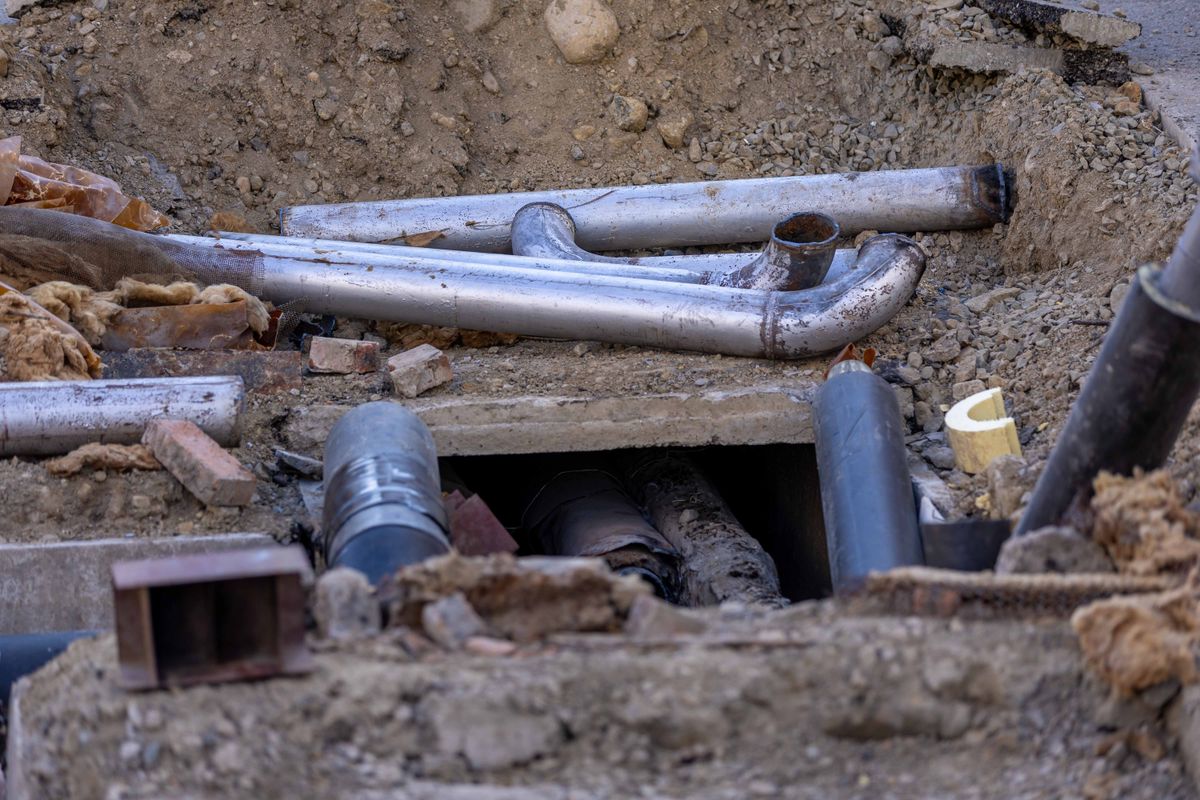
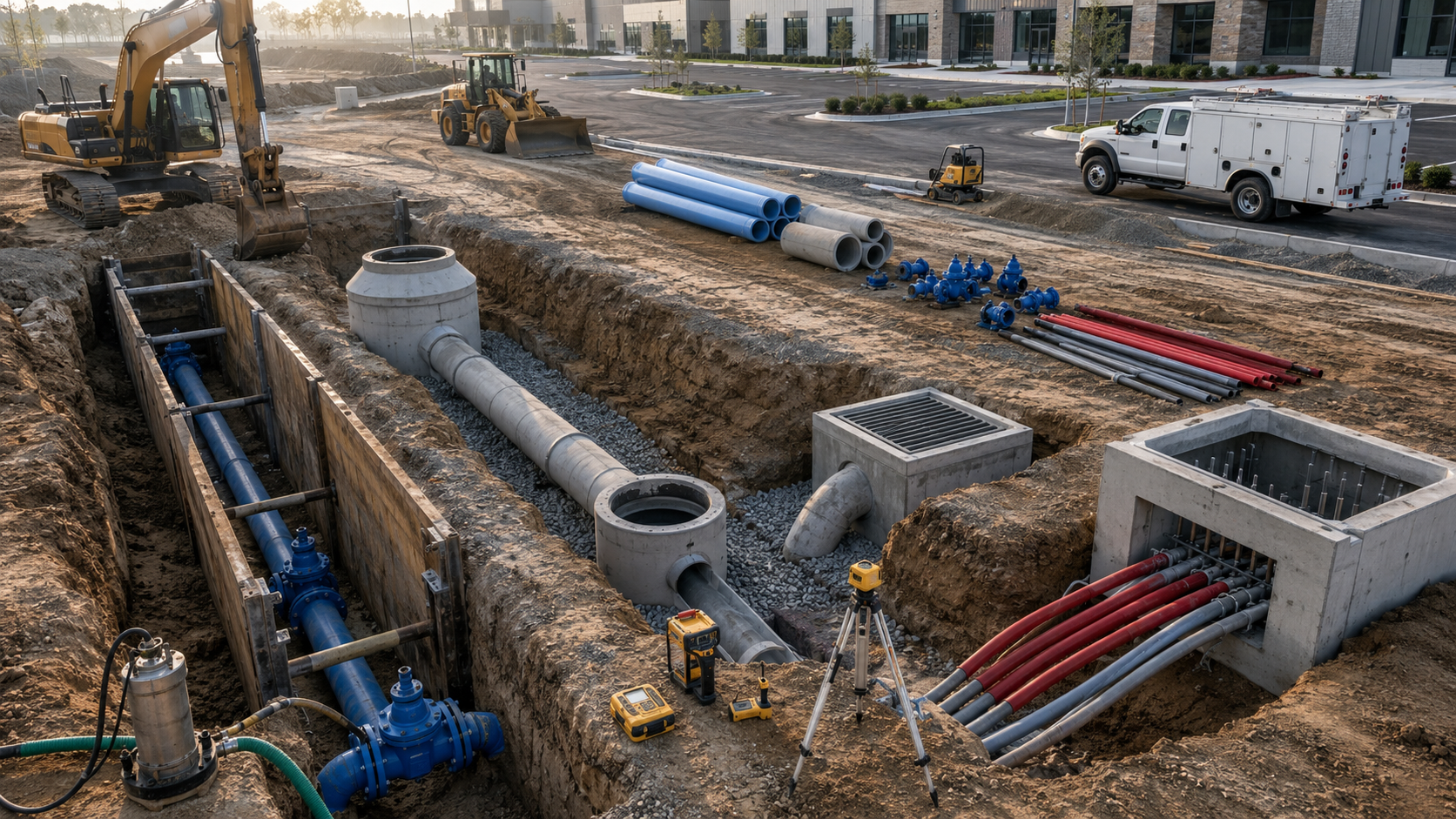
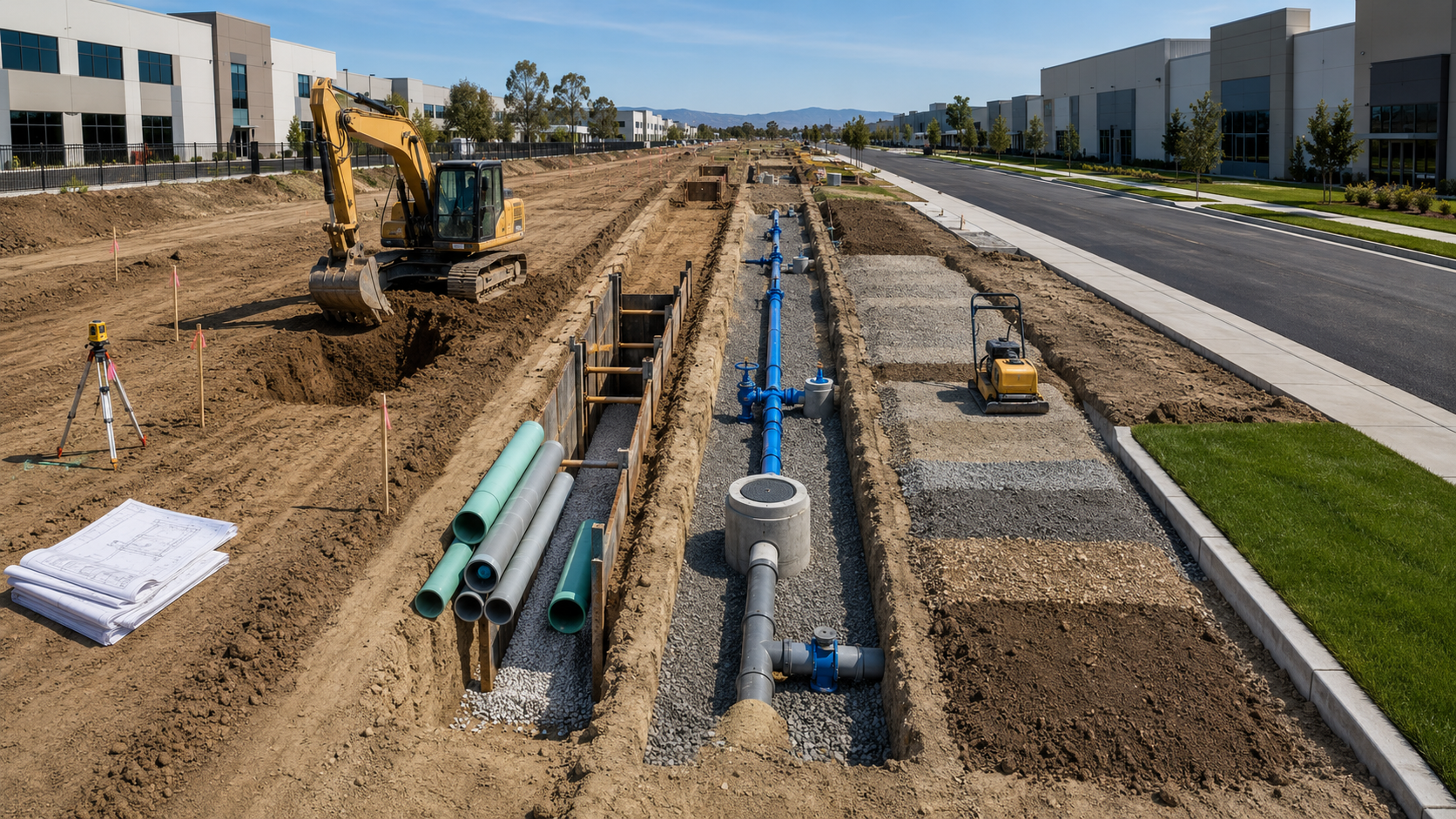
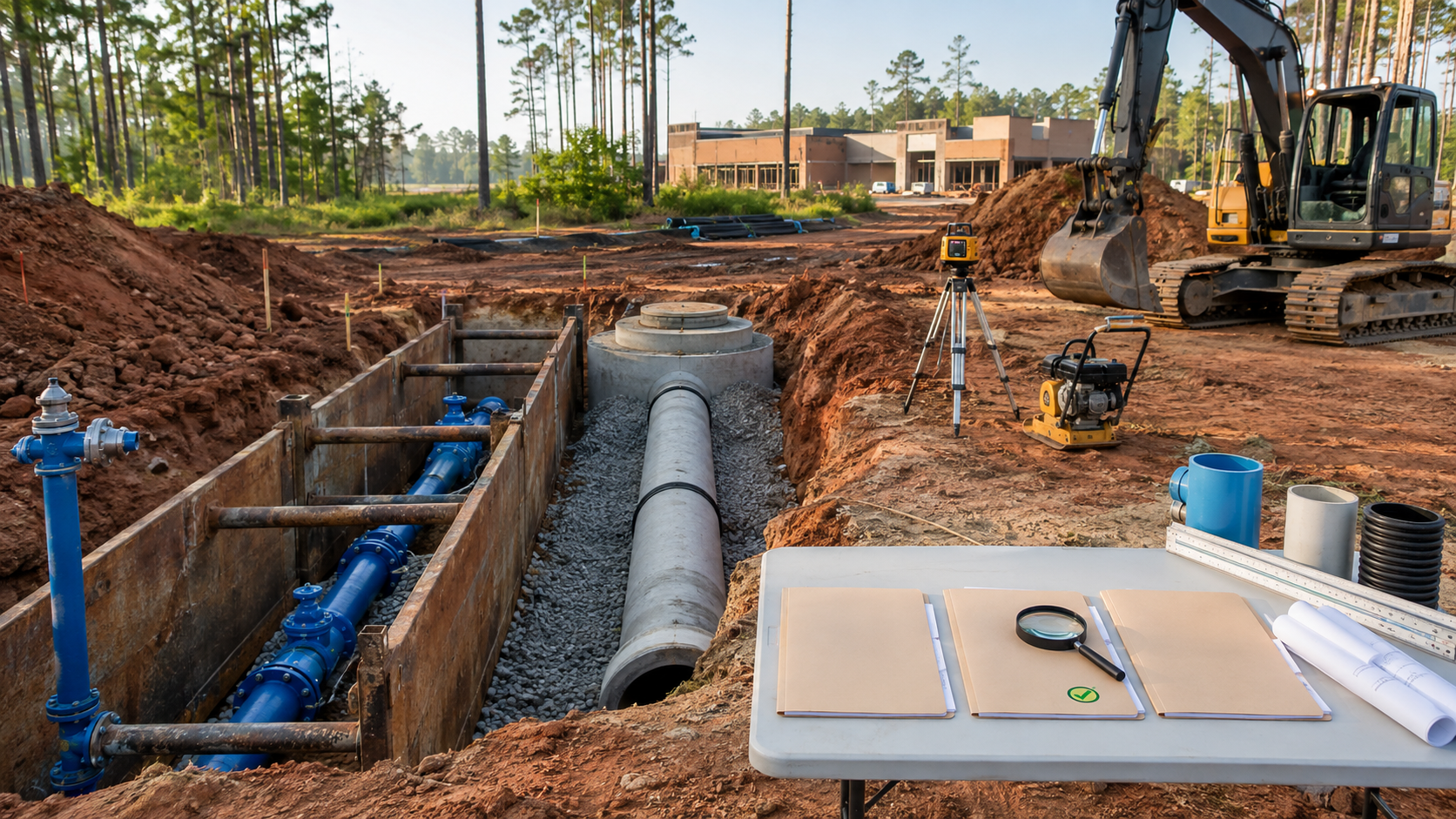
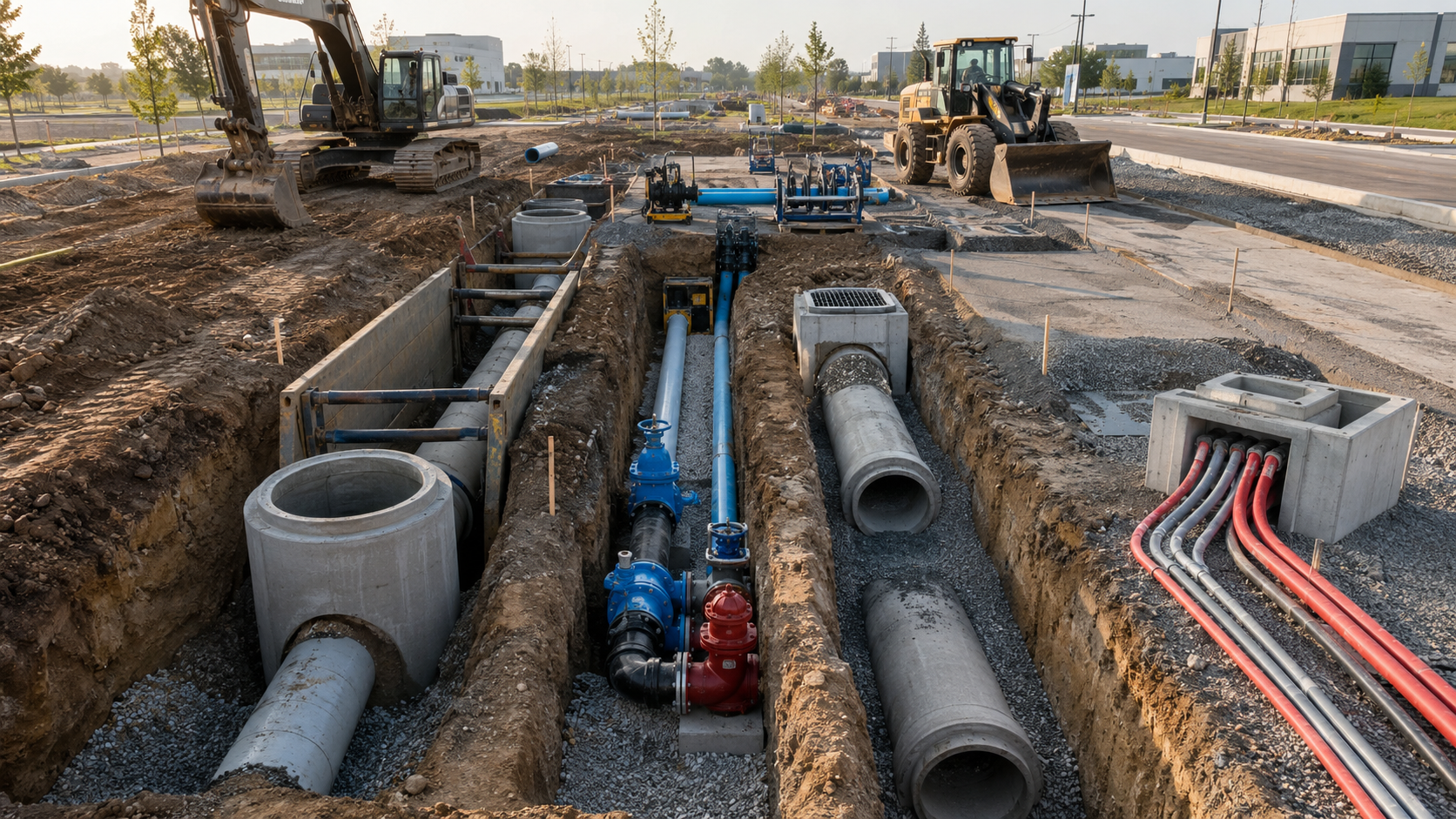
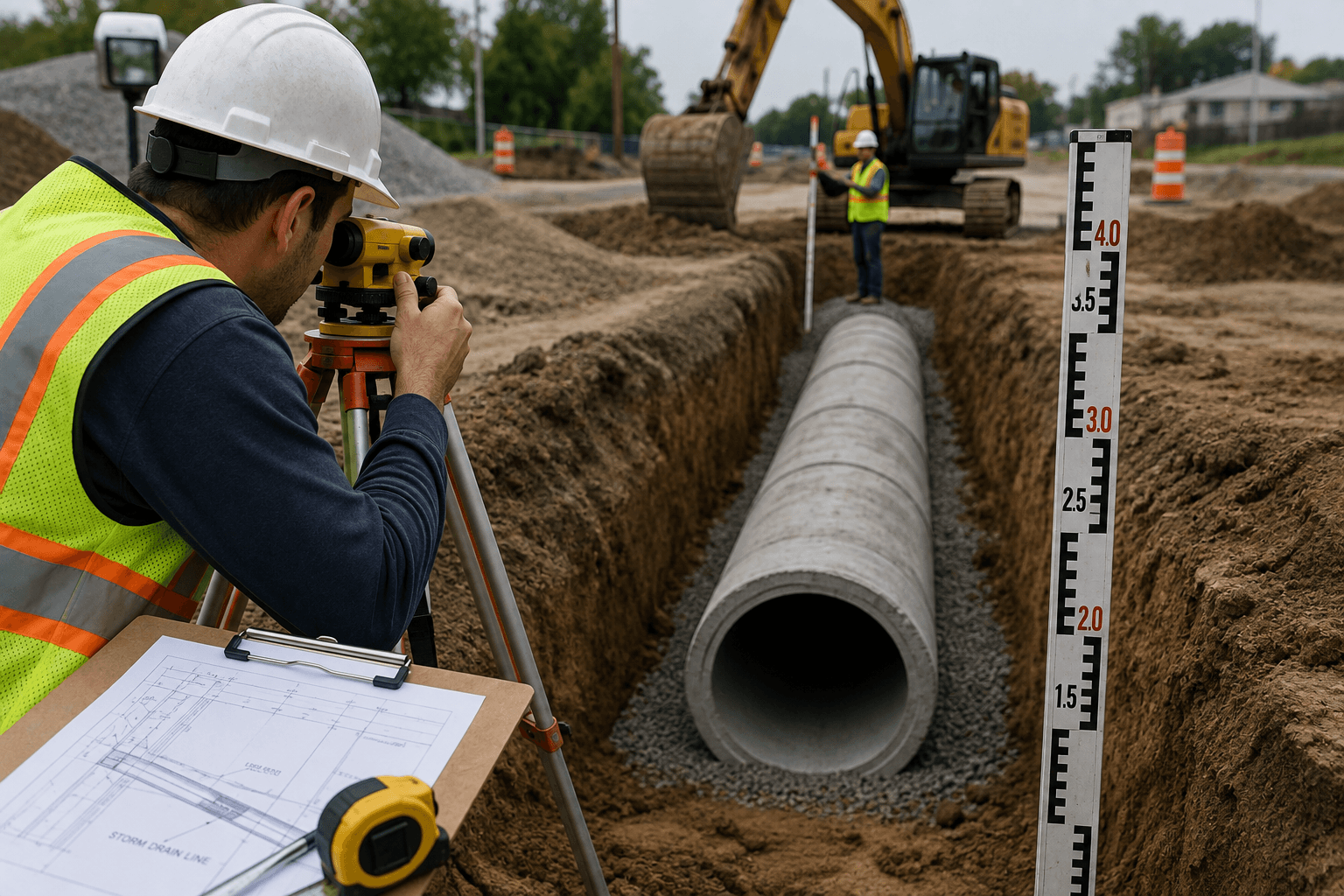
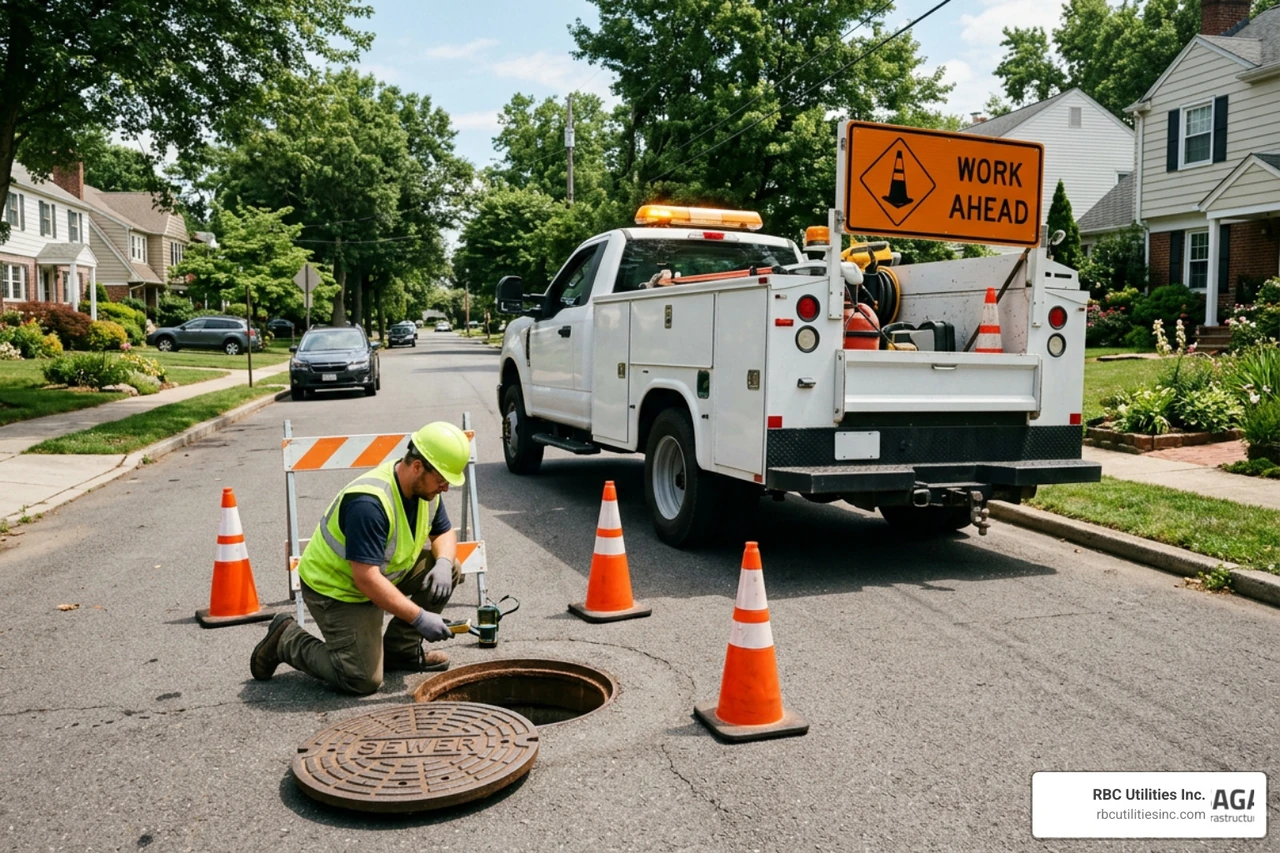
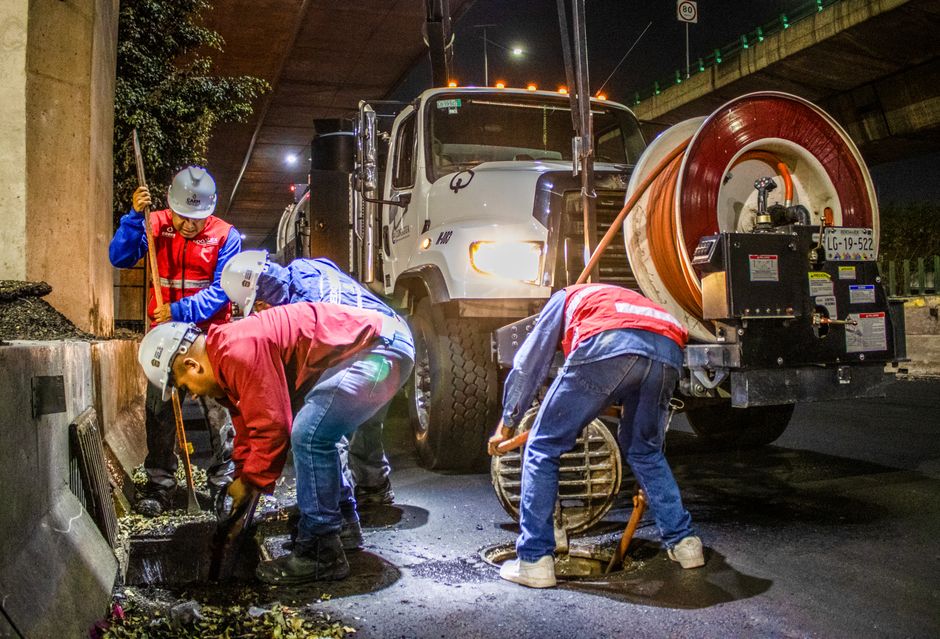
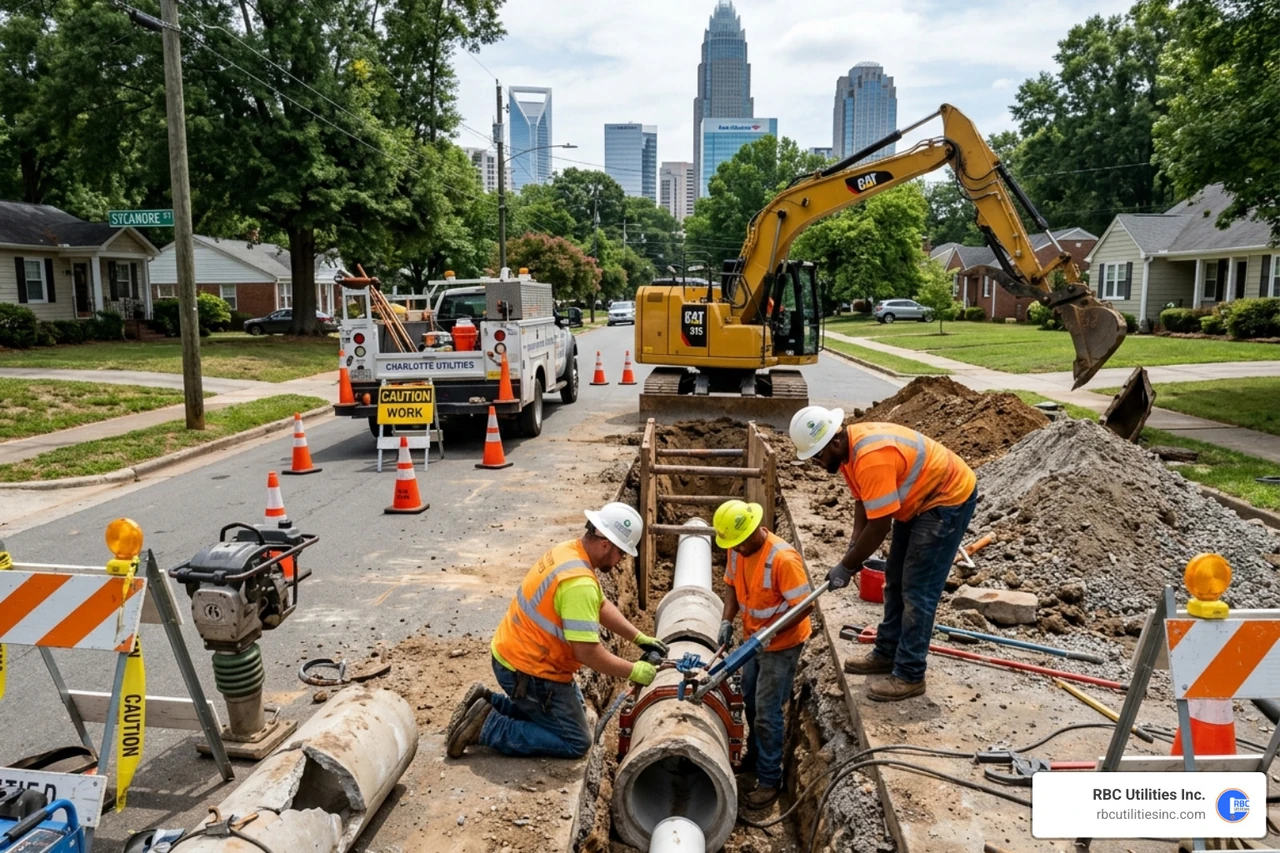
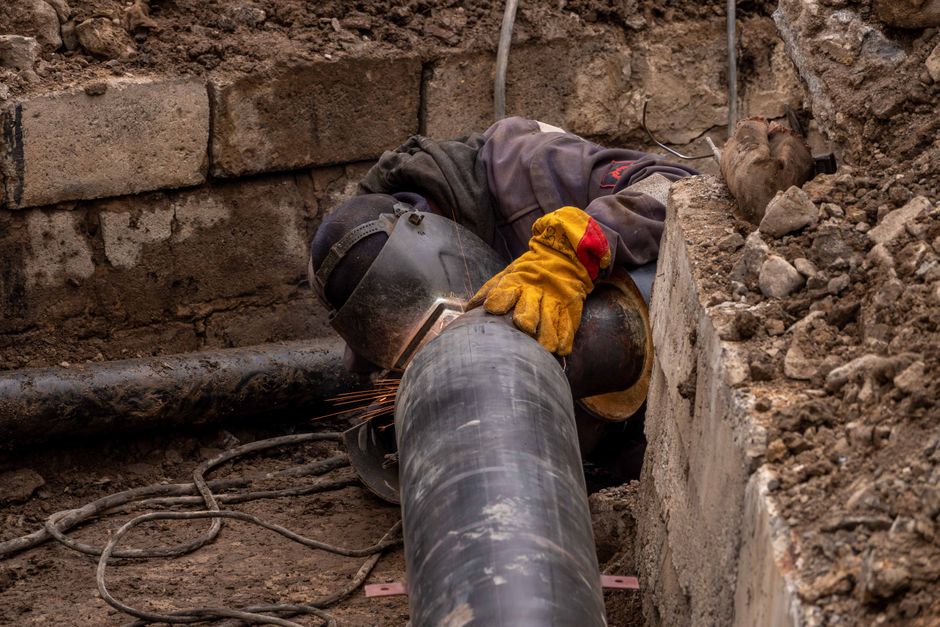
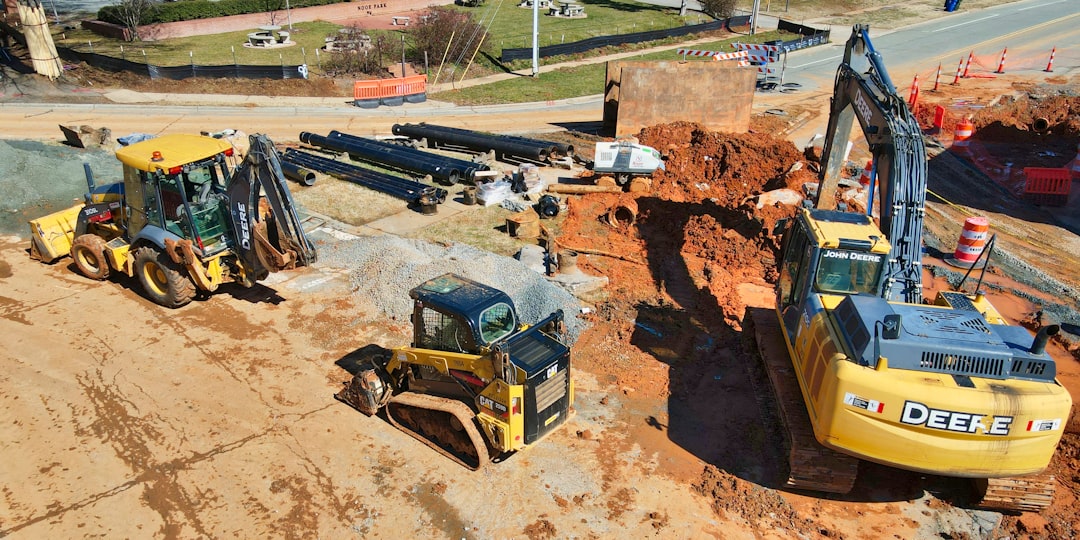
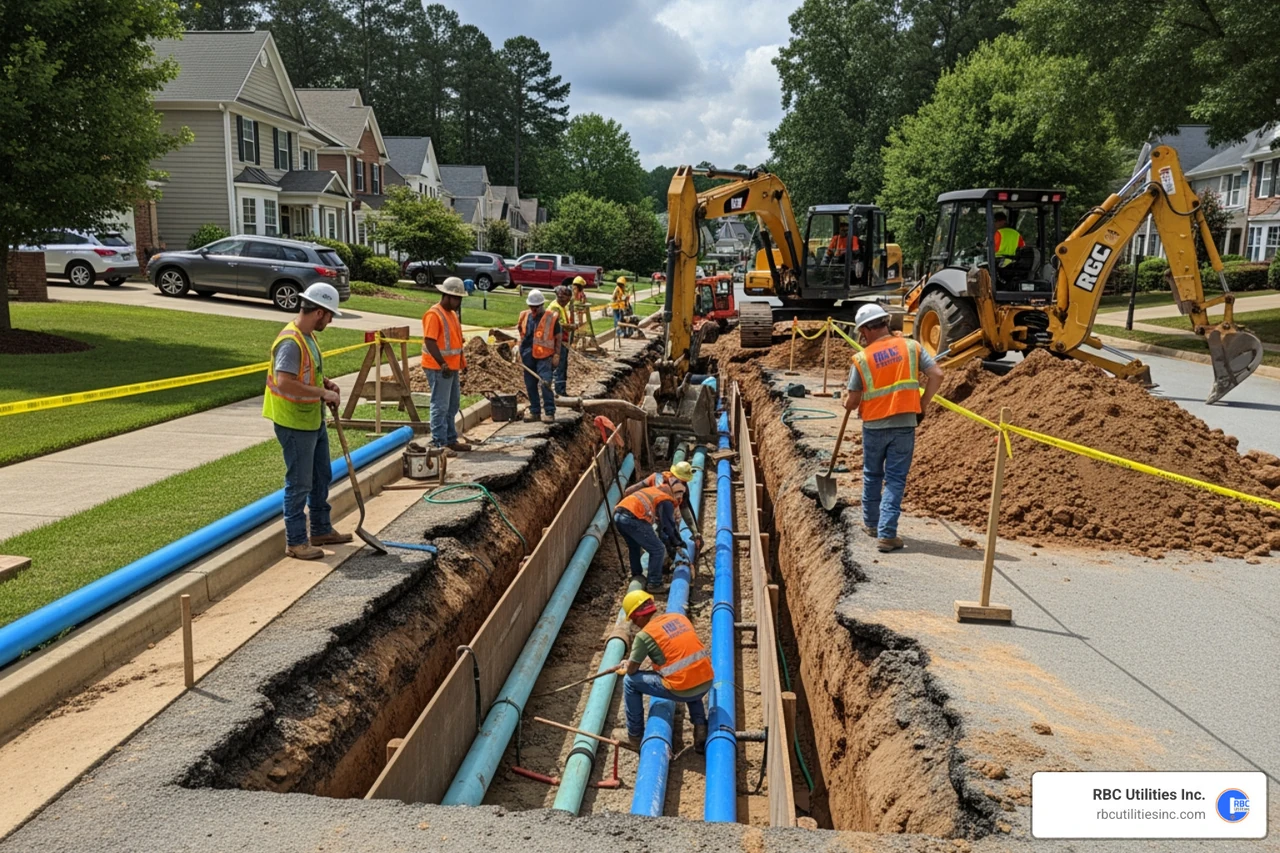
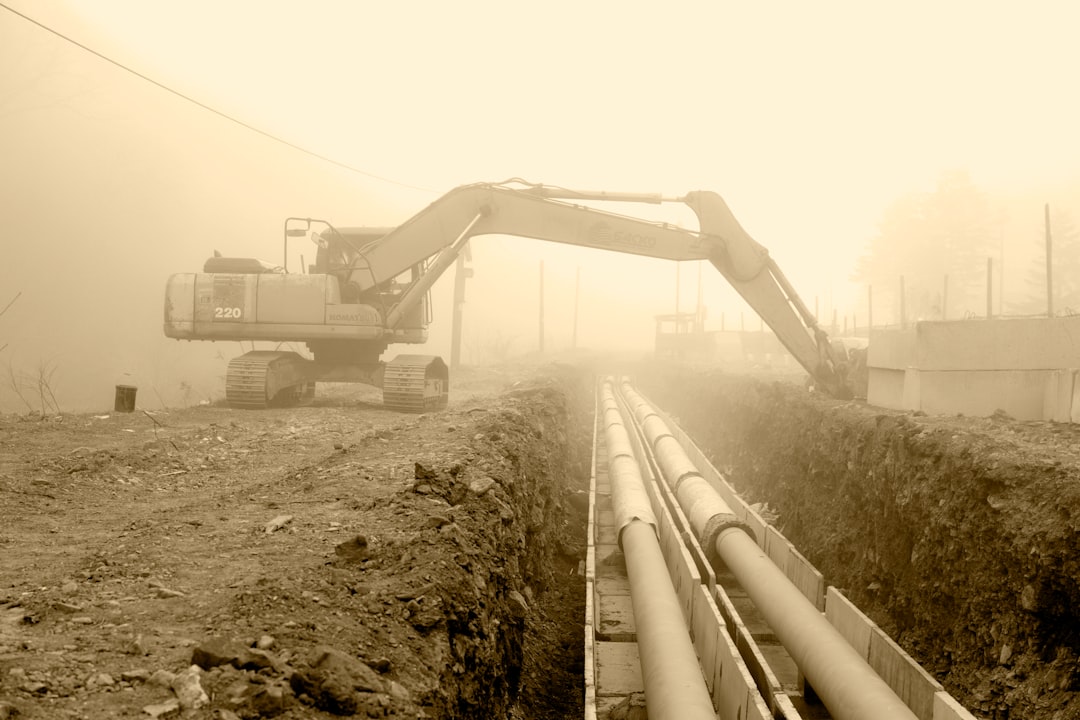
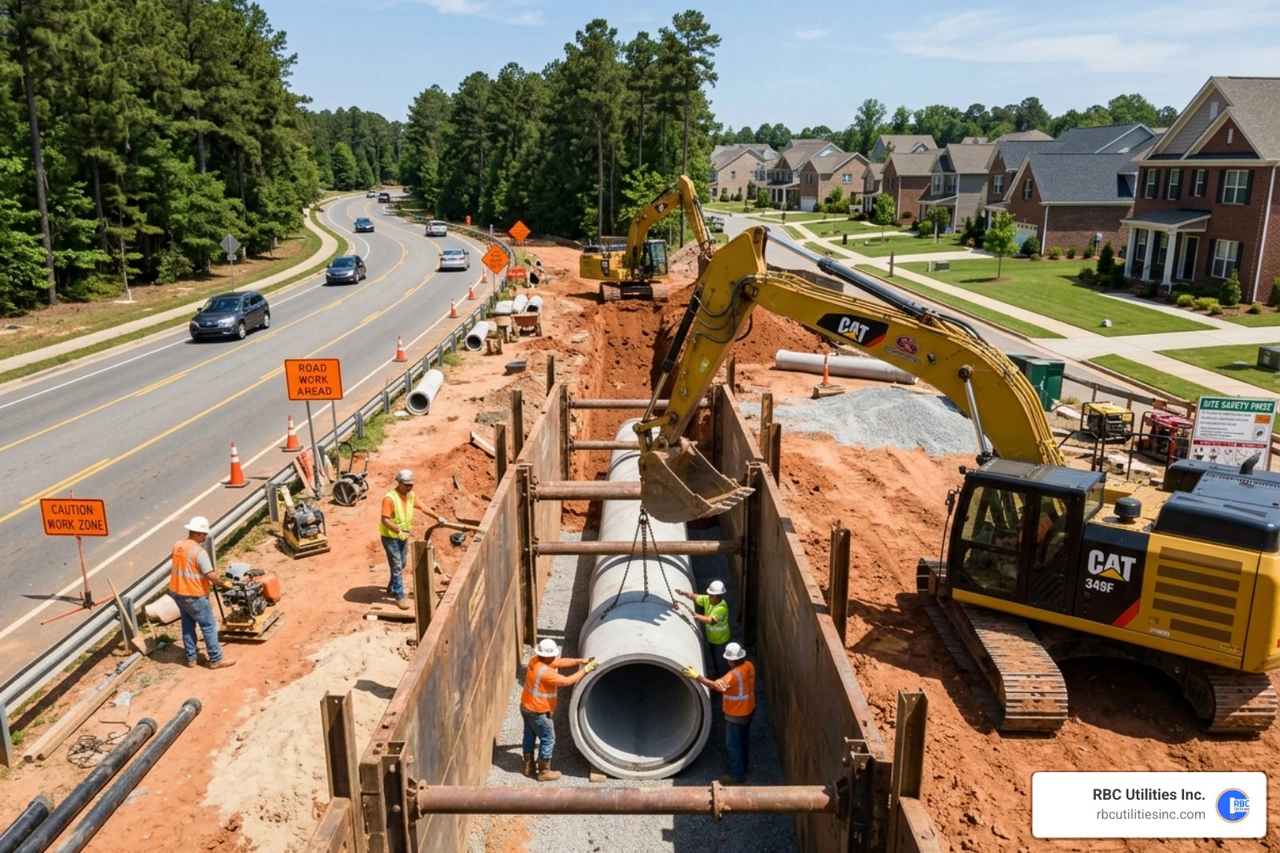
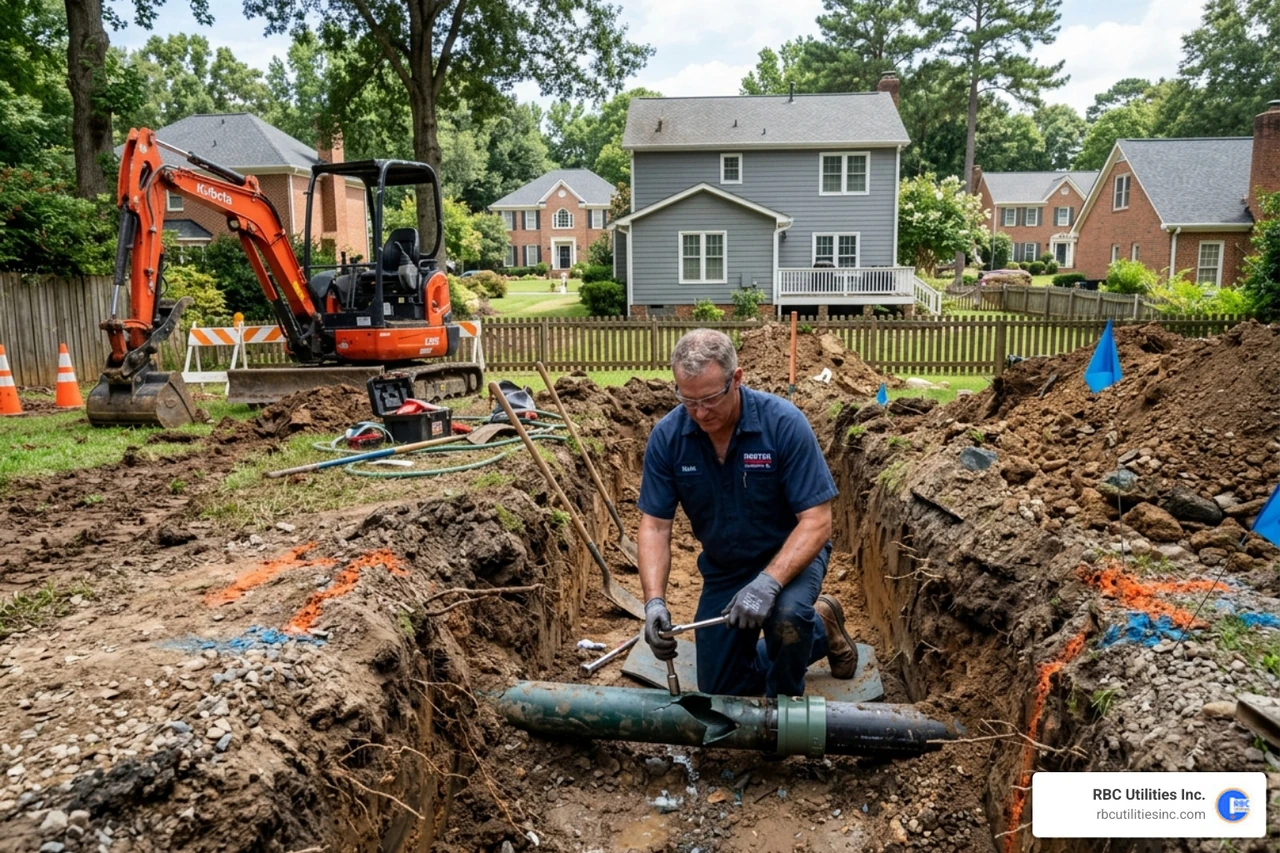
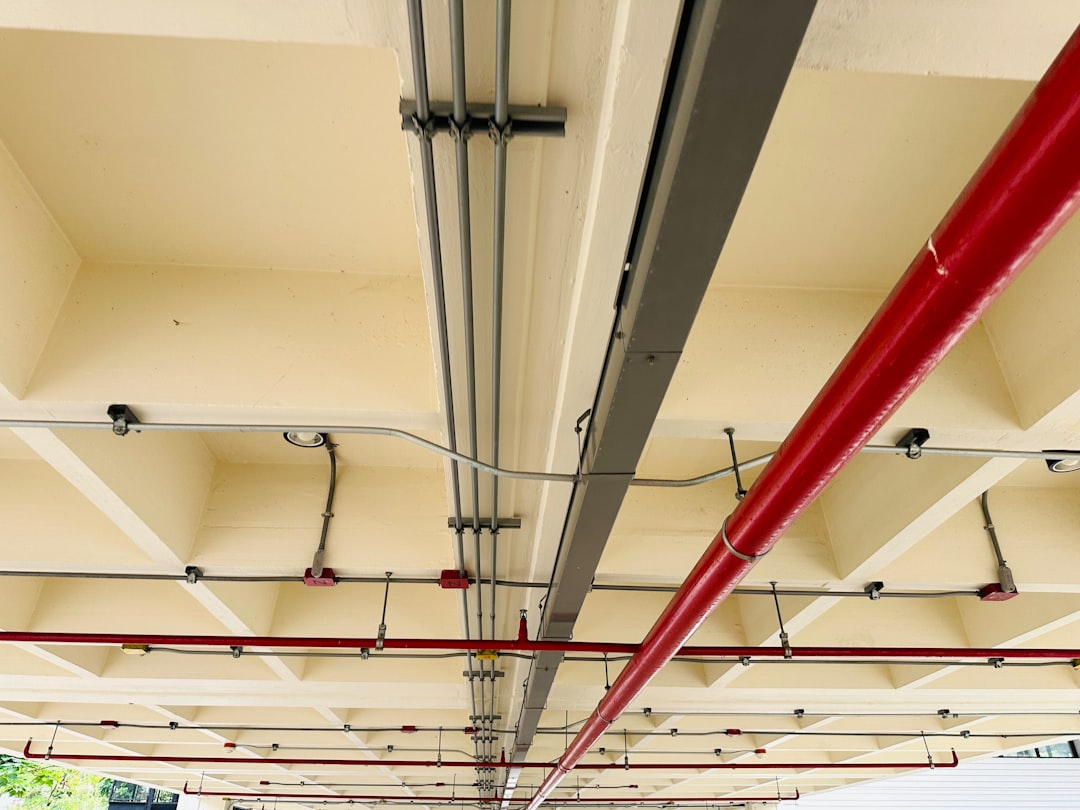
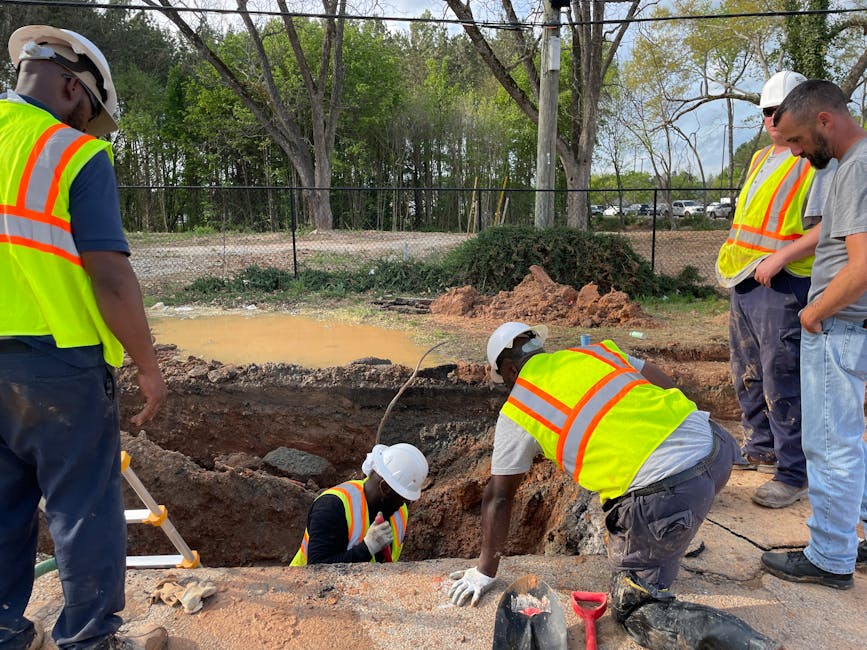
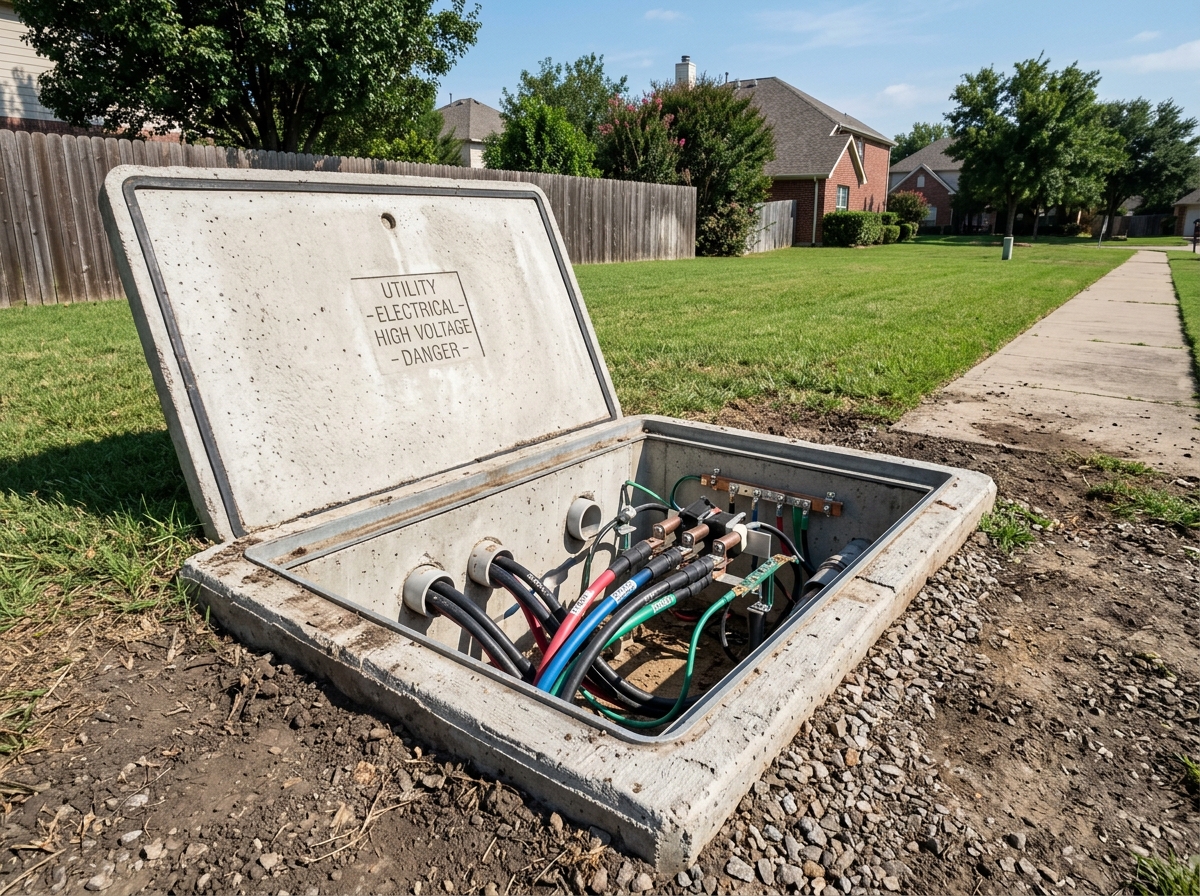
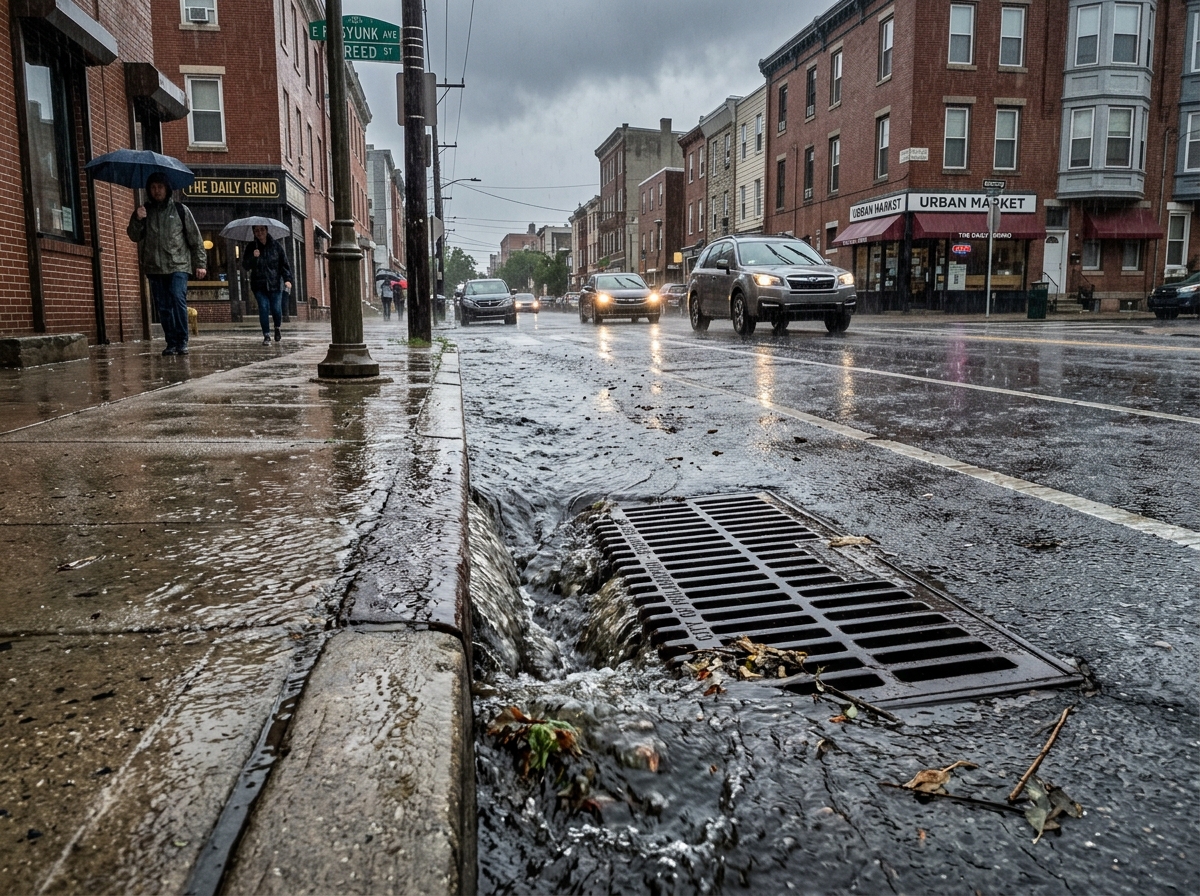
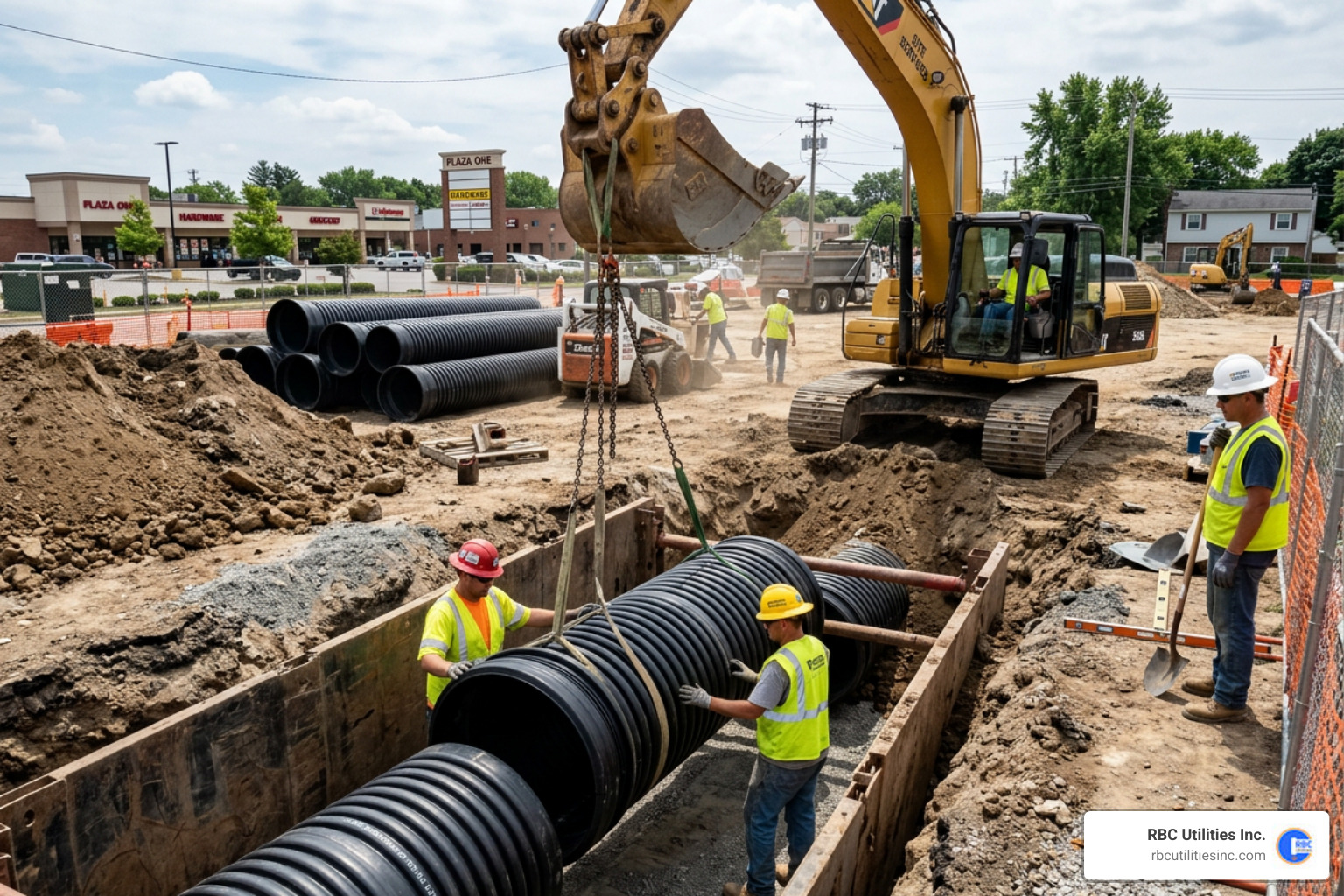
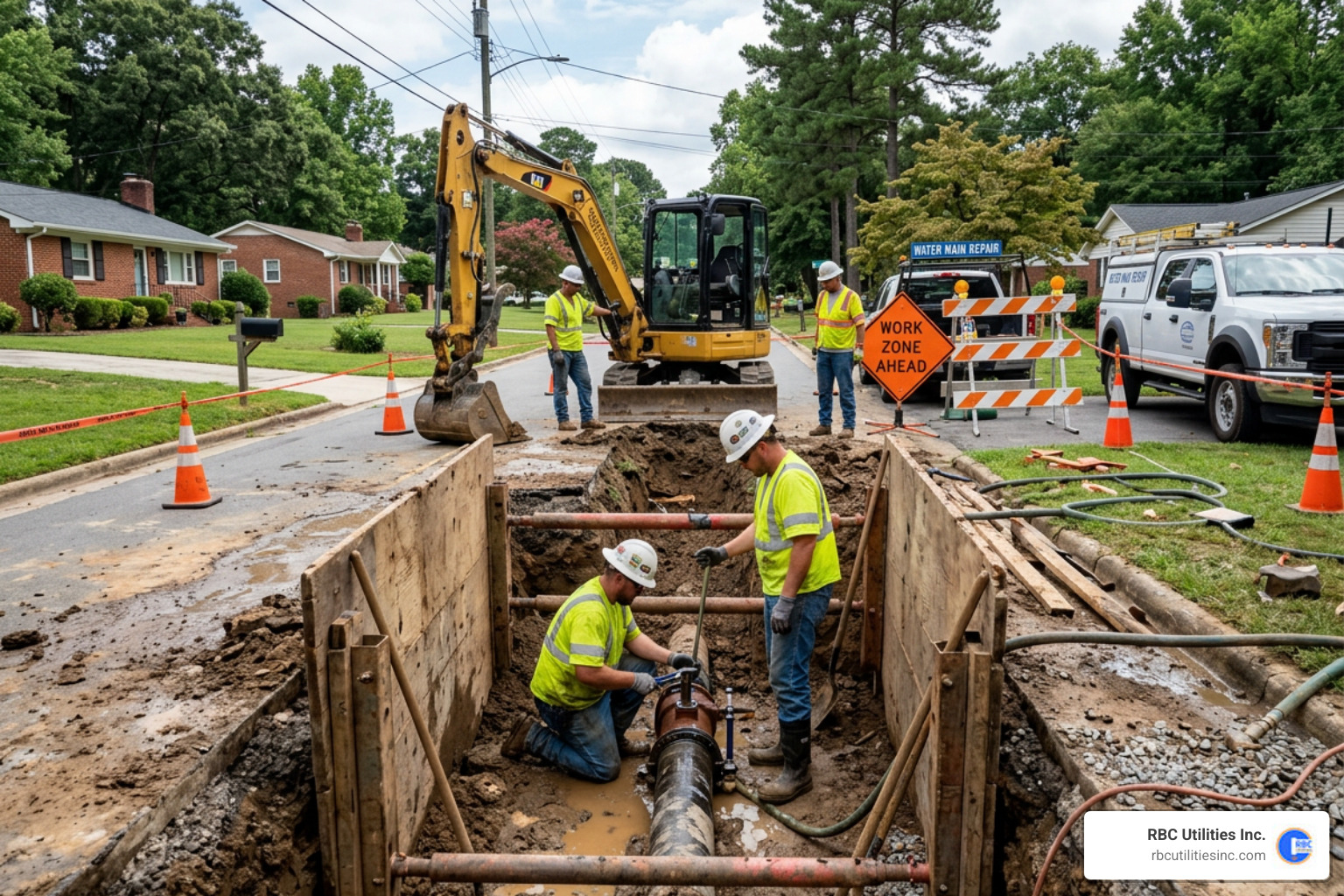
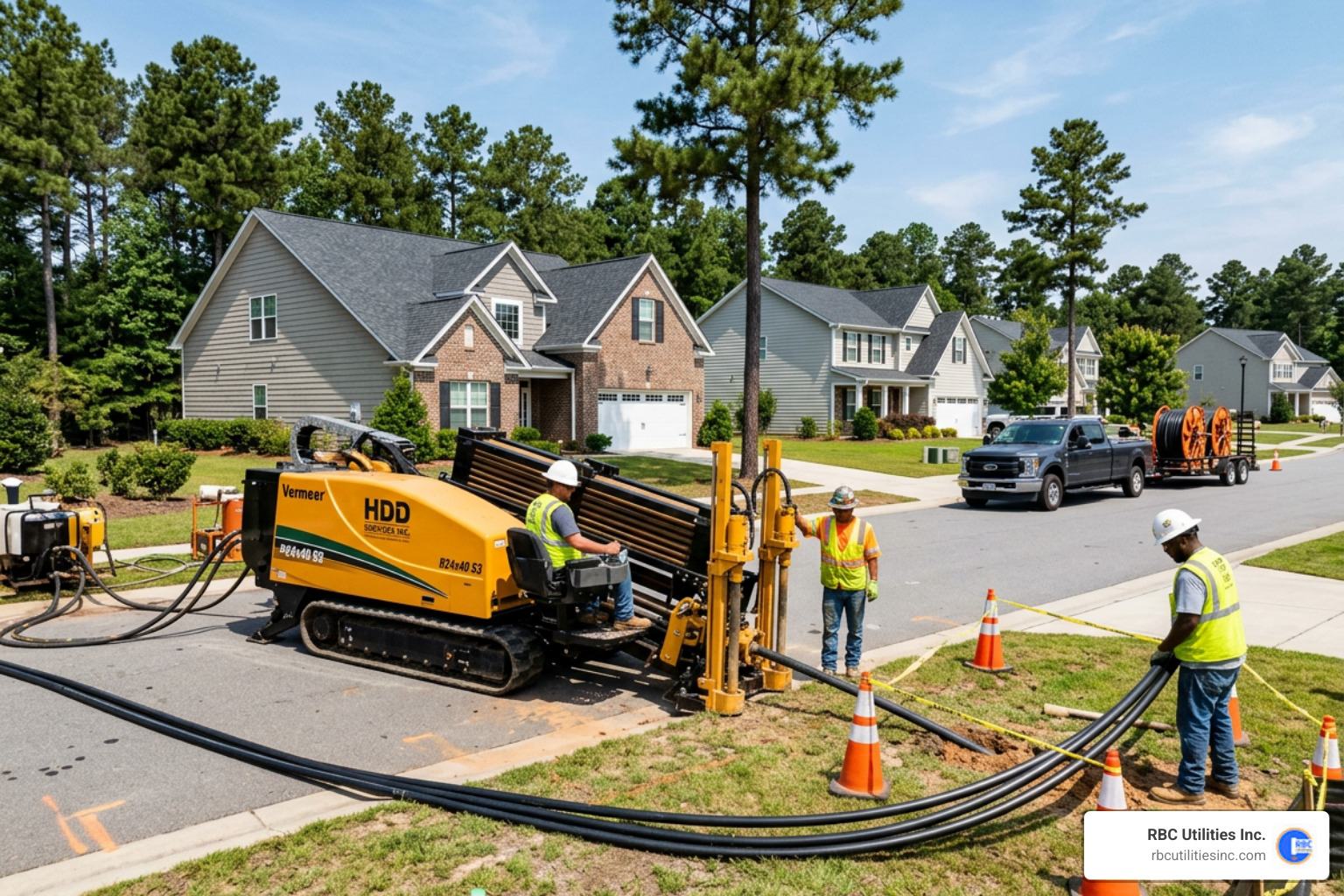
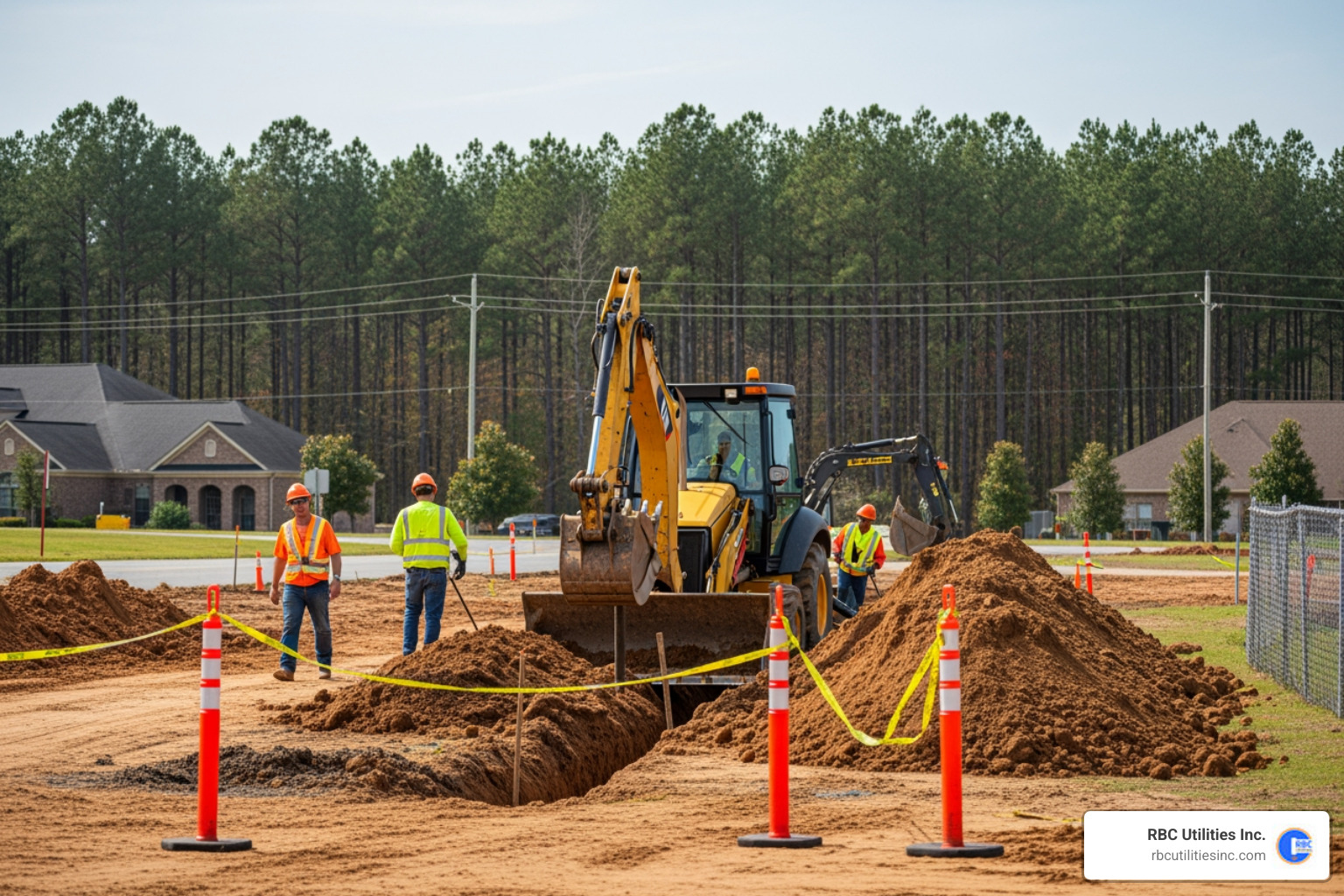
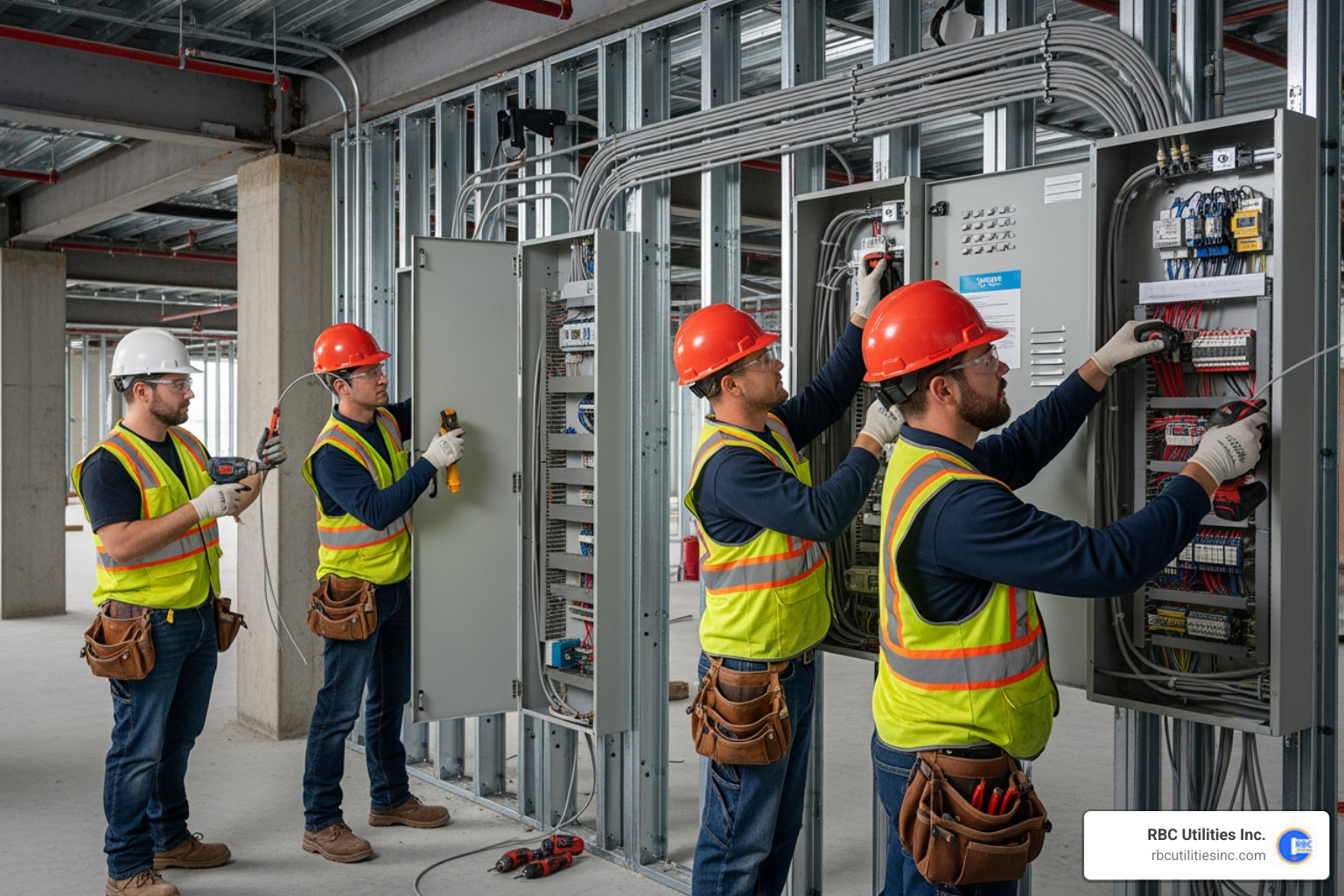
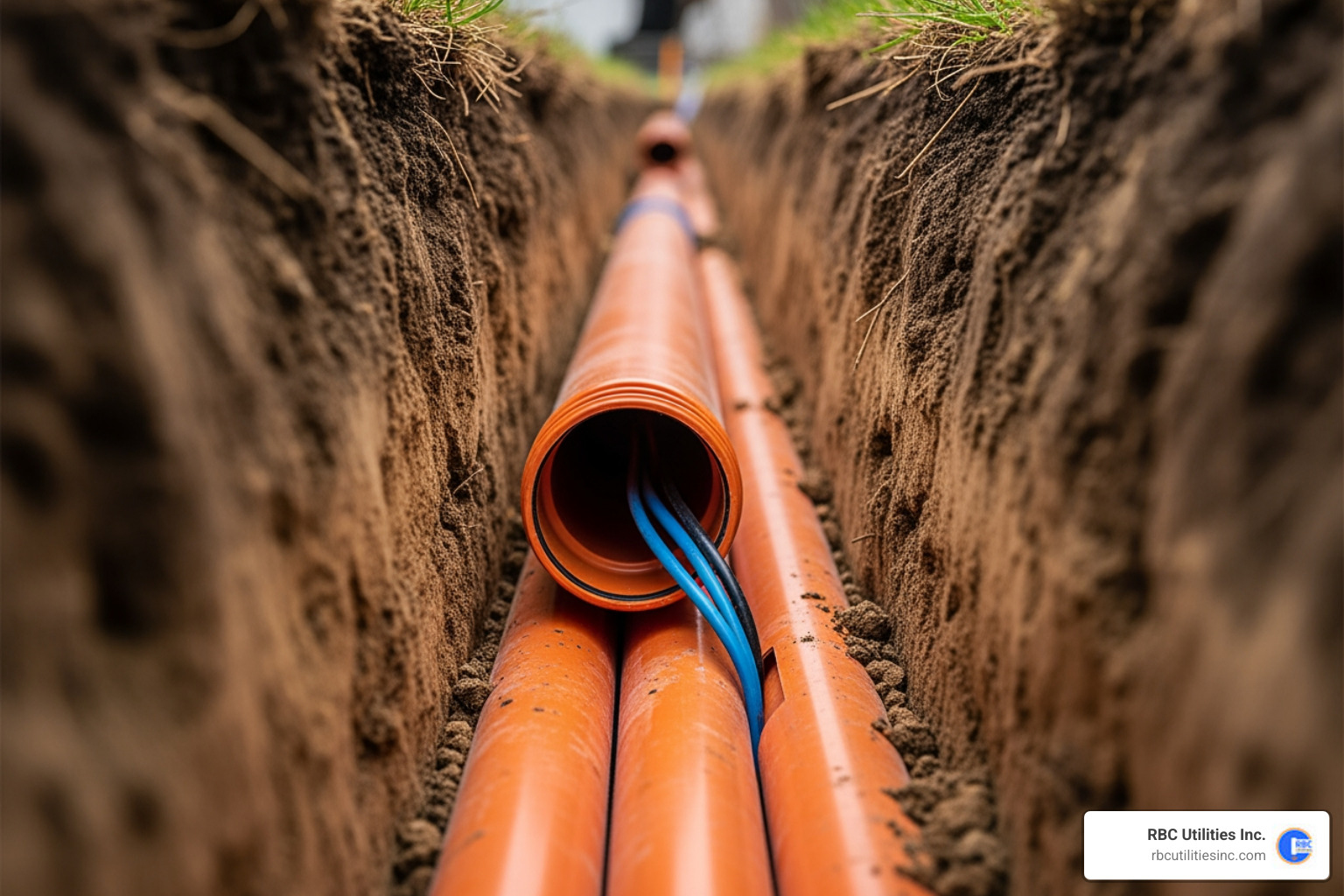
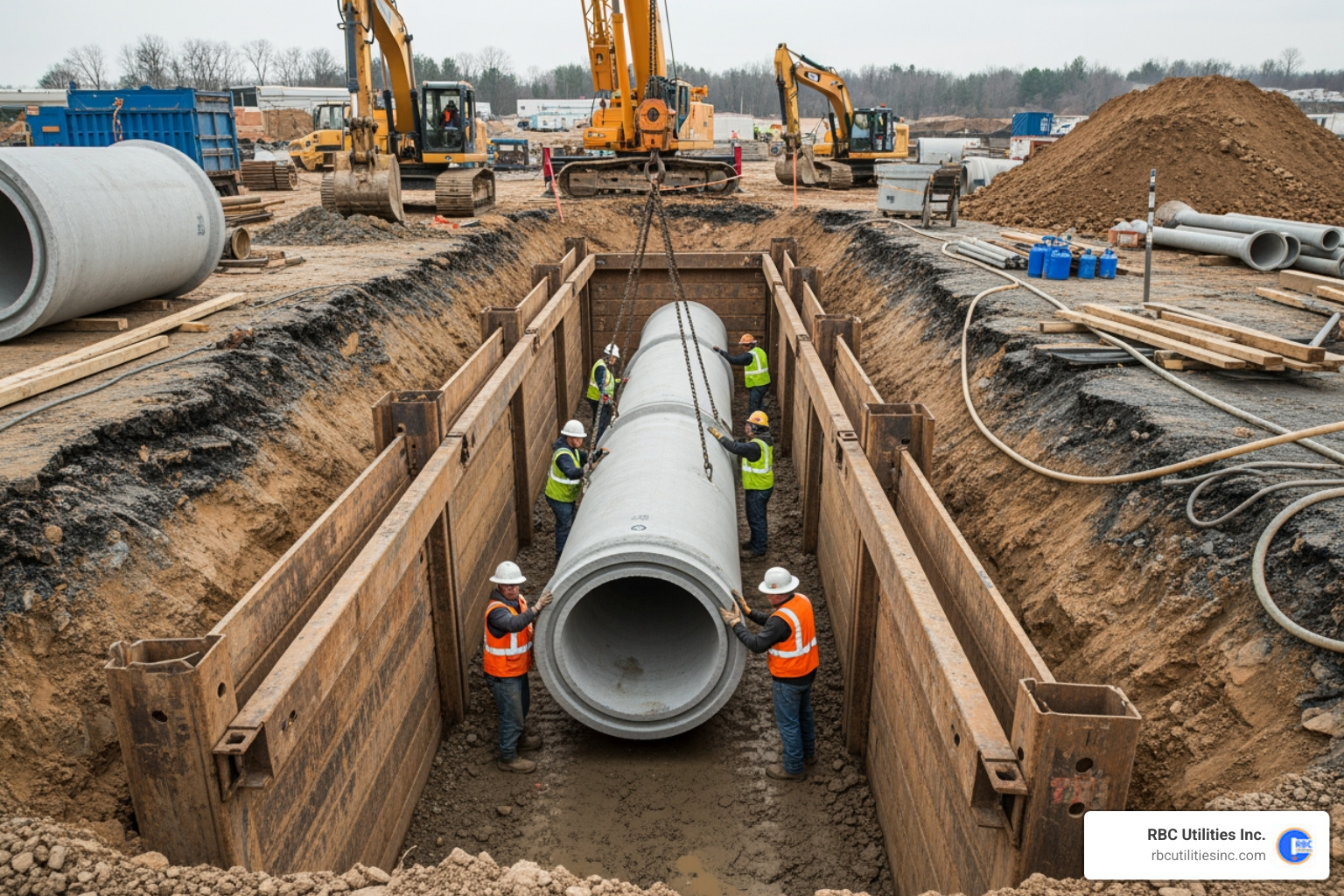
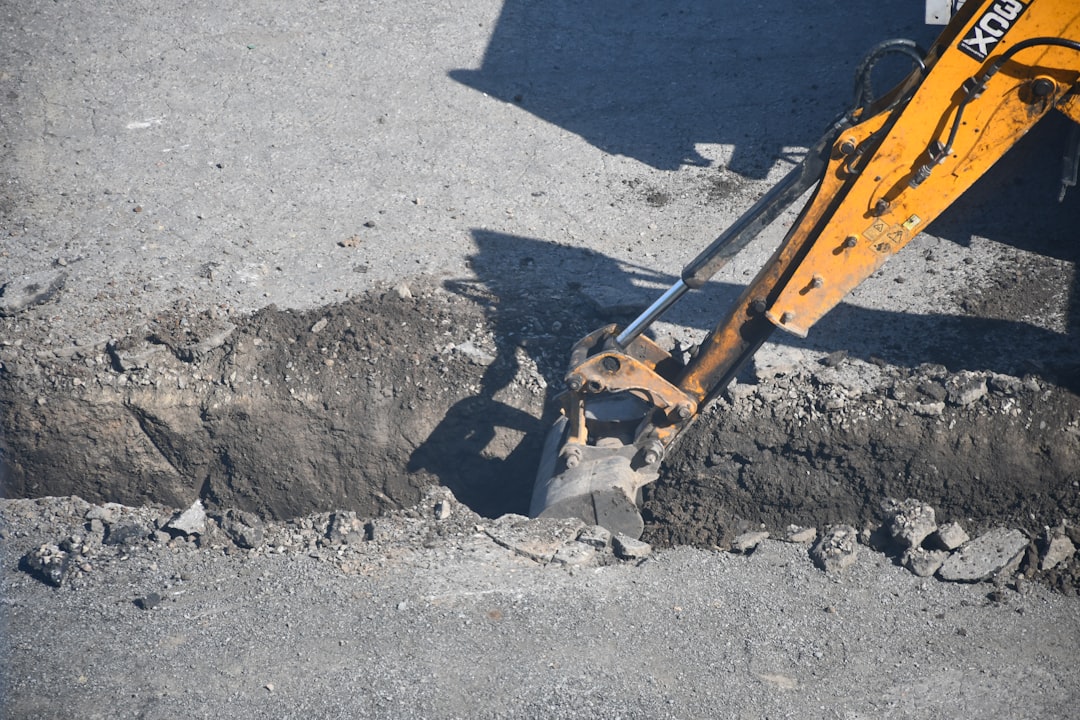
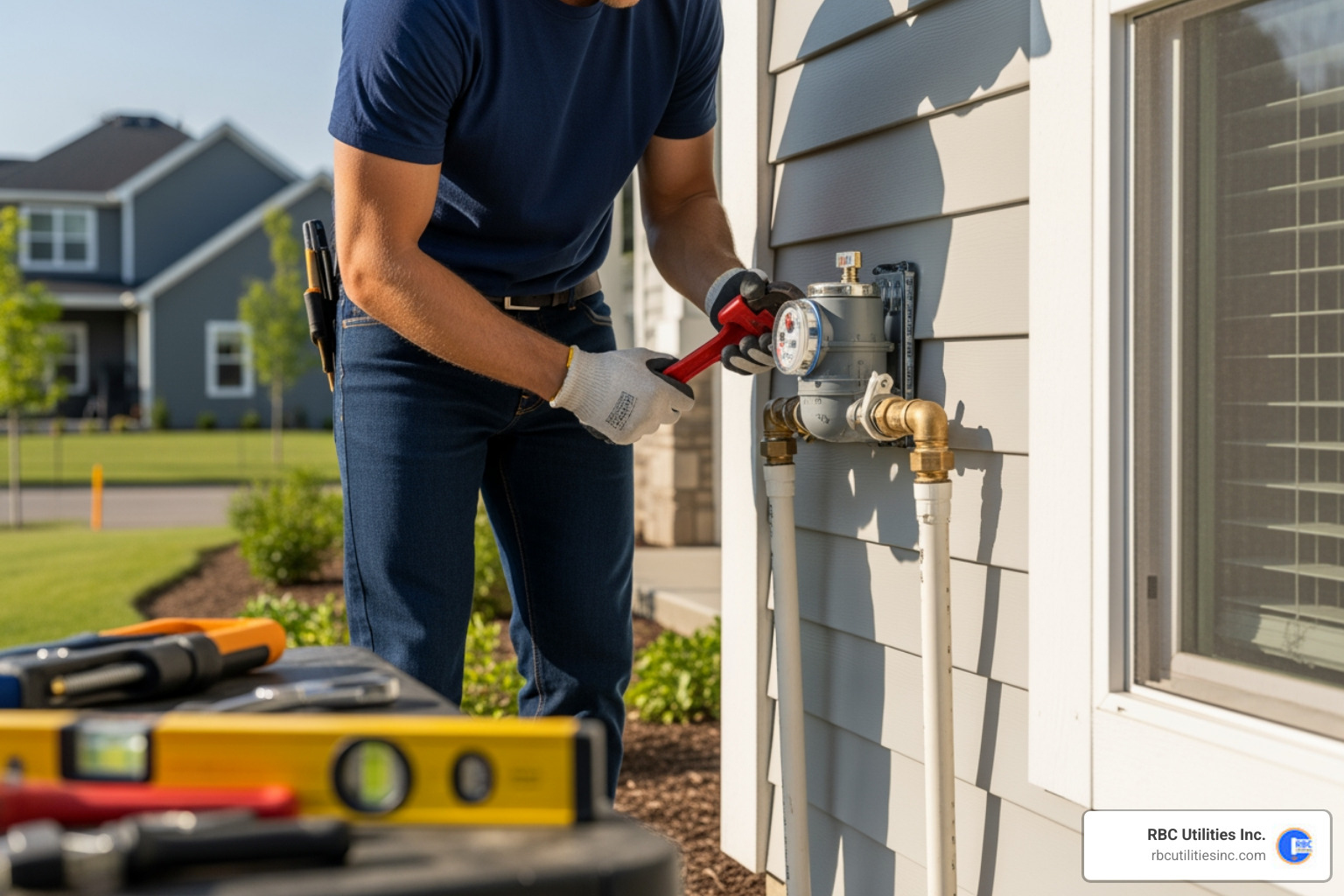
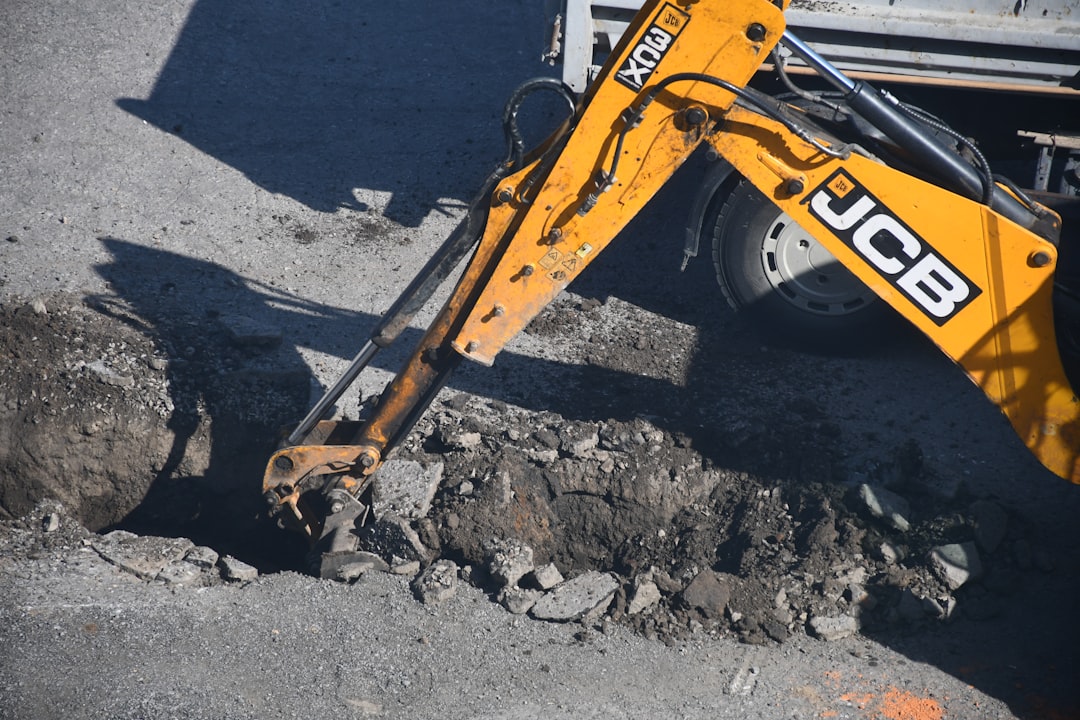
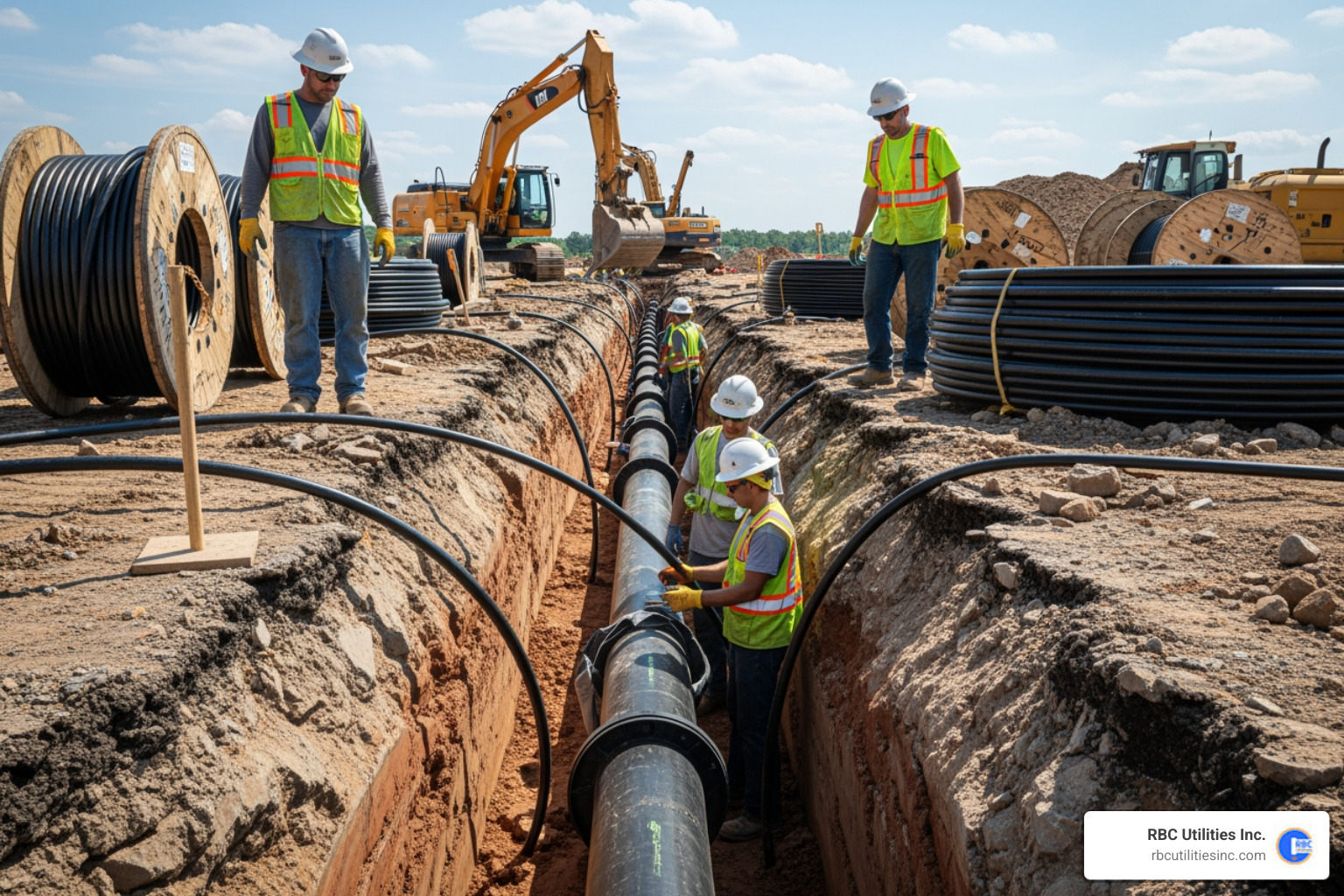
An open trench, moving equipment, and three other trades working nearby is a normal Tuesday on an active site, and it's also exactly the combination that turns a small lapse into a serious incident. Reducing that risk isn't about slowing the work down. It's about building coordination into the schedule so hazards get managed instead of just tolerated.
RBC Utilities operates on a zero-claim safety culture across the Carolinas, which means safety discipline is treated as a condition of the work getting done, not a separate box to check.
For a broader look at RBC's work, review RBC Utilities services, recent RBC Utilities projects, and this guide to what makes a true utility infrastructure contractor.
OSHA's trenching and excavation safety guidance sets the baseline for trench protection, but the coordination that keeps a busy, multi-trade site safe has to be built by the project team on top of that baseline.
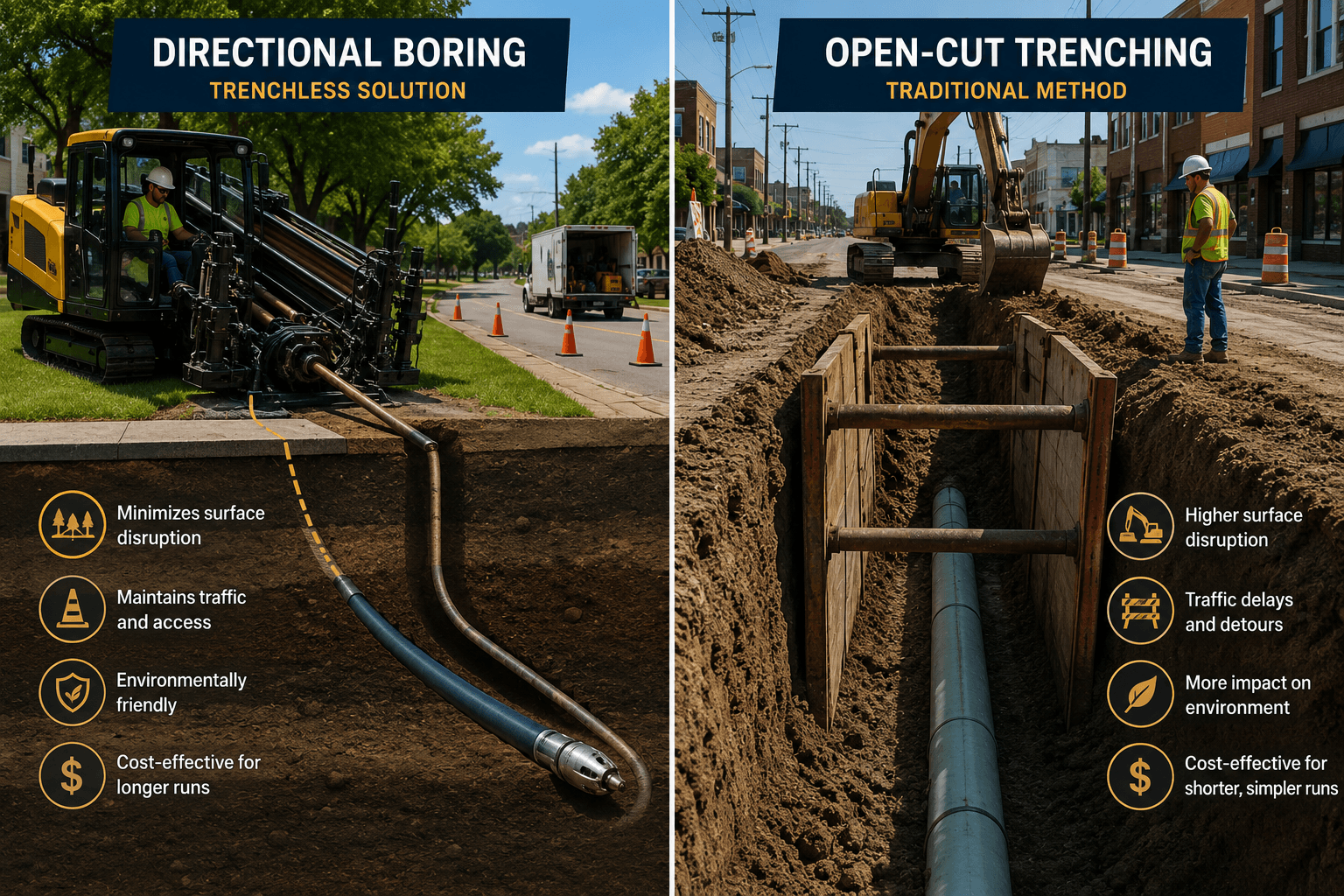
If sequencing across multiple utility scopes is part of the coordination challenge, see RBC's notes on directional boring vs. open-cut trenching and commercial conduit installation.
Through a shared understanding of where excavation, equipment, and traffic control are active each day, communicated to every trade working nearby, not just posted on a schedule nobody reads.
Not when it's planned into the sequence from the start. It becomes a delay only when it's treated as an afterthought once excavation is already underway.
Crews that flag hazards immediately, supervisors who reassess conditions daily instead of relying on the original plan, and a standard that doesn't get relaxed just because a schedule is tight. That's the standard RBC Utilities holds on every active job site.
Reducing risk around active job sites isn't about working more cautiously in the abstract. It's about coordinating trench protection, traffic control, and communication so hazards get managed before they become incidents.
RBC Utilities builds that discipline into every scope it runs across the Carolinas. For project conversations, use the RBC Utilities contact page.
Part of Saga Infrastructure, protecting what others built and helping it grow.
Address: 4404 Stuart Andrew Blvd., Suite K, Charlotte, NC 28217
Email: info@rbcutilities.com
Phone: 803-913-9727
Service Area: North Carolina | South Carolina