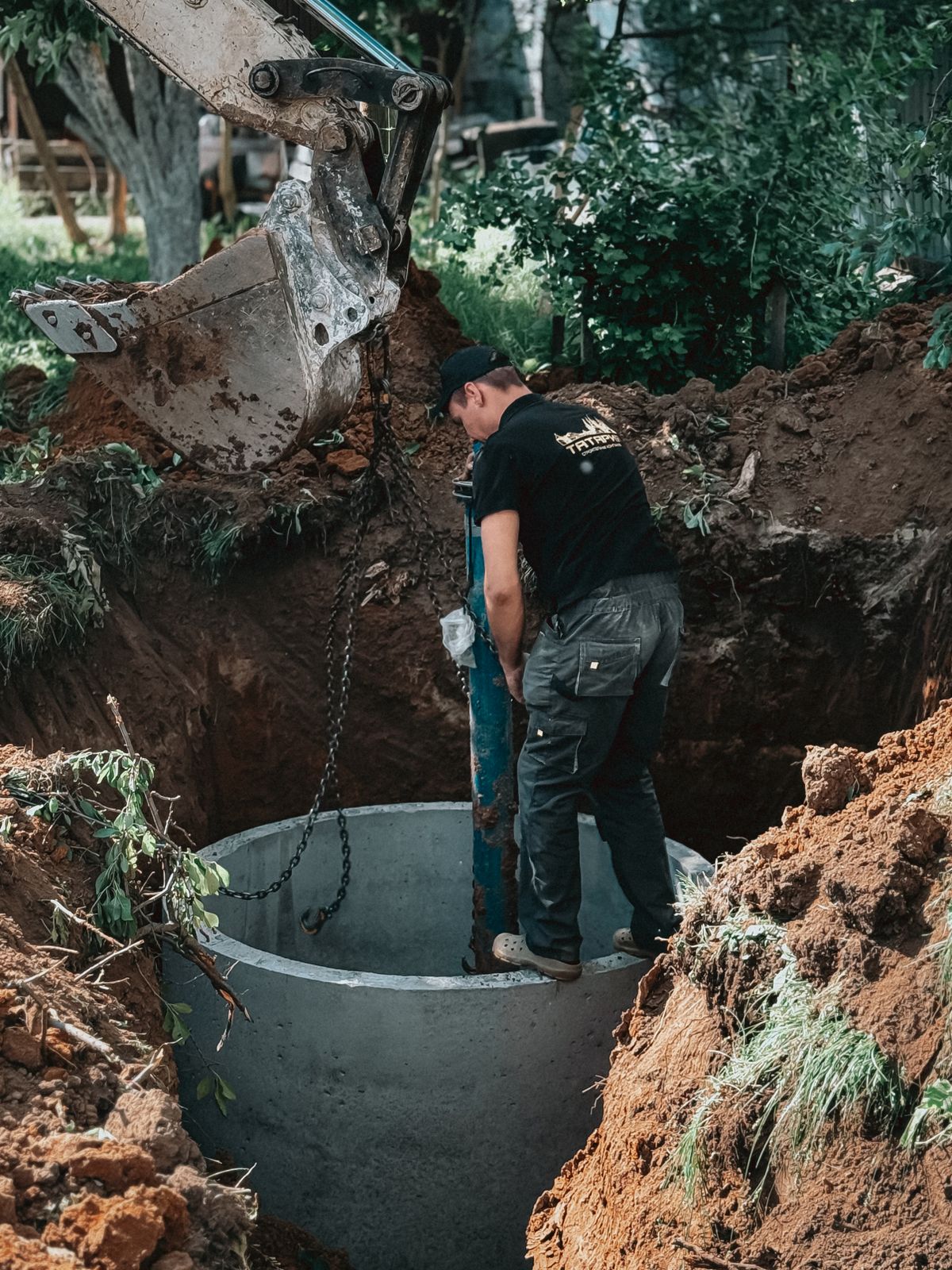
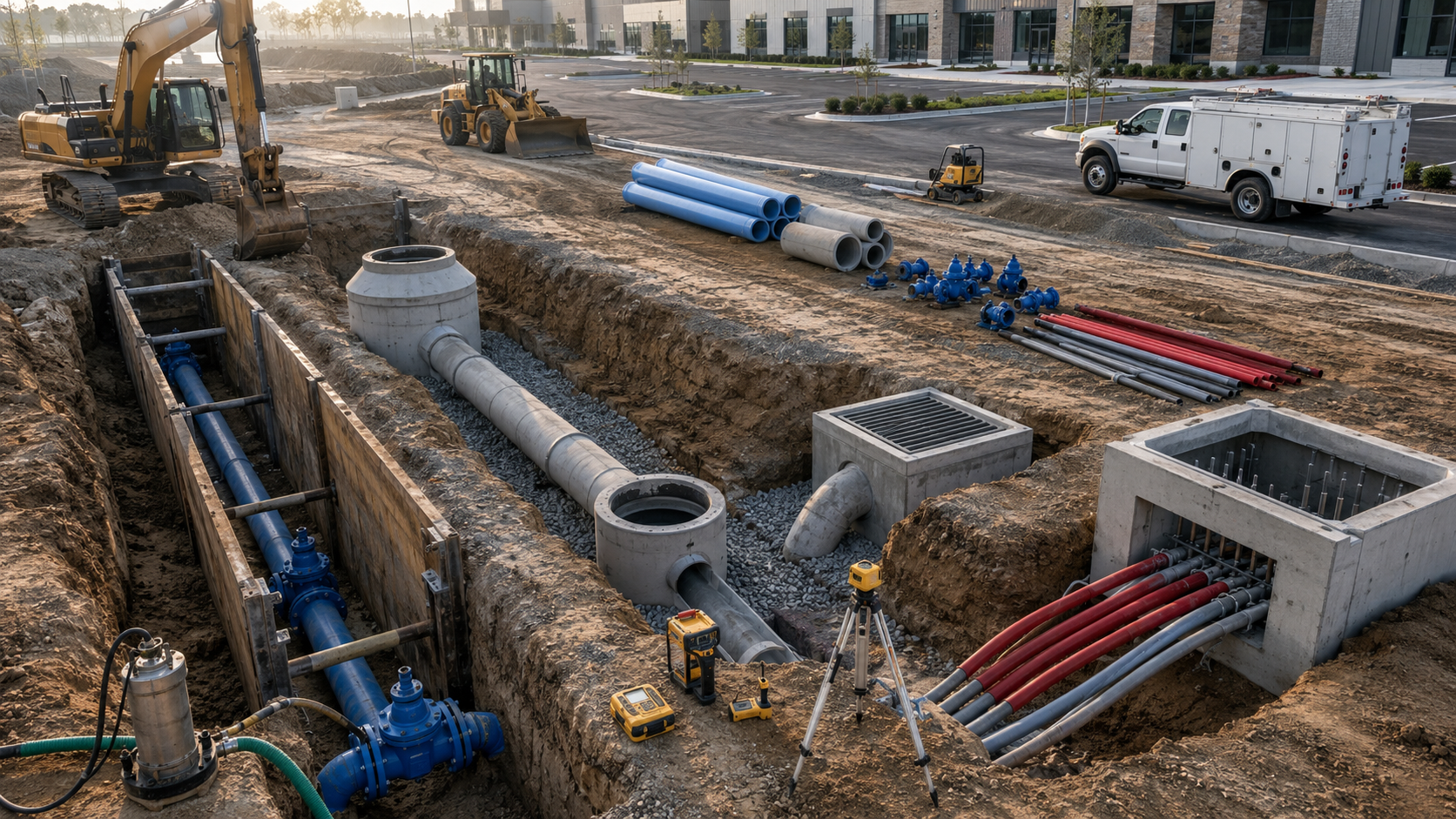
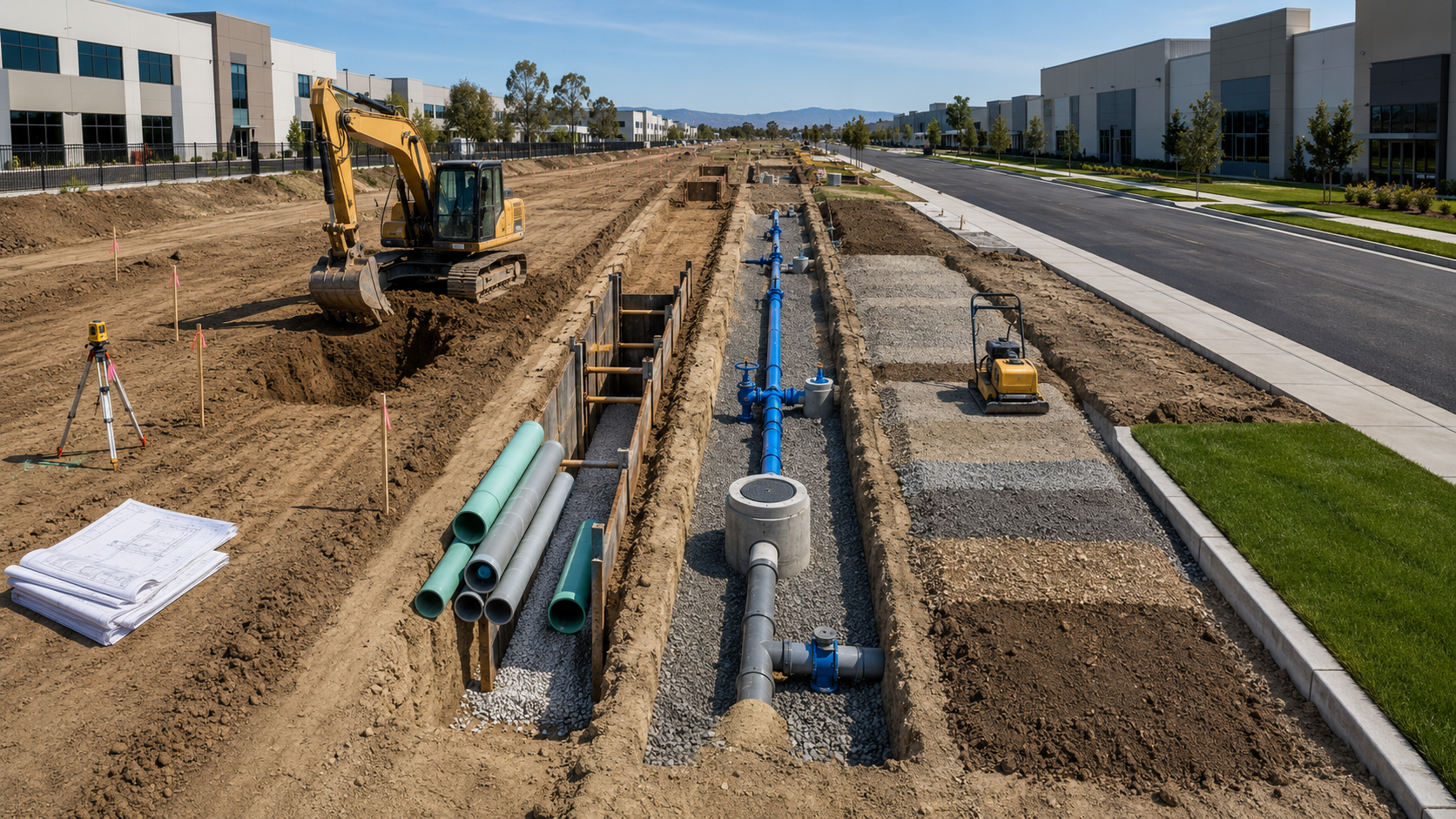
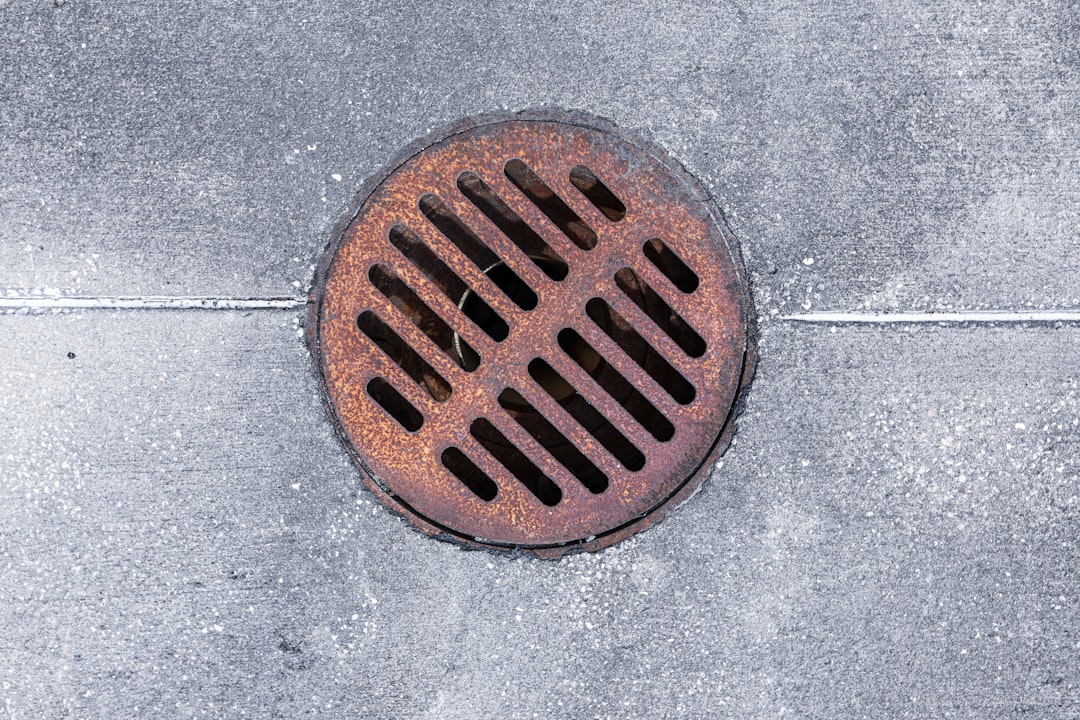
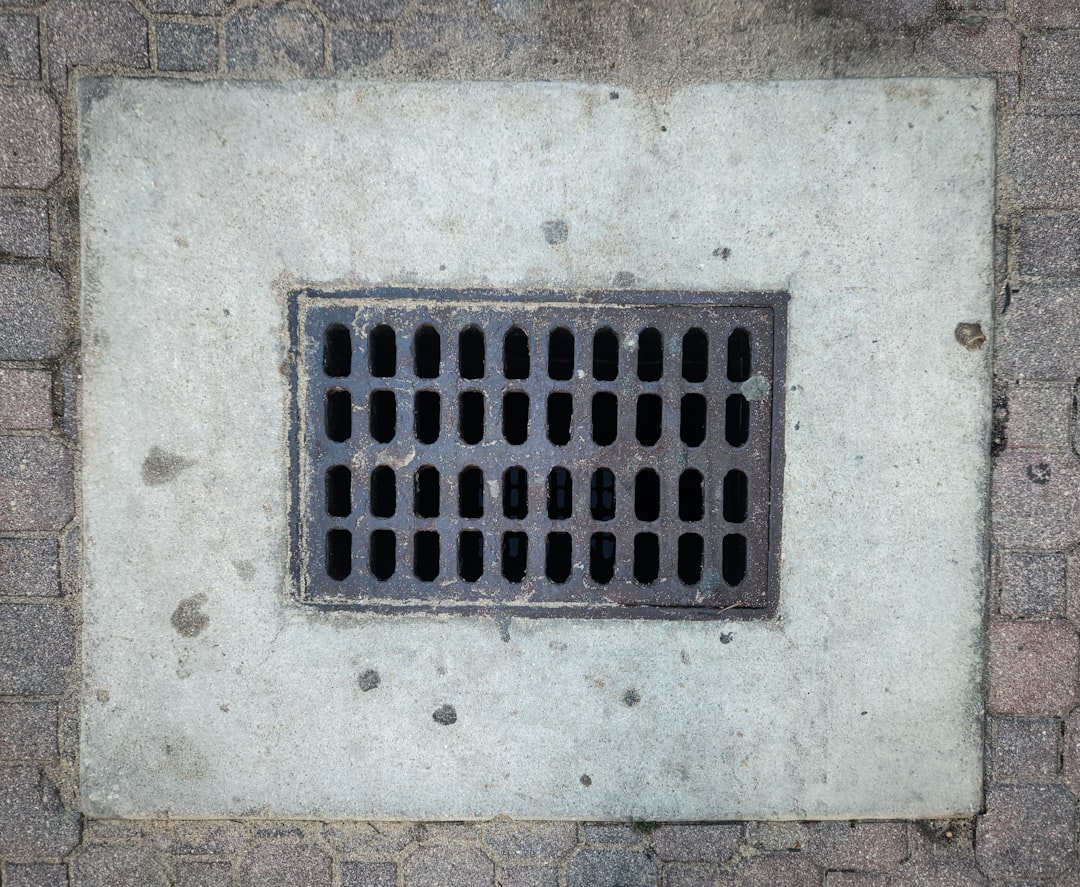
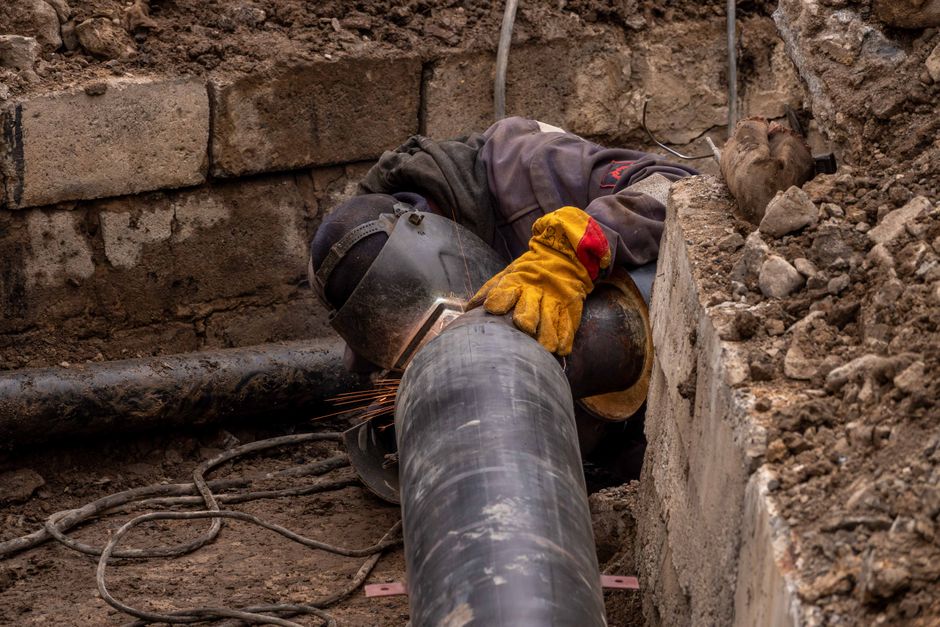
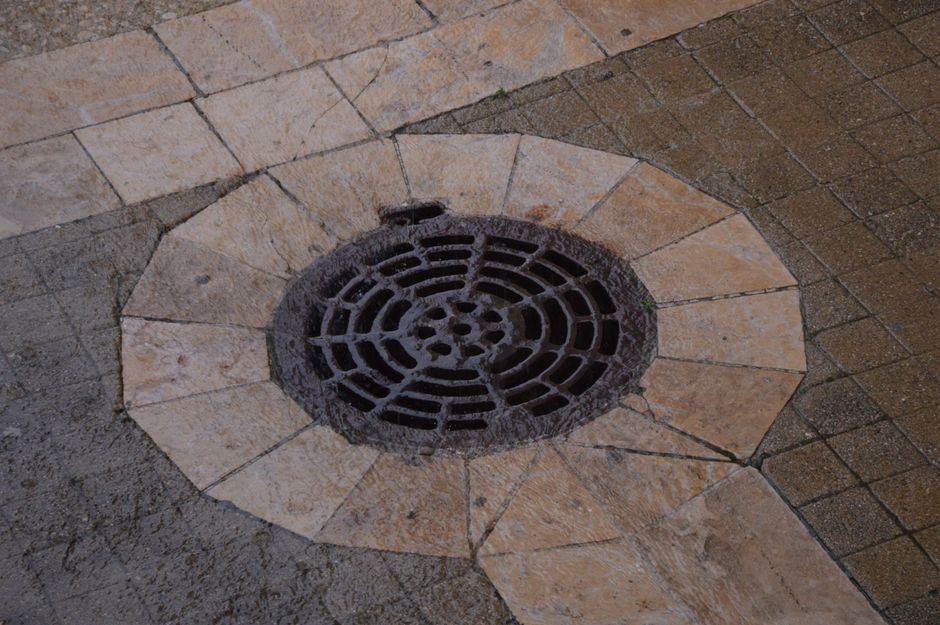
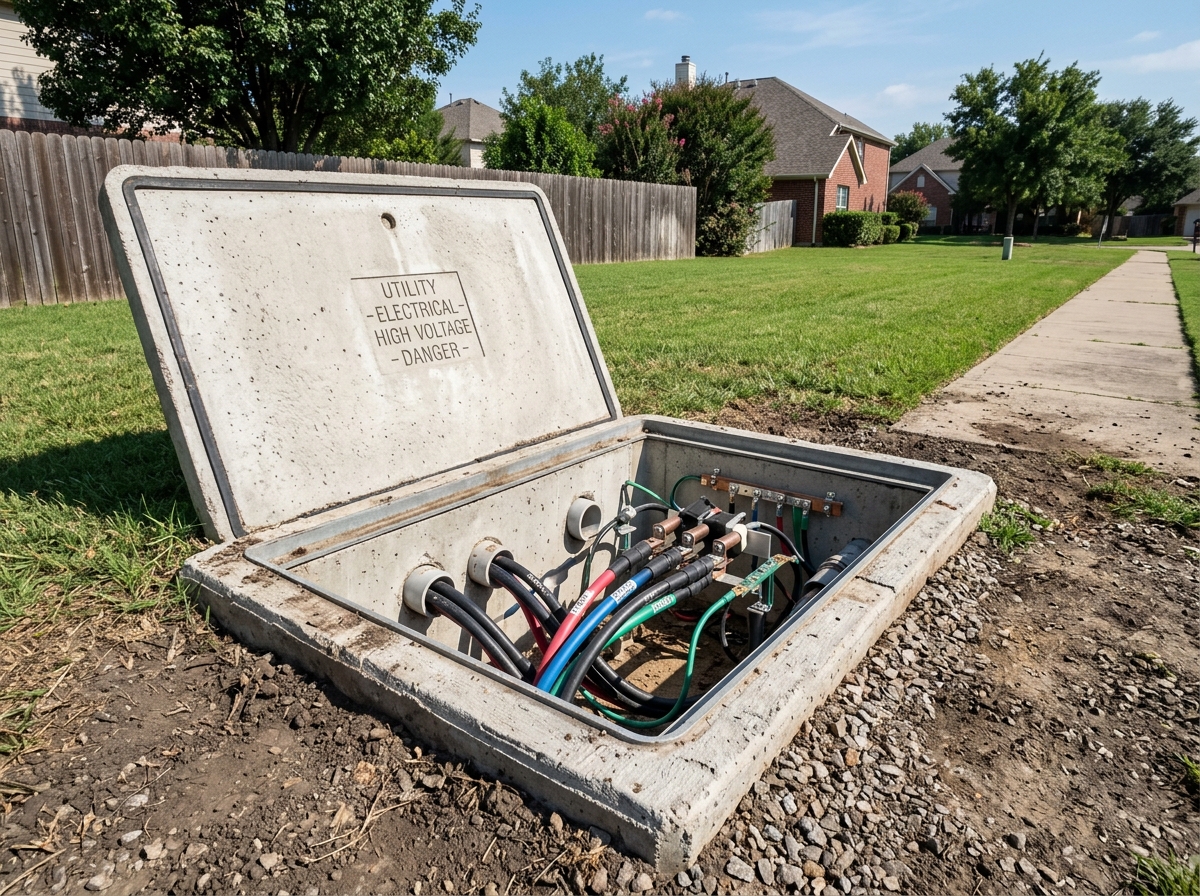
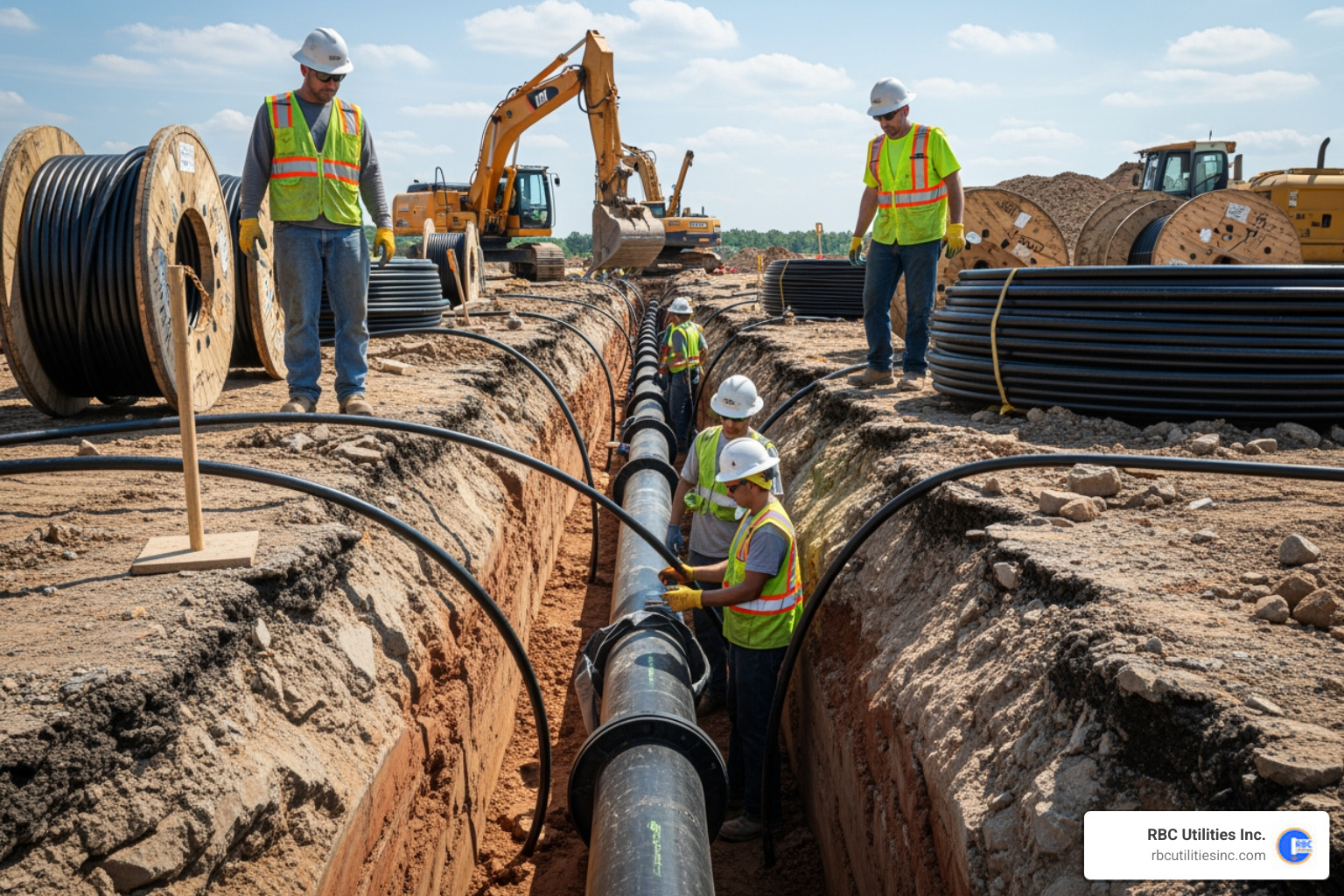
Underground power pit installation is the process of placing a reinforced enclosure — typically concrete or fiberglass — at a property boundary to house electrical cables and equipment that deliver power via an underground service.
Here's a quick overview of how it works:
Costs generally range from $5,000 to $8,500, depending on complexity, equipment type, and local utility charges.
Underground pits serve as the critical handoff point between the utility's distribution network and your building's electrical system. They're standard practice for residential subdivisions, commercial developments, and any project where overhead lines aren't an option or aren't preferred.
I'm Don Larsen of RBC Utilities Inc., and since 2008 our team has delivered conduit systems and underground utility construction across the Carolinas — including the site coordination, trenching, and compliance work that makes underground power pit installation go smoothly for developers and general contractors. In this guide, I'll walk you through everything you need to know, from technical specs to the application process and beyond.

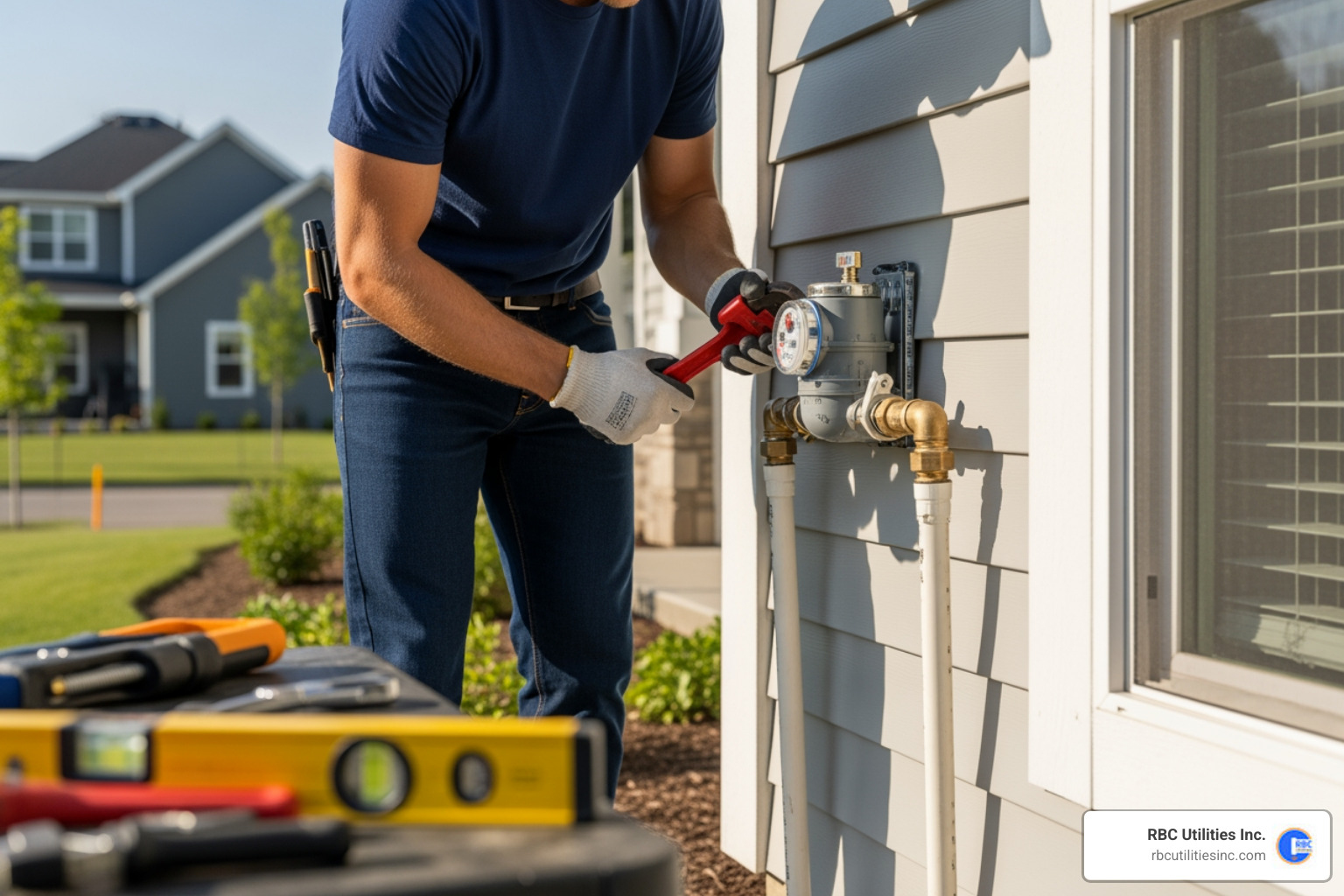
When we talk about an underground power pit, we are referring to a heavy-duty, reinforced structure designed to live just below the surface. Its primary job is to act as a distribution hub. Think of it as the "mailbox" for your electricity; the utility company delivers the power to this point, and from there, it’s routed into your specific building or home.
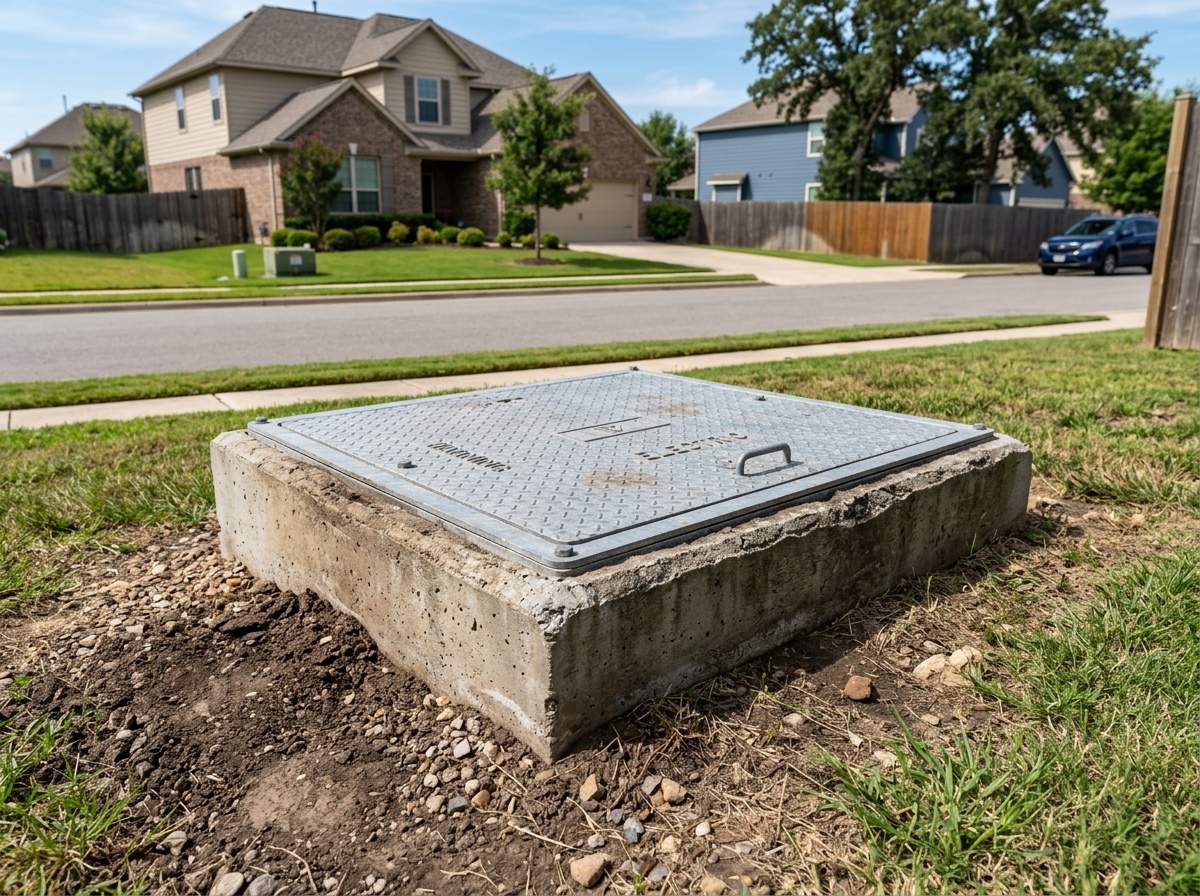
In the Carolinas, we see these most often in new residential subdivisions and commercial parks. These pits house the low-voltage supply connections and the service lateral—the cable that runs from the utility's main line to your property.
The industry is moving toward this model rapidly. According to the "50% Underground by 2040" whitepaper, there is a massive push for system hardening. By moving these assets into pits, we achieve several goals:
While we all have a certain nostalgia for old-fashioned wooden power poles, they aren't exactly the peak of modern engineering. In our experience at RBC Utilities Inc., developers almost always prefer underground power pit installation for several reasons:
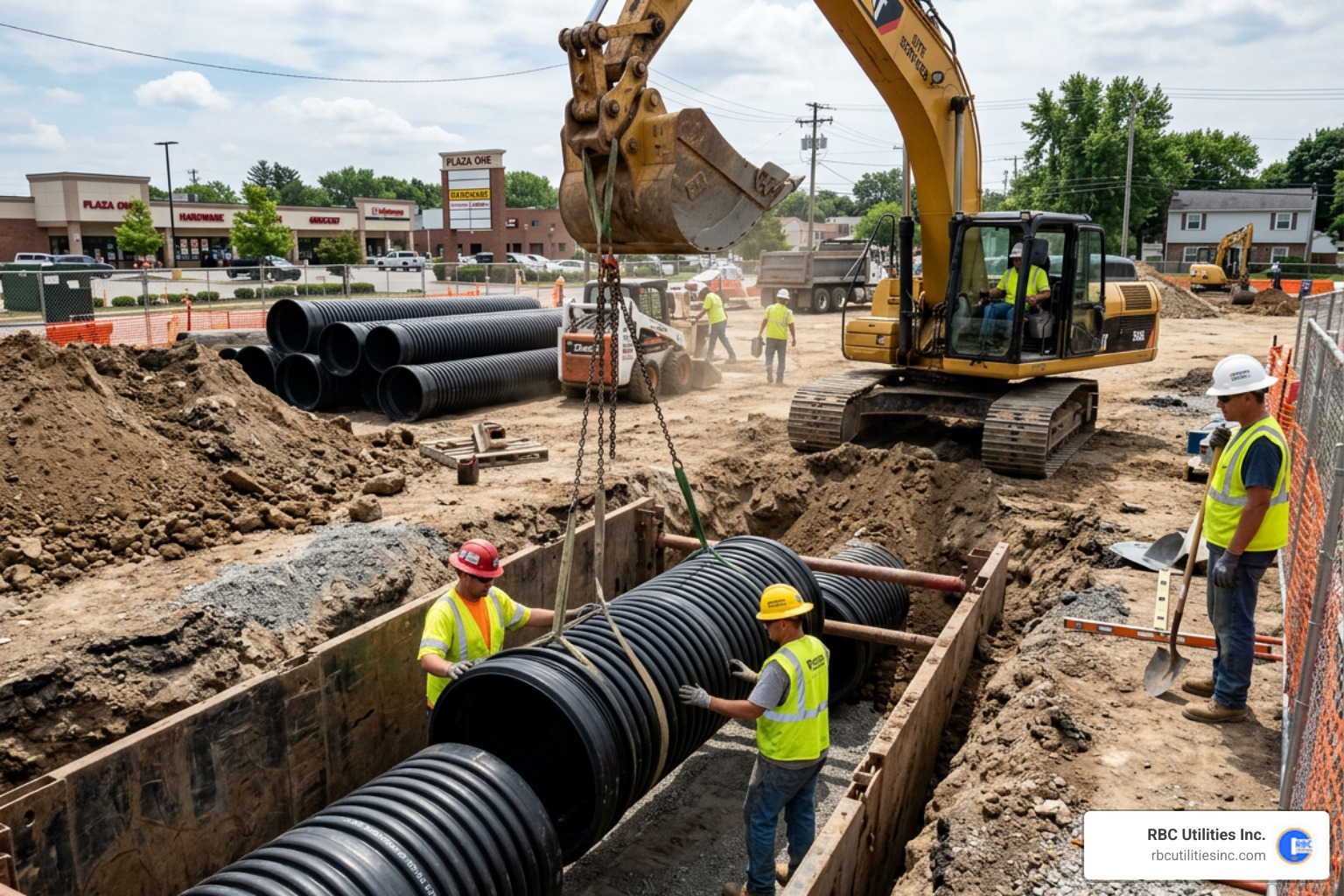
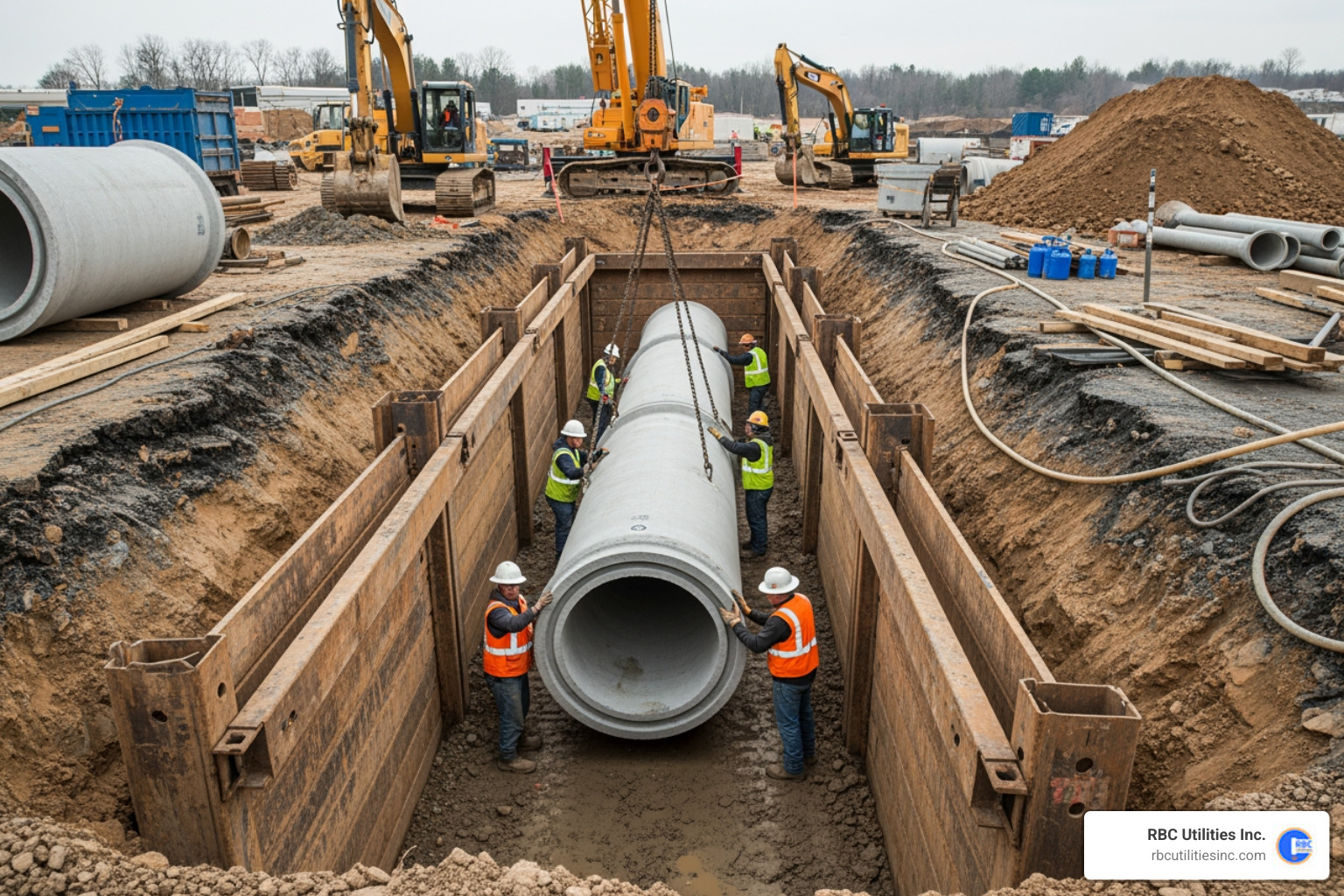
Getting a pit in the ground isn't just about digging a hole and dropping in a box. It requires precise materials and engineering to ensure it lasts for decades.
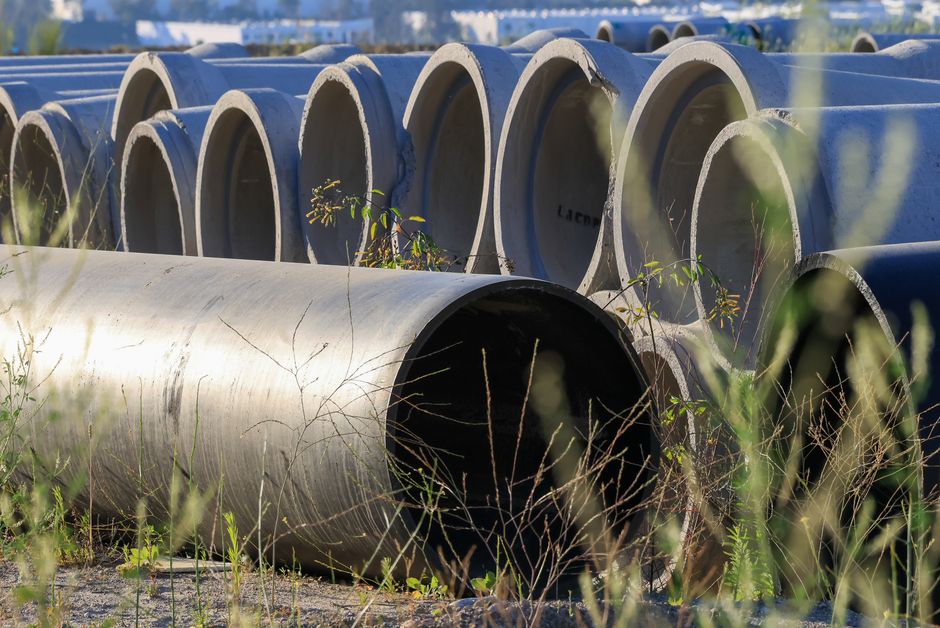
Depending on the power needs of the site, you’ll either see a single-phase pit (standard for most homes) or a three-phase pit (common for commercial sites or large irrigation pumps). The pits themselves are usually made from pre-cast concrete or high-density fiberglass.
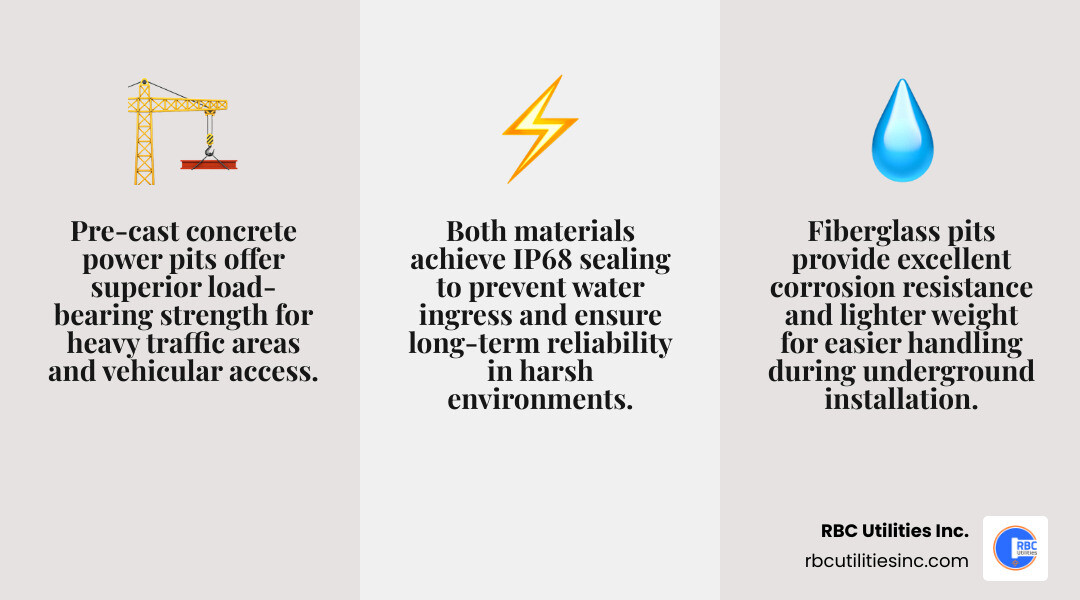
All pits must feature load-bearing lids capable of withstanding the weight of lawnmowers or vehicles if placed near a driveway. We also look for IP68-rated sealing to prevent water ingress, which can corrode connections over time.
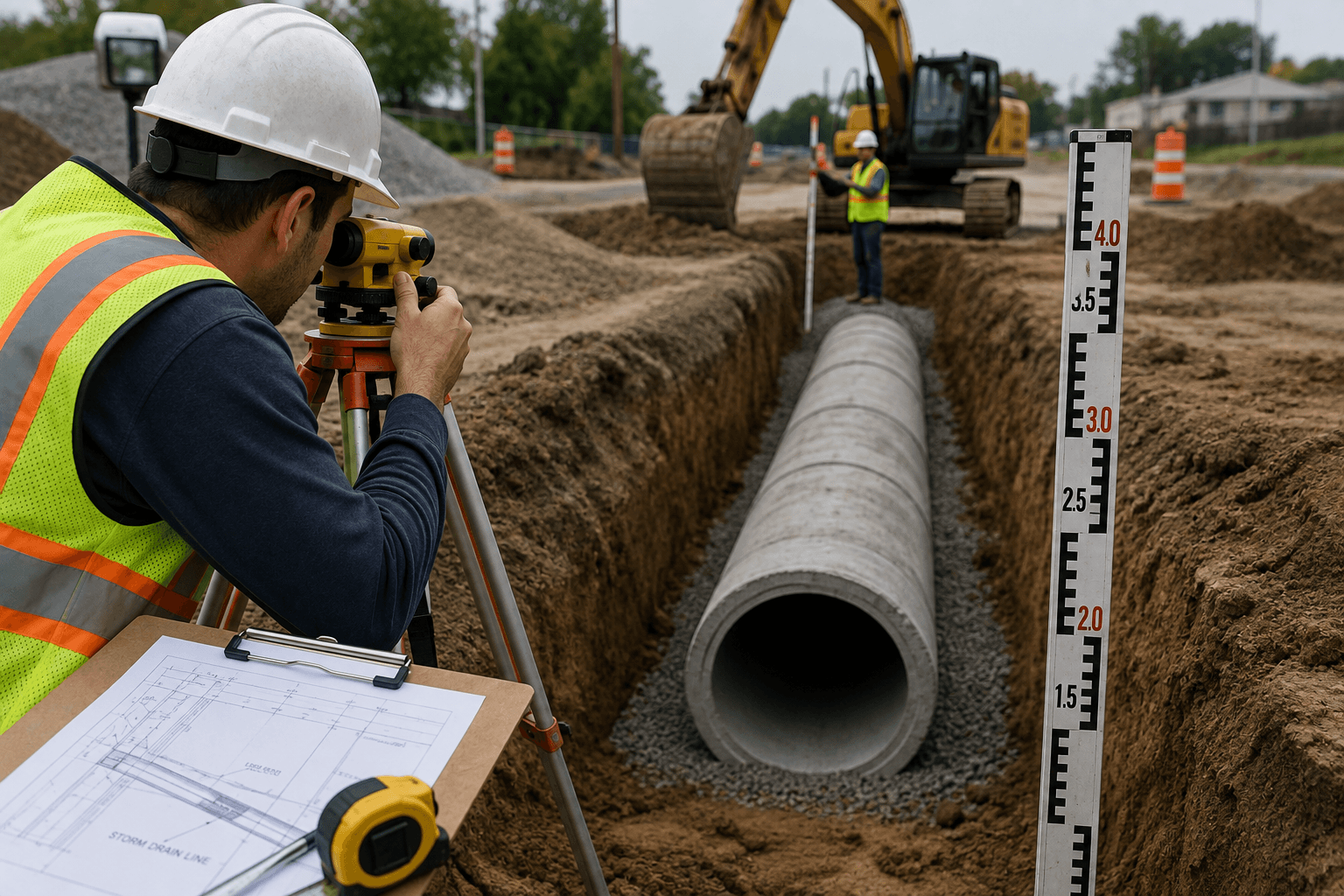
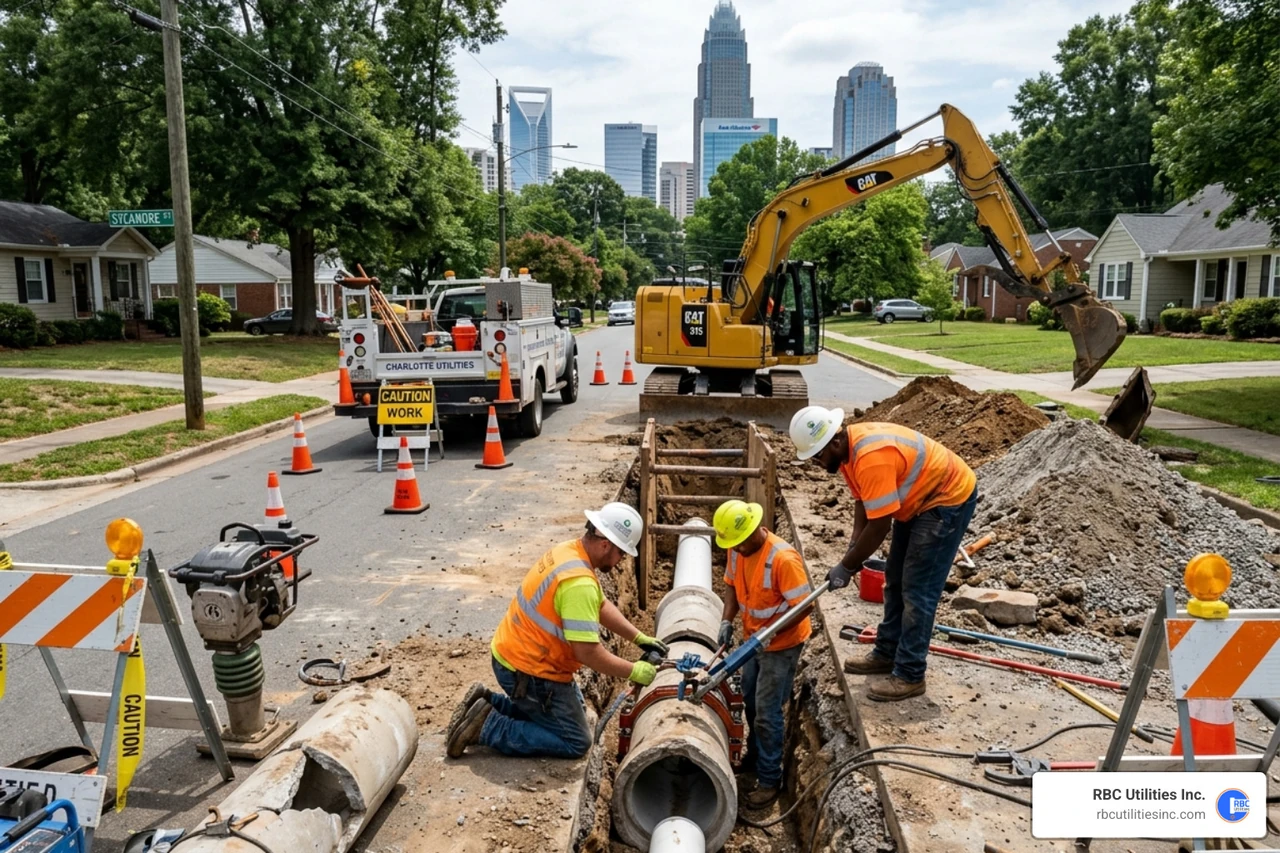
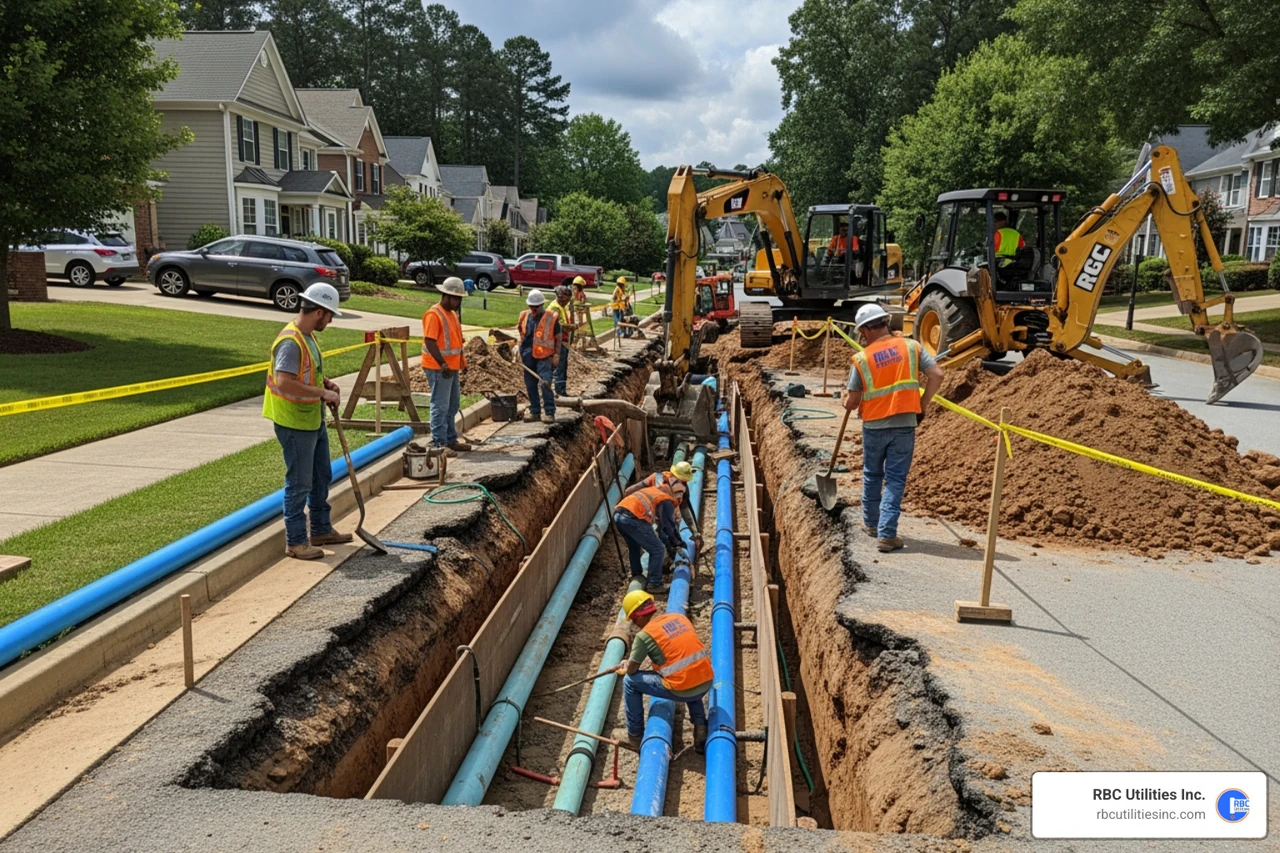
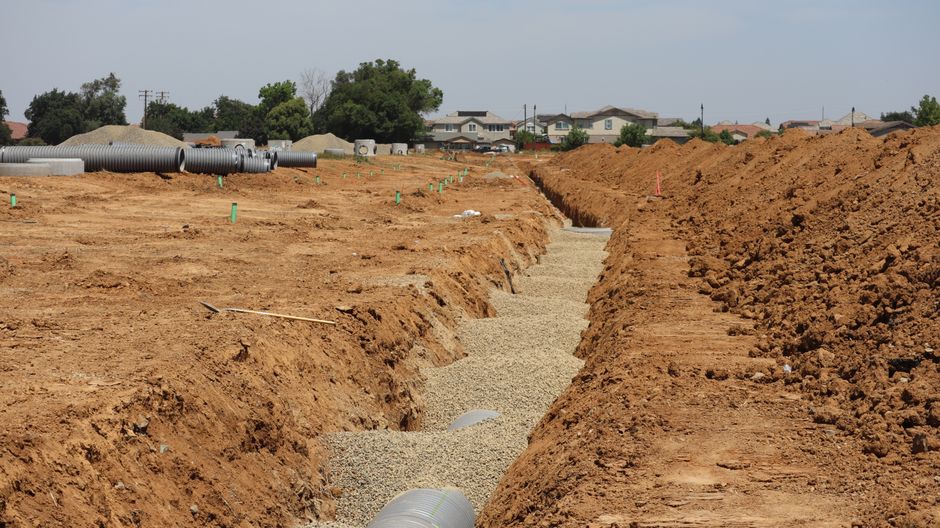
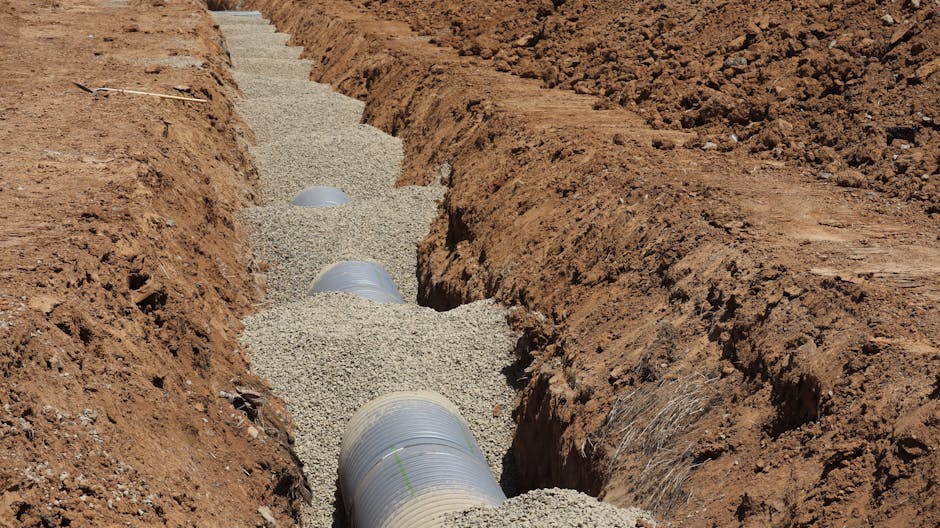
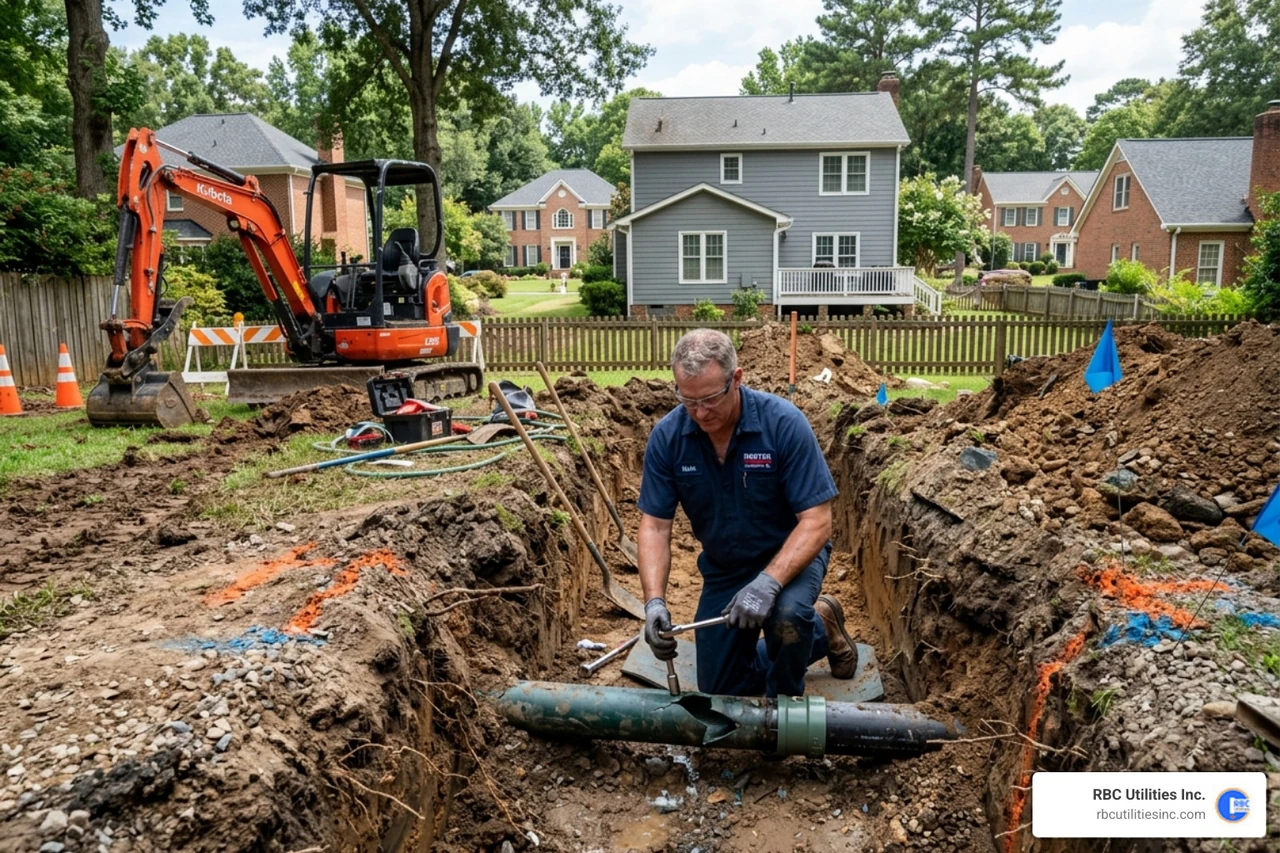
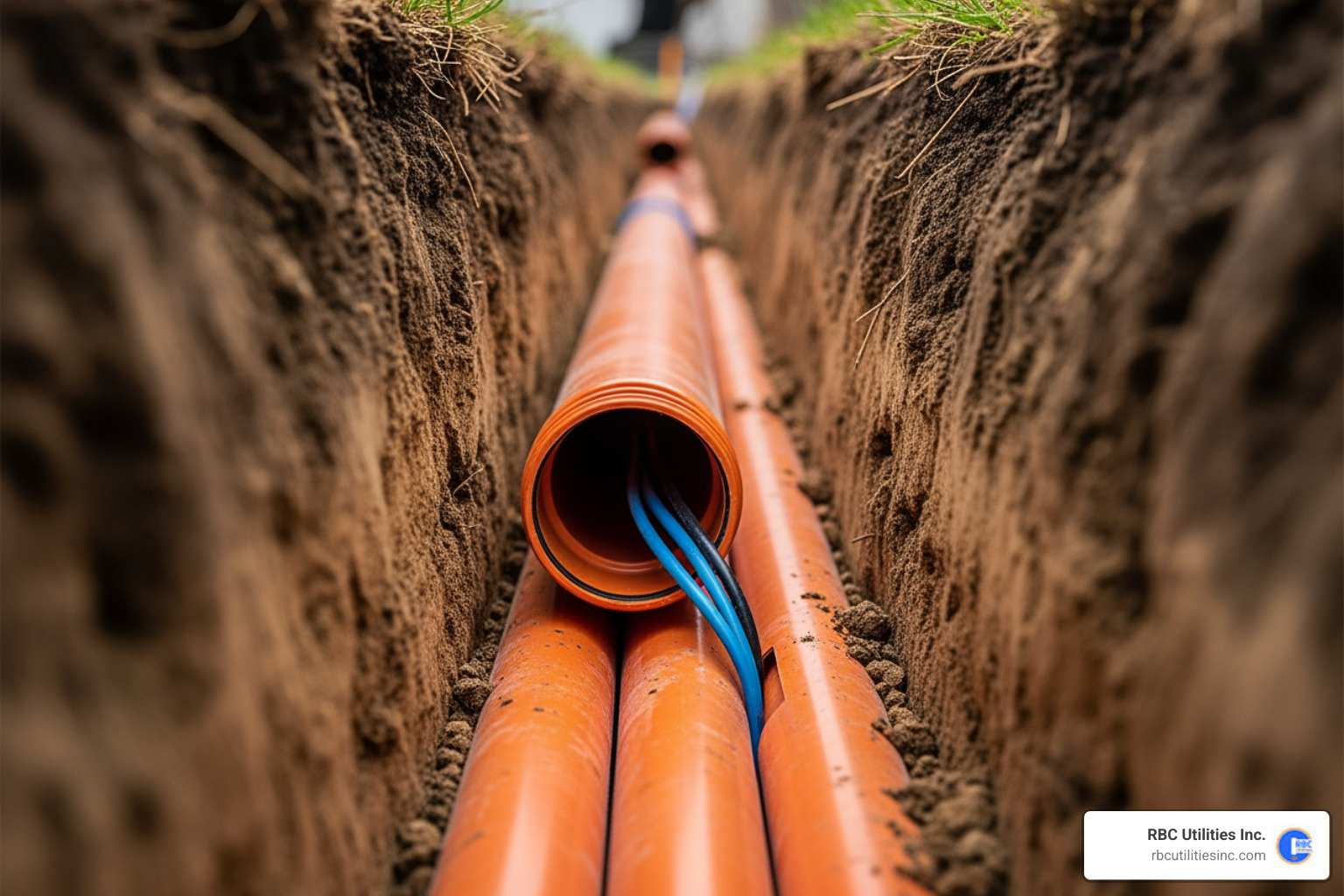
The "veins" of this system are the conduits. For a safe underground power pit installation, we follow strict depth requirements:
We typically use Schedule 40 PVC for straight runs, but for the "sweeps" or bends where the pipe turns up into the pit, we use Schedule 80 PVC elbows. These are thicker and can handle the friction of pulling heavy cables through them without wearing through the plastic.
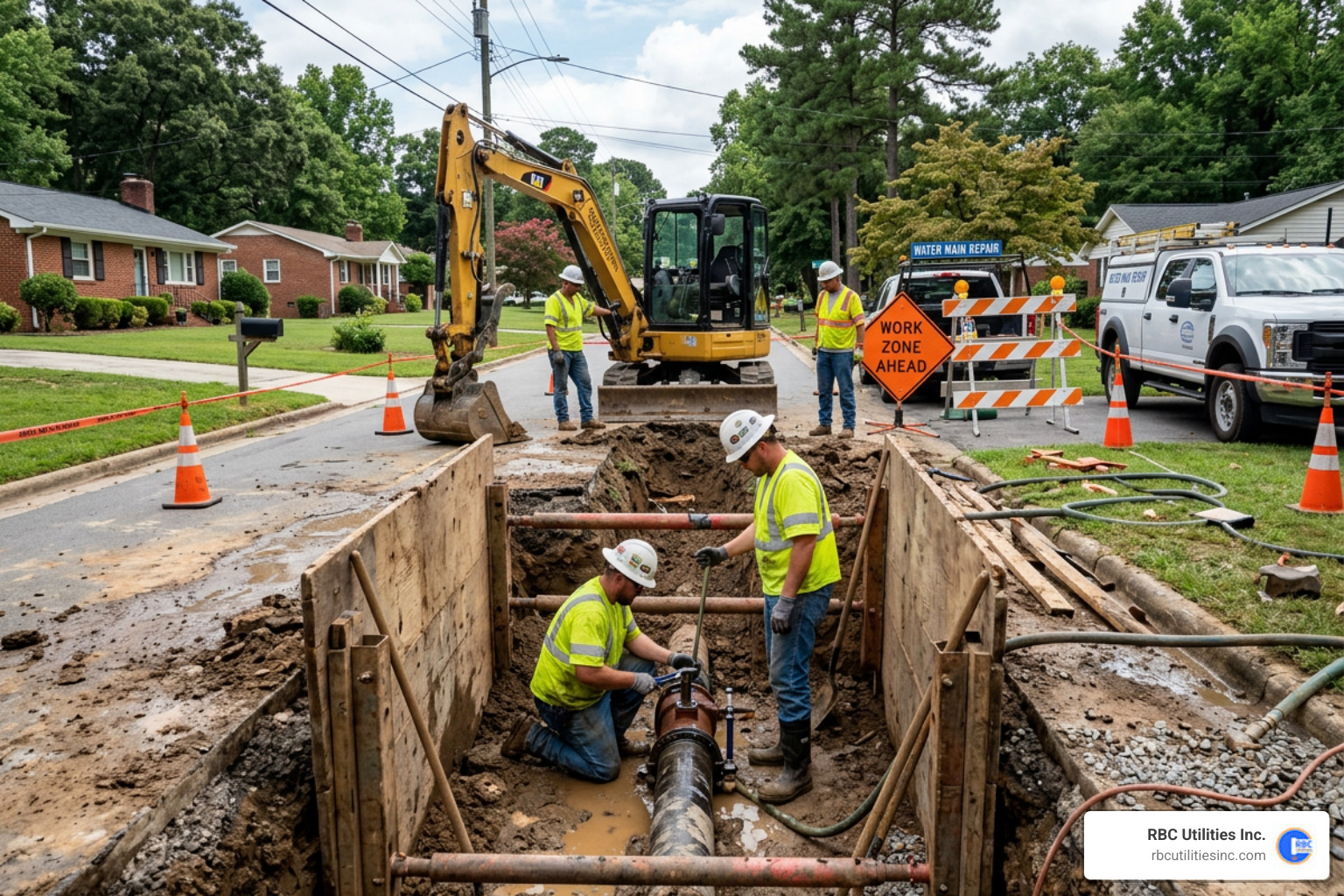
Once the conduit is laid, we use "select backfill"—clean soil or sand free of large rocks that could pinch or puncture the pipe. We install red electrical warning tape about 12 inches above the conduit so that anyone digging in the future gets a visual warning before they hit the line. Finally, we include a tracer wire to allow for easy electronic locating.
Accessibility is a major factor in NESC (National Electrical Safety Code) compliance. A pit is useless if a utility technician can't get to it. We adhere to these standard Carolinas clearances:
If a pit is installed near a parking lot or road, we may also install vehicular barriers—usually concrete-filled steel bollards—to protect the asset from accidental impacts.
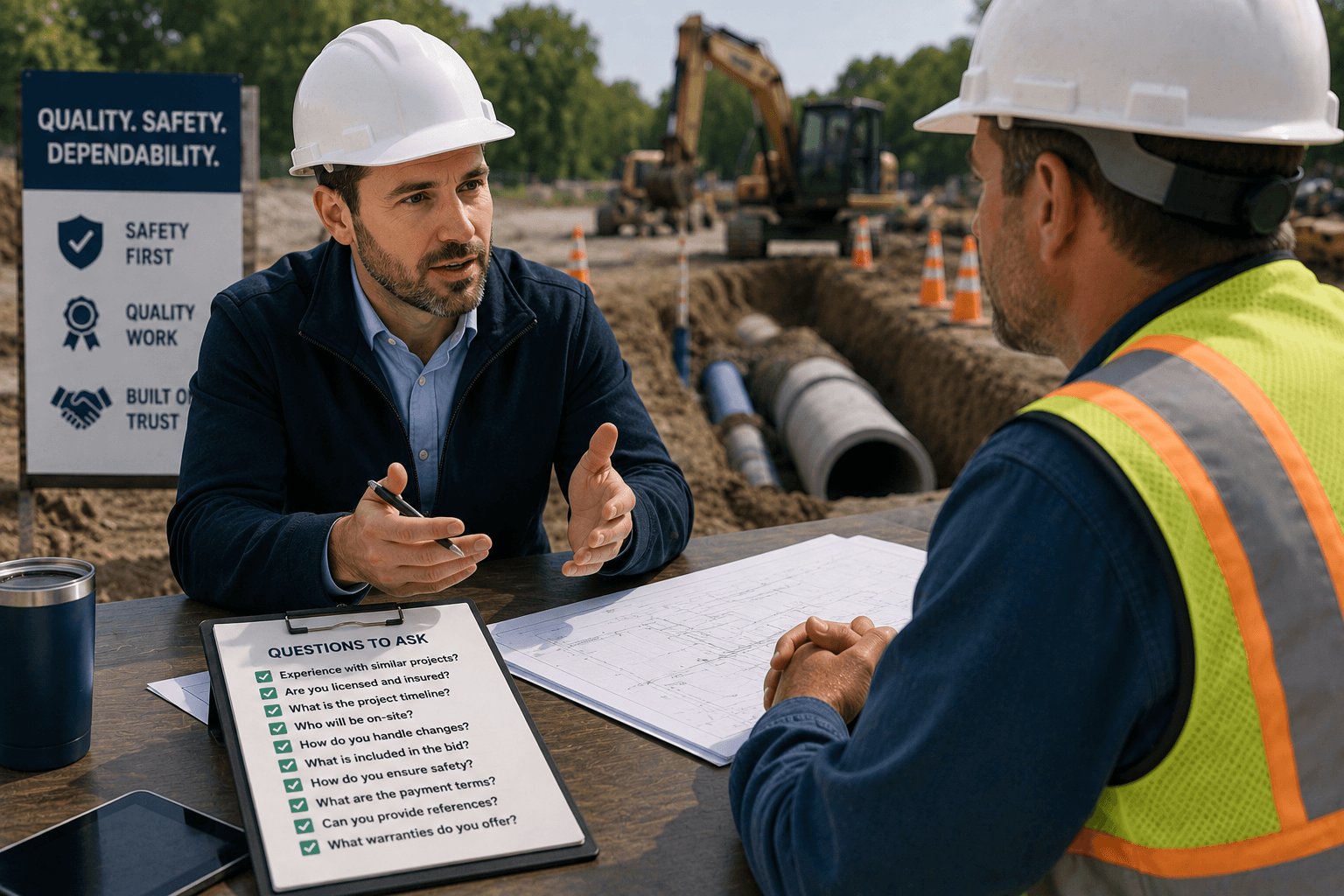
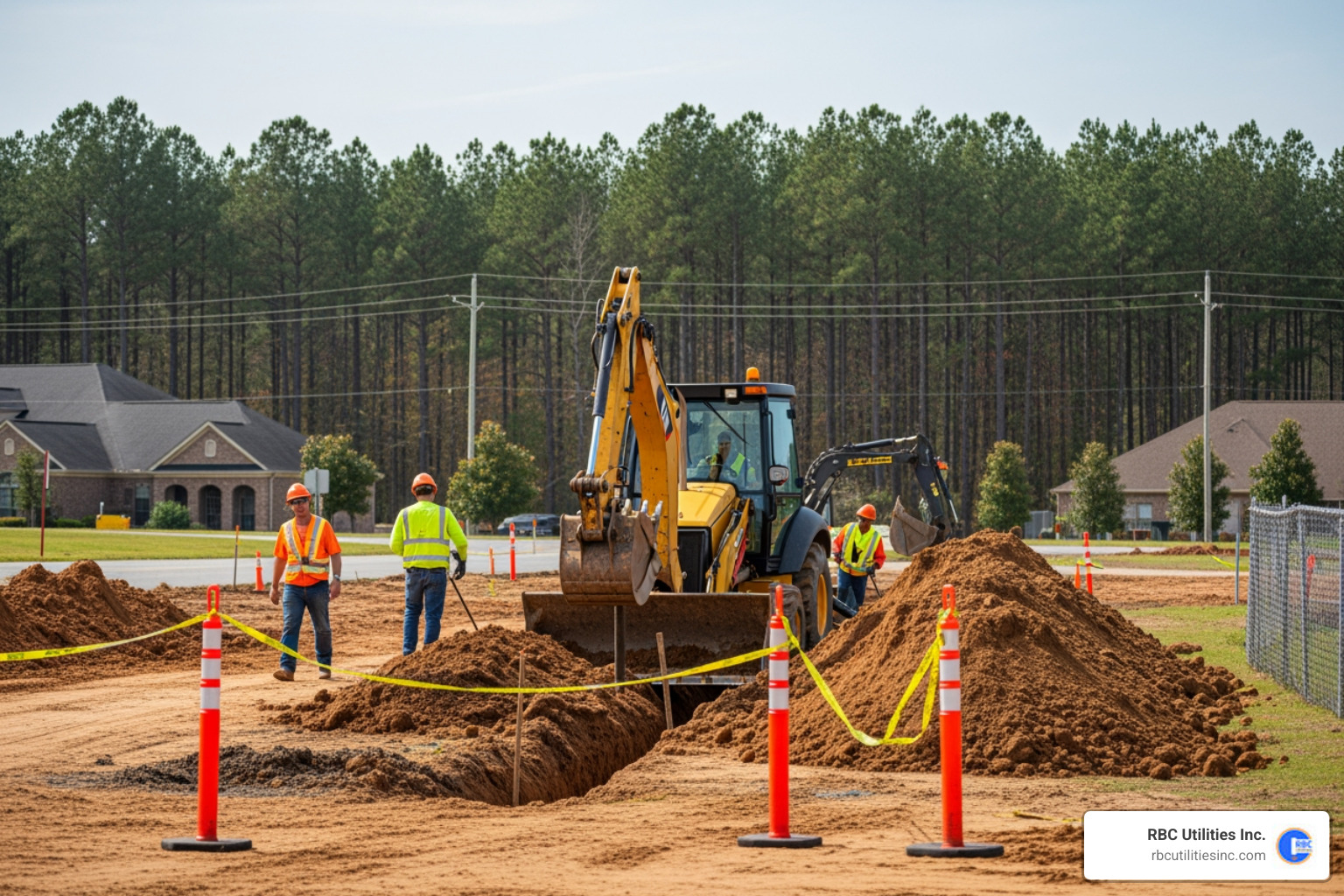
If you're a developer in Charlotte or anywhere across the Carolinas, the process starts long before a shovel hits the dirt.
In a perfect world, a pit is installed within 30 business days of the design being finalized. However, we’ve seen projects hit snags. Common delays include:
Who pays for what? In most cases, the developer or property owner covers the cost of the application and the construction labor for the pit itself.
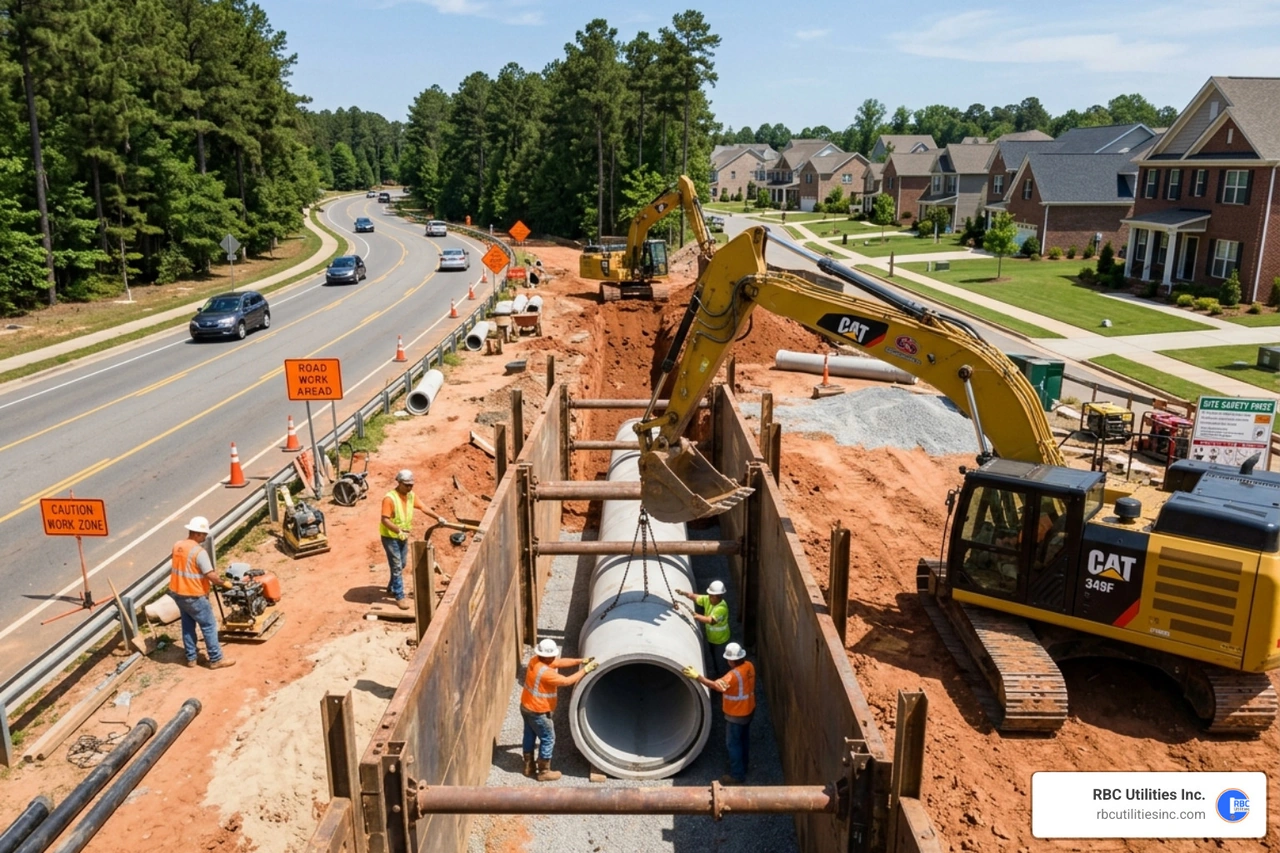
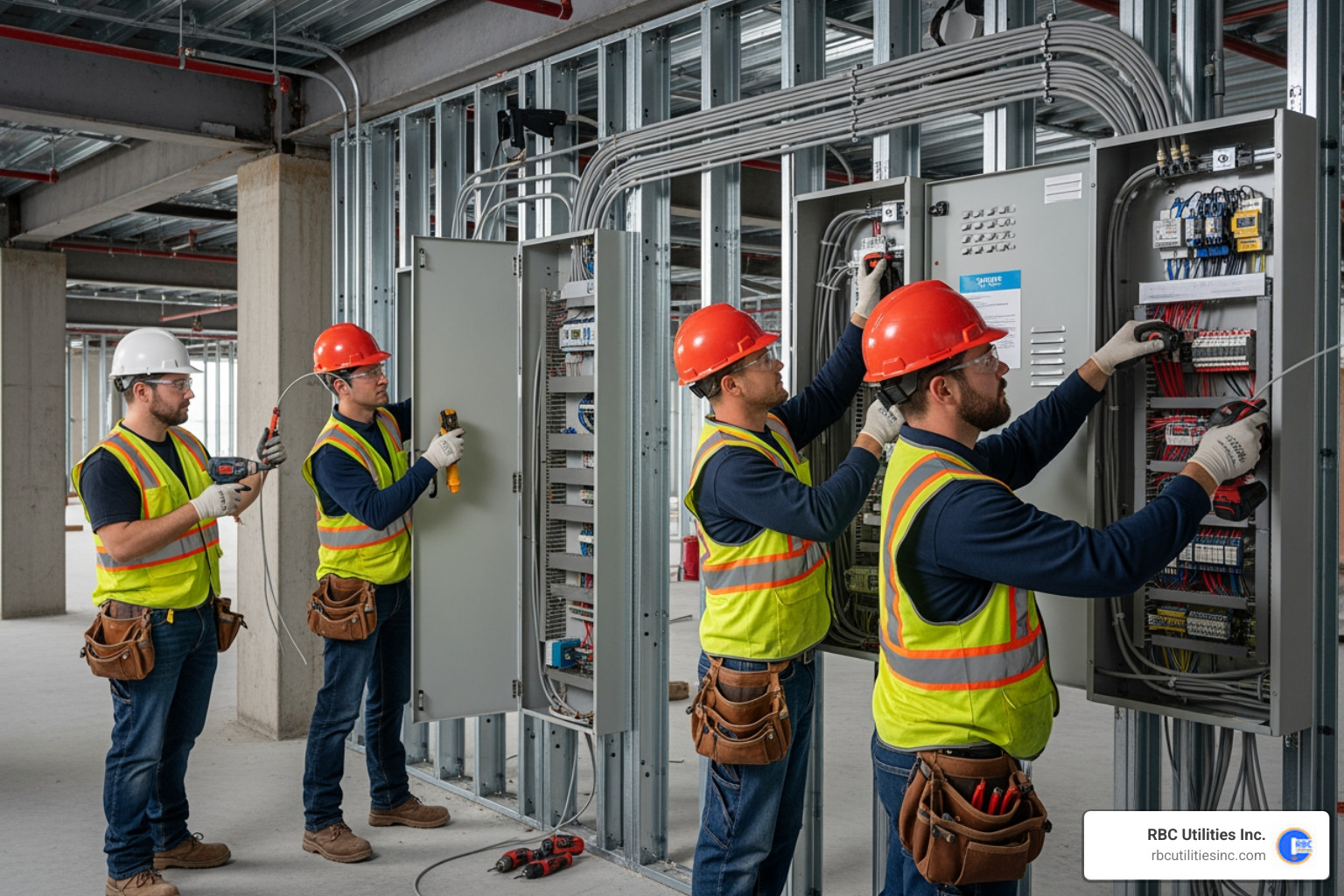
At RBC Utilities Inc., we handle the heavy lifting for developers to ensure everything meets NEC, NESC, and OSHA safety standards. You can find more info about our infrastructure services to see how we bridge the gap between the utility and your site.
Compliance is non-negotiable. Before a system is turned on, we must provide Private Mains drawings and ensure all assets match the utility's approved templates.
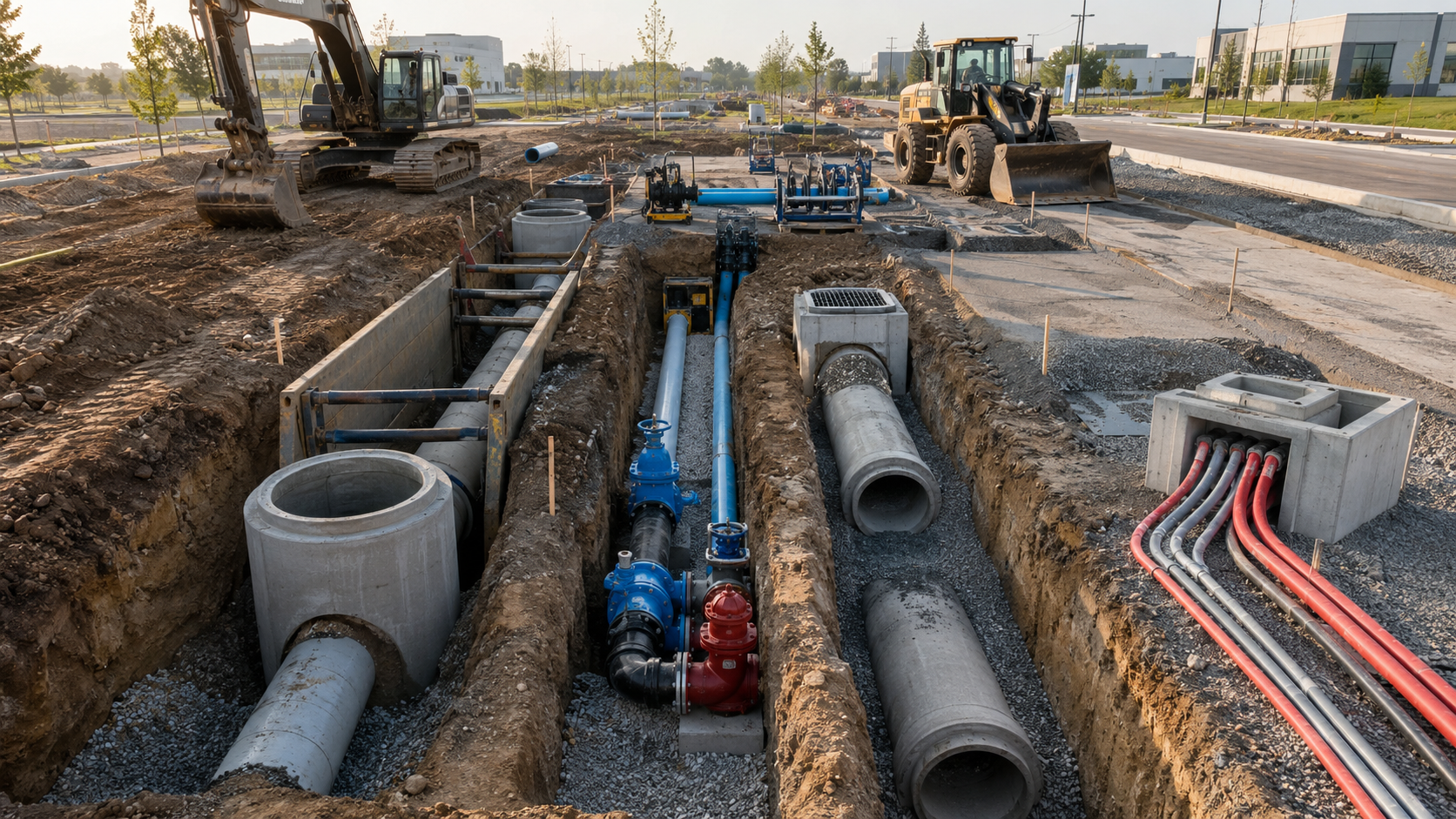
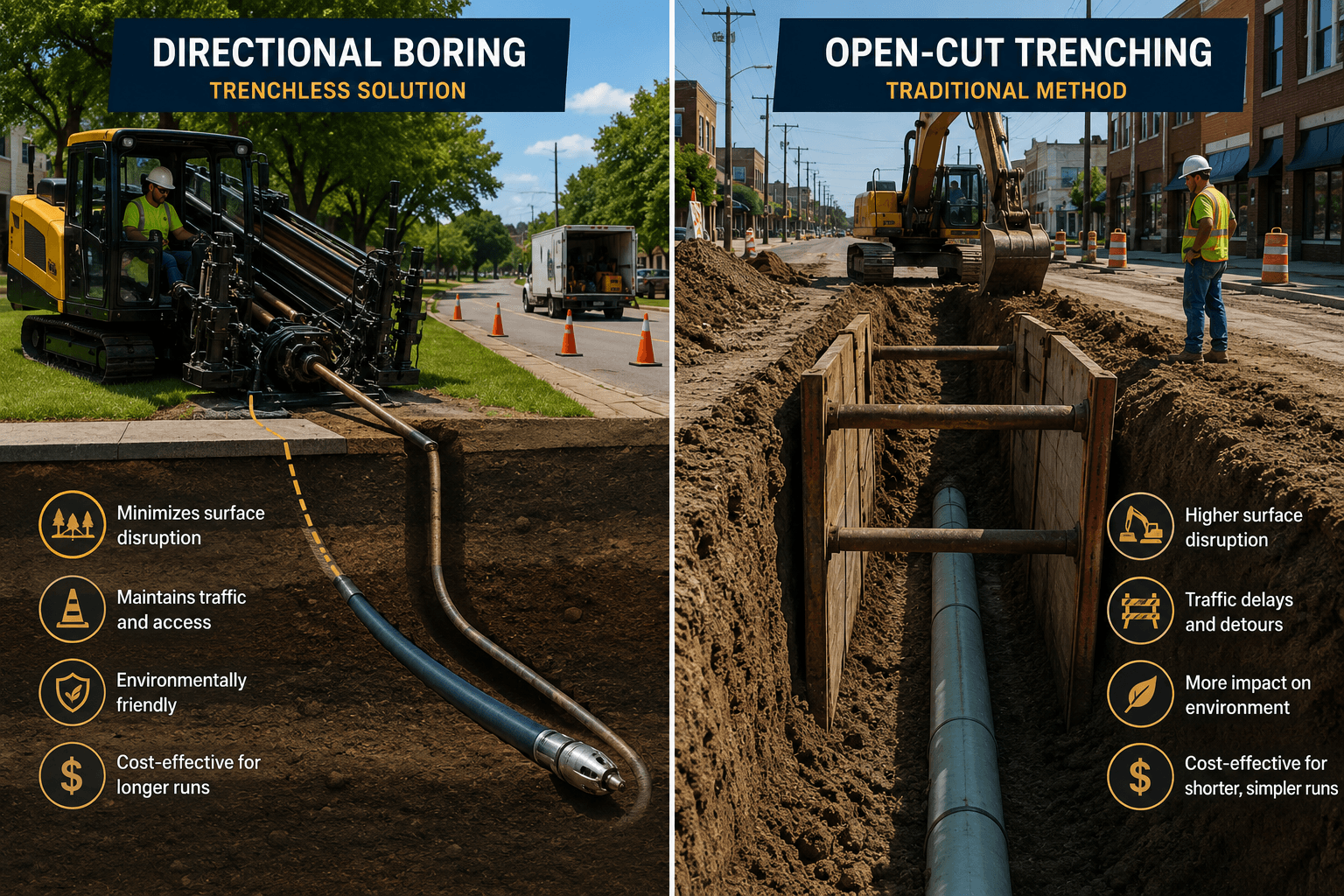
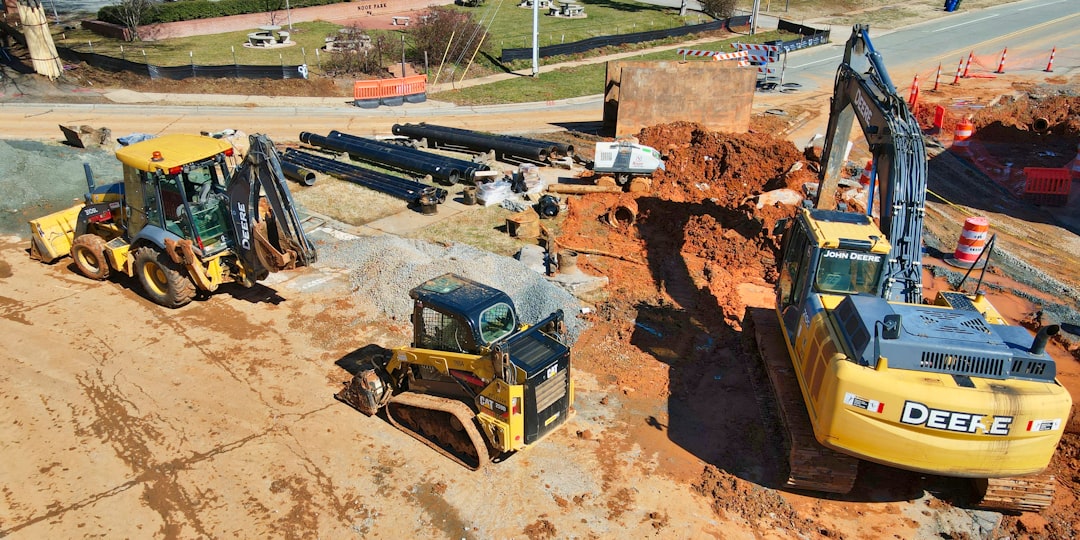
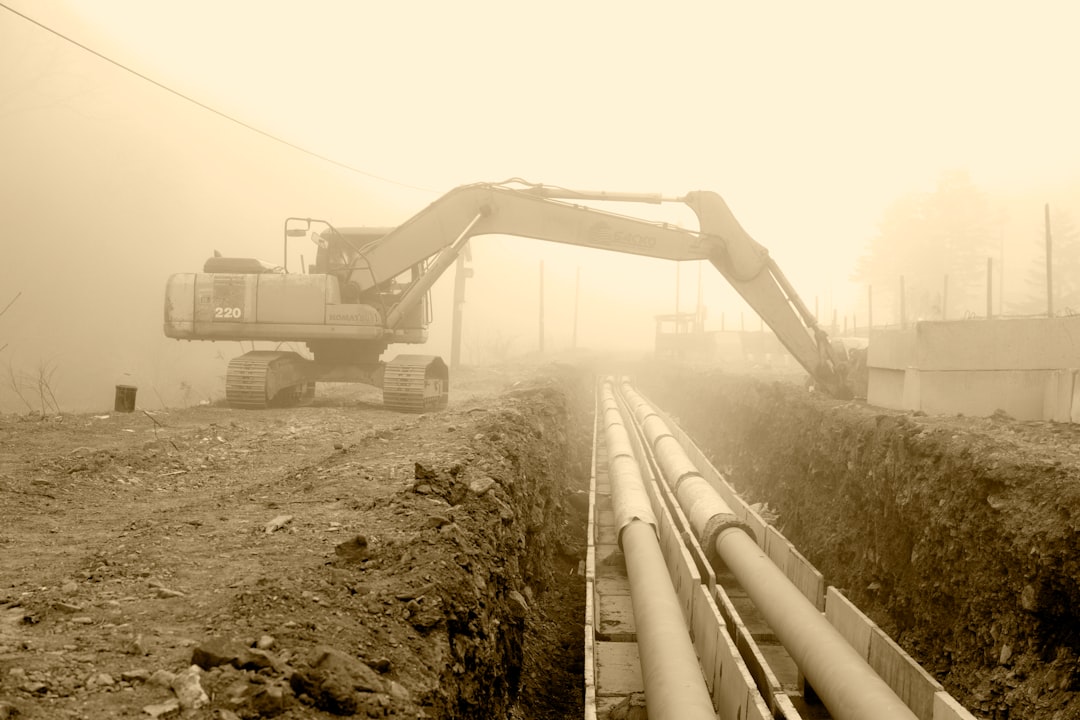
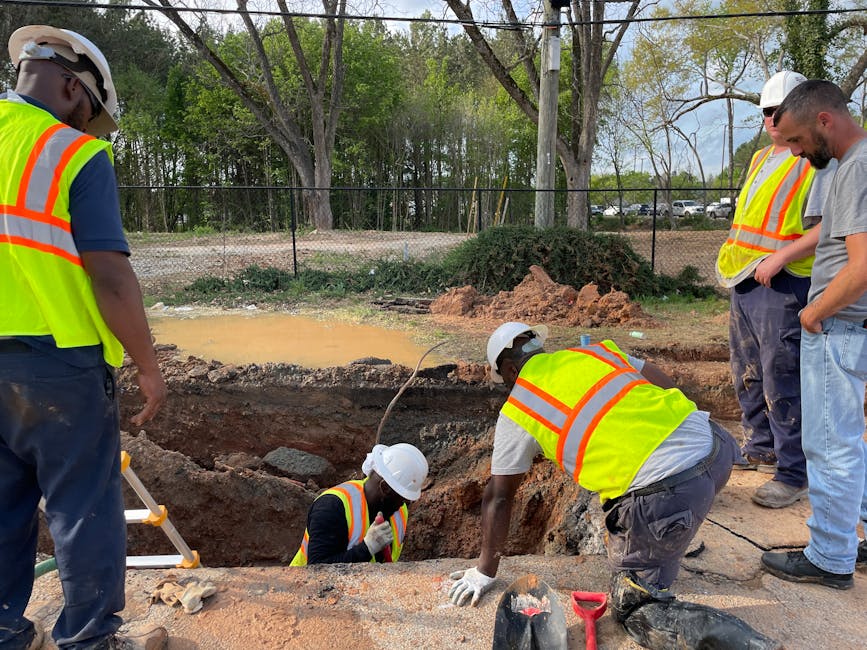
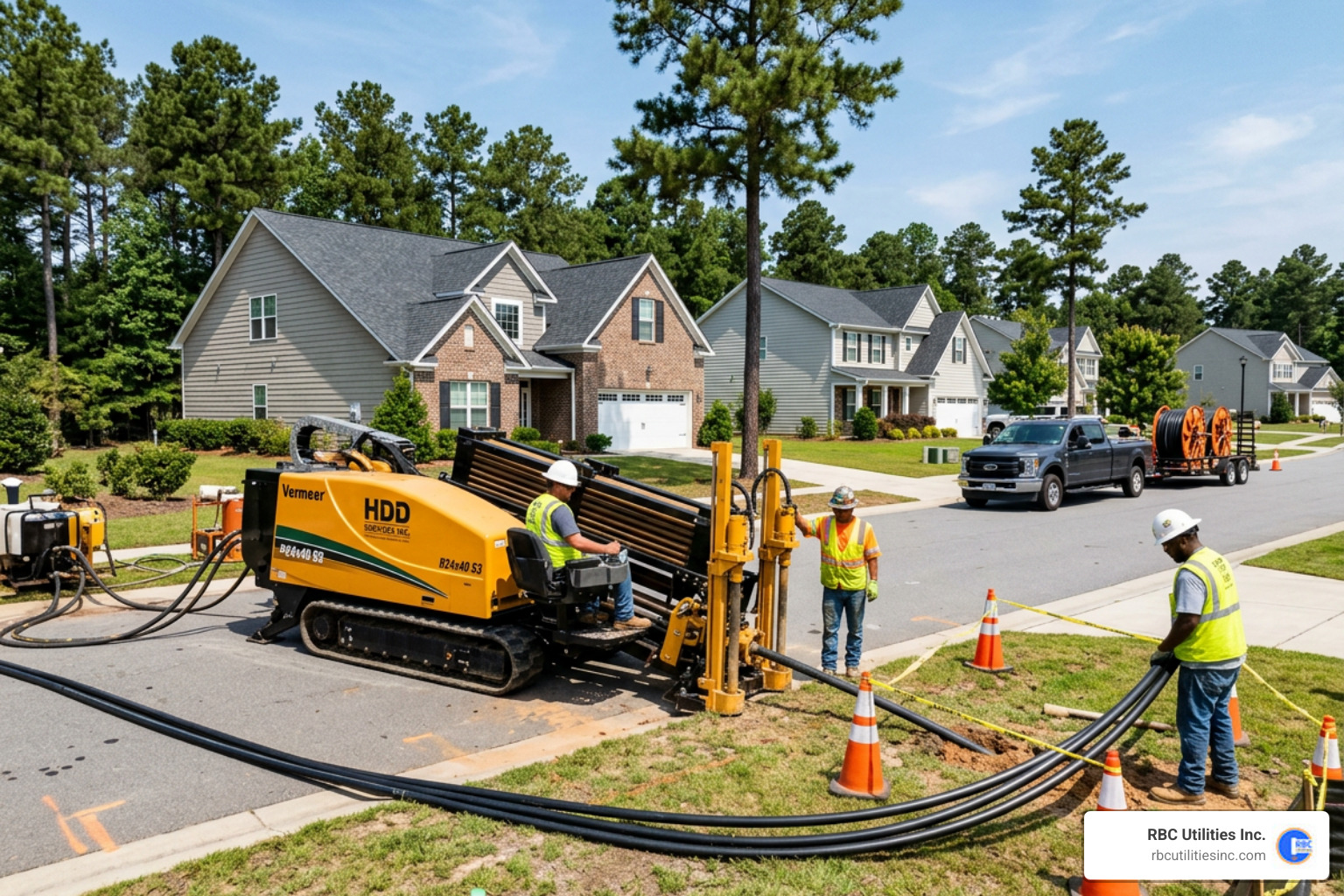
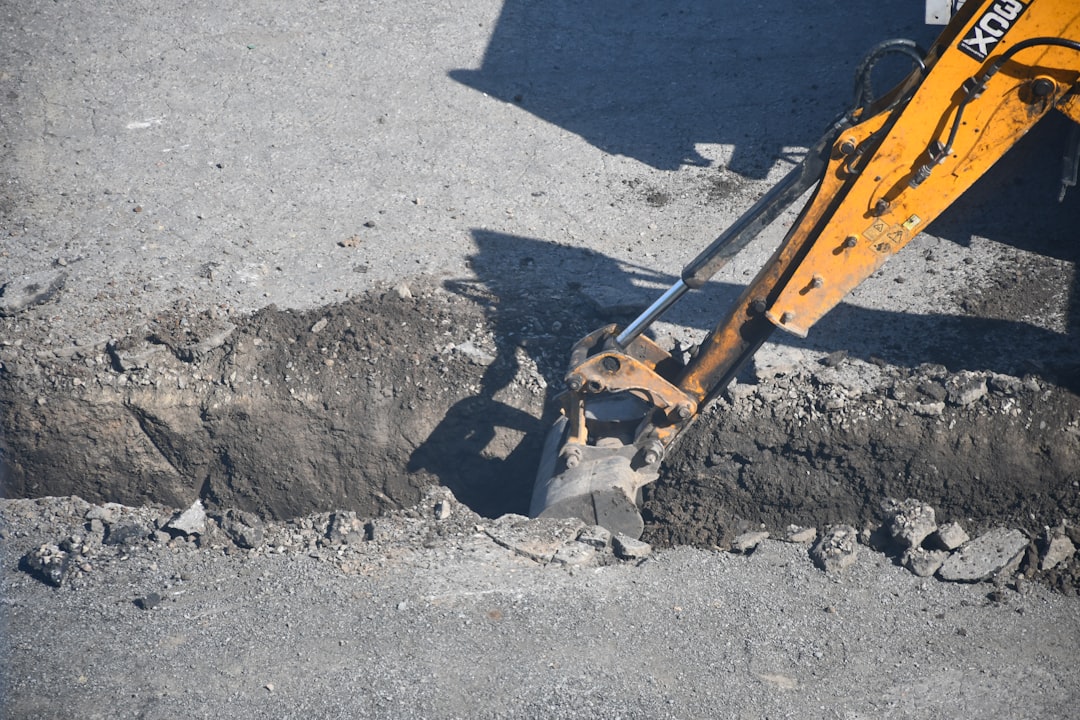
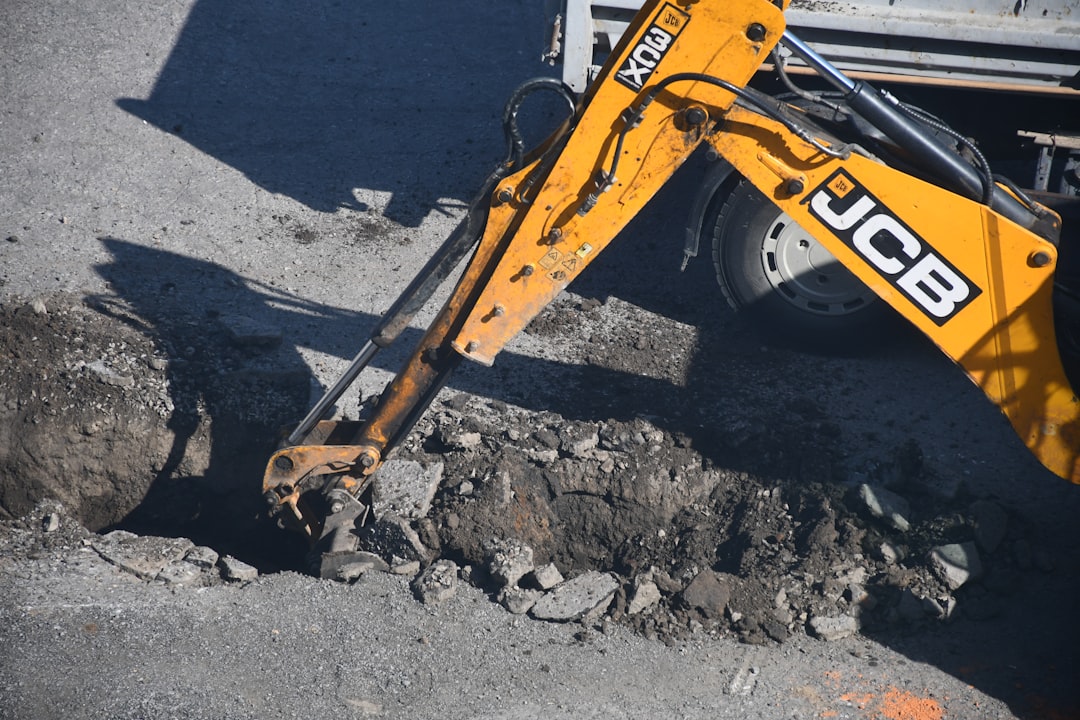
Modern underground power pit installation has benefited greatly from trenchless technology. Instead of digging a massive trench across a paved road, we often use directional boring (Horizontal Directional Drilling).
We also use the "push-pull" method for cable installation. By using specialized machinery to both push and pull the cable simultaneously, we reduce the tension on the wire. This allows for longer runs with fewer junction pits, saving the developer money. To make this even smoother, we use engineered cable lubrication to reduce friction and prevent damage to the cable jacket.
Once the pit is in and the conduit is ready, the following happens:
While every project is different, a standard underground power pit installation in the Carolinas typically falls between $5,000 and $8,500. This includes application fees, labor, and materials. That "upstream" charges from the utility can vary based on how much work they need to do to the local substation to support your load.
From the moment you submit your application to the moment the pit is in the ground, expect a window of about 3 to 4 months. The physical installation only takes a few days, but the design review (20 days) and the utility's scheduling (30 days) make up the bulk of the timeline.
The utility company's responsibility ends at the pit. It is the developer's or homeowner's responsibility to hire a Registered Electrical Contractor (REC) to run the cables from the pit to the main switchboard of the building.
Building for the future means building underground. Whether you are developing a new neighborhood in Charlotte or upgrading a municipal site in South Carolina, underground power pit installation is the gold standard for reliability and safety.
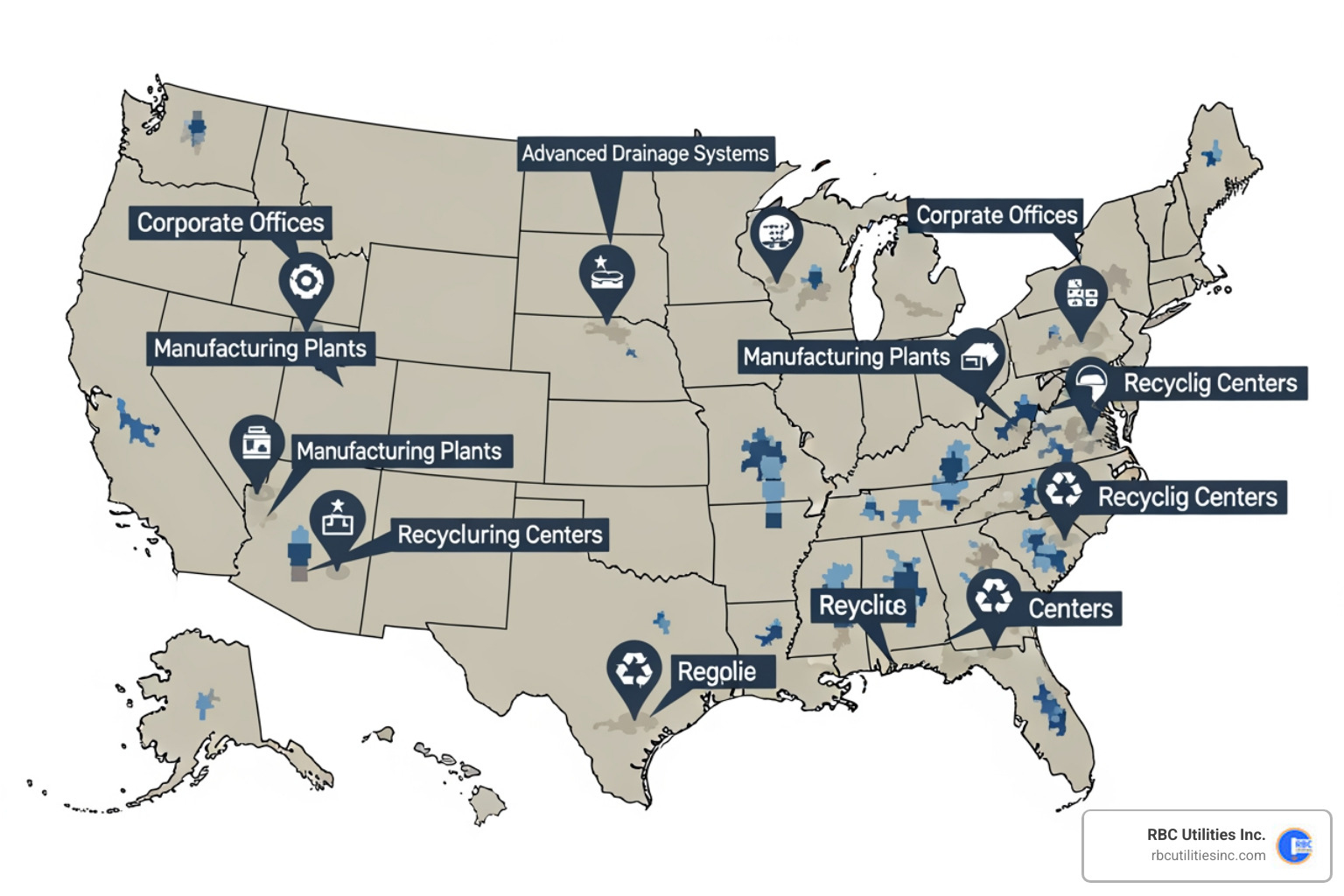
At RBC Utilities Inc., we take pride in our Carolinas expertise. Backed by the national resources of Saga Infrastructure, we ensure your underground utility systems are built to last. From water and sewer to complex electrical conduit systems, we handle the infrastructure so you can focus on the build.
Ready to start your next project? Contact us for underground utility construction and let's get to work.
Part of Saga Infrastructure, protecting what others built and helping it grow.
Address: 4404 Stuart Andrew Blvd., Suite K, Charlotte, NC 28217
Email: info@rbcutilities.com
Phone: 803-913-9727
Service Area: North Carolina | South Carolina