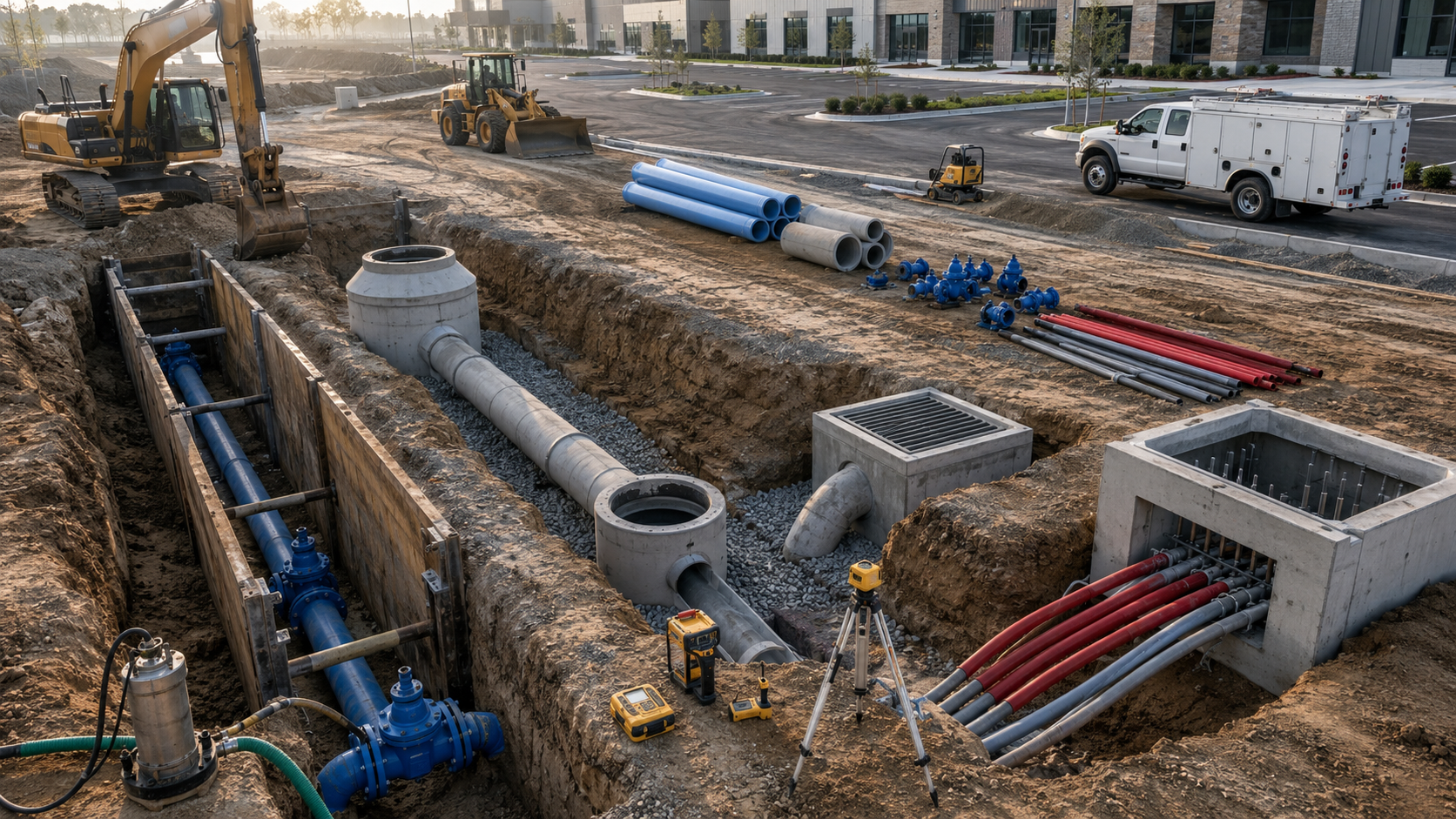
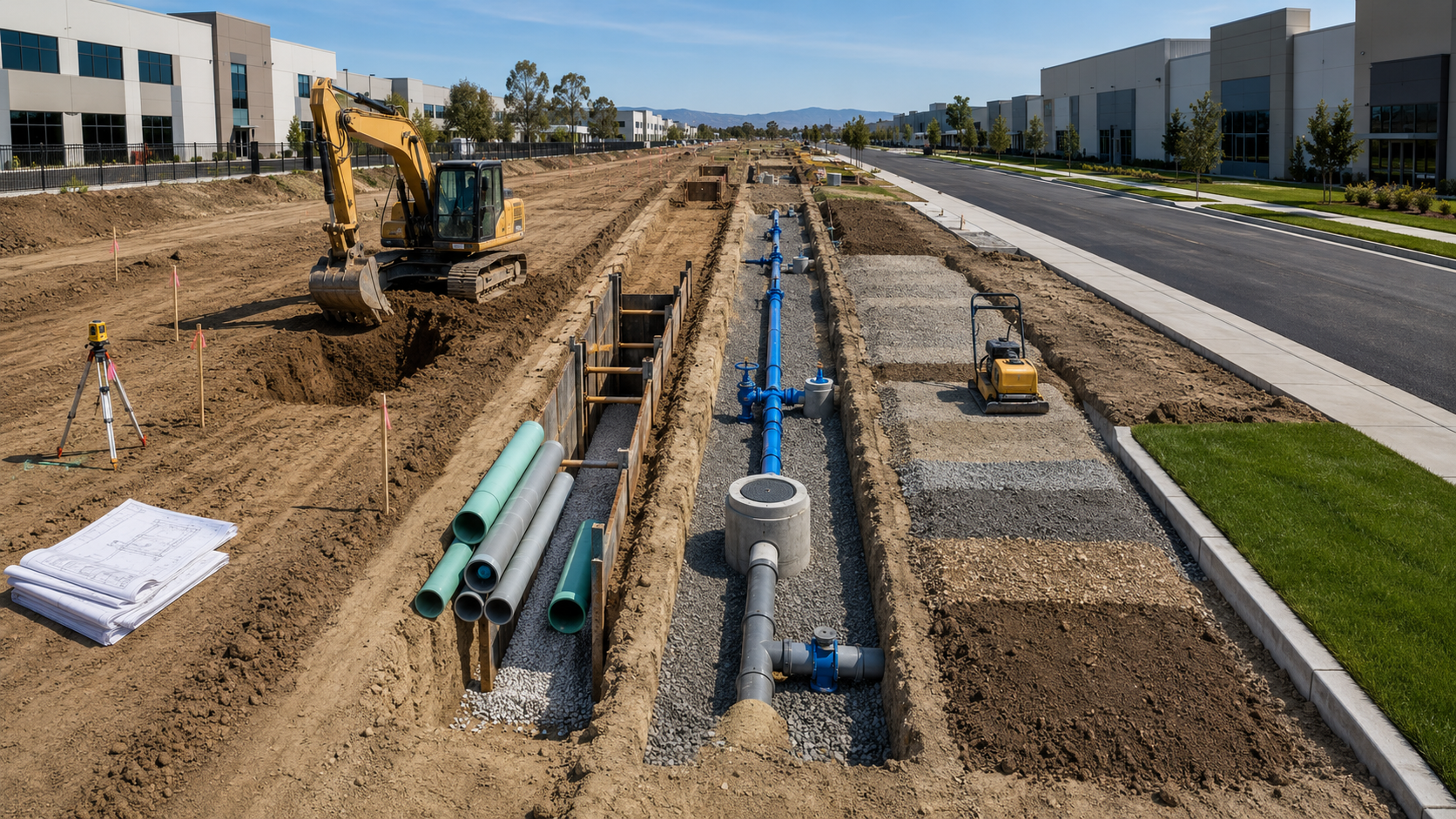
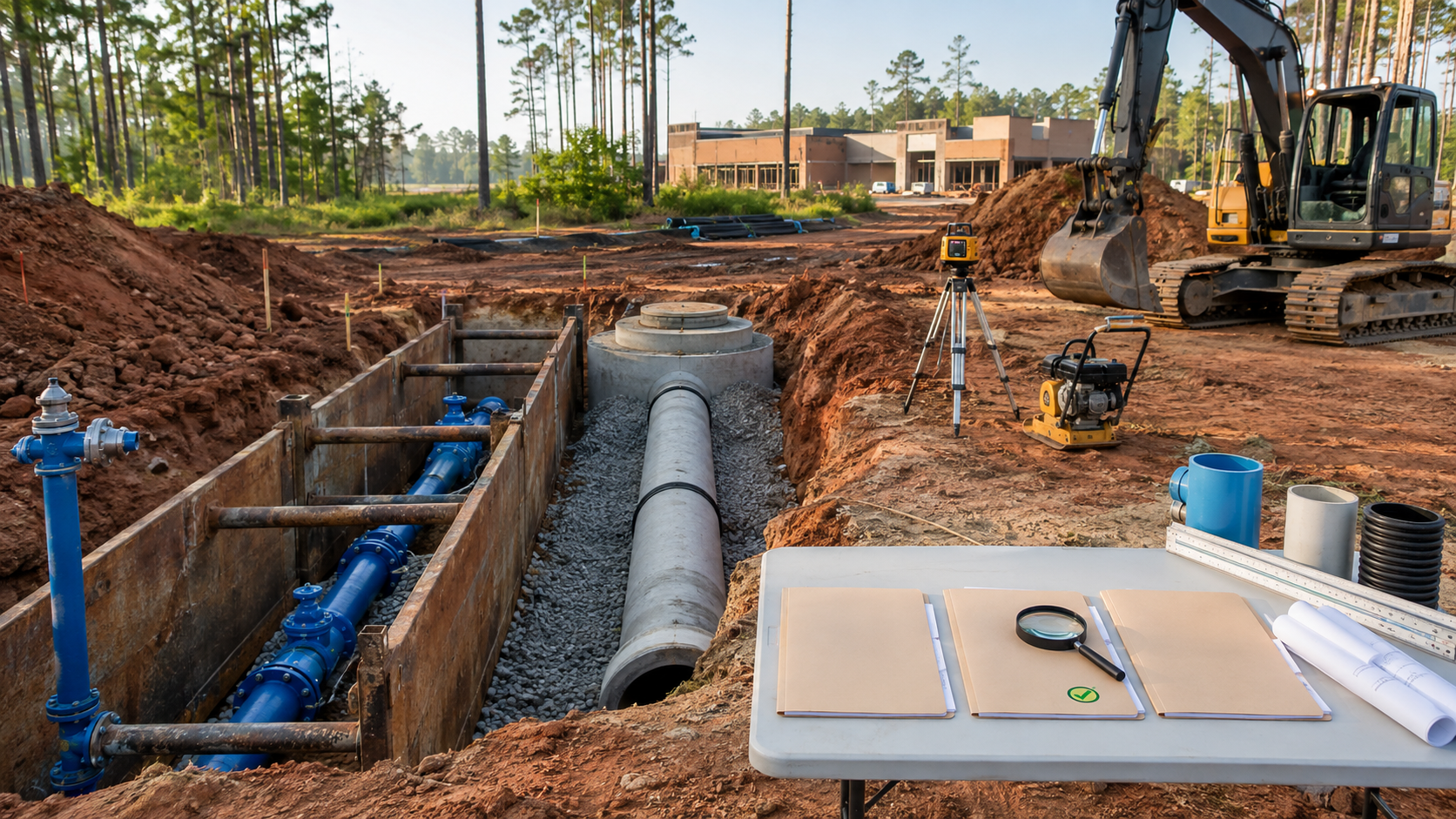
A crew can install a pipe perfectly and still lose a week if nobody scheduled the inspector, prepped the documentation, or confirmed what the municipal reviewer actually needed to see. Inspection coordination is one of the least visible parts of a utility scope, and one of the most common reasons a well-built project stalls anyway.
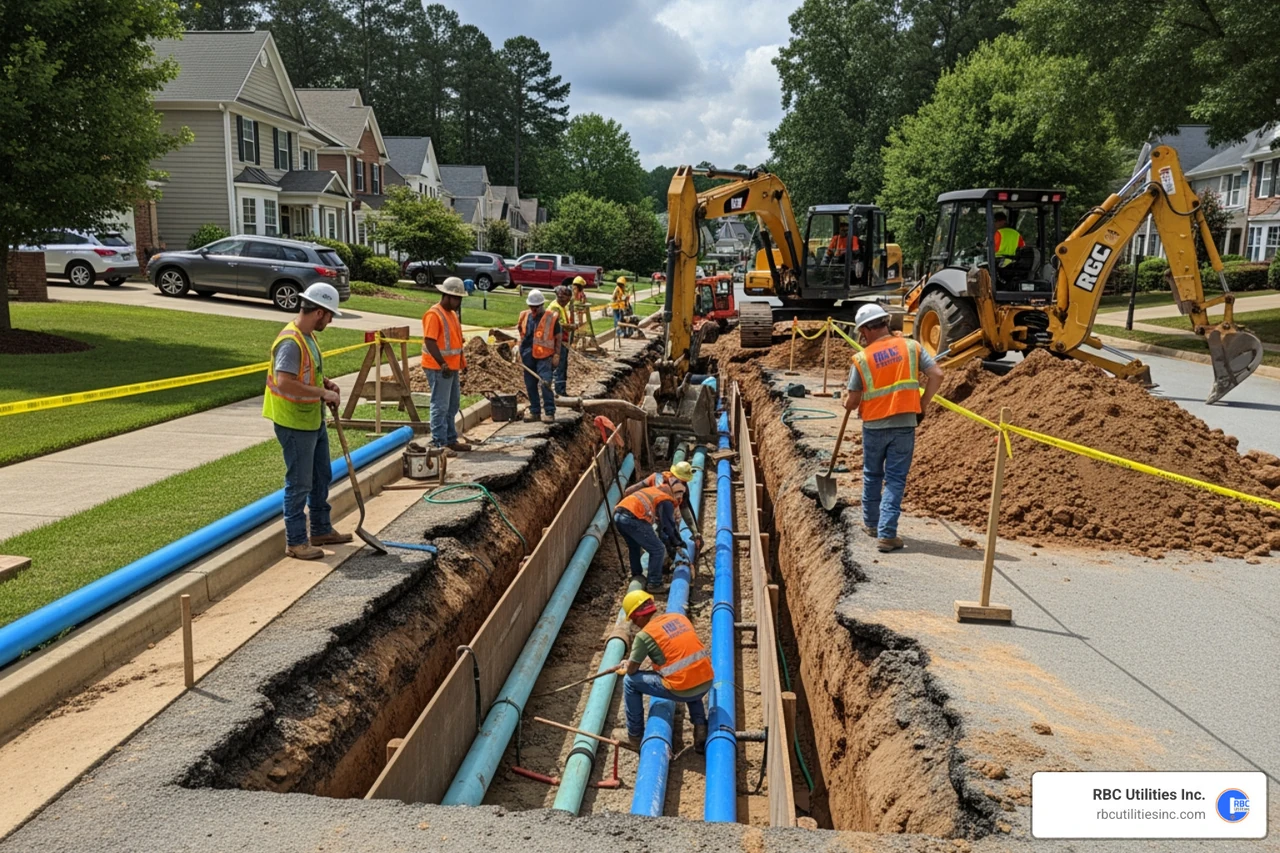
RBC Utilities has built its reputation across the Carolinas on passing inspections the first time, not the third, which is why coordination gets treated as its own discipline rather than an afterthought bolted onto installation.
For a broader look at RBC's work, review RBC Utilities services, recent RBC Utilities projects, and this guide to what makes a true utility infrastructure contractor.
SC 811 locate documentation is often part of what an inspector expects to see on site, and having it ready alongside other paperwork avoids an easy, preventable delay.
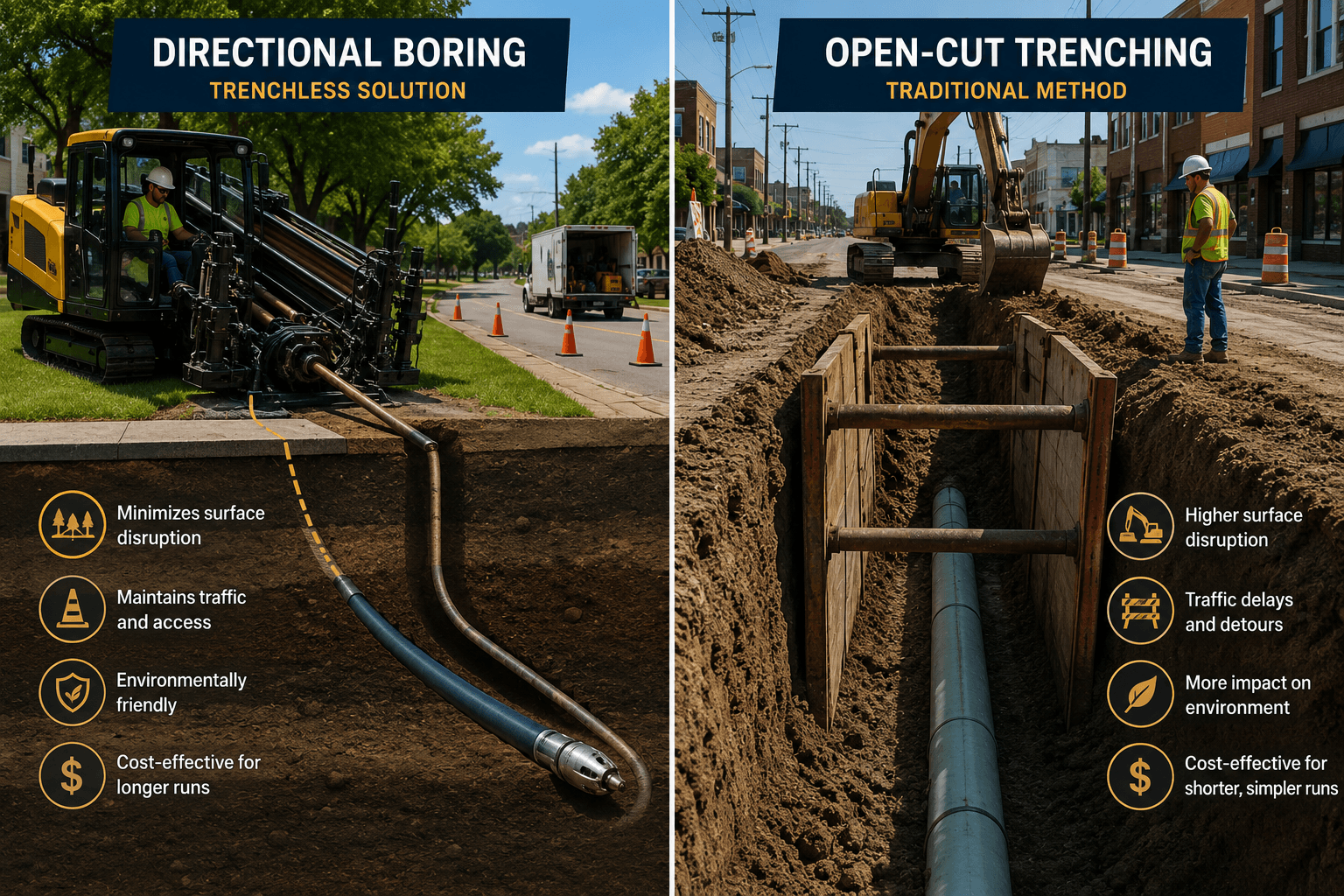
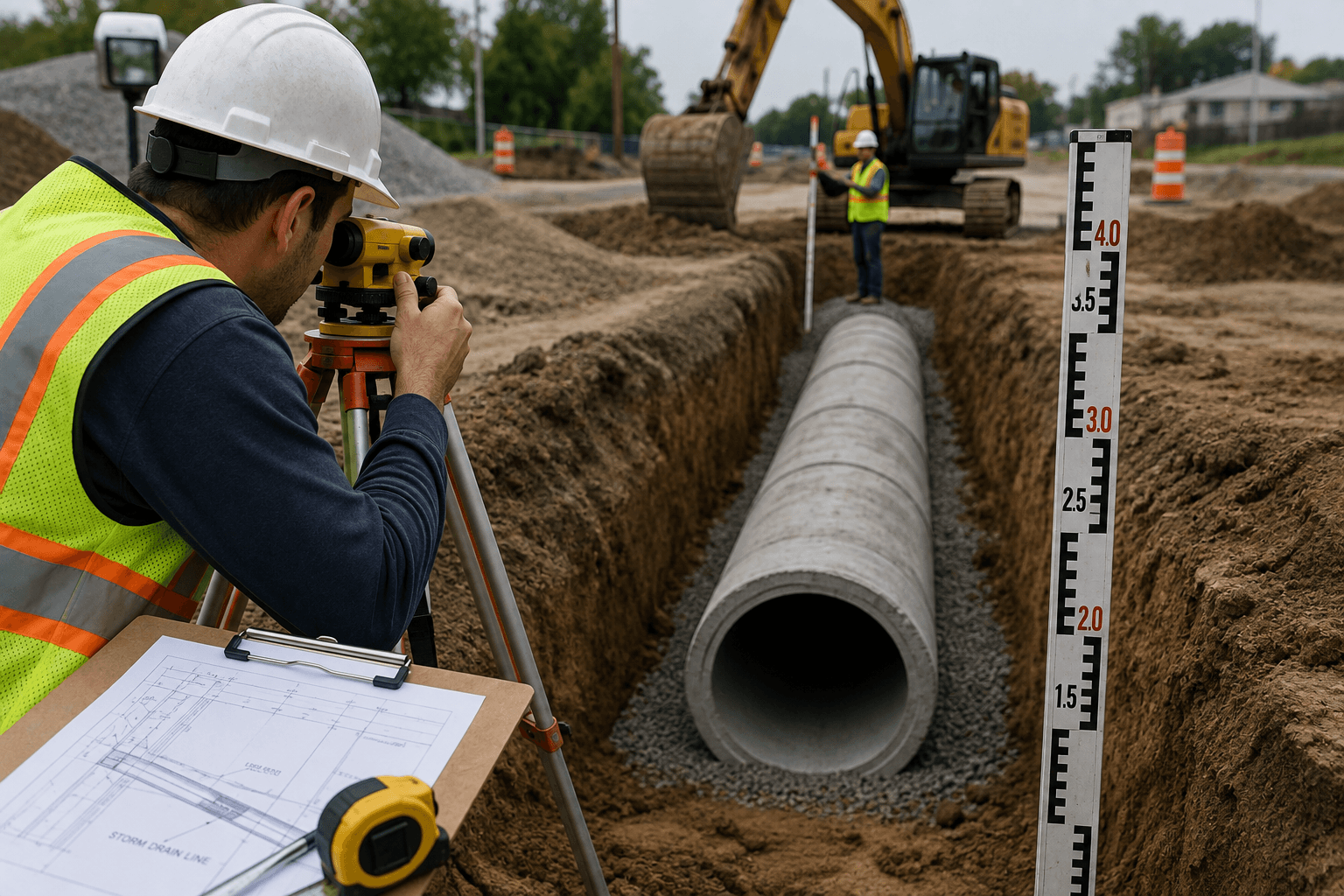
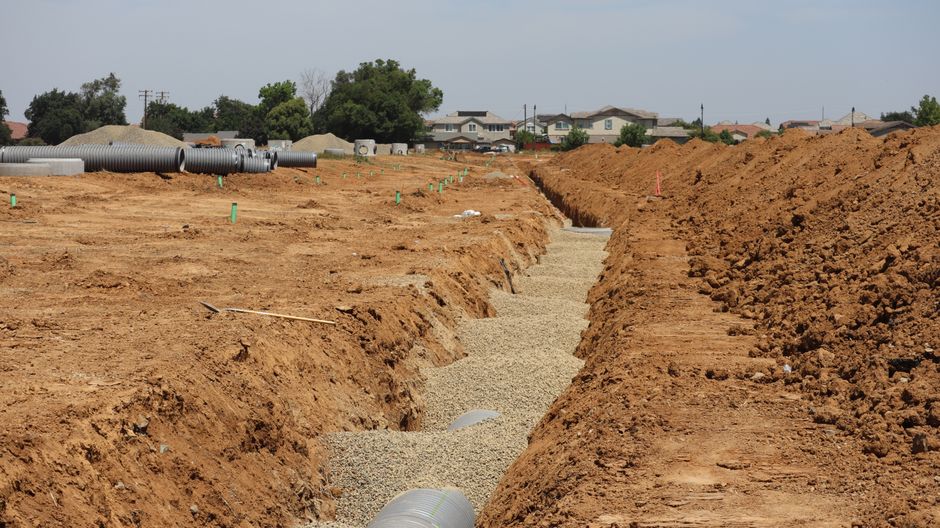
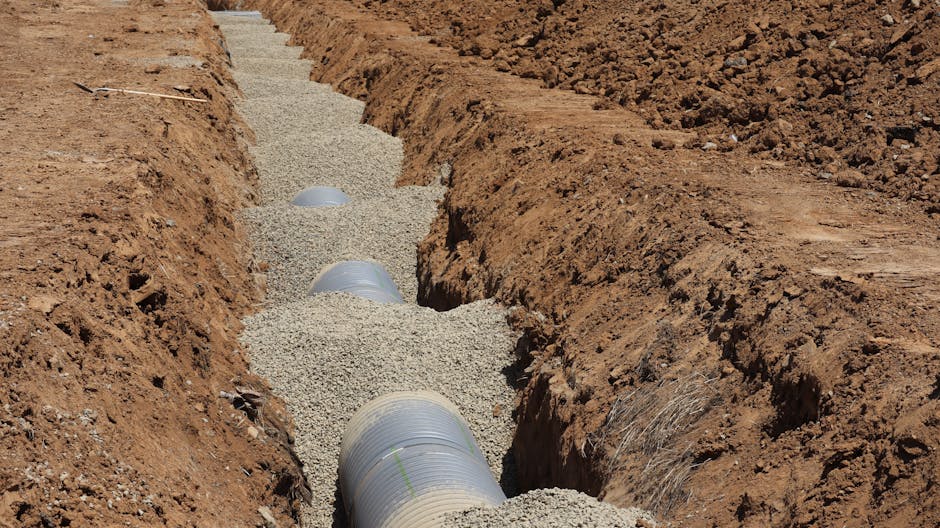
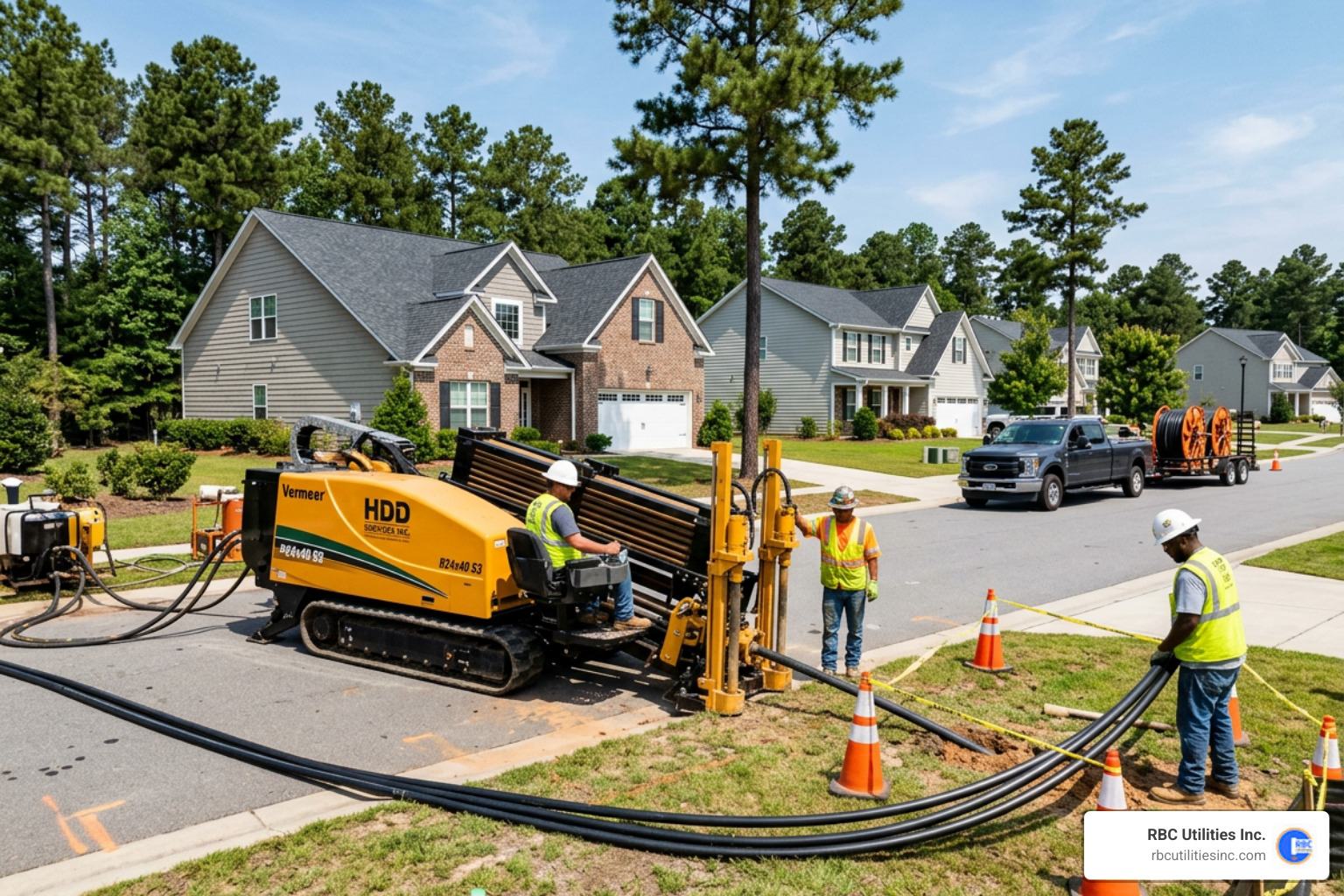
If method selection affects how inspections are structured, review RBC's notes on directional boring vs. open-cut trenching, commercial conduit installation, and storm drain pipe installation.
As early as the installation sequence allows, ideally the moment a section is ready rather than waiting until the whole scope is complete.
Work built to a general standard instead of the specific requirements of the municipality or utility owner reviewing it, often because that standard wasn't confirmed before construction started.
By treating it as a scheduled part of the project, not a reactive scramble. RBC crews build to the exact standard a given inspector expects, which is a large part of why the company passes inspections on the first visit far more often than not.
Inspection coordination rarely gets credit when it goes well, but it gets blamed loudly when it doesn't. Treating it as a planned discipline, with its own schedule, documentation, and standards, is what keeps a well-built utility scope from stalling on a technicality.
RBC Utilities builds that coordination into every project across the Carolinas. For project conversations, use the RBC Utilities contact page.
Part of Saga Infrastructure, protecting what others built and helping it grow.
Address: 4404 Stuart Andrew Blvd., Suite K, Charlotte, NC 28217
Email: info@rbcutilities.com
Phone: 803-913-9727
Service Area: North Carolina | South Carolina