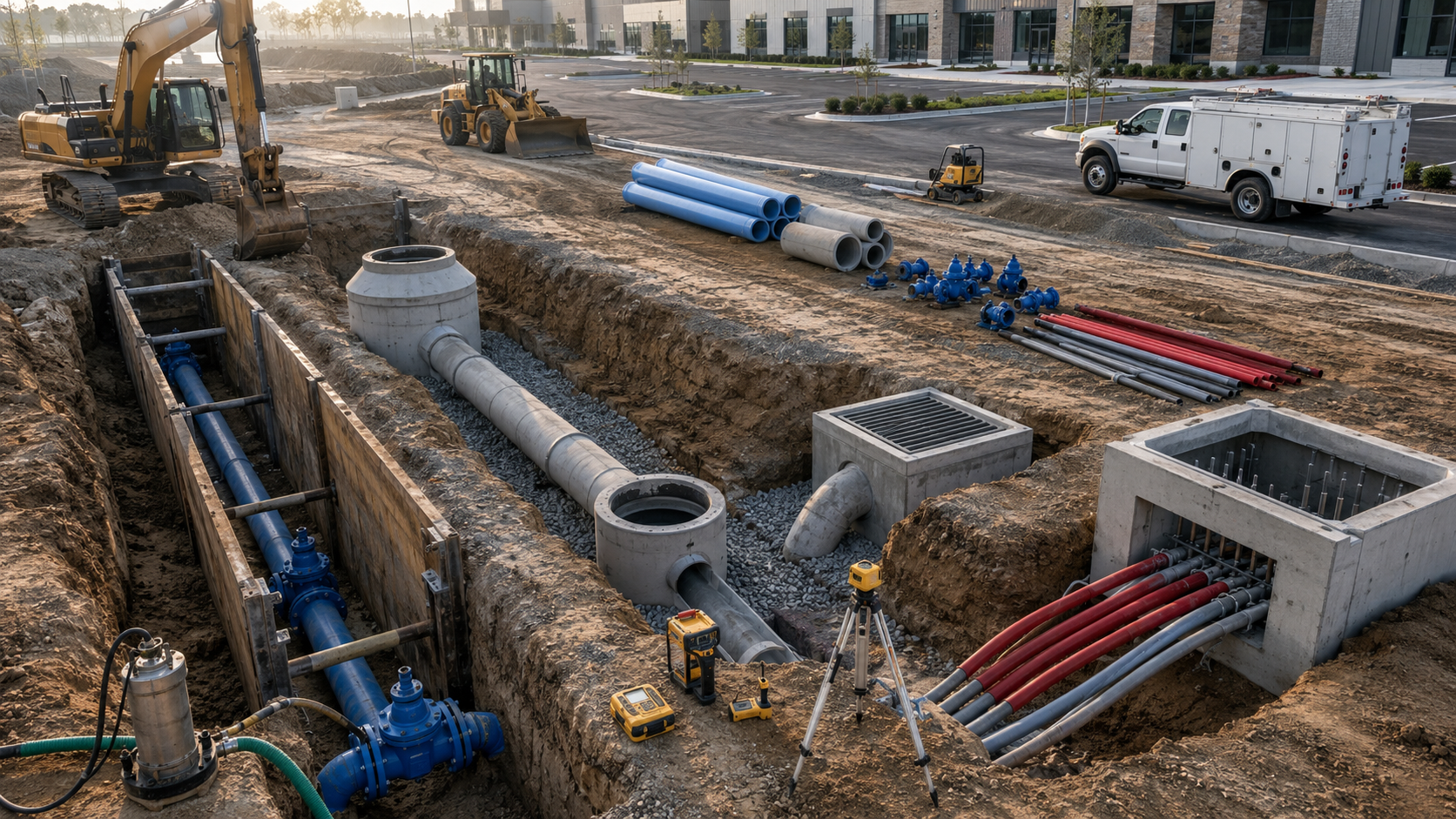
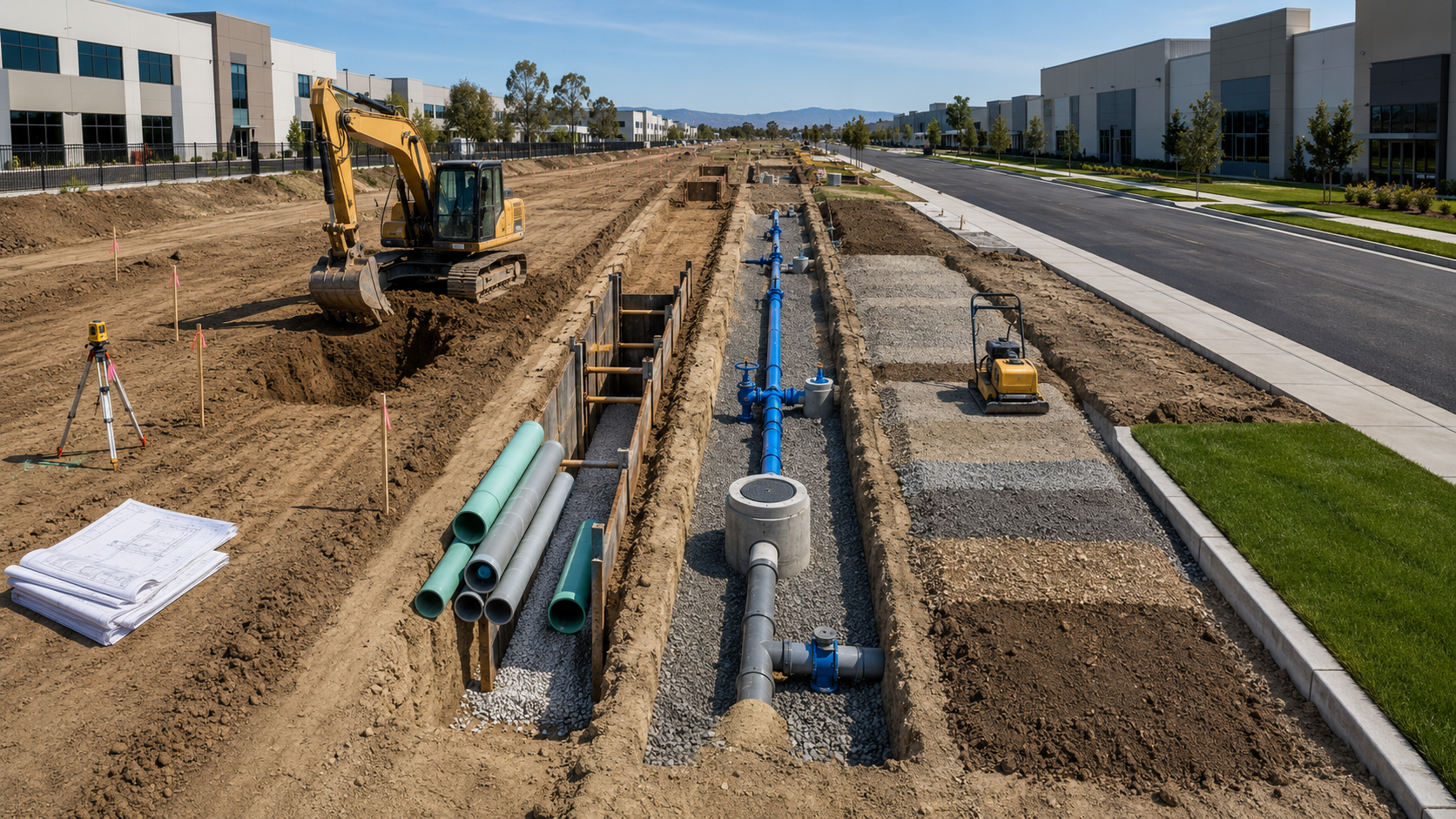
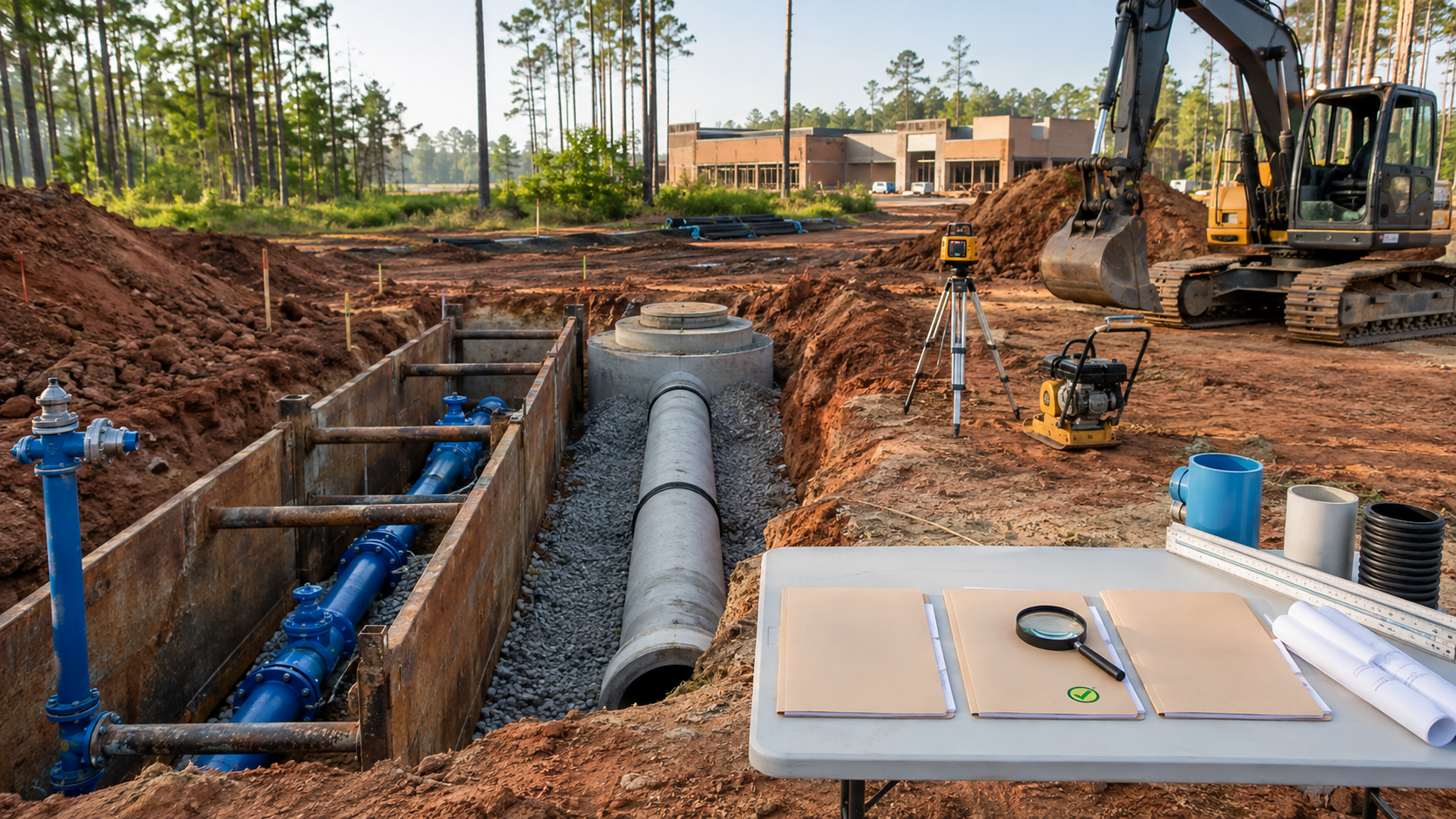
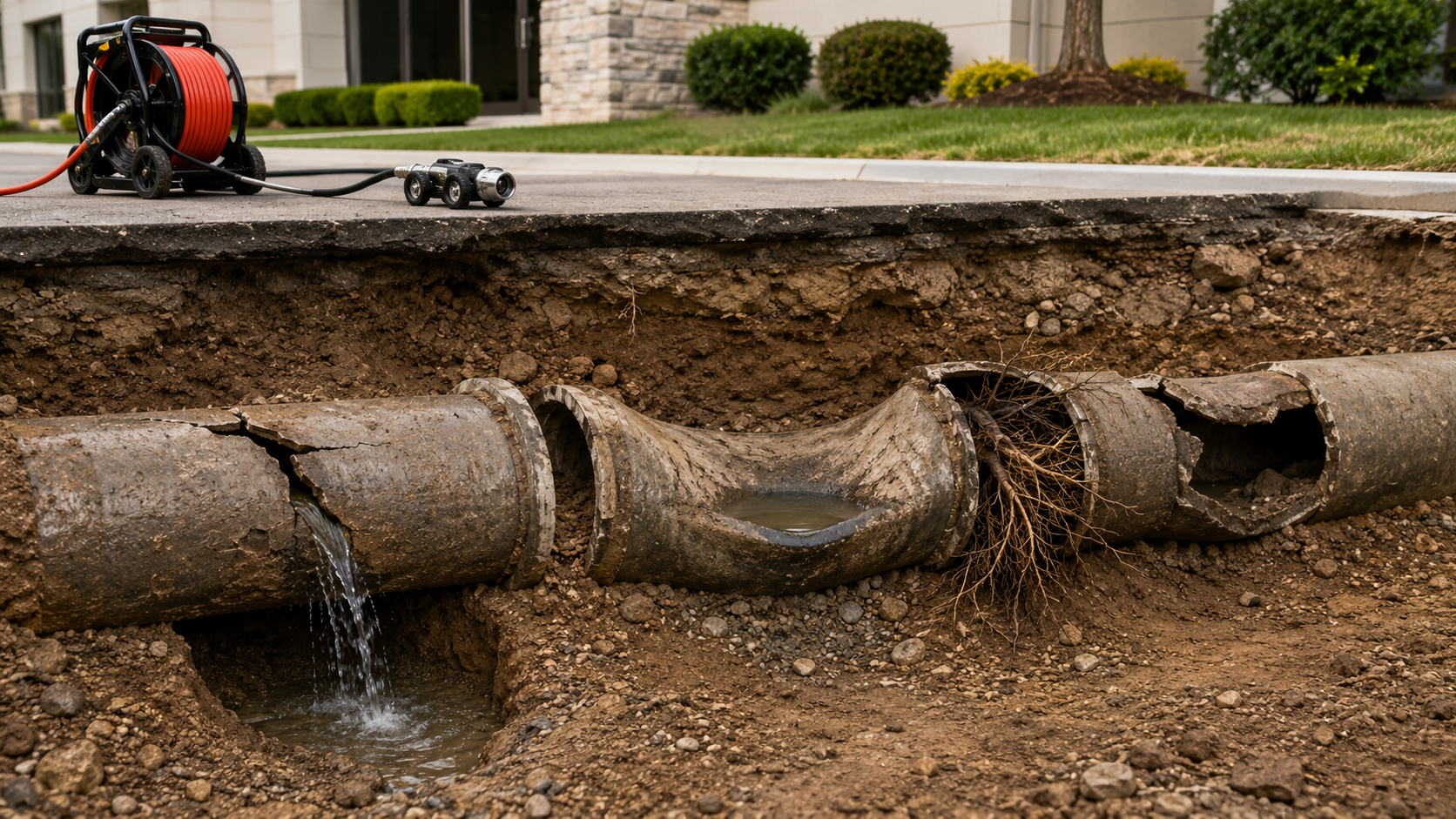
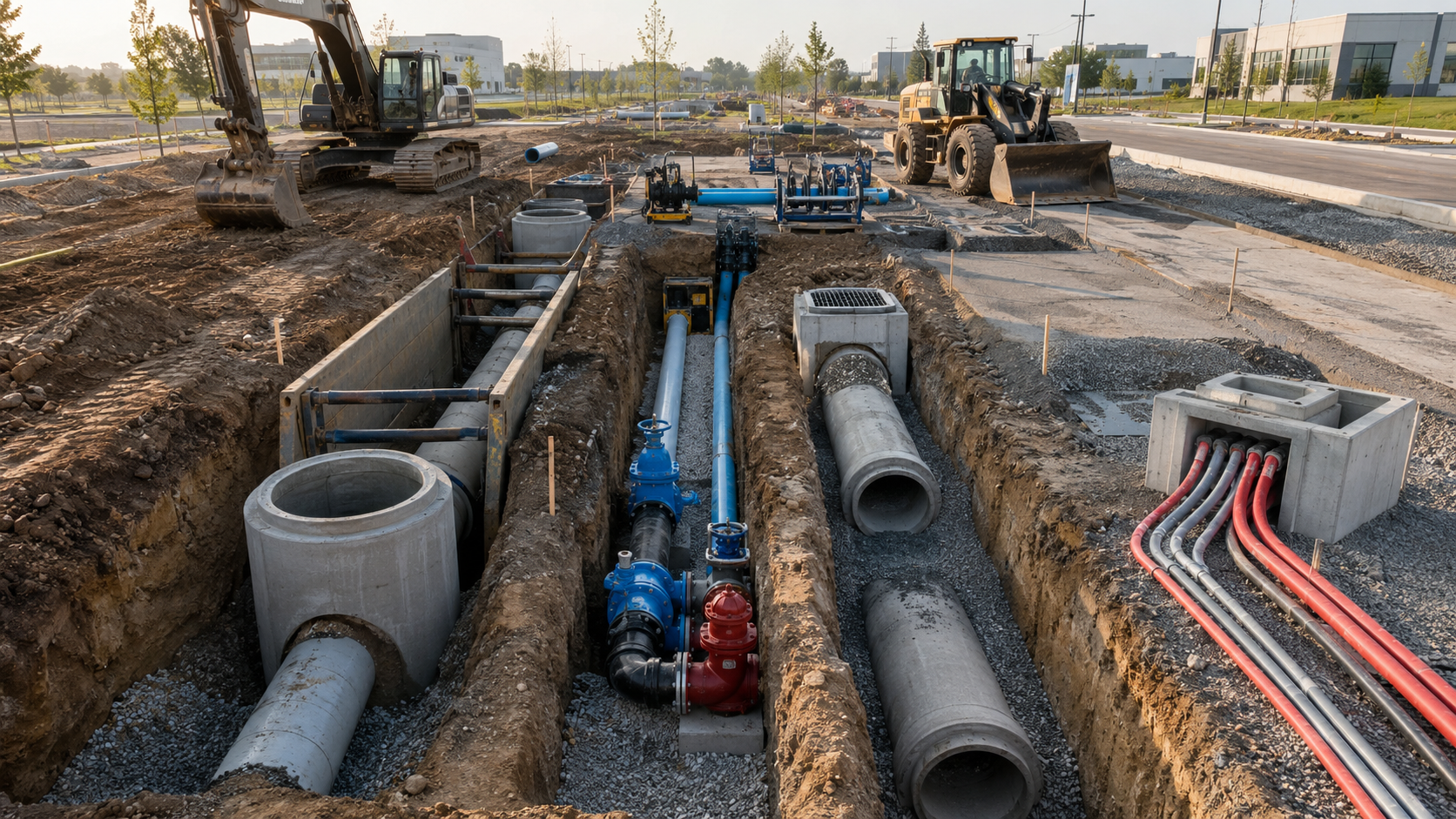
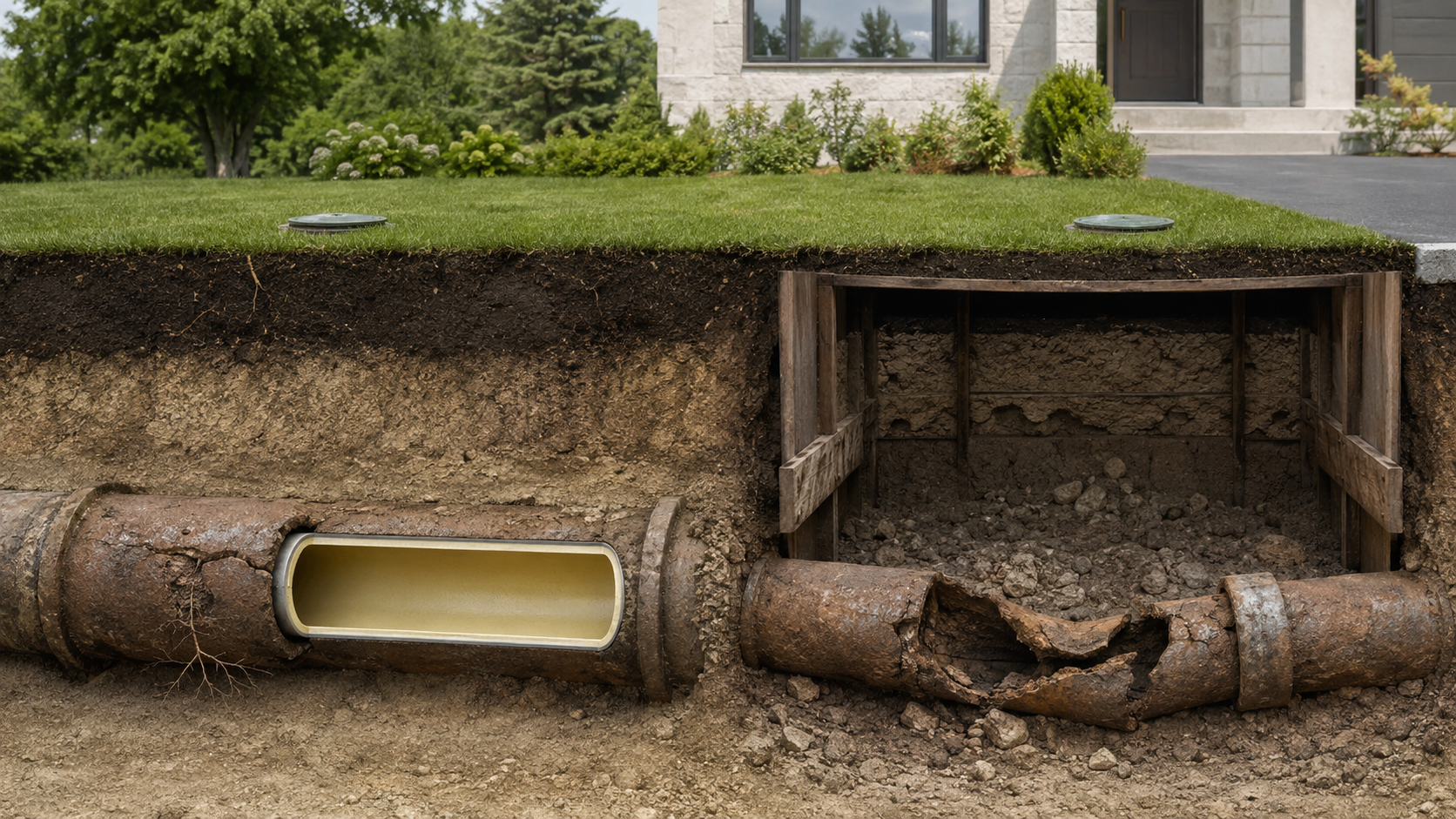
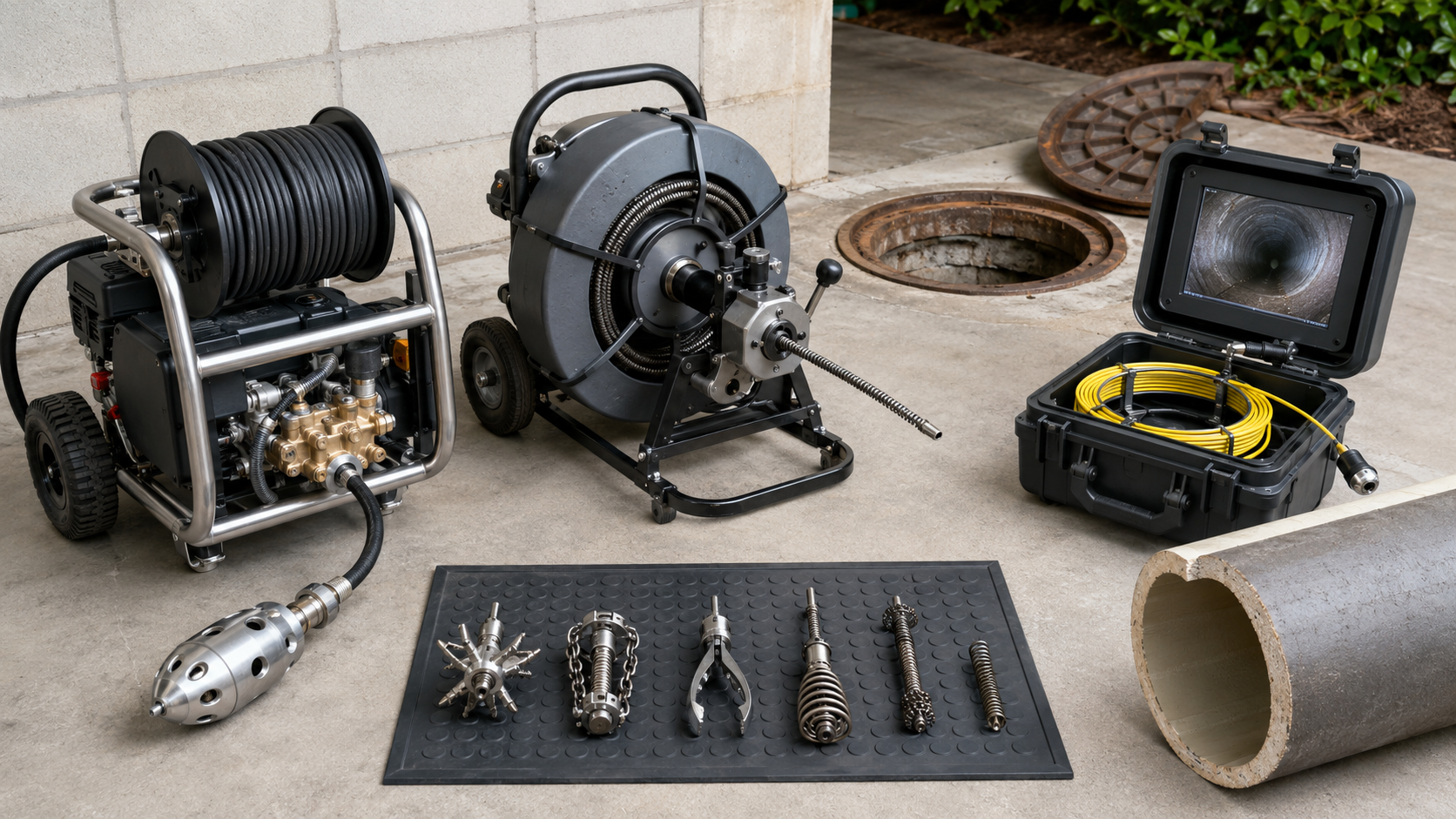
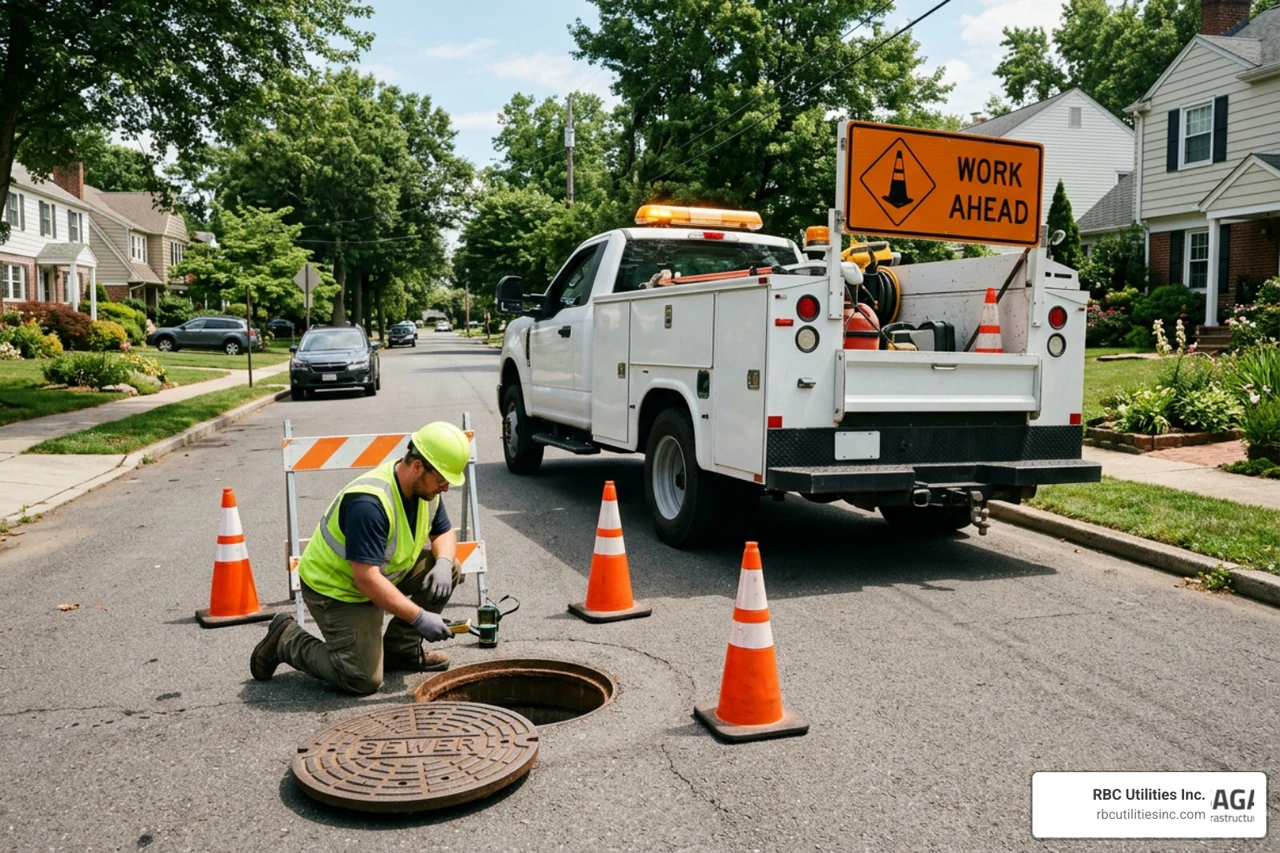
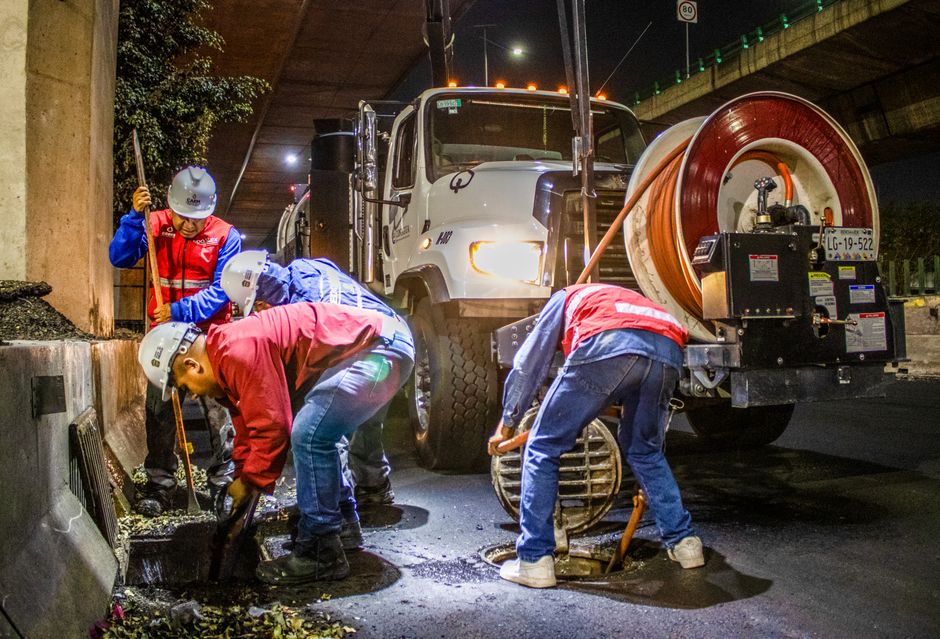
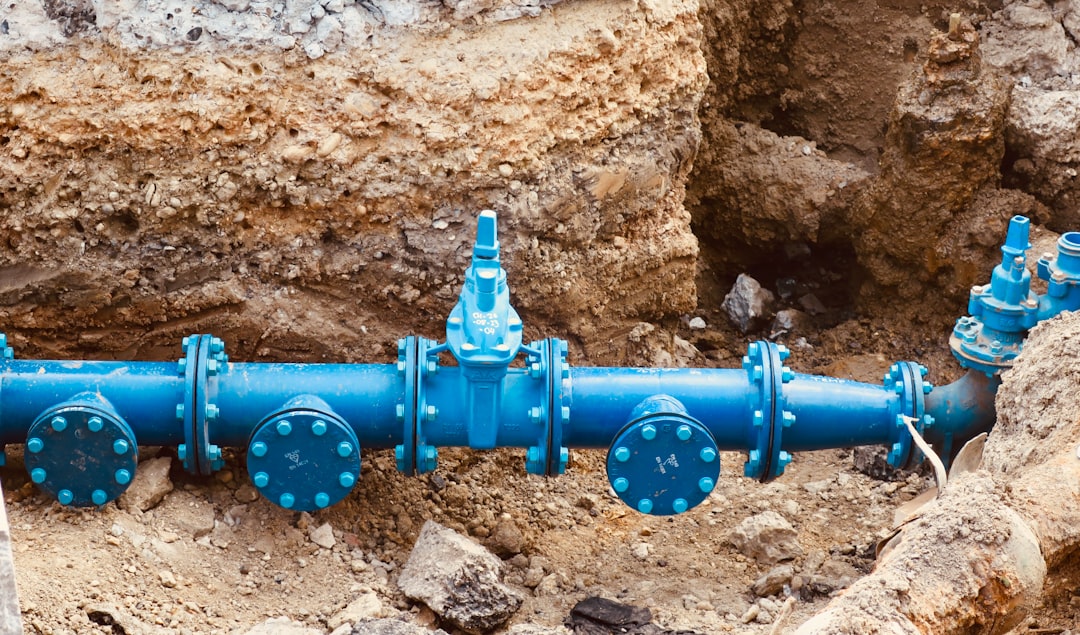
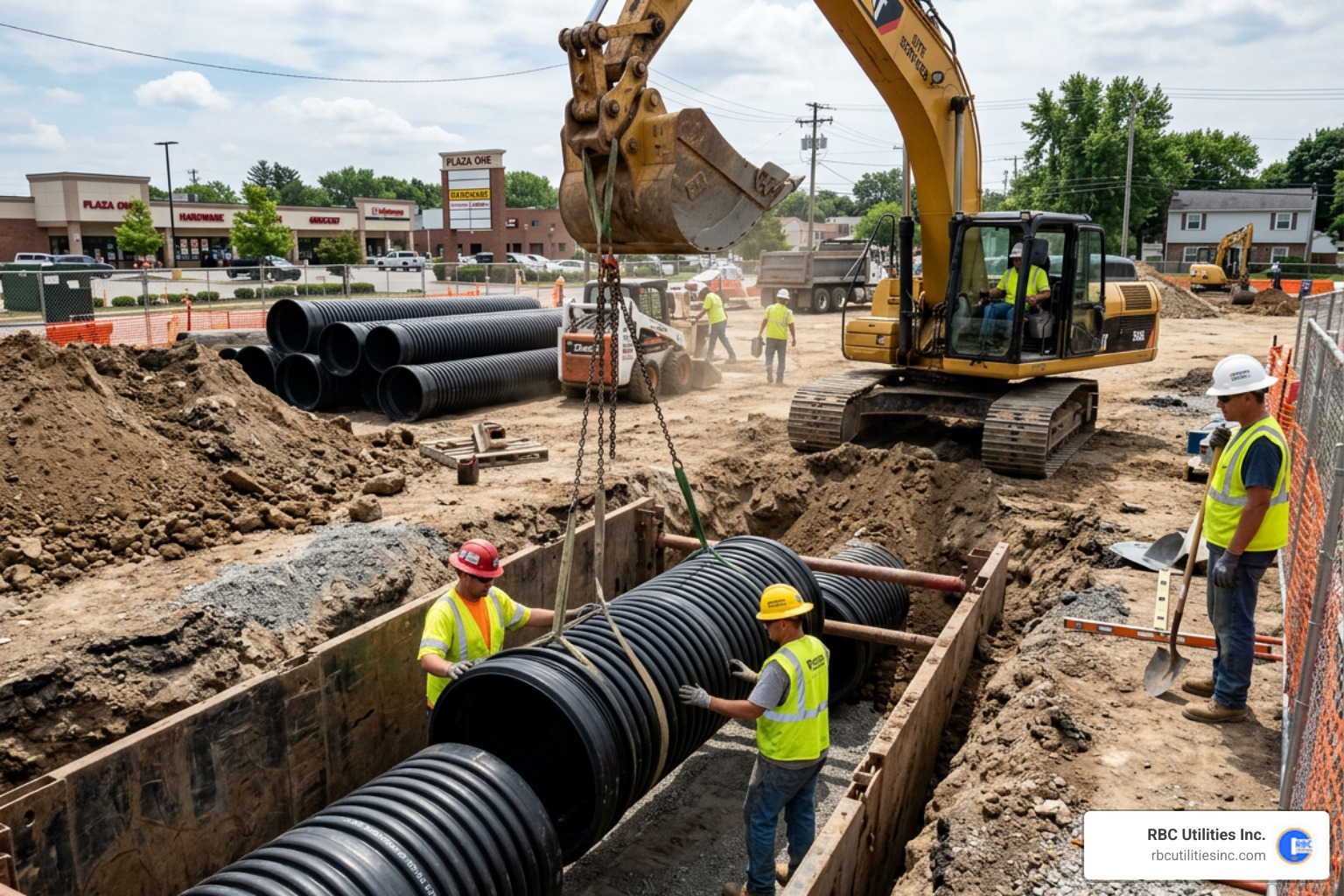
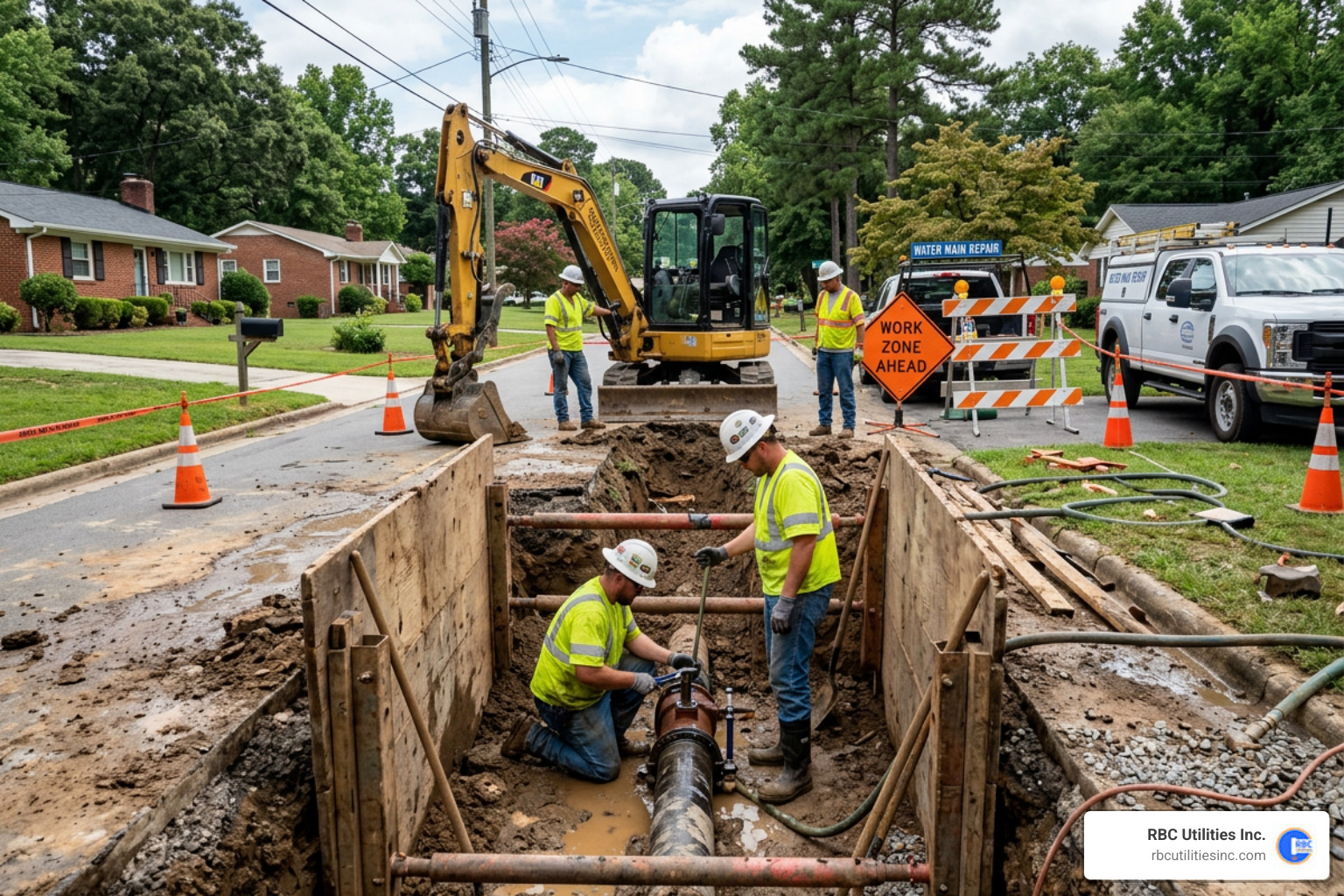
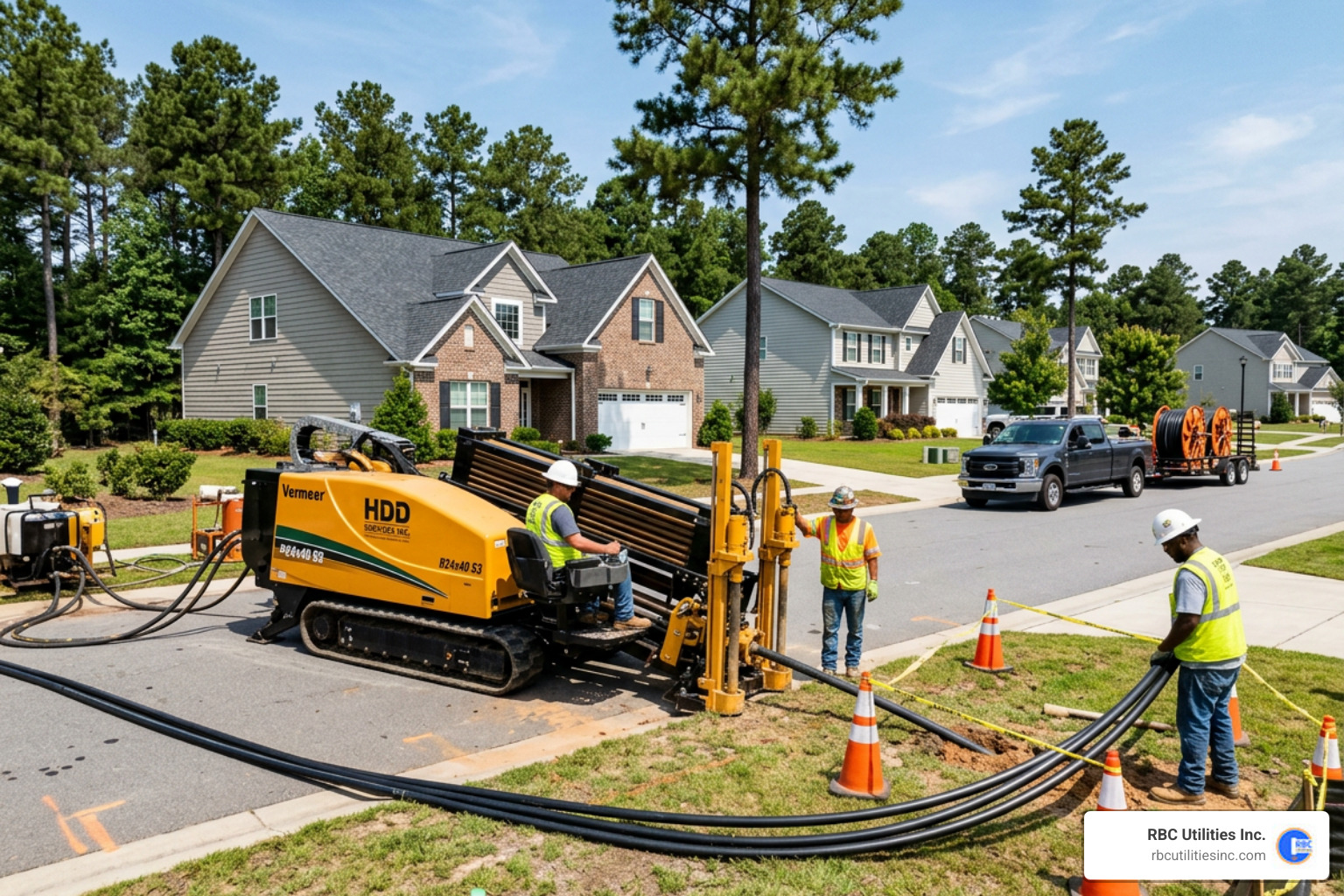
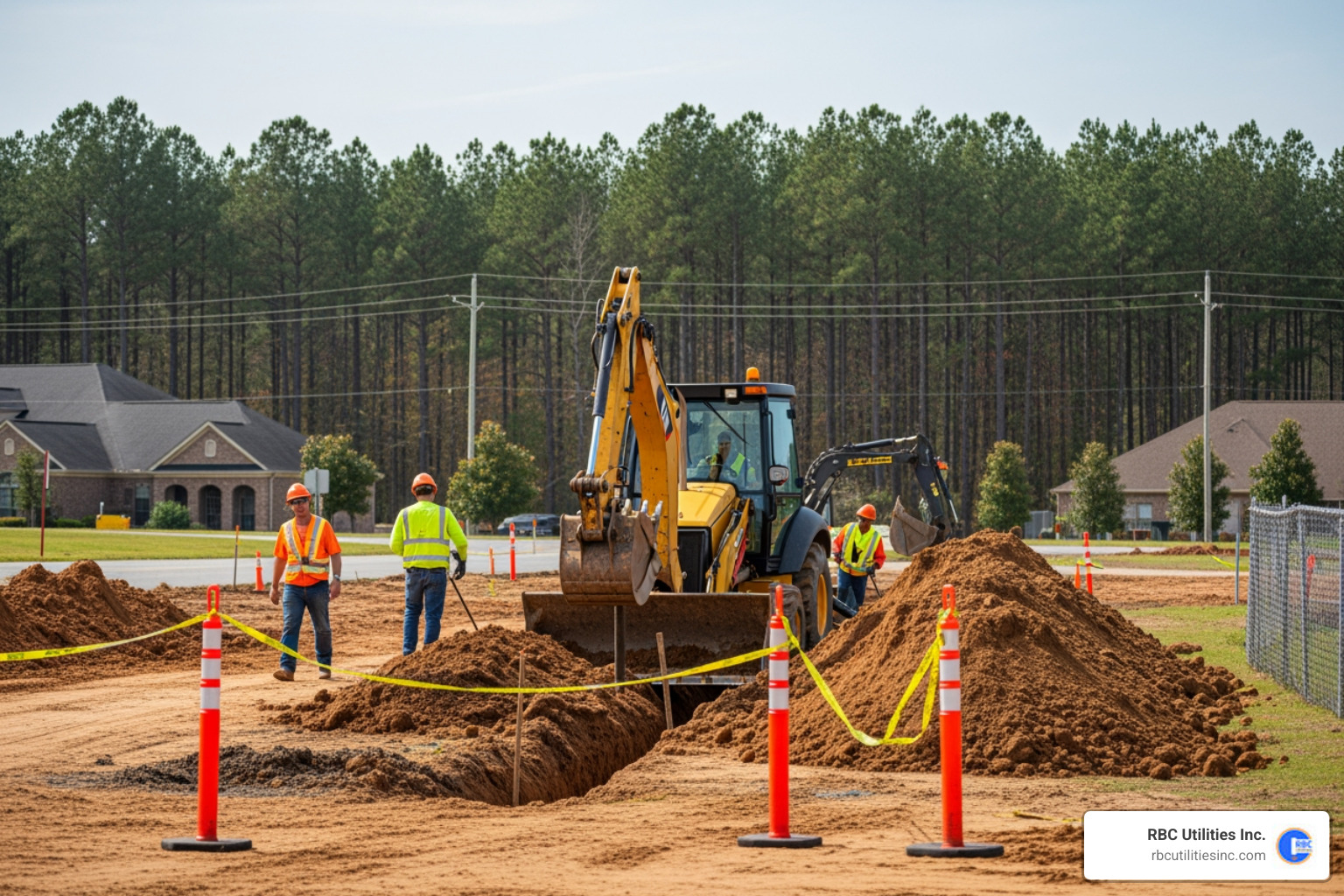
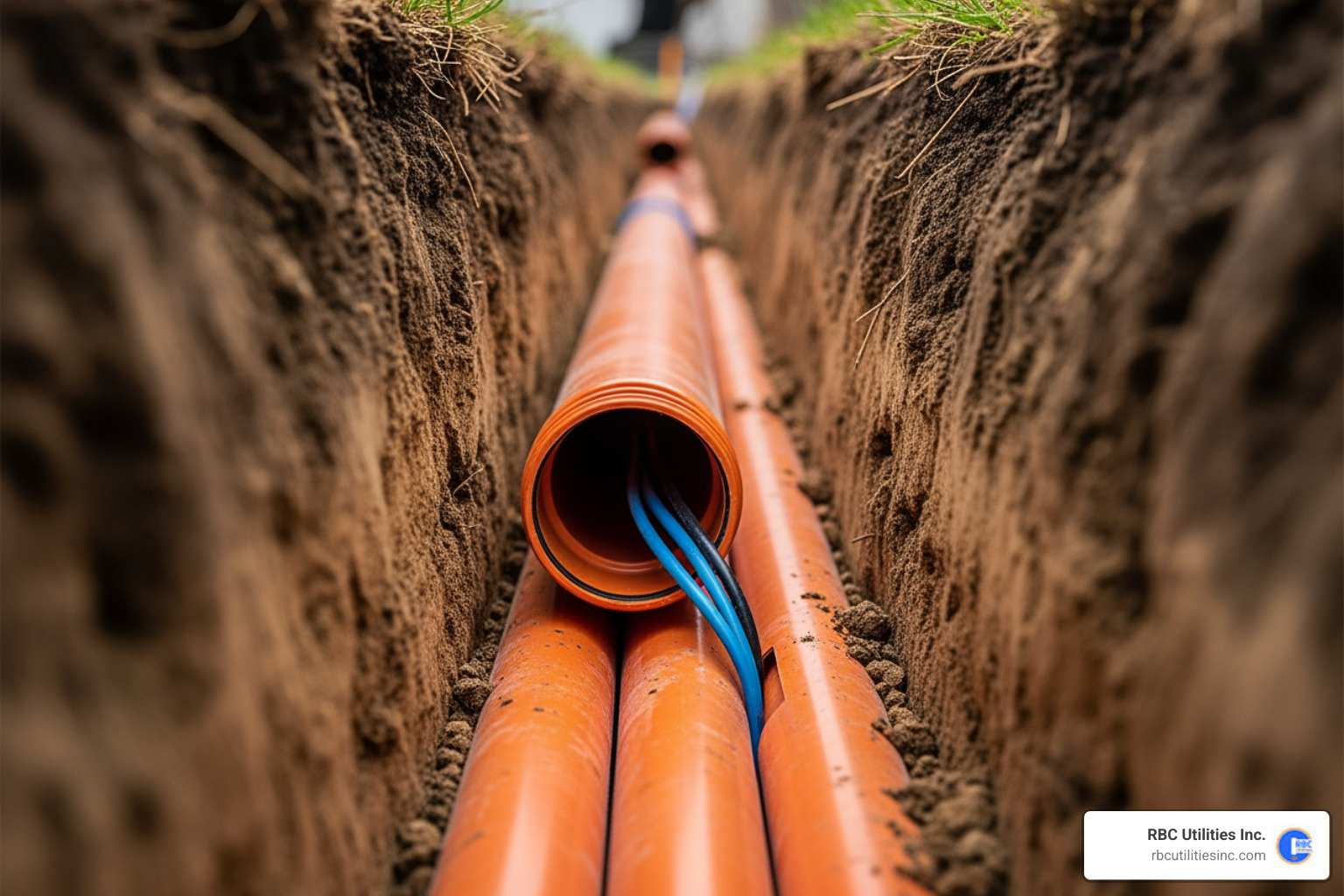
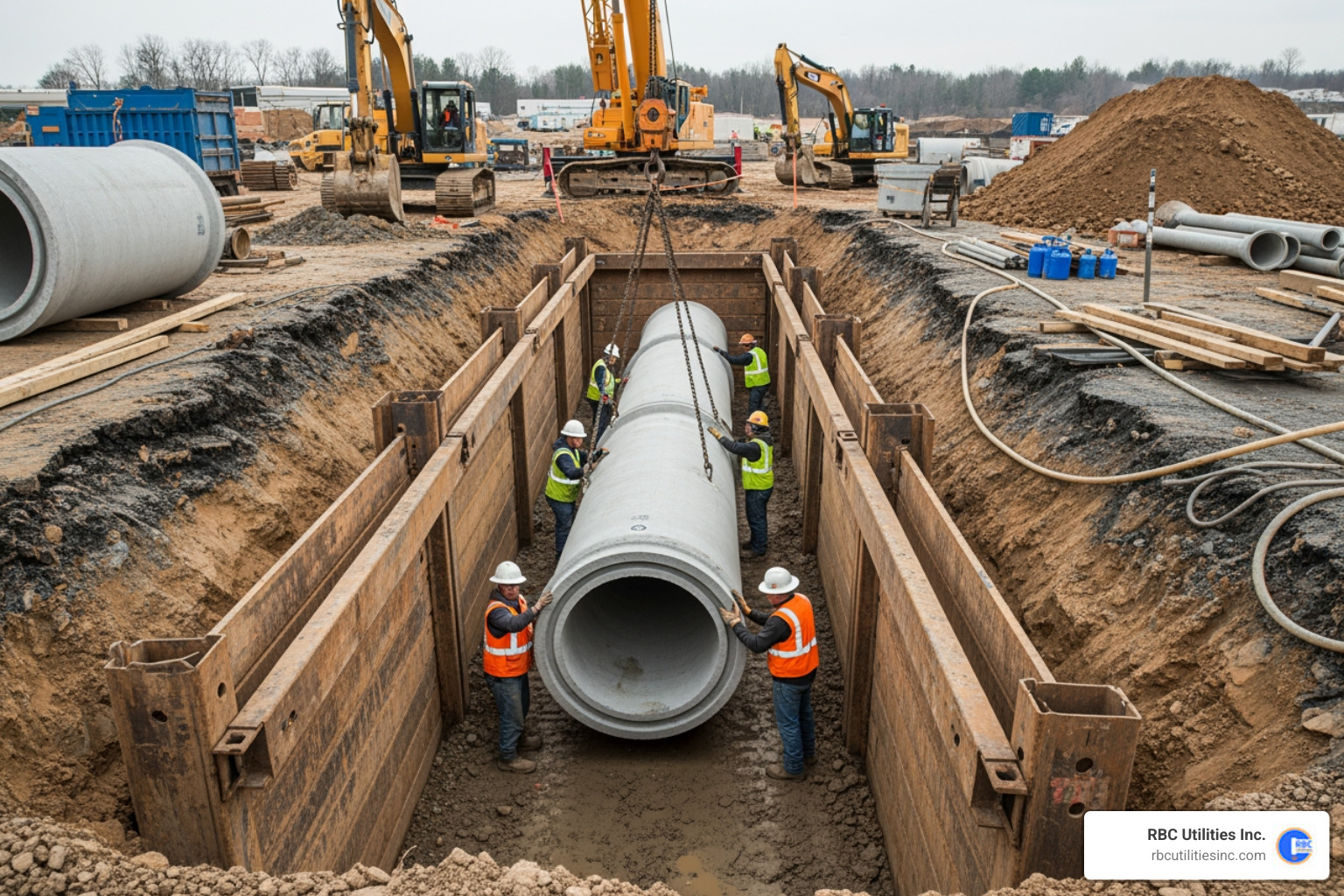
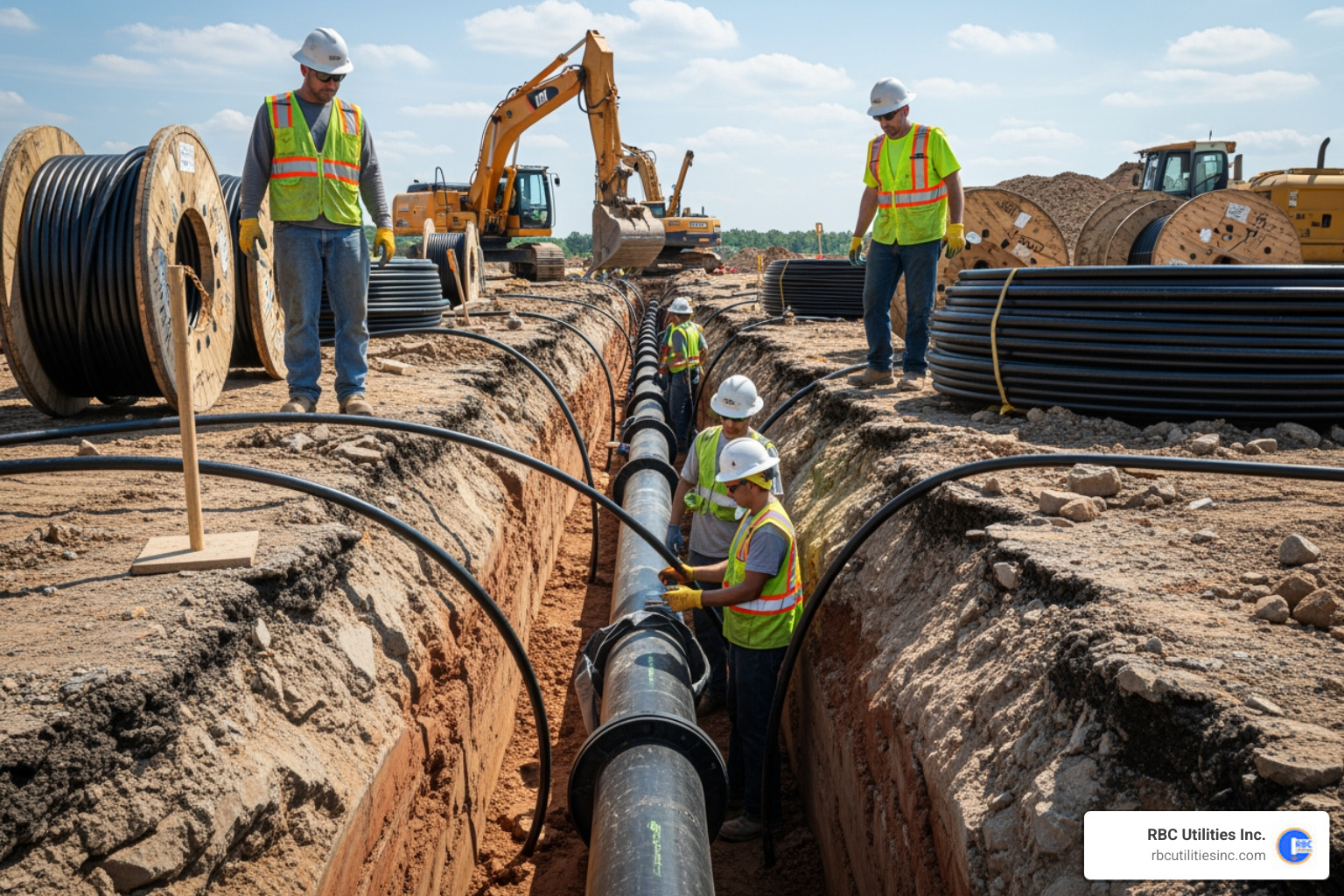
Both methods get a pipe or conduit from point A to point B underground. How they get there, and what they disturb along the way, is where the real difference shows up.
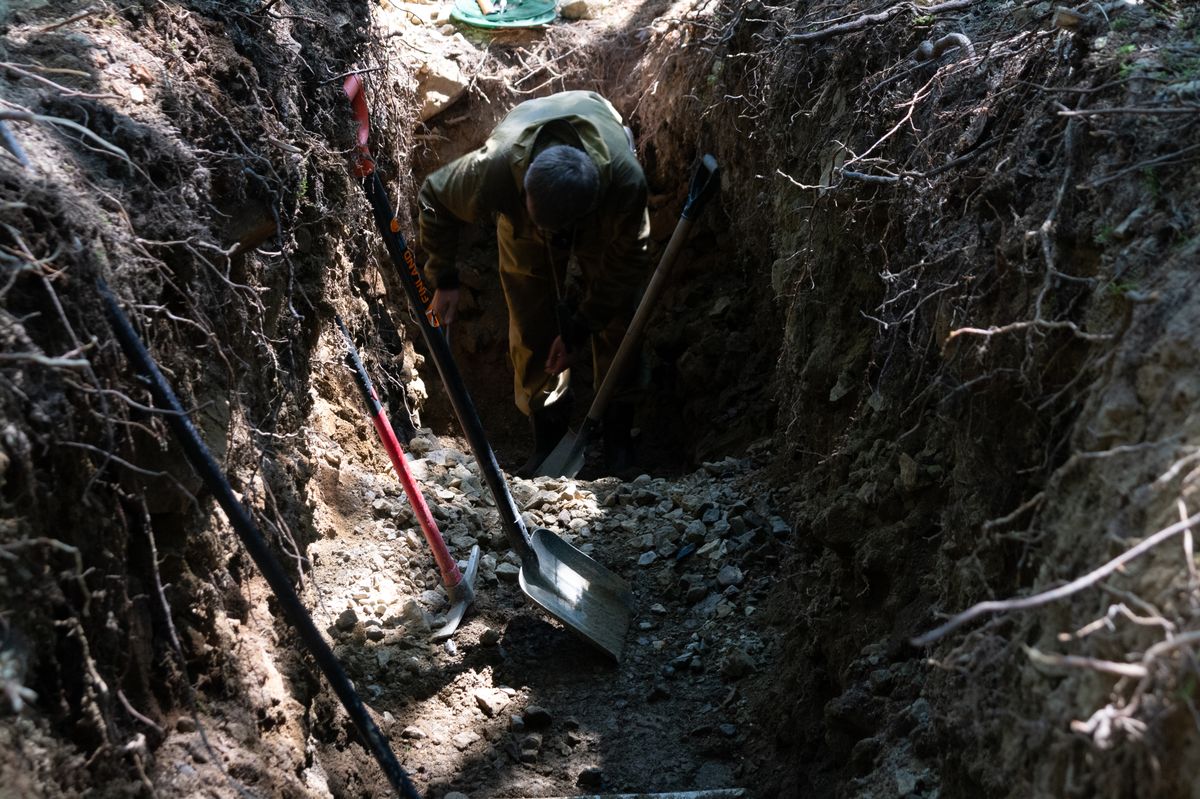
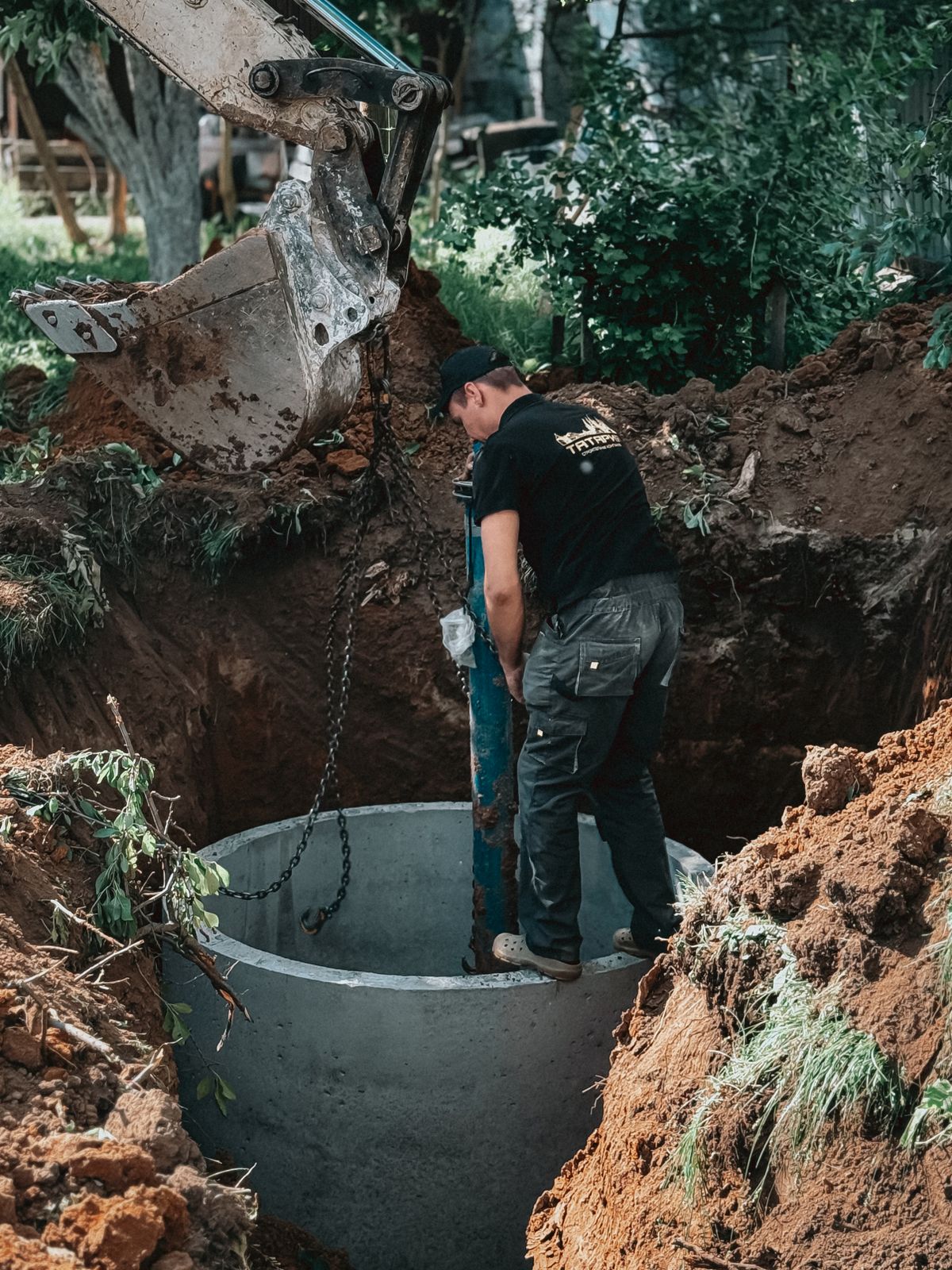
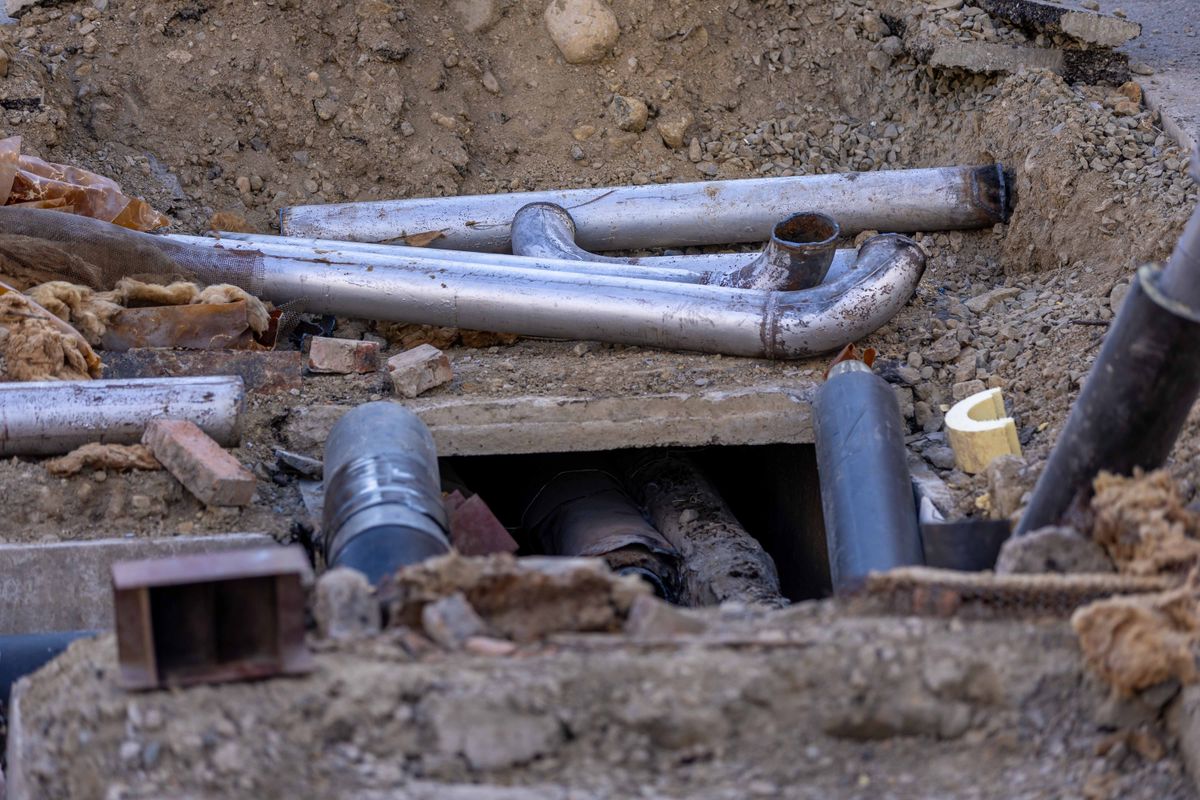
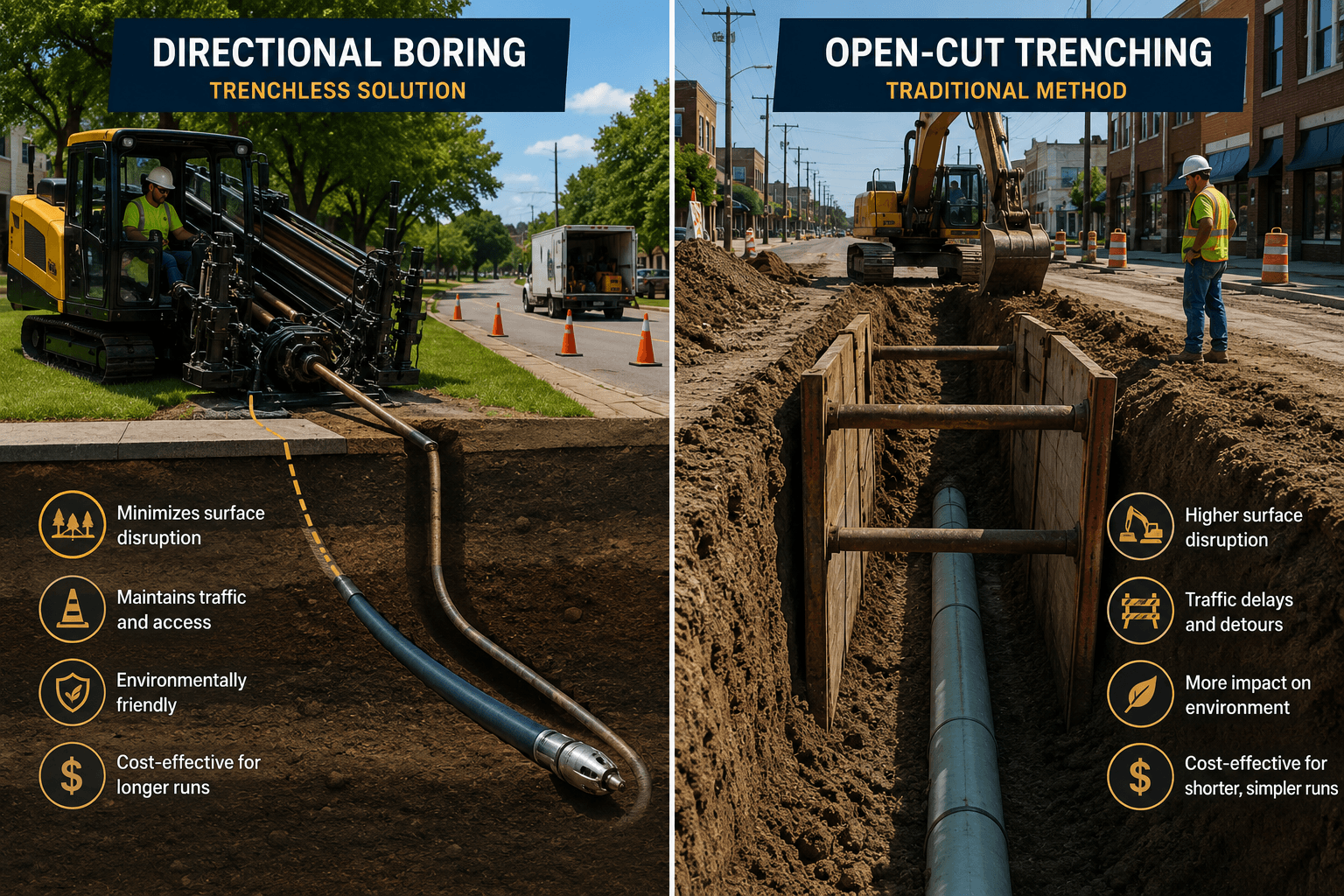
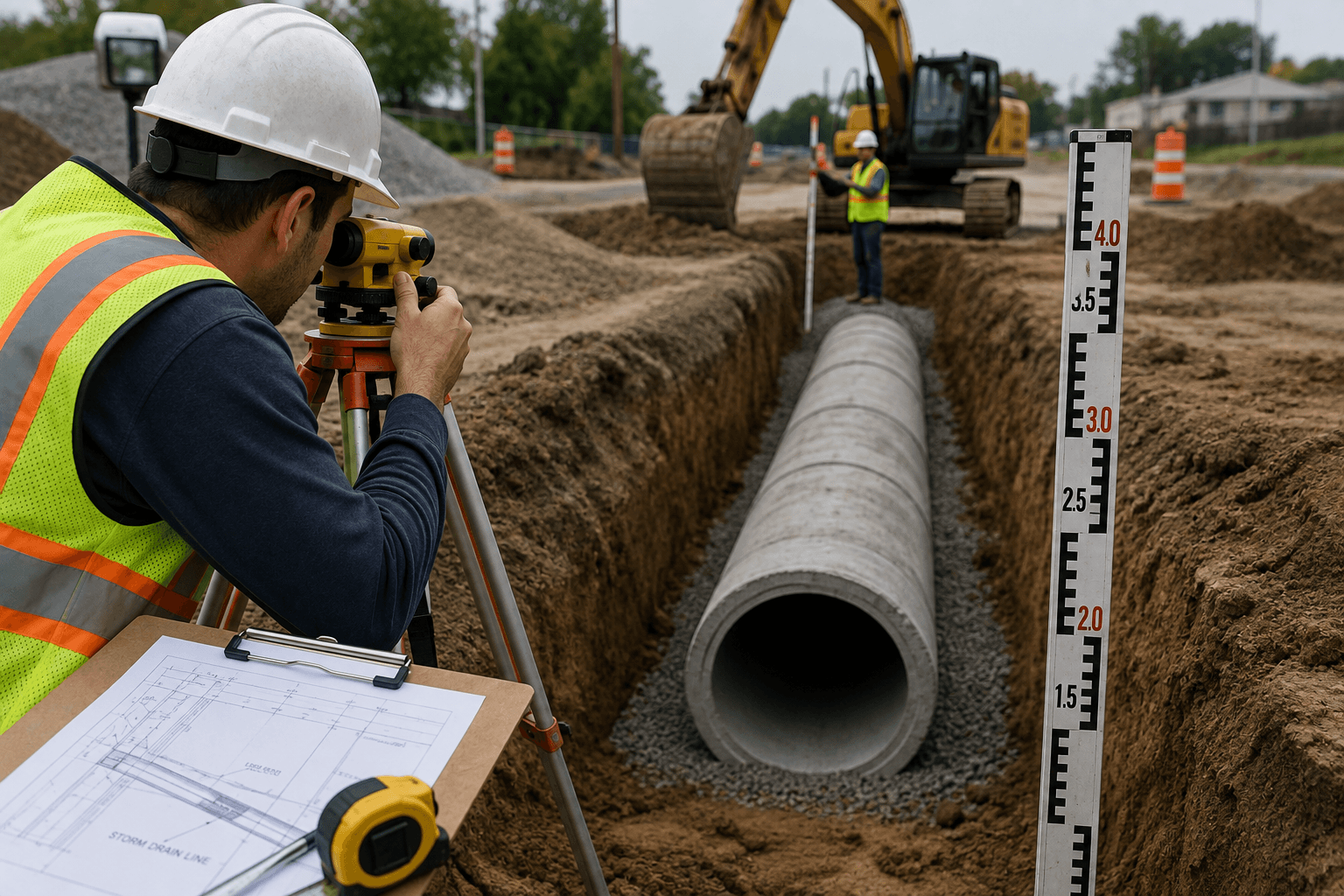
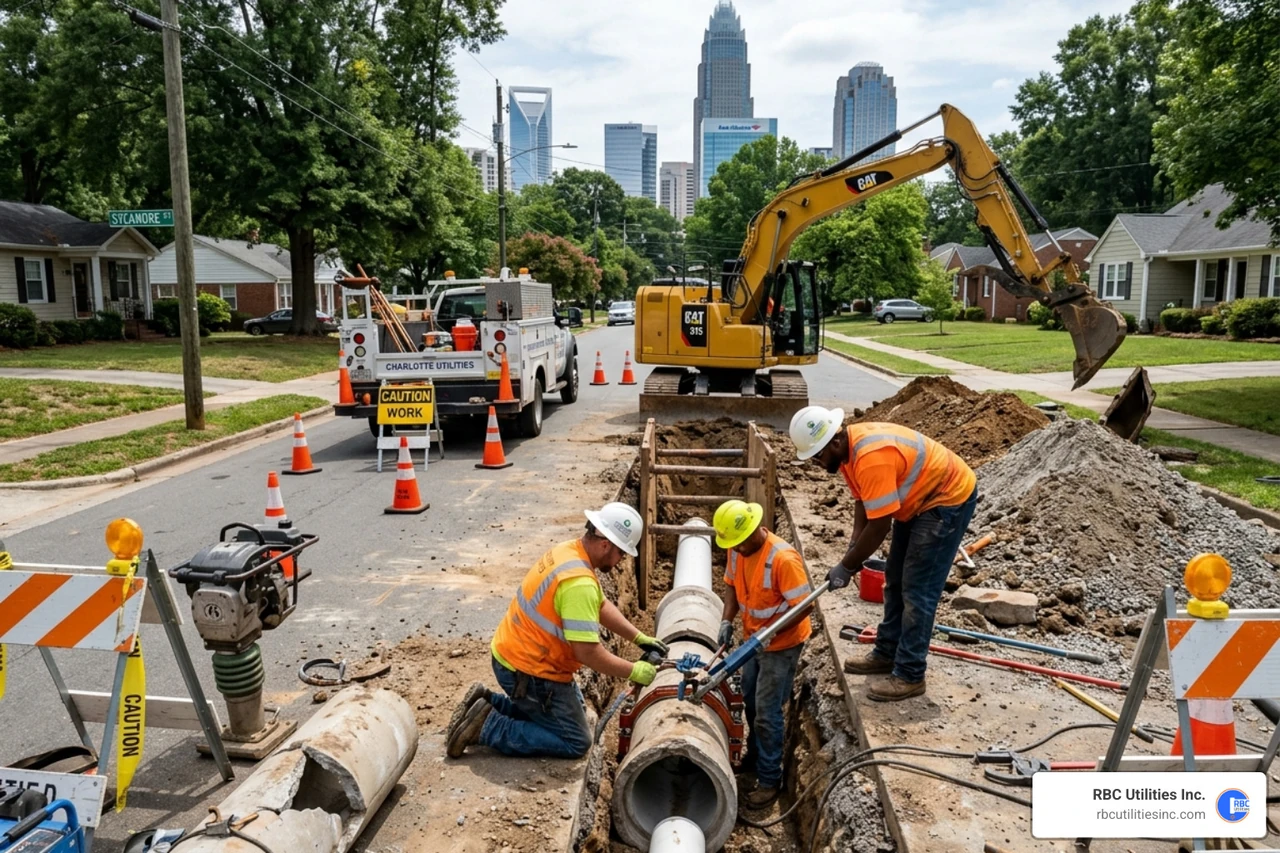
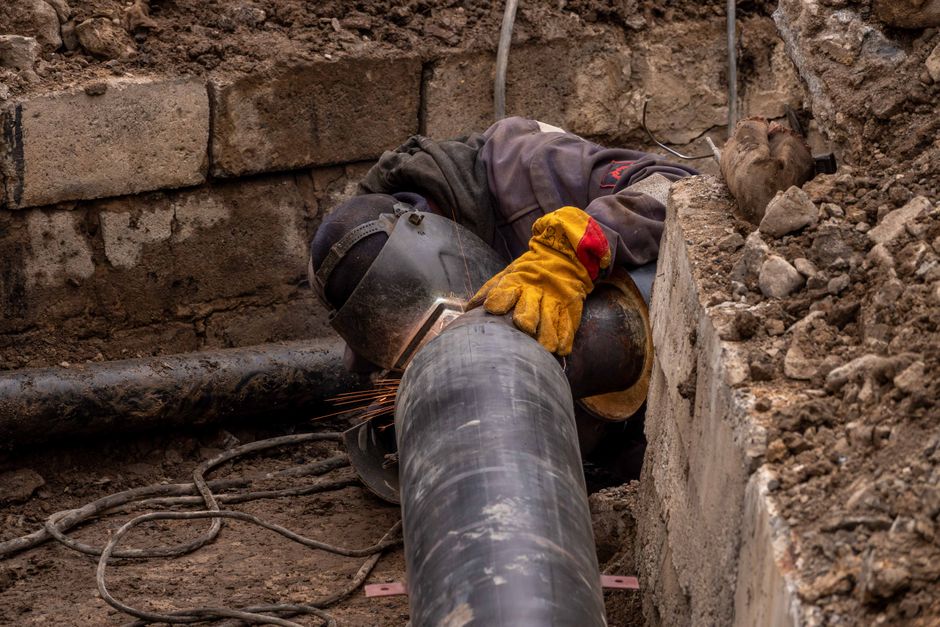
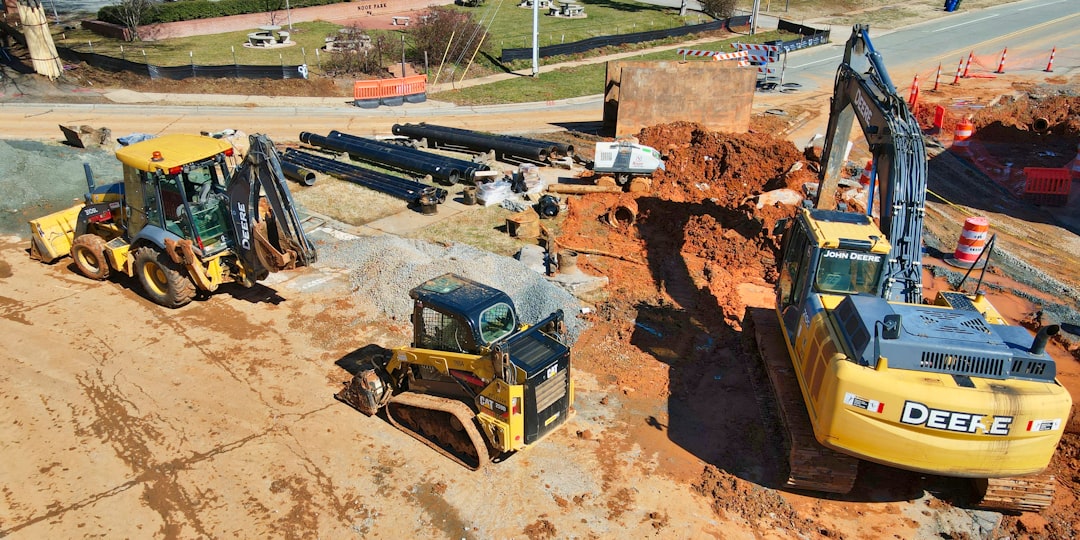
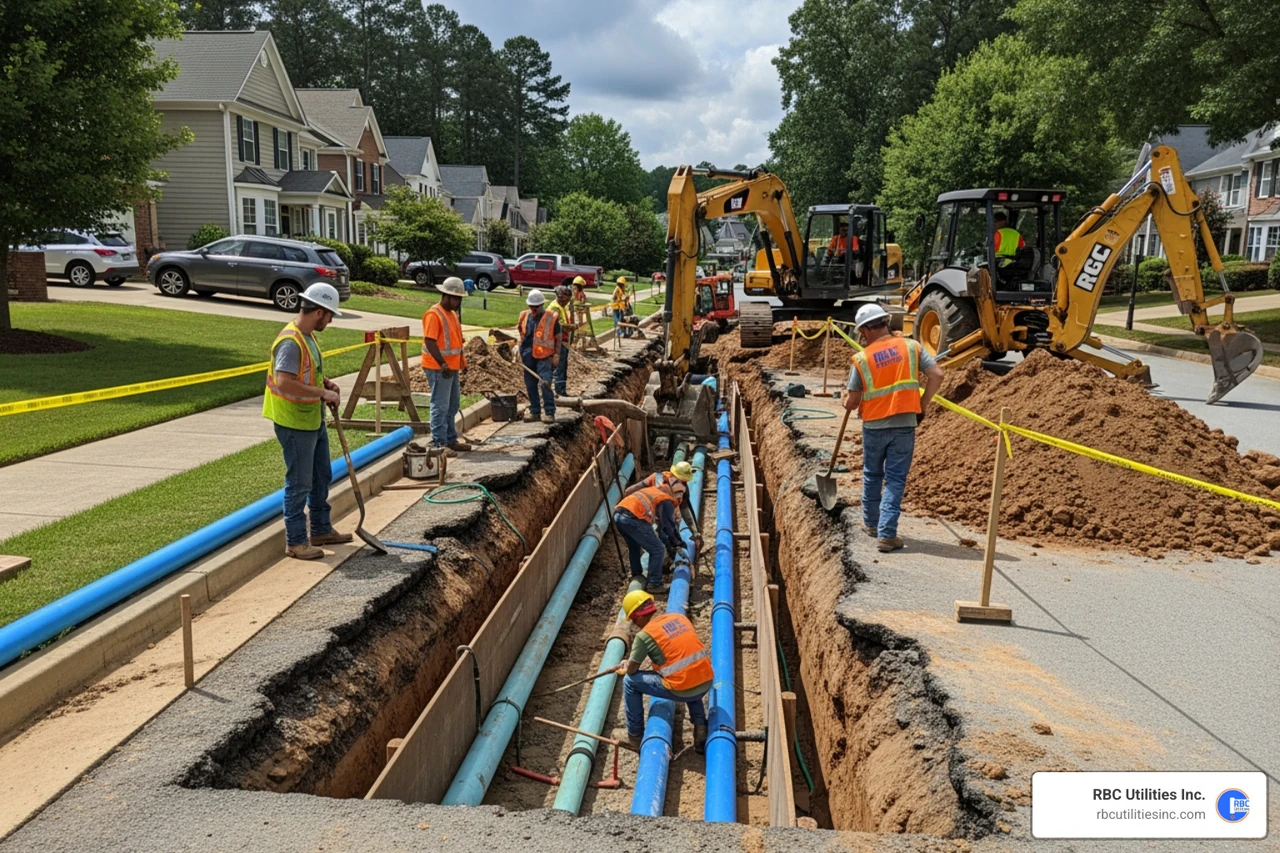
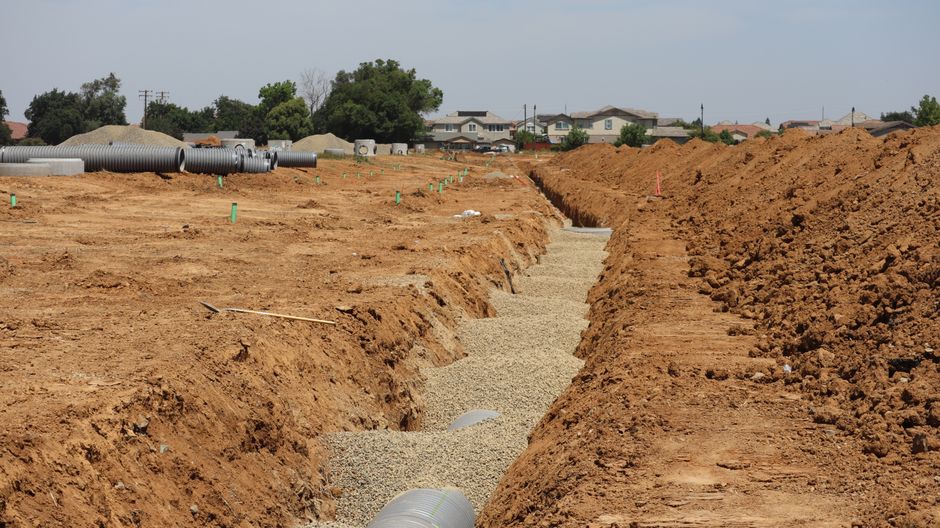
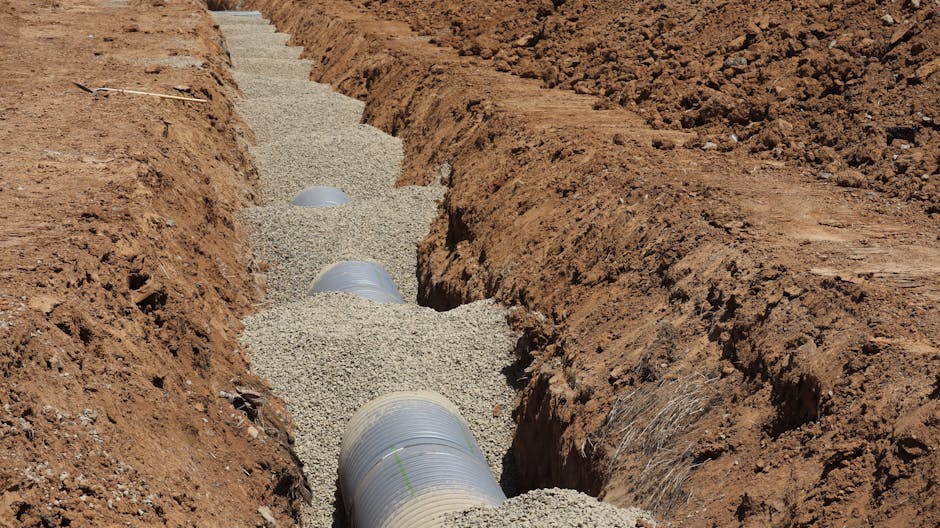
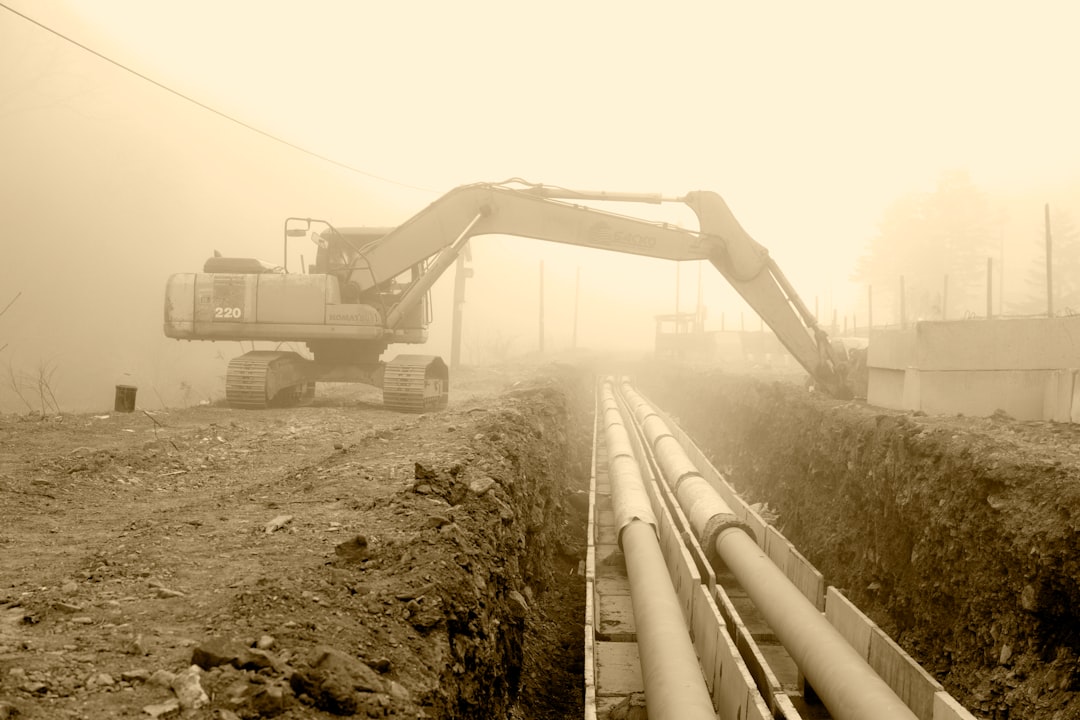
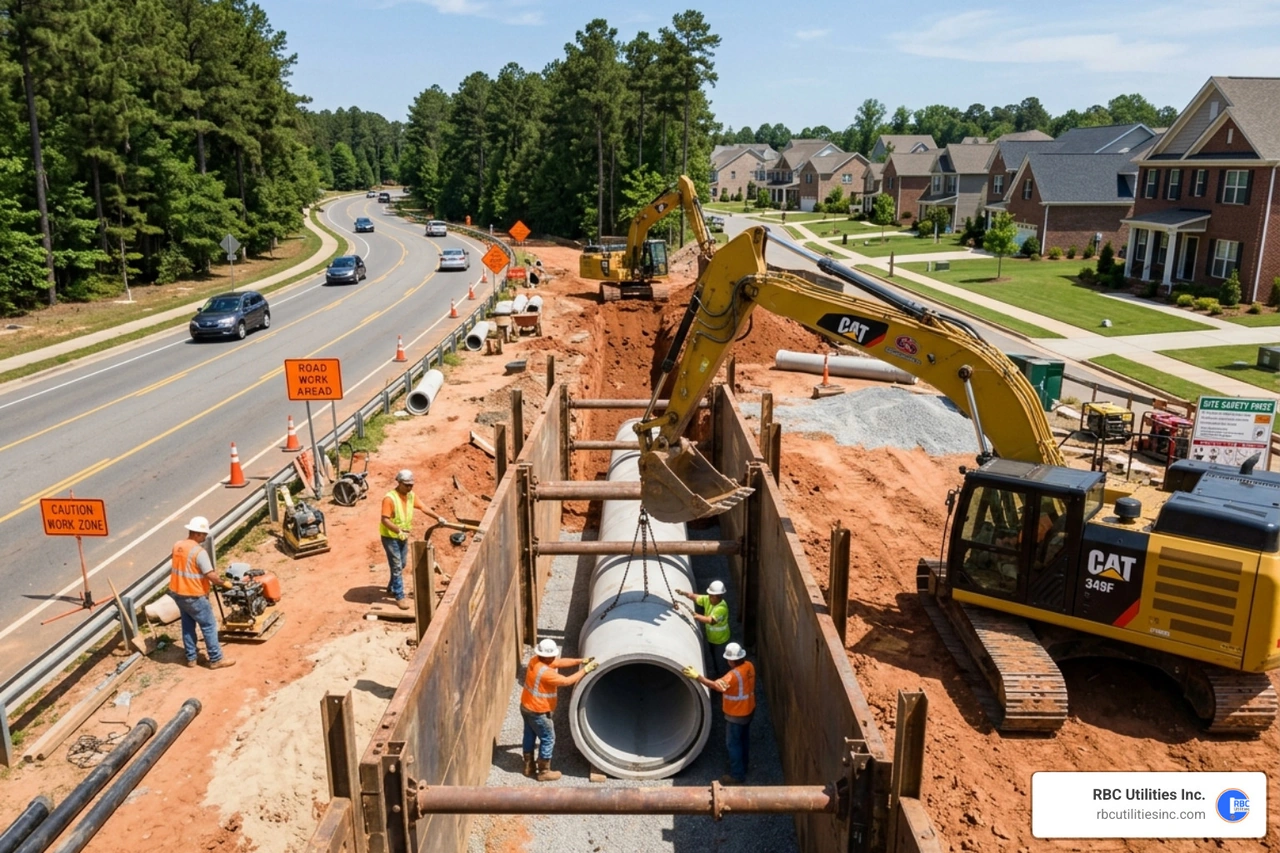
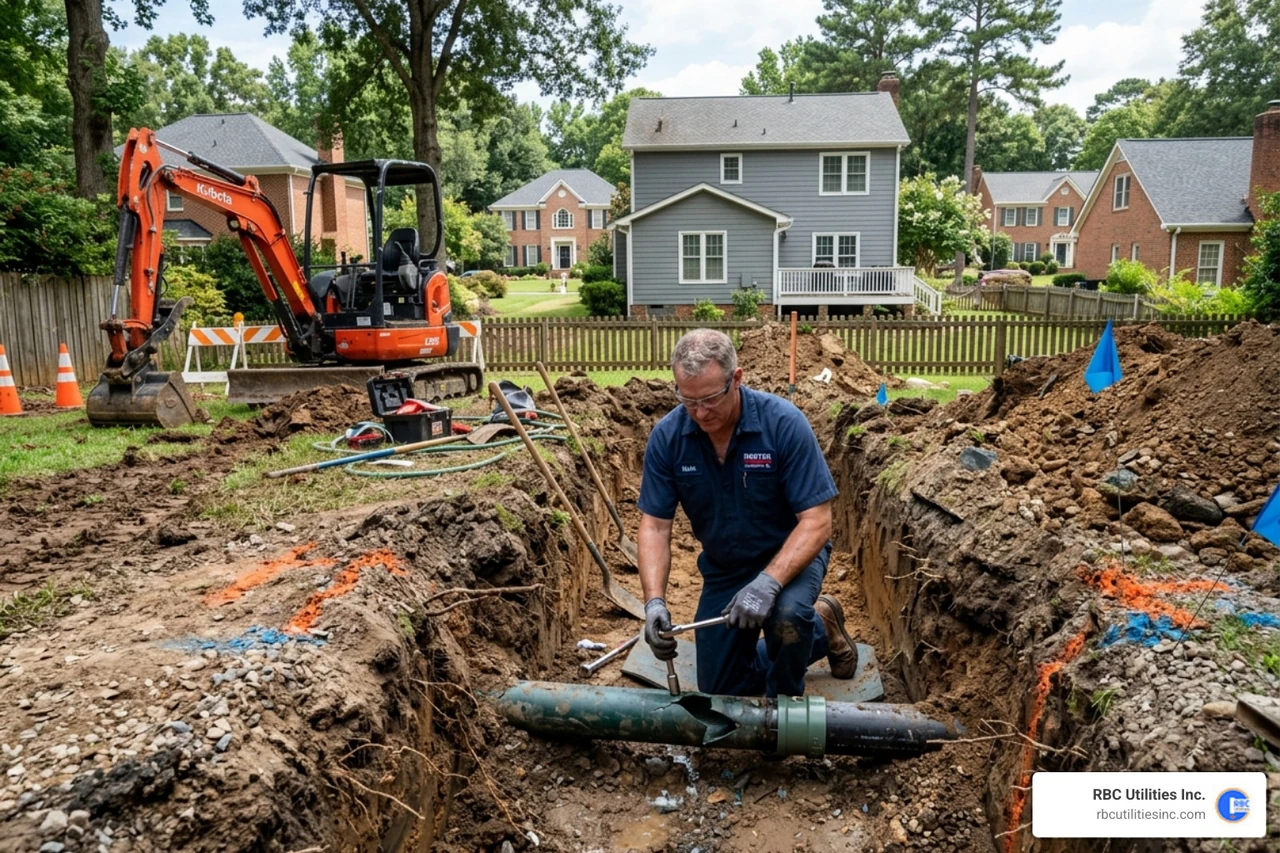
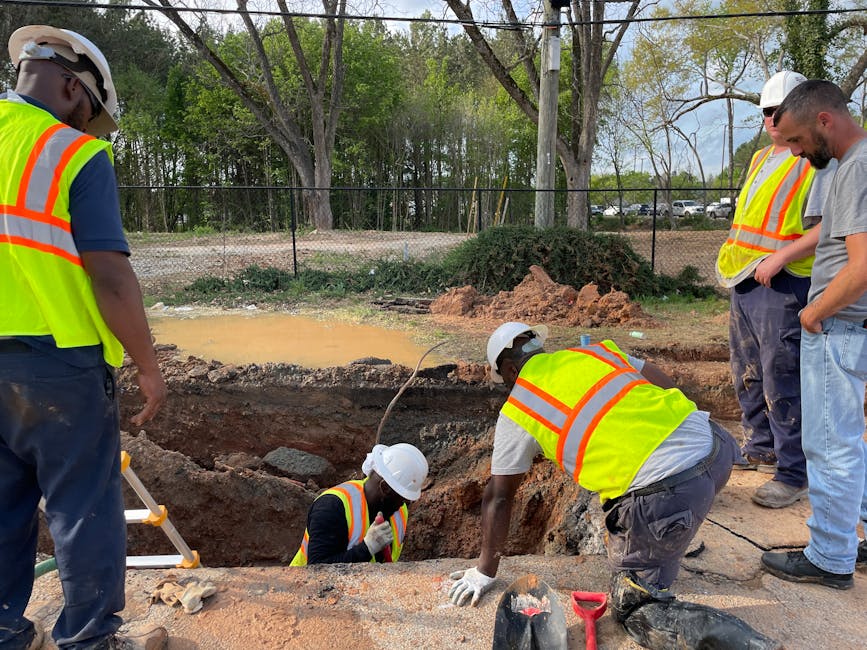
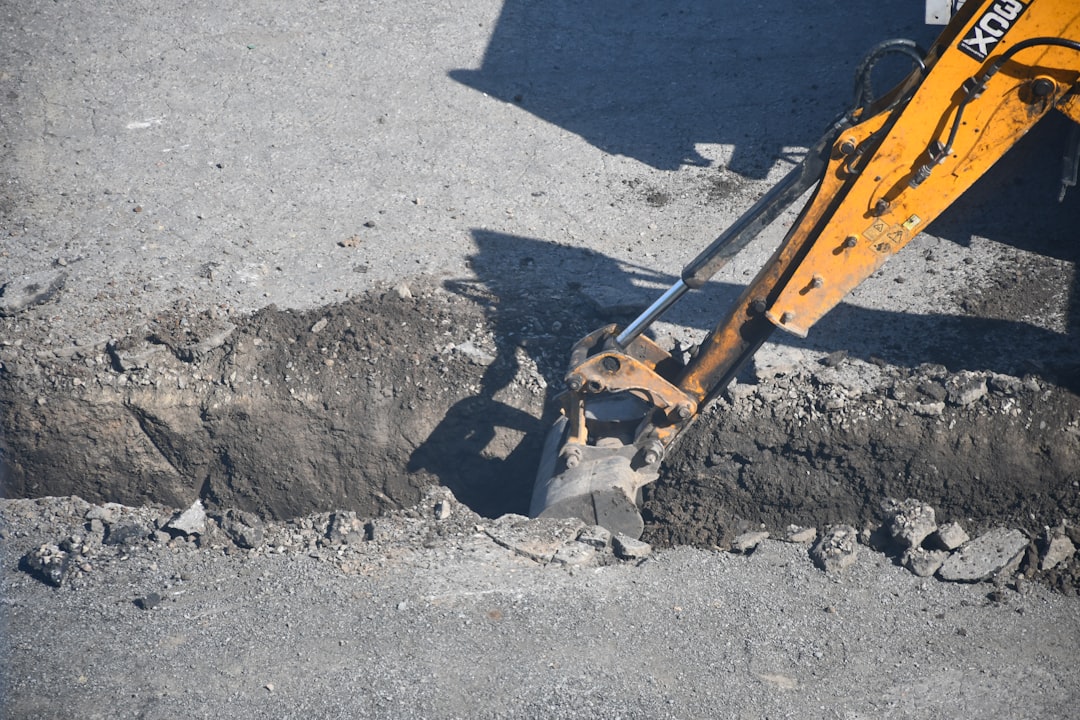
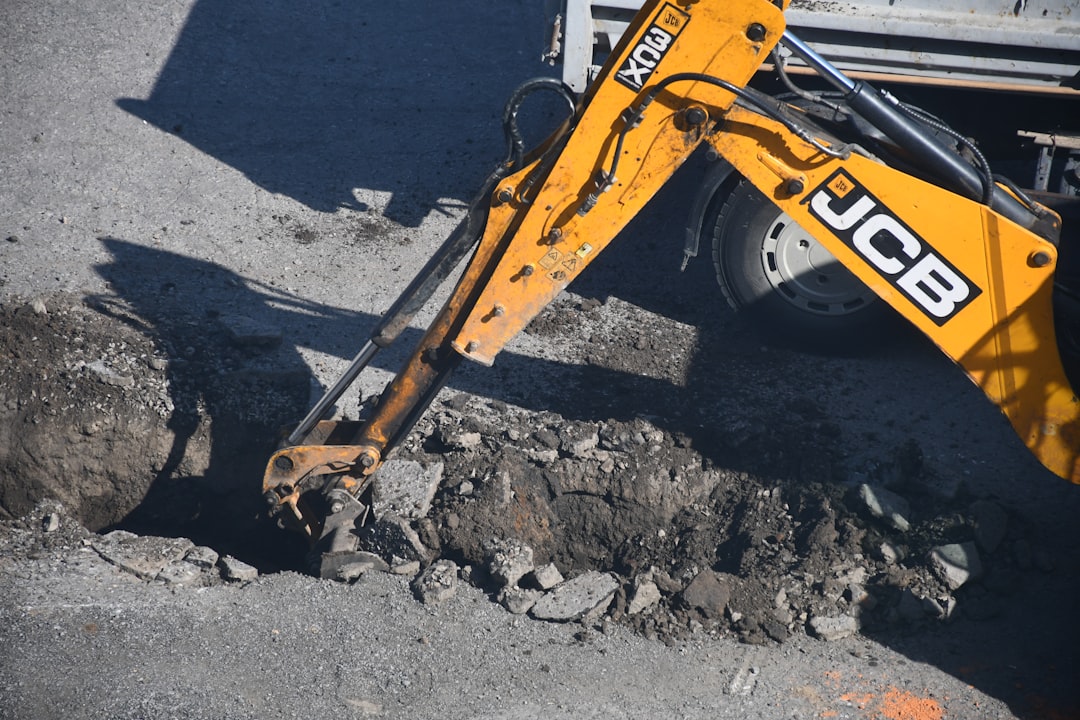
Digs a continuous open trench along the entire route
Generally lower cost for shorter, unobstructed runs
More surface disruption, landscaping, driveways, roadways
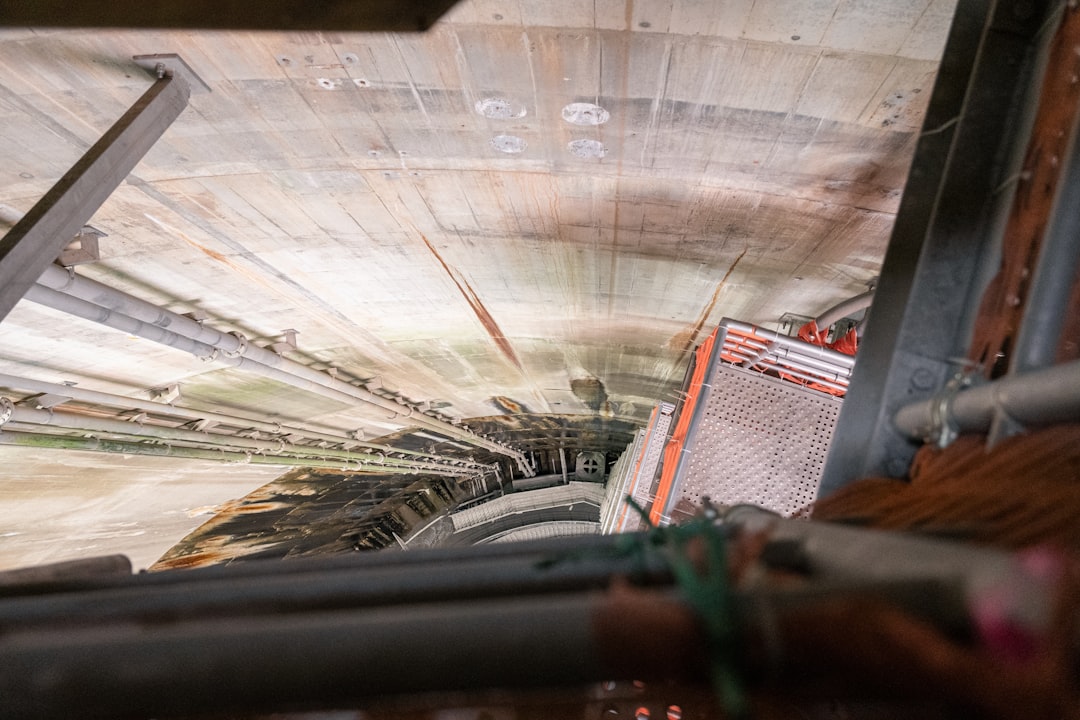
Bores underground without a continuous open trench
Minimal surface disruption, ideal for crossing roads or landscaped areas
Often the better choice for longer runs or sensitive surface conditions
Is directional boring always more expensive?
Per foot, sometimes, but restoration savings on surface disruption can offset that on the right project.
Can directional boring handle rocky soil?
It depends on the equipment and rock type, a site evaluation is the only way to confirm feasibility.
The right method depends on what's above the ground as much as what's below it.
Part of Saga Infrastructure, protecting what others built and helping it grow.
Address: 4404 Stuart Andrew Blvd., Suite K, Charlotte, NC 28217
Email: info@rbcutilities.com
Phone: 803-913-9727
Service Area: North Carolina | South Carolina